For the next few posts, I am going to do something a bit different by going back to the past. I lived and worked in Russia for a total of seven and half years, from 2008-9 and 2013-2019. I travelled extensively, from Karelia to the Caucuses, to the frozen Siberian north in winter, to lake Baikal (twice), and magical Kamchatka. I also completely crossed the country by train, on the Trans Siberian and then the “BAM”. On my return to London, I wrote Caviar, Vodka and Tears, a book about my experiences living, working and travelling in this unique country.To accompany the launch of my book, I am going to do a few posts about my travels, as a memory of happier times, before the Ukraine war. Hopefully at some point there will be peace, and it will be possible and morally acceptable again to travel in Russia. The next few posts will describe the amazing travel experiences I had whilst living there.
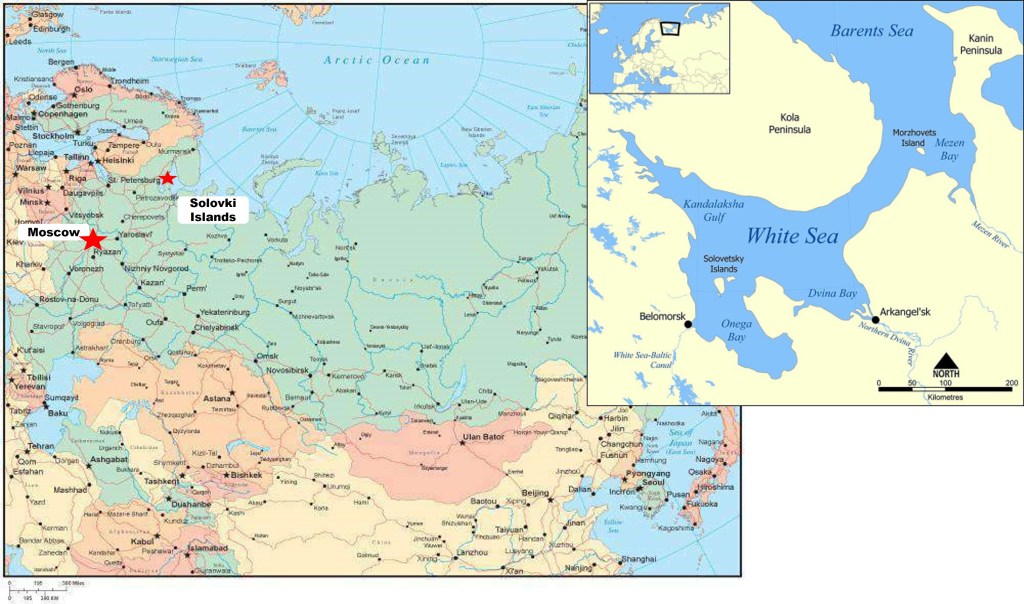
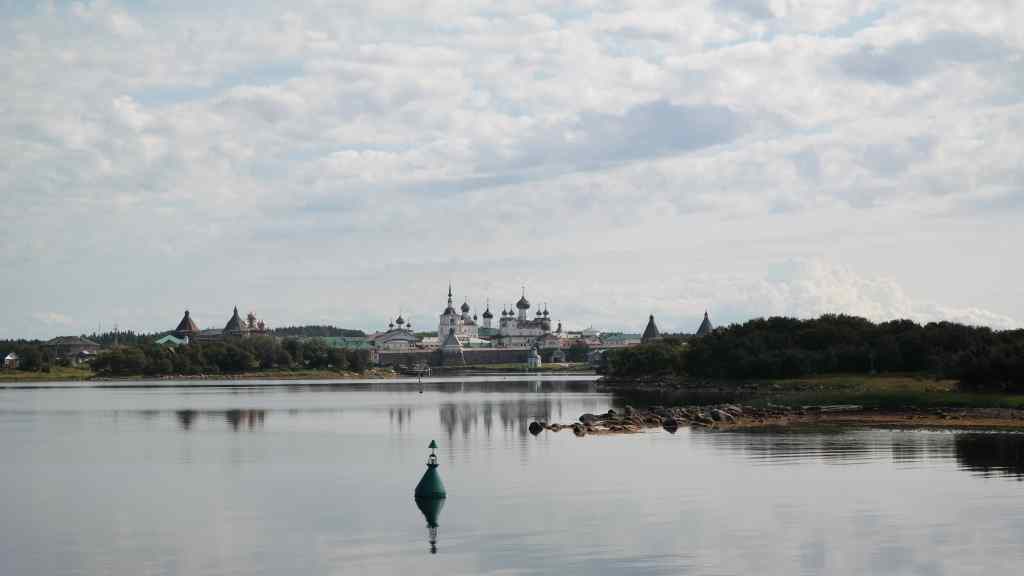
I will start with one of my favourite destinations – the magical Solovki or Solovetsky Islands, located in the White Sea in Russia’s far north, just outside the arctic circle. To get there you can fly via Arkhangelsk, but the flights are often cancelled due to strong winds or fog, which make landing dangerous. So instead I took the train to a small town called Belomorsk, and then a ferry – which is the best way to go because it was what the islands’ earliest settlers did, and because you get this wonderful view as you slowly approach the famous Solovetsky Monastery….

The monastery was founded by monks who made the then risky trip across the sea in the 15th century and has had a tumultuous history that mirrors that of Russia as a whole. By the 16th century it had become an important pilgrimage centre, though the journey there was still fraught with danger, and it added protective walls against marauding Finns and German Teutonic Knights. It was also one of Ivan the Terrible’s favourite prisons for people he disliked but could not be bothered to execute. During the Crimean war the monastery was even attacked by a British warship, but its cannonballs bounced harmlessly off the thick walls and the enterprising monks later sold them as souvenirs to pilgrims.
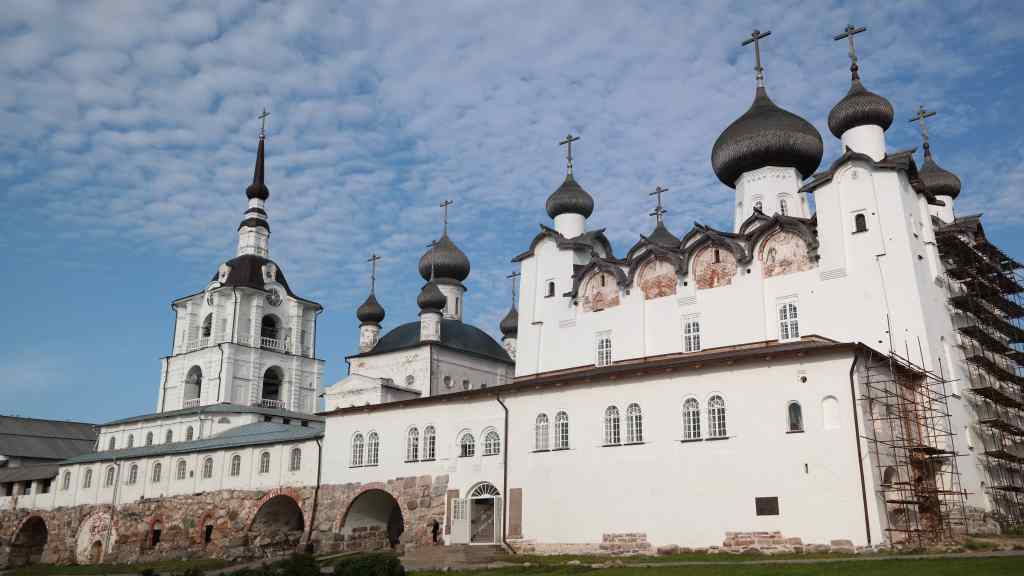
In 1926, under the early years of communism, the monastery became the centre of Russia’s first Gulag for political prisoners and was notorious for its harsh conditions. Thousands of people died from cold, starvation or overwork – or were simply shot.
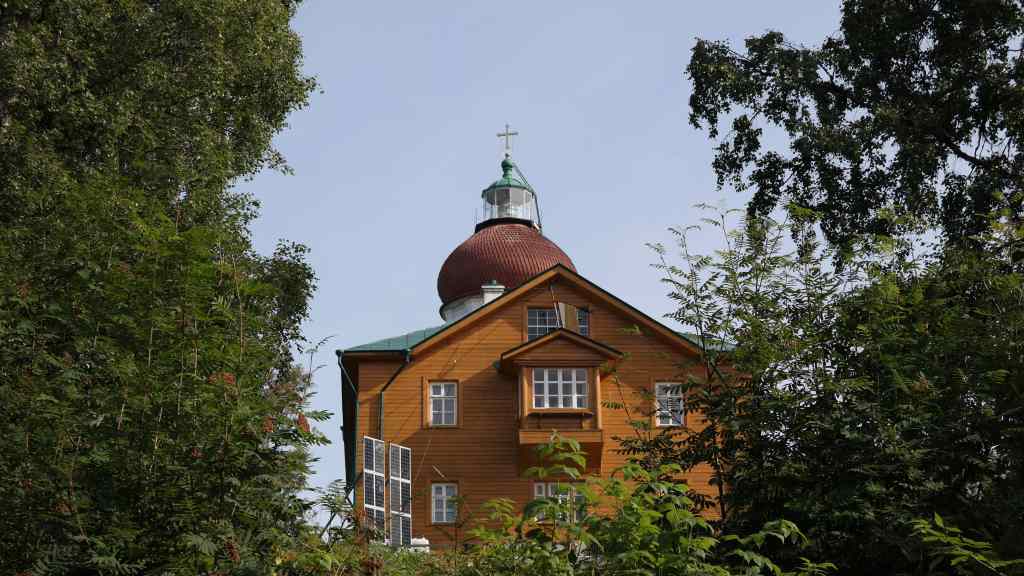
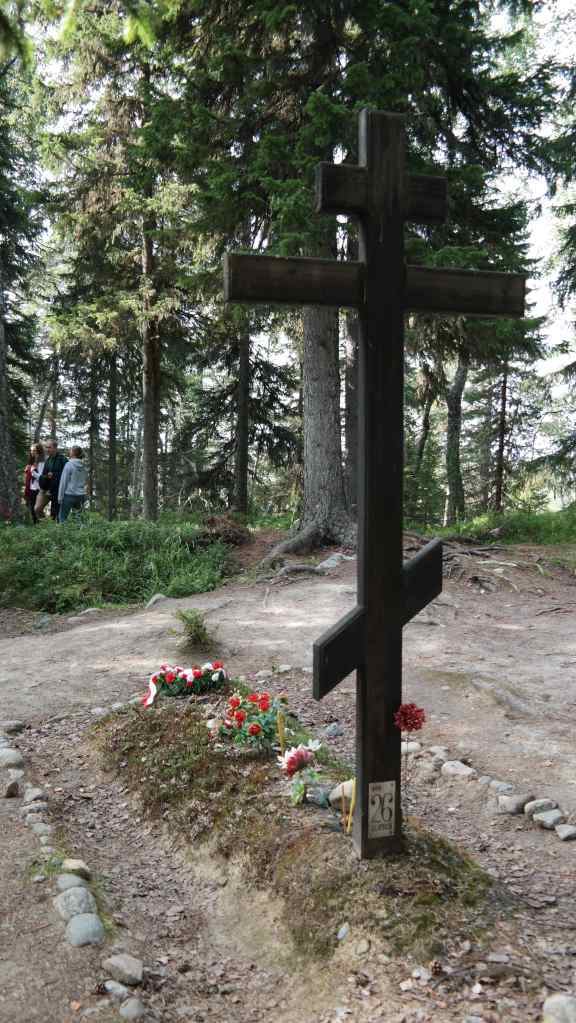
This photo of an apparently peaceful building, sitting on a hill on the end of the main Solovetsky Island, shows one of the saddest places in Russia. It was originally a chapel but became the kartser or punishment cell of the Gulag. Few of the people sent here survived – most either froze to death, because the building was not insulated, or were shot and their bodies thrown down the nearby hill. Today, volunteers have dug up the remains of some of the victims and have given them a proper burial, with a cross to mark their graves.
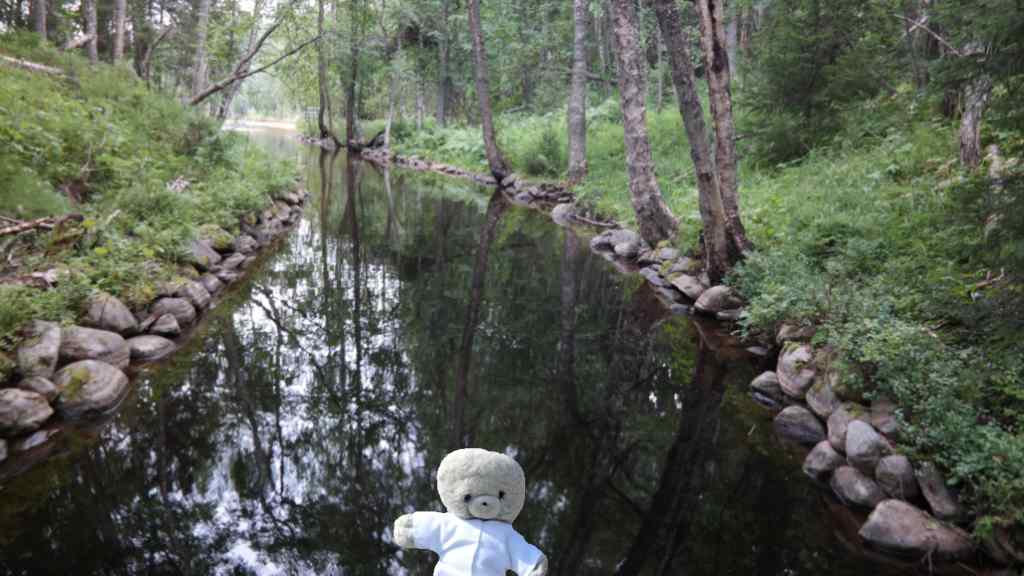
Away from the monastery, the main Solvetsky Island has an extensive system of lakes joined by canals. These are great fun to explore now by hiring a rowing boat, but back in the gulag days, this was the site of the hardest work for the prisoners – chopping down trees and floating their trunks along the canals – often in freezing water -to a central sawmill.
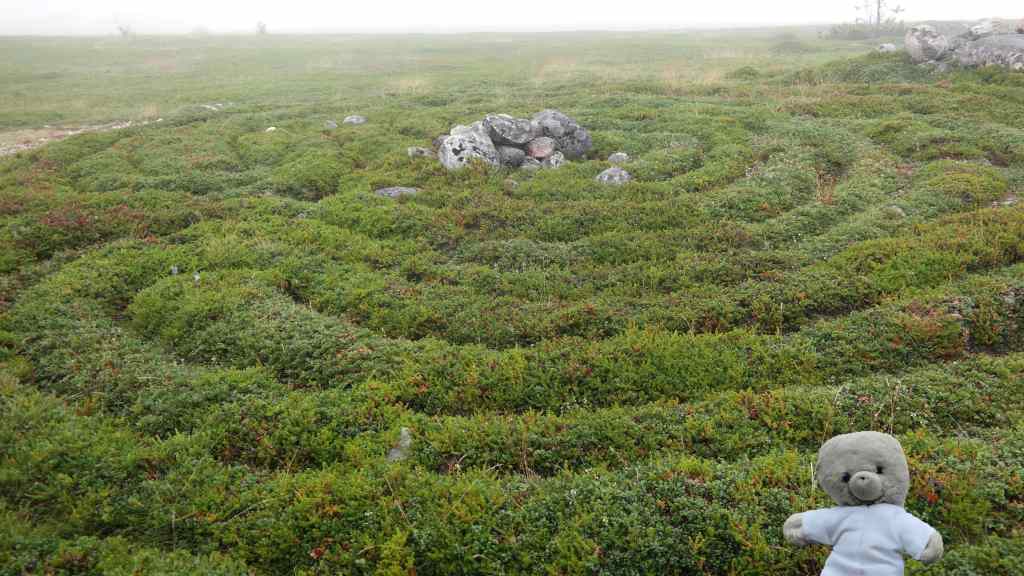
Around the main Solovetsky Island there is a constellation of smaller islets, mostly uninhabited, which can be visited by a short boat trip. Some of these have strange spiral structures or “labyrinths” made out of rocks, left by some ancient and now forgotten previous inhabitants – no one knows what their purpose was or who made them.
Let’s return to the monastery. The Gulag was also the first to close in Russia, in 1939, and the monastery building later became a training centre for naval cadets. After the collapse of communism, monks began to return to the island and now Solovetsky Monastery is once again a thriving religious centre.
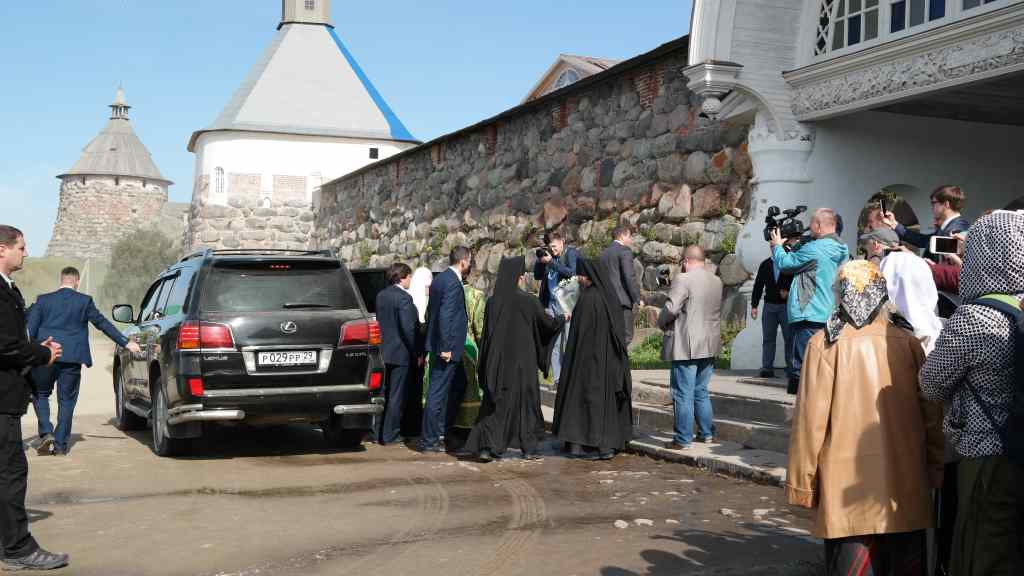
My visit coincided with that of Patriach Kirill, head of the Russian Orthodox church. He is a controversial figure who in one of his earlier jobs made a fortune for the church by importing cigarettes and other goods duty free and then reselling them in Russia. Today he is a strong supporter of President Putin who has declined to criticise Russia’s actions in Ukraine.
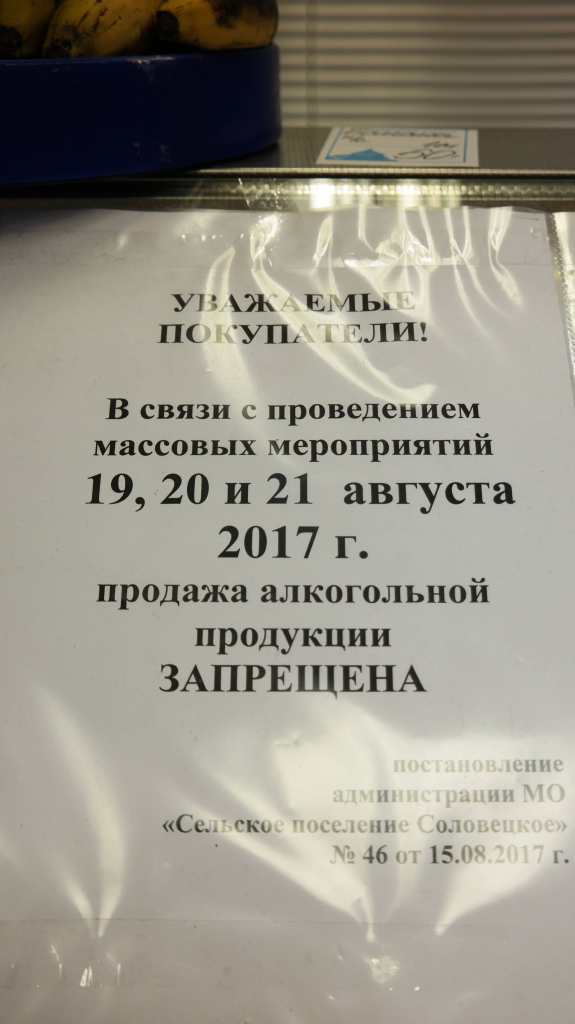
During Kirill’s visit the sign below appeared in the island’s only shop. It says that due to the special event, sale of alcohol is banned for three days. I saw a local man taking a photo of this notice and asked him why, to which he replied: “My wife sent me to buy vodka. If I come back empty-handed, she will think I drank it all myself.”
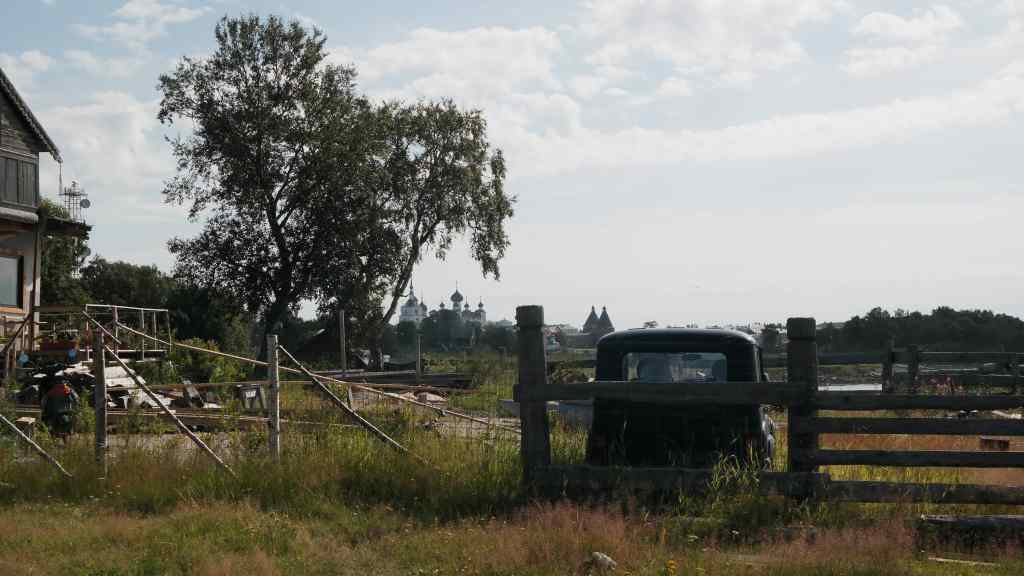
In total I spent three days on the Solovki Islands, also visiting their interesting botanical gardens and the Gulag Museum. Somehow, the islands have a very special, spiritual feeling, that is hard to describe. Was it the influence of an ancient religious centre, now back in its prime? Or the souls of the thousands of prisoners who perished here? Or simply the pleasant breeze and the smell of the sea air? I will never know.
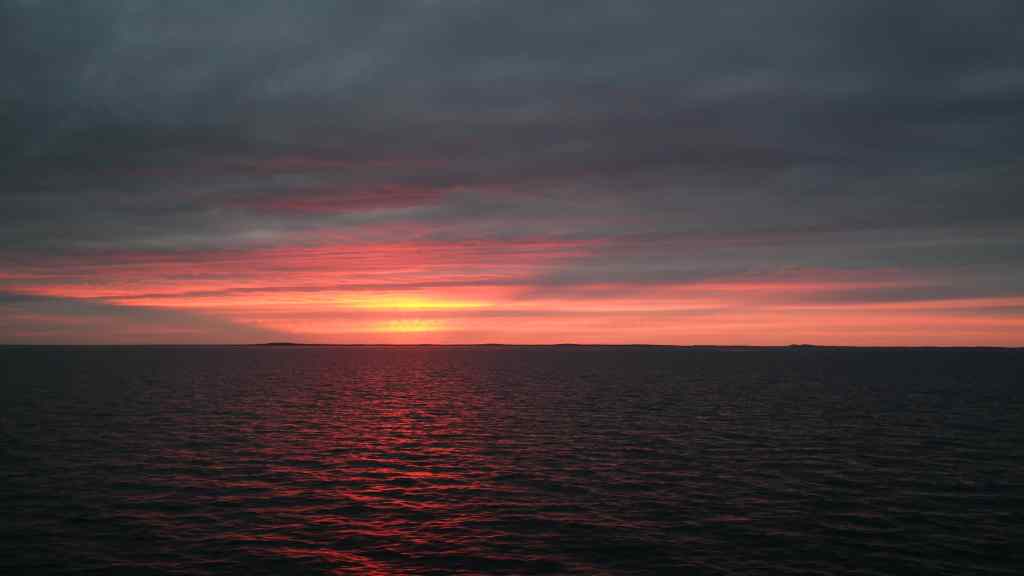
On the way back on the ferry to Belomorsk, I was treated to a beautiful sunset that perfectly rounded off my visit to the islands and the reinforced my sense of inner peace.
Whilst waiting for my train at Belomorsk station, I had a completely different, very Russian travel experience – which you can read more about on this link.
Check out my book’s webpage on this link.
 Trouspinet travels
Brilliant post; such a beautiful place. As a history enthusiast, Russia has long been a big trip-bucket list destination of mine. Current events have obviously made travel a bit trickier. One day! Until then, I shall enjoy reading about your travels.
LikeLike
Looks like an amazing place most people would never visit.
LikeLike
This is a very good initiative to go back to the past and share amazing trips. I was very interested in reading this and if I am honest I did not remember reading about it before (old age probably). Please continue. Pascale
LikeLike