My final Romanian post is devoted to its capital, Bucharest. I had spent one night here on my arrival in the country, before heading off to Transylvania. My first impression was negative – the main road from the airport to the centre looked dirty and dilapidated, with many crumbling buildings. I wondered how the city could ever have been called “the Paris of the East” – as it was a century ago. On my return at the end of my trip, I spent a whole day here and formed a more favourable impression. Large parts of Bucharest are indeed poorly maintained – the city suffered badly in the second world war and during the 1989 revolution that deposed the communist dictator Nikolae Ceaușescu. However, there is a central area where some fine old buildings have been renovated and I had a very pleasant stroll exploring.

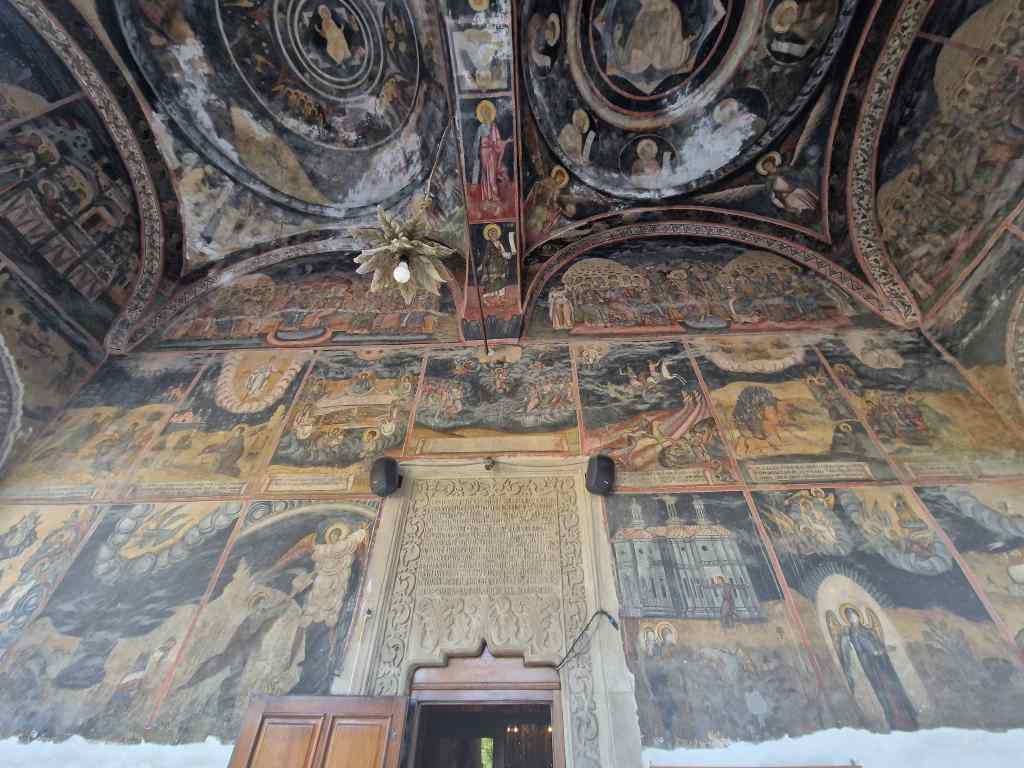
The city reminded me more of Moscow in the early 2000s than Paris, with a mix of grand impressive monuments and old churches interspersed with modern concrete constructions and once handsome but now crumbling buildings from Bucharest’s “Golden Age” at the beginning of the 20th century. After taking in a few sights I stopped for a fancy coffee at one of Bucharest’s many excellent and very cheap cafés and restaurants.

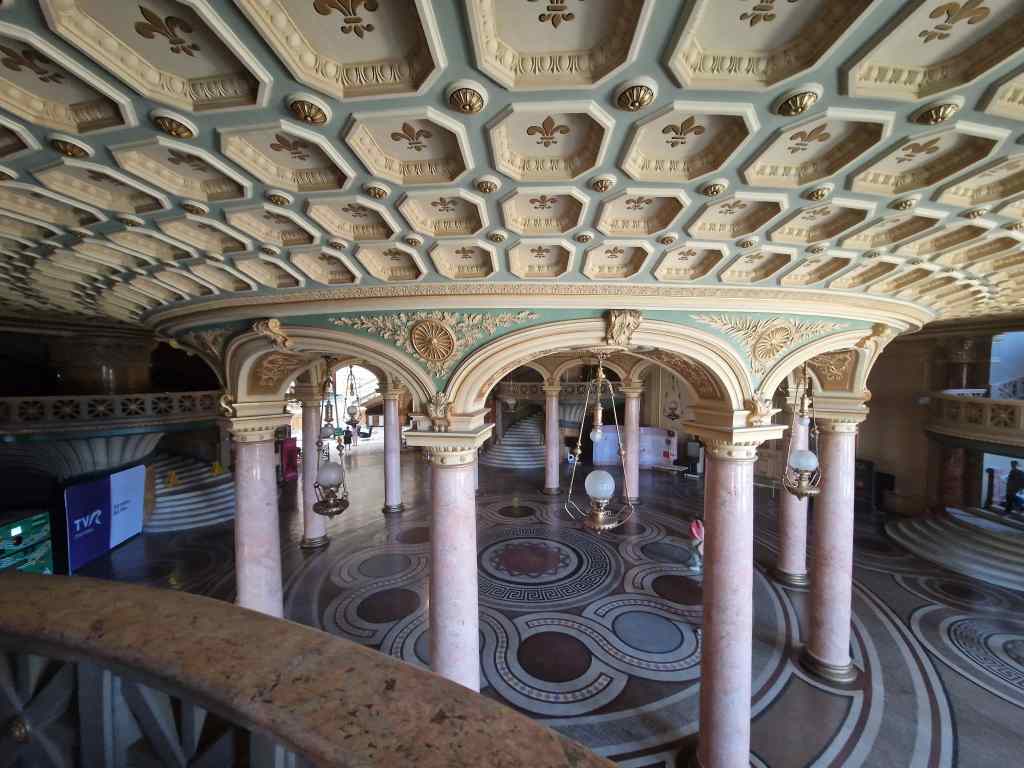
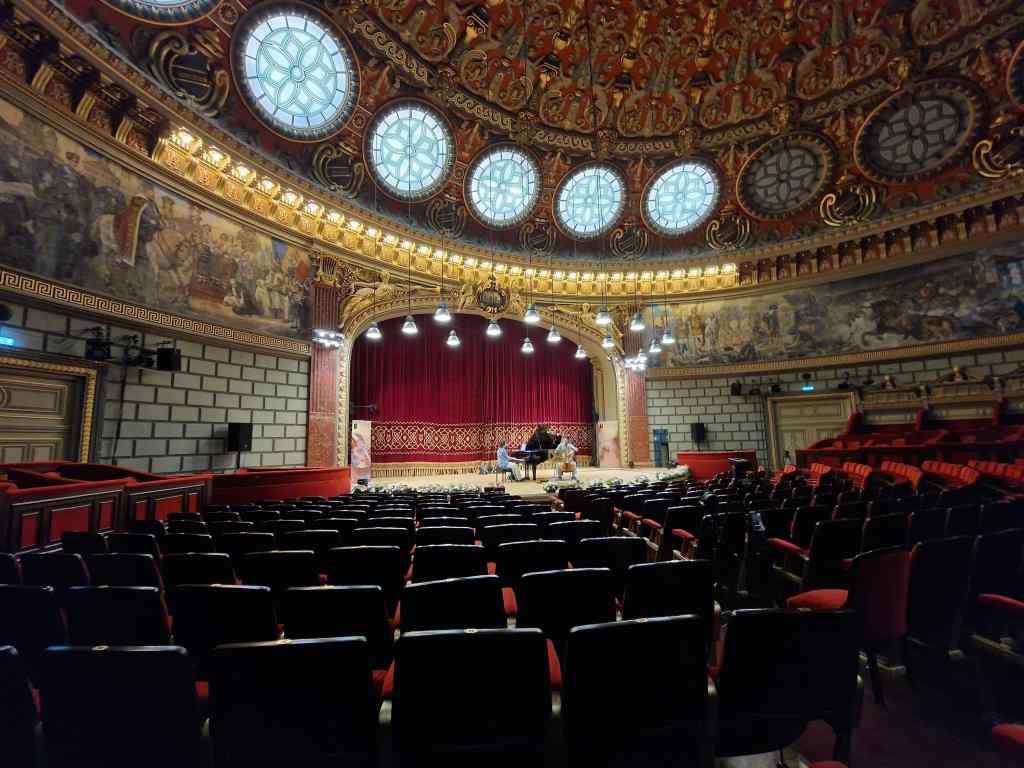
After coffee, my next stop – and a particular highlight – was the Romanian Athenaeum, probably the most striking venue for classical music I have ever seen. I was lucky to stumble across music students practicing for the Enescu Competition, named after Romania’s only famous classical composer. I stayed for nearly an hour listening to his music, resolving to hear some more when got home.
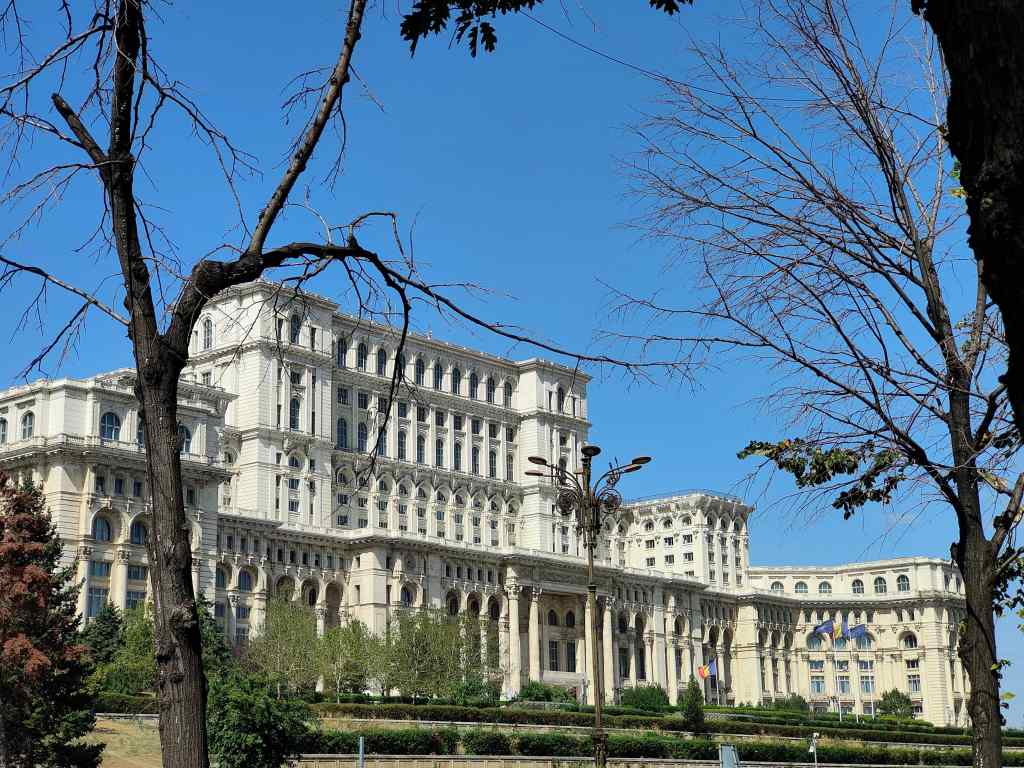
Another very different highlight was Romania’s Palace of Parliament, a huge complex dominating the surrounding area. It is the biggest building in Europe and the second biggest administrative building in the world (after the Pentagon). The palace was the idea of Ceaușescu, and work started in 1984 and lasted until 1997, long after the dictator’s fall and execution. Construction involved demolition of an existing neighbourhood, relocation of 40,000 people and huge expense – at a time when the country was already weighed down by the burden of huge international debts.
Suitably awed by the huge edifice, I headed off for lunch in Caru’cu Bere, a big restaurant in Bucharest’s historic centre. It was very busy with lots of tourists and waiters in local traditional costume – but it was also lots of fun, and the food was simple but good.
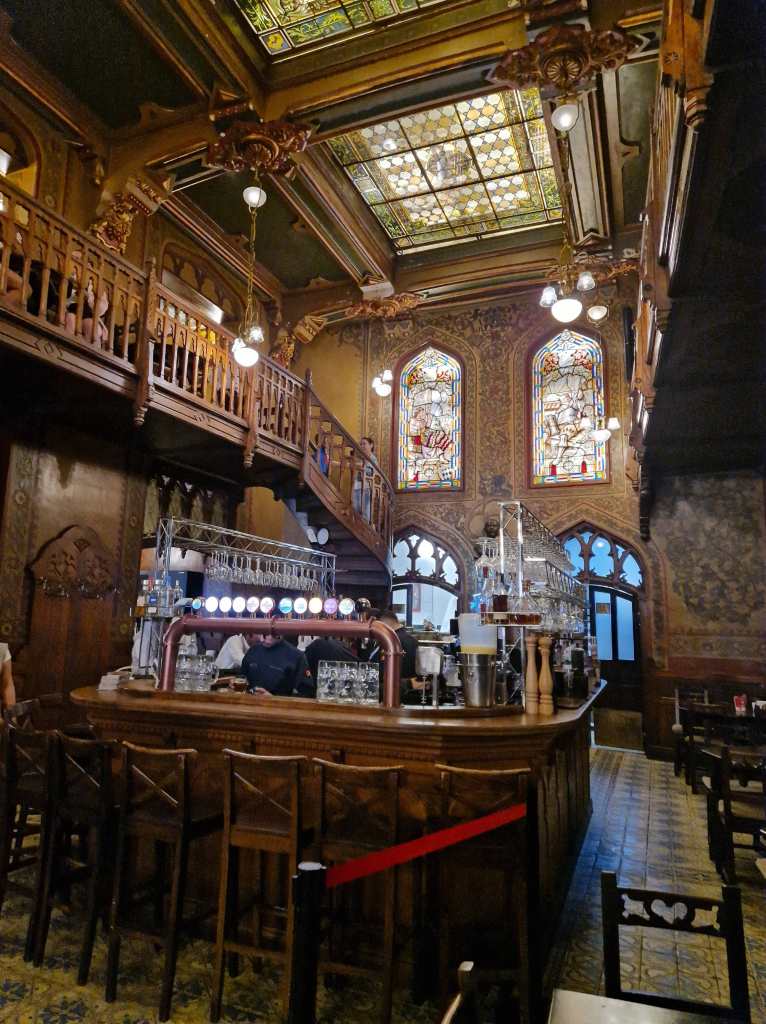
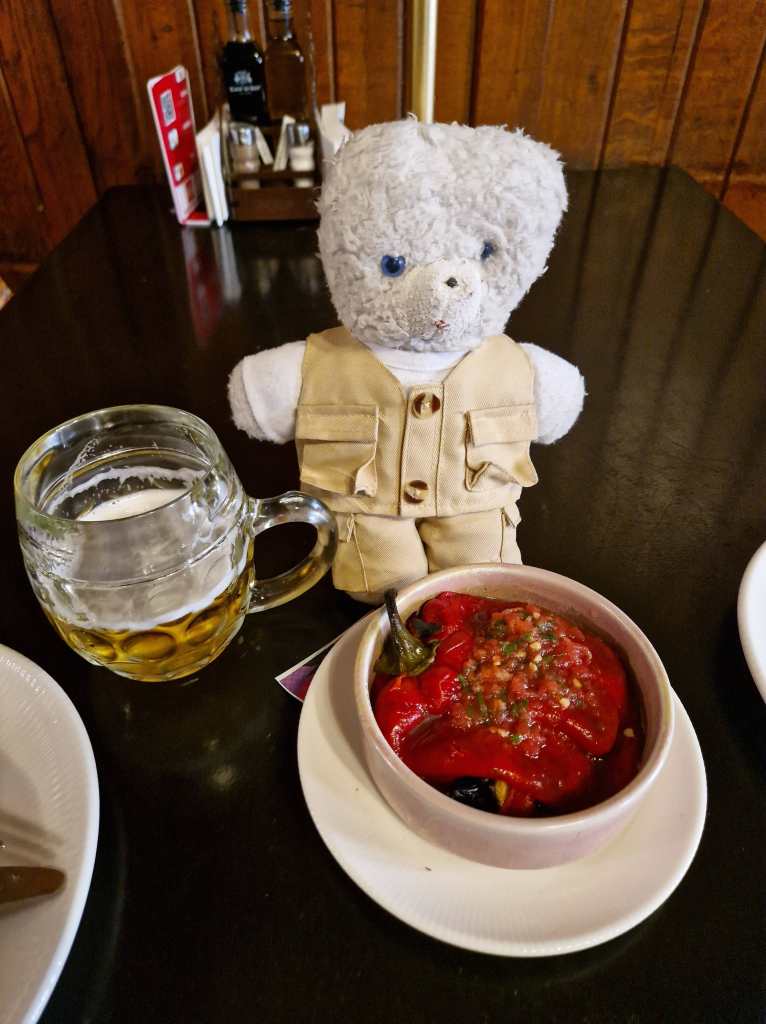
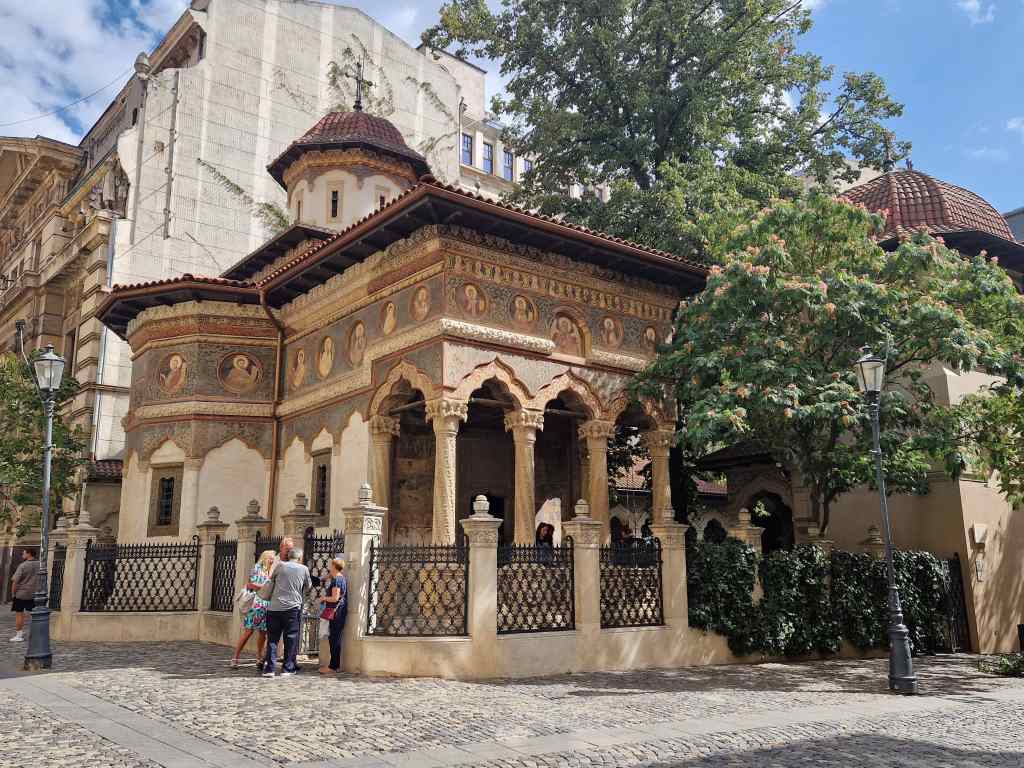
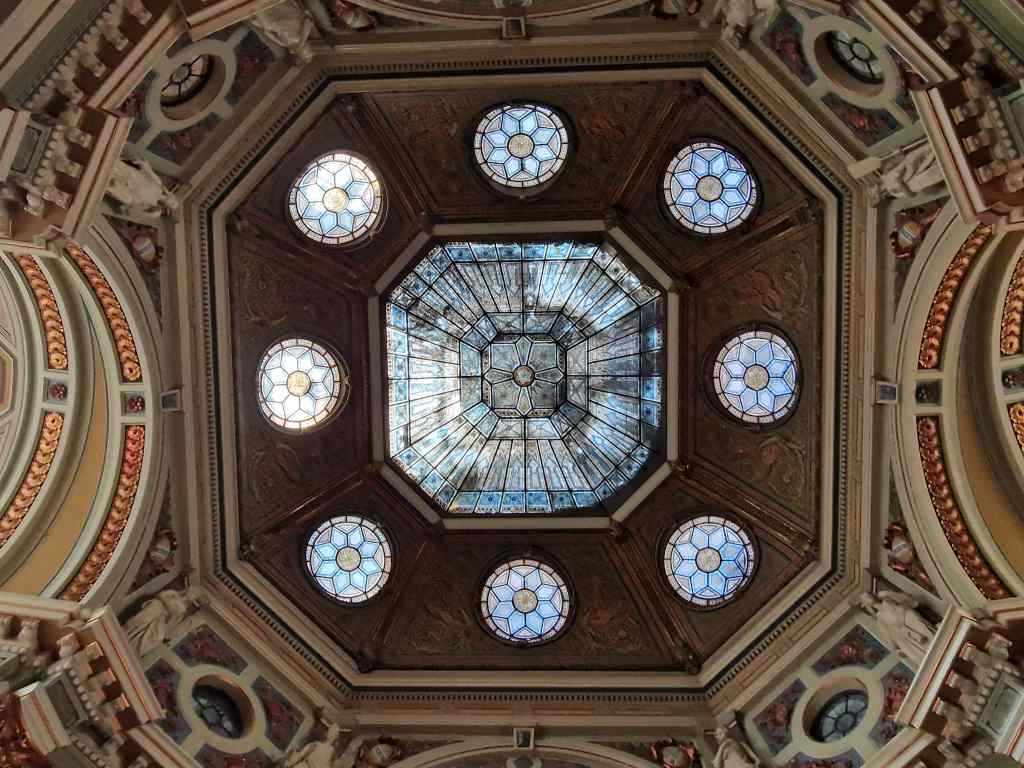
After lunch I explored the historic centre, which was popular with tour groups and stag parties and much less interesting than the centres of Sibui or Brasov. I took refuge from the crowds in an interesting set of galleries called “Art Safari”, housed in a beautiful old building.
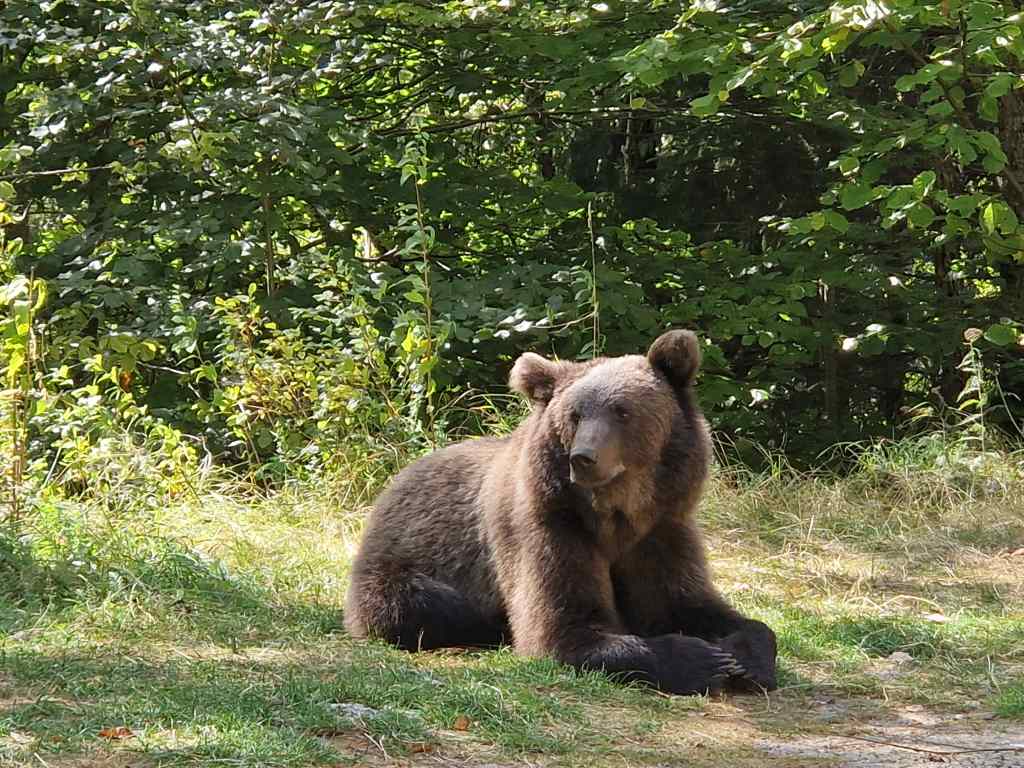
That evening, I had lobster risotto on the terrace of a chic restaurant near my hotel to celebrate the end of my short trip around Romania. I had very much enjoyed my time, even if it had not been what I had expected. I had thought the country would be poor, backward and maybe even a bit unsafe. Instead, the part I had visited was relaxed and seemed affluent, with well maintained roads and immaculately preserved towns and villages. Food and drink had also been a highlight – both were very good and very cheap compared to anywhere else in western Europe, and exploring some of the country’s unique wines had been great fun. Finally, Romania has around 9,000 bears living in the wild!
Some day I will return to Transylvania and maybe continue to explore Romania’s northern border with the Ukraine, to see if there are still some areas remaining that match my original vision of a remote and wild country. For the moment that is all – keep following me for my trip to Japan in a month’s time!

Previous Post – Sibiu, the Transfagarsan…and Wild Bears!
 Trouspinet travels
I think that I am true follower…on line and on the road. This is definitely on my list of places to go. Thank you for making us discover Romania.
LikeLiked by 1 person