Today I took the S-Bahn to the Hauptbahnhof to make the trip east to Poznan in Poland, a trip of about two and half hours. Poznan is the country’s fifth biggest city, and one of its oldest – it was once one of the four historic capitals of medieval Poland. A few dejected English football fans joined me on the train, having seen their team lose the final of the European Championship the night beforehand – they were no doubt heading for Poznan’s airport, which has direct flights to London. On my trip to the south of Poland last year I had been surprised that the country was very clean, green and looked affluent – quite different to the post-industrial landscape of decay that I had expected. I thought that maybe this time, travelling in the north, I would see a different side to the country – but no, from the train I saw nothing but pleasant green fields and on arrival, Poznan’s station was much more modern and cleaner than Berlin’s.
I checked into my hotel, had a quick snooze to avoid the worst of the afternoon heat (it was finally hot and sunny) before walking through town to visit the impressive cathedral to the east of the city.


Near the cathedral was a clever trompe l’oeil mural occupying the entire side of a house

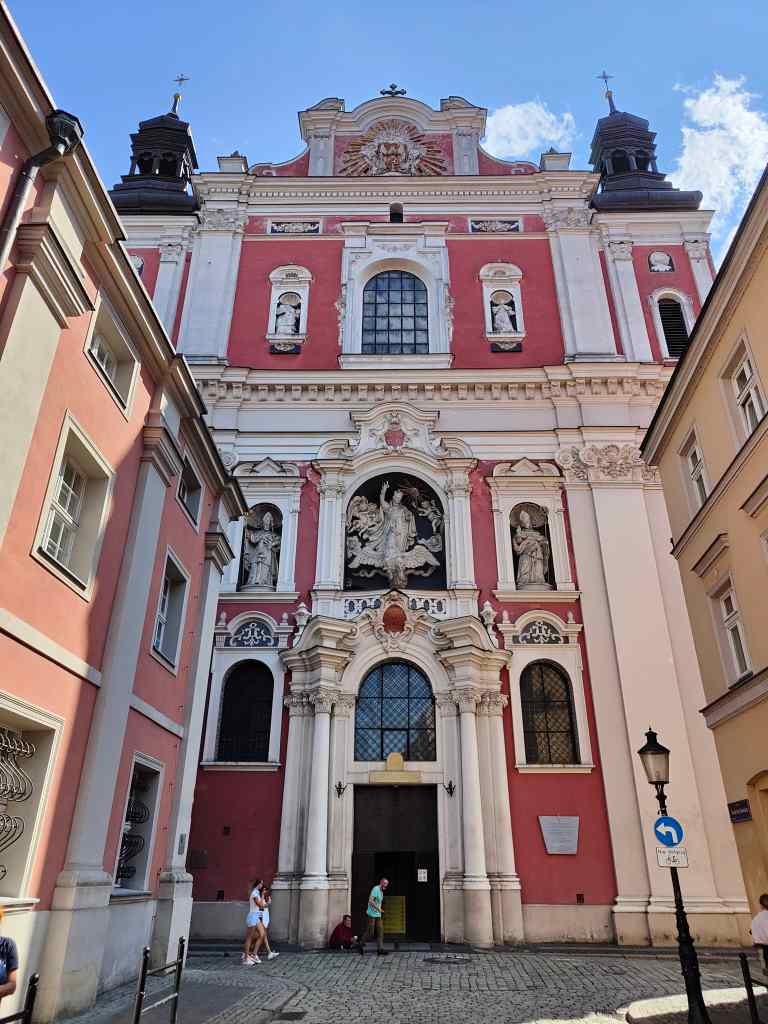
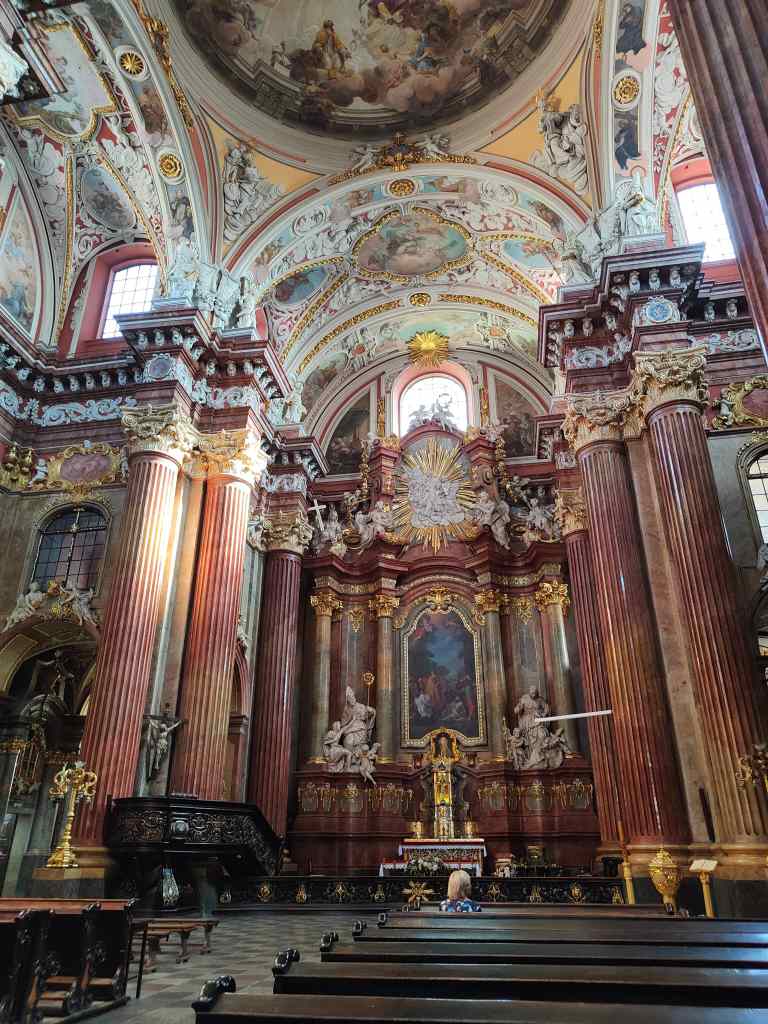
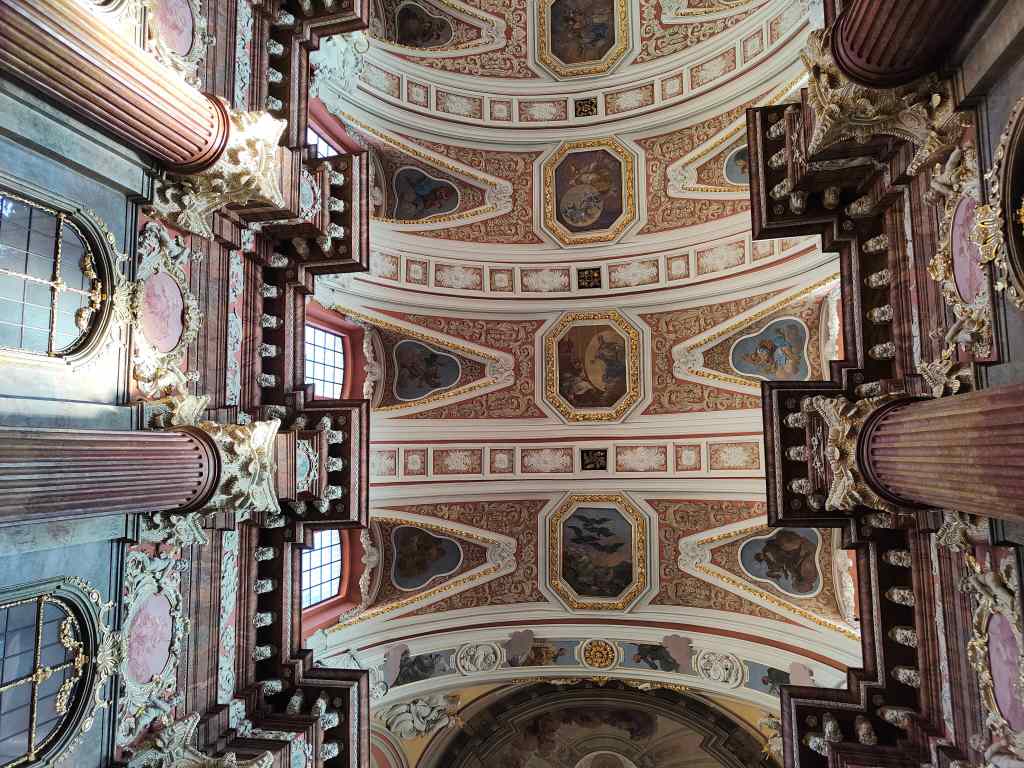
I strolled back to the old town and visited a magnificent baroque church, the Basilica of our Lady of Perpetual Help, which is one of the most beautiful I had ever seen.
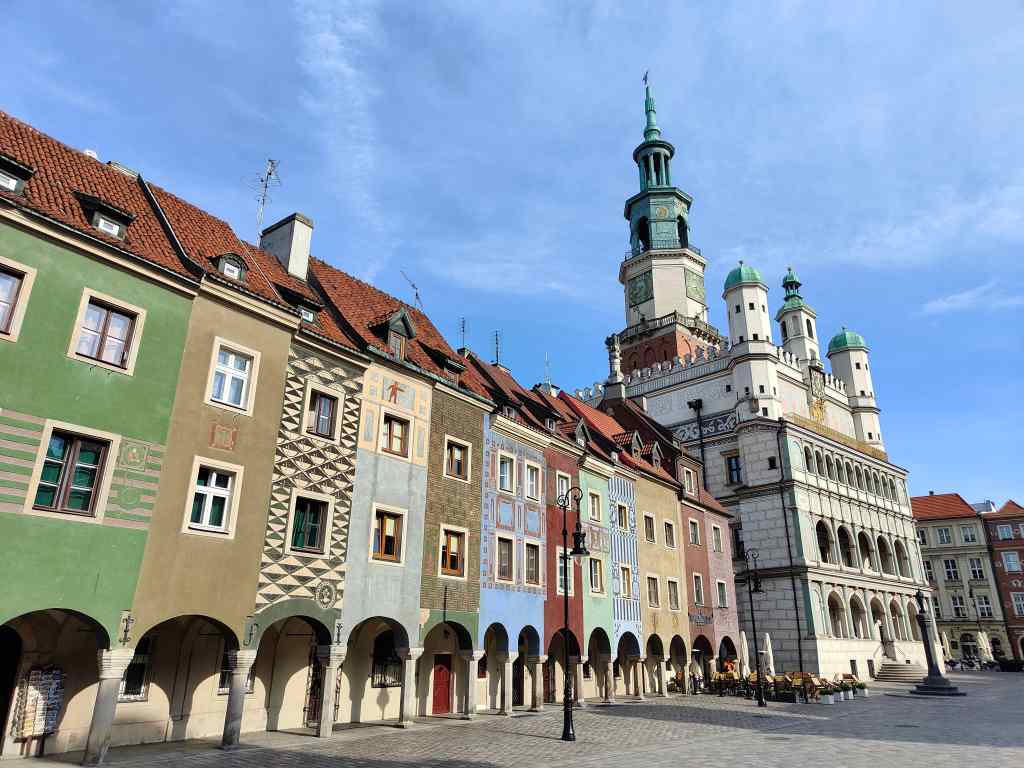
The centre of many Polish cities is the old market square, and Poznan had a very photogenic one, with a particularly beautiful town hall. The latter was first built in 1253, rebuilt in its current style in the 16th century, badly damaged during the second world war and reconstructed in the 1950s. Except for a few scattered groups of England fans (who were much quieter than they had been in Berlin!) there were almost no tourists, no tacky souvenir shops and no money changers.
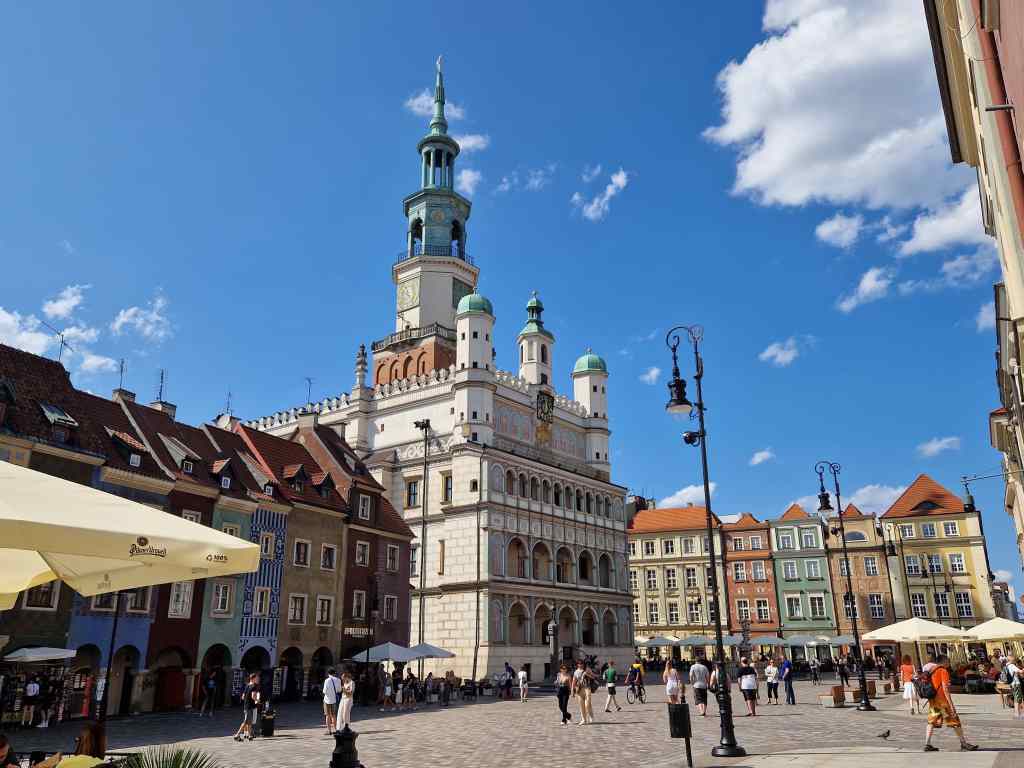
After coffee on the square, I continued my exploration. On first appearances, the centre of town appeared small, and I thought I would soon run out of things to do. But the more I walked, the more interesting things I found – old buildings, monuments, small parks, little squares, and lots more beautiful churches.
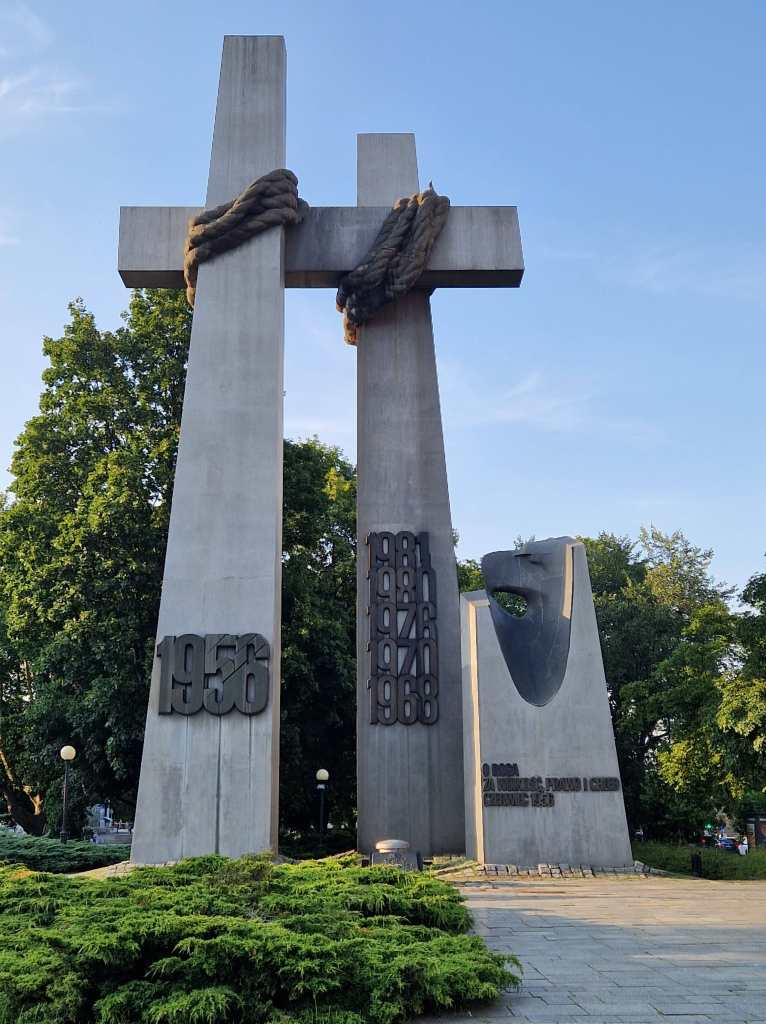
I also stumbled upon the “Imperial castle”, built under German occupation for Kaiser Wilhelm II of Germany in 1910, but which is now part of Poznan’s university and was where Polish mathematicians first started working to break the German Army’s Enigma code.
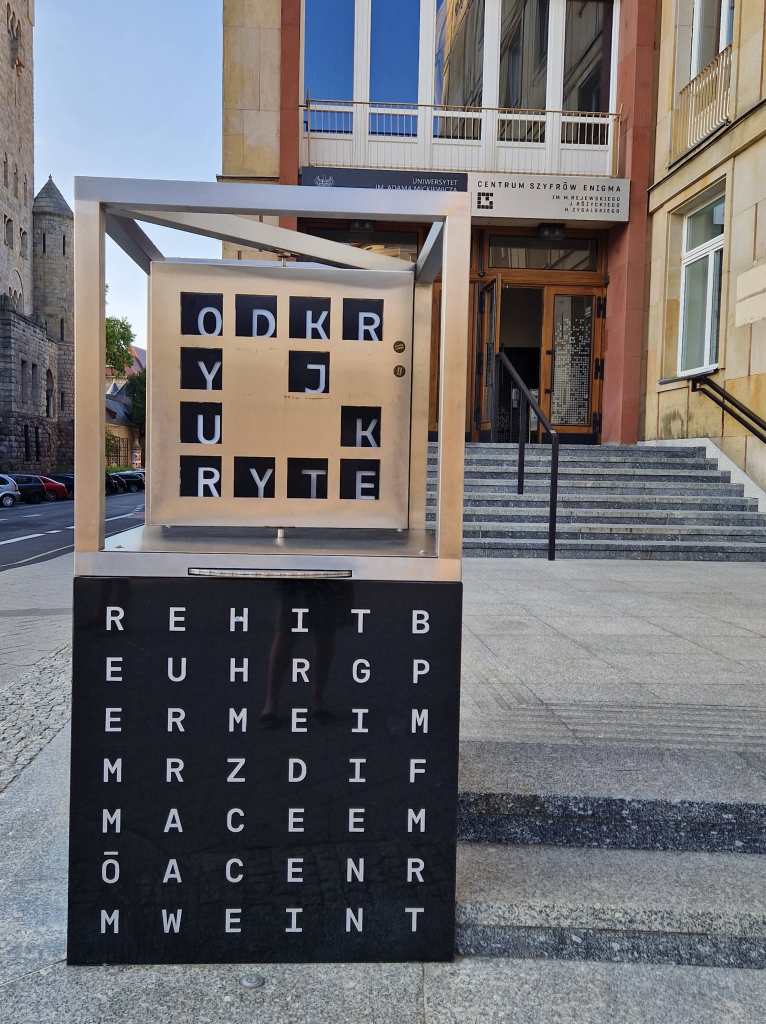
I ended up enjoying the early evening sun in a pleasant park with a few locals….

….before having dinner on the square and then a cocktail in one of the many of busy bars in a nearby street – many students study in Poznan, and the nightlife scene reflects this.

The next morning I had a couple of hours to continue exploring before my train at noon. I revisited the market square to take pictures without any other people around…
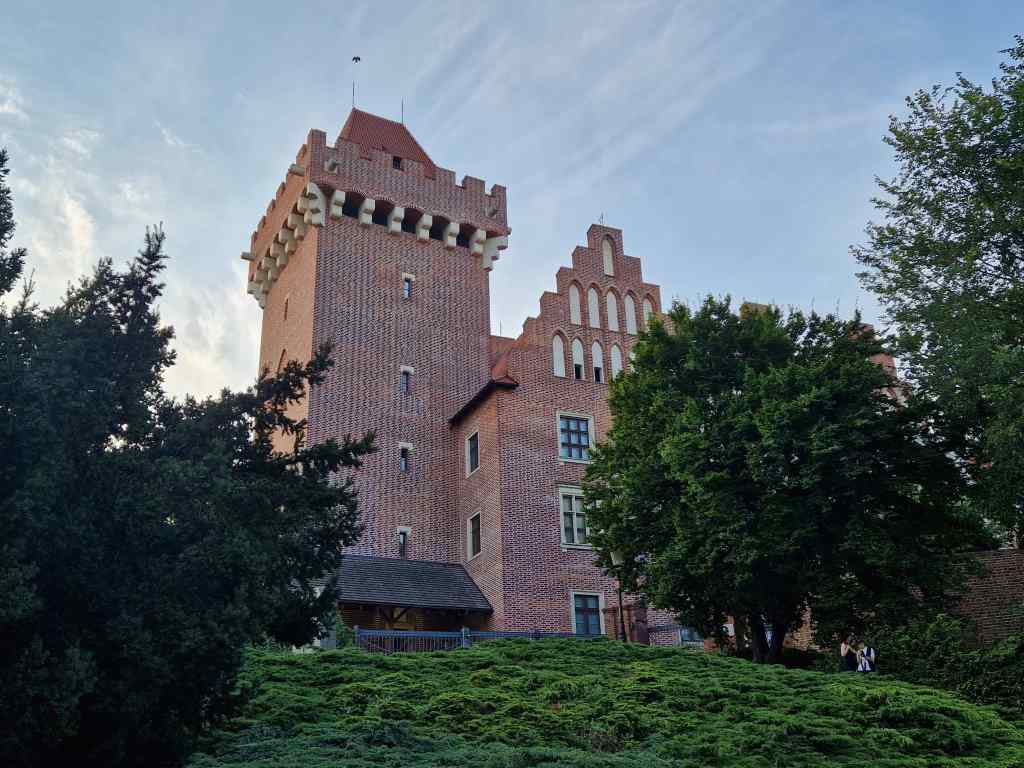
…..and then found that the old “Royal” castle was open and took the lift to the top of its tower for a last view of the city. Unlike the Imperial Castle, this one was built for a Polish king, and originally dates from the 13th century. Most of what you can see today is reconstructed, after heavy damage suffered during the second world war.
I had been very impressed by Poznan – a pretty, clean place with lots of things to do. And like everything else in Poland, amazingly cheap. I think I will be back some time on the direct flight from London, but for now my next destination was the ancient town of Torun, another two hours’ train ride further east.
Next post – Torun
Previous post – East Berlin
 Trouspinet travels
merci Trouspinet de me faire découvrir la Pologne. Je ne connais que Varsovie et Gdansk (+ la campagne entre les deux) mais tu donnes vraiment envie d’étendre le rayon des visites. Poznan est magnifique.
LikeLike
Hi Pascale, Gdansk and Wroclaw are next one our list for Poland. Poznan is easy to get to from Warsaw or Gdansk
LikeLike