Purple Haze – Franschhoek wine tasting!

Franschhoek
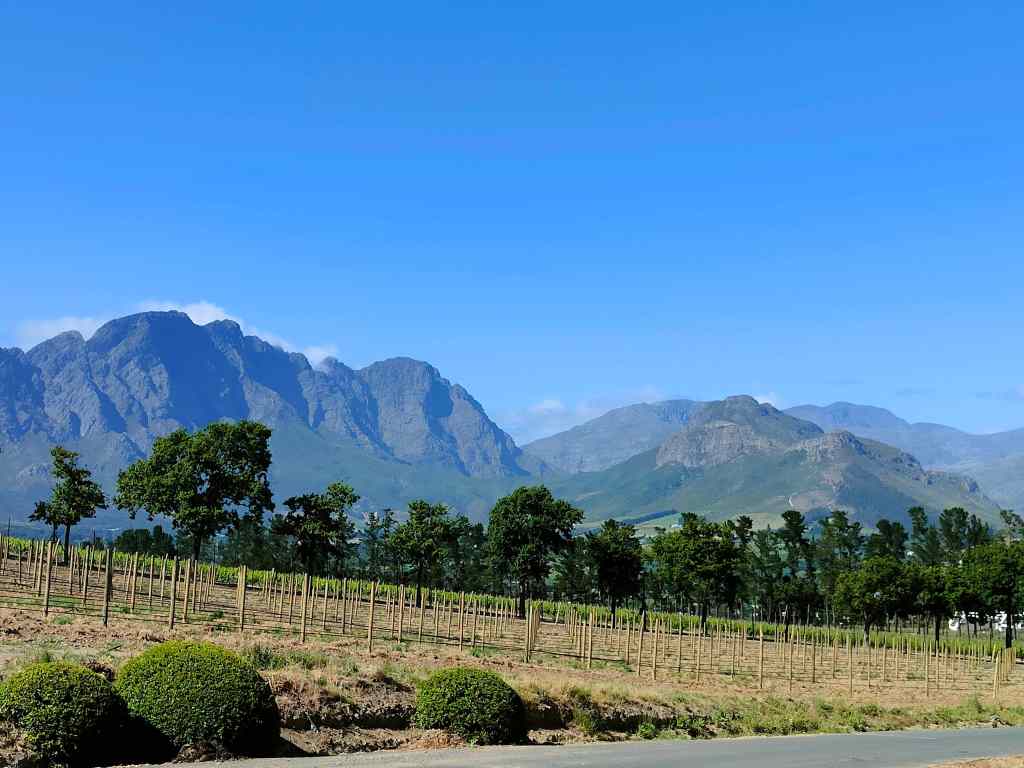
On the way to Franschhoek – typical Wine Country in South Africa

As with my last visit to Cape Town airport, the experience was very positive. I breezed through immigration, picked up my bags and collected my hire car. I was soon driving east from the city. First the road passed some sprawling shanty towns, with houses made from corrugated iron. But soon these gave way to some impressive mountain scenery…..and eventually vineyards.
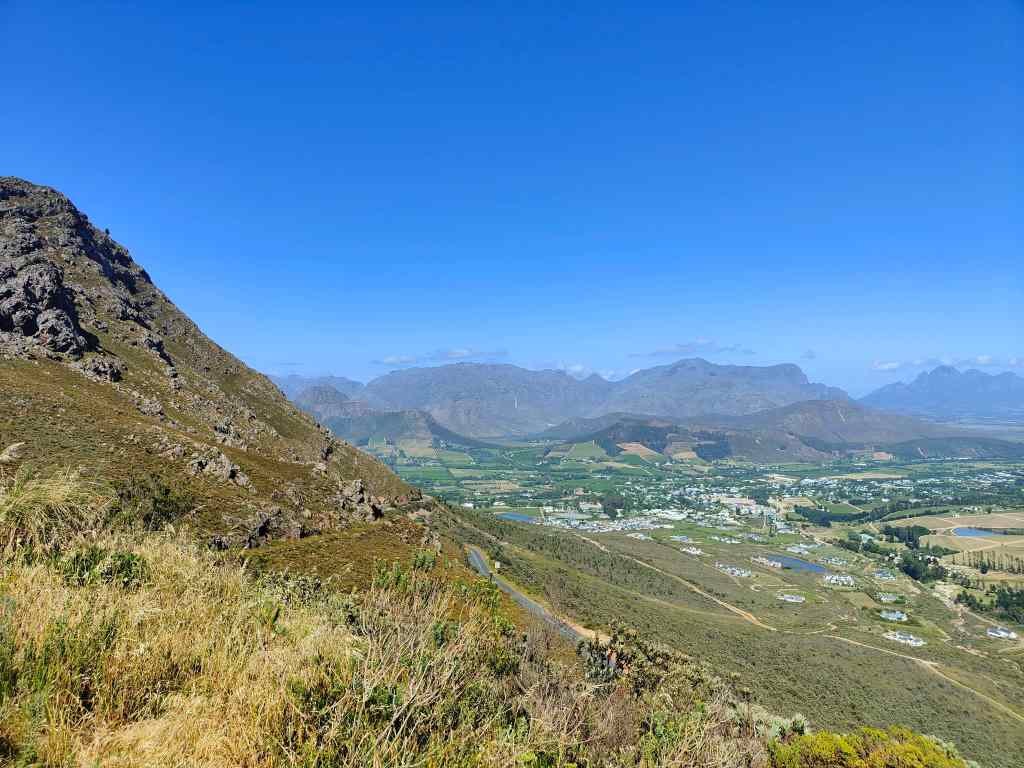
overlooking Franschhoek
Typical Wine Country scenery near Franschhoek

My destination was Franschhoek, a small town in the heart of South Africa’s wine country. The town is one of the country’s oldest, and was founded in 1688 by Huguenots refugees who fled France when the protestant religion was banned there. The new settlers brought vines with them, and started to make wine. Many of today’s vineyards have French names, though the town’s own name is Afrikaans – meaning “French corner”.

I found my accommodation without difficulty. The owner recommended me a few wineries to visit out of the dozens located around the area, and the next day I set off to explore them. First was a trip to Chamonix vineyard to buy some white wine. Like many of the other places I was to visit today, the setting was amazing, with the vines stretching away to the base of imposing mountains.
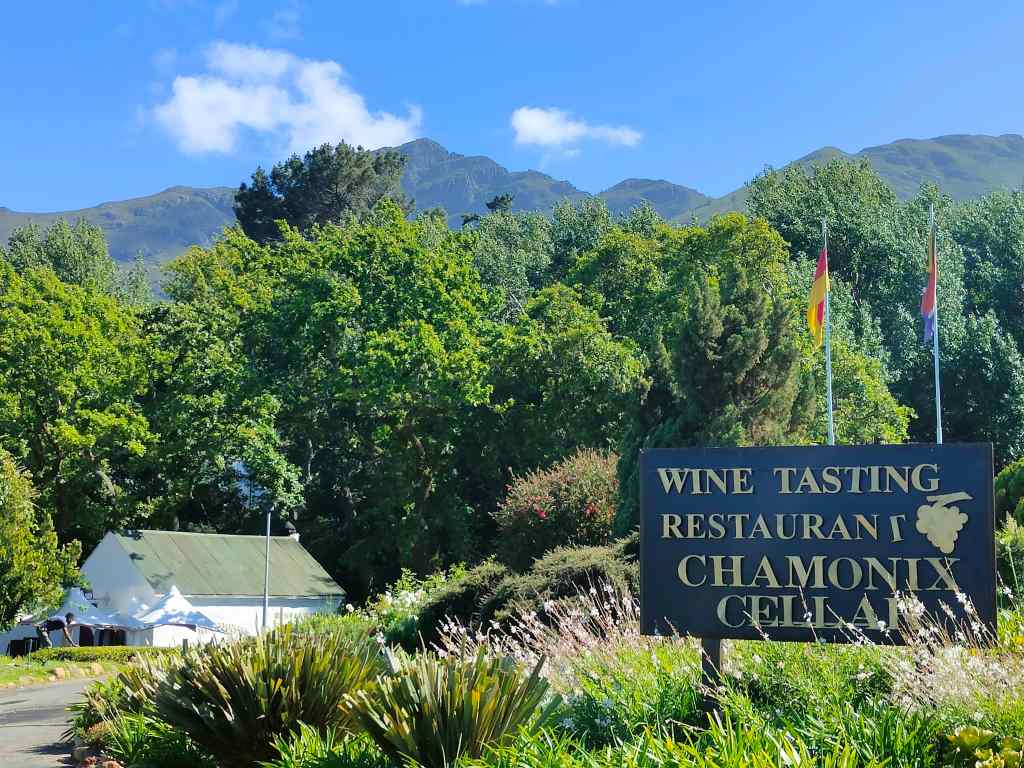
Chamonix Estate at Franschhoek
Stop number 1 – the Chamonix estate, Franschhoek

After that, I took the very touristy option of trying one of Franschhoek’s famous wine tasting tours. Many of the local vineyards have got together to offer visitors many different wine routes, with transportation by tram or by bus. The system is a little complicated, and I had to read the instructions a few times before understanding. The most popular route is the Orange one, where buses leave every thirty minutes, and where it is theoretically possible to do tastings in twelve vineyards.
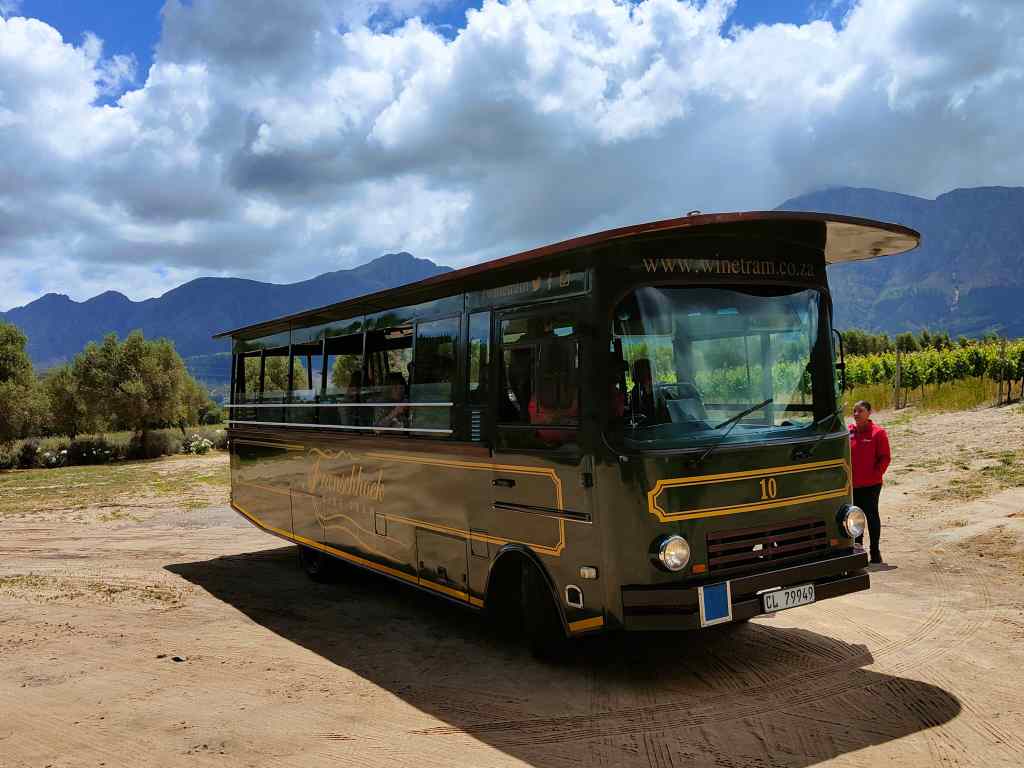
Franschhoek's wine bus
The wine bus

I chose the more sedate Purple Route*, whose buses depart every hour and where you can visit a maximum of six wineries if you start early (I did not) and move on every hour (again, I did not). First on the route was “La Bri”, which offered a rather nice wine and chocolate tasting.  

Sommelier at La Bri estate Franschhoek
Wine tasting with a knowledgeable sommelier at La Bri, Franschhoek

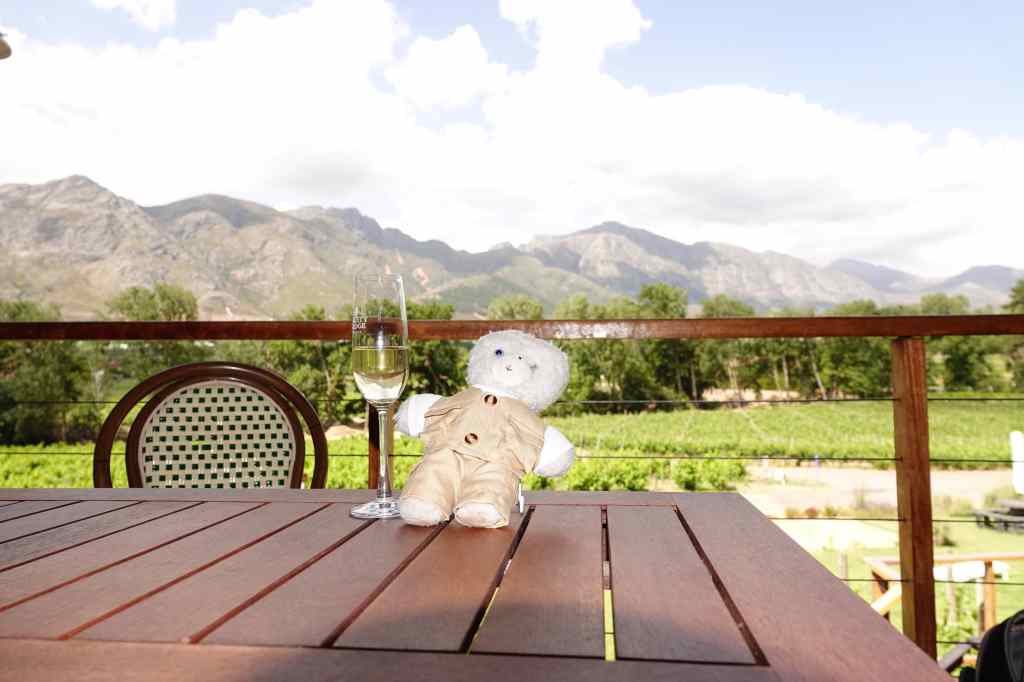
After an hour, the bus arrived to take me to Holden Manz – where I tried a range of white and red wines on a sunny terrace surrounded by mountains. I loved the setting, and since my tasting included six wines, I ended up staying there for two hours. I ordered some lunch, in an attempt to soak up some of the alcohol.
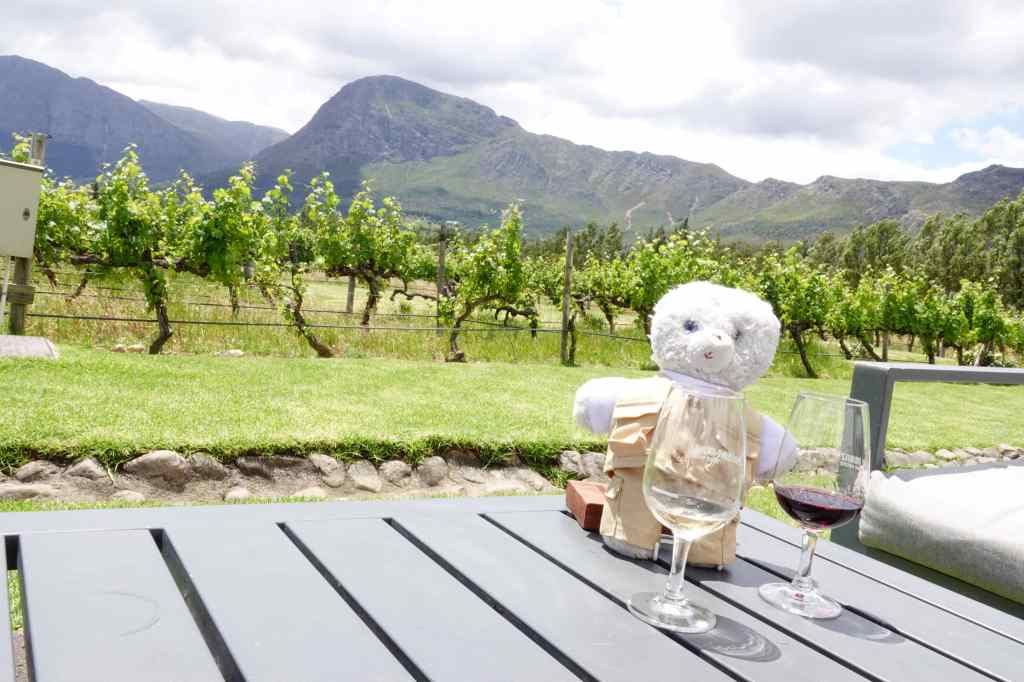
Holden-Manz estate Franschhoek
Holden Manz and more wine tasting…

From there, I changed my mode of transportation and took the famous Franschhoek wine tram to Rickety Bridge vineyard, where I tasted some sparkling wines. I was beginning to feel like a rickety bridge myself!
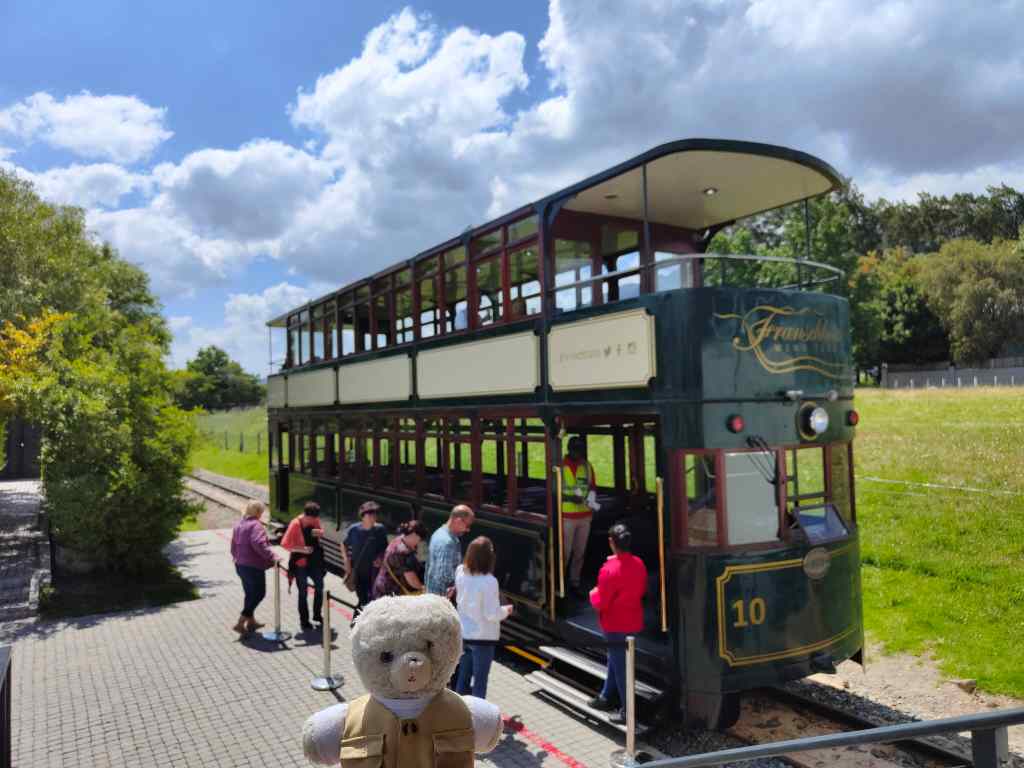
Franschhoek wine train
The wine tram at Franschhoek
from the wine tram
View from the Franschhoek wine tram
My wine tour nears its end – strange how my photos seem to be getting blurry…

I had time to visit one more vineyard for a tasting but told myself that this would be a little too much, especially since I had booked an excellent restaurant for dinner. So instead, I headed home for a bear nap to sleep off some of the alcohol. On the way I walked through the town, which had very pretty architecture and where every second building seemed to be a restaurant, coffee house or art gallery. I mused that the galleries must do good business from those who slightly overindulge in their wine tastings.

I spent a happy couple of hours napping by the pool of my flat…
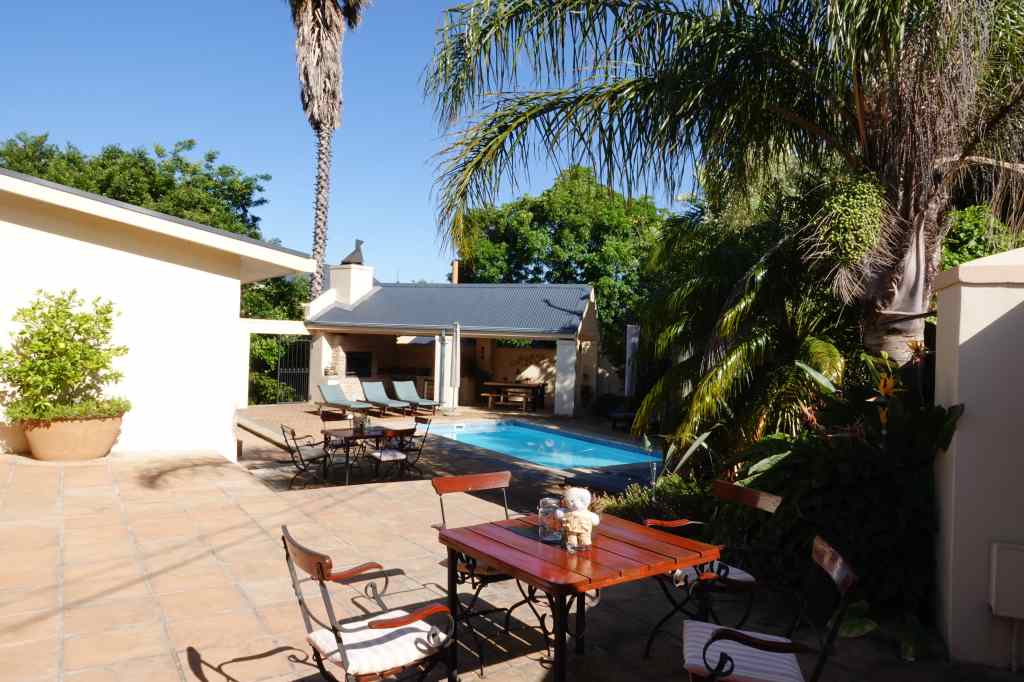
my Airbnb in Franschhoek
My accommodation in Franschhoek

……before heading off for dinner at “le Coin Francais”, one of South Africa’s best restaurants, for a gourmet meal………and another bottle of wine of course. My host had explained, with some pride, that it was possible to walk safely at night in Franschhoek – which was just as well after a day in which I had probably drunk more wine in 12 hours than ever before in my life.
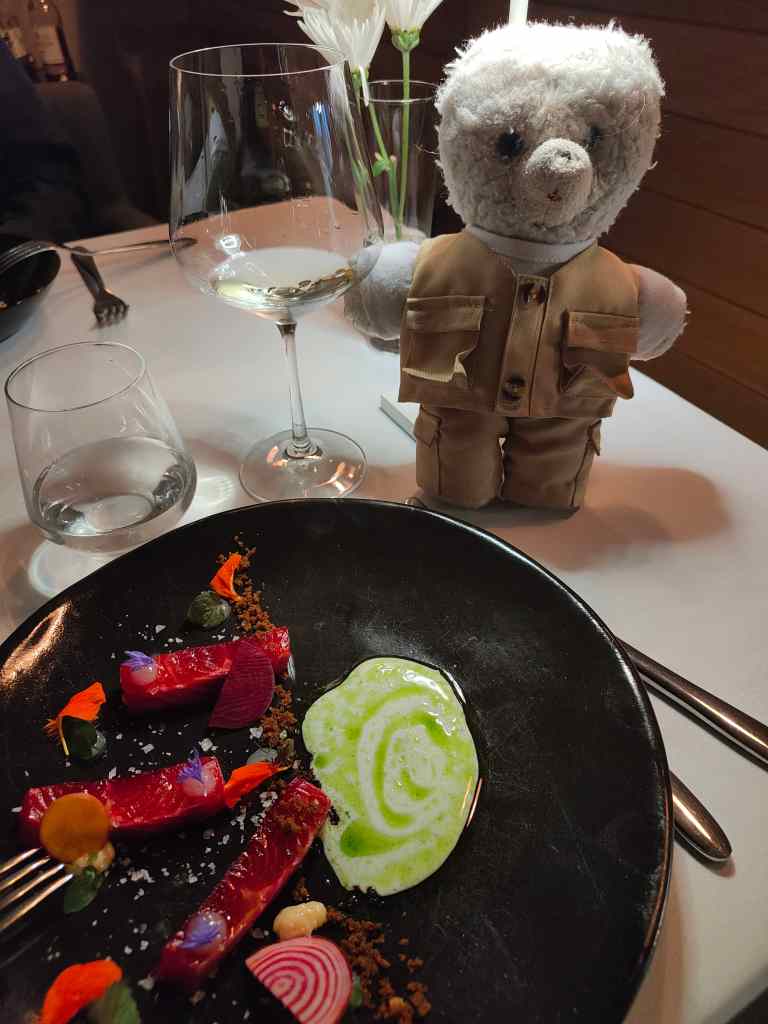
Dinner Le Coin Francais Franschhoek
Dinner at “Le Coin Francais”, Franschhoek

*Actually my tram route was the Blue Route. I think. My memory is strangely fuzzy. Purple Haze made a good title for the post though.

Next Post: Route 62 road trip

Previous Post: Namibia Highlights
Mendoza – Argentina’s biggest wine region

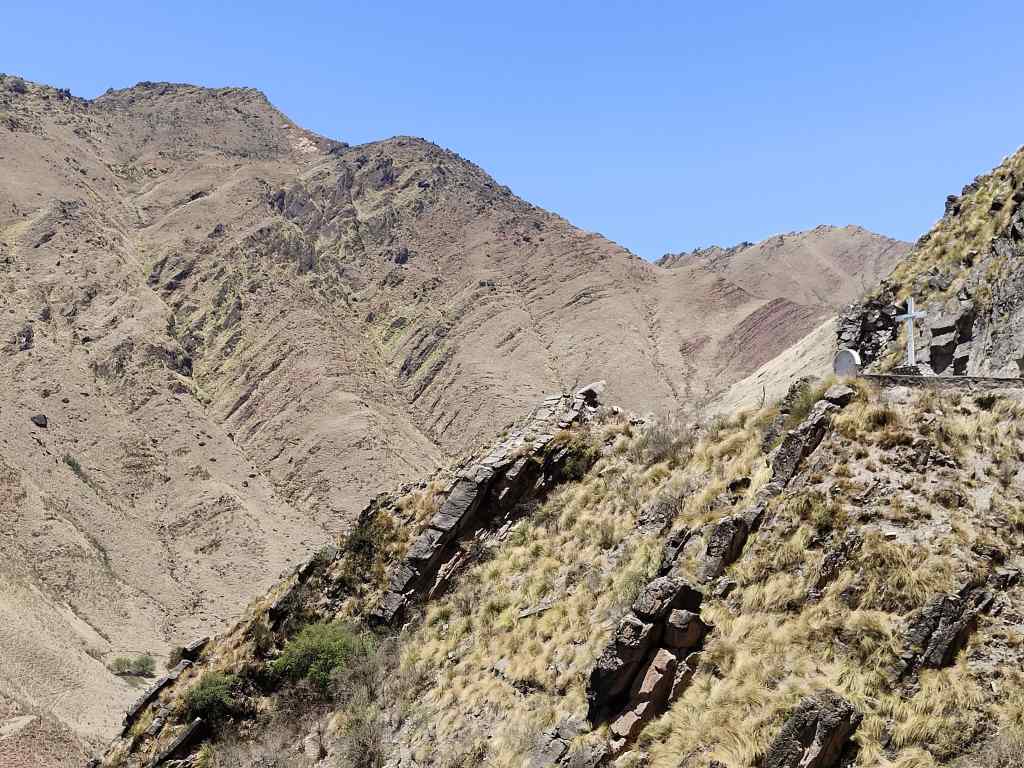
From Cachi, I was thinking of driving along a large loop around to the south to visit the wine growing area of Cayafate, but after the long drive through the desert, I realised that I did not have time. So instead I retraced my steps to Salta airport along the same road I used when I came. It was another chance to absorb some brilliant mountain and desert scenery.

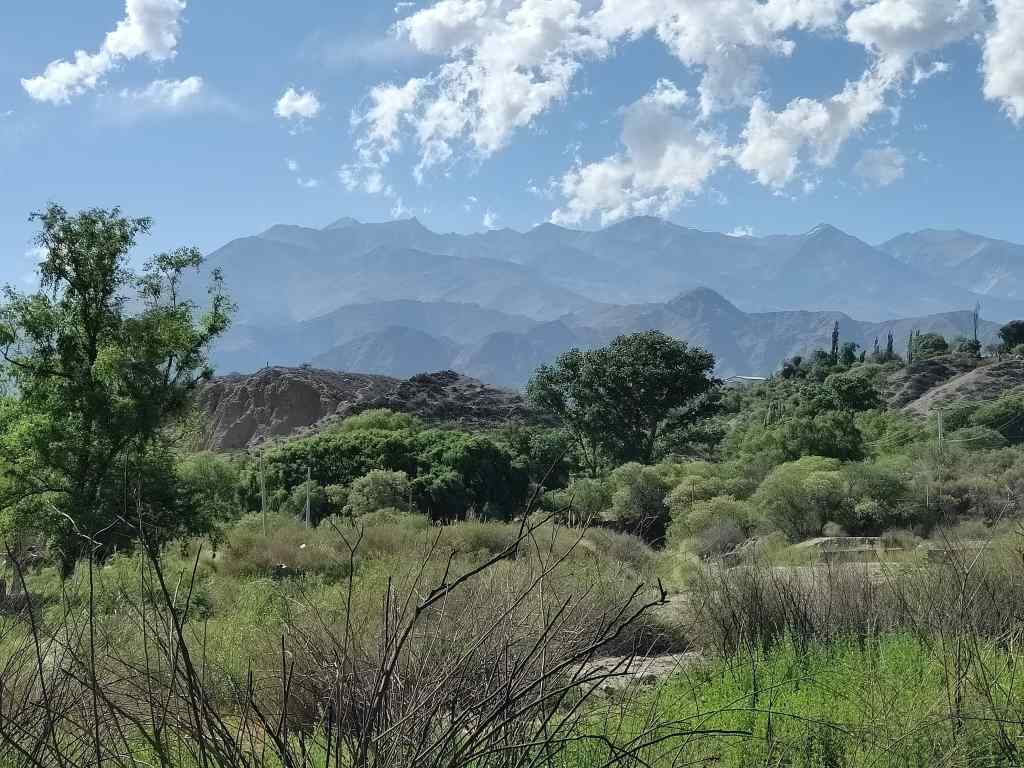
More mountain scenery near Cachi

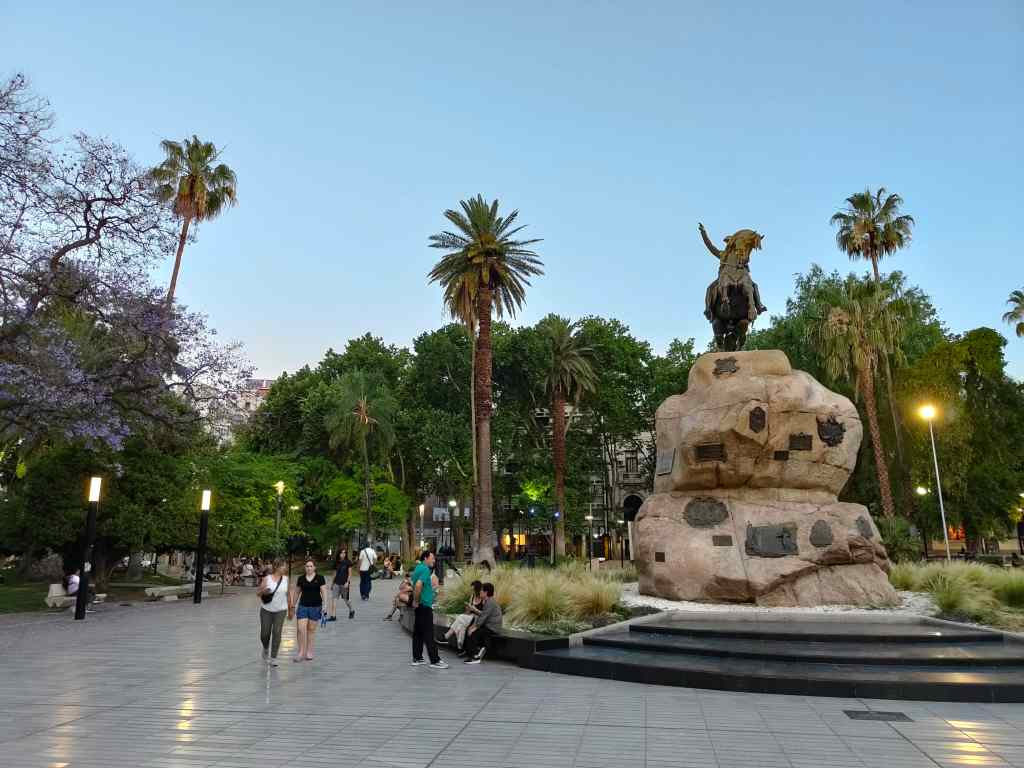
My flight left on time and I arrived in Mendoza in the early evening. I stayed in a quirky house that was 100-years old and still partially occupied by its friendly owner, who bombarded me with information about what to do in the city. Mendoza is a pleasant, rather laid-back city laid out along a grid with several pleasant parks and with lots of outdoor cafes and restaurants.

Mendoza Street Scene
One of Mendoza’s pleasant squares

In itself, it would be a nice place but not a major tourist destination. People come here for two things – the vineyards around the city and Aconagua National Park, a three-hour drive towards Chile into the mountains.

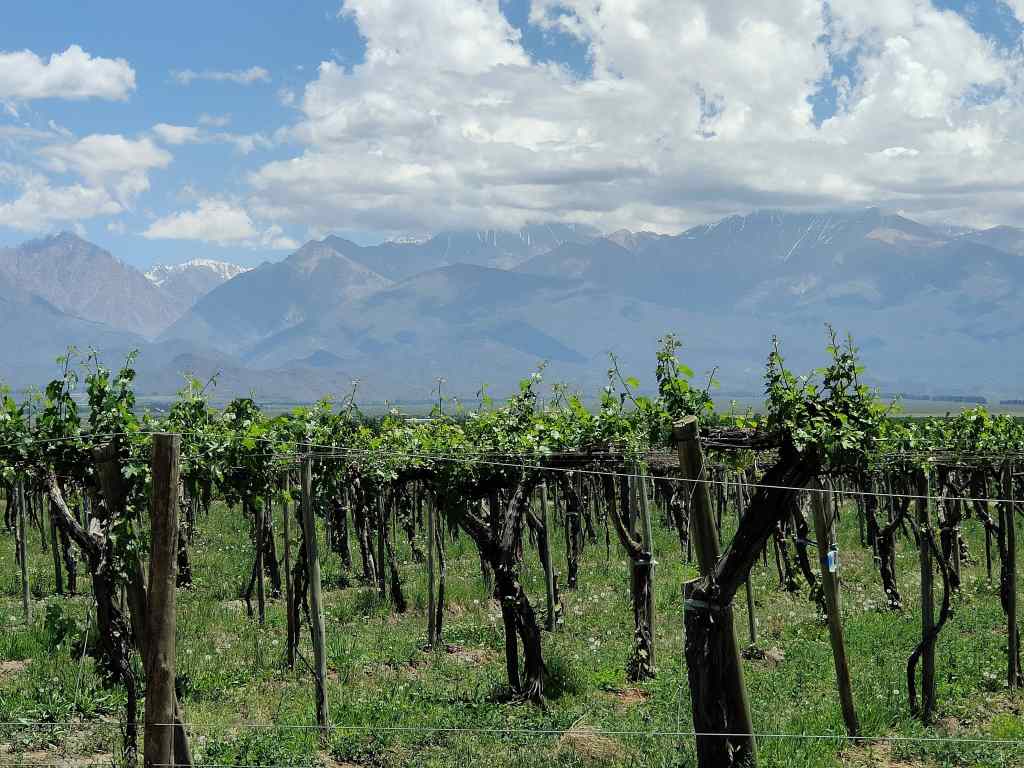
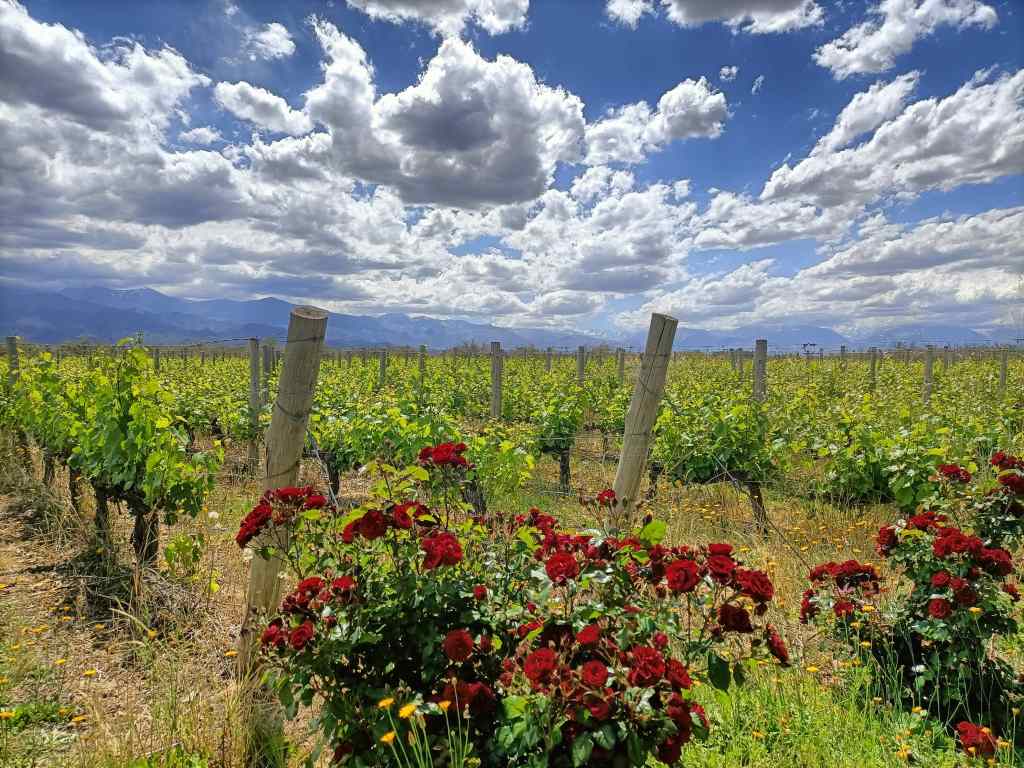
On my first day, I decided to check out the wine growing area. There are several to choose from. The closest to the city are Maipu (very close to the centre) or Luyan de Cuyo, where wine has been made for a hundred years. I chose to make a one hour drive to the Valle de Uco, where production only started in the 1990s.  The road first went along the busy and boring RN40, before turning off onto smaller provincial roads lined with trees and surrounded by vineyards and mountains.

Driving through the Uco Valley, near Mendoza

I decided to visit the Salentein estate, which was founded by a Dutch expat who fell in love with the area – the owners claimed he was the very first wine producer in Uco, although others also claim this title.The estate had a visitor centre with restaurant and art gallery (it seems many of the estates invest in art), where I spend time before my tour started.

Many of the estates have art collections

Outside of the visitor centre we were surrounded by vines and, in the distance, the Andean foothills.

Salentein Estate’s vineyards

The guide explained that the valley offered many different climates depending upon the altitude, with each area having its own types of grapes and styles of wine. We walked through the fields to a large, low, modern building where wines are fermented, then stored in oak barrels and bottled.

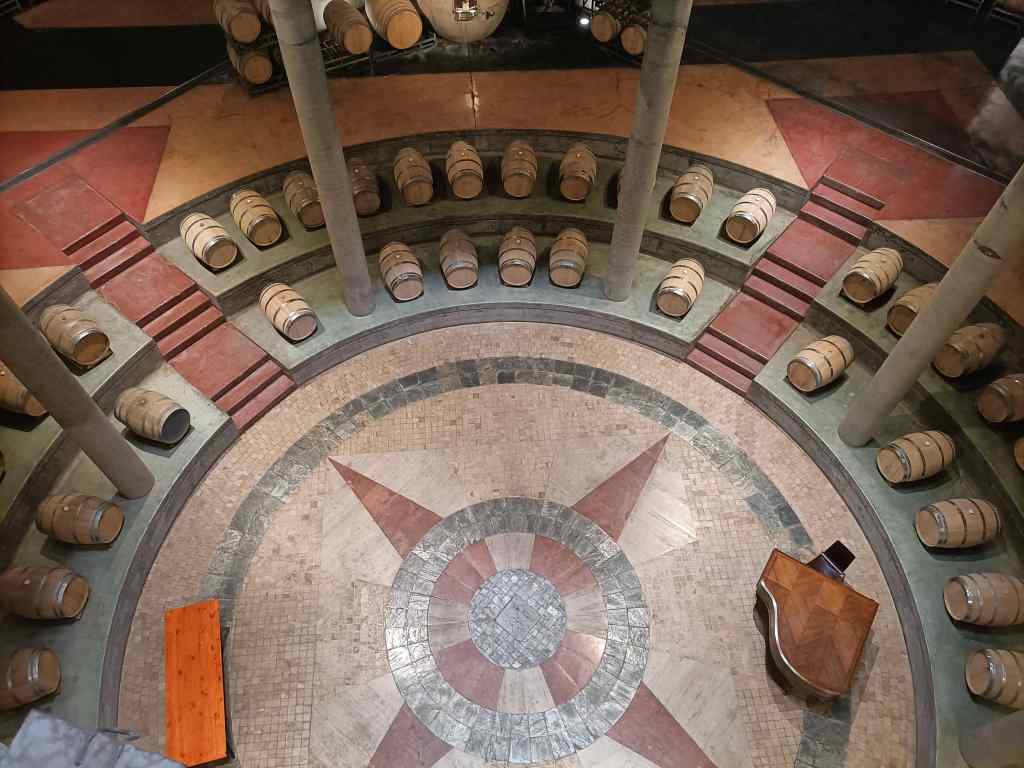
It was an interesting construction, designed to resemble a cathedral, with four wings leading off from a central area where wine-tasting concerts are performed. Most of the structure was underground, and the total volume was much bigger than its looked from the outside.

Inside the Salentein Estate “wine cathedral”

It was hot outside – maybe 30C – but inside, the temperature was pleasantly cool. This was achieved naturally through clever ventilation and without air-conditioning. There was a very pleasant, almost overpowering smell of wine permeating the cool air.

Fermentation in Steel Vats….
First maturation in wooden barrels
Further maturation in smaller barrels, Salentein Estate
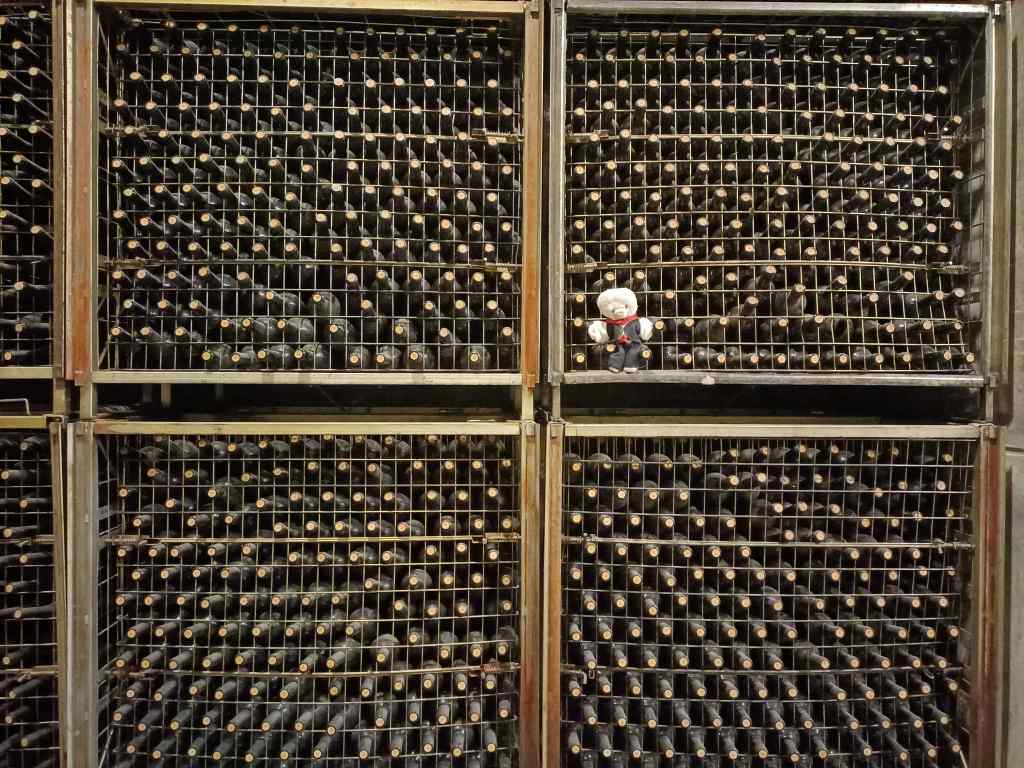
Storage of bottles…

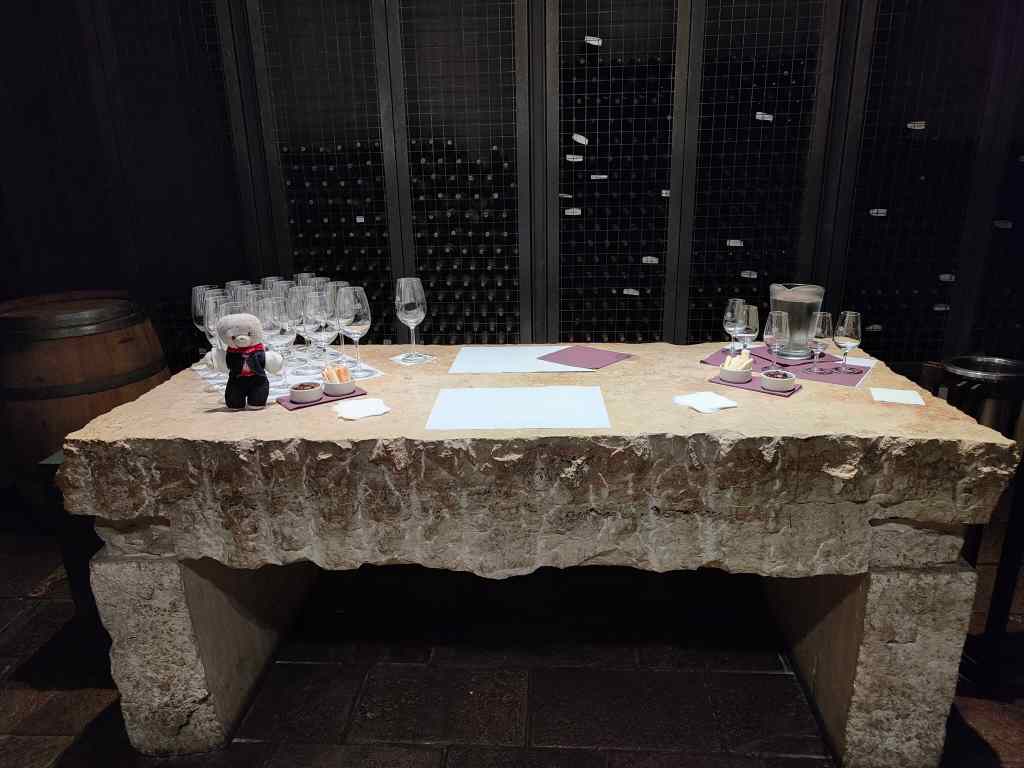
After visiting the various steps in the wine-producing process it was the time everyone had been waiting for – tasting! The estate offered some of their best wines showing the different styles they could produce.

Tasting at the Salentein Estate, near Mendoza! Before….
….after

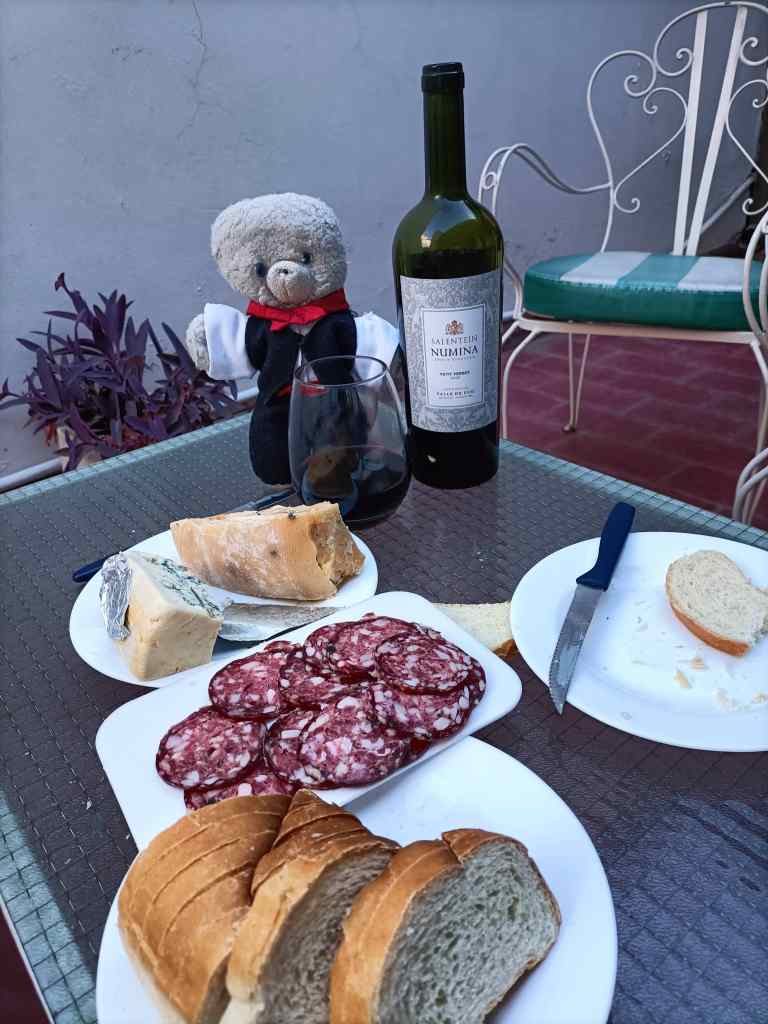
I am very happy that I had invited my editorial assistant to join me on the tour; it meant that I could drink, whilst my driver-assistant had to taste and spit. After the tasting, we were of course invited to visit the shop. I chose to buy a bottle of Petit Verdot, a grape usually found in blends but here offered on its own. Back in my house in Mendoza I enjoyed my purchase with some sausage and cheese in my private patio. A nice way to end a day devoted to wine.

Dinner in my house in Mendoza

Next Post: Aconcagua

Previous Post: Cachi

Onwards to Cachi and the Parque Nacional de los Cardones

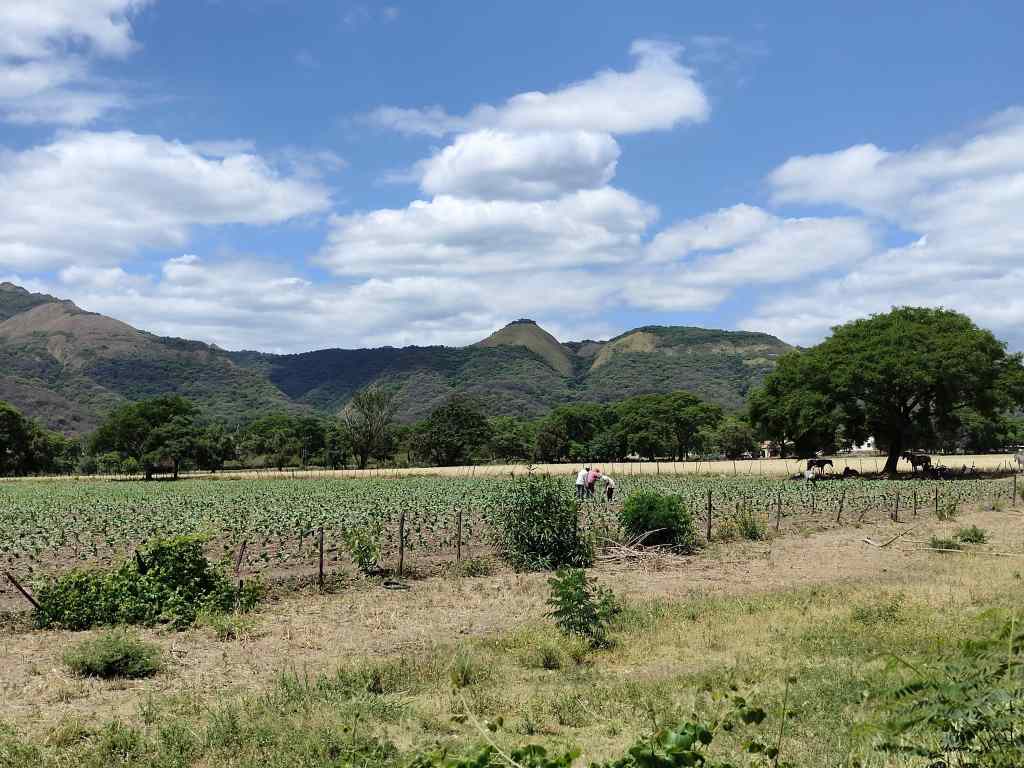
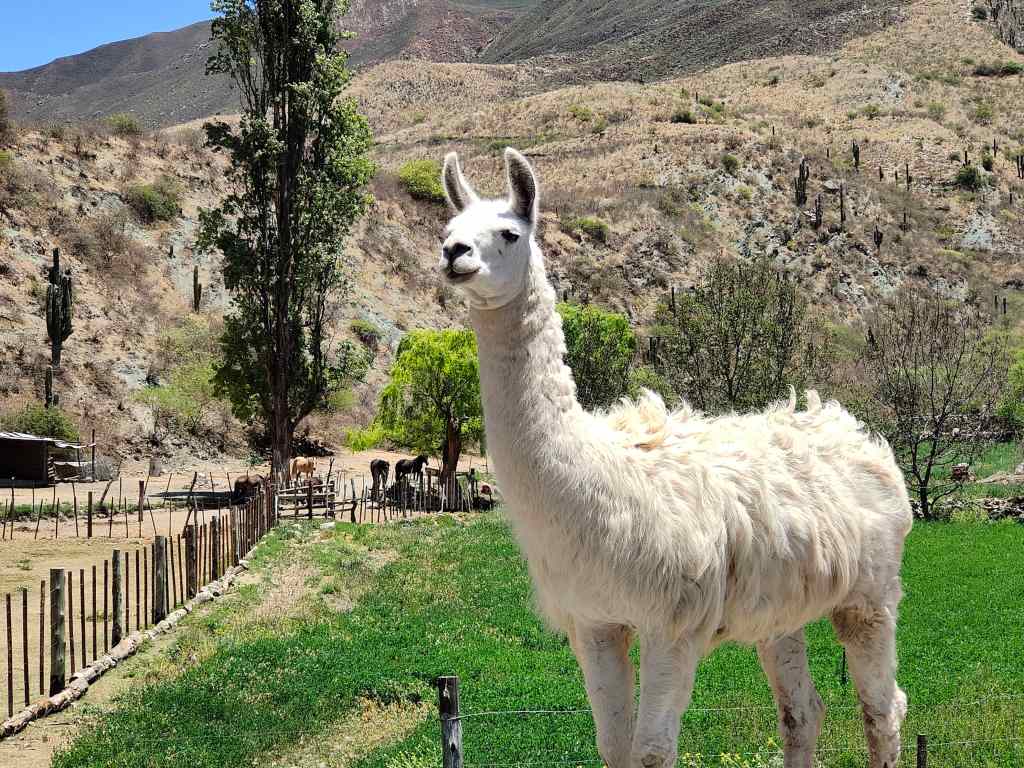
My next day was spent exploring South of Salta, driving to a village called Cachi, lost in the Andean foothills. The road followed a now familiar pattern. First lush, flat green fields with horses and other four-legged road hazards………

Scenery near Salta

…then a pretty, winding river valley…..

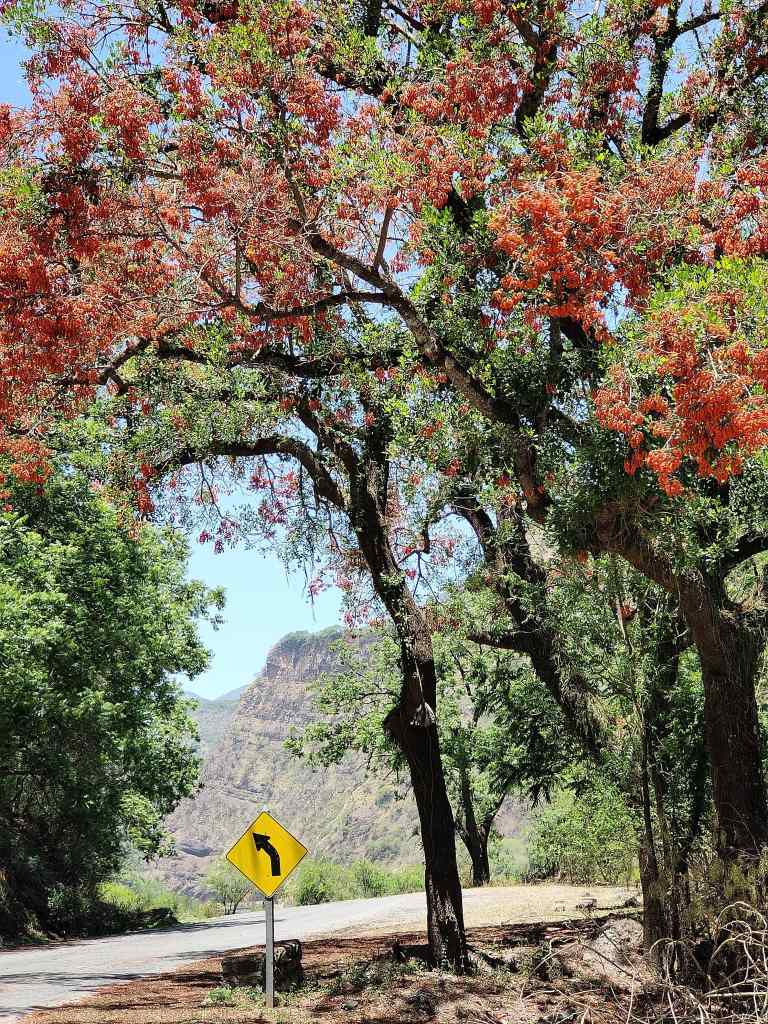
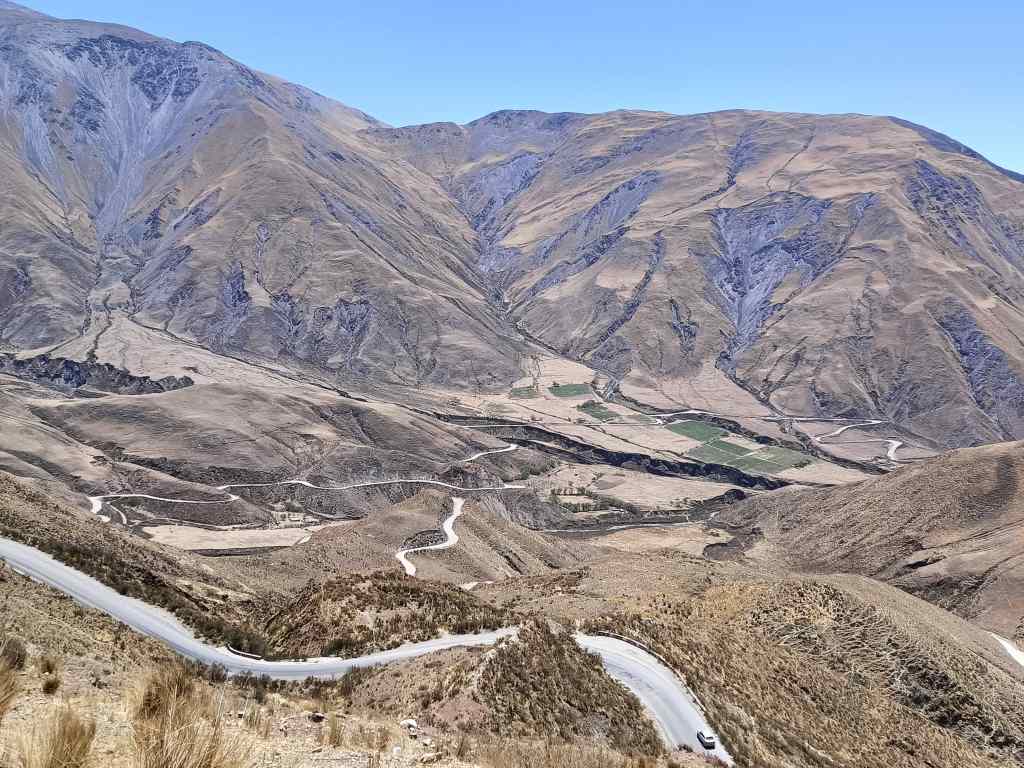
….next a steep climb up dry mountains along a rough track with many hairpin bends.

On the road from Salta to Cachi
Hairpin bends on the Salta-Cachi road
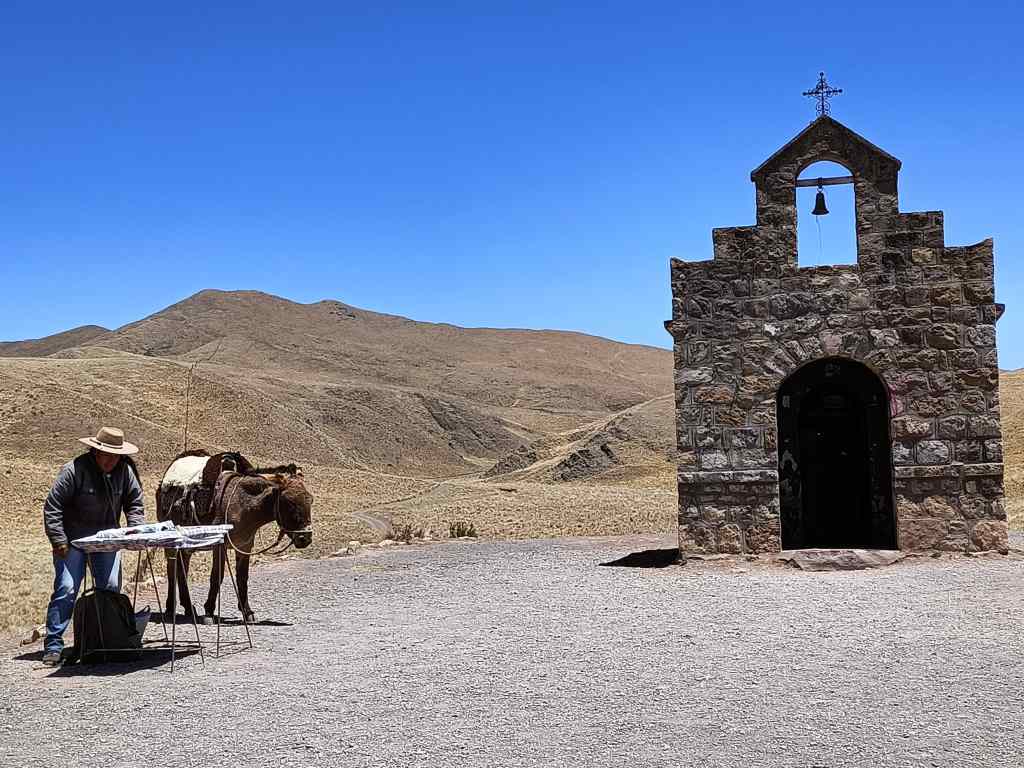
Praying to safely negotiate the many hairpin bends seems like a good idea

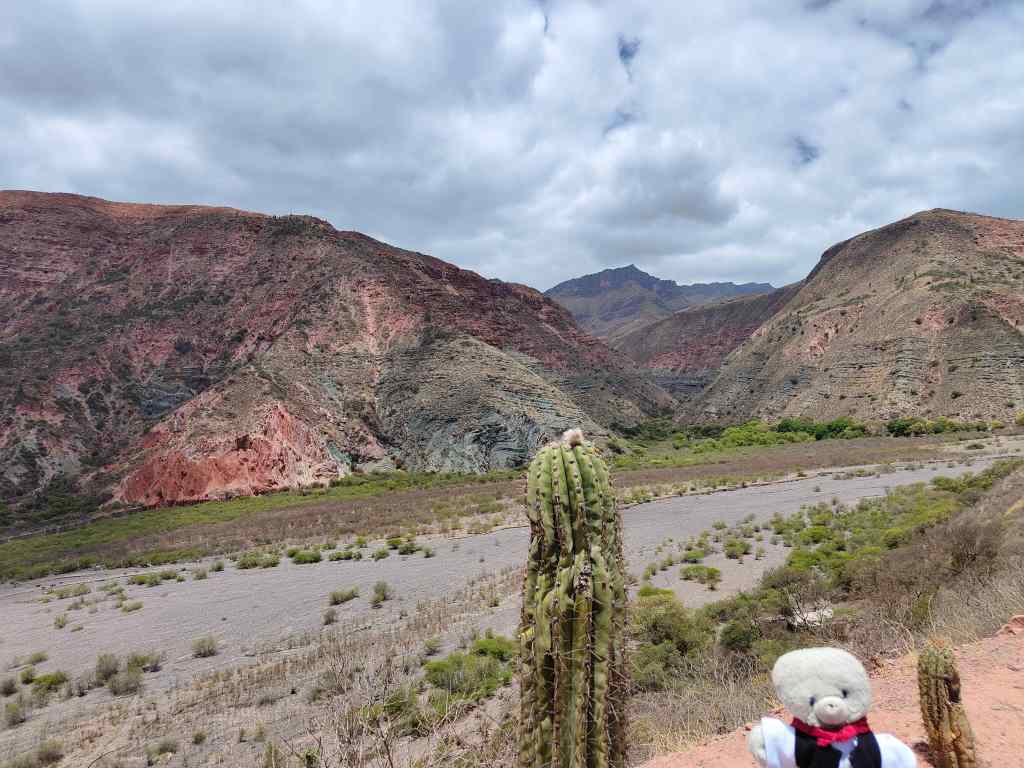
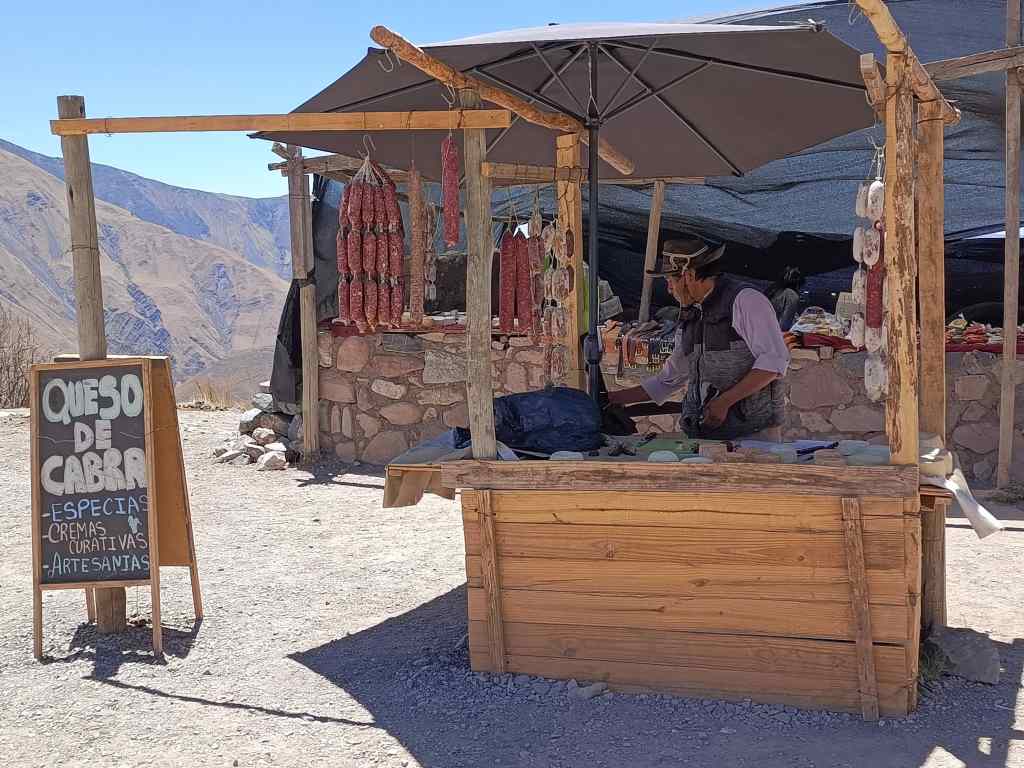
Near the top of the track, I stopped to buy sausage and cheese from some local people. I had now entered the Parque Nacional de los Cardones – (translated literally as the “Cactus National Park”.), and I stopped to enjoy a short walk amidst the wild, empty hills and to eat my lunch.

Food stop, Salta-Cachi road

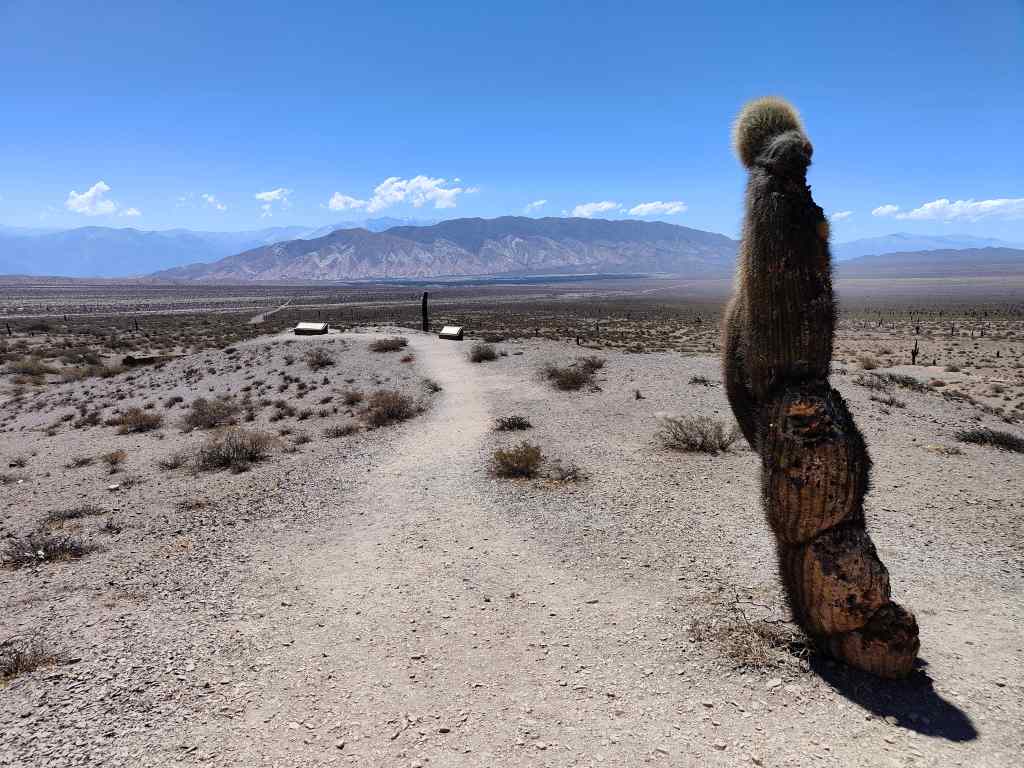
The road continued and reached flat, wild plateau where the reason for the park’s name became evident – the plain was dotted with huge cacti.

The Parque Nacional de los Cardones

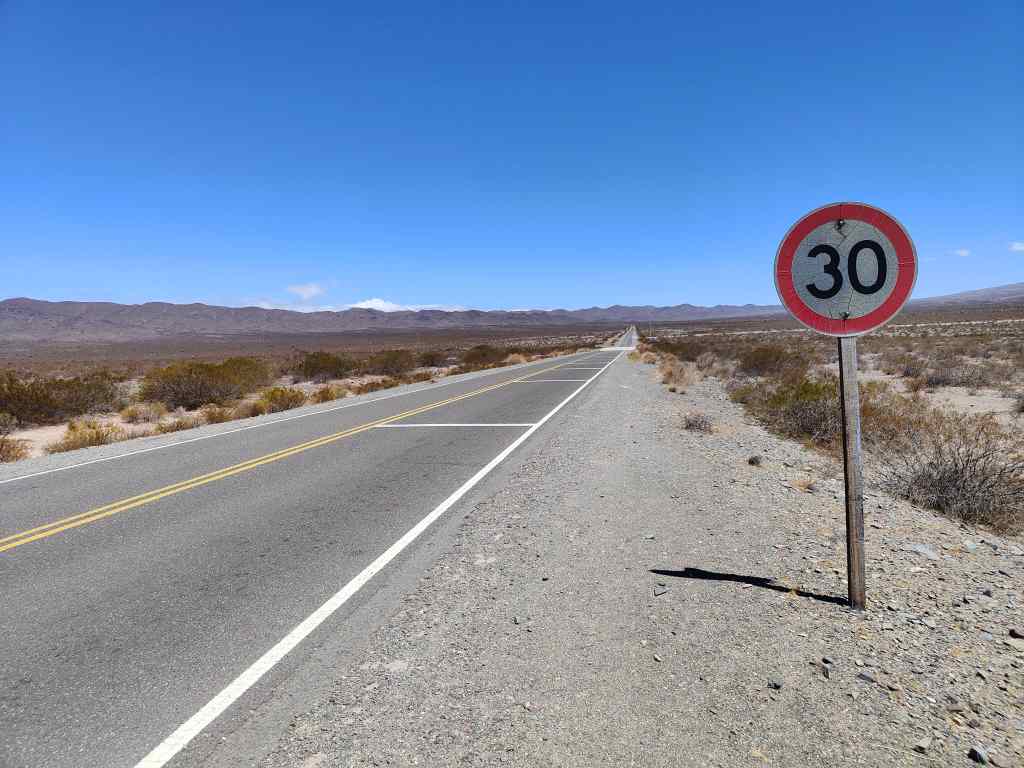
In the flat landscape I could see for miles, and the open stretched away into the distance. However the park authorities imposed impossibly low speed limits on this empty road – on average 60km/h but dropping to 30km/h at the (very rare) junctions and even 20km/h on one stretch. There were also signs warning of the danger of hitting wild animals and more signs warning that removing road signs was a criminal offence (it was easy to imagine why – if a sign were to somehow disappear it would considerably reduce the driving times for the few local drivers).

You cannot be serious!! (and this is km/h, not miles/h)

At first, I found progress frustratingly slow. But after a while I got to enjoy the slow progress, as the vastness and emptiness of my surroundings soaked into my brain.

The Parque Nacional de los Cardones

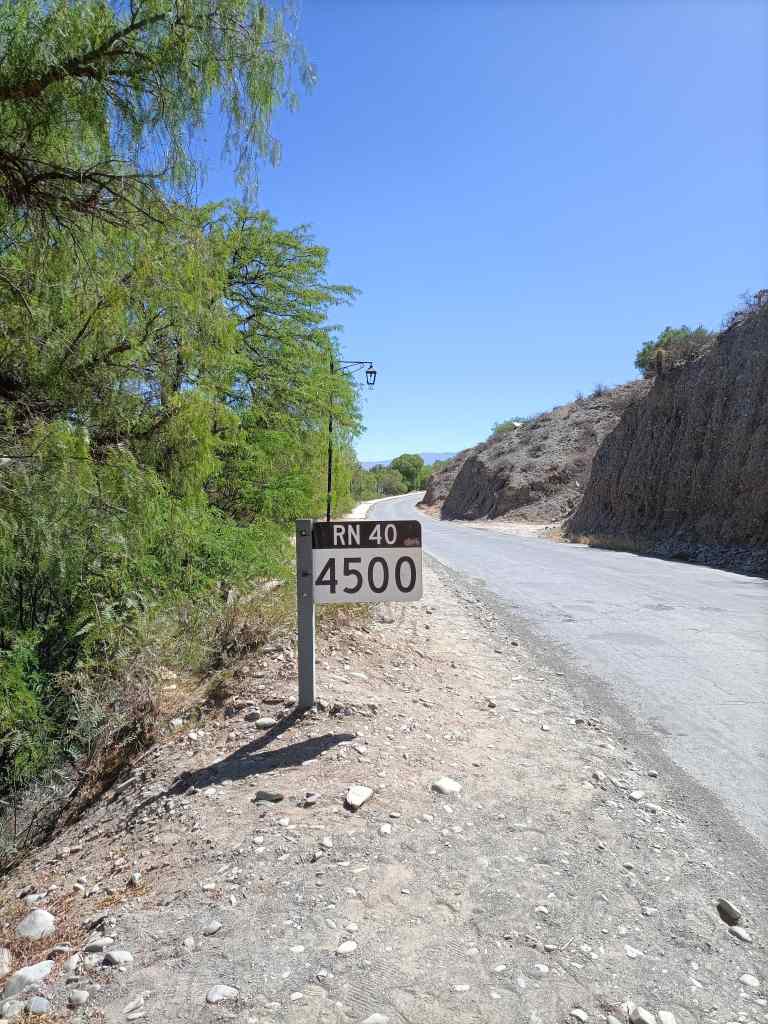
My route left the park and joined the Route National 40 – a famous road that runs the entire length of Argentina. I had joined it 4,500km from where it starts in Tierra del Fuego.

4500km to Tierra del Fuego on RN40

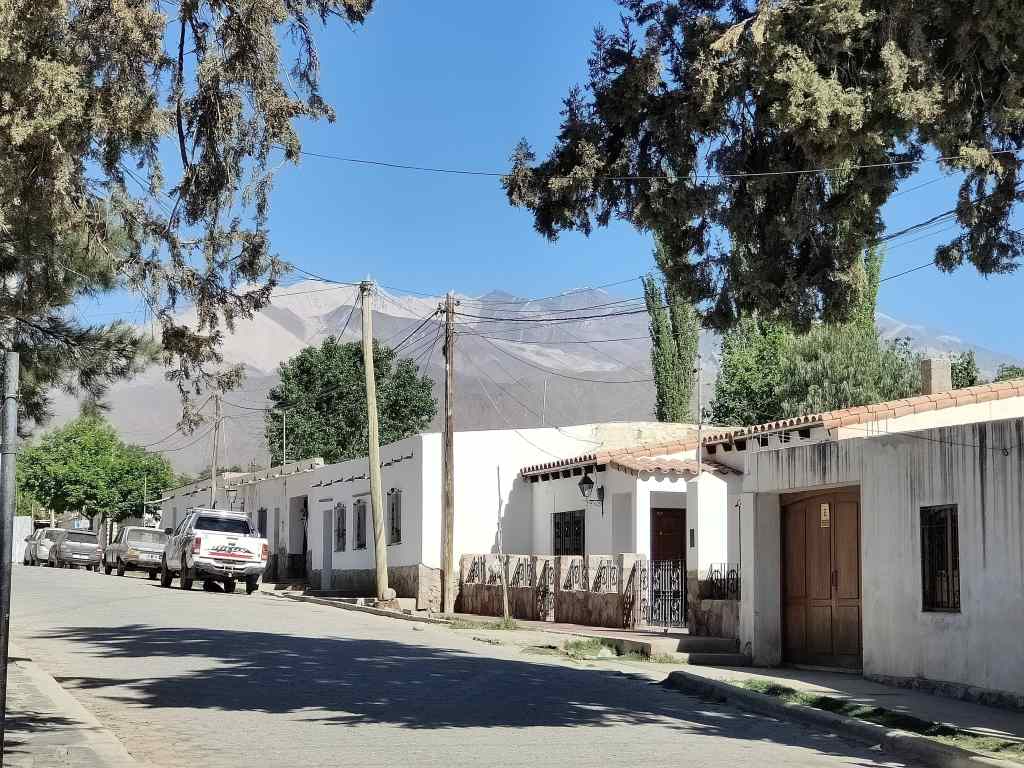
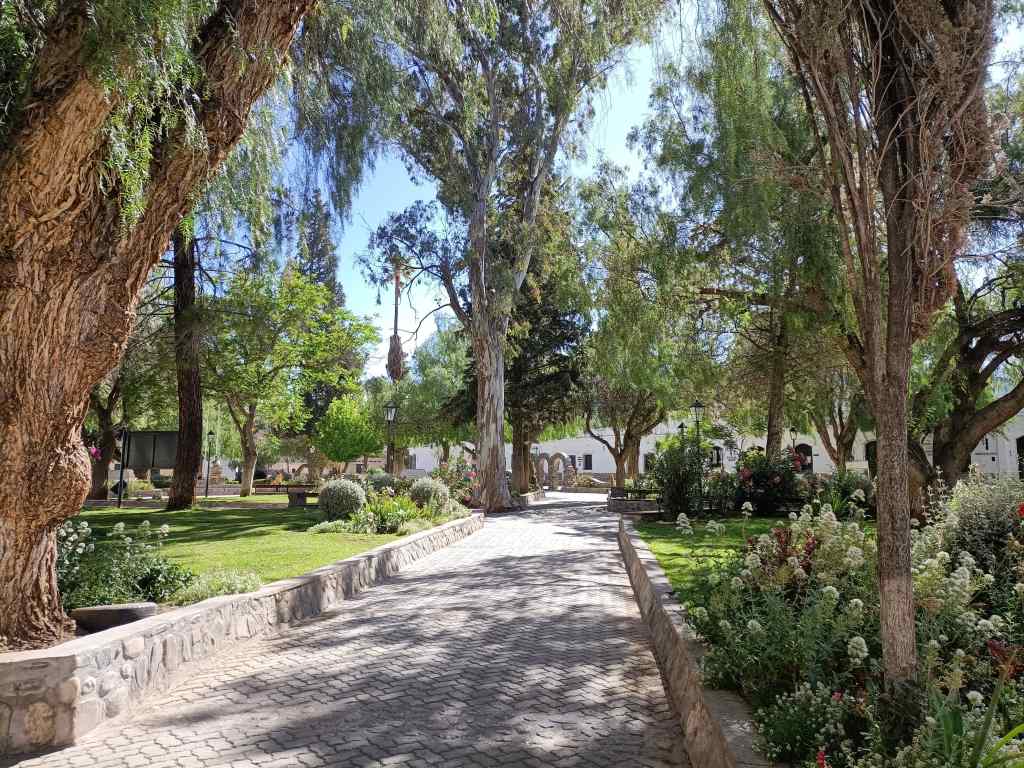
I finally arrived in Cachi five hours after I had left Salta – for a trip that Google said should have taken me three. Perhaps Google agreed with the occasional local drivers who had sped past me in the desert, ignoring the ridiculous speed limits. Cachi is by far the biggest place in the area, but turned out to be more of a village than a town. It was comprised of low rise buildings made from mud brick (“adobe”) and painted white against the sun set around a pretty central plaza. Like most of the places I had visited in Argentina so far, the Andean foothills loomed impressively in the distance.

Sleep Cachi in the late afternoon
Cachi’s square
Scenery in and around pretty Cachi

There was not much to do. I soaked in the slow, small-town atmosphere in the central square before going to visit a local wine producer on the outskirts of town. They had a beautiful garden for wine tastings, with views over the mountains. 

Vineyard in Cachi
An exceptional setting and some sublime wine

I enjoyed a refreshing glass of their Torrentes (white) before trying some of their signature Malbec wine. The first wine was good, the second was sublime – a huge, velvety red. I abandoned my plan to visit a restaurant, bought a bottle of the red, and enjoyed it with the rest of my sausage and cheese. Wakefulness turned to sleep in a pleasant alcoholic haze.

Next Post: Mendoza

Previous Post: Salta

Blog at WordPress.com.

Up ↑