Tanzania – from Tarangire to Lake Natron

I slept very well in our bush camp tent, but my fellow traveller Snoopy had a more restless night, listening to the sounds of the jungle and some large animal that he thought was just outside. We got up and headed for breakfast, enjoying the sight of sunrise over the jungle.
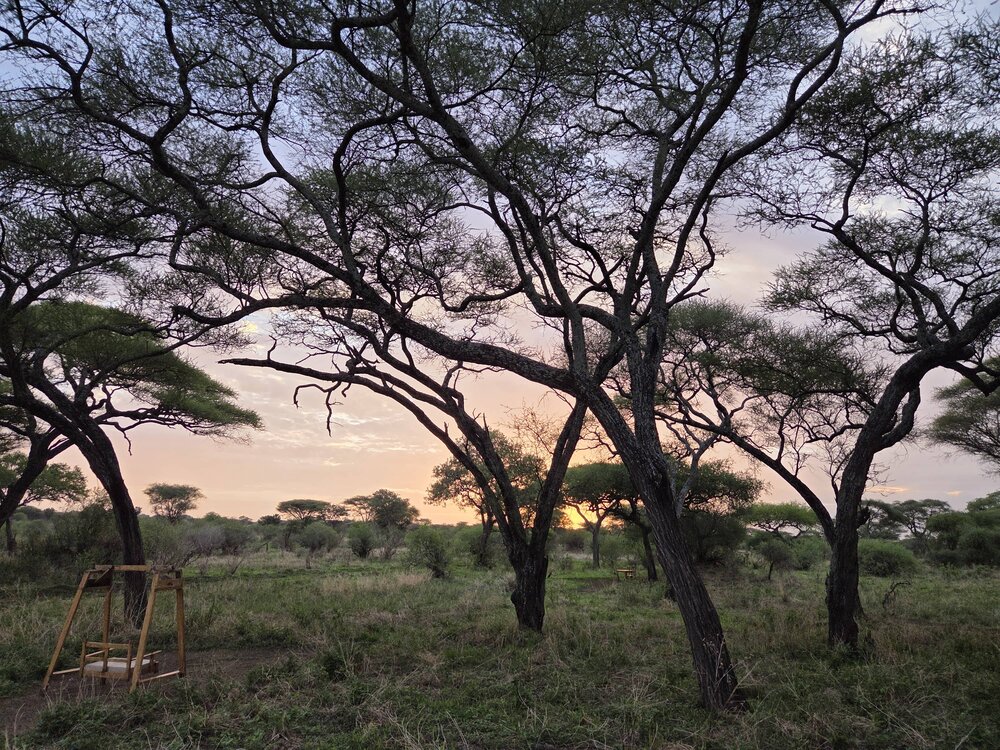
Sunrise at Tarangire National Park

After breakfast we continued our game drive with our guide Estomih. The park seemed quieter today, and we didn’t see any big cats. Instead we enjoyed watching some of the park herbivores, including giraffes…
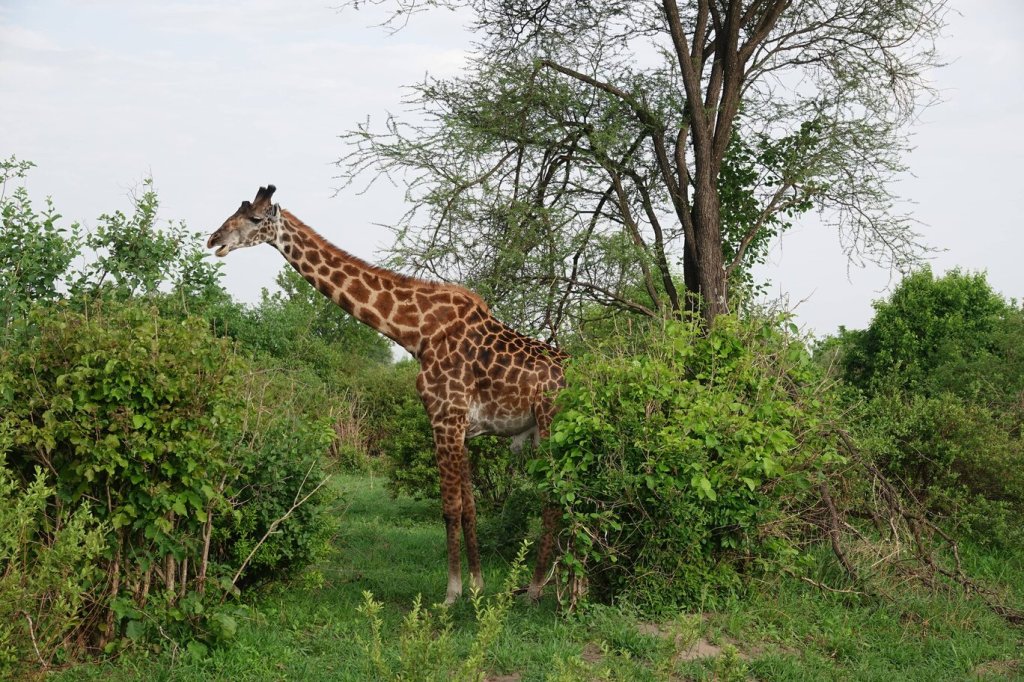
Tarangire Park – giraffe

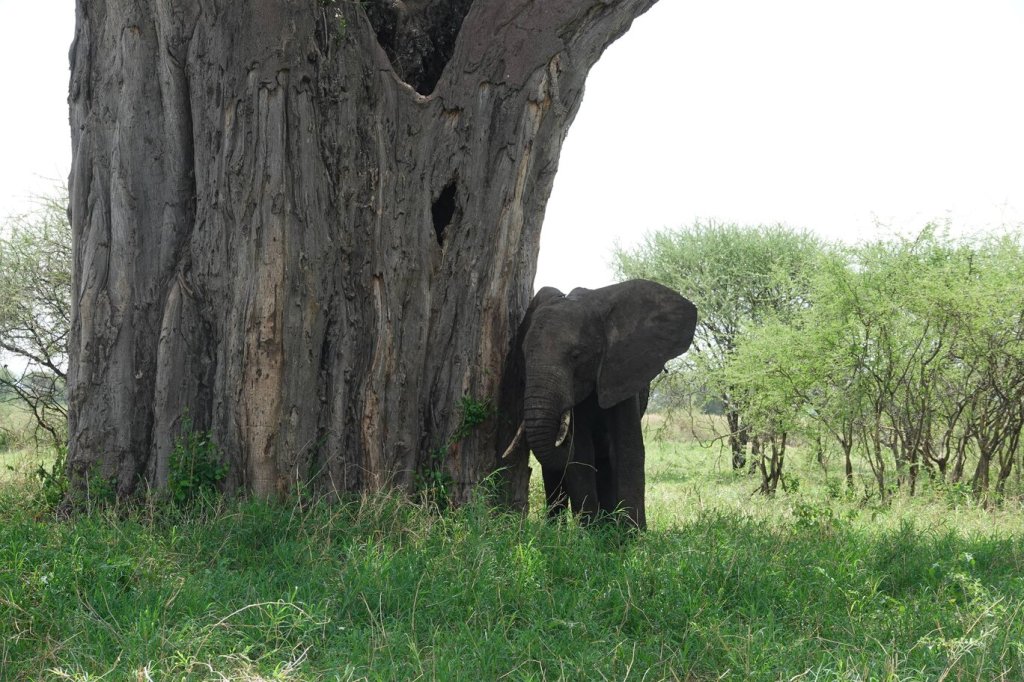
….and more elephants….

A male elephant rubbing against a baobab

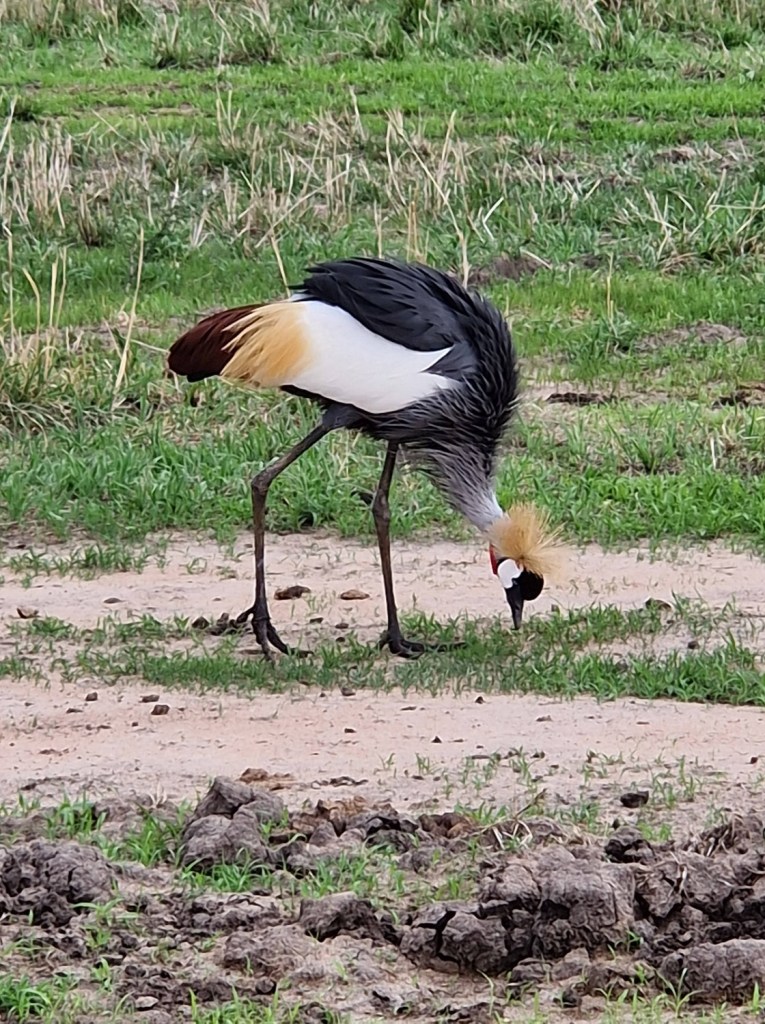
…and birds.

The Grey Crowned Crane

We also admired the park’s luxuriant vegetation, and especially its baobab trees…..
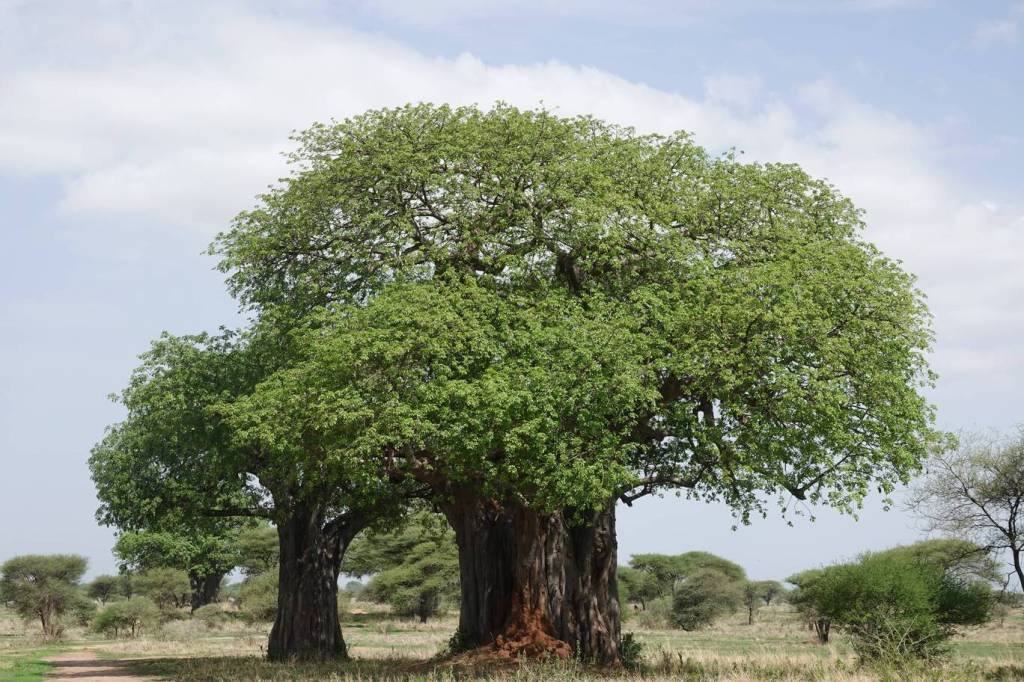
Magnificent Baobab Trees at Tarangire

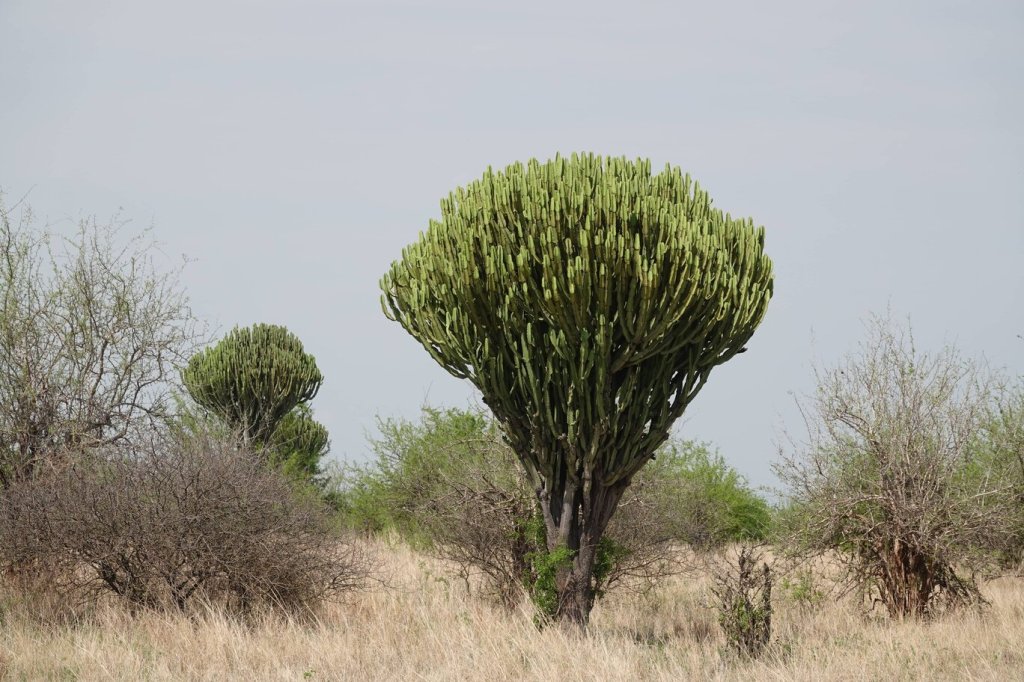
and “candelabra trees”.

A Candelabra or Cactus Tree

One large baobab had a large hole in the middle, and Estomih told us that this had been used by poachers to hide elephant tusks in the days when poaching had been a major problem in Tanzania (today the situation is much better, and the populations of hunted animals like rhinos and elephants are increasing again).
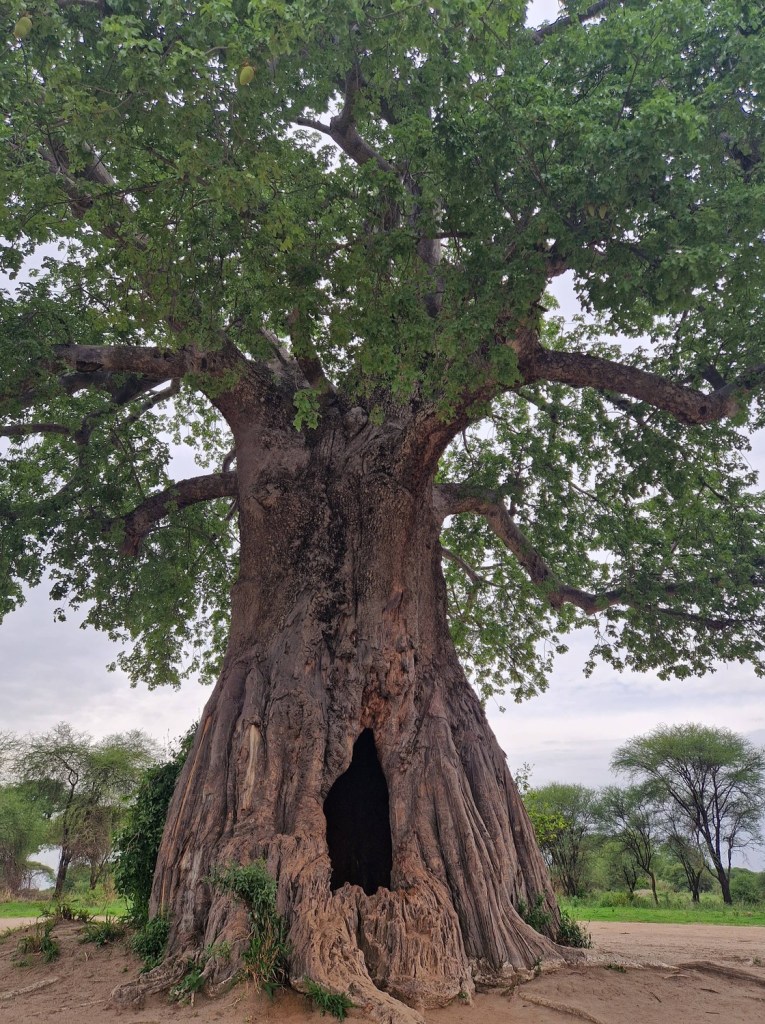
The poachers’ baobab

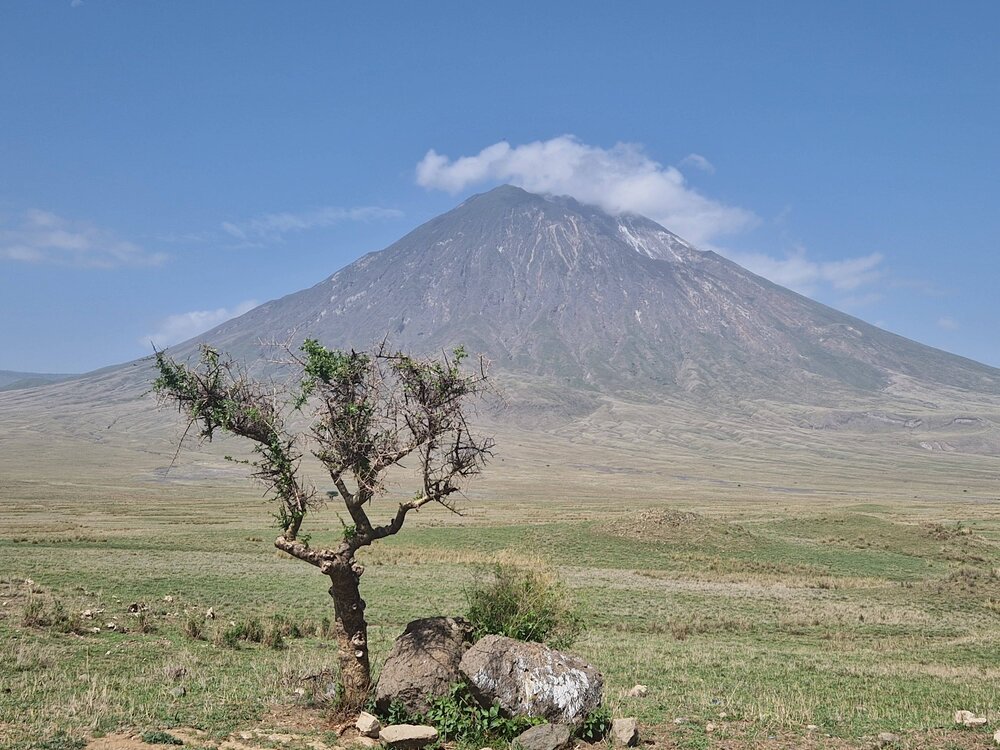
At around midday it was time to leave Tarangire and head on to our next destination, Lake Natron. We made the trip with an overnight stop at a lodge near Lake Manyara, one of the country’s salty lakes and the centre of another national park (which was not on our itinerary). From there we drove north towards the border with Kenya. Our route took us along the floor of the great East African Rift valley – a structure formed by the African and Arabian plates separating to leave a long stretch of low-lying land – and the scenery was magnificent, including the very steep and still active volcano Ol Doinyo Lengai. The sweeping plains were dotted with small villages, and we saw many Masai tending their herds of cows and goats alongside small groups of wild zebra and wildebeest.
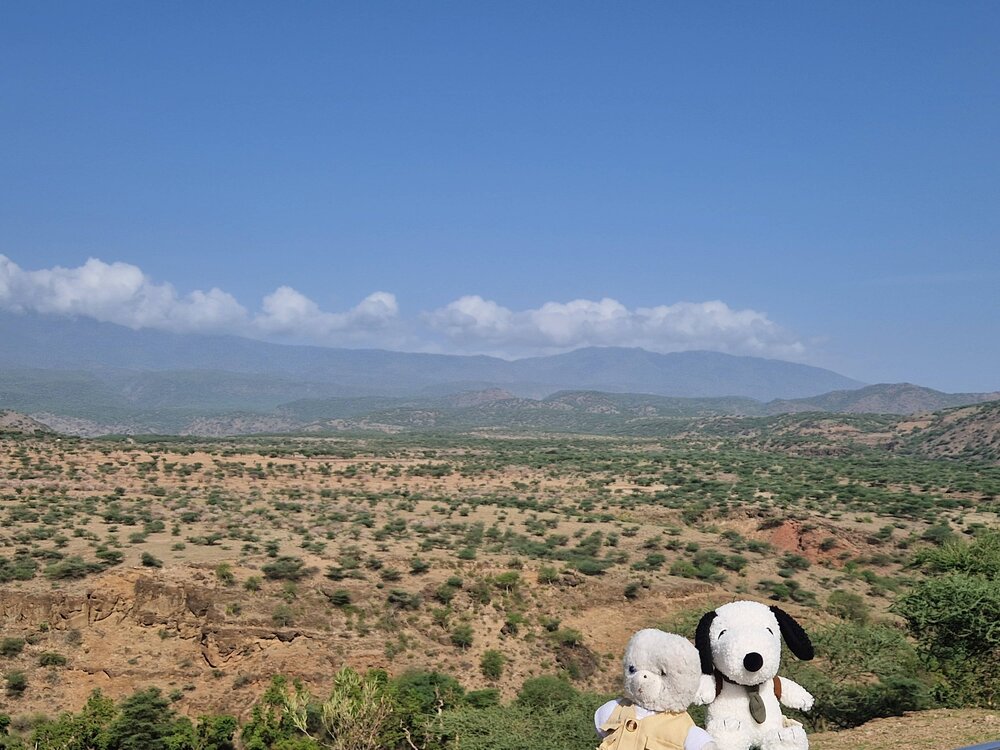
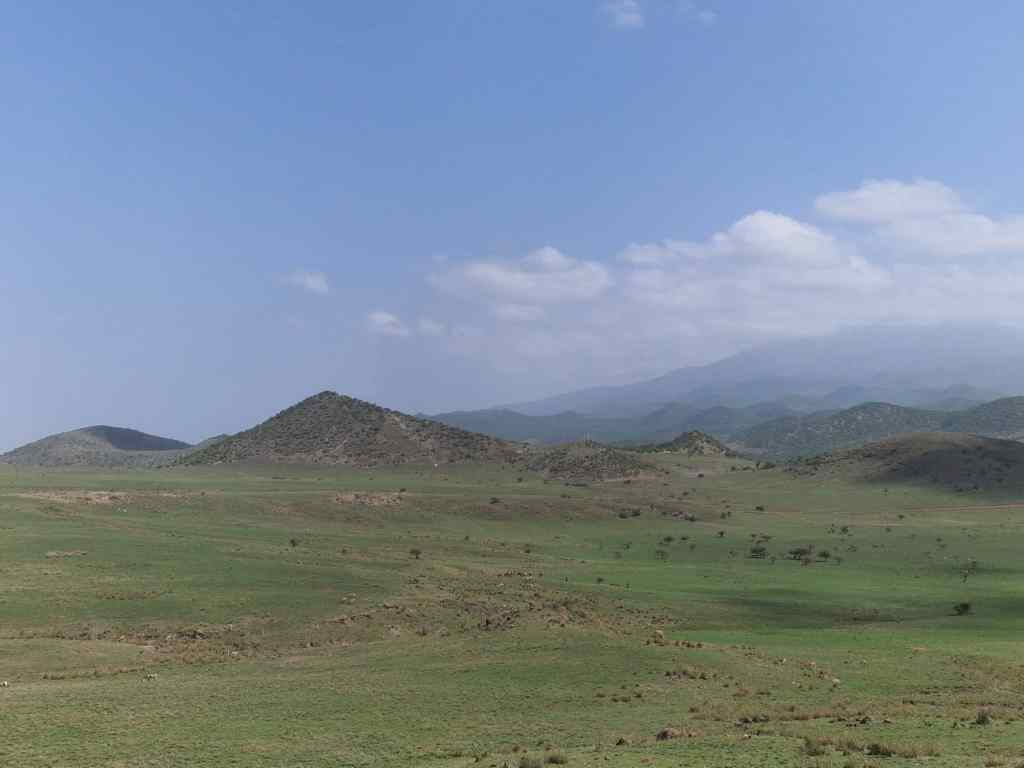
The sweeping plains of the Great Rift Valley
Ol Doinyo Lengai Volcano

A short drive after the volcano we made a stop, where a Masai guide led us to a small waterfall hidden in a gorge.
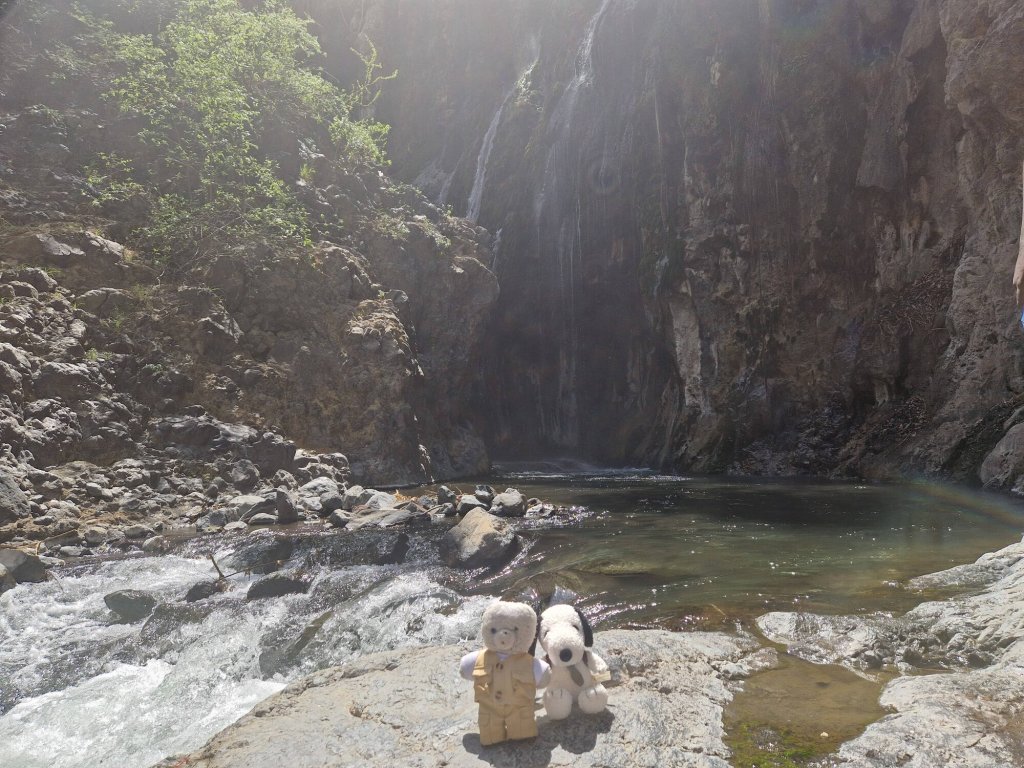
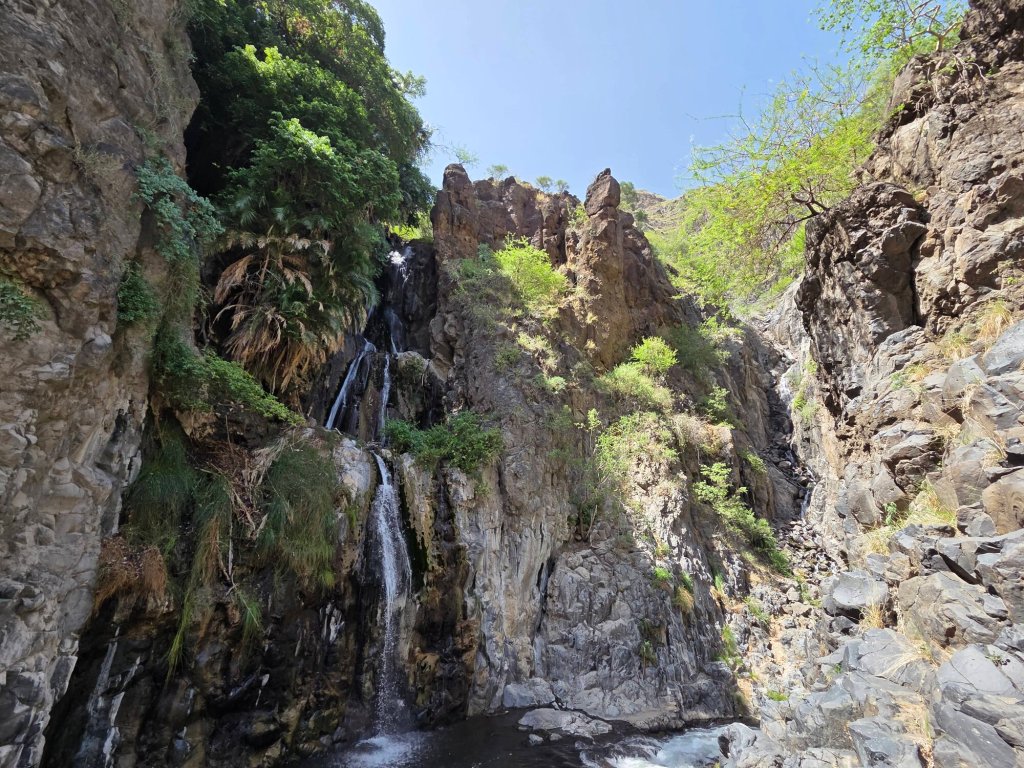
An idyllic waterfall in the Great Rift Valley

It was a beautiful place and a very pleasant way to spend the late afternoon before we headed on to our lodge on the shores of Lake Natron. We got an early night, since Estomih warned us that tomorrow would be a very long day with a six a.m. start.

Previous Post: Tarangire National Park

Next Post: From Lake Natron to Serengeti National Park
Tanzania – Tarangire National Park

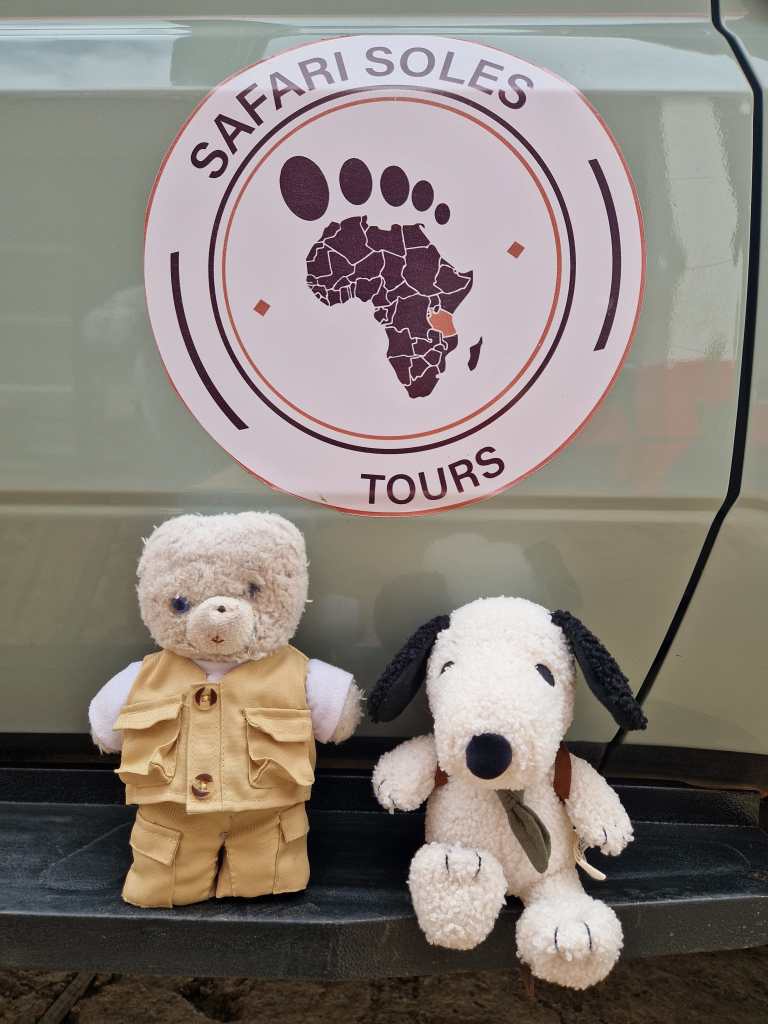
Trouspinet (left) and Snoopy

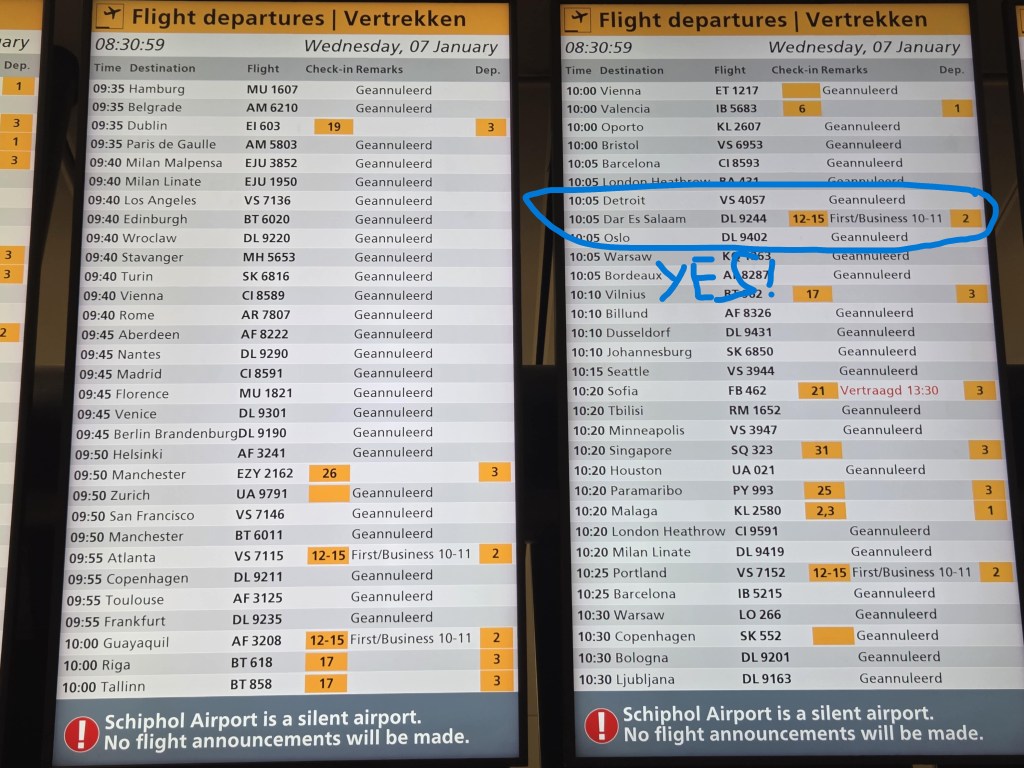
Welcome from Trouspinet the vagabond teddy bear! This time my destination is Tanzania, and I am accompanied by my friend Snoopy for a two week safari. As far as I know, there are no bears in this part of the world, but I am hoping to see lions, leopards, cheetahs, elephants and lots more – plus some amazing scenery and interesting people. We travelled in January to escape the depressing winter weather in London, but made the mistake of booking a flight passing through Schiphol airport in Amsterdam, where a couple of days of cold snowy weather had caused the cancellation of most of the flights. I followed developments anxiously online, but miraculously my flight from London into Amsterdam and my continuation to Tanzania were both among the small number of flights that operated.

Chaos at Schiphol airport, but we were very lucky

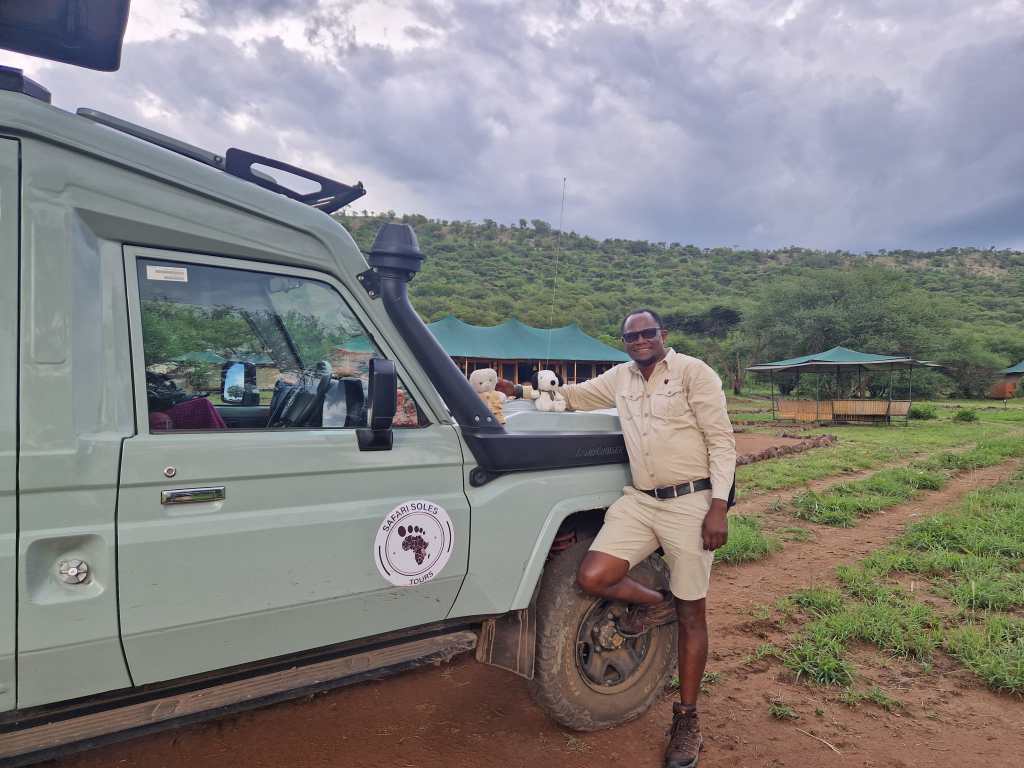
From the freezing cold in Amsterdam, we arrived in Arusha, Tanzania’s third biggest city, late in the evening. Immigration and baggage claim were both very efficient and soon after landing we were enjoying some warm fresh air and a cold beer by the side of my hotel’s swimming pool. We slept well and next day after breakfast met Estomih, who was to be our driver and guide for the next twelve days. He showed us to a large and comfortable specialised safari jeep with an opening roof, and we set off to our first destination, Tarangire National Park, a two hour drive away.

Our guide Estomih
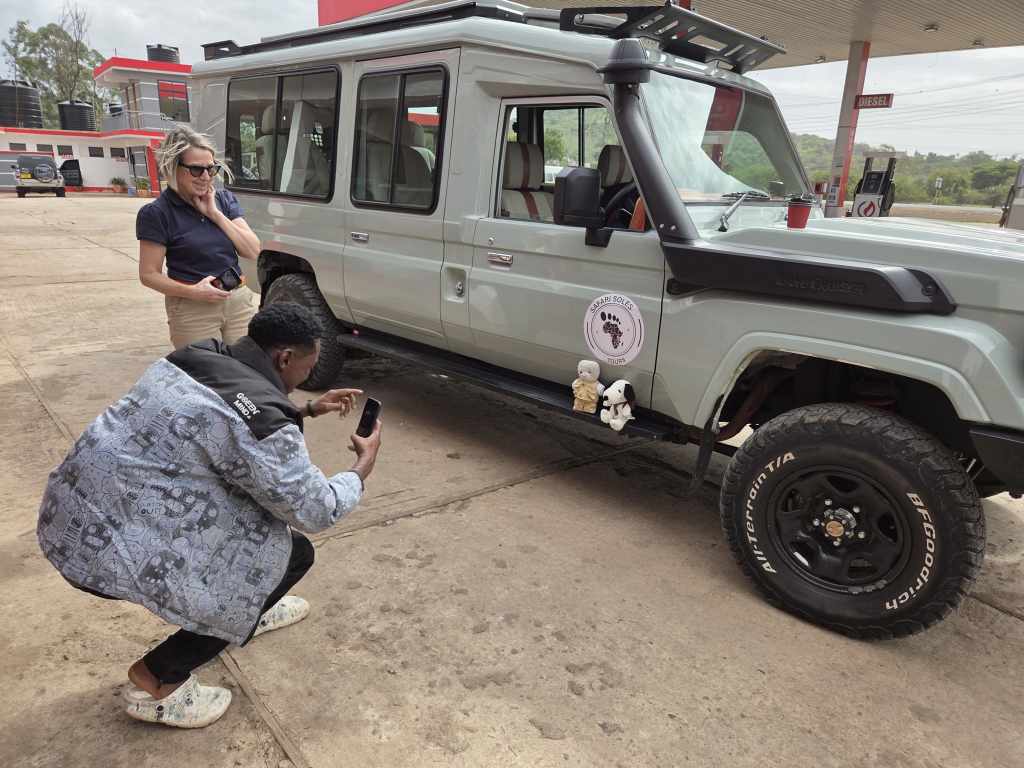
Locals were curious to see a teddy and dog on safari
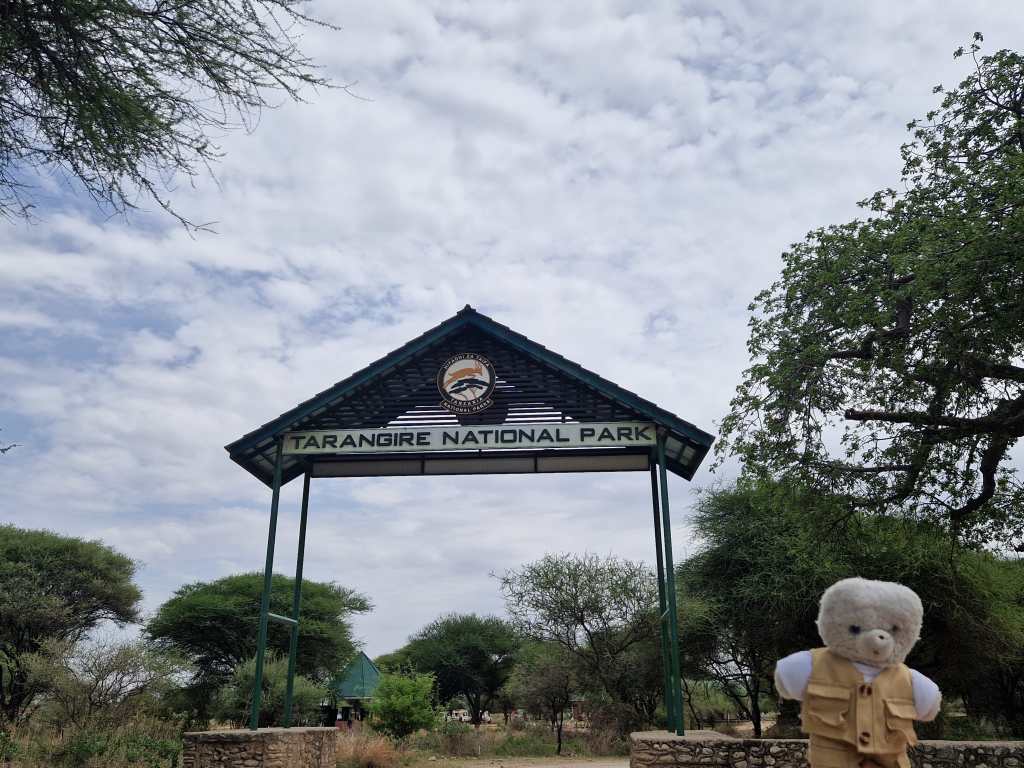
The entrance to Tarangire National Park

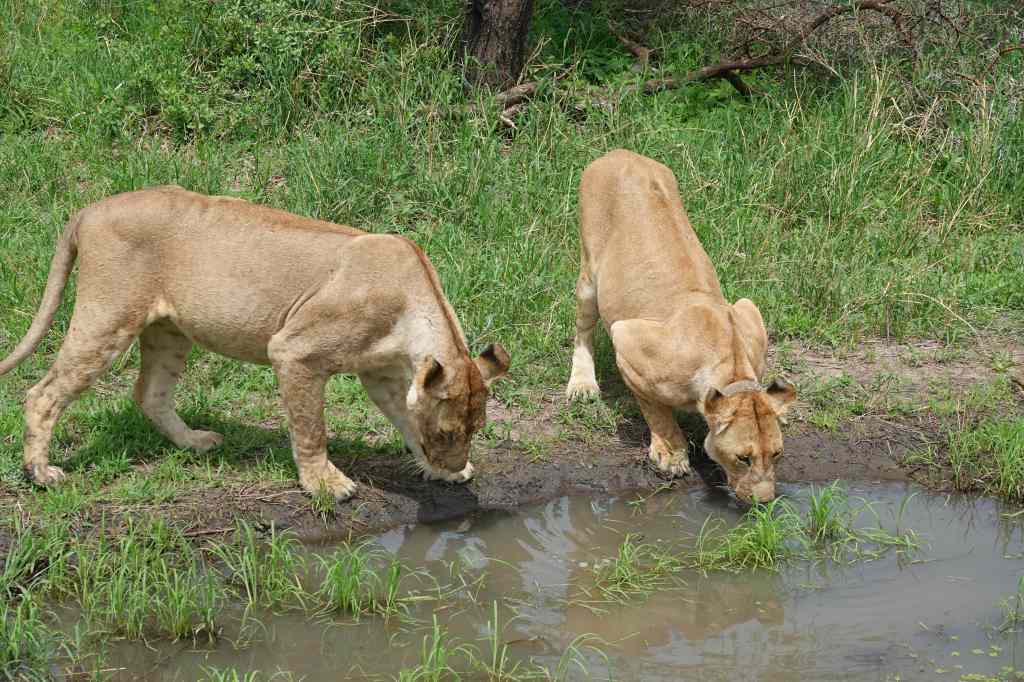
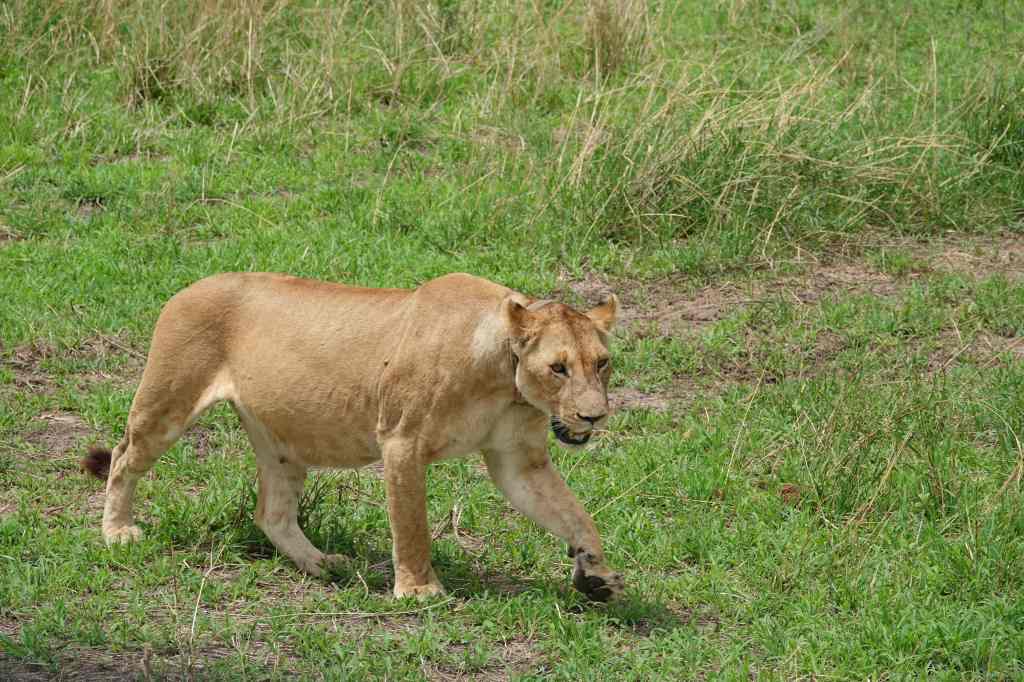
Tarangire Park is known for its dense forests, baobab trees and elephants. It is also home to lions and leopards, but they are usually hard to see because of the vegetation. However, luck smiled on us and a short way after the park entrance we bumped into a group of three lionesses drinking water and half-heartedly stalking some nearby zebra.

Two lionesses drinking water
A third lioness stalking zebra

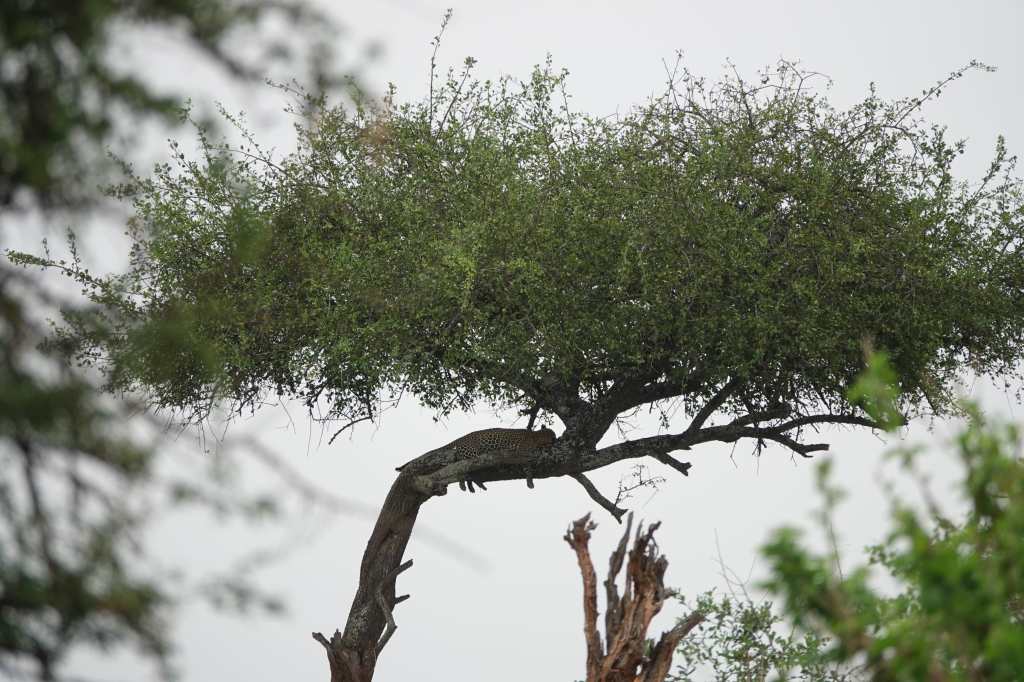
A short way further into the park we came across a leopard, hiding high in a tree.

A lazy leopard in a tree

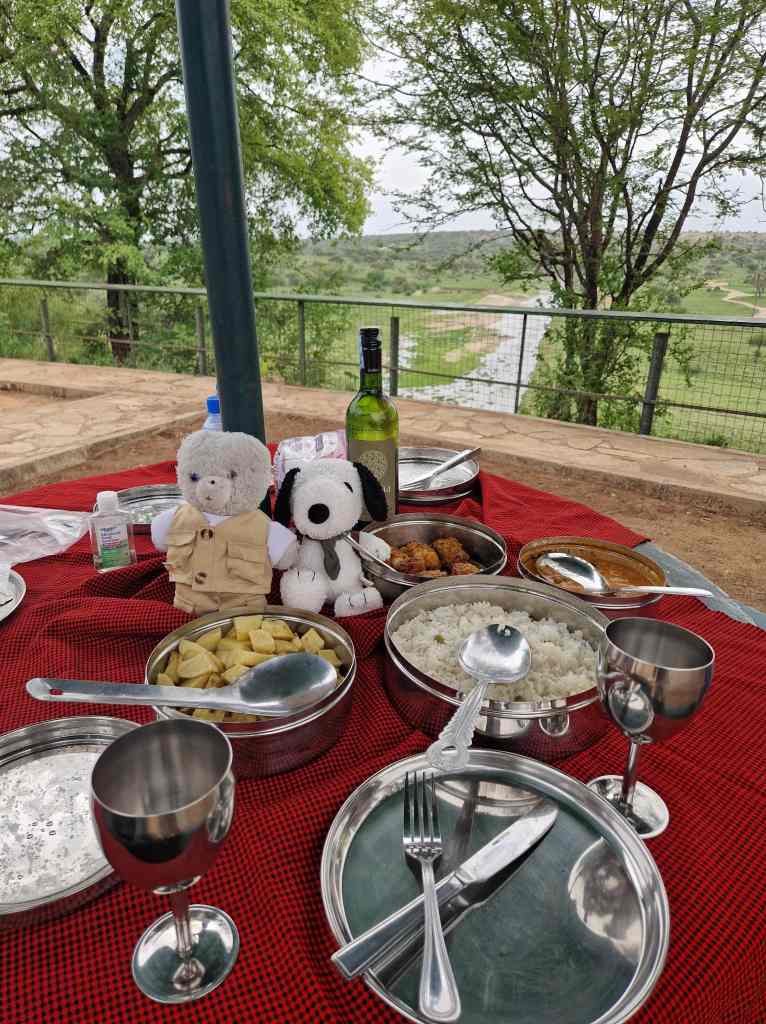
Surprisingly, finding Tarangire’s famous elephants proved rather harder. We drove around searching but the huge animals were nowhere to be seen, so instead we made a break for lunch at one of the park’s picnic areas. This proved to be a treat, and was to be a highlight of each day of our trip. Estomih brought a huge picnic hamper out of the jeep, found a picnic table, and set out a spread of rice, meat and vegetable stews, fish and fruit. As a final flourish he even produced a bottle of Tanzanian wine.

A feast at Tarangire National Park

We spent a leisurely hour sampling this feast and relaxing, occasionally driving away naughty monkeys who would jump onto tourists’ tables and steal any unguarded food.

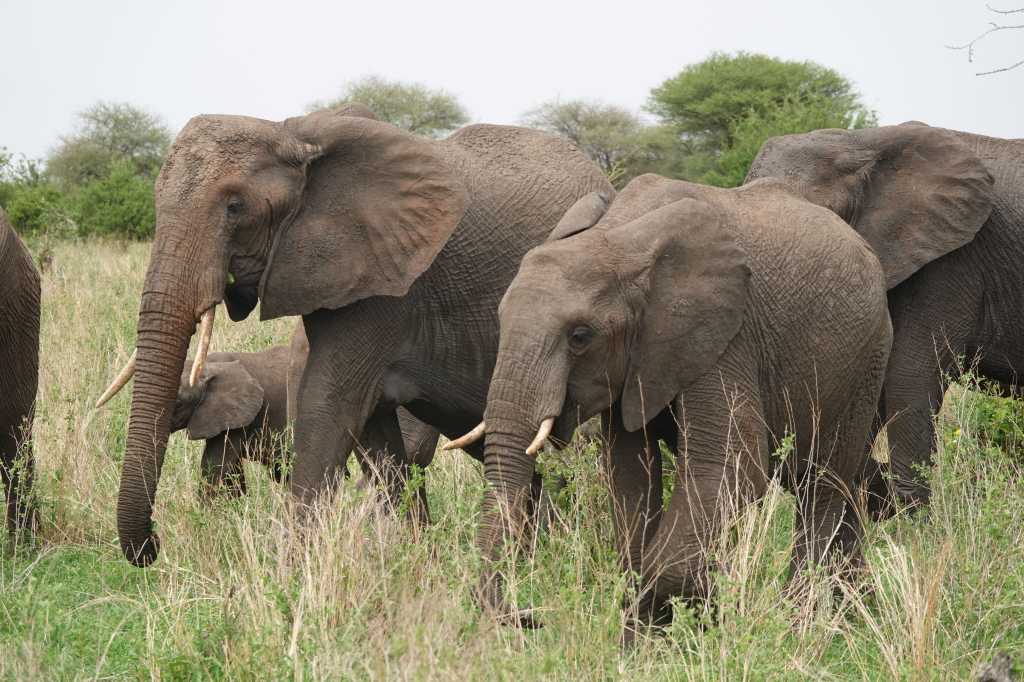
After lunch we set off to explore again, and soon stumbled on a large herd of elephants slowly making their way through the jungle.

A herd of female and young elephants

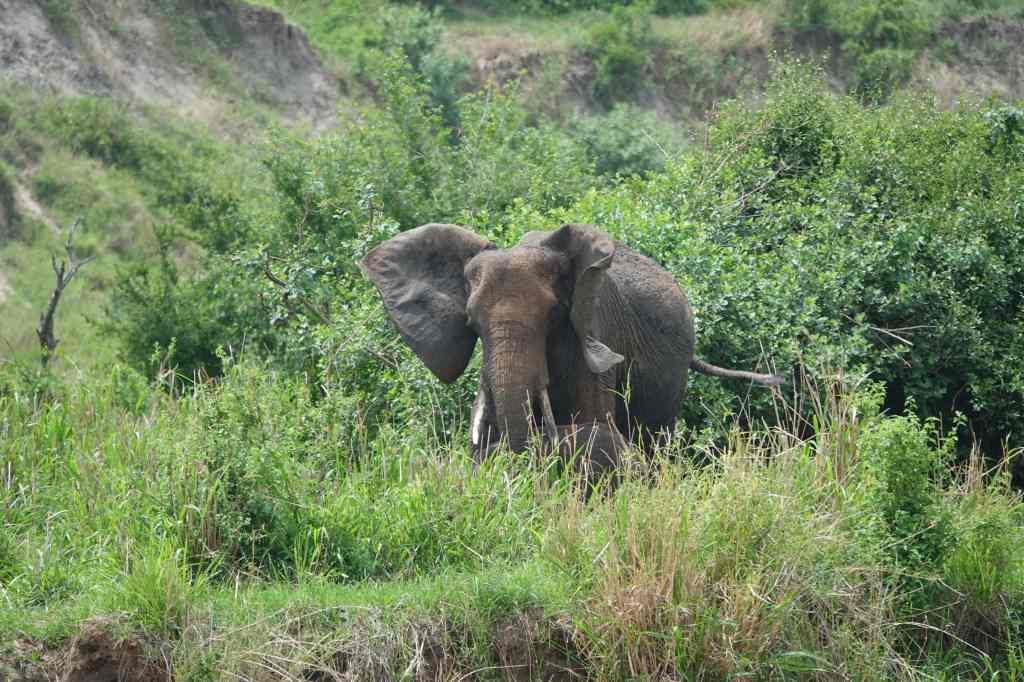
We also bumped into a few single adult males, who usually live separately from the herds of females and babies.

A solitary male elephant

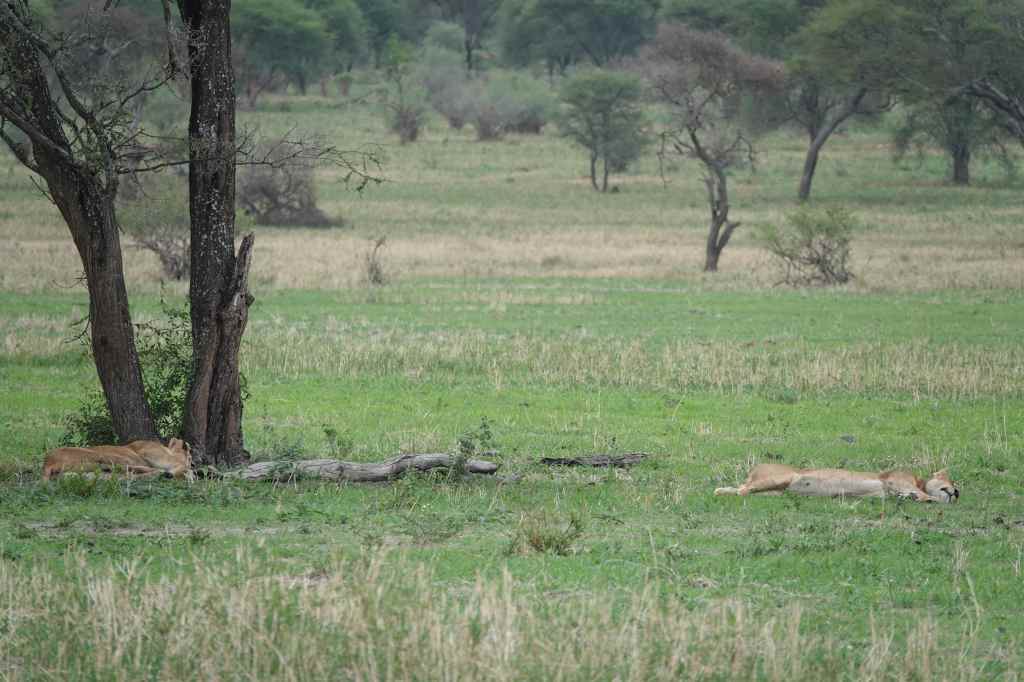
As the afternoon wore on, it grew hot, and the wildlife became harder to see. Estomih drove us towards the remote part of the park where our camp was located; on the way we saw two more very sleepy lions.

Two sleepy lions

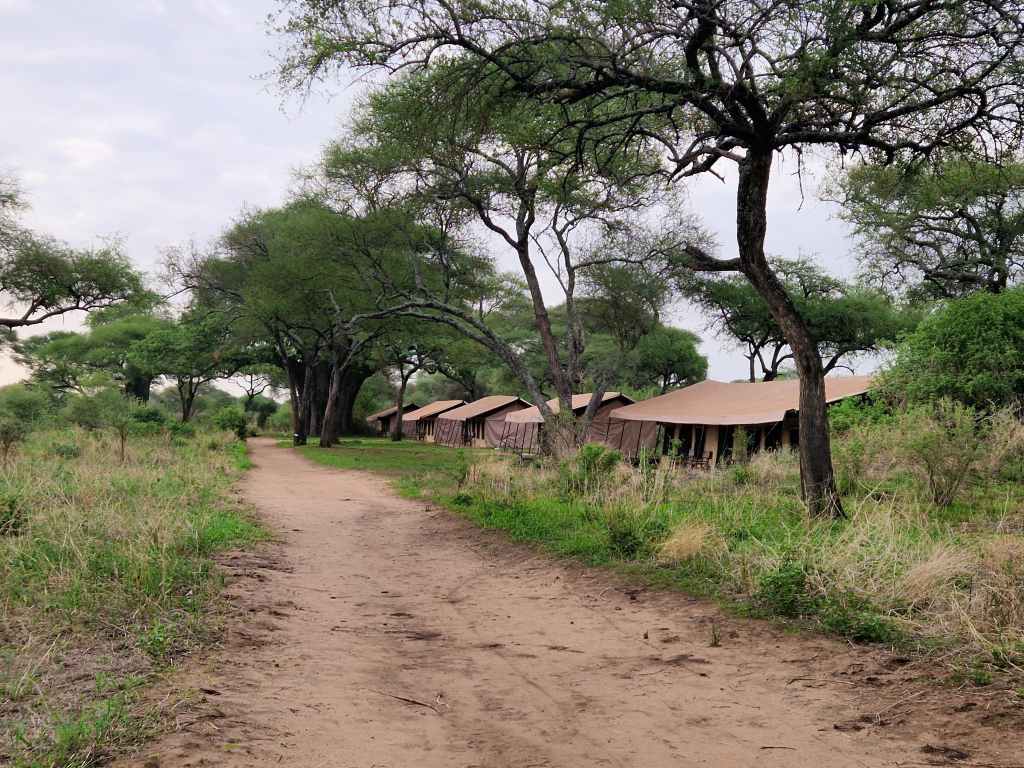
Our accommodation was located inside the park, meaning that it can be visited by wild animals, especially at night. The manager introduced us to his camp, and explained the rules to us – the most important one being to use the walkie-talkie in our room to ask for an escort to take us to and from the restaurant at night. He said that there had been cases where camp staff or tourists had been attacked by animals, but that inside our tent we were quite safe. After dinner – which was good, given the remoteness of the site – we settled down in our tent for the evening. It was large, with a big bed and separate toilet and shower inside. We were soon drifting to sleep, listening to the sounds of the jungle around us. Our safari trip around Tanzania had started well.

Our bush camp at Tarangire National Park

Blog at WordPress.com.

Up ↑