Bucharest and Farewell to Romania

My final Romanian post is devoted to its capital, Bucharest. I had spent one night here on my arrival in the country, before heading off to Transylvania. My first impression was negative – the main road from the airport to the centre looked dirty and dilapidated, with many crumbling buildings. I wondered how the city could ever have been called “the Paris of the East” – as it was a century ago. On my return at the end of my trip, I spent a whole day here and formed a more favourable impression. Large parts of Bucharest are indeed poorly maintained – the city suffered badly in the second world war and during the 1989 revolution that deposed the communist dictator Nikolae Ceaușescu. However, there is a central area where some fine old buildings have been renovated and I had a very pleasant stroll exploring.

The Central Bank, one of the elegant old buildings in Bucharest that has been restored
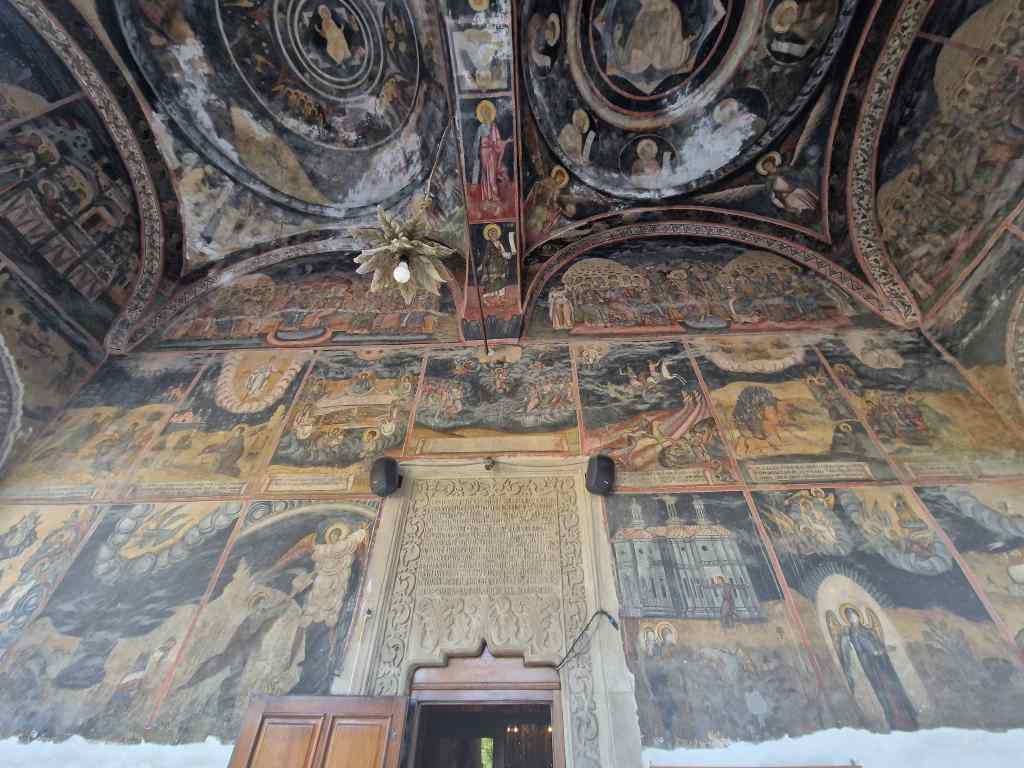
Inside an old orthodox church in Bucharest

The city reminded me more of Moscow in the early 2000s than Paris, with a mix of grand impressive monuments and old churches interspersed with modern concrete constructions and once handsome but now crumbling buildings from Bucharest’s “Golden Age” at the beginning of the 20th century. After taking in a few sights I stopped for a fancy coffee at one of Bucharest’s many excellent and very cheap cafés and restaurants.

Morning refuelling!

After coffee, my next stop – and a particular highlight – was the Romanian Athenaeum, probably the most striking venue for classical music I have ever seen. I was lucky to stumble across music students practicing for the Enescu Competition, named after Romania’s only famous classical composer. I stayed for nearly an hour listening to his music, resolving to hear some more when got home.
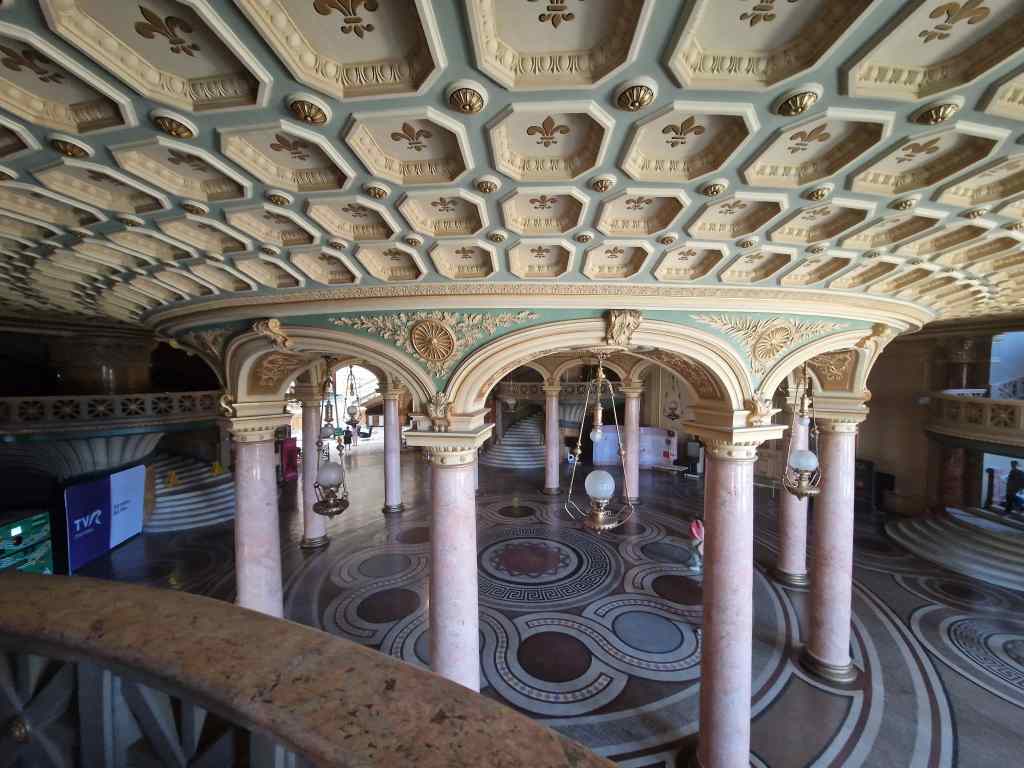
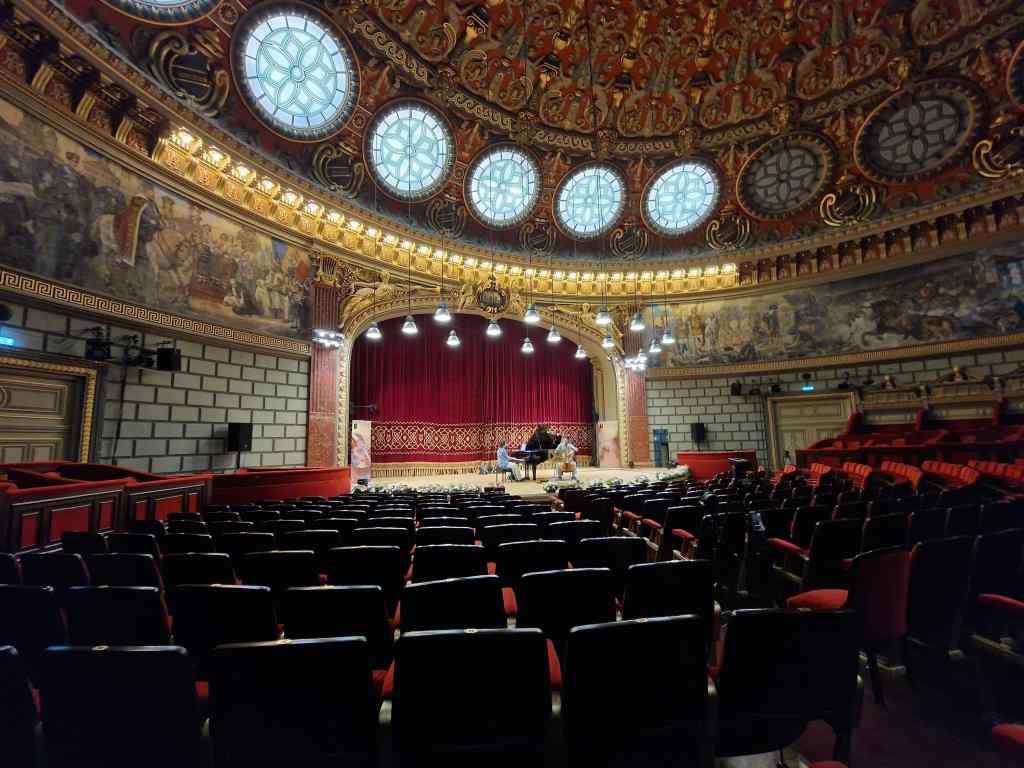
The Romanian Athenaeum – small but beautiful

Another very different highlight was Romania’s Palace of Parliament, a huge complex dominating the surrounding area. It is the biggest building in Europe and the second biggest administrative building in the world (after the Pentagon). The palace was the idea of Ceaușescu, and work started in 1984 and lasted until 1997, long after the dictator’s fall and execution. Construction involved demolition of an existing neighbourhood, relocation of 40,000 people and huge expense – at a time when the country was already weighed down by the burden of huge international debts.
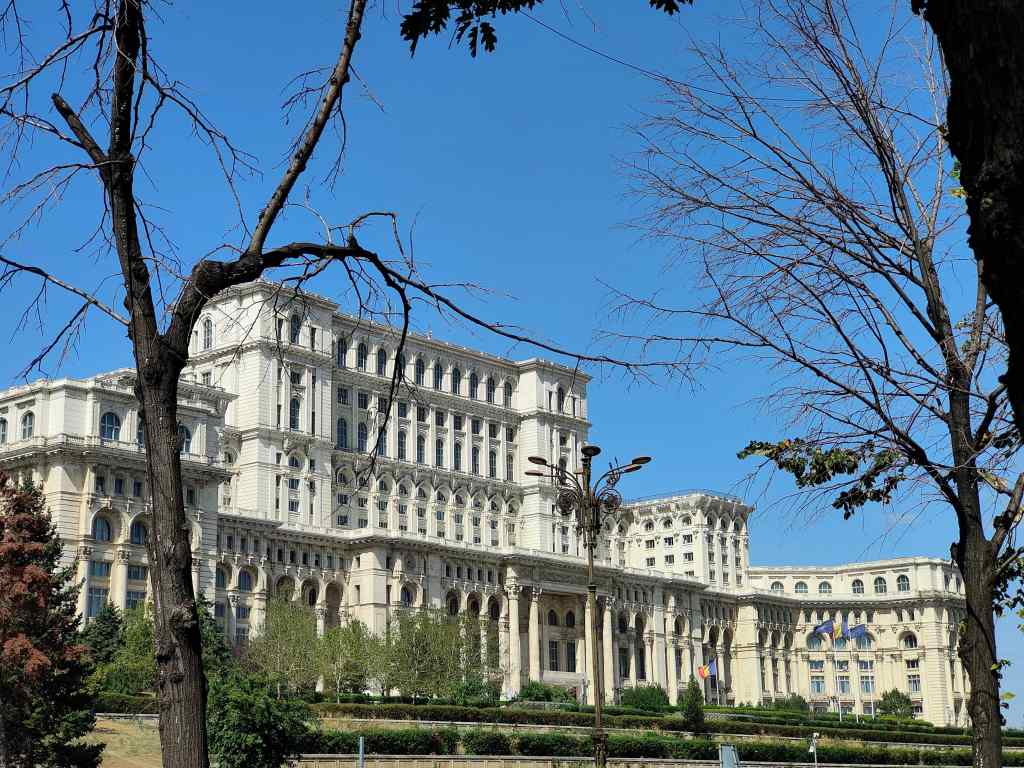
The Palace of Parliament – Big and Impressive

Suitably awed by the huge edifice, I headed off for lunch in Caru’cu Bere, a big restaurant in Bucharest’s historic centre. It was very busy with lots of tourists and waiters in local traditional costume – but it was also lots of fun, and the food was simple but good.
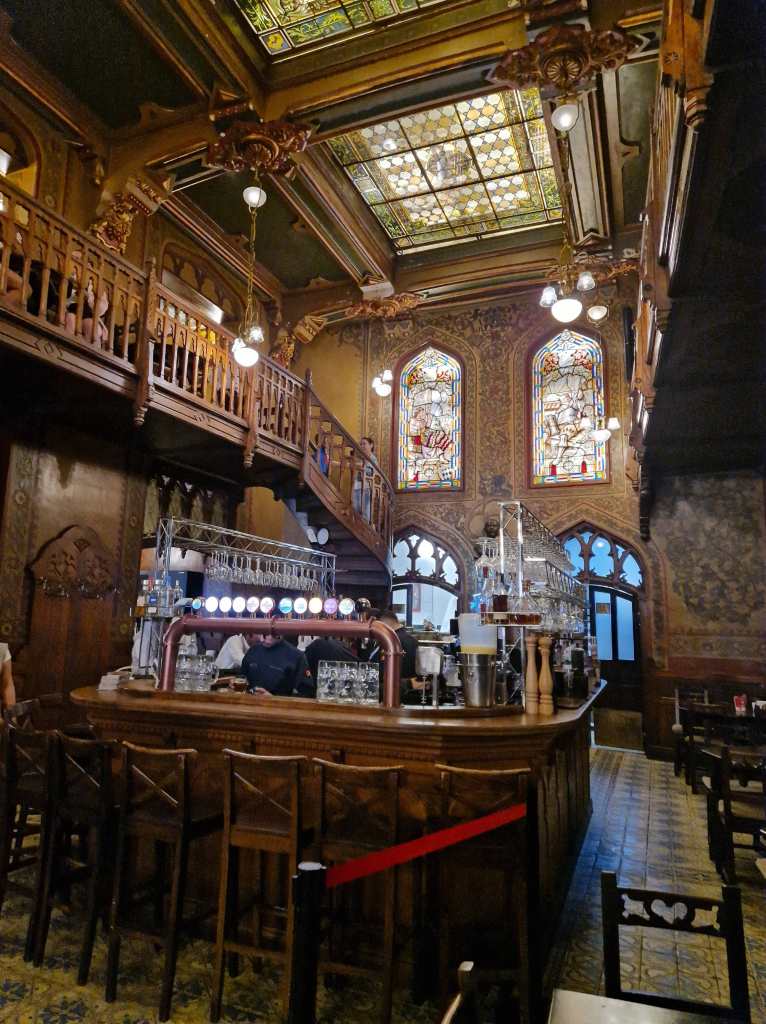
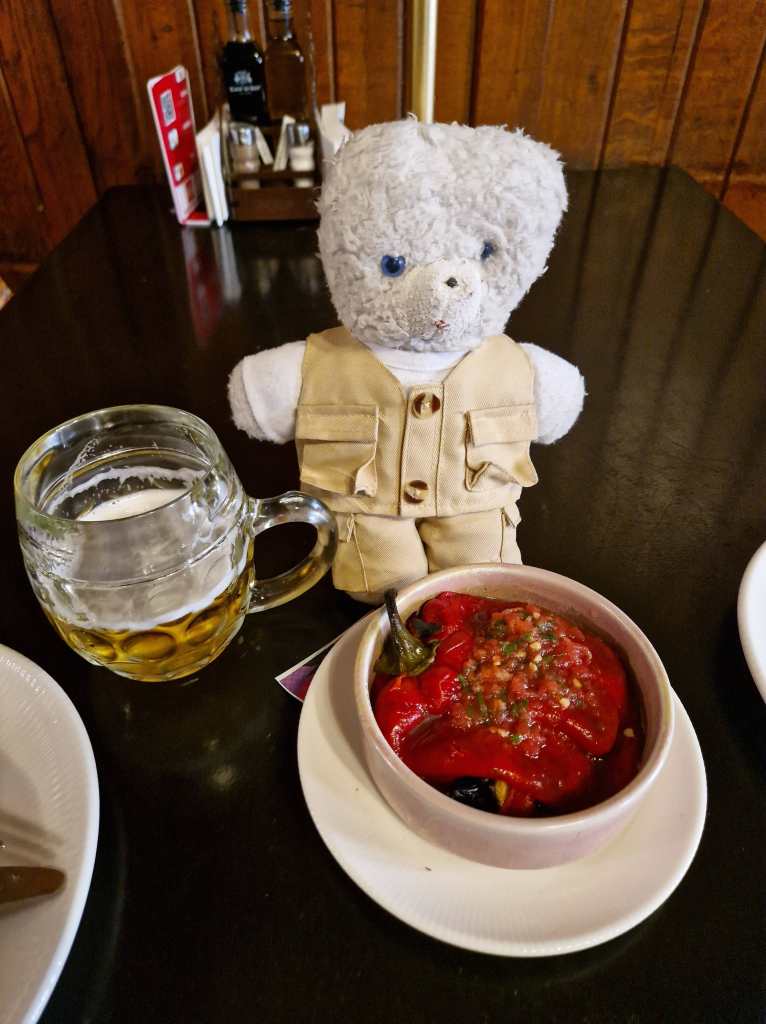
In Caru’cu Bere, a traditional restaurant

After lunch I explored the historic centre, which was popular with tour groups and stag parties and much less interesting than the centres of Sibui or Brasov. I took refuge from the crowds in an interesting set of galleries called “Art Safari”, housed in a beautiful old building.
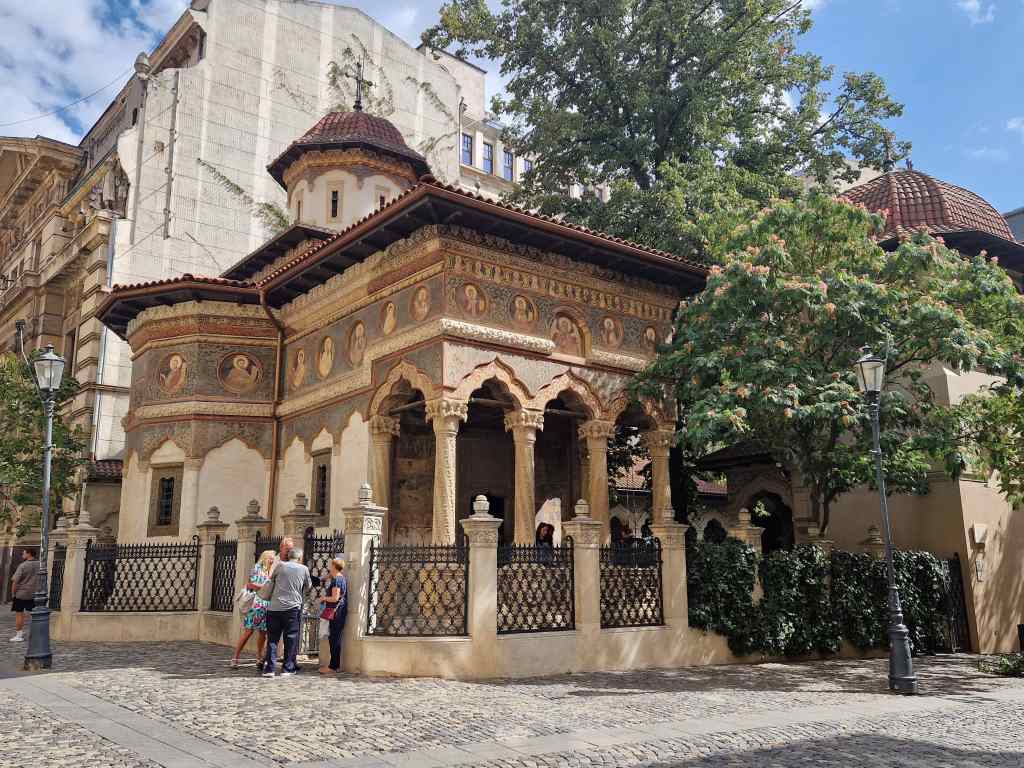
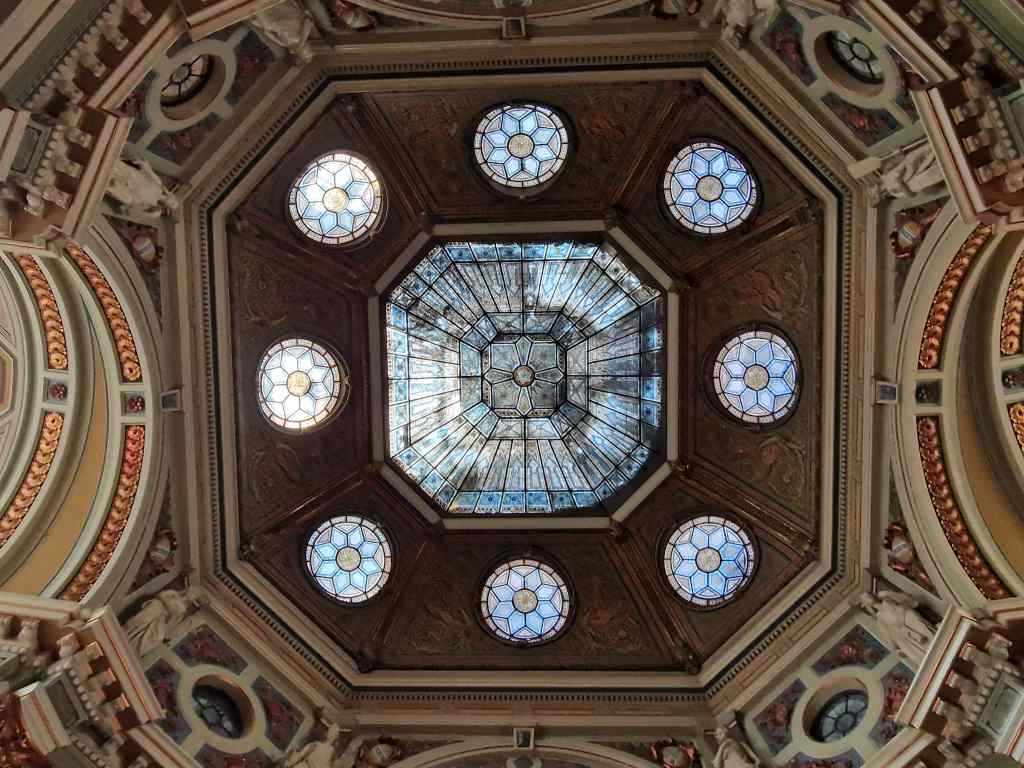
A church in the Historic Centre of Bucharest
Historic centre – an old building now housing “Art Safari”

That evening, I had lobster risotto on the terrace of a chic restaurant near my hotel to celebrate the end of my short trip around Romania. I had very much enjoyed my time, even if it had not been what I had expected. I had thought the country would be poor, backward and maybe even a bit unsafe. Instead, the part I had visited was relaxed and seemed affluent, with well maintained roads and immaculately preserved towns and villages. Food and drink had also been a highlight – both were very good and very cheap compared to anywhere else in western Europe, and exploring some of the country’s unique wines had been great fun. Finally, Romania has around 9,000 bears living in the wild!
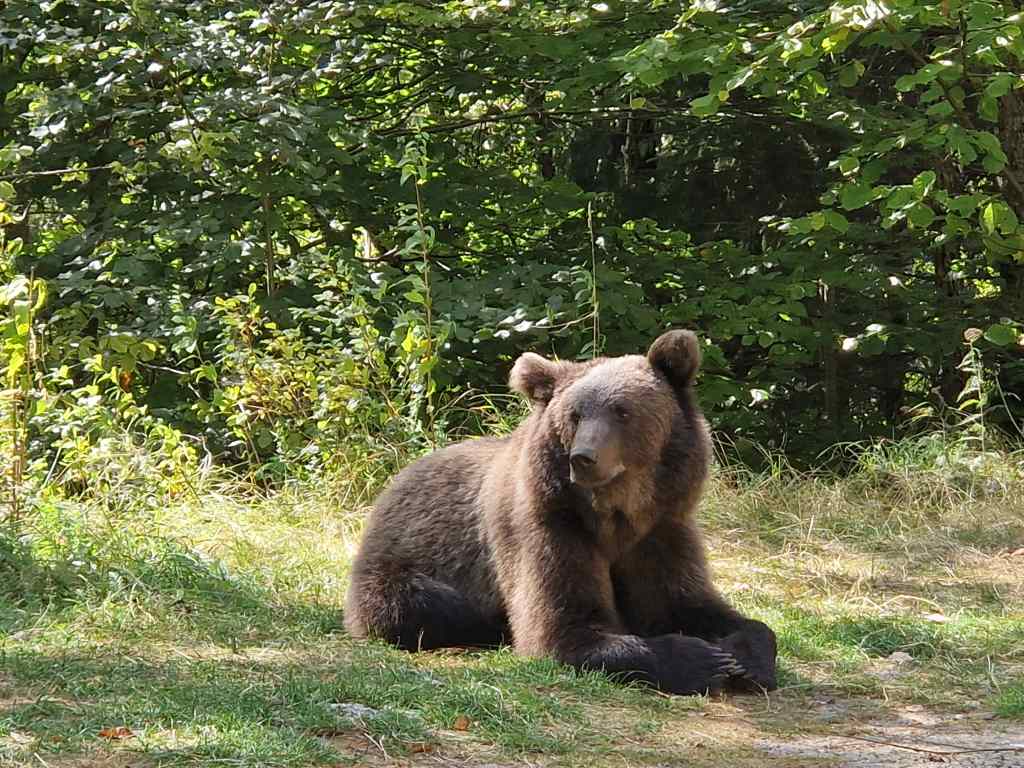
Probably my favourite highlight of Romania!

Some day I will return to Transylvania and maybe continue to explore Romania’s northern border with the Ukraine, to see if there are still some areas remaining that match my original vision of a remote and wild country. For the moment that is all – keep following me for my trip to Japan in a month’s time!

Next stop Japan (photo from my Berlin trip)

Previous Post – Sibiu, the Transfagarsan…and Wild Bears!
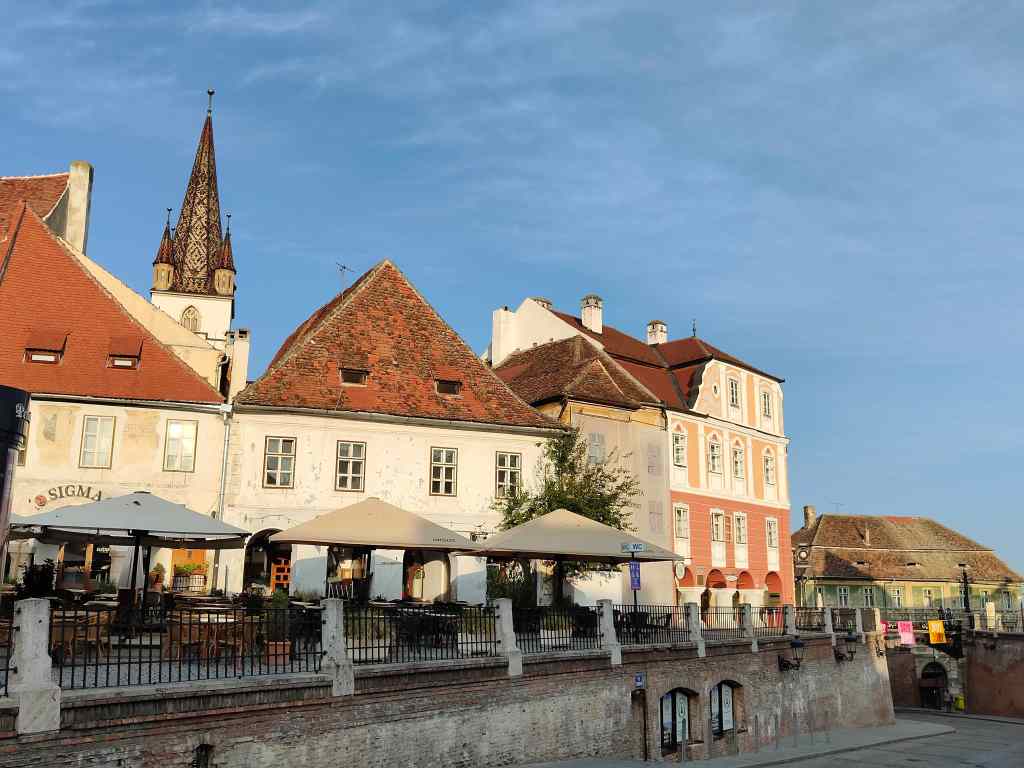
Sibiu, the Transfagarsan…and Wild Bears!
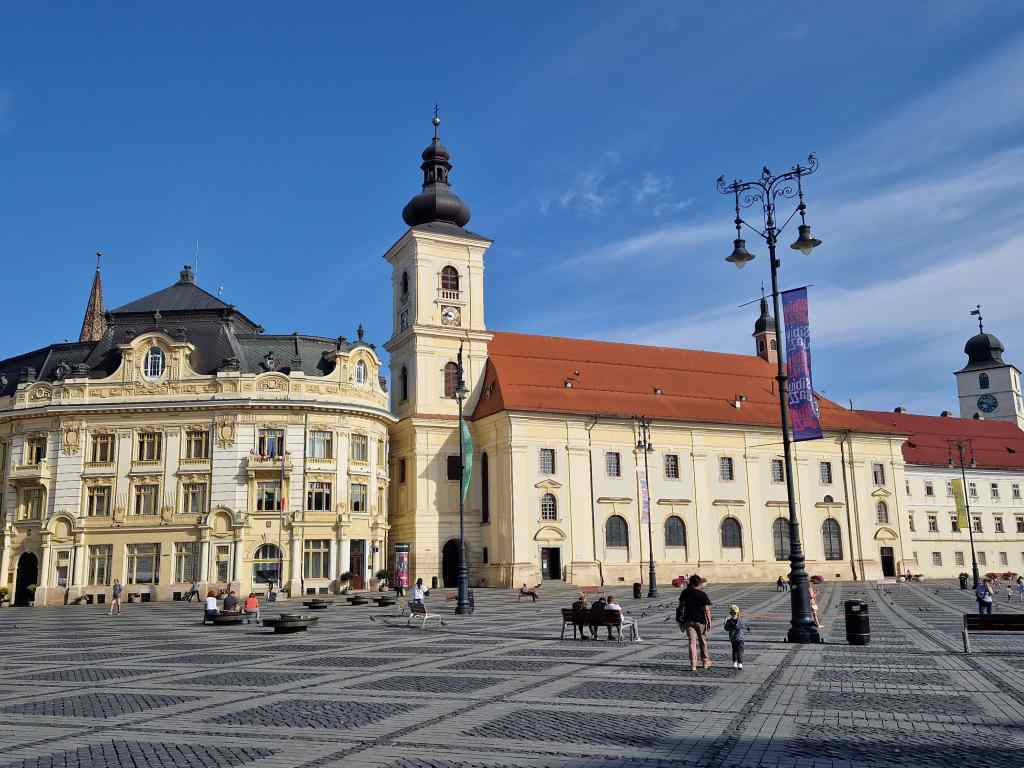
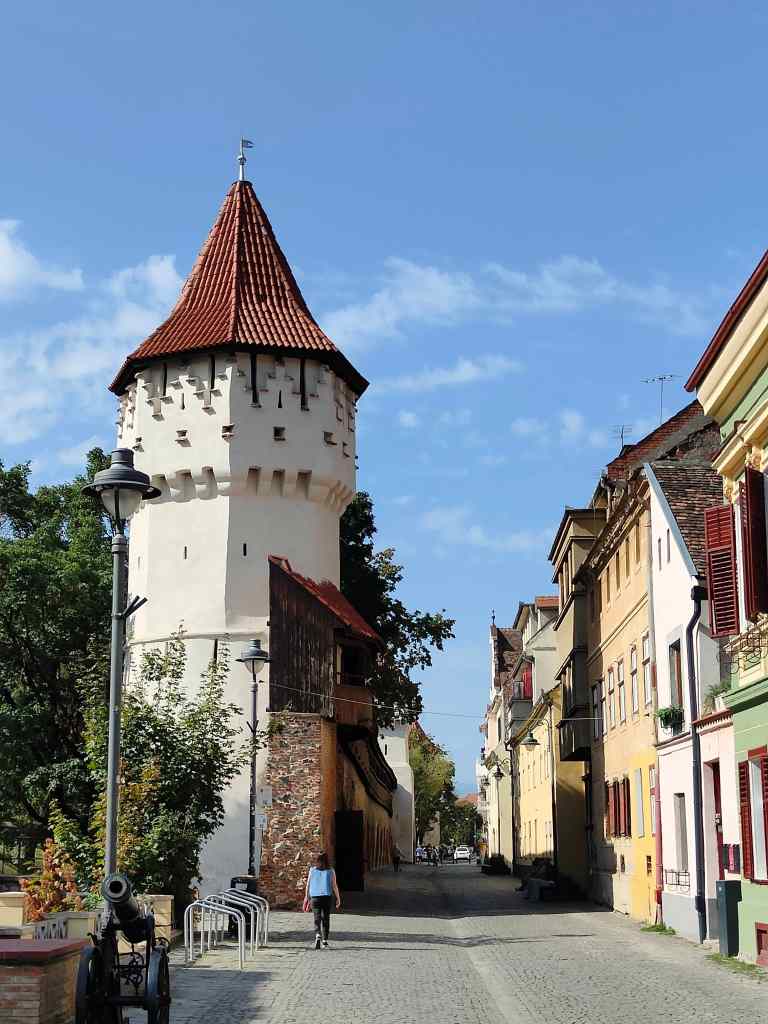
Today I was in Sibiu, originally a Roman village called Cibinium, then becoming yet another Saxon town and later an administrative centre for the Austrian province of Transylvania under the Habsburgs. Sibiu is also called by its Saxon name of Hermannstadt, and signs in  German are visible everywhere, even if the language is no longer spoken here. The city is also an artistic centre. In the 19th century famous figures like Strauss, Brahms and Liszt performed here; today the city has become a sleepier backwater, but still hosts Romanian’s most important jazz festival.

Sibui
The elegant squares of Sibiu in the early morning
Sibui
Sibiu’s main square
Sibiu
Sibiu’s ramparts

Sibiu has lots of beautiful buildings dating from different centuries and is a great place to simply stroll around, hopping from one outdoor café to another and occasionally visiting a pretty church – which is exactly what I did.

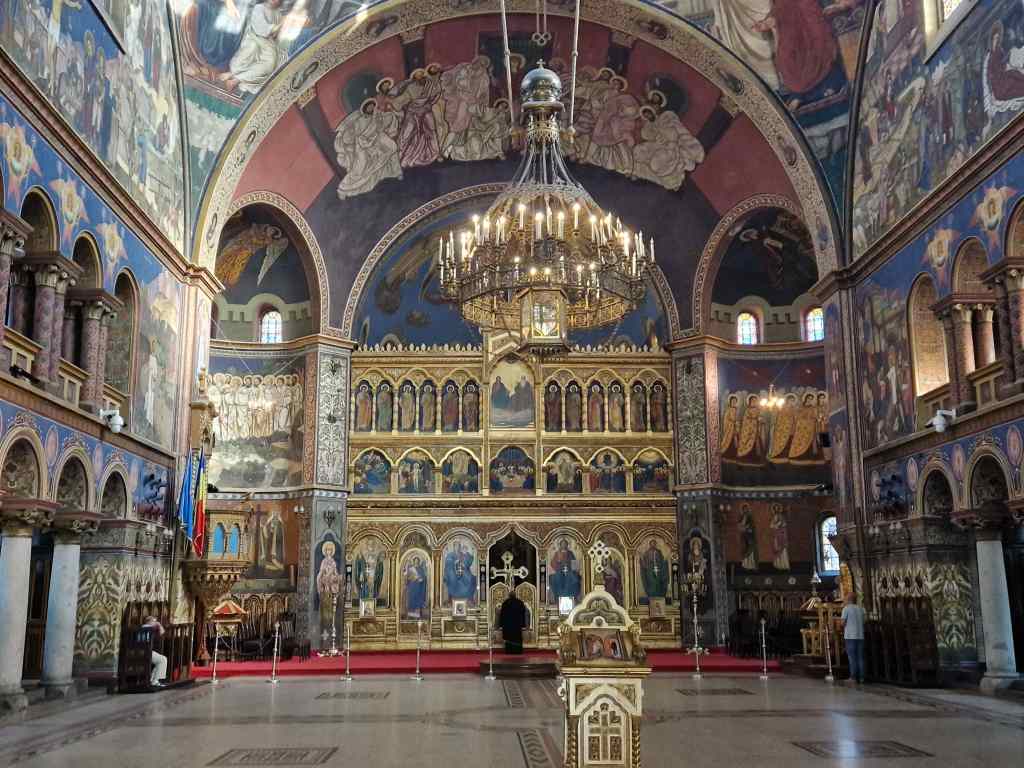
Sibiu Orthodox Cathedral
Outside and inside the orthodox church, Sibiu

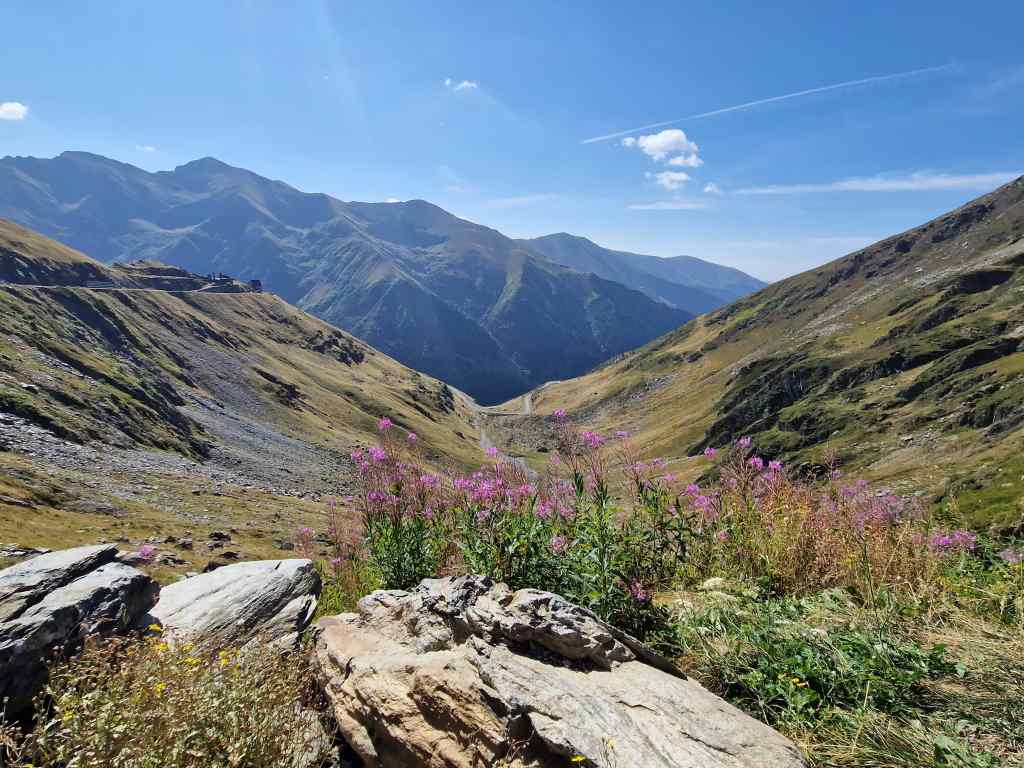
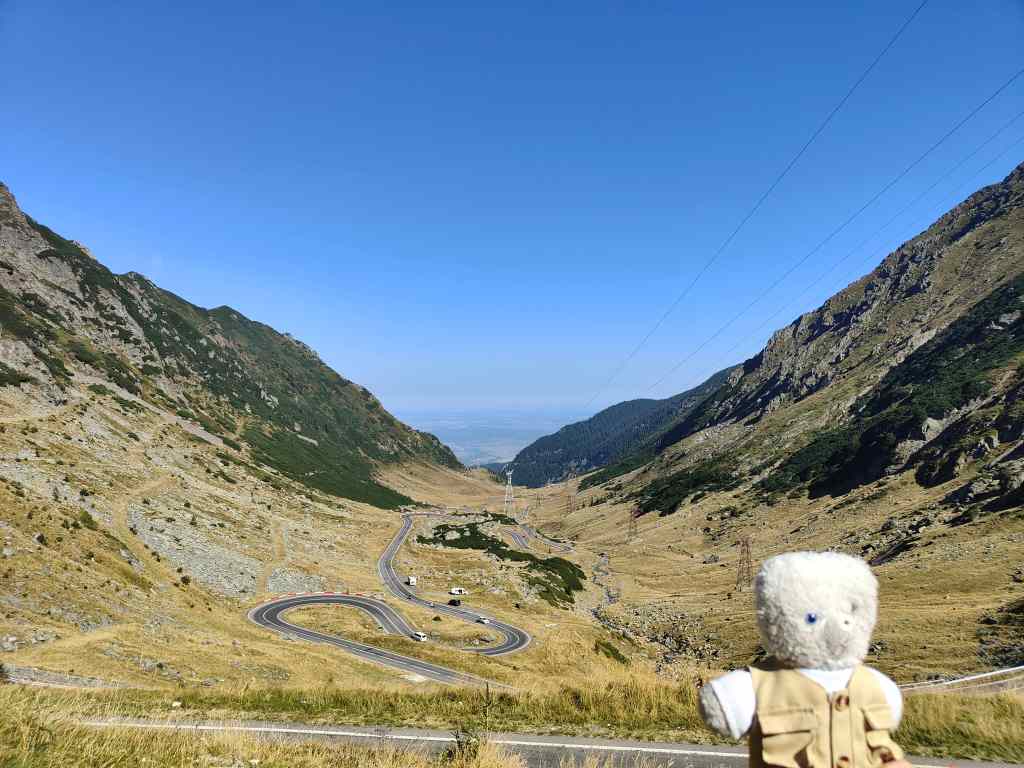
After a relaxing day in Sibiu, it was time to head back to Bucharest. I chose to take the famous Transfagarsan Road, claimed by the UK TV show Top Gear to be the greatest drive in the world. The road snakes steeply up a mountain, with lots of hairpin bends. It might be a great place for testing out a sports car, but in my opinion, it is far from being the world’s most scenic or most difficult route. The views were impressive, but I have seen better in the Central Asia, Alps, the US or Scotland.

Transfagarsan Road
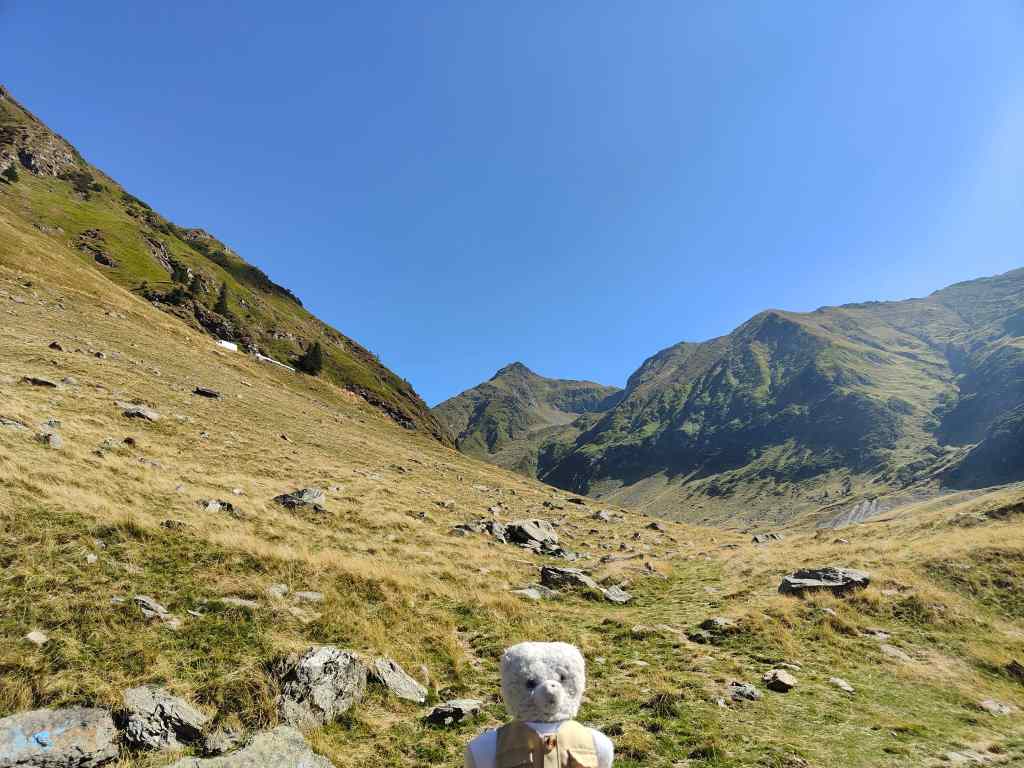
Mountain scenery on the Transfagarsan

After Top Gear’s endorsement, the Transfagarsan road became very popular; fortunately, I got there early and was visiting outside of the main tourist season, but there was still a steady stream of traffic. This included a few idiots in supercar Porches and Lamborghinis, who overtook on blind corners. The best view of the road is from the top, where nearly all the hairpins can be seen at once, but the parking area there was overflowing so I settled for photos I had taken further down.

Transfagarsan Scenery
More pretty scenery
Transfagarsan Hairpin Bends
Transfagarsan Hairpin bends

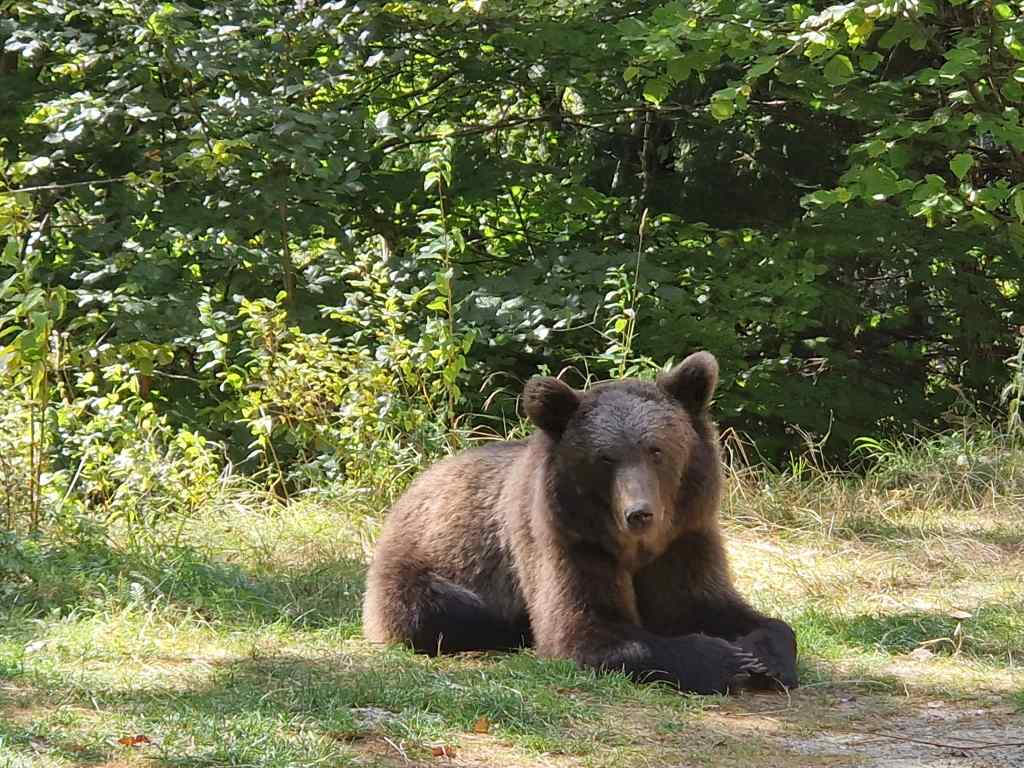
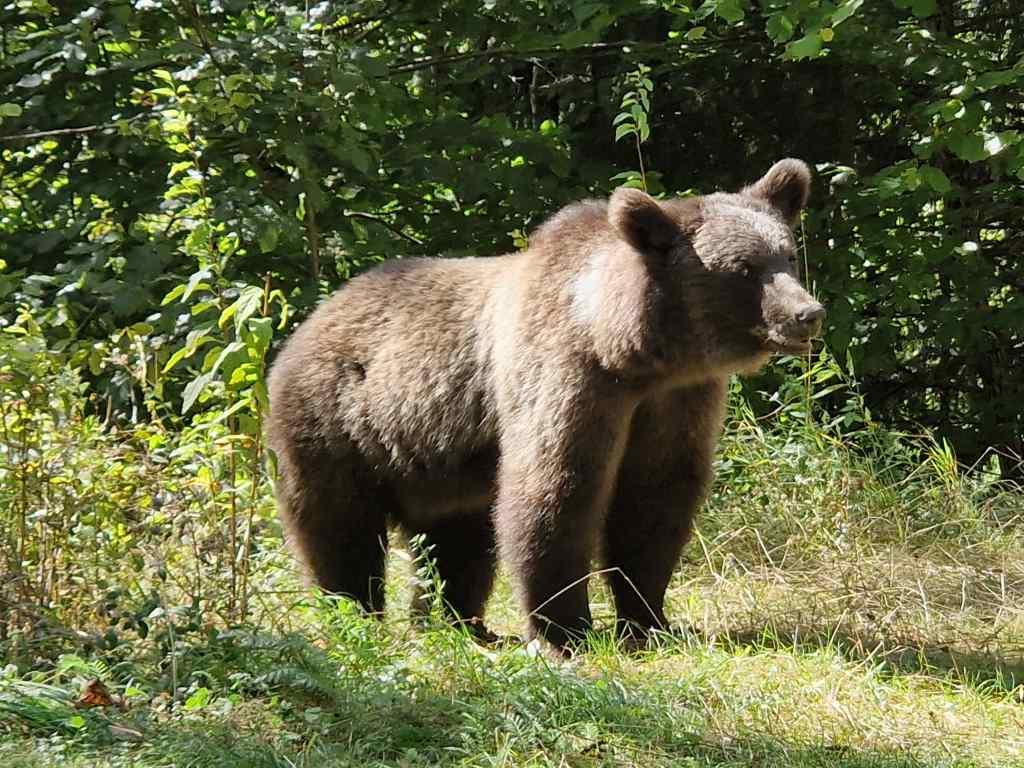
Descending back down from the mountain, the road plunged into a dense forest beside a large lake. I was driving along carefully when suddenly I had a very pleasant surprise – in a lay-by there was a young, friendly fellow bear – one of roughly 9,000 that live in the wild in Romania. I pulled over; he was unperturbed by my presence and let me stop to take photos from a few metres away (from the safety of my car – unlike teddies, wild bears can be unpredictable).

Wild Bear Romania
A friendly bear
Wild Bear Romania

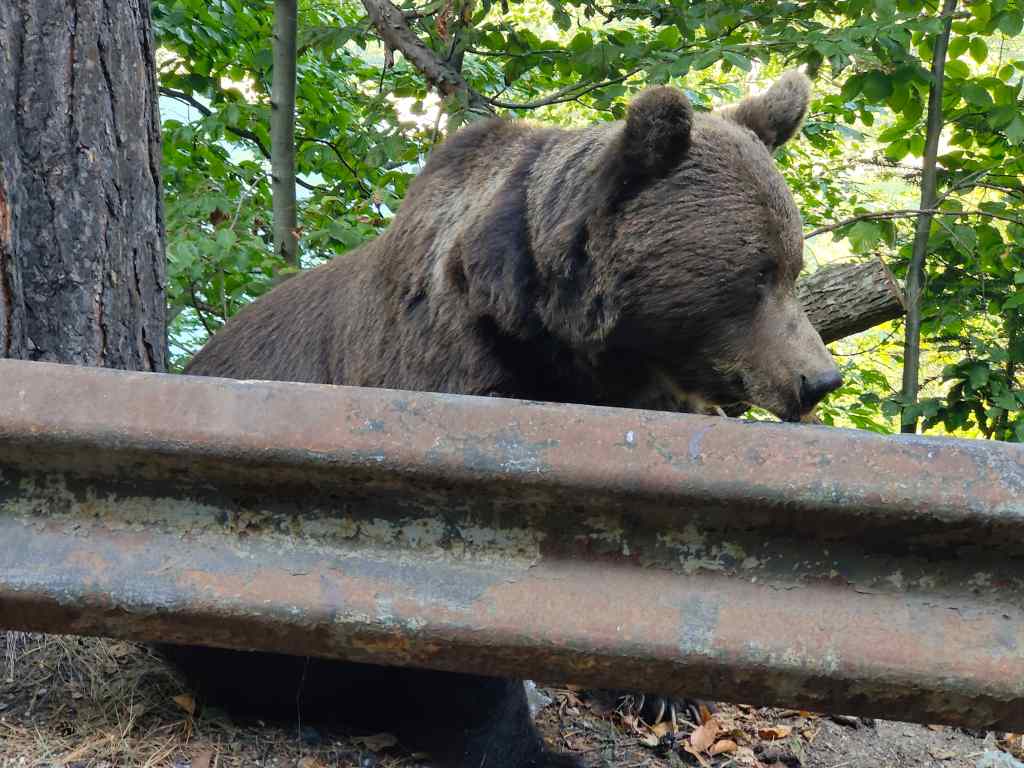
A few kilometres further along the road, I met another bear. He was older and looked rather tired and sad. Maybe he would be a good candidate for the “Libearty Sanctuary”…..

Wild Bear Romania
A sad bear

Meeting fellow bears in the wild more than made up for the slight disappointment of the Transfagarsan road, and after leaving the mountains I drove the remaining rather dull three hour stretch to Bucharest in excellent spirits.

Next Post: Bucharest

Previous Post: Sighisoara and Alba Iulia

Sighisoara and Alba Iulia

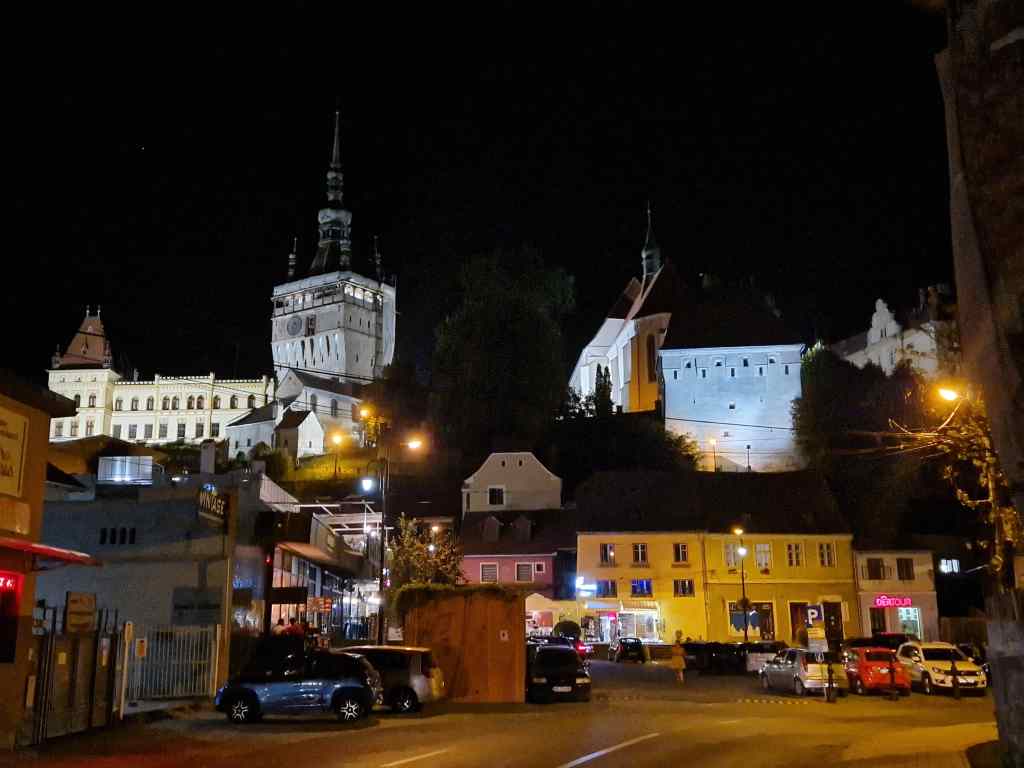
I arrived at my destination – Sighisoara – in the evening, and immediately went out for dinner. On the way back to my hotel I admired the spectacular old town, sitting on top of a steep hill.

Sighisoara Old Town at night….
…and in the early morning

The next day I had breakfast in the small courtyard of my hotel with a great view of the castle, before setting off to explore.

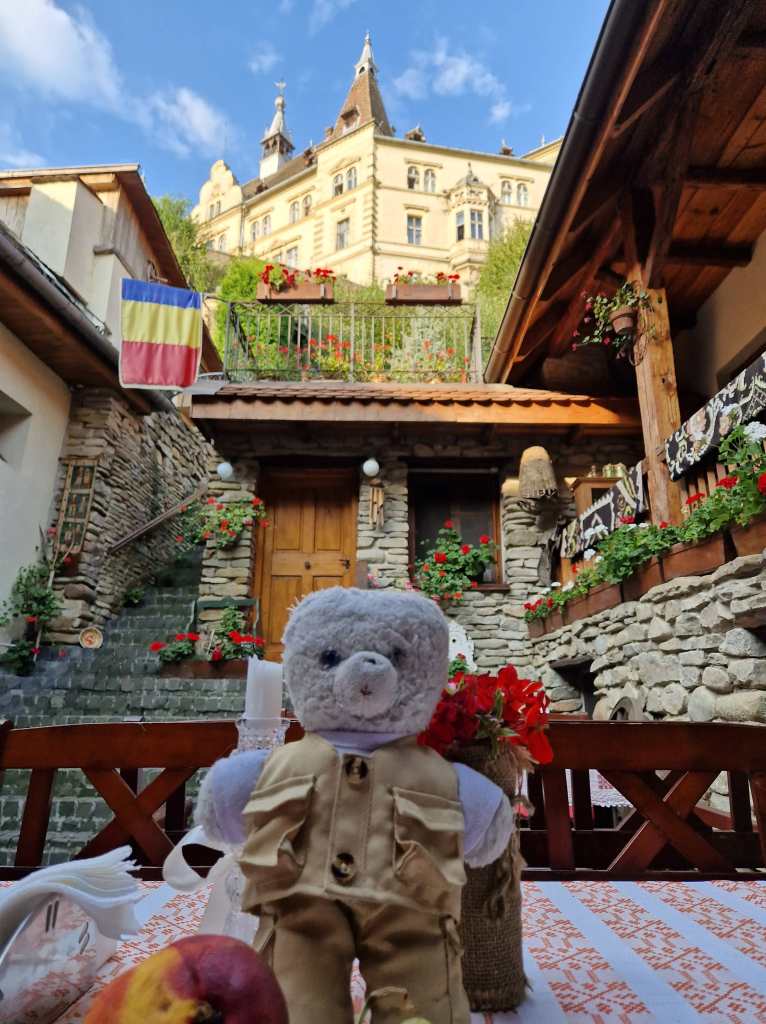
Breakfast with a view!

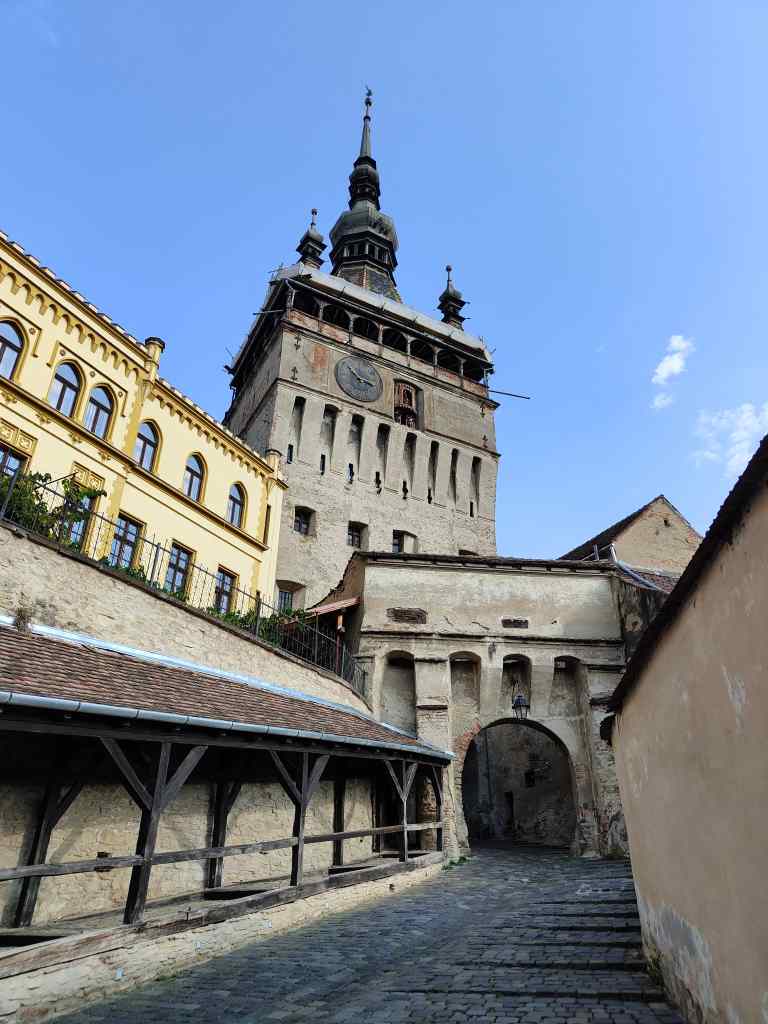
Sighisoara was – inevitably – founded by Saxon settlers in the 12th century and grew to become an important trade centre in the Middle Ages. Today it is one of the best preserved and prettiest fortified towns in the world and is very popular with Romanian tourists in the summer. I climbed up some steep steps to the old town and spent a very pleasant morning strolling around and taking in the relaxed atmosphere.

Climbing up to Sighisoara’s old town
A peaceful square in the Sighisoara backstreets

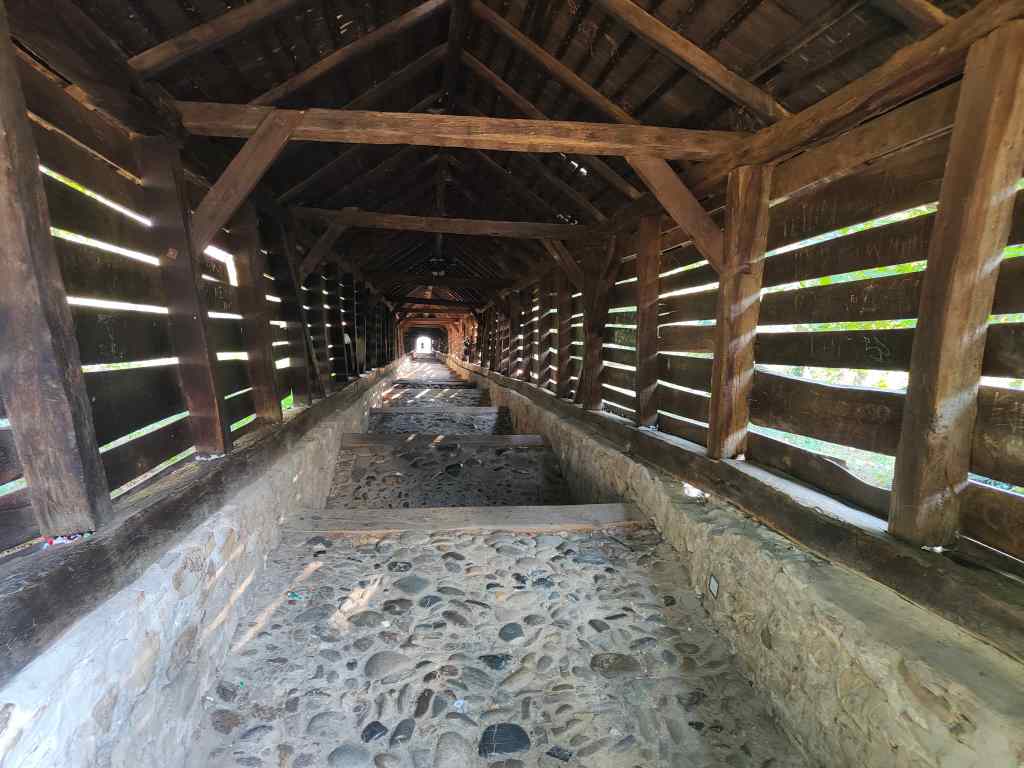
One curious sight was a long, covered staircase, built in 1652, to give children protection on their walk to the school right on top of the hill.

Luxury for schoolchildren

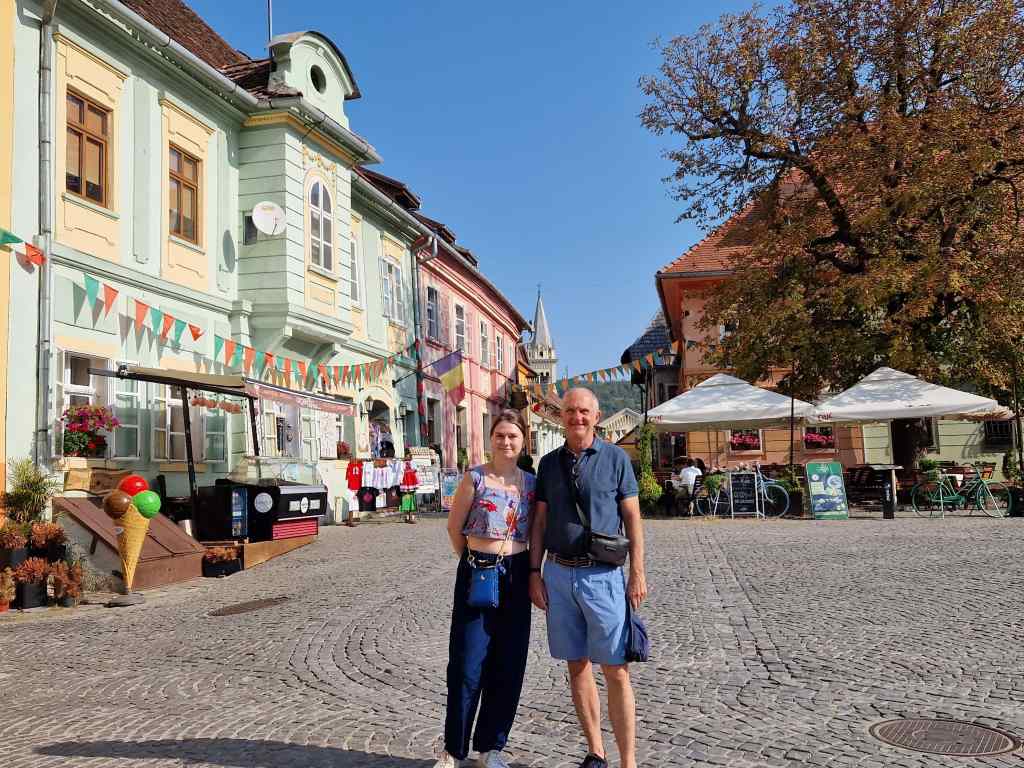
The school still functions to this day. I ended my tour at the central square, where, of course, I had coffee at one of the cafés.

Sighisoara’s central square…
…which is hard to photo without other tourists getting in the way!

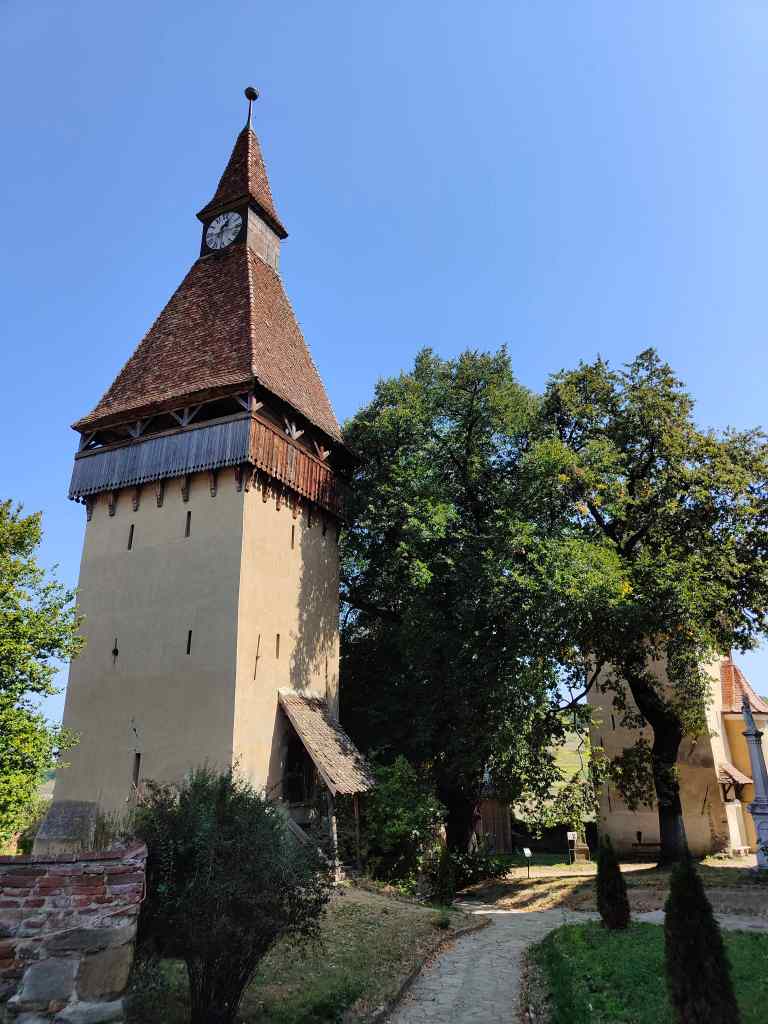
It was time to move on. I checked out of my hotel and continued driving west. My first stop was yet another Saxon village, called Biertan, which of course had a fortified church.

A tower in Biertan’s church

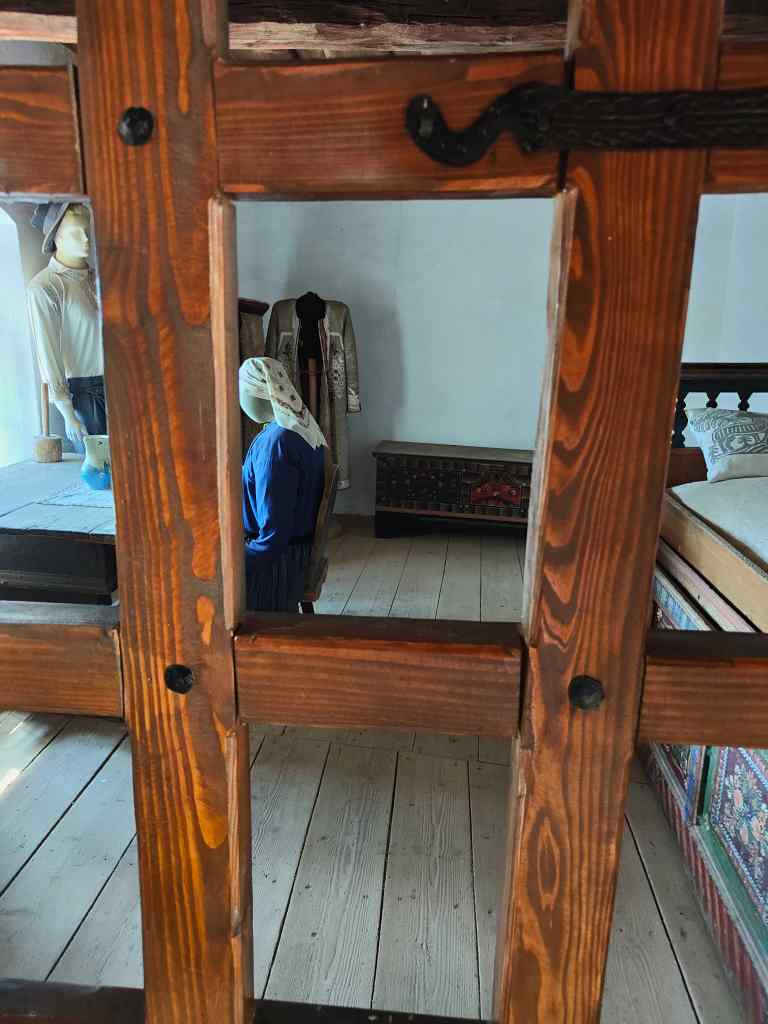
One original feature of the church was a prison for unhappy couples. The local priest kept squabbling spouses locked up there in a small room, until they resolved their differences.

A prison for unhappy couples, Biertan Church

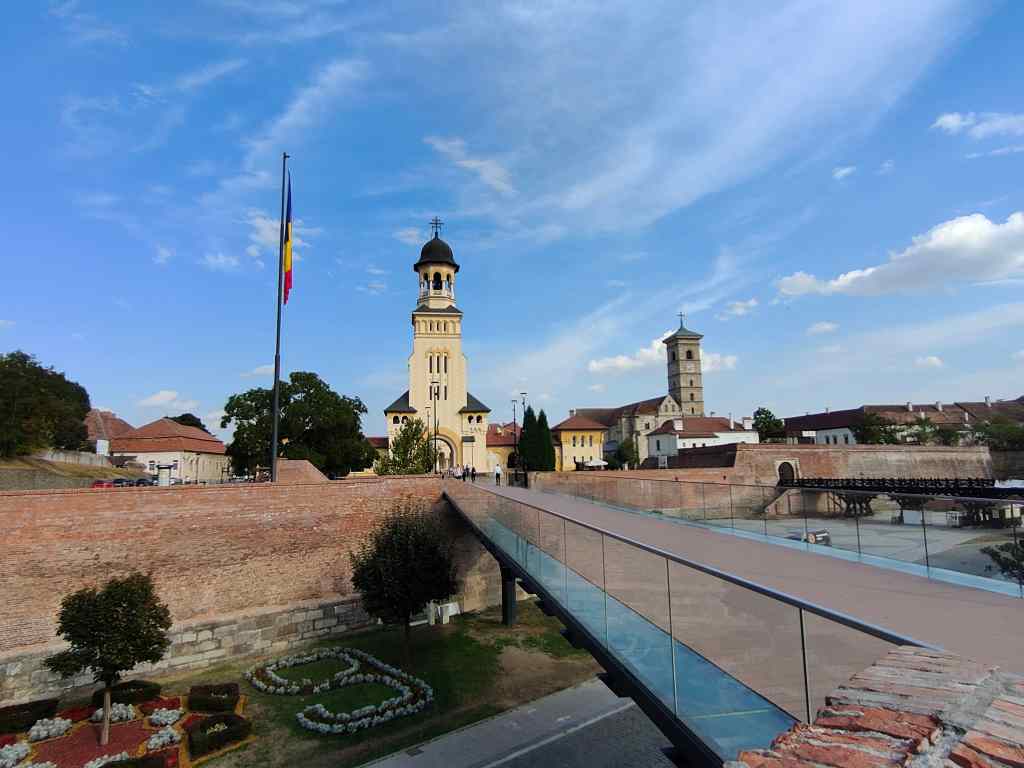
From Biertan I drove to the city of Alba Iulia in the centre of Romania. This had been the largest Roman settlement in the Dacian province of their empire, and housed an important fort, some of whose ruins are still visible. Centuries later, the city was a major hub of the eastern part of the Austro-Hungarian empire, whose rulers built the impressive citadel that is the main tourist attraction of today.

A defensive gate at the entrance to the citadel of Alba Iulia

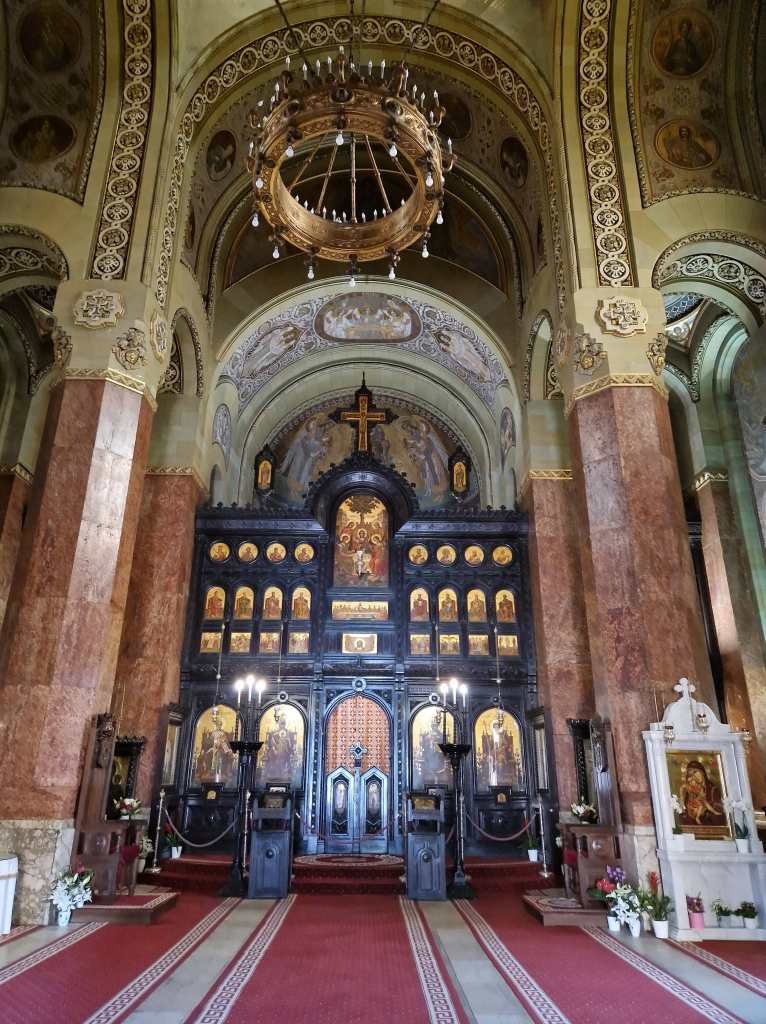
Later, churches and monuments were added inside the defensive walls. At the end of the first world war, the citadel was where the union of Transylvania with the rest of Romania was signed, creating the modern-day Romanian state, and a few years later in 1922 Ferdinand and Maria were crowned here as king and queen of all Romania in the newly constructed Coronation Cathedral.

Inside the Coronation Cathedral
Overview of Alba Iulia’s citadel

I found Alba Iulia to be a pleasant change to visiting Transylvania’s charming Saxon villages and towns, and to be well worth the ninety minutes detour to get there. My next destination was yet another former Saxon stronghold, the city of Sibiu – to be covered in tomorrow’s blog.

Next Post: Sibiu, the Transfagarsan…and Wild Bears!
Previous Post: Transylvania – Bears and Churches!

Transylvania – Libearty Bear Sanctuary, Harman, Viscri and Saschiz

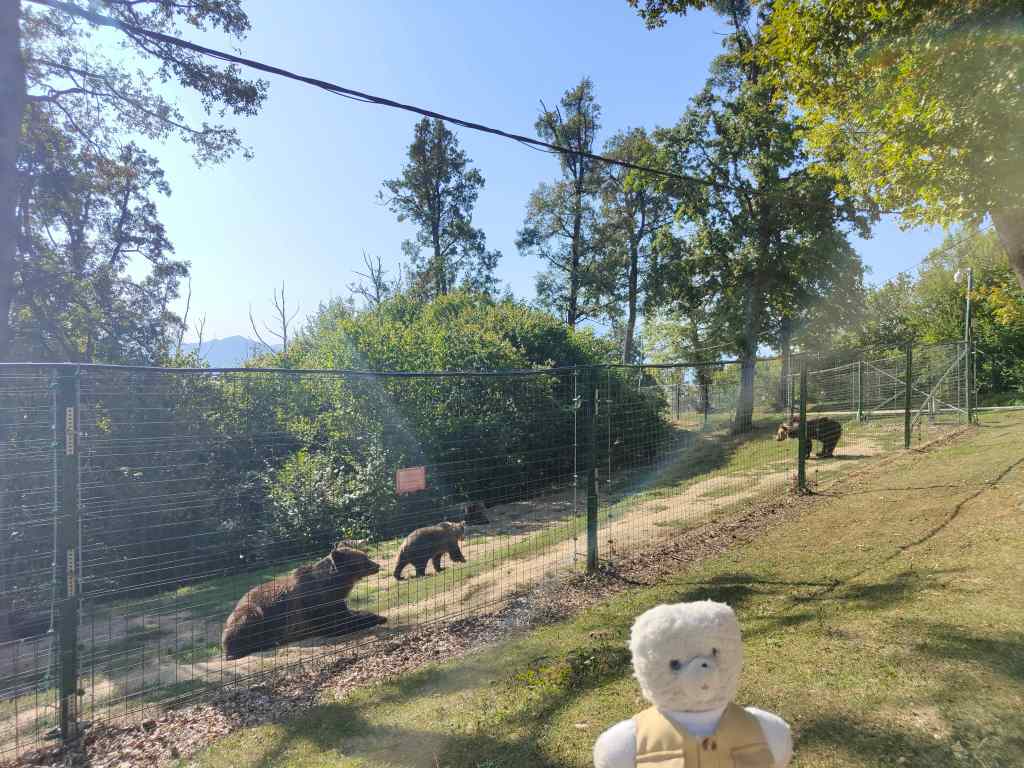
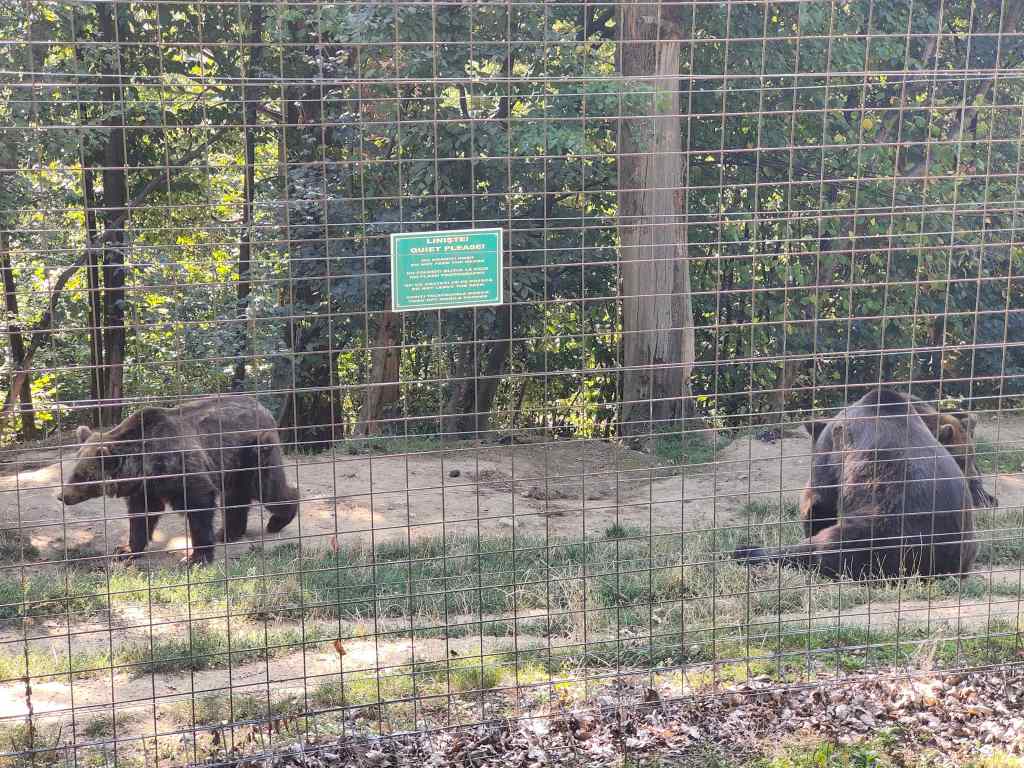
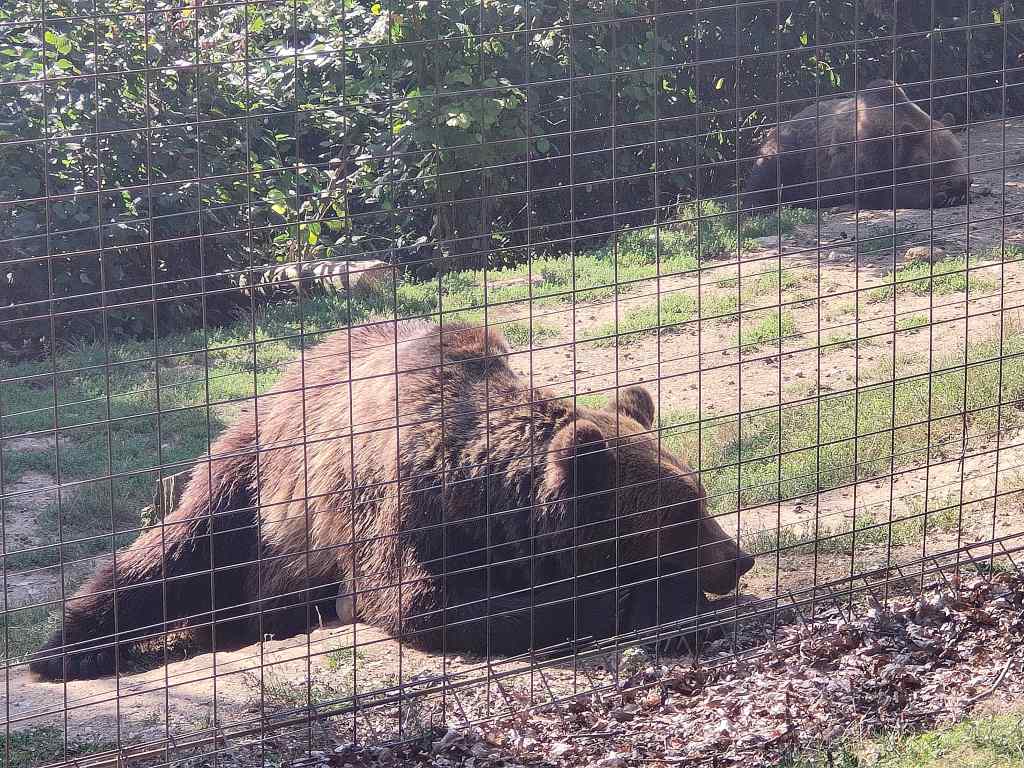
My first stop today was to a very novel tourist attraction, and a must-see for any teddy bear – the Libearty (sic) Bear Sanctuary. The people here take in bears kept in appalling conditions in circuses or as pets and give them the chance to end their years in large, forested enclosures where they are cared for and fed (these bears would be too traumatised to survive if released back into the wild). Many of their 145 guests come from Romania, but some come from further afield – even from places as far away as the USA.

At last – fellow bears!
It was heartwarming to see some of my fellow species, even if the stories of what they endured in captivity were very sad. One of the residents spends their time walking around in circles, ignoring the open space of her enclosure – as she had been forced to do in the circus. Another had been blinded, his claws removed and then regularly drugged with beer, to make him passively accept having his picture taken with tourists outside a castle. Fortunately, it is now illegal to use bears in this way in Romania.

Libearty provides happy endings to sad stories

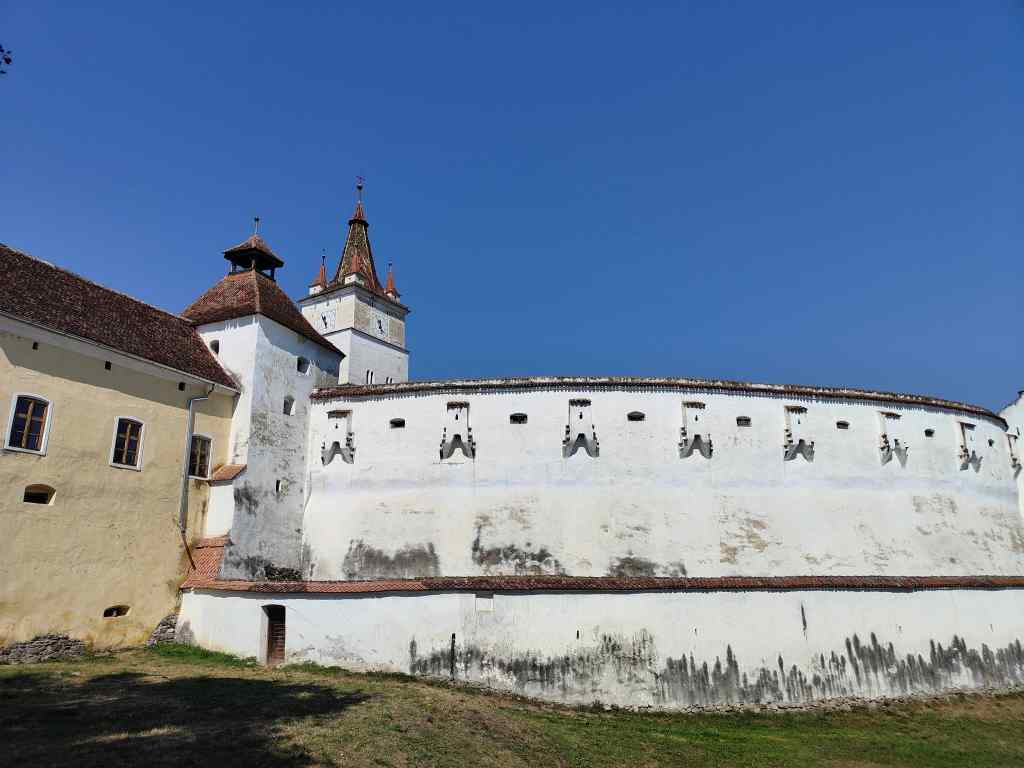
My next destination was a short drive away – the fortified church of Harman. This was built in 1240 by Transylvanian Saxons, people of German origin who were encouraged by the then Hungarian rulers of the area (Transylvania only became Romanian after the end of the first world war) to settle here to help protect the eastern border of their kingdom. Traces of the Saxon village have long since disappeared from the now Romanian town of Harman, but the church remains and deserves its reputation as one of the most beautiful of its kind.

The walls of Harman fortified church

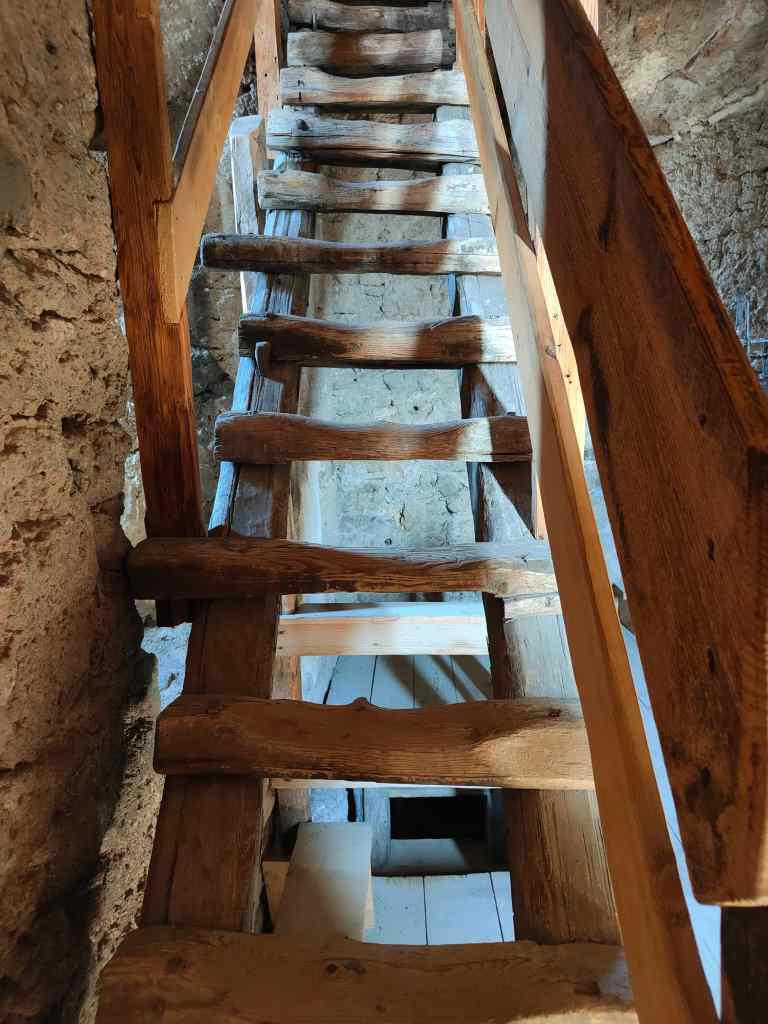
Unlike Bran castle, there were very few visitors to Harman, and I had the church almost to myself. The man at the ticket office advised me to be careful of the steps. I was a little surprised by this until I saw the ladder/staircase leading up to the bell tower, which was steep, wobbly and crooked. I made the risky ascent, only to find that the views from the top were very limited. Fortunately, the parts of the complex which were accessible at ground level more than made up for this disappointment.

A hazardous staircase at Harman Church
Inside the walls of Harman

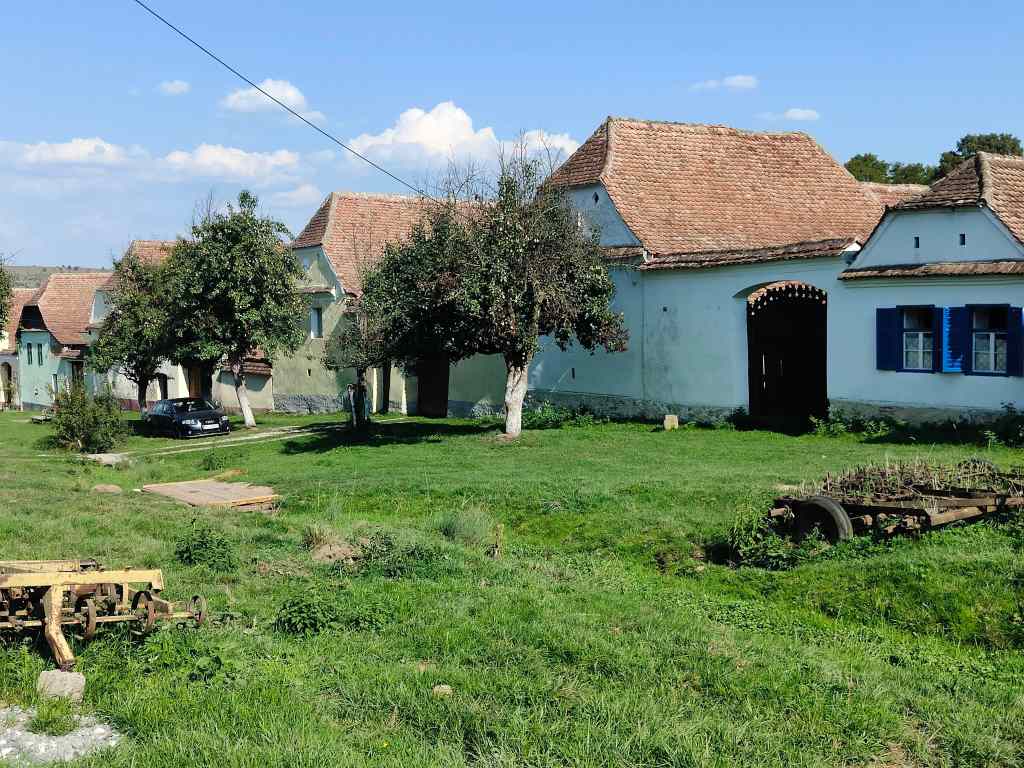
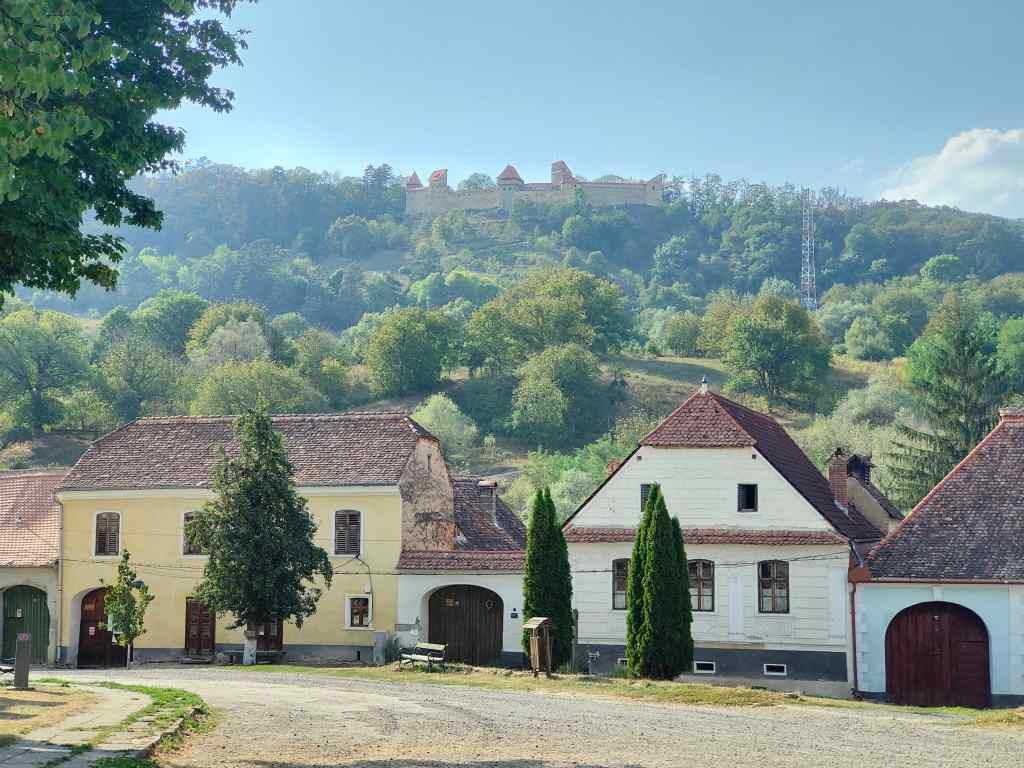
After Harman, my exploration of the Saxon influence in Transylvania continued with a visit to the village of Viscri, which felt like it had remained frozen in time since the Middle Ages. Unlike Harman, where a modern town had sprung up around the old church, here development had stopped a long time ago, leaving only the original houses built by the early Saxon settlers. Many of the original families had moved out – the region saw mass emigration back to Germany after the fall of the Iron Curtain – but the village remained well maintained, and some new Romanian arrivals had opened small cafés and craft shops. One notable new owner is King Charles III of Great Britain, who likes Transylvania so much that he has bought two properties there, one of which is at Viscri.

Viscri village

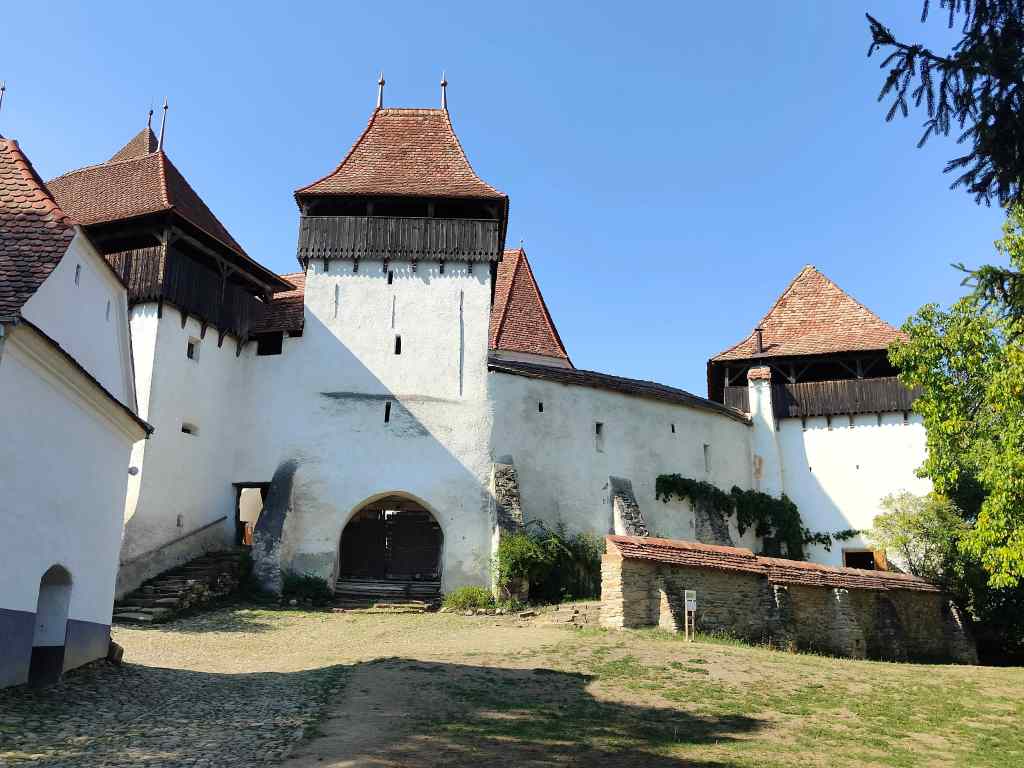
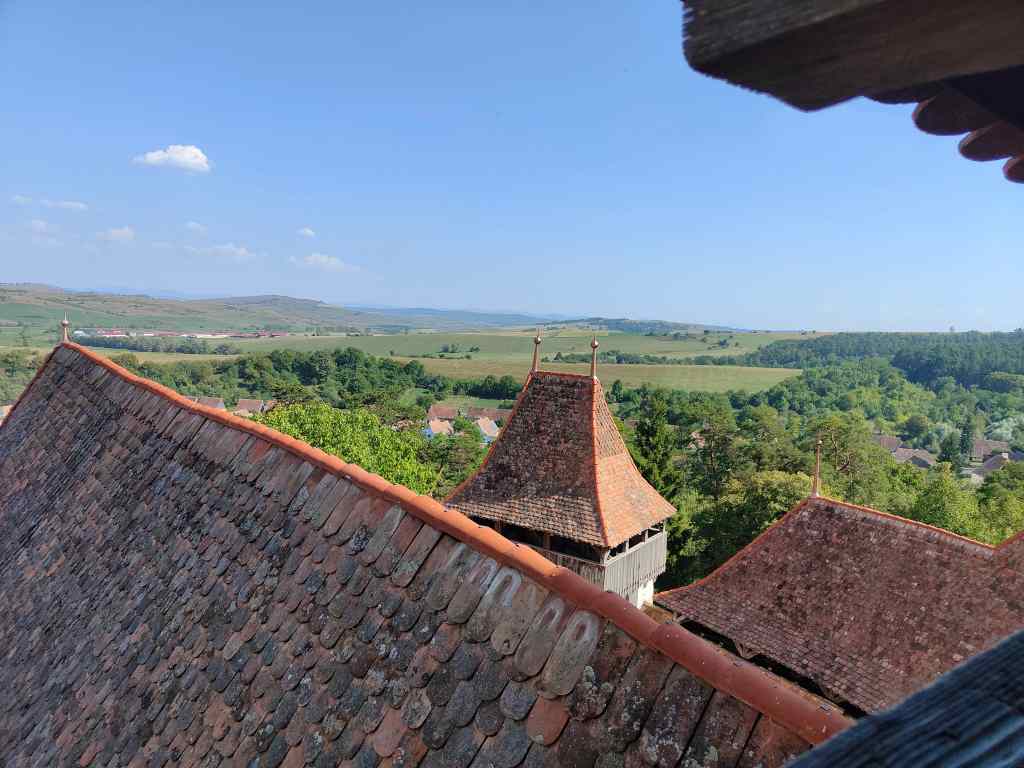
After strolling through the peaceful village, I headed for the fortified church, whose bell tower offered much better views (and a safer set of stairs) than the one at Harman. I stayed there for a while enjoying a gentle breeze.  

Viscri fortified church
The view from the bell tower, Viscri

From Viscri I drove towards Sighisoara (subject of tomorrow’s blog), where I had booked a hotel for the night. On the way, I passed through another charming Saxon town called Saschiz, whose fortified church was supplemented by a protective fortress. In total there are seven Saxon towns and around 250 Saxon villages in Transylvania. It would have been possible to spend my entire holiday visiting them, but Romania has many more attractions to offer.

Saschiz church…..
…and Saschiz fortress

Next Post: Sighisoara and Alba Iulia

Previous Post: Brasov and Bran Castle

Romania Day 1 – Brasov and Bran Castle

The bear is back!

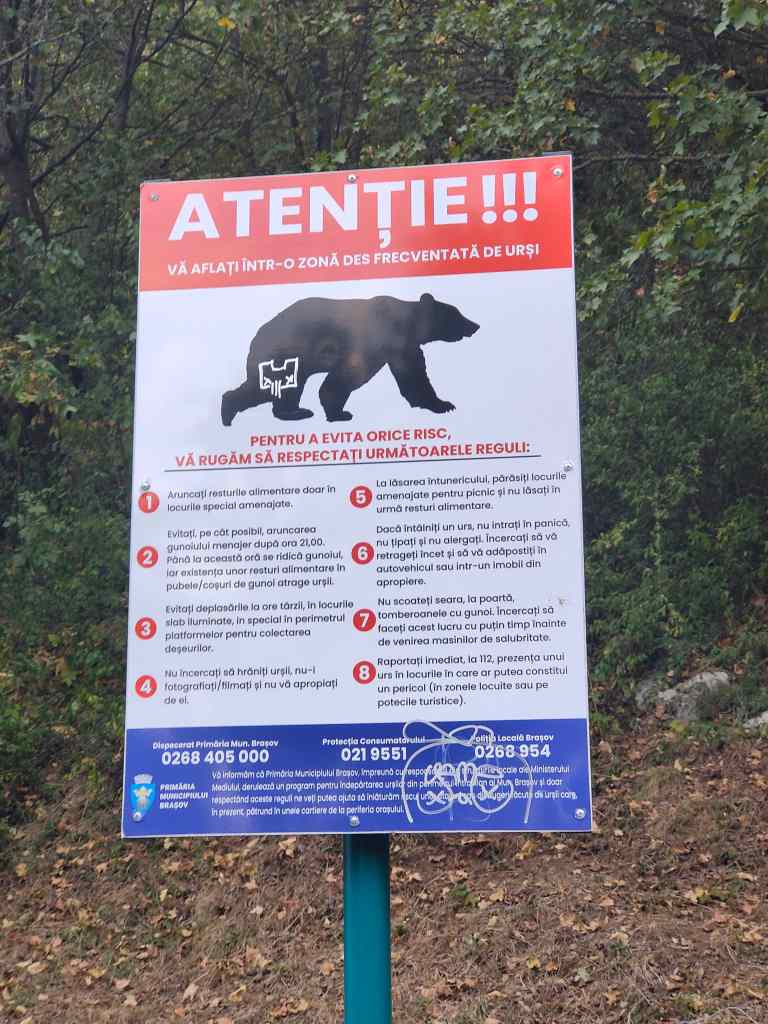
This time, my trip is to Romania in Eastern Europe, a little-known destination for most travellers, famous mostly for Dracula, Transylvania and spooky castles. After a short overnight in the capital Bucharest (more about this in a later post) I drove north by hired car to the city of Brasov, to find an interesting warning sign on the street outside of my Airbnb flat. It appears that bears are common in Romania but sadly not welcomed by the human population. Maybe I will be lucky enough to meet one of my fellow species!
Not the welcome I was hoping for

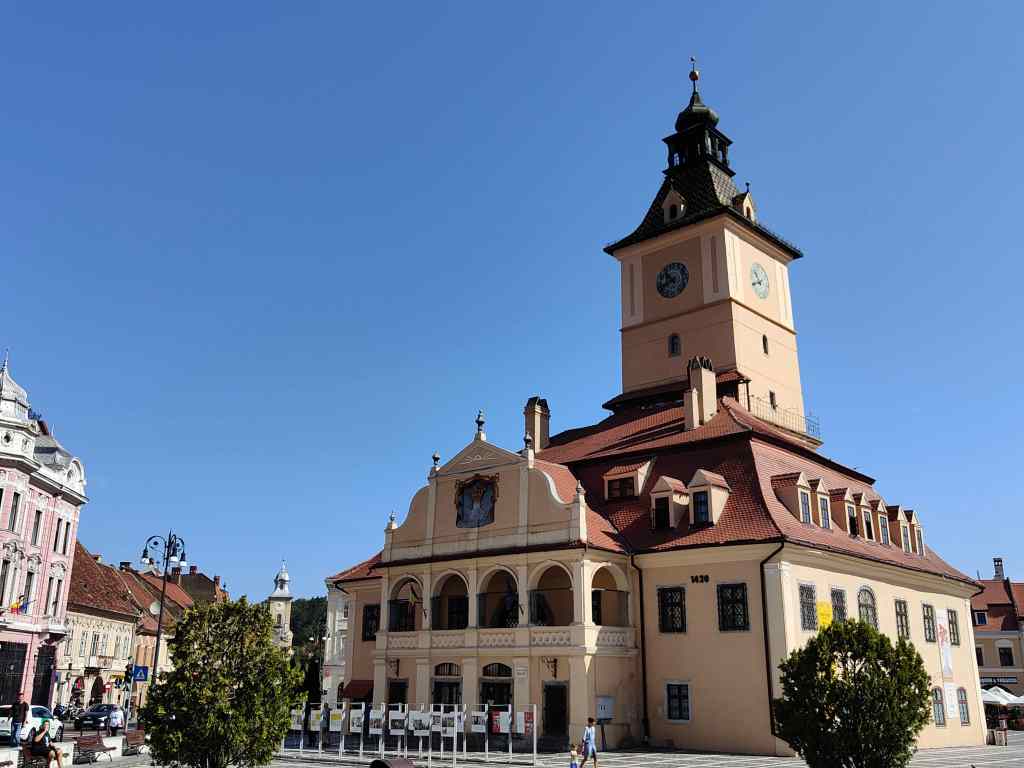
My first morning was spent visiting the city, which sits in a valley surrounded by steep green mountains, and which has a very pleasant historic centre with lots of outdoor cafés.

Street Scenes in Brasov

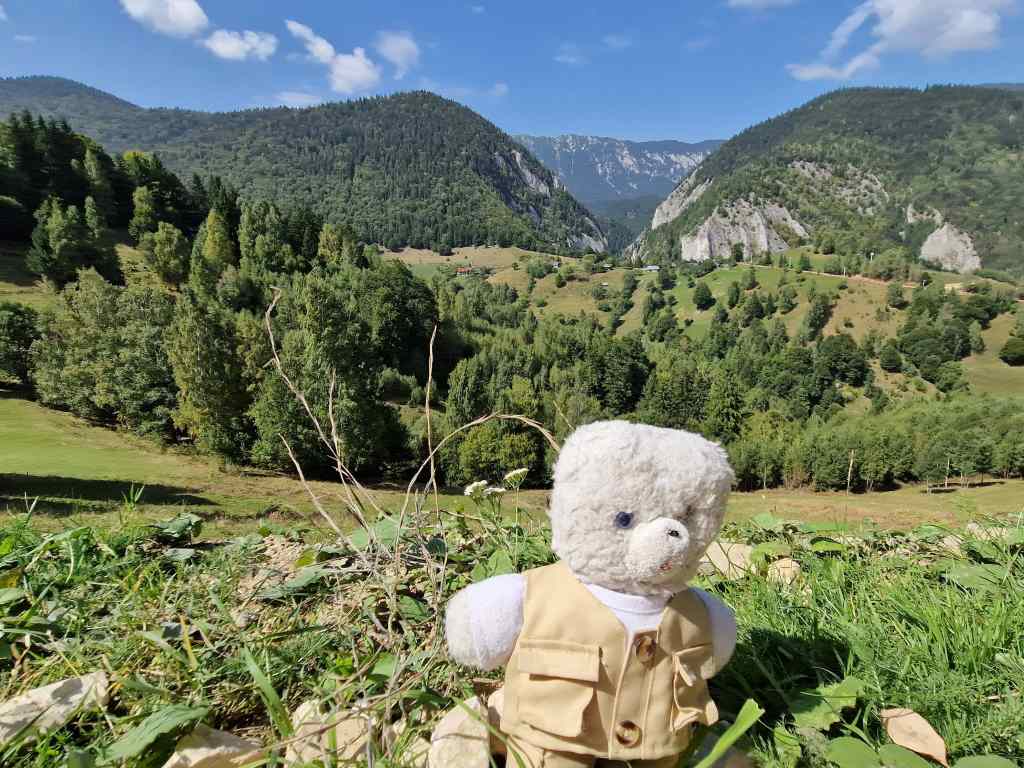
Having explored Brasov itself, I set off to visit a remote Romanian village, which my guidebook said was still locked in the past, with horse drawn carriages and people in traditional costume.  I found it that had now become a place for the second homes of people earning their living in Bucharest. BMWs were more common than horses. This was to be a recurrent theme of my trip – the parts of Romania I visited were much more modern and developed than I had expected. I got over the slight disappointment of not seeing a traditional village and instead made a pleasant walk through some pretty Transylvanian countryside.

Transylvanian mountains near Brasov
Countryside near Brasov

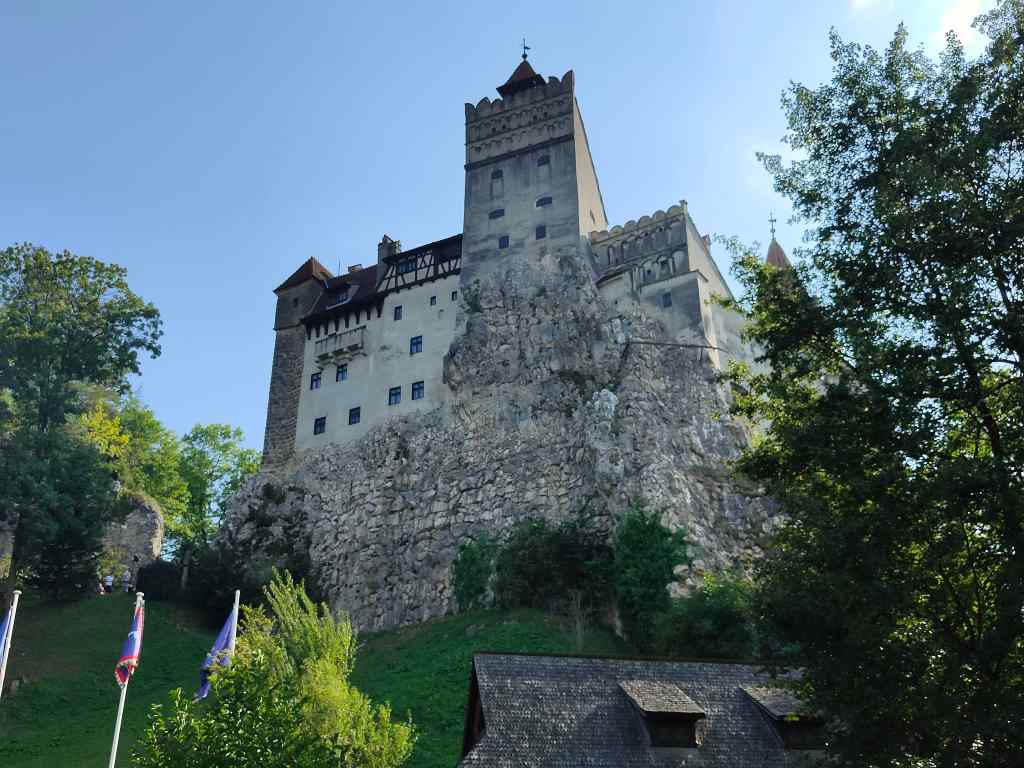
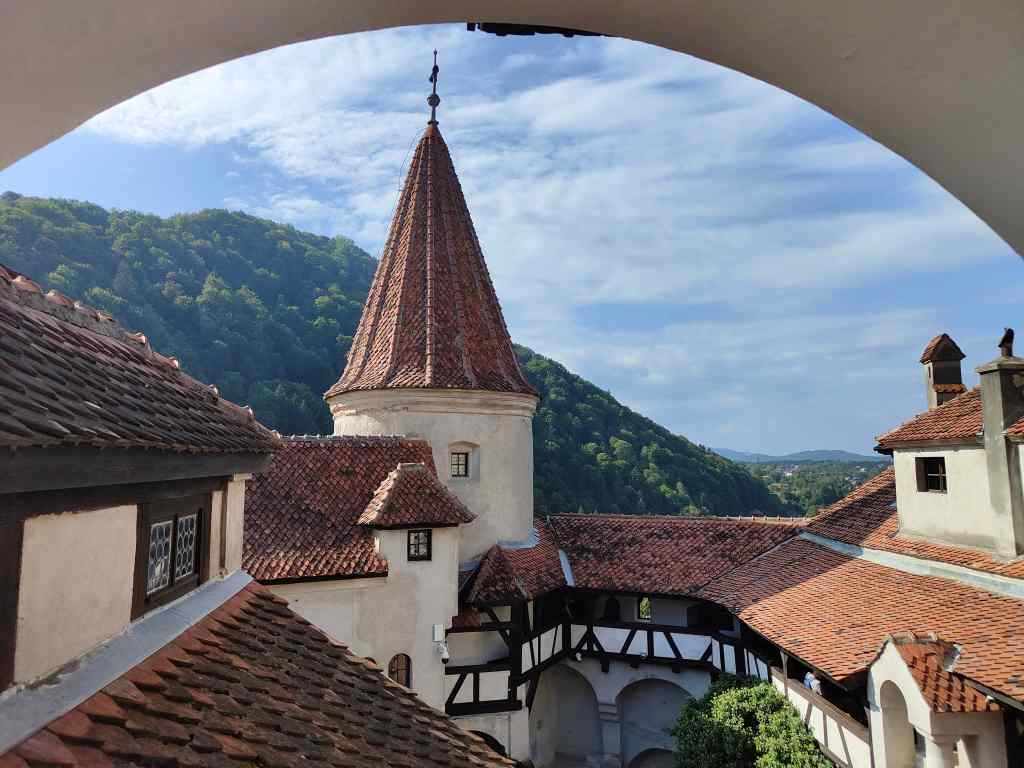
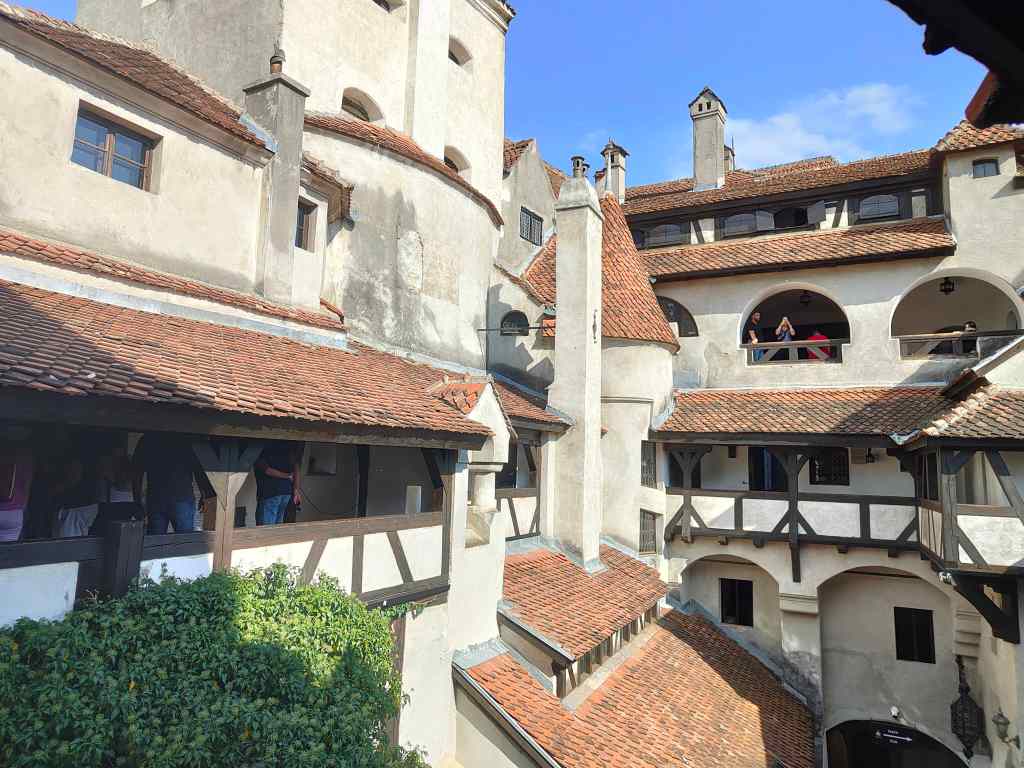
Next, I headed on to the town of Bran, home to Romania’s most visited castle. Although heavily marketed as “Dracula’s castle”, Vlad Tepes (the inspiration for Bram Stoker’s vampiric count) probably never lived here. It was originally built in the 14th century by Saxon knights who had been invited by the local rulers to settle in the area and build protective fortifications. For over five hundred years the castle served a purely military purpose until it became a royal residence in 1920 and the favourite home for Queen Marie, who had the place extensively renovated. Despite the lack of a historical link to the real Dracula, Bran Castle certainly looks the part from the outside, and would not be out of place in a vampire movie. Inside, it was a pleasant – if crowded – place to visit, with lots of elegant towers surrounding a quaint interior courtyard.

Bran castle – from the outside, imposing and spooky….
….on the inside, a cosy royal residence

From Bran, I returned to Brasov to enjoy dinner on the terrace of my flat, which was surprisingly well-appointed and had a terrace overlooking the town. I tried some rather good Romanian wine with dinner as I watched the sunset. Good accommodation, good food, good wine……I like Romania already even if it is not the wild frontier destination I had been expecting.

Next Post: Transylvania – Libearty Bear Sanctuary, Harman, Viscri and Saschiz

Blog at WordPress.com.

Up ↑