I started today with a visit to the Temple of Hatshepsut, the impressive building I had seen from a distance the day before. Viewed from afar, it is indeed an amazing sight, sitting at the base of sheer cliff in its own valley.
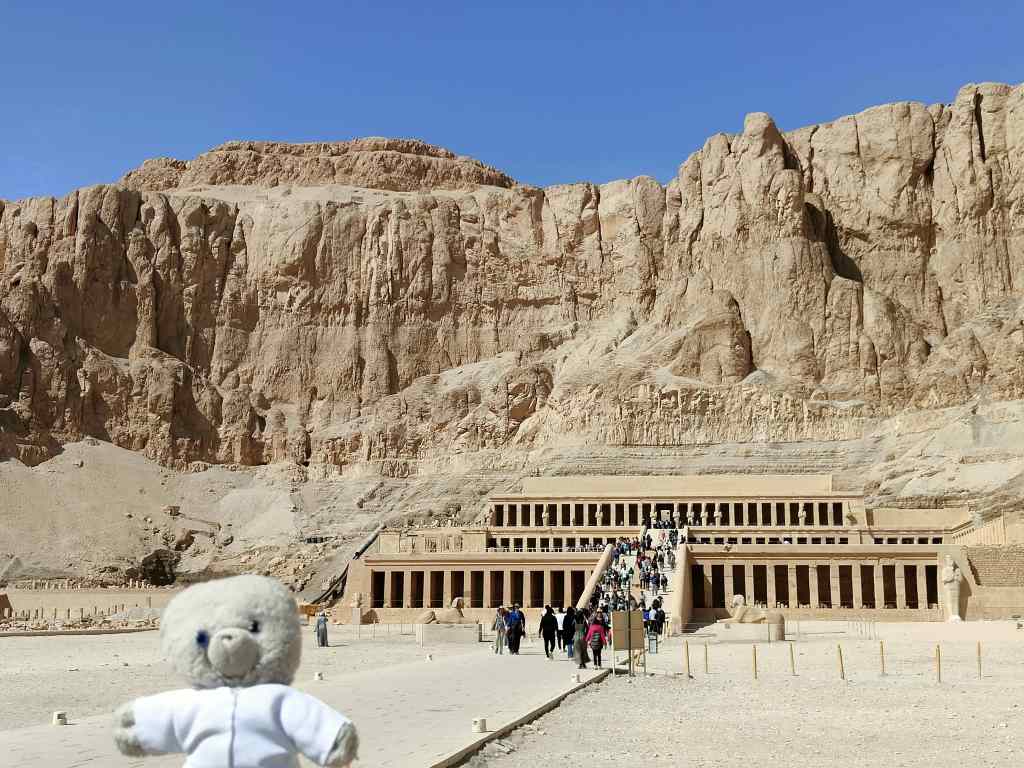
Closer up though, the temple was less interesting than many others I had visited before. To make things worse, it was hugely popular with tour groups. Hatshepsut was a rare female pharaoh, whose reign was marked by prosperity and many building projects. She was initially supposed to be only a temporary regent for the infant Thutmose III, but refused to hand over power to him and reigned until her death. As an act of revenge Thutmose III had her name removed from every Egyptian monument when he finally became pharaoh.
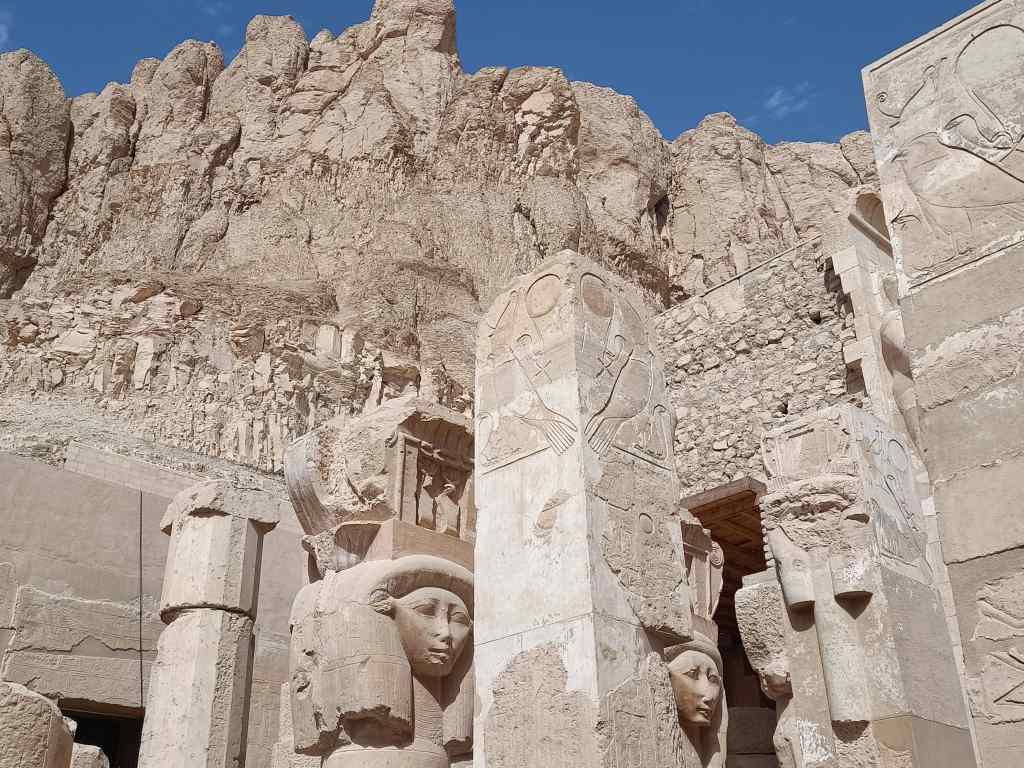
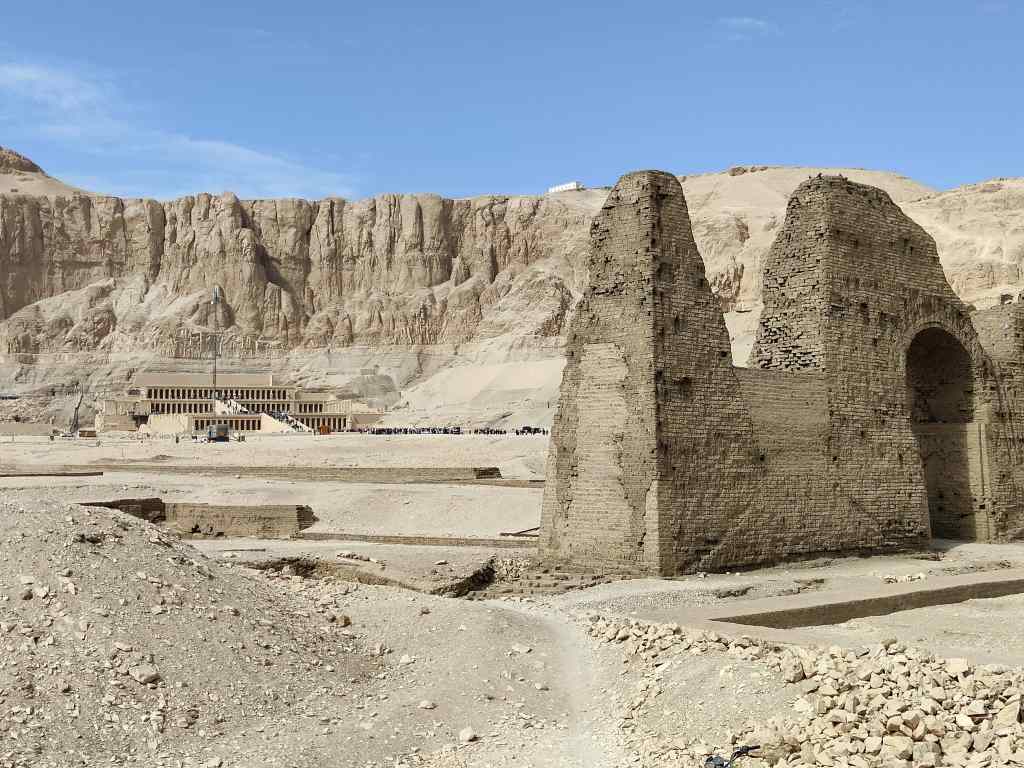
After a quick exploration of the temple itself I set off on a detour to see some nearby tombs. They were only moderately interesting, but the walk provided a spectacular view of the site.
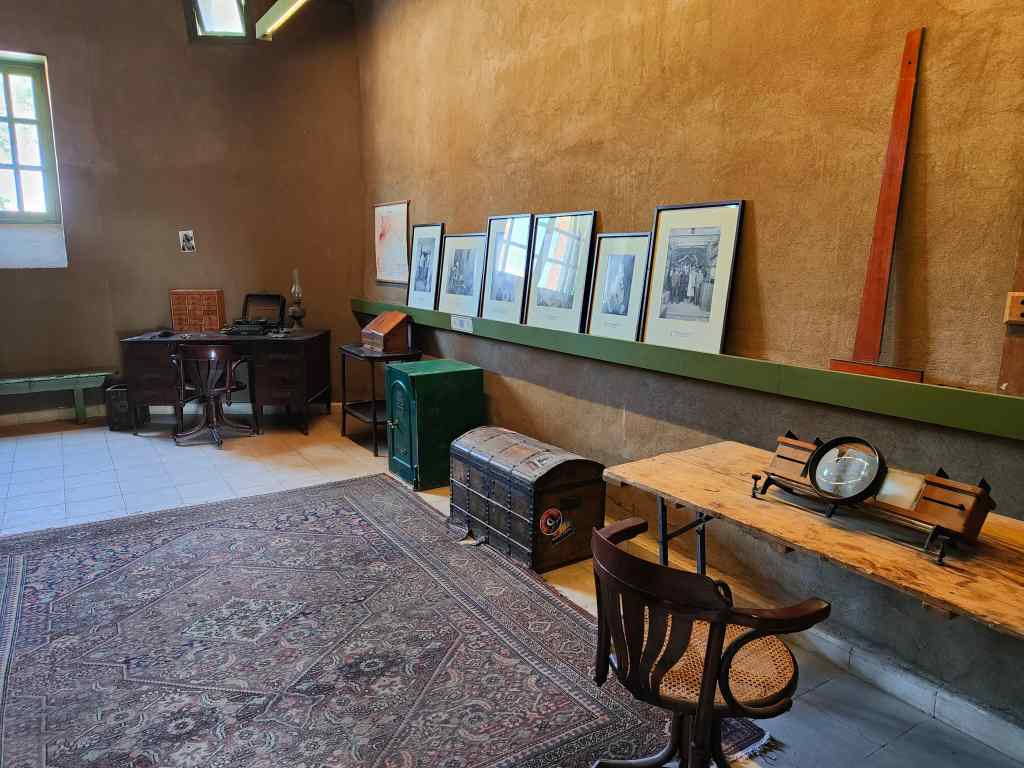
Next I visited the house of Howard Carter, the British archaeologist famous for his discovery of Tutankhamun’s tomb in 1922.
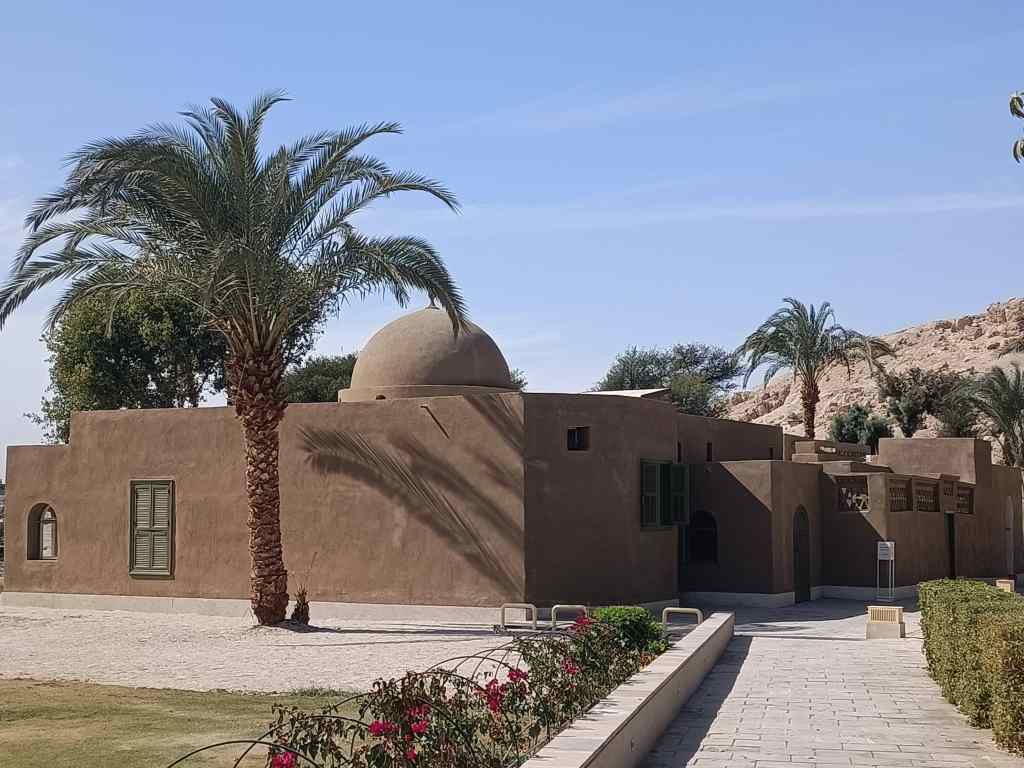
Back then, searching for ancient artifacts was done by various foreign teams, of which Carter’s was one. The many other expeditions have been long forgotten, but Carter was lucky, being the discoverer of a very rare tomb not be completely emptied by grave robbers. The simple house – with its archaeological instruments, letters from Carter’s sponsor the Earl of Carnarvon and some paintings by Carter – was an interesting change to visiting ancient monuments.
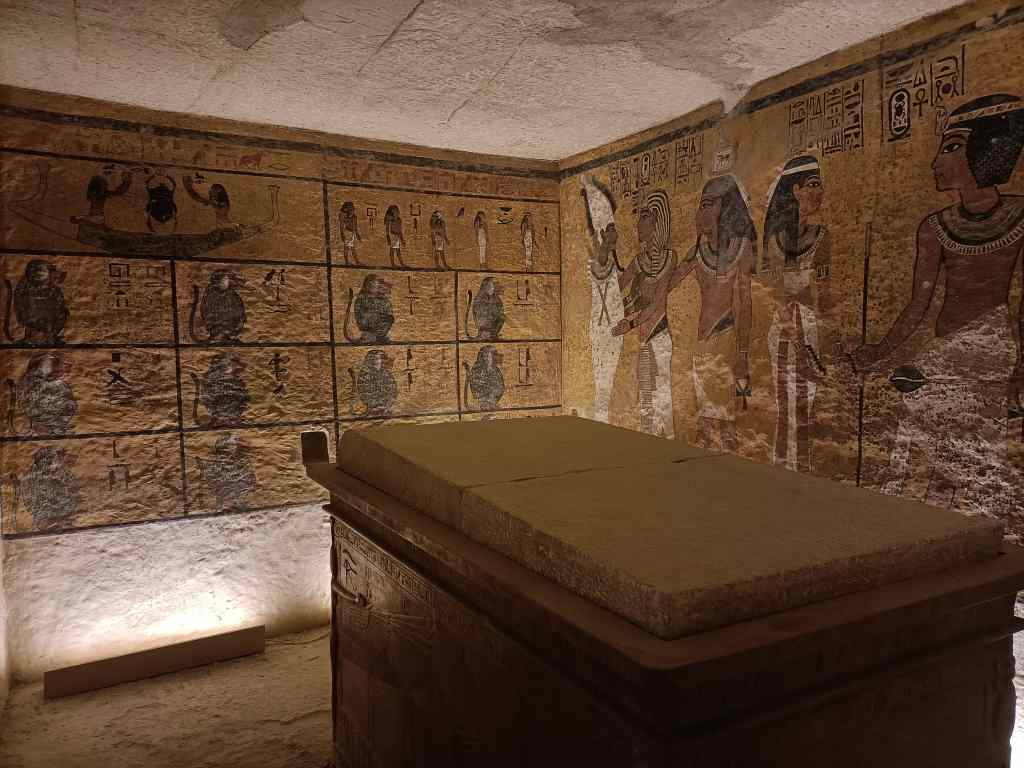
In the garden was a recreation of Tutenkhamun’s tomb with some interesting information. Tutenkhamun died young, and probably unexpectedly, so his burial was rushed and his tomb was small. His famous death mask may even have been modified from an already available mask intended for someone else – a woman, since it has holes for earrings which only women wore. His cause of death is not known, but DNA analysis suggests it might have been malaria. Thieves attempted to rob the tomb at least twice, after which the main passage leading into it was deliberately blocked off with dirt to discourage further attempts. This made the tomb hard to find and its location was forgotten until Carter stumbled on it, thousands of years later.
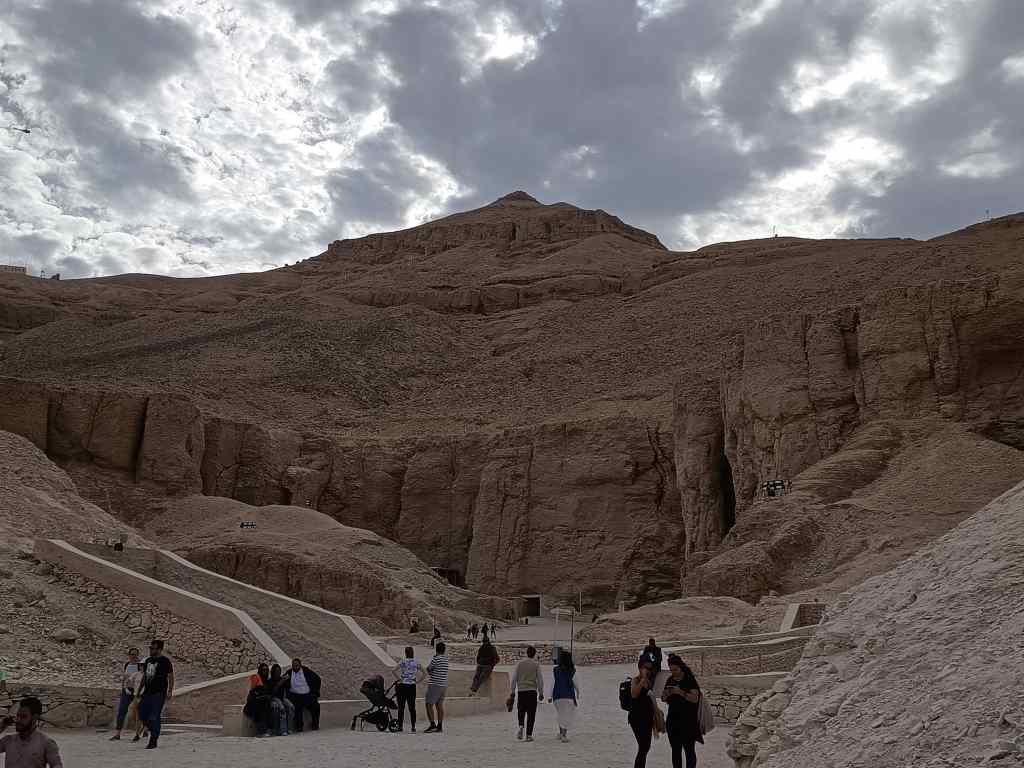
Having seen a replica, I set off to see one of the highlights of any visit to Egypt – the tombs of the Valley of the Kings. My driver told me that the day before it has been packed with visitors, so I crossed my fingers. I had aimed to start my visit at 1pm – the usual lunch hour for tour groups. As we rounded the final bend into the valley, the visitors’ car park was only partly full – I was lucky. At the Valley of the Kings, you buy a ticket to enter the site, and this gives the right to visit any three tombs – excluding the tombs of Ramses VI/VII, Seti I and Tutenkhamun which require special additional tickets.
As you visit each tomb, the guardian punches a hole in your ticket, and after three holes, your ticket is no longer valid. I had some more luck, since at the first two tombs I mistakenly gave the guardian my ticket for Carter’s house, which looks identical. The first two guardians didn’t notice the mistake, so I got two extra visits. The kings’ tombs were much bigger and more richly decorated than the tombs of the nobles or the queens. Most had a very long shaft leading deep into the ground, ending with a series of rooms where once would have been the pharaoh’s sarcophagus.
The walls were decorated with scenes from sacred texts, like the Book of the Dead, pictures of the pharaoh’s soul reaching the afterlife and of the gods welcoming the pharaoh. Work started on a tomb during the intended occupant’s lifetime, but stopped as soon as he died. This had two curious results. Firstly, many tombs had unfinished portions, cut out from the rock but not yet decorated, and secondly the pharaohs that reigned the longest had the biggest tombs. For this reason Tutenkhamun had one of the smallest and most unremarkable tombs of all.
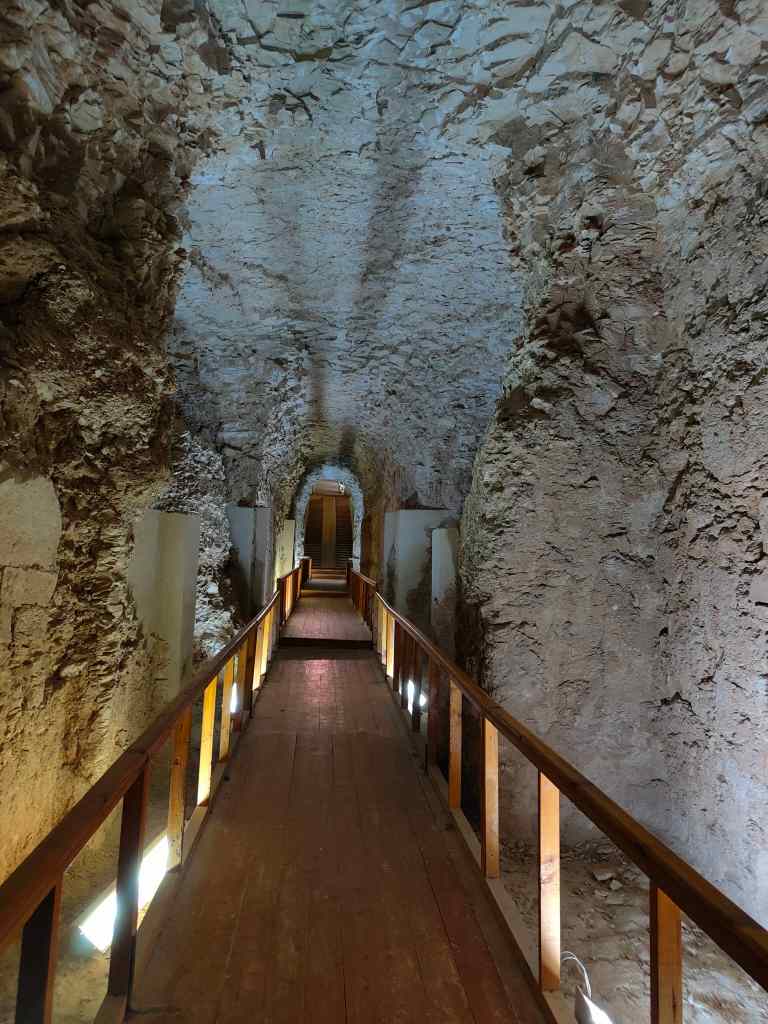
First, I visited various tombs included with the general entry ticket. I chose at random; some were almost empty of tourists, whilst others were very busy.
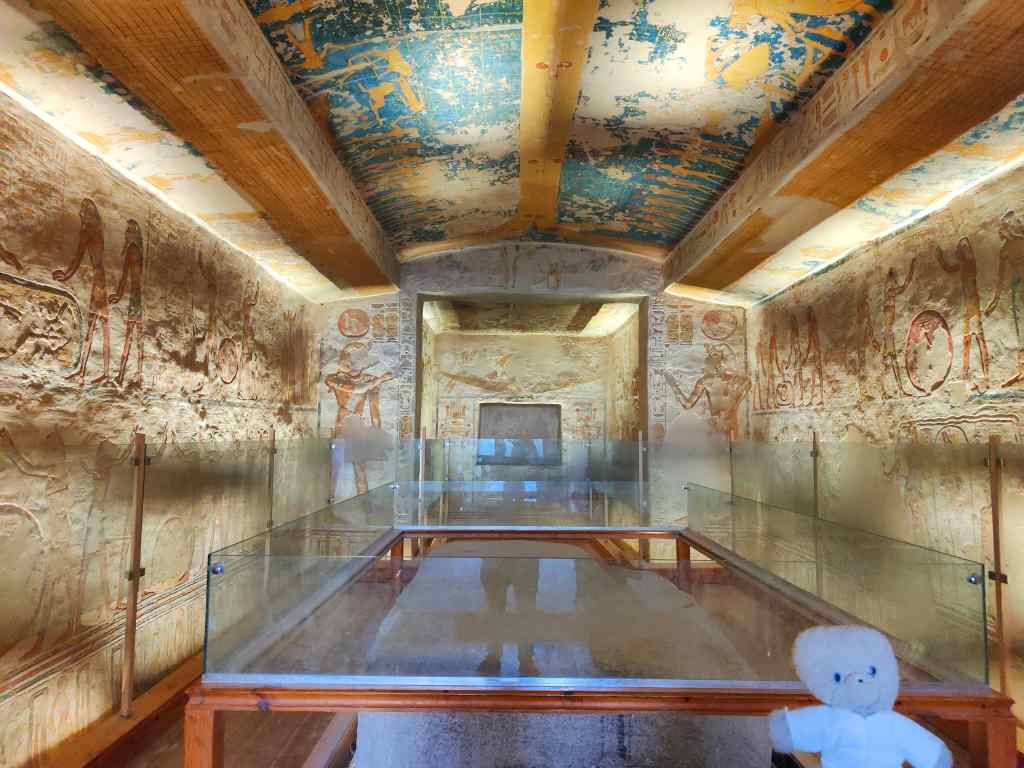
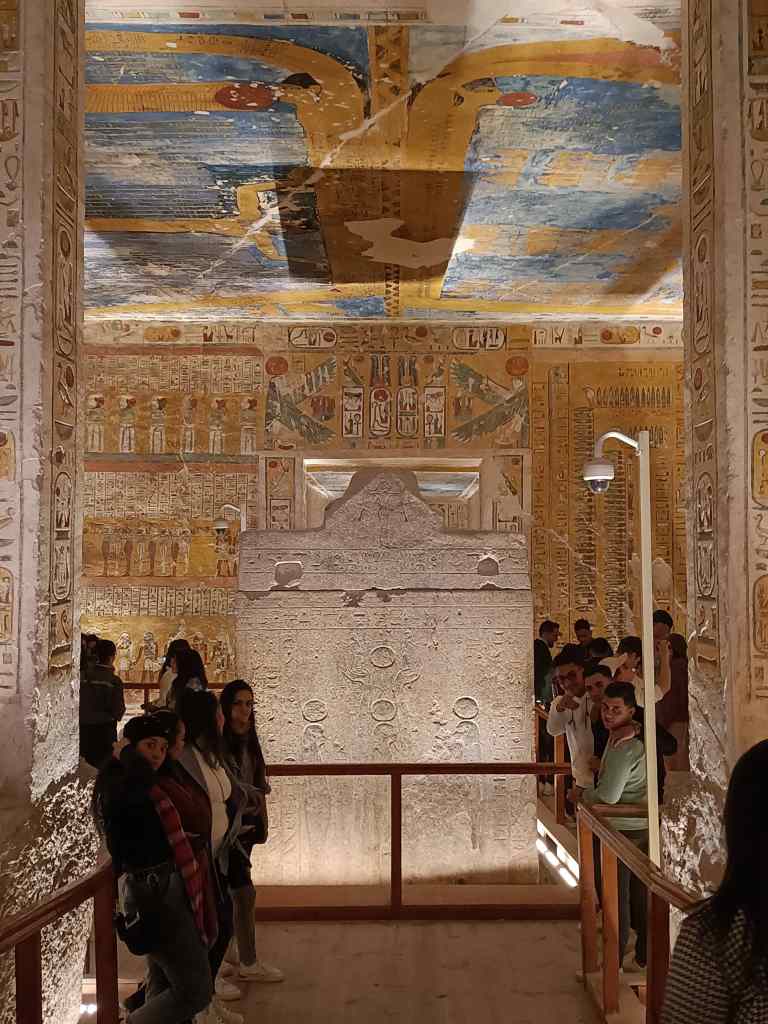
As I headed further into the valley, the number of visitors to each tomb dropped, as people used up their free visits.
I wanted to save the best to last, so after using my “free” visits, I went back to visit the special tombs for which I had bought additional tickets. First was the dual tomb of Ramses V and VI, which had a spectacular painted ceiling.


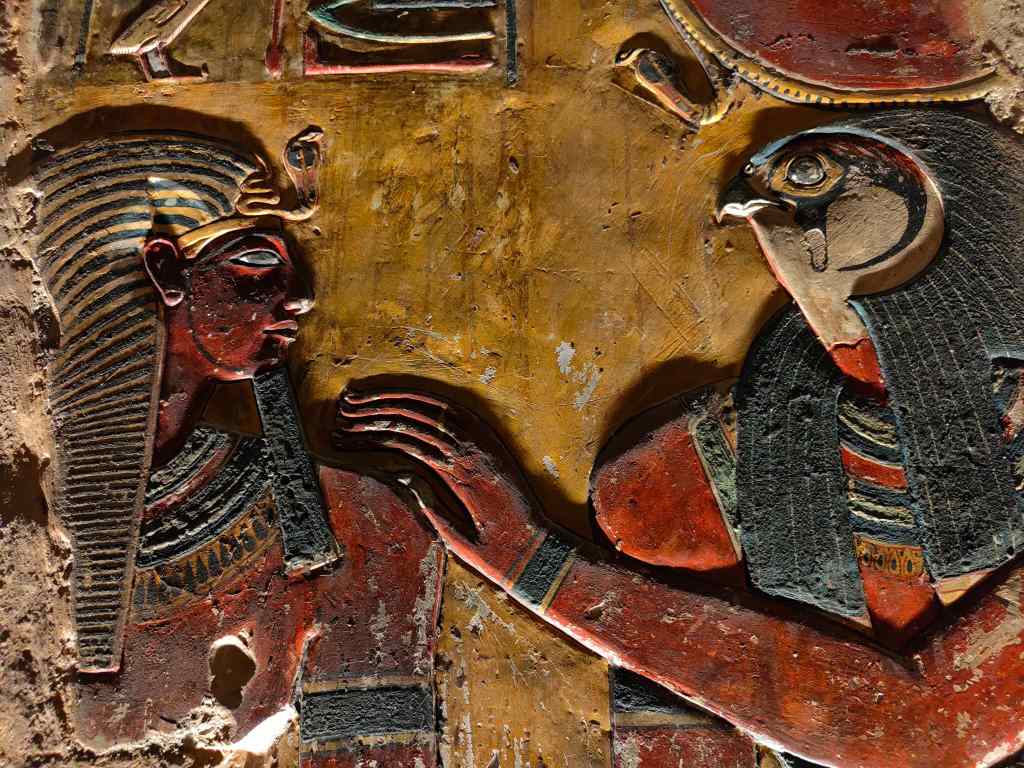
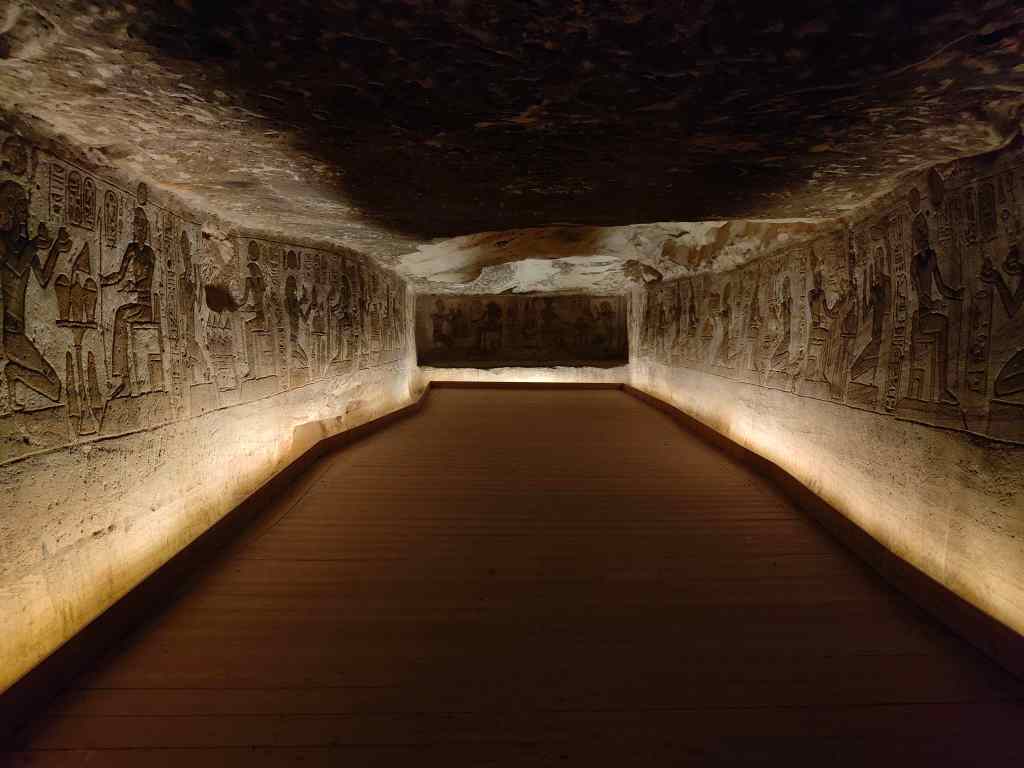
Finally came the highlight of all of Luxor – the tomb of Seti I, whose special ticket is very expensive. Seti I was one of Egypt’s greatest and longest rulers, so his tomb was huge and richly decorated. After a long walk down, several remarkably decorated rooms opened up, their walls painted with scenes of Seti’s journey to the afterlife and of him being greeted by different gods.

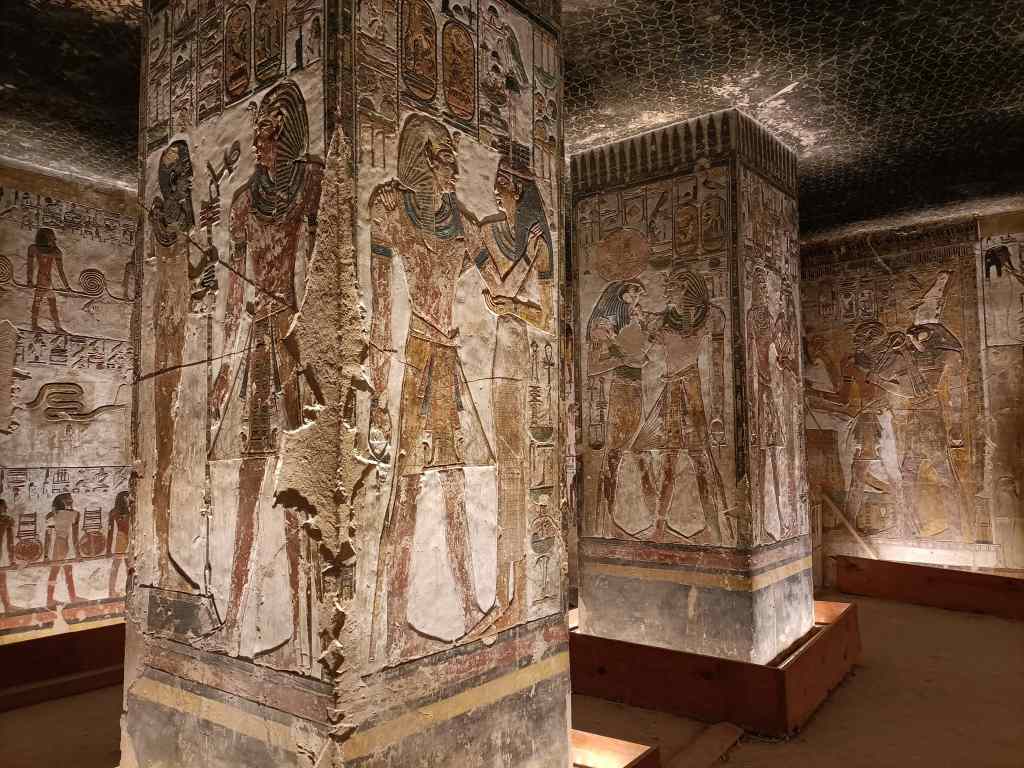
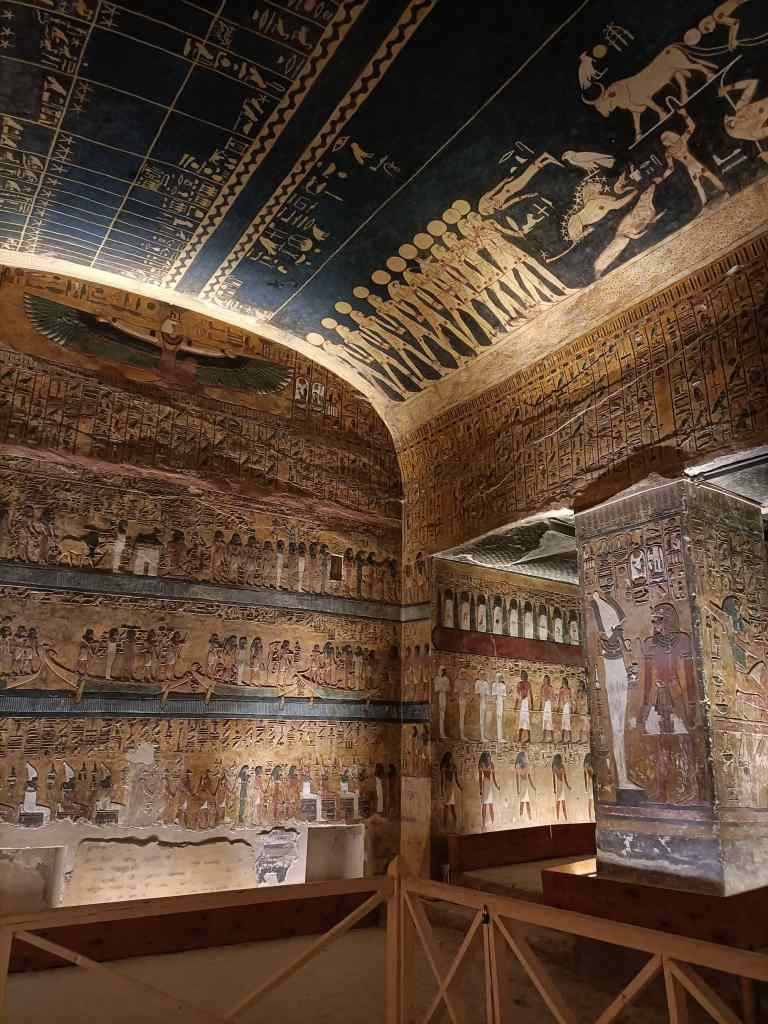
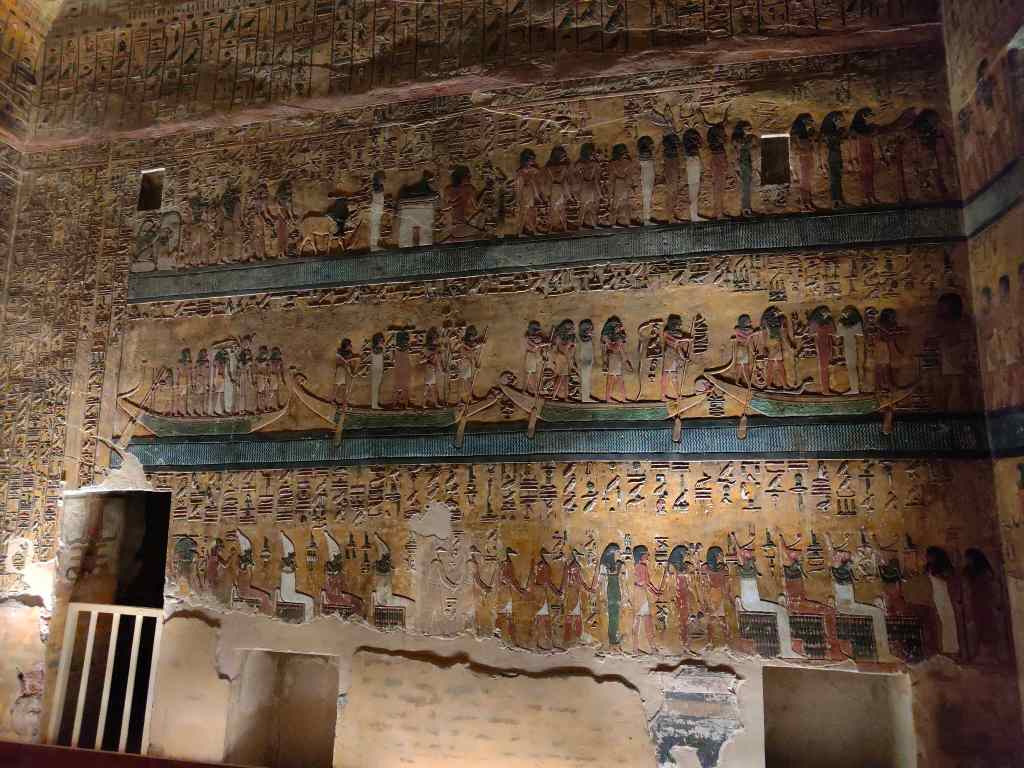
The place where Seti’s sarcophagus would have been was empty – it was taken off to the British Museum long ago.
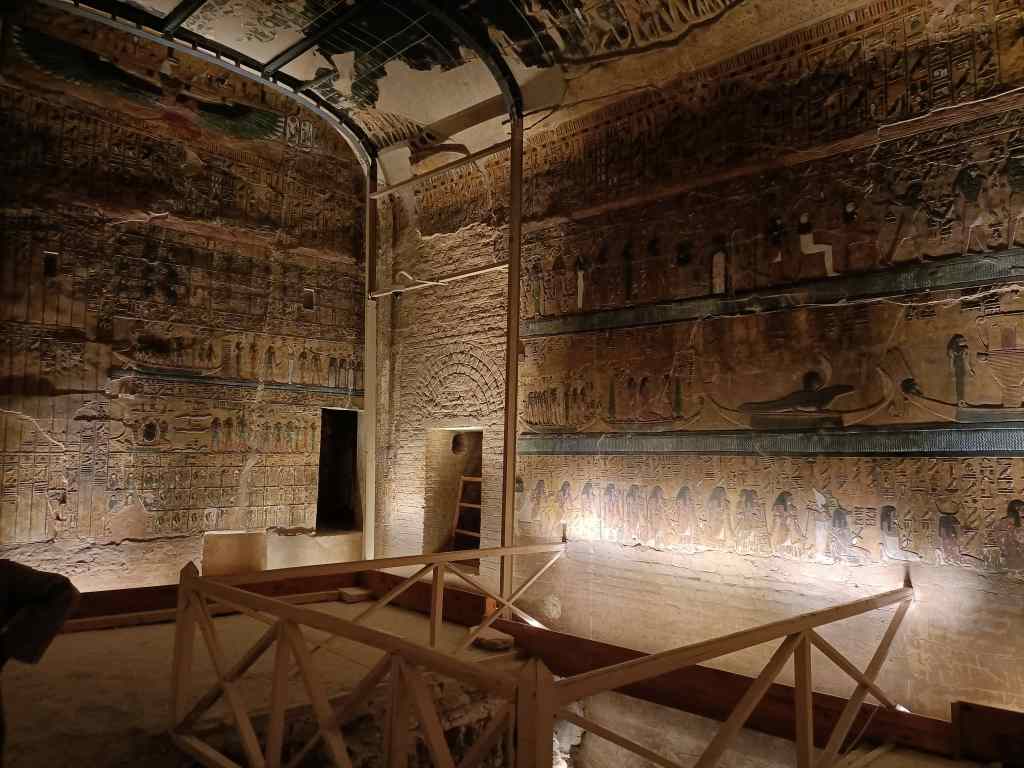
I stayed nearly half an hour in Seti’s tomb, soaking in the atmosphere. Apart from the tomb’s guardian, I had the place to myself – other visitors being put off by the high price of entry. It was a fitting end to one of the greatest tourist destinations of the world, the Valley of the Kings.
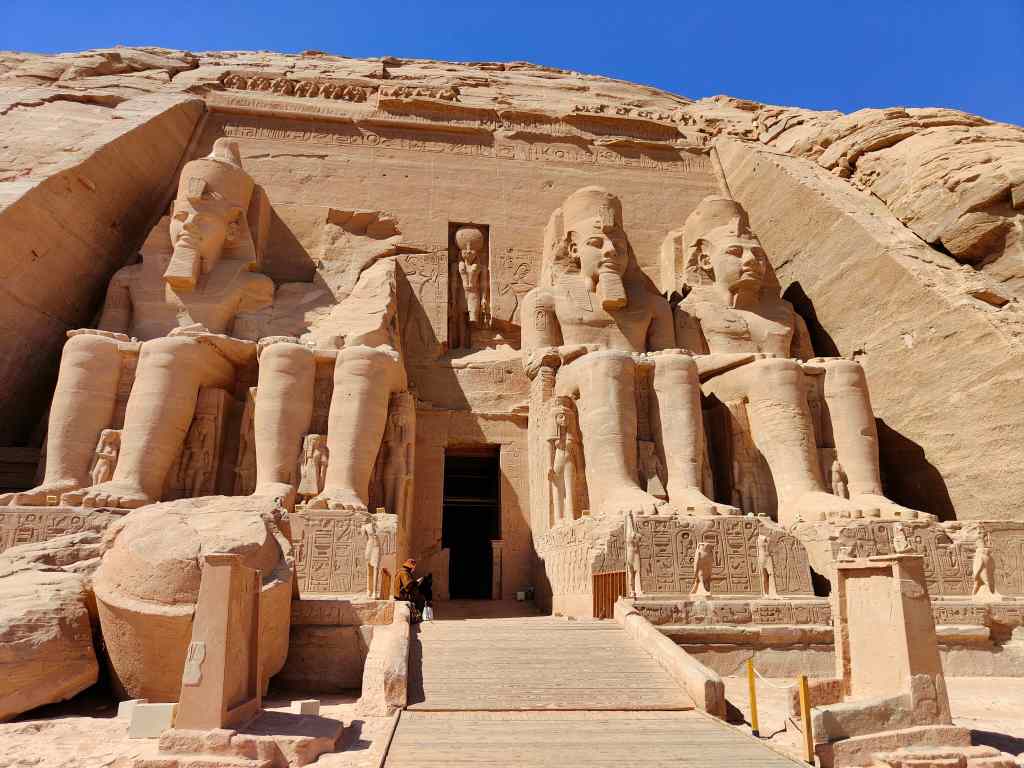
Back at the hotel, I suddenly wondered where the tomb of Ramses II was. He was the longest reigning pharaoh, and also an egomaniac who liked building huge monuments to himself. I did some research and found out that his tomb was indeed the biggest of all. However, he chose a poor site for it, and it was frequently flooded. Its decorations have long since been destroyed by the water and its contents plundered by thieves. As I enjoyed another fish tagine with beer and a view of the Nile, I reflected on the impermanence of the existence of even the greatest humans (or bears).
Next Post: Temple of Hathor and El Gouna
Previous Post: Luxor West Bank Day 1


 Trouspinet travels