Warsaw and its turbulent past

The final leg of this trip was a short visit to Warsaw, a further 2 hours away by train. The city was founded in 1300 and became Poland’s capital in 1596. Over the next centuries, it had more than its fair share of wars, plagues and famines. From 1795 until the end of the WW I, it spent a prolonged period as a provincial city in the Russian empire, during the time when Russia and Prussia had decided to divide Poland amongst themselves. Warsaw’s biggest suffering however came during WW II, when it was occupied by the Nazis. First its Jewish population was confined to a cramped ghetto, and then completely exterminated. Later, as Soviet troops advanced towards the city in 1944, the Polish resistance rose up against the German occupiers. Stalin cynically ordered his army not to help, and after a sixty-three day battle the uprising was brutally repressed. Hitler ordered the systematic destruction of the city as revenge, and by the end of the war Warsaw had lost 85% of its buildings had a similar proportion of its population. Given its turbulent past, I had expected Warsaw to be rather grim and grey. But once again, Poland confounded my preconceptions. As I emerged from the train station, I saw a clean, well-organised and modern city.
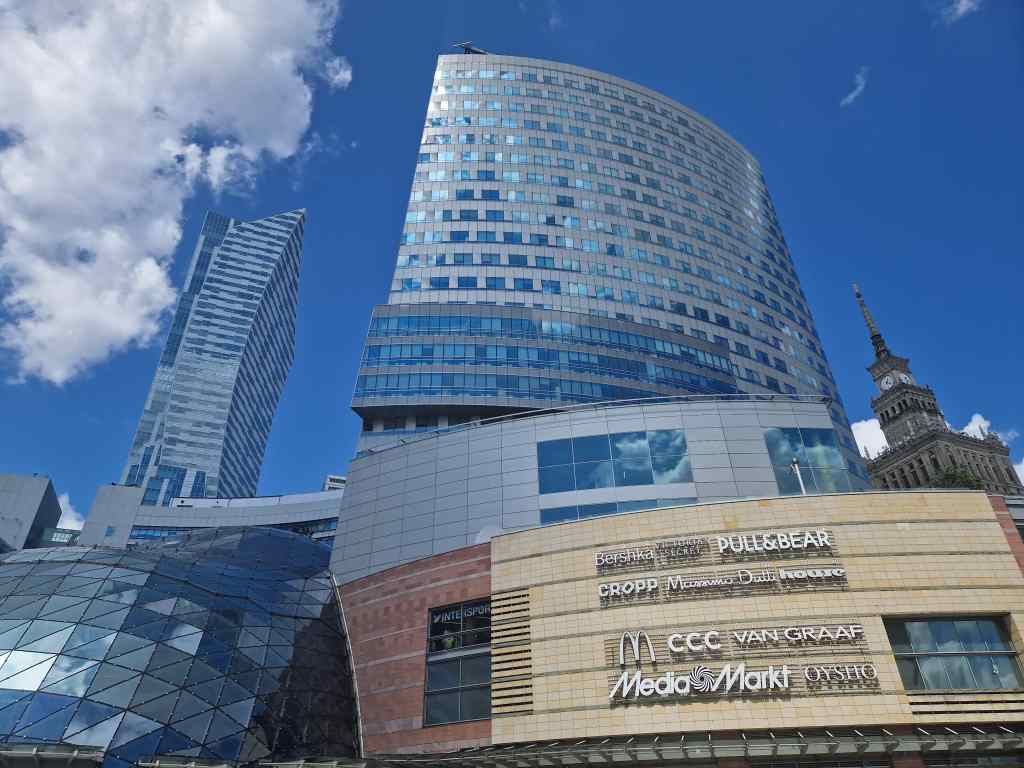
My first view of Warsaw

I found my hotel and set off to explore. First on my list was the old town, which was reconstructed to be exactly as it was before the war, in a process involving meticulous research and then a building programme that lasted until the 1960s. The result is amazingly successful, and the old town today looks like much like the centre of the many other beautiful Polish cities that were fortunate enough to avoid Warsaw’s fate.
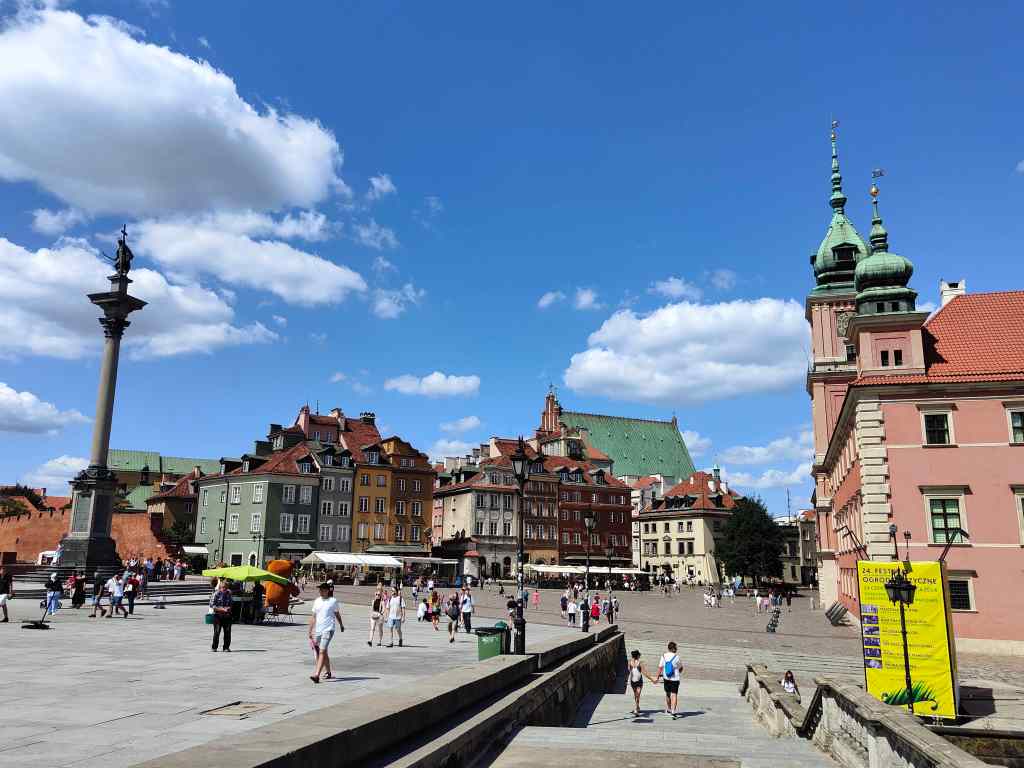
Entering the Warsaw Old Town, near the castle

The rebuilding project including recreating the Royal Castle, which I of course visited.
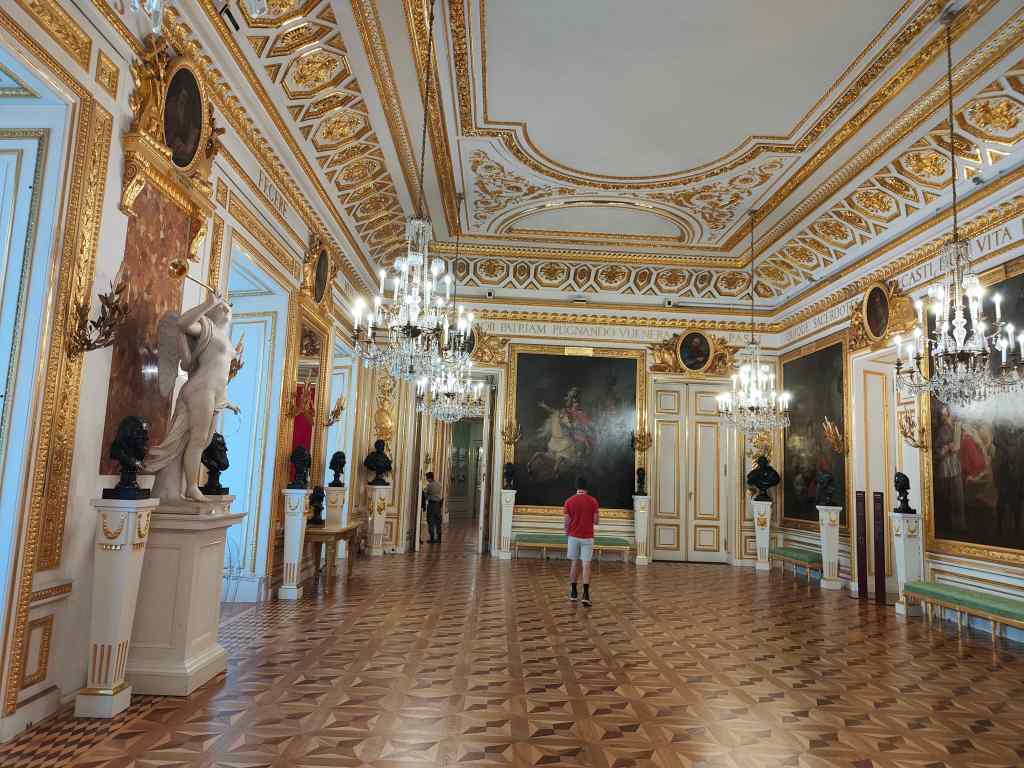
A reception room in Warsaw’s Royal Castle

Next I strolled around the old town, through narrow streets….

Warsaw Old Town streets

…to the inevitable market square. On the square is the interesting Museum of Warsaw, which chronicles the city’s remarkable and tragic history.
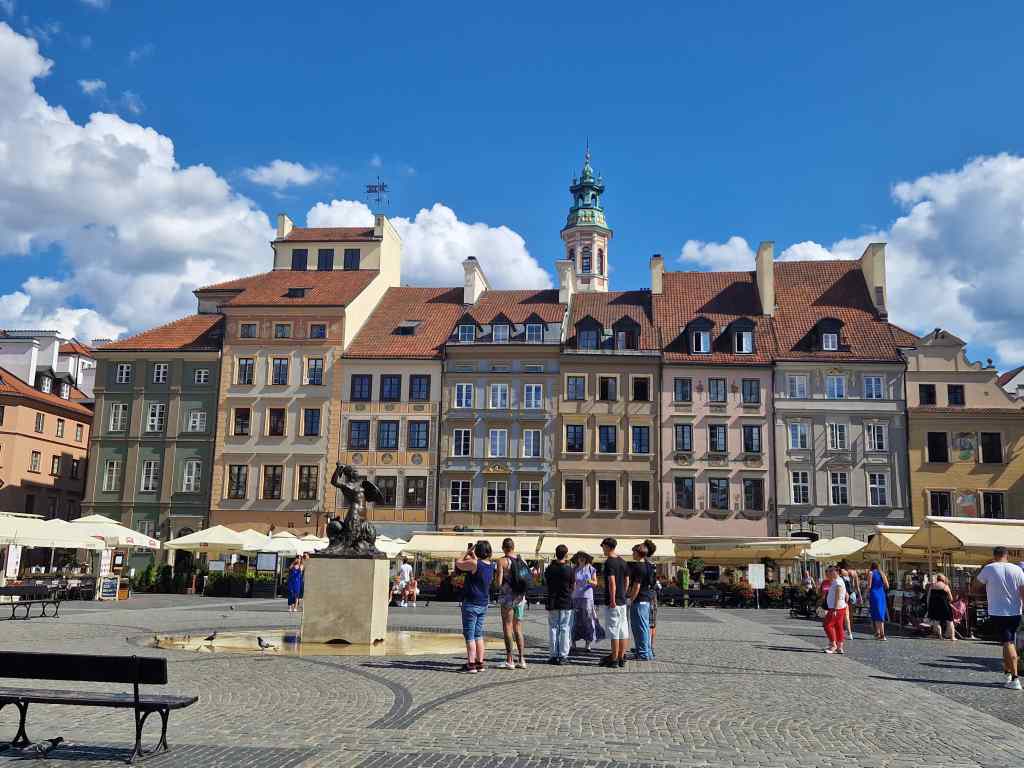
Market Square, Warsaw Old Town

Next I discovered the old town’s fortifications.
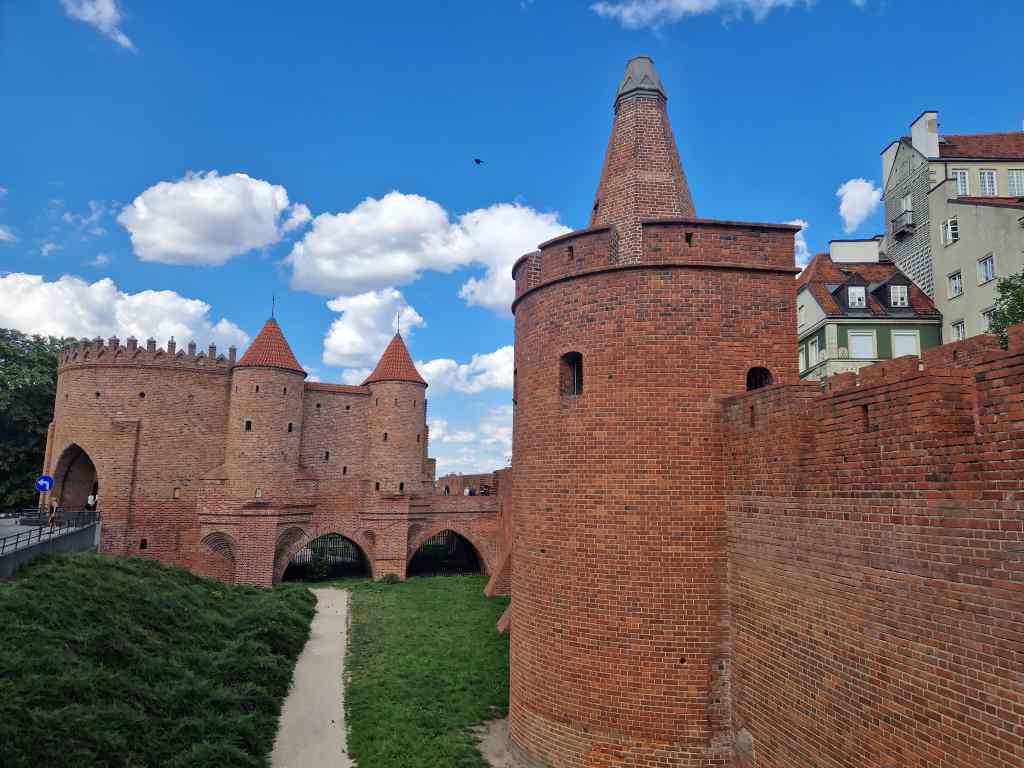
The Barbican, Warsaw

Polish cities have lots of monuments to writers, statesmen and artists who were unknown to me. I was happy to finally stumble across a statue of someone that I did recognise.
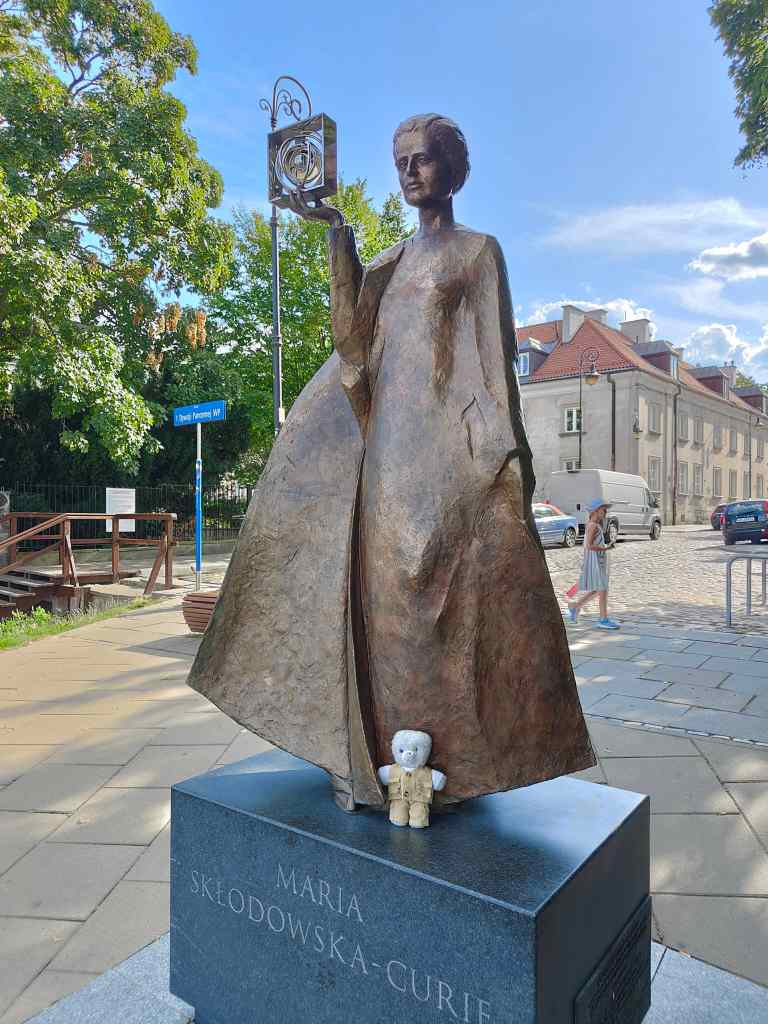
Marie Curie and me

I strolled away from the old town to explore different parts of the city. On the way I came across this marker for the former wall of the Nazi’s ghetto for the Jews.
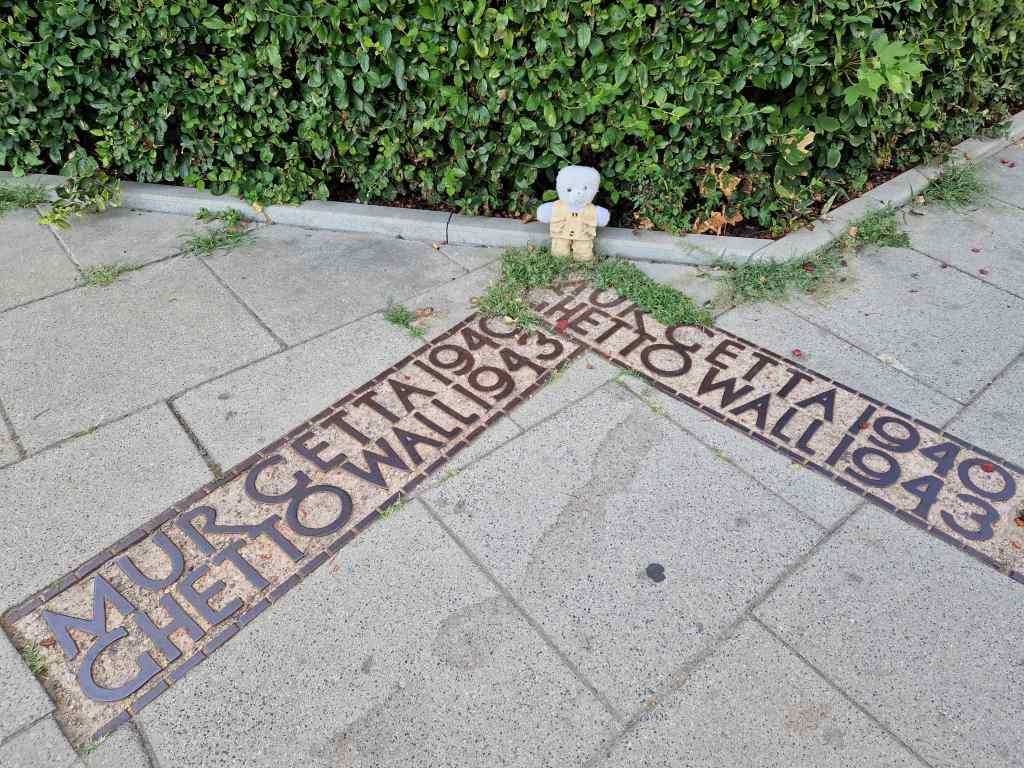
Marking the boundary of Warsaw’s WWII Ghetto

Next I found this pretty palace, one of many in Warsaw, which is now a library..

The Krasiński Palace, Warsaw

I had dinner in one of Warsaw’s many up-market restaurants. The next day I had time to make two more quick visits before my flight – the first to the beautiful Wilanow Palace, a short bus ride to the south of the city. It was built between 1677 and 1696 for King Jan III and was later a residence for various aristocratic Polish families, most notably the Potockis. Remarkably, the palace survived Warsaw’s various crises intact (although it was damaged during WW II) and it remains one of the finest examples of baroque art in the world.
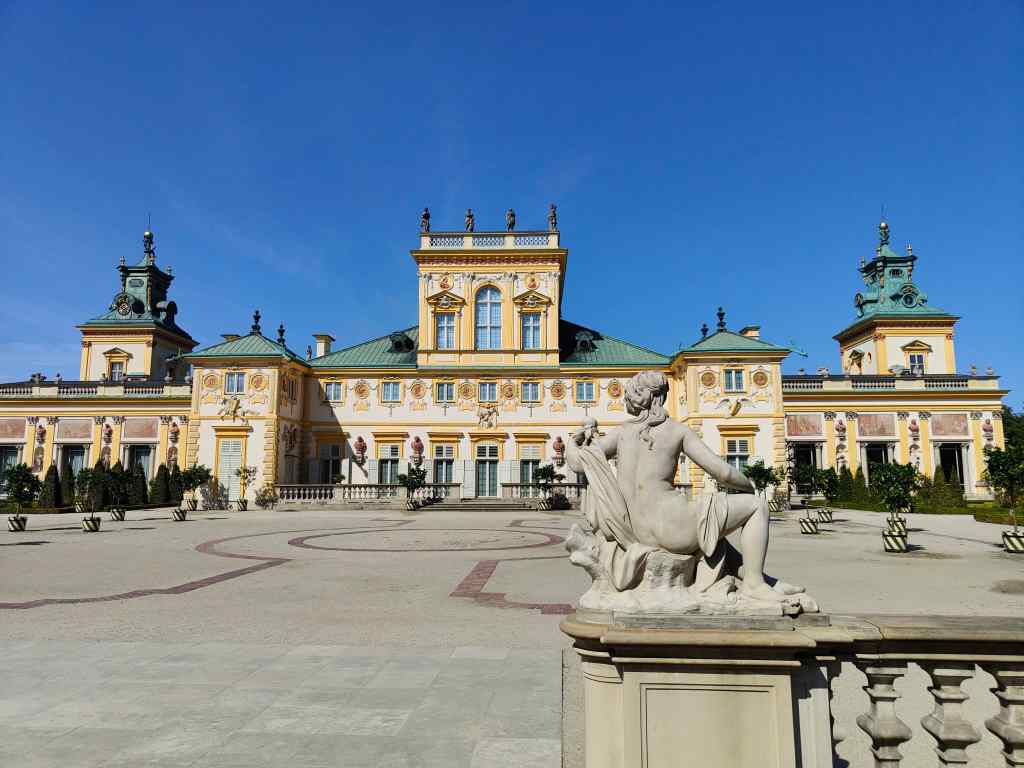
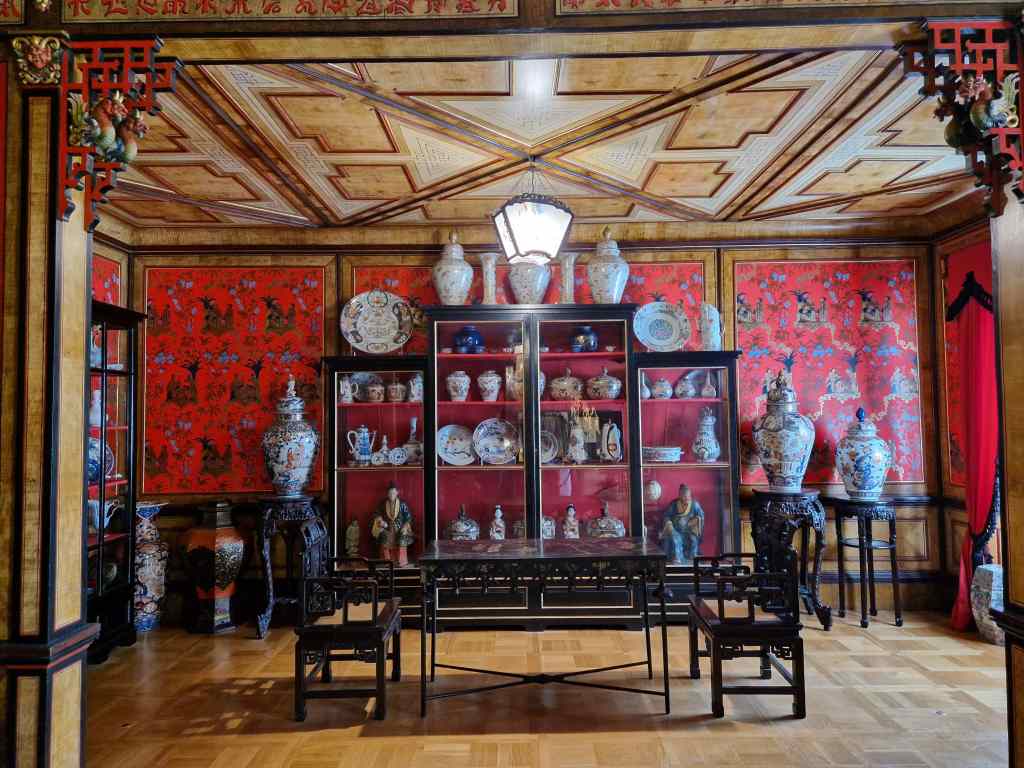
Wilanow Palace, Warsaw
One of the oriental rooms in the Wilanow Palace

Apart from suitably impressive reception rooms, the palace also houses an art museum. I was the only person there – I think the other visitors failed to find the rather small door leading to the gallery. On the approach to the museum there was a display of empty frames, symbolising the pictures taken by the Germans or Russians during the war and so far not returned. I ended my visit with a stroll around the palace’s park.

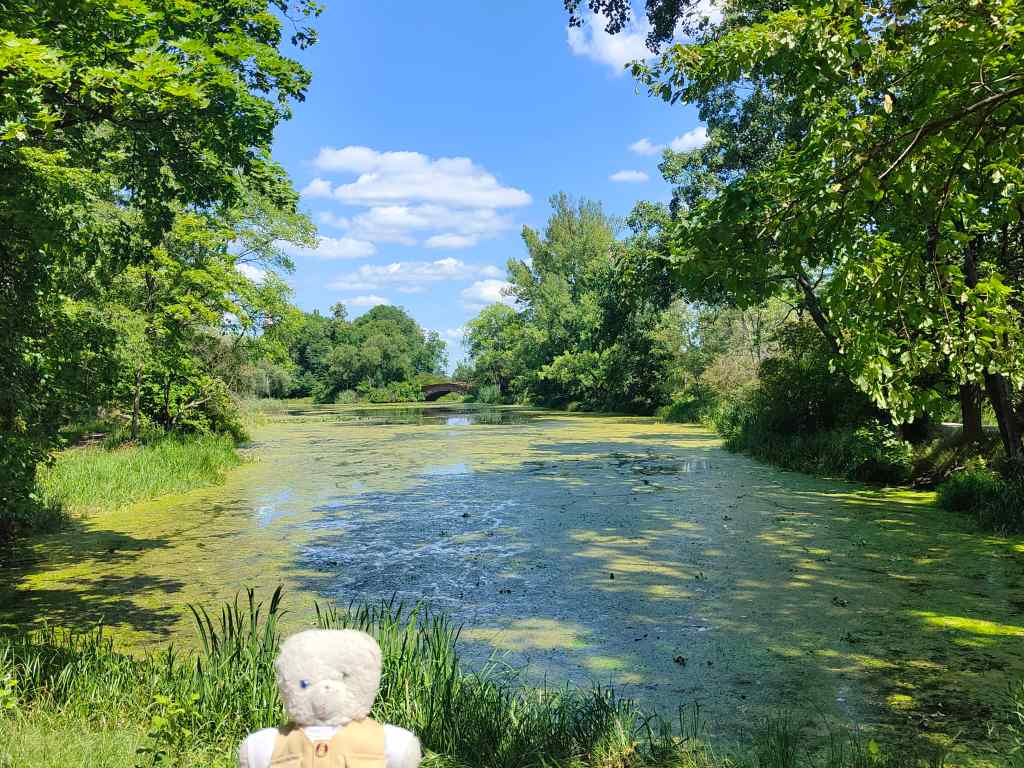
Empty Frames, Wilanow Palace gallery
The Wilanow palace also has a pleasant park.

My final visit of this trip was to the Palace of Culture and Science, right in the centre near the main train station. This was built in the 1950s as a “gift” from the Soviet Union to Poland and when completed was the eighth tallest building in the world. It closely resembles the “seven sisters” buildings commissioned by Stalin for Moscow, and for many years dominated the Warsaw skyline in much the same way that Russia dominated Poland.

The imposing Palace of Culture and Science, Warsaw

The palace is a maze of buildings including concert halls, cinemas and a theatre but the tower is its most popular part and is Warsaw’s most-visited tourist attraction.
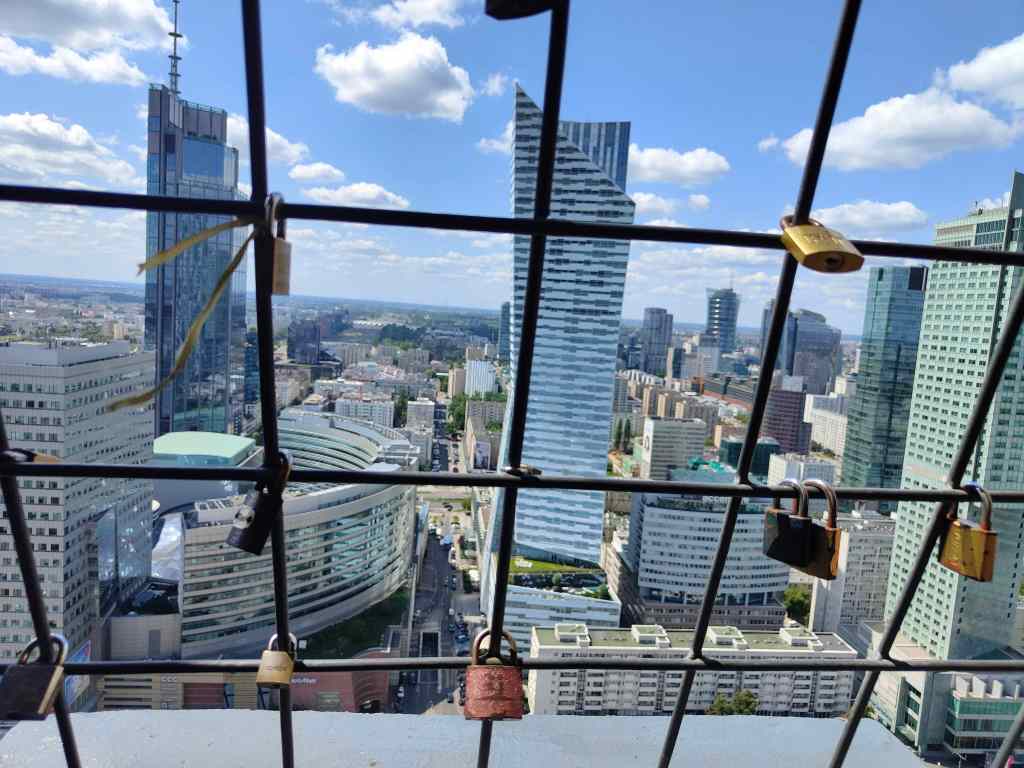
The view from the top of the Palace of Culture and Science

I took the fast lift to the top, admired the views and enjoyed the cool breeze blowing through the observation platform. It was a good way to end my second visit to Poland, a country that I am getting to like a lot. Stay tuned (i.e. subscribe!) for my next trips – Romania in September, and then Japan over October and November!
Previous Post: Torin
Torun, a little-known highlight of Poland

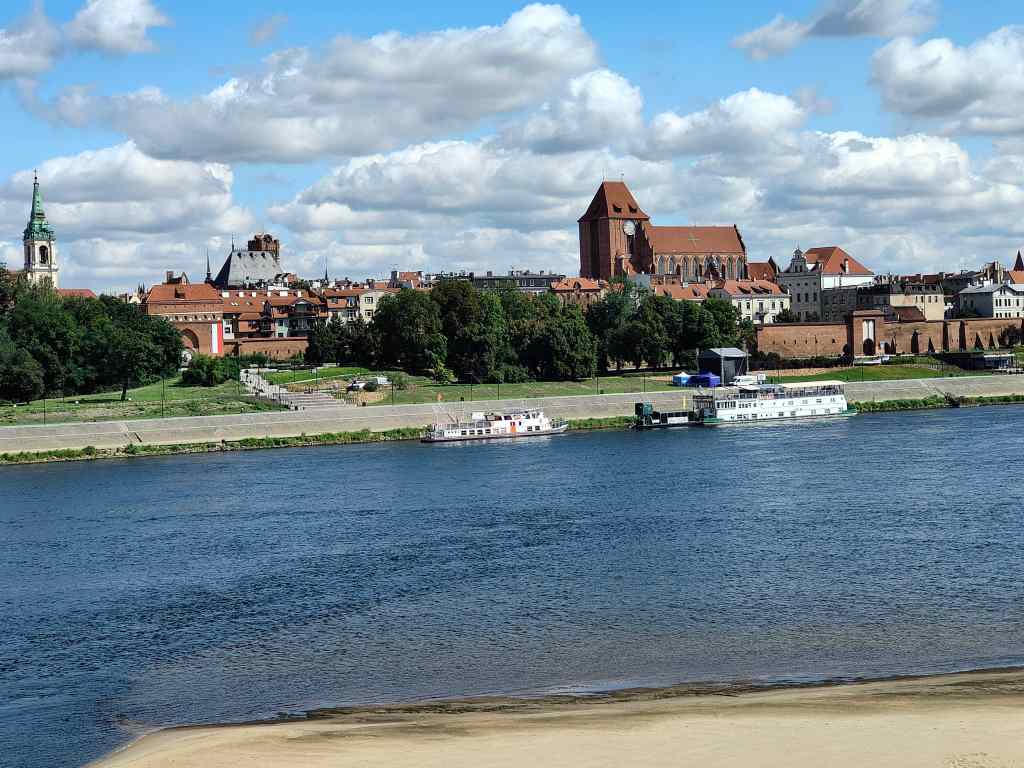
My next destination was Torun, an ancient city first settled in the 8th century, which became a base for Teutonic Knights in 1233 and a later a major trading hub and member of the Hanseatic League. Today it is a small place with a population of only 200,000. Even though it is a UNESCO listed world heritage site, few people seem to have heard of it and it attracts many fewer tourists than, say, Krakow.  So much the better for me, for I was able to visit at a relaxed pace without crowds. My first view of the city and its ancient walls was as I crossed the bridge from the train station over the Vistula river, ….
Torun on the Vistula
Torun and the Vistula river

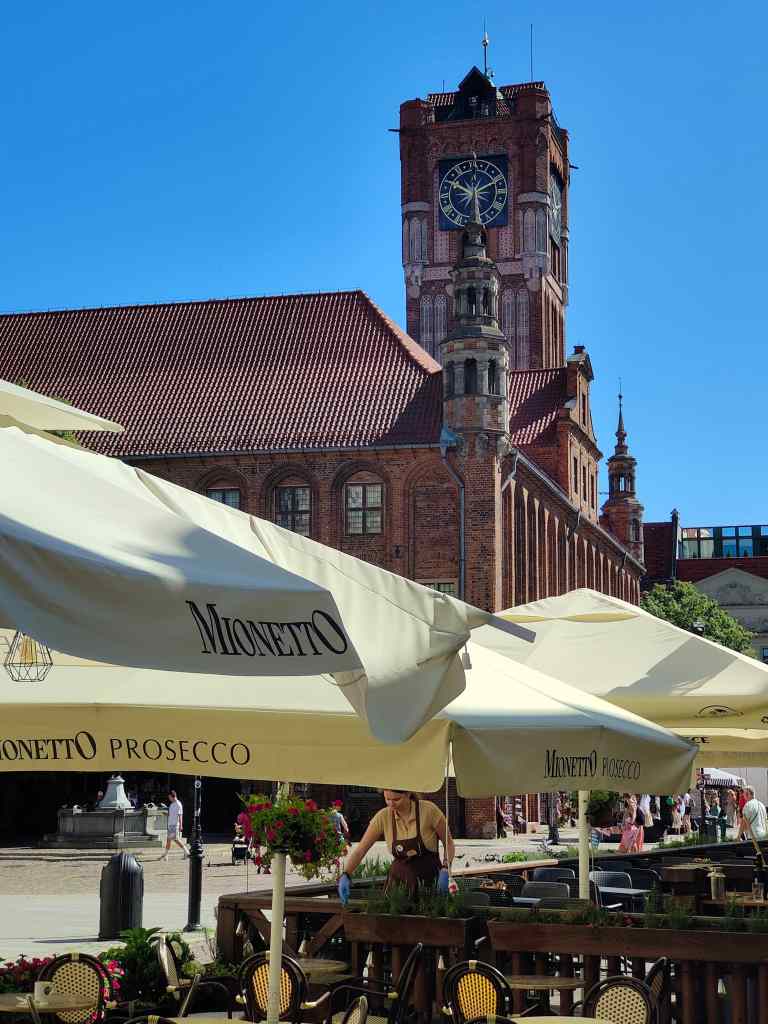
A first stroll through town revealed Torun’s charms. First, there was the inevitable market square and town hall…..

Torun’s town hall

….with a tower offering views of the city….

The view from Torun Town Hall’s Tower

….and lots of cafés. I treated myself to this rather strange coffee, topped with cream, then burnt like a crème brulée, and sprinkled with small marshmallows. Yum.

Mid-morning coffee stop in Torun’s square

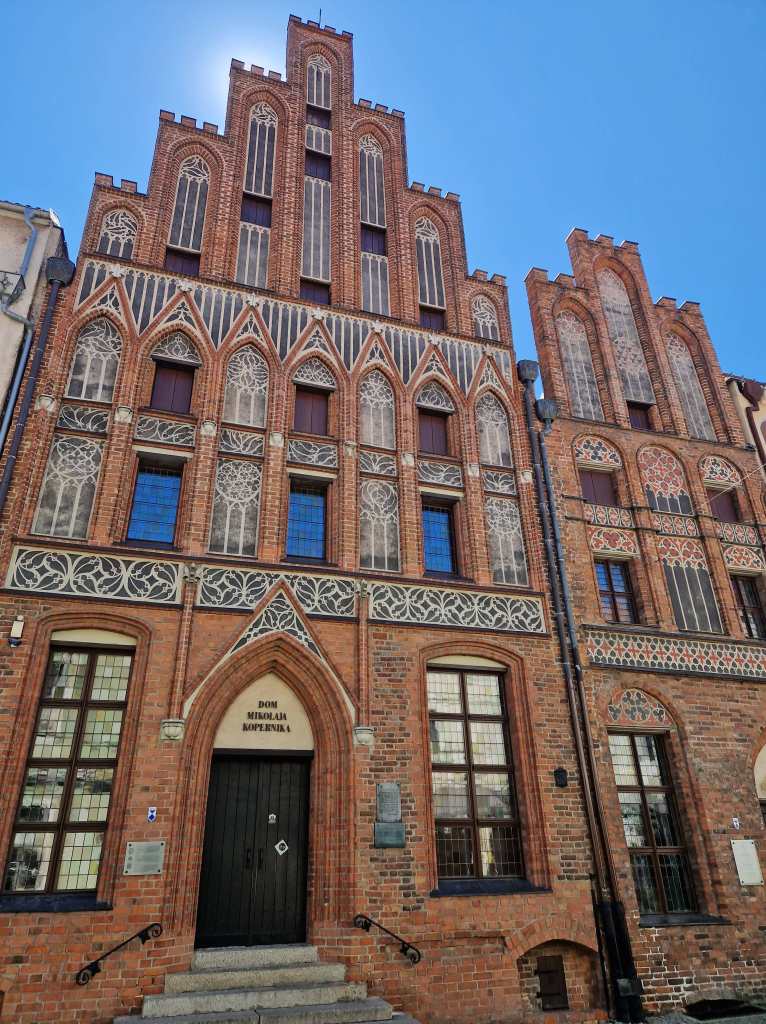
Torun has several museums. The town hall itself had an interesting art collection, whilst a very pretty building on the market square called the “House Under the Sun” had a collection of far eastern art. Probably the most famous museum though is the place where the polymath Nicolas Copernicus was born and spent the early years of his life. Copernicus changed the thinking of the world through his major work, published close to his death in 1543, devoted to the then revolutionary idea that the earth rotated around the sun. The museum covered the everyday of the Copernicus family (his father being a merchant) and Nicolas’ works and their reception (his ideas were slow to take on, and his book was banned by the church some sixty years after it was first printed).

Copernicus’ house, Torun

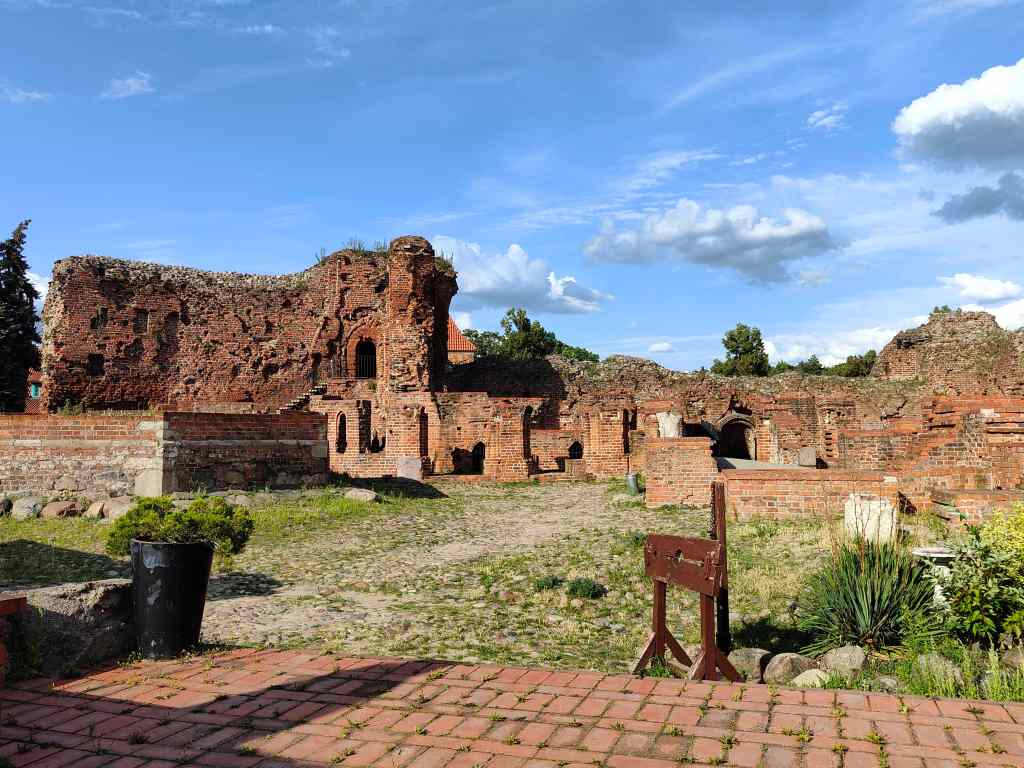
After educating myself about Copernicus I visited the final main attraction in Torun – the ruined castle of Teutonic knights, an extensive European religious and military order who were involved in protecting the Catholic Church’s interests and went on crusades to the Holy Land and Eastern Europe. The knights based in Torun also imposed restrictions and taxes on the city, which annoyed the townspeople so much that one night they stormed the castle and then set about dismantling it.

The ruins of the castle of the Teutonic Knights

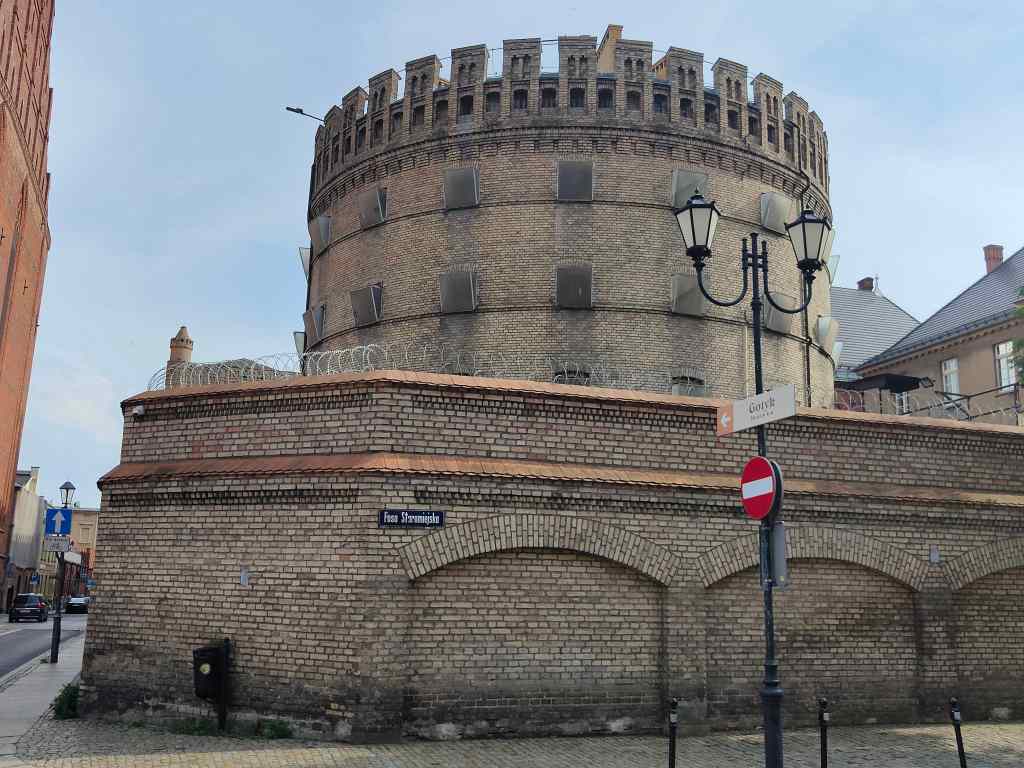
After visiting the castle, I had completed all the “must-see” sights in Torun and spent my time pleasantly wandering the streets. I found a prison, bizarrely located in the centre of town….

Not the greatest advert for the Gotyk Hotel

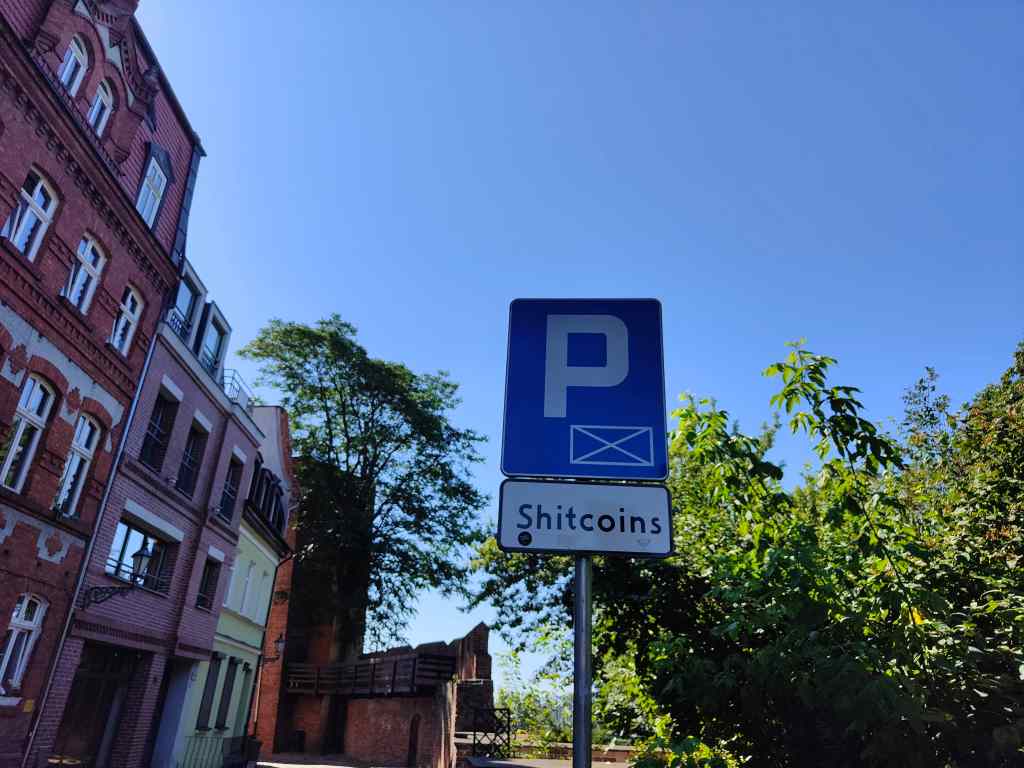
…..an unusual parking sign…..

A novel way to pay for parking?

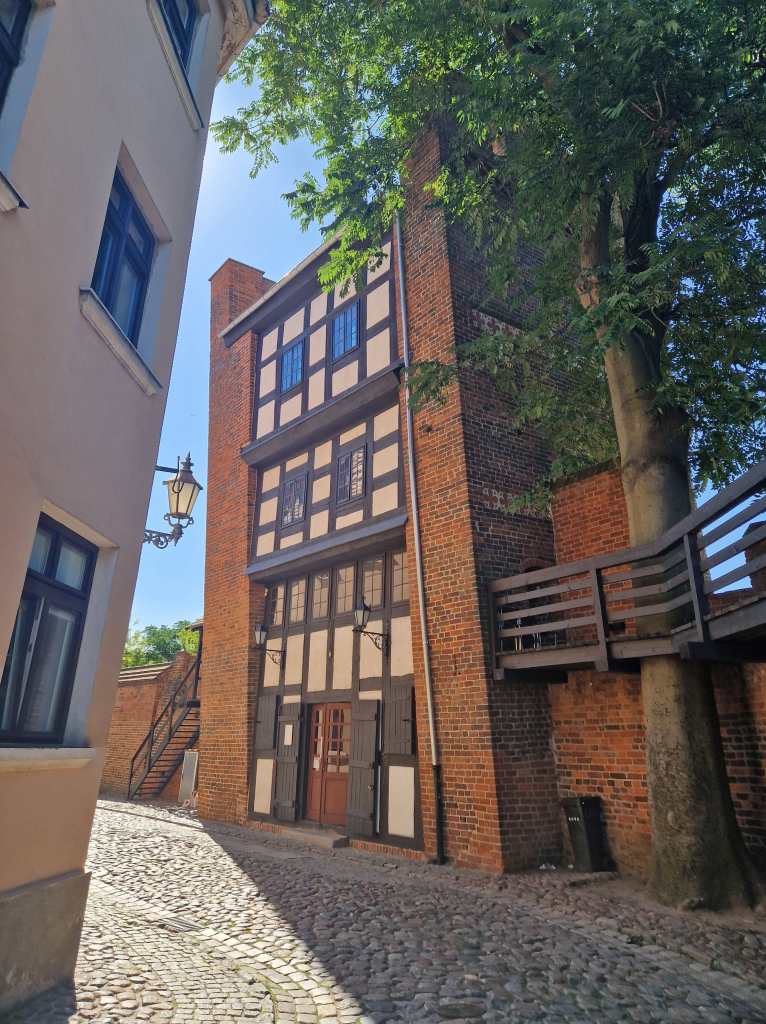
….and the leaning tower in the city walls, reputedly built by one of the Teutonic Knights.

Torun’s leaning tower

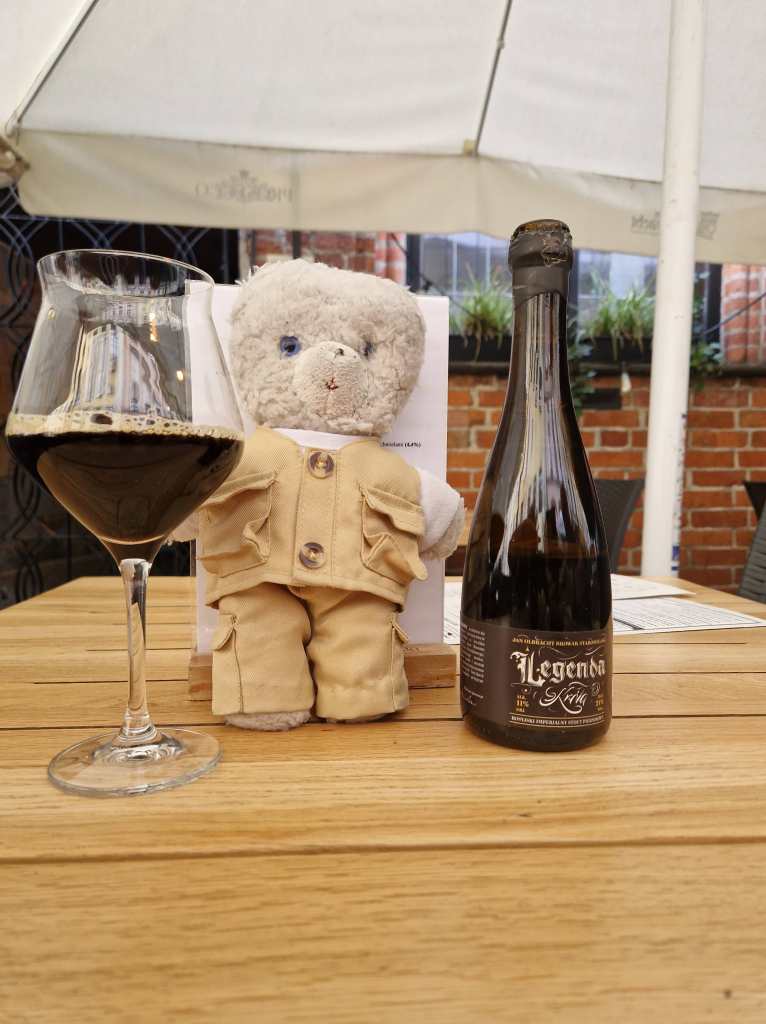
Torun is famed as a centre for production of gingerbread, and there were shops everywhere selling the stuff, and even two museums devoted to it. I ended my day – as so often in Poland – at a pleasant pavement café. This one brewed its own craft beers, including one which was flavoured with gingerbread. It turned out to contain 11% alcohol, which is why I am slightly unsteady on my paws in this picture.

And Torun’s leaning teddy. 11% by volume…almost the same as wine

Next Post- Warsaw

Previous Post – Poznan

Poznan in Poland – a pleasant surprise

Today I took the S-Bahn to the Hauptbahnhof to make the trip east to Poznan in Poland, a trip of about two and half hours. Poznan is the country’s fifth biggest city, and one of its oldest – it was once one of the four historic capitals of medieval Poland. A few dejected English football fans joined me on the train, having seen their team lose the final of the European Championship the night beforehand – they were no doubt heading for Poznan’s airport, which has direct flights to London.  On my trip to the south of Poland last year I had been surprised that the country was very clean, green and looked affluent – quite different to the post-industrial landscape of decay that I had expected. I thought that maybe this time, travelling in the north, I would see a different side to the country – but no, from the train I saw nothing but pleasant green fields and on arrival, Poznan’s station was much more modern and cleaner than Berlin’s.

I checked into my hotel, had a quick snooze to avoid the worst of the afternoon heat (it was finally hot and sunny) before walking through town to visit the impressive cathedral to the east of the city.

Poznan cathedral

Near the cathedral was a clever trompe l’oeil mural occupying the entire side of a house

Poznan street art

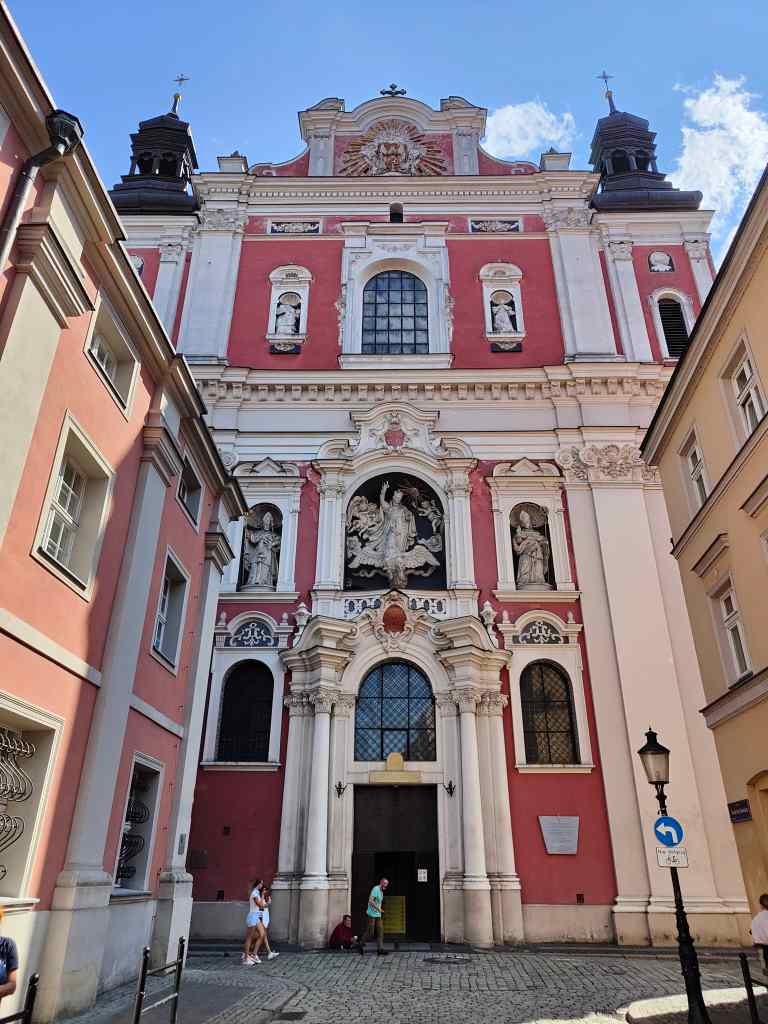
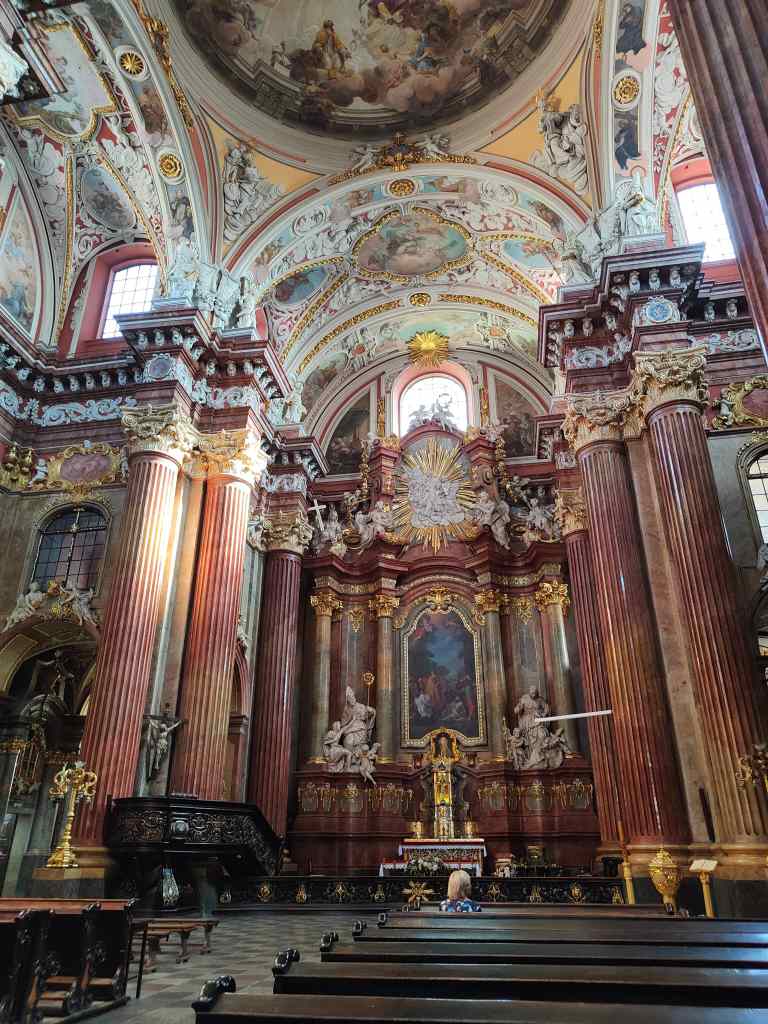
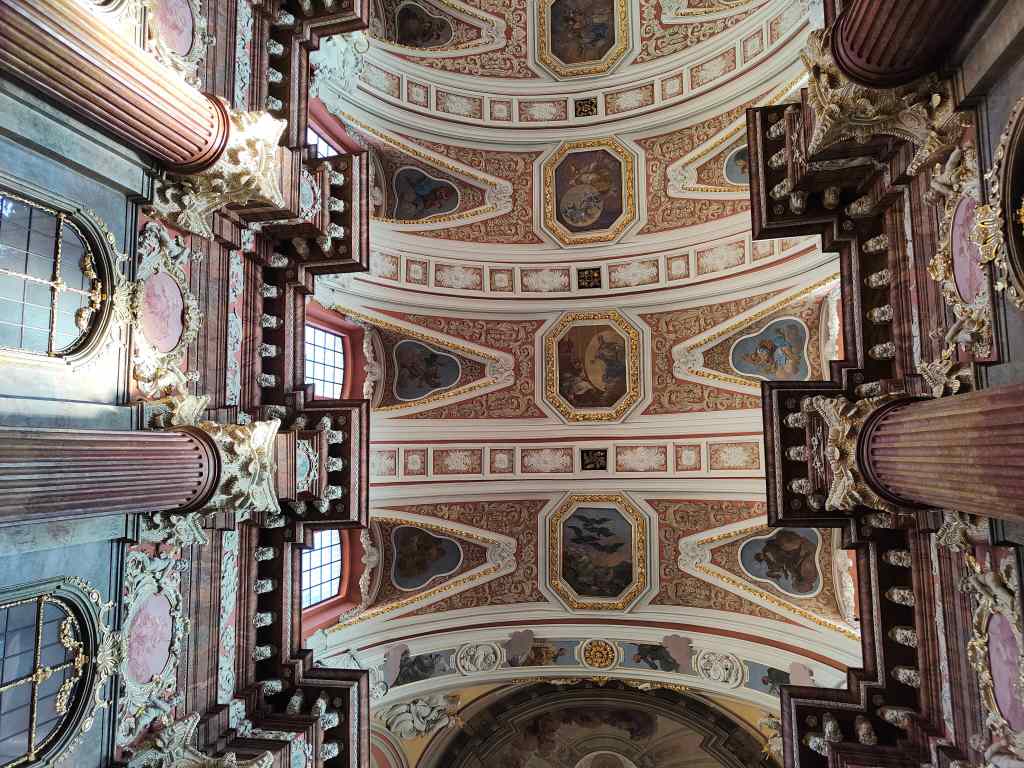
I strolled back to the old town and visited a magnificent baroque church, the Basilica of our Lady of Perpetual Help, which is one of the most beautiful I had ever seen.

Outside and Inside Poznan’s beautiful basilica
Inside Poznan’s Basilica

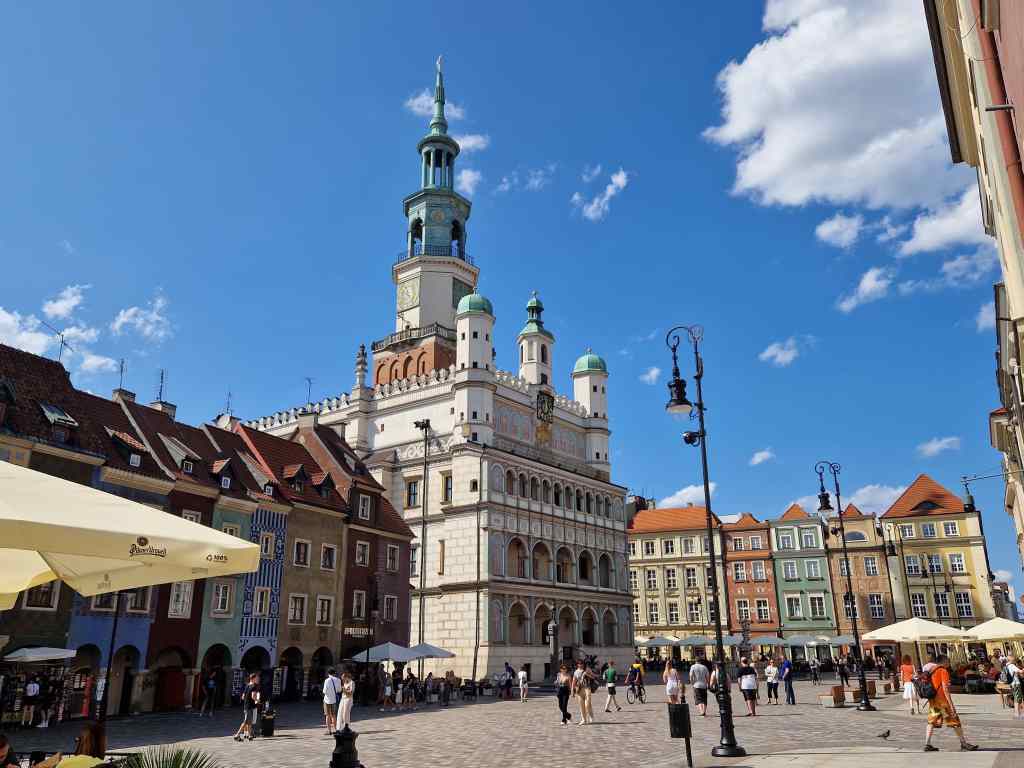
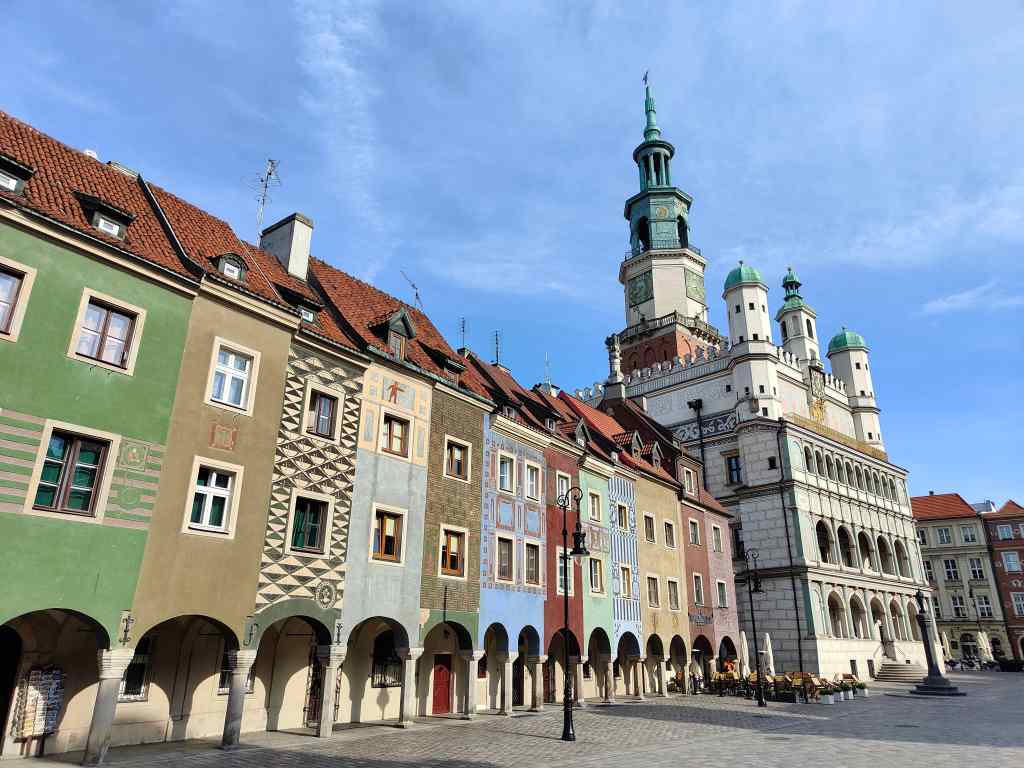
The centre of many Polish cities is the old market square, and Poznan had a very photogenic one, with a particularly beautiful town hall. The latter was first built in 1253, rebuilt in its current style in the 16th century, badly damaged during the second world war and reconstructed in the 1950s. Except for a few scattered groups of England fans (who were much quieter than they had been in Berlin!) there were almost no tourists, no tacky souvenir shops and no money changers.

Poznan’s market square and town hall in the afternoon

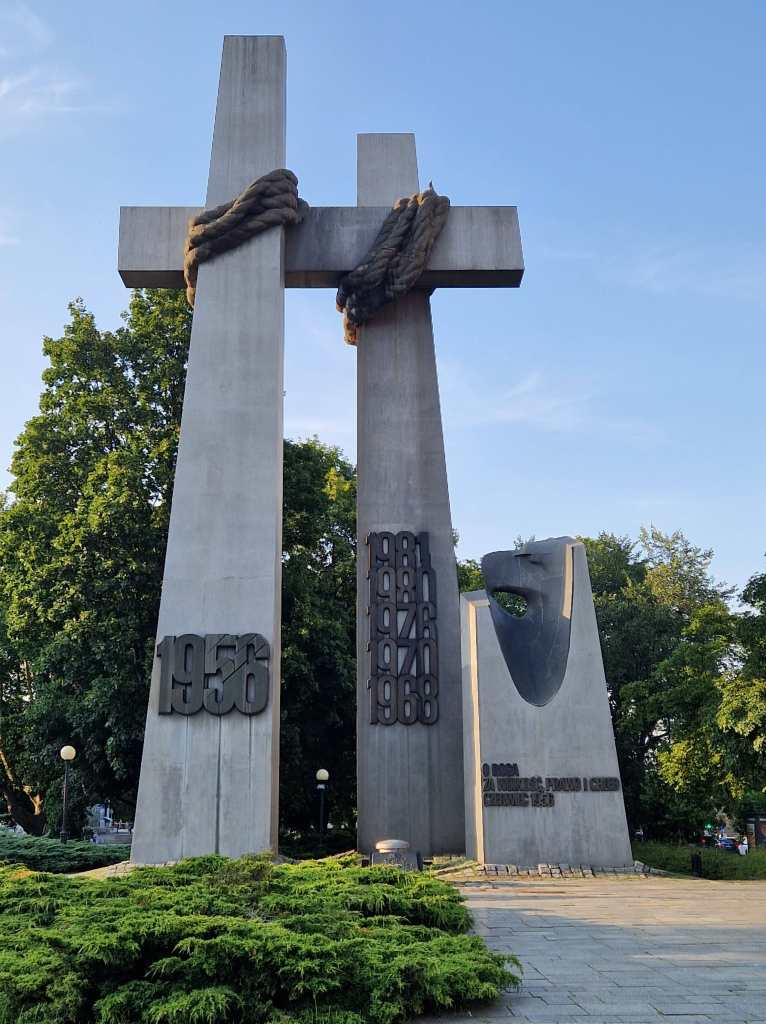
After coffee on the square, I continued my exploration. On first appearances, the centre of town appeared small, and I thought I would soon run out of things to do. But the more I walked, the more interesting things I found – old buildings, monuments, small parks, little squares, and lots more beautiful churches.

A monument to the victims of the 1956 anti-soviet uprising

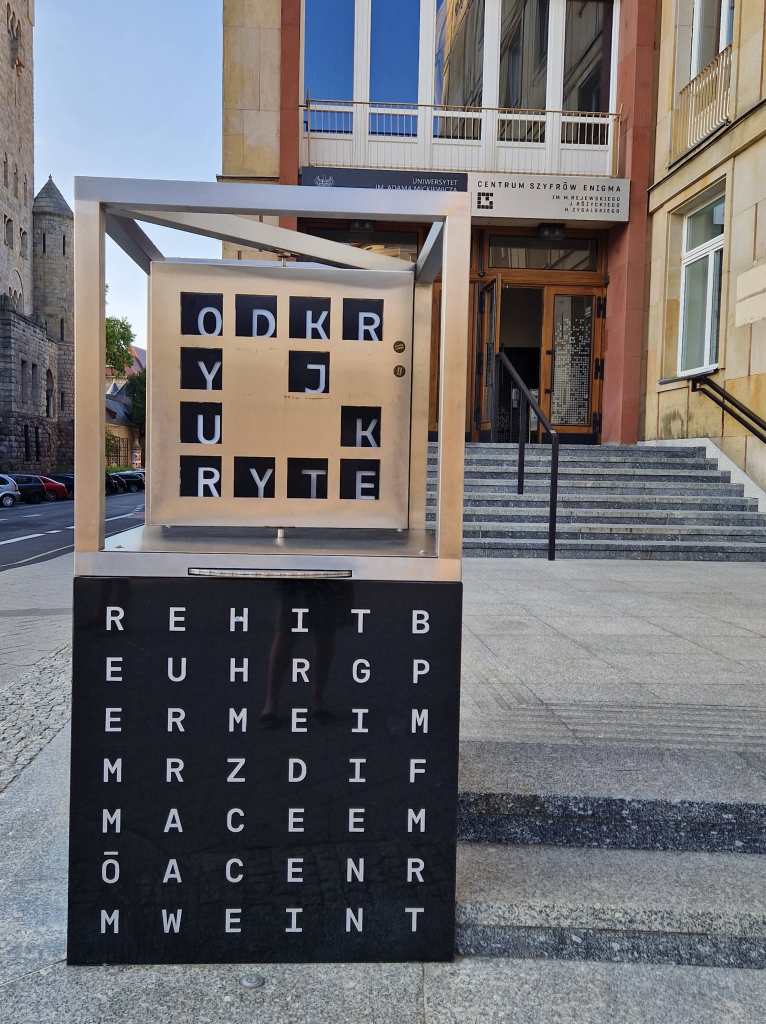
I also stumbled upon the “Imperial castle”, built under German occupation for Kaiser Wilhelm II of Germany in 1910, but which is now part of Poznan’s university and was where Polish mathematicians first started working to break the German Army’s Enigma code.

A monument to the Enigma code breakers

I ended up enjoying the early evening sun in a pleasant park with a few locals….

Relaxing in a pleasant park in Poznan

….before having dinner on the square and then a cocktail in one of the many of busy bars in a nearby street  – many students study in Poznan, and the nightlife scene reflects this.

Partying in Poznan

The next morning I had a couple of hours to continue exploring before my train at noon. I revisited the market square to take pictures without any other people around…

Poznan square in the morning

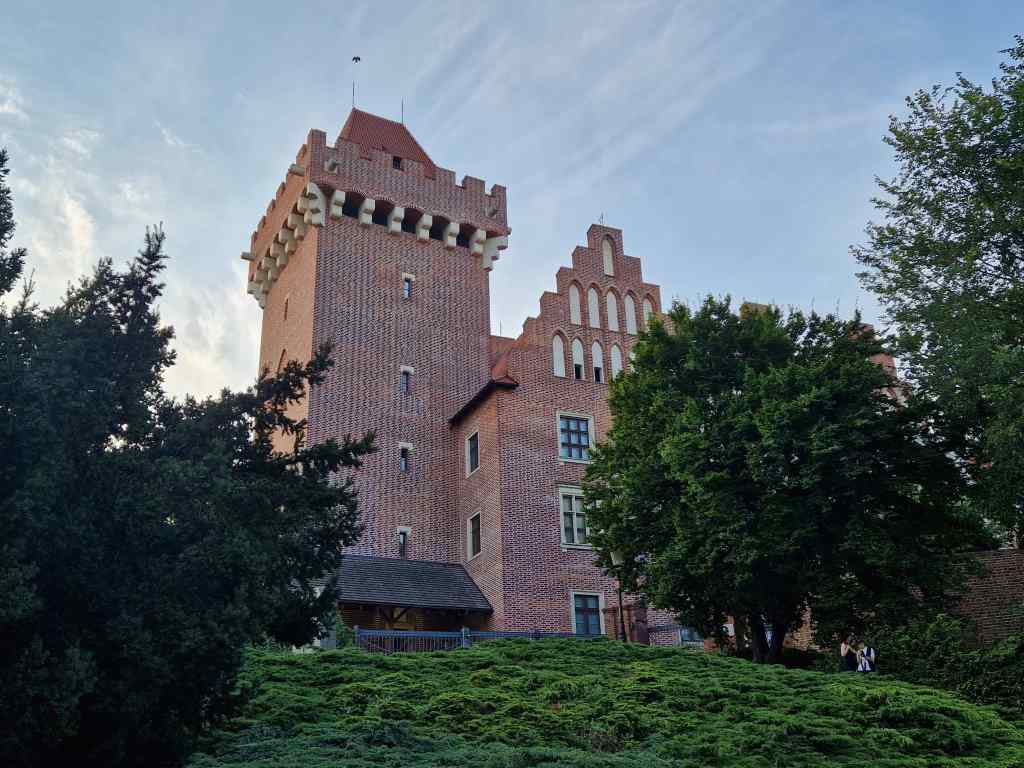
…..and then found that the old “Royal” castle was open and took the lift to the top of its tower for a last view of the city.  Unlike the Imperial Castle, this one was built for a Polish king, and originally dates from the 13th century. Most of what you can see today is reconstructed, after heavy damage suffered during the second world war.

Poznan’s “Royal” Castle, largely reconstructed

I had been very impressed by Poznan – a pretty, clean place with lots of things to do. And like everything else in Poland, amazingly cheap. I think I will be back some time on the direct flight from London, but for now my next destination was the ancient town of Torun, another two hours’ train ride further east.

Next post – Torun

Previous post – East Berlin

Back to Krakow, and Farewell to Poland

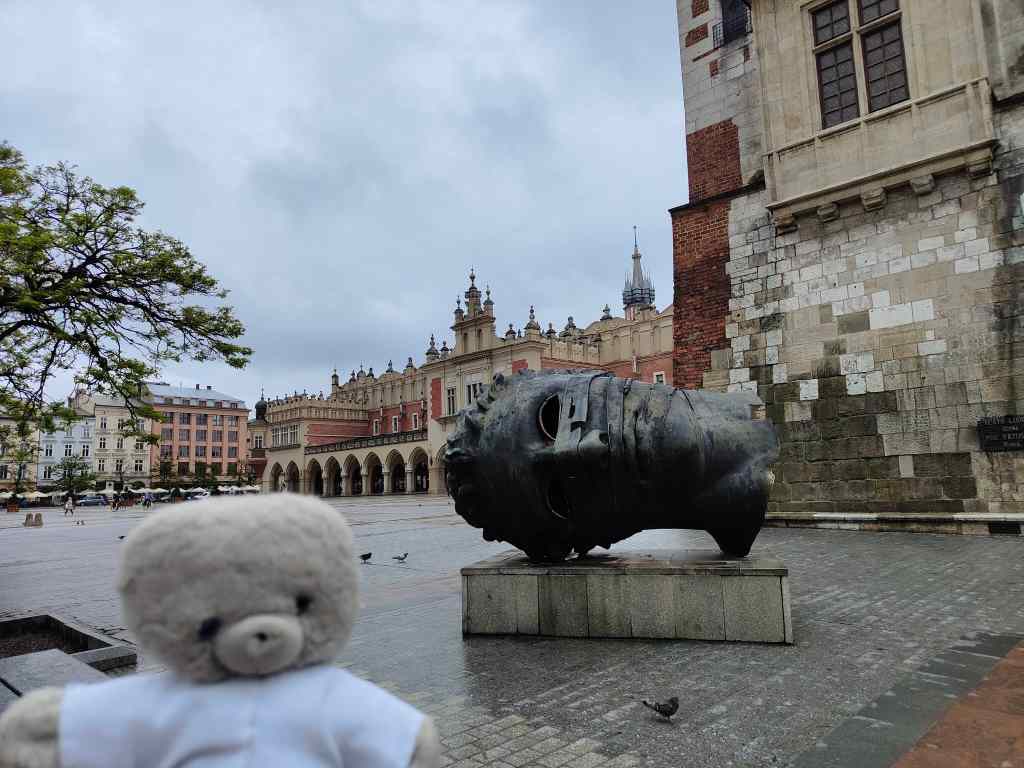
After my harrowing visit to Auschwitz, I returned to Krakow for a couple of days at the end of my trip. The weather had become cloudy, but I still enjoyed visiting the old town again.

The modern statue of “Eros Unbound” in Krakow’s main square

I visited a few of Krakow’s indoor attractions, such as the Czartoryski Museum, which houses an eclectic collection of paintings, military artifacts and sculptures. The highlight of the museum is the famous picture “Lady with an Ermine” by da Vinci. It is a beautiful painting, but my enjoyment was a bit spoilt by the constant stream of tourists taking pictures. I decided that if you cannot beat them, join them, and took my own snap.

The Lady with an Ermine by da Vinci, Czartoryski Museum

My next indoor attraction was the Pharmacy Museum, housed in a pretty old house. It was an atmospheric place, with bottles of strange drugs and herbs everywhere. It also had a few unexpected hazards for small teddies like me.

Unexpected hazard in the Pharmacy Museum, Krakow

In the afternoon I visited the famous UNESCO listed salt mine at Wieliczka, a short taxi ride to the south of Krakow. Salt has been produced at this site since neolithic times, when people took brine from salty springs and evaporated the water in the sun. In the 13th century, salt rocks were found under the ground and mining developed rapidly. Under King Casimir the Great in the 14th century, revenues from salt were thought to make up a third of the country’s budget.

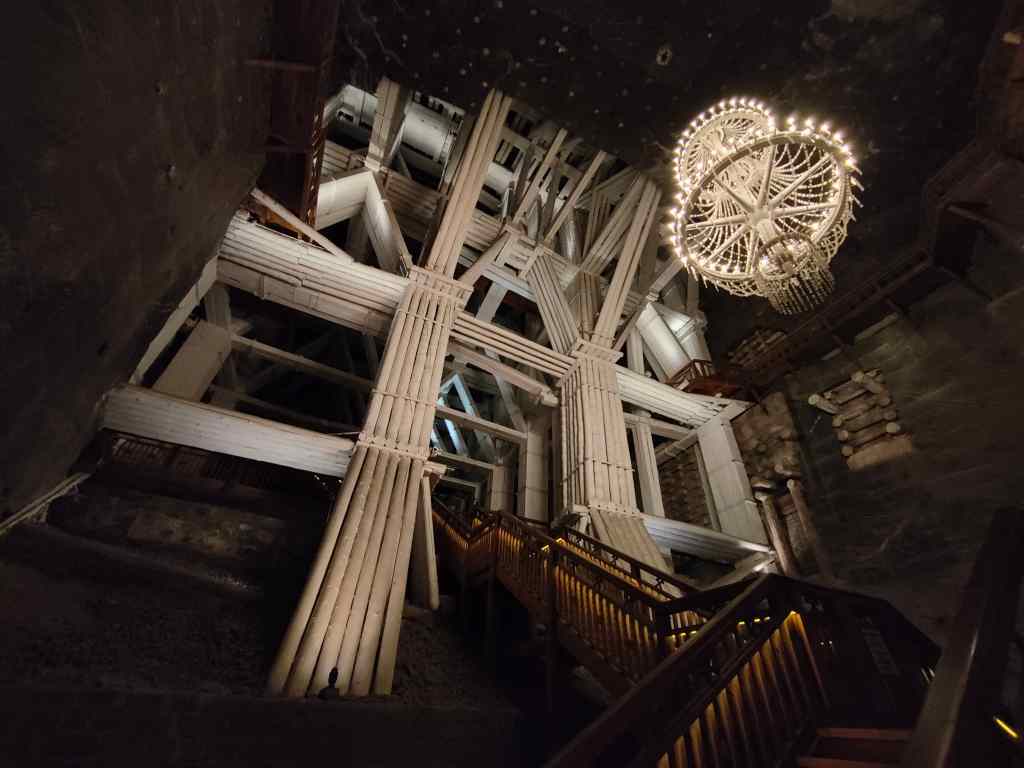
Over the centuries that followed, the mine developed to comprise 9 levels, the last one 327 metres below ground, and 245 km of passageways. Production of salt stopped in 1996, and the mine now operates as a tourist attraction, welcoming two million visitors per year. I arrived to find tourist visits were organised with an almost industrial efficiency. Groups of up to thirty people assemble at reception at the surface and are led down into the mine by a guide for the two-to-three-hour tour.  A new tour sets off every ten minutes.

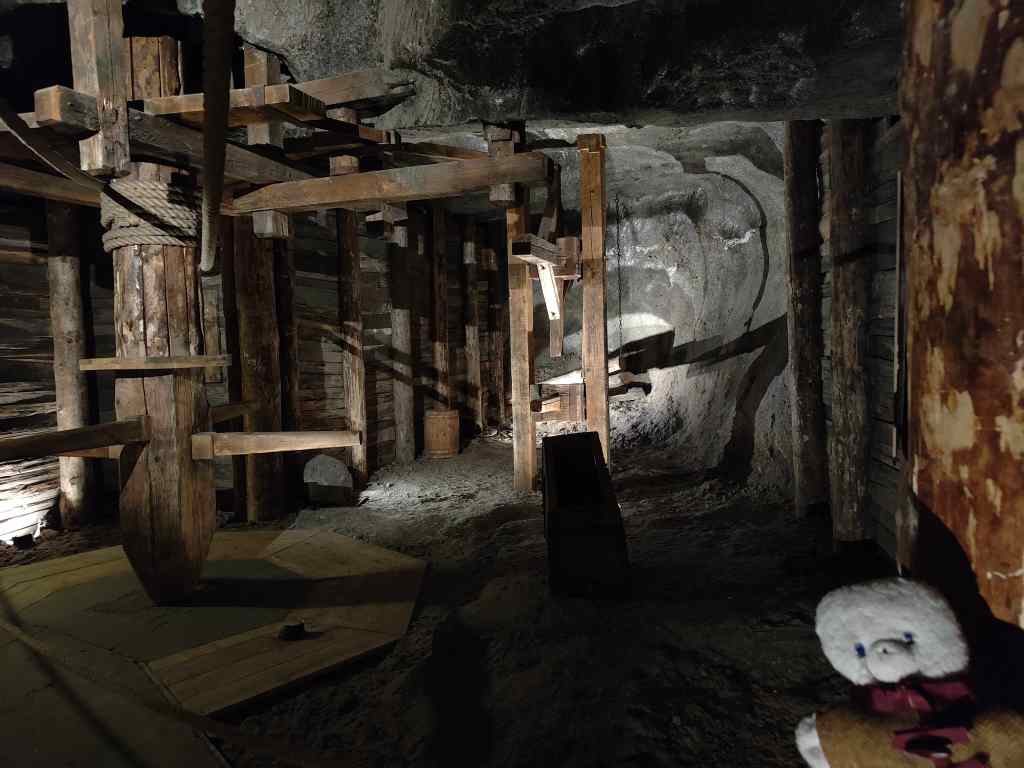
The route for visitors includes only around 2% of the total length of the mine’s galleries, reaching the fourth level underground. It was quite chilly in the mine, and I was grateful of my fur to keep me warm. We passed old mining equipment, salt lakes and huge chambers carved out by the miners.

Mine equipment, Wieliczka

Highlight of the mine is an St Kinga’s chapel, a church, carved out of the salt rock, with many statues and bas-reliefs carved out of salt. The chapel is an active place of workshop, but only miners and their families are allowed to attend services there.  

St Kinga’s chapel, Wieliczka salt mine
The altar – all the carving is from salt, and done by the miners
An exquisite bas-relief in St Kinga’s chapel

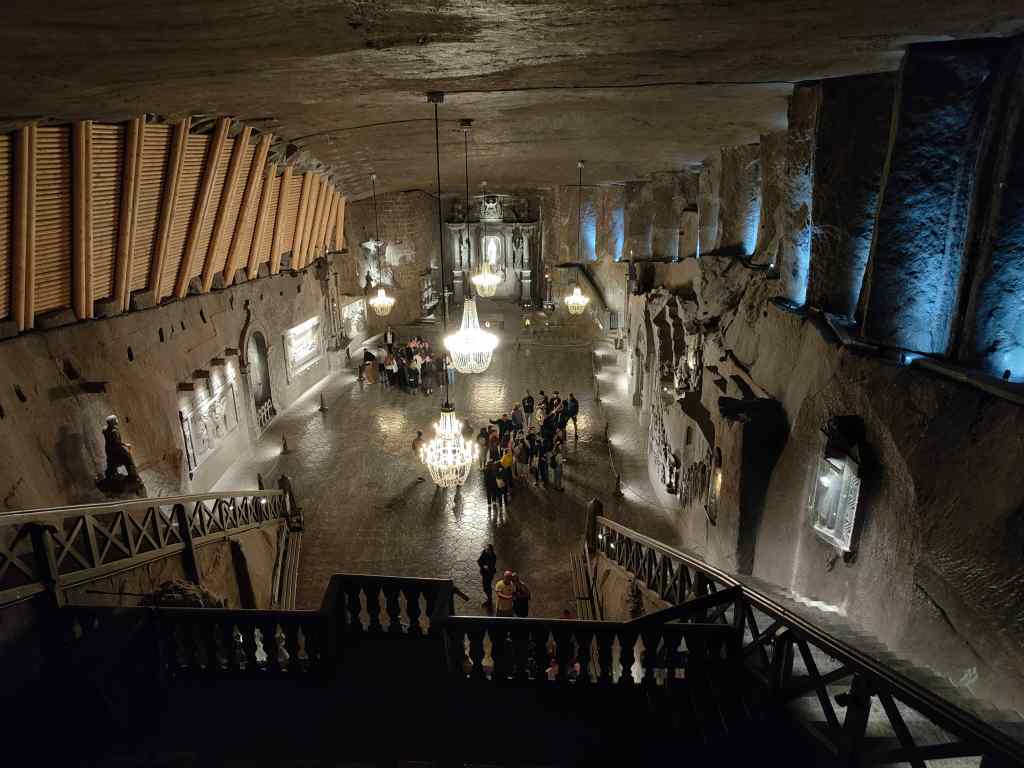
Visitors have been coming to see the mine since the 16th century, and a large underground concert hall was created where they would listen to music.

The concert hall, Wieliczka

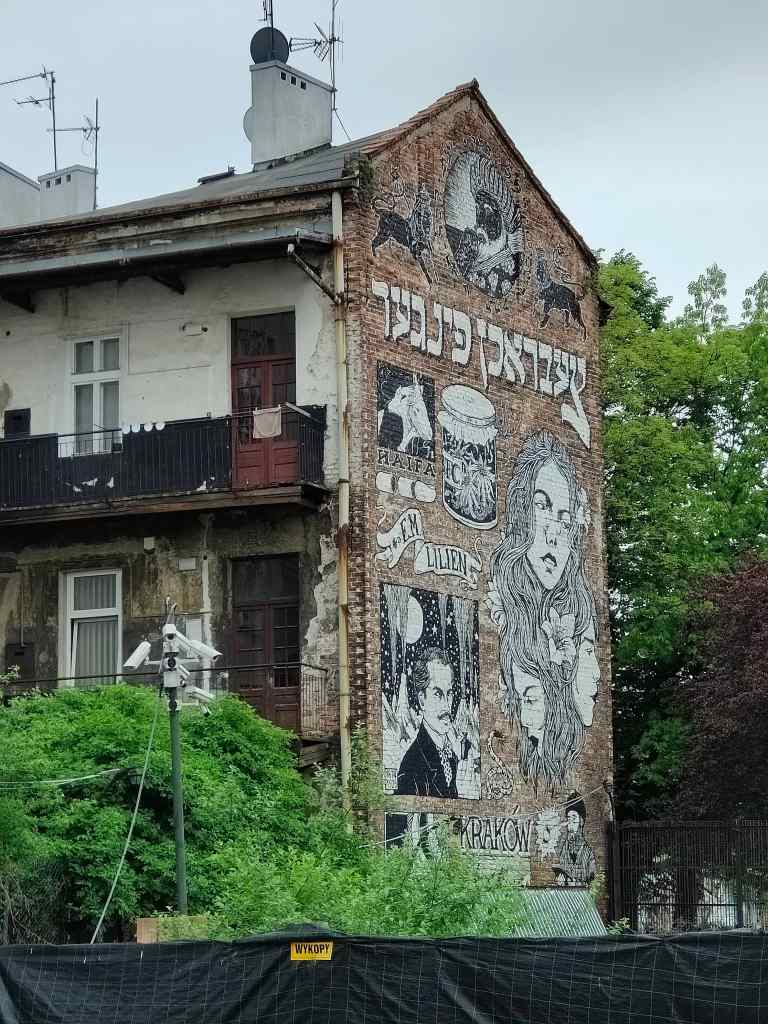
I found the mine very interesting, but was a little puzzled that it was, apparently, Poland’s most visited tourist attraction. Back at the surface, I warmed myself in the early evening sun before heading back to Krakow, where I explored the Jewish part of the city in a suburb called Kazimierz. During the second world war, this area was where the Jews were forced to live in a walled-off separate ghetto, before they were transported to concentration and then extermination camps. After the war only 3% of Poland’s Jewish population remained, but the few survivors have managed to recreate some of the character of Kazimierz, with many Jewish restaurants and a few remaining synagogues.  

Mural in Kazimierz
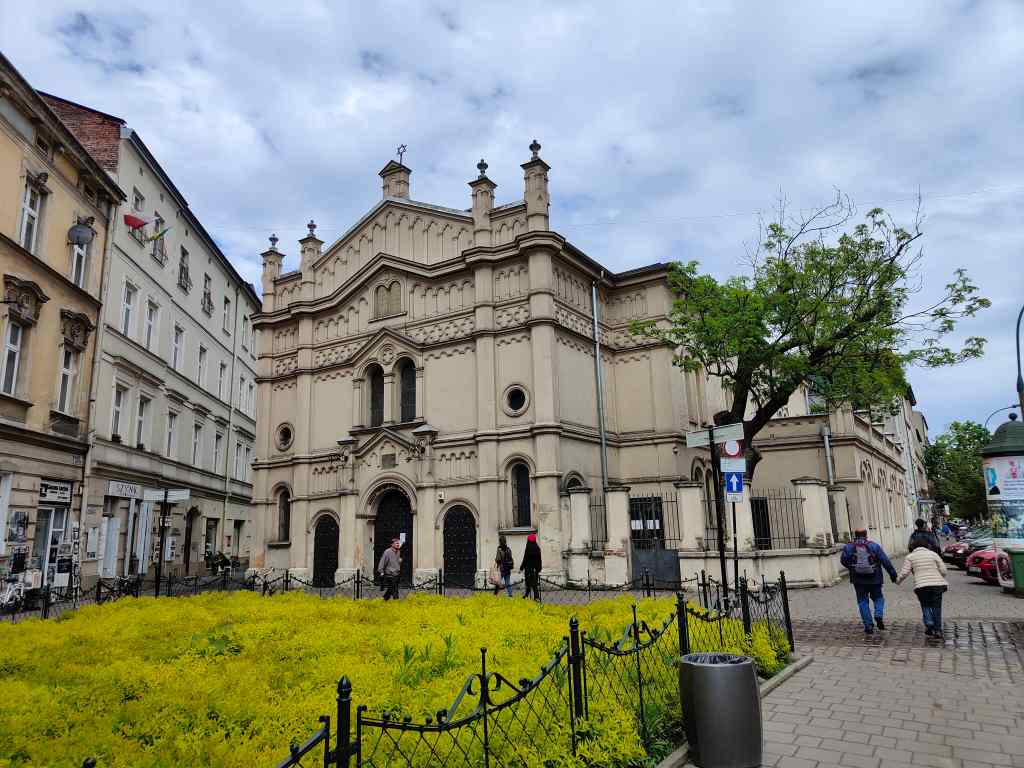
One of the surviving synagogues in Kazimierz

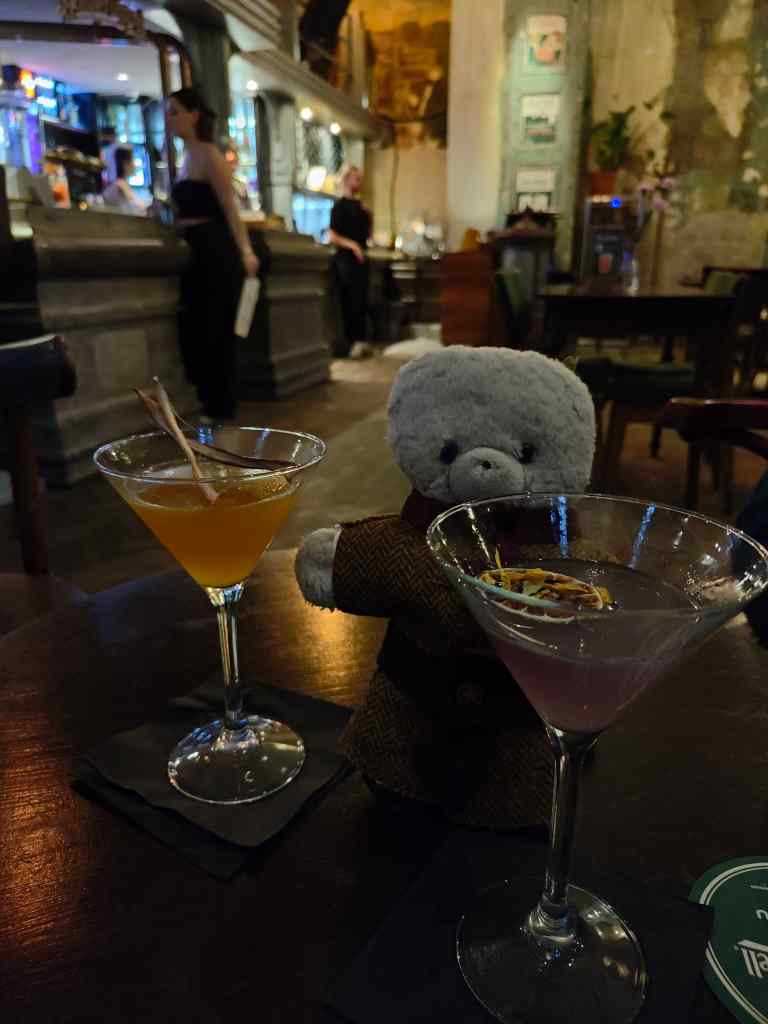
Kazimierz is also a great nightlife area, with countless cocktail bars. I spent my last night in Poland enjoying a pub crawl from one bar to the other, enjoying some excellent – and amazingly cheap – drinks.

Kazimierz night life – Last night in Poland!

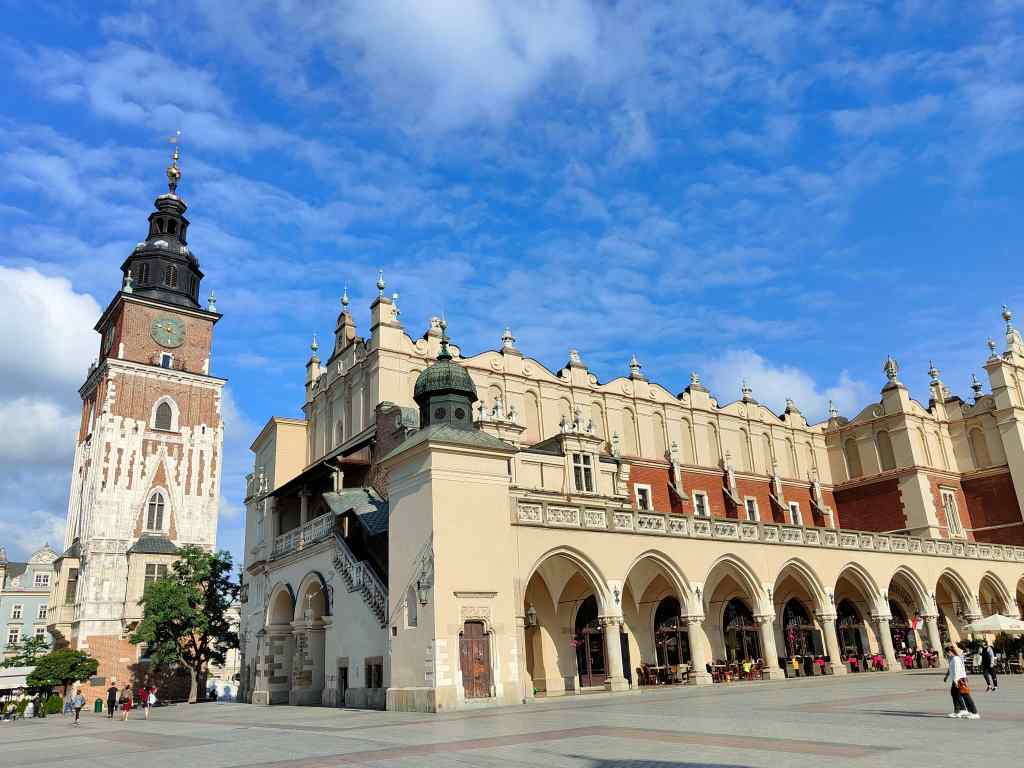
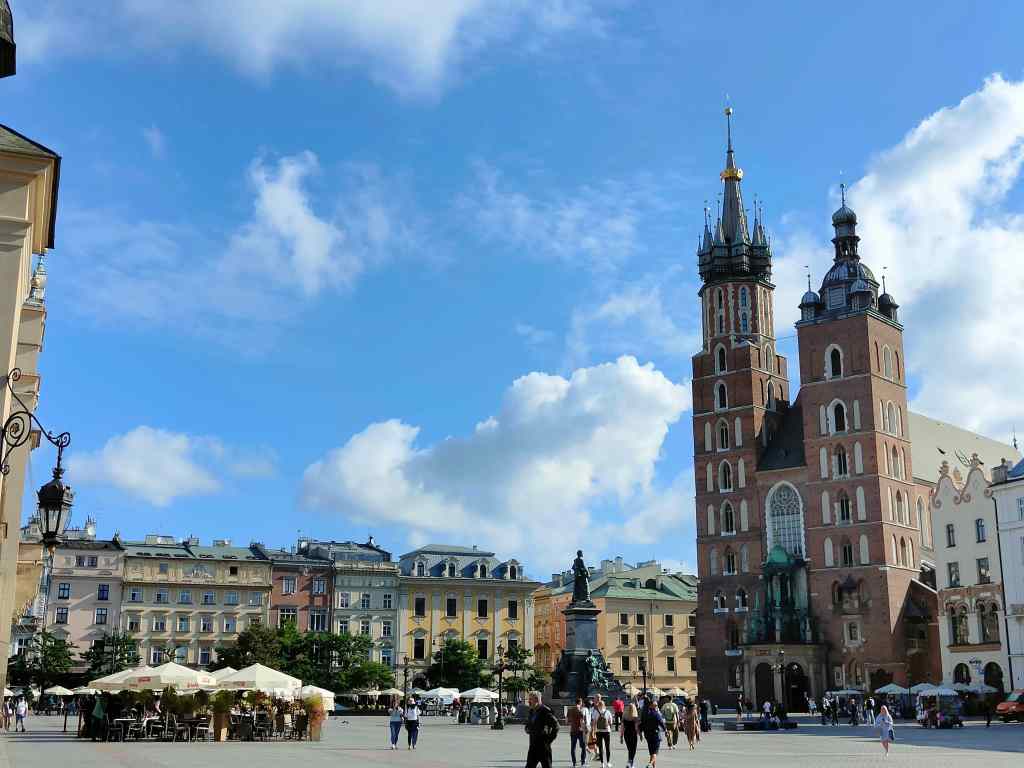
On my last morning in Krakow, before my flight back home, the sun had returned and I headed straight to the main square for some last photos and to have a cup of coffee in one of the cafés.

Last visit to the main square, Krakow

It was a good way to say goodbye to Poland, a country I had really enjoyed, with the wonderful city of Krakow and some great hiking in the nearby mountains. It is such a good value destination, and so easy to get here from London, that I think I will be back!

Previous Post: Auschwitz – my saddest post

My saddest and hardest post

Today my exploration of Poland took a completely different turn, as I went back to a particularly dark chapter of the country’s past. I drove about 3 hours northwest, to the former death camp of Auschwitz.

Before describing my visit it is worth covering a bit of Poland’s troubled history. In the middle ages, Poland was a typical European country, increasing or decreasing in size as different kings succeeded or failed in battle or diplomacy. In the 18th century it came under increasing influence from its powerful neighbours, Russia, Austria and Prussia. The three powers twice agreed to allocate large tracts of Polish land to themselves, greatly reducing the size of the Polish state, and then finally in 1797 split up Poland’s remaining territory. Poland ceased to exist as a separate country until the end of the first world war, but its independence was short-lived. Russia and Germany again agreed to partition the unfortunate country, with Germany’s invasion triggering the second world war.

The Nazis and Soviets set about trying to eradicate any separate Polish identity, by murdering thousands of intellectual and political leaders. Even worse was to follow this brutal campaign; at the start of the war Poland had a relatively large Jewish population, which the Nazis set out to eliminate. First, Jews were forced to live in cramped ghettos inside Polish cities; next they were transported to concentration camps, where they were forced to work. Finally, the Nazis built five death camps for the total extermination of the Jewish population of Europe by cyanide gas.

Auschwitz was the first such camp and the only one where much remains to be seen. This is because the Nazis tried to destroy all evidence of their extermination of the Jews before the advancing Red Army liberated the camps in 1945. The four other camps served only as death camps and were completely destroyed. Auschwitz also served as a concentration camp, and although the Nazis destroyed the gas chambers there, much of the rest was left intact. The Polish established it as a museum, so that the memory of the holocaust would not be lost.

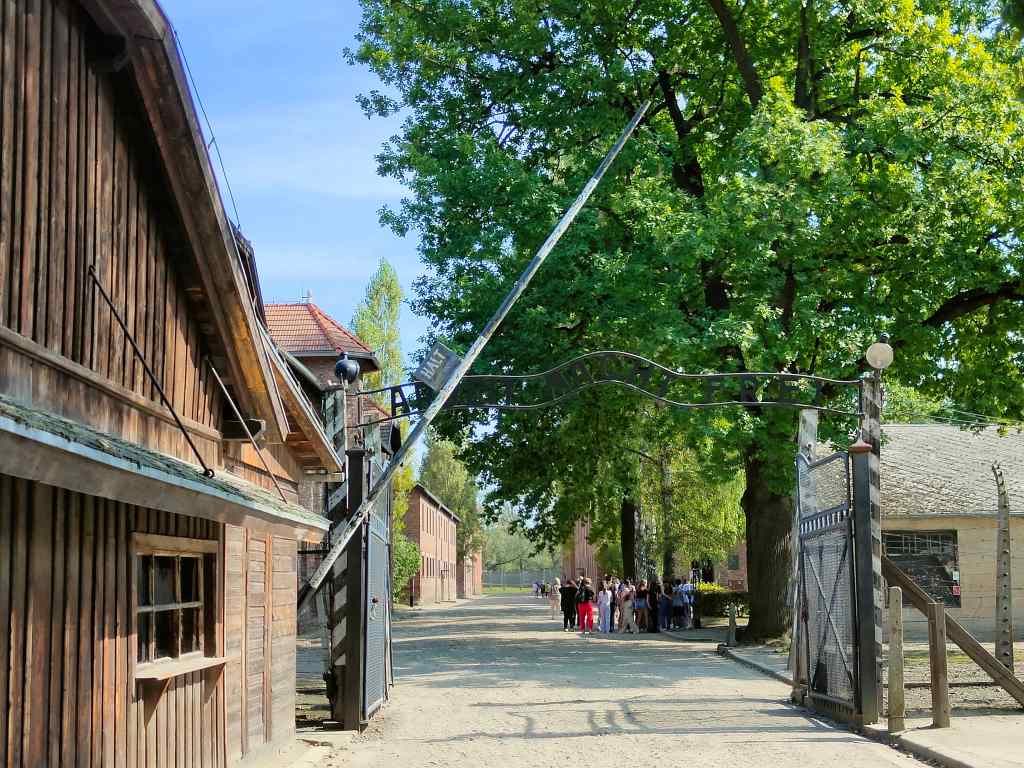
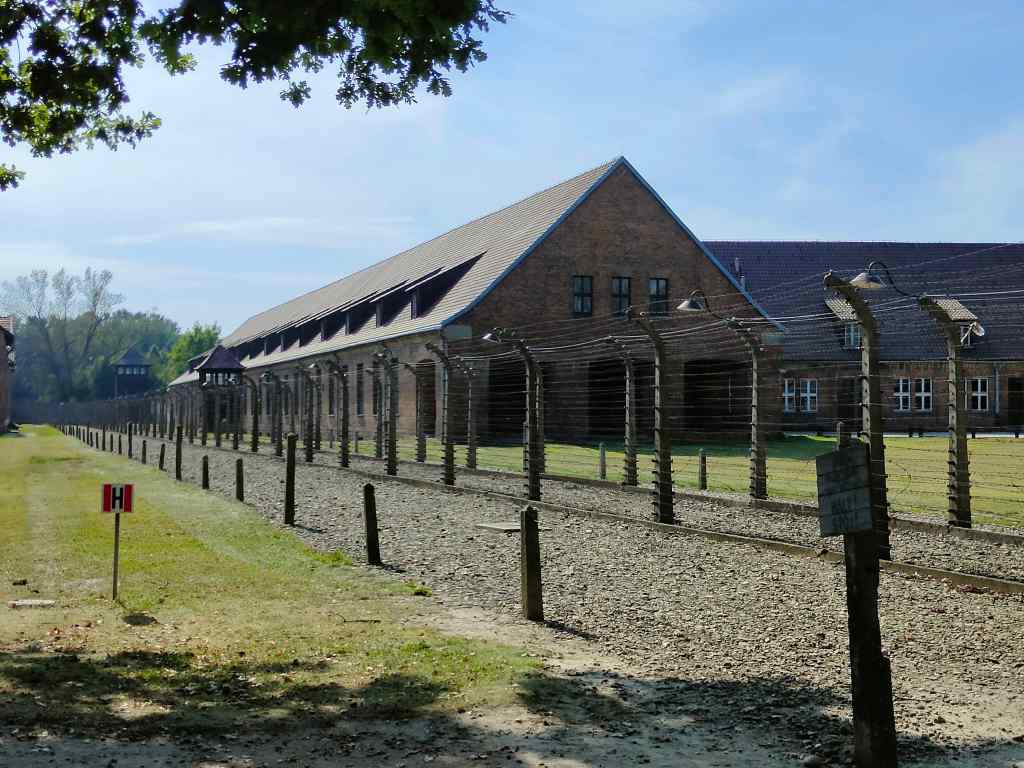
My drive to get there was uneventful and passed through some pretty villages and fields. Nothing in this sleepy part of southern Poland could hint at the scale of death and suffering inflicted on over a million people that arrived at Auschwitz.  I parked my car, found the guide I had booked a few weeks before my visit, and together we set off to visit the first part of the complex, Auschwitz 1. The buildings there were surprisingly neat and tidy – before the German invasion, they had served as barracks for the Polish Army, and initially it was used mostly as a POW camp for Polish and Russian war prisoners. We passed through the famous gate, with its ironic inscription “Arbeit march Frei” (Works makes you free).

The famous entrance to Auschwitz
Neat buildings at Auschwitz 1

Inside Auschwitz 1, many of the buildings had been devoted to a museum covering the incredibly tough life in the concentration camp part of Auschwitz, and then horrors of Auschwitz 2’s gas chambers. Moving exhibits included hundreds of shoes and discarded suitcases from victims of the gassing, and discarded cans of the Zyklon B poison used to kill people. Most moving off all was an exhibit of tons of human hair. The Nazis even shaved the hair from the dead to use as a textile material.

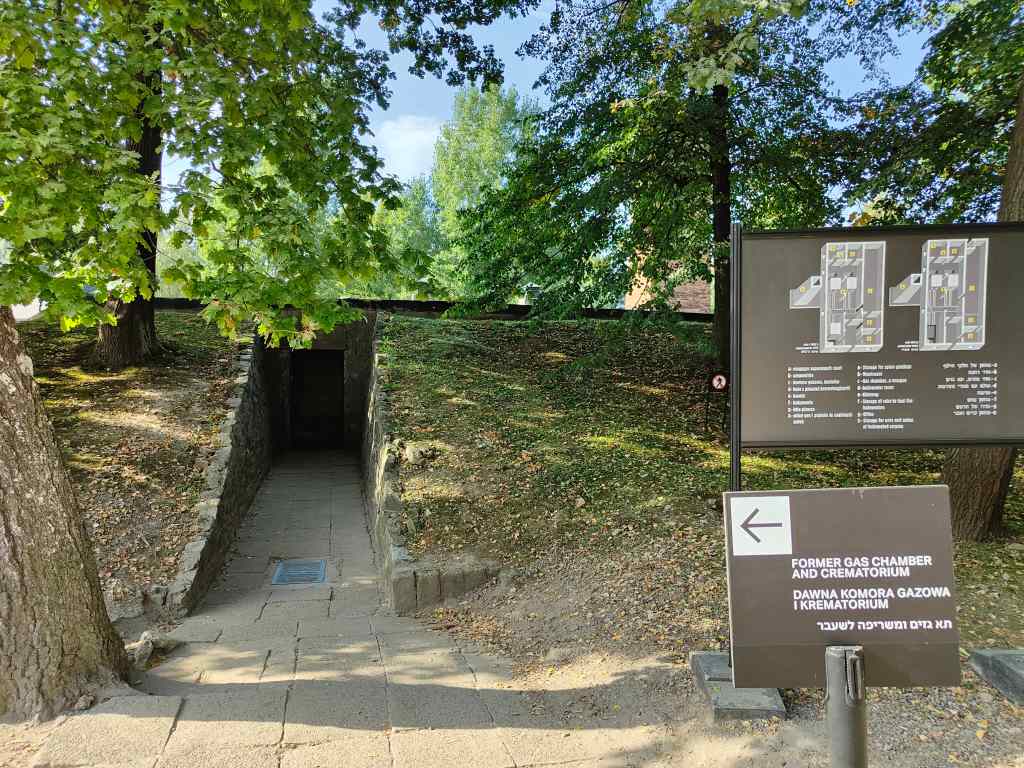
The very first Nazi gas chamber, Auschwitz

Auschwitz 1 was where the very first gas chamber was located. It was a small underground building where the Nazis experimented using cyanide gas to kill Polish and Russian prisoners. Once they had perfected the method, they built a large extension to the camp, Auschwitz 2 – Birkenhau with two much larger gas chambers.

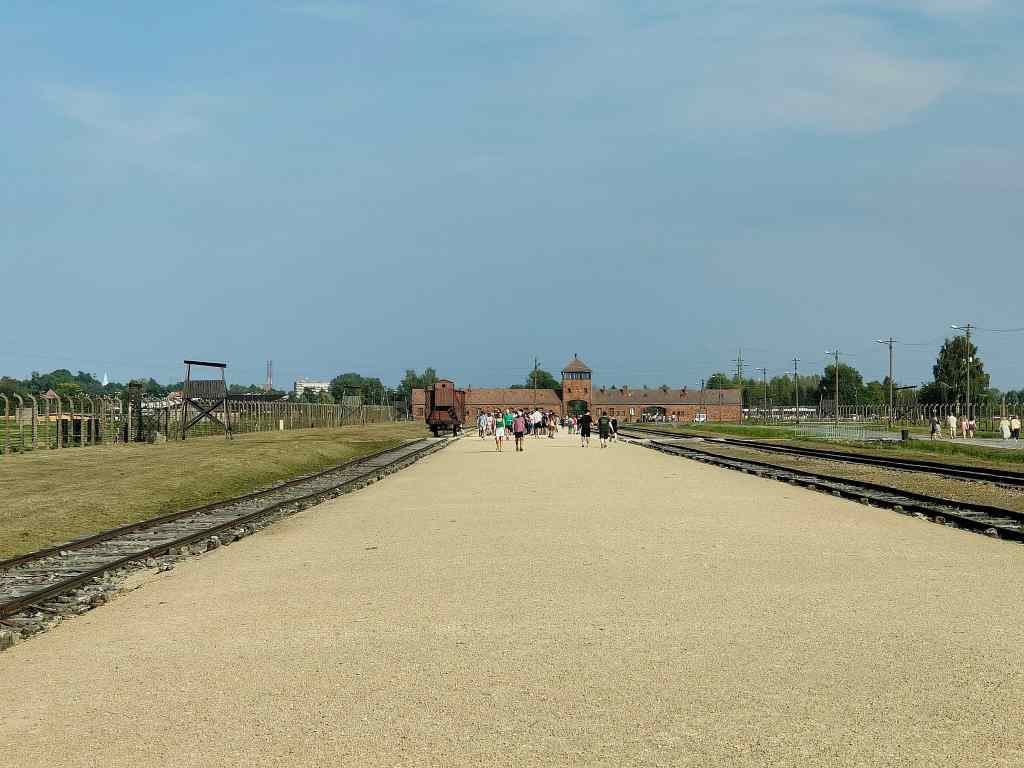
Auschwitz 2 – Birkenhau

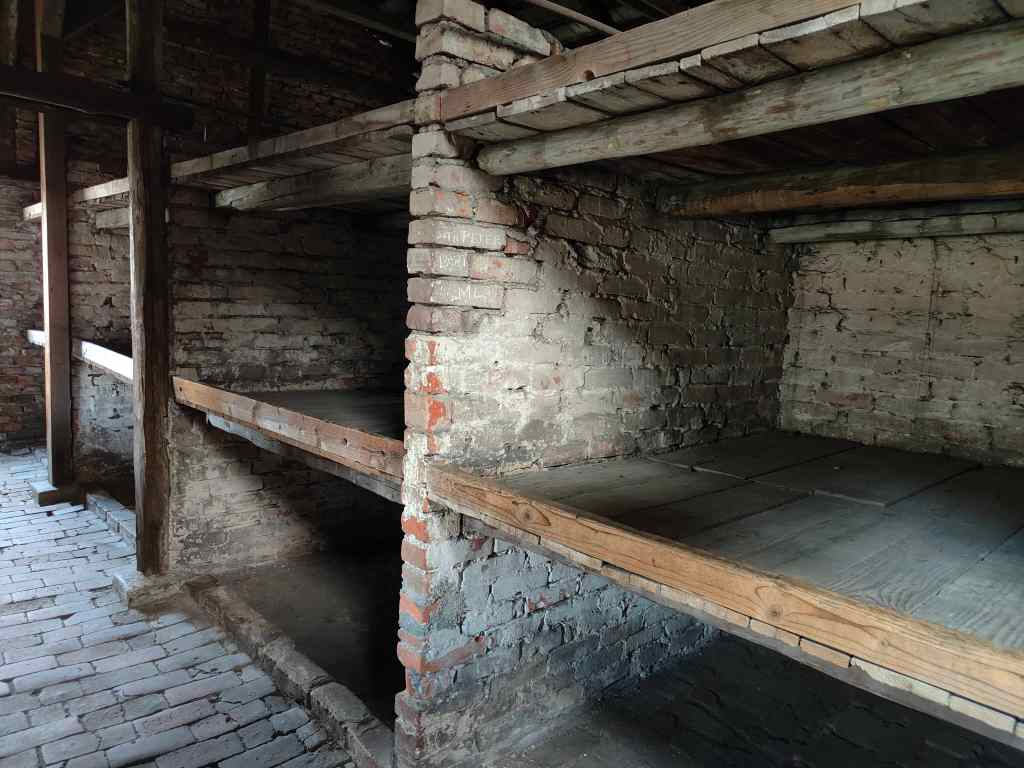
We took a shuttle bus to get to Birkenhau to find an efficiently laid-out flat site. Two railtracks arrived right inside the camp. Trains arrived and disgorged future victims, each carrying the one case of luggage they had been allowed to take on the trip. The arrivals were inspected, and around one in twenty was selected for forced labour and taken to nearby barracks (now mostly destroyed). The remainder were told to leave their luggage, and that they would go for a shower. They were led away to the gas chambers where they were murdered. Their bodies were inspected for anything useful – gold teeth, hair – and then incinerated. For most arrivals, the time they spent alive at the camp was about the same as the time of my three-hour visit. Those that were selected for forced labour usually fared little better – most only survived a few months, and died of cold, starvation, beatings or medical experiments.

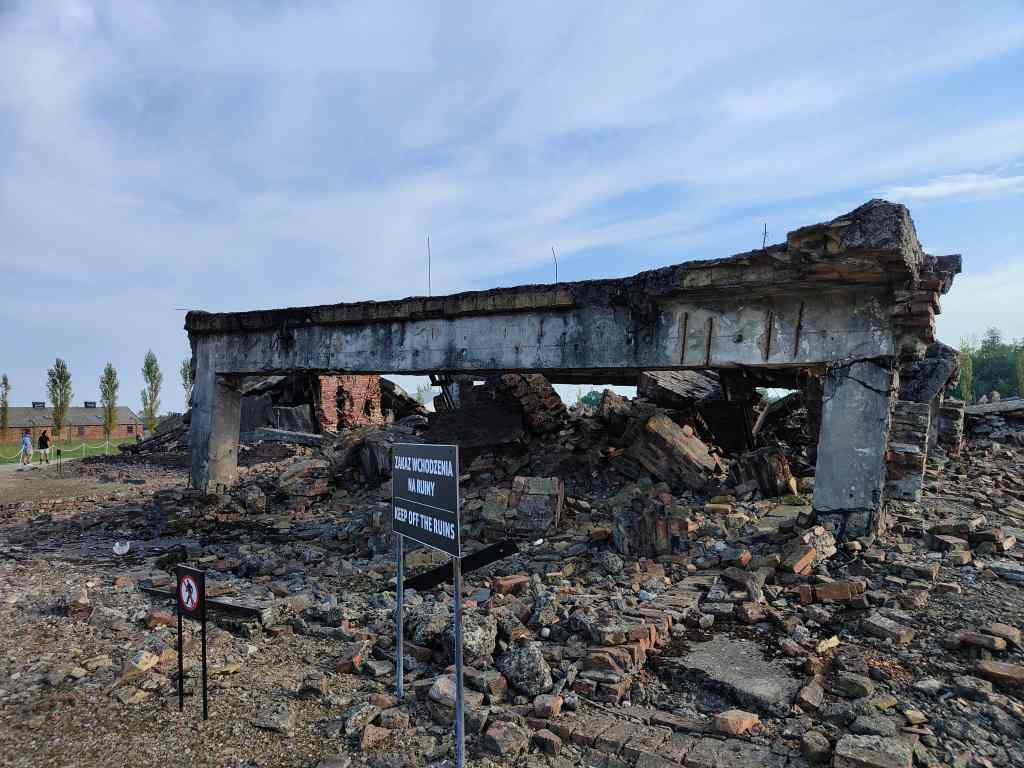
A gas chamber in ruins, Auschwitz-Birkenhau
A spartan accommodation block for women, Auschwitz-Birkenhau

Today, Birkenhau has a few remaining accommodation blocks for those selected for forced labour and the ruins of two gas chambers. It also has a memorial to the victims. 1.3 million people arrived at Auschwitz, of which 1.1 million were killed. Most were Jews from around Europe, but there were also non-Jewish Polish victims, Roma, and Soviet prisoners of war.

On a hot sunny day in September, it was hard to imagine the scale of the killings on the site. I was expecting that the extinguishing of so many lives would leave some imprint on the fabric of space and time, but although the visit was deeply disturbing, I could not feel anything supernatural – it was simply a flat, hot piece of land with a few buildings on it. It was as if the Nazis had efficiently deleted not just the bodies but the spirits of all these people from time itself and that they had never existed. The Nazis only bothered to record the names of those few arrivals selected for forced labour – the others were simply killed. The only evidence of these people’s brief presence at Auschwitz was the suitcase they had brought and had been made to leave whilst they were led to their deaths. Many of these cases carried a name, so my last photo for today is in memory of Alice Frankel, whose case is one of those on display in the museum. Who was she? Was she young or old? Did she know what was going to happen to her? We will never know.

Abandoned luggage at Auschwitz

Next Post: Back to Krakow

Previous Post : Farewell to the High Tatras

High Tatras – the Valley of the Five Lakes and Szpiglasowy Wierch

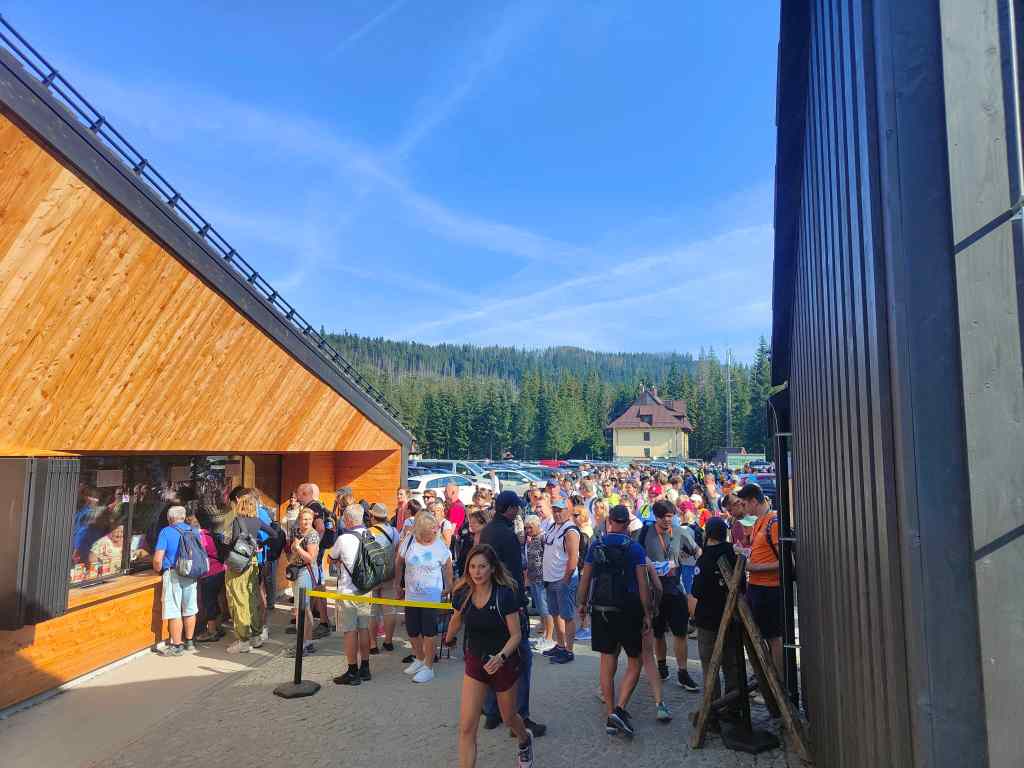
I was determined to get the most of out my last day in the Tatras by finally doing a proper, energetic hike. The most popular entry point for the Polish side of the park was a short drive away from my chalet, so I set off early……to find the place already heaving with people. I had pre-booked my parking space but I still had to stop around 1km away and take a shuttle bus to get to the park entrance. There, a large queue waited to buy entry permits, but with my e-ticket I could just walk straight in.

The busy entrance to the High Tatras park

From the entrance a long asphalted road provided the only option for walking deeper into the park. It seemed like half the population of Poland had decided to go hiking that day. Occasionally a horse drawn carriage would pass me, an option for those unable or too lazy to walk. Often the road was very pretty, but I got sick of the presence of so many other people and of walking on asphalt.

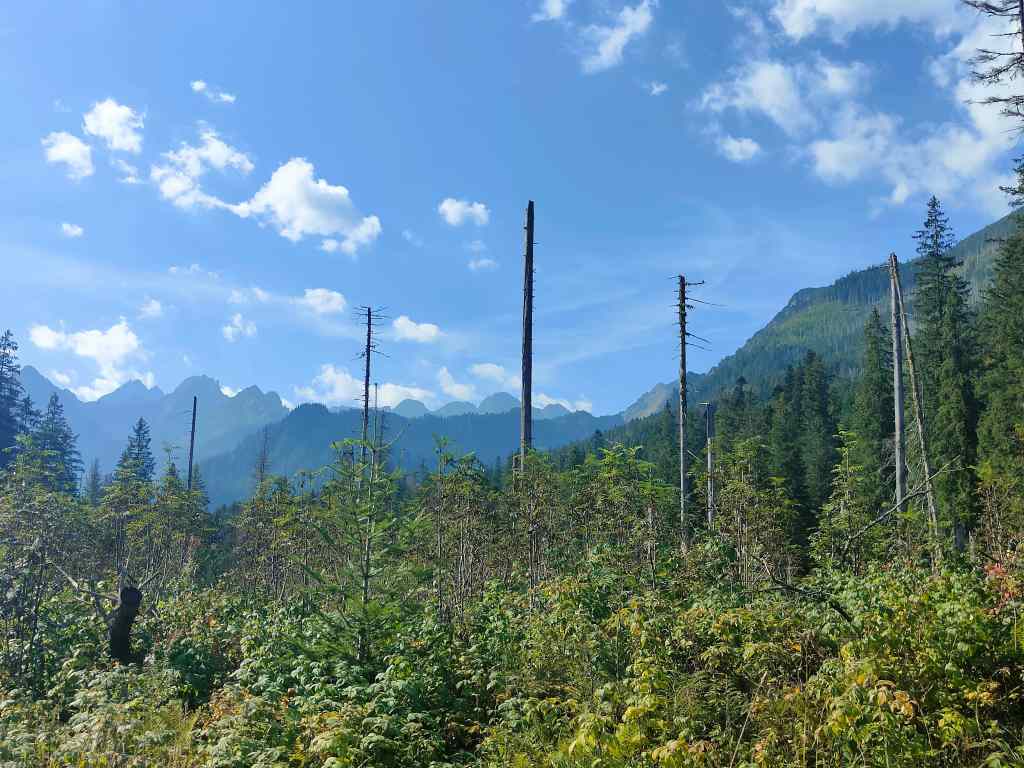
The High Tatras beckon

After a couple of kilometres, I was relieved when I saw my intended trail leading off to the right, away from the crowded road. It was great to get on to a proper hiking path, with dirt under my boots rather than bitumen. The trail was also much less busy, and I began to enjoy the scenery as it led upwards.

The path gets more interesting!

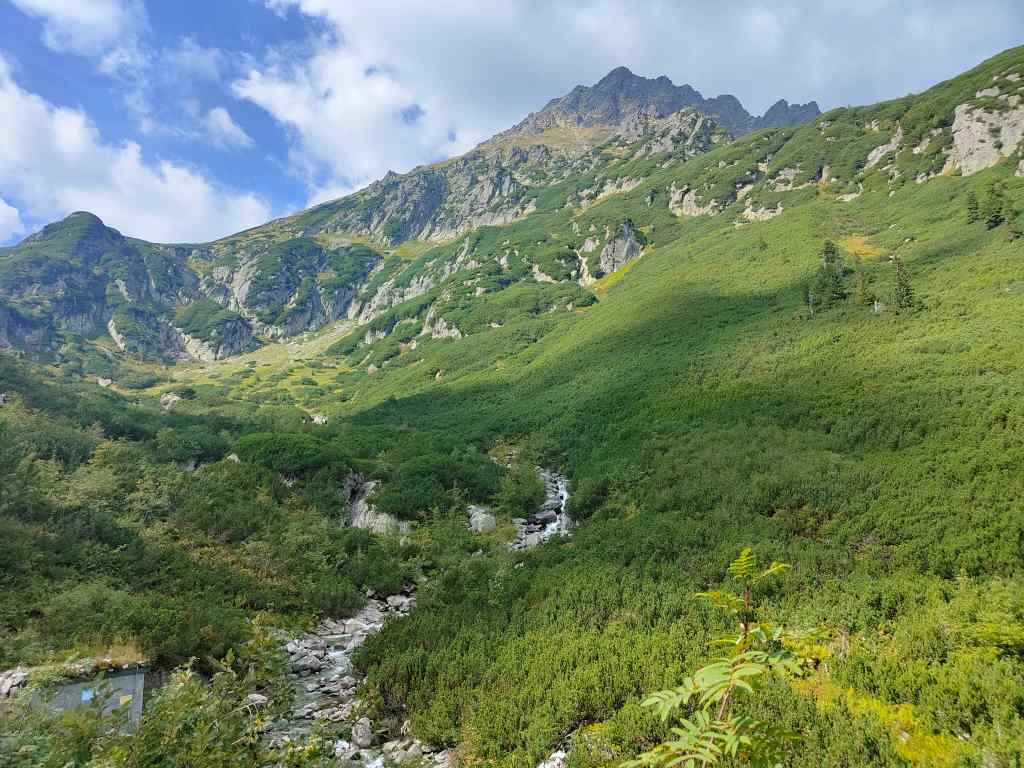
The views got more and more impressive, until finally I reached a pretty waterfall.

A pretty waterfall, High Tatras

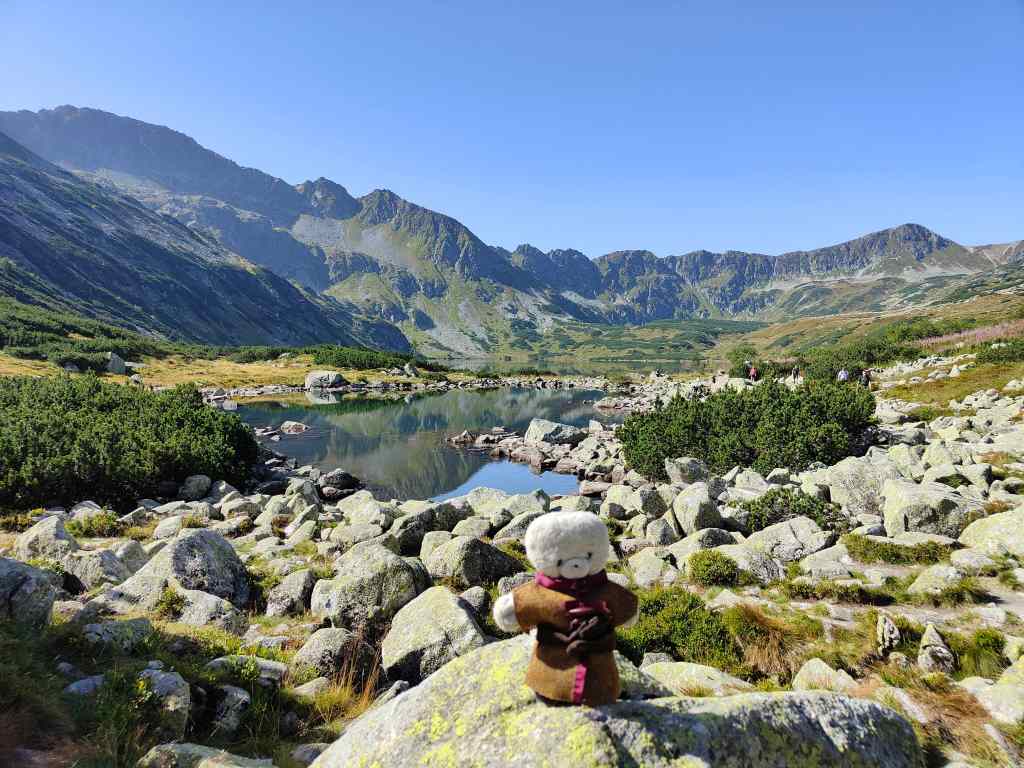
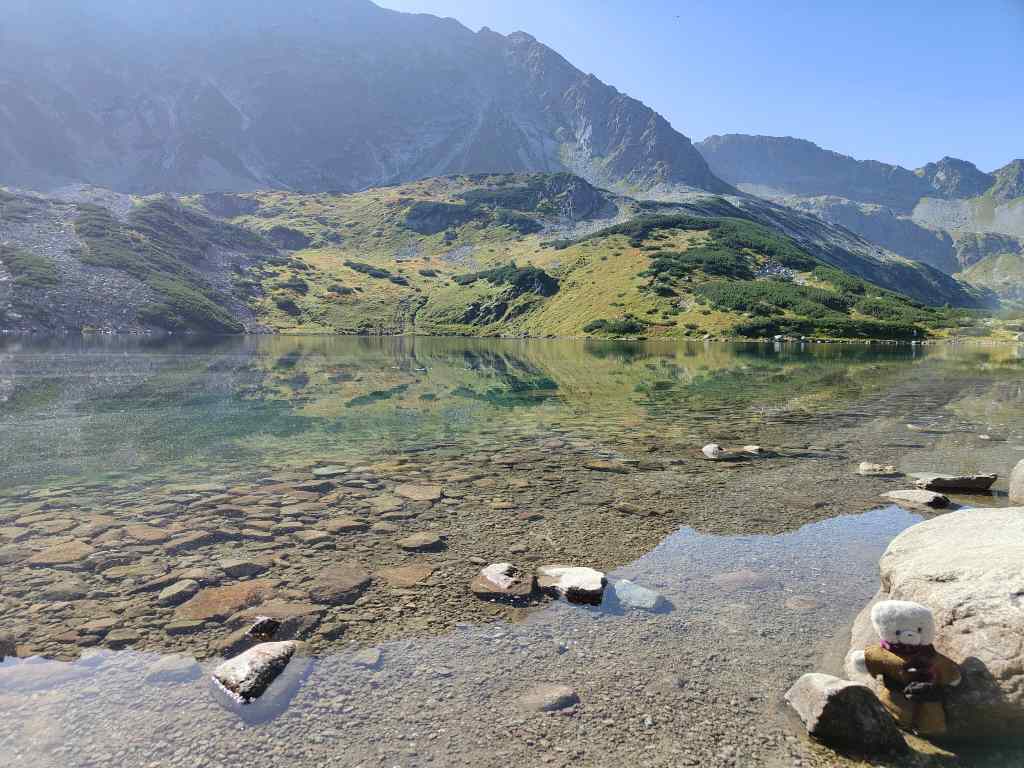
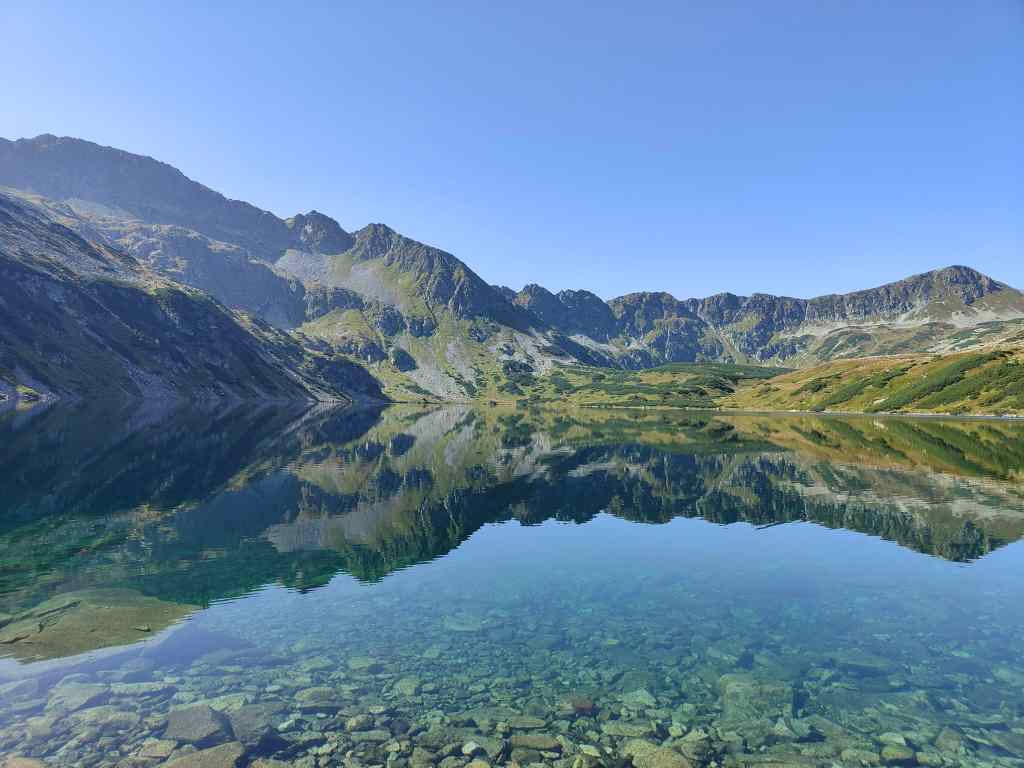
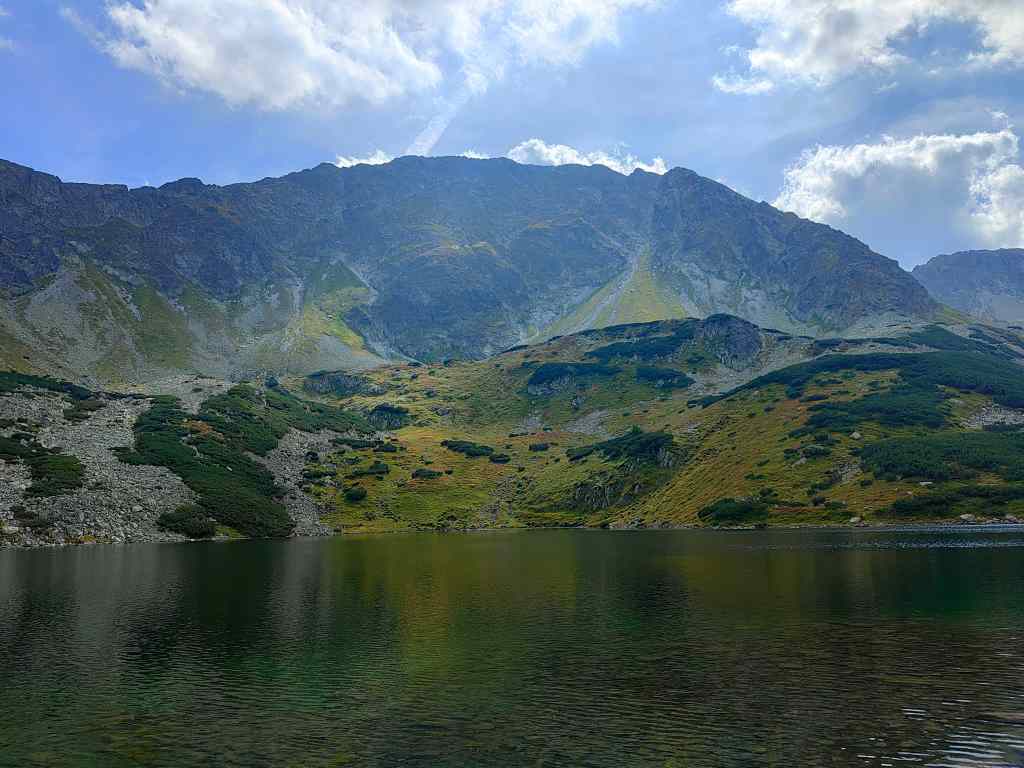
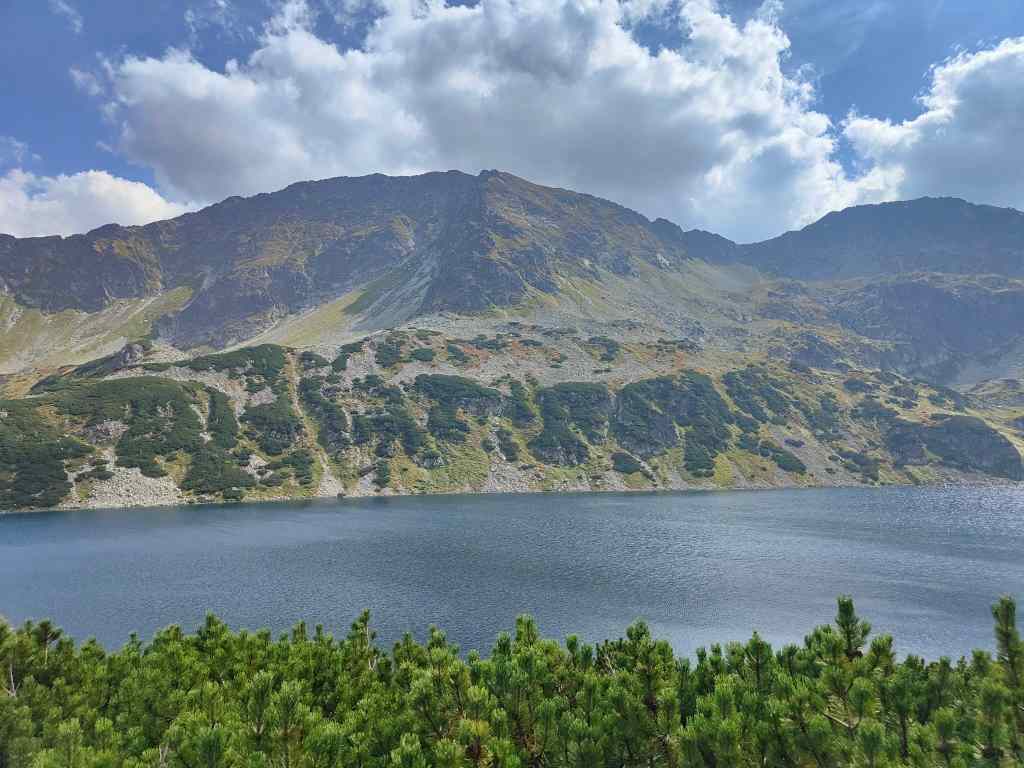
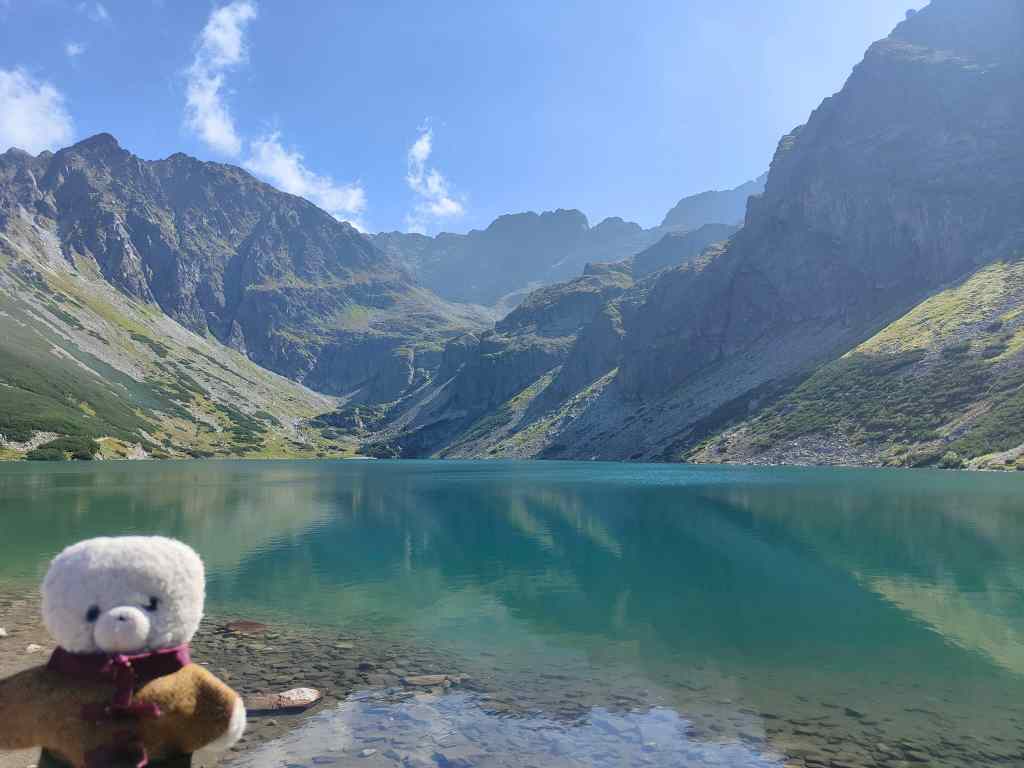
The path then continued up to the Valley of the Five Lakes – a justifiably famous highlight of the High Tatras. Five beautiful, perfectly clear lakes lay at the bottom of a broad valley, their water reflecting the surrounding mountains.  It was a great place to stop for a bit.

A couple of the Five Lakes, High Tatras

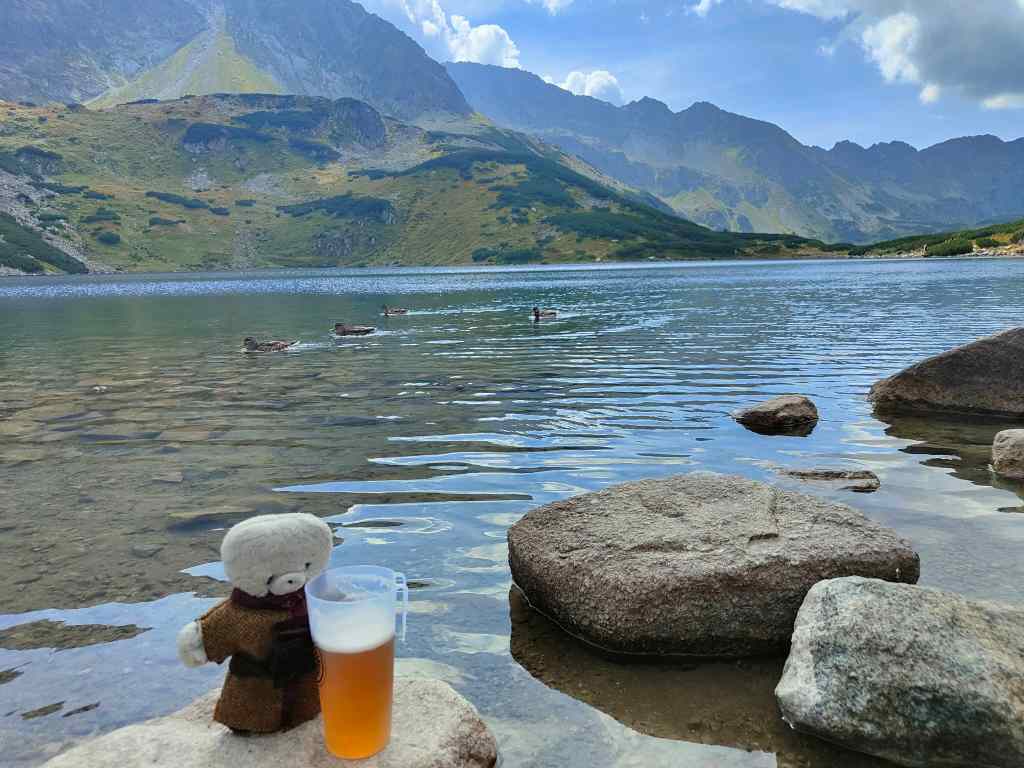
There was a chalet by one of the lakes selling snacks and drinks, so I ordered a well-known Polish energy drink – beer.

A Polish Energy Drink for Hikers

Suitably refreshed, I continued my walk enjoying the wide, open countryside.

How does the path cross the mountain?

At first, I was puzzled; I could see the path stretching out ahead and then zigzagging up the base of a very steep mountain. But then it seemed to disappear, and from a distance I could see no obvious way of climbing the imposing peak that was blocking my way.

On the way up – High Tatras

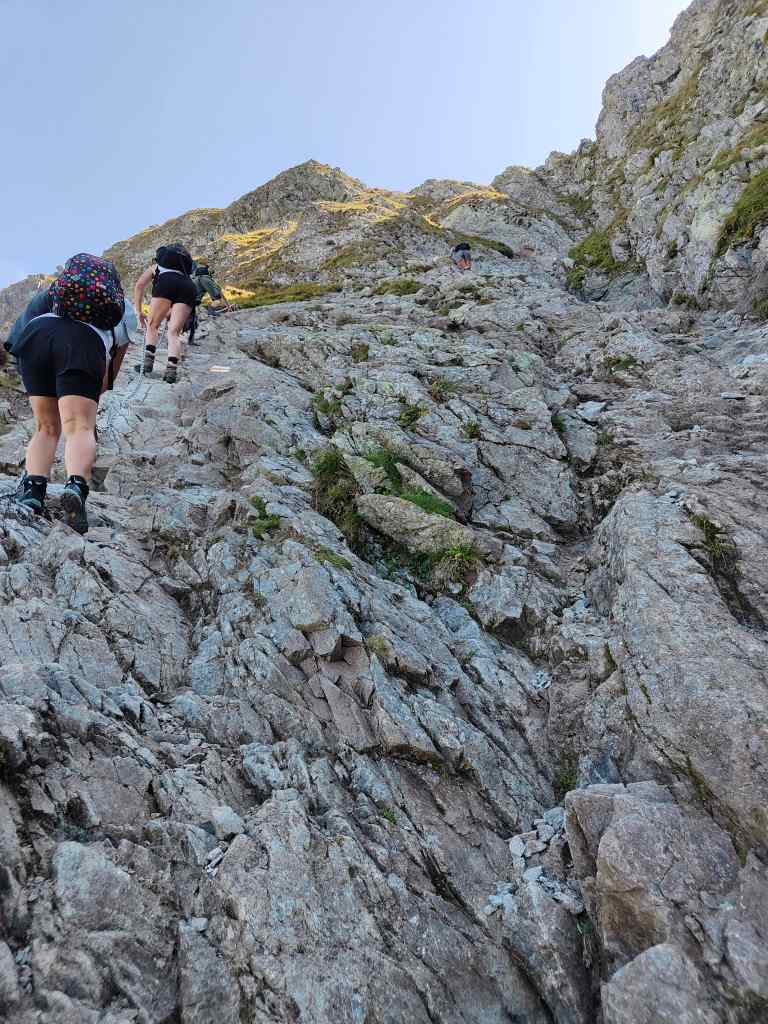
When I got closer however, I saw that my route went straight up a steep rock face, where chains had been set into the stone to help people clamber up.

Climbing with chains to Szpiglasowy Wierch

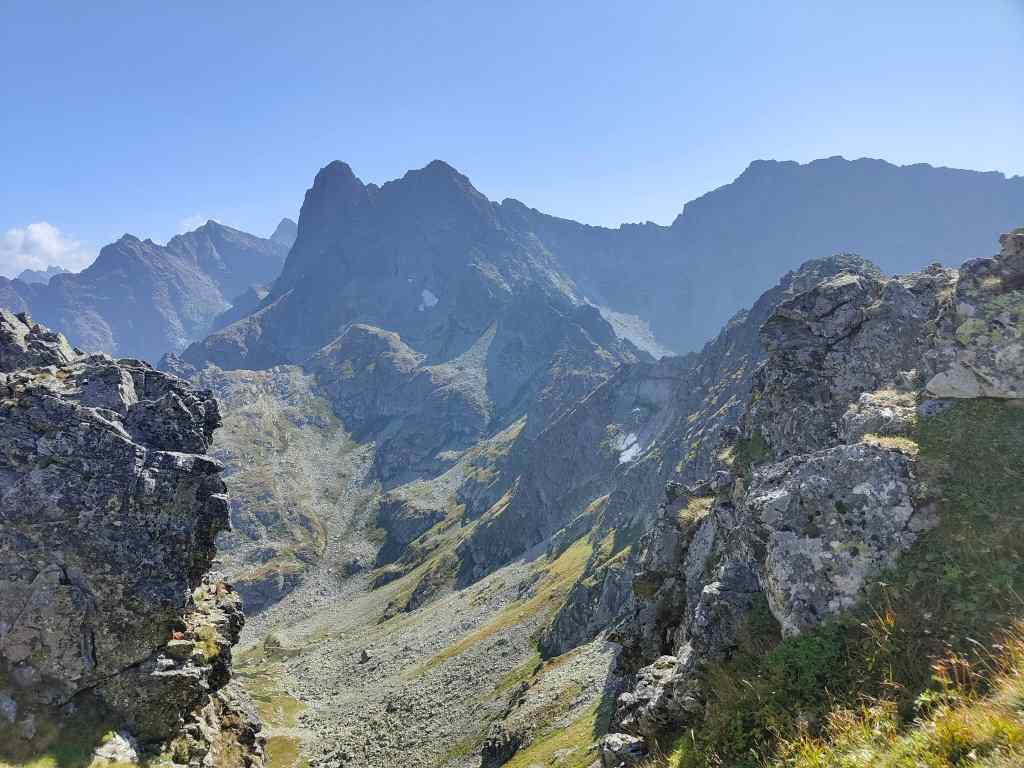
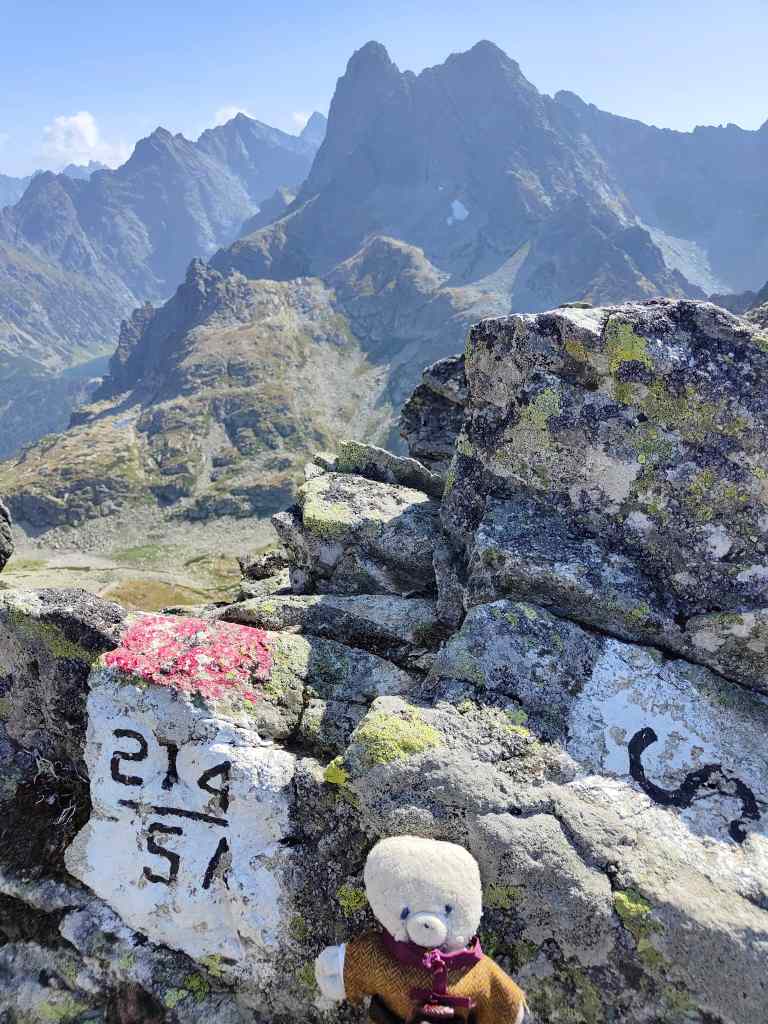
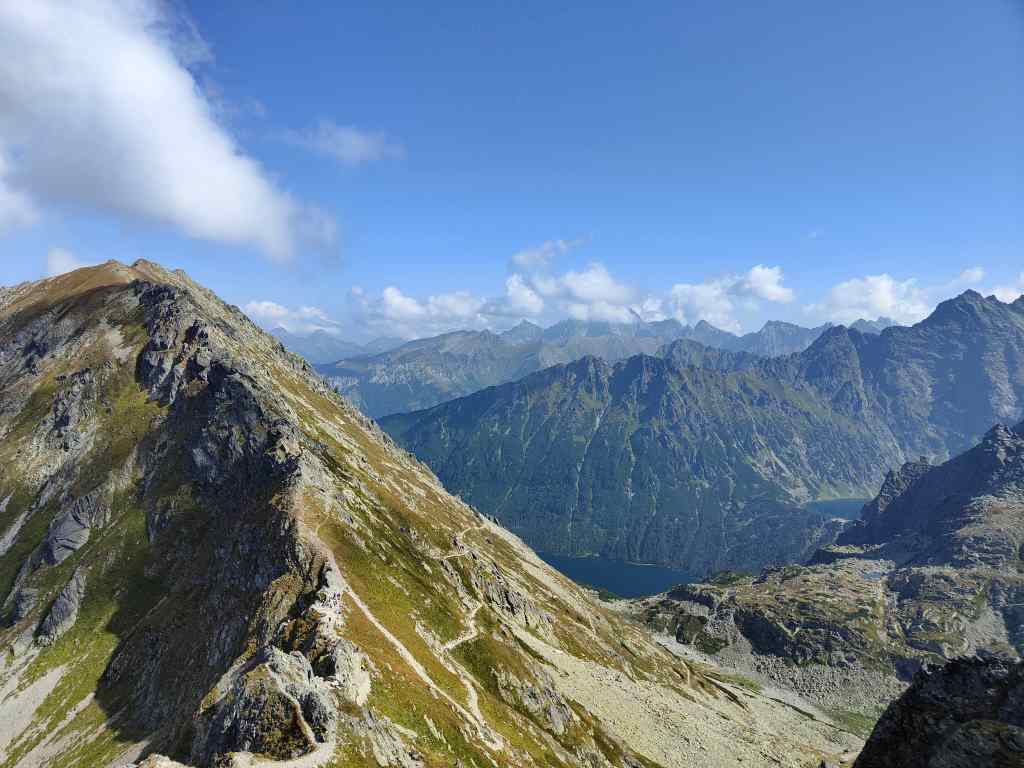
Bears are good at climbing, and this made a pleasant change to the increasingly steep walking I had been doing. Soon I was on top of the utterly unpronounceable peak “Szpiglasowy Wierch” and was rewarded with some of the most amazing mountain scenery I had ever seen, with a 360-degree view of the peaks and lakes of the High Tatras.

Amazing views from Szpiglasowy Wierch
Proof I climbed Szpiglasowy Wierch
More amazing views – Szpiglasowy Wierch, High Tatras
Wow…..Szpiglasowy Wierch, High Tatras

Having invested so much effort to get up, I spent thirty minutes at the top, finding myself a nice little nook away from the steady stream of climbers arriving and descending. Invigorated by the view, I started the descent to another of the High Tatras’ famous attractions – the large mountain lake, Morskie Oko, or “the eye of the sea”. This part of the hike was less impressive – a steady, slow descent along a well-paved trail. The famously skilled Polish builders also seemed to have been busy in the park; the trails were often made of carefully laid mountain rocks, offering a flat staircase to walk up or down.

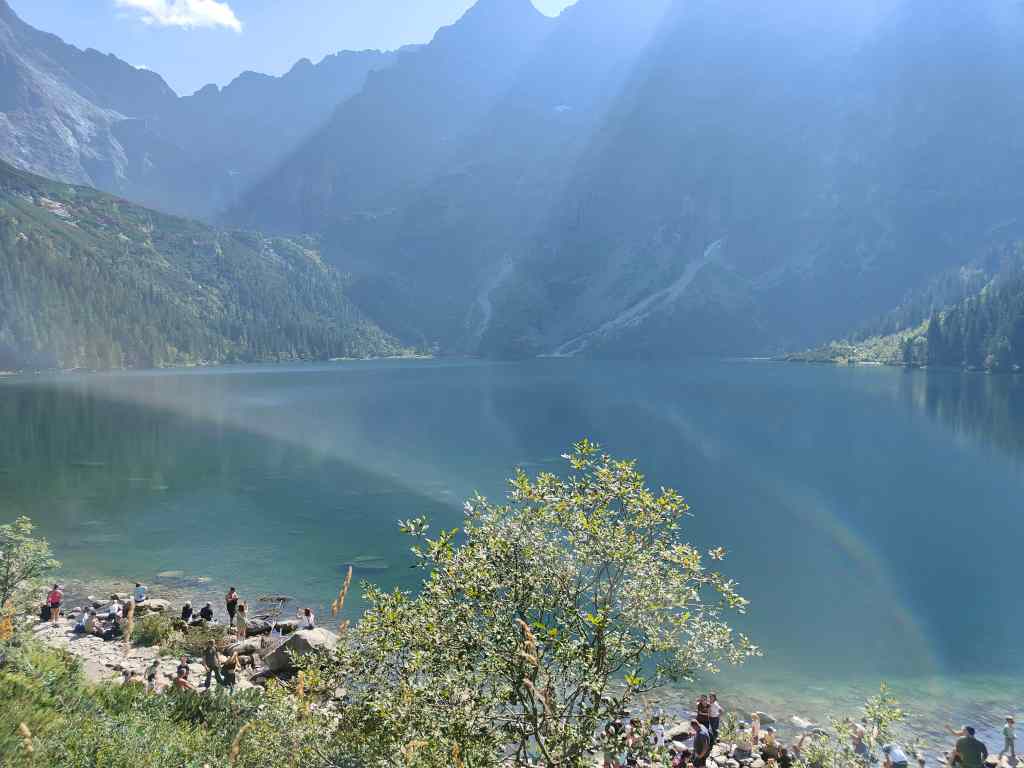
I arrived at Morskie Oko to find a mountain lake that was slightly bigger than the ones I had seen before, and a chalet selling food and drink, which was besieged by hundreds of visitors.

The slightly disappointing Morskie Oko

After the tranquil beauty of the Valley of the Five Lakes and the spectacular views from Szpiglasowy Wierch, it was a disappointment. Morskie Oko suffers hugely from its popularity and its accessibility – to get there is a 5km hike from the park entrance along a gently sloping asphalted road.

It was along this road that I had to hike back, accompanied by hundreds of other people – some with backpacks looking fit and serious, others in T-shirts carrying pints of beer – and the inevitable horse-drawn carriages. It was an anticlimactic way to end what had been until then a truly memorable hike, and I hurried to finish it as quickly as I could. Arriving back at my car park, I had covered around 26km, and was glad to be able to sit down.

It has been a strange walk – most of it was memorable, amongst the best hiking I had ever done, but the very last part was extremely boring and initially spoiled my enjoyment. However, after a few days, the memory of the dull plod back from Morskie Oko faded, leaving the happy memories of the Valley of the Five Lakes and the views from the top of Szpiglasowy Wierch. So, to end on a high note, here are a few more photos of the best of the Polish Tatras.

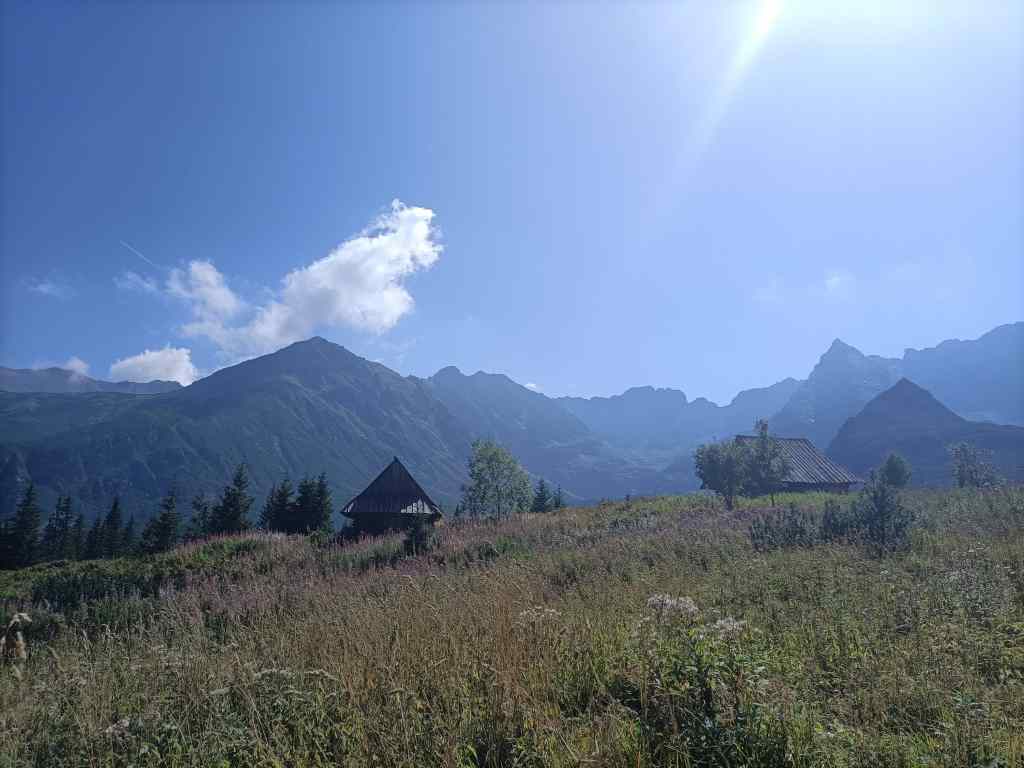
High Tatras scenery – Valley of the Five Lakes
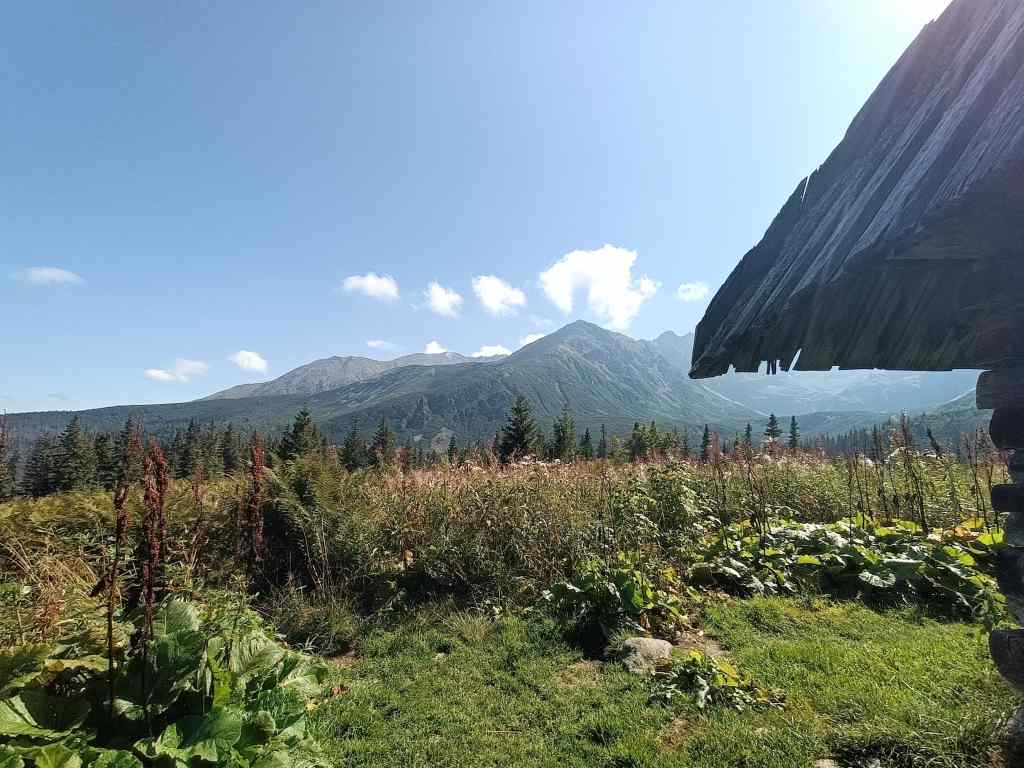
High Tatras scenery
High Tatras scenery – Valley of the Five Lakes
The High Tatras – I will be back!

Back at my chalet I cooked burgers and steak on my barbecue and had the pleasant task of finishing off the stocks of food and alcohol I bought for my stay in the mountains (perhaps deliberately, I had bought a little too much of each). The next day I was due to leave the Tatras for a completely different type of travel experience.

Next Post – Auschwitz

Previous Post – Rafting and Hiking in Slovenia and Poland

Hiking in Štrbské Pleso, Slovakia and rafting the Dunajec Gorge, Poland

The next day I decided to explore the Tatras from the Slovak side. The border was only 20km and soon I was in Slovakia enjoying a different perspective of the mountains. On this side they are higher and rise straight up from a flat green plane.

Scenery on the way to Štrbské Pleso

After an hour, I reached a town called Tatry-Štrbské Pleso. It looked a smart Alpine ski resort town in France or Switzerland. Since I had set off a bit late, nearly all of the usual parking spaces were already taken. The only place left was the car park of the Kempinski Hotel. A sign at the entrance announced that they charged a very steep 30 euros a day. With no other choice, I drove in and had a stroke of luck – the machine that issued timed entry tickets for the car park was broken, and the hotel’s reception said that I could park for free.

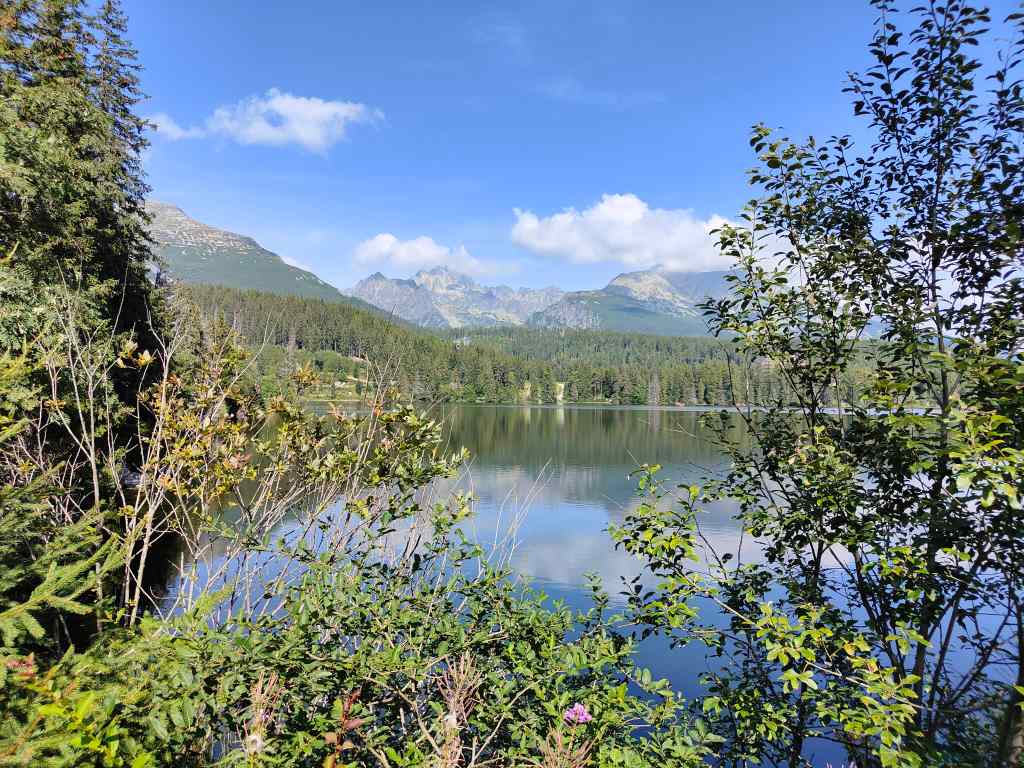
The town was located on a mountain lake. A path leading around the edge seemed to be a popular outing for visitors, and also offered some nice views of the mountains.

The Lake at Strbske-Pleso

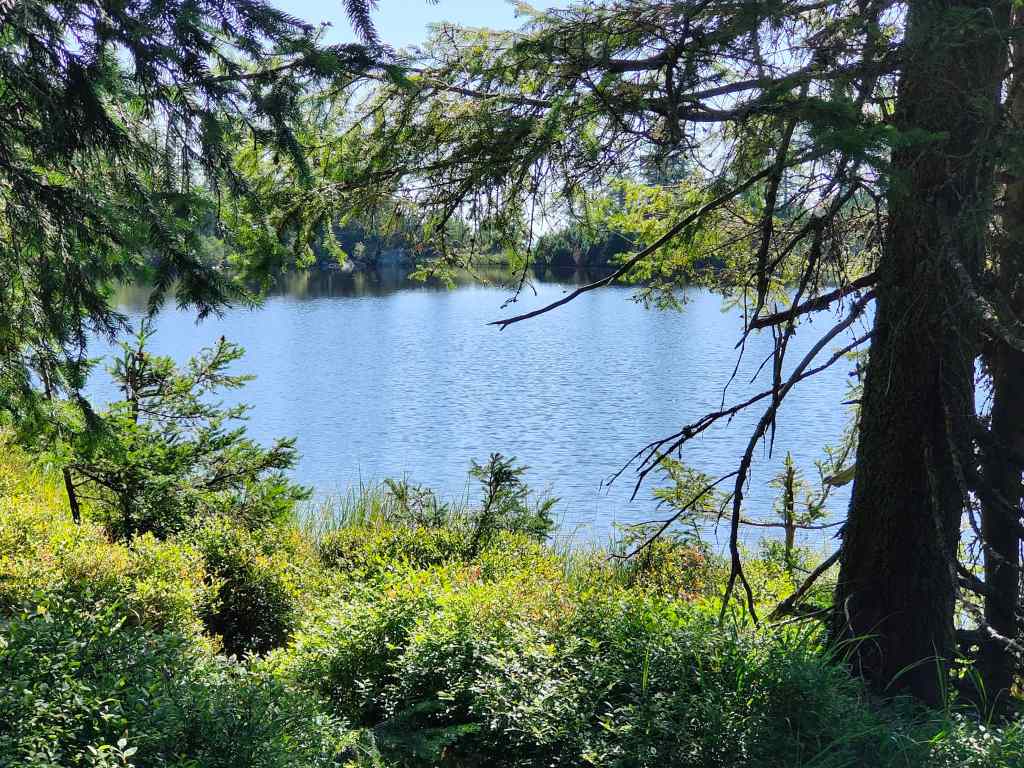
After strolling around for a bit, I set off on my main walk – out of the town and a short way into the mountains to another, smaller lake. It was pretty but not very demanding – which was fine, since I was feeling rather lazy. Maybe another day I will try one of the more strenuous routes from Štrbské Pleso, some of which go right up into the High Tatras – including the climb to Mount Rysy on the Polish border, the highest point in the Tatras mountains.

Scenery in the Slovak Tatras
My Destination

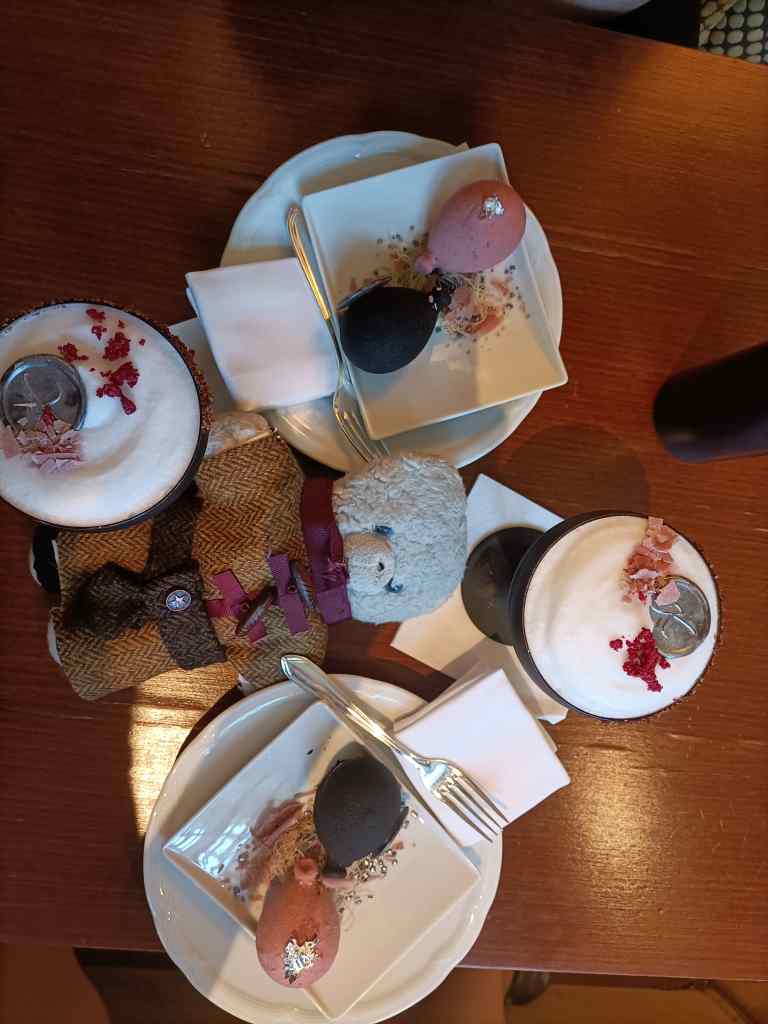
I ate my sandwiches by the side of the lake before heading back to the Kempinski, where I invested the saving I had made on parking by enjoying their special offer for a cocktail and an alcohol-infused cake. My editorial assistant had to sit and watch me eat and drink, since Slovakia has a zero mg/ml alcohol limit for driving. I don’t pity them too much though, since following me on my travels around the world is a pretty cool job.

Ordered for two but eaten by one – Kempinski Hotel, Strbske-Pleso

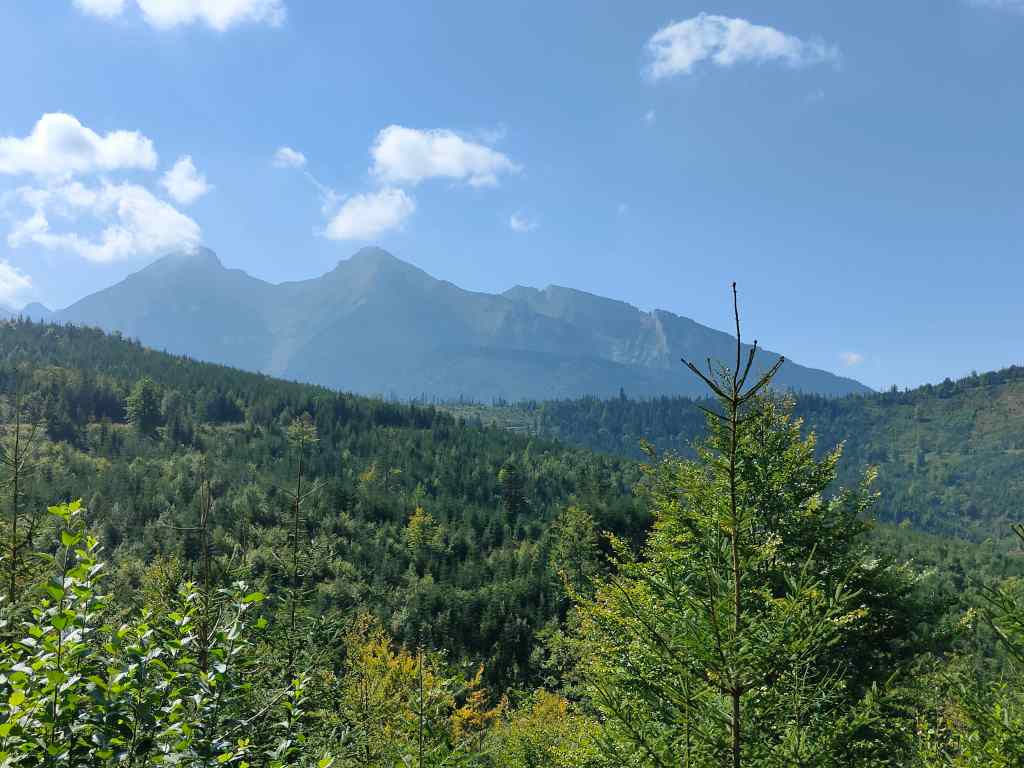
The following day I tried something different – rafting down the Dunajec River Gorge, a little way to the east from where I was staying. The road there took me through Slovakia again, with many neat and pretty mountain villages and some nice views of the Tatras.

More Slovak Tatras scenery near Štrbské Pleso

I stopped for lunch at a town on the river called Szczawnica back in Poland – don’t ask me how this pronounced, I am constantly amazed at the Polish language’s refusal to use vowels. This was the arrival point for the various rafting options and I ordered some more excellent local trout whilst watching the river traffic.

The most popular and famous option for visiting the gorge, recommended in all the guide books, is with a local rafting cooperative. Their rafts are large square constructions manned by two men dressed in traditional costume, who stand and steer the raft with poles. The raft has rows of seats for up to 25 tourists. These vessels move very slowly, and the people arriving looked rather bored, so instead I decided to hire a kayak and paddle myself.

I drove back to one of the hire companies I had seen at the approach to the town, and from there they took me in a mini-bus to a place 17km upstream where they kept their kayaks. I set off and paddled downstream, assisted by a gentle current.

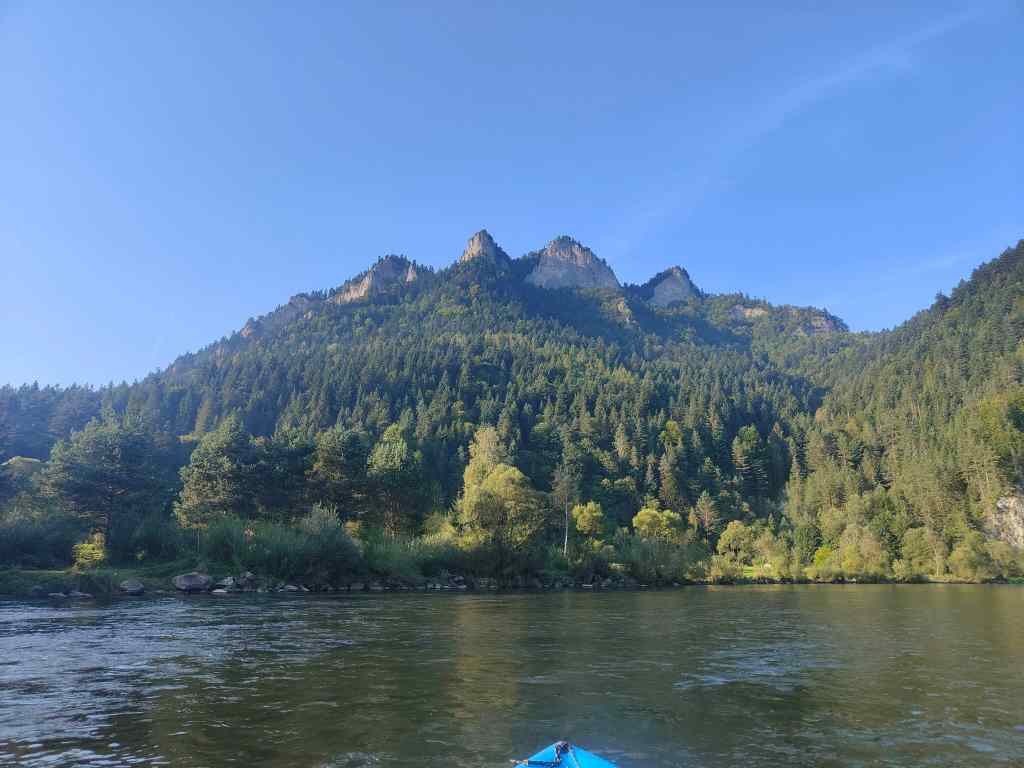
The start of my rafting on the Dunajec Gorge
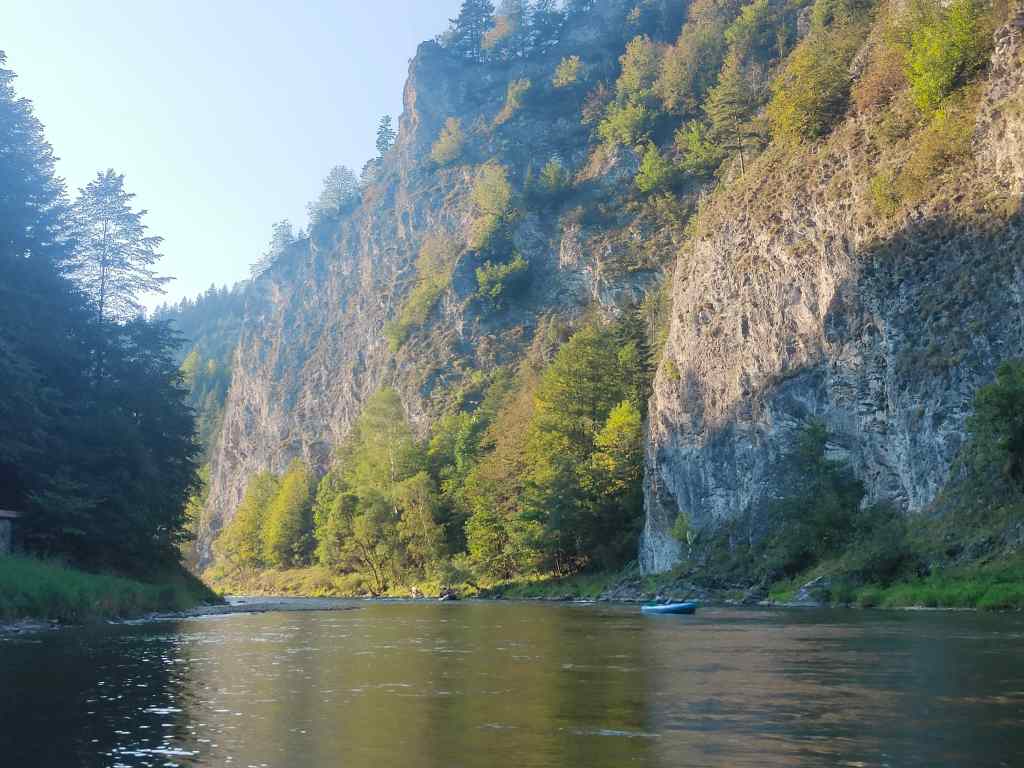
Inside the Dunajec Gorge

It was good fun, even if the scenery was pleasant rather than spectacular. I liked the way that cliffs closed in on both sides of the river, even if this meant that the gorge was in the shade and it was hard to take good pictures. There are no real rapids in the gorge, but you still have to navigate carefully to avoid getting grounded in the shallow parts of the river. After three hours I had arrived back at the kayak base, with tired arms. I was also a bit wet, but my fur helped me keep warmer than the human tourists making the trip.

It had been a another good, but slightly lazy day. Back at my chalet I had some steak and got an early night in anticipation of some rather more strenuous hiking the next day.

Next Post: High Tatras – the Valley of the Five Lakes and Szpiglasowy Wierch

Previous Post: The Tatras Mountains

The Tatras Mountains – Zapokane and Hiking Mount Koscielec

The next day I picked up my hire car and drove south for about 2 hours to the Tatras mountains that lie on the border between Poland and Slovakia. I stopped on the way to buy supplies for a few days in the chalet I had booked… and wondered again at how cheap food and (especially) drink are in Poland. The area is hugely popular with local tourists, and the road was lined with lots of holiday homes, hotels and shops selling skiing and hiking gear. I was expecting a wild and rather poor part of Europe, but instead the region felt like Switzerland – green rolling hills and pretty, neat houses. I reached my own holiday home, which was in a small village – and spent the first afternoon settling in. It was a modern building fitted out to high standards – presumably by the famously skillful Polish builders.

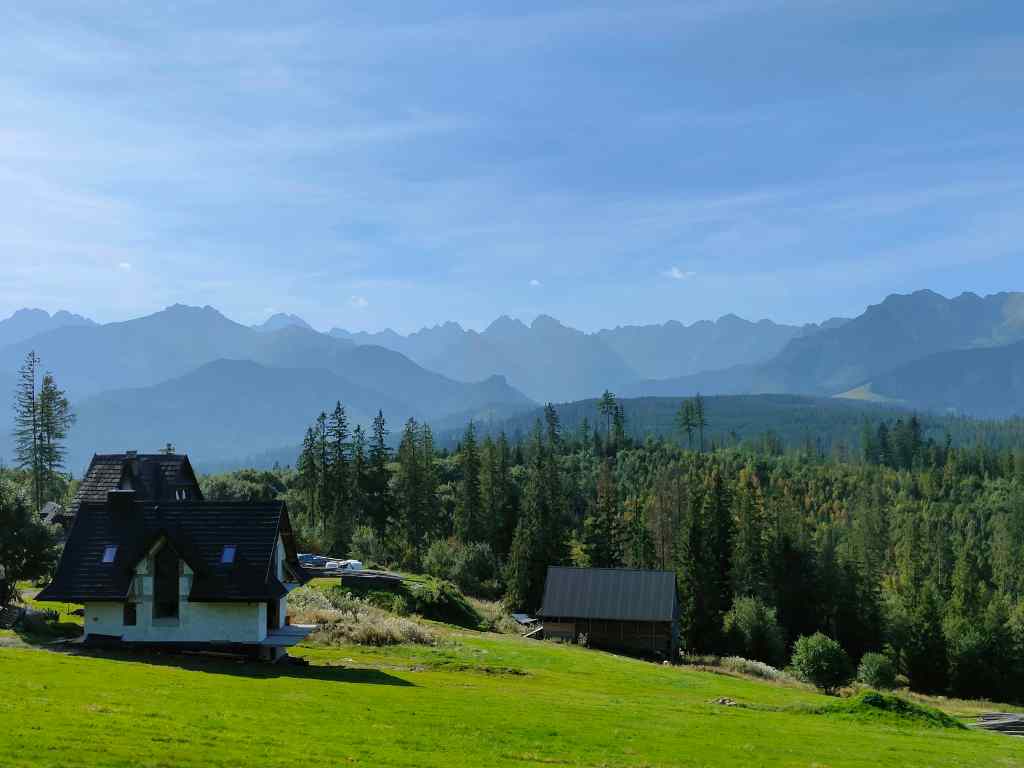
The next day I set off to go hiking. The road to the town of Zapokane for start of my trail offered a brilliant view of the mountains.

The high Tatras mountains approaching Zapokane

As I approached the Zapokane, the road became busy. Every few metres there were places offering parking. At first the prices were reasonable – 10 zlotys (2 euros) – but as I approached the starting point of my walk they rose….20, 40, and finally, where the road ended, 50 zlotys. Despite the high prices demand was strong and I got the very last space.

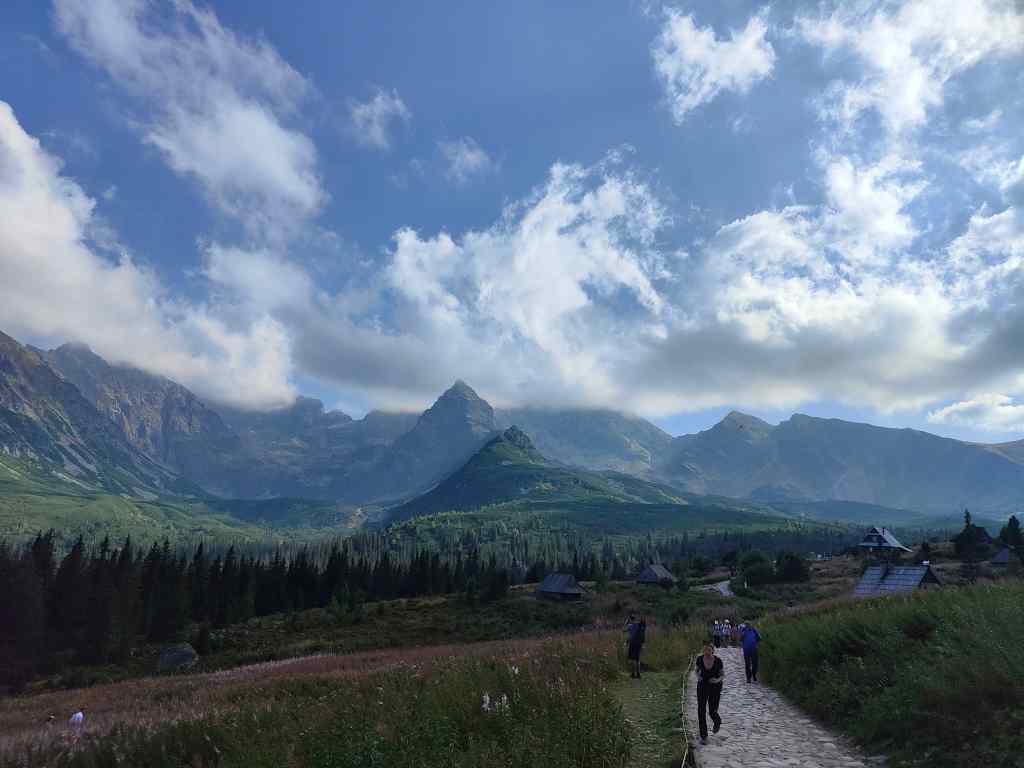
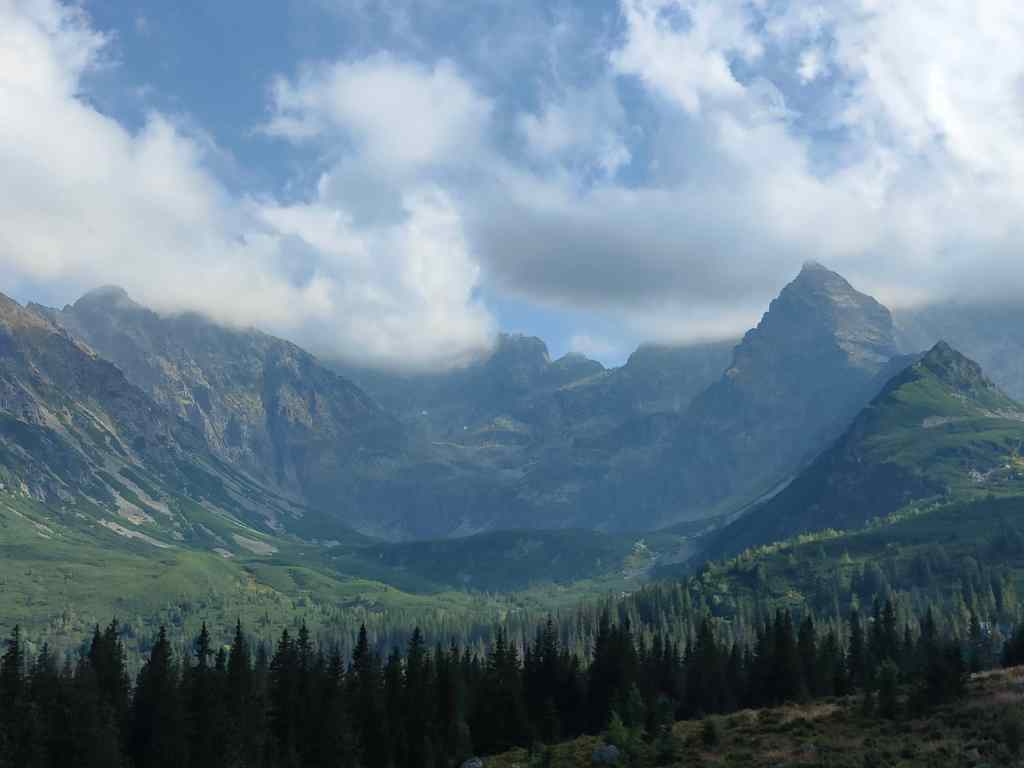
From the car park in Zapokane I still had to walk about a kilometre to the park entry and pay my entrance fee. There were lots of other hikers, who nearly all seemed to be Polish. The first part of the trail went through a forest. It was pleasant but not exceptional and at first I wondered why the region has such a lofty reputation. But then the path emerged from the forest and a spectacular vista opened up of the High Tatras mountains rising steeply from the surrounding hills.

On the approach to Mount Koscielec
High Tatras mountain scenery

After a bit more walking my destination came into sight – Mount Koscielec, nicknamed the “Polish Matterhorn”. It is the second pointy peak in the middle of the next photo.

Mount Koscielec comes into sight

At the base of the mountain was a pretty lake, with perfectly clear water, in which I saw several trout swimming.

A pretty mountain lake with trout at the base of Mount Koscielec

From there it was a steep climb up to the first pointy peak located just below the Mount Koscielec. It was quite hard work involving scrambling up rocks, but the view at the top was worth it.

Hiking up Mount Koscielec – the view from the interim summit

Mount Koscielec looms in front

I could see the main mountain ahead of me, but on my first day’s hiking I didn’t fancy another hour or so of scrambling over rocks, and I thought the view would be just as good were I was. So I enjoyed the spectacular scenery for half an hour and then headed back to Zapokane. Climbing Mount Koscielec will have to wait for when I return to the Tatras!

Views on the way back to Zapokane

I was very happy with my walk, even if chickened out of the very last part of the climb up the mountain. I returned to my chalet to have a dinner of locally caught trout, with some Polish white wine. The trout was excellent, but although Poland does many things well, wine is not its strongest suite. For my next meal I will revert to their excellent beer and vodka!

Previous Post: Krakow

Next Post: Hiking in Slovenia and Rafting the Dunajec Gorge

Krakow

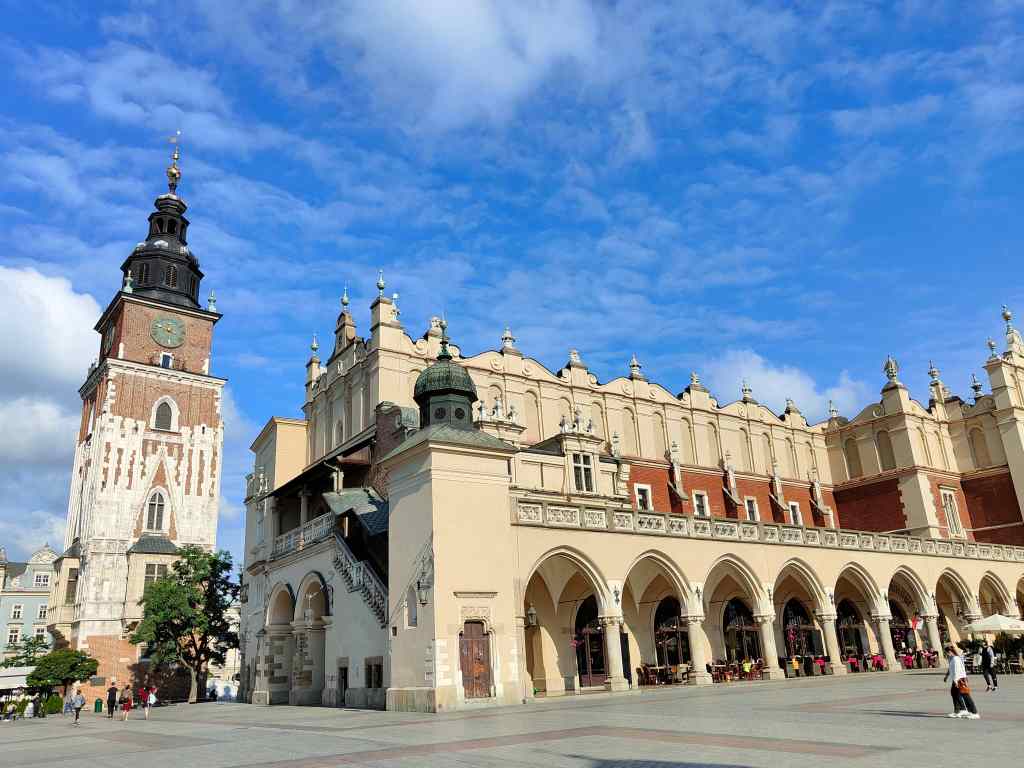
The next day I set off to explore the city. Krakow has a compact but exceptionally pretty old city, as usual centred around a square. The latter was originally built in 1257 to house Krakow’s busy market, at a time when Krakow was an essential stop on many busy trade routes crossing Europe. Today the square is surrounded by cafés where you can sit and drink coffee, beer or cocktails.

Krakow’s main square with the market and its tower

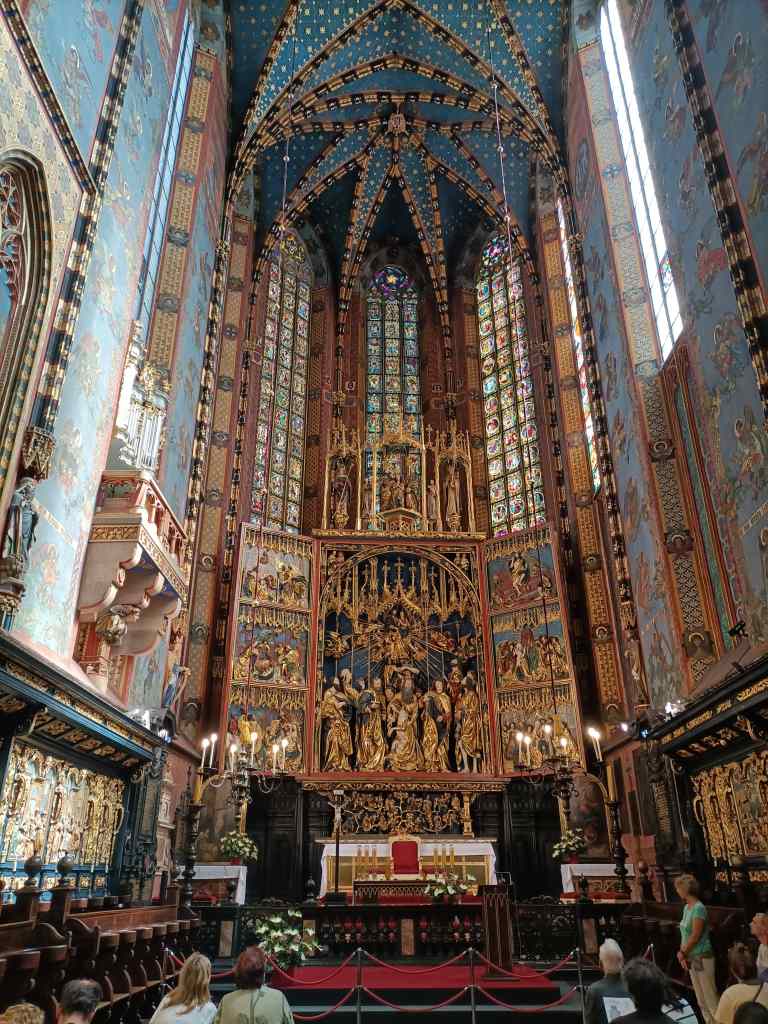
One of the square’s most famous buildings is St Mary’s Basilica, dating from the 13th and 14th Century. Every hour a bugler plays a short tune from the top of tower. The tune breaks off part way through a bar – legend has it that in the 13th Century, a sentry spotted an approaching Mongol army and raised the alarm by sounding his bugle. As he played he was shot through the throat by a Mongol arrow – hence the abrupt ending to the tune. Unfortunately his alarm was in vain, the Mongols still destroyed the city.

St Mary’s Basilica, Krakow
The inside of the Basilica is also pretty

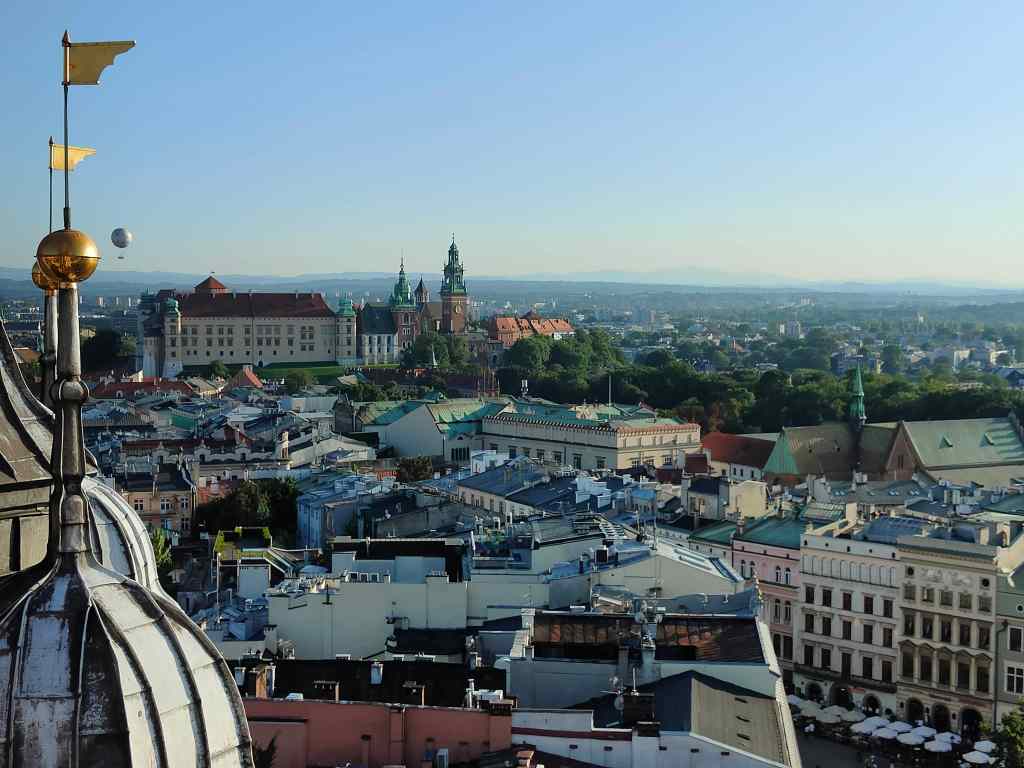
I took the opportunity to climb up to the top of tower to get an overview of the city and plan my next steps, and was rewarded with a fine view of the city and the castle with its cathedral.

View over Krakow

From the main square I strolled off through the old town towards the castle, finding lots of pretty buildings along the way.

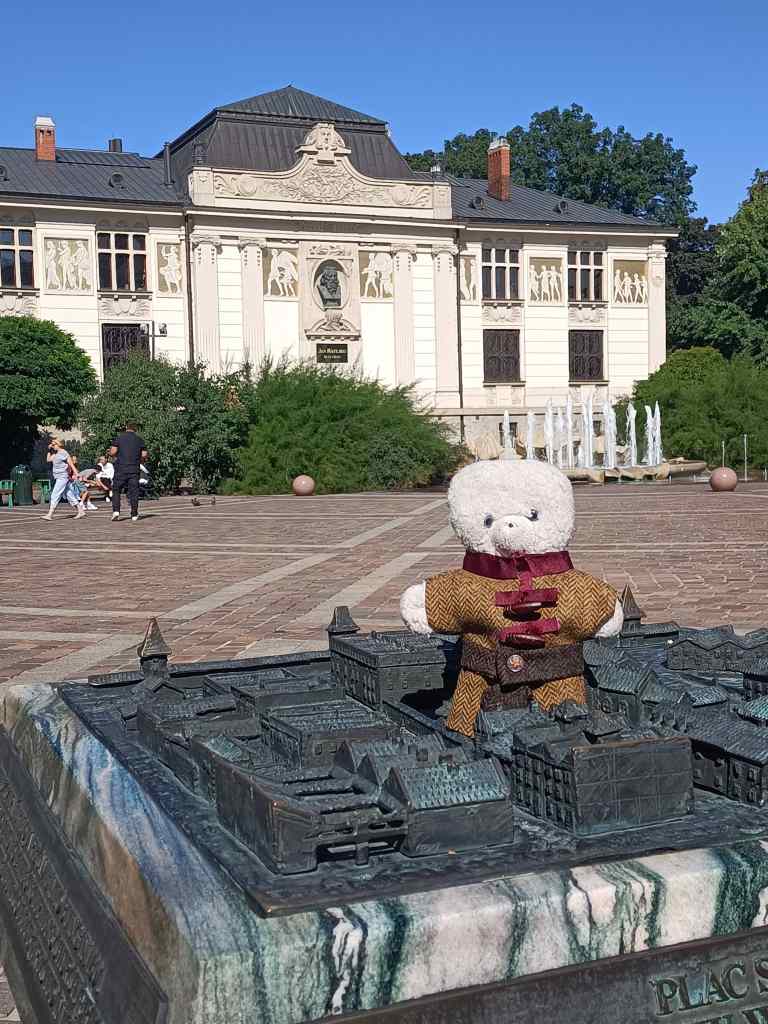
A pretty square in Krakow
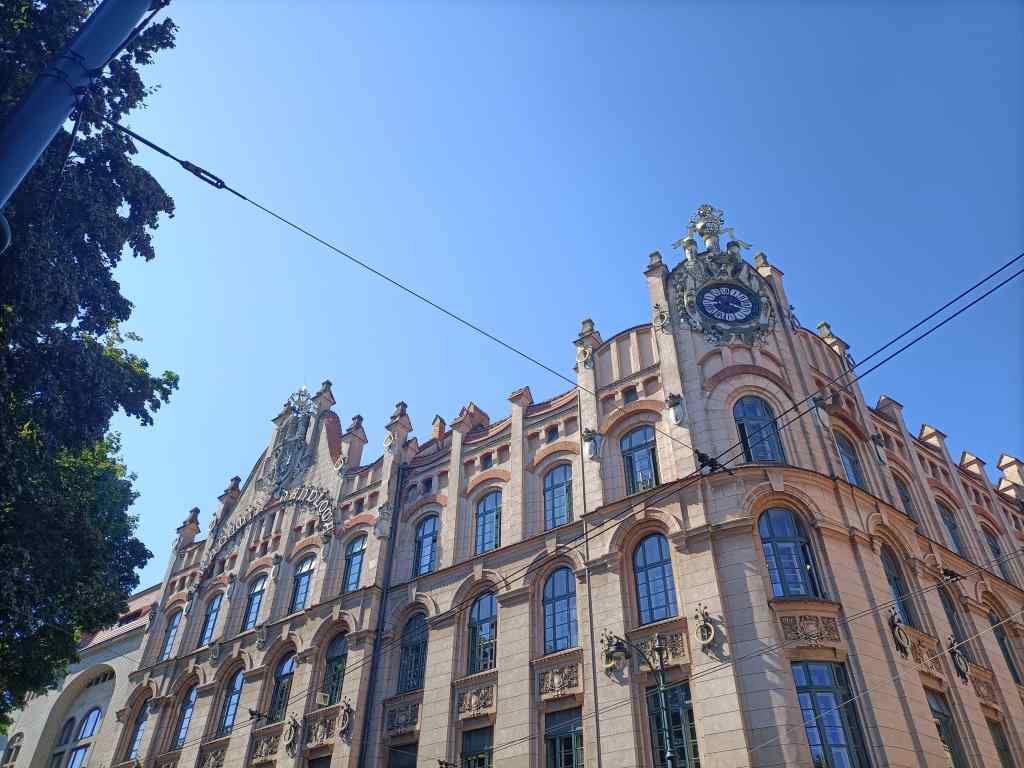
Early 20th century architecture
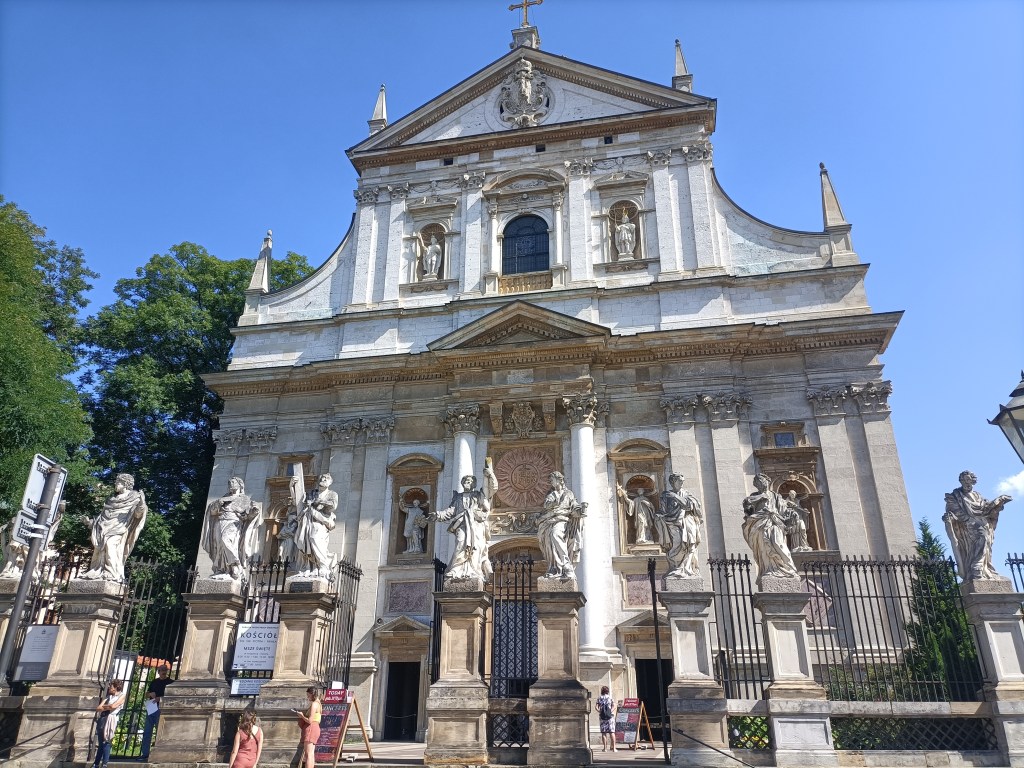
Saints Peter and Paul Church, Krakow
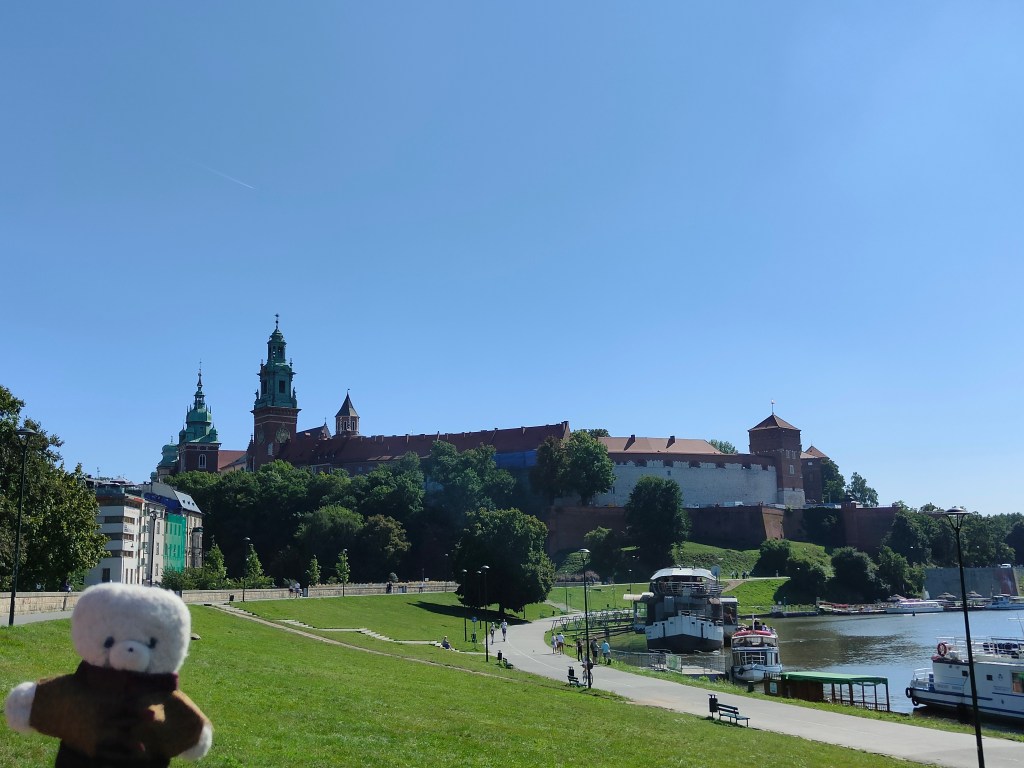
Krakow riverside and castle
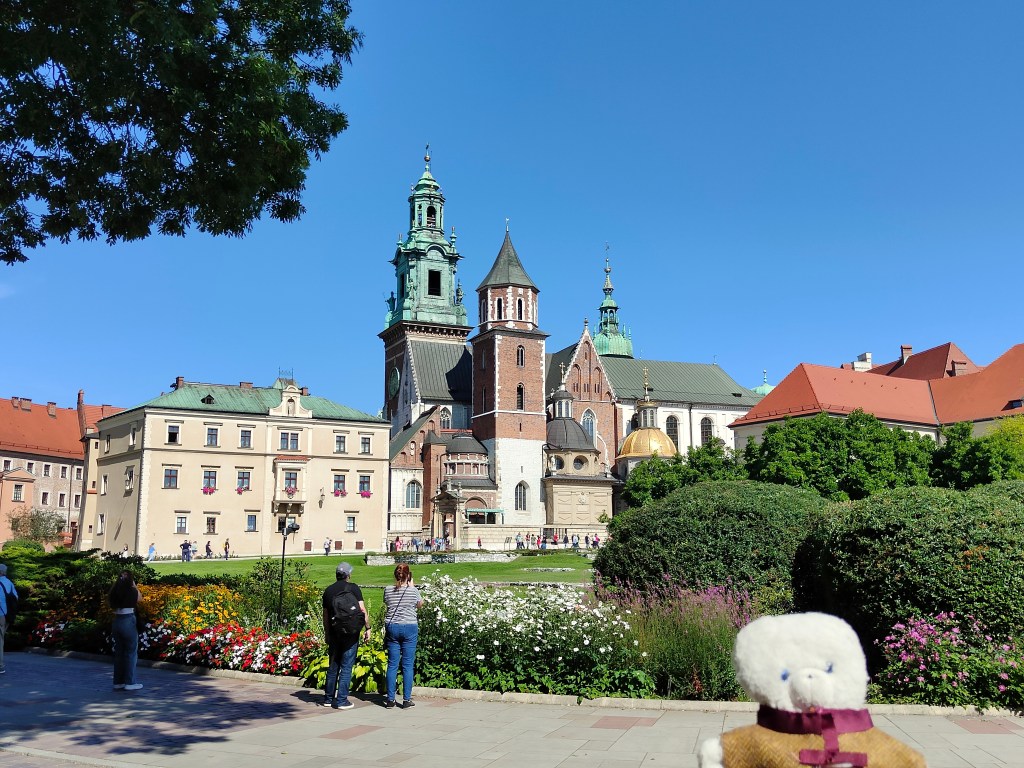
In the grounds of Krakow Castle

I visited the cathedral, which had a large and apparently famous bell, and a crypt housing the coffins of many past Polish kings. Krakow was the capital of Poland from 1038 until 1596, but even after the court moved to Warsaw, it remained an important business and cultural centre. My guide book said that the inside of the castle was less interesting than the outside views, so I strolled around until I found the castle gardens to relax in.

In the gardens of Krakow Castle

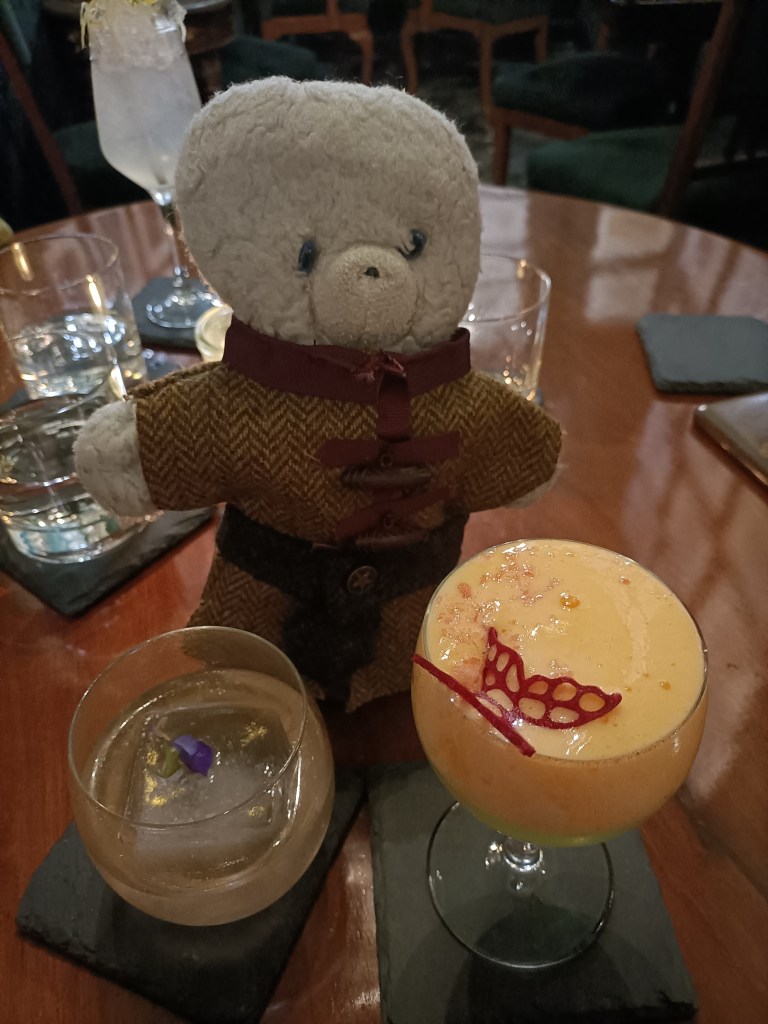
It had been a busy day with lots of walking, so I headed back to my flat before going out for cocktails and dinner. I discovered that eating and drinking out in Krakow is really cheap, and slightly over-indulged myself with some very good cocktails.

I returned to my AirbnB flat and settled down for the night. My accommodation was also very good value – there are lots of very good hotels and flats available in Krakow for visitors. Mine was right in the centre of the old town, which was very convenient except for its proximity to St Mary’s Basilica. I discovered that the bugler performs their piece every hour all throughout the night….

Next Post: High Tatras, Zapokane and Mount Koscielec

Previous Post: From Prague to Brno to Krakow

Blog at WordPress.com.

Up ↑