From the Canyon d’Añisclo to Ordesa and Monte Perdido National Park

Today I set off from Bielsa on what turned out to be a spectacular driving tour. I headed south, before turning off onto a small side road to the Canyon d’Añisclo. The road entered a deep river gorge,  with steep sides before splitting into two separate one-way tracks.
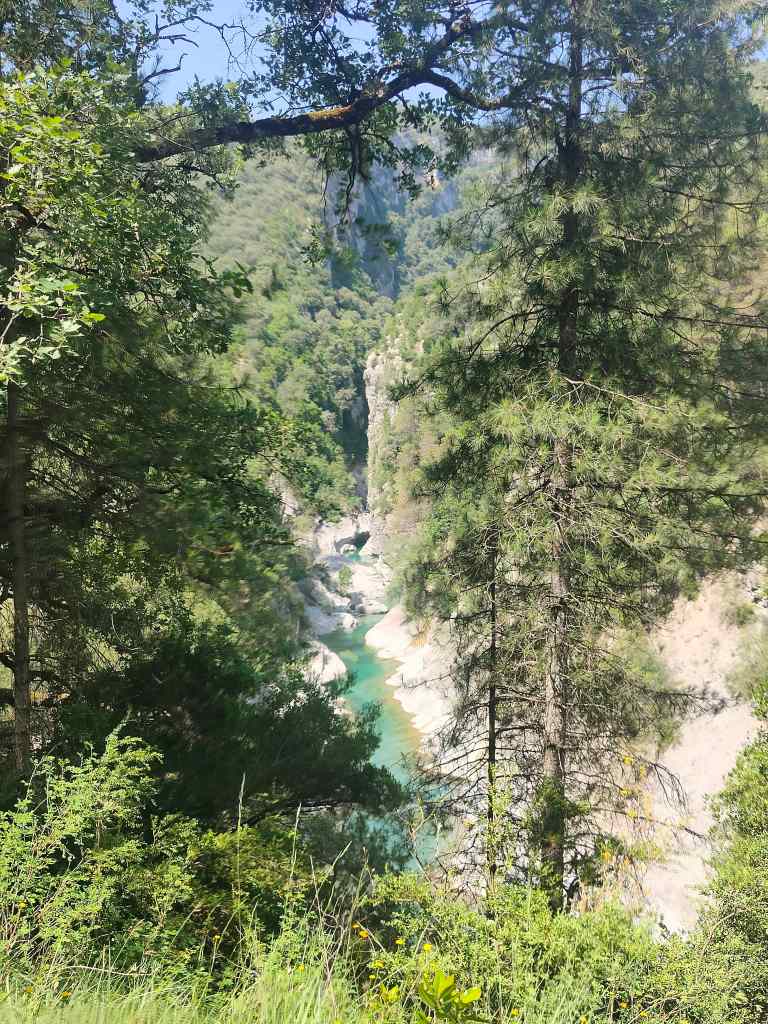
Approaching the Canyon d’Añisclo

My route wound along the side of a small river, with steep cliffs towering far above me.
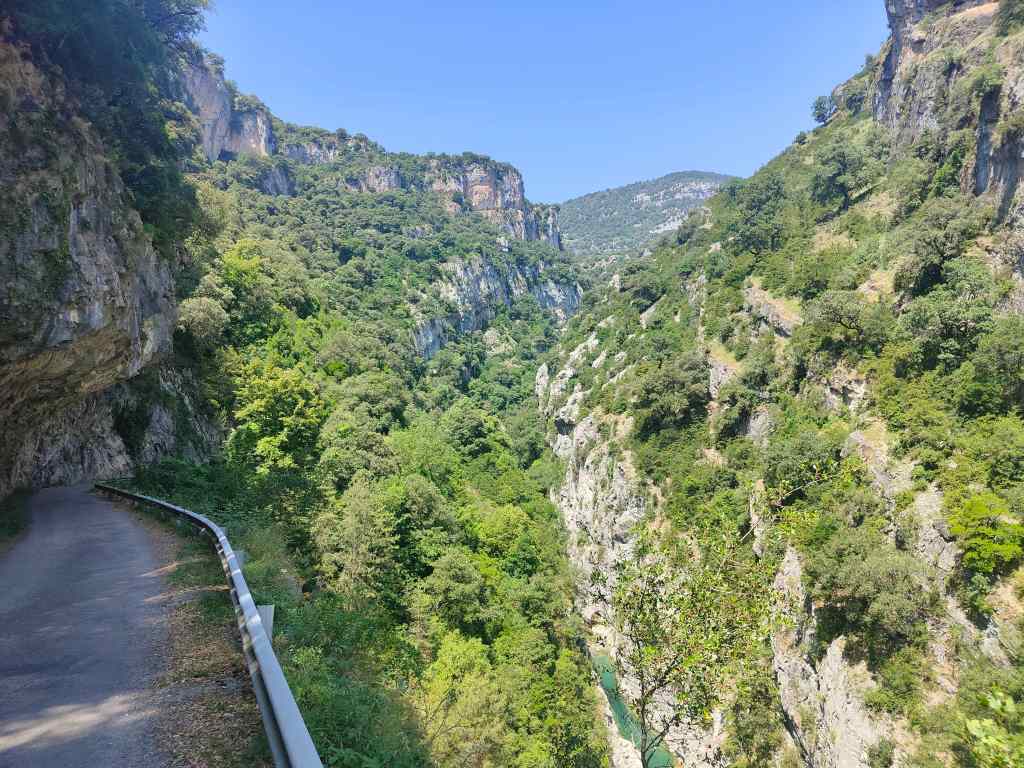
Deep in the Anisclo Gorge

I made slow progress – not because the driving was difficult, but because I made so many stops to take pictures of the amazing scenery.
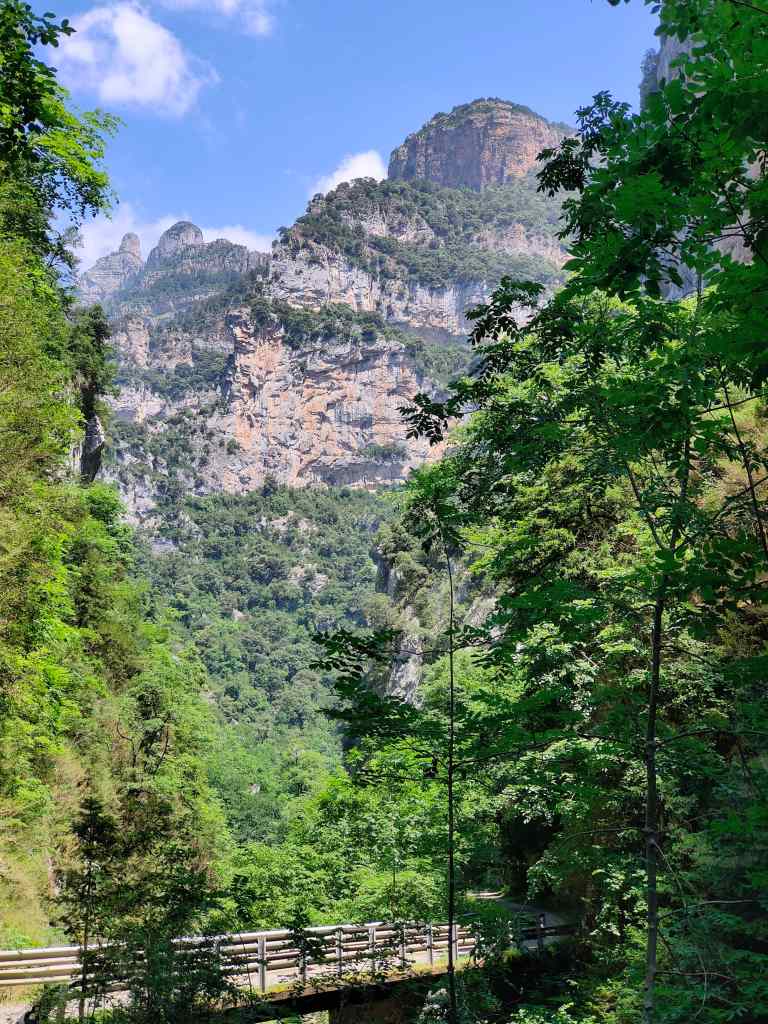
Scenery in the Canyon d’Añisclo

I arrived at a small parking area and got out to stretch my legs and have a look around. The car park offered spectacular views up and down the canyon, and to the other side where some sort of chapel had been carved into the cliff face.

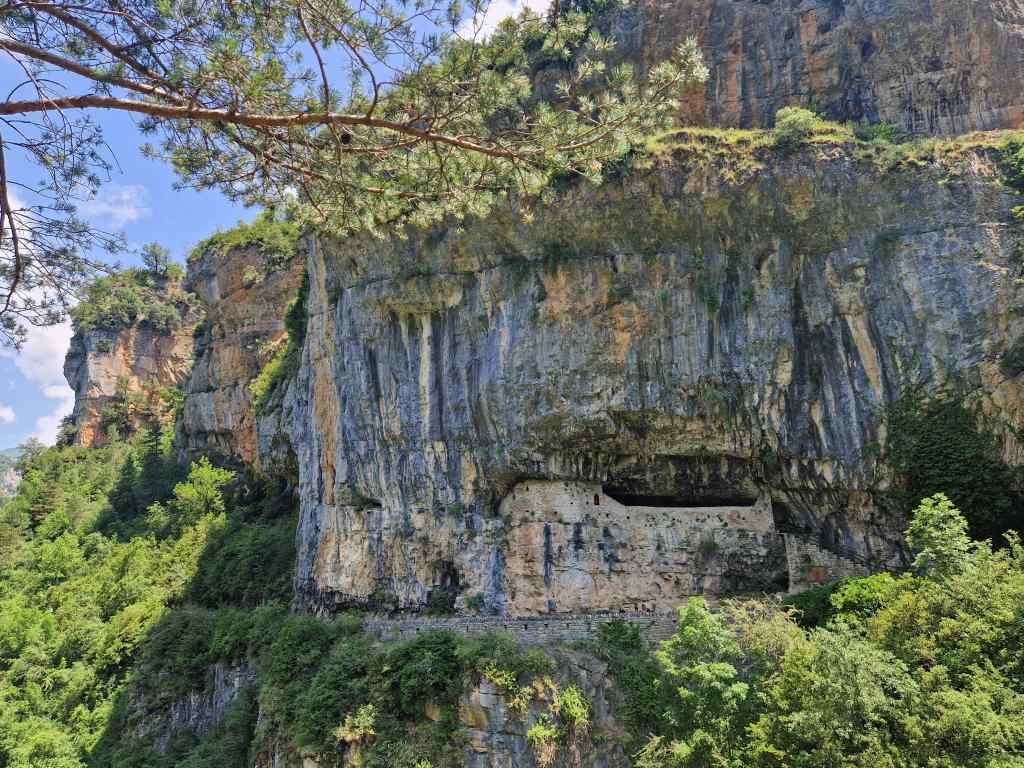
Is that…..a little chapel in the cliff face?
Yes! The chapel of San Urbez

A sign advertised a short circular walk named after San Urbez, a local hermit who lived in the area. 
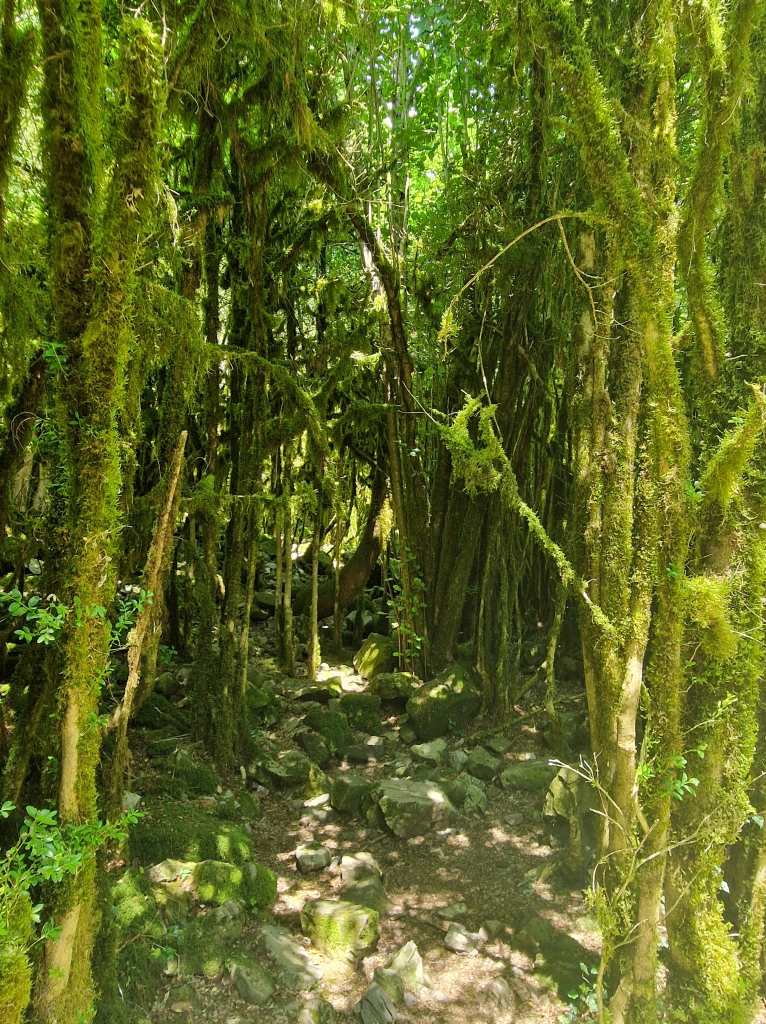
An interesting forest in the Canyon d’Añisclo

The path led down through a pretty forest, crossed a bridge and then climbed up to the chapel – which was furnished with simple pews,  as if it was still in occasional use.

The chapel of San Urbez

After the chapel I had the choice of using an ancient bridge or a new one built on top of it to regain my car.
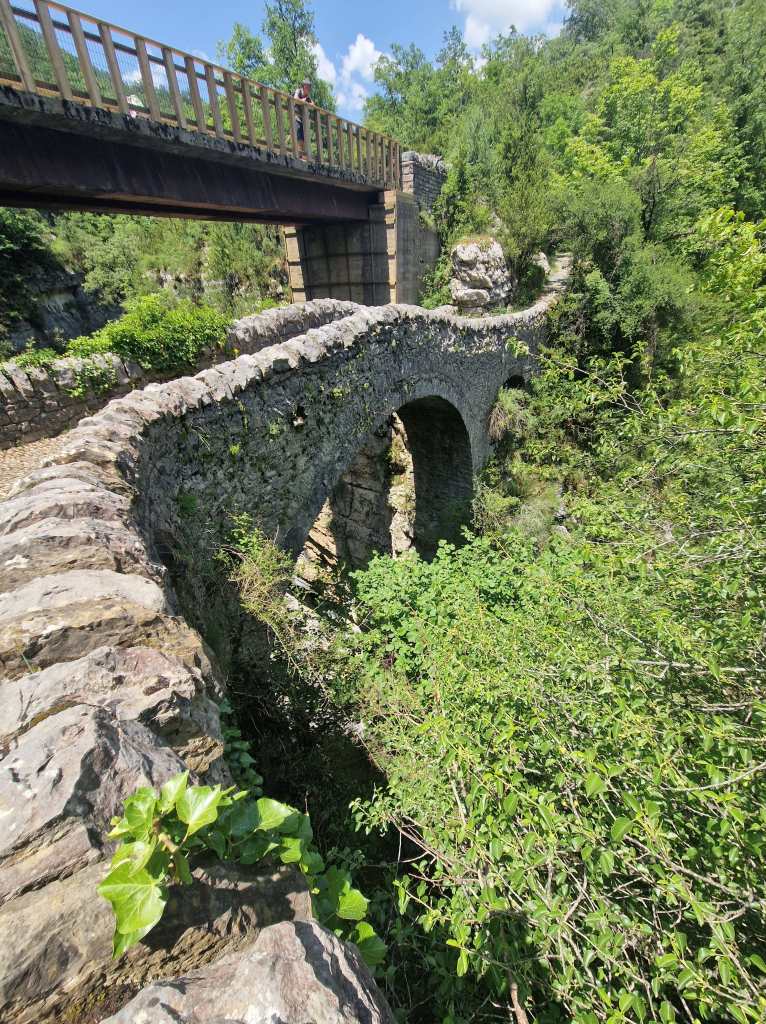
A choice of bridges

I spent another hour driving through some impressive mountain scenery, noticing that the Spanish Pyrenees are different to the French ones – steeper, and much drier.  I stopped for a drink at Torla, a pretty old town that is the gateway to the Ordesa and Monte Perdido National  Park.
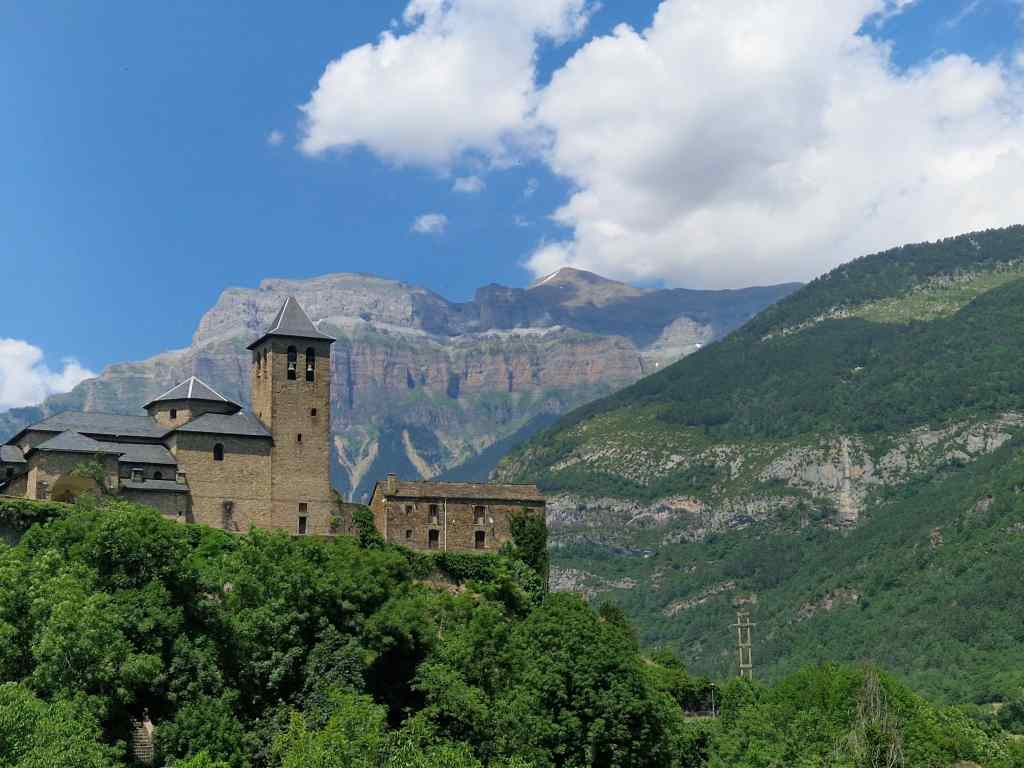
Photogenic Torla

The road into the park followed a gorge with steep mountains on either side, finally arriving at a large car park. Looking around, I felt myself  transported to some of the most spectacular national parks I had seen in America – on all sides mountains towered above me, some of them twisted into fantastical shapes. I had read that the car park was the starting point for some amazing hikes, but sadly I did not have the time to do anything more than stroll a short way up the river valley and absorb the jaw-dropping views. I resolved to come back and explore Ordesa properly another time.
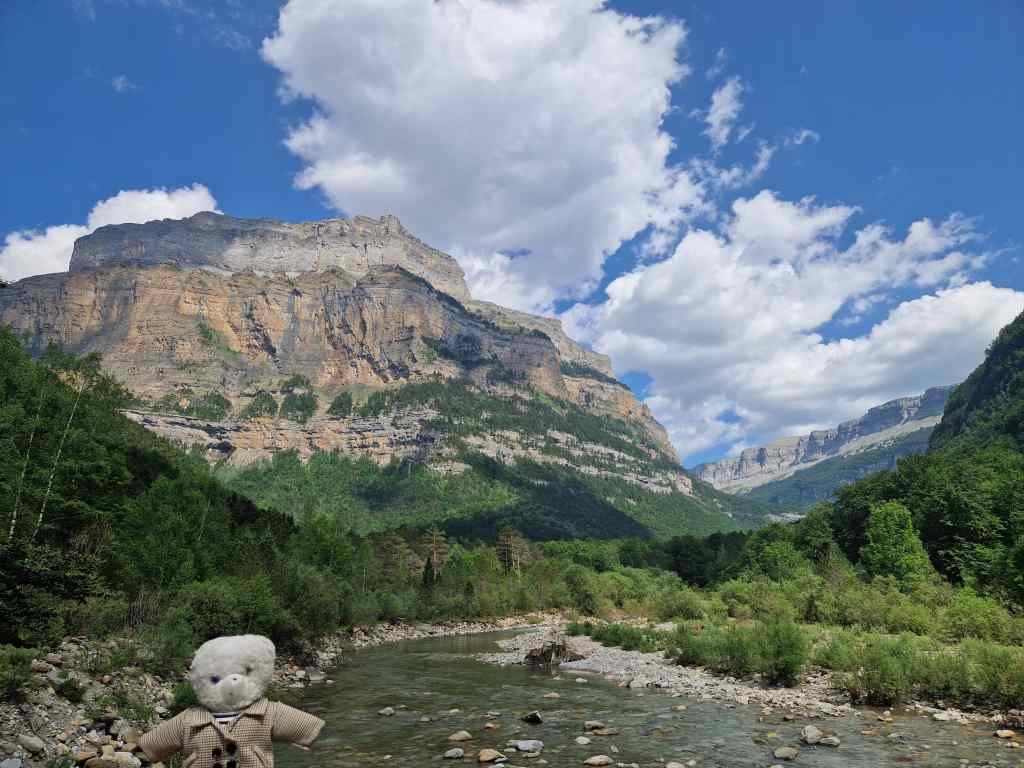
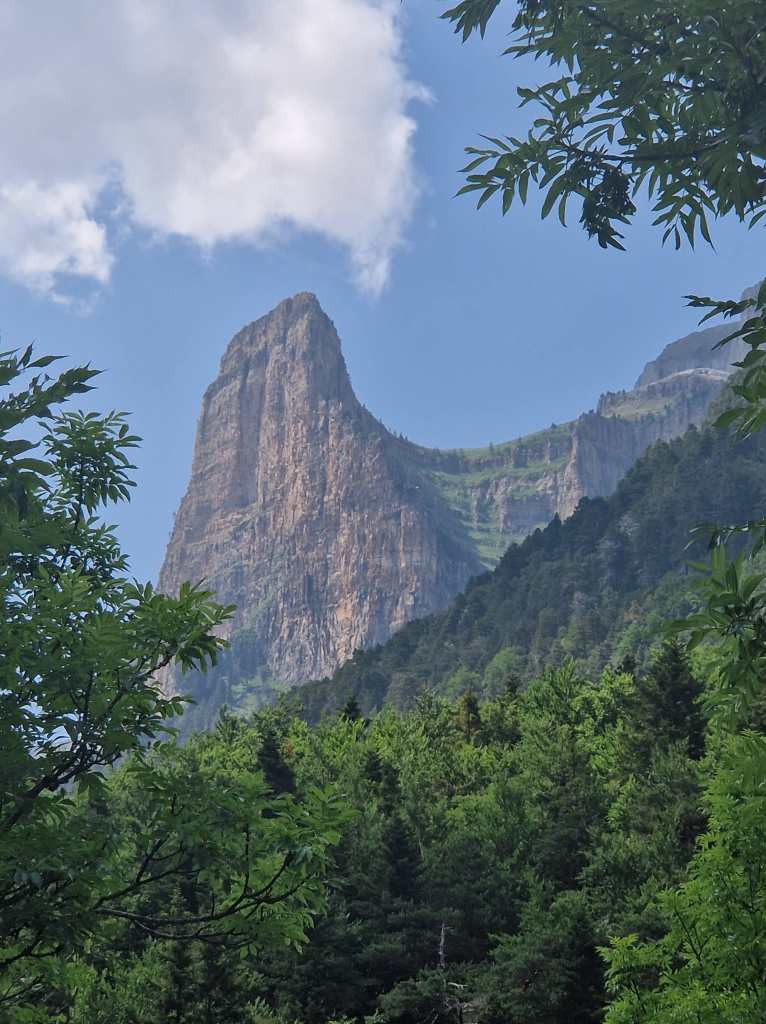
In Ordesa and Monte Perdido National Park
Amazing mountains in Ordesa and Monte Perdido National Park

Finally, it was time to head back, and in a couple of hours I was back in Bielsa – for once, getting home early enough to be able to relax a bit, sort out my photos and write my blog. I stopped by the local supermarket to buy dinner and stock up on a typically Spanish tradition – sweet, fortified wines and sherries served directly from big casks.

Minimum two litre purchase!

The minimum amount you could buy was two litres, which cost a derisory seven euros. I bought some sherry and enjoyed a glass sitting on the town’s main square in the early evening sun, reflecting on an exceptional day.
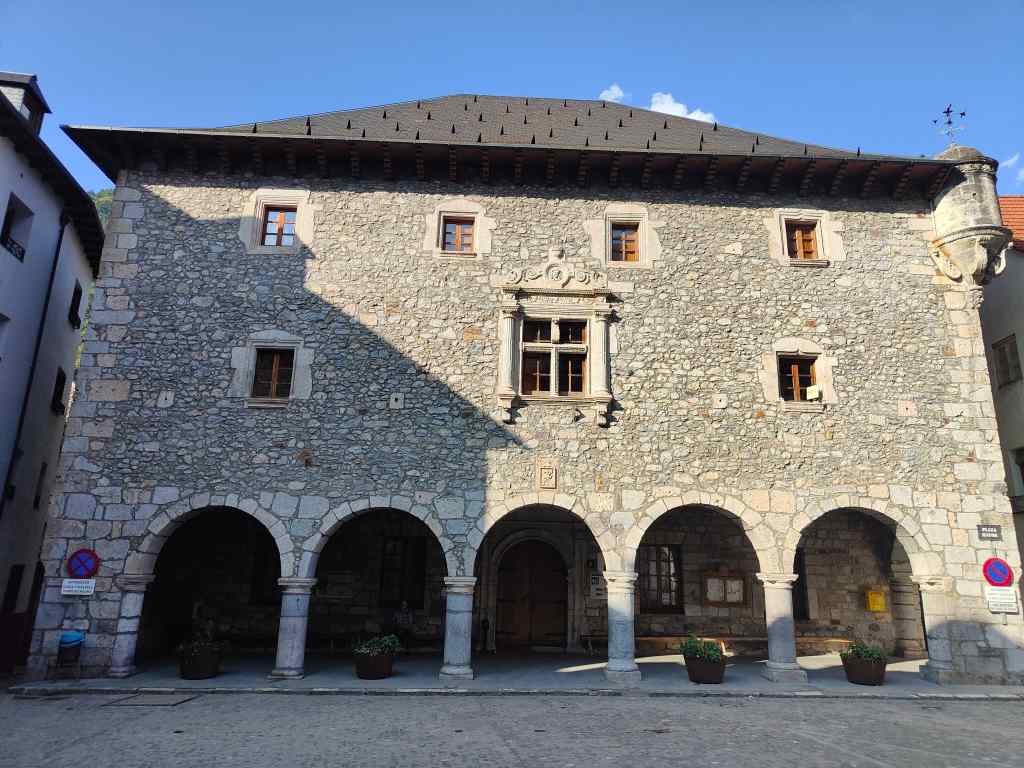
Old building in Bielsa’s plaza

As my regular readers know I am a well-travelled bear but finding such scenery in a place only a few hours flying/driving from London was something really special. I will be back.

Previous Post: Cirque de Gavaranie

Next Post: From Bielsa to Andorra
Indoor Sydney on a baking hot day

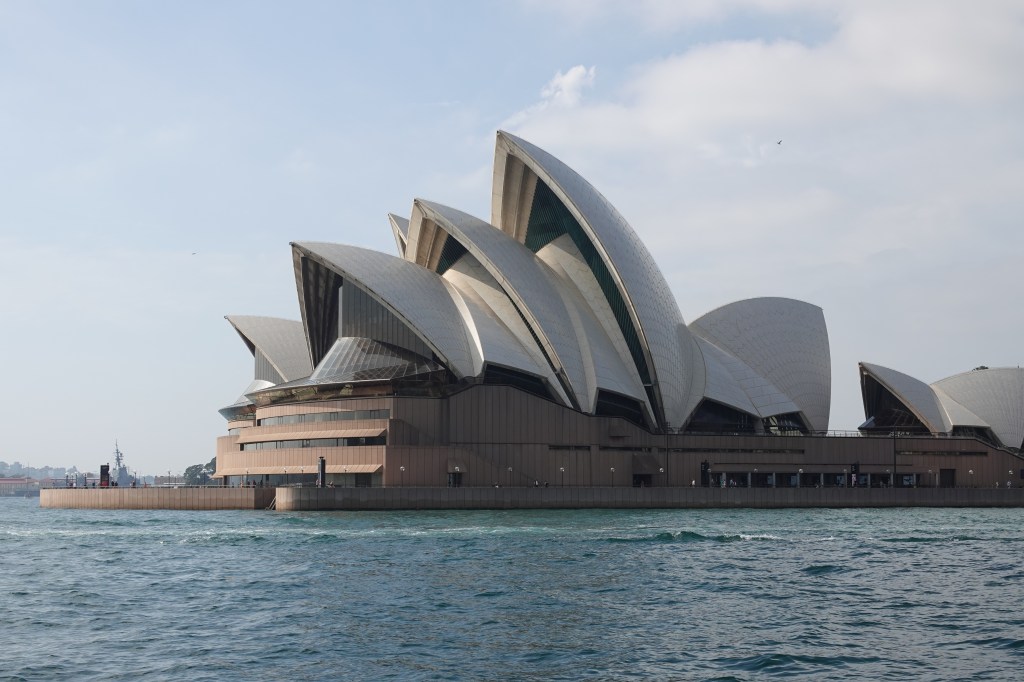
Today the weather forecast was for a cloudy day of sweltering heat, with afternoon temperatures of 38°C – a full thirty degrees higher than back home. There was only option for such a day – Sydney’s air-conditioned museums! I left my club early and strolled through the Botanical Gardens, stopping briefly to take a shot of Sydney Opera House in the morning light…..
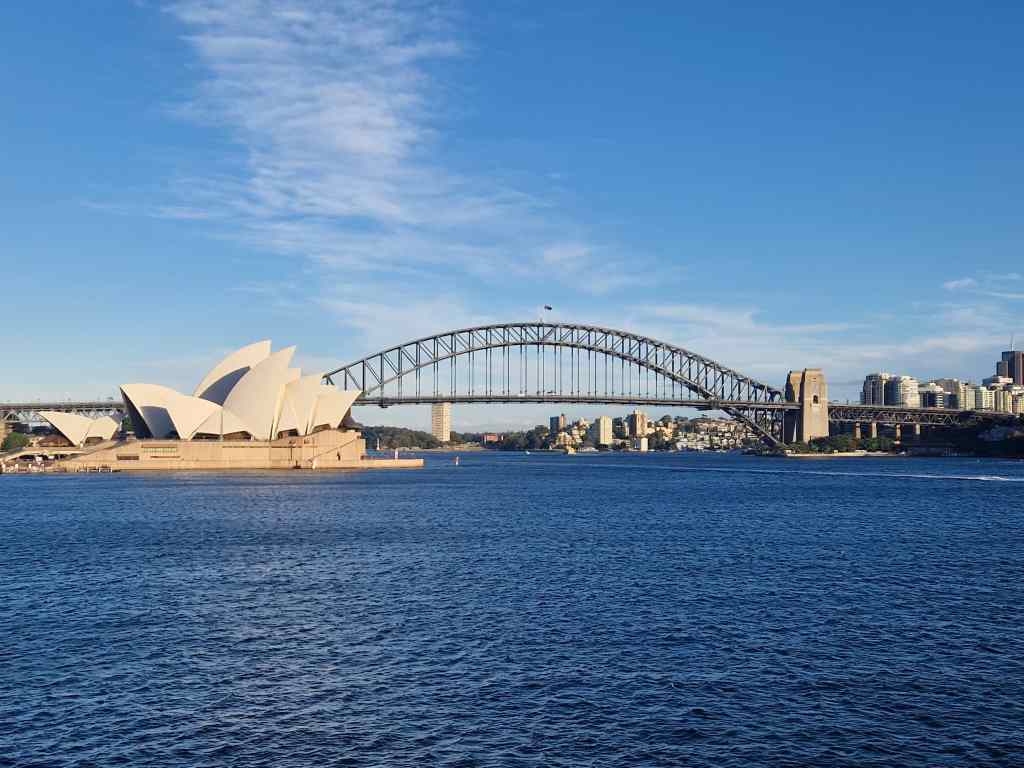
Sydney Opera House in the morning
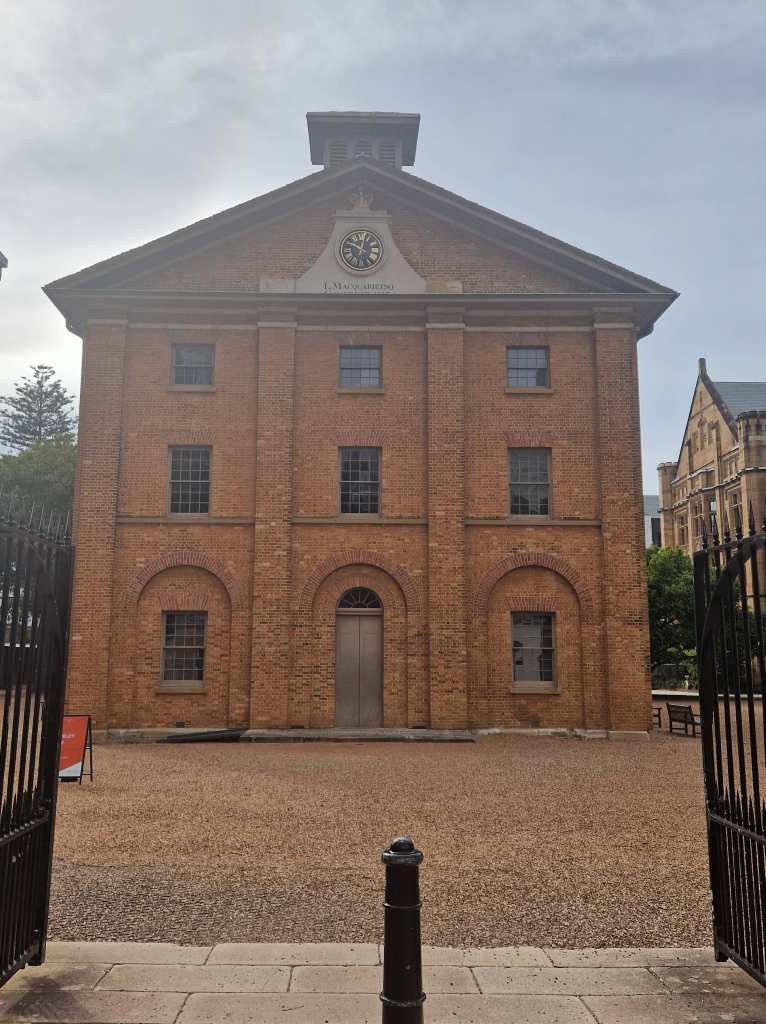
…..and to continue to my first destination, the UNESCO-listed Hyde Park Barracks. This was built in 1817-1819 on the orders of Governor McQuarrie, the fifth governor of the fledgling settlement of Sydney.

Hyde Park Barracks

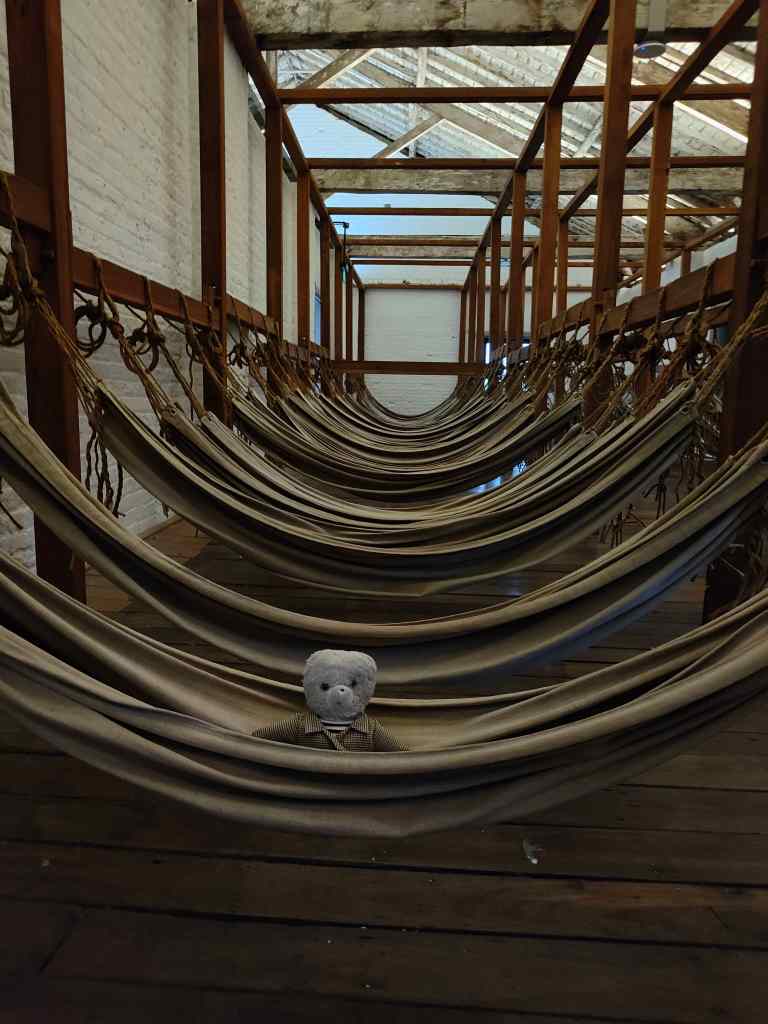
Its original purpose was to house convicts, but shortly after convict shipments stopped in 1840, the barracks were repurposed to accommodate female immigrants, particularly Irish women escaping the great famine. Today the site is a museum with interesting displays that recount the harsh lives of the convicts, and also the devastating impact the expanding colony of Sydney had on the indigenous aboriginal population.

Where the convicts had to sleep in Hyde Park Barracks

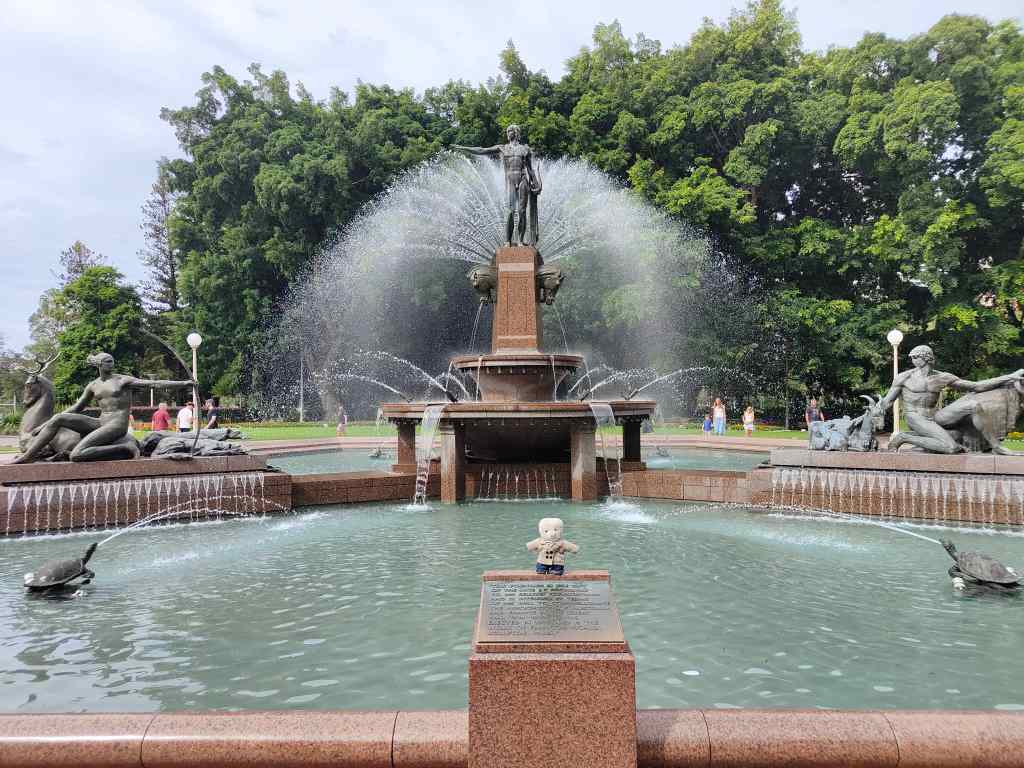
The museum was very well presented……..and despite being an old building it also had powerful aircon to keep visitors cool. I left the barracks and stopped briefly at Hyde Park, one of Sydney’s many green spaces….

Hyde Park, Sydney

….. before continuing on to my next destination, the Art Galley of New South Wales, which has a collection of Australian art. Rather than display their collection chronologically, the curators mixed art from different periods in the same rooms, a successful idea that produced many interesting contrasts.

In the Art Gallery of New South Wales

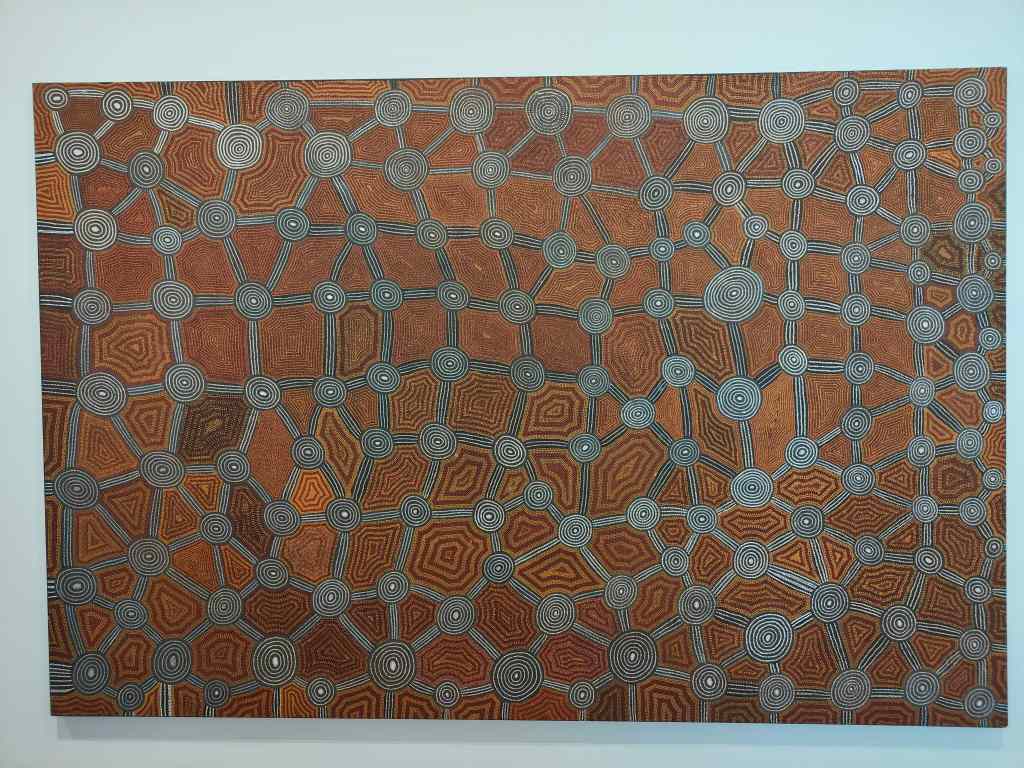
The gallery has a new annex, where they displayed their extensive collection of aboriginal art.

Aboriginal Art in the Art Gallery of NSW

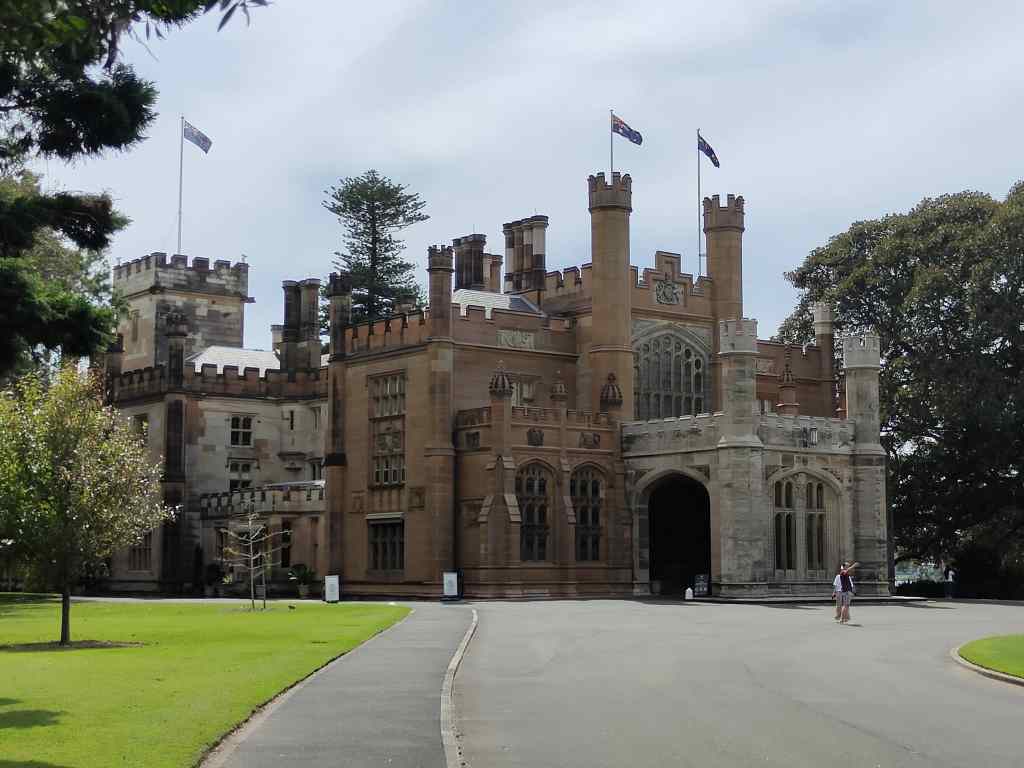
I spent a pleasant hour wandering around the gallery, enjoying its aircon. As noon approached however, it was time to brave the outside air to walk back through the Botanical Gardens to my next destination, a tour of Sydney Opera House. On the way I managed to see a couple things I has missed on my earlier visit to the Gardens, like Government House, the official residence of the Governor of New South Wales.

Government House, Sydney

The opera house tour lasted an hour and was full of interesting facts about the construction and operation of what is now an iconic landmark and the most recently built UNESCO world heritage site. I learnt that the competition for designing the Opera House was won by Danish architect Jorn Utzon, but that he did not then have a plan for constructing his inspired but technically challenging design. A solution was only found once work had started, and this and other difficulties led to delays and cost overruns. Eventually Utzon was forced to quit the project and left Australia, never to return or see his finished masterpiece. The Australian Peter Hall took over the project, and was primarily responsible for designing the building’s interiors, which our tour focused on.
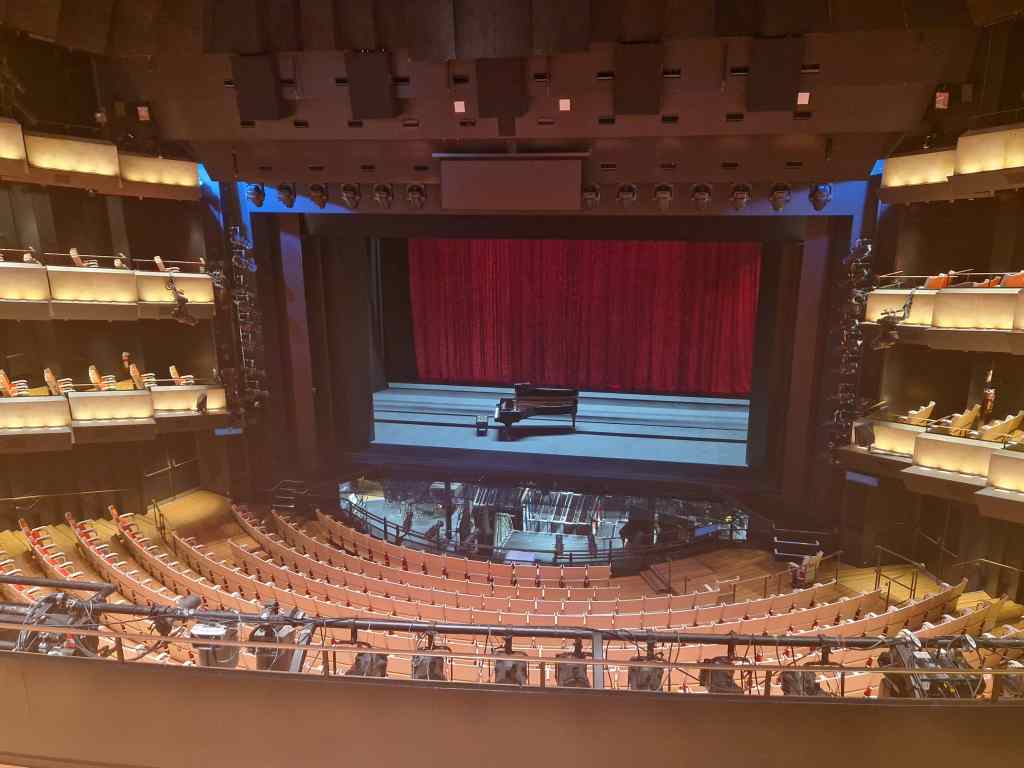
It was good to see inside such a famous building, but in my humble view, the interior is far less impressive than the magnificent exterior. The most interesting room by far was the huge concert hall, which can house 2,500 visitors – but sadly photos were not allowed there. Opera and ballet are presented in a different venue, the much less impressive Joan Sutherland Hall.

The Joan Sutherland Hall, Sydney Opera House

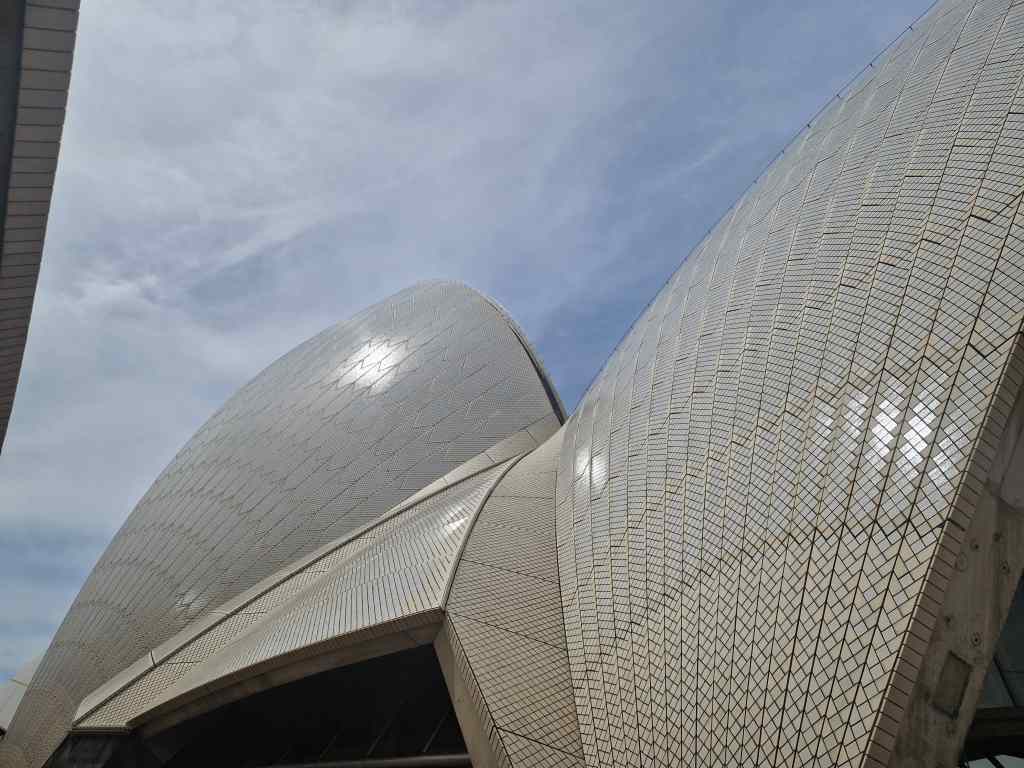
Highlight of the trip was going out onto the roof and seeing the famous white “sails” up close. They are made from a mosaic of 1,056,006 white or off-white tiles, of which only 10,000 have needed to be replaced since construction finished in 1973 (fifteen years after it started in 1958).

On the roof of Sydney Opera House

When our tour finished, we were released back into the baking afternoon sun, and I did the only thing possible on such a hot day – head back to my room for a bear nap and to start writing the first posts for my blog.
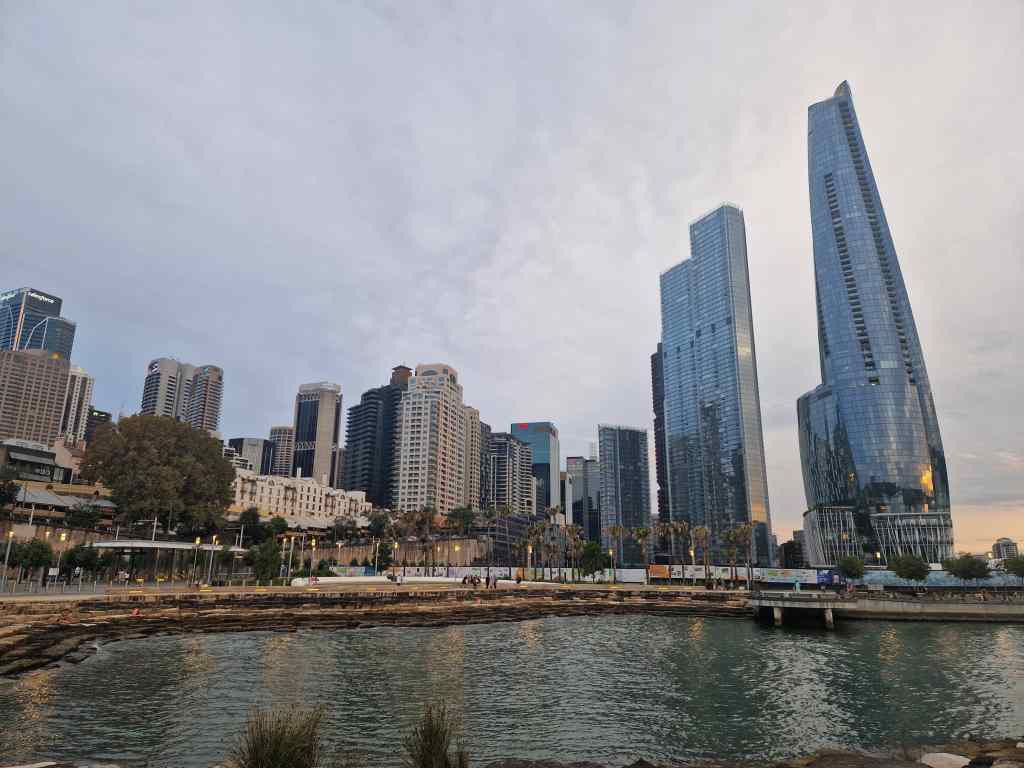
In the slightly cooler evening air, I ventured out again to the western part of the Rocks area, which gave me yet another perspective of Sydney’s skyscrapers.

Sydney as seen from the Rocks, Barangaroo

I visited a historic pub – the Lord Nelson Brewery Hotel, Australia’s oldest pub brewery – for a cold beer before heading off for dinner in a local restaurant.

Cold beer should be available on prescription on days like this!

It has been one of those days where the crushing heat had made it hard to do much. Temperatures were forecast to drop on the next day, but I would be leaving Sydney for next destination, Melbourne, which would turn out to be a completely different type of travel experience.

Previous Post: From Bondi to Coogee

Next Post: Melbourne Street Art

Sydney – the other side of the world

Sydney Opera House

Travel is a wonderful thing. From a cold (8°C) London evening I emerged very early in the morning, after 20 hours in a plane, to a sunny, 28°C Sydney in Australia. Immigration turned out to be surprisingly chaotic – I filled in a form on the plane, then queued up to be rejected by the automatic passport control (like 90% of my fellow passengers) and queued again for a passport check by a human. At each stage I was asked if I had a criminal record, which I thought a bit strange – surely you no longer need one to enter Australia? However, baggage collection, customs inspections (strict in Australia) and transport into town went more smoothly and I found my accommodation, the Union University and Schools Club (UUSC), quite easily. The club is located in a old building surrounded by the skyscrapers of Sydney’s CBD (central business district).
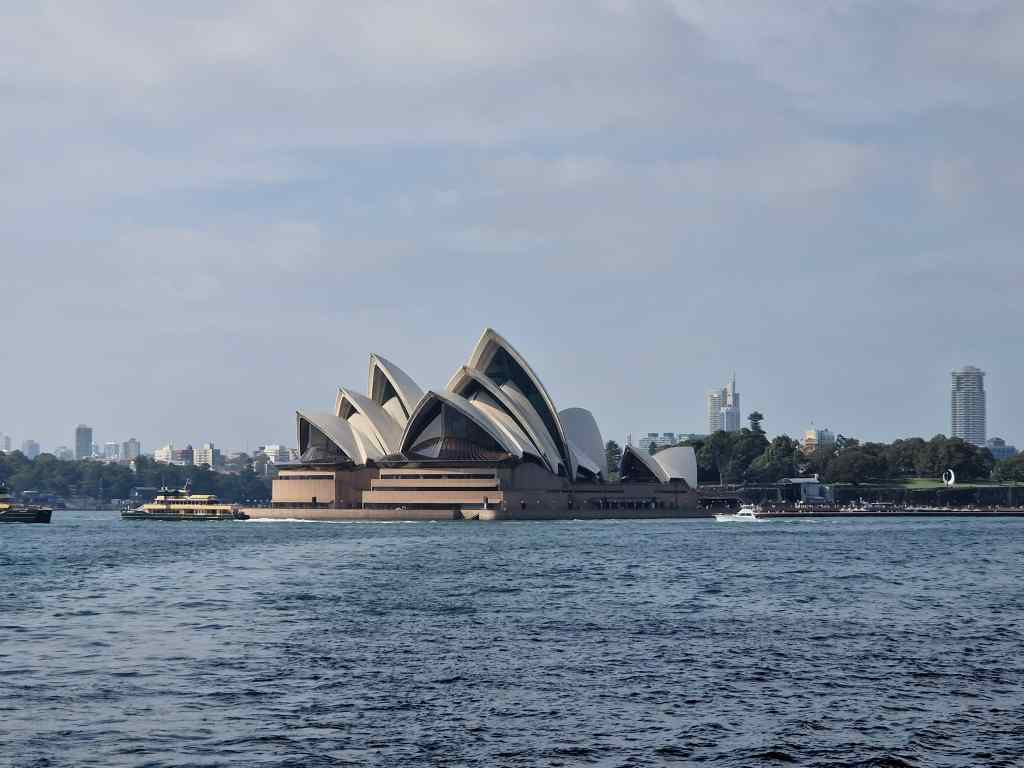
After a brief nap, I set off to explore. I devoted today to Sydney’s highlights, heading to the harbour at Circular Quay to take the boat across to Milsons Point. The short trip offered some great views of Sydney’s Iconic Opera House.

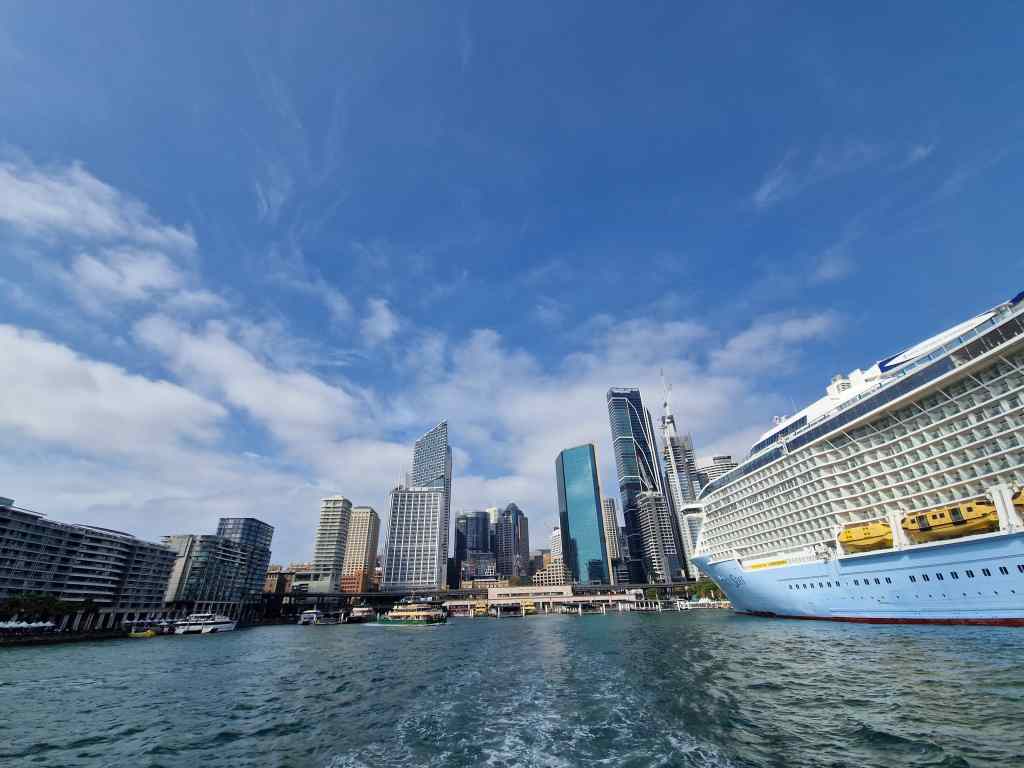
Sydney’s CBD from the ferry
Cruising past the Opera House

On arrival, the jetty offered one of the classic views of Sydney:

The Harbour Bridge from Milsons Point

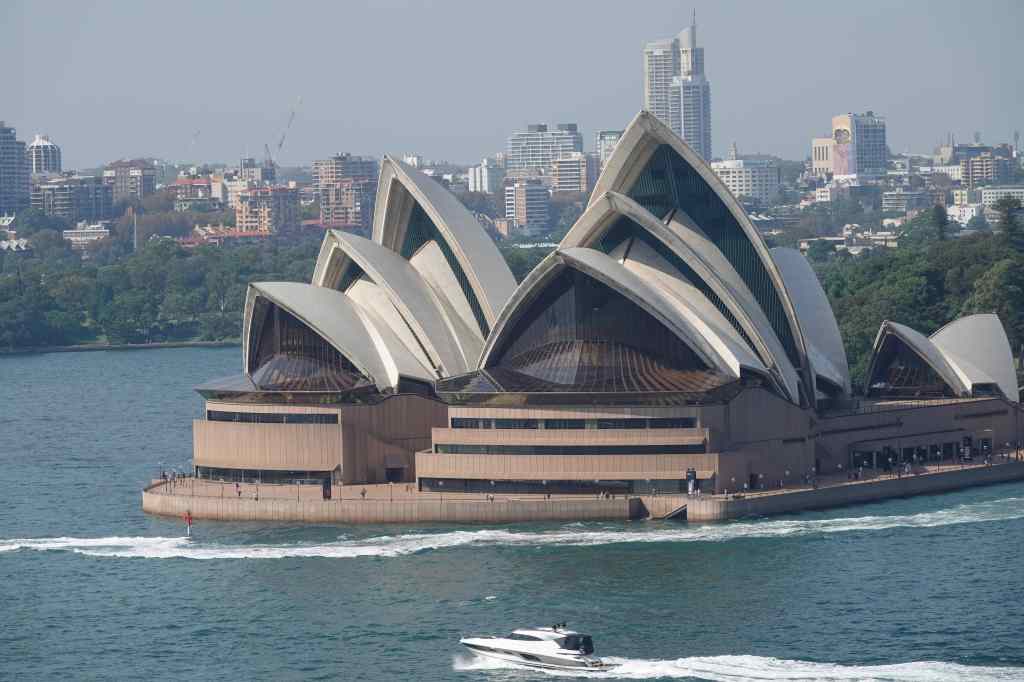
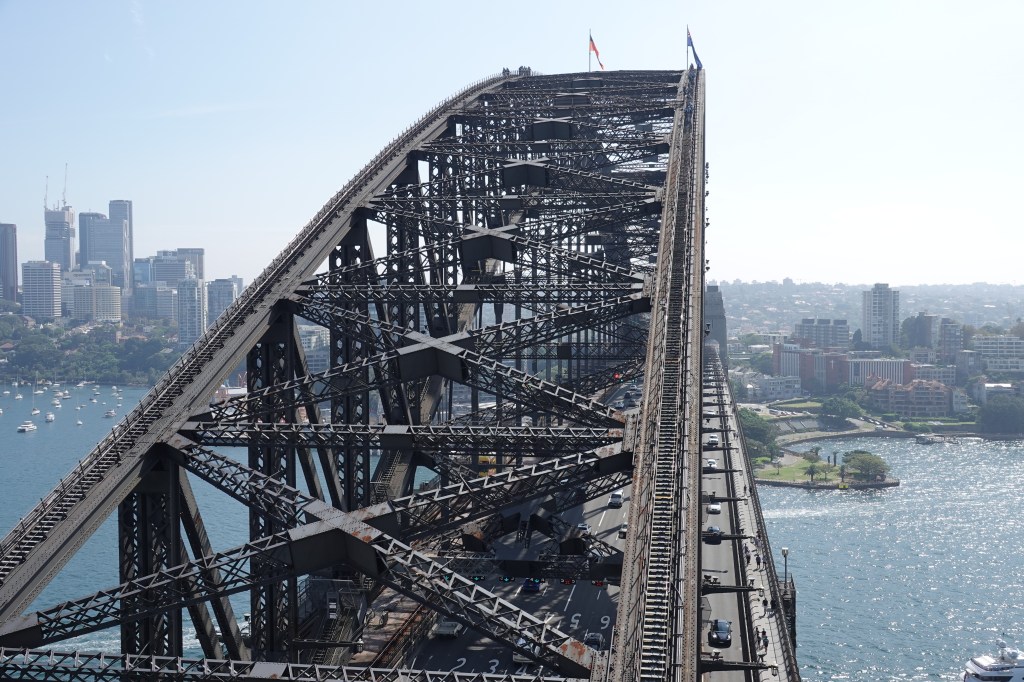
I took the lift up onto the bridge and started walking down the pedestrian path on the far left hand side back towards central Sydney. Nearing the other end, I reached one of the supporting towers or pylons where there was an interesting museum covering the history of the bridge’s construction over 1923 to 1931. On the top was a viewing platform with the best views yet.

Sydney Opera House taken from the Harbour Bridge

On top of the bridge’s steel arch I could see groups of tourists climbing up – the views must be even better right on the top, but the climb is apparently very expensive and not for the faint-hearted. As a small, light teddy bear I would be worried about being blown off.

Harbour Bridge Climbers

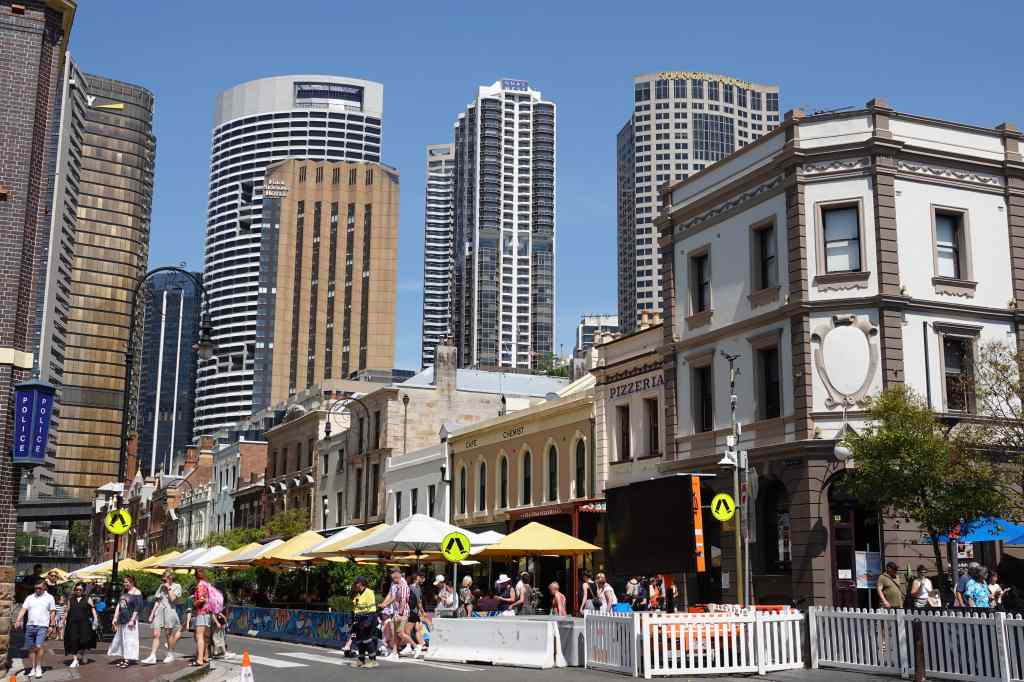
After enjoying a cool breeze on top of the pylon, I finished crossing the bridge and took a lift down to the historical Rocks area of Sydney. This is where the first Australian settlers made their homes, and some of the old buildings survive to this day (including Sydney’s oldest pubs). Today the Rocks is a tourist and arts centre, with a market, small shops, cafes and the Museum of Contemporary Art.

Street scene in the Rocks
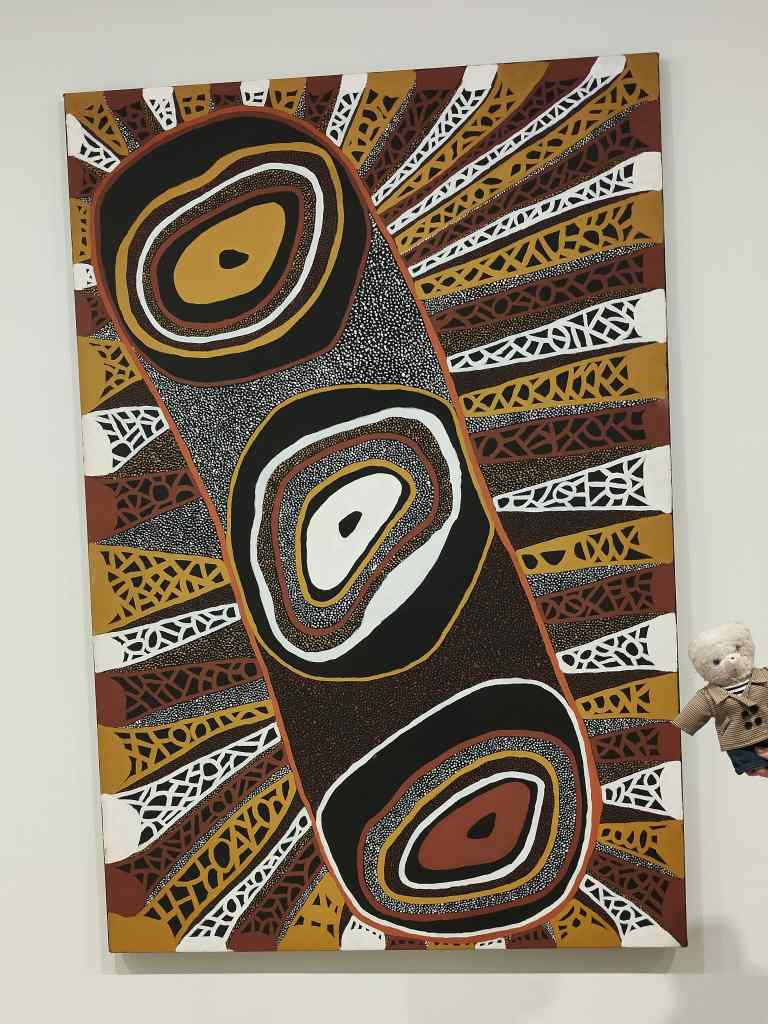
Aboriginal Art in the MCA, the Rocks
Harbour Bridge from the MCA Roof Terrace

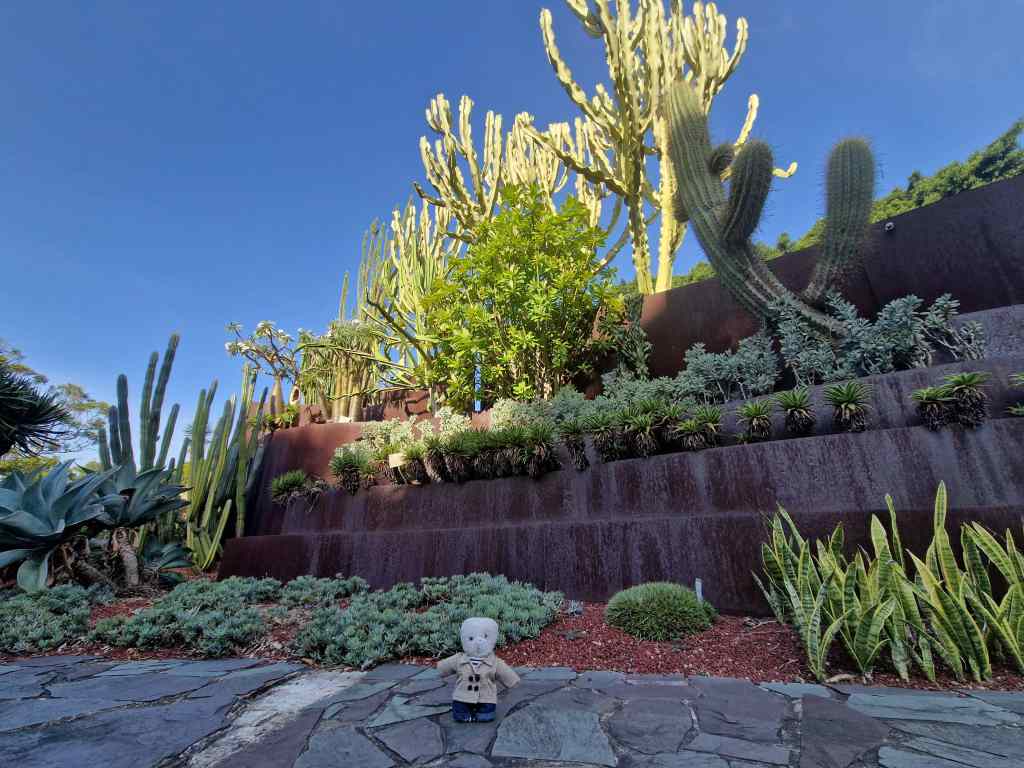
It was now early afternoon and the unaccustomed heat and 11-hour time difference with London was beginning to affect me – back home, it was 3am, which I simply could not get my head around. I headed back to my club for another snooze and to avoid the afternoon sun. As evening approached I set off again to visit the Botanical Gardens, which were a short walk away. They were packed with exotic plants which in Kew Gardens, near my home in London, would be in glasshouses, but which here thrived in the open.

The Botanic Gardens, Sydney
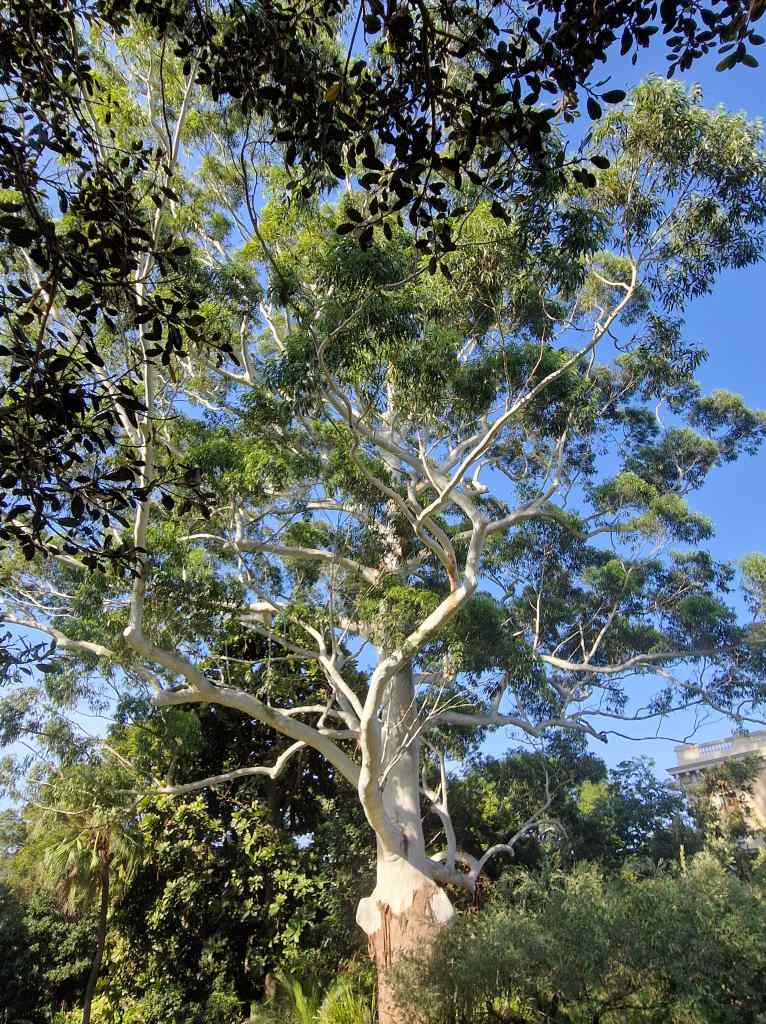
Exotic Tree in Sydney Botanic Gardens

I left the gardens briefly to stroll down to Mrs McQuarrie’s Point, a peninsula which gives a magnificent view of the harbour, its busy boat traffic, the bridge and the Opera House.

The view from Mrs McQuarrie’s Point
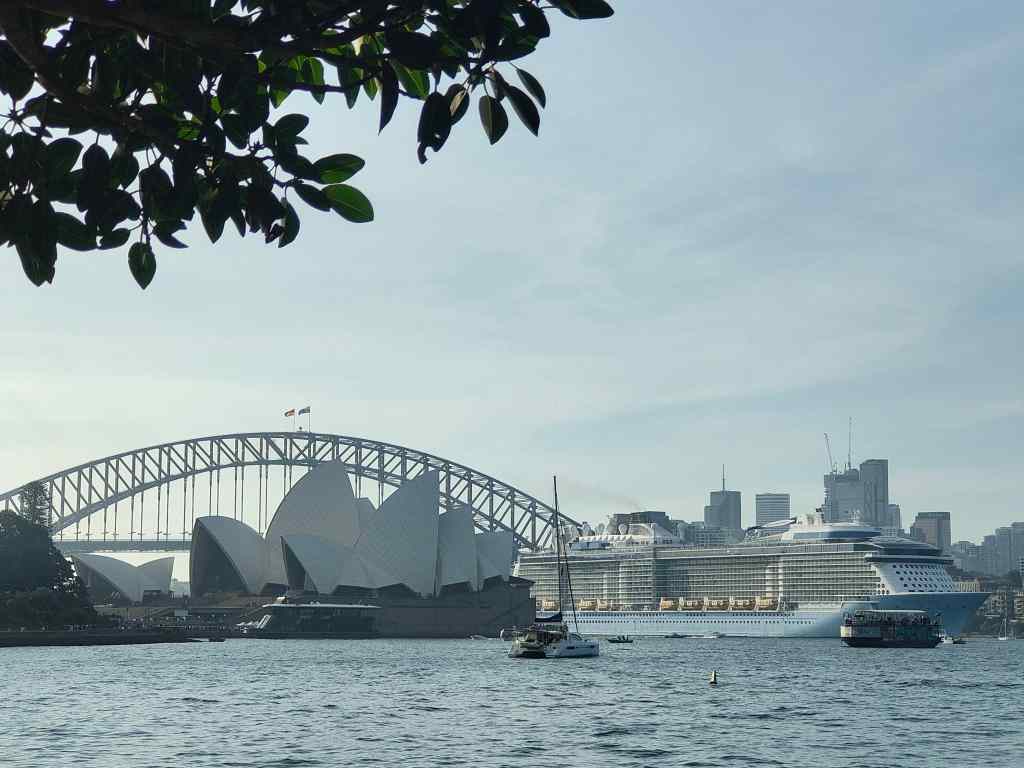
Taken from the Botanic Gardens – a huge cruise liner sails away

Another short stroll through the gardens took me to the Opera House itself, which on a sunny Friday evening had become a magnet for Sydney’s young population to come to enjoy a beer whilst enjoying one of the world’s most famous views.

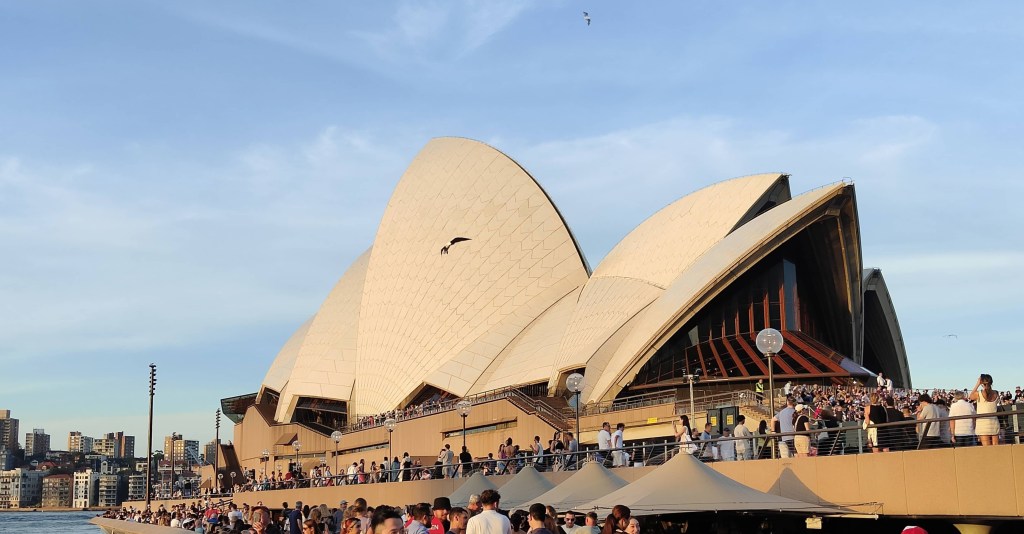
Friday evening – Party Time at the Opera Bar

The Opera House has a highly-rated restaurant, which was fully booked for that evening, so instead I headed back into the CBD and had an excellent dinner at a place called Morena. It was good to unwind after a first day packed with iconic sights. After dinner, the heat and the jet lag finally caught up with me and once back in the UUCS club I collapsed onto my bed and fell fast asleep.

Next Post: From Bondi Beach to Coogee

From Richmond to Twickenham – Ham House and Eel Pie Island

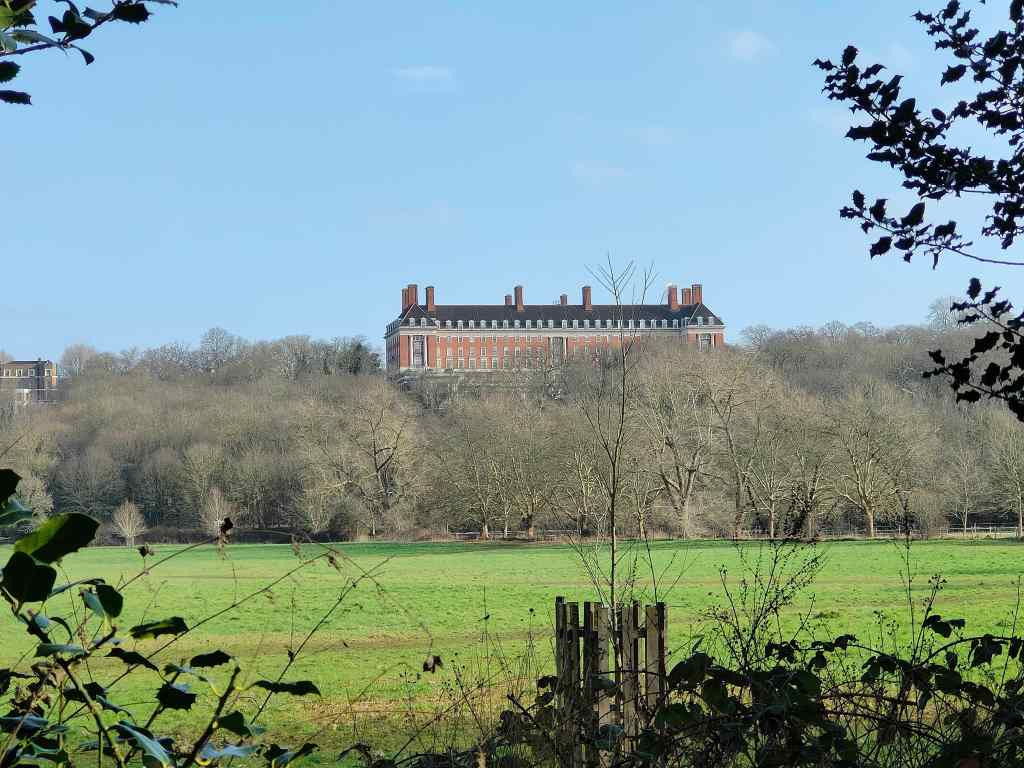
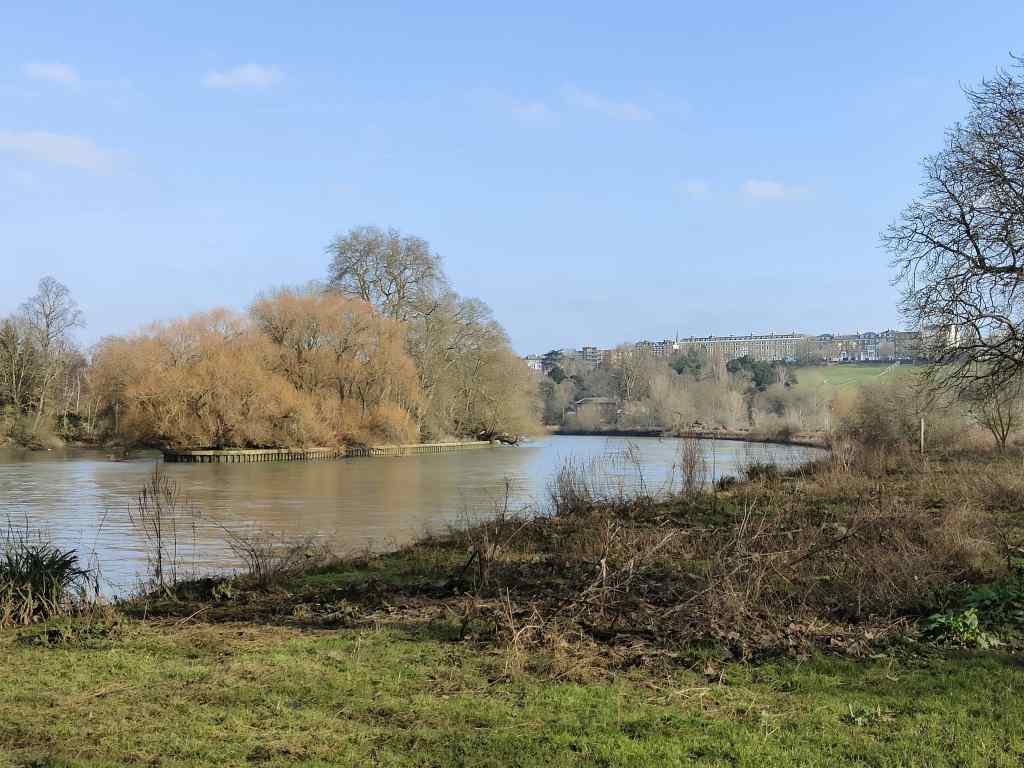
Today’s post is devoted to the stretch of the river Thames between Richmond and Twickenham. As you leave Richmond along the Thames tow path, there is a fine view across a lush green meadow to Richmond Hill, with the Star and Garter Hotel (covered in my previous post) sitting on top.

The Star and Garter Hotel sitting on top of Richmond Hill
View of the Thames back towards Richmond Hill

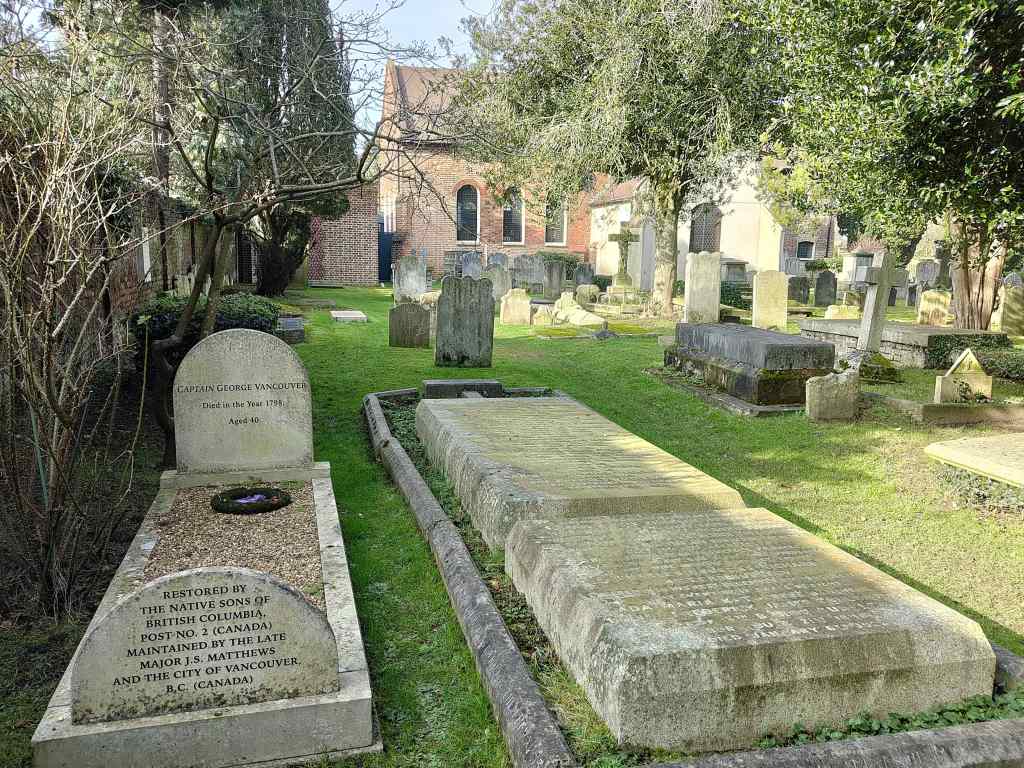
The tow path passes by the pretty little town of Petersham, whose little St Peter’s Church houses the grave of George Vancouver, the 18th century explorer who gave his name to the Canadian west coast city.

Vancouver’s grave in Petersham

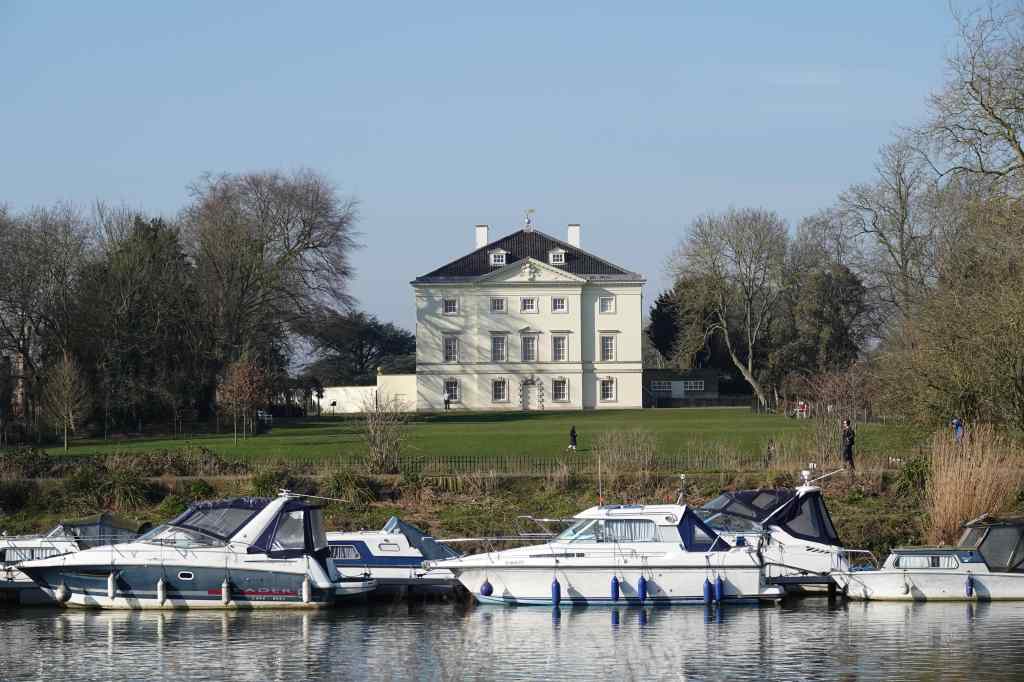
A little further along the river, on the Twickenham side, is Marble Hill House, built in the style of an Italian Palladian villa over 1724-1729 for Henrietta Howard, the mistress of King George II. Henrietta was an intelligent and charming woman, and her house became a centre for intellectual and political debate, with prominent visitors such as Jonathan Swift, Horace Walpole and Alexander Pope.

Marble Hill House

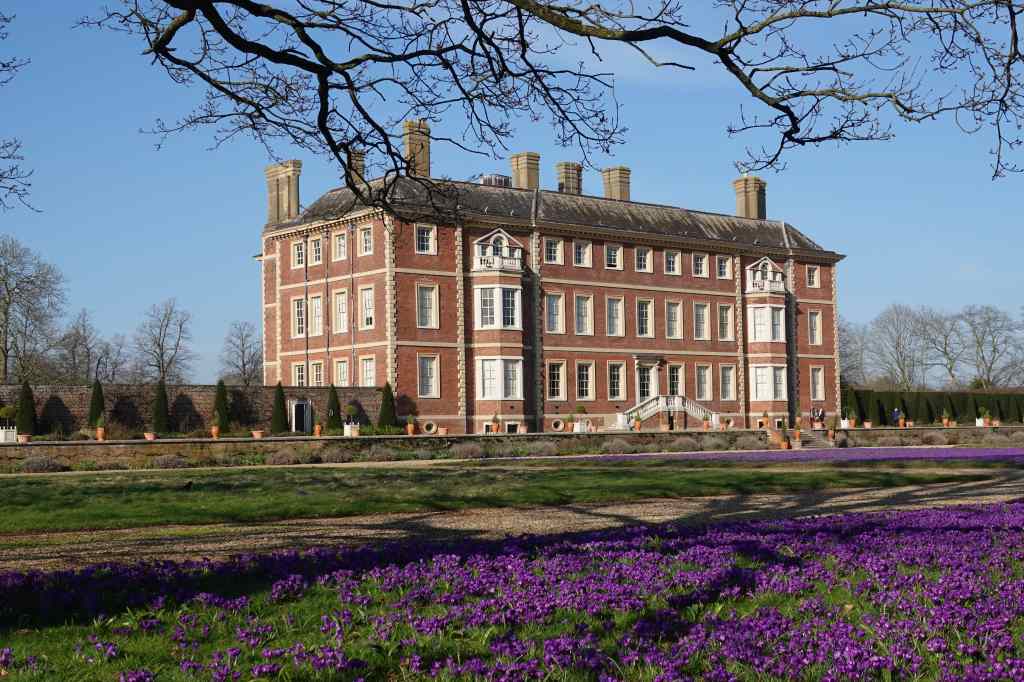
Continuing on along the Thames you reach Ham House, a magnificent Tudor mansion, first built in 1610 in the reign of Queen Elisabeth I and later expanded in the 1670s. The house became of the ancestral home of the Dysarts, a noble family periodically close to the royal family. In 1935, the ninth Earl of Dysart gave Ham House to the National Trust, and it remains in their care to this day.

Ham House, seen from the rear
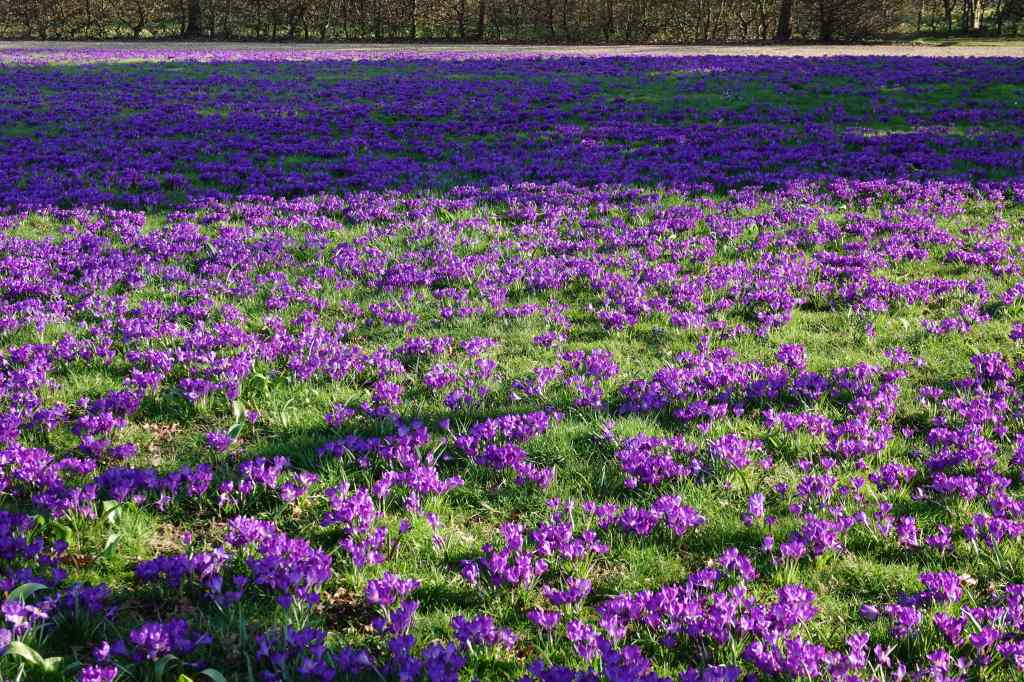
Crocuses in Ham House Garden
An interior room at Ham House
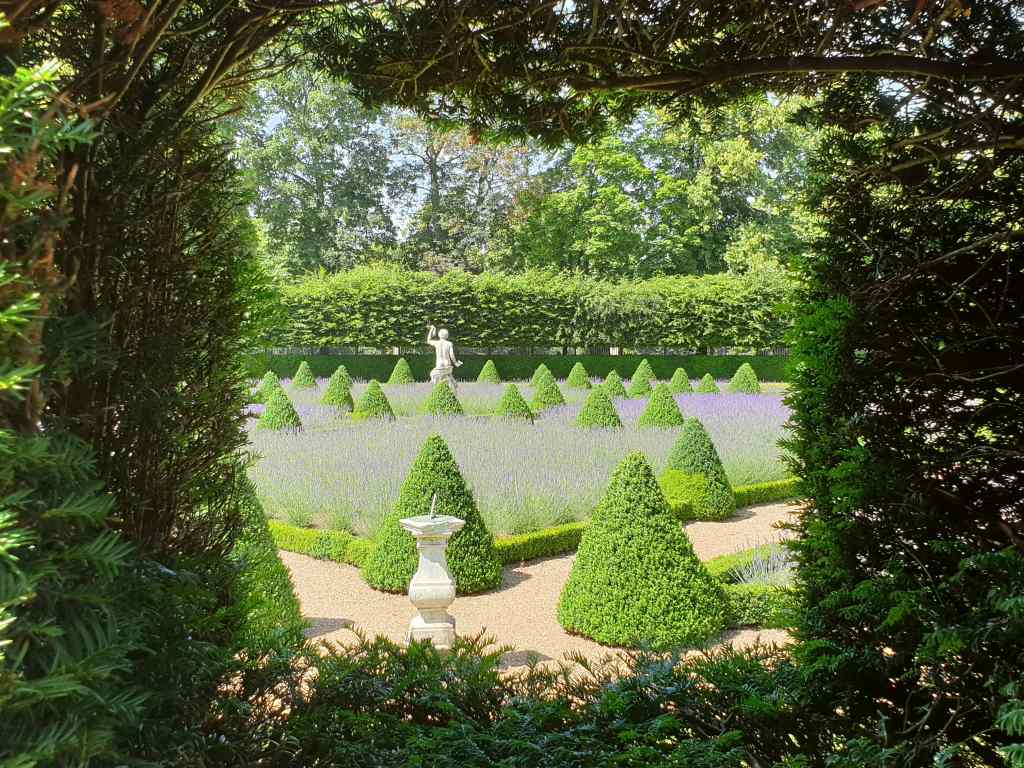
Ham House’s Lavender Garden

On the river near Ham House is Hammerton’s Ferry. This was established in 1908 by the local resident Walter Hammerton, after a 1902 Act of Parliament gave the public access to the tow path running past Ham House. However, Hammerton’s right to provide the ferry service was challenged in court by the then Lord Dysart, who owned a competing ferry service further downriver. The case eventually ended up in the House of Lords, and was won by Hammerton, who continued to operate the service until 1947.
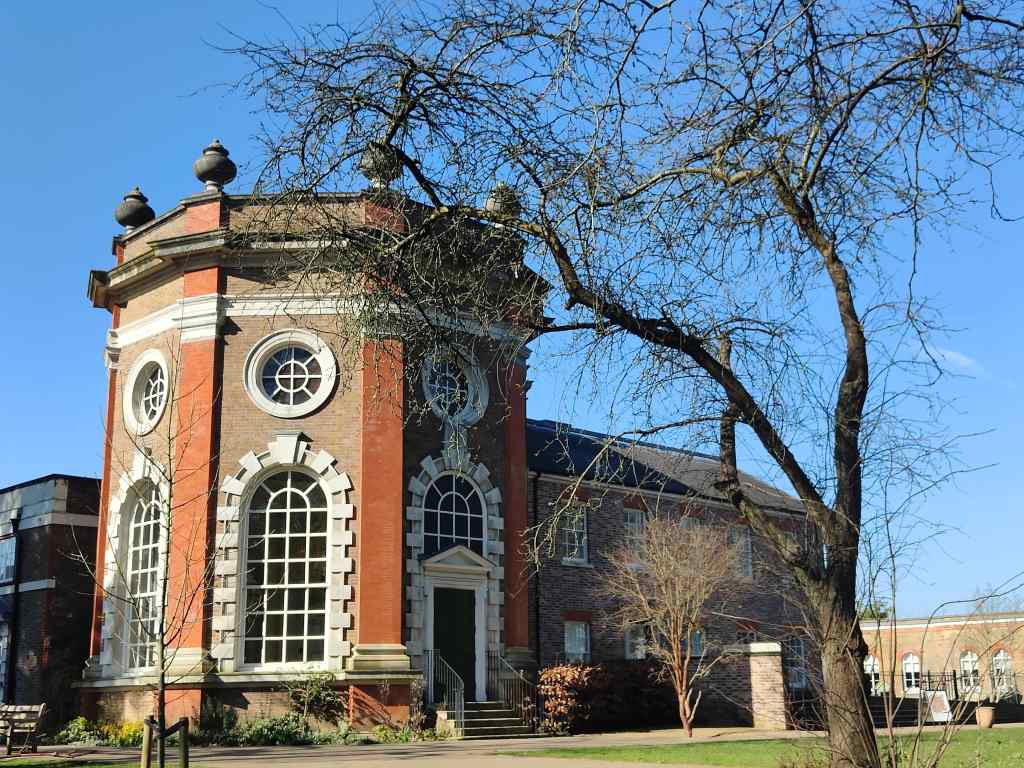
The ferry takes you over the river to Twickenham, where first you bump into Orleans House, a palladian villa built in 1730 which was later named after its most famous owner – Louis-Philippe, Duke of Orleans, who lived here in exile before returning to France to become king.

Orleans House, Twickenham

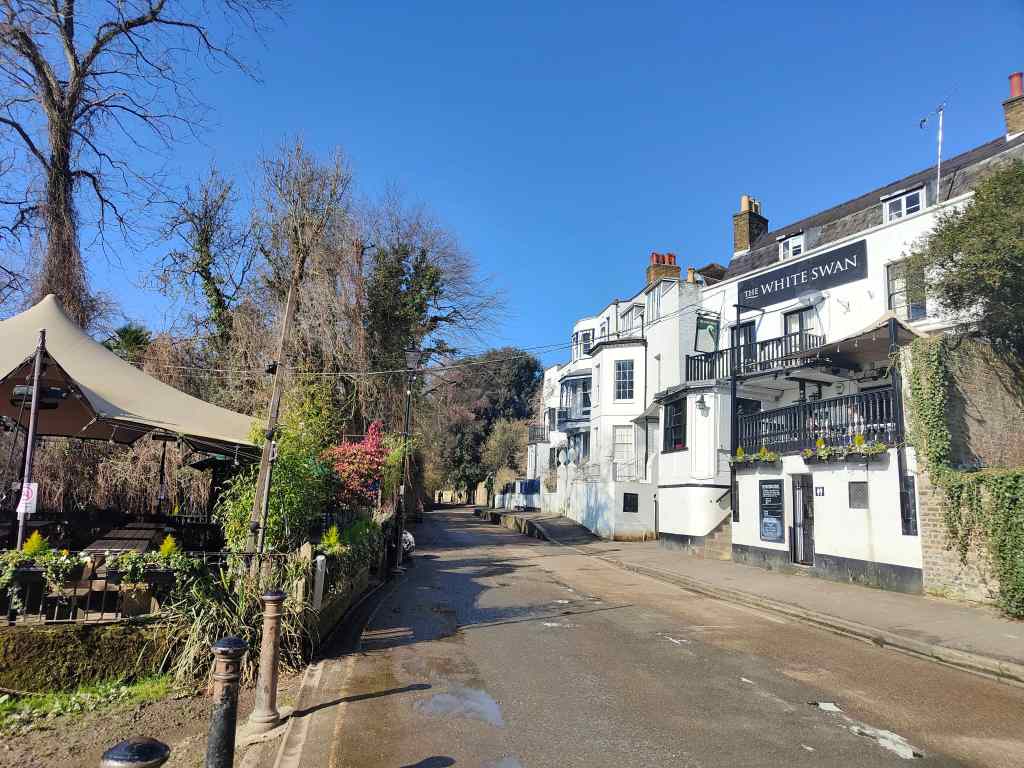
The road continues along the river past the popular White Swan pub…

The White Swan pub at Twickenham

… and then arrives at York House, a mansion first built in 1630. Over its nearly four hundred years existence, it has had many noteworthy owners – including Count Philippe of Paris (a descendant of Louis Philippe and pretender to the French throne) and the Indian industrialist Sir Ratan Tata. In 1923 the house was bought by the local council and turned into offices, and to this day it remains the headquarters of the London Borough of Richmond on Thames. The inside is not open to visitors, but its pretty gardens are, with this striking water feature.

York House Gardens in Twickenham

After York House you reach Twickenham riverside, a popular place on summer evenings for drinkers in the local pubs or rowers and paddleboarders out on the River Thames.

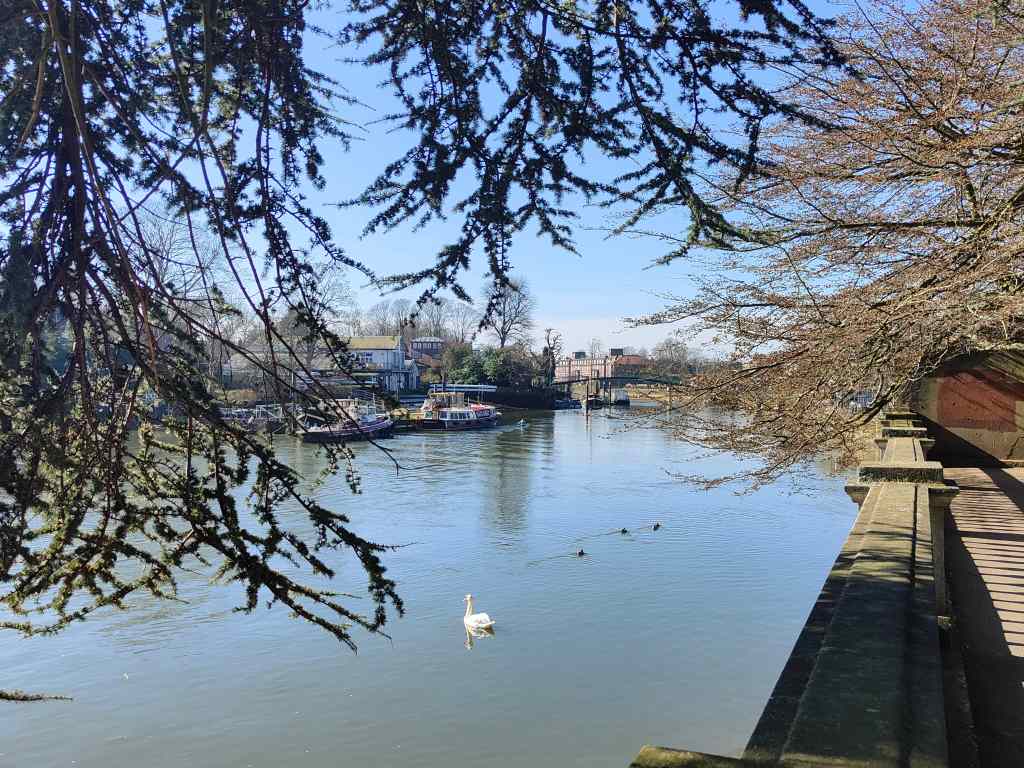
View of the Thames and Eel Pie Island from York House Gardens
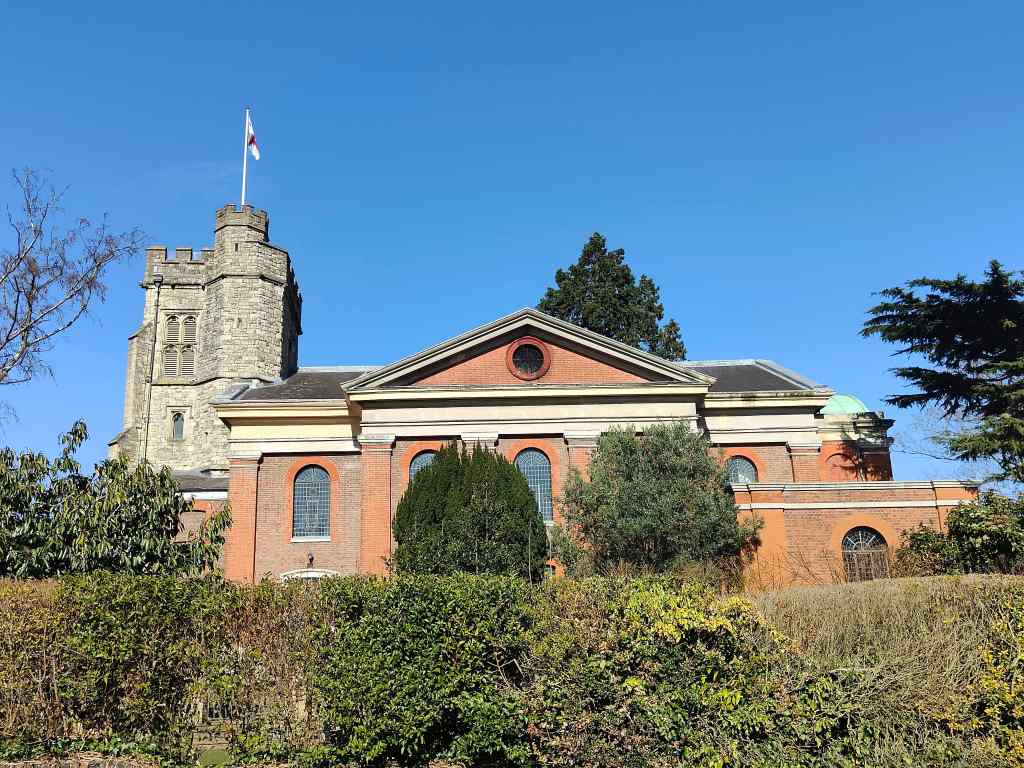
St Mary’s Church, Twickenham Riverside

A small pedestrian bridge leads across the river to Eel Pie Island, one of London’s quirkiest places with an amazing musical history. The island was initially a stop for people making boat trips along the Thames, and from 1743 had a tavern…that may have served eel pies. In 1830, the Eel Pie Island Hotel was built and in 1898 a ballroom was added, serving an elegant clientele until the 1930s. The hotel then went into decline but in the 1950s found a new vocation as a venue for jazz concerts, which in the 1960s turned into rock concerts. An amazing roster of then unknown, but now famous, artists performed there including the Rolling Stones, Yardbirds, Rod Stewart, Jeff Beck, David Bowie, Pink Floyd, Genesis, the Who and Deep Purple. Although the concerts were very successful, the owners did not maintain the venue and it fell into disrepair, causing the local council to revoke its licence. The hotel later burned down, and the land was used to build houses.

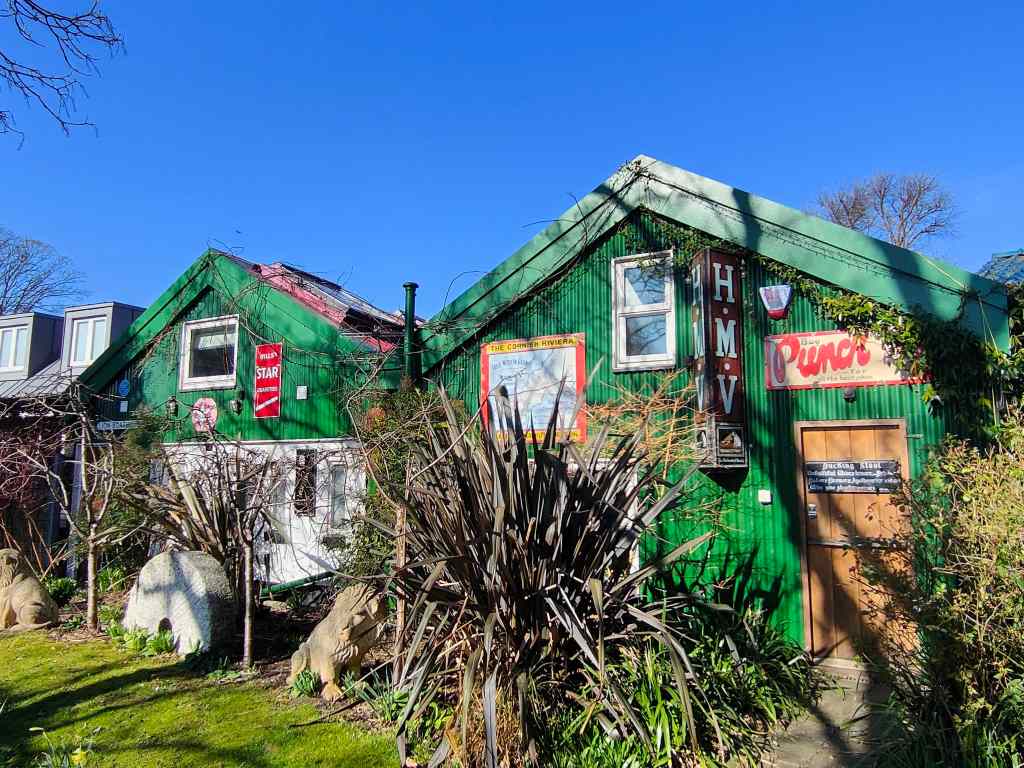
Today Eel Pie Island is an eclectic mix of artists’ studios, houses, rowing and yachting clubs, and boat repair workshops – all still accessed by the pedestrians-only bridge.

On the footbridge to Eel Pie Island looking back towards Twickenham
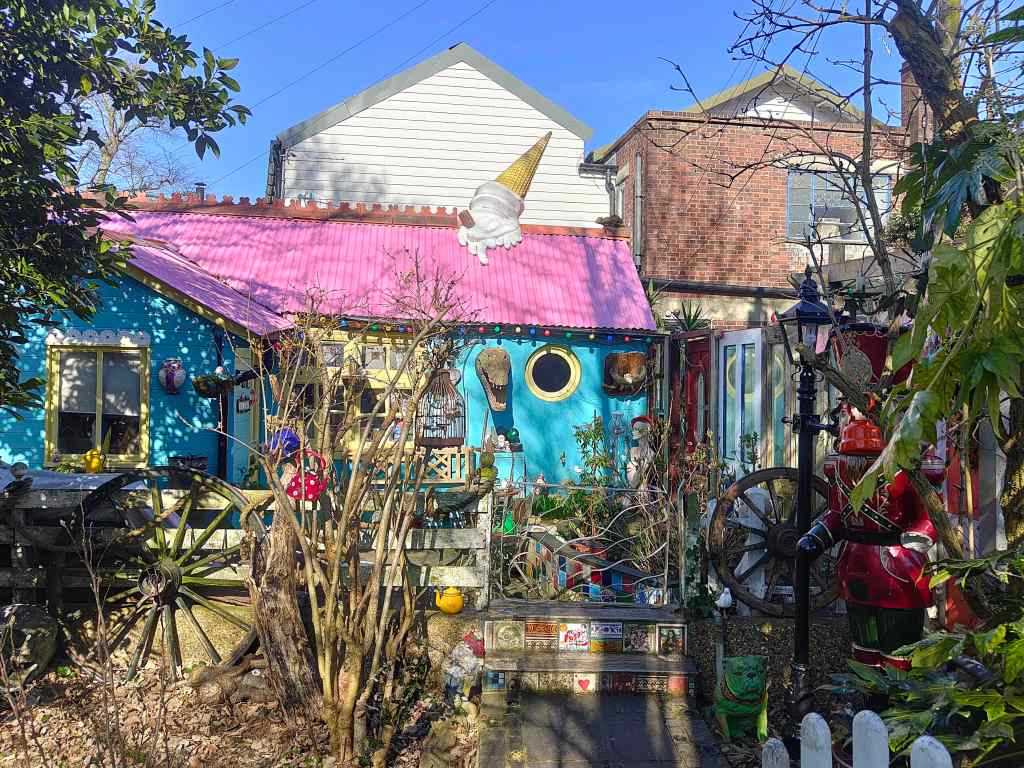
Cool Artists Houses on Eel Pie Island
I have always wanted an ice-cream on my roof
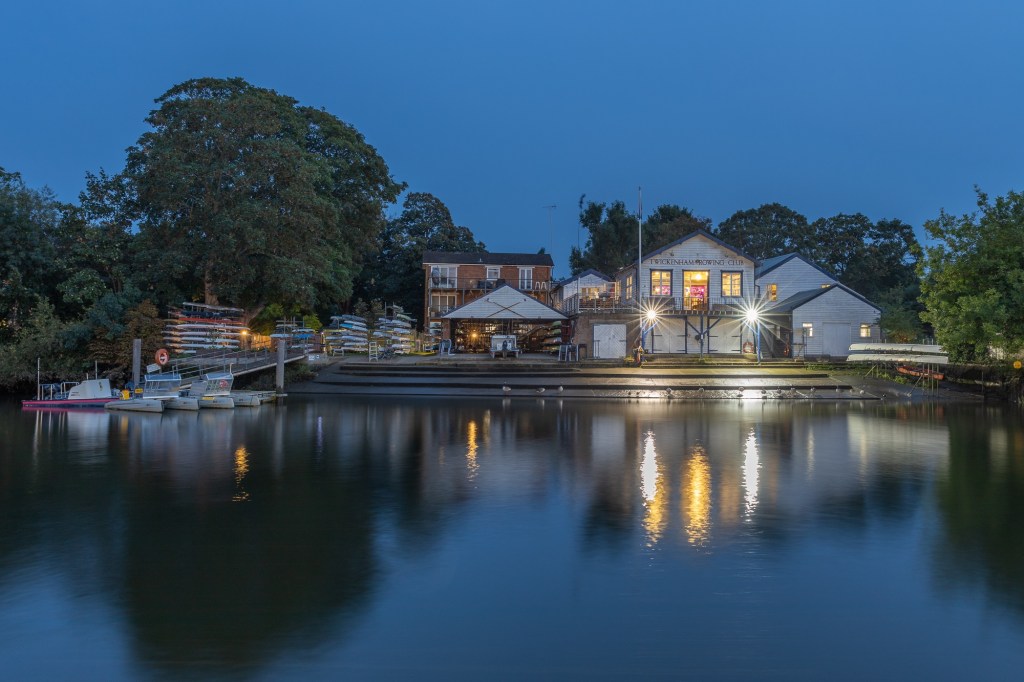
Twickenham Rowing Club on Eel Pie Island (photo courtesy of Colette Hewitt)

That’s it for this post. My next post will cover another interesting place near Richmond, Kew Gardens.

Previous Post: Richmond Park

Blog at WordPress.com.

Up ↑