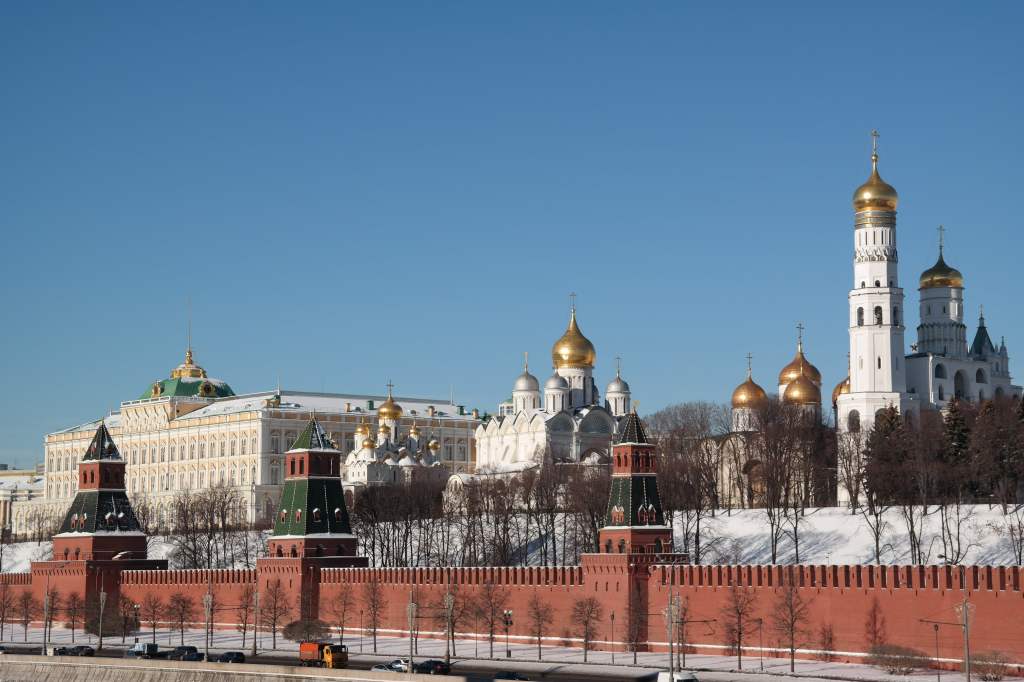
Moscow 2013-2019

The Kremlin on a sunny winter’s day

My previous post was about the dark and wild Moscow I experienced over 2008-9; this one is devoted to the increasingly beautiful city I saw the second time I lived there, from 2013-2019. Even on arriving at Sheremetyevo airport in 2013 I saw many changes – the immigration process had been automated, and the long queues at passport control had disappeared, and a new motorway into the city centre avoided the notorious traffic jams I had suffered before on the old Leningradskoe Shosse. What I saw on arrival was just one part of a huge makeover the city was undergoing. The new mayor had embarked on a binge of construction of new roads and new metro lines, whilst discouraging people from driving into town by limiting parking spaces. The result was that traffic congestion was much improved, as more people took public transport to work – which gives me the chance to talk about one of Moscow’s most famous sights, the Moscow metro.
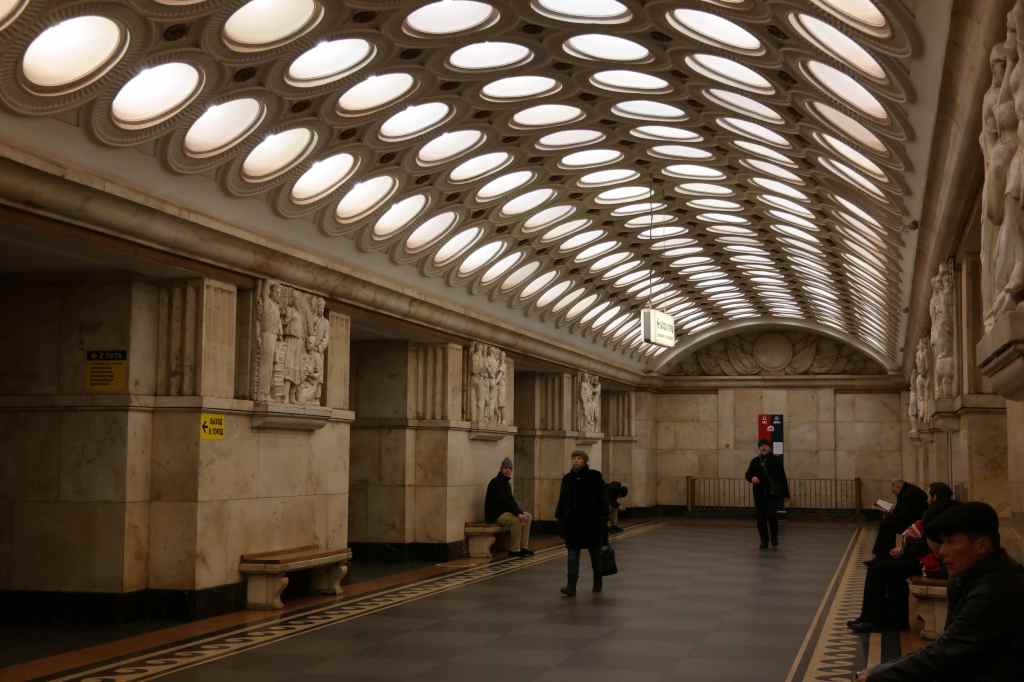
Elektrozavodskaya station, one of my favourites

The metro is famous for its beautiful stations, of which around fifteen stand out. They showcase the triumphant, imposing and bulky Soviet style, with high ceilings, ornate columns, large chandeliers and pictures or mouldings of Soviet heroes like soldiers, workers or farmers. They were intended to be “underground palaces of the people”, and it was said that each was made to look different, so that illiterate peasants arriving in Moscow could know where they were.
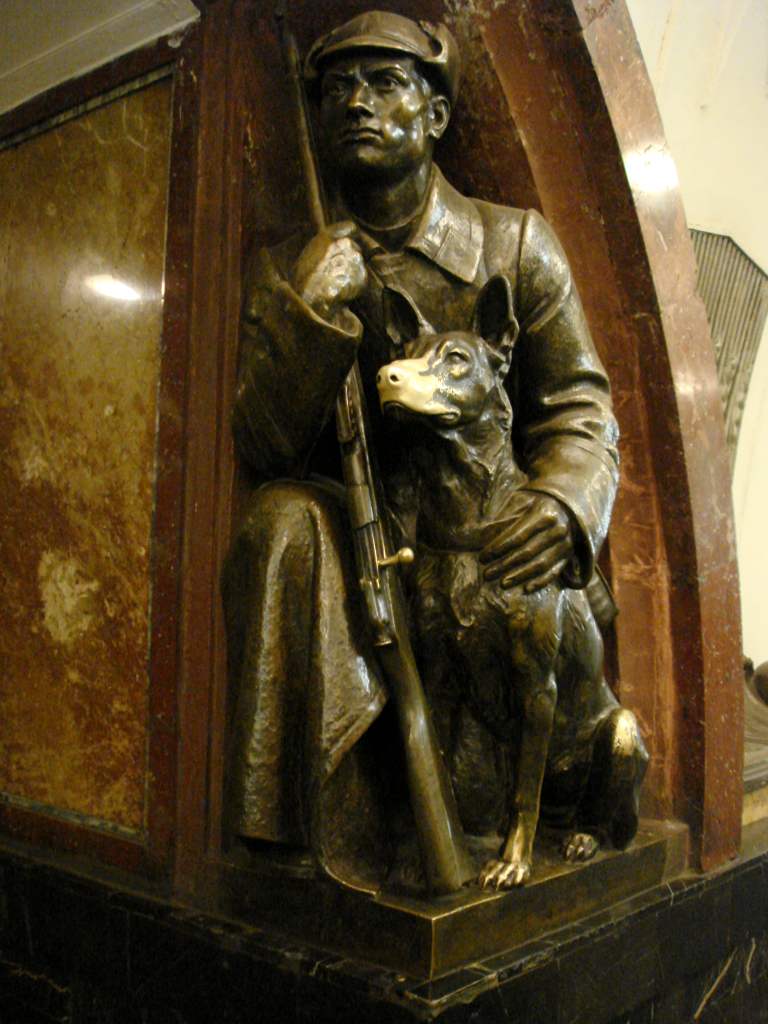
The partisan soldier and dog, Revolution Square station

My favourite was Revolution Square, where the Soviet heroes were cast as bronze statues; there is a famous soldier with a dog, whose snout was a bright shiny gold from being touched by millions of passers-by, who believed that rubbing the nose brought luck. The first parts of the Metro were completed under Stalin, including the circular brown line which has some of the most impressive stations. Legend has it that whilst Stalin was discussing plans to develop the system with his subordinates, he put his coffee cup down on a network map, leaving a brown coffee-stain ring – which became a new line.

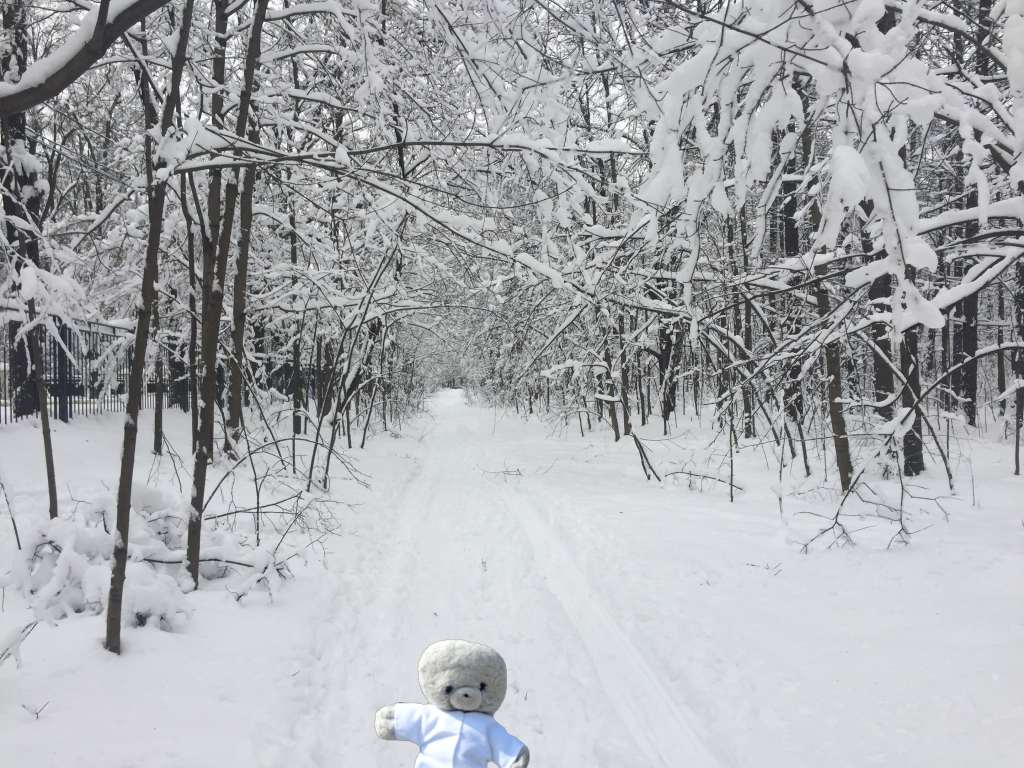
The reduced traffic in Moscow led to improved air quality, and an end to the smog that used to hang over the city most of the winter. On a sunny day, this was replaced by bright blue sky and at weekends I would enjoy going cross country skiing in locations like the huge botanical gardens.
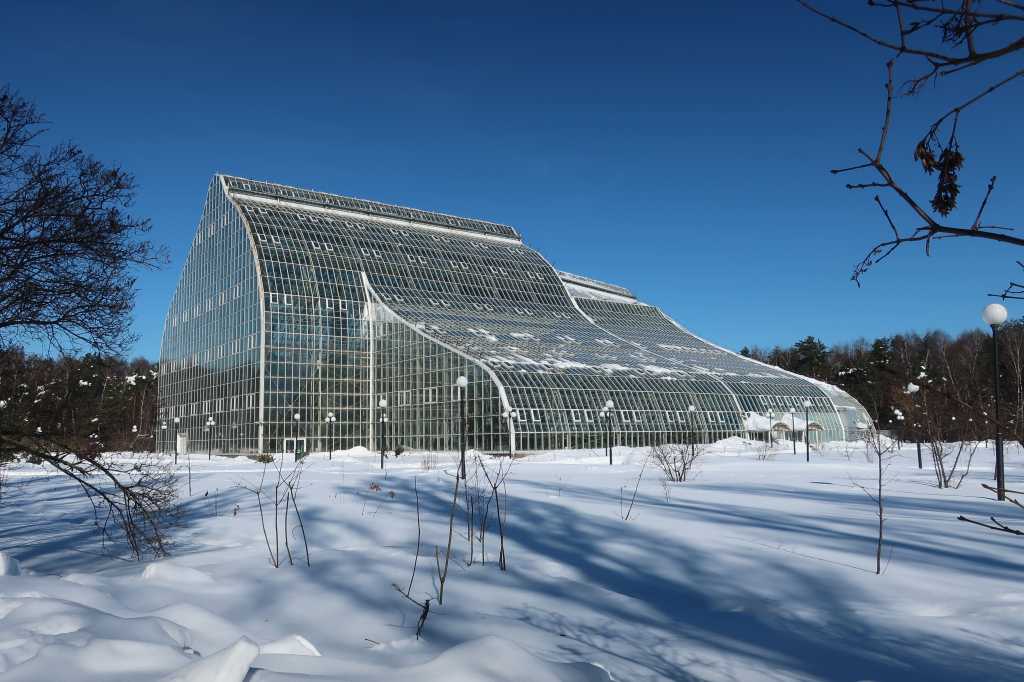
Futuristic glass house in Moscow’s amazing botanical gardens
Getting lost on a ski track in a Moscow park

The mayor’s public works binge also included digging up most of central Moscow to lay smart new granite pavements. For two years this effort turned the city centre into a big building site, and a vicious (but false) rumour circulated that mayor’s wife owned a business making paving stones.

The road near my flat in 2017

The work was finally finished in 2018, just before Russia hosted the football world cup. Even those that had suffered from the years of roadworks had to admit that the city looked much smarter as a result. All of this spending on public projects left a city that was bright, beautiful and comfortable – a complete contrast to the dark, intimidating but slightly more fun version of Moscow that I had experienced over 2008-9.
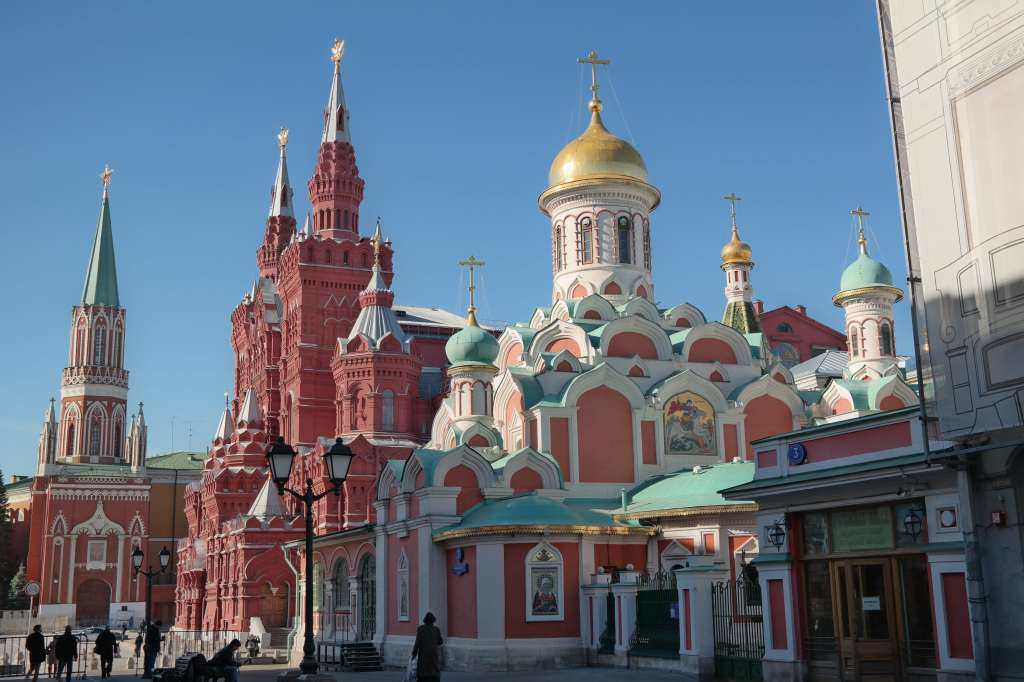
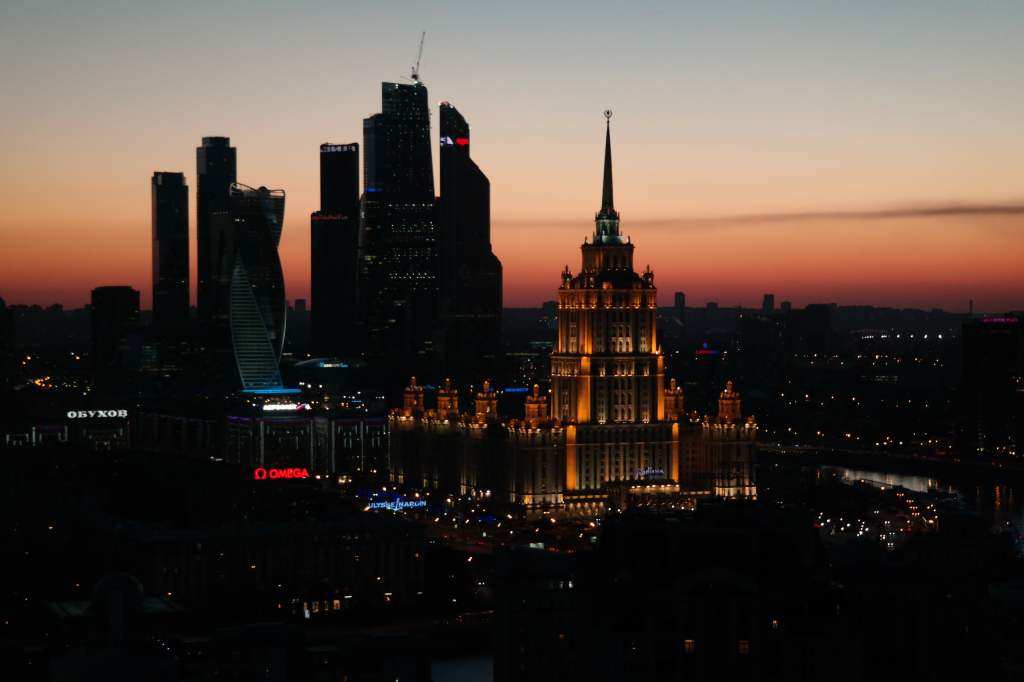
Moscow after the roadworks – near Red Square in 2018
View of the Ukraine Hotel and Moscow City business district

However, this transformation of Moscow was accompanied by increasingly worrying developments in Russia’s social and political scene, as the country changed from a shaky democracy to absolution rule by Putin. 2014 saw Russia’s annexation of Crimea, a very popular action in Russia generally.
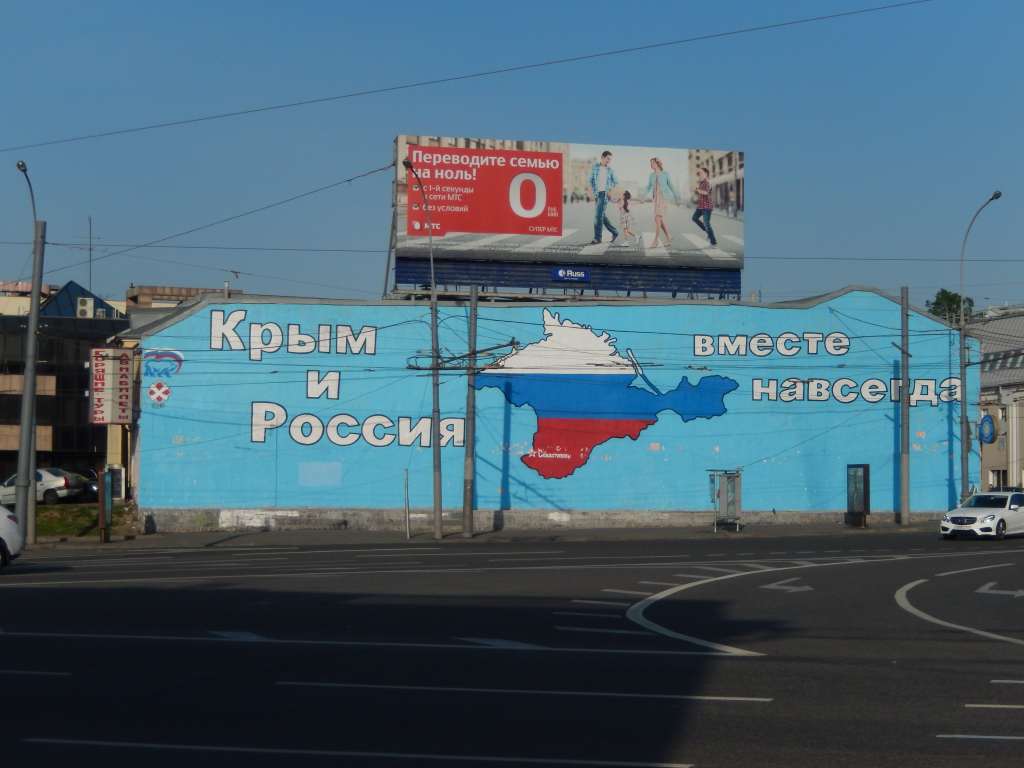
Street Art in 2014

…and 2015 saw the assassination of the opposition leader Boris Nemtsov on the bridge leading to the Kremlin, in the very centre of Moscow.  For many years after, supporters laid flowers on the spot where he was killed.
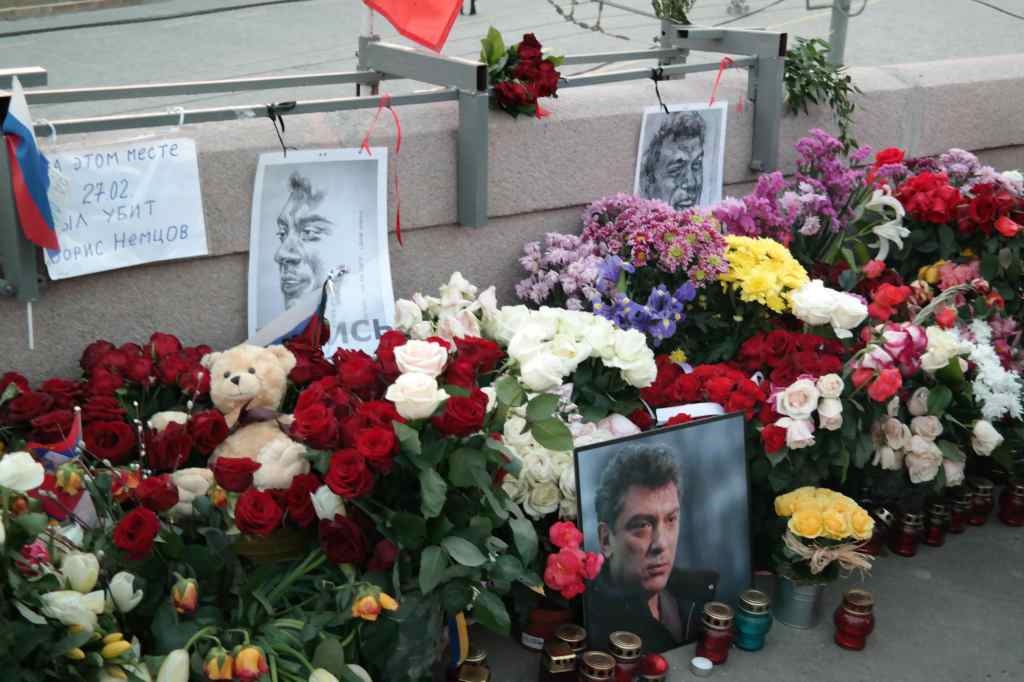
Memorial to Boris Nemtsov

It would be sad to end this post on such a downbeat note, so I will finish by describing yet another of the mayor’s project’s – the new Zaryadye Park, inaugurated in 2017. This was built on the site of the abandoned building site and derelict hotel described in my previous post.
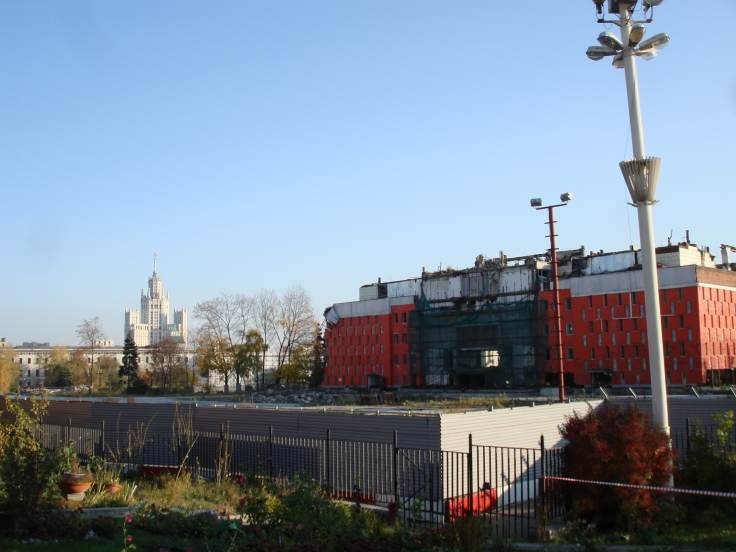
The Hotel Rossiya ruins in 2008….

They were replaced by gardens, an artificial hill with views over the Kremlin, yet another concert venue, and a restaurant complex. It was a brilliant project, and shows what Russia is capable of when money is put to good use instead of disappearing into well-connected people’s pockets.
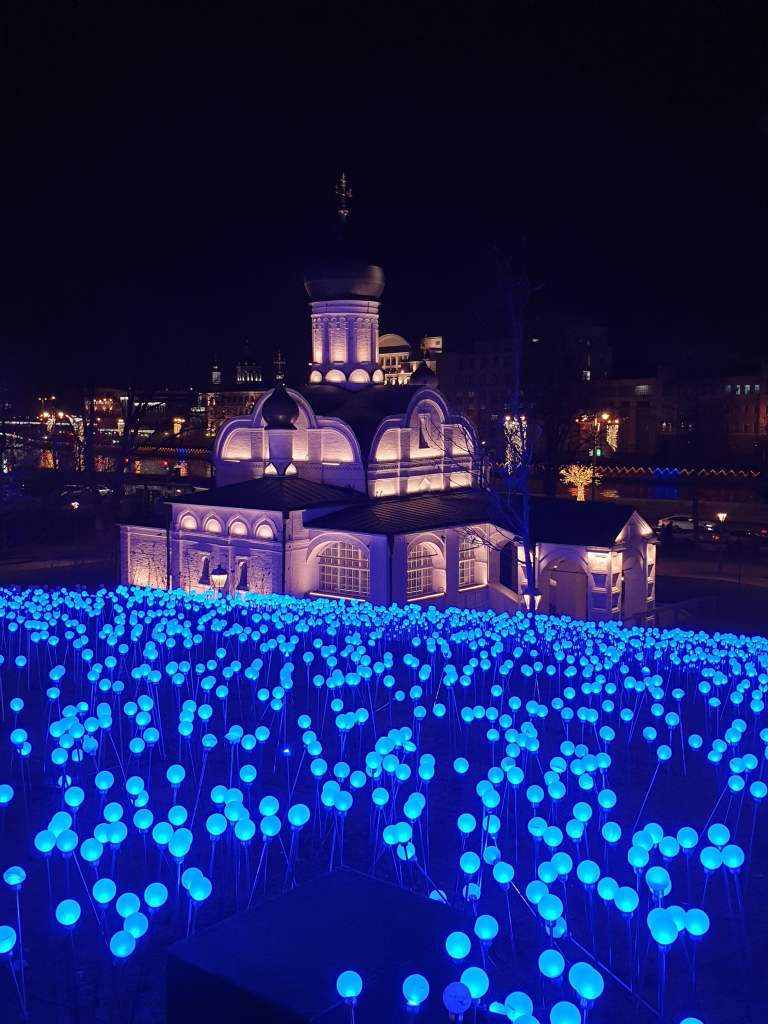
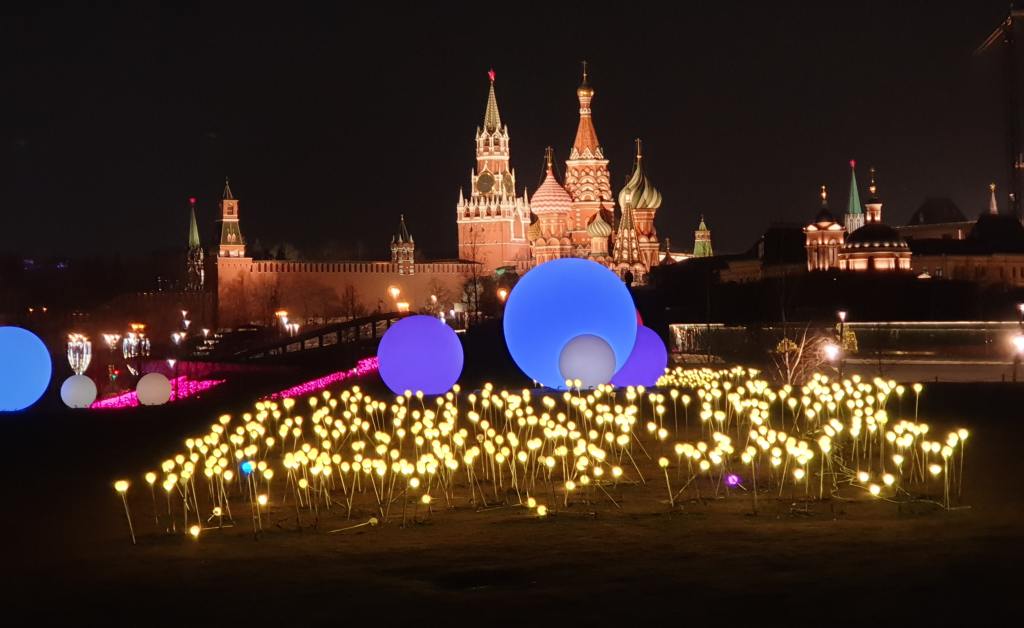
…and views from Zaryadye Park’s artificial hill in 2018

And the Stalin building you can see lurking behind the decaying hotel in my 2008 photo? That is still residential accommodation, but some of the units were now available for hire as really cool Airbnb stays. I booked one for my last trip to Moscow in 2021, with an incredible view of the city from my window.
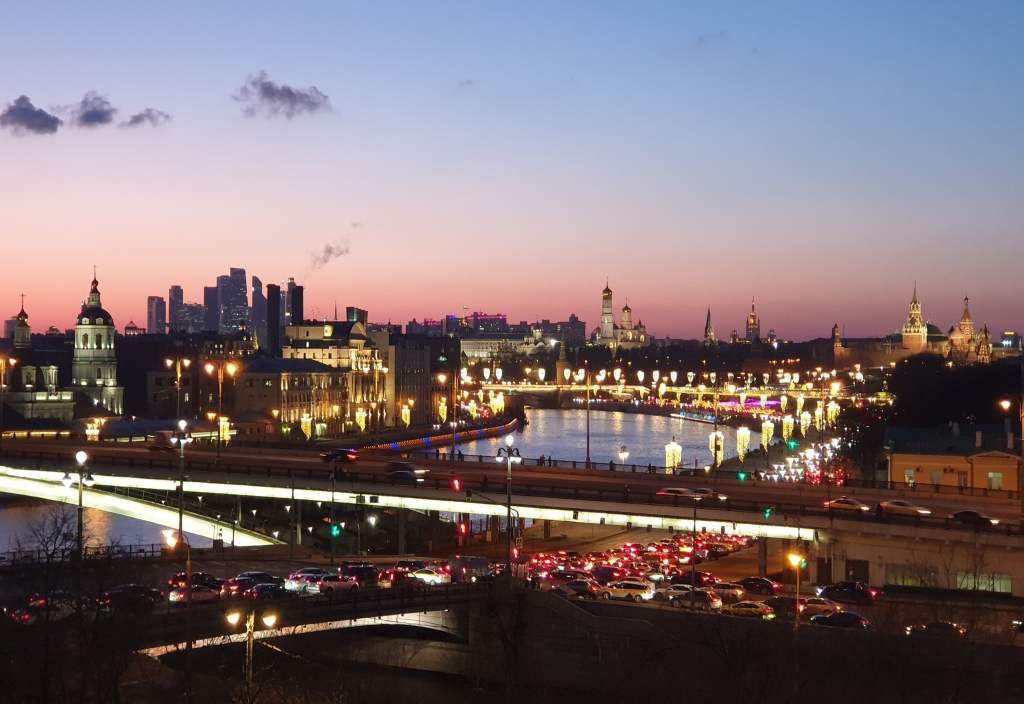
View from my Airbnb in the Stalin Building, 2021

It was a wonderful way to say farewell to a city that I had seen transformed in just a few years. I left with a heavy heart, and am not sure when I will be back, but at least I have these photos, many happy memories, and many Moscow friends. My next post continues my journey around Russia, this time visiting the Caucasus near the border with Georgia.

Previous Post: Moscow 2008-2009

Next Post: The Russian Caucasus
Moscow: 2008-2009

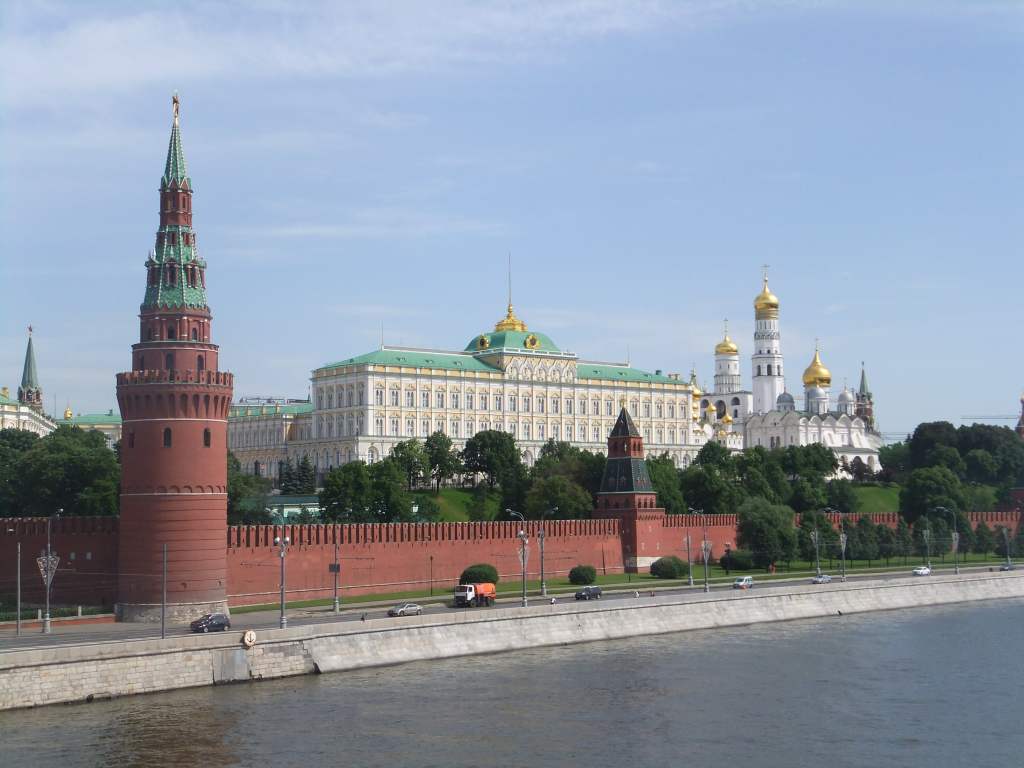
The classic view of Moscow – the Kremlin

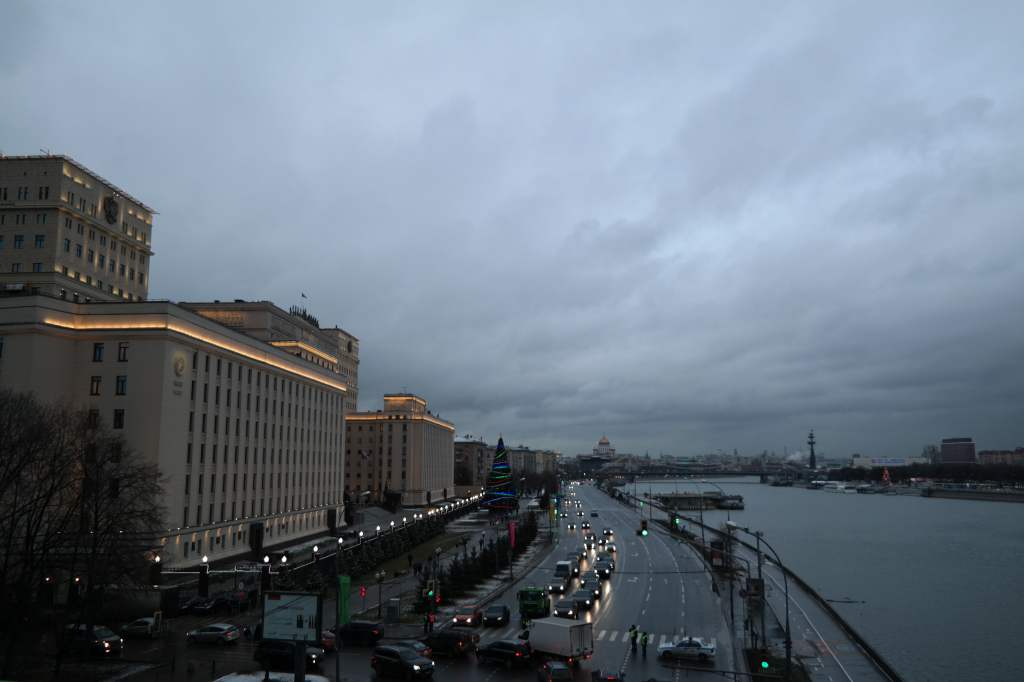
In the next couple of posts I will cover Russia’s capital city, Moscow. I lived there twice, from 2008-9 and from 2013-2019. The two experiences were completely different, and in this post I will describe the Moscow of the earlier years. I arrived in December 2007, just in time for the Russian winter, and my overwhelming memory of this time was of dark, grey skies, intimidating buildings and insane traffic jams.

Moscow in Winter – 2008

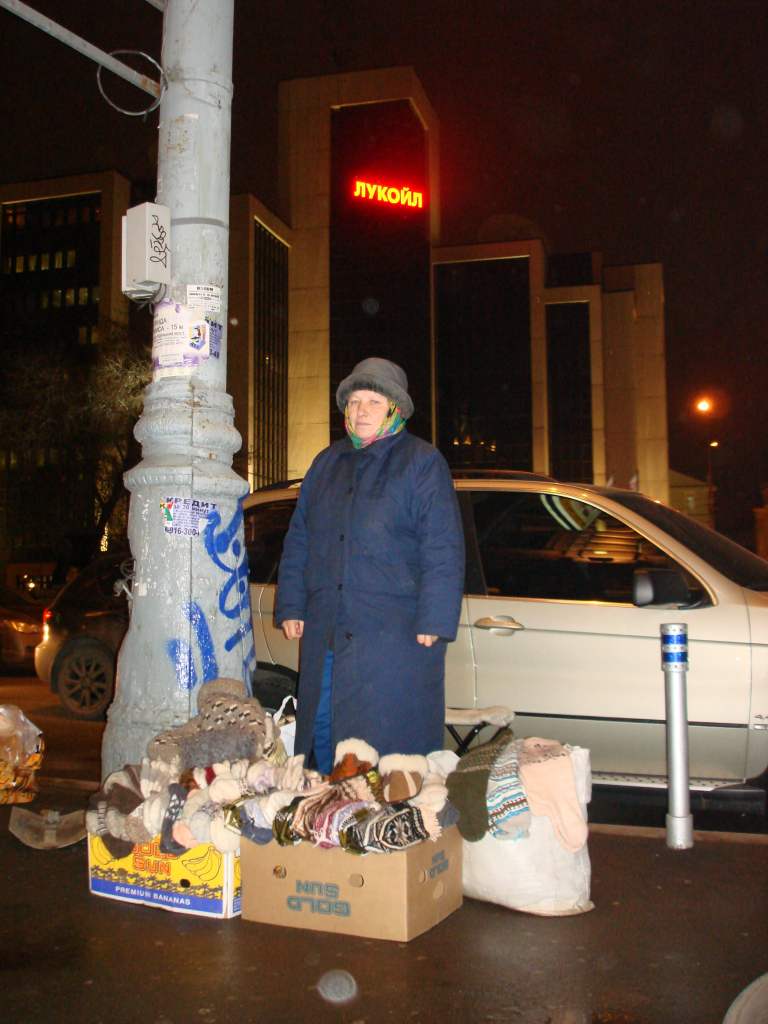
The streets were cold and unfriendly. There were a lot of stray dogs roaming around, a few beggars and homeless people, and old “babushkas” trying to make ends meet by selling items they had knitted.

Babushka selling knitwear

My own flat was in a well-known building, the Dom Rossiya, built just before the revolution to provide flats for Moscow’s emerging middle class. After the revolution it was converted to communal flats for workers, with each large apartment converted into several small ones, accessed from a long corridor leading to a communal kitchen. With the return to capitalism, many of these “communalkas” had been converted back into large flats, offices, or artists studios. Dom Rossiya’s many entrances and staircases were a hive of activity and each was slightly different. Mine was particularly run-down, and often smelt of urine, since homeless people (“Bomsh” in Russian slang) would come in and sleep there at night. But once I crossed the threshold of my flat, I entered a completely different world………..a 300m2 apartment, of which half had been designed as a venue for concerts, with rows of seats on two levels in a semi-circle around a grand piano.

Inside my flat, Moscow

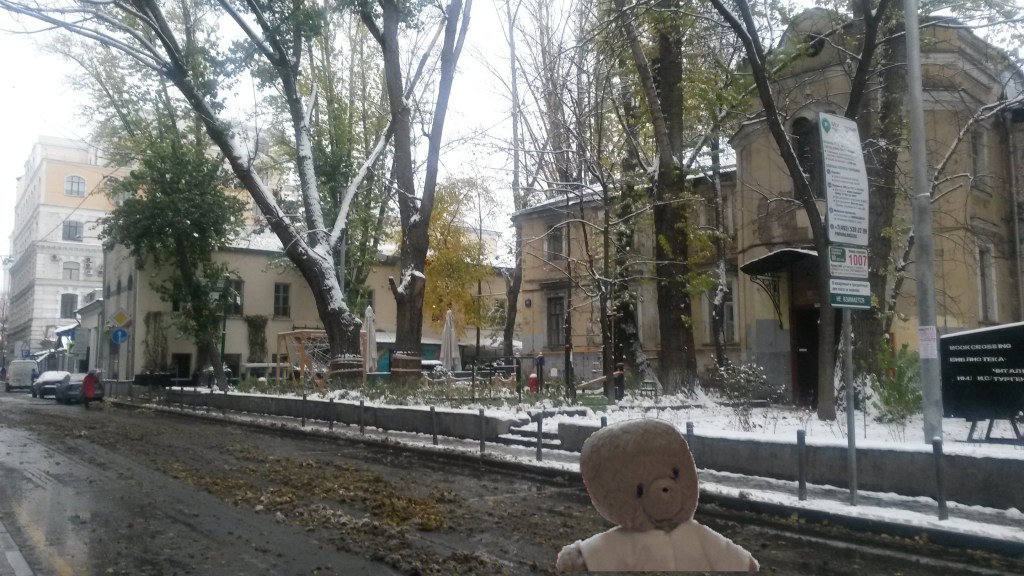
Many people assume that the Russian winter is hard to live through because it cold, but is not true – the interiors of buildings are kept warm (and often uncomfortably hot) by a huge city-wide communal hot water system. No, the Russian winter of 2007-8 was hard because of the lack of light. For five months the sun rises late and sets early, and even during the day the sky was usually a dark grey colour, as the city was covered with the smog from thousands of old cars sitting in huge traffic jams. After the long winter comes a short spring, but things don’t get much better. The winter snow thaws and turns into a yucky brown slush that coats your trousers and shoes.

Moscow in “spring”

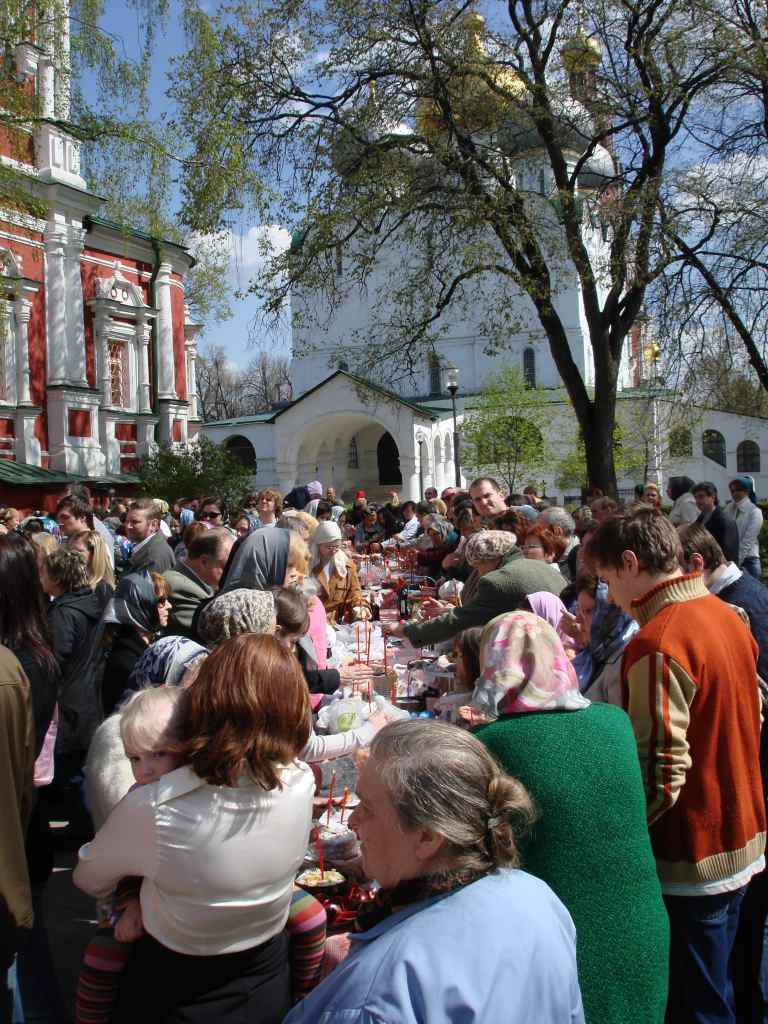
Finally, the snow melts away and the good weather arrives – and everyone leaves their cramped apartments and comes outside to celebrate. Sometimes this happens early with the orthodox Easter in late April or early May…….

Easter Celebration, Moscow 2008

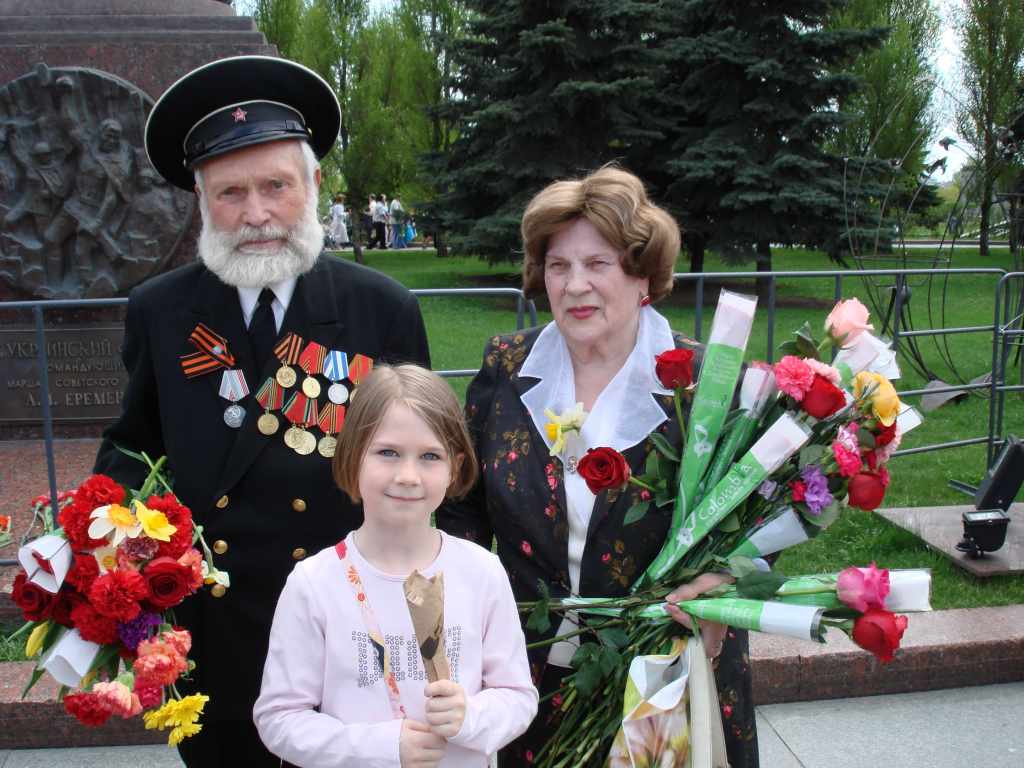
But more traditionally the good weather starts around Victory Day celebrations on the 9th, which are taken very seriously in Russia, a country that lost around a quarter of its population during World War II through military action or starvation. Of course, there is the famous parade on this day, but there are dozens of other activities taking place all through the city – concerts, lectures, fairground activities, street stalls selling WWII soldiers’ rations…. In 2008, there were still some war veterans alive, and there was a touching tradition of people offering them flowers.

Victory Day Veterans, Moscow 2008

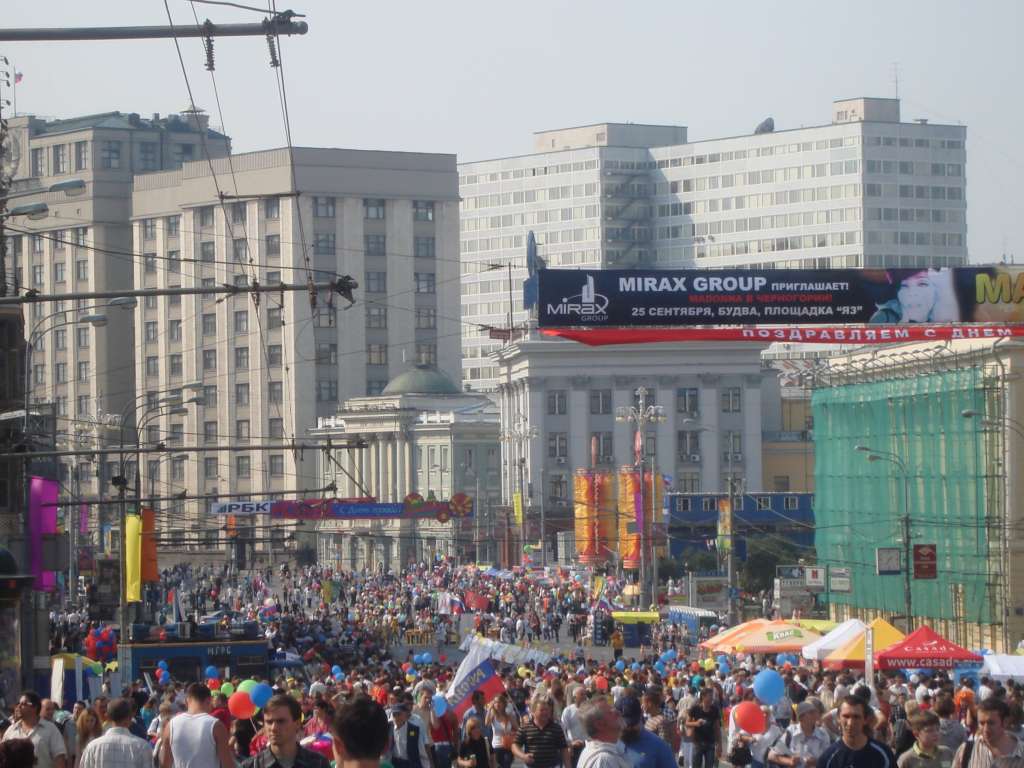
June, July and August bring the Russian summer. Just as winter is cold and dark, the summer is warm and light. The sun seems to hang in the air as a great glowing ball of fire, reluctant to dip below the horizon, and bathing the city in a strange orange light. The streets, once lonely and cold, fill with people enjoying drinks on pavement cafes, listening to excellent street performers, or simply strolling around and enjoying the weather.

Moscow City Day, 2008 – crowds on the street

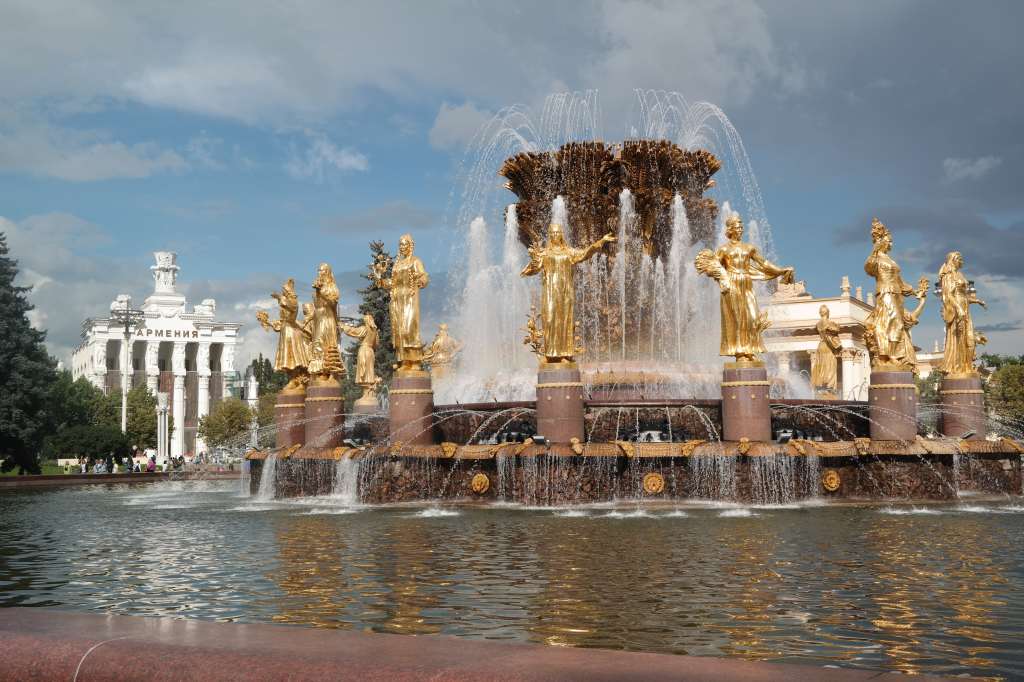
Apart from enjoying central Moscow, summer is also a great time to visit some of the attractions a bit further away, like VDNK, an exhibition centre built to celebrate the different republics that made up the Soviet Union and their supposed harmonious friendship….

The Fountain of the Friendship of Peoples at VDNK

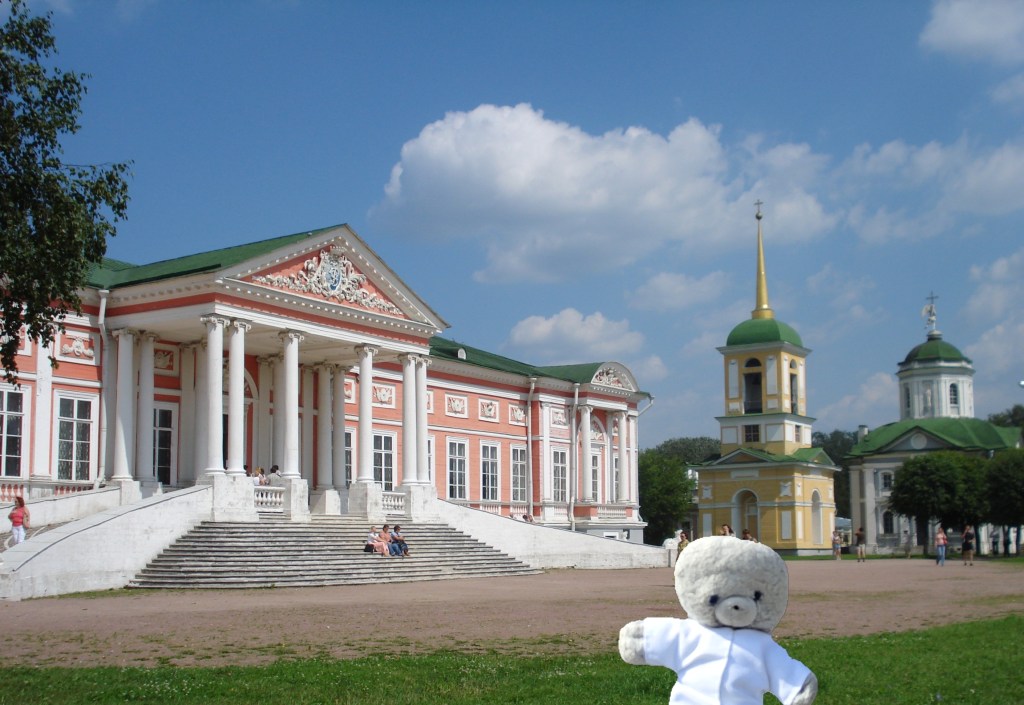
….or some of the old aristocratic or royal palaces that surround the city

A palace near Moscow

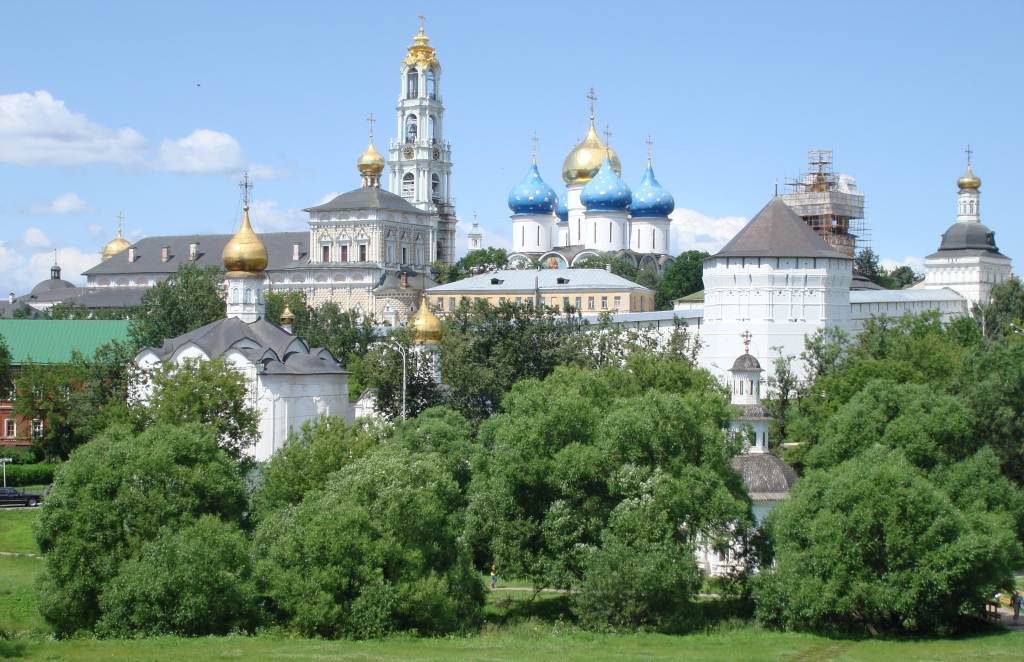
….or  the pretty towns of the “Golden Ring”, like the important religious centre, Sergeev Posad.

Sergeev Posad near Moscow

The Moscow autumn is very short. The weather beings to change in September. In October, the leaves suddenly fall from the trees over a couple of short weeks and in November, the first snow usually falls, and the long winter begins again.

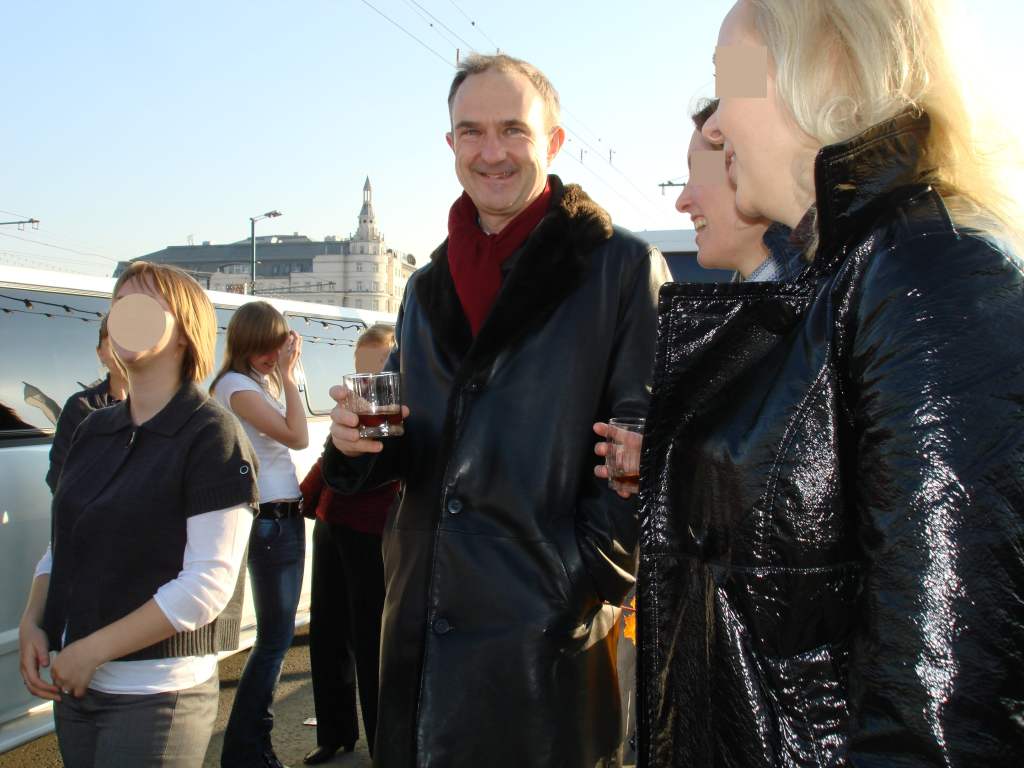
The Moscow of 2008-9 was an amazing place, full of contradictions and (usually pleasant) surprises. At first site, the Moscovites were a dour, unsmiling bunch, but once I got to know people, I made many lasting friendships. The city felt safe, because there were always lots of police on the streets, but in my relatively small expat community there were several violent deaths from bungled robberies or traffic accidents. When you went out, you could never be sure how the evening would end – quietly going back home or getting caught up in some drunk adventure with crazy Russians. One day I was walking over the bridge leading to the Kremlin with my chief editor, when we were accosted by a group of very merry ladies who were standing next to a stretch limousine and drinking cognac. They invited us to go for a drive, and……. the rest of the story can be read in my book, Caviar, Vodka and Tears.

My editor getting into trouble again…

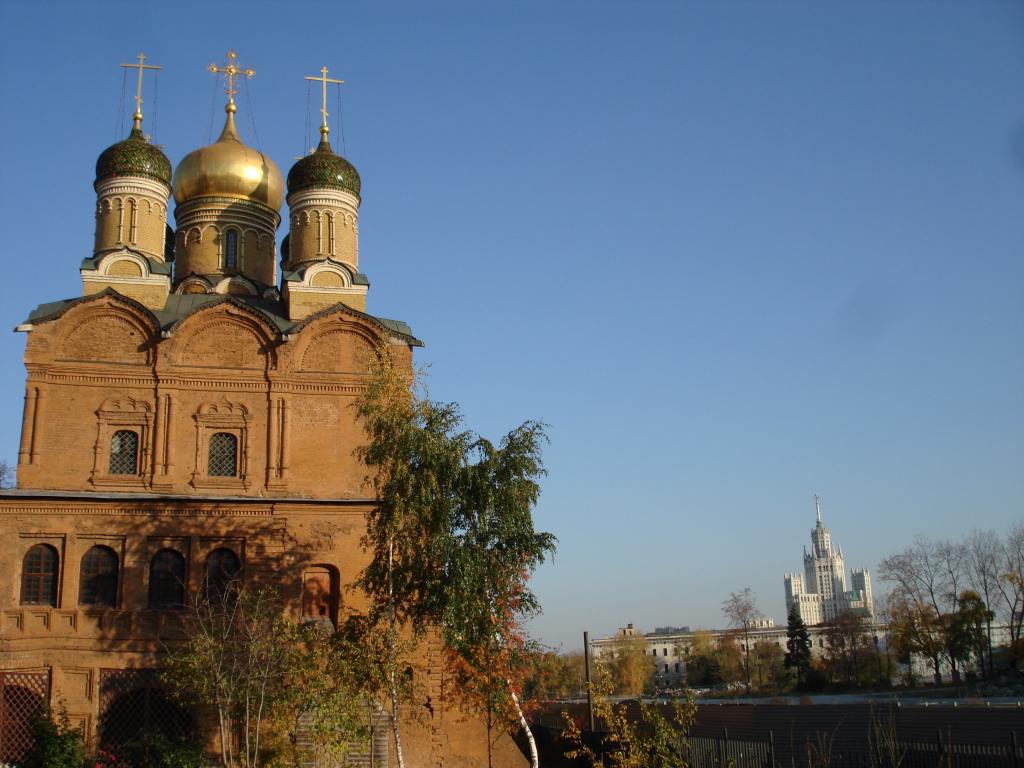
There was one special place that for me summed up the chaotic Moscow of 2008-9. It was a small parking area a short distance away from Red Square and was usually deserted. Directly in front of me, was a beautiful 17th century orthodox church.  In the distance on the horizon, stood one of the “seven sisters” – impressive buildings commission by Stalin to celebrate the might of the Soviet Union.

My favourite Moscow view, left hand side….

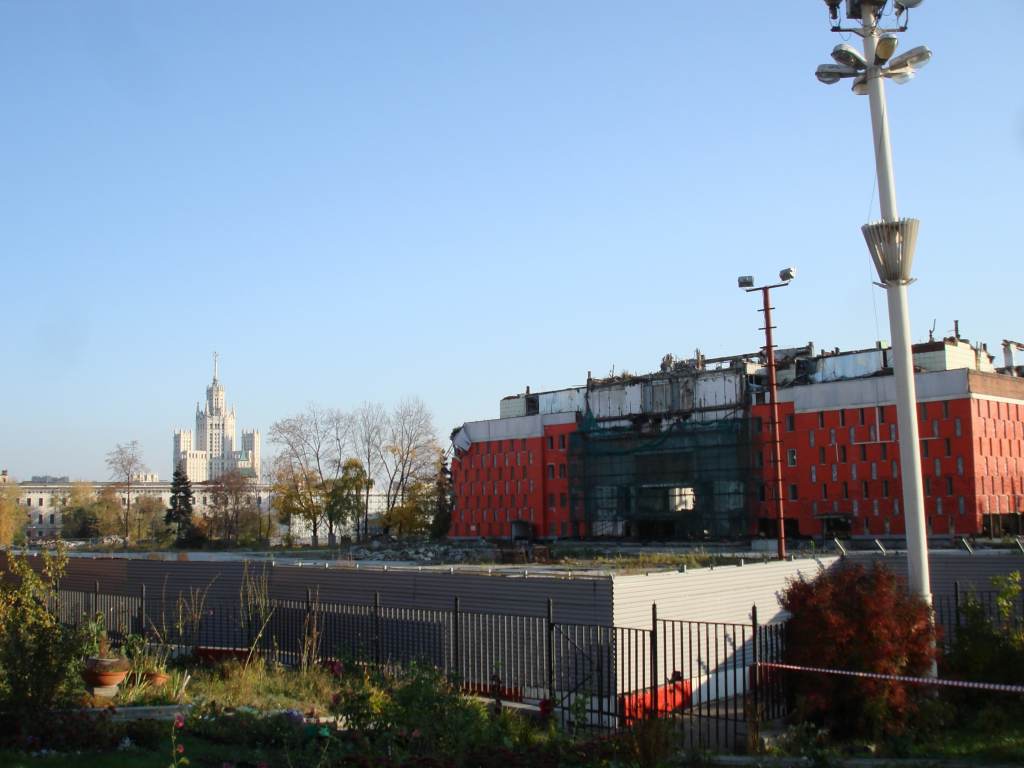
And to the right was the shell of an abandoned hotel surrounded by waste ground. This was the once elite Rossiya Hotel, used to accommodate dignitaries visiting the Kremlin. It was finished in 1967 but aged rapidly and was closed in 2006. A project was agreed to convert the area into an entertainment complex, but the developer who won the contract was accused of corruption and fled to the UK, leaving the decaying site you can see in the photo below.

…and right hand side

The power of the church, the state, and omnipresent corruption – this one vista summed up contemporary Moscow perfectly.

My next post will present the Moscow  of 2013-2109, a city transformed by massive investment. Stay tuned to see how it changed and what happened to my favourite view!

Previous Post: Off the beaten Track in St Petersburg

Blog at WordPress.com.

Up ↑