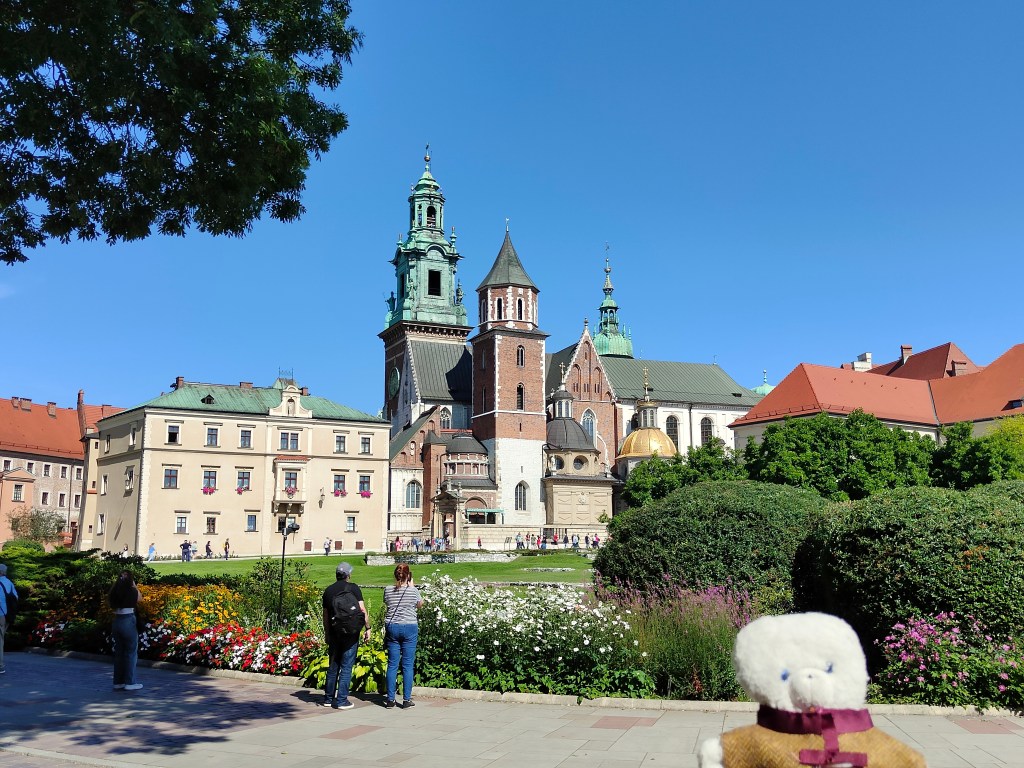
After my harrowing visit to Auschwitz, I returned to Krakow for a couple of days at the end of my trip. The weather had become cloudy, but I still enjoyed visiting the old town again.
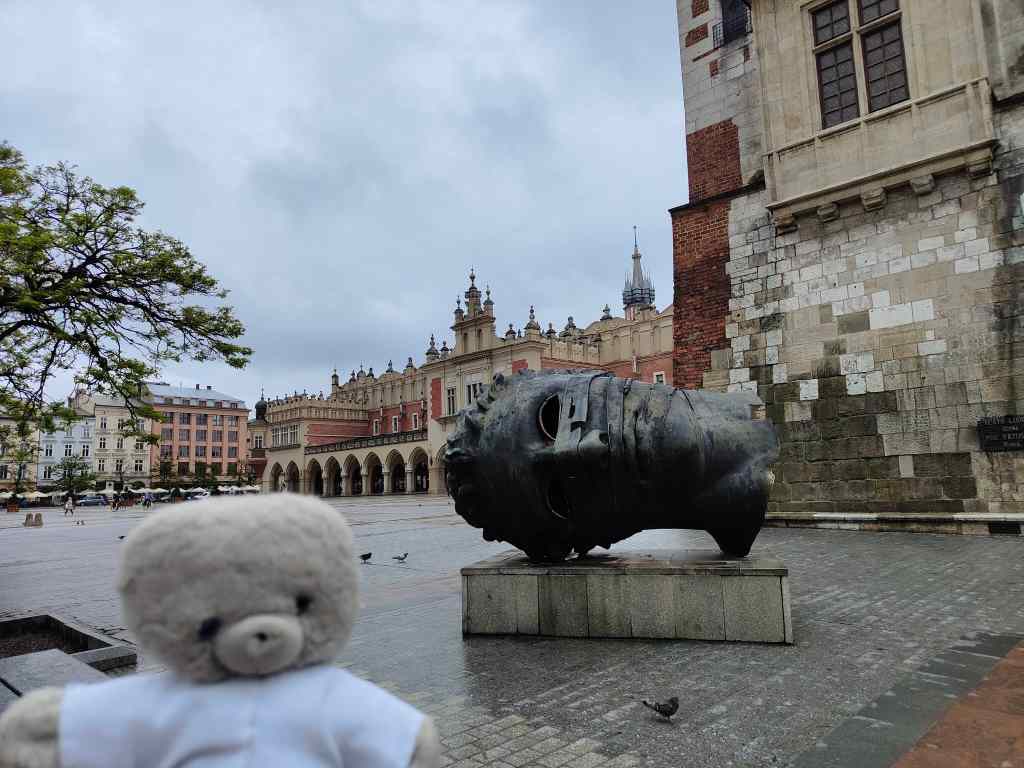
I visited a few of Krakow’s indoor attractions, such as the Czartoryski Museum, which houses an eclectic collection of paintings, military artifacts and sculptures. The highlight of the museum is the famous picture “Lady with an Ermine” by da Vinci. It is a beautiful painting, but my enjoyment was a bit spoilt by the constant stream of tourists taking pictures. I decided that if you cannot beat them, join them, and took my own snap.

My next indoor attraction was the Pharmacy Museum, housed in a pretty old house. It was an atmospheric place, with bottles of strange drugs and herbs everywhere. It also had a few unexpected hazards for small teddies like me.

In the afternoon I visited the famous UNESCO listed salt mine at Wieliczka, a short taxi ride to the south of Krakow. Salt has been produced at this site since neolithic times, when people took brine from salty springs and evaporated the water in the sun. In the 13th century, salt rocks were found under the ground and mining developed rapidly. Under King Casimir the Great in the 14th century, revenues from salt were thought to make up a third of the country’s budget.
Over the centuries that followed, the mine developed to comprise 9 levels, the last one 327 metres below ground, and 245 km of passageways. Production of salt stopped in 1996, and the mine now operates as a tourist attraction, welcoming two million visitors per year. I arrived to find tourist visits were organised with an almost industrial efficiency. Groups of up to thirty people assemble at reception at the surface and are led down into the mine by a guide for the two-to-three-hour tour. A new tour sets off every ten minutes.
The route for visitors includes only around 2% of the total length of the mine’s galleries, reaching the fourth level underground. It was quite chilly in the mine, and I was grateful of my fur to keep me warm. We passed old mining equipment, salt lakes and huge chambers carved out by the miners.
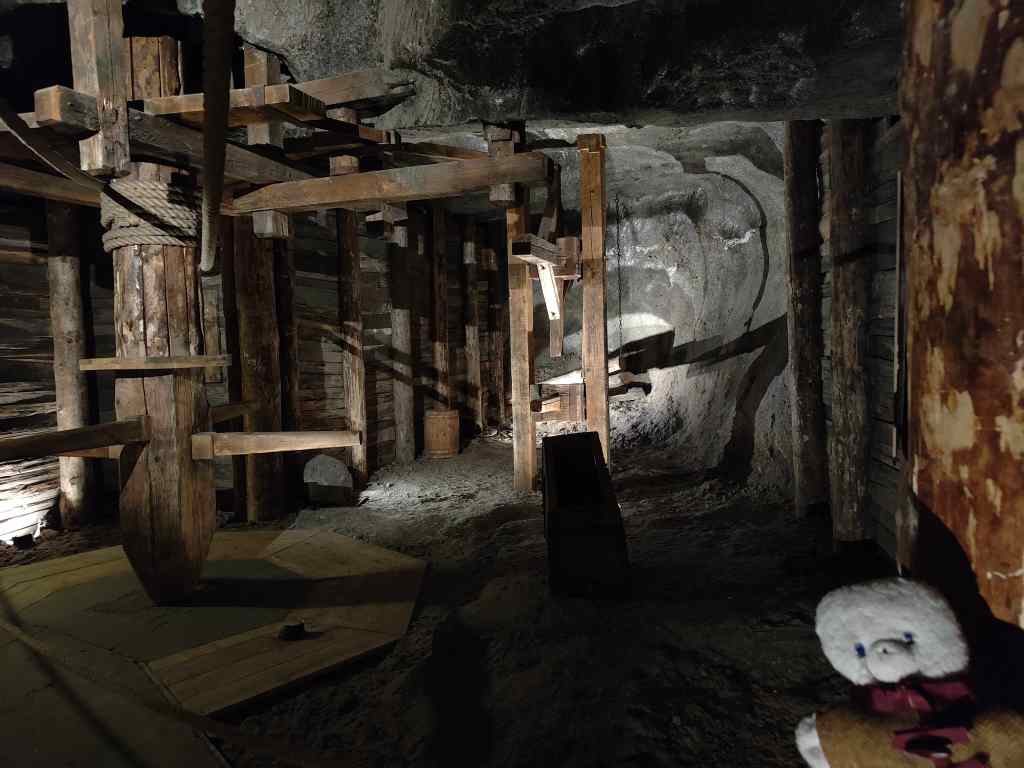
Highlight of the mine is an St Kinga’s chapel, a church, carved out of the salt rock, with many statues and bas-reliefs carved out of salt. The chapel is an active place of workshop, but only miners and their families are allowed to attend services there.
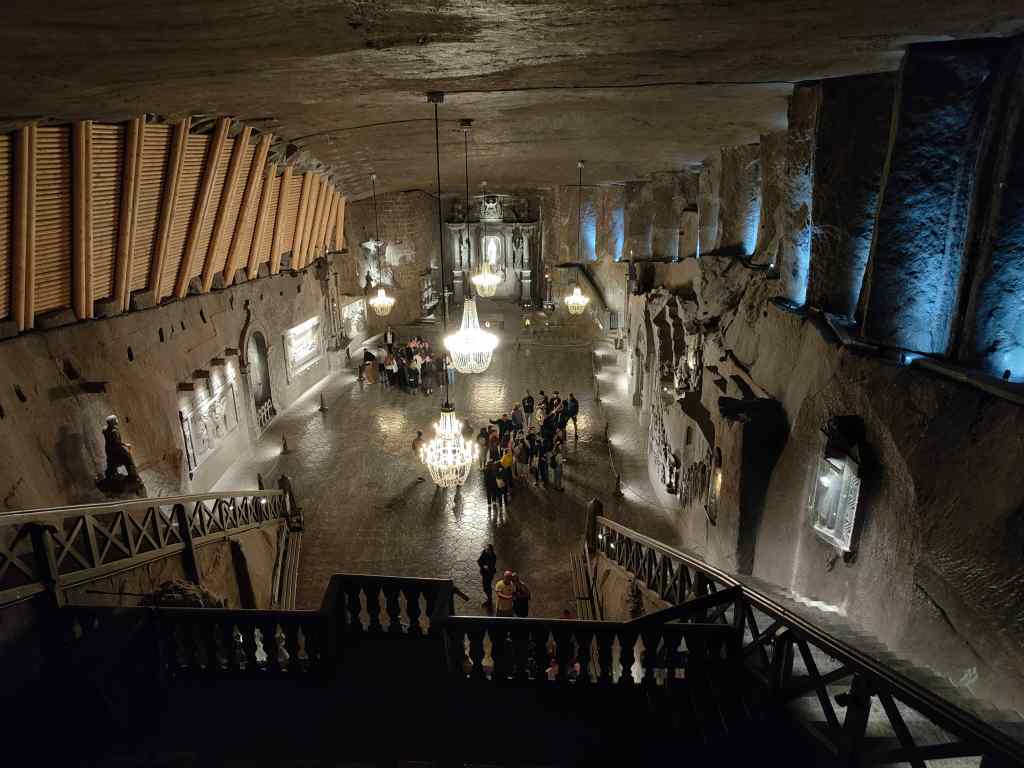


Visitors have been coming to see the mine since the 16th century, and a large underground concert hall was created where they would listen to music.
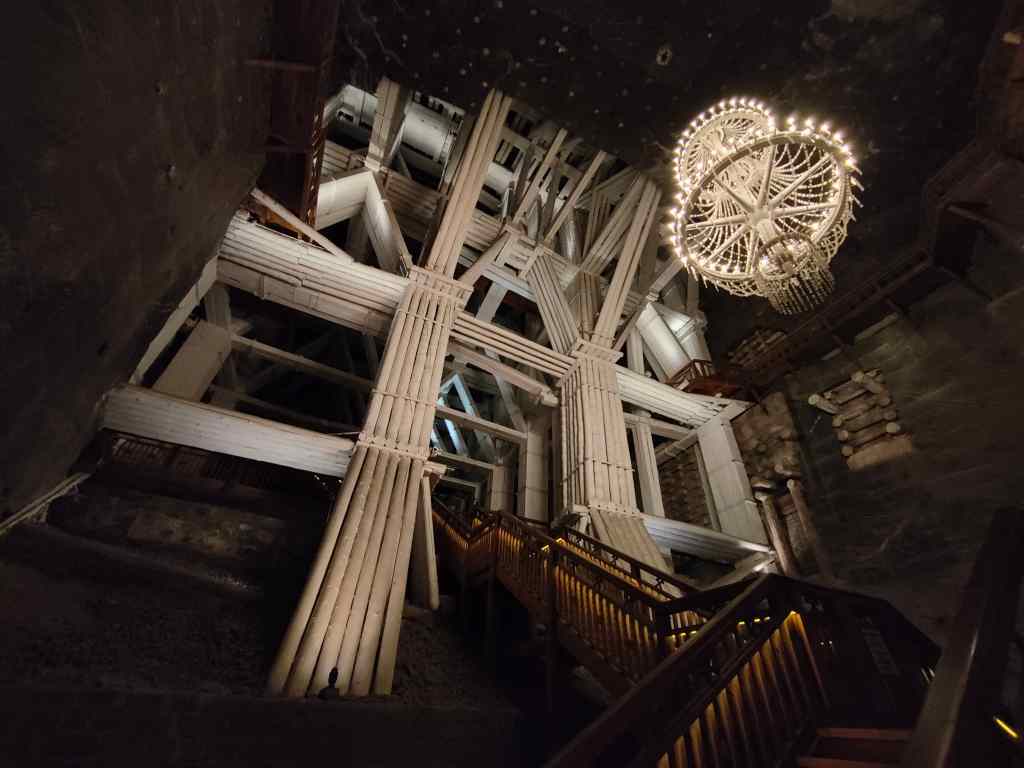
I found the mine very interesting, but was a little puzzled that it was, apparently, Poland’s most visited tourist attraction. Back at the surface, I warmed myself in the early evening sun before heading back to Krakow, where I explored the Jewish part of the city in a suburb called Kazimierz. During the second world war, this area was where the Jews were forced to live in a walled-off separate ghetto, before they were transported to concentration and then extermination camps. After the war only 3% of Poland’s Jewish population remained, but the few survivors have managed to recreate some of the character of Kazimierz, with many Jewish restaurants and a few remaining synagogues.
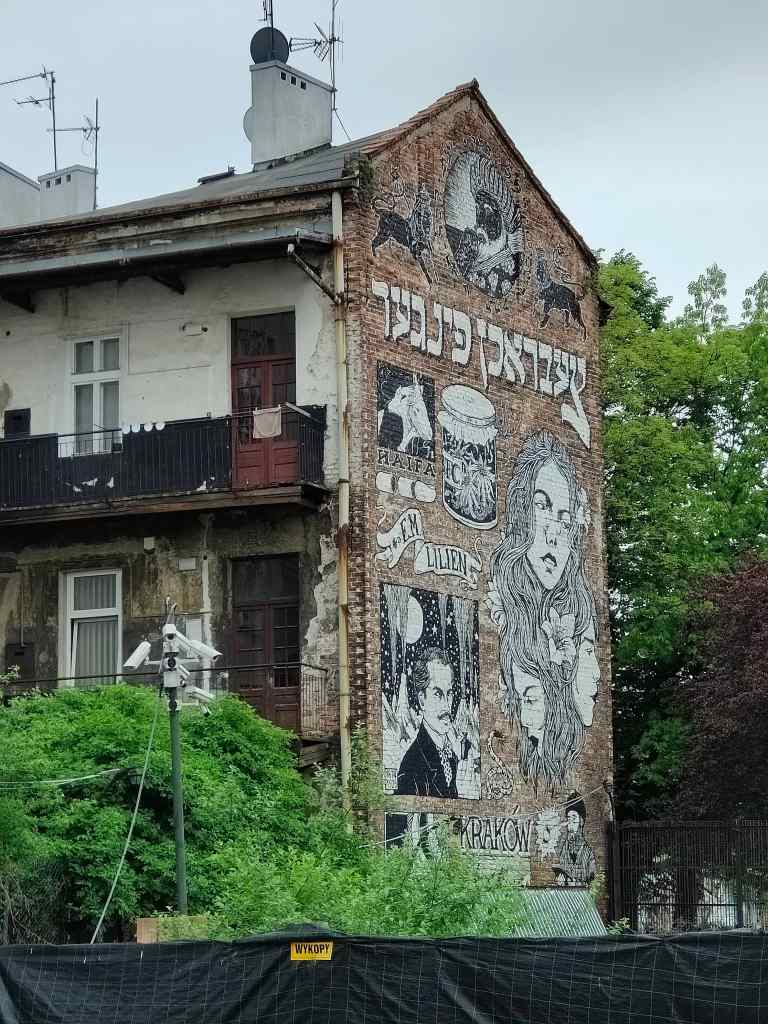
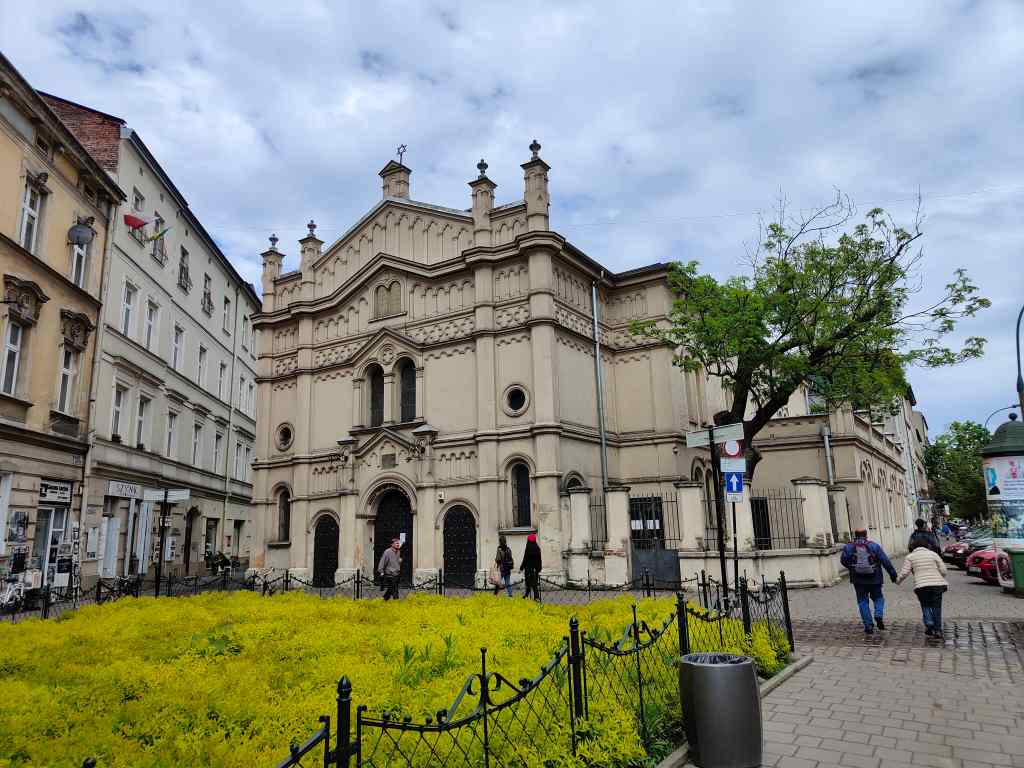
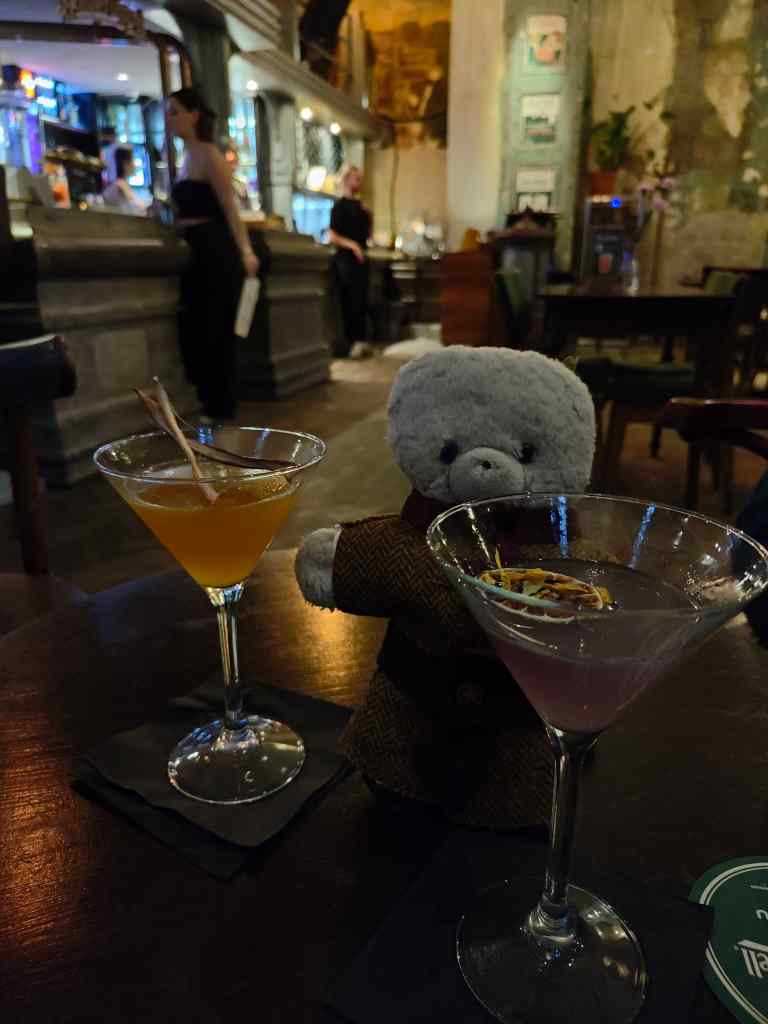
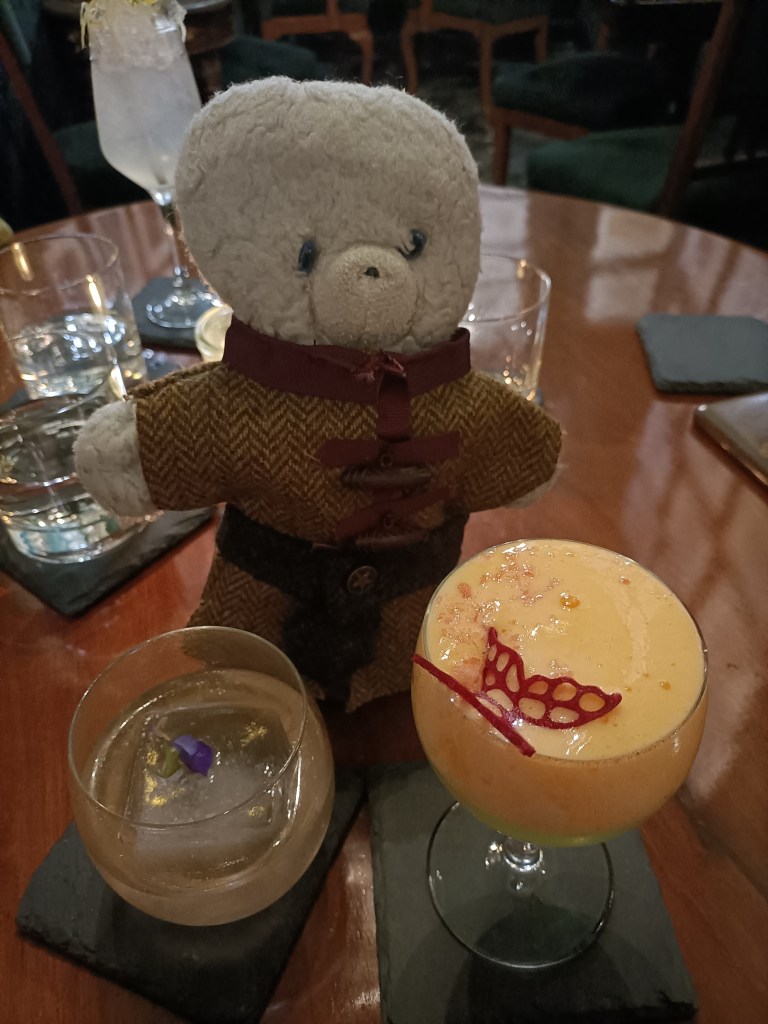
Kazimierz is also a great nightlife area, with countless cocktail bars. I spent my last night in Poland enjoying a pub crawl from one bar to the other, enjoying some excellent – and amazingly cheap – drinks.
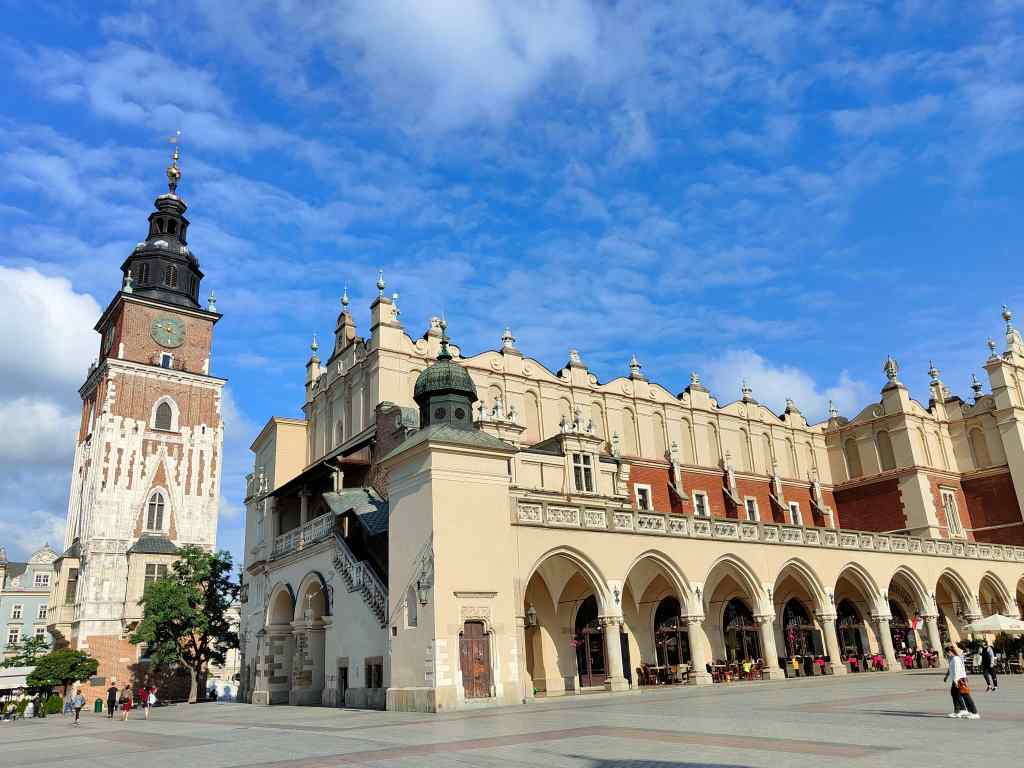
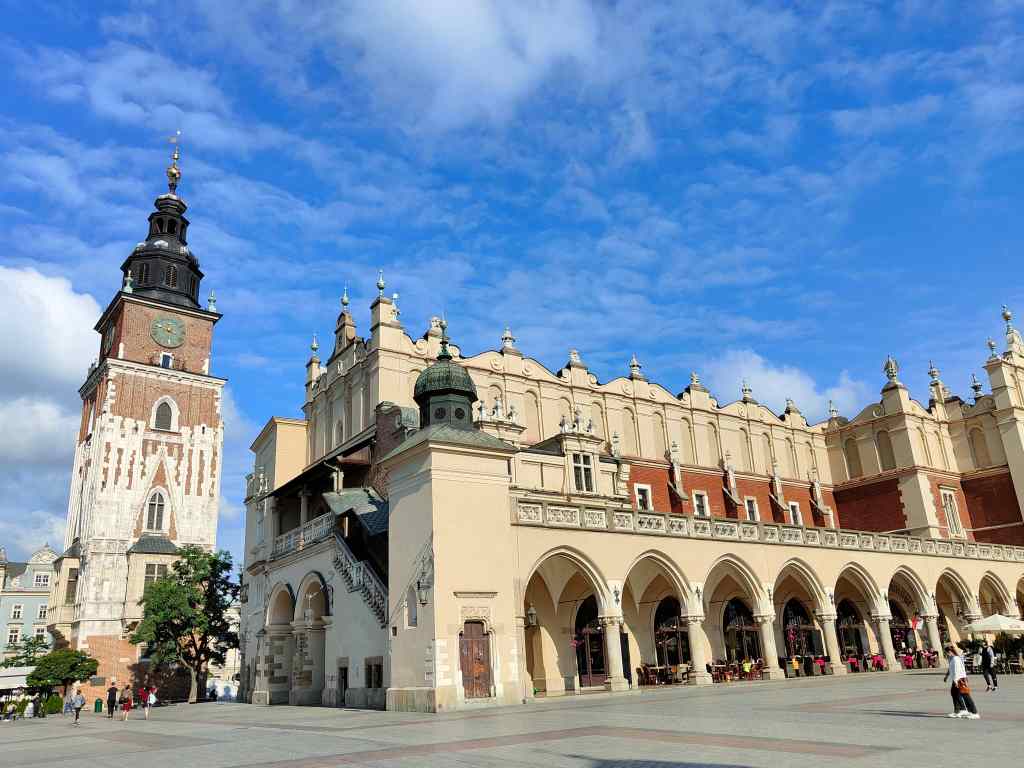
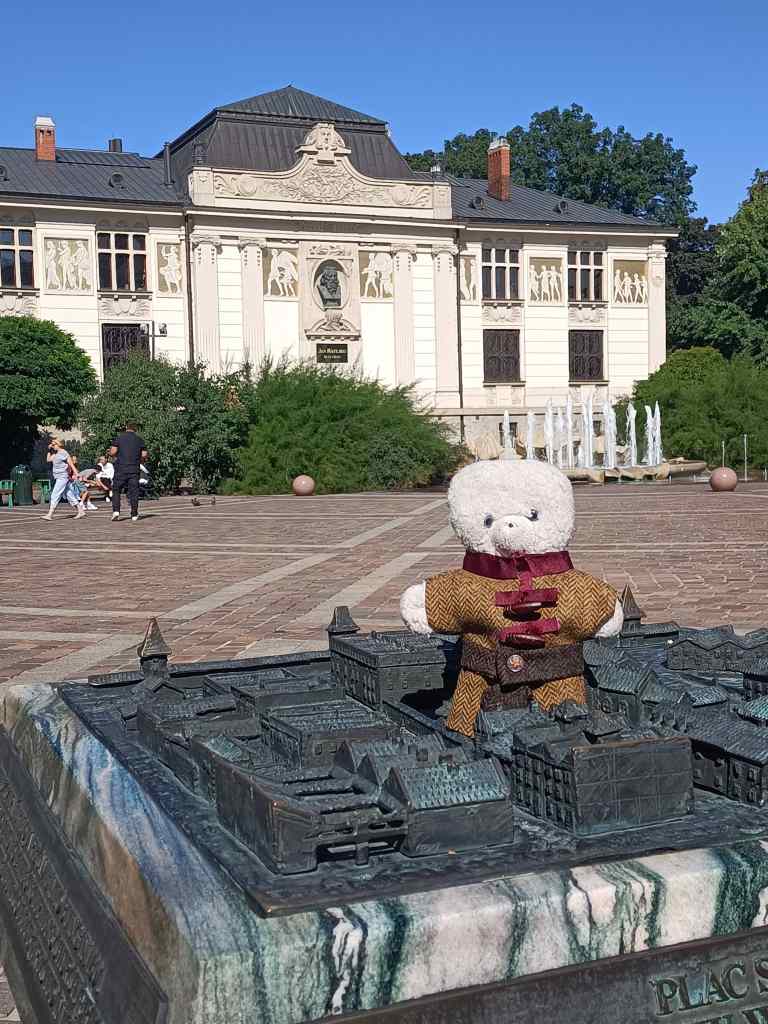
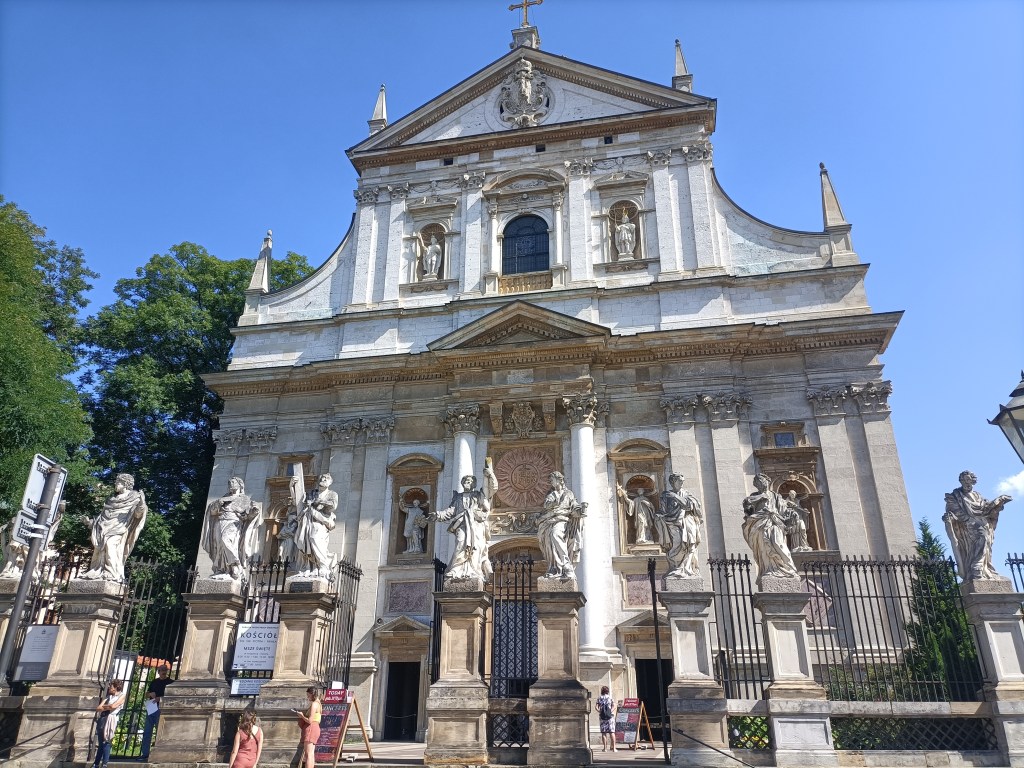
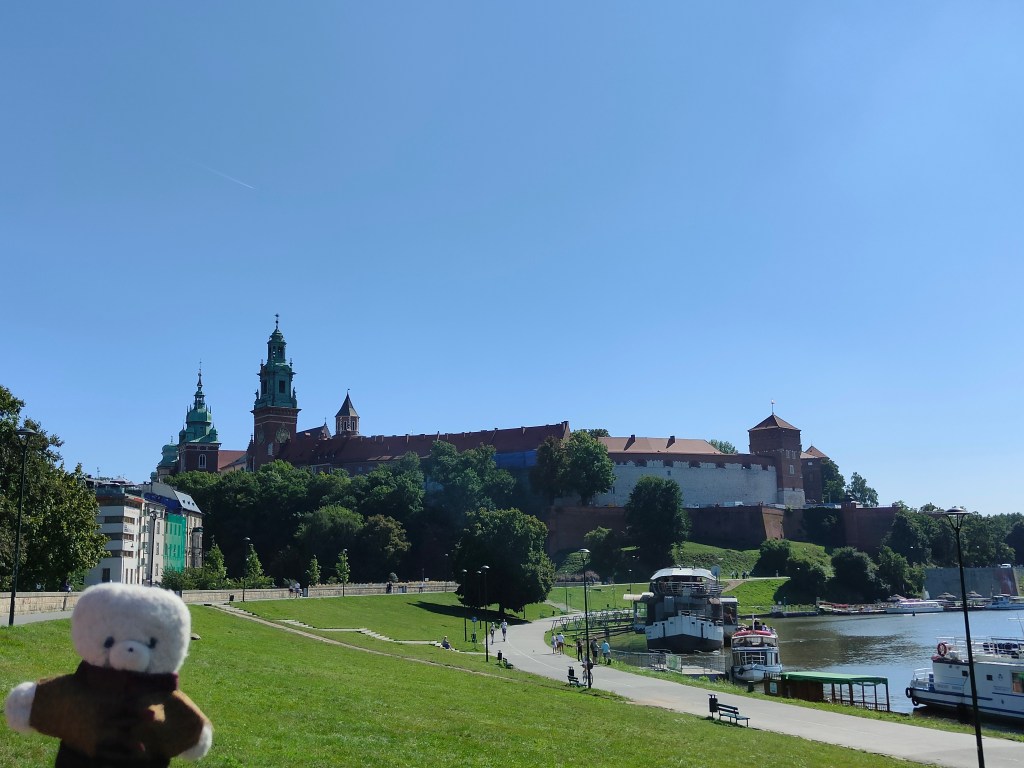
On my last morning in Krakow, before my flight back home, the sun had returned and I headed straight to the main square for some last photos and to have a cup of coffee in one of the cafés.
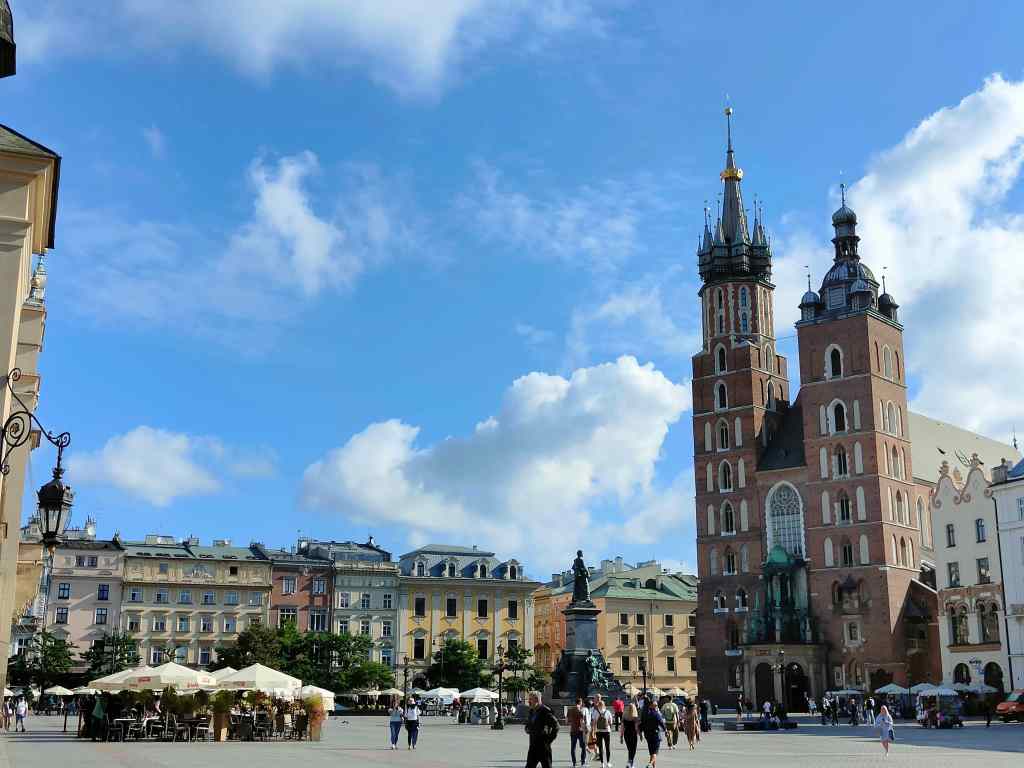
It was a good way to say goodbye to Poland, a country I had really enjoyed, with the wonderful city of Krakow and some great hiking in the nearby mountains. It is such a good value destination, and so easy to get here from London, that I think I will be back!
Previous Post: Auschwitz – my saddest post


 Trouspinet travels