Farewell and Namibia Highlights

My previous post covered the last full day of sightseeing I had in Namibia. The next day I woke early to see the rising sun casting long shadows over my lodge.

Next, I revisited Fish River Canyon briefly in the morning….
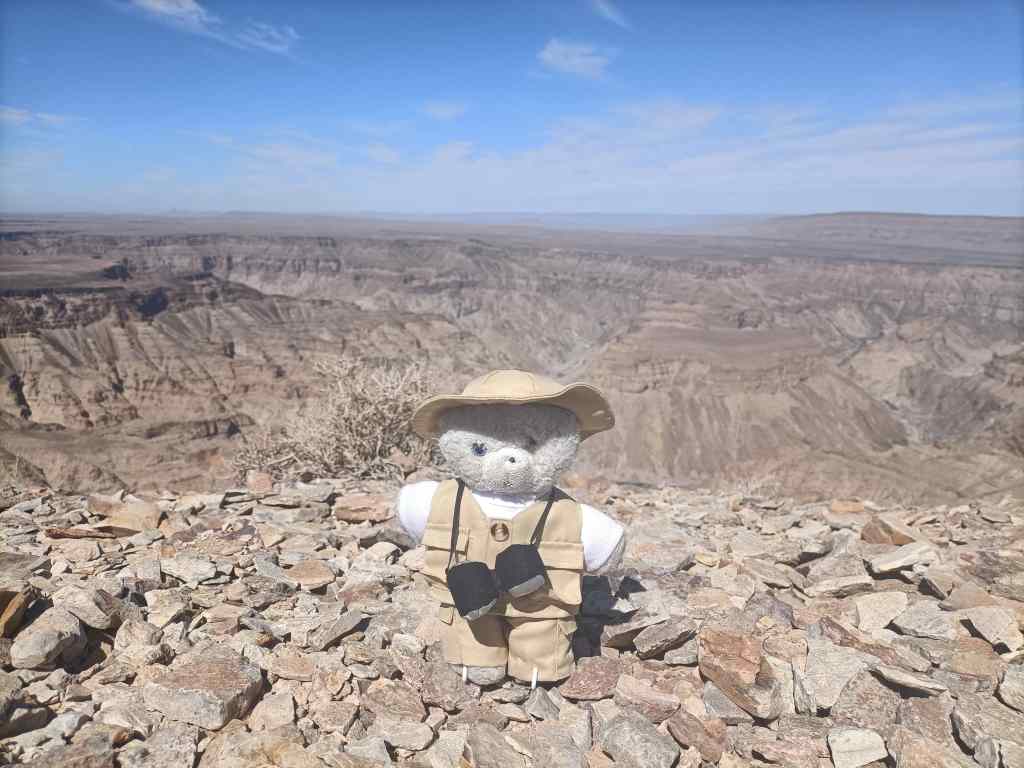
Early morning at Fish River Canyon

…before making a rather boring six hour drive north,  to a lodge near a town called Mariental. This was not a destination in itself, but a convenient place to spend the night on the long, long way back to Windhoek. Now I know why Fish River Canyon is so little visited – it is so far away from anywhere else. Namibia’s B1 is surfaced, flat and fast, but must be one of the most boring roads on the planet. The “highlight” of these six hours was finding a Wimpy restaurant at a service station – I though they had died out, but apparently they still thrive in Africa. The décor was wonderfully sixties kitsch.
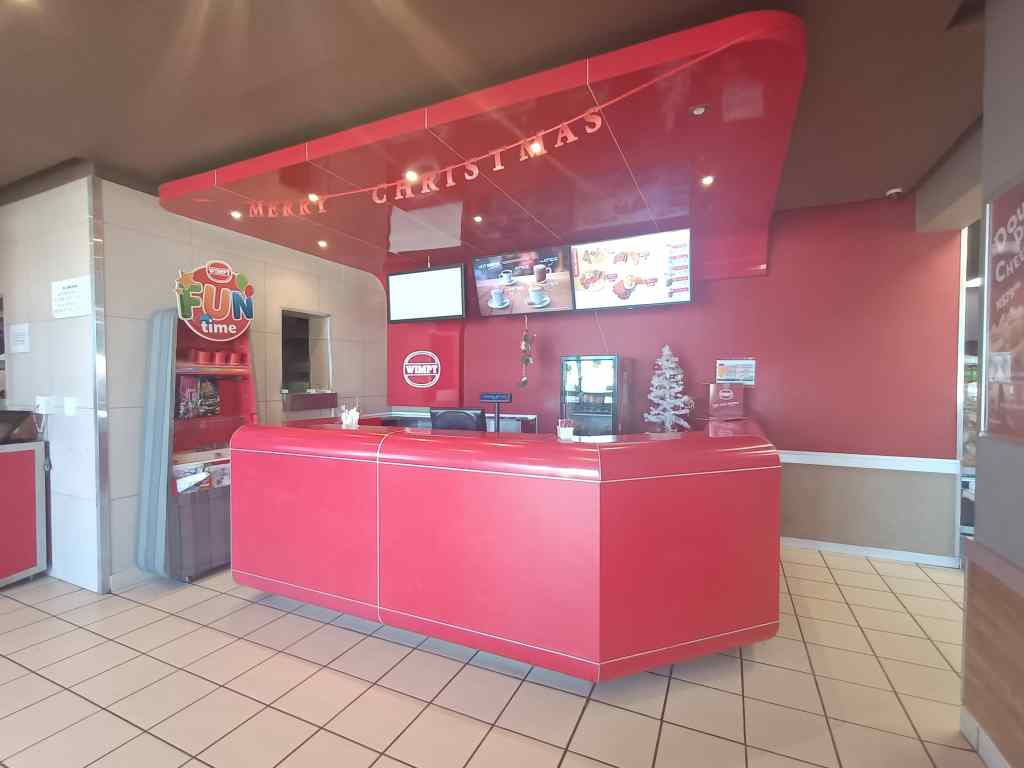
I thought it was extinct…..Wimpy lives on in Africa

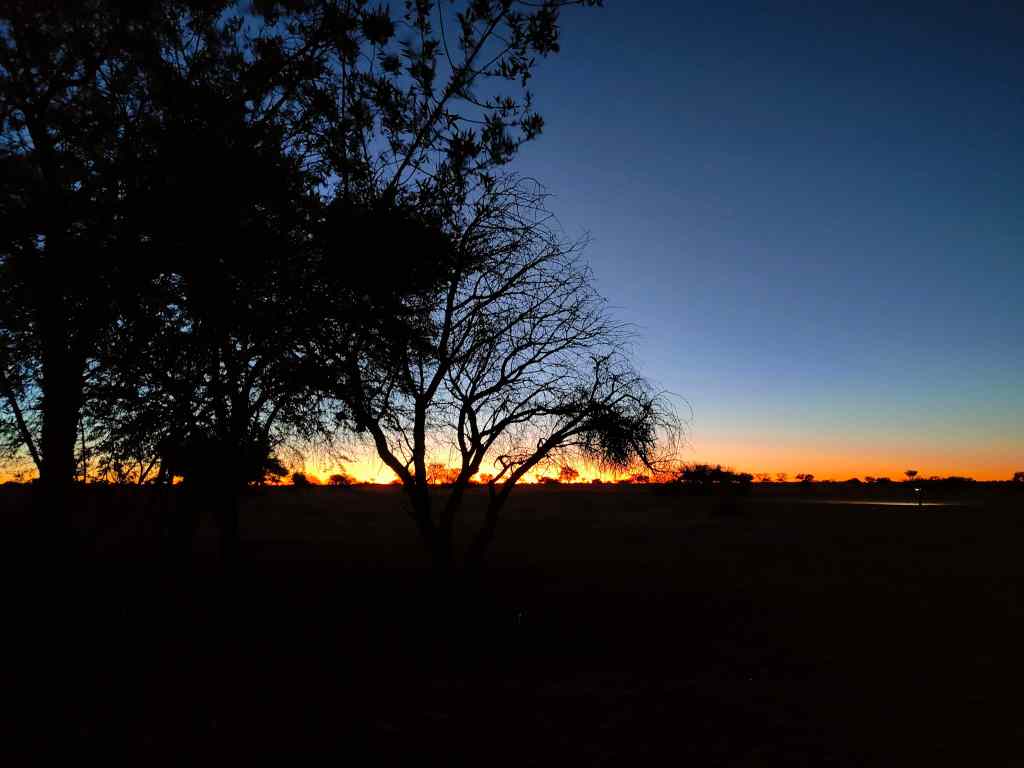
I finally arrived at around five, having driven all day (or so it seemed). I had originally intended to go on the lodge’s “sundowner” game drive, but since I was tired, I decided instead to spend my last night in Namibia sitting  on the big swinging chair on my balcony, and watch the sunset with a good glass of wine.
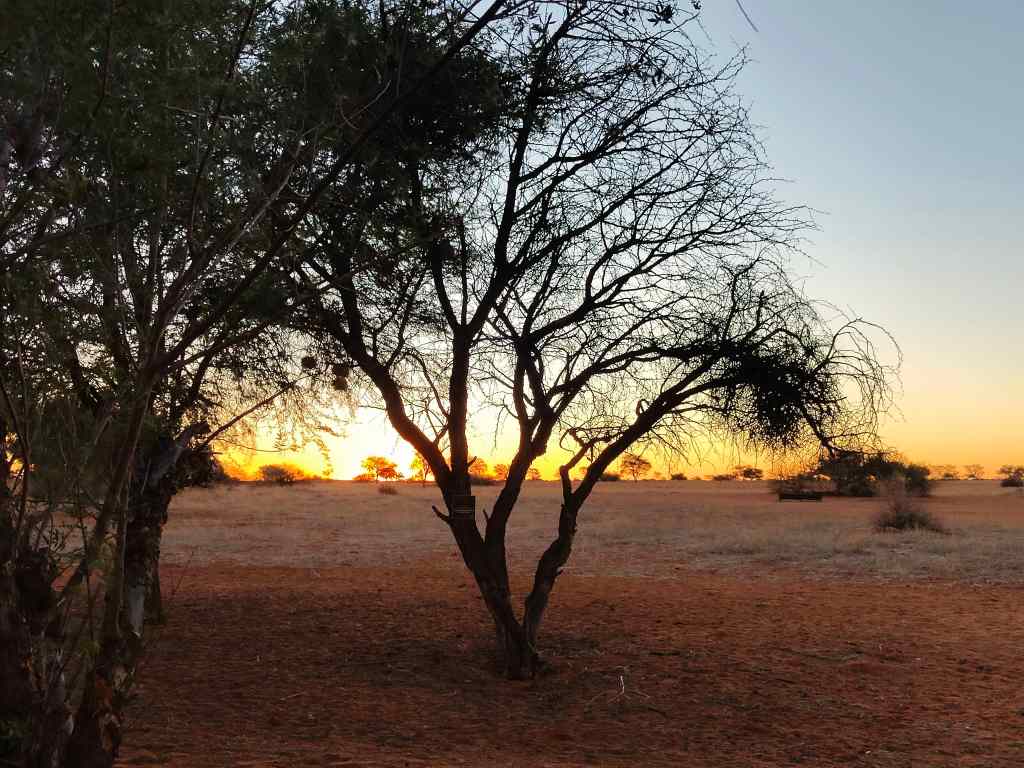
Watching the sunset over the Kalahari desert

The next morning, I got up early and continued the road to the north – another 3 ½ hours – to Windhoek airport, to catch my early afternoon flight to Cape Town, where my adventure will continue. On returning my hire car, I found out that in 20 days I had driven over 5,000km – at an average speed often limited to 70km/h by Namibia’s gravel roads. Namibia has many world class attractions, but getting to them requires a big investment in time.
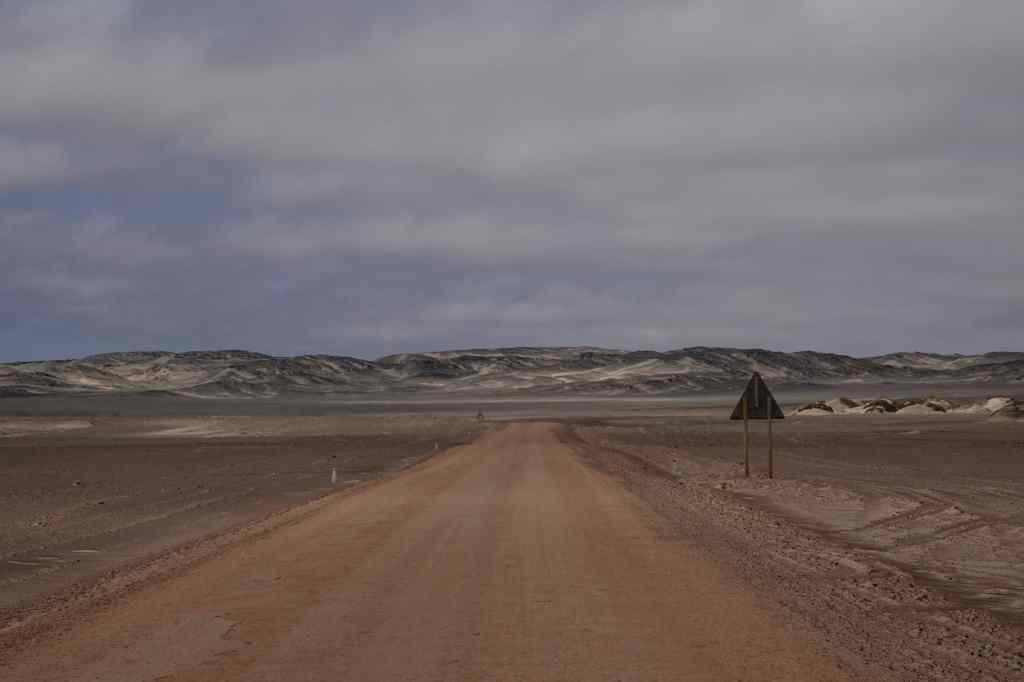
Be prepared for lots of this driving around Namibia…..

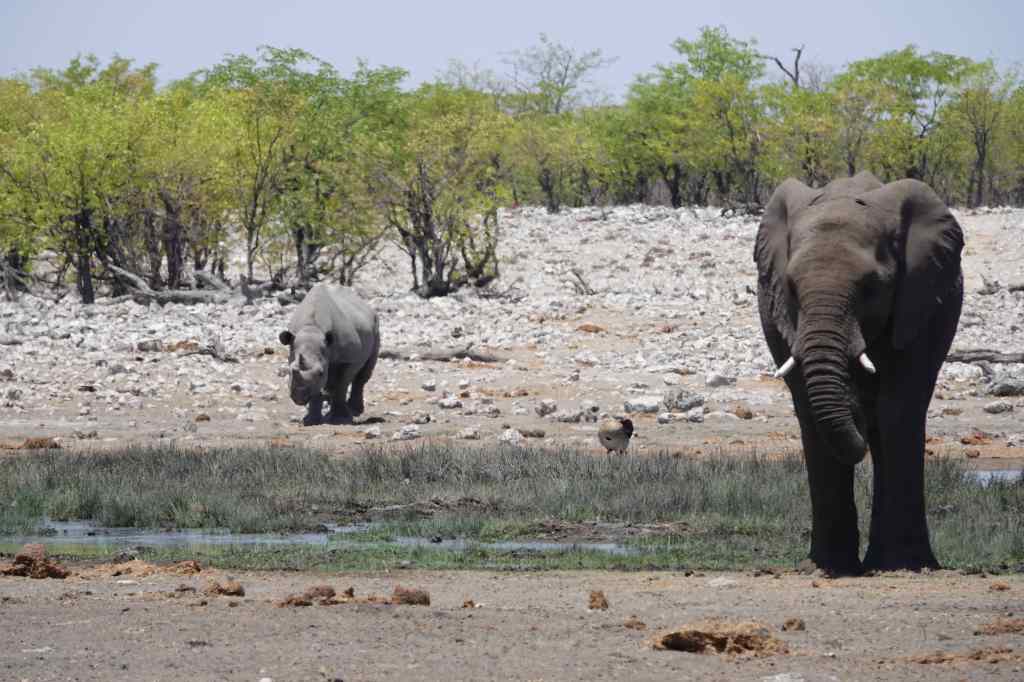
So that was the end of my Namibia trip – now I am off to South Africa for more adventures. It’s time to share a few photos of the highlights. First, there was the wonderful park of Etosha and its wildlife…..
Namibia’s next world class attraction are the dunes of Sossusvlei
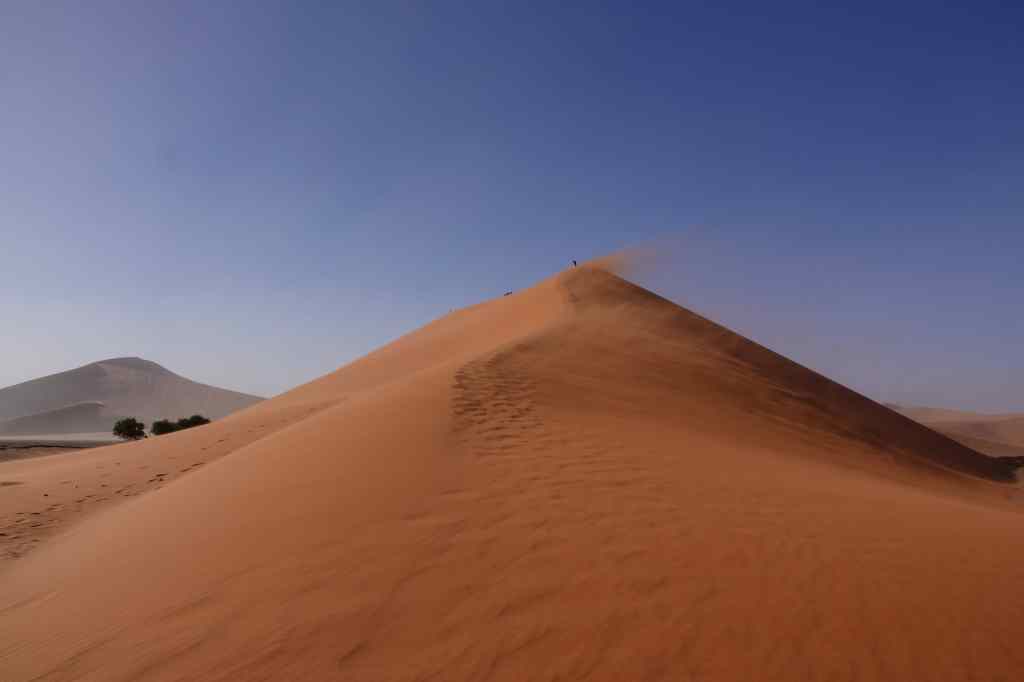
Sossusvlei!

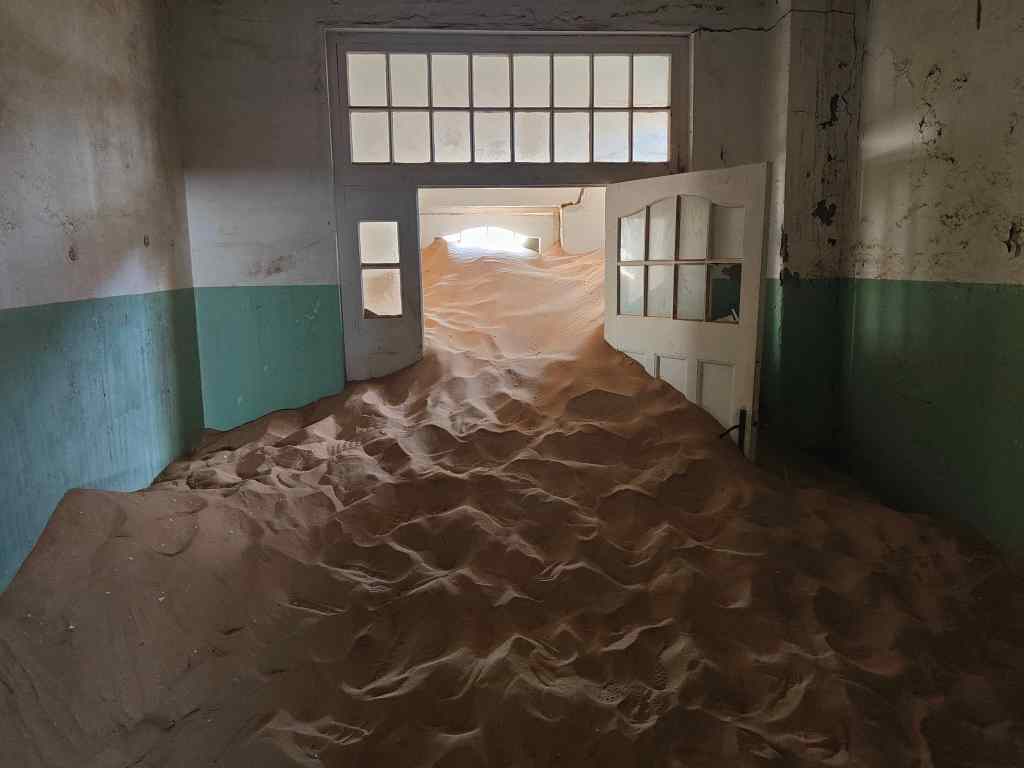
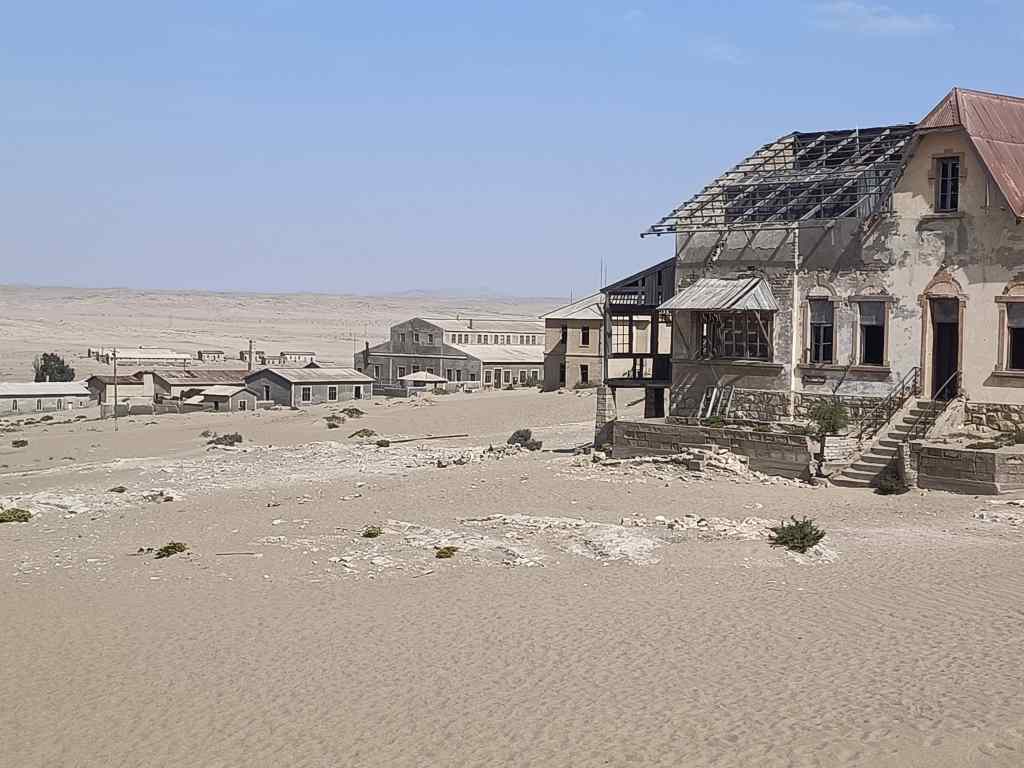
I will also always remember Kolmanskop, as a symbol of the power of nature over man……
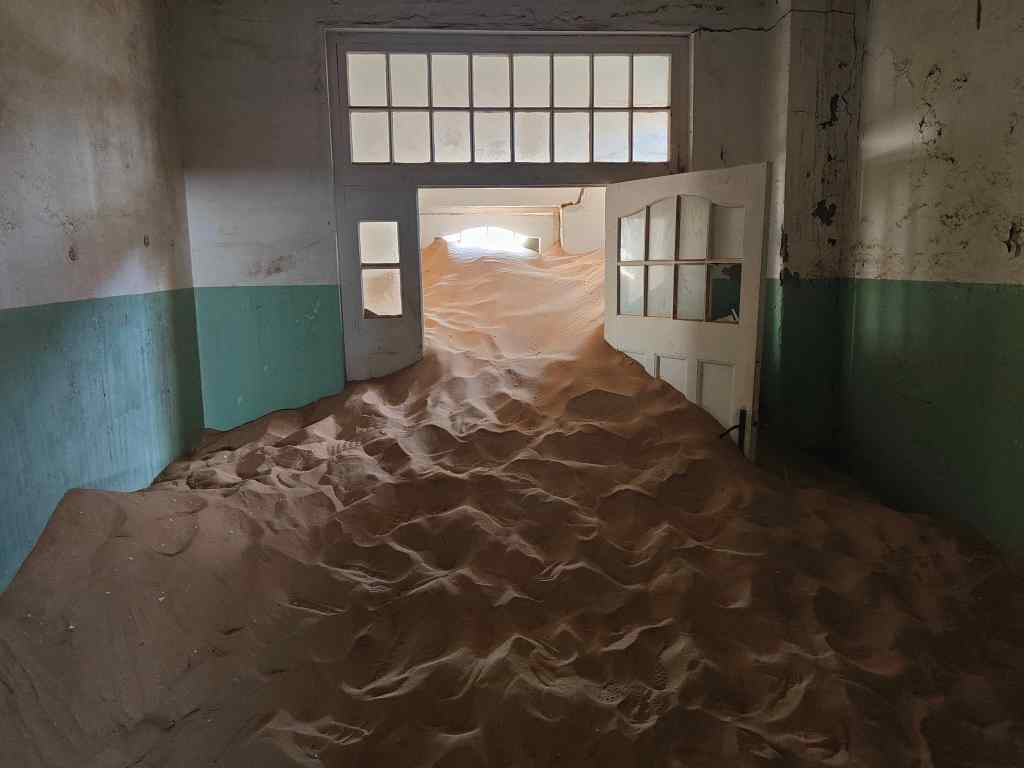
The irresistible force of nature at Kolmanskop

….and my solo drive down to Eagle’s Rock in Fish River Canyon. It is not often you get a view this like all to yourself.

Eagle’s Rock, Fish River Canyon

I was keen to see if South Africa can match Namibia as a travel experience. Keep reading my blog to find out!

Next Post: South Africa, Franschhoek Wine Country

Previous Post: Fish River Canyon

Luderitz – the Kolmanskop Ghost Town and Halifax Island’s Penguins

Kolmanskop
House in Kolmanskop

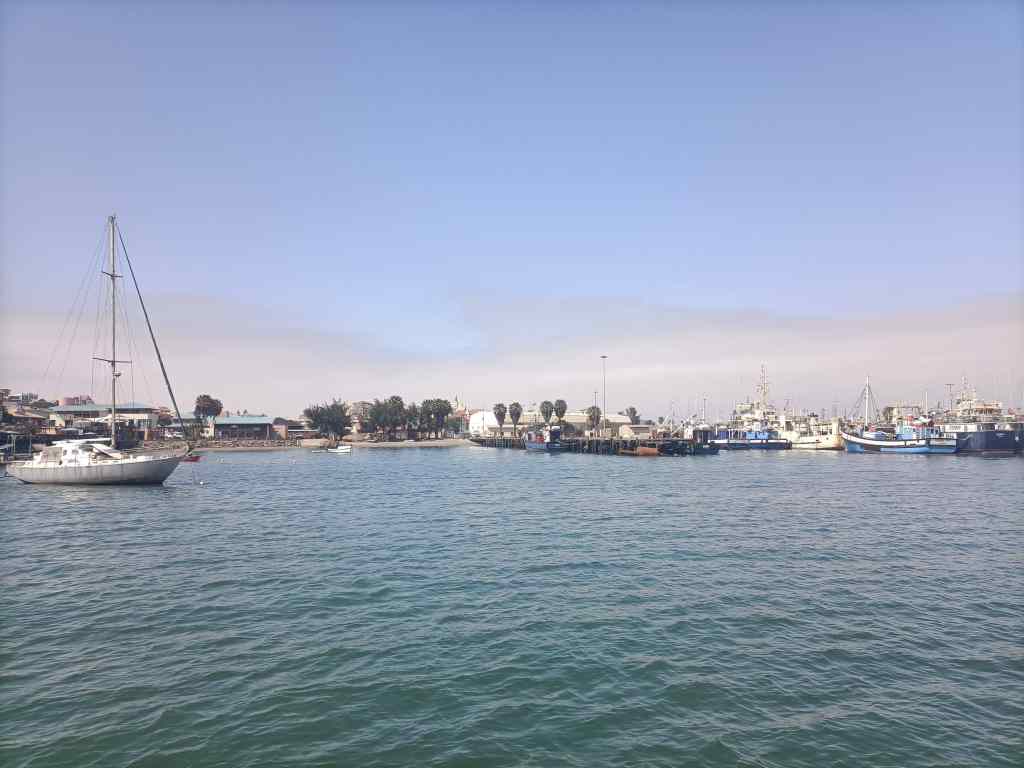
Today I had two very different experiences – one wet and one dry. I woke early to make the 8am departure of a catamaran cruise to Halifax Island, home to a colony of African penguins. The port of Luderitz was quite busy – in addition to a small fishing industry, several giant diamond-mining ships operate there. The latter scrape the sea floor, sieve the mud, and harvest large quantities of high quality diamonds.

Luderitz port
Luderitz port

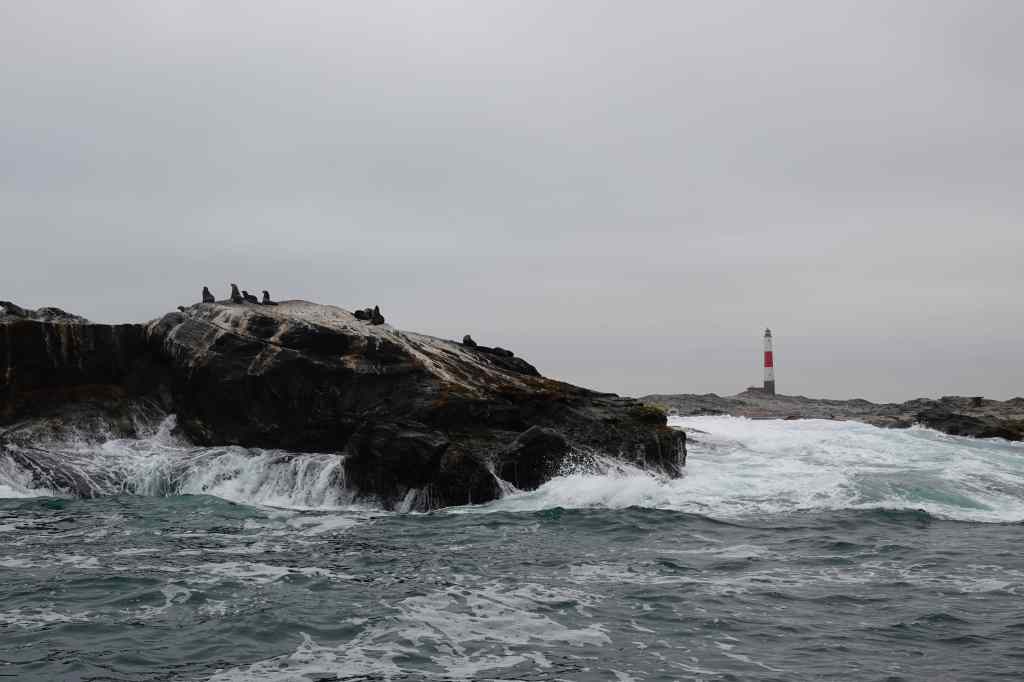
On the way to see the penguins we passed the port’s lighthouse and a few seals; dolphins also followed our boat but proved frustratingly hard to capture on film.

Luderitz lighthouse and seals

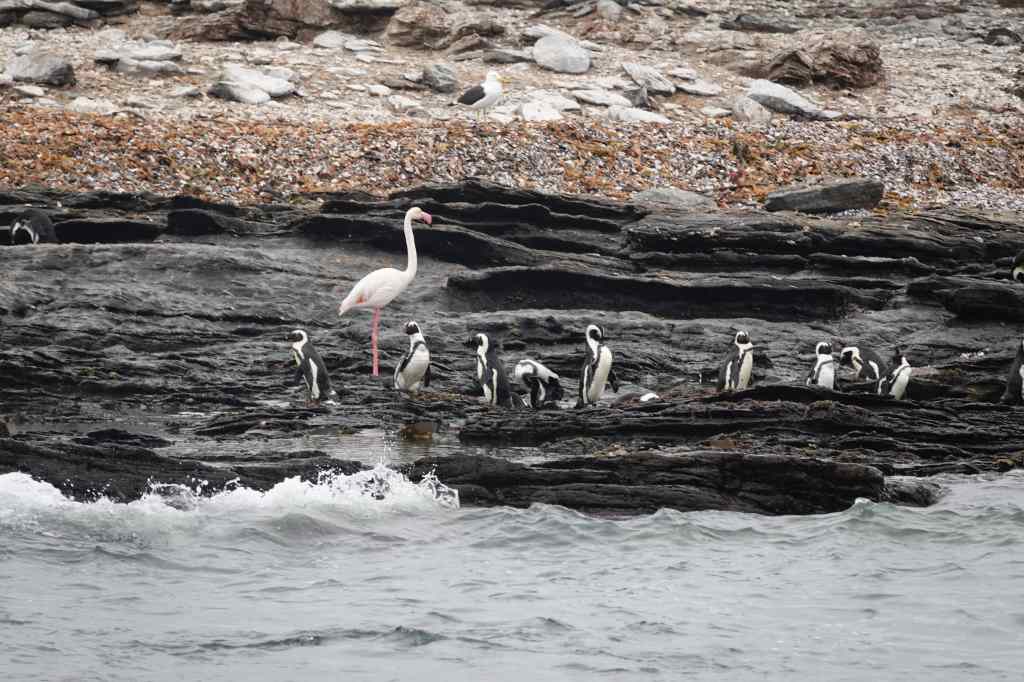
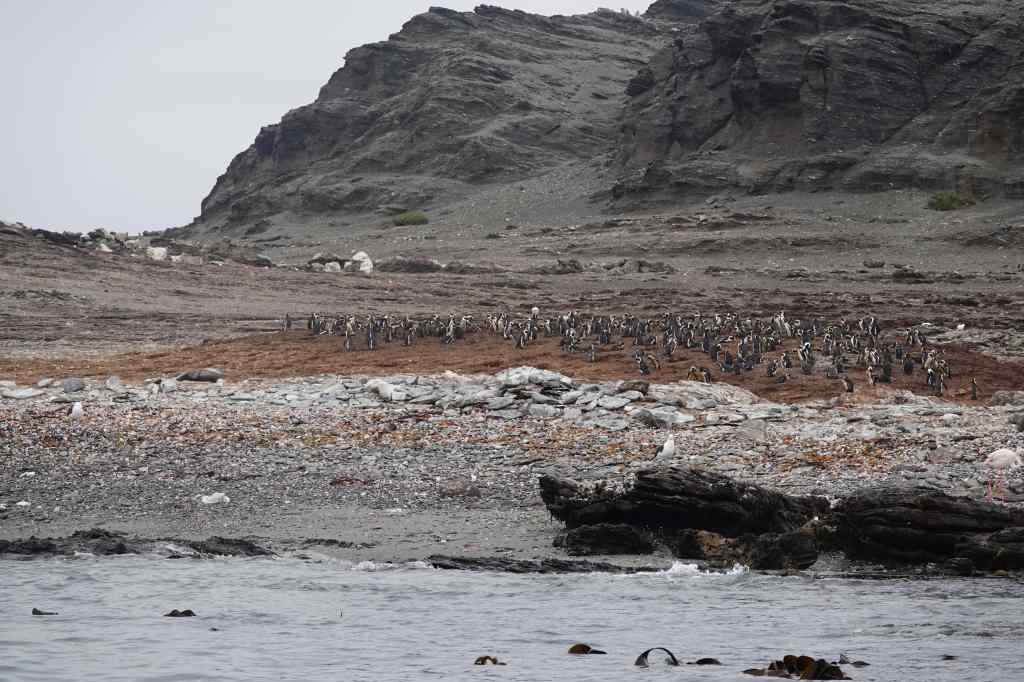
When we got to Halifax Island, we saw a large colony (about 1,000 pairs) of nesting penguins with the added bonus of a few flamingos. It was the first time I had seen penguins in the wild.

Penguins and a flamingo on Halifax Island

Most of the penguins nested in two large groups, standing on top of a large mound of guano from generations of birds. I thought this was not the most hygienic place to raise young.

Nesting in their own droppings…hmmmm

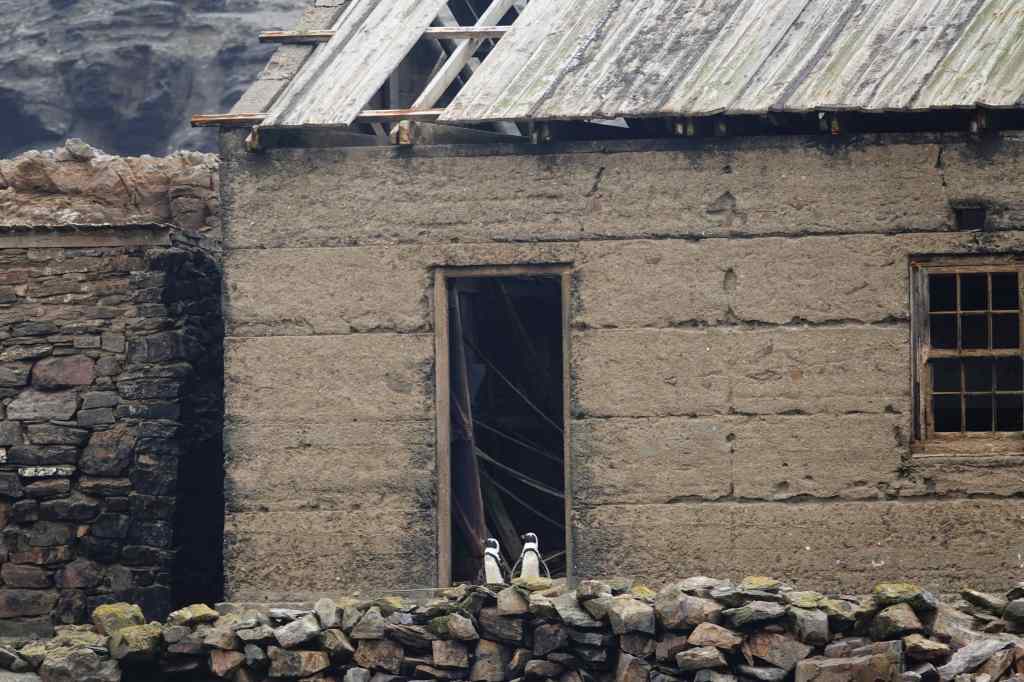
One couple had instead chosen to nest in an abandoned house, which seemed a much more sensible place to me.

Luderitz penguin couple
Houseproud penguins on Halifax Island

After my cruise, I went shopping in the town of Luderitz to buy food to cook that evening. After many evenings of steak, I wanted to find some fresh fish….but bizarrely the city had none, despite being a fishing port. I had to buy meat yet again, and settled back in my room and looked at the sea for a midday break. A seal and a dolphin came looking for fish in the sea right in front of my room – I hope they had more success than I did!

In the early afternoon, I set off for my second excursion of the day, to the abandoned diamond mining town of Kolmanskop. Diamonds were discovered by accident in the area in 1908, by a worker clearing sand from railway tracks. The find prompted a prospecting boom of which the town of Kolmanskop was initially the centre. The miners – mostly German colonists – systematically stripped and sieved the surface levels of sand, at their peak producing a million carats per year of diamonds (or about 12% of total global production). Many became rich in the process, though the native people who provided the manual labour got little or nothing for their efforts. The residents built a hospital, school, and even a casino.

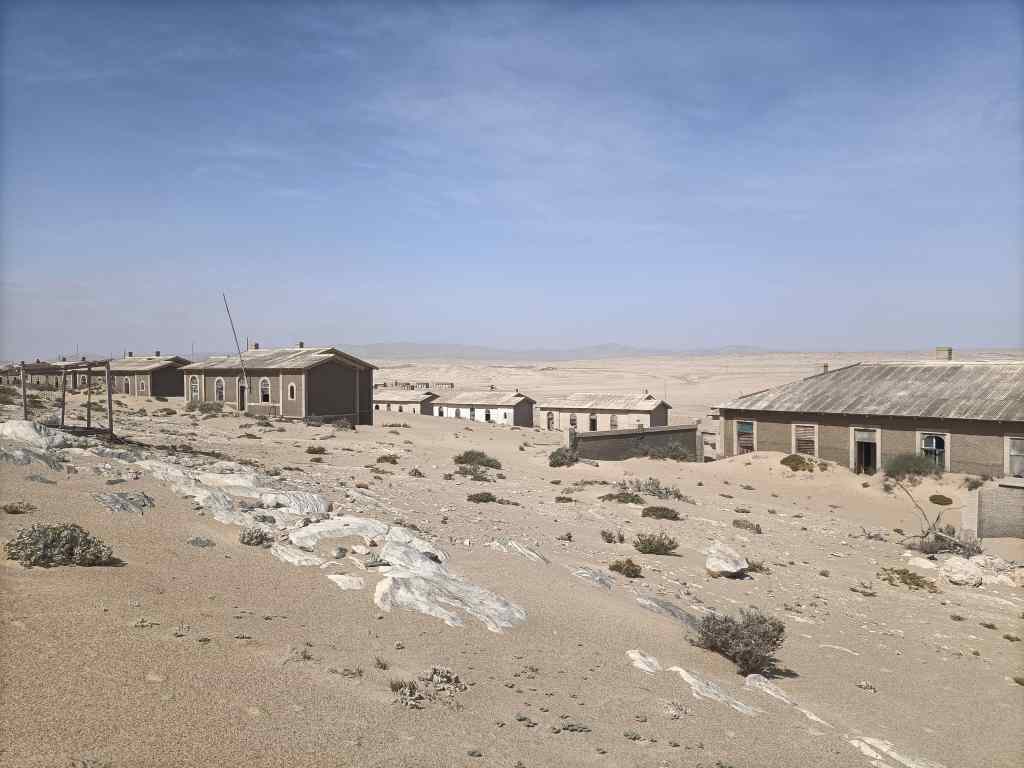
Kolmanskop overview
Overview of Kolmanskop
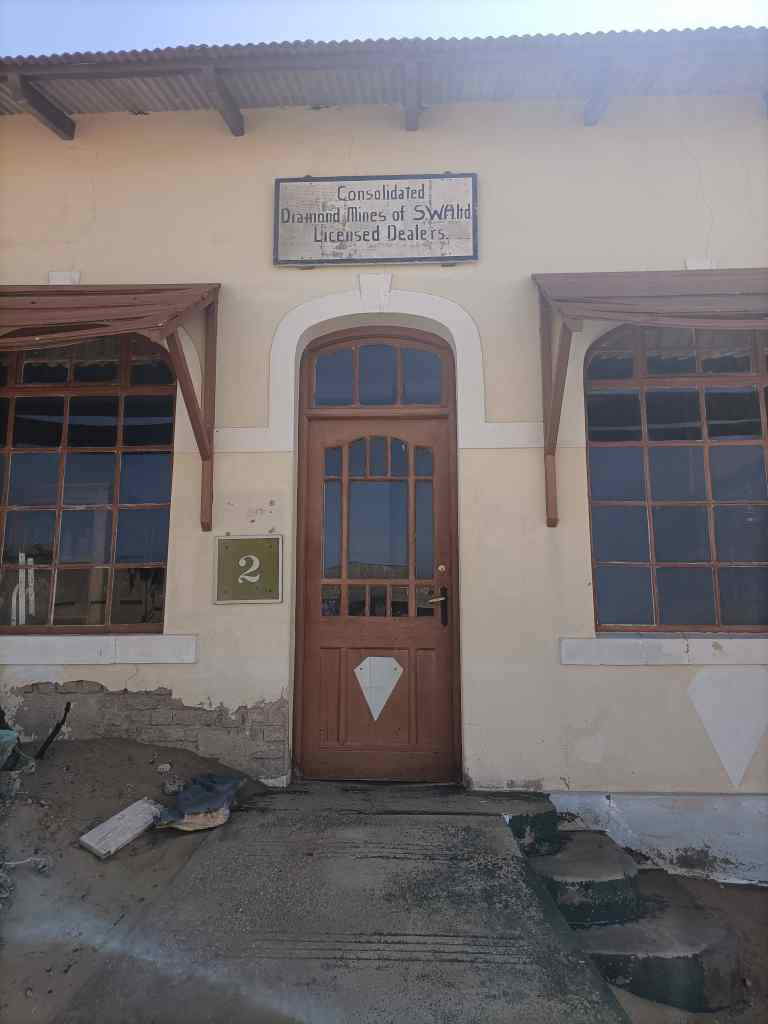
Kolmanskop office
The diamond trading counter

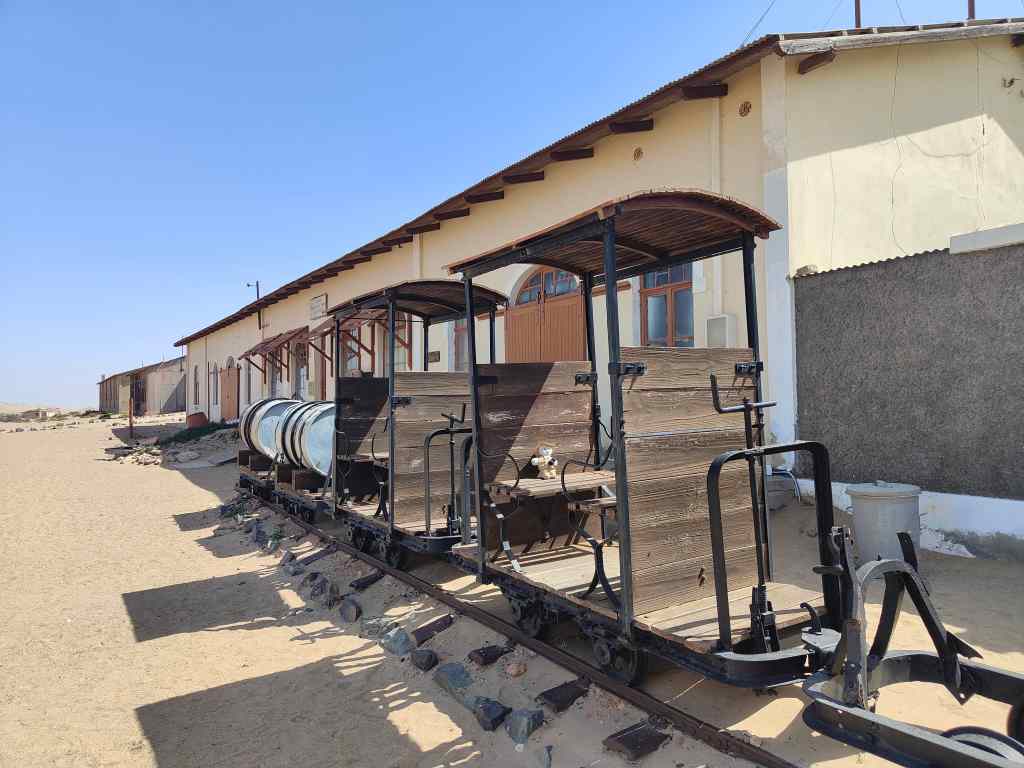
There was a butcher, baker and ice factory, and fresh water was brought in by rail and stored in a big tank on the hill above the town.

A dedicated train line kept Kolmanskop supplied

It couldn’t last. In the late 1920s, the ground around Kolmanskop was almost depleted, and in 1928 another big diamond field was found in a different place. The town’s residents abandoned it, and by the 1950s it was deserted. The sand dunes that constantly move around the area – and which even today need constant clearing from the roads and the railway line – swept in to reclaim the town.

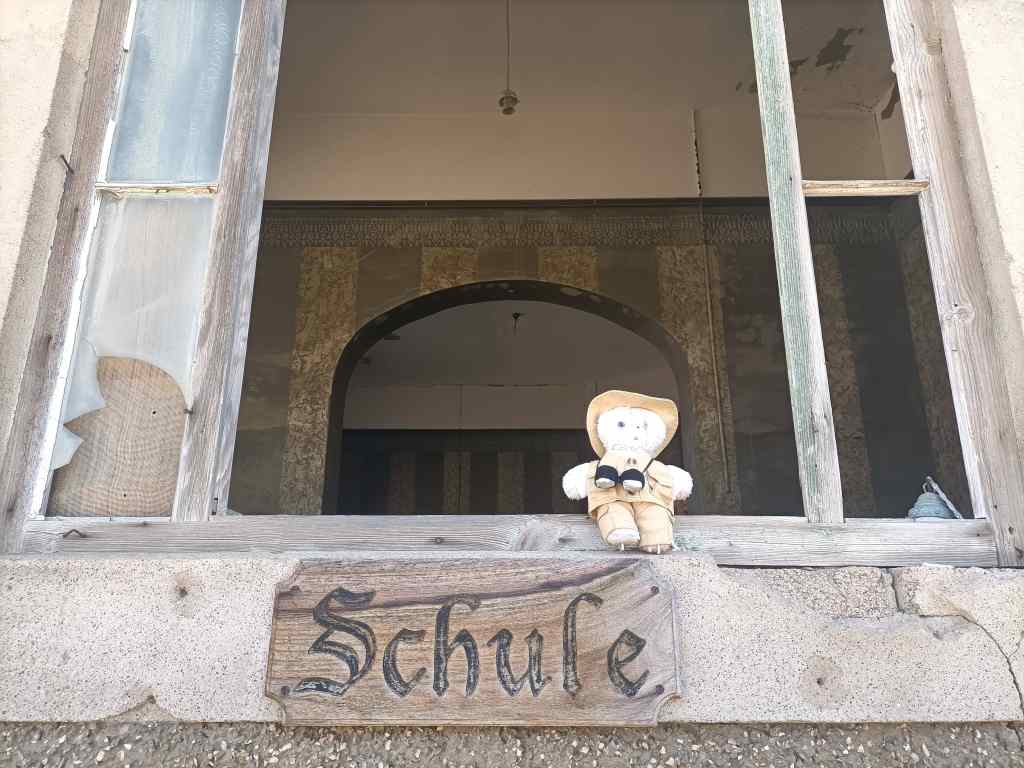
Kolmanskop's school
Entry to Kolmanskop’s school

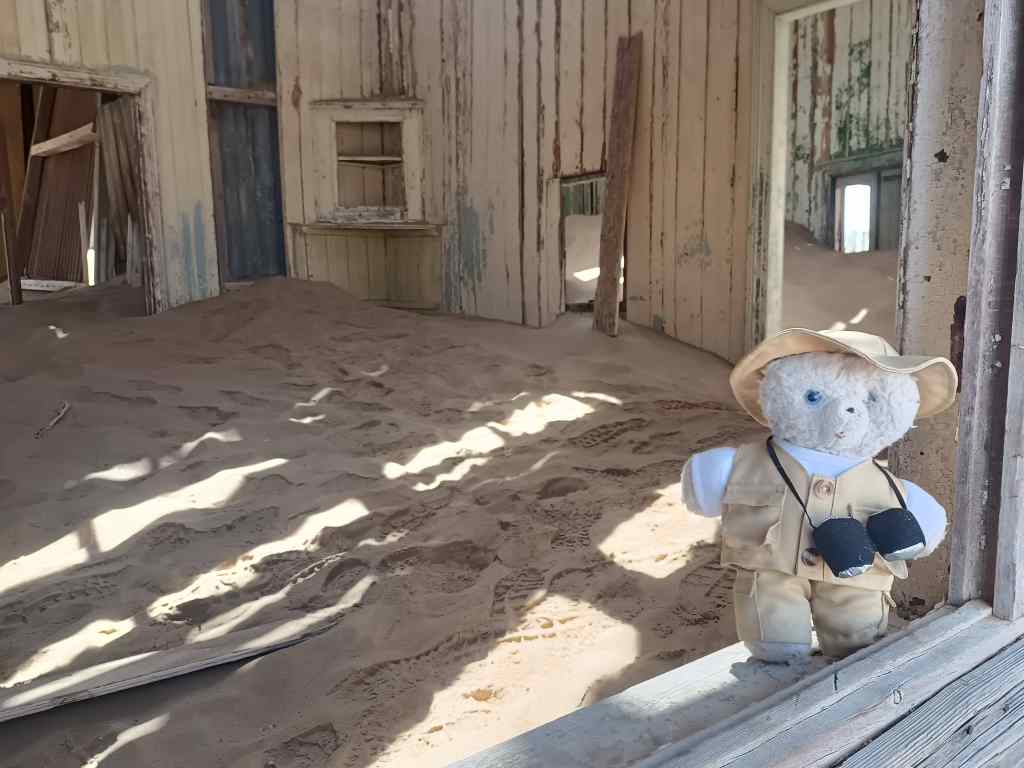
Today, Kolmanskop has become a tourist attraction. Most people visit on the guided tours in the morning, but I bought a special ticket allowing me to walk round in the afternoon, and I had the place completely to myself. A few buildings had been restored, but most had been allowed to slowly decay. The most atmospheric were those which were in the path of the shifting sand dunes. Sand would pile up on their outside walls and force an entry through doors or windows, piling up inside as a continuation of the marching dune.

Sand invading house, Kolmanskop
The irresistible force of nature takes over Kolmanskop’s houses
Kolmanskop the force of nature

I also liked some of the grandest houses, built for the town’s management – like the accountant’s, the architect’s or the quartermaster’s residences. These were built on slightly higher ground and had so far escaped the marching sand dunes.

The accountants house

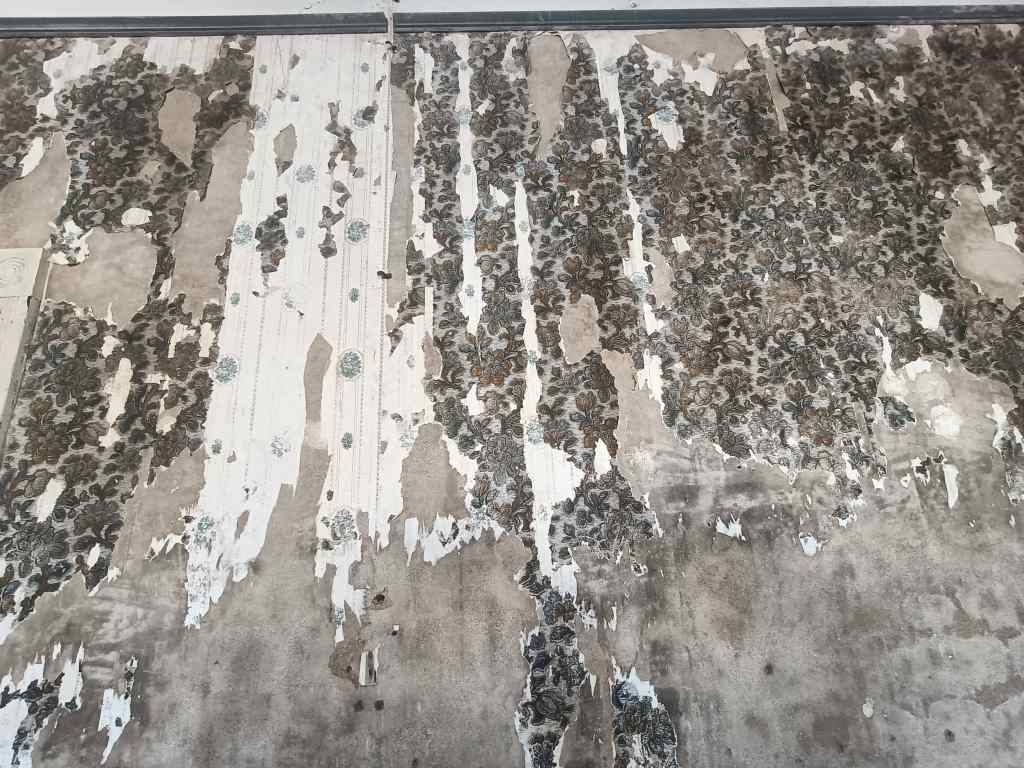
Inside, ornate wallpaper peeled from their walls, and a strange silence reigned. I sat on the veranda of the accountant’s house in the late afternoon sun, reflecting on the transience of life and the futility of humanity’s attempts to defy nature.  

Kolmanskop wallpaper
Faded glory and the transience of human existence

Previous post: Duwisib and its desert horses

Next Post: Off the beaten track in Namibia – Orange River and South African border

Blog at WordPress.com.

Up ↑