Takayama and Ainokura

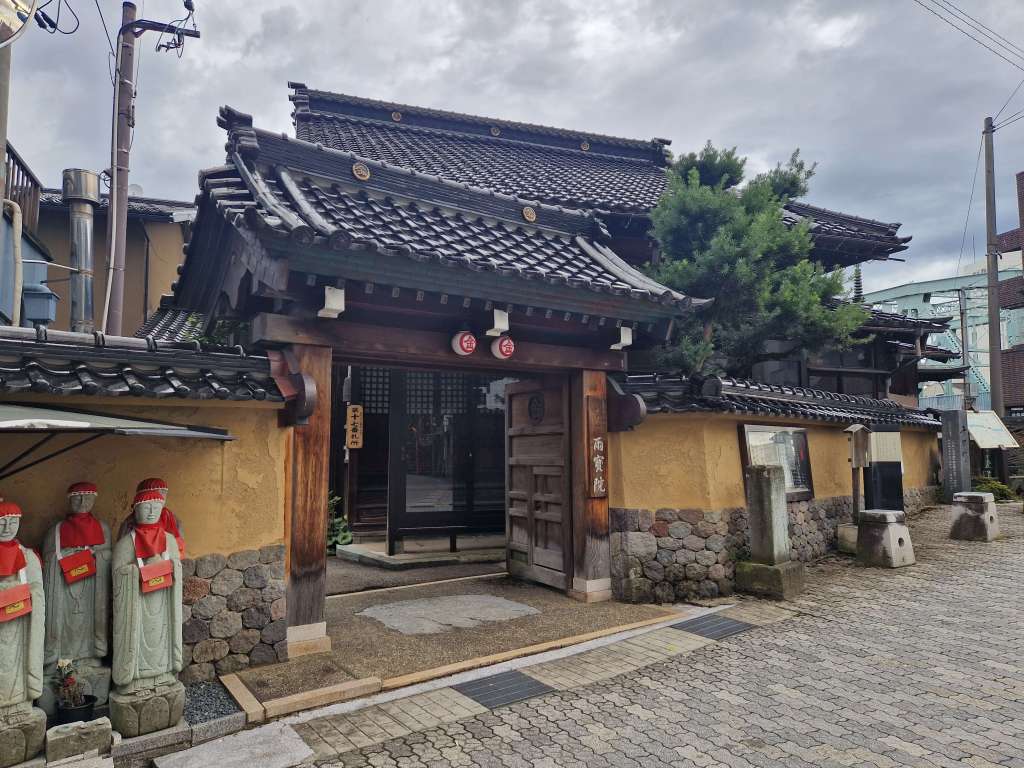
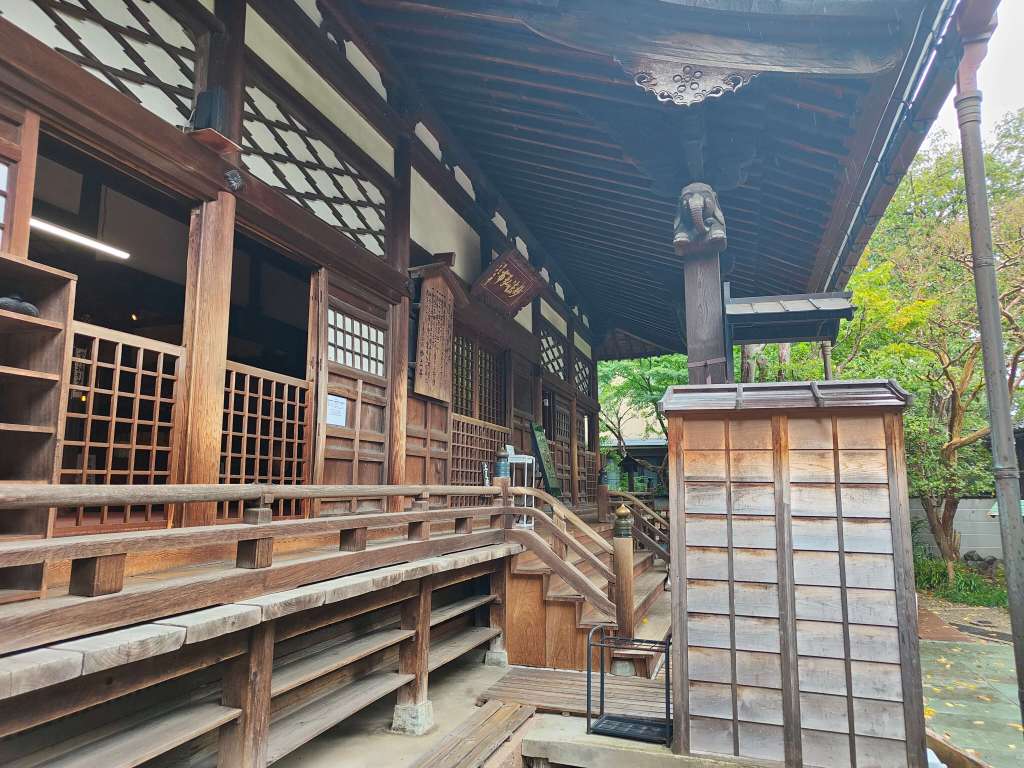
Temple in Takayama

Today we hired a car to make a day trip to two interesting destinations which seemed to be fairly close to Kanazawa.

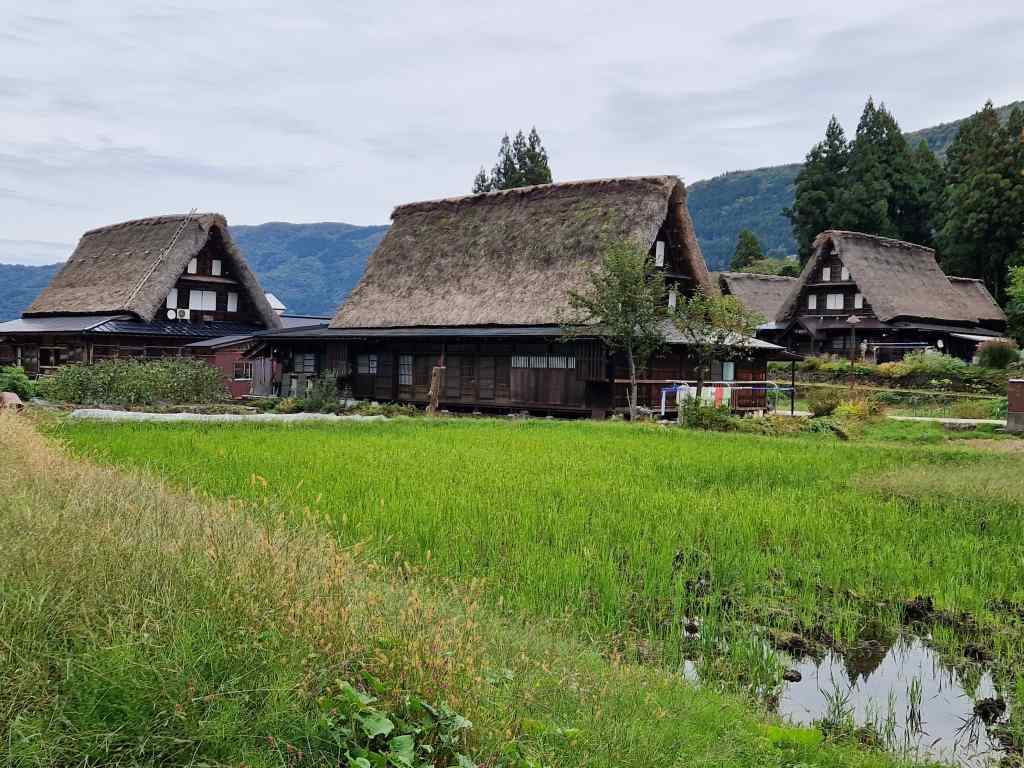
The first was the village of Ainokura in the mountains, famous for its gassho or “praying hands” style thatched farmhouses – so called because the triangular shape of the steeply slanted roofs resembles two hands pressed together in prayer. This design ensures that large amounts of snow cannot build up on the roof in winter – a big problem in the area. After a coffee in the village’s only café, we strolled around and took a few photos.
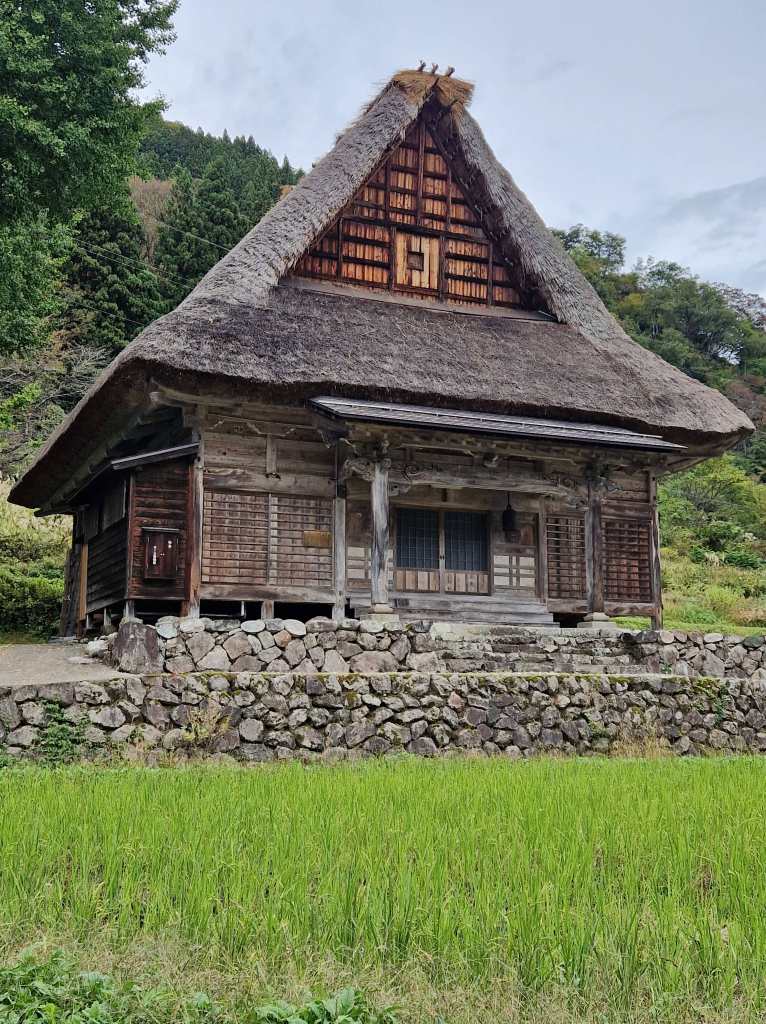
A distinctive Gassho house
More “Gassho” houses in Ainokura

Ainokura was a cute, quiet place, well worth a stop on the way to our main destination for the day – the small city of Takayama. It looked like a short distance on the map, with the driving being mostly on motorways that ran through mountainous terrain – probably a nice drive. However, it turned out that the road ran nearly entirely under the mountains, in dingy, very long tunnels with an insultingly low 70 km/h speed limit. Occasionally there would be a brief burst of natural light as a tunnel ended…..only for a new one to come immediately into sight ahead of us. It was probably the most boring stretch of road I have ever driven.

We finally reached Takayama and parked the car. The centre was similar to the geisha district of Kanazawa – old wooden houses converted to shops, tea rooms and restaurants – only with more tourists. Aki was happy browsing the shops for souvenirs, but I was feeling rather grumpy, annoyed that Takayama did not seem to be worth the long and boring drive.

Quiet Area of Takayama

However, my mood improved when we left the centre and dived into some quieter side streets, where there were antique shops that interested even me. Aki was even happier and made a few small purchases.
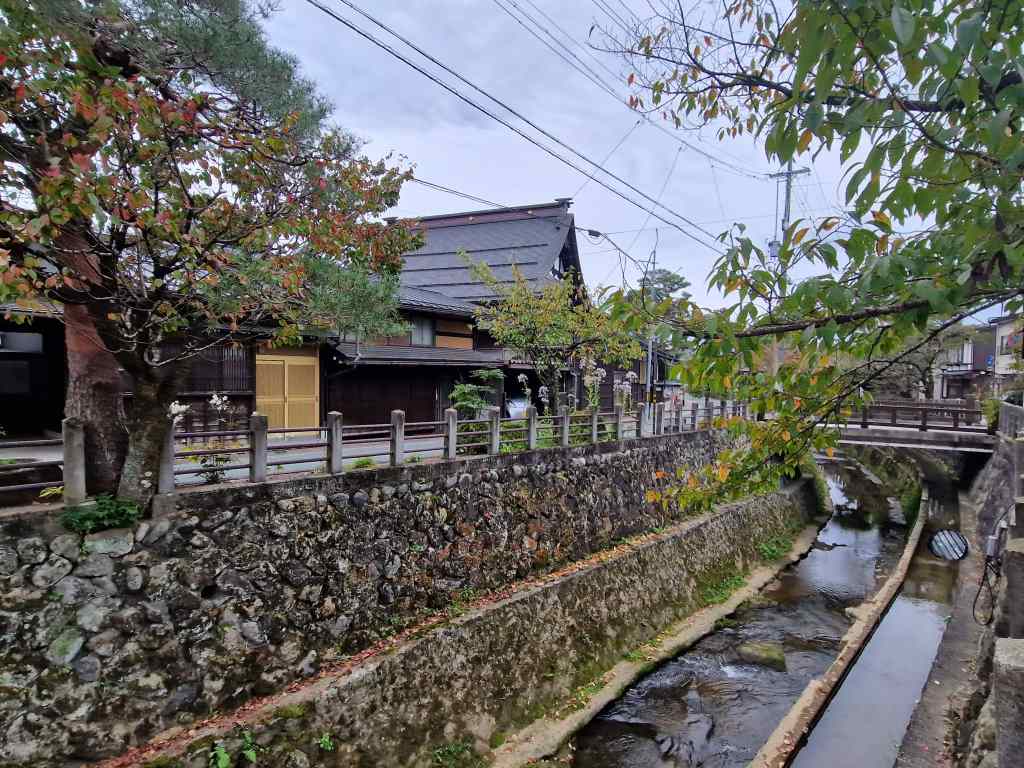
Another peaceful area

We wandered on and found a pretty area with temples where there were also a couple of museums. One was the intriguingly named Takayama Festival Floats Museum. It turned out to house several of the huge, colourful floats used in the famous Takayama Festival, which takes place twice per year, in spring and autumn. Most floats have wheels and are rolled manually by team of people in colourful costumes, but one had to be carried by two alternating teams of strong men (and weighed 2.6 tonnes).  
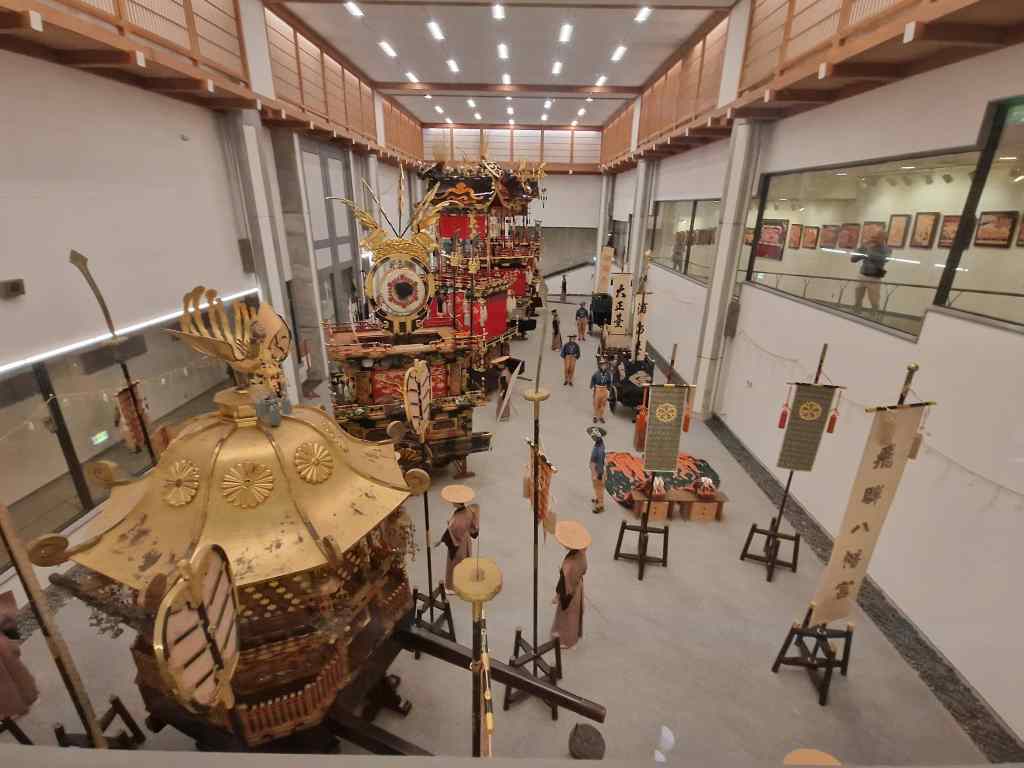
Takayama Festival floats

The second museum was rather bizarrely devoted to a carved wooden scale model of the shrines at far-away Nikko – why they were on display here in Takayama was not explained, but it still made for an interesting visit.
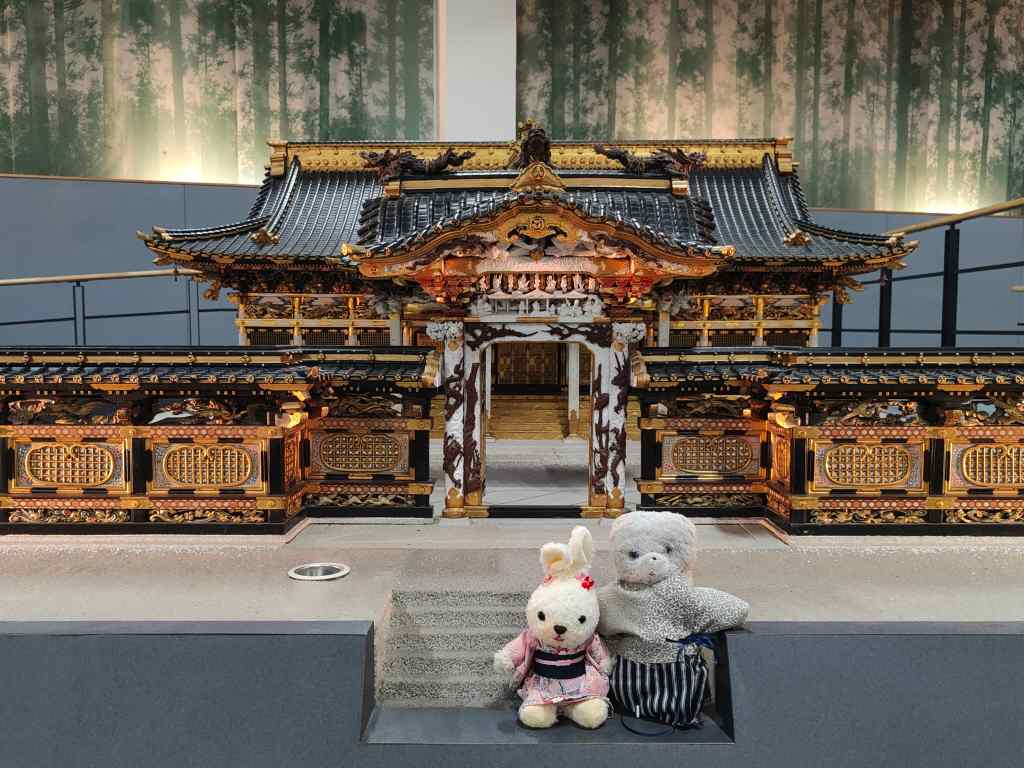
Carvings of Nikko shrines

After that we strolled until we reached the main river that runs through the city. This, surprisingly, contained some of the large koi carp that you usually only see in ornamental ponds. We could not understand what stopped the fish escaping up- or down- stream or how they didn’t end up being eaten by the herons we saw perched on the riverbanks.
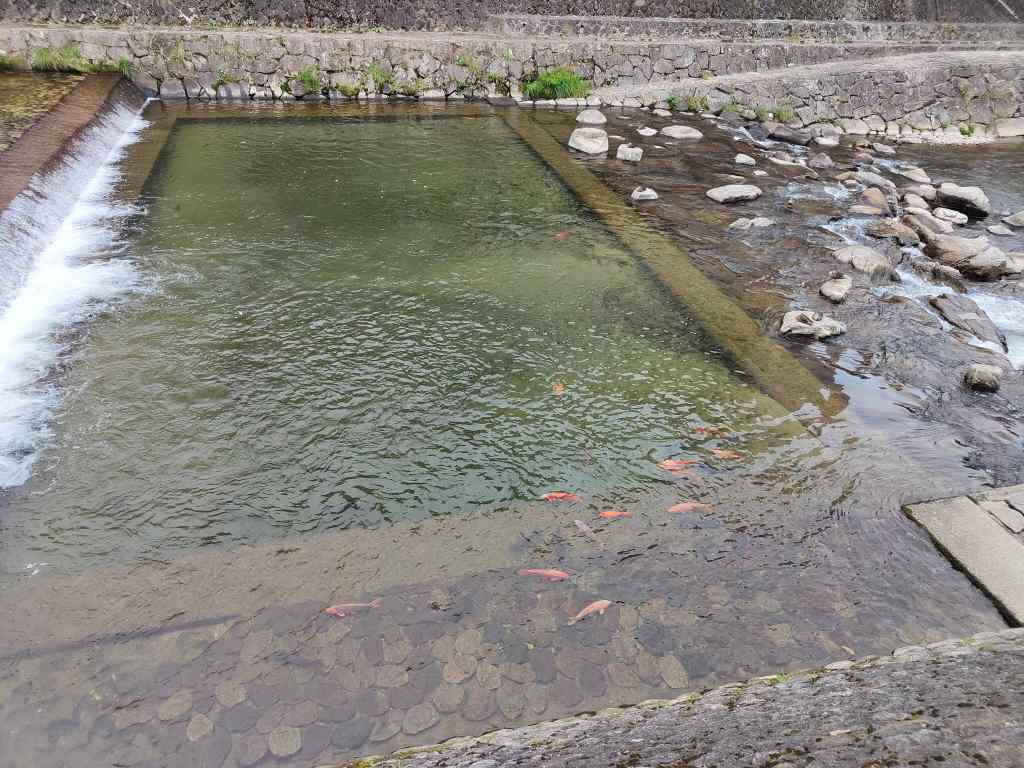
Carp at Liberty?

Feeling better about Takayama we regained our car and made the long drive back to Kanazawa – which was even more boring this time because we drove it one go, completing the last hour in the dark. 

We rewarded ourselves by returning to the restaurant we had visited by chance on the first night. The chef recognised us and greeted us enthusiastically. We again gave him a budget to work with rather than try to understand his menu, and again we were treated to another inventive feast of top-quality sea food.

Previous Post: Kanazawa

Next Post: Hiroshima
Kanazawa – a city with many sides

Over the next couple of days we explored Kanazawa, a port city famous for its food, and which retained many old districts, since it escaped bombing during WWII. The city was once the headquarters of the powerful Maeda family, who sided with Tokugawa Ieyasu in the decisive battle which led to the establishment of the Tokugawa shogunate. The Maeda’s Kaga clan became the second richest and most powerful in Japan, which greatly benefited Kanazawa’s development.  

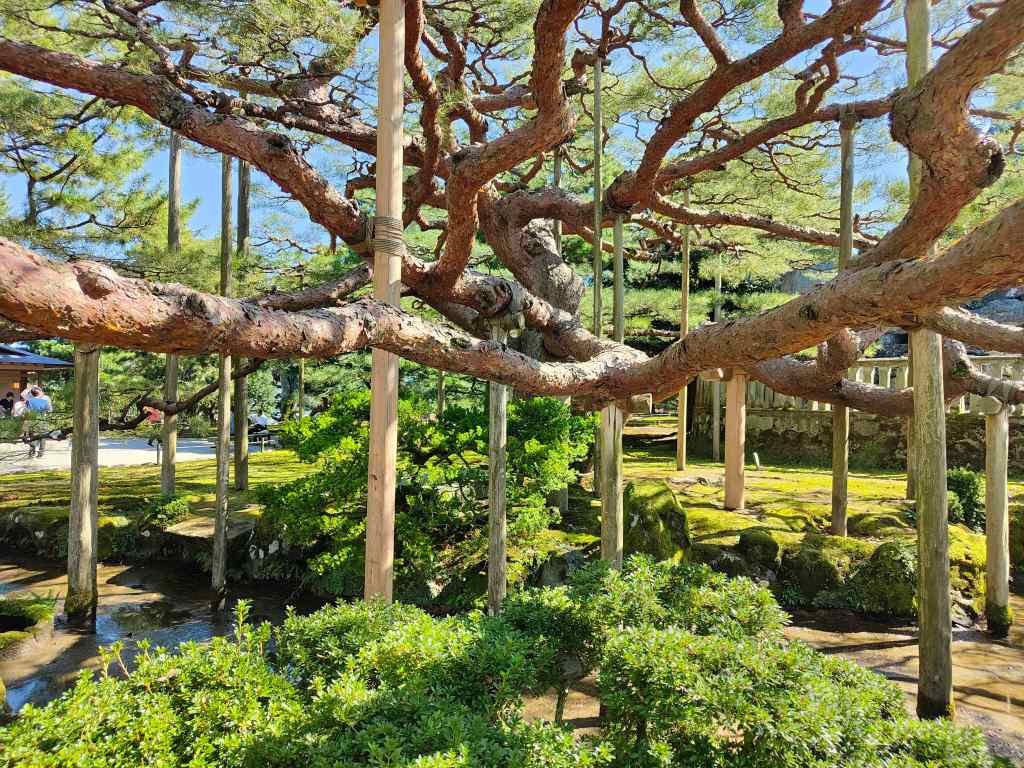
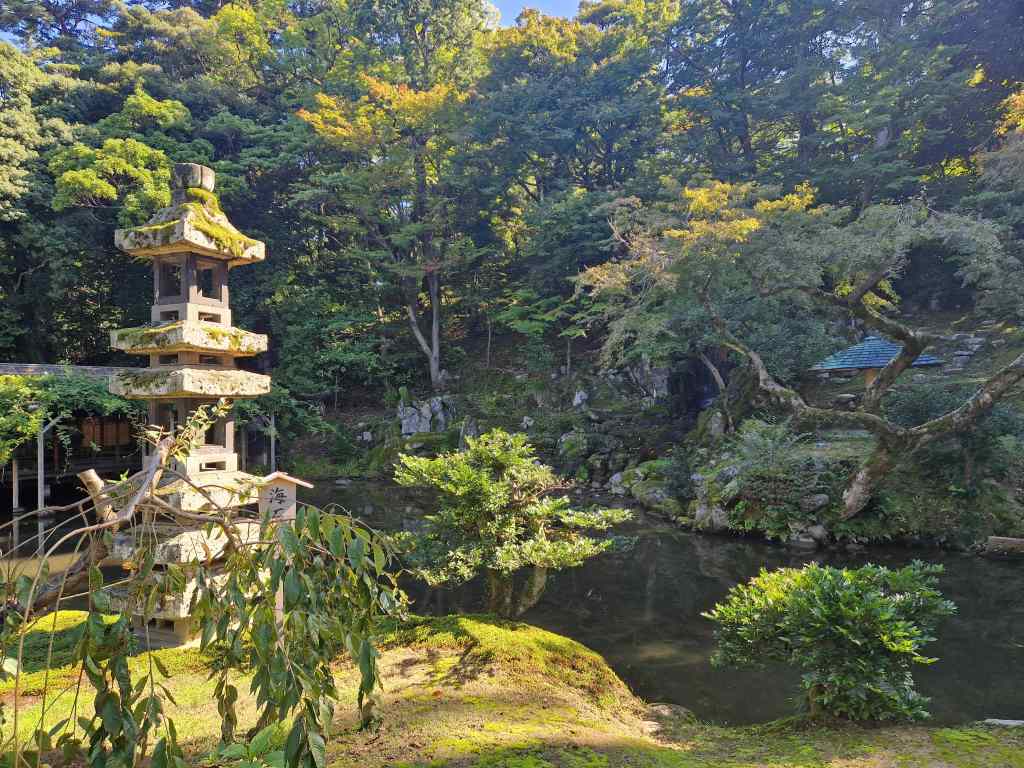
Our first stop was one of the city’s main attractions – the Kenrokuen Gardens. They were rather different to places like Kew Gardens that we knew from elsewhere in the world – very neat and ordered, as if in Japan nature is also elegant and tidy. It was a beautiful sunny day, so they looked at their best.

The magnificent Kenrokuen Gardens

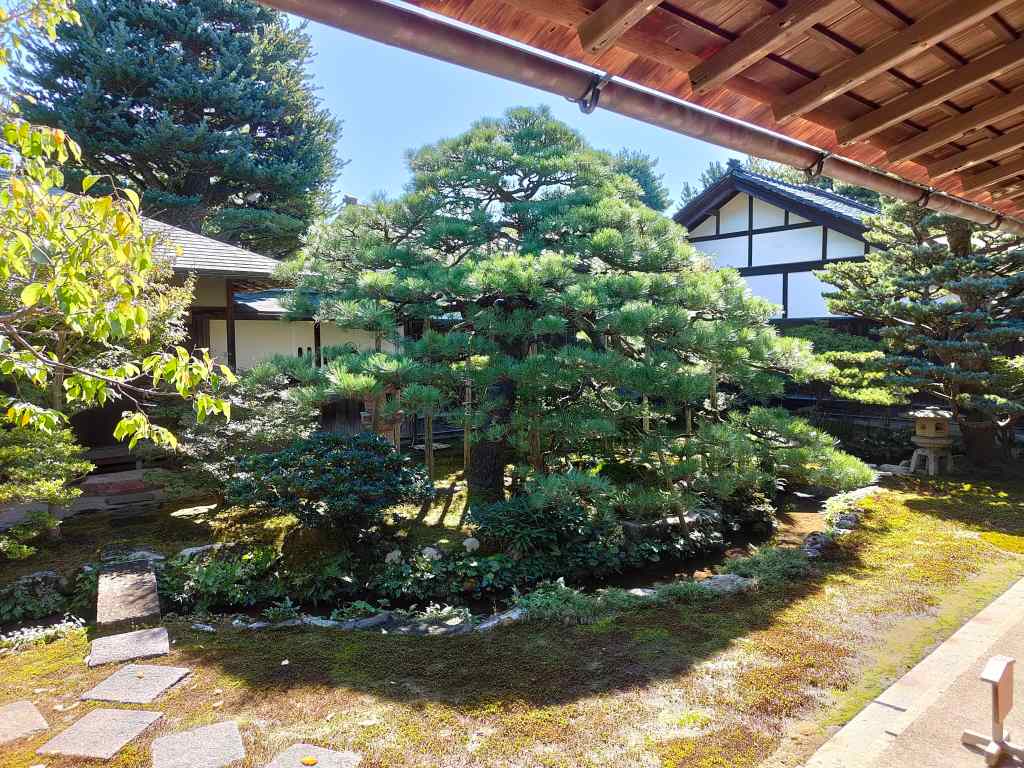
Inside the garden grounds was the beautiful  Seisonkaku Villa, built by one of the Maeda clan chiefs for his mother.

We were only allowed to take photos of the villa’s beautiful garden, not its inside

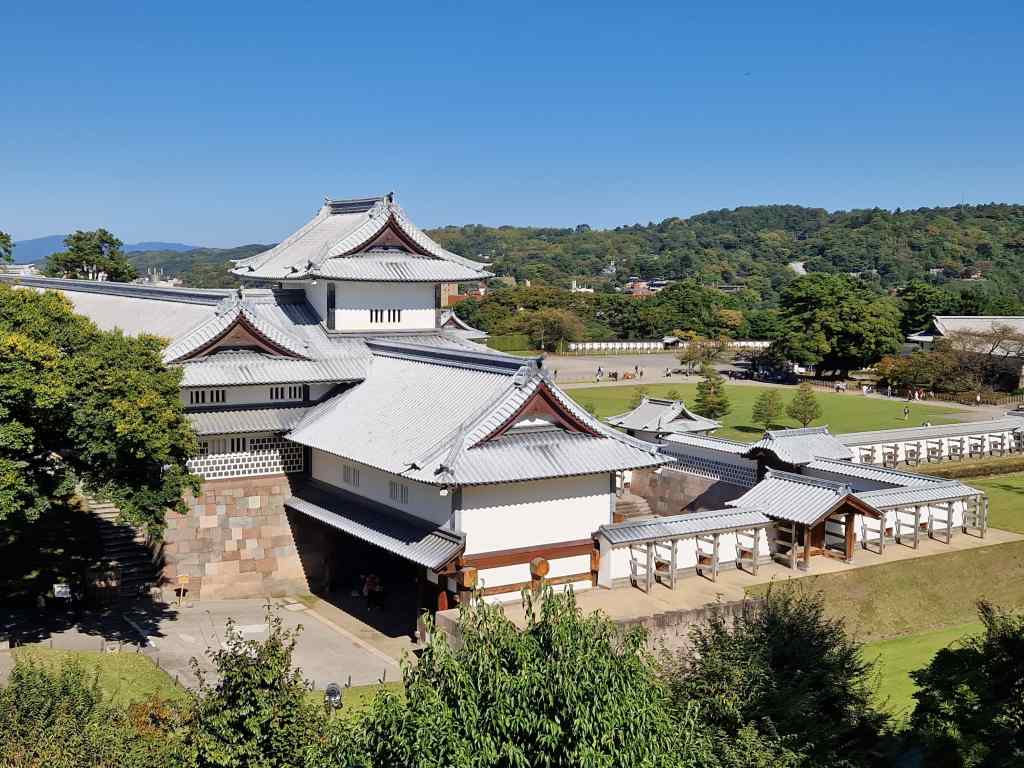
Our next stop was Kanazawa castle. This had burnt down several times during its history, mostly a disastrous fire in 1881 which left only one gate and two storehouse standing. It seems that fire and lightning were much bigger threats to wooden Japanese castles than enemy attacks. The buildings have been painstakingly restored in recent years, and now it makes for an impressive sight, even if what is visible is mostly modern reconstruction.

Kanazawa Castle

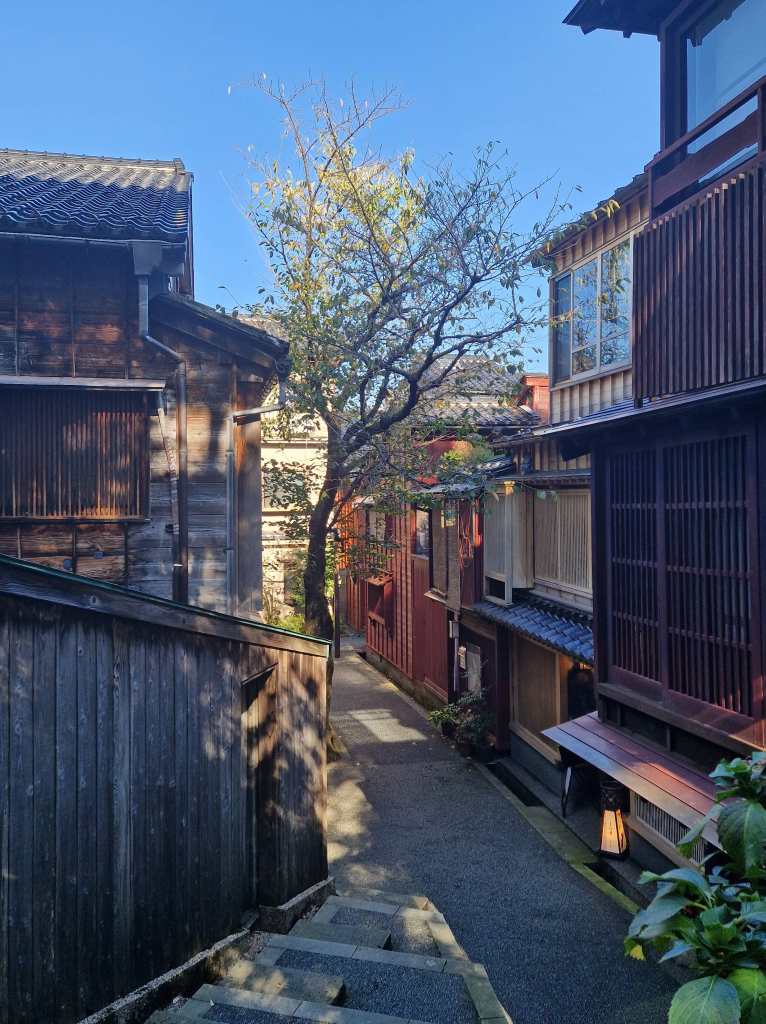
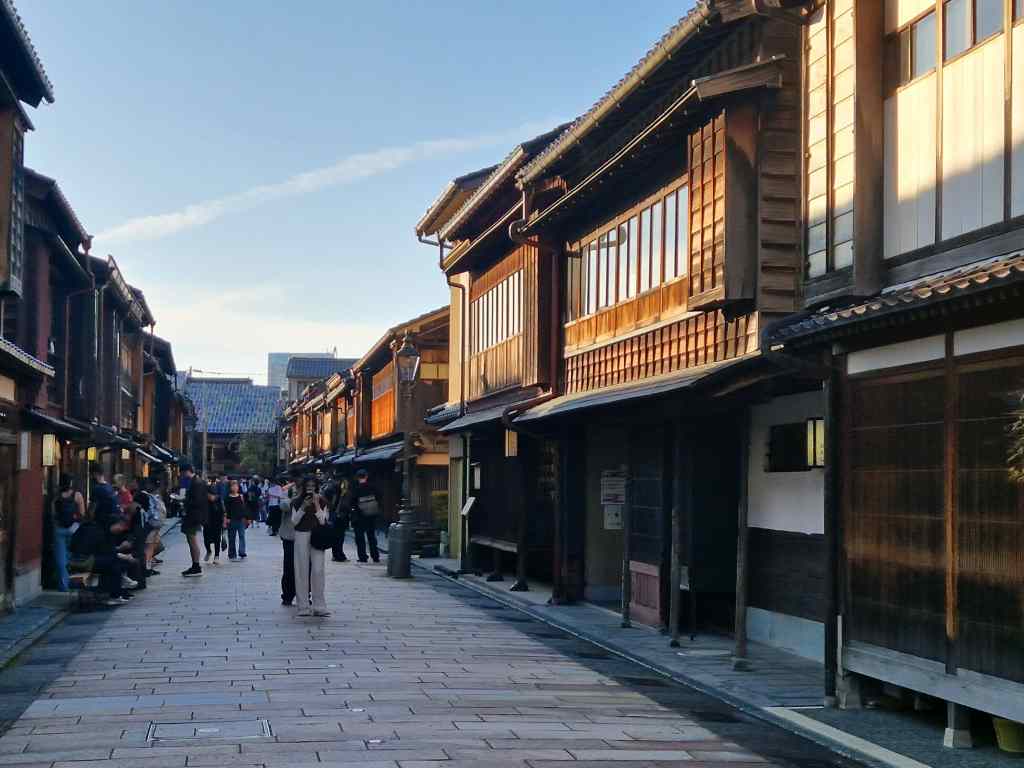
We didn’t visit inside, but inside continued our walk through the castle’s park to the city’s former geisha district. This was an odd mixture of charming quiet lanes, with wooden buildings and very few people, and a very busy centre with the same pretty houses, but lots of tourists.

Quiet (above) and busy (below) streets in the Geisha district

We stopped at the Ochaya Shima Geisha House, once a place where the geishas used to entertain their customers and now a museum (unlike most of the other former geisha houses, which have been converted into shops and restaurants). It was very pretty, but there was (as often in Japan) very little explanation in English about the exhibits and the geisha profession.

Inside the Ochaya Shima Geisha House

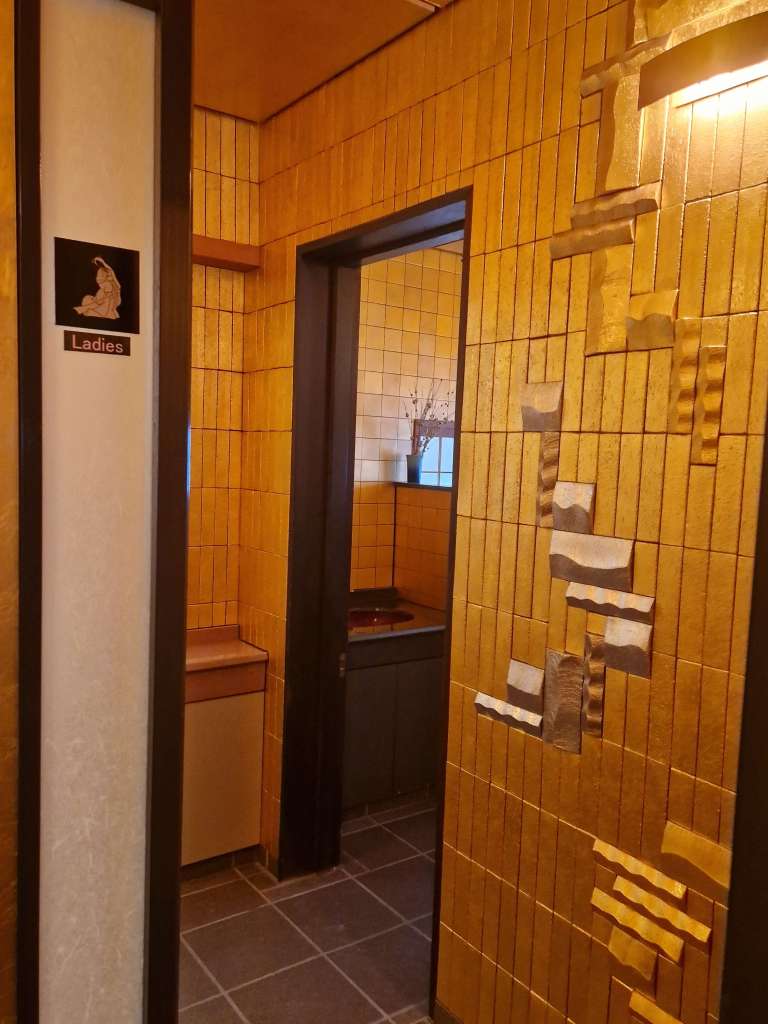
Our final stop of the day was a workshop making gold leaf and sculptures using this precious material. There were some really nice souvenirs on offer, but for us the highlight was the toilets, whose walls and ceilings were covered with gold (the ladies) or platinum (the gents).

A golden washroom!

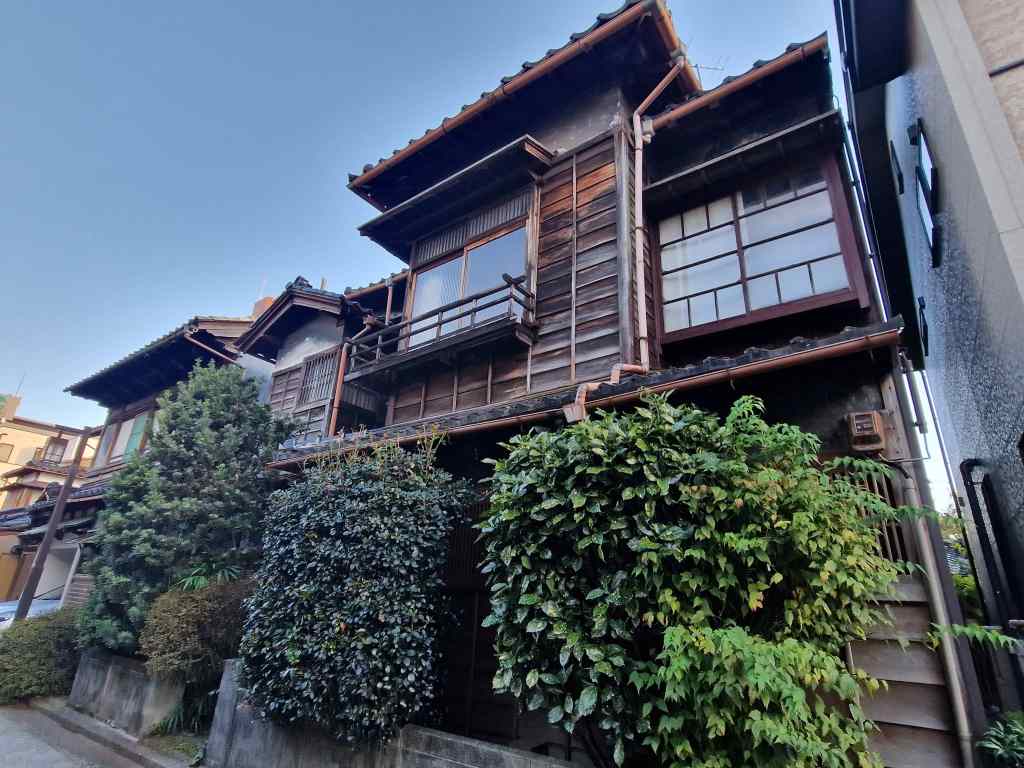
The next day we explored the city further, first visiting a district where many former samurai houses are preserved. It was indeed a beautiful area, despite the occasional tour groups. One of the old houses had been converted to a shop selling cakes and sweets, and we stopped there for a mid-morning coffee.

Fine buildings in the Samurai district

For lunch we headed to the Omicho market, a short walk away. The seafood here is rated amongst the best and freshest in all Japan, and originally we had planned to buy some sashimi for dinner. But we found that the shops selling food had mostly closed or sold out, leaving only restaurants. So, we changed plans and had an extraordinary sea food lunch instead.

A lunch to remember at the market

In the afternoon, we explored one final part of the city, a short bus ride away on the other side of Kanazawa’s river – the Teramachi Temple District. We found dozens of small temples located either on the main road or down quite side streets. We ended up outside one of the largest ones, the Myoryuji Temple, more often known by its nickname of “Ninja Temple”. There were signs saying that guided tours could be booked by telephoning to make a reservation or by applying to the temple office. This seemed rather strange – temples are usually free to visit – and we wondered if it was a tourist trap. We decided to give it a chance and were put on a tour leaving immediately. It was one of our best decisions of the holiday.

The structure was built by a Maeda lord at a time when there was deep mutual suspicion between his clan and the ruling Tokugawas.  Superficially a temple from the outside, it was in fact a disguised military installation with many features to ensnare enemy soldiers or assassins. The tour was in Japanese only, but they gave us booklets with a description of each room in English. Our guide led us through fifteen rooms, each with a fascinating set of features, including many devious traps for the unwary. These included a secret escape tunnel, sunken pits for enemies to fall into, hidden doors, a watchtower, and our favourite – a small windowless room where a vanquished samurai warrior was expected to commit ritual suicide if he had failed to defeat intruders. The forty-minute visit was a highlight of Kanazawa and also of Japan as a whole.

The outside of the “Jinja Temple” (sadly photos inside not allowed)

This pleasant surprise concluded our exploration of Kanazawa. We thought the city’s reputation as one of the most interesting in Japan was richly deserved.

Previous Post: The Alpine Route

Next Post: Takayama

Wow – Japan’s Alpine Route

Today we set off on one of Japan’s great travel experiences – the Alpine Route. This involves a succession of different modes of transportation that delivers travellers across the Japanese Alps – from Ogizawa in the southeast to Toyama in the northwest. In our case, the trip included extra sections getting to the starting point and also from Toyama to our final destination of Kanazawa. I had researched the trip on the web, but was rather confused by the description given by the Japanese transport company managing the route. It all seemed rather complicated, including surrendering our luggage at the start and magically getting it back at the end.

We had to set off early on the 07.48 local train from Matsumoto to Omachi. The weather was cloudy and I worried about the complexity of the trip, whether we would actually see anything up in the mountains, and how cold it would be on top (the weather forecast for Murodo, the highest point of the route, was 0°C). A physical discomfort was soon added to our mental ones; our backsides started to get uncomfortably hot. Although it was a basic local train, the seats were heated when they detected that they were occupied by passengers. The intensity of the heating suggested that they were designed for the depths of the Japanese winter, when temperatures in this area can drop to -15 °C – and not for autumn. We found the only way to survive was to continually change seats, moving on when our new places got too hot to endure. The few other passengers in the train – all Japanese – looked at us with puzzlement. They seemed not to mind having their posteriors roasted.

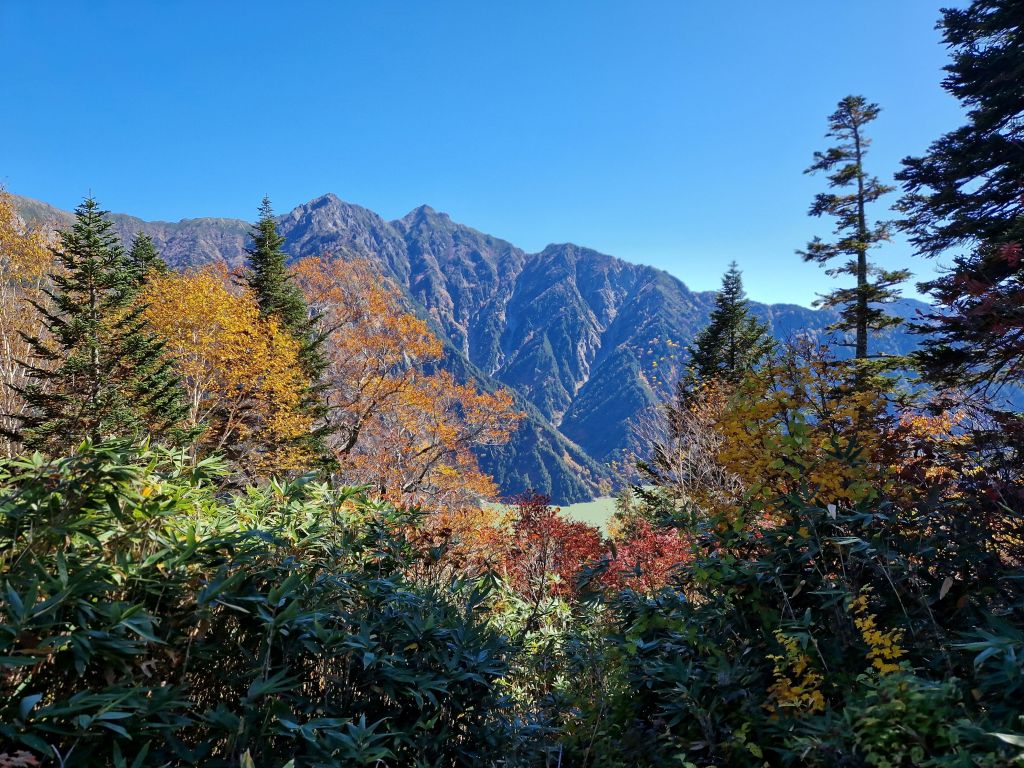
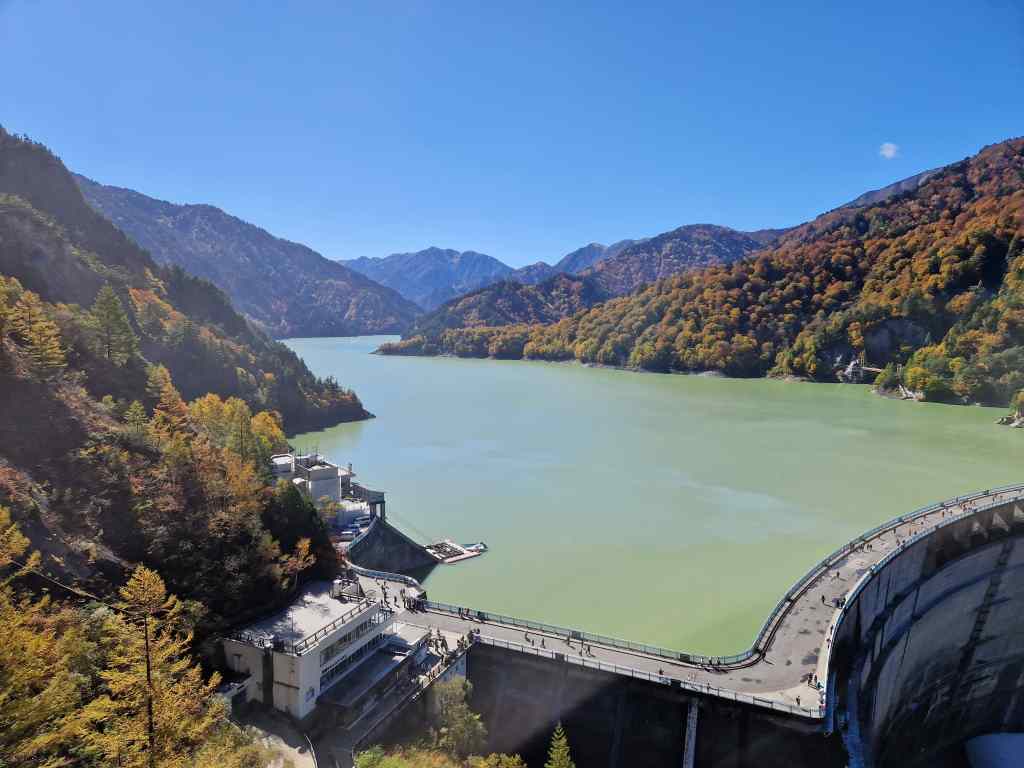
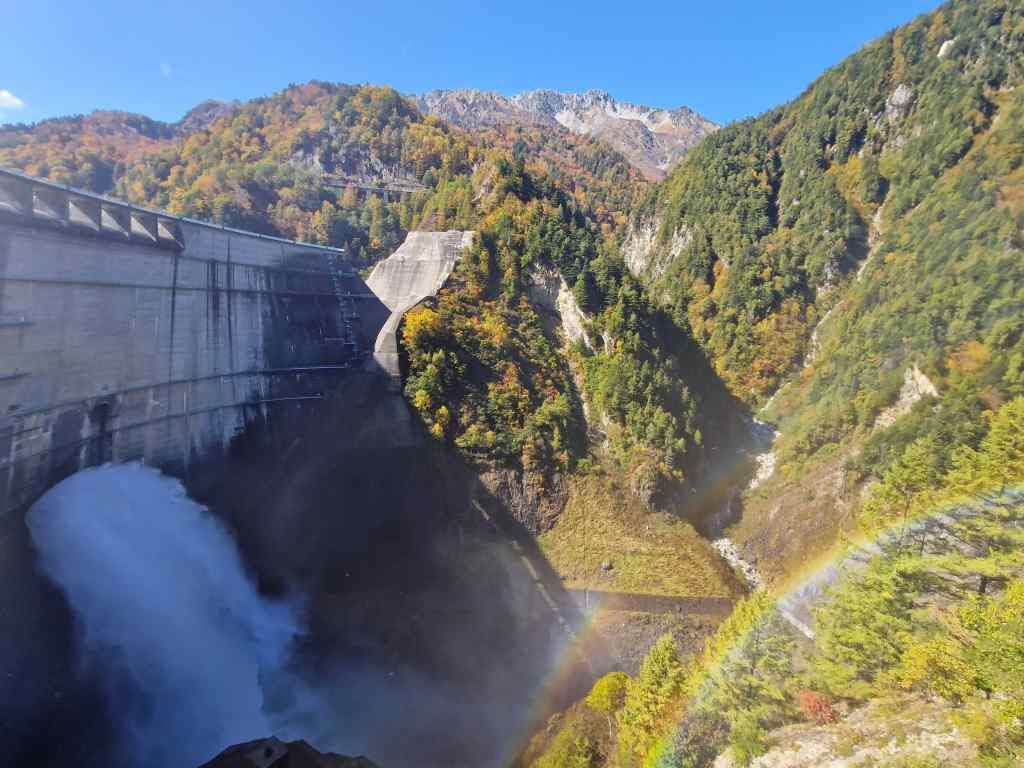
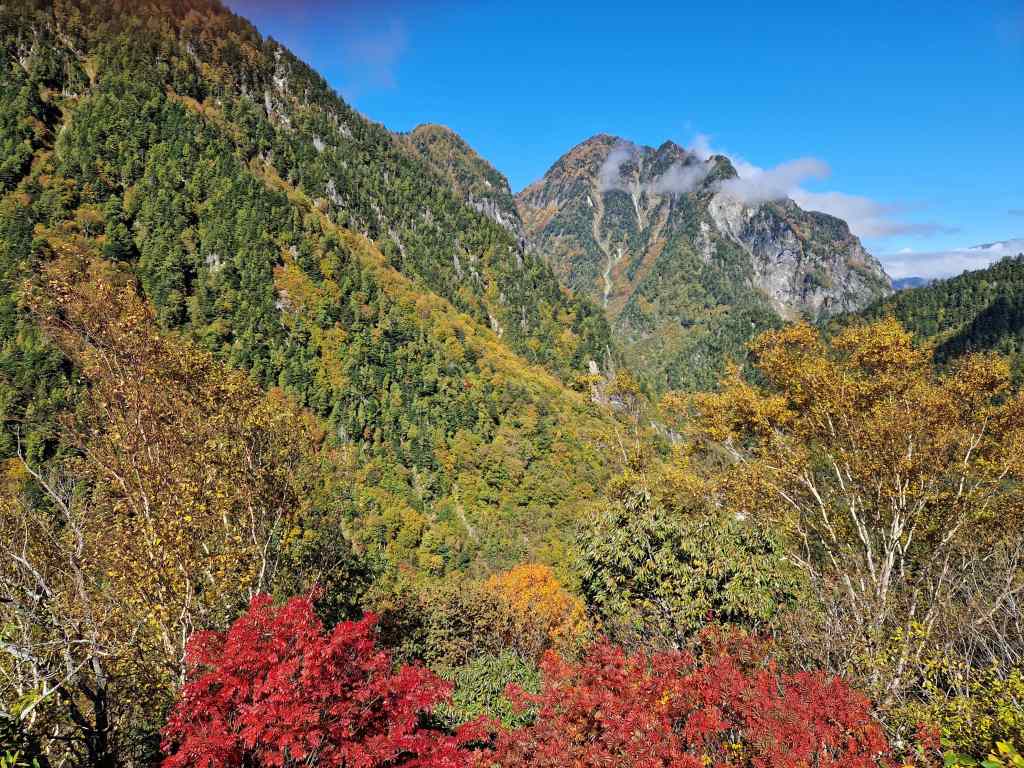
We arrived at the small, uninteresting town of Otomachi about an hour later and were glad of the exposure to cold mountain air. We found the office offering bag forwarding and handed over our luggage, wondering if we would see it again, and waited for a local bus to a place called Ogizawa, which marked the beginning of our ascent into the mountains. This turned out to be another unremarkable small settlement. To get this far we had spent three hours on mundane local trains and buses, under heavy clouds, and were thinking that the Alpine Route had better be good to justify all this effort. Next, an electric bus took us through a long tunnel to the first stop on the Alpine Route proper. As the bus slowed down to stop at its destination, we could see brilliant sunlight streaming in from outside and hurried off to admire the first of a series of amazing sights – the Kurobe dam. From this point on, words cannot do justice to the scenery and I will let our photos tell most of the story of an amazing trip.

The Kurobe dam
Kurobe dam double rainbow
Scenery around the Kurobe dam

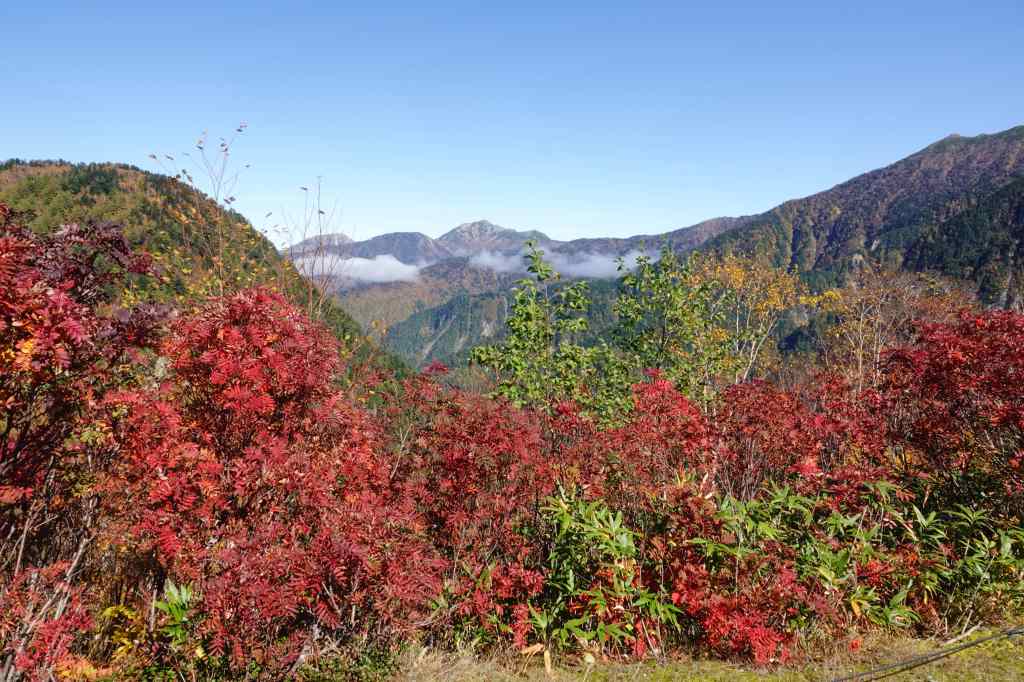
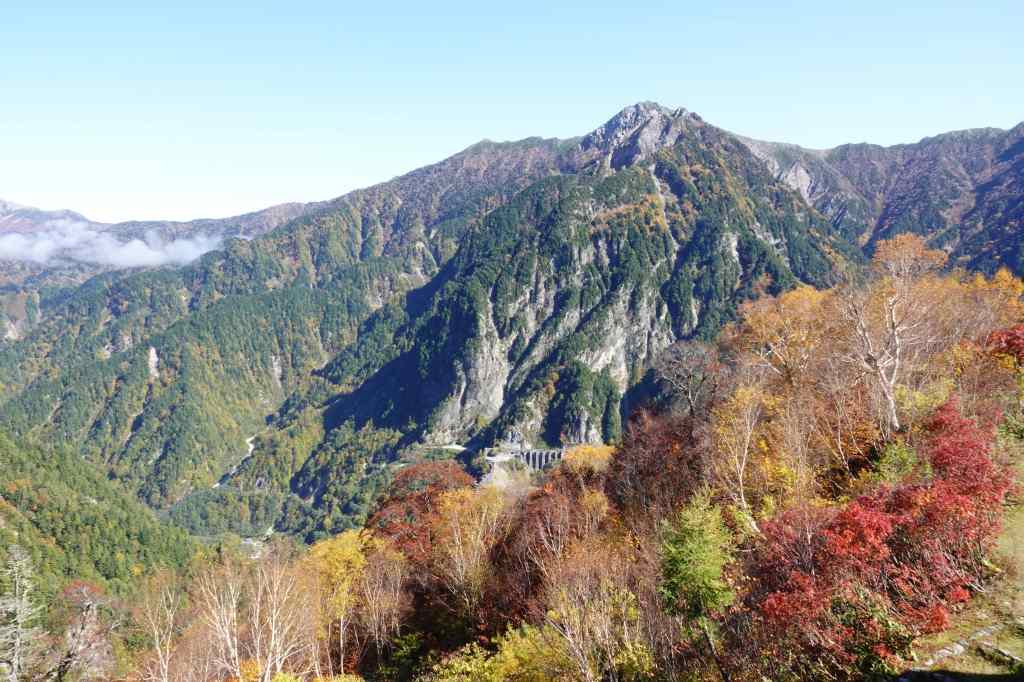
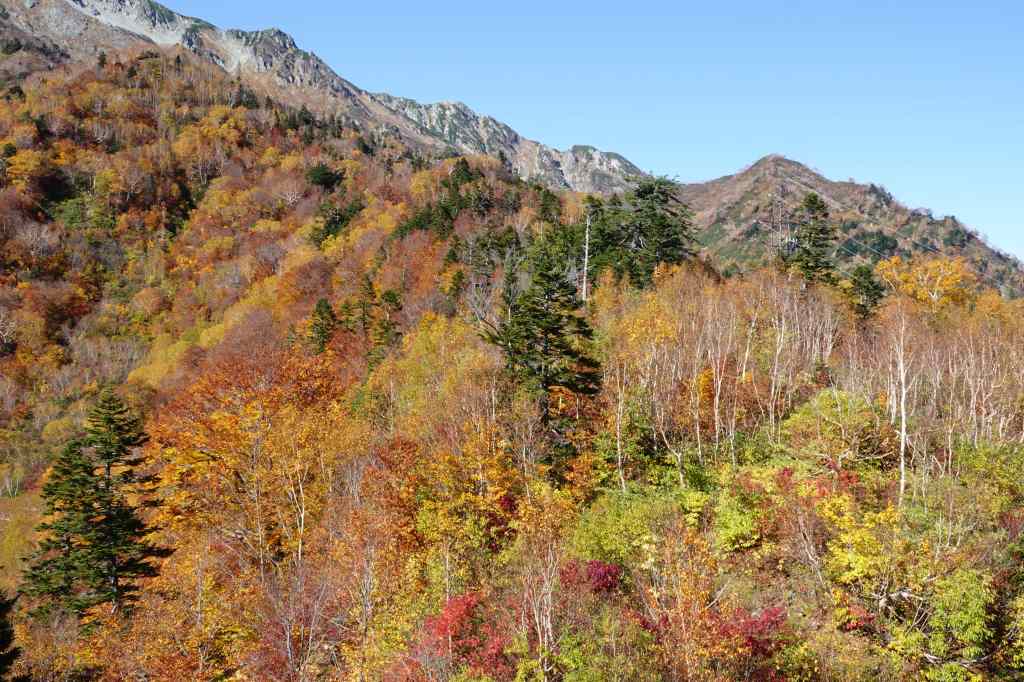
From the Kurobe dam there was a cable car to Kurobedaira, where there was a small botanical garden and yet more stunning views.

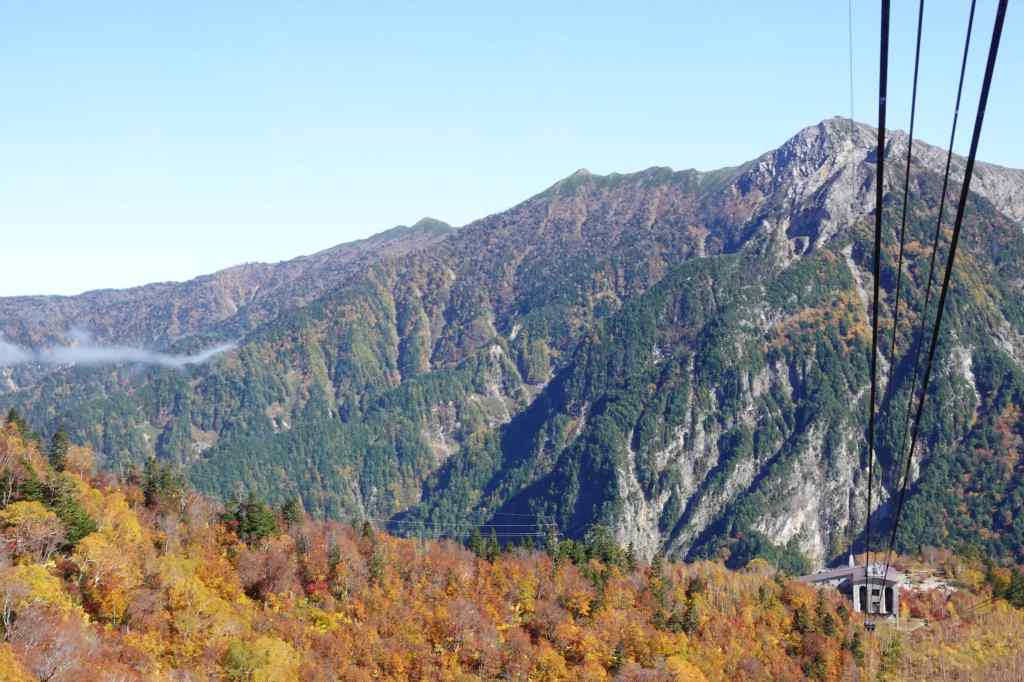
Views at Kurobedaira

From Kurobedaira the Tateyama ropeway took us to Daikanbo….

On the Tateyama ropeway

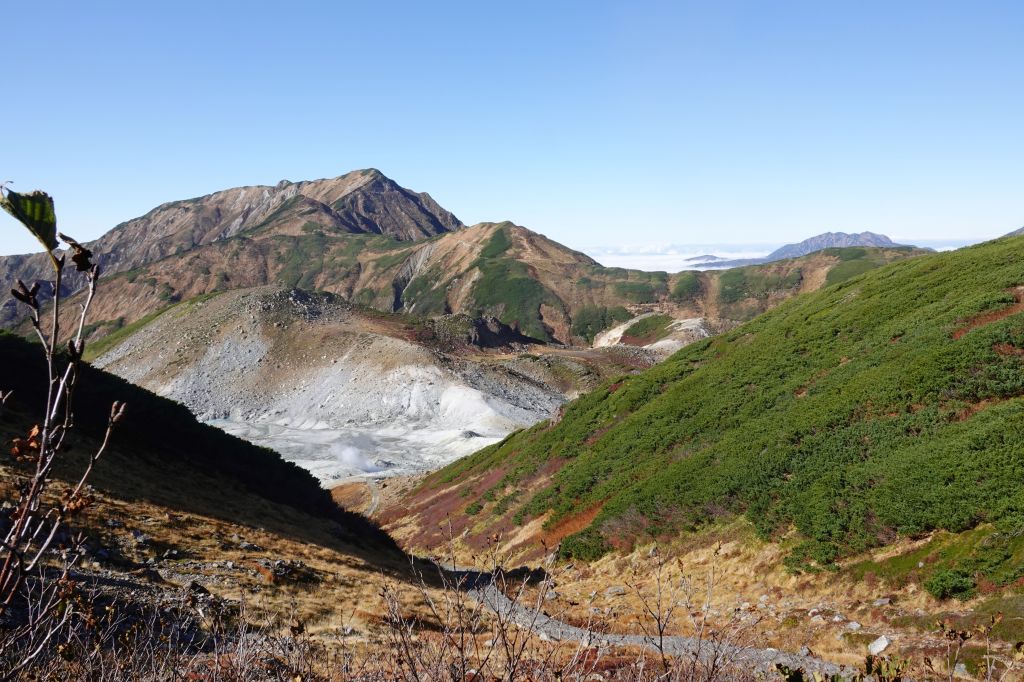
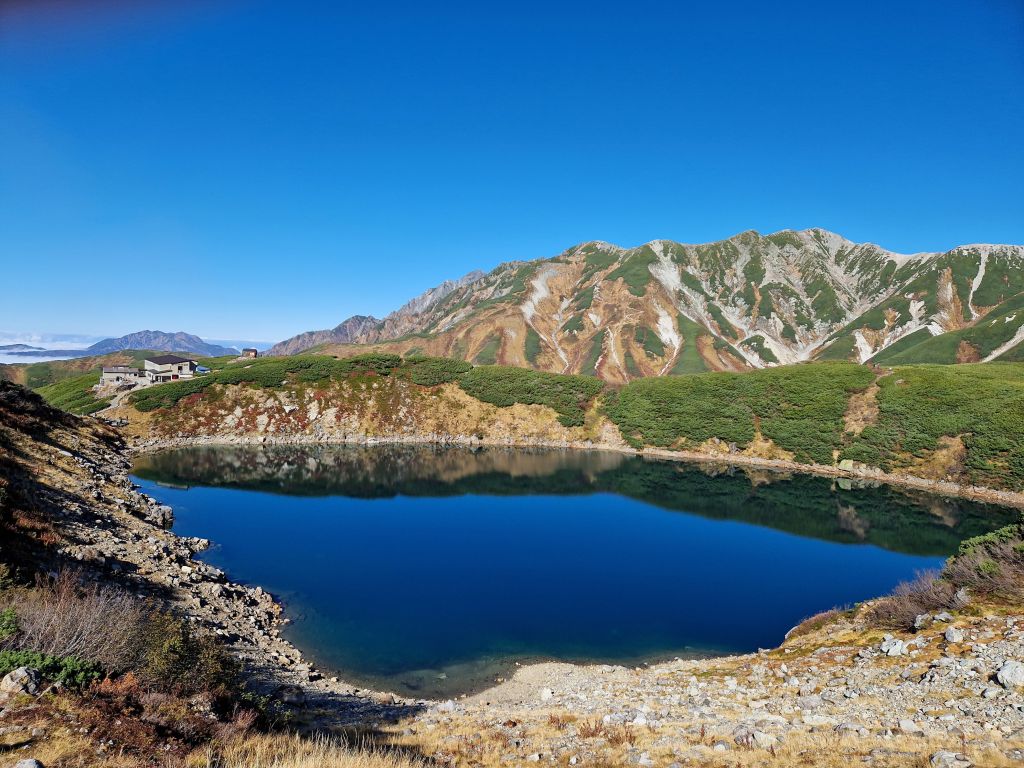
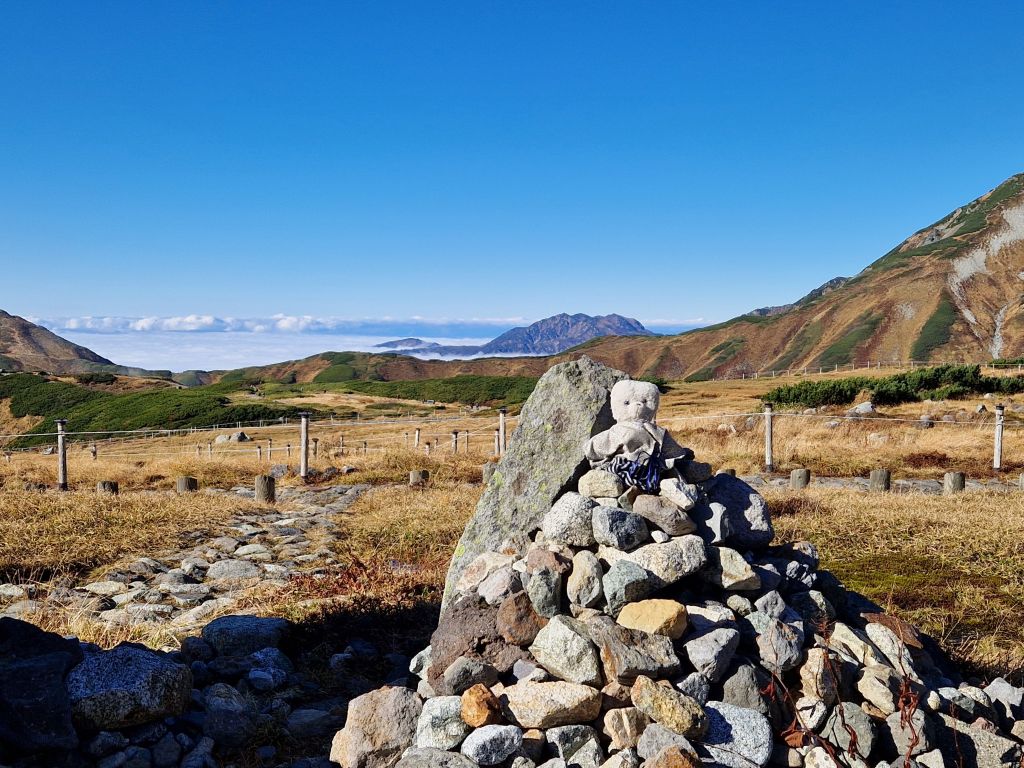
….from where an electric trolleybus took us through the mountain to the highest point of the trip, Murodo (2450m), where the scenery markedly changed and where we made a short hike.

Hiking around Murodo

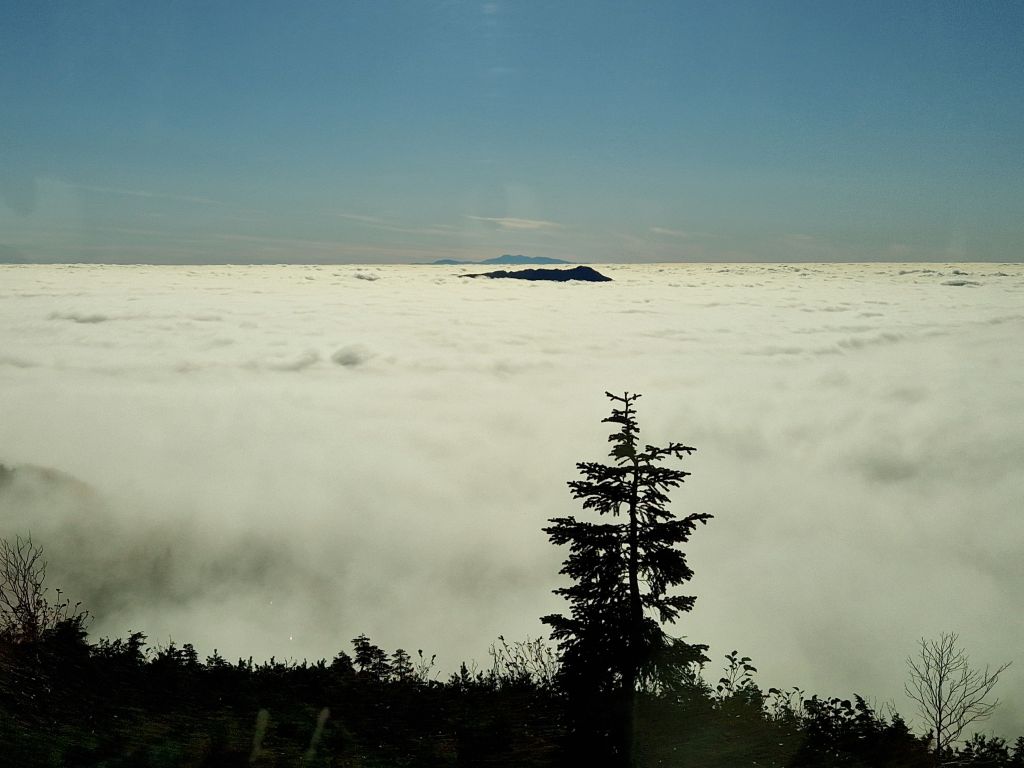
From Murodo, there was a regular bus down to Midagahara. On the way we saw, and then entered, the magical “sea of cloud”.

The Sea of Cloud

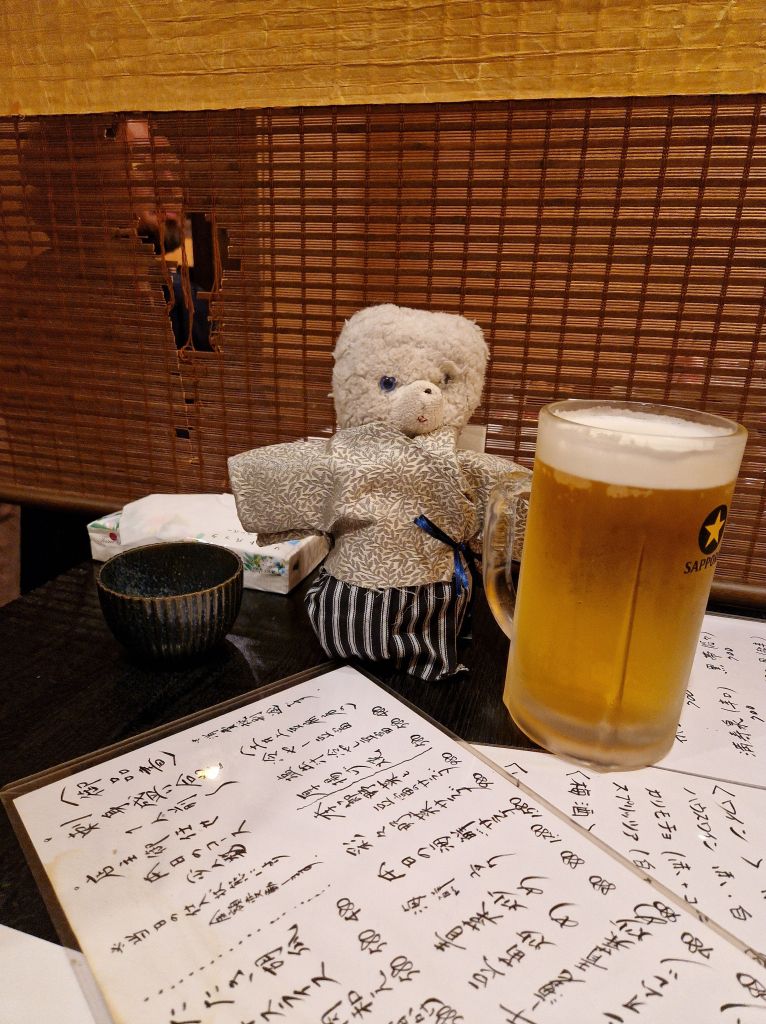
After we had entered the “sea of cloud” the weather was, unsurprisingly, cloudy and there was not much more to see. We still had to take a cable car down to Tateyama (where our luggage was magically waiting for us), then a painfully slow local train to Toyama, and then an express “shinkansen” to Kanazawa, and then a taxi to our house. We finally arrived at around seven, after 11 hours of travelling – half of which had been magical. We dumped our bags and headed out to the nearest restaurant. They only had a menu in Japanese, written with such a highly stylised script that Google Translate could only decipher the words “conger eel”, “egg” and “today’s horse” amongst a sea of hieroglyphics. We asked the waiter to choose for us, setting a budget of 7,000 yen, and were served a real feast with six courses including – sashimi, tempura, omlet and miso – all of very high quality. We ate so well that it was a relief when tea arrived to signal the end of the meal. It was a fitting end to an exceptional day.

Trying to figure out the menu

Previous Post: Matusmoto

Next Post: Kanazawa

Blog at WordPress.com.

Up ↑