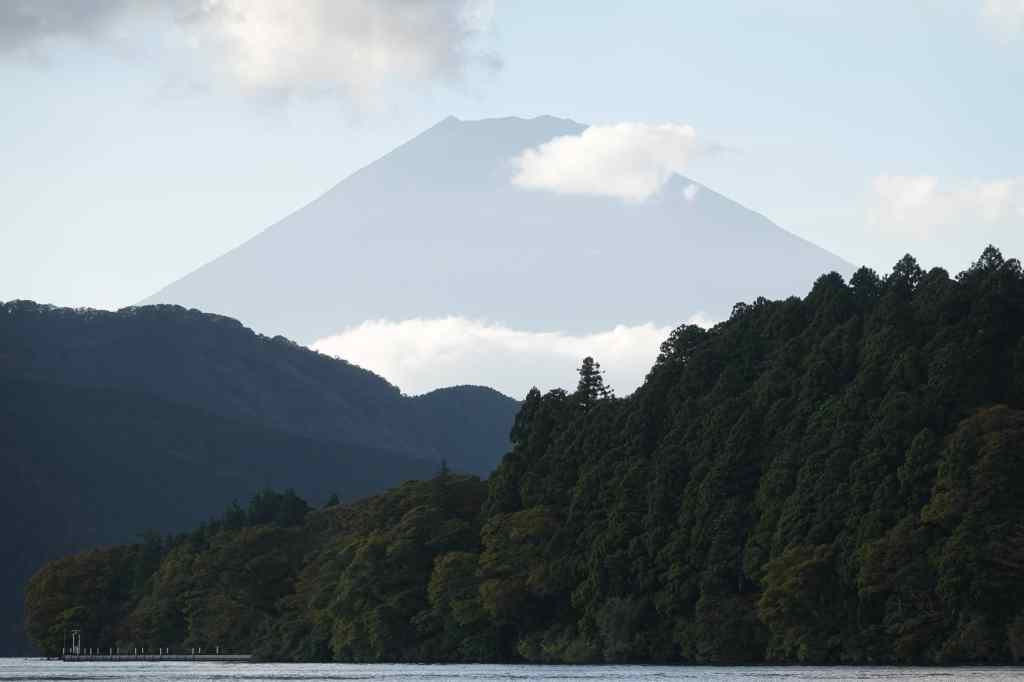
Fuji-san, where are you? – the Hakone Circuit

Today we took another excursion outside of Tokyo – this time to Hakone, a town on a lake near Mount Fuji. The weather forecast was good, and I had booked a rather expensive “Hakone pass” allowing free travel all around the area and made a reservation in the special “Romancecar”, an express train service that leaves from Shinjuku station. We arrived in good time, only to hear an announcement that our train had been cancelled – something that is not supposed to happen in Japan. We spent a stressful few minutes trying to figure out what to do. As we left the platform in search of information, the turnstile swallowed Aki’s Hakone Pass. In alarm we asked the staff for help, and to our surprise they spoke good English. One of them helpfully held back the masses of commuters trying to use the turnstile so that he could open the machine and retrieve our ticket, and then told us that regular, slower trains were still running to Hakone and would take about 30 minutes longer. We would also now need to change trains at the end of the line or take a bus to cover the last stretch to Hakone.

We boarded one of the slower trains and again experienced an hour of watching Tokyo’s bland suburbs, followed by an hour of progressively more interesting scenery. At the terminus of Odawara we took a very crowded local train on to Hakone Yumoto, which left from a platform number 11, confusingly located next to platform 7. On arrival, we found that we had lost an hour compared to our original plan, and that it was cloudy.

The enterprising Hakone Tourist Association has set up a fun system of travel around the area including trains, a cable car, a ropeway and even pirate ships. They all accept the Hakone pass and form a big loop connecting the area’s many attractions. This circuit is hugely popular with foreign and Japanese tourists alike, and even though it was not the weekend, it was very busy. We boarded a small train to do the first part of the route. On a different day this ride could have been fun, as the railway line makes a steep ascent of a mountain, squeezing through narrow valleys and tunnels. But the train was very crowded and although we got seats, they faced inwards into the mass of standing passengers.
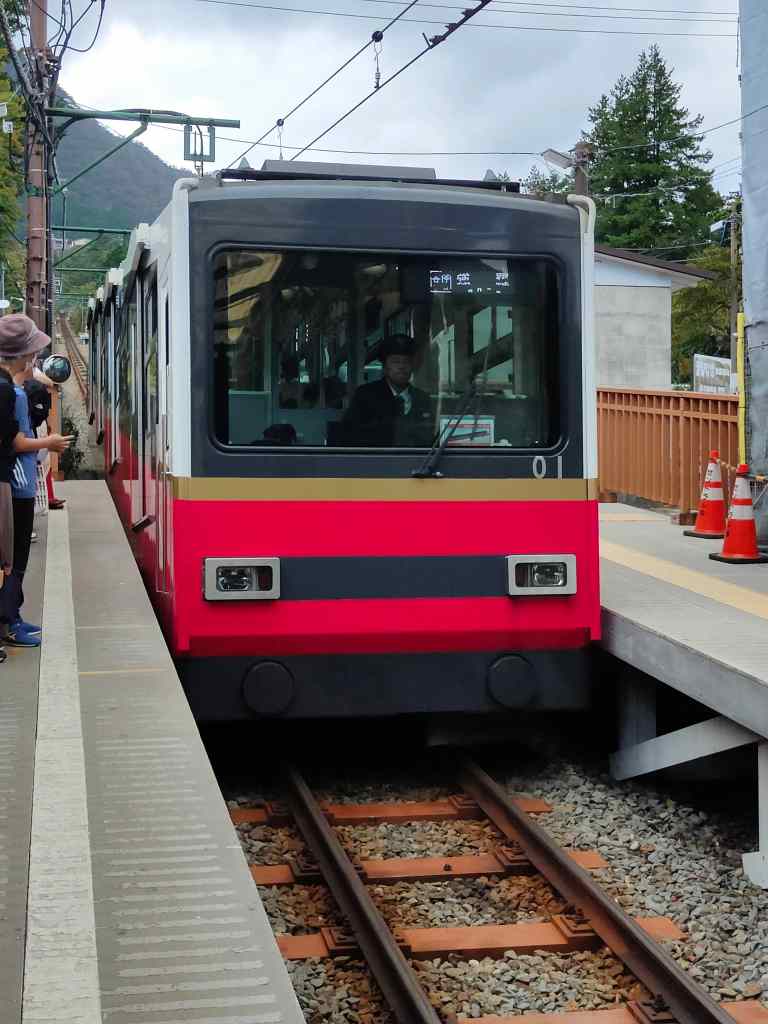
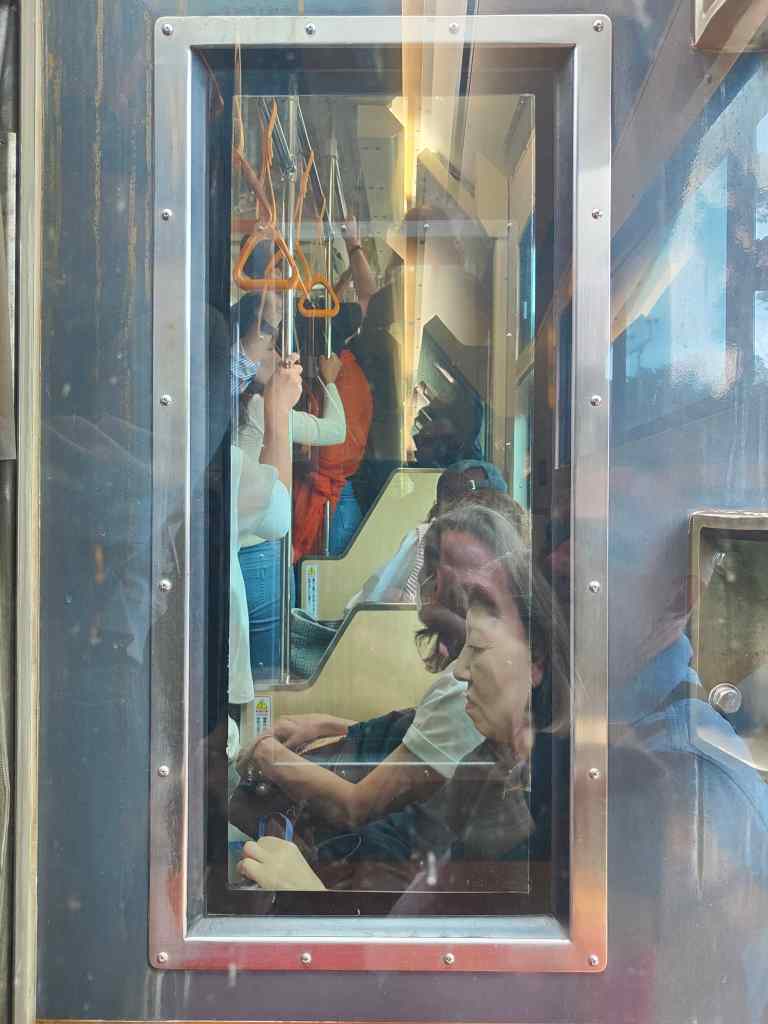
Hakone cable car…
….or human sardine can?

At the end of the train line, we took a very slow cable car for another slow, cramped climb up a mountain. I was beginning to feel decidedly grumpy and rather regretted my whole Hakone plan. Next, came a ropeway, where at least we have more space and the possibility of some views. Over a Tannoy system it was announced that Mount Fuji was to our right….as indeed it might have been. We could see something big looming up behind dark clouds but were not sure that this was the iconic volcano.
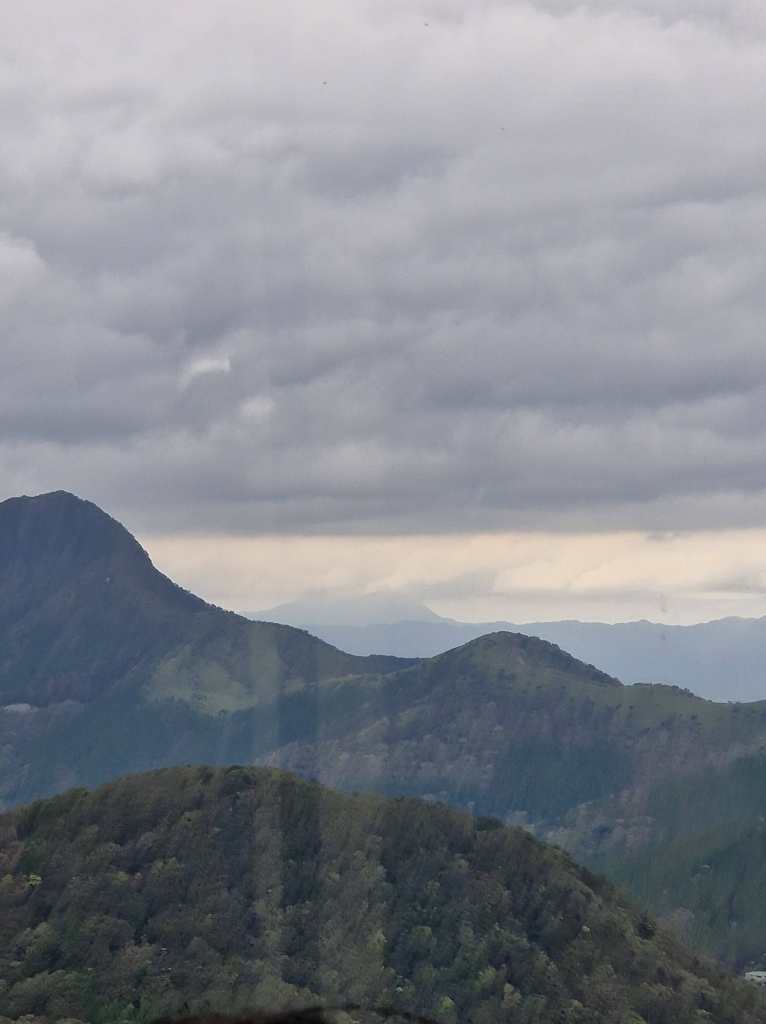
Fuji-san, where are you?

Then things got more interesting, as our cabin flew over a valley filled with jets of steam emerging from vents in the ground. There was a strong smell of sulphur and in places the ground was bright yellow.

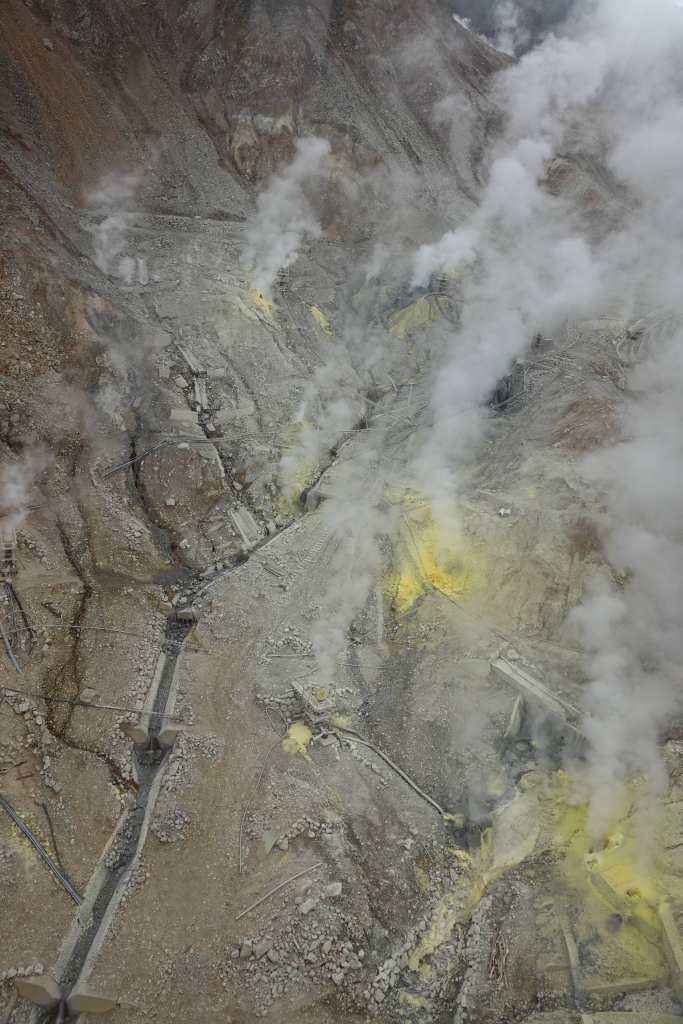
Things get more interesting!

We arrived at an intermediary ropeway station called Owakudani from where we could admire this spectacle from closer up.
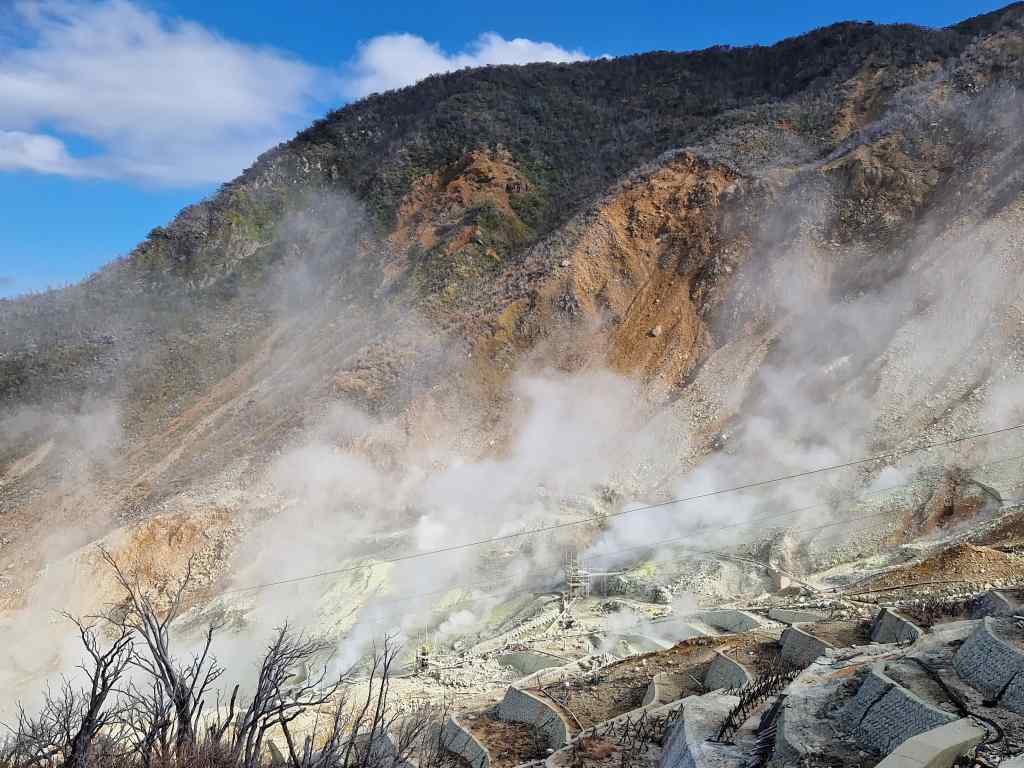
Volcanic activity at Owakudani

A local tradition is to boil eggs in the sulphur springs, which makes them go black. They claim that eating one extends your life by seven years….but I wonder if that is not another invention of the Hakone Tourist Board. There were several shops selling them, so I tried a couple – they tasted exactly like normal eggs.
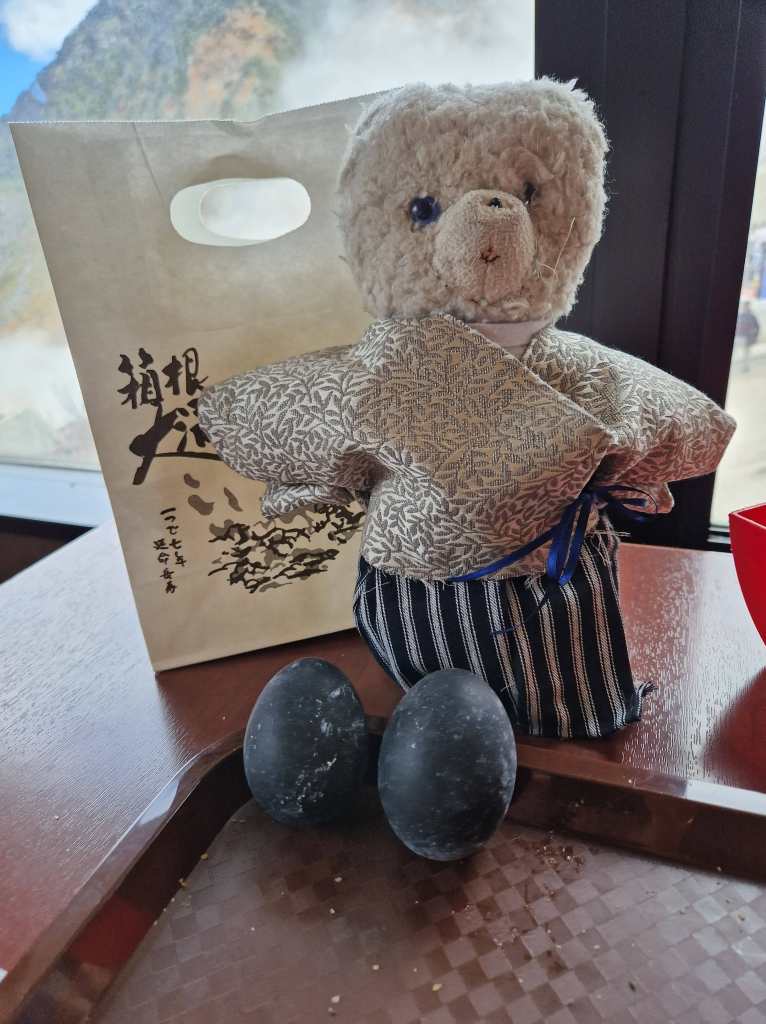
I will live 14 years longer! (according to the Hakone Tourist Board)

Enterprising locals have extended the “black food” idea further and also offer black ice cream and black curry buns. We tried both – the ice cream was simply vanilla with bamboo charcoal added, and made our teeth go back. I am not sure how they make the black curry bun, but it was really delicious, and began to restore our mood, which had been a bit down. The emergence of the sun also helped cheer us up, as we could better appreciate the scenery. It also gave us hope that on the last section of our trip – the boat ride – we would finally see Mount Fuji.
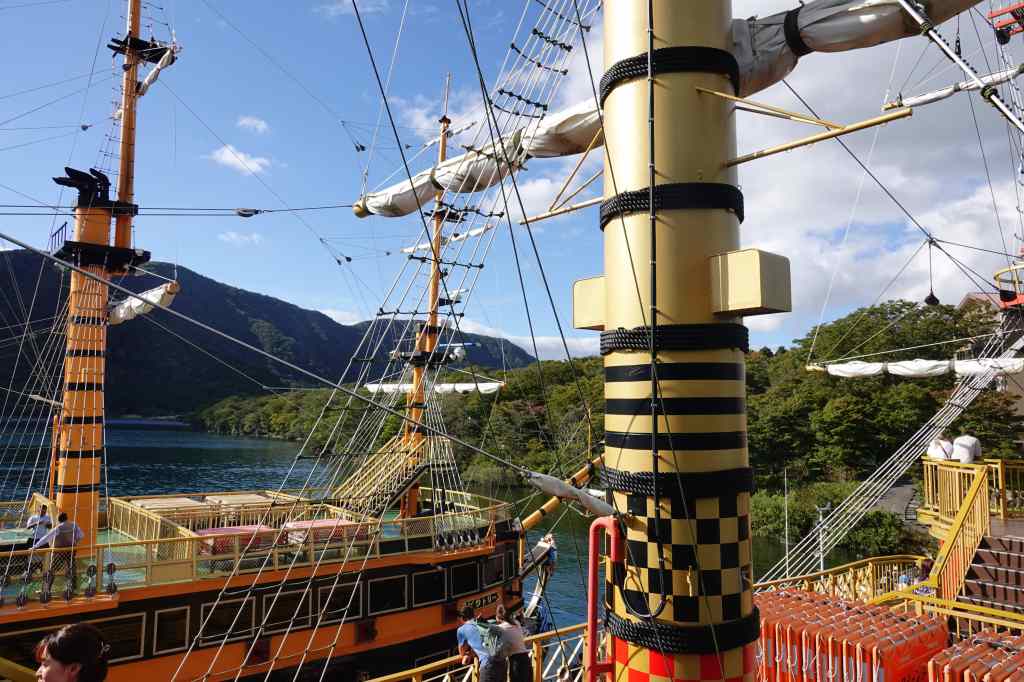
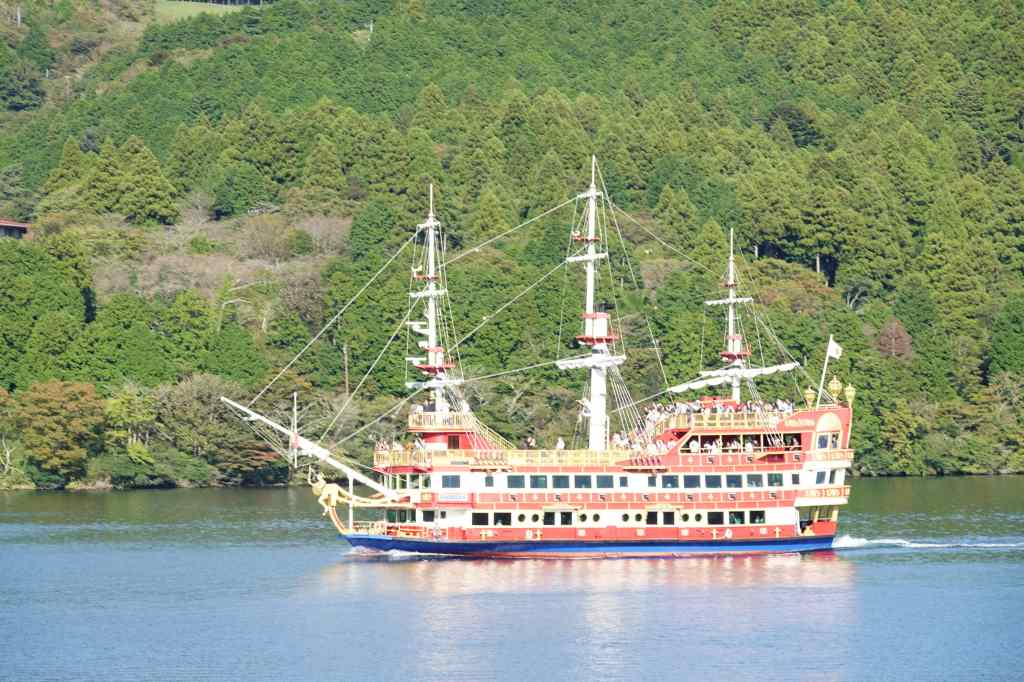
Pirate ships! Don’t ask me why

We continued the rope way back down to Lake Ashi,  where we queued up for the last part of the Hakone circuit – a boat ride across the lake on a pirate ship. Why a pirate ship? We have no idea, please ask the Hakone Tourist Board. The cruise was corny but fun, and we were now enjoying bright sunshine – but Mount Fuji remained stubbornly hidden behind clouds. We arrived at a small town called Motohakone with Fuji-san still refusing to appear and decided to visit one last thing in the area – the Hakone-Jinja Shrine. We headed back from there to join the long queue for the bus back to the train station; I had calculated that, queuing time included, we had just enough time to catch the “Romancecar” we had reserved for 17.00.
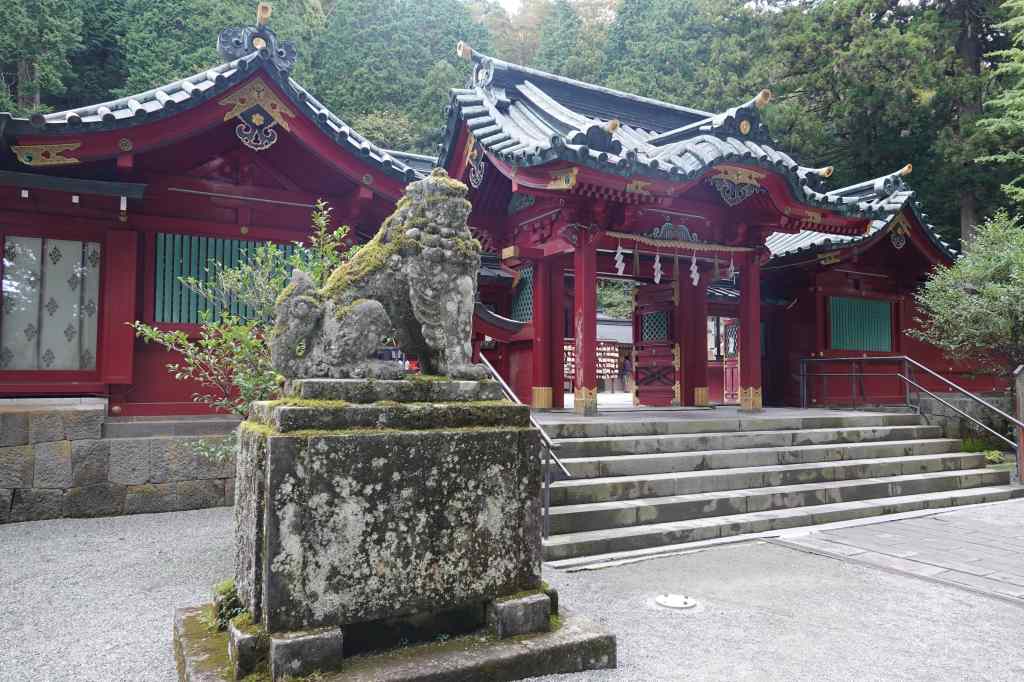
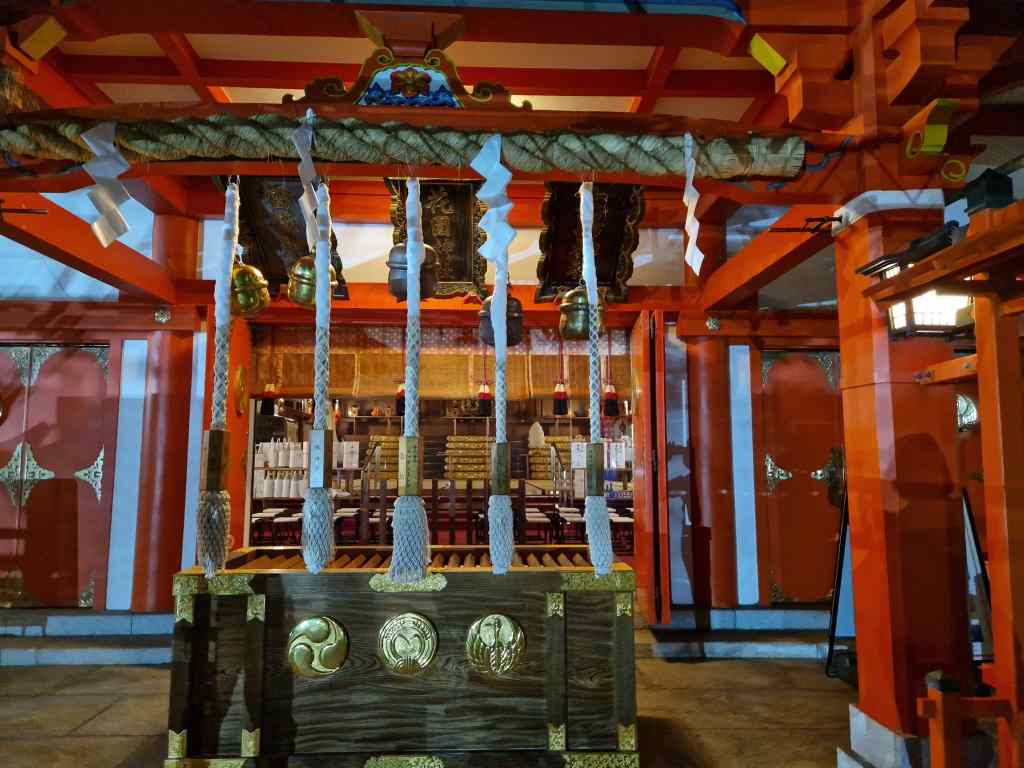
The Hakone-Jinja shrine

However, once we had regained the town, we had a pleasant surprise. The clouds had lifted and at the far end of the lake, there stood Fuji-san in all its glory.
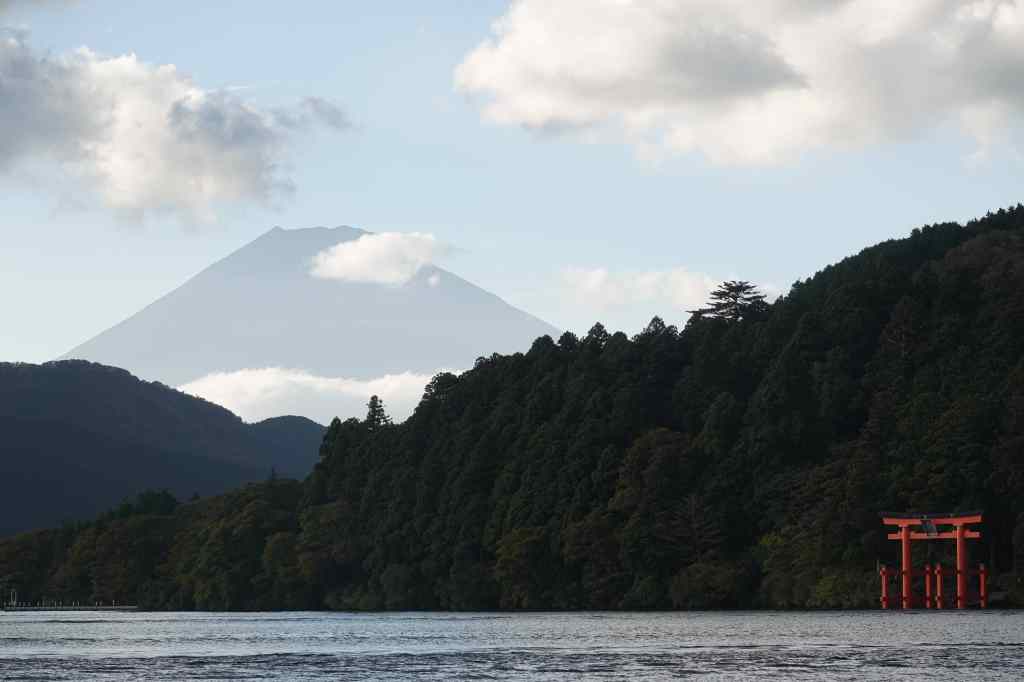
Finally Fuji-san appears!

We stayed for ten minutes, and decided that seeing Fuji at sunset was as once-in-a-lifetime experience that was well worth missing our train for. Instead of taking the bus, we walked along the shore of the lake to a pretty park, for yet more stunning views of Japan’s iconic volcano.
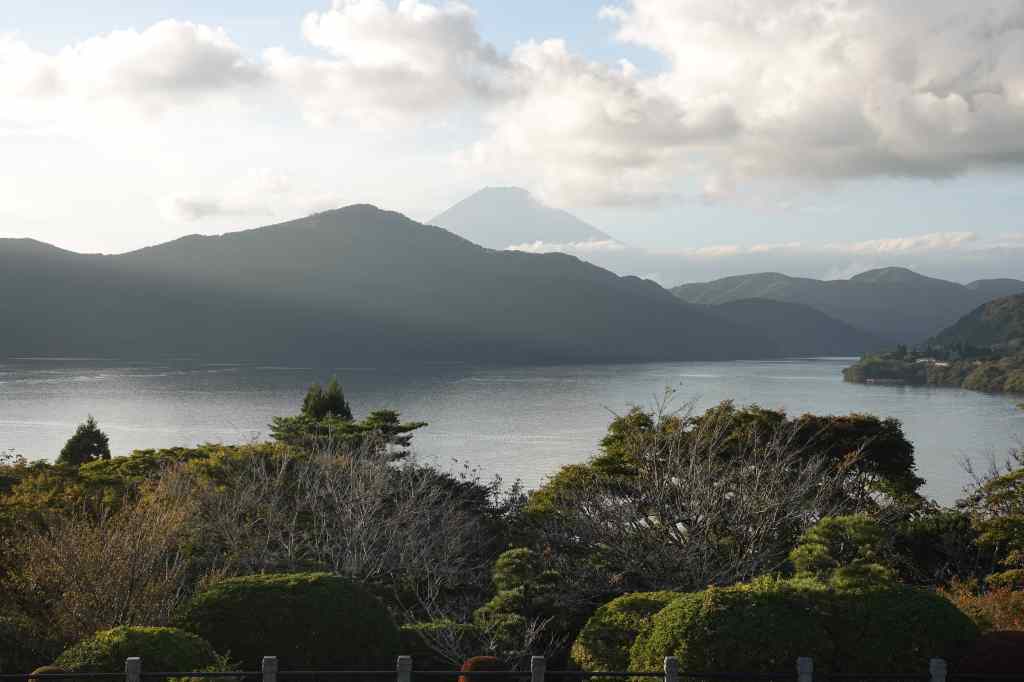
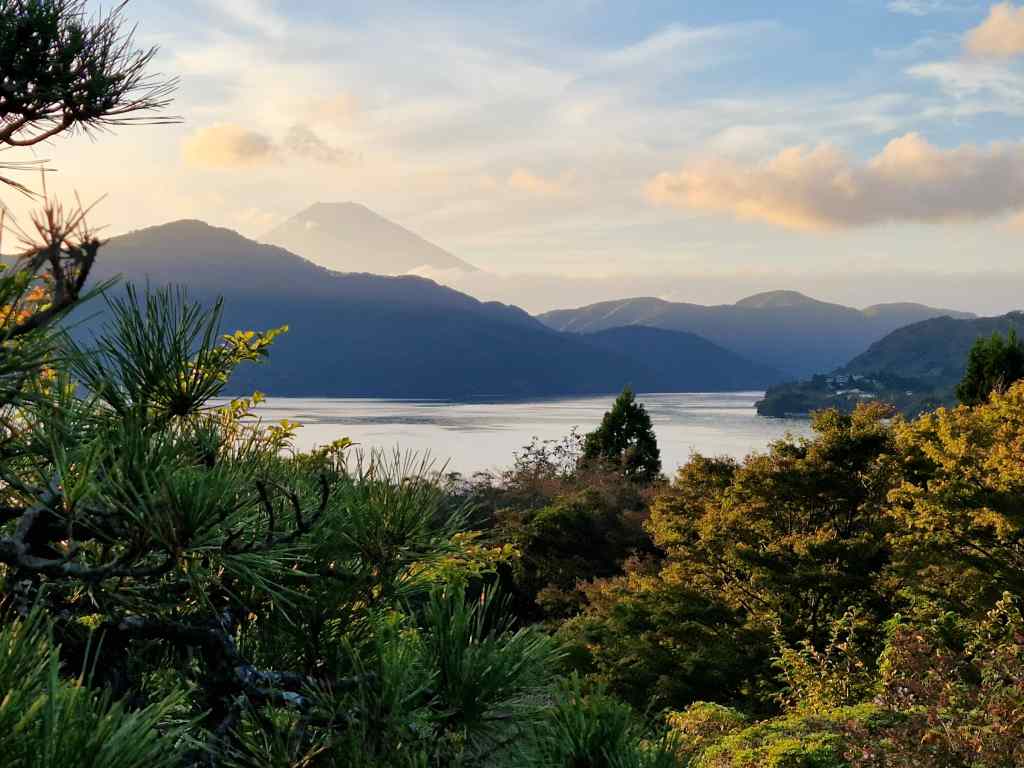
We took endless photos…..

We watched as the shadow of one mountain slowly crept up to the summit of a higher mountain on the lake’s east shore, and when the sun finally dipped below the horizon, we started thinking about how to get home. Our return proved to be quite an odyssey. We walked to another small town from where there was supposed to be an express bus back to the main train station, and had been waiting ten minutes when a bus company employee arrived to tell us that the express would be full and advise us to take a local stopping service – which we did. This bus weaved its way around mountain roads for about half an hour, slowly working its way towards the main train station. Then there was an announcement – in Japanese and English – that there was a big traffic jam ahead, and that people in a hurry would be better off taking the small local train that we had used to climb into the mountains at the start of our Hakone circuit. We got off the bus just in time to catch a train to take us to the main station. On the way, I managed to use my phone to make a new online Romancecar booking and after a short stop at Hakone Yumato we were speeding back to Shinjuku in a fast and comfortable (but maybe not romantic) express. We reached Tokyo late – twelve hours after we set off – tired but happy. We had finally seen Fuji-san, and our earlier problems may have been a blessing in disguise – if we had arrived at Hakone on time, we would probably have left earlier and missed one of Japan’s iconic sights.

Previous Post: Nikko

Next Post: At Home in Tokyo
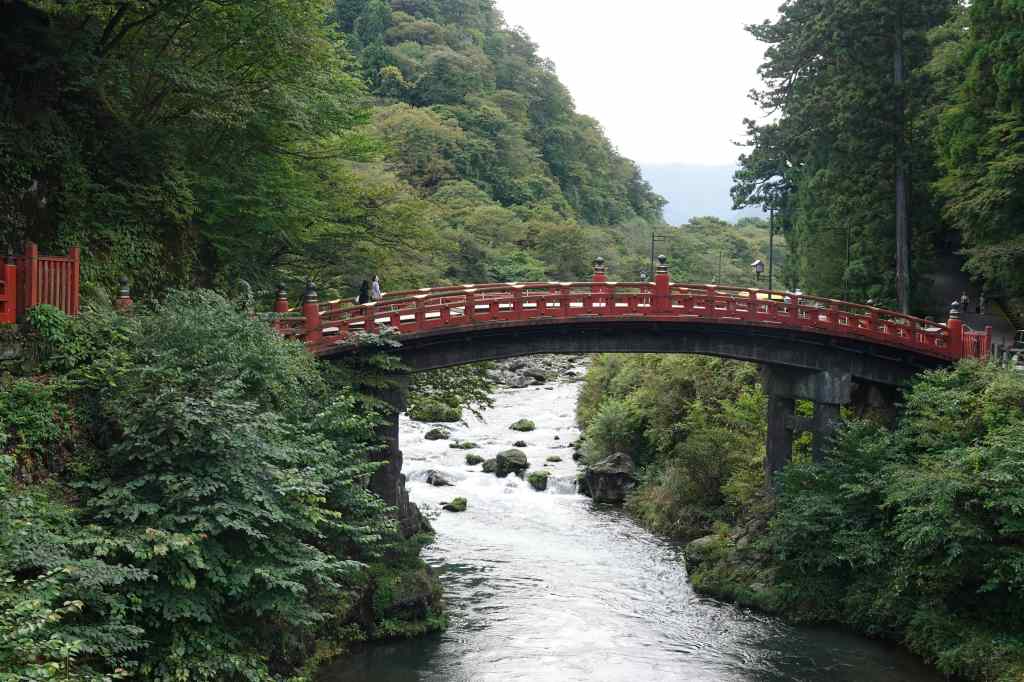
Nikko – one of Japan’s highlights

Today I got up early to take the train to Nikko, home to some of Japan’s most beautiful shrines. First, I met my Japanese friend Aki, who is to be my companion for parts of my Japan trip. Shinjuku station was very busy and very confusing, and it took us some time dodging through the crowds of people to find the right platform. Unusually for Japan, our train was a few minutes late, but when it arrived we sat down in large comfortable seats for the two-hour trip. The first hour was dull – miles and miles of rectangular blocks of flats or offices. But then the city finally ended, and the concrete gave way to green rice fields and mountains.

On arrival, Aki and I made a short walk through the town to the forest where various shrines and temples are located. The entrance to this area is marked by the famous Shinkyo bridge, built in 1636.

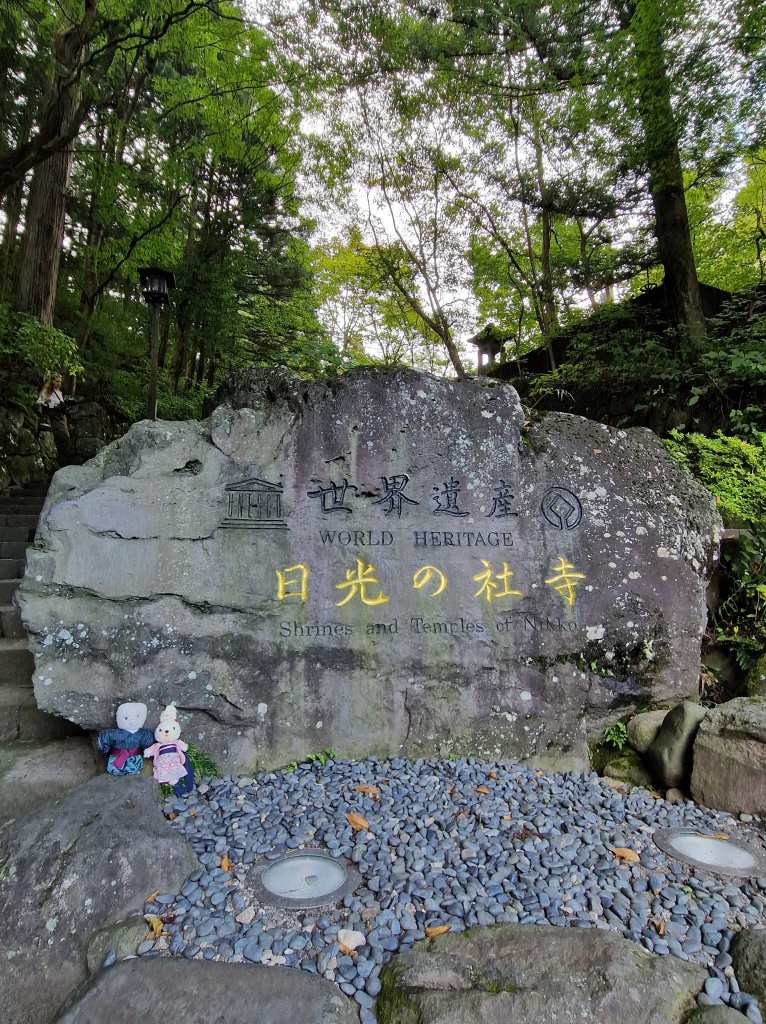
Just after the bridge is the entrance to a beautiful cedar forest and the Nikko world heritage site.

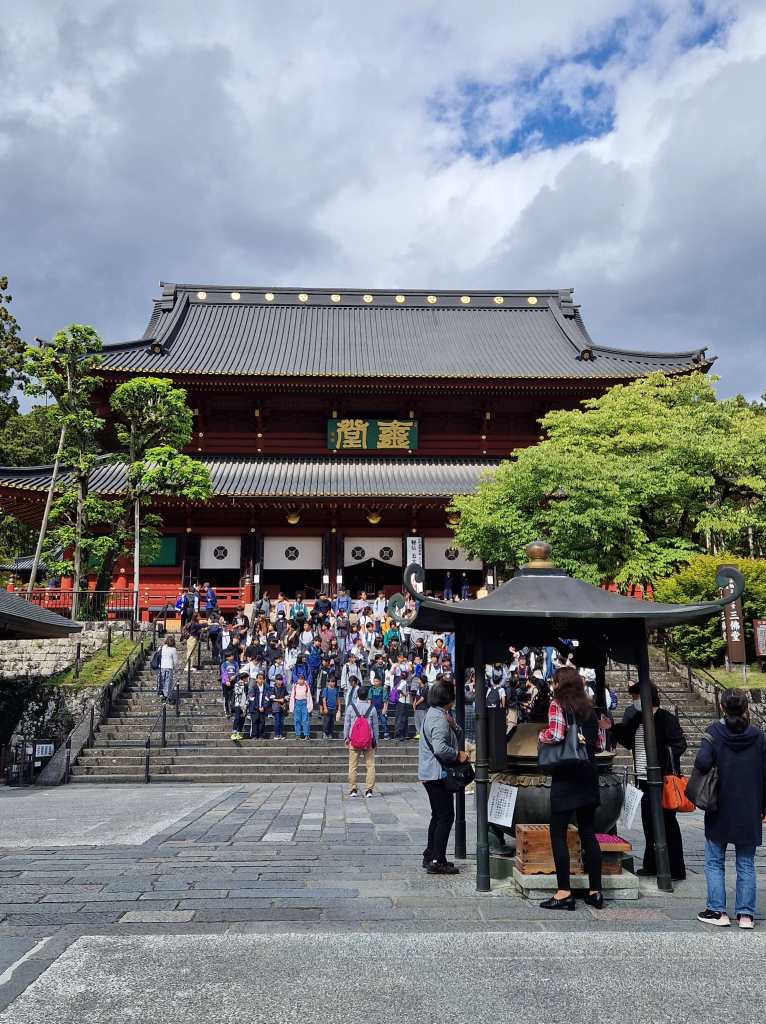
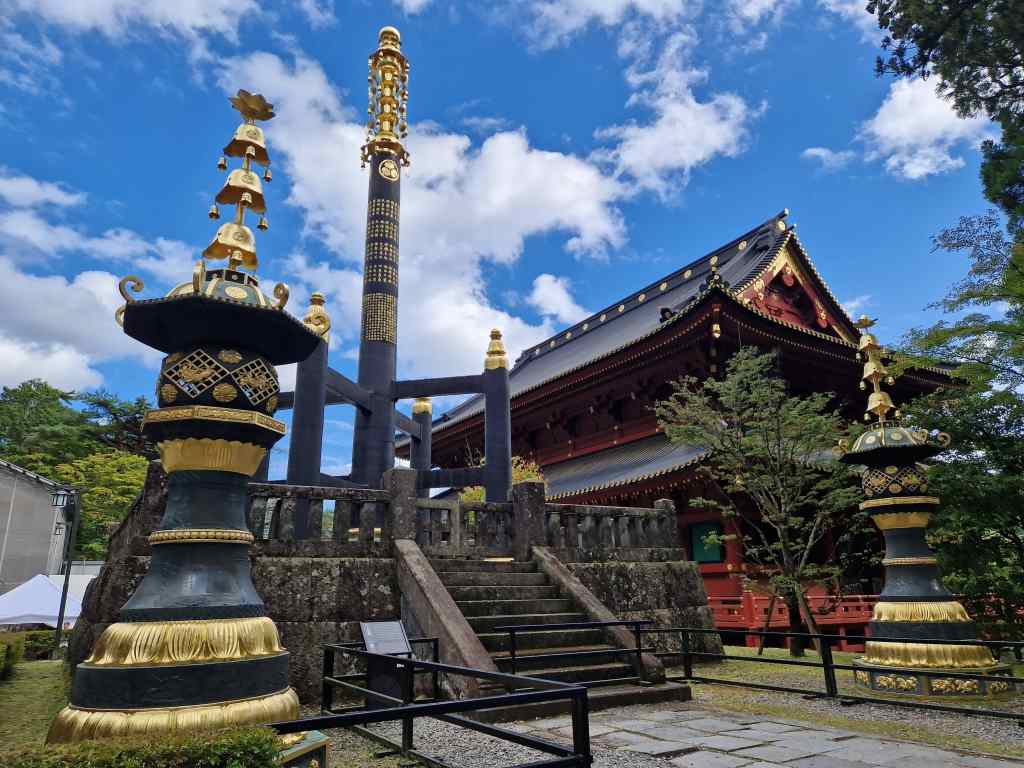
Once inside the park, we made for the Rinnoji Temple, the most important in the area, and originally founded in the 8th century by Shodo Shonin, a monk who brought Buddhism to Nikko.

The front (above) and back (below) of the Rinnoji Temple

  After visiting the temple we took a few minutes to visit the pretty Shoyoen Garden next door.

Introducing my friend Aki!

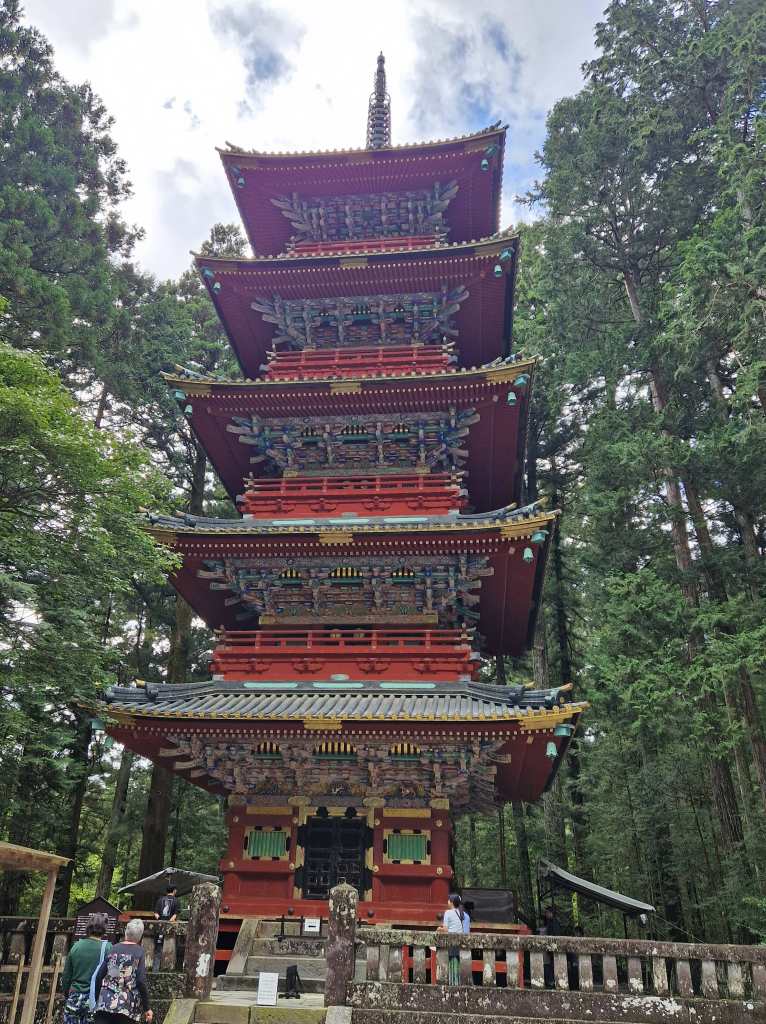
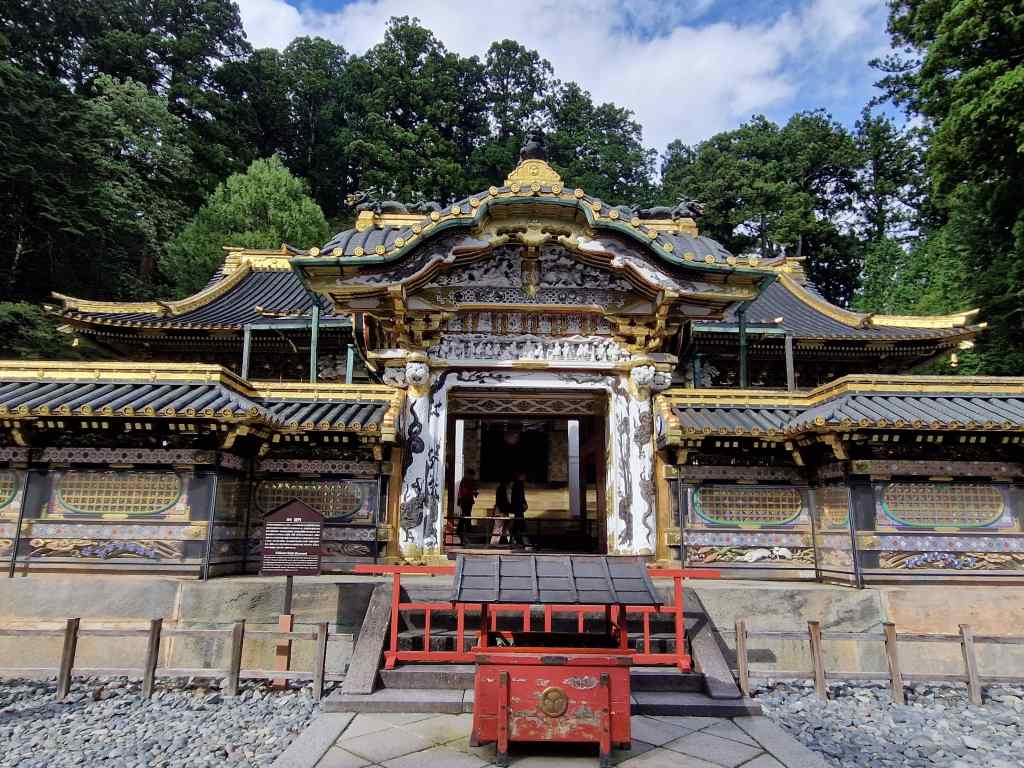
Our next stop was the highlight of Nikko – the Toshogu Shrine. This is a memorial to Tokugawa Ieyasu, the founder of the Tokugawa Shogunate, which ruled Japan for over 250 years until 1868. The shrine was at first a simple mausoleum, but was later transformed into a huge complex by Ieyasu’s grandson in the 17th century. There was a lot to see, and we spent about an hour wandering around and taking lots of photos. At the entrance there was an impressive five-story pagoda…..

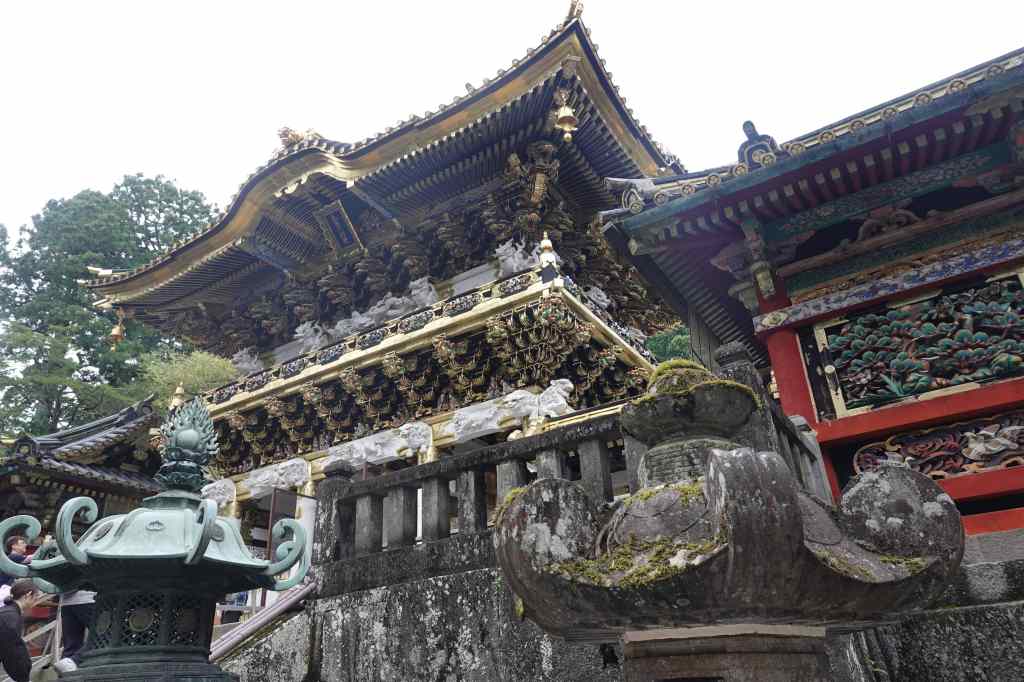
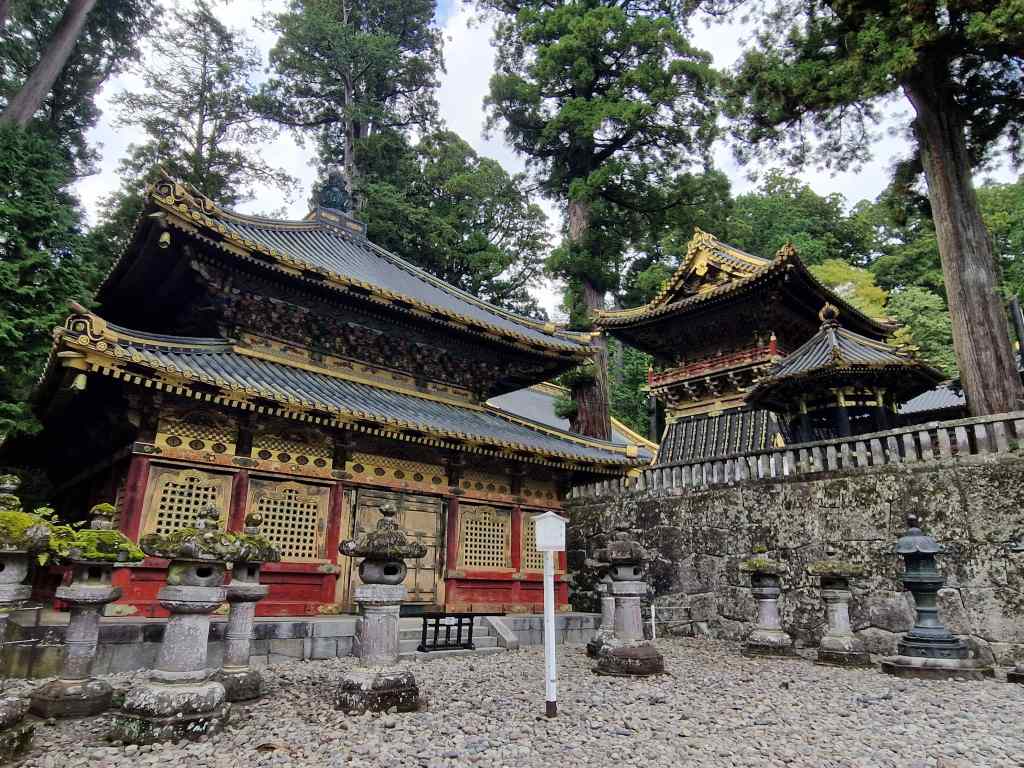
…then inside the walls of the complex are a series of richly carved gates, shrines and temples….

Spectacular carvings at the Toshogu Shrine
More amazing woodwork, Toshogu Shrine Nikko

….and finally the relatively modest resting place of Tokugawa Ieyasu himself. The workmanship of this temple complex is incredible and it richly deserves its reputation as one of the highlights of any visit to Japan. Making the site even more remarkable is setting, surrounded by the towering trees of a beautiful cedar forest.

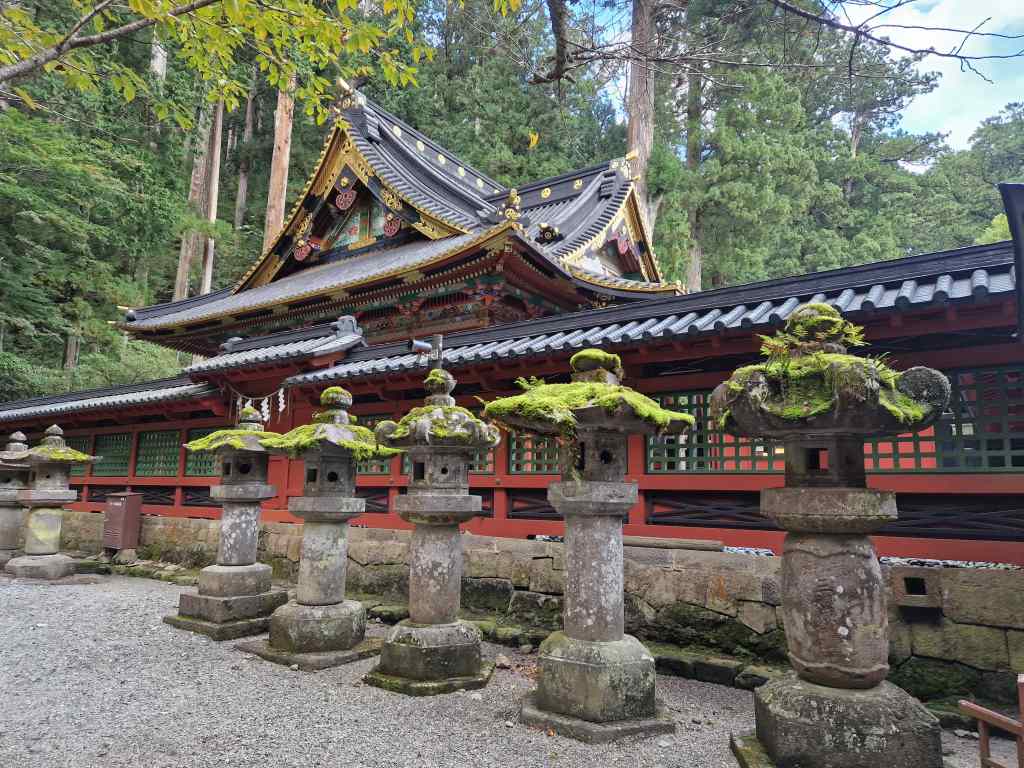
After the truly awesome Toshogu Shrine, our next stop was the more modest Futarasan Shrine, dedicated to Nikko’s sacred mountains. Indeed, the whole area around Nikko is a national park, famed for its beautiful November colours – but sadly we did not have time to spend the extra day that a visit there would have required. The Futarasan Shrine was more modest than the other places we had visited in Nikko, but less crowded, and still very pleasant.

Detail from the Futarasan Shrine

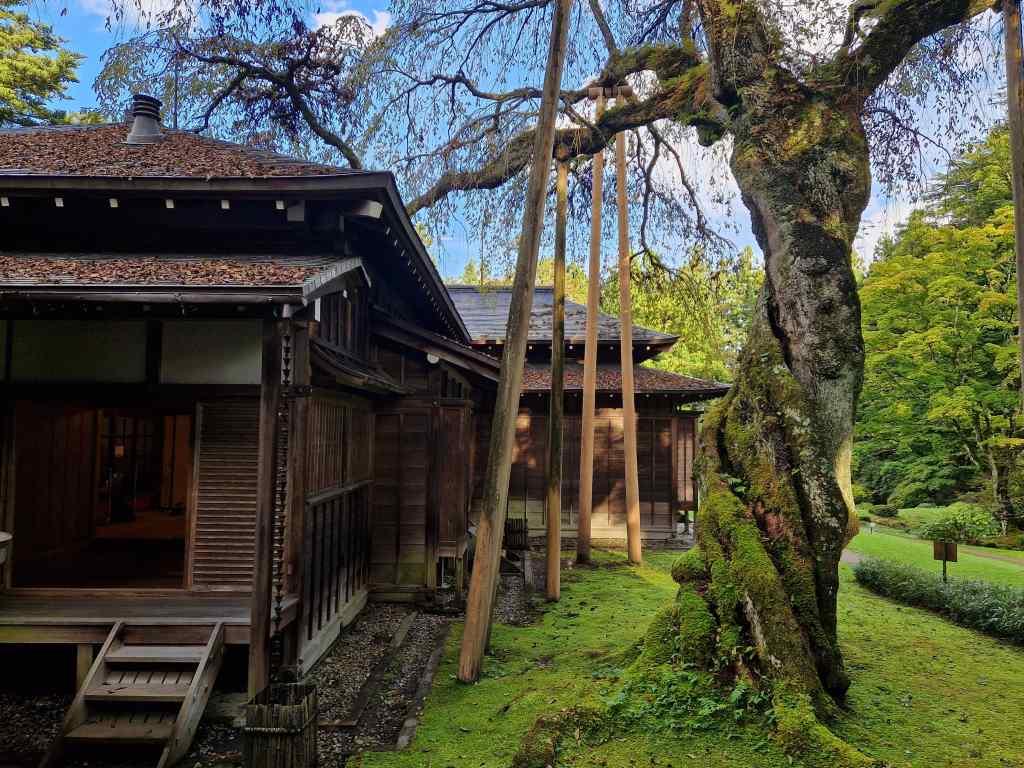
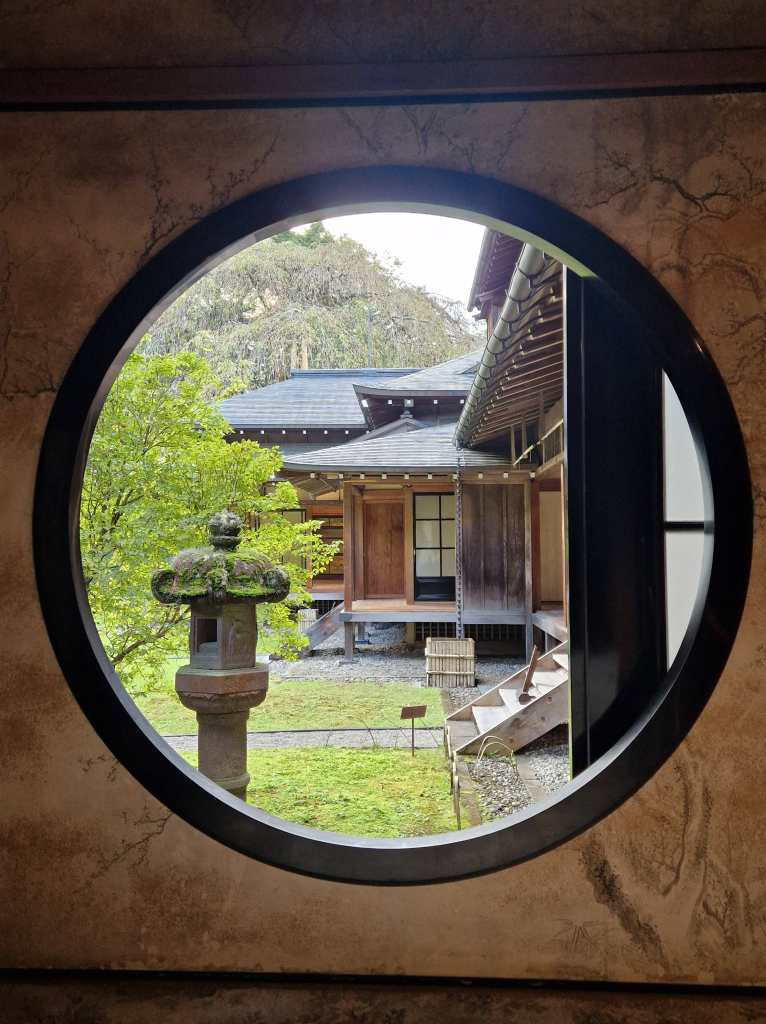
From there we made a short walk to our last destination, the Tamozawa Imperial Villa. This was constructed in 1899, using parts on an older building already on site and parts of a house in Tokyo belonging to the Tokugawa family. It was used as a summer residence for the emperor and his family. The villa was quite different to Nikko’s other sites – its restrained, elegant architecture contrasted with the extravagant carvings of the shrines. We found it radiated a feeling of calm and contemplation and were very happy we had chosen to visit this place last, to provide a peaceful end to a busy day sightseeing.
The Imperial Villa

We both had a snooze in the train on the way back to Shinjuku, to prepare us for another night of partying – this time in the nearby Shibuya district, which is also famed for its nightlife. Shibuya’s station was even more confusing than Shinjuku’s and we spent a frustrating half an hour wandering through construction work, underground tunnels and then along raised walkways, with our Google Maps navigator totally unable to find its way out of the mess. When we finally emerged, we didn’t have much time left to explore the area but did at least get to see this aspiring boy band performing on the street.

Japanese Boy Band in Shibuya

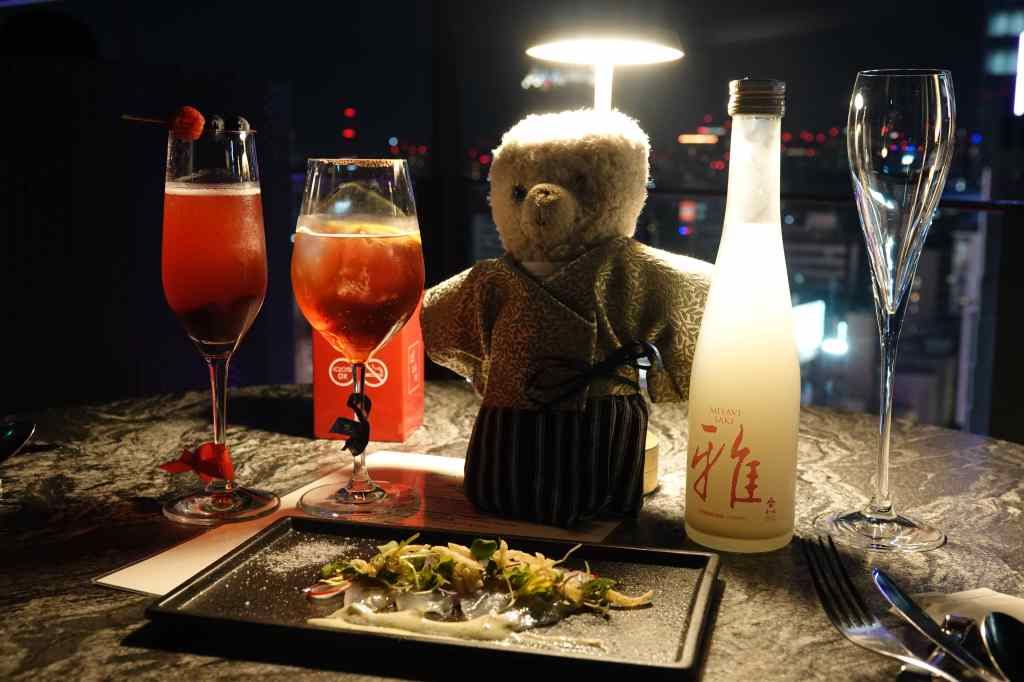
Dinner was at the rooftop Ce La Vi restaurant and was excellent. Aki and I indulged in some very good cocktails and a glass of sparkling sake. It was a great way to end the day, even if we started early and got back to our flat at midnight.

Enjoying Ce La Vi restaurant

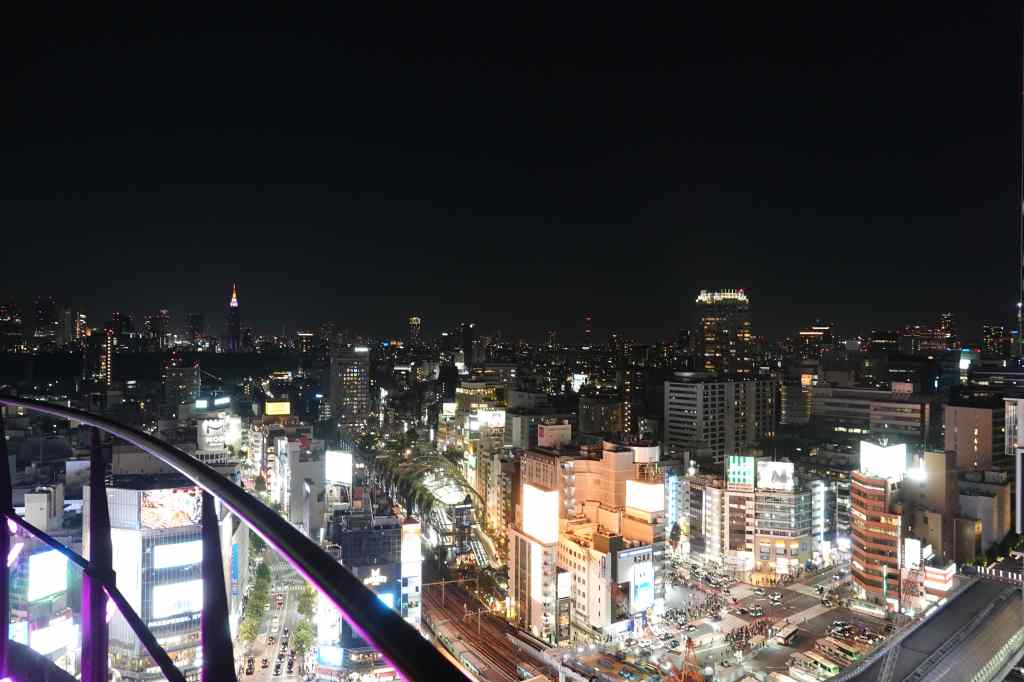
View over Tokyo’s skyscrapers at night

Previous Post: Tokyo – Shinjuku and Meiji Shrine

Next Post: Hakone Circuit

Welcome to Japan! – Tokyo, Shinjuku and the Meiji Shrine

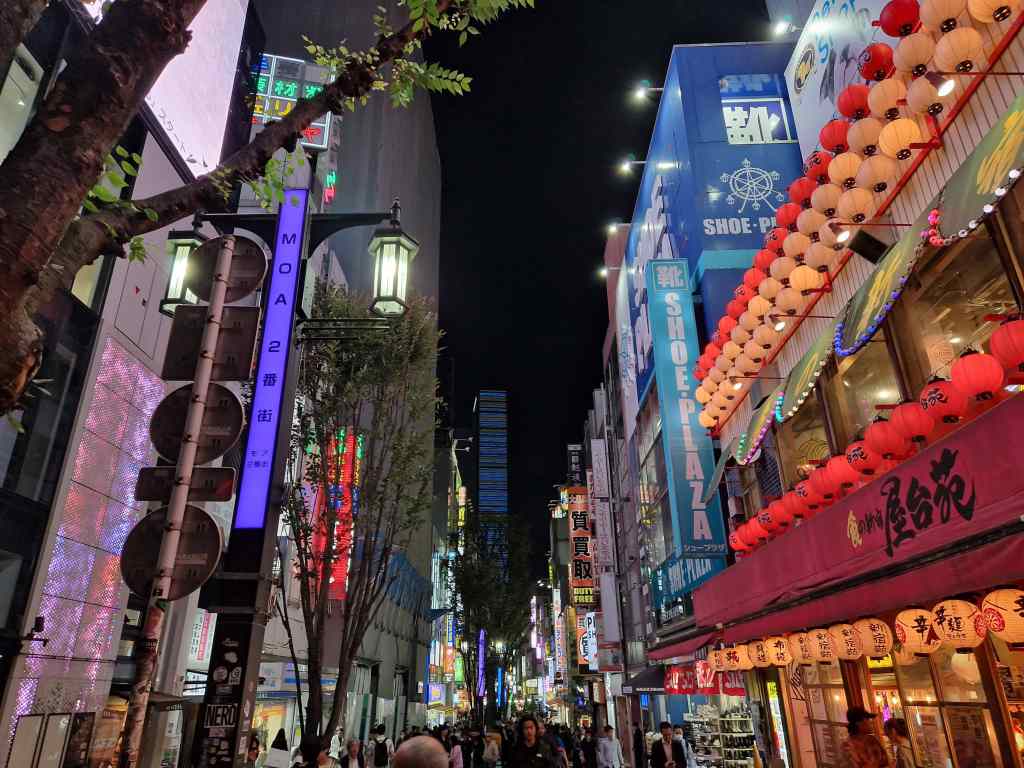
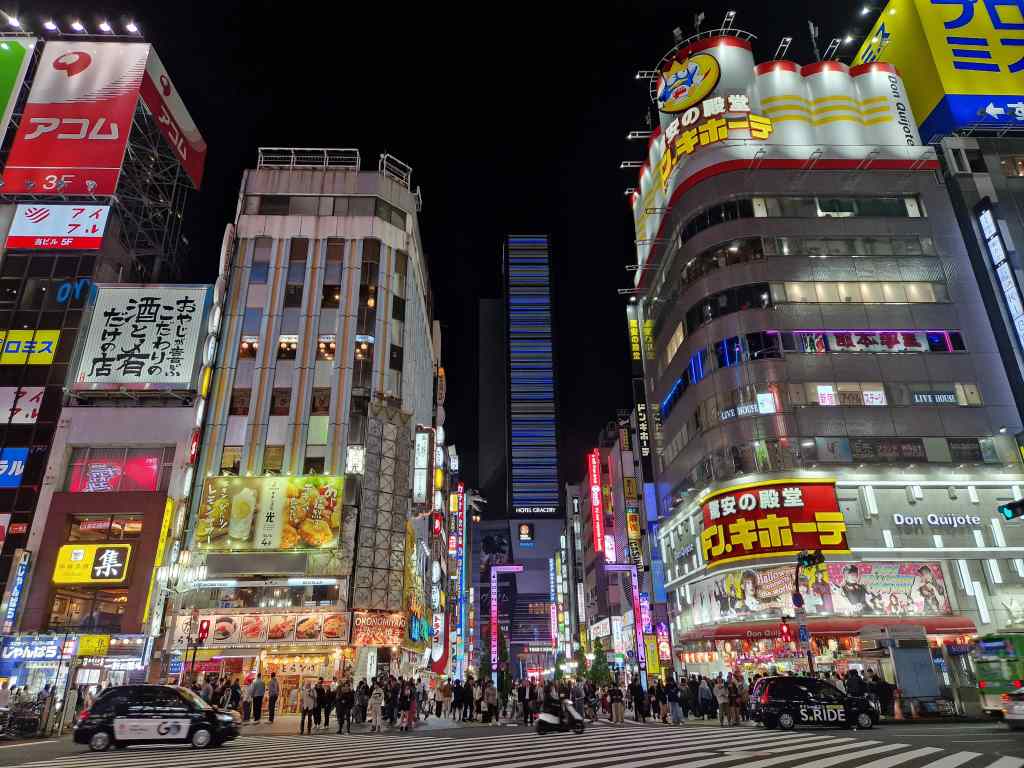
Shinjuku at night

The bear is back! This trip is to a new destination for me, which has recently become very popular – Japan.  As most bears do, my entry point was Tokyo. I chose to stay in an Airbnb flat in Shinjuku, a resolutely modern part of the city famous for its nightclub and skyscrapers.

I spent my first night quietly and set out mid-morning the next day to explore. My Airbnb was in one of the few low-rise parts of Shinjuku where people actually live, and had narrow lanes, small houses, and a few scattered restaurants and convenience shops (including the ubiquitous 7-11). I stumbled across a small temple and then many small pedestrianised streets lined with restaurants.

Inside a small local temple in Shinjuku
Shinjuku street scene during the day

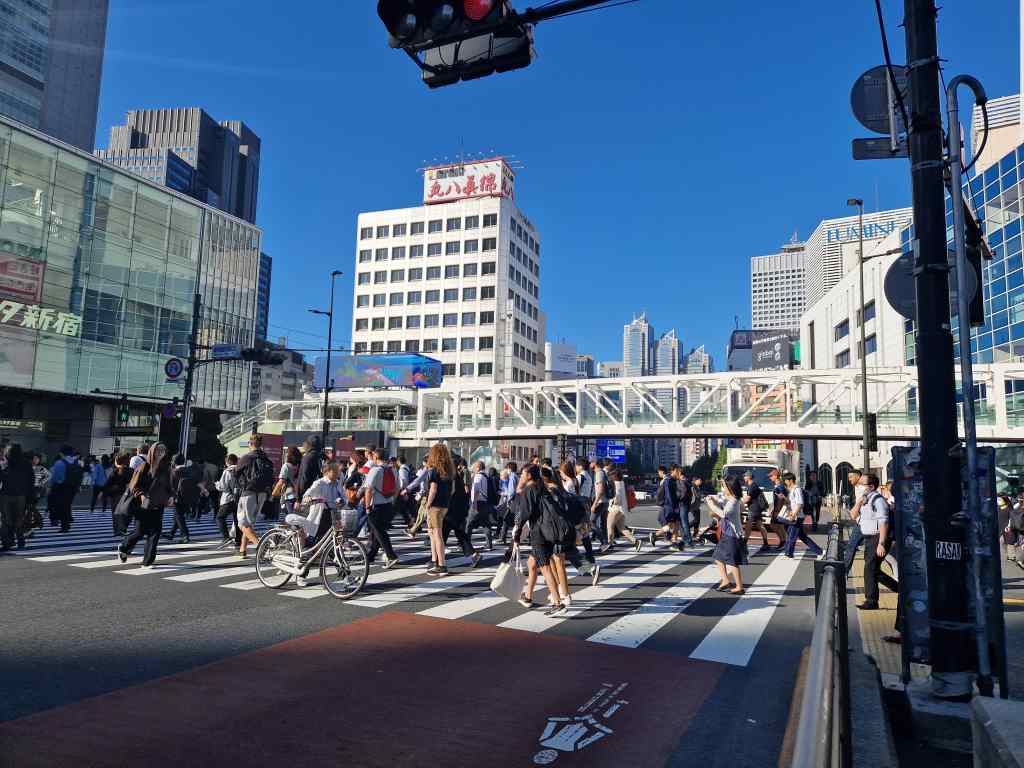
It was unusually quiet, with few people on the streets, until I reached Shinjuku station – the world’s busiest, seeing four million passengers pass through on a weekday. Despite the mass of humanity thronging around the station, the area was clean, tidy and orderly with people waiting patiently at the pedestrian crossings for the lights to turn green – not at all like the big stations in my hometown London. I stopped by at the Japan Rail (JR) ticket office to buy tickets for tomorrow’s destination, the town of Nikko.

Crowds crossing to Shinjuku Station

To the west of the station was a business district with many skyscrapers.  Two of the most distinctive buildings in the area are the twin towers of the headquarters of the Tokyo Metropolitan government. They stand 243m tall and their observation platforms (202 metres up) offer brilliant views over the city, which I spent half an hour enjoying. They say that on a clear day you can see Mount Fuji from the top, but on my visit, the famous volcano was covered by clouds – I was to find out that this is often the case.

The HQ of the Tokyo Metropolitan Government
…and the view from the top

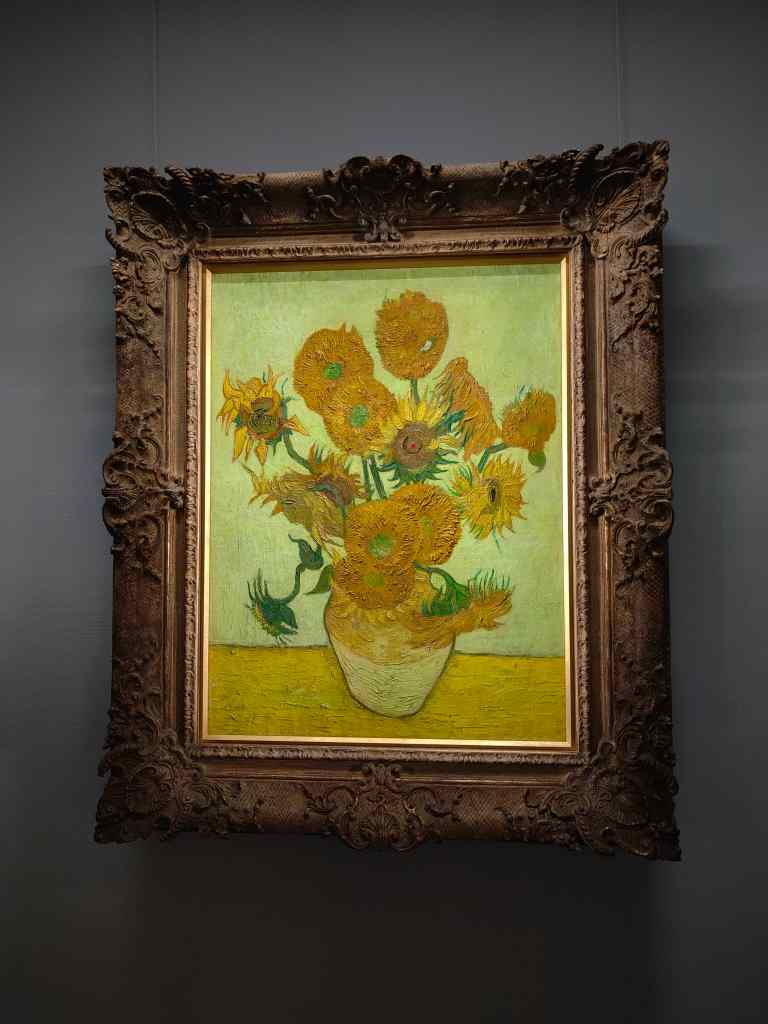
Near the twin towers is the SOMPO museum of art, famous for having bought one of four versions of Van Gogh’s “Sunflowers” for $40 million in 1987 – shattering the previous record of just over $8 million for a painting. When I visited, the museum had an exhibition dedicated to Canaletto. Though not my favourite artist, I found his paintings of London interesting (I learnt that he spent 10 years there) and enjoyed scenes of Venice painted by the artists who came after him, including Matisse and Monet. Of course, I also stopped to admire the “Sunflowers”, which never leave the museum.

World record-breaking Sunflowers

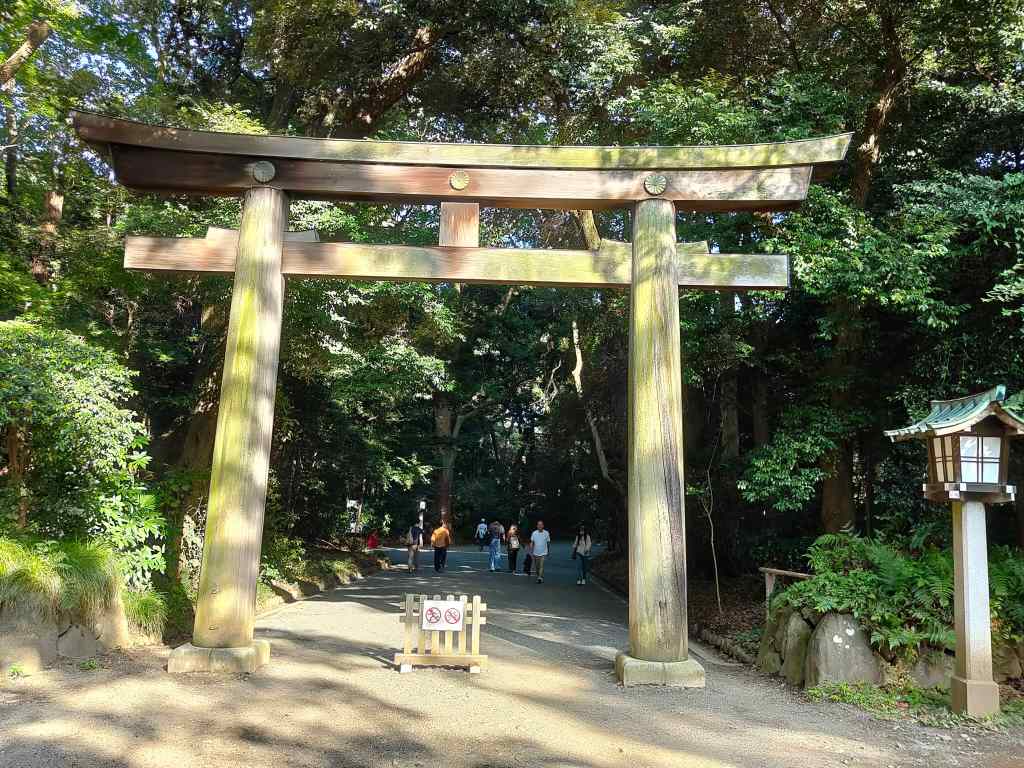
From the skyscrapers of Shinjuku, I walked a short distance to the Meiji Shrine, located in the large Yoyogi Park, and dedicated to Emperor Meiji, the emperor of modern Japan. He ruled from 1867 to 1912, a time when Japan evolved rapidly from a backward feudal society into one of the world’s leading powers. The main entrance to the park is in the south, but I was lucky, entering from the quieter northwest gate. This meant I could enjoy a peaceful stroll along a path lined by shady trees, before I reached the centre of the park, which was very busy.

The quiet northern entrance to Yoyogi Park

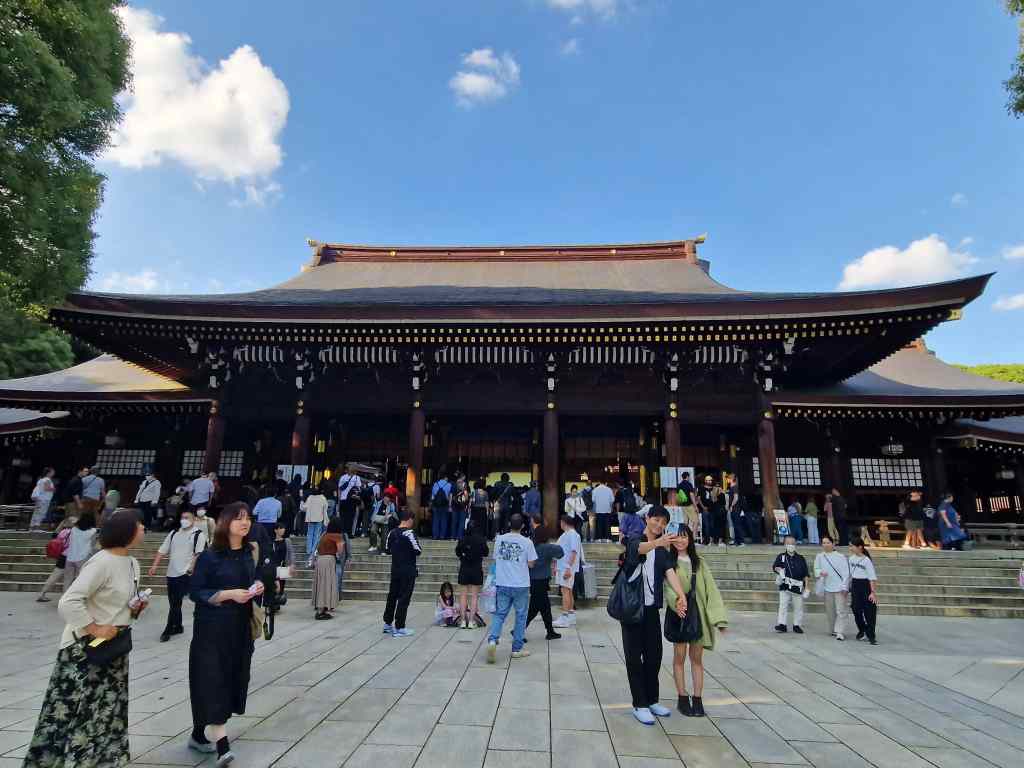
The shrine itself is one of the most important places of worship of Japan’s Shinto religion. It was crowded with tourists, worshippers, and a Japanese family celebrating a marriage. Though it is on the “must-see” list of things to do in Japan, for me the swarms of people made it one of the least interesting experiences of my Tokyo trip.

The Meiji Shrine

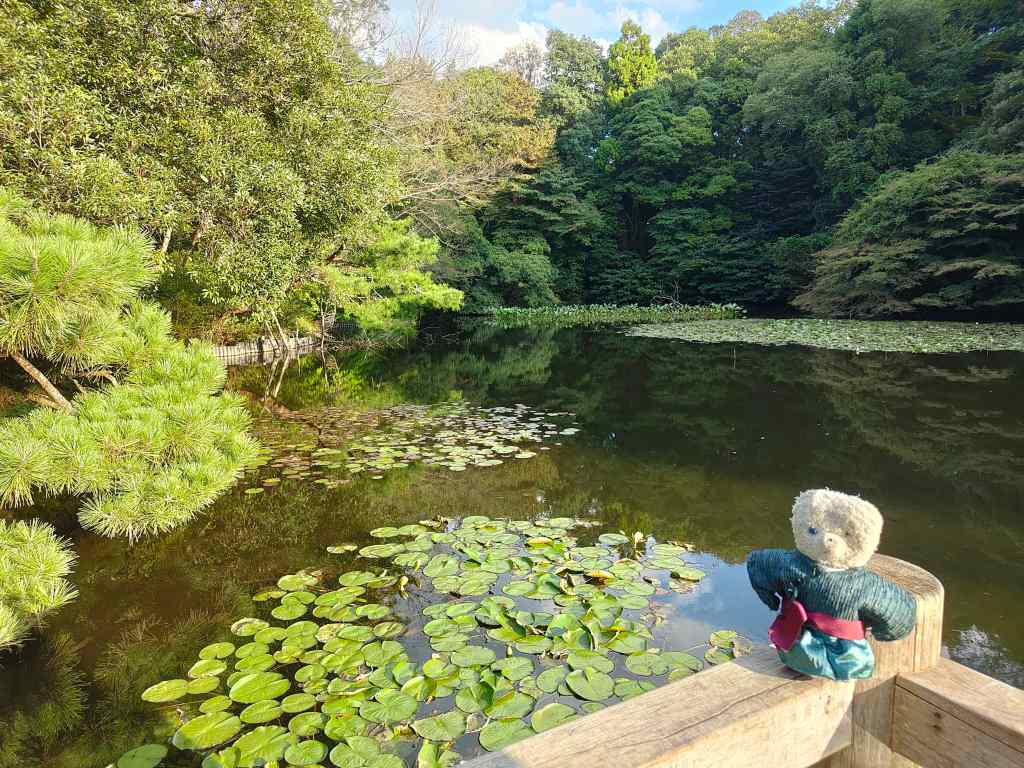
I headed away from the shrine towards the main Harajuku gate in the south, along a path with a constant stream of people heading both ways. To escape the crowds for a bit I ducked into a pretty garden with a pond.

A peaceful escape from the crowds

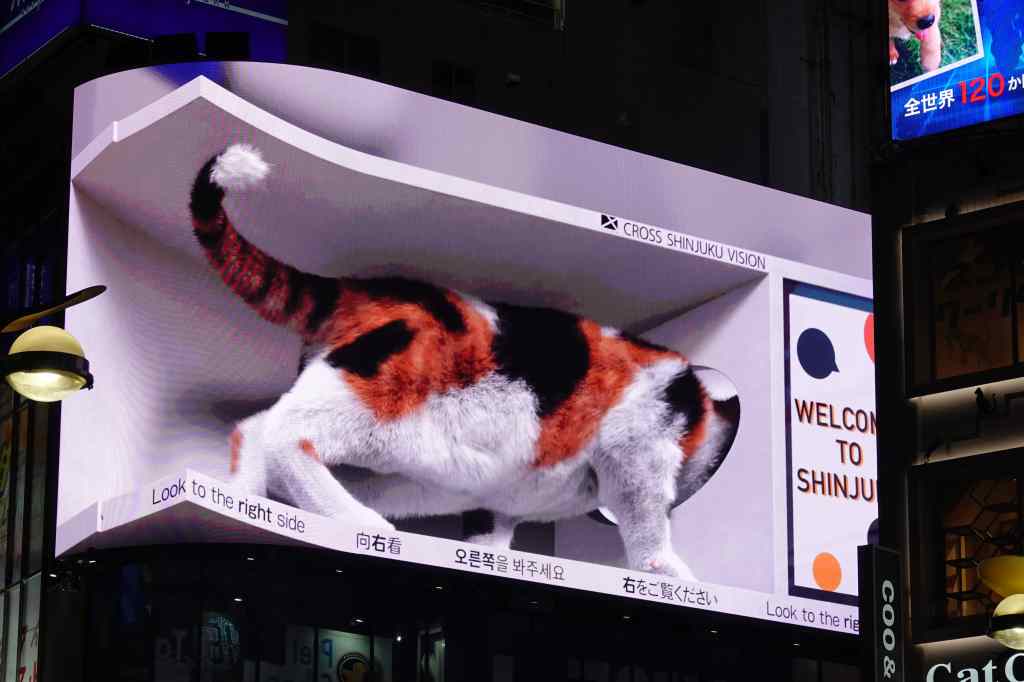
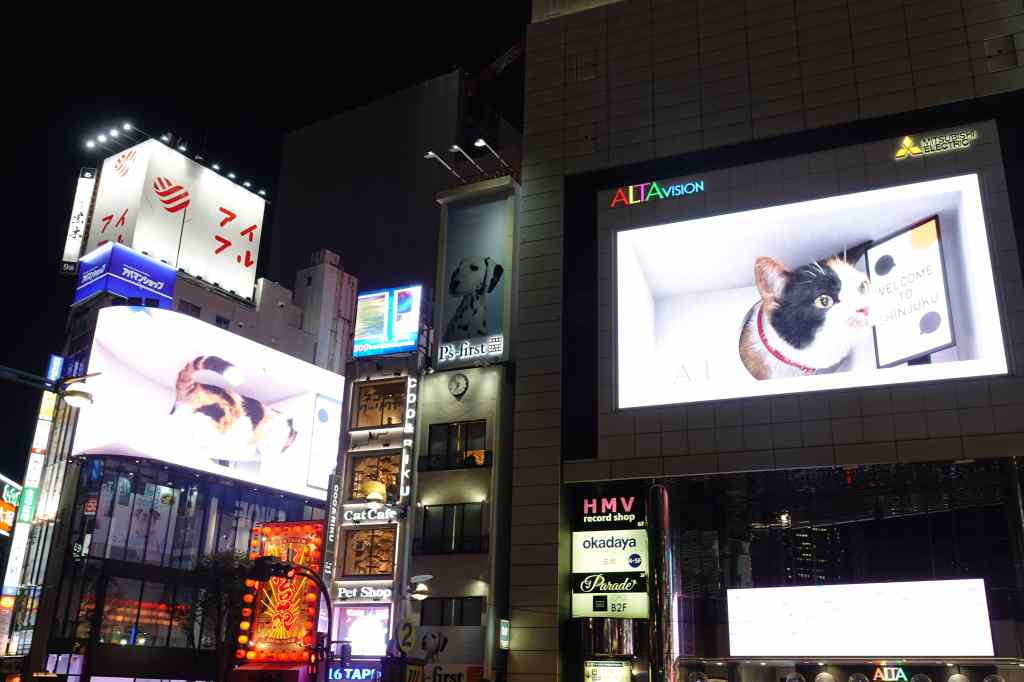
Having rested for a bit, I continued my way to Harajuku metro station. It was now rush hour and it was very crowded, but still people queued patiently to get in, and then again on the platform to get on a train. I arrived back at Shinjuku station as night was falling to find the area completely transformed. The streets that had been quiet were now packed with people setting off for an evening of fun in the countless bars, restaurants and lounges of the area. Huge neon displays – some very original – shone down from the tall buildings.

Shinjuku at night – transformed!
The huge neon cat goes through one display…..
…to emerge on another building!

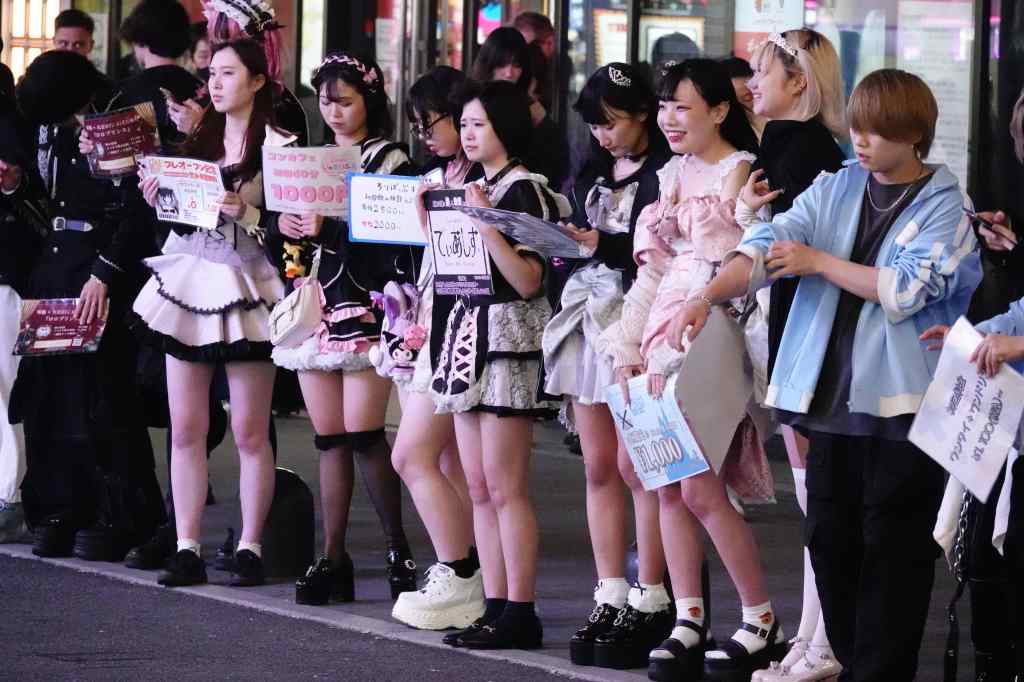
A short distance north of the station I came across a strange spectacle – attractive young people, some dressed stylishly, some suggestively, lined the road on either side, each carrying a sign with a price – usually 1000 to 2000 yen per hour or half hour. I was baffled, but later research on the internet revealed that these people are recruiting customers for the nearby lounge bars, where in addition to the (probably expensive) drinks, you pay for time spent with a pretty young girl or boy.

Gathering customers for lounge bars

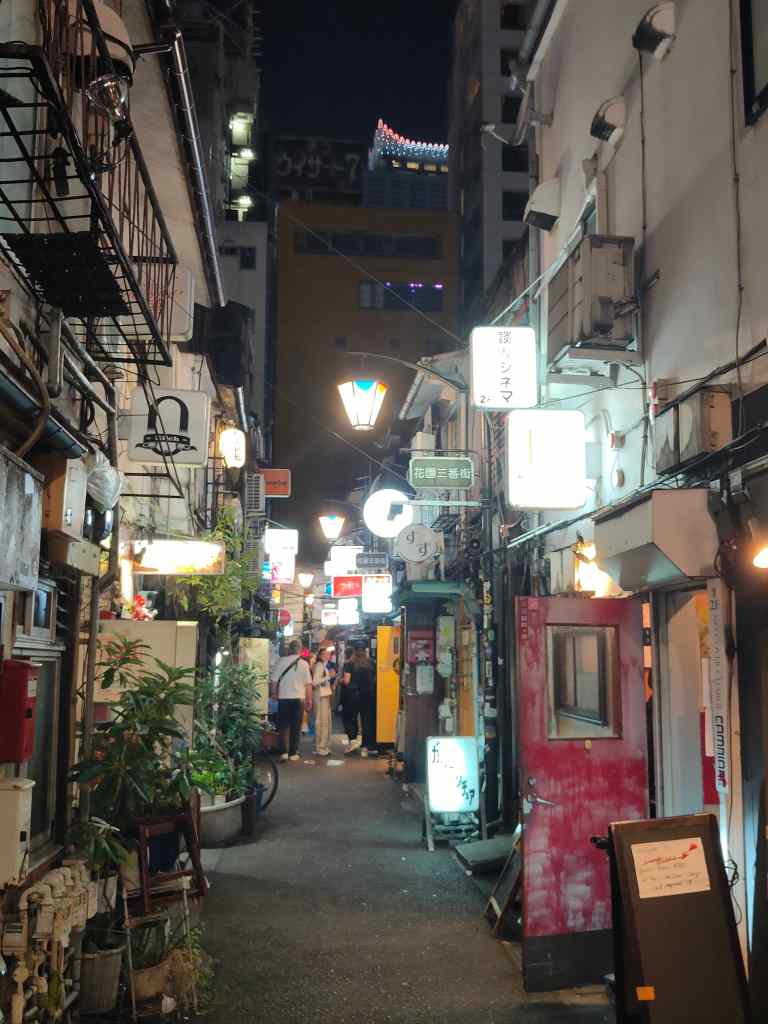
Next, I wandered by chance into a very different area with narrow alleyways and small, wooden buildings, from which sprouted dozens of signs advertising tiny bars. I had found the “Golden Gai”, an area infamous as a cheap place to have a lot to drink. Most of the bars had a single counter with several chairs squeezed up to it, creating a cramped, intimate space where strangers are almost forced to talk to one another. I picked one, and enjoyed trying Japanese whisky, which was excellent, whilst chatting to a young Japanese Oasis fan, who seemed to have already had a little too much to drink.

The infamous Golden Gai
Japanese whisky is excellent!

Not wanting to be too adventurous on only my second night in Tokyo, I limited myself to two drinks before heading back to my flat, which turned out to be very close by. It had been a promising introduction to Tokyo and its nightlife.

Next Post: Nikko

Blog at WordPress.com.

Up ↑