Pompeii – a day to remember

And these are only some of Pompeii’s less well-known sights!

Today was the last full day of my Italy trip and I devoted it to visiting Pompeii, the famous archaeological site located half an hour away from Naples on a very crowded train. I arrived as early as I could, to avoid the heat of the afternoon sun and as many of the crowds as I could. I still faced a short queue to get in, and had to squeeze pass various tour groups just after the entrance to the complex.

Pompeii has a long history and was settled by various peoples but is best known as the prosperous Roman provincial town which was buried by the eruption of nearby Mount Vesuvius in AD79. After this disaster it remained hidden under volcanic ash until the 16th century when it was rediscovered. Major excavations only started in the 18th century and were accompanied by looting of some of the site’s art works. In recent years the excavation of Pompeii has been carried out to high archaeological standards, and even today the site continues to offer up new surprises. This was actually my third visit to Pompeii; my first was 50 years ago when I was a little cub, and  I don’t recall much of it. The second was in 2000 twenty five years ago, and I remember a site which impressed by its size but not always its beauty, with lots of long, dusty and empty Roman streets laid out in a grid. But Pompeii is possibly the world’s most famous archaeological site, so I decided to make a third visit, and was very glad that I did.

I am not sure what exactly had changed since the year 2000, but this time I was enchanted by Pompeii. There seemed to be a lot more art work on display in the ruined houses, and a much bigger area to explore, including some gardens that provided a partial respite from the heat.
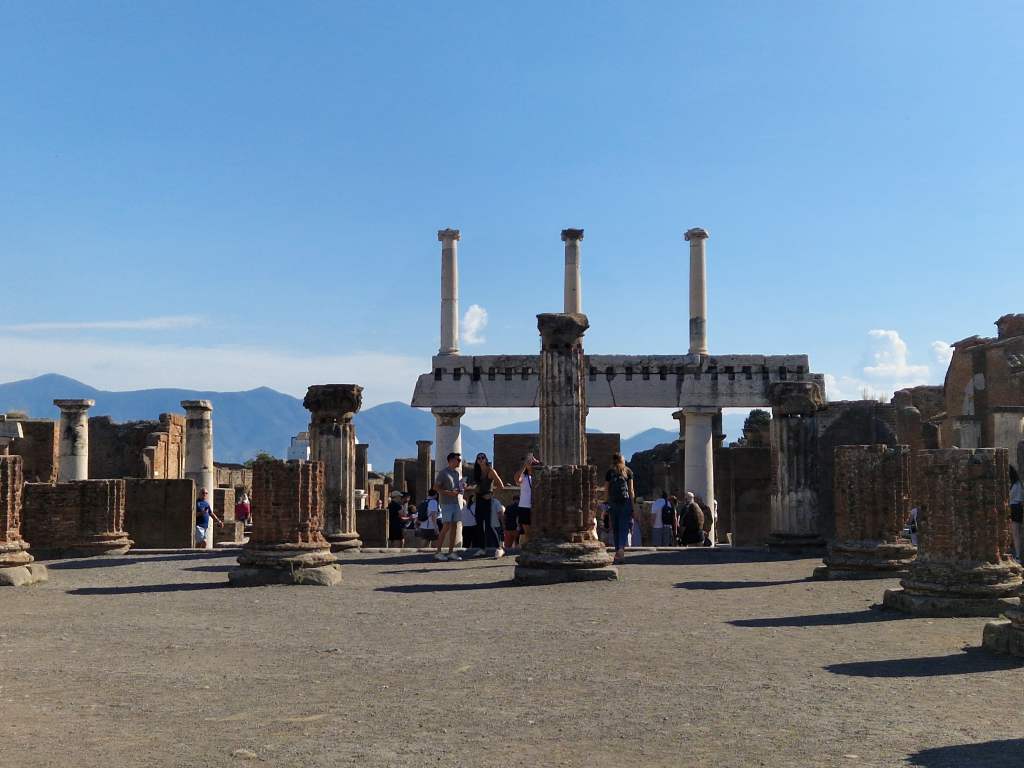
The forum – everyone’s first stop in Pompeii

My first stop was the forum. Since this is located on the only road in from the main entrance, it is also everyone else’s first stop, and it was quite crowded. But it was still very impressive, with a fine view of the ruins and Vesuvius towering in the background. I was visiting on National Monuments Day, and to celebrate this the park authorities had arranged for staff to dress up as Romans and pretend to shop or participate in ancient religious rites.
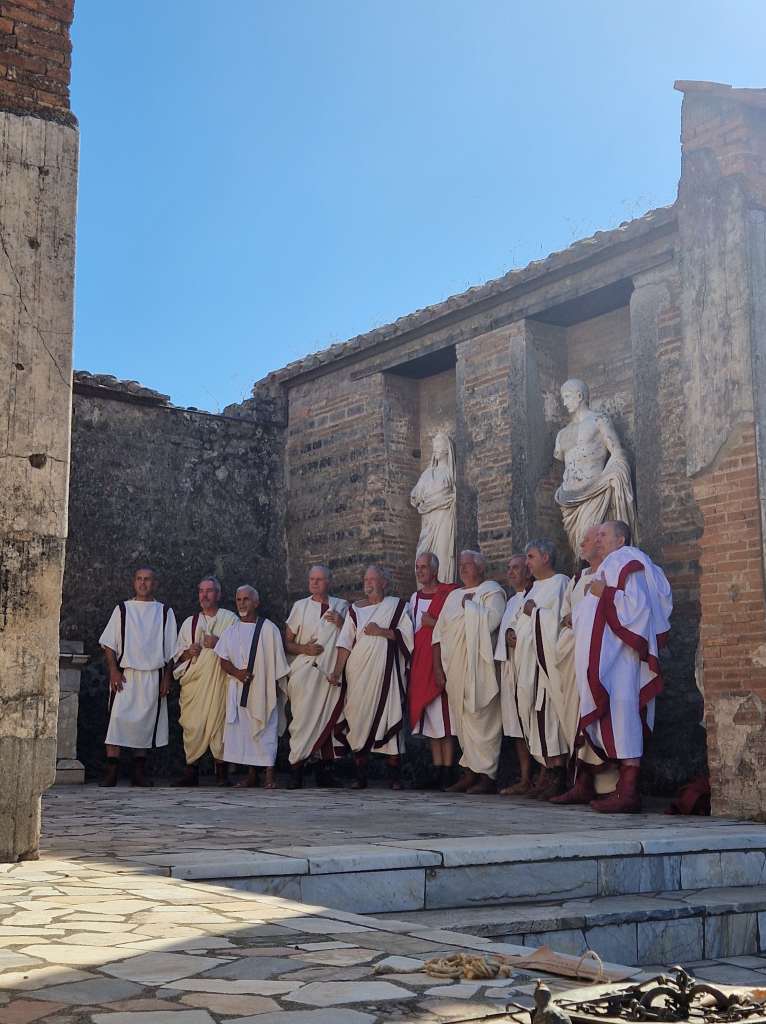
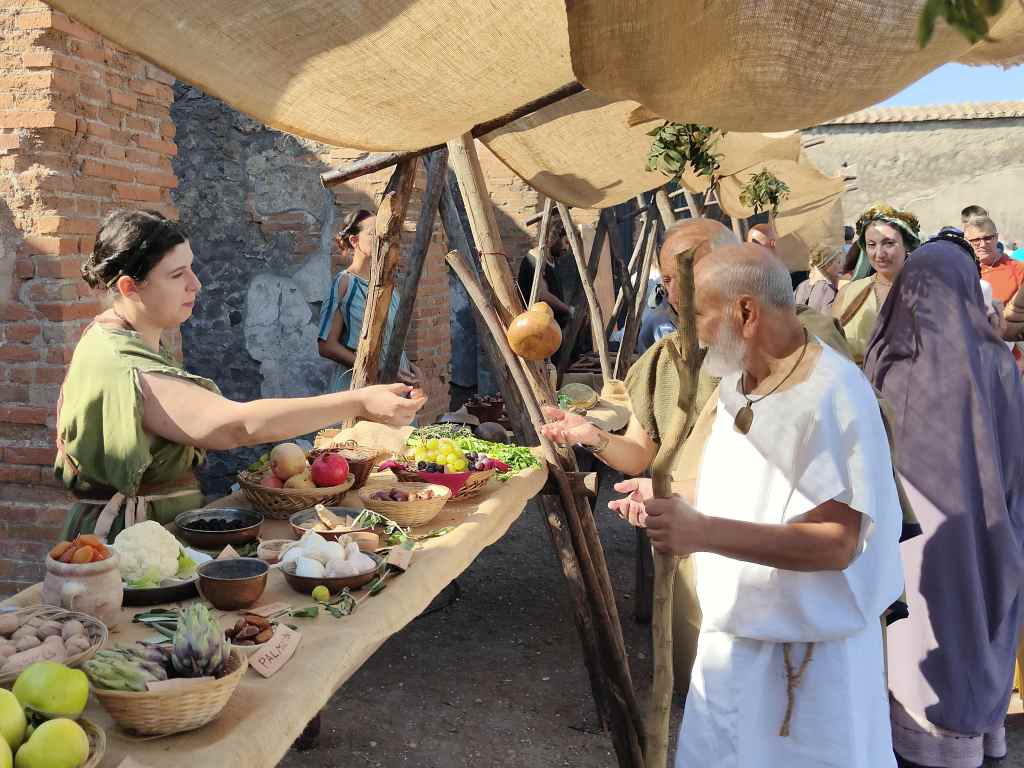
Staff put on a show for visitors

After the forum the many visitors could disperse along several different routes into the ruins and explore them at their leisure, and except for the times I bumped into a tour group visiting the same house, I found it pleasantly quiet. I used the map provided with my ticket to plan my route and try to visit as many as the highlights as possible – seeing everything is simply not possible on one visit. Places of special interest were marked by blue dots on the map – one famous example is the House of the Faun, probably the most opulent residence in the town and owned by an important family. It is named after a small but beautiful statue of a faun that stands in its entrance.

House of the Faun, Pompeii

This house is also known for a famous mosaic, showing Alexander the Great in battle with the Persian Emperor Darius. The original has been moved to the Archaeological Museum in Naples (sadly not on display though when I visited) and what you see at Pompeii now is a reproduction.
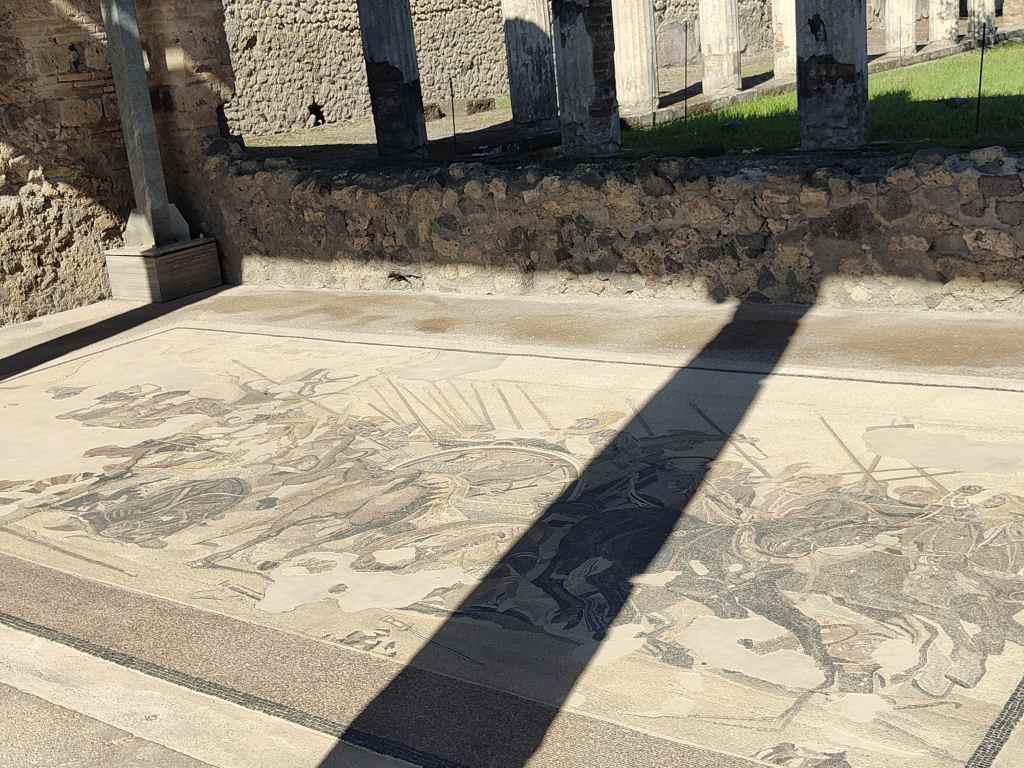
A copy of the famous Alexander mosaic in the House of the Faun

Although the Alexander mosaic is a copy, there are many other magnificent original mosaics and frescos dotted around the ruins. Some of these are well known, marked by a blue dot in the map, and attract a steady stream of visitors……..
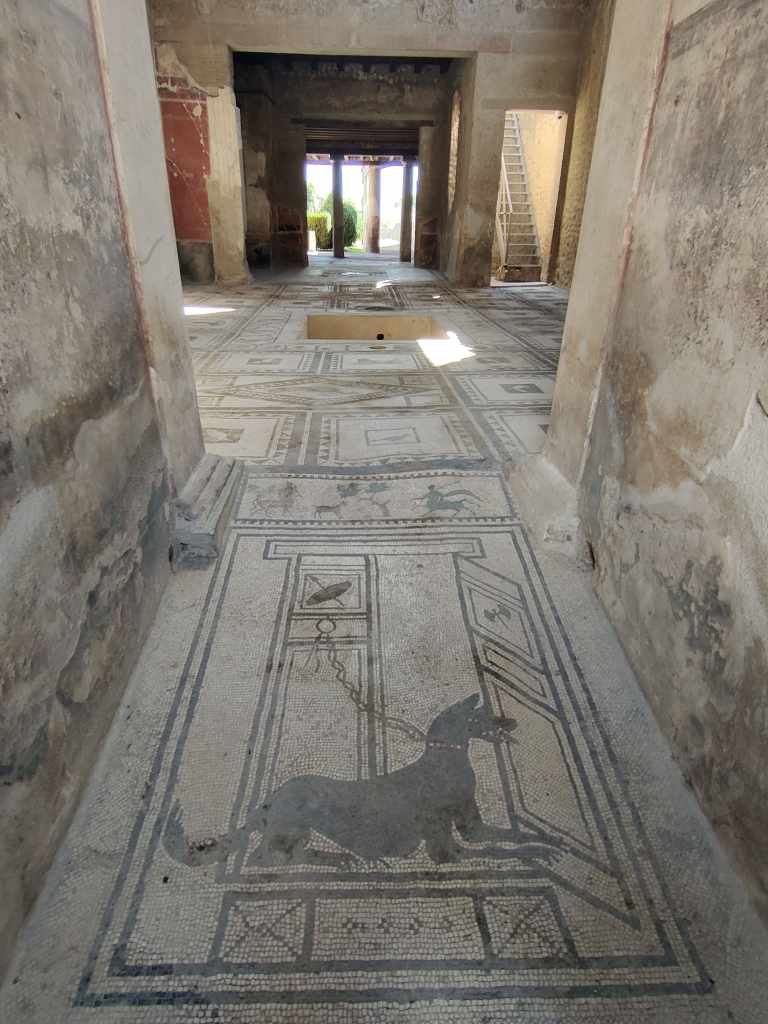
Beautiful dog mosaic, Pompeii
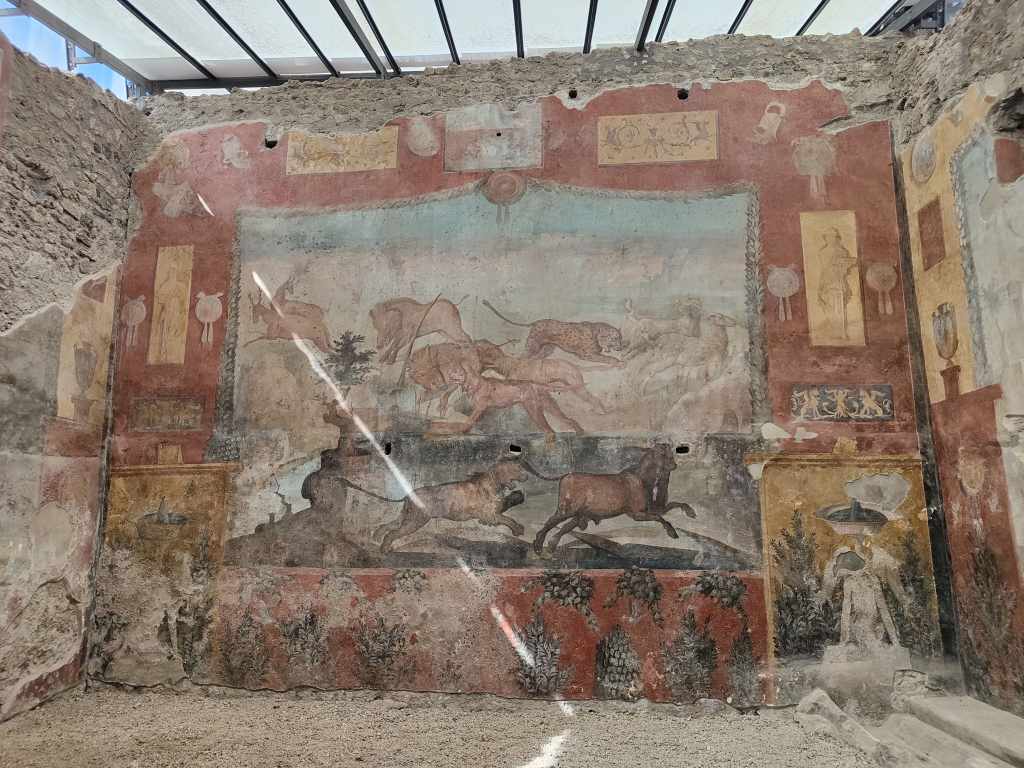
A once luxurious room in Pompeii

….but others, including a couple of my favourites, were less famous…
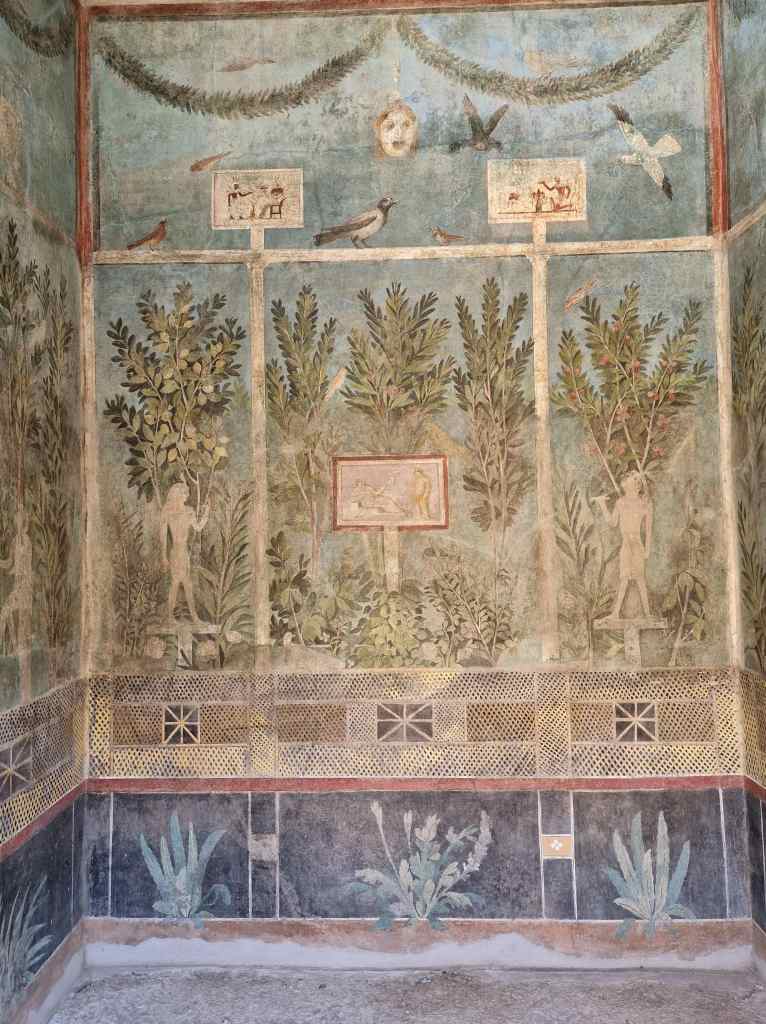
Another wonderful fresco
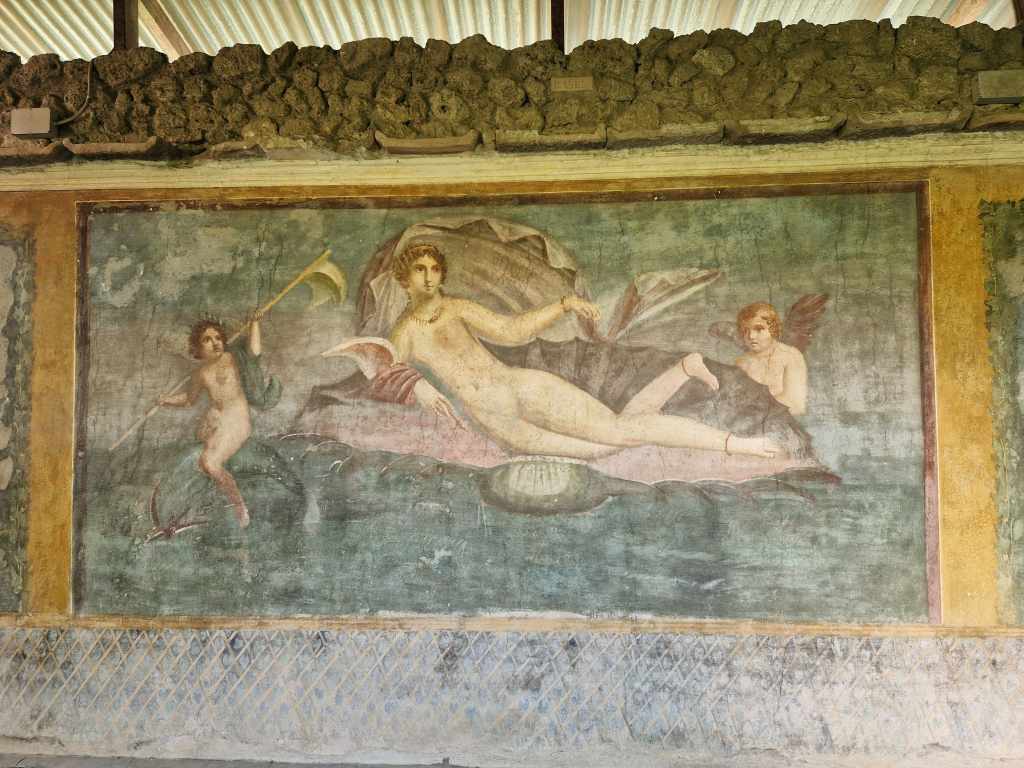
The Venus in a Shell fresco, Pompeii

Apart from houses for rich people, with their amazing artwork, Pompeii also had many buildings providing essential services like shops and bakeries. I particularly liked this bread-making shop, with its well-preserved ovens.
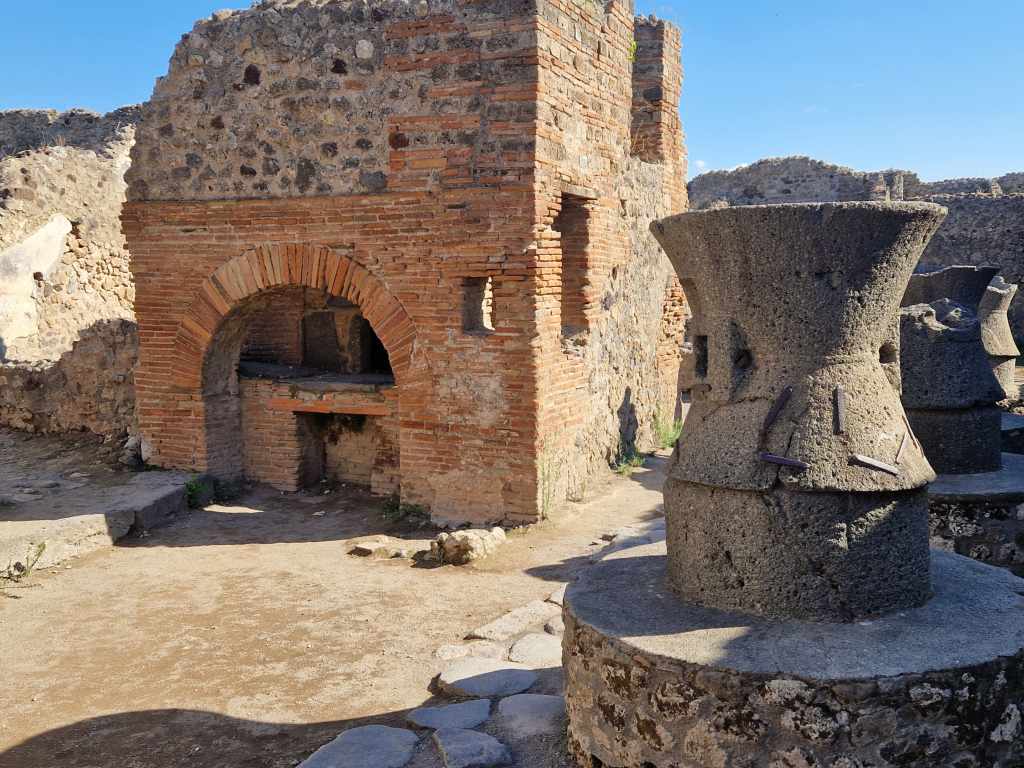
A bakery in Pompeii

There were also leisure amenities, such as two sets of extensive baths, two theatres and one amphitheatre. That a town with a population of ten to twenty thousand could have such a range of entertainment options gives some idea of how rich the Roman Empire must have been.
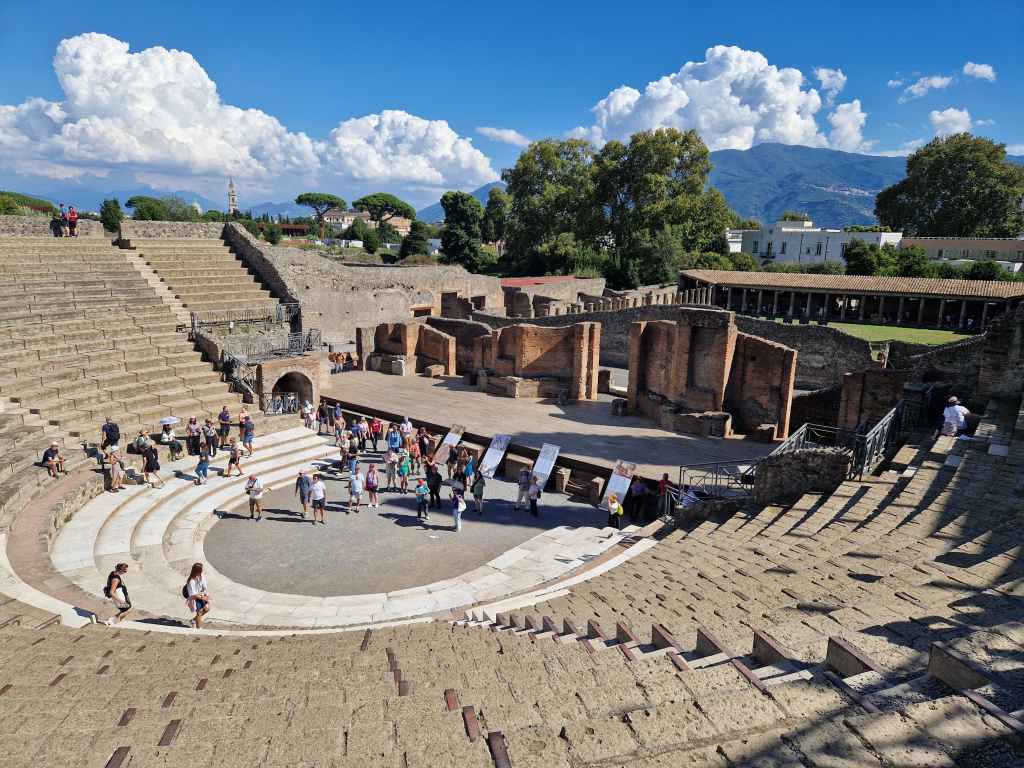
One of Pompeii’s two theatres

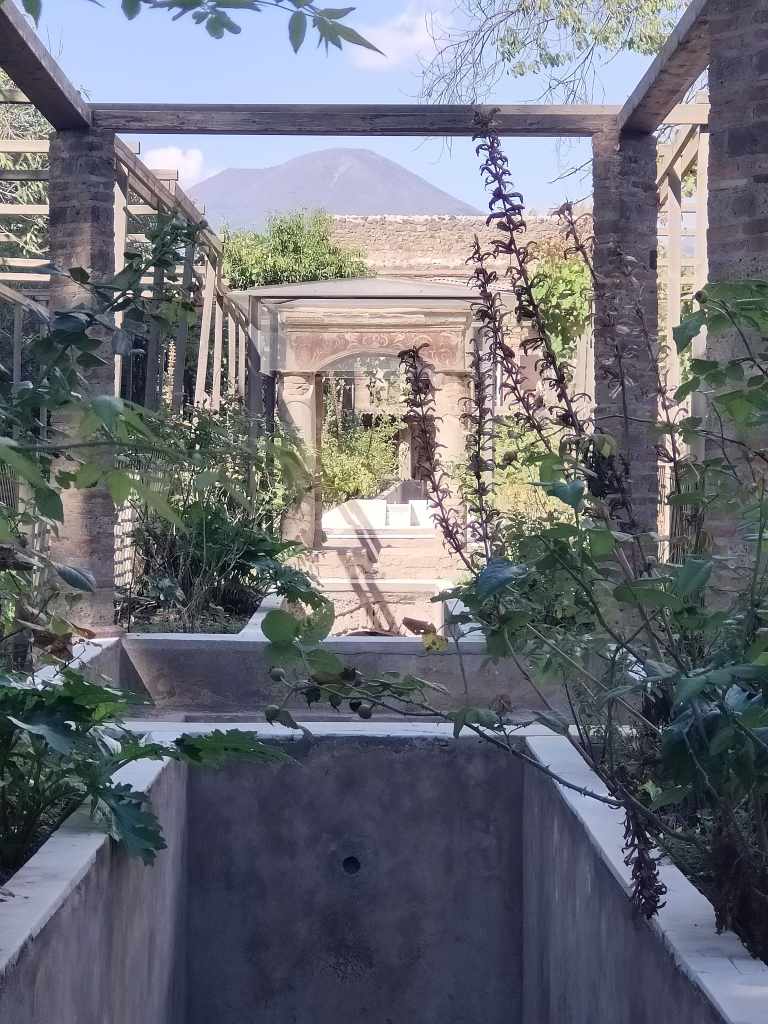
After wandering around the part of the ruins accessible with a standard ticket, I paid for a “Pompeii plus” supplement to see a couple of sites located a short way outside of the main town. The first was the Villa of Diomedes, a large property with an amazing view of the surrounding countryside and pleasant gardens.

The garden in Villa Diomedes, with Vesuvius in the background

The second was the Villa of the Mysteries, so called because it contains an exceptionally preserved and beautiful fresco of what is thought to be a woman being inducted into a religious mystery cult.

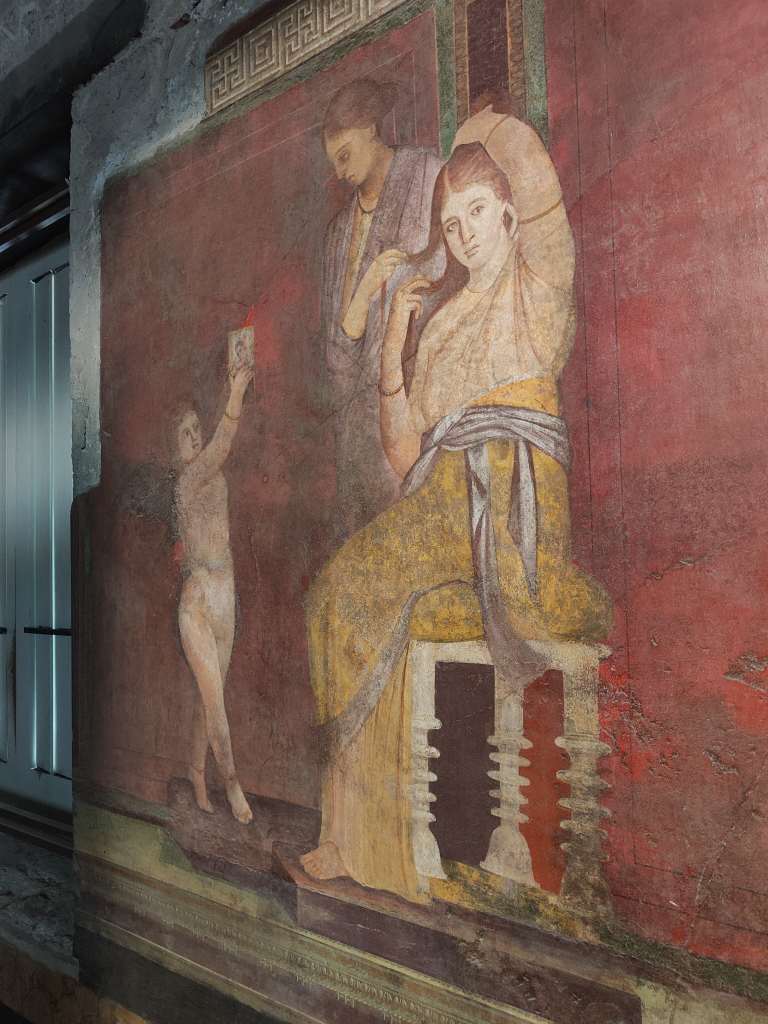
The amazing fresco in the Villa of the Mysteries

Back in the main part of the town I explored some of the greener areas – one particular highlight was the Garden of the Fugitives, which contains the casts of thirteen victims of the disaster, adults and children. These people had probably successfully fled the initial phase of the eruption and had managed to take shelter here. However, a second phase saw a cloud of blisteringly hot toxic gases sweep the city and kill all remaining survivors. Their bodies were covered by volcanic ashes, and over time the organic matter rotted away to leave a hole. During the excavations these holes are injected with plaster to make a cast of the victim. Out of respect for those that died, I won’t include a picture of them in this post, but here is the garden….

Looking down onto the Garden of the Fugitives

After five hours and 20km of walking, my little teddy legs were feeling tired, and it was time to head back to the main entrance. On the way, I visited the Sanctuary of Apollo, which had been crowded on the way in but was now deserted. I stopped to take a last, rather naughty, selfie:

A naughty selfie in the Sanctuary of Apollo

It had been an exceptional day. Pompeii seemed to have improved since my last visit twenty-five years ago – certainly more has been excavated, but there also seemed to be more mosaics and frescos on display, many of them of exceptional quality. The structural integrity of some of the Roman buildings, some standing for two thousand years, puts some of Naples’ crumbling monuments to shame. Finally, I don’t think the onsite coffee shop existed earlier, and the ability to get some caffeine and cold drinks halfway through my visit had definitely helped me keep going for so long. I hope that I will be a fit enough bear to make at least one more trip to Pompeii, in another twenty-five years’ time. Excavations continue, and it will be fascinating to see what treasures they unearth.

Well, that is all for this series of posts about South Italy. It was a great trip, with a bit of everything – the amazing and anarchic city of Naples, the scenery of the Amalfi coast, the beautiful villages and cities of Puglia, and the amazing ruins of Pompeii. I will be back, in particular to explore Naples, where there were very many things that I missed, and the surrounding area where I have yet to hike up Vesuvius, visit the ruins of Herculaneum, sail to Ischia…….the list of things to do is very long!

Previous Post: Naples
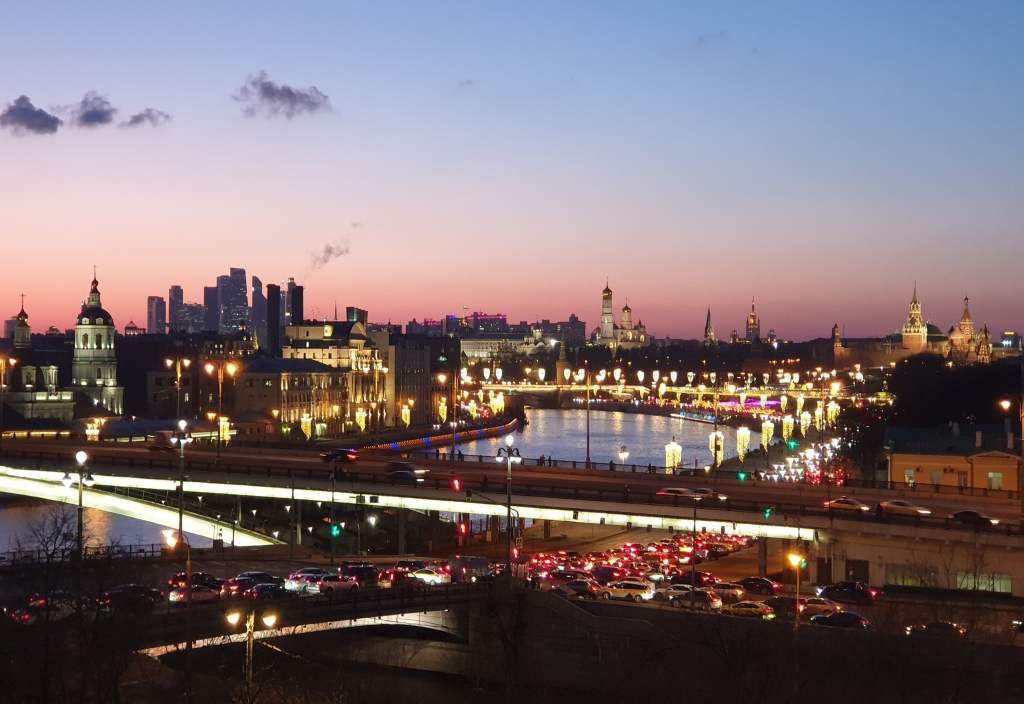
Moscow 2013-2019

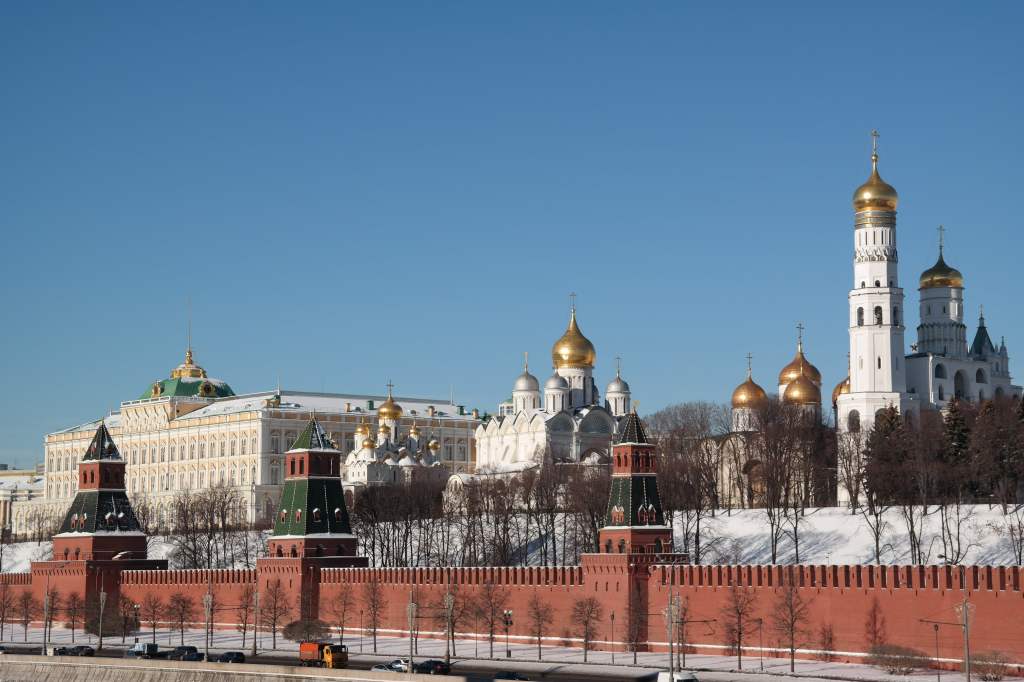
The Kremlin on a sunny winter’s day

My previous post was about the dark and wild Moscow I experienced over 2008-9; this one is devoted to the increasingly beautiful city I saw the second time I lived there, from 2013-2019. Even on arriving at Sheremetyevo airport in 2013 I saw many changes – the immigration process had been automated, and the long queues at passport control had disappeared, and a new motorway into the city centre avoided the notorious traffic jams I had suffered before on the old Leningradskoe Shosse. What I saw on arrival was just one part of a huge makeover the city was undergoing. The new mayor had embarked on a binge of construction of new roads and new metro lines, whilst discouraging people from driving into town by limiting parking spaces. The result was that traffic congestion was much improved, as more people took public transport to work – which gives me the chance to talk about one of Moscow’s most famous sights, the Moscow metro.

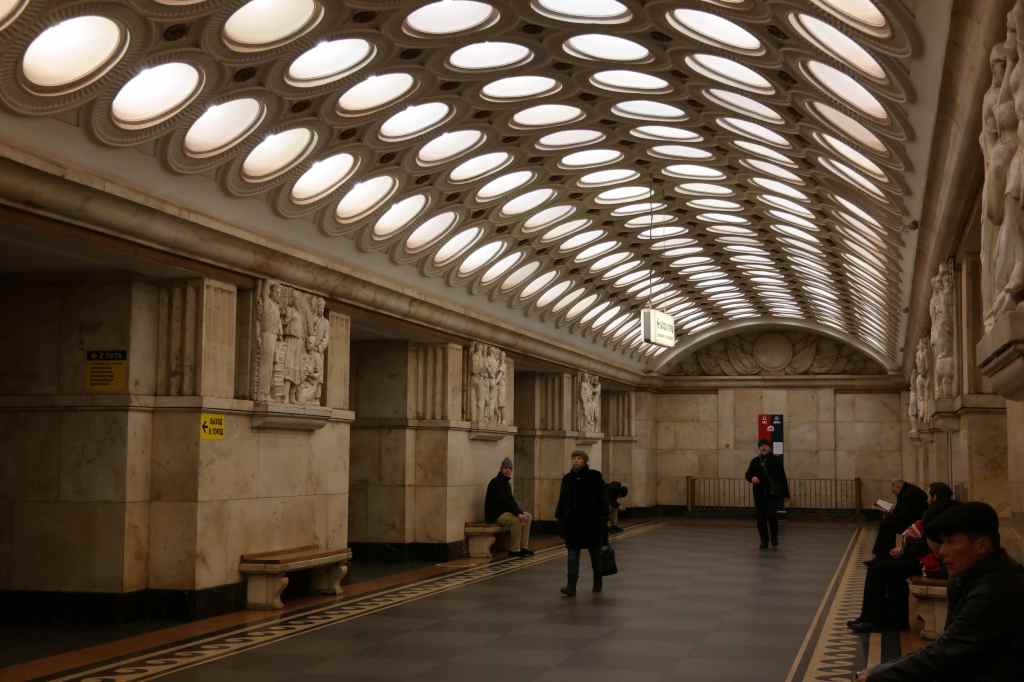
Elektrozavodskaya station, one of my favourites

The metro is famous for its beautiful stations, of which around fifteen stand out. They showcase the triumphant, imposing and bulky Soviet style, with high ceilings, ornate columns, large chandeliers and pictures or mouldings of Soviet heroes like soldiers, workers or farmers. They were intended to be “underground palaces of the people”, and it was said that each was made to look different, so that illiterate peasants arriving in Moscow could know where they were.

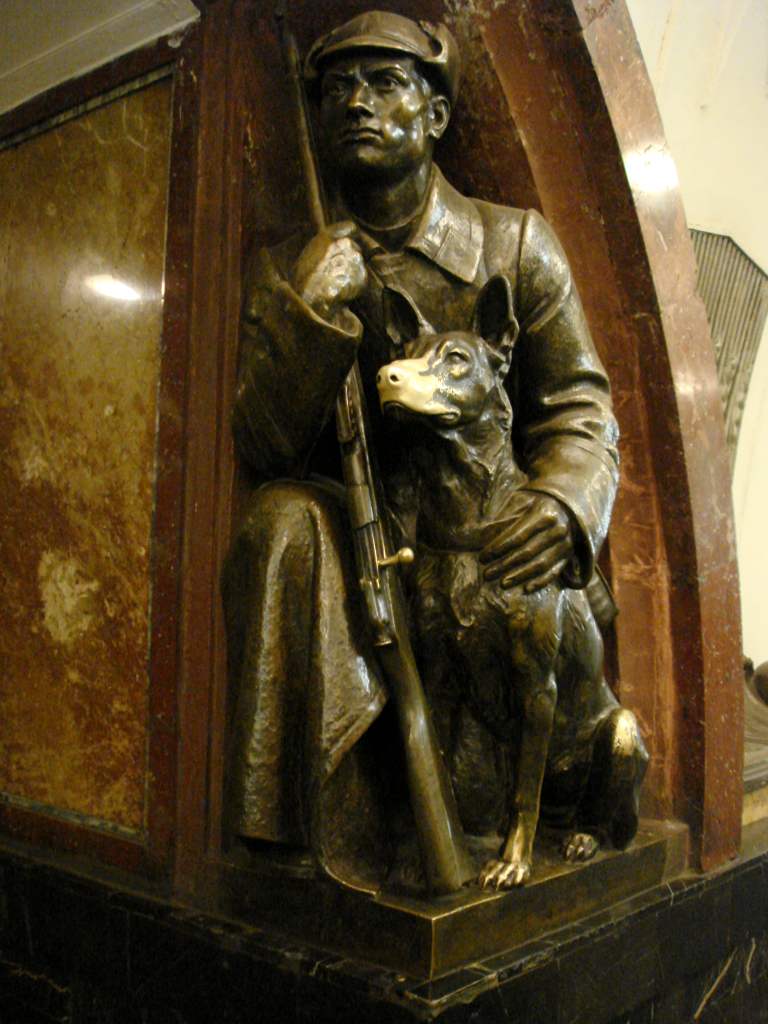
The partisan soldier and dog, Revolution Square station

My favourite was Revolution Square, where the Soviet heroes were cast as bronze statues; there is a famous soldier with a dog, whose snout was a bright shiny gold from being touched by millions of passers-by, who believed that rubbing the nose brought luck. The first parts of the Metro were completed under Stalin, including the circular brown line which has some of the most impressive stations. Legend has it that whilst Stalin was discussing plans to develop the system with his subordinates, he put his coffee cup down on a network map, leaving a brown coffee-stain ring – which became a new line.

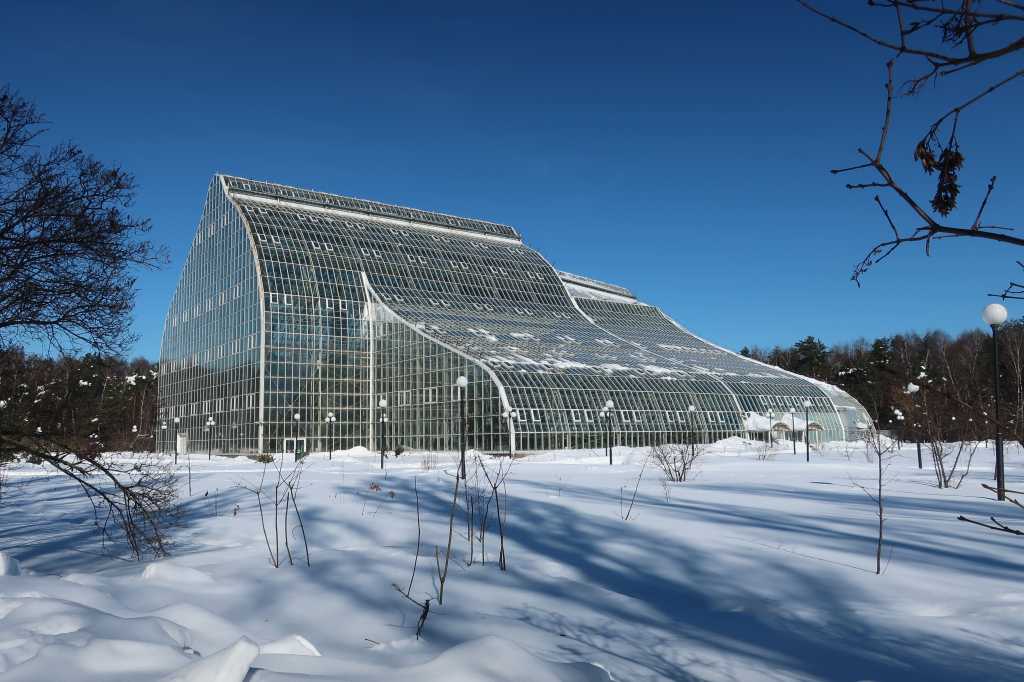
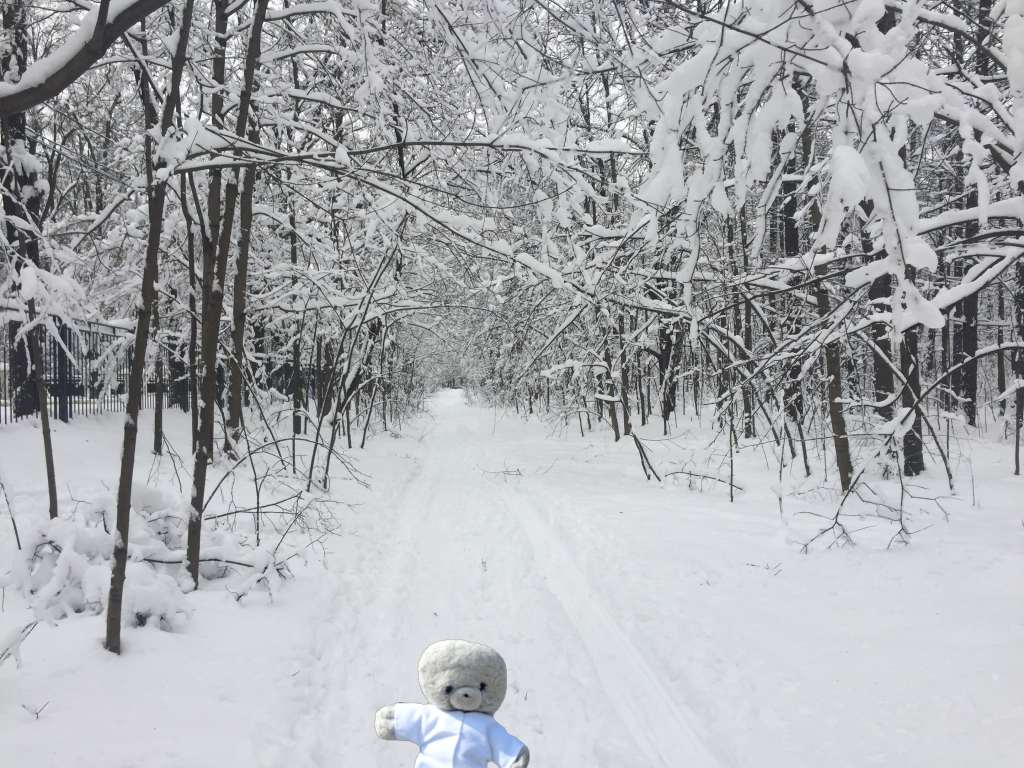
The reduced traffic in Moscow led to improved air quality, and an end to the smog that used to hang over the city most of the winter. On a sunny day, this was replaced by bright blue sky and at weekends I would enjoy going cross country skiing in locations like the huge botanical gardens.

Futuristic glass house in Moscow’s amazing botanical gardens
Getting lost on a ski track in a Moscow park

The mayor’s public works binge also included digging up most of central Moscow to lay smart new granite pavements. For two years this effort turned the city centre into a big building site, and a vicious (but false) rumour circulated that mayor’s wife owned a business making paving stones.

The road near my flat in 2017

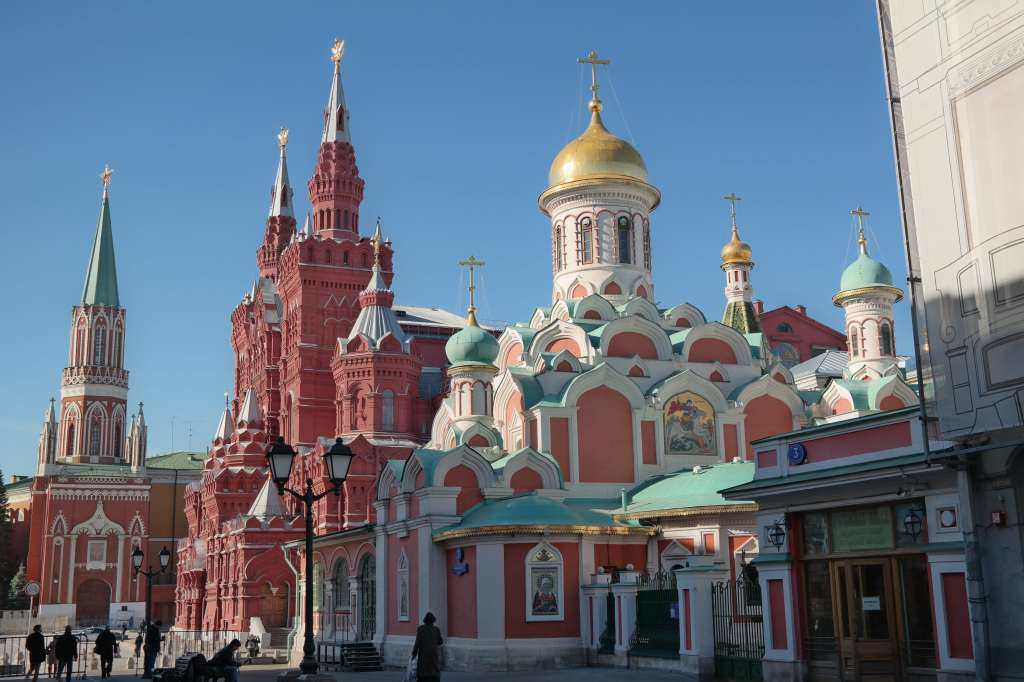
The work was finally finished in 2018, just before Russia hosted the football world cup. Even those that had suffered from the years of roadworks had to admit that the city looked much smarter as a result. All of this spending on public projects left a city that was bright, beautiful and comfortable – a complete contrast to the dark, intimidating but slightly more fun version of Moscow that I had experienced over 2008-9.

Moscow after the roadworks – near Red Square in 2018
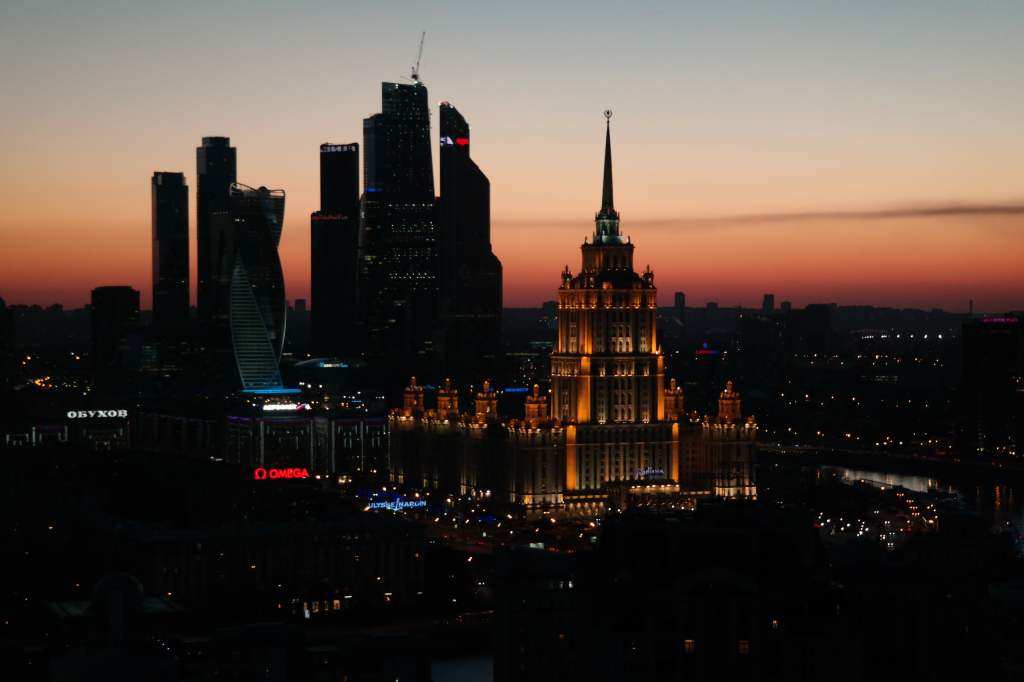
View of the Ukraine Hotel and Moscow City business district

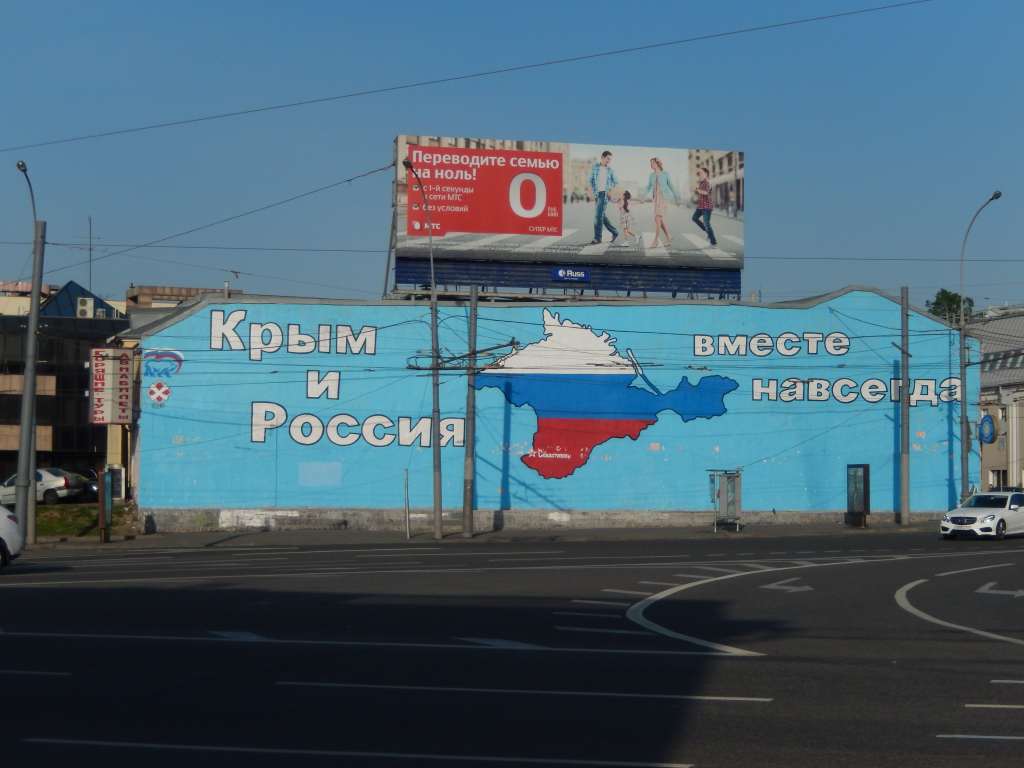
However, this transformation of Moscow was accompanied by increasingly worrying developments in Russia’s social and political scene, as the country changed from a shaky democracy to absolution rule by Putin. 2014 saw Russia’s annexation of Crimea, a very popular action in Russia generally.

Street Art in 2014

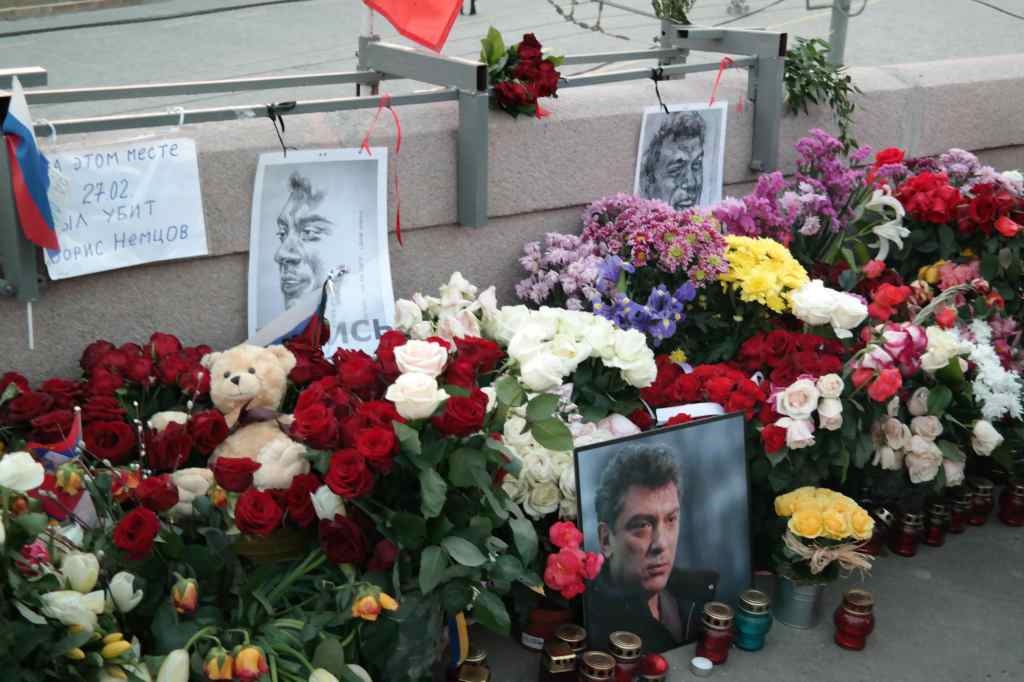
…and 2015 saw the assassination of the opposition leader Boris Nemtsov on the bridge leading to the Kremlin, in the very centre of Moscow.  For many years after, supporters laid flowers on the spot where he was killed.

Memorial to Boris Nemtsov

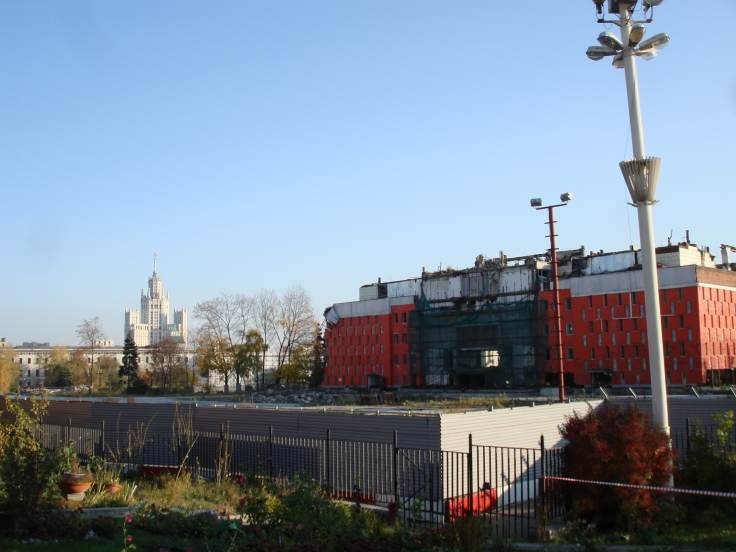
It would be sad to end this post on such a downbeat note, so I will finish by describing yet another of the mayor’s project’s – the new Zaryadye Park, inaugurated in 2017. This was built on the site of the abandoned building site and derelict hotel described in my previous post.

The Hotel Rossiya ruins in 2008….

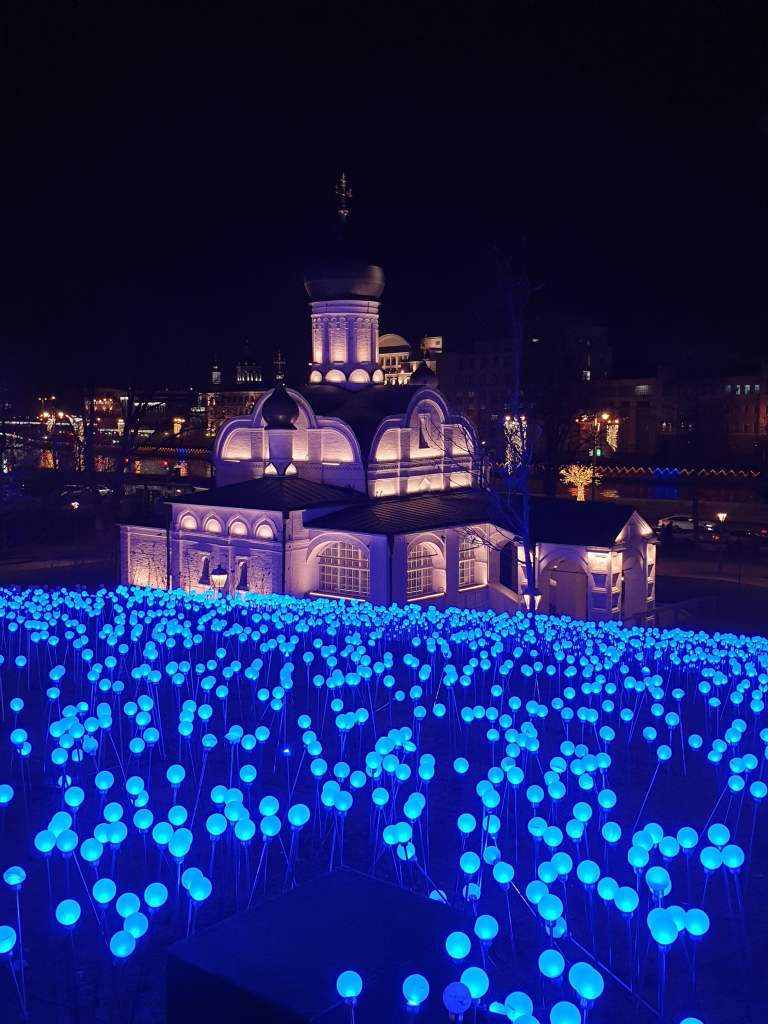
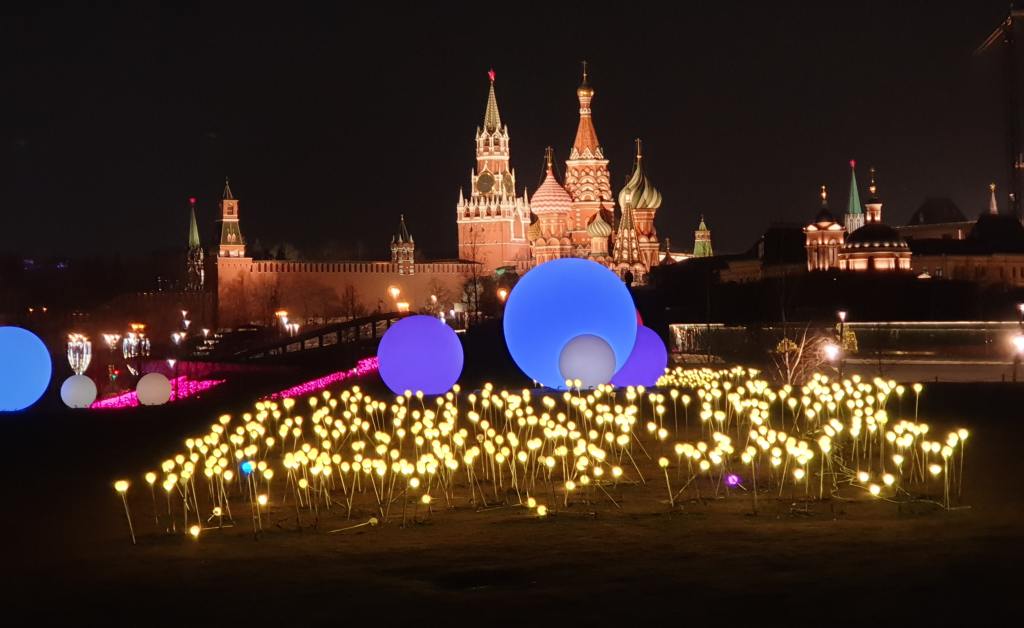
They were replaced by gardens, an artificial hill with views over the Kremlin, yet another concert venue, and a restaurant complex. It was a brilliant project, and shows what Russia is capable of when money is put to good use instead of disappearing into well-connected people’s pockets.

…and views from Zaryadye Park’s artificial hill in 2018

And the Stalin building you can see lurking behind the decaying hotel in my 2008 photo? That is still residential accommodation, but some of the units were now available for hire as really cool Airbnb stays. I booked one for my last trip to Moscow in 2021, with an incredible view of the city from my window.

View from my Airbnb in the Stalin Building, 2021

It was a wonderful way to say farewell to a city that I had seen transformed in just a few years. I left with a heavy heart, and am not sure when I will be back, but at least I have these photos, many happy memories, and many Moscow friends. My next post continues my journey around Russia, this time visiting the Caucasus near the border with Georgia.

Previous Post: Moscow 2008-2009

Next Post: The Russian Caucasus

Saint Petersburg 1 – Classical sights

The second post in this series about Russia is devoted to Saint Petersburg. This is the Russian city most familiar to western visitors, and indeed its centre is a very pretty place well worthy of a few days’ stay, with world class attractions like the Hermitage and the royal palaces. My first visit was a holiday in the summer, which followed a classic circuit of the city’s highlights, but later I visited in winter and then I started to go there frequently on business. This gave me a very different perspective of the city and led to some of my most bizarre and fun adventures in Russia. I will cover the different sides of St Petersburg in two separate posts.

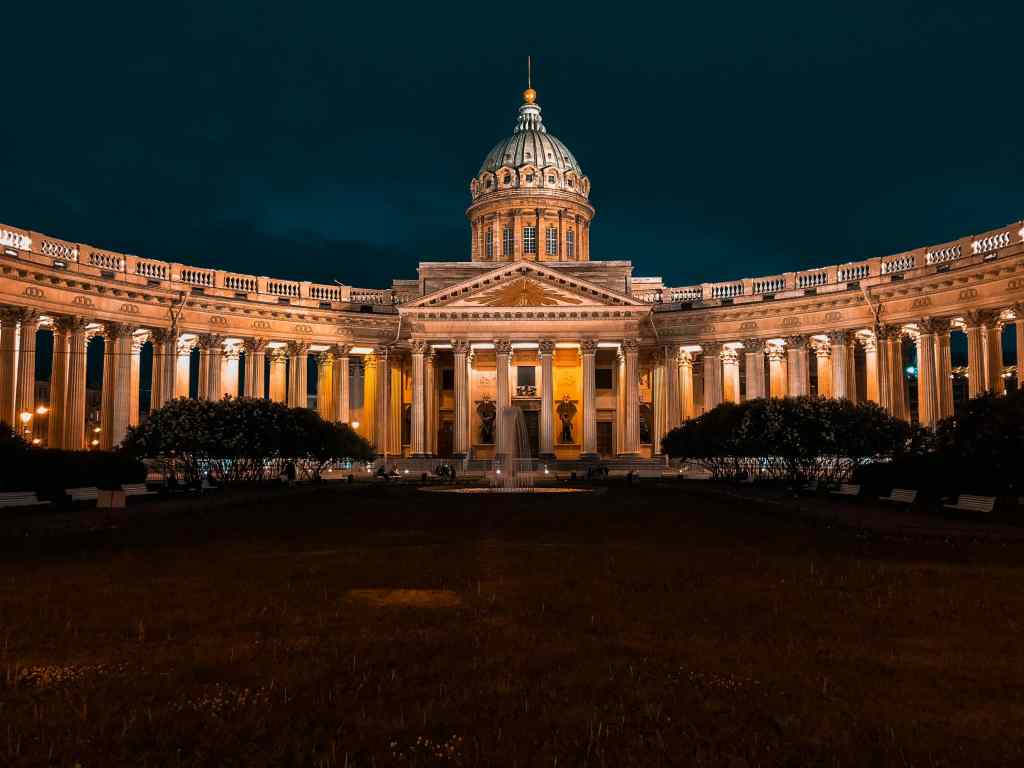
Classic St Petersburg – Kazan Cathedral

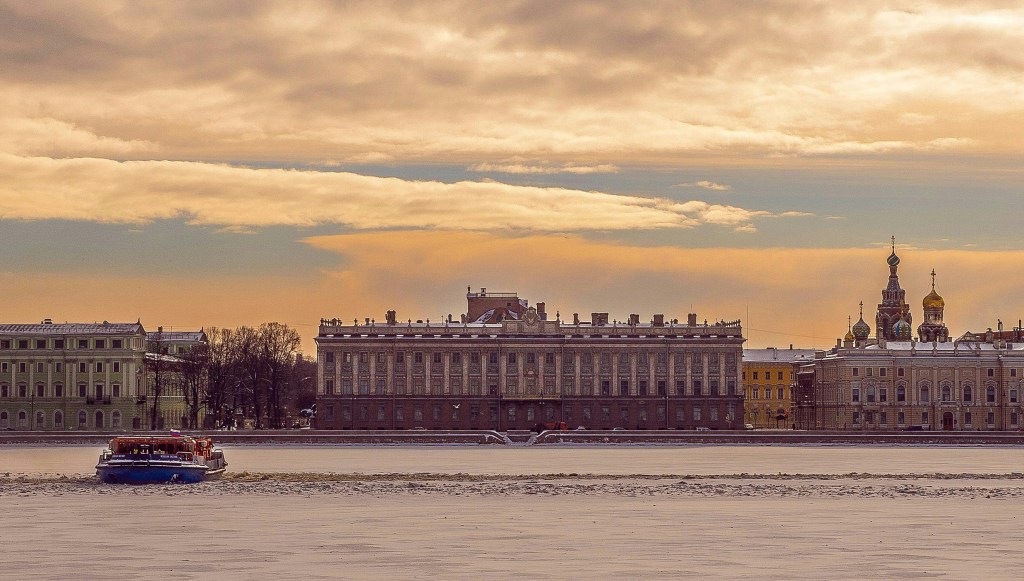
First, I will describe the classic St Petersburg that most tourists see. The city was founded in 1703 by the tsar Peter the Great, on boggy land on the shores of the Neva River – territory that had only just been claimed by Russia after a war with Sweden. Peter employed an Italian architect to design some beautiful classical buildings, whilst the labour force for its construction included many Swedish prisoners. Maybe not surprisingly, the centre of Saint Petersburg looks like other European cities built in the same period, with majestic houses along the Neva River and the surrounding canals.  A boat trip along these waterways is a popular way for visitors to get a first impression of the city.

A boat trip on the Neva River, Saint Petersburg

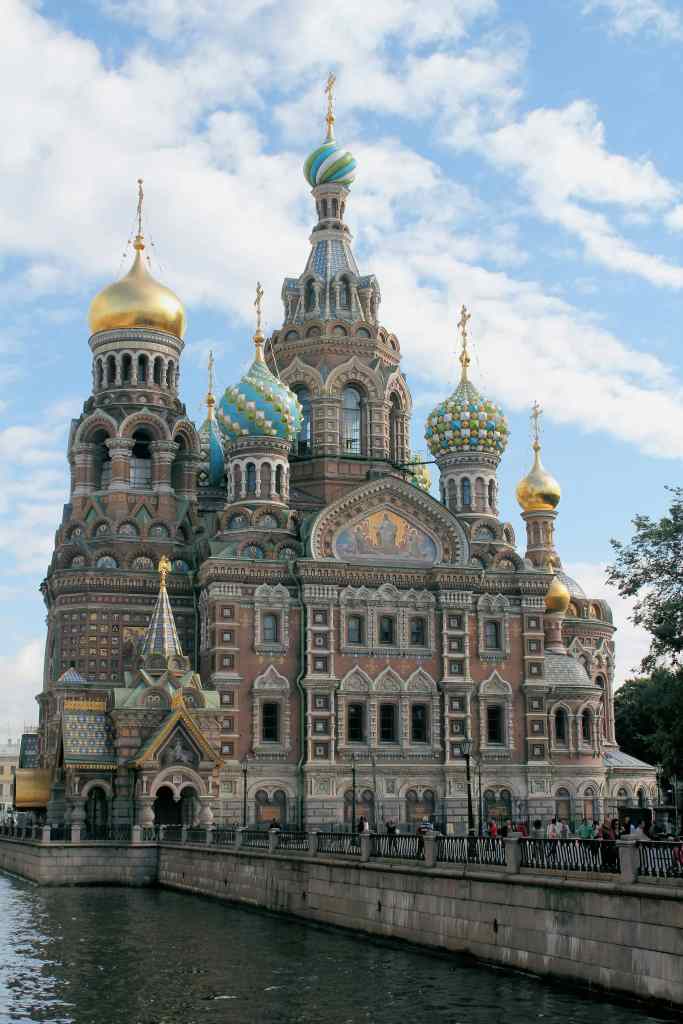
The centre of St Petersburg has many magnificent buildings, like Kazan Cathedral (first picture in this post) or the Church on Spilled Blood, built on the spot where tsar Alexandra II was assassinated in 1881.

The Church on Spilled Blood Saint Petersburg

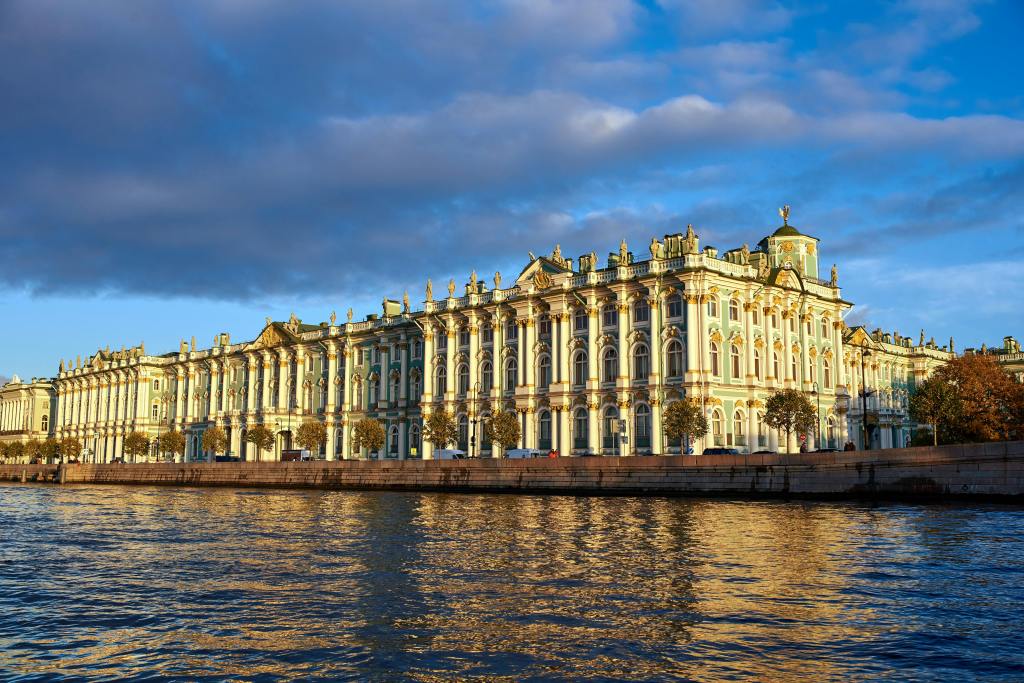
One of the highlights of the centre of St Petersburg is the famous museum, the Hermitage, which owns a staggering three million items – of which only a small proportion are put on display. It was founded by Catherine the Great in 1764 as an extension to her Winter Palace in order to house her growing art collection and acquired its name from its being an exclusive, inaccessible place that only the tsar’s family could visit. The collection steadily grew, and new buildings were added to house them – although a few major works were sold by the cash-strapped communist regime in the 1920s. The communists also transformed the tsars’ former Winter Palace into yet another part of the museum, and today is the second largest in the world by surface area.  

The Winter Palace

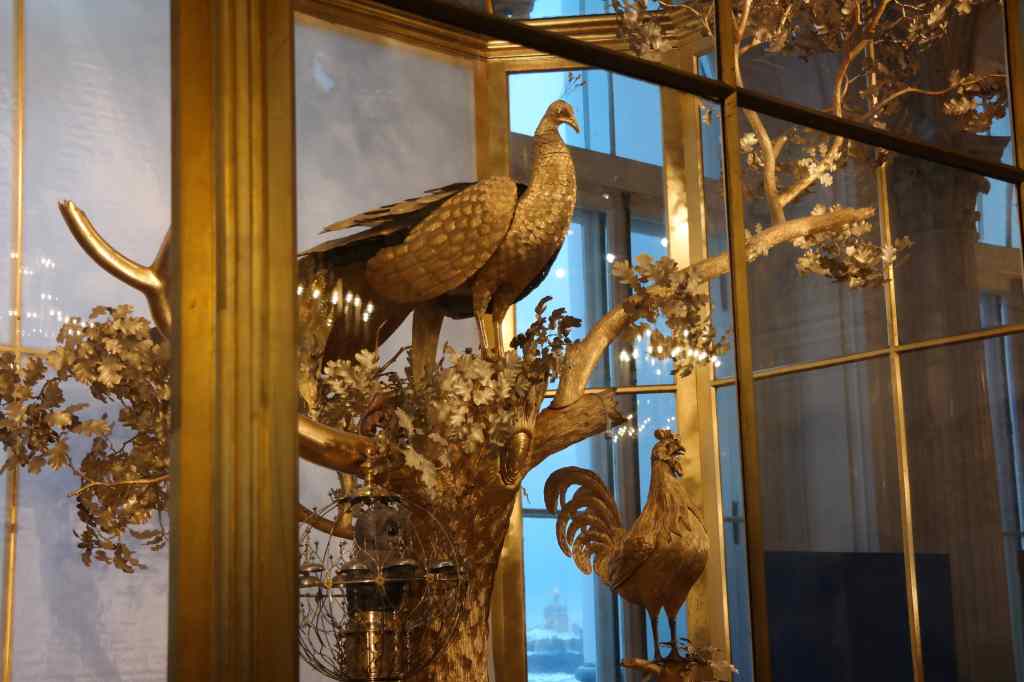
I have visited the Hermitage many times, and indeed its collection is amazing. Highlights include this incredible golden Peacock Clock and a collection of old masters that includes works by da Vinci and Rembrandt.

The Peacock Clock at the Hermitage Museum

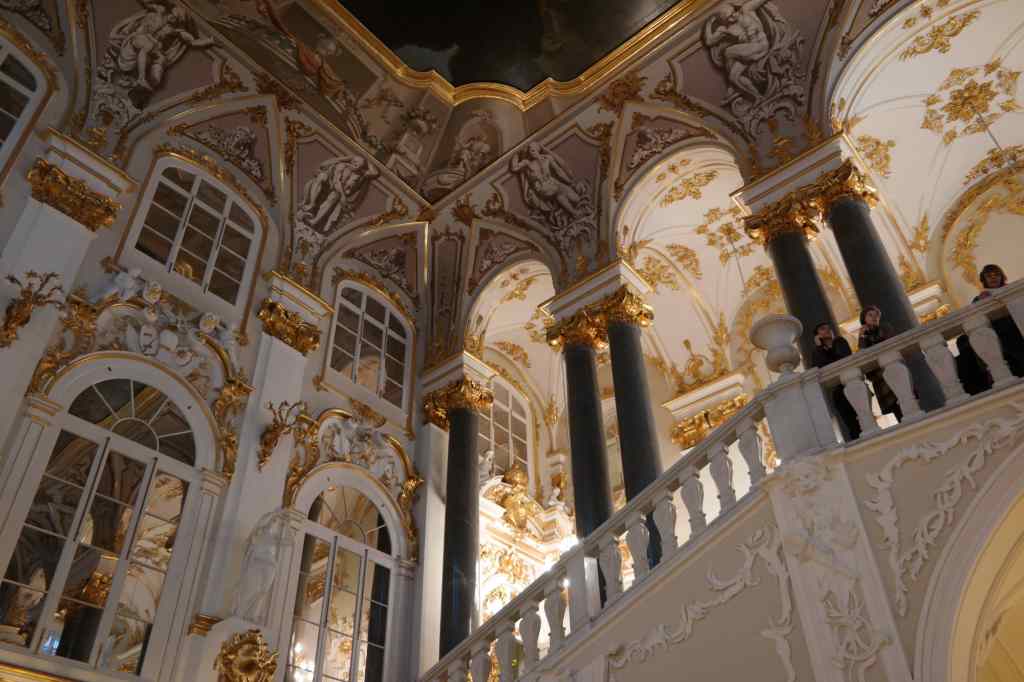
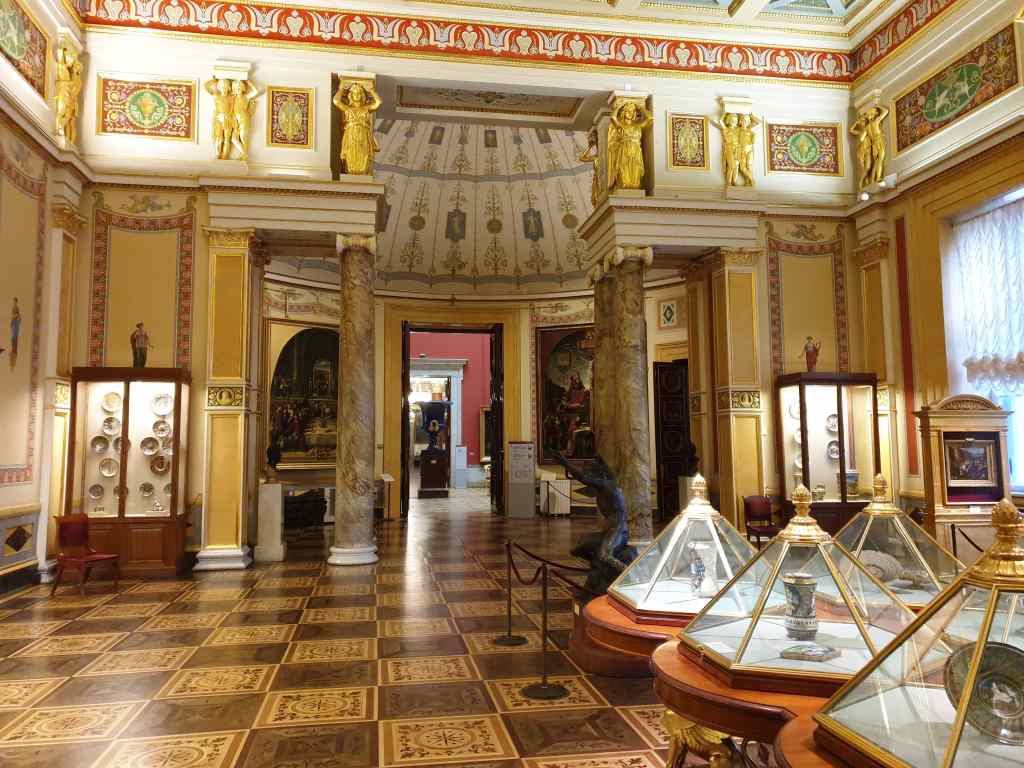
However, I think I actually simply prefer walking around and admiring the magnificent interiors of the former Winter Palace -such the Grand Gala Staircase or the Malachite Room, which was the home of the Russian Provisional Government formed after czar Nicholas II abdicated until the Hermitage was stormed by workers and sailors at the start of the Bolshevik Revolution.

The Grand Gala Staircase at the Hermitage
One of the quieter rooms in the Hermitage

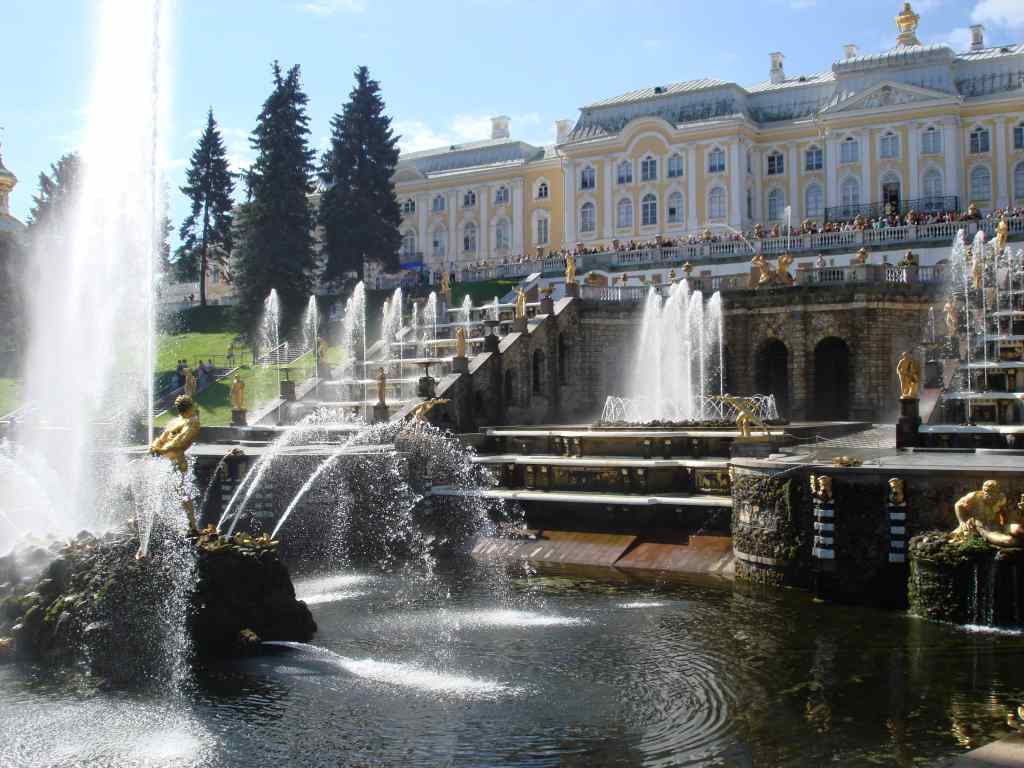
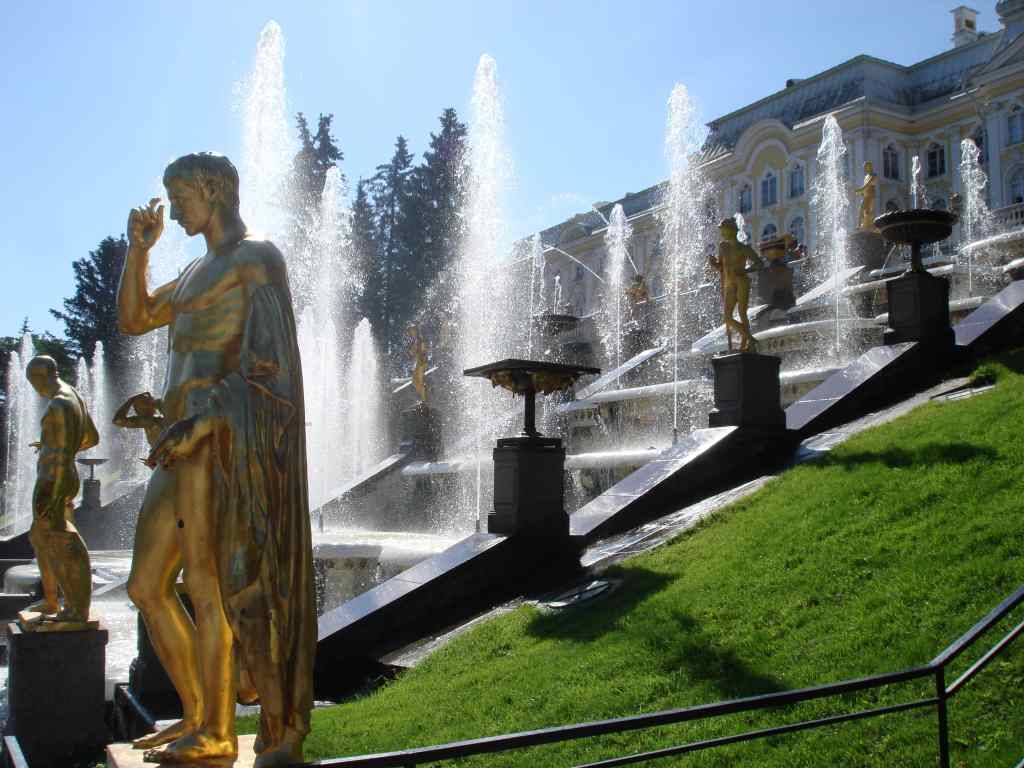
Magnificent palaces are not confined to the centre of St Petersburg. A short distance away from the city are several of the Russian tsars’ summer palaces. One of the most spectacular is Peterhof, built by Peter the Great and most easily reached by a short ride in a hydrofoil. Peterhof is a huge palace, famous for its many fountains, of which the most impressive is the Grand Cascade, which sits between the palace and the sea.

The Grand Cascade, Peterhof
Close up of the fountains of the Grand Cascade

The palace itself is also beautiful, although what you see today is a reconstruction after the Nazis demolished the original structure during the siege of Leningrad.

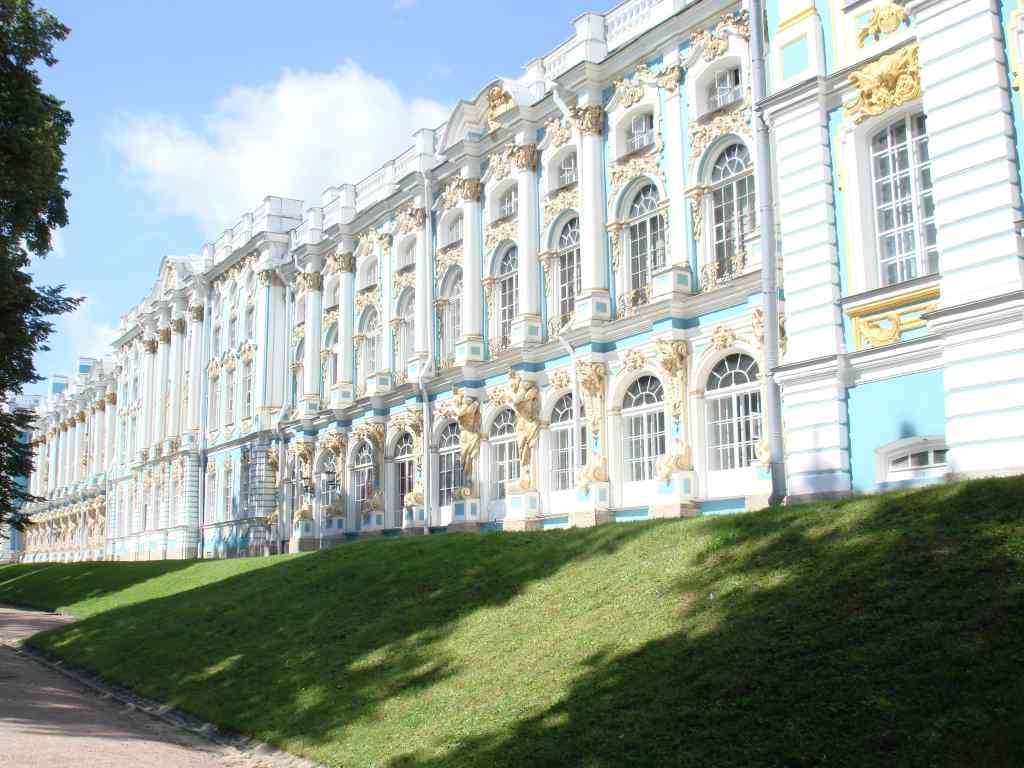
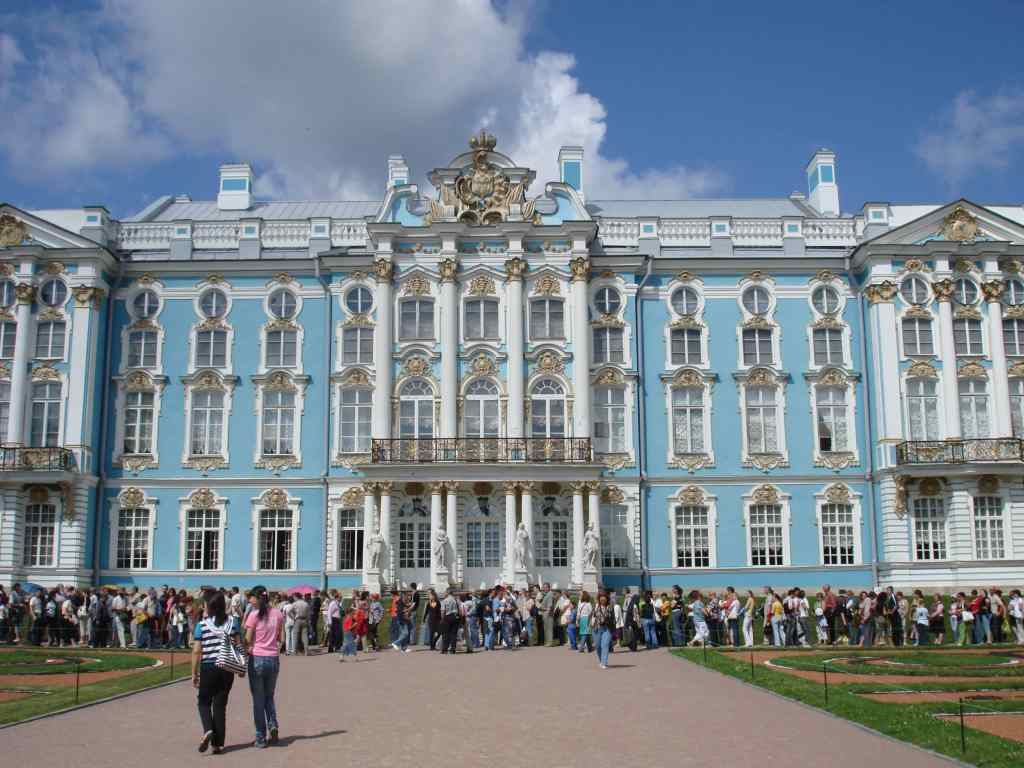
Another huge palace complex near St Petersburg is Catherine’s Palace, located about 30km from the city in a town called Tsarskoye Selo or Pushkin.  This is even bigger than Peterhof and was also completely gutted by German forces during WWII – so what you see today is again mostly restoration.

The exterior of Catherine’s Palace
…and the queue to get in!

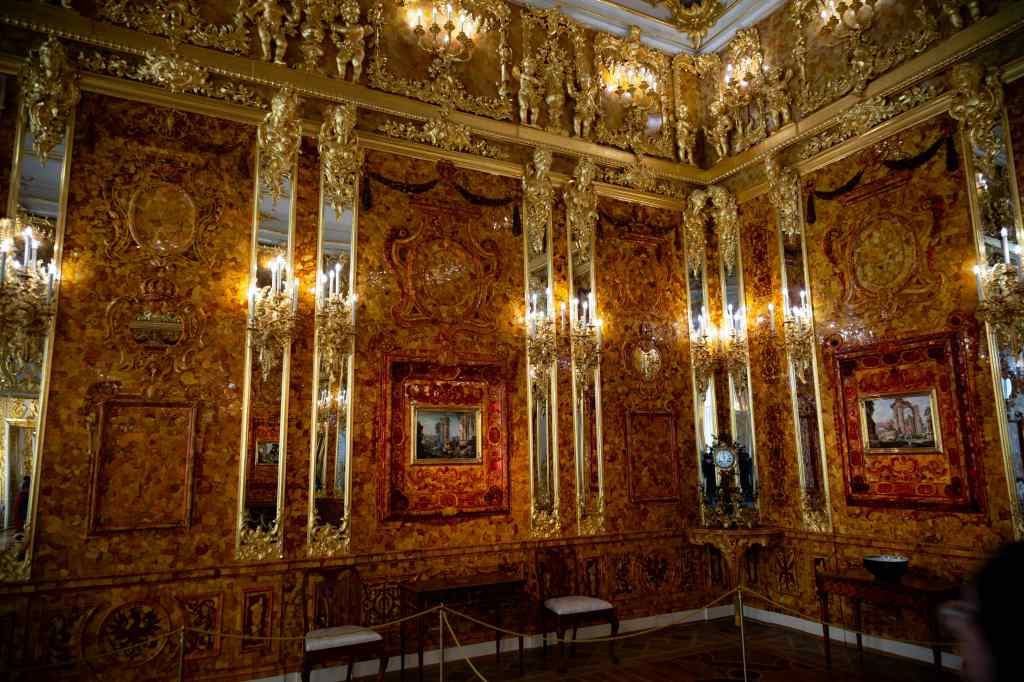
One of the highlights of Catherine’s Palace is the Amber Room, a chamber decorated with amber panels, which has a mysterious history. It was originally located in Charlottenburg Palace in Berlin but was given by the Prussian king to his ally, Peter the Great. Eventually it was moved to the Catherine’s Palace where it was feted as the “eighth wonder of the world”. When the Nazi forces occupied the area, they took apart the Amber Room and shipped it to Konigsberg in Germany (now Kaliningrad in Russia) – but when advancing Russian troops captured the city in 1945, no trace of the room could be found even after years of searching. Eventually it was decided to rebuild a new Amber Room in the restored palace, a project that was took 23 years and which finished in 2003.

The Amber Room, Catherine’s Palace

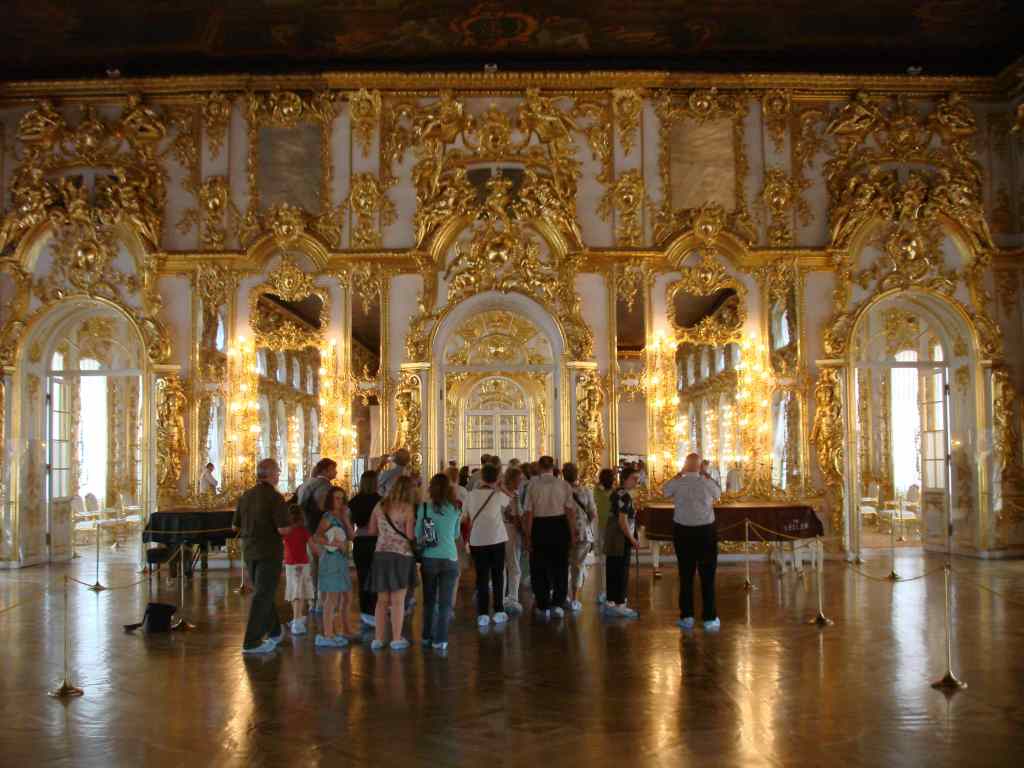
Sadly, the Amber Room was closed for maintenance on my visit, so I had to content myself with the rest of the palace. This was certainly opulent, but in my humble opinion, not always in the best taste – the architects seemed to have been instructed to cover the walls of every room with gilt, and after a while this endless dazzle of gold became a bit repetitive….and even a bit tacky.

One of an endless series of over-gilded rooms, Catherine’s Palace

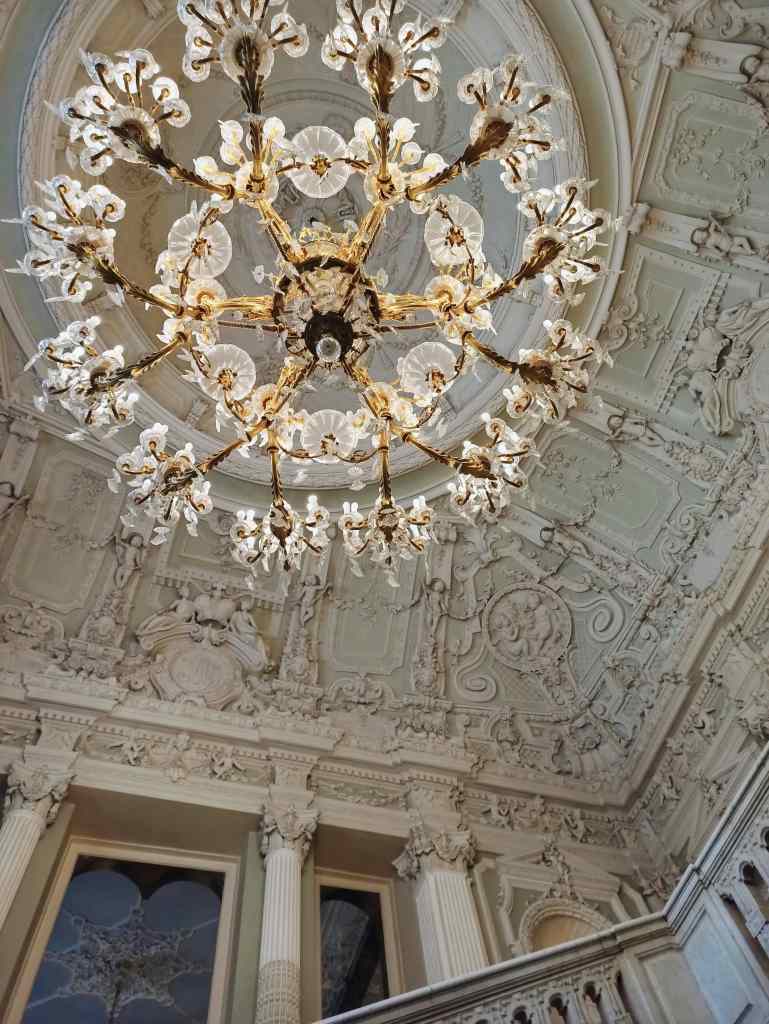
My favourite St Petersburg Palace was the Yusupov Palace, located on a canal in the centre and a complete contrast to Catherine’s Palace and Peterhof. It was originally built in 1776 by a French architect, and over the years went through many modifications. In 1830 it was bought the Yusupov family, the second richest family in Russia after the Tsar’s.

The Entrance Staircase at the Yusupov Palace

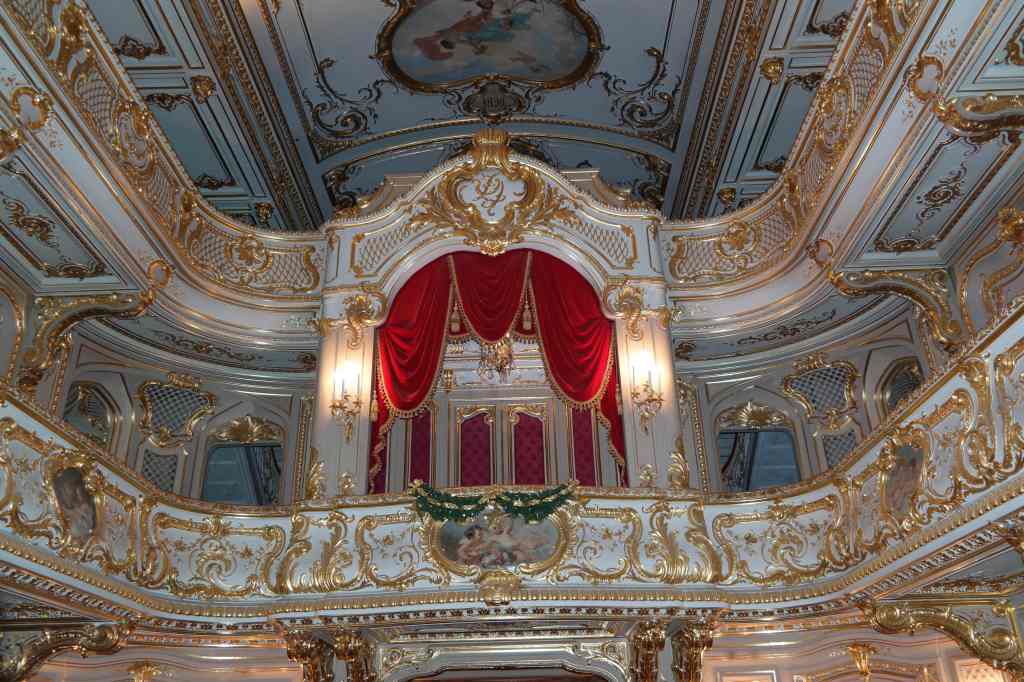
I liked this palace because of the range of architectural styles used to build it, its more human scale and its tasteful interior decoration. One of its highlights is its small theatre, where plays are still performed for the general public.
The Theatre at the Yusupov Palace

The Yusupov Palace is also famous as the place where the monk Rasputin was assassinated in 1916. Many Russian nobles had become deeply worried that his influence over the Tsarina was damaging the standing of the royal family and adding to the deep social unrest Russia was experiencing. A group of them, led by Prince Felix Yusupov, heir to the Yusopov fortune, lured him here for a dinner of pies laced with cyanide. This though failed to kill Rasputin, so instead they shot him three times and dumped his body into the nearby river. Felix escaped serious punishment for the murder, but his actions didn’t stop the revolution, which forced the whole family to leave their palace and flee to France with their best jewels and paintings. 
The Yusupov Palance seems an appropriate place to end my blog on the traditional sights of St Petersburg – the scene of an unsuccessful attempt to forestall inevitable social change. Wandering around the excessive opulence of the Winter Palace, Peterhof, Catherine’s Palace and the many magnificent building of central St Petersburg, it is not surprising that the 1917 revolution happened. Especially when one contrasts the extravagant centre of the city with the its poorer areas, located only a short walk away – which I will cover in my next post.

Previous Post: Solovki Islands

Next Post: Off the beaten track in St Petersburg

Russia – the Solovki (Solovetsky) Islands

For the next few posts, I am going to do something a bit different by going back to the past. I lived and worked in Russia for a total of seven and half years, from 2008-9 and 2013-2019. I travelled extensively, from Karelia to the Caucuses, to the frozen Siberian north in winter, to lake Baikal (twice), and magical Kamchatka. I also completely crossed the country by train, on the Trans Siberian and then the “BAM”. On my return to London, I wrote Caviar, Vodka and Tears, a book about my experiences living, working and travelling in this unique country.To accompany the launch of my book, I am going to do a few posts about my travels, as a memory of happier times, before the Ukraine war. Hopefully at some point there will be peace, and it will be possible and morally acceptable again to travel in Russia. The next few posts will describe the amazing travel experiences I had whilst living there.  

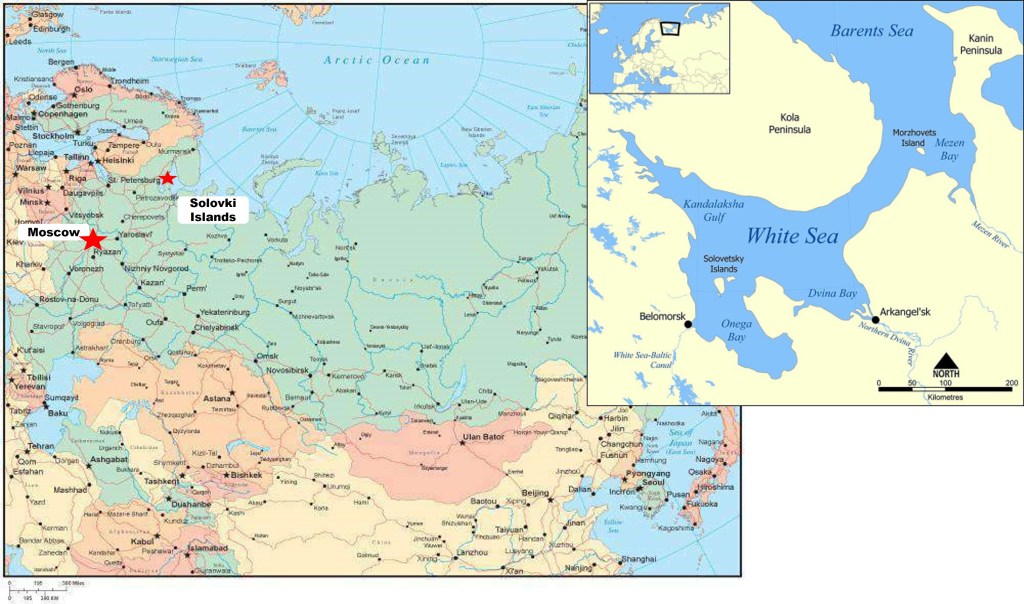
The Solovki (or Solovetsky) Islands sit in the White Sea in the Far North of Russia

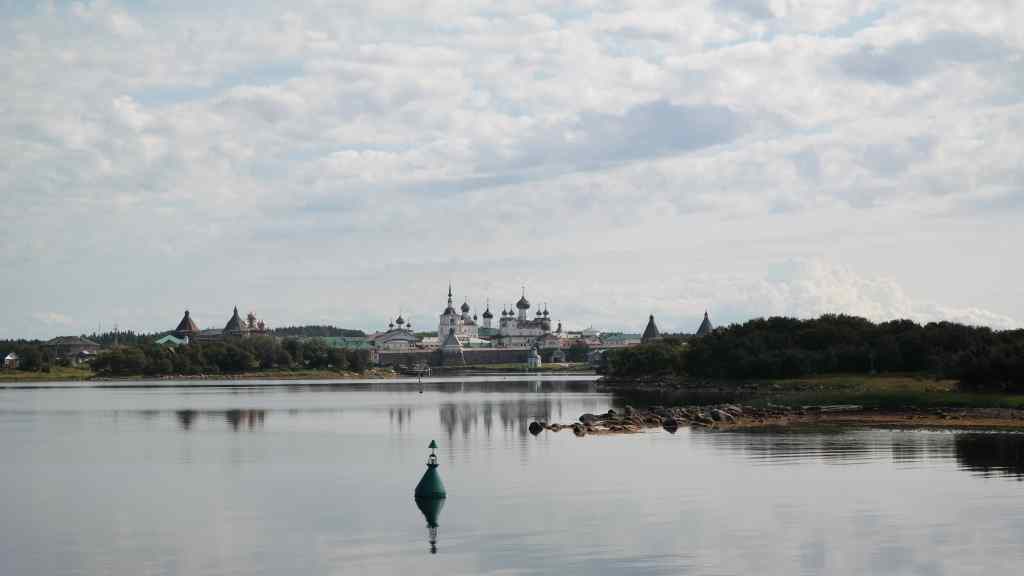
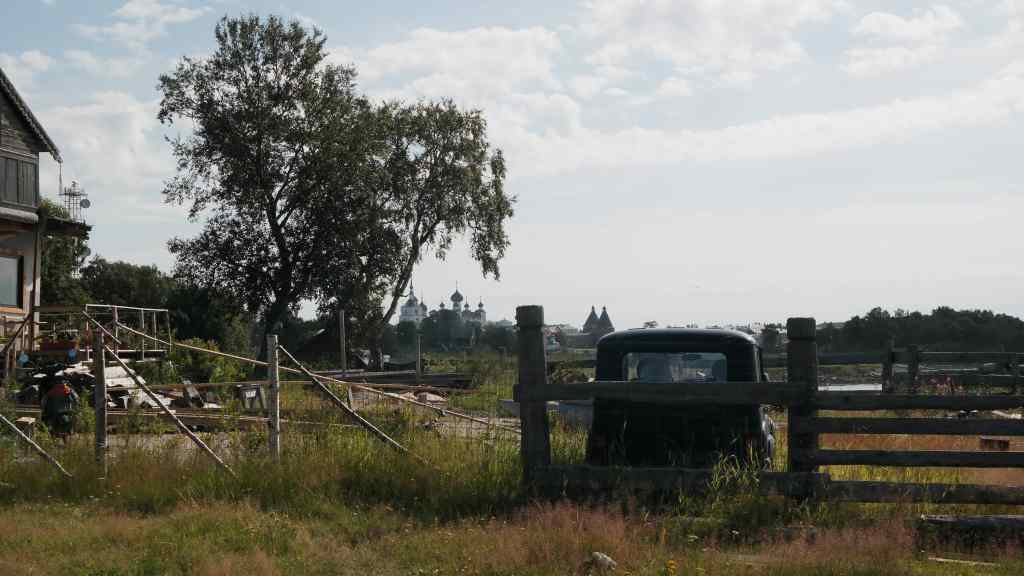
I will start with one of my favourite destinations – the magical Solovki or Solovetsky Islands, located in the White Sea in Russia’s far north, just outside the arctic circle. To get there you can fly via Arkhangelsk, but the flights are often cancelled due to strong winds or fog, which make landing dangerous. So instead I took the train to a small town called Belomorsk, and then a ferry  – which is the best way to go because it was what the islands’ earliest settlers did, and because you get this wonderful view as you slowly approach the famous Solovetsky Monastery….

My first glimpse of magnificent Solovetsky Monastery from my ferry
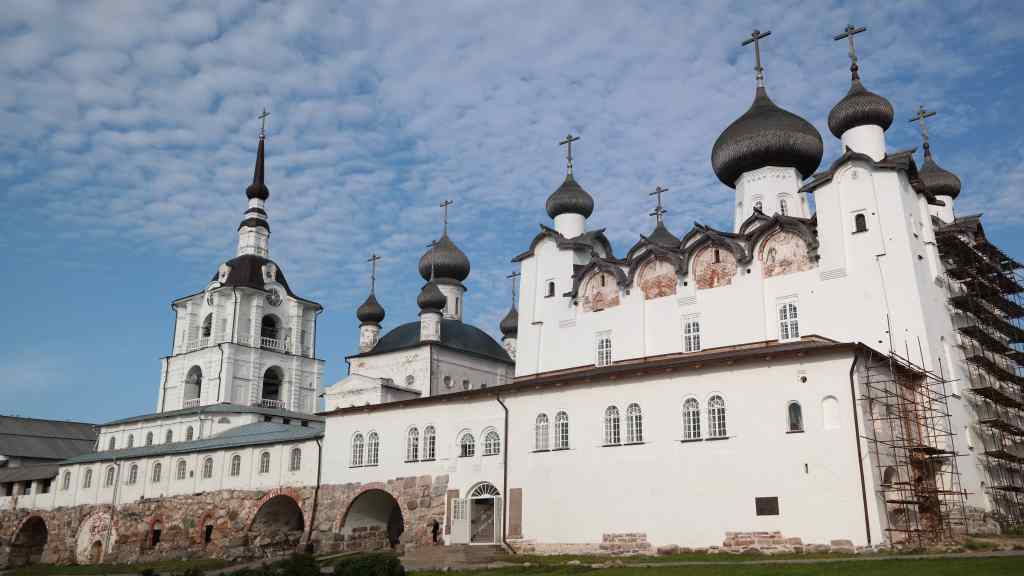
Solovetsky Monastery’s defensive walls

The monastery was founded by monks who made the then risky trip across the sea in the 15th century and has had a tumultuous history that mirrors that of Russia as a whole. By the 16th century it had become an important pilgrimage centre, though the journey there was still fraught with danger, and it added protective walls against marauding Finns and German Teutonic Knights. It was also one of Ivan the Terrible’s favourite prisons for people he disliked but could not be bothered to execute. During the Crimean war the monastery was even attacked by a British warship, but its cannonballs bounced harmlessly off the thick walls and the enterprising monks later sold them as souvenirs to pilgrims.

Inside the walls of Solovetsky Monastery

In 1926, under the early years of communism, the monastery became the centre of Russia’s first Gulag for political prisoners and was notorious for its harsh conditions. Thousands of people died from cold, starvation or overwork – or were simply shot.

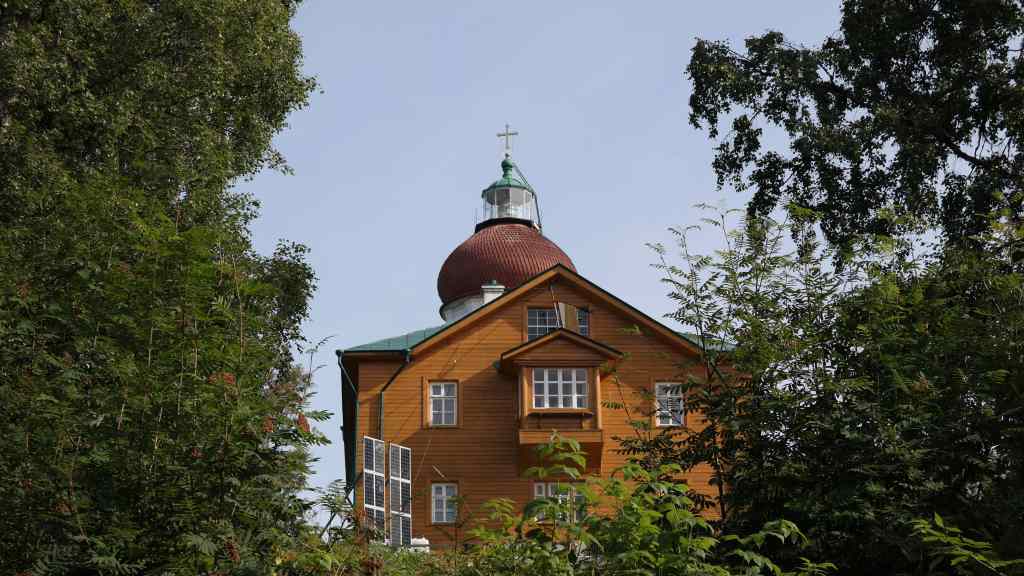
The “Kartser” of the Gulag, now a lighthouse

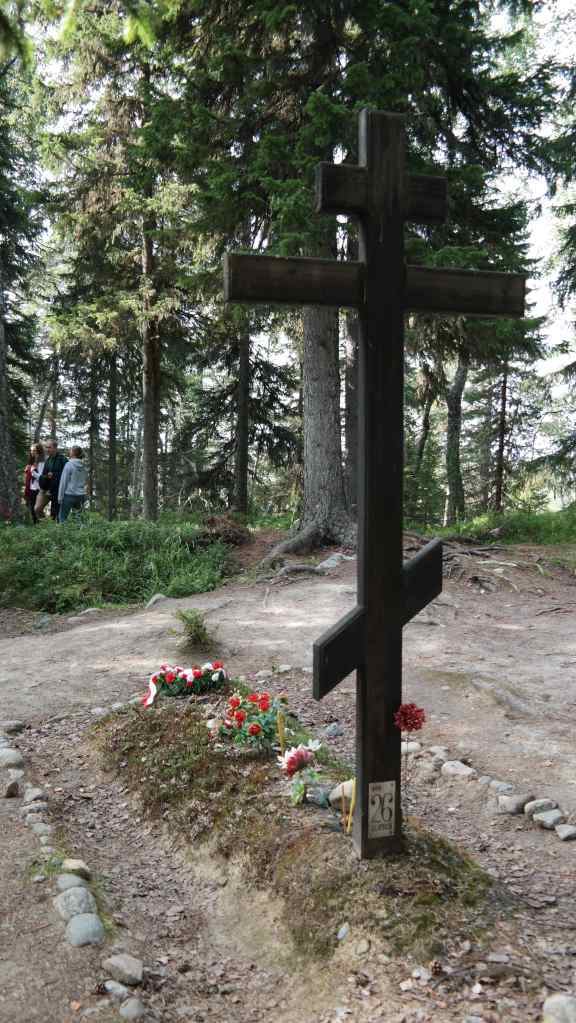
This photo of an apparently peaceful building, sitting on a hill on the end of the main Solovetsky Island, shows one of the saddest places in Russia. It was originally a chapel but became the kartser or punishment cell of the Gulag. Few of the people sent here survived – most either froze to death, because the building was not insulated, or were shot and their bodies thrown down the nearby hill. Today, volunteers have dug up the remains of some of the victims and have given them a proper burial, with a cross to mark their graves.

One of the graves near the Kartser – this one is for 26 Gulag prisoners, whose bodies were nearby

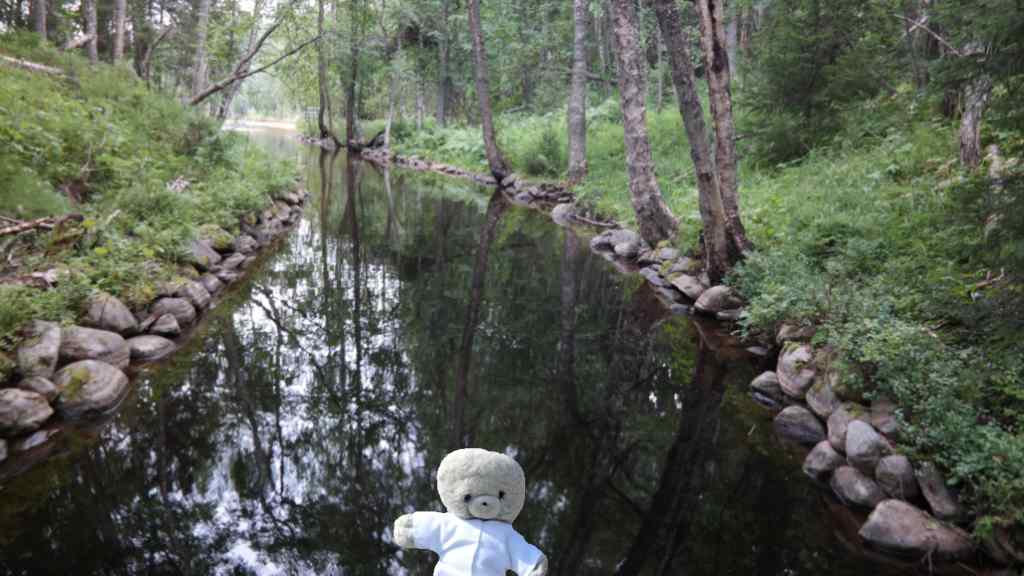
Away from the monastery, the main Solvetsky Island has an extensive system of lakes joined by canals. These are great fun to explore now by hiring a rowing boat, but back in the gulag days, this was the site of the hardest work for the prisoners – chopping down trees and floating their trunks along the canals –  often in freezing water -to a central sawmill.  

In a boat on one of Big Solovetsky Island’s canals

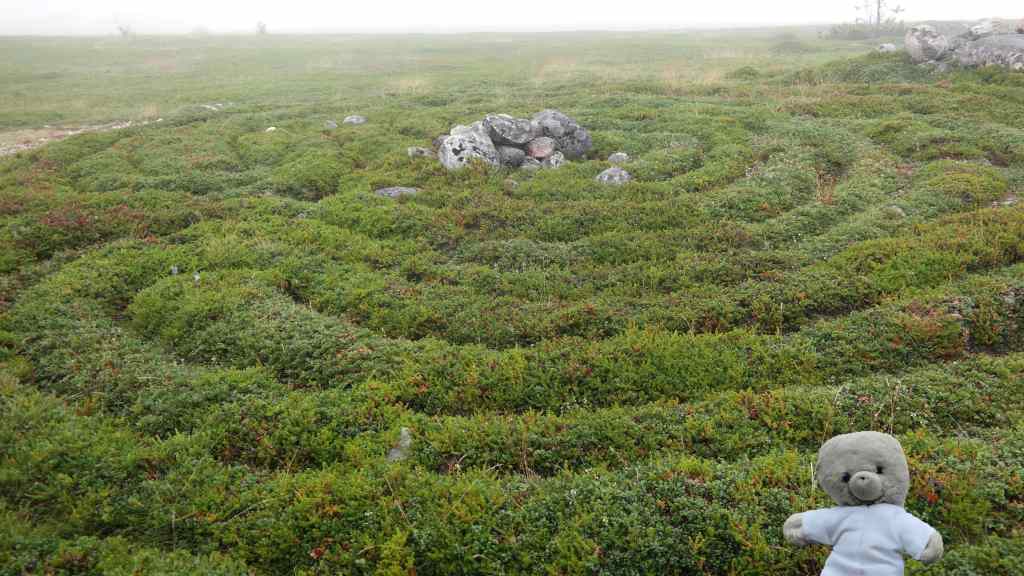
Around the main Solovetsky Island there is a constellation of smaller islets, mostly uninhabited, which can be visited by a short boat trip. Some of these have strange spiral structures or “labyrinths” made out of rocks, left by some ancient and now forgotten previous inhabitants – no one knows what their purpose was or who made them.

An ancient stone labyrinth, Solovetsky Islands

Let’s return to the monastery. The Gulag was also the first to close in Russia, in 1939, and the monastery building later became a training centre for naval cadets. After the collapse of communism, monks began to return to the island and now Solovetsky Monastery is once again a thriving religious centre.  

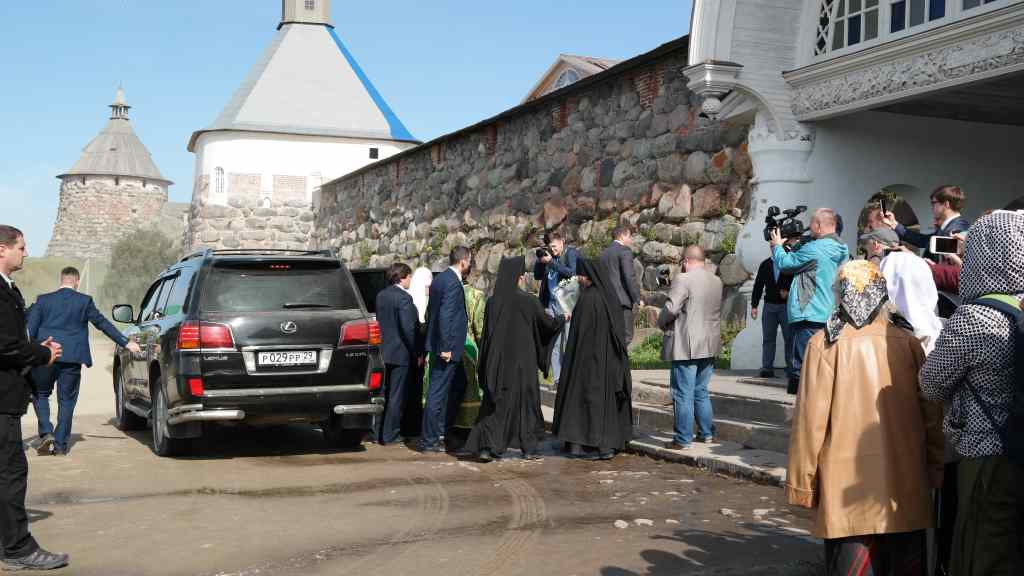
My visit coincided with that of Patriach Kirill, head of the Russian Orthodox church. He is a controversial figure who in one of his earlier jobs made a fortune for the church by importing cigarettes and other goods duty free and then reselling them in Russia.  Today he is a strong supporter of President Putin who has declined to criticise Russia’s actions in Ukraine.

Patriach Kirill visits Solovetsky Monastery

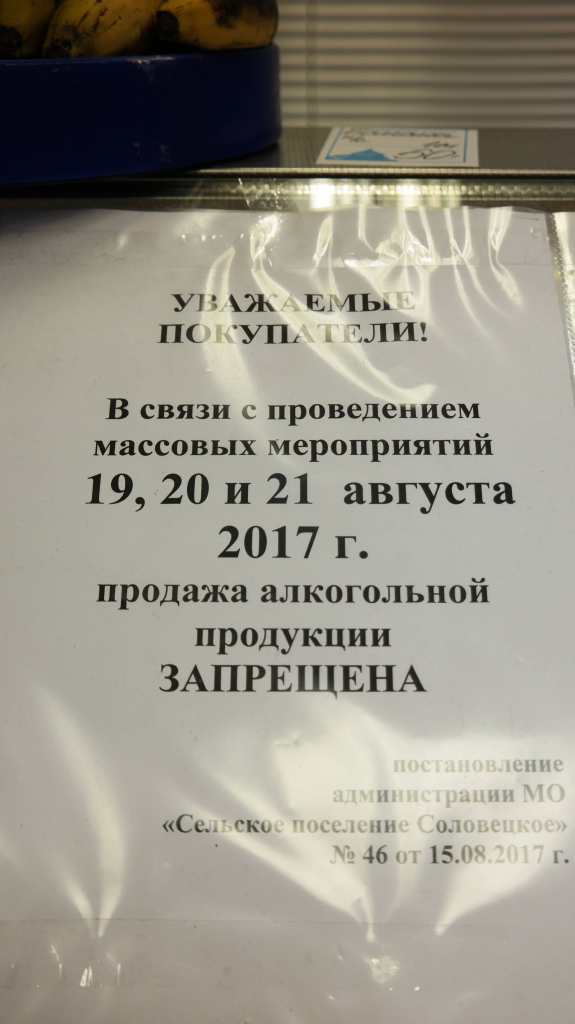
During Kirill’s visit  the sign below appeared in the island’s only shop. It says that due to the special event, sale of alcohol is banned for three days. I  saw a local man taking a photo of this notice and asked him why, to which he replied: “My wife sent me to buy vodka. If I come back empty-handed, she will think I drank it all myself.”

Disappointment for the Solovetsky locals!

In total I spent three days on the Solovki Islands, also visiting their interesting botanical gardens and the Gulag Museum. Somehow, the islands have a very special, spiritual feeling, that is hard to describe. Was it the influence of an ancient religious centre, now back in its prime? Or the souls of the thousands of prisoners who perished here? Or simply the pleasant breeze and the smell of the sea air? I will never know.

For me, this photo captures some of the special atmosphere of the Solovetsky Islands

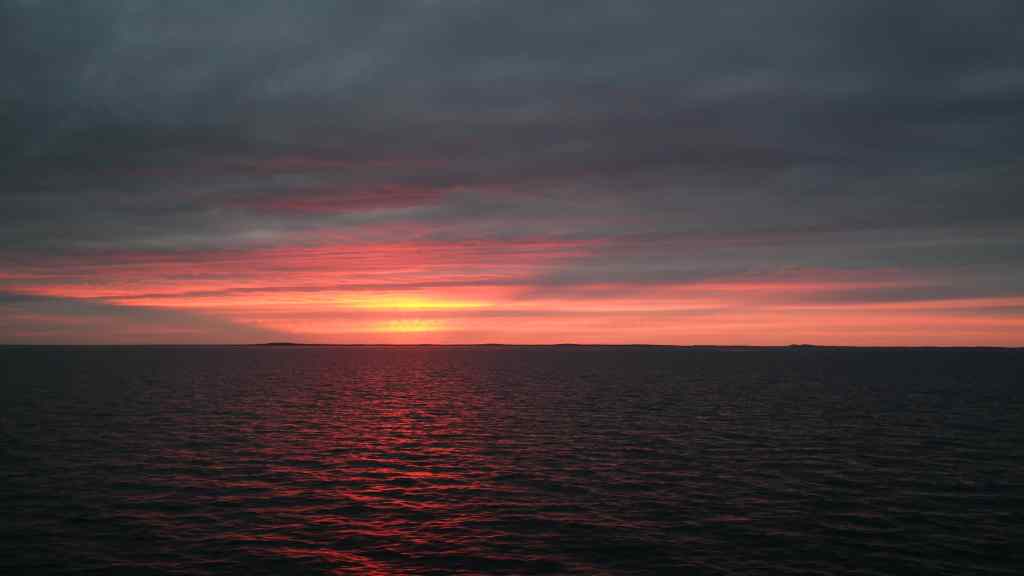
On the way back on the ferry to Belomorsk, I was treated to a beautiful sunset that perfectly rounded off my visit to the islands and the reinforced my sense of inner peace.

Leaving the Solovki Islands – sunset over the White Sea

Whilst waiting for my train at Belomorsk station, I had a completely different, very Russian travel experience – which you can read more about on this link.

Check out my book’s webpage on this link.

Driving in the Foothills of the Pyrenees – Bagnères-de-Bigorre and Saint-Betrand-de-Comminges

The Bear is Back! After my last trip to far away New Zealand, this one is much closer to home – the Pyrenees.  I flew from London to Toulouse in just under 2 hours (compared to 25h for my return from Auckland), picked up a hire car and was soon in my hotel in Tarbes, my base for the first few days (more about Tarbes in a future post).

The next day I set off in the direction of the high Pyrenees, ready to tackle the demanding hike to the Breche de Roland, a gap in the mountain range which by legend was formed when the hero Roland, mortally wounded at Roncesvalles, through away his sword. It landed 200km away and cut a cleft in the mountains.  However, just after leaving Tarbes I noticed that the high mountains were covered with thick cloud, and I was unlikely to see anything on my walk. So, I changed plans and went for a driving tour of the Pyrenees foothills.

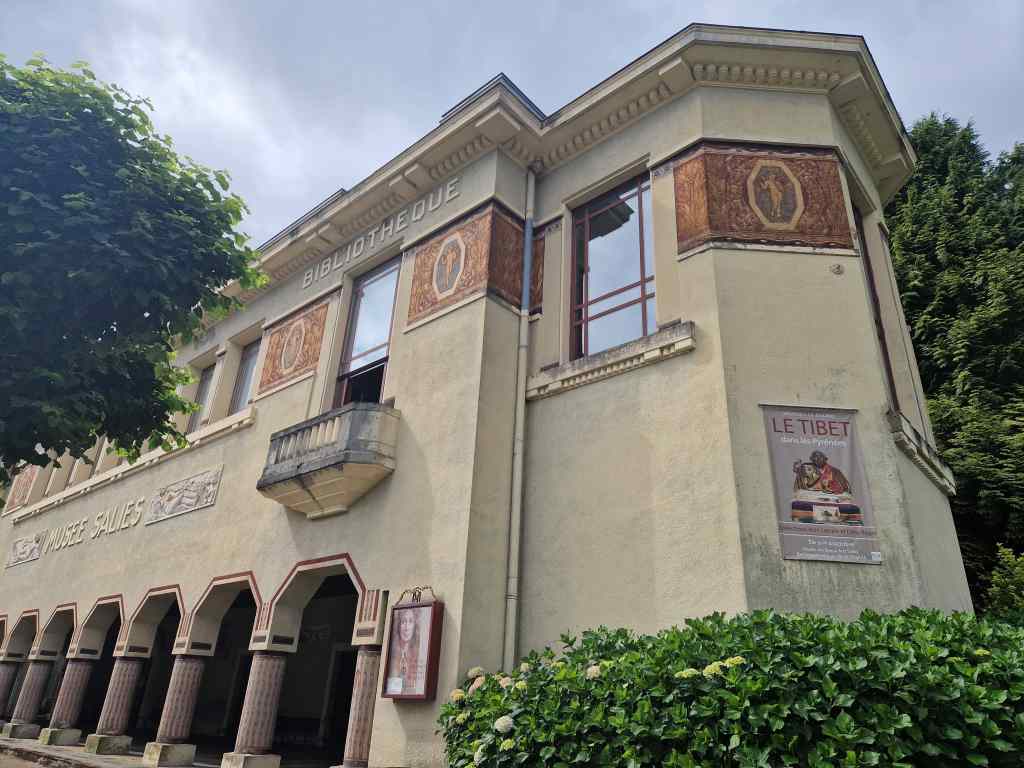
My first stop was the spa town of Bagnères-de-Bigorre. I refreshed myself with a coffee before exploring the many interesting buildings in the town, including a museum built by a rich resident…

Bagneres-de-Bigorre’s Museum

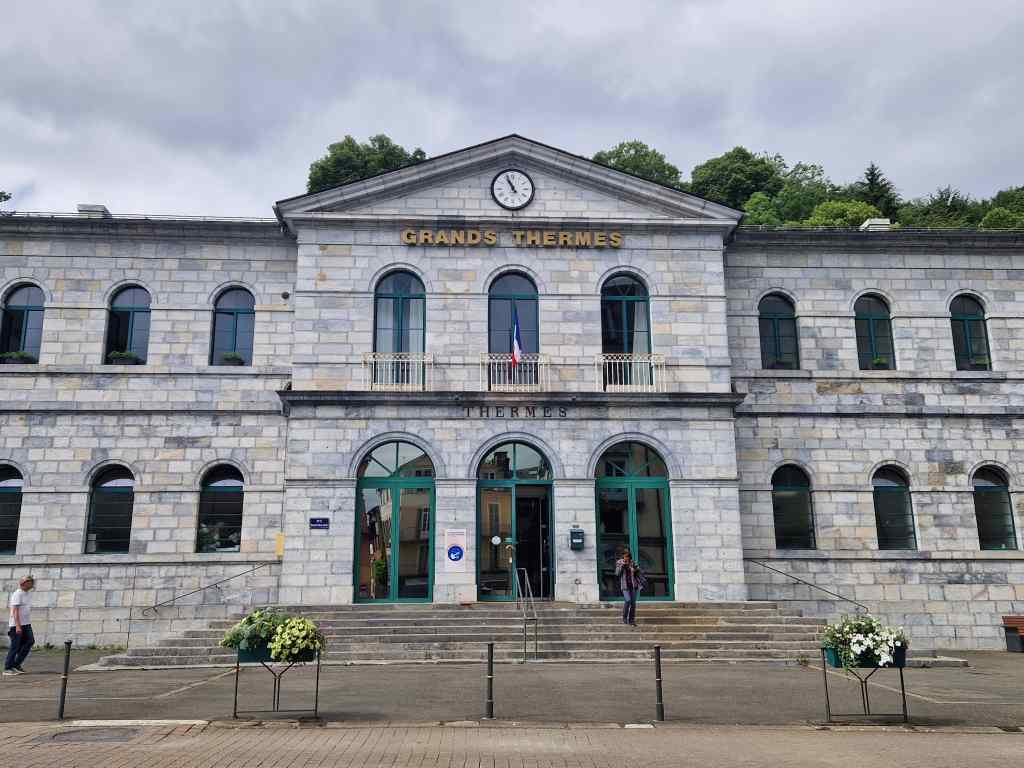
…the main thermal complex…..

The baths, Bagnères-de-Bigorre

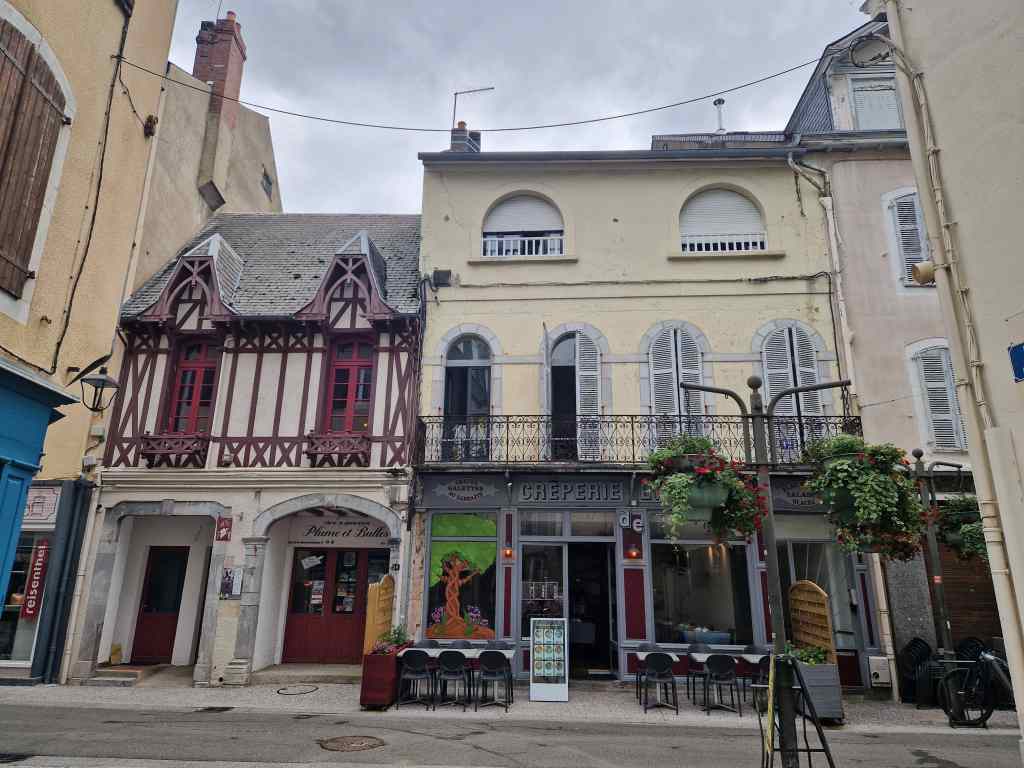
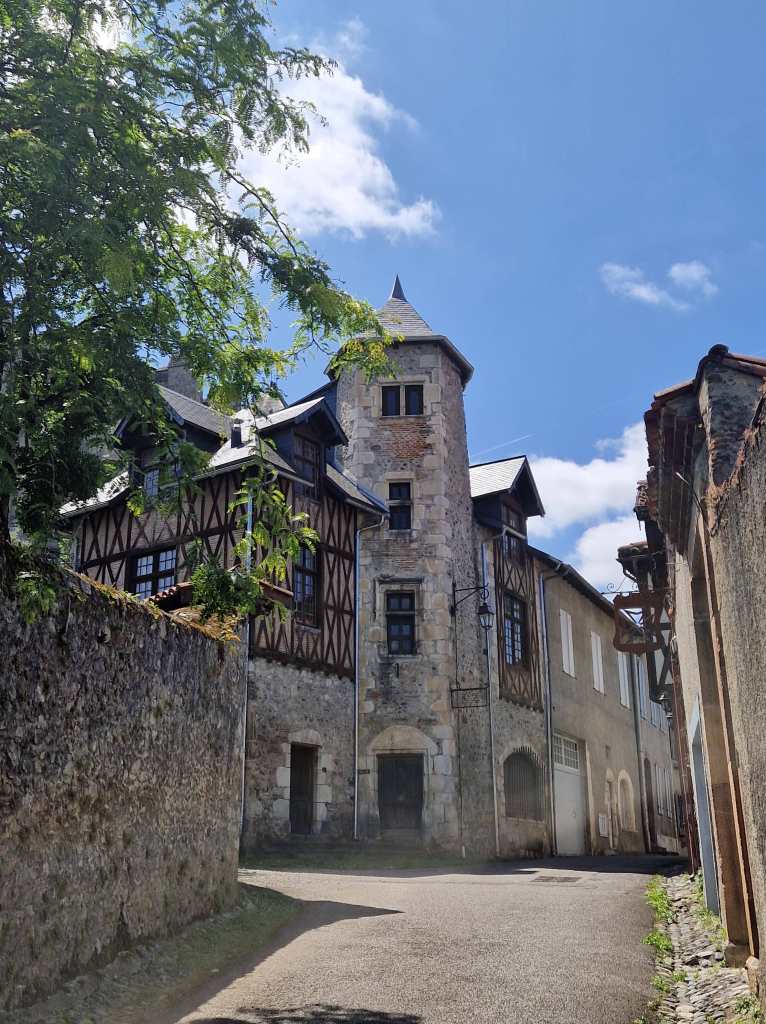
…quaint old houses…

Street scene in Bagnères-de-Bigorre

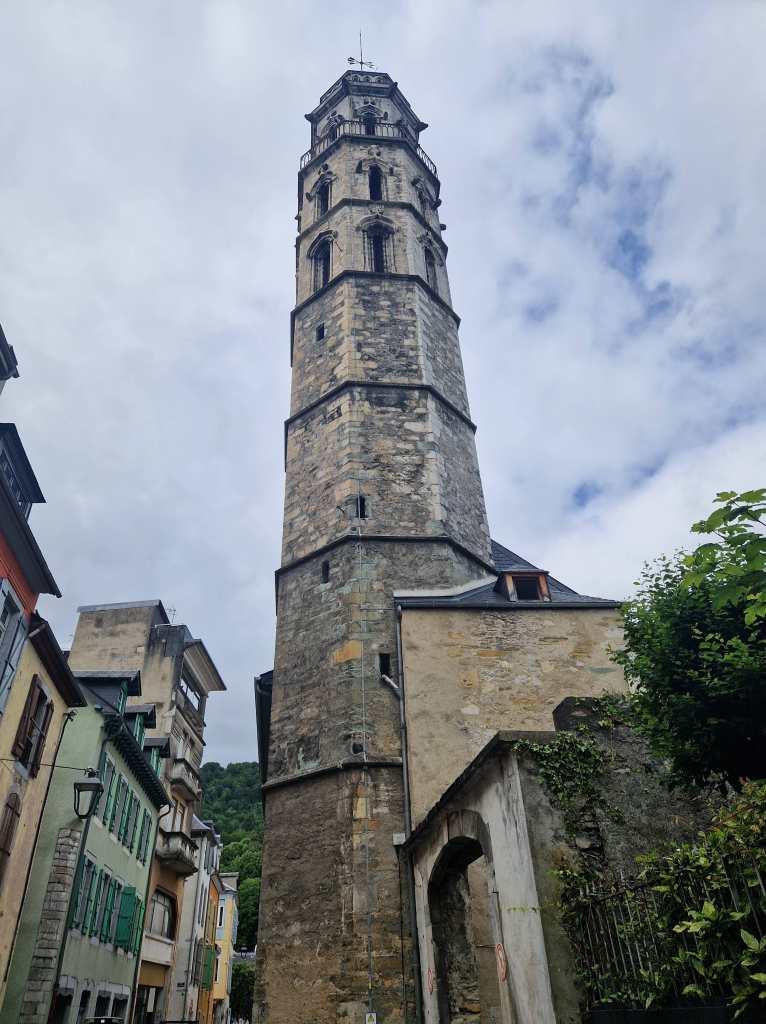
….and an ancient tower, all that is now left of a former church.

Tower, Bagnères-de-Bigorre

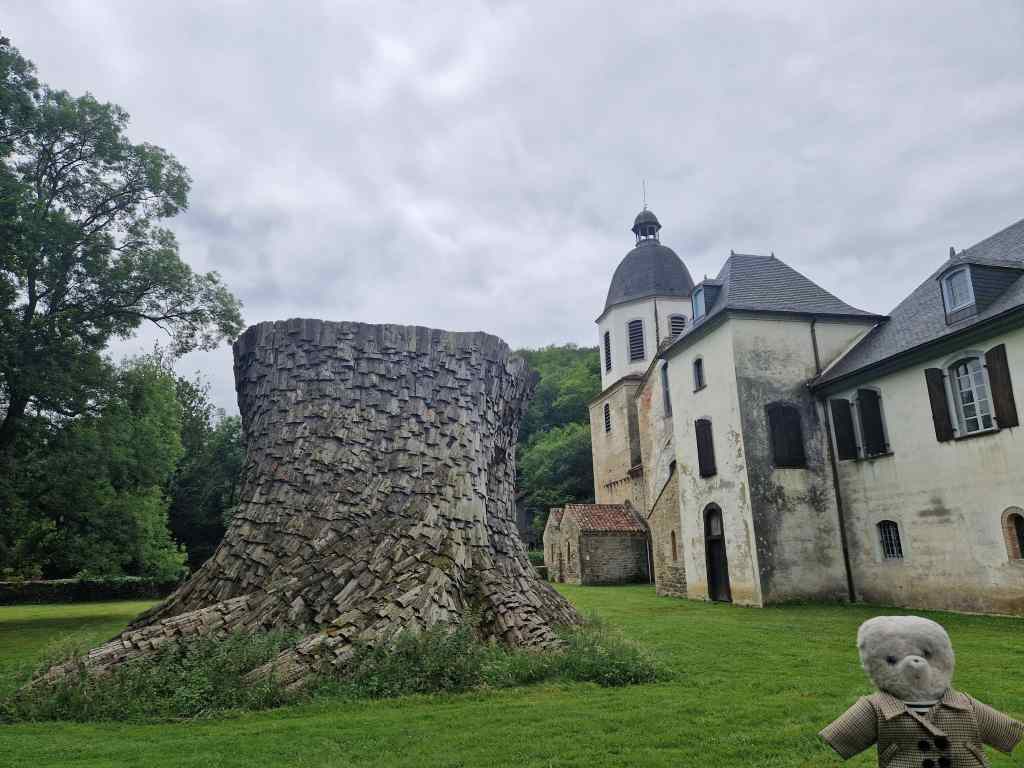
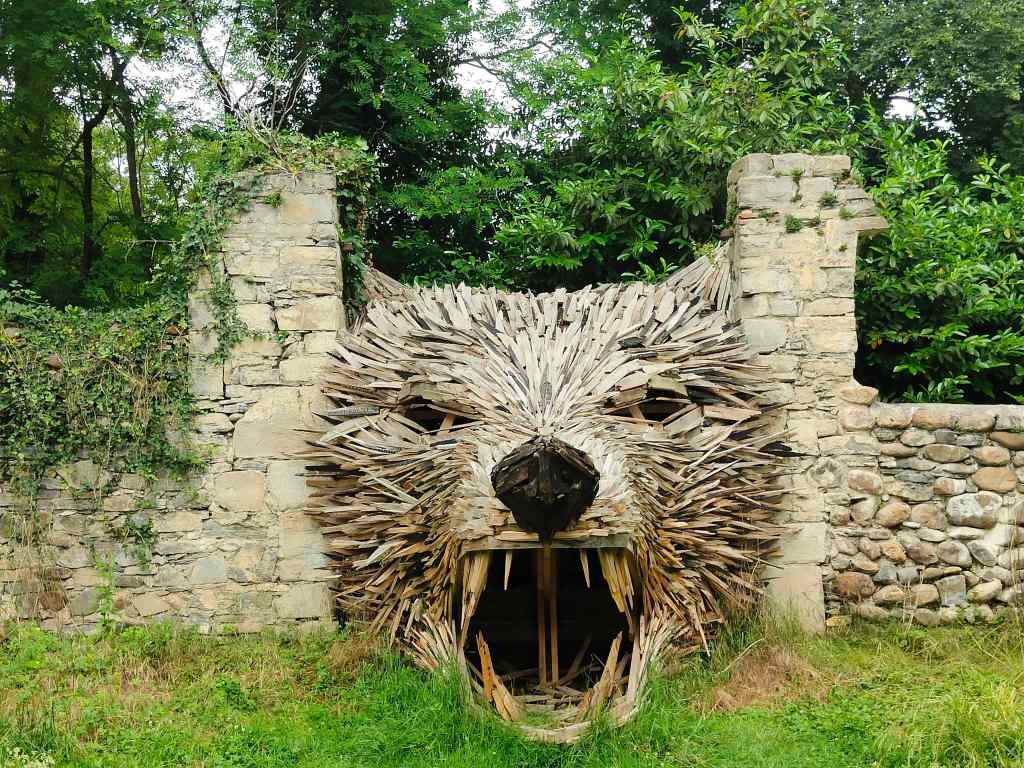
From Bagnères-de-Bigorre my trip took me deep into the countryside to the former Cistercian abbey of Escaldieu. The abbey and its grounds were the setting for a rather good contemporary art exhibition. The outdoor exhibits were particularly imaginative….

Escaldieu Abbey and some impressive modern art
More modern at at Escaldieu Abbey

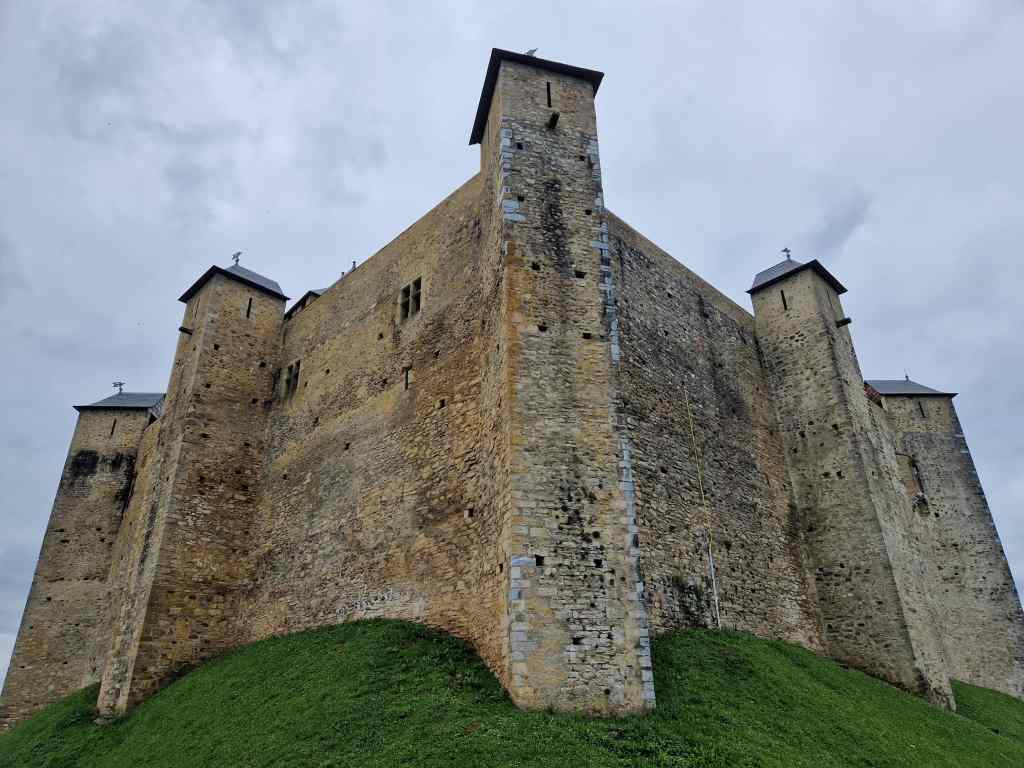
After the abbey, I passed the impressive castle of Mauvezin…

Mauvezin Castle

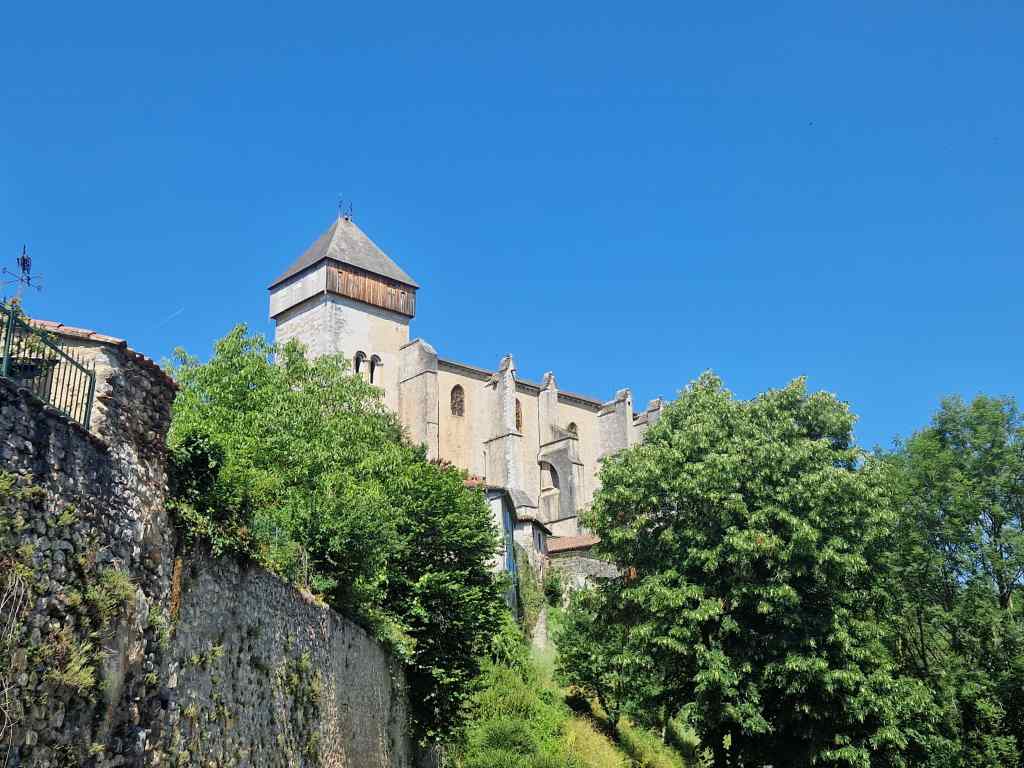
….before driving east through pretty countryside to Saint-Betrand-de-Comminges. This small town started as a Roman settlement, which eventually became an important centre of the Christian faith. It fell into decline after the fall of the Roman empire but remained a bishopric and came back into prominence when Bertrand of Comminges, a French knight, was nominated as its bishop in 1083. He organised construction of the cathedral that stands to this day, was later canonised, and gave his name to the town that he had put back on the map.

Saint-Betrand-de-Comminges’ cathedral seen from below

Today, Saint-Betrand-de-Comminges is a wonderfully preserved and peaceful medieval French town.

Street scene, Saint-Betrand-de-Comminges

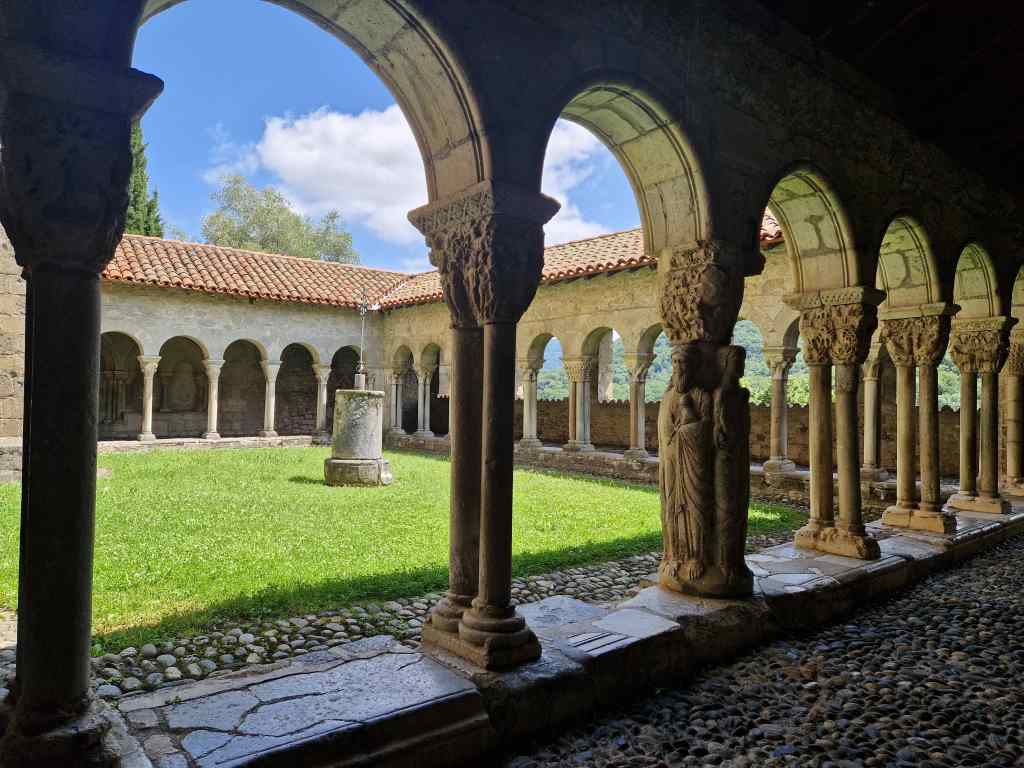
Aside from the tomb of St Bertrand himself, its cathedral has cloisters with a great view of the surrounding countryside…

the cathedral’s peaceful cloisters

…. some beautifully carved wooden stalls….

The stalls in the cathedral, Saint-Betrand-de-Comminges

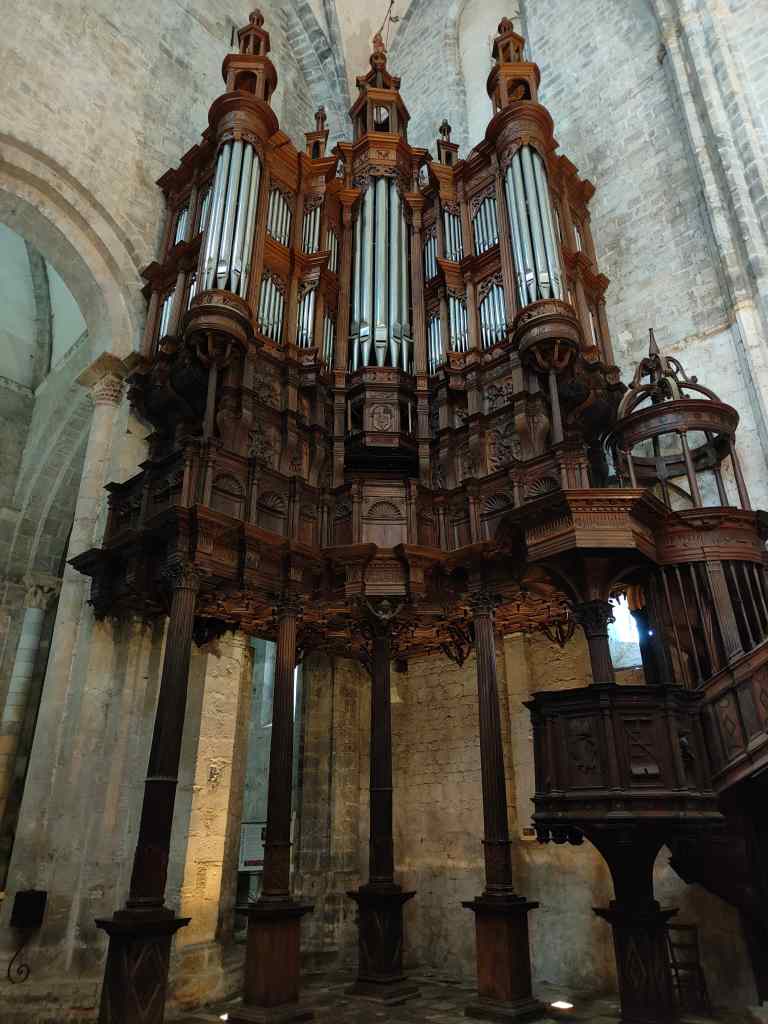
….and a huge organ, supported by wooden beams and hanging in mid-air.

The magnificent organ, Saint-Betrand-de-Comminges Cathedral

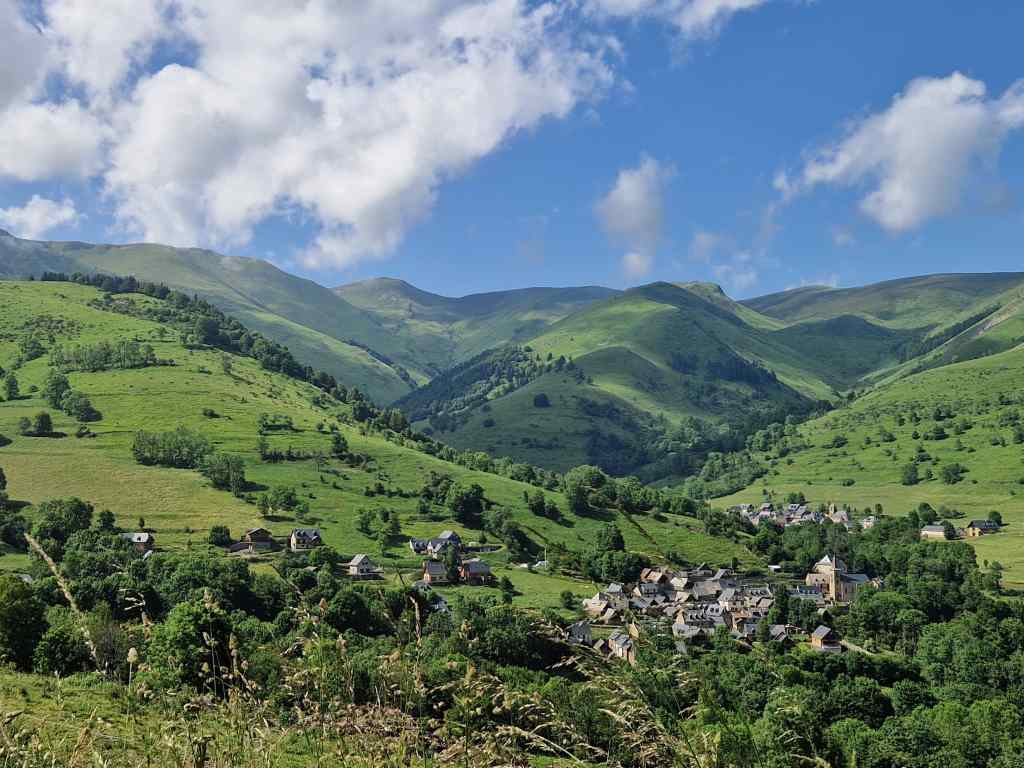
I spent a pleasant hour soaking up the atmosphere and enjoying a cold drink before heading back to Tarbes, over mountain roads that hinted at the grandeur of the high Pyrenees that I would see over the next few days.

The foothills of the Pyrenees

It had been a great day – pretty French towns, some modern art, a medieval castle, and an ancient cathedral – all against the backdrop of the beautiful green countryside of the low Pyrenees.

Next Post: Tarbes and Pau

An Unexpected Lesson from Hiroshima

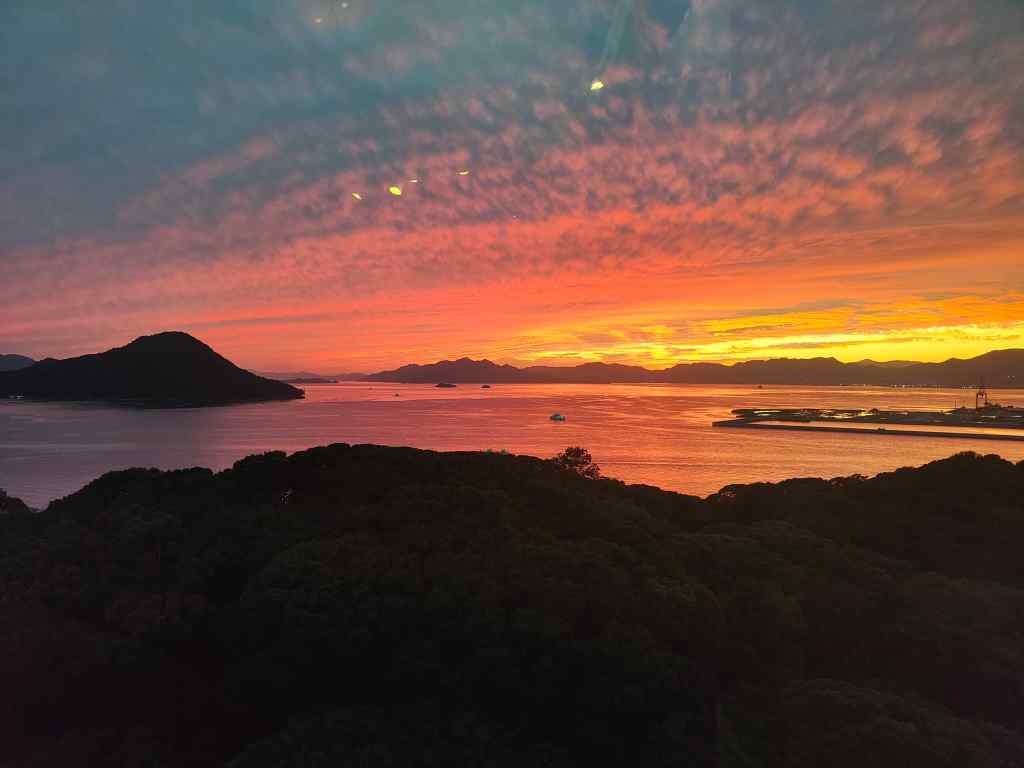
Sunset from the Prince Hotel (it really was this colour)

Today we said goodbye to Kanazawa, a city we had really enjoyed. We took a bus to the station and went by train to Hiroshima, a trip that took about five hours, including a stop in Osaka to buy tickets for the second leg of the journey. Our hotel was the Prince Hotel, located some way out of town centre on a peninsula near the port.

The hotel had hosted the meeting of the G7 in 2023 and seemed very proud of this fact. We visited the table where the world’s leaders had lunch (by special arrangement, the hotel can offer deep-pocketed guests the same menu as served that day).

Vote for Trouspinet and Aki! (at the table where the G7 had lunch)

By the time we had checked in, it seemed a bit late to do anything in the city so we enjoyed the hotel’s onsen, which looked out onto the Inland Sea, the stretch of water separating Honshu (Japan’s biggest island) from Shikoku (the fourth biggest). It was a great view, and as the evening drew near, we got dressed to go to the top floor bar to see the spectacular sunset shown above.

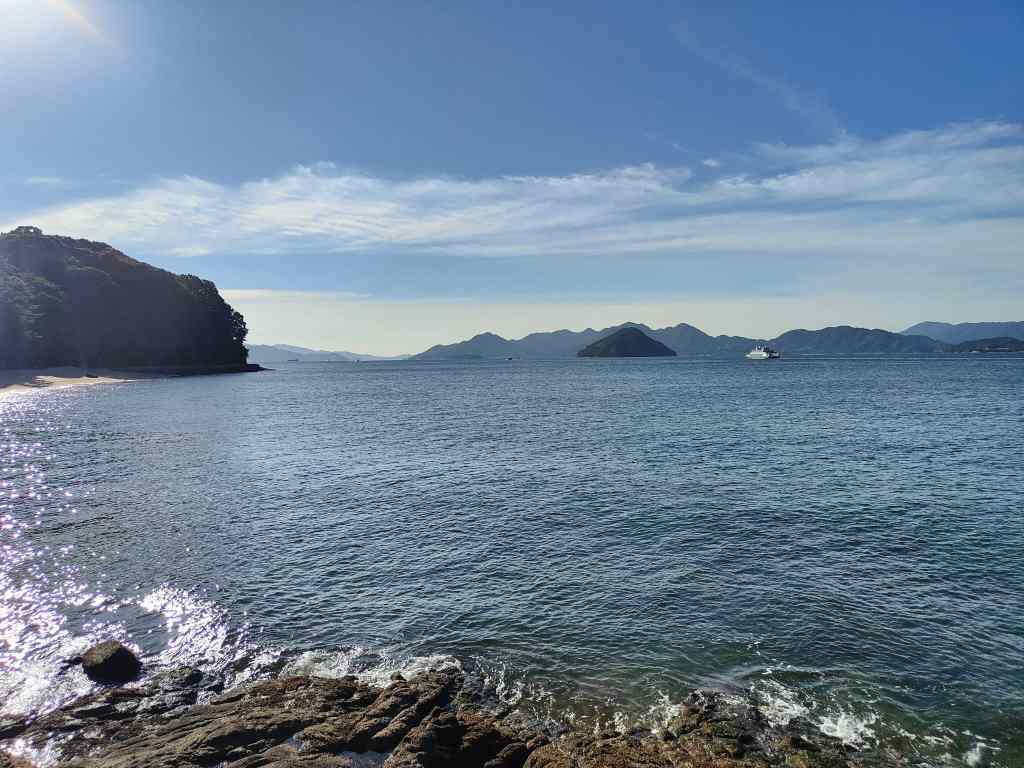
The next day we started our exploration of the city with a pleasant walk around the peninsula we were on, which gave us more views out towards the countless small and large islands of the Inland Sea.

The Inland Sea

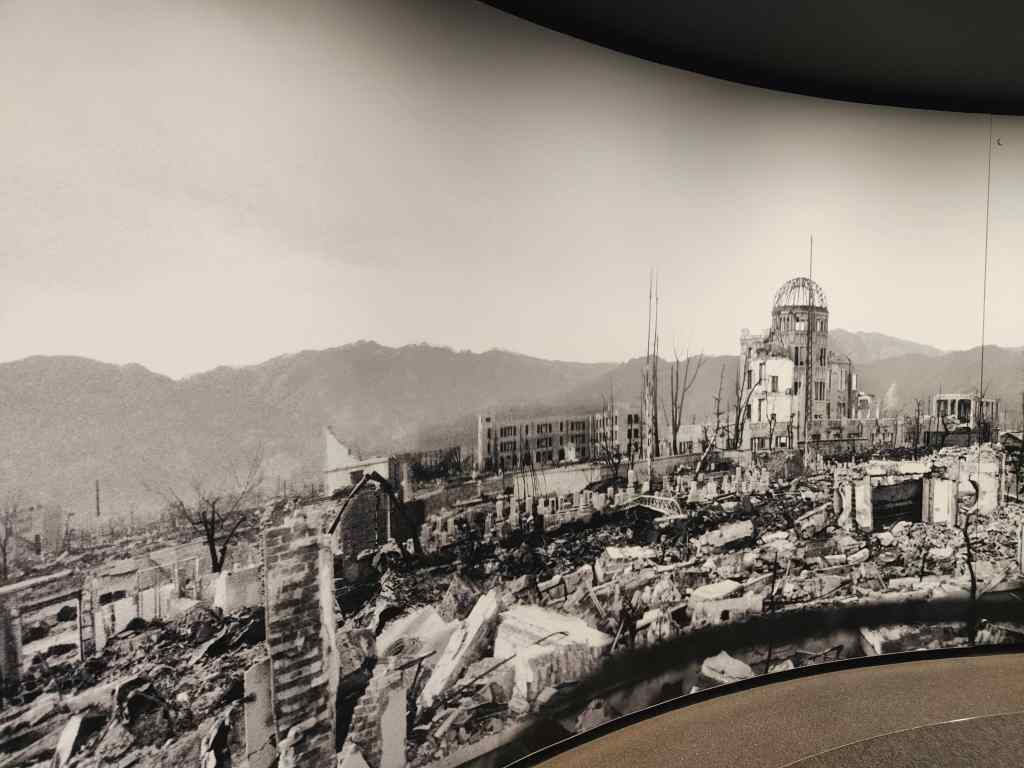
We arrived at the port, and I checked our onward boat connections, before we caught a tram to Hiroshima’s most famous and most visited site – the Peace Park, which contains the Peace Memorial Museum. We went around the latter first. It was a harrowing experience, starting with immediate impact of the first use of an atomic bomb.

At the start of the museum – Hiroshima before and after the bombing

The first part of the exhibition focussed on a large group of school children who had been mobilised to demolish wooden buildings and who were working near the place where the bomb exploded. They suffered horrific burns, which were shown in graphic detail in photographs, and either died immediately or later, in great pain. Next there were exhibits of some of the victim’s belongings like singed clothing or charred watches, and then a description of the longer-term suffering of people that survived the initial blast but died later of various illnesses caused by radiation or burns. It was harrowing and shocking material, leaving a visitor sad and angry. Later floors of the museum were a bit easier to visit, being devoted to the development and reasons for use of the bomb, testimonies from survivors and the efforts to rebuild the city after the war.

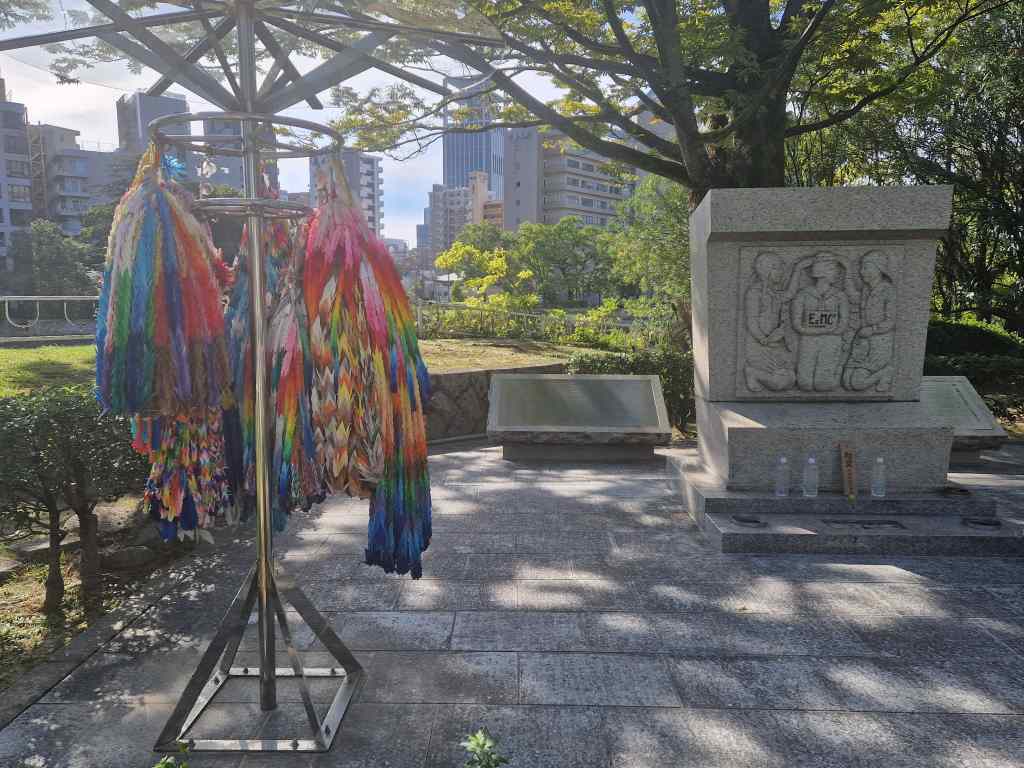
Outside the museum was a complete contrast. There was a beautiful park, with several monuments promoting peace.

Memorial to schoolgirls killed in the Hiroshima bombing

There was also the Peace Memorial Hall, with a display of a view of the city after the bombing as seen from the hypocentre (point where the bomb exploded), and a sculpture representing a clock showing 8.15 – the time of the explosion.

The Peace Memorial Hall

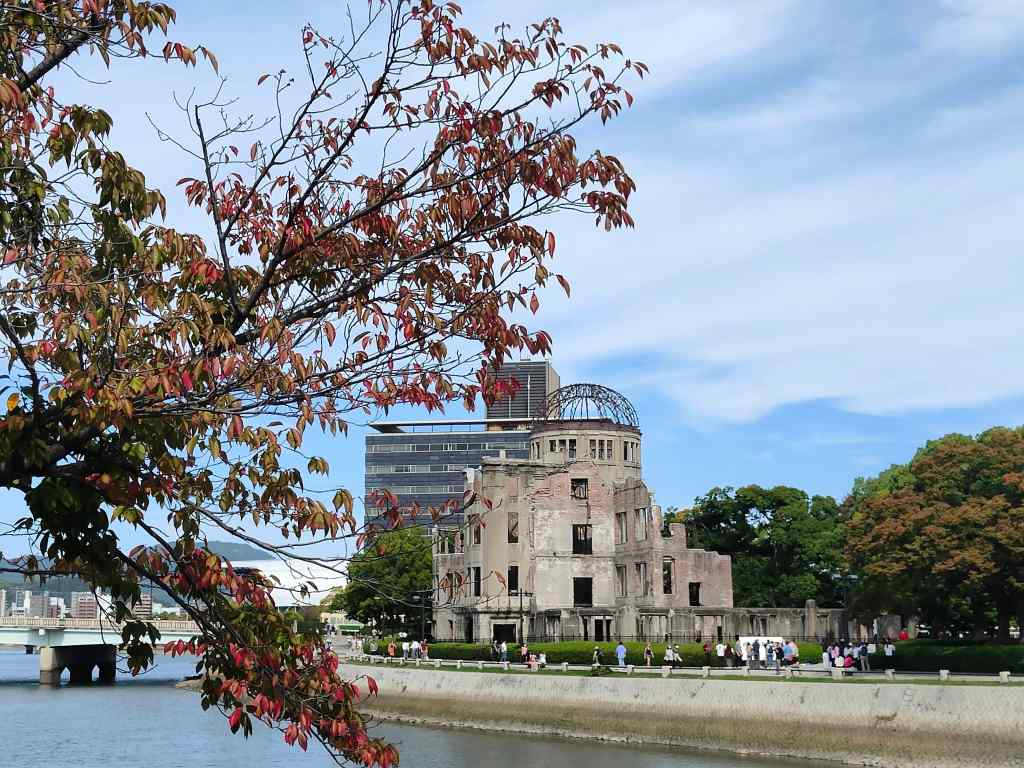
A bit further away was the Atomic Bomb Dome – the ruins of a building that was the only thing left standing near the centre of the blast. The dome itself was made of copper supported by iron girders; the heat of the explosion melted the copper but left the iron standing.

The Atomic Bomb Dome

After seeing the sites in and around the Peace Park, we went for a stroll around the city centre. There were few other classic tourist sights, but it had a pleasant feel, both relaxed and busy at the same time, and a remarkable location – sandwiched between mountains and the Inland Sea, with its countless small islands. As we headed to the port to catch the ferry to our next destination, we contemplated the contrasts between the utter devastation after the bombing and the thriving city that exists today, with its friendly people and peaceful vibe. Perhaps there is another important message to be taken from Hiroshima, in addition to the evils of nuclear weapons. It is one of the triumph of the human will in the face of suffering and adversity – in the form of the thriving and pleasant city the Japanese rebuilt from the ashes of Hiroshima.

Previous Post: Takayama

Next Post: Miyajima

Blog at WordPress.com.

Up ↑