From Picton to Wellington

This morning I had to get up unreasonably early to check in for my ferry across the Cook Strait from Picton on the South Island to Wellington on the North Island. I had booked a crossing at 09.30 but the ferry company brought this forward to 07.30 and also required that I turn up at least sixty minutes before to check in, so I had to sit for an hour in the dark in a queue of cars waiting to board. The ferry was not full and after boarding I had lots of space to sit and relax in front of a large (and – shame on Interislander Ferries – also dirty) viewing window in the passenger lounge. We set sail just as the sun began to rise and I went out on deck to get some last views of Queen Charlotte Sound.
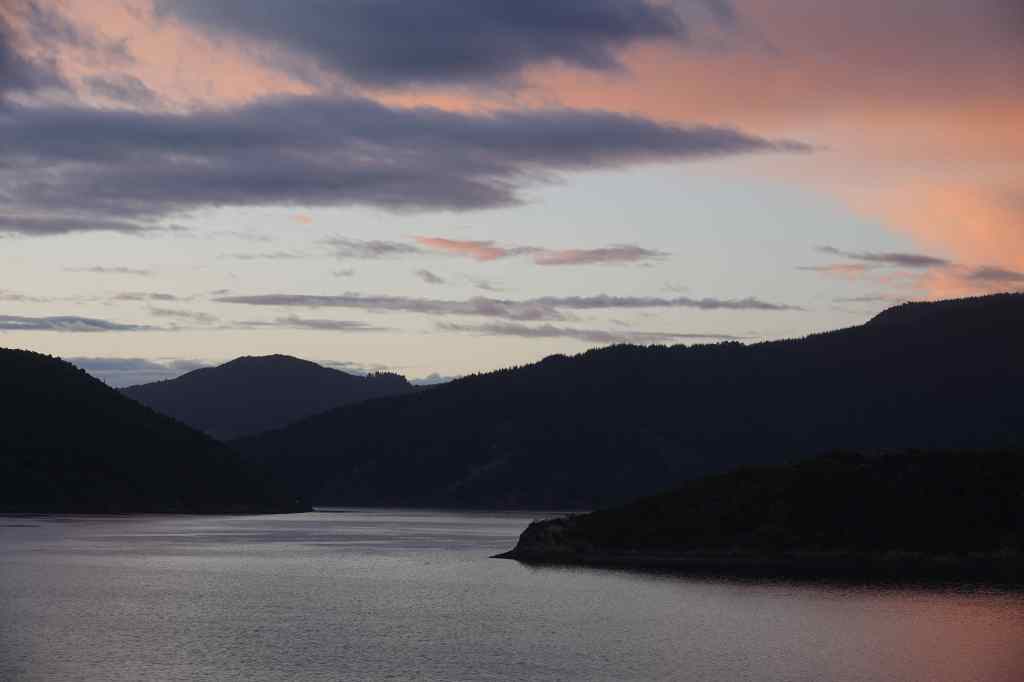
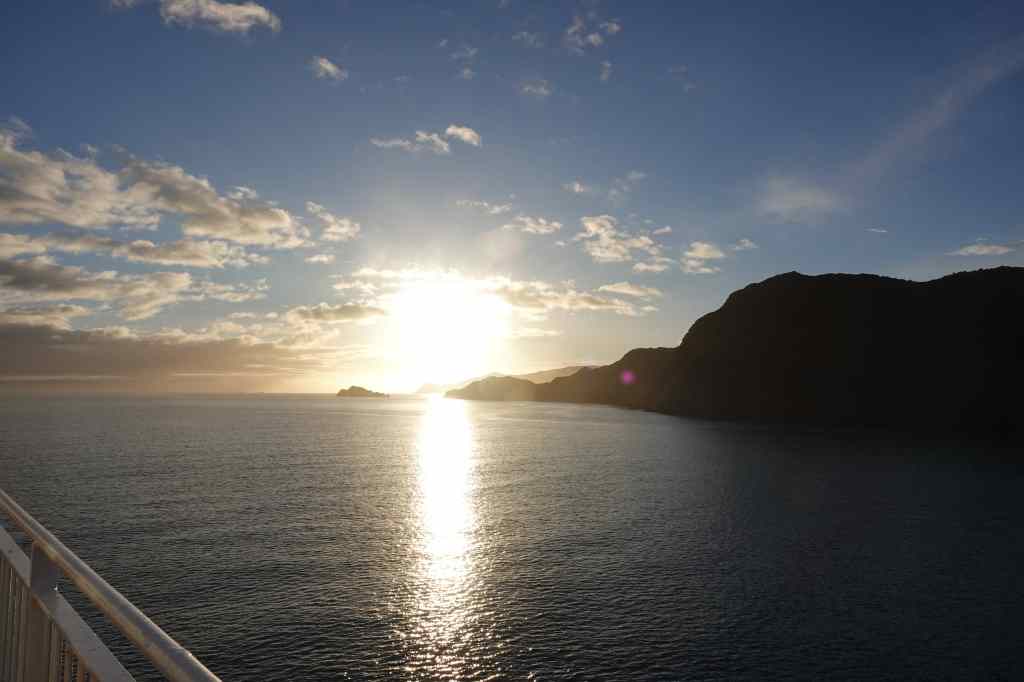
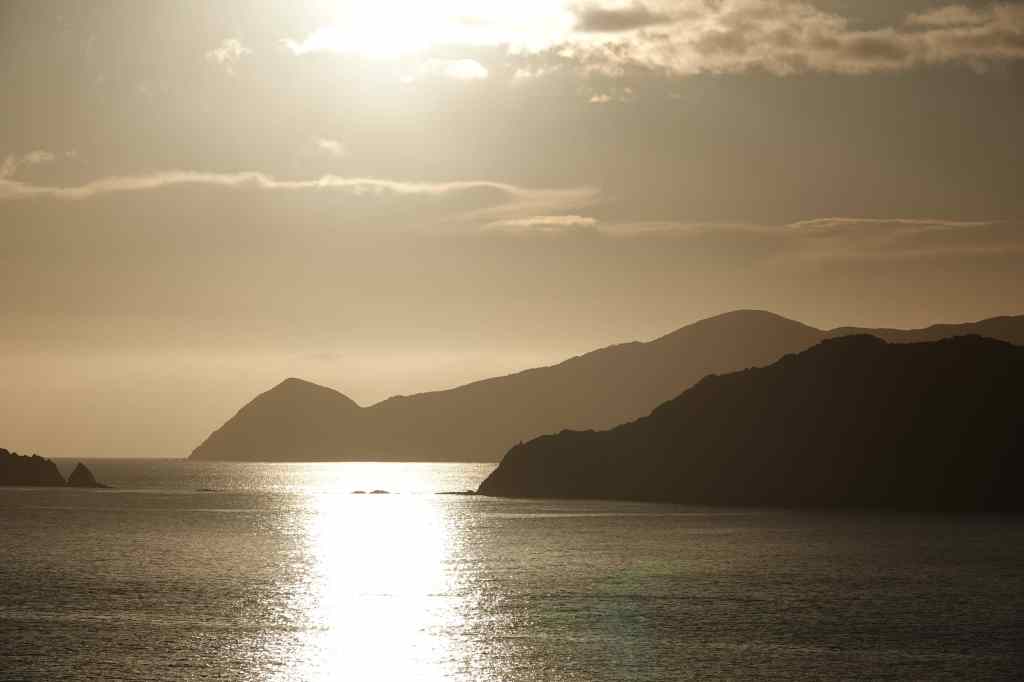
Just before sunrise in the Marlborough Sounds….
…and at sunrise….
…and after…
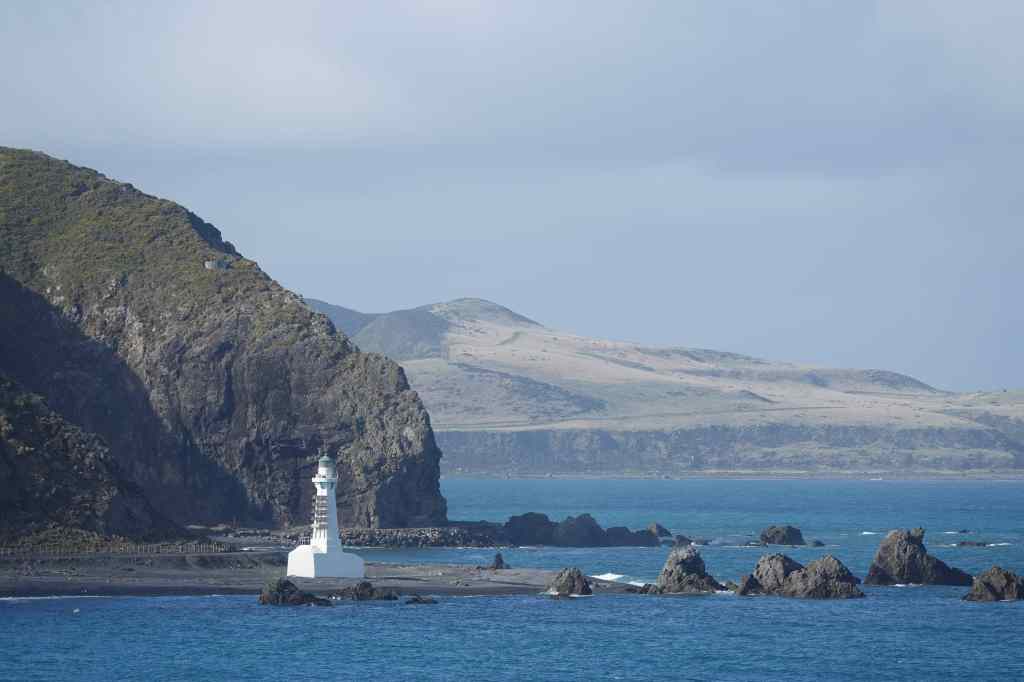
…and a lighthouse on the North Island near Wellington

After three and half hours of sailing we arrived in Wellington, the capital of New Zealand and its third biggest city – albeit with a population of only 212,000 people. My accommodation was in a pretty villa in the scenic and historic Thorndon area of the city.
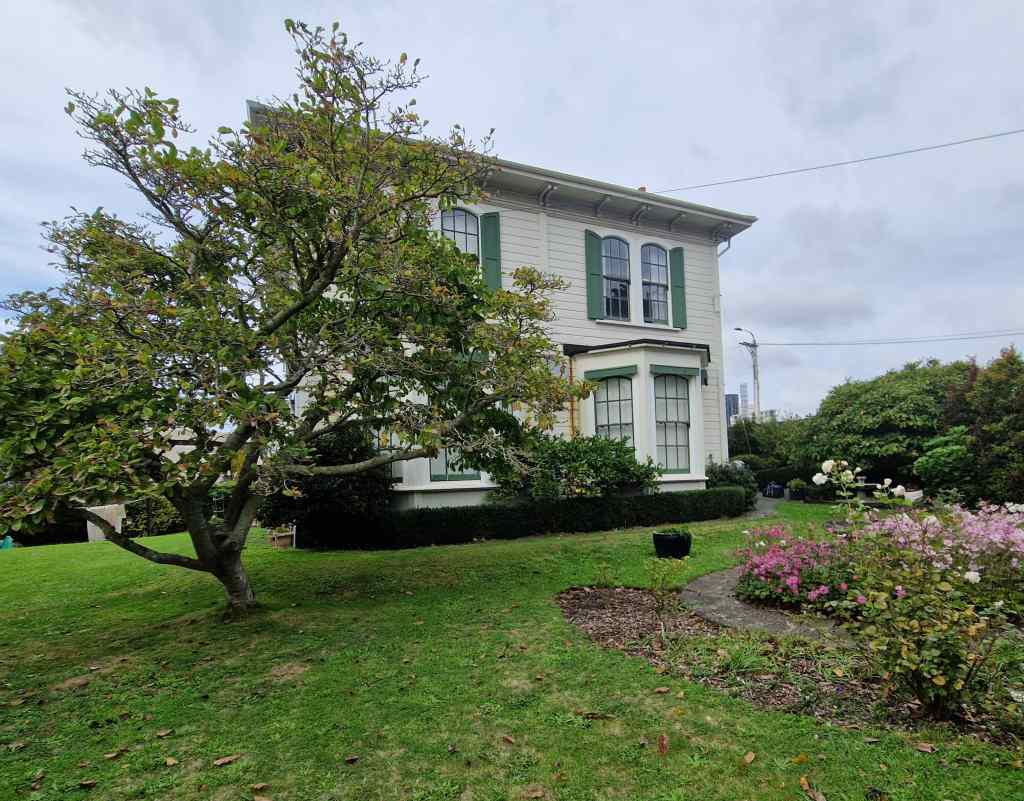
My accommodation in Wellington

Right next to my accommodation was a similar house, which hosted a museum devoted to New Zealand writer Katherine Mansfield.
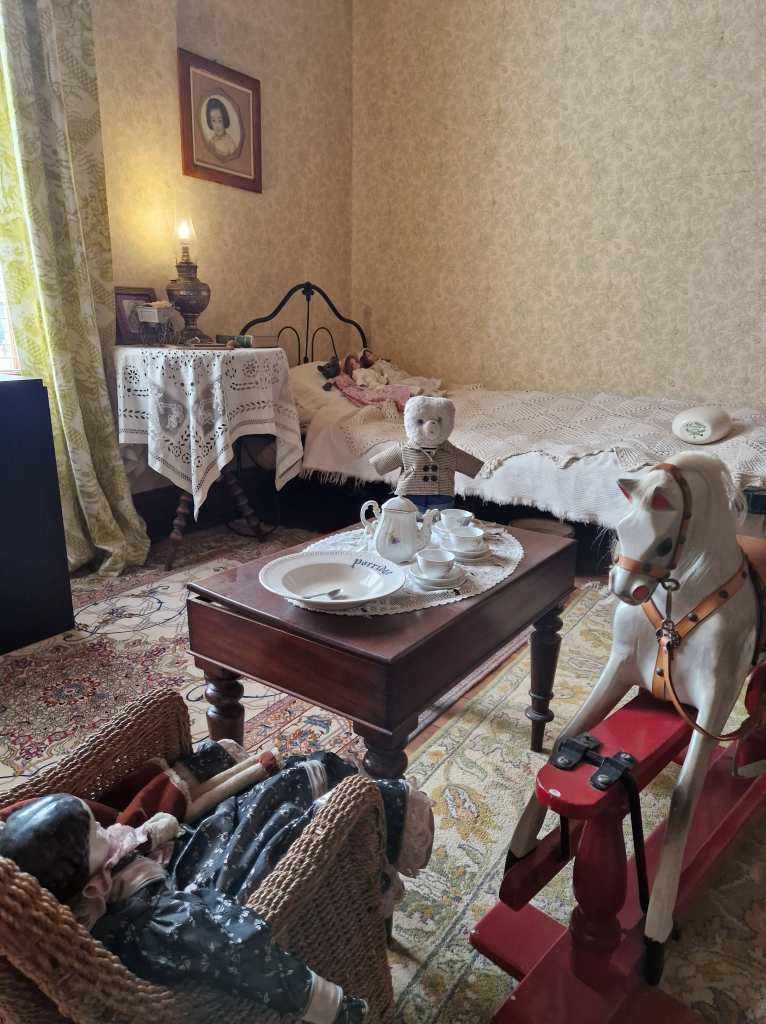
In the Katherine Mansfield Museum, Wellington

I made a brief visit before strolling into the city centre. My walk took me past the “Beehive” – part of a complex of government buildings which houses the offices of the prime minister and cabinet ministers….
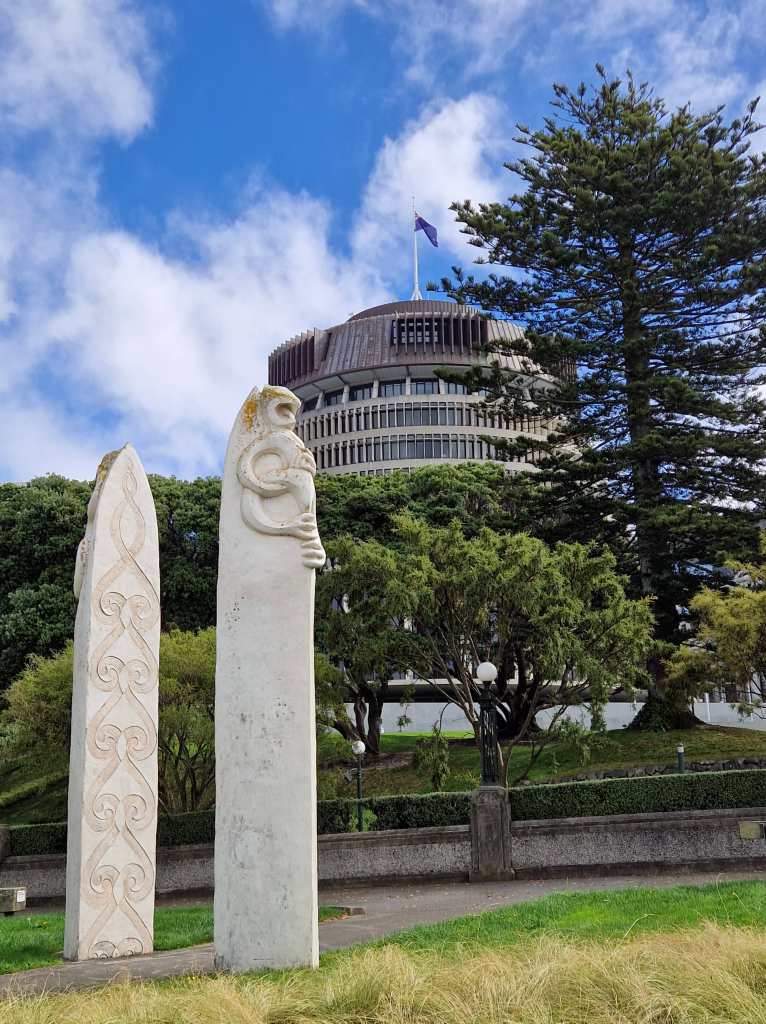
The “Beehive”, Wellington

…..and then further on to Wellington’s pleasant waterfront.
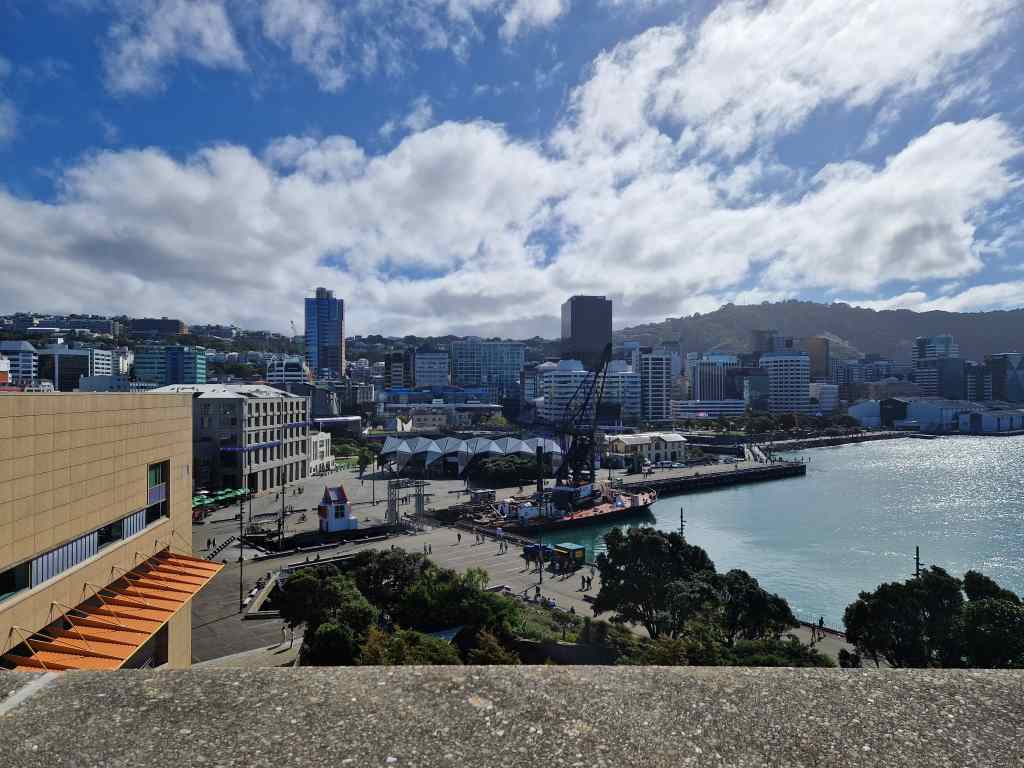
Wellington’s waterfront taken from Te Papa Tongarewa

There I checked out the Museum of New Zealand or Te Papa Tongarewa, dedicated to the history, wildlife and geology of the country. Amongst many other things, I was surprised to learn that the Maori only discovered New Zealand about 800 years ago, probably on boats from the South Cook Islands further north – and that it was the very last large land mass to be settled by humans. The museum had a large exhibit about a very special part of the country’s history – the signing of the Treaty of Waitangi between the British government and 500 Maori chiefs. It gave the British sovereignty over the islands in return for protection of the rights of the Maori. However the treaty was, perhaps deliberately, poorly translated with big differences between the English and Maori versions, leading to confusion and conflict.

Maori exhibits in Te Papa Tongarewa

From the museum I followed a traditional tourist route, taking a cable car up to the steep hill dominating the city. The café on top offered an excellent view of Wellington.
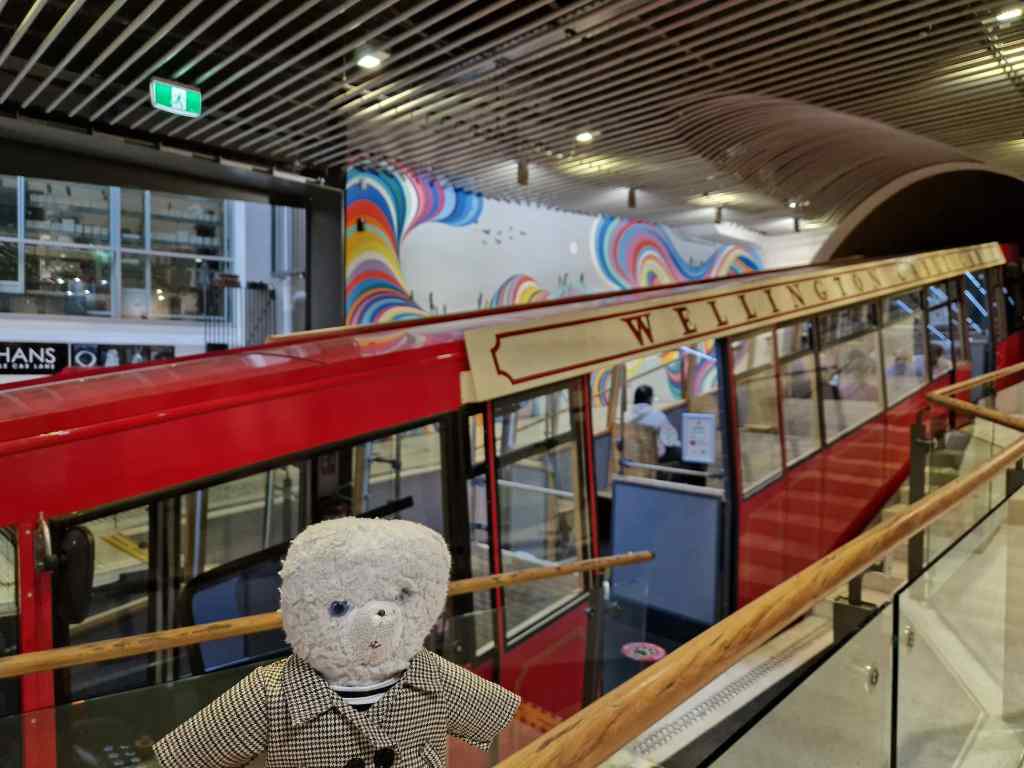
Wellington’s touristy but fun cable car
…and the view over Wellington from the cable car station

From the top of the hill, I strolled down through the city’s pretty botanical gardens and then through the suburb of Thorndon back to my house. Despite the very early start it had been a good day – and after two days of rain it was a pleasure to see the sun again. Wellington had been an interesting stop – one of the smallest capital cities in the world, with a wonderful setting, a world class museum and the laid-back vibe typical of a minor provincial town in most other countries. Plus I had finally taken some good pictures of the Marlborough Sounds!

Next Post: Taupo

Previous Post: The Marlborough Sounds and Abel Tasman Park
Naoshima – an arty day trip from Takamatsu

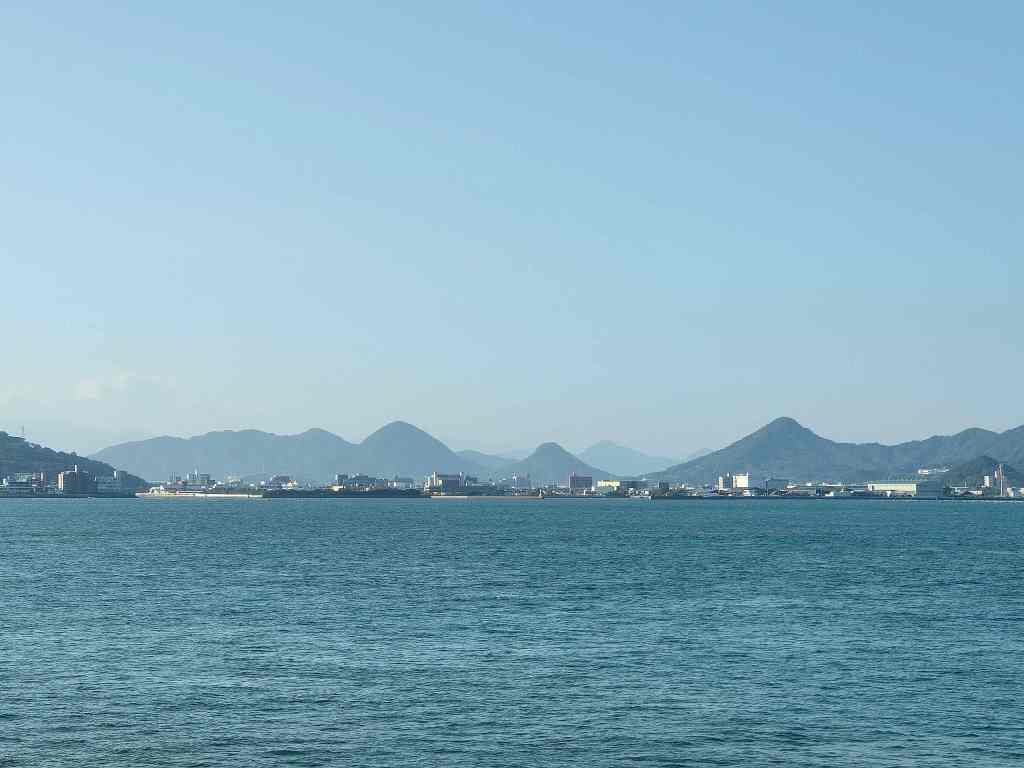
On our third day in Takamatsu the rain finally stopped. We were woken by bright sunshine streaming into our room and decided to start our day earlier than planned. We took the early ferry from Takamatsu to Naoshima, a small island in the Inland Sea which has become famous for its contemporary art museums and galleries. The 1-hour boat trip gave great views of the sea, the many small islands, and back towards the mountains of Shikoku.

Takamatsu from the sea
View back to Takamatsu from the ferry to Naoshima

Arriving early turned out to be very wise. Naoshima was firmly on the main tourist route, and many foreign and Japanese visitors were milling around the port. We planned to hire bicycles to get around but found that nearly all of the rental outlets had sold out. Luckily, we managed to rent the very last pair of bikes available and set off to explore. Naoshima had a Mediterranean feel to it – the weather was hot, the pace of life was slow, and there were many beaches. Our bikes were electric and helped us climb a steep hill offering a wonderful view of the sea.

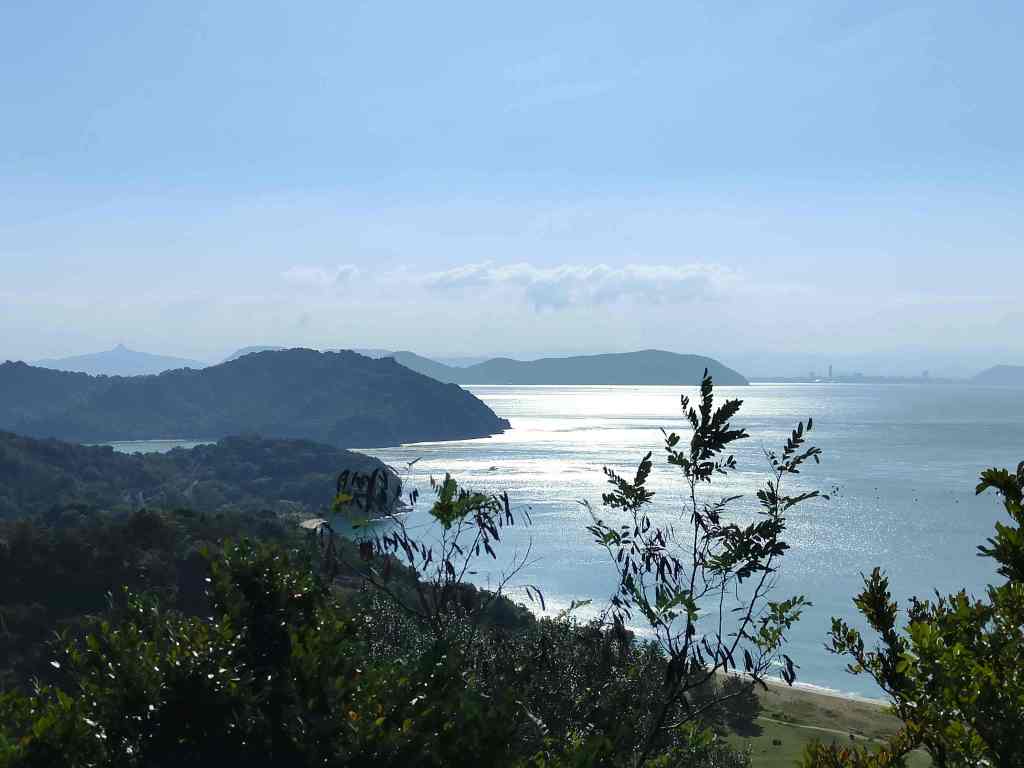
Naoshima Island scenery
Naoshima island has many great views

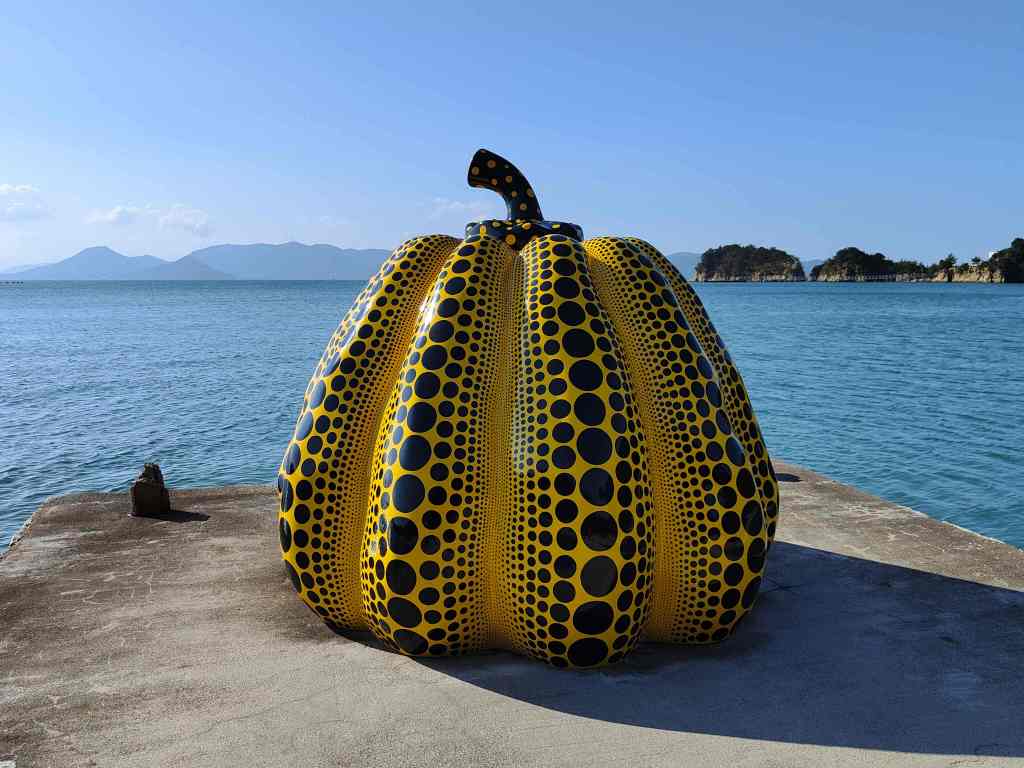
The first art we saw was at the bottom of the same hill – one of Yayoi Kusama’s brightly coloured pumpkins, whose yellow and black design contrasted pleasantly with the blue sky and sea. We had seen a slightly smaller version already at Kanazawa, and also one at London, so wondered if the artist mass-produces them.

Naoshima Pumpkin
Naoshima’s iconic Kusama Pumpkin

The pumpkin stood at the side of the road leading up to the Benesse House Museum, the first and largest art museum to be built on Naoshima. The Benesse corporation is active in the education and childcare businesses, but for the past thirty years has also been active in promoting art, especially on Naoshima. The museum had a small but diverse collection of modern art – as usual, we liked some exhibits but did not understand others.

Benesse House Museum
Art we didn’t understand
Some of Naoshima’s art that we did understand
Exhibit Benesse House Museum


Our next stop was further down the road at the island’s only village, Honmura. There, various different artists have created installations in vacant houses. Most of these creations were pretty strange, begging the question – Why? Although the art left us cold, Honmura was still a nice place to stroll around and a good place for lunch.

weird art on Naoshima
Yes, but why???

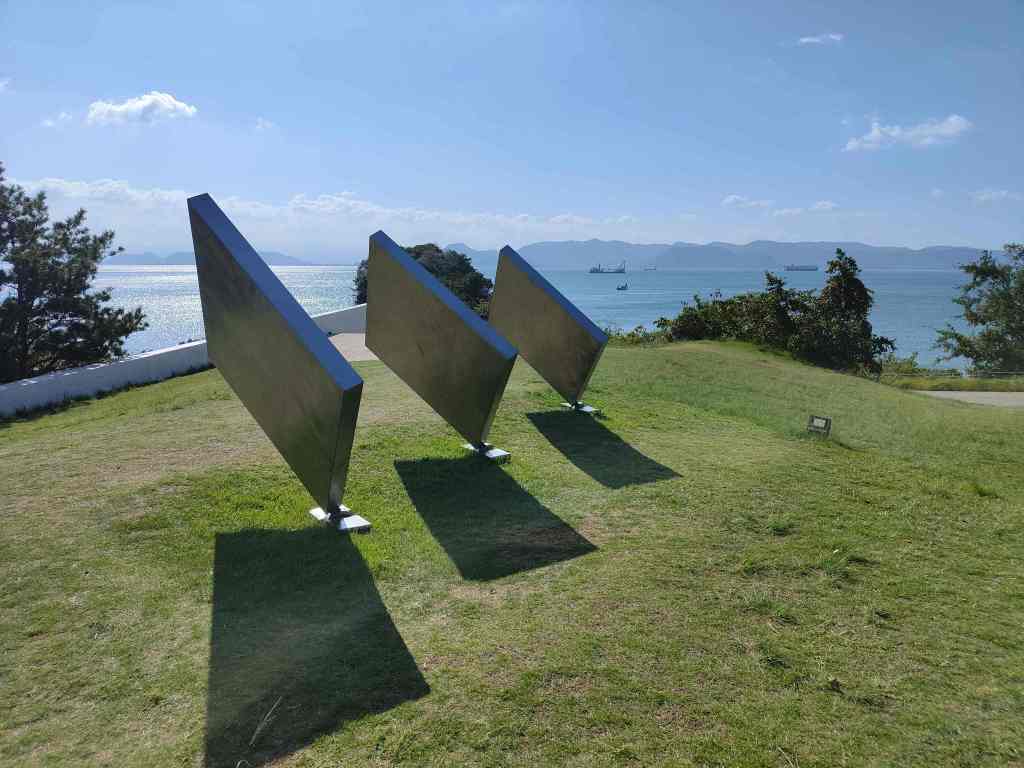
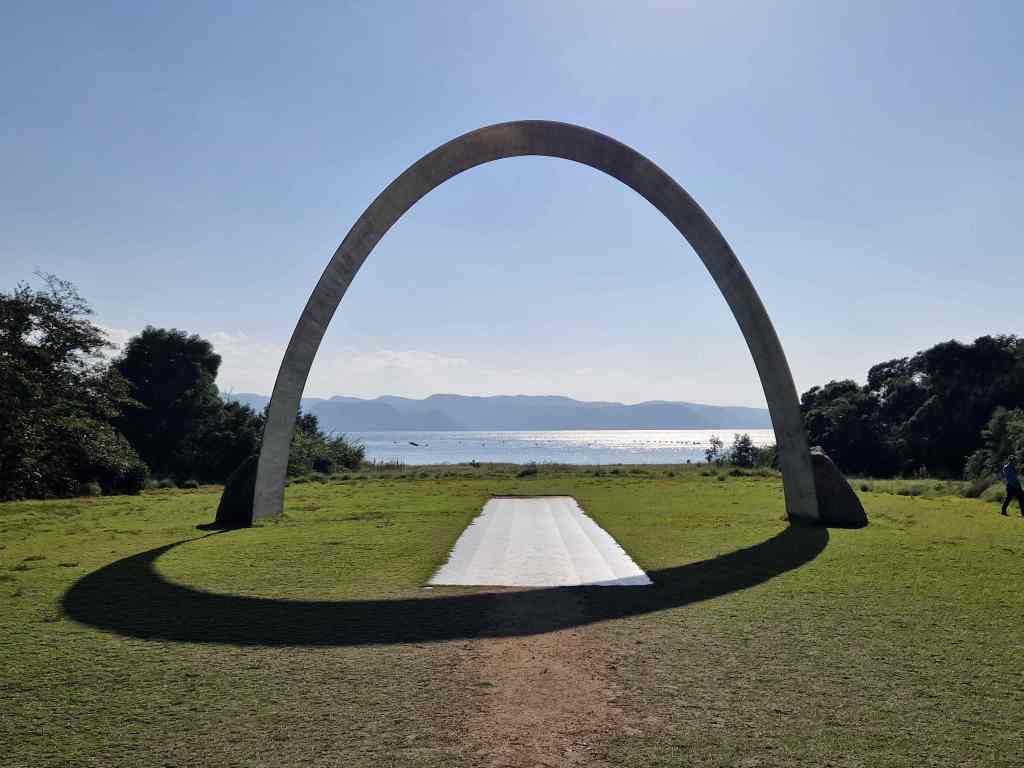
After eating, we backtracked to a second museum run by the Benesse corporation, the Lee Ufan Museum, devoted to work by the eponymous artist. The collection was very small, and we spent more time outside admiring a graceful metal arch by the beach than we did inside looking at Ufan’s work.

Lee Ufan Museum on Naoshima
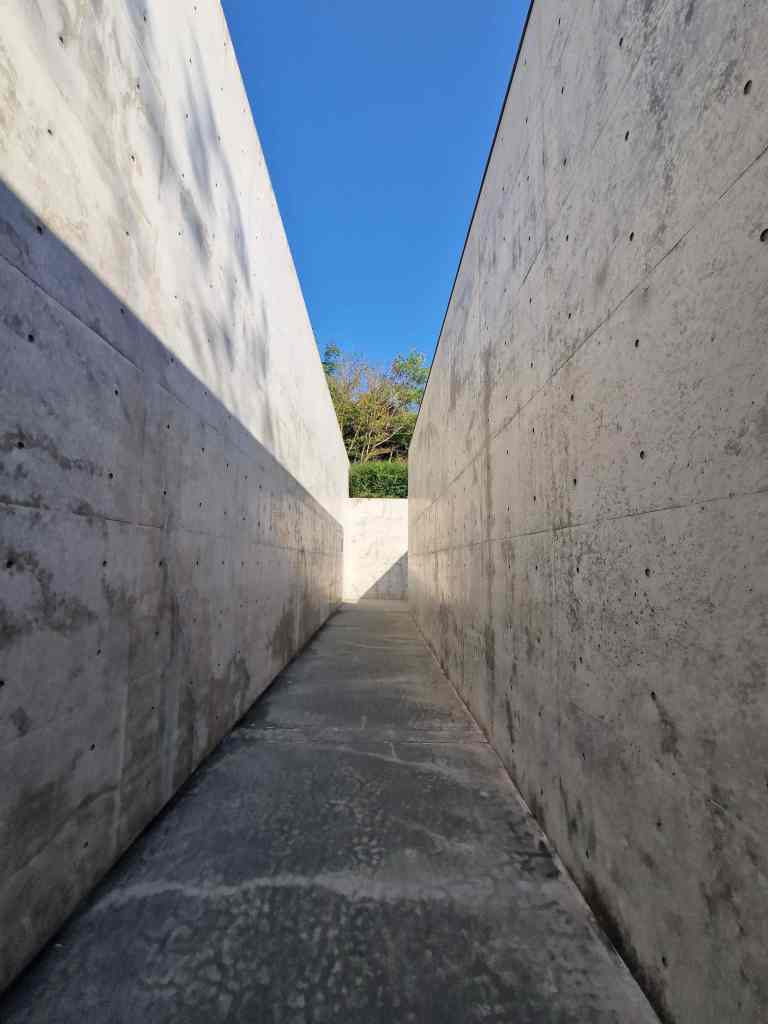
The three Benesse museums share the same brutalist concrete design by Tadao Ando
Arch, Naoshima
A much-photographed arch on Naoshima

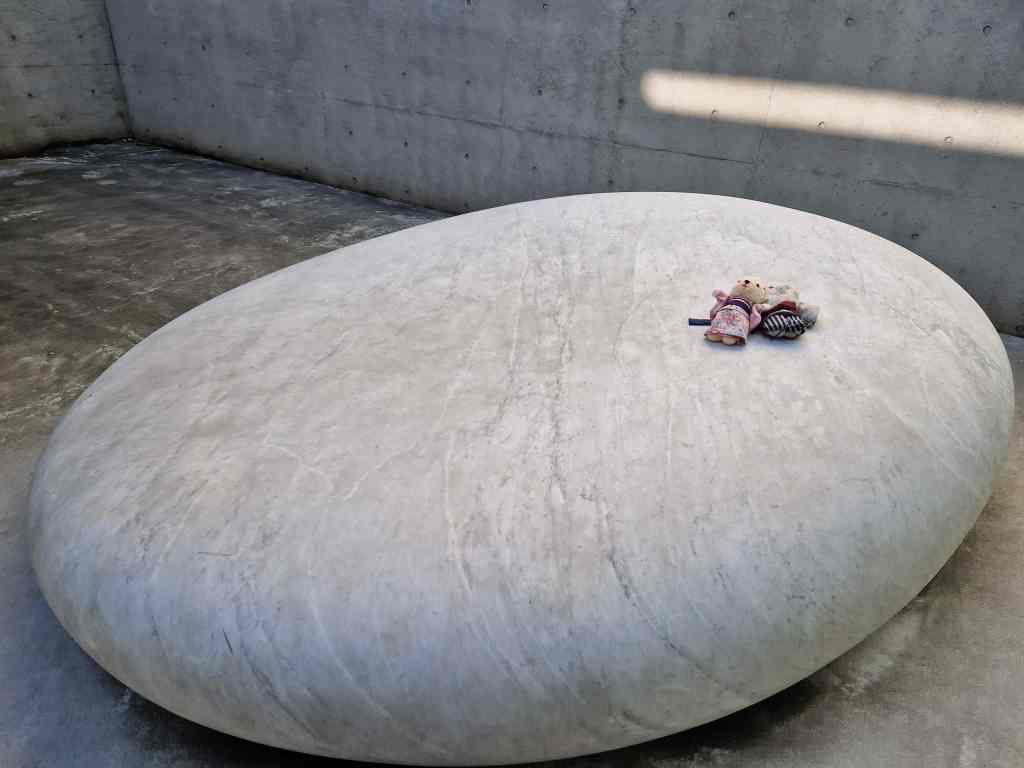
Finally, we visited the Chichu museum, the third Benesse venture on the island. This also had a very small collection and due to its popularity sells tickets with a strict time slot. The first room of the museum was devoted to four pictures of water lilies by Monet. Maybe for Japanese visitors these were amazing, but we had recently visited the Musée Marmottan in Paris and so had seen more, and arguably better, Monet paintings of lilies. The second set of exhibits in the Chichu museum were by James Turrell, but a very long queue to see them had formed along a dark, uninteresting corridor. We worried that if we stayed, we would miss our ferry back home, so moved on to the final exhibit – a huge granite sphere by Walter de Maria, dominating a cathedral-like underground room. We thought it was a brilliant piece of work, which made up for the disappointment of the other exhibits. Sadly though photos were not allowed.

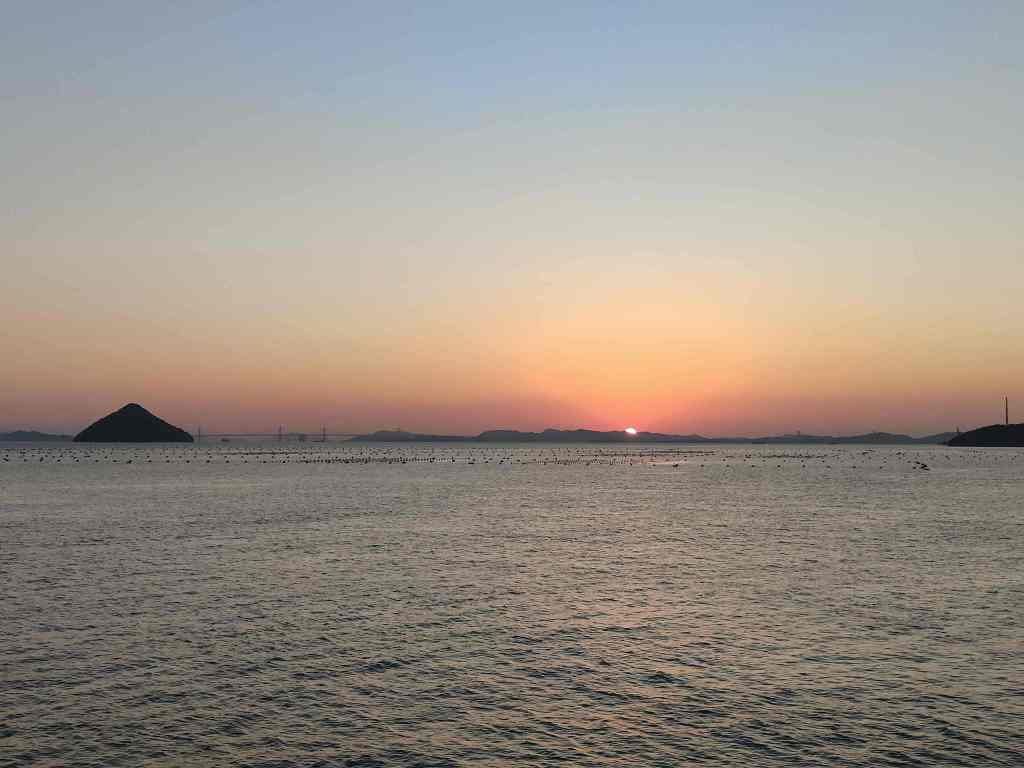
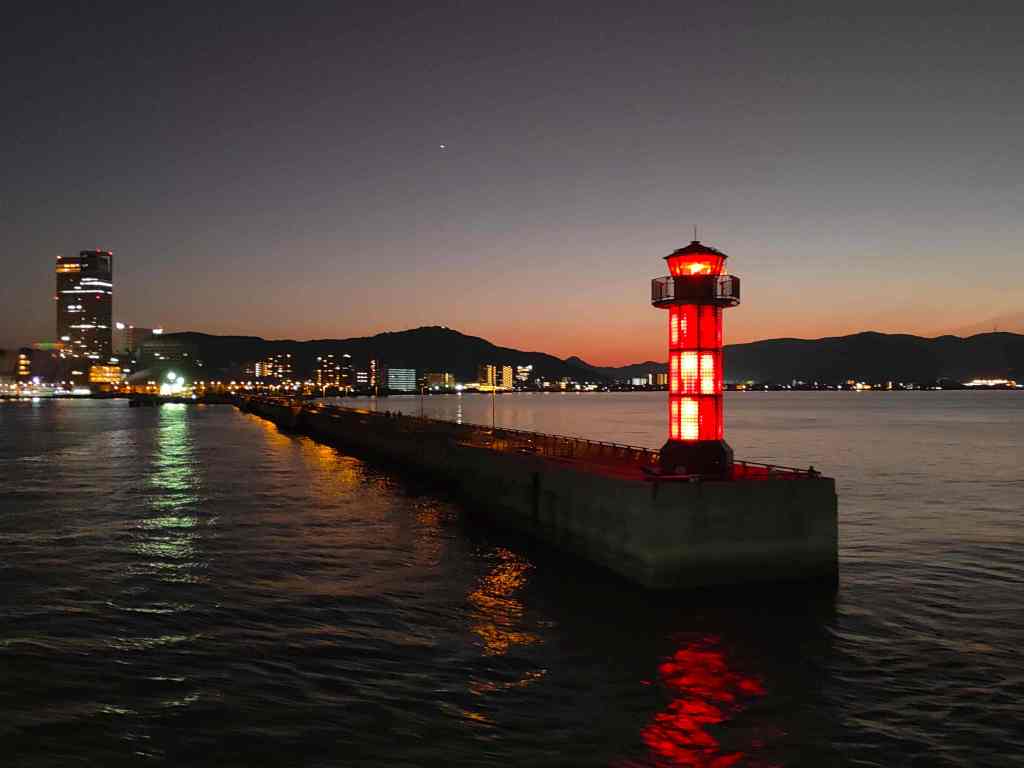
After a few minutes admiring the sphere, it was time to head back to the port to join a very long queue for the 17.00 ferry back to Takamatsu. The return trip gave us a nice sunset over the mountains of Honshu, and a surprising highlight of the trip – Takamatsu’s lighthouse, made out of bright red glass. This was probably the modern art highlight of the day!

ferry-Takamatsu-Naoshima
Sunset on the Inland Sea, ferry Naoshima-Takamatsu
Takamatsu-lighthouse
Takamatsu’s lighthouse – the best art of the day!

We had greatly enjoyed our time, even if we found the art museums somewhat underwhelming compared to what we could see back home in London or Paris. The real joys of the trip were the ferry rides over the Inland Sea and the exploration of the pretty island of Naoshima by bicycle – especially doing all this in bright sunshine after two days of rain.

Next post: Ritsurin Garden and Naruto Whirlpools

Previous Post: Shikoku – Iya Valley, Kotohira

Blog at WordPress.com.

Up ↑