Duwisib – the sad story of Hans and Jayta Von Wolf and their horses

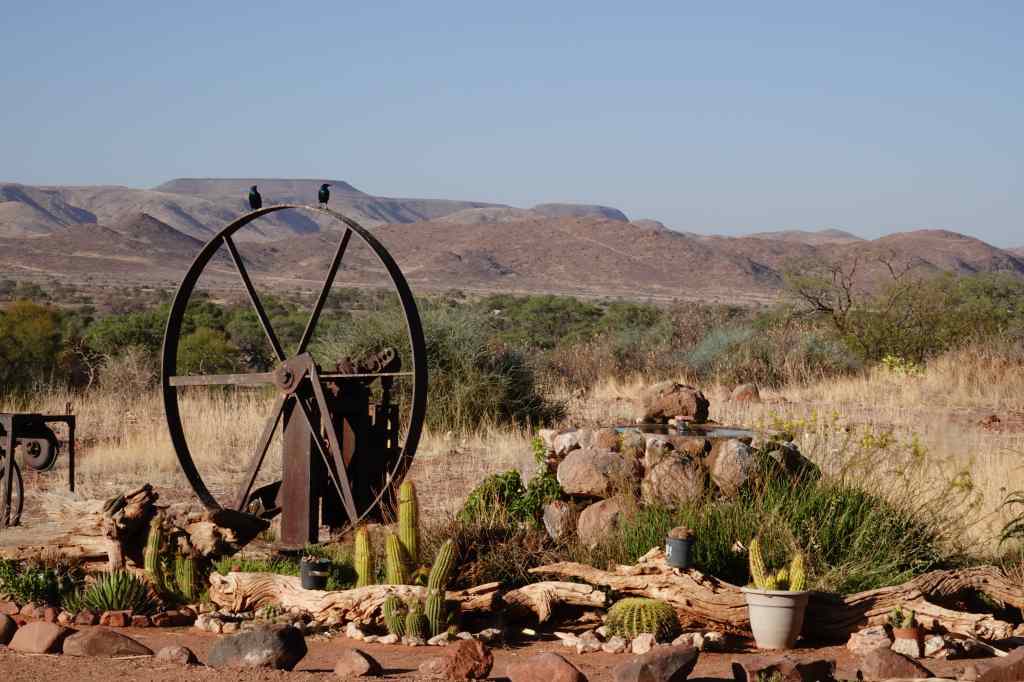
My accommodation in Duwisib was a working farm with a few guest bedrooms, which made a pleasant change to the more commercial lodges I had been staying in up until then. The splashes of green surrounding the farm – plants and fields fed by water from a well – made a welcome change to the constant brown, red and yellow of the Namib desert.
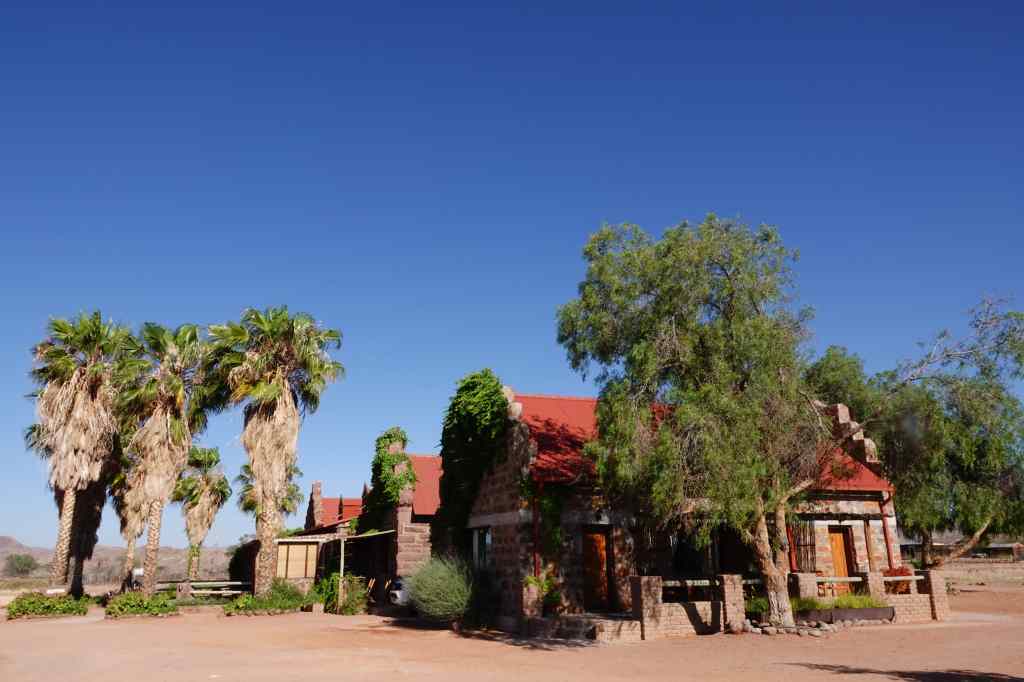
Duwisb Guest Farm
Duwisib Guest Farm
Duwisb Guest Farm
Some green in the landscape for once
Old farm equipment

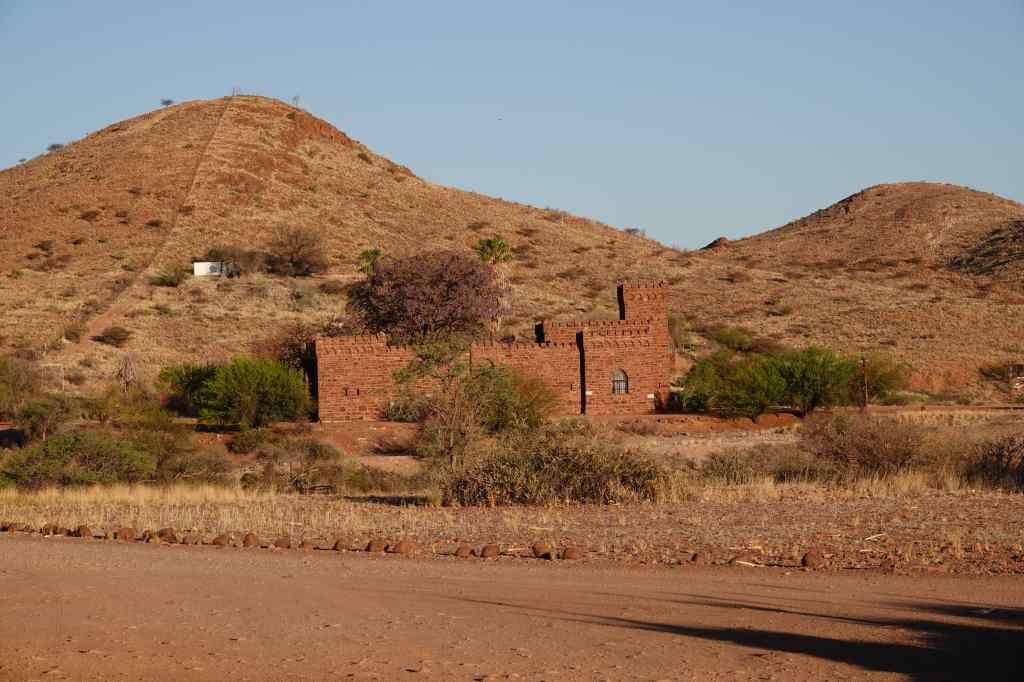
The farm’s owner showed me around and pointed out the small gothic castle improbably located a short way away.
Duwisib Castle
Duwisib Castle

The latter had a strange and sad history. It was the project of a former officer in the German army, Hans Heinrich von Wolf. Poor himself, he married a rich American, Jayta Humphries, who paid for the considerable cost of the project (most of the materials were imported by ship from Germany, then hauled by oxen 300km inland). The newly wed couple camped for two years next to the building site until the work was finally finished in 1909. Von Wolf had intended to use the castle as base to live whilst establishing a farm and breeding horses – a strange project in a near-desert environment. However, the von Wolfs only enjoyed their property for five years; in 1914 war broke out whilst they were travelling to Europe and their ship was diverted to Rio de Janeiro, where Hans Heinrich was interned. He was finally released a couple of years later, and the couple continued their trip to Europe in 1916, where von Wolf rejoined the German army and was killed two weeks later. Jayta never returned to the castle, and eventually remarried and settled in Europe. After the von Wolfs, the castle’s ownership changed hands many times, and today it is owned by the government. It used to be possible to visit but never reopened after the Covid epidemic. The farm owner said we could probably see inside if we made an arrangement with the guardian, but for me it was enough to see the castle from the outside.

The guest farm also gave me the chance to meet some fellow travellers over dinner to swap stories and information. This was also a welcome change after dining on a table alone at desert lodges. I checked that the road I wanted to use the next day, the D707, was open and passable and that its reputedly great scenery was worth the extra time. One of my fellow diners had just come from that direction and assured me that all was good.

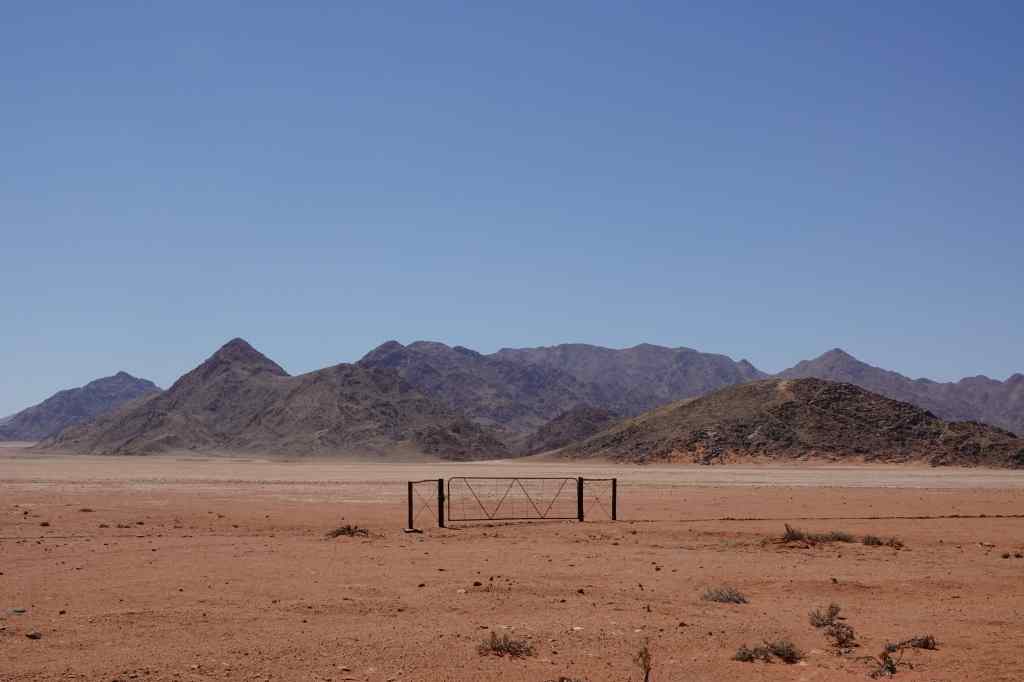
So next morning I set off on another fairly long drive, this time to Luderitz, on the coast in the southwest corner of Namibia. The D707 lived up to its scenic reputation and I made lots of stops to take pictures.

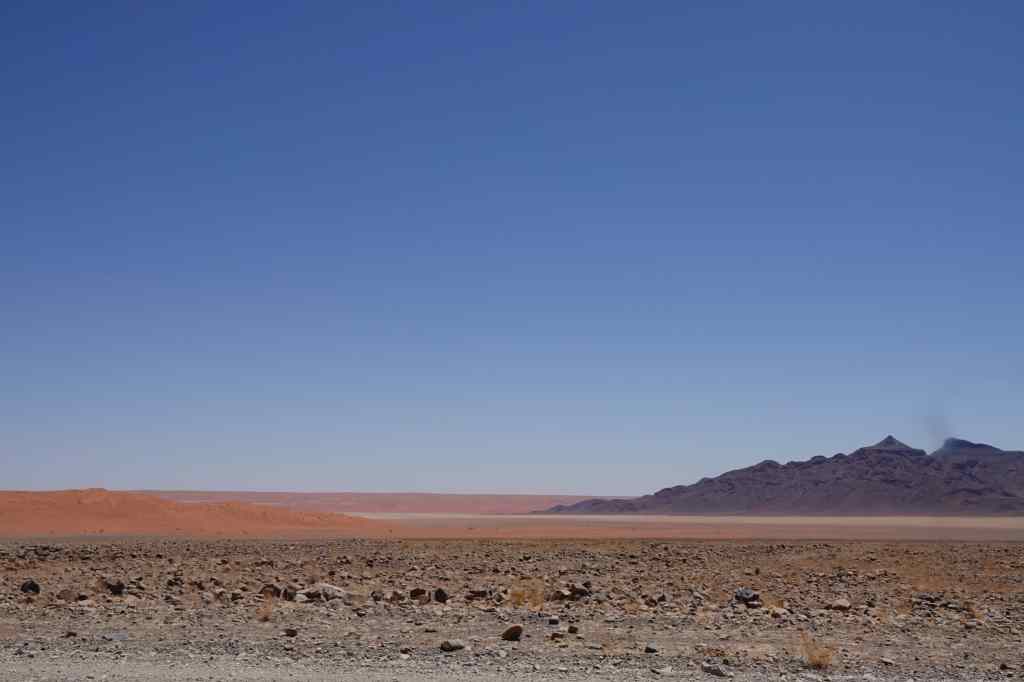
Back to red and brown scenery on the D707
A gate to nowhere…
Still on the D707

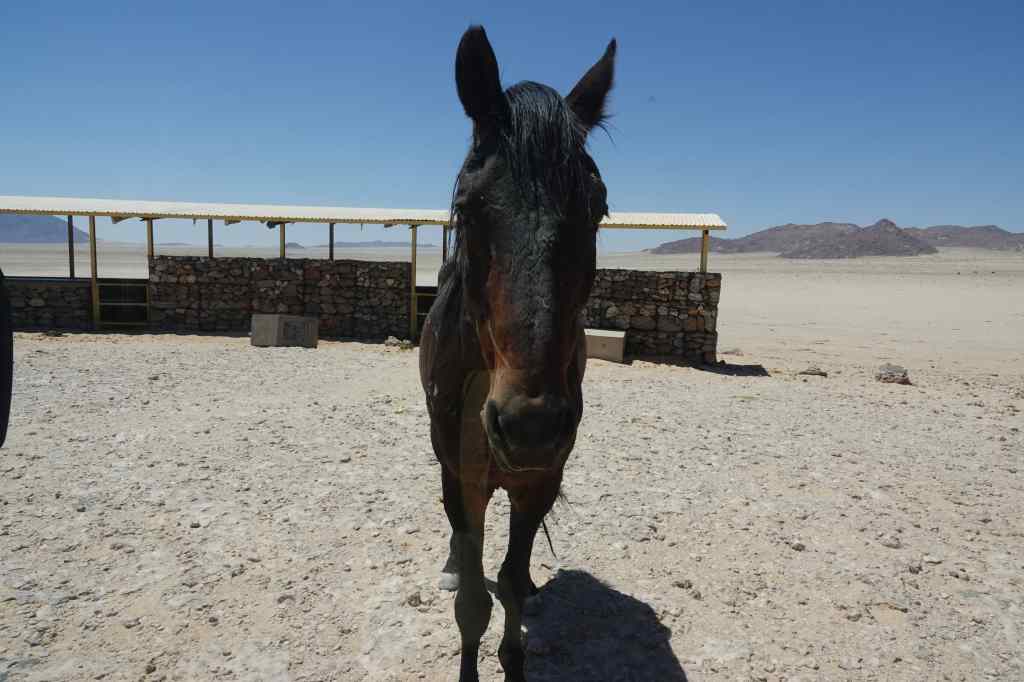
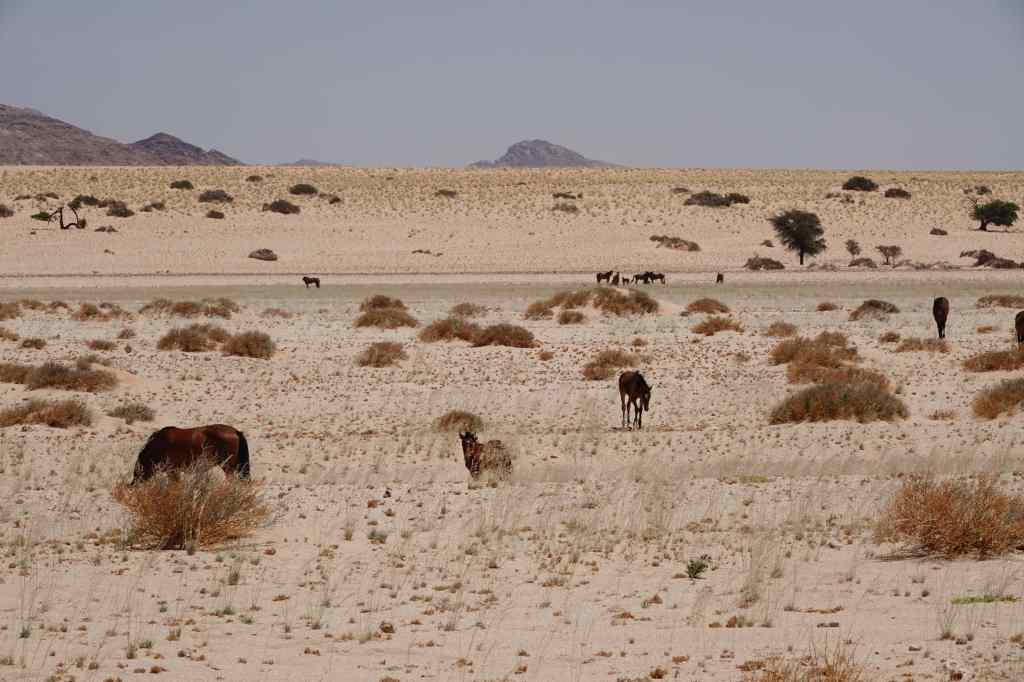
Next, I joined the straight flat and dull but fast B4 to the coast. I made one stop on route, to see a herd of wild horses – the only ones anywhere in the world to live in desert conditions. One theory is that the horses’ ancestors escaped from von Wolf’s farm over a hundred years ago.
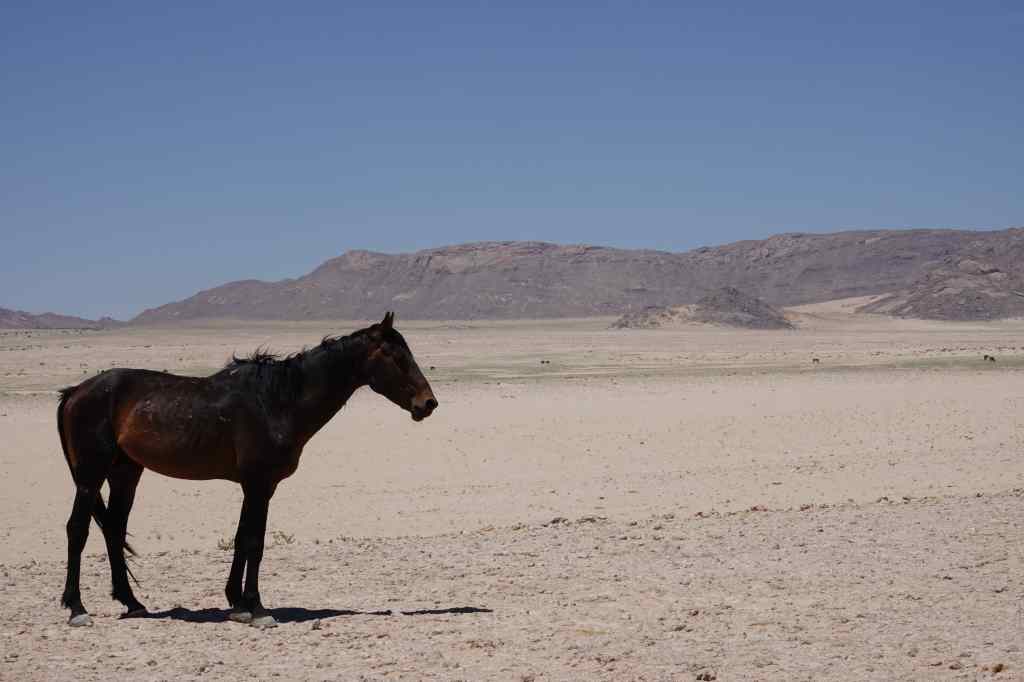
desert horses
Desert Horses!
desert horse
A horse poses for my shot
Hungry desert horse
This horse was hungry and approached my car looking for food

After another hour I reached Luderitz, which is known for its colonial German architecture. Indeed, it had a couple of old churches and other buildings dating from its time as the centre of a mining boom just over a hundred years ago (more about this tomorrow). But today the town feels rather poor. The many unoccupied people on the streets stared at me as if they had never seen a bear before, and I felt slightly uncomfortable. Fortunately, my accommodation was in a smart area, right on the sea shore and I checked in and enjoyed the view whilst preparing two very different excursions for the next day.

Next Post: Luderitz

Previous Post: Sossusvlei – Meet Big Daddy and Big Mommy
Sossusvlei – Meet Big Daddy and Big Mommy
Sossusvlei dune
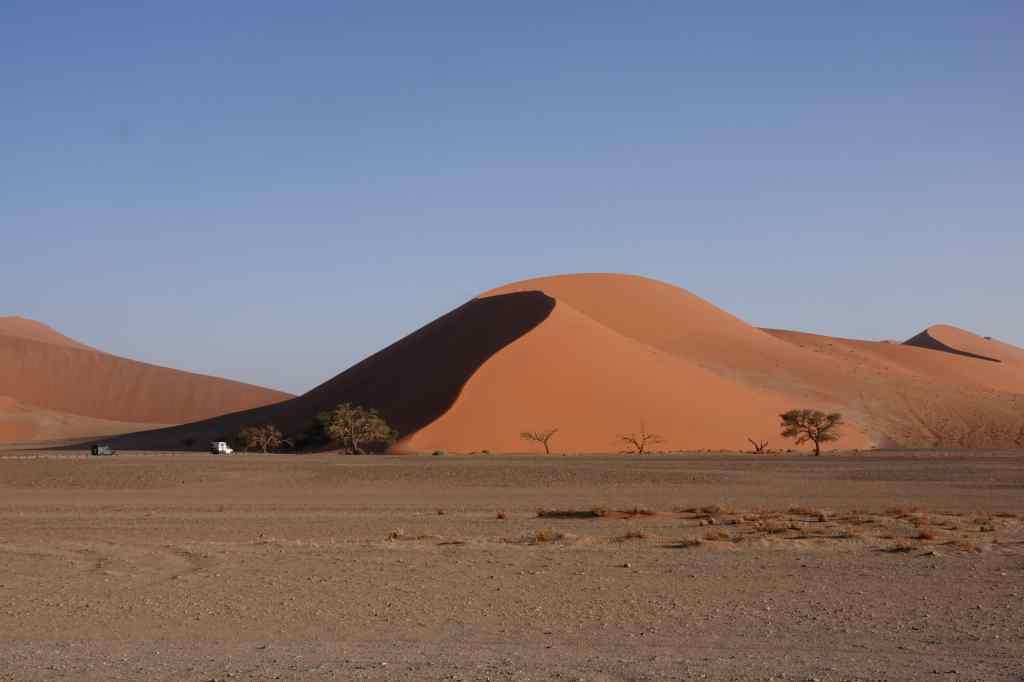
A dune on the now familiar drive down to Sossusvlei

Today my luck finally changed. When the alarm woke me at 5.30am, all was quiet outside – there was no wind. I hurried to get breakfast and then set off on the now familiar drive to Sossusvlei National Park. I drove straight to the very end, to Sossusvlei itself and found that almost all the other visitors had stopped earlier, at Dune 45 or the Dead Vlei. I had the place almost to myself and set off to climb Big Mommy dune.

view from big mommy
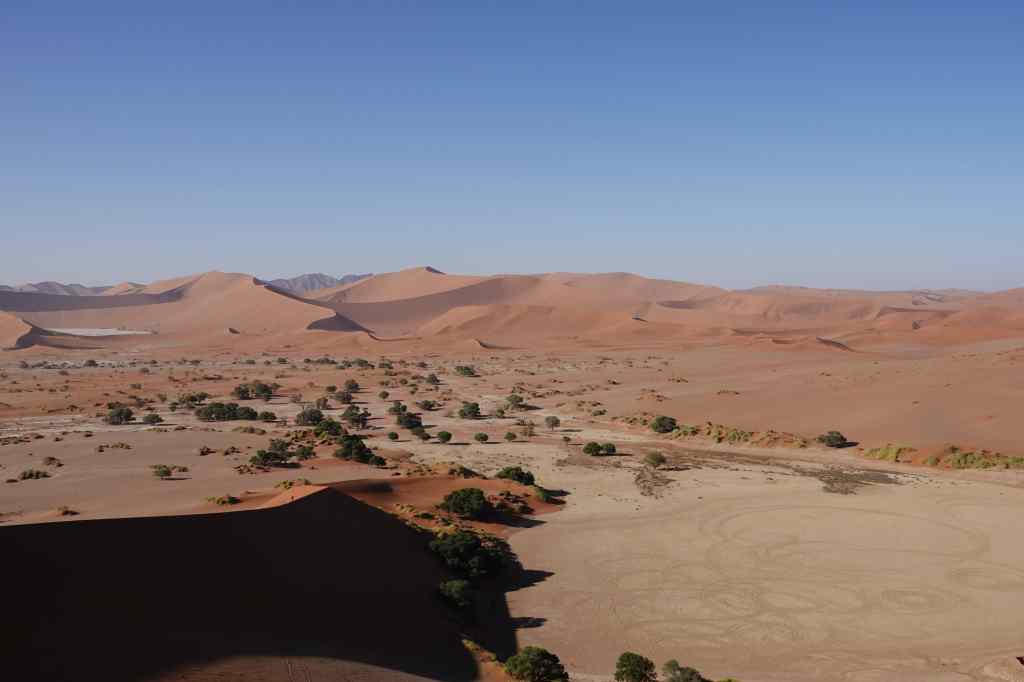
Looking back at Sossusvlei from the flanks of Big Mommy

It was hard going. The sand stretched up before me, perfectly bare and flat, and devoid of any sign of humans or other large animals having passed that way. The only marks it bore were faint traces left by snakes. For every three steps I made forward, I would slip back two. I finally made it to a pleasant sandy ridge, and lay down to catch my breath and peak over the top to see an endless sea of sand, stretching away into the distance.

half way up Big Mommy Dune
Resting on a ridge on the side of Big Mommy

I looked at my watch. I had been walking an hour and was less than half way up. I was not sure the view from the top of “Big Mommy” would be any better, and if I tried to find out, I would use up the entire morning on the climb. Walking after noon would be impossibly hot.

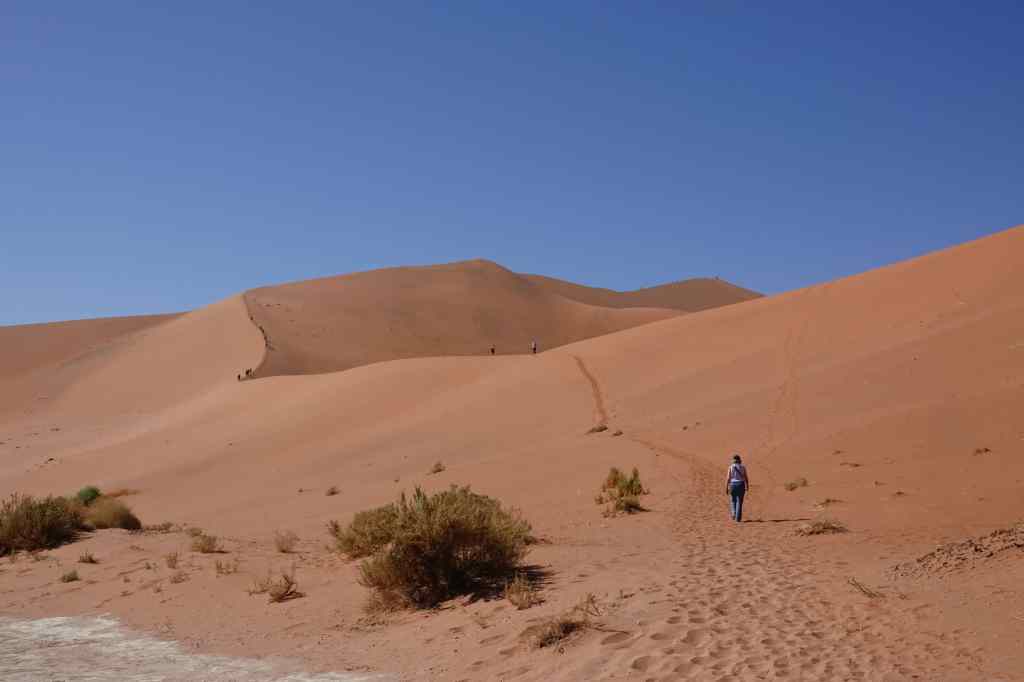
I decided to retrace my steps to the Dead Vlei car park, where a steady stream of visitors were setting off to climb “Big Daddy”.

climbing big daddy dune
The start of the popular climb of Big Daddy

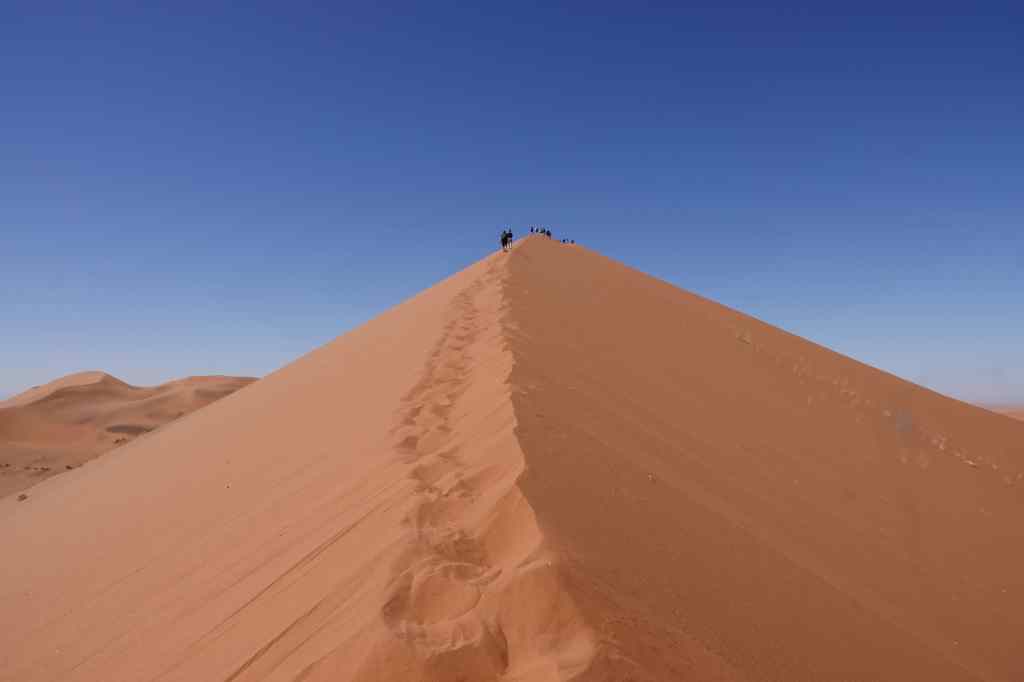
I followed in their tracks and found that this climb was much easier – the earlier guests had compacted the sand, and I could use their footprints as a sort of staircase.

climbing big daddy dune
A much easier path
A view from half way up Big Daddy

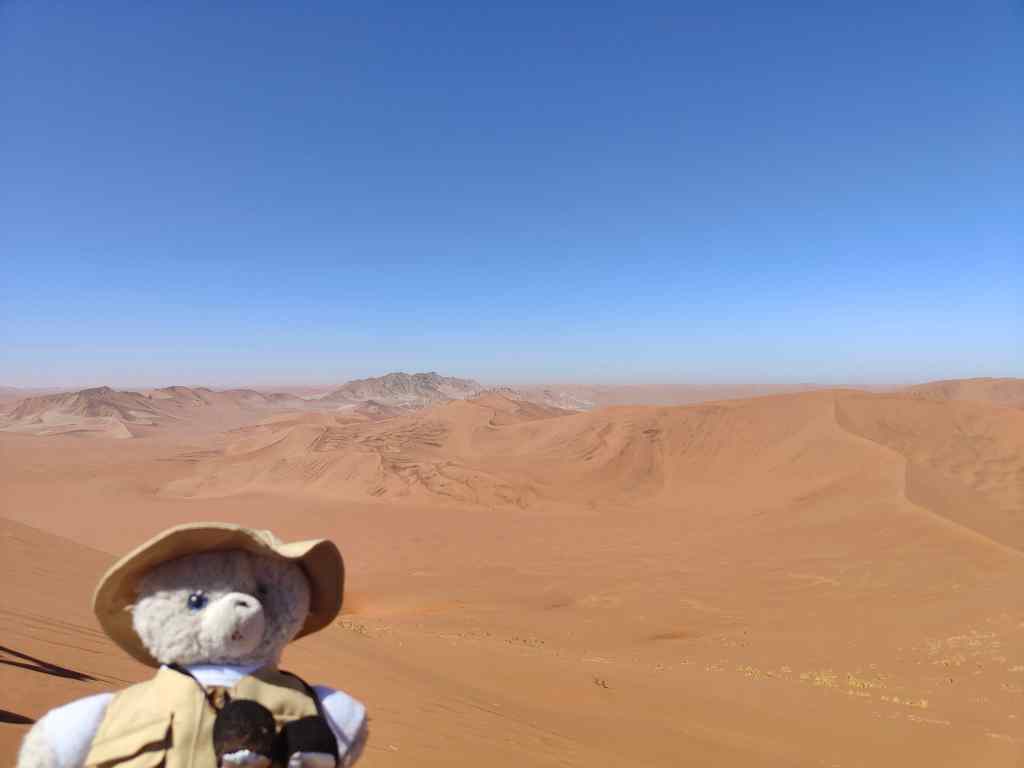
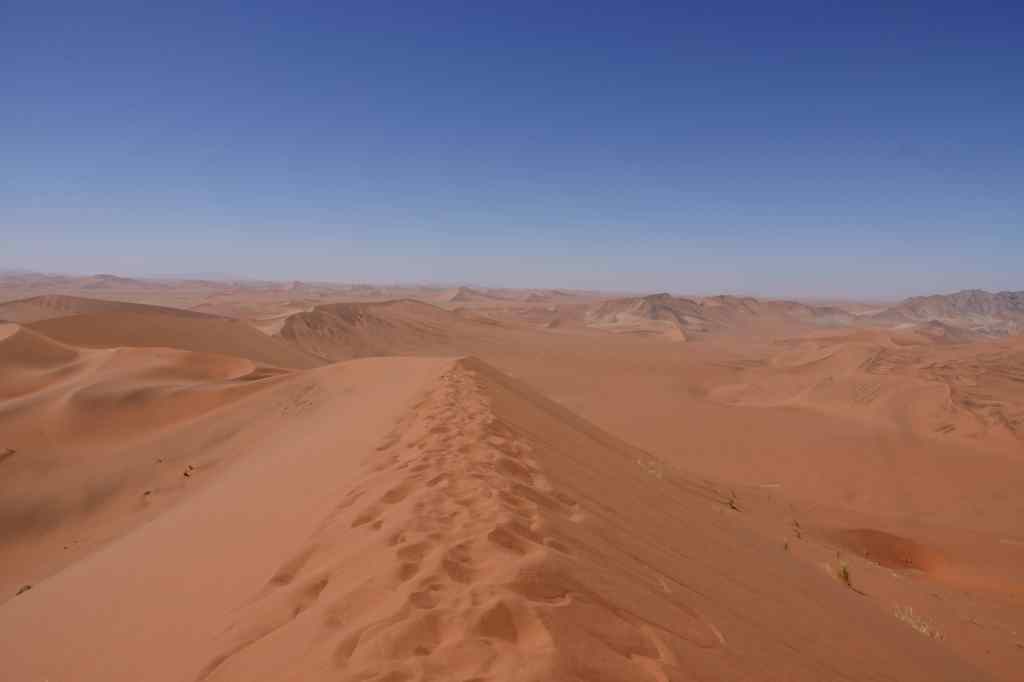
To reach the top took me just under an hour, and I was rewarded with an amazing 360 degree view – east along the river valley and the road, north to the Dead Vlei and “Big Mommy”, south to a range of mountains, and west across countless smaller dunes. In the far distance I fancied I could see the coast and the South Atlantic Ocean some 50km away – or maybe it was the combination of my imagination and a heat mirage.

on top of Big Daddy
On top – looking southwest
view from Big Daddy
Looking west from Big Daddy dune

I stayed a long time absorbing the view and recovering from my exertions. Then I made my descent, which was much quicker than the climb. I noticed some of the taller humans running straight down the steepest part of the dune, making great big strides with their legs. The soft sand swallowed each foot as it landed, and then slid downwards with the foot’s owner. The same shifting sand that had made going up so hard made going down fun…….and very quick. Even with my smaller teddy legs, I was at the bottom of the slop in five minutes, with my shoes full of sand and a big smile on my face.  

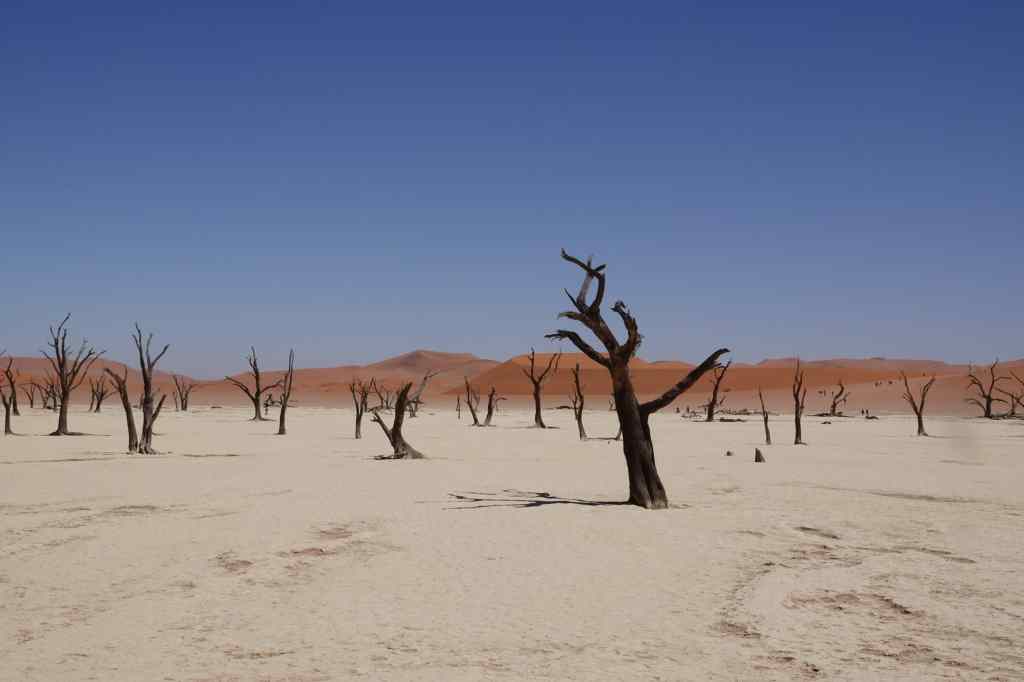
The base of the dune gave a new perspective to the shrivelled trees of the Dead Vlei.

the Dead Vlei
The Dead Vlei again

I traversed the barren empty space in the heat of the late morning to regain my car – hot, tired but happy. I drove back to the park entrance for a well-earned coffee and a cold drink, before making the roughly two hour drive to my next destination – a place called Duwisib, about two hours driving to the south. The road was spectacular – more red and yellow sand dunes, but this time alternating with black and brown rocky mountains. But after my early start and exertions on Big Daddy and Big Mommy I was too tired to stop to take many photos. More about Duwisib in my next post.

On the road south from Sossusvlei to Duwisib

Next Post: Duwisib and its desert horses

Previous Post: Waiting for the Wind to Drop, Sossusvlei

Blog at WordPress.com.

Up ↑