Naples – a city like no other

Naples, Centro Storico – courtesy of Colette Hewitt Photography

For the end of my exploration of Italy’s south, I had reserved a couple of nights in Naples. I had already spent one night here at the start of my trip, in an upmarket area near the port and the sea. This time I had chosen to stay in the centre, and my accommodation gave me a good introduction to the joys and frustrations of the city. It was a bed and breakfast establishment located in a typical Naples side street, lined with tall houses that might once have been grand, but which were now in need of refurbishment. A large wooden door opened into a rather dingy internal courtyard, from where a rickety lift took me up to the top floor of my building.
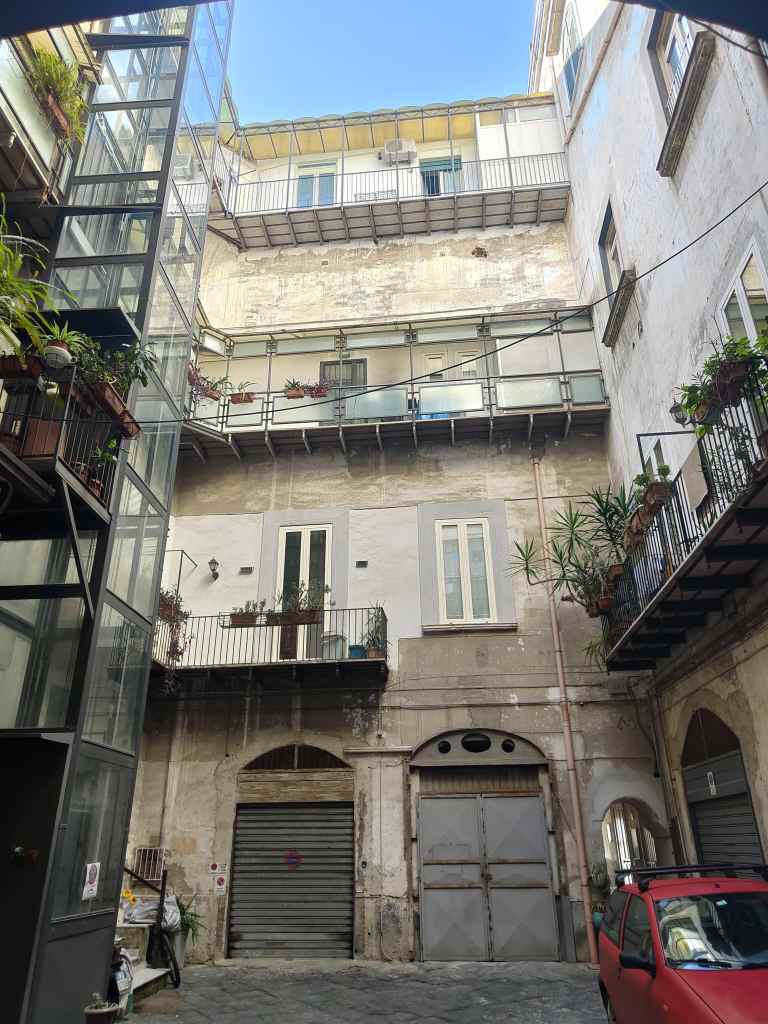
The unpromising courtyard of my B and B

At the check in, my host led me to a room which was bigger, but not as nicely furnished, as the one I had booked. I complained and was told via Google translator that my original room was occupied. After I insisted, I was told I could have my chosen room after a two-hour wait.  I was regretting my choice of accommodation until I was led up to the owner’s roof terrace for a welcome aperitif. There I enjoyed an Aperol spritz and some nibbles…and an amazing 360 degree view of Naples, a city with one of the very best settings in the whole world.
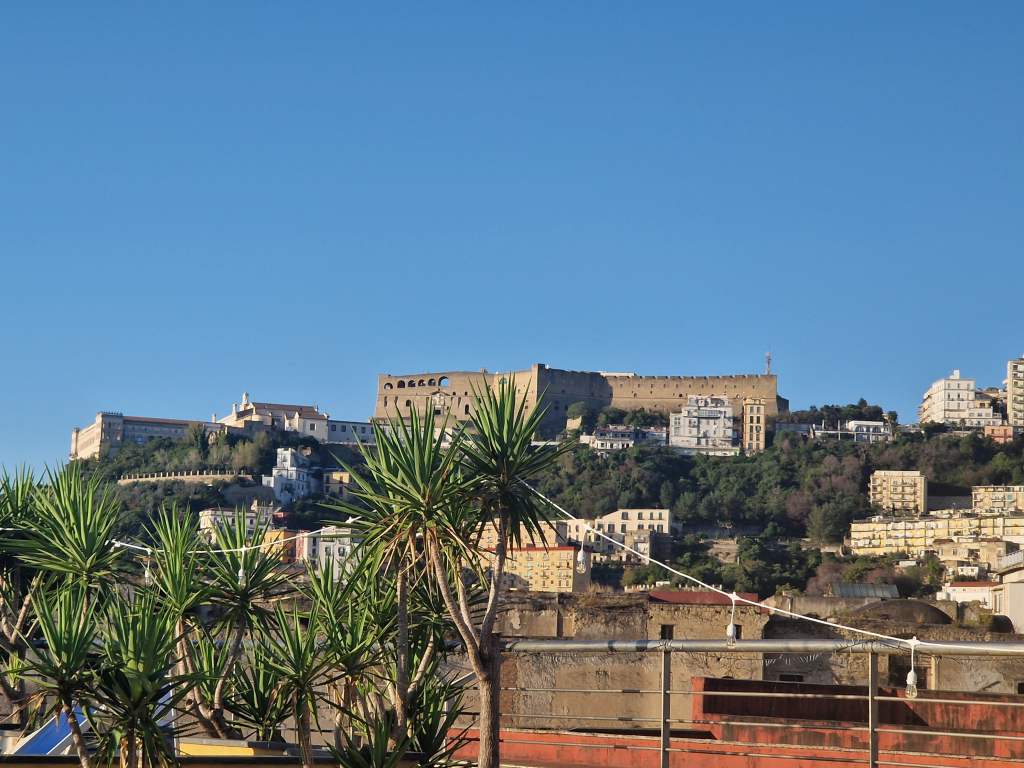
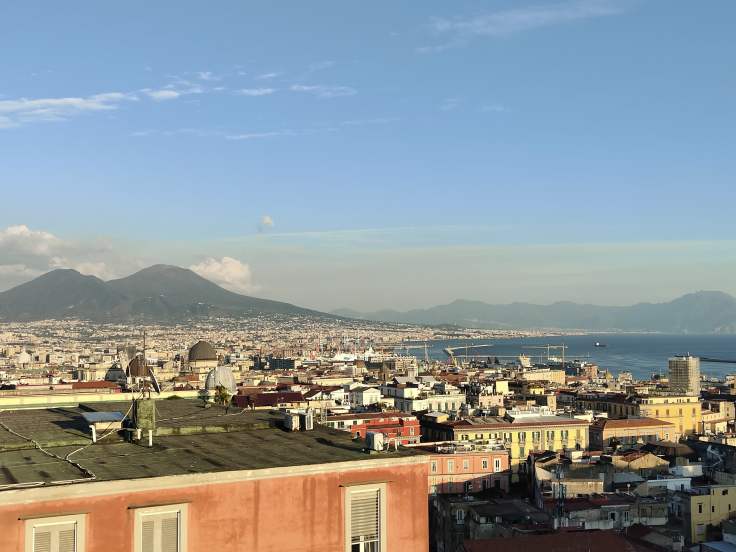
The magnificent view of Naples’ Castel St. Elmo from my terrace, looking west…
….and the view east over the Bay of Naples

After freshening up, I set off to explore. My first stop was the Naples National Archaeological Museum, which has one of the best collections of ancient art in the world. I was lucky to visit when they had a special evening opening, and the galleries were quiet and very atmospheric.
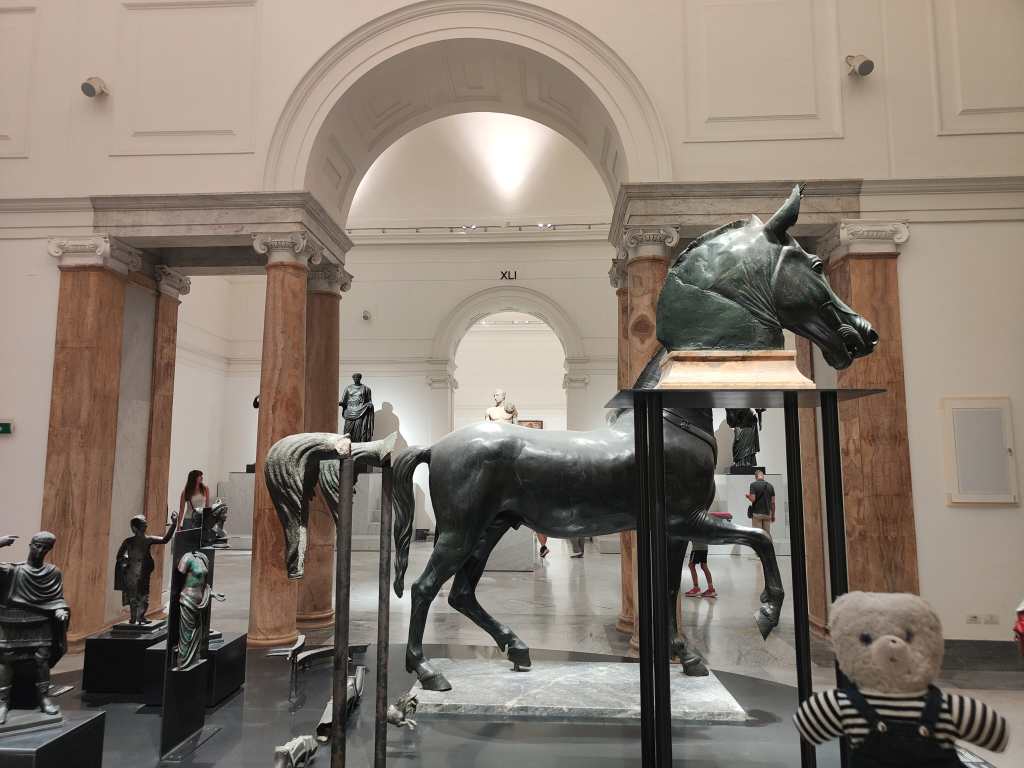
Statues from Pompeii at the entrance of the Naples National Archaeological Museum
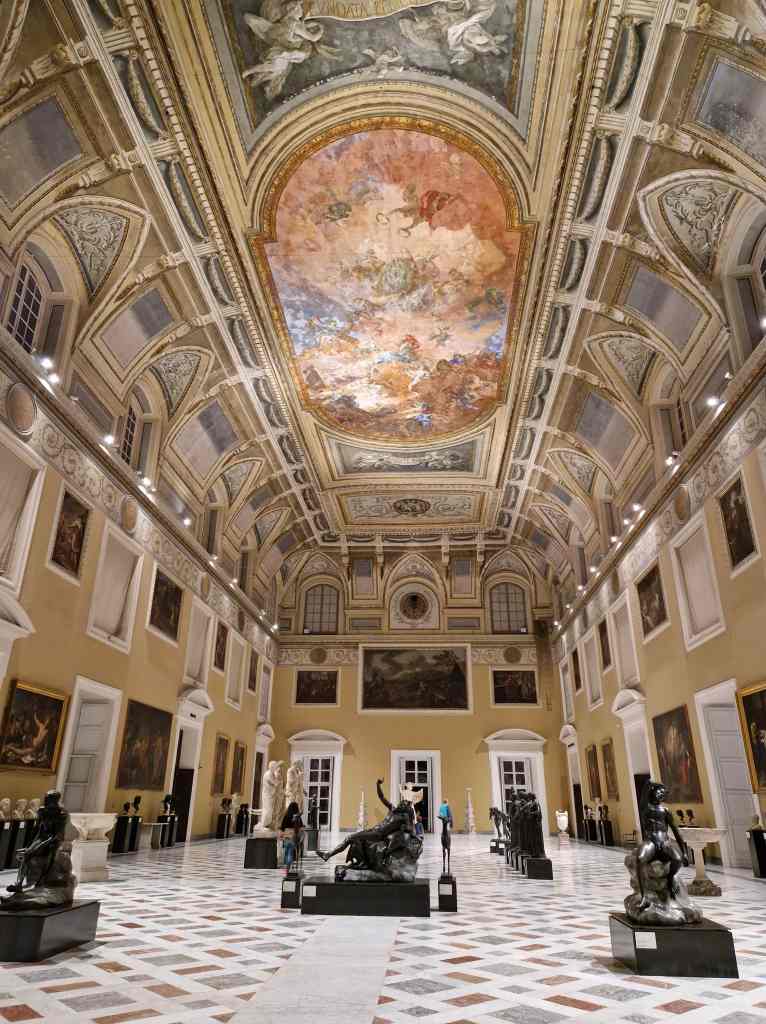
An immense display room on the second floor of the Naples National Archaeological Museum
A mosaic of an upwardly mobile Pompeian couple, Naples National Archaeological Museum

Many of the museum’s exhibits come from nearby sites like Pompeii and Herculaneum, but the museum also houses the magnificent Farnese collection, first assembled by Cardinal Alessandro Farnese (later to become Pope Paul III) in the 16th century and originally kept in his palace in Rome.
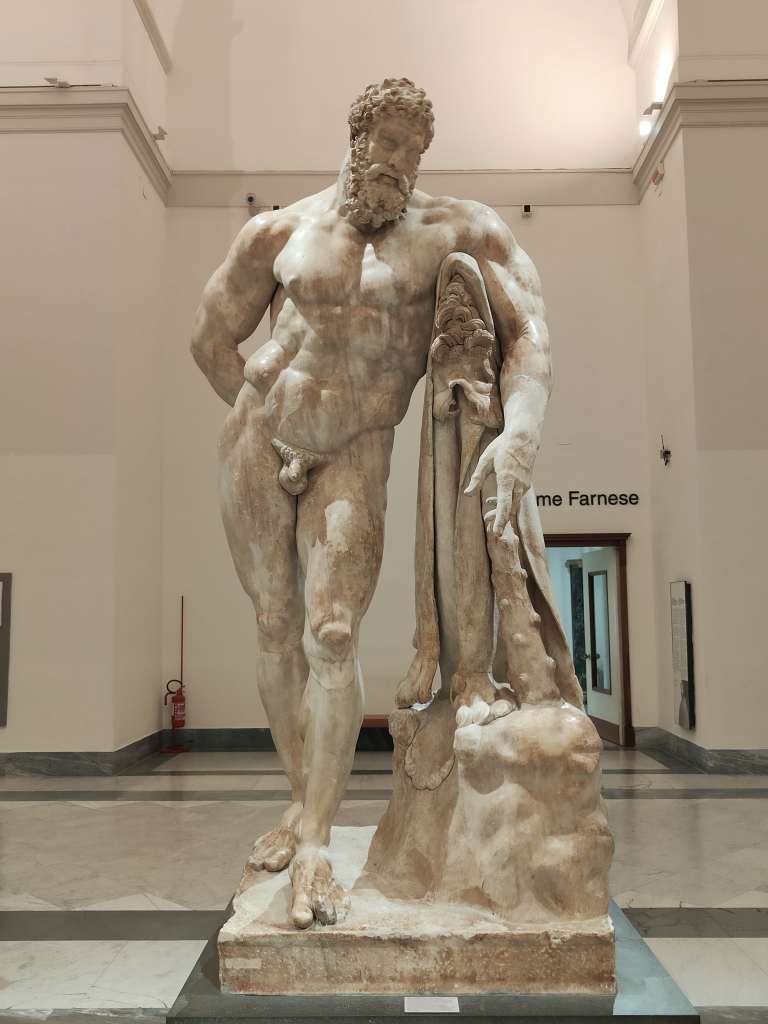
The Farnese Hercules

The museum is huge, and you could easily spend a day there, but I was a bit tired and limited myself to a couple of hours seeing the highlights. Apart from the magnificent mosaics and sculptures, there was also a fun exhibit of items that had been recovered after being stolen, together with the stories of their recovery. Some of these were quite funny, involving organised crime, disorganised crime, corrupt officials, innocent grandmas, bankrupt aristocrats or dodgy art dealers versus a special unit of the carabinieri set up to recover lost art work.

My next day was spent exploring central Naples, a chaotic, dirty, occasionally beautiful and always lively city. It is a good place to explore on foot – which is a good thing, since the traffic is terrible and the driving mad. My exploration started in the Rione Sanita district, a short walk from my accommodation. This was once where aristocracts lived, but became one of Napoli’s poorest areas with a reputation for corruption and crime. Today it is considered safe again to walk around but is still a poor, working class district, which features narrow streets lined by tall, once grand but now crumbling buildings, whose walls were covered in graffiti and from whose balconies clothes were hanging to dry. Even here though, in one Naples’ least touristy neighbourhoods, there were some stunning buildings to be seen by those brave enough to venture here.

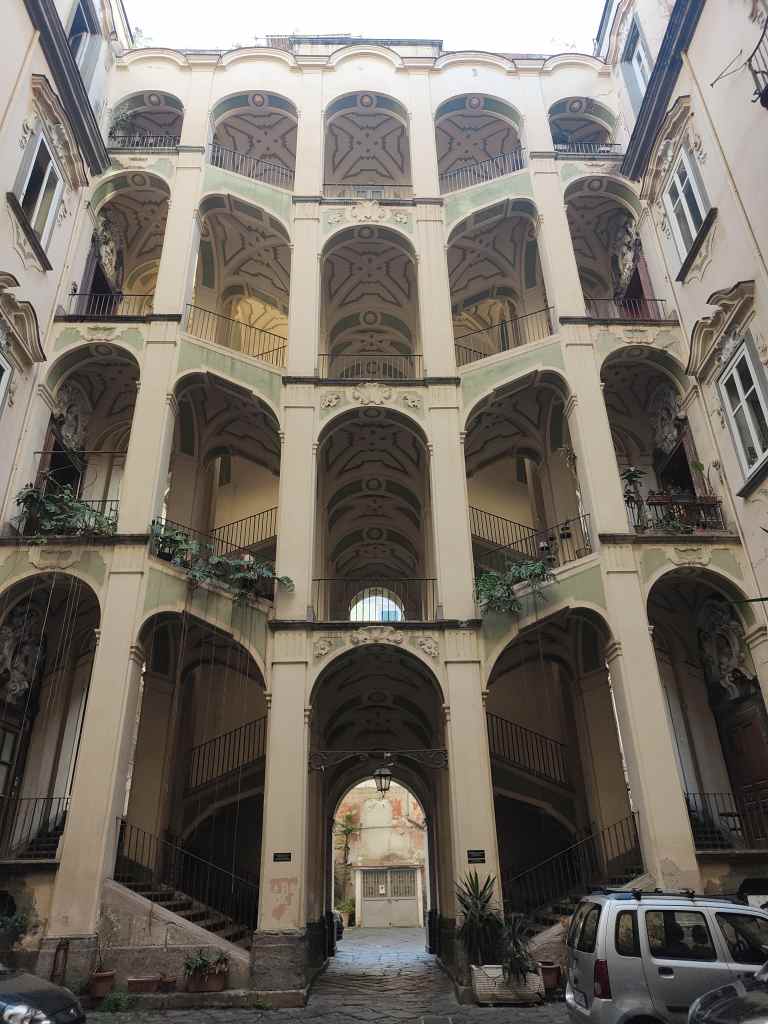
The Palazzo dello Spagnuolo seen from the street
The magnificent staircase inside, if you venture into the courtyard

Every street seemed to have a small shrine in the wall of a house, and every small neighbourhood had a church – some dilapidated, some magnificent. Apart from Christianity, Neapolitans’ other religion is football, and every street also had a mural either devoted to the fact that Napoli had won the Italian championship four times or to the former star player Diego Maradonna, who last played for them in 1991, but is still worshiped locally.
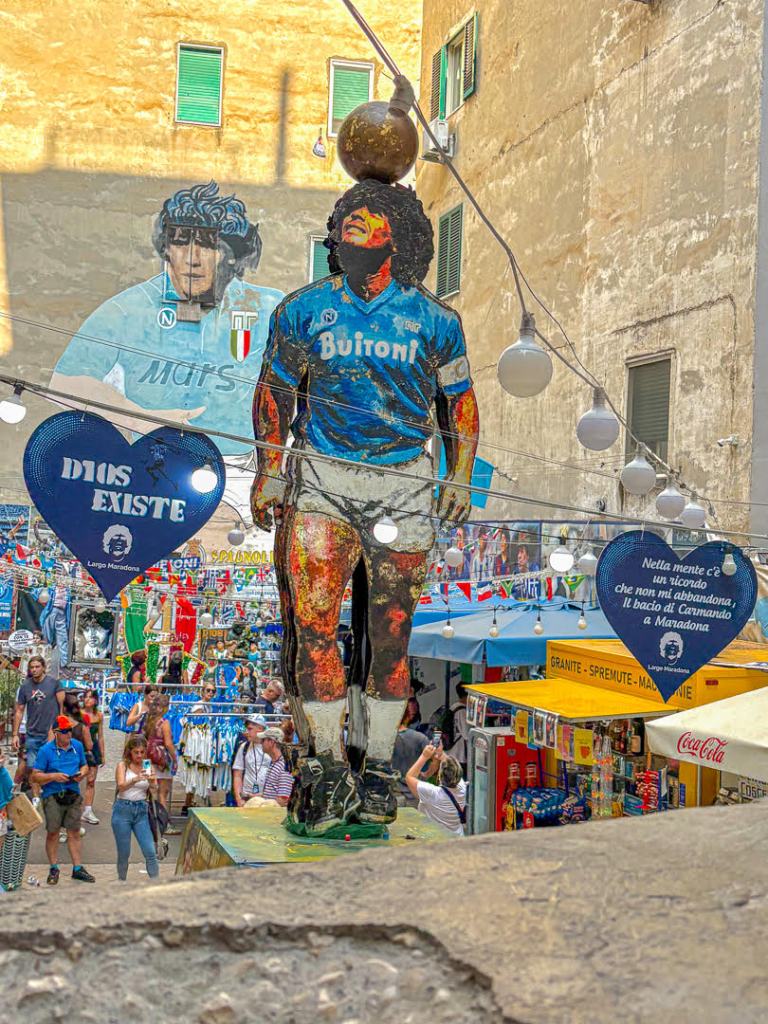
Maradonna murual in the Centro Storico, courtesy of Colette Hewitt Photography

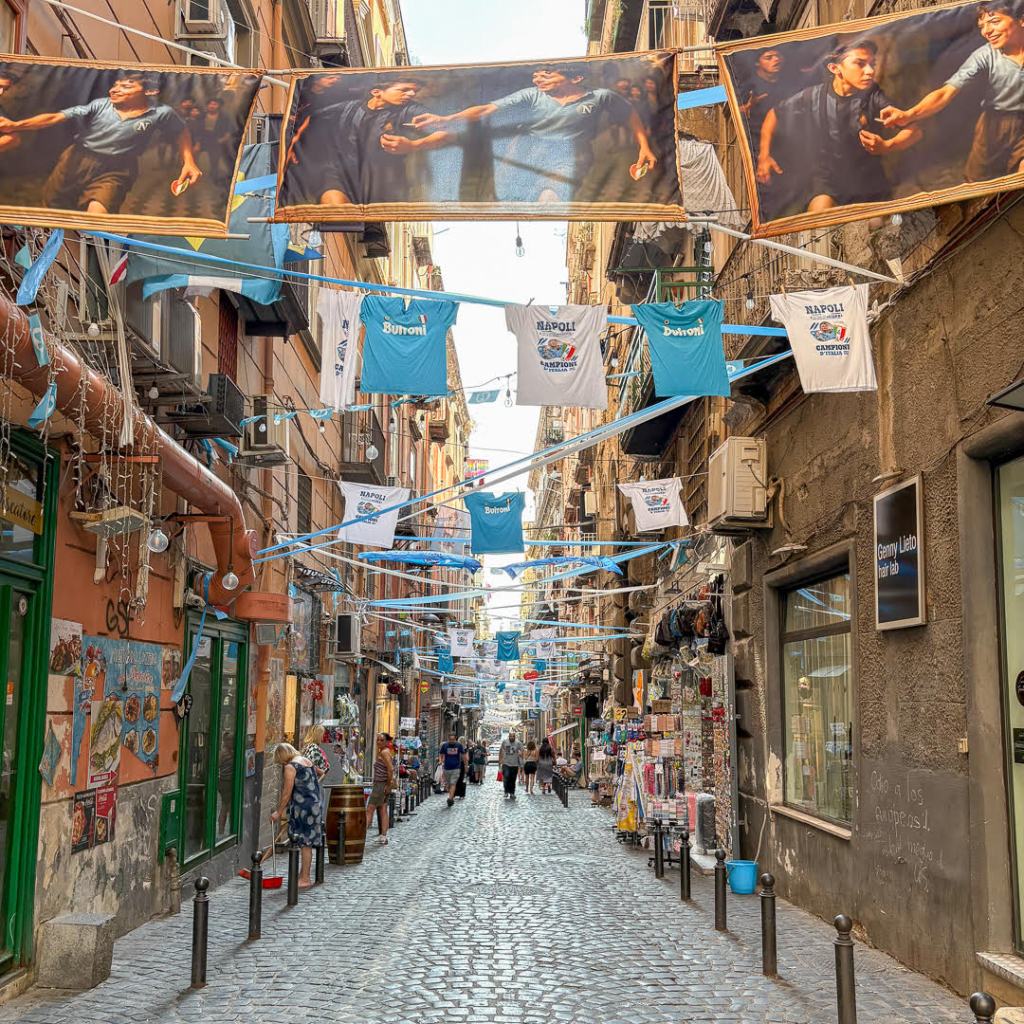
My walk then took me into Naples’ Centro Storico, the heart of the city. This was a noticeable richer area, with many more visitors. Compared to Raino Sanita, it had the same narrow streets, more old buildings, slightly less litter and graffiti, but also had cafes, restaurants and shops for tourists.
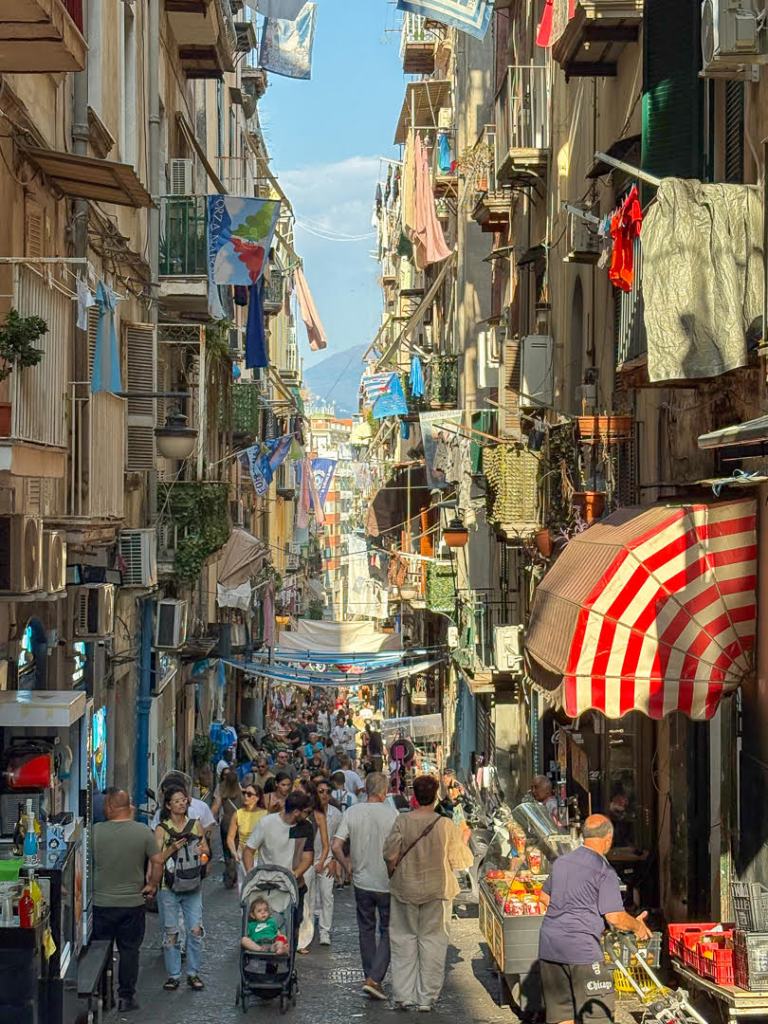
Centro Storico typical street, courtesy of Colette Hewitt Photography

Amid all this seething, dirty and fascinating urban sprawl are many world-class tourist attractions – so many in fact that I only had time to visit a small portion of them. Best known is Naples’ Duomo, which was my next stop. It has a magnificent interior, and which houses the skull and two vials of dried blood of San Gennaro, the patron saint of the city. The latter were collected after the saint’s beheading in 305AD and the blood inside is supposed to miraculously liquefy on specific dates three times a year – a time of great celebrations amongst devotees.
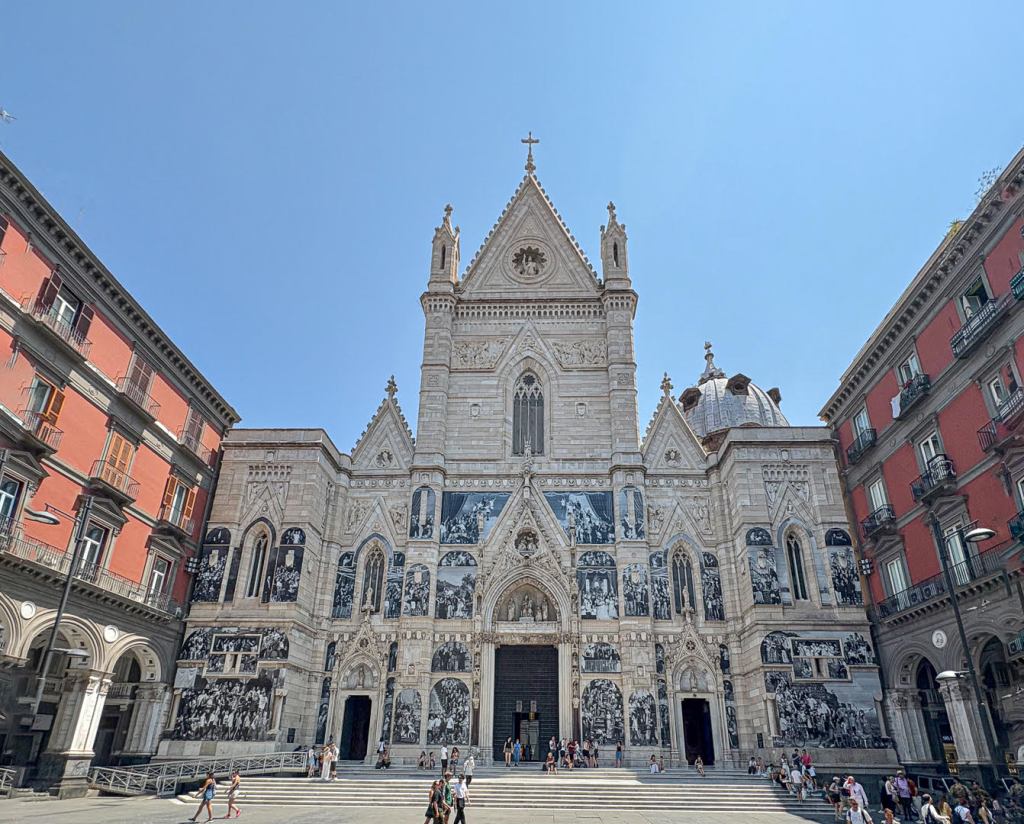
Naples’ Duomo, courtesy of Colette Hewitt Photography

A short stroll further into the Centro Storico brought me to yet another beautiful church – this time a small baroque one.
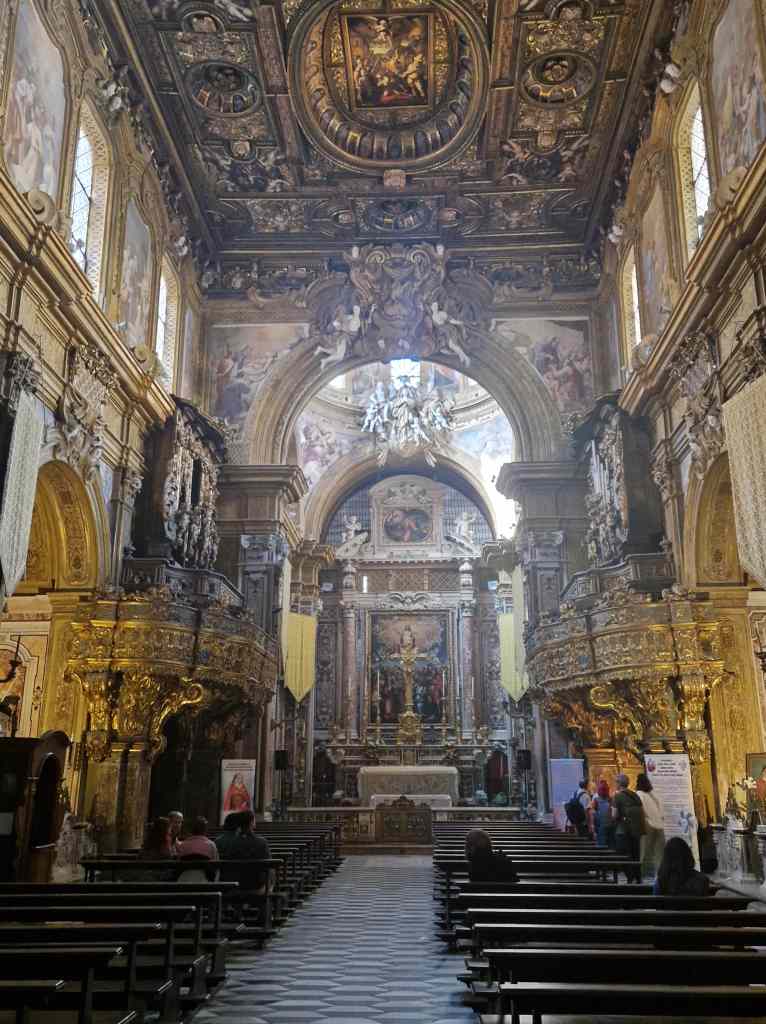
Yet another beautiful church in Naples

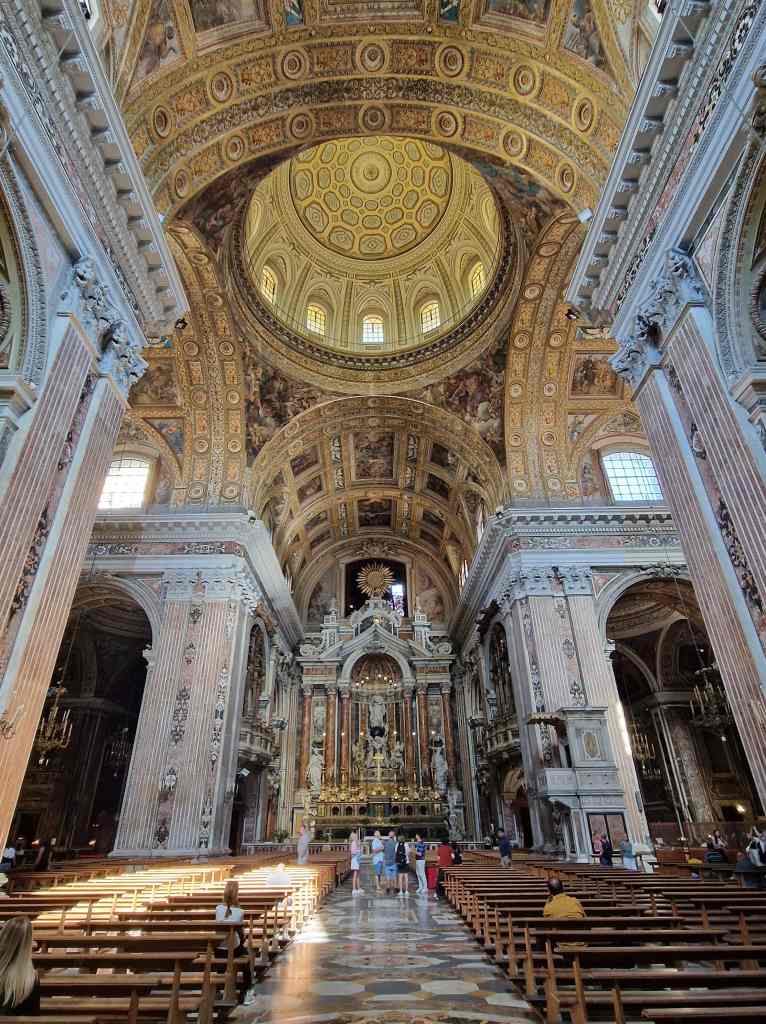
The cathedral is indeed impressive, but I found the Church of Gesu Nuovo (“New Jesus”) even better. This huge building was originally a palace, dating from 1470, but its owner fell into disgrace and it was confiscated and sold to the Jesuit order for them to convert to a church, whose construction began in 1584.

The distinctive outside of the Church of Gesu Nuovo
Inside the Church of Gesu Nuovo

Today it is  in my opinion the most beautiful church in Naples and certainly the biggest. A curious addition to the usual pictures of saints adorning the walls was an unusual twisted chunk of metal – an inscription explained that this was a bomb that fell through the church roof during WWII, but which failed to explode – something of course put down to divine intervention!

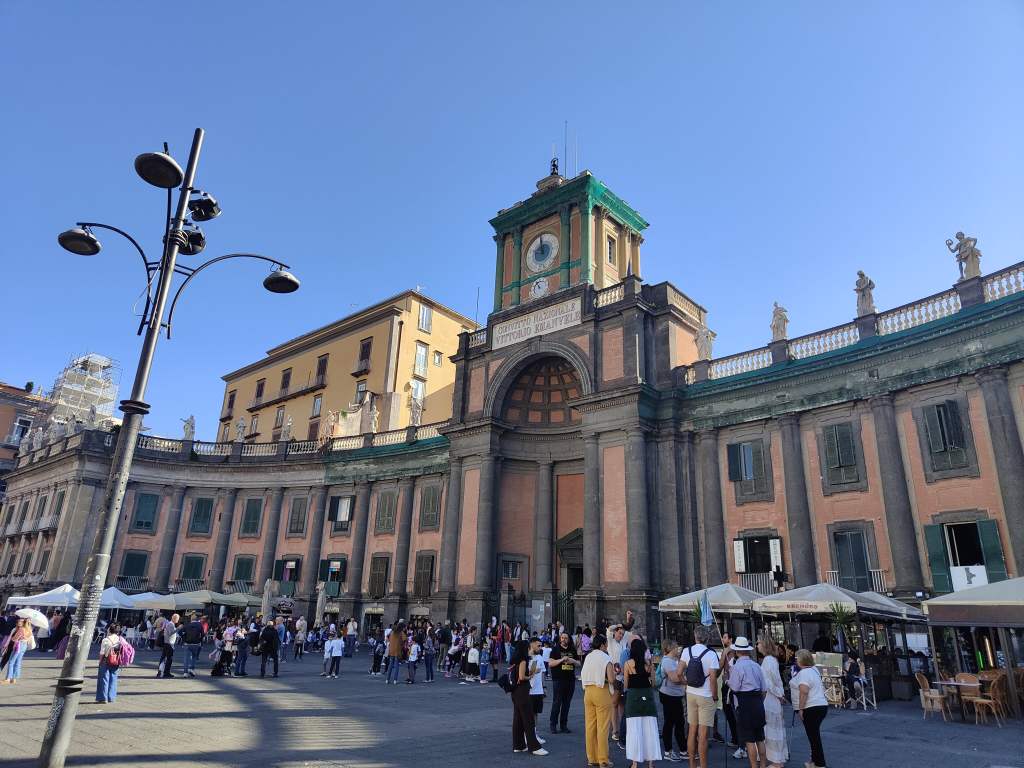
My stroll carried on past yet more interesting squares and buildings, like the Piazza Bellini and Piazza Dante.
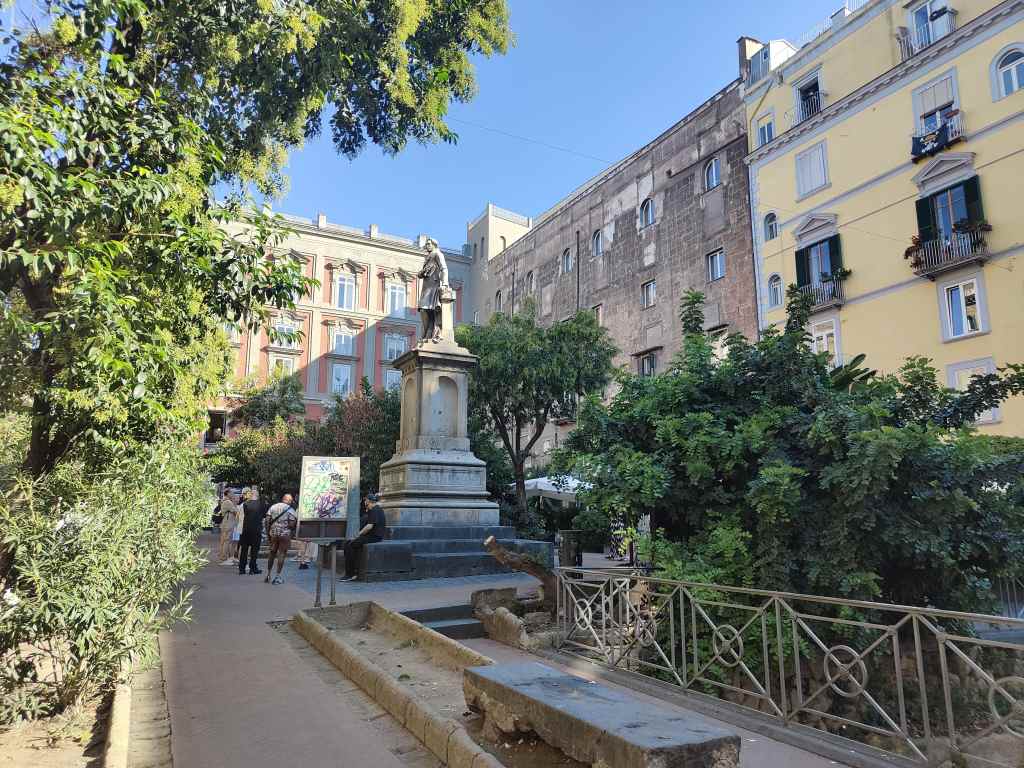
Piazza Bellini
Piazza Dante

I finally ended up on Via Toledo, a main road in a more modern part of town. The metro station there is one of several in Naples that have important modern art installations, and is worth a visit even if you are not travelling anywhere.

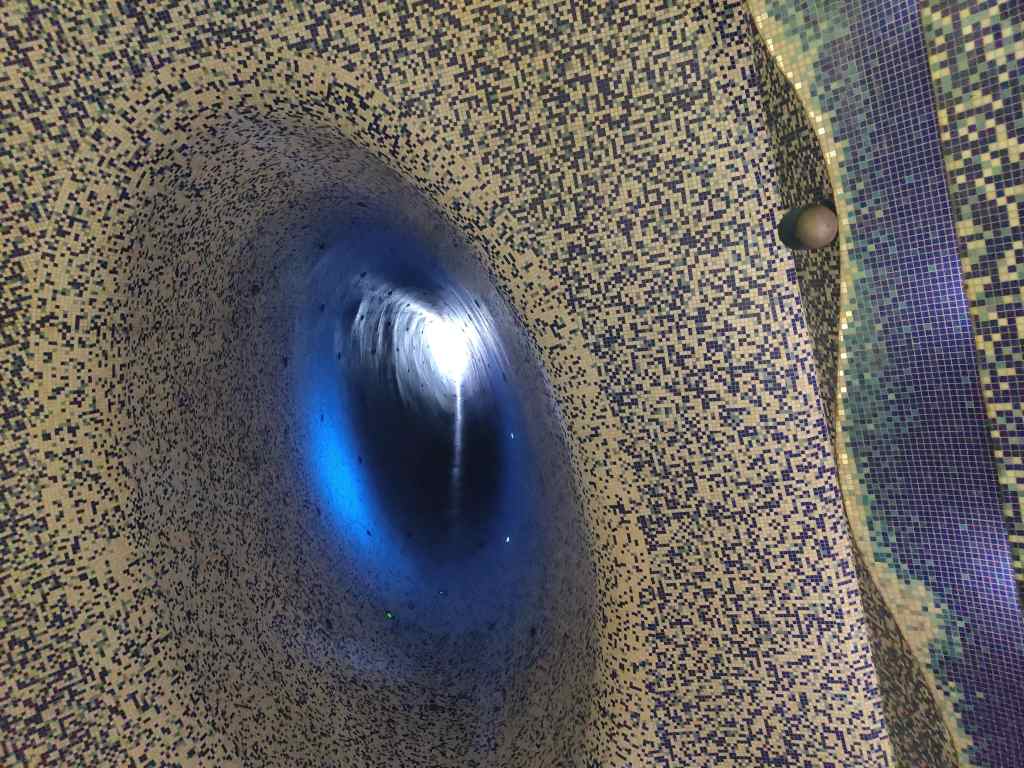
Art installation at Toledo Metro Station, Naples

I took the metro back home and sat on my terrace enjoying the view and working on my blog as the sun set. I was hoping to see Naples’ many monuments at night, but the local authorities do not light up their buildings in the evening, so they were all hidden in darkness. This was a real shame, since I am convinced that nighttime Naples could be a spectacular sight, like Paris or Moscow – if only they would illuminate their city. To console myself I headed out for dinner in a local pizzeria, which was, as I expected, excellent and very reasonably priced. Apart from an imaginative and tasty octopus pizza and good wine, it was nice to be eating at an outside terrace in late September when I know that in London I would be shivering indoors.

A well-earned pizza after a long day’s walking around Naples

Over dinner I reflected on the last day and a half in Naples. I had found it an exceptional city, quite unlike anything I had seen elsewhere in the world – it felt like somewhere that could have been in Africa, but with European architecture. I loved its energy, crumbling historic buildings and magnificent setting on the Bay of Naples – and could forgive its chaotic traffic, noise and dirt. With some investment, Naples could rival Paris for its beauty – but for the moment I am rather glad that it remains as it is. I now had one day left to spend in the area, which I devoted to one of the world’s most famous sites – stay tuned to see which one (although I imagine many readers will already have guessed!).

Previous Post: Martina Franca and Alberobello

Next Post: Pompeii
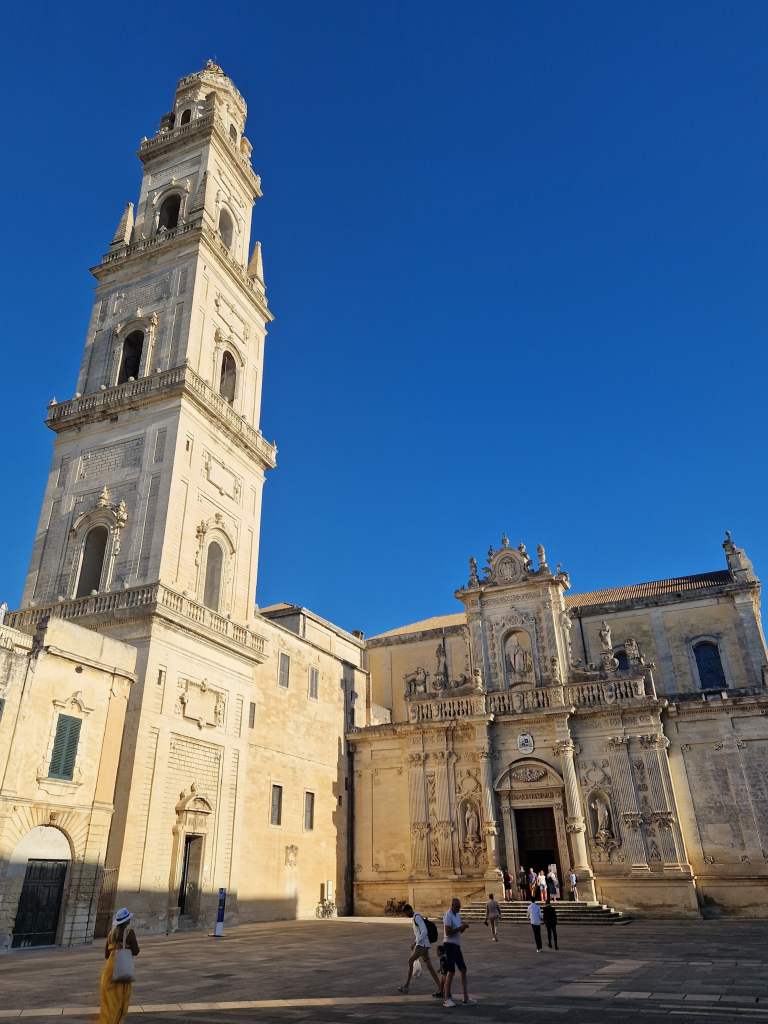
Lecce

My next destination was Lecce in Puglia, an ancient city famed for its baroque buildings. Lecce was first settled in pre-Roman times, became a Roman city with an amphitheatre which survives to this day, and then spent the next few centuries changing hands between Ostrogoth invaders, the Eastern Roman Empire, Normans and Lombards. It eventually ended up as part of the Kingdom of Naples in 1463, and had a period of peace and prosperity that saw a building boom of baroque-style churches in the 1600s. Today Lecce is a popular tourist destination with a compact old city centre, which is a joy to visit on foot.

I spent a full day exploring Lecce, wandering down old streets from one beautiful baroque building to another. There are famous sights, which attract tourist groups, like Lecce’s Duomo –

Lecce’s Duomo in mid afternoon
Inside Lecce’s Duomo

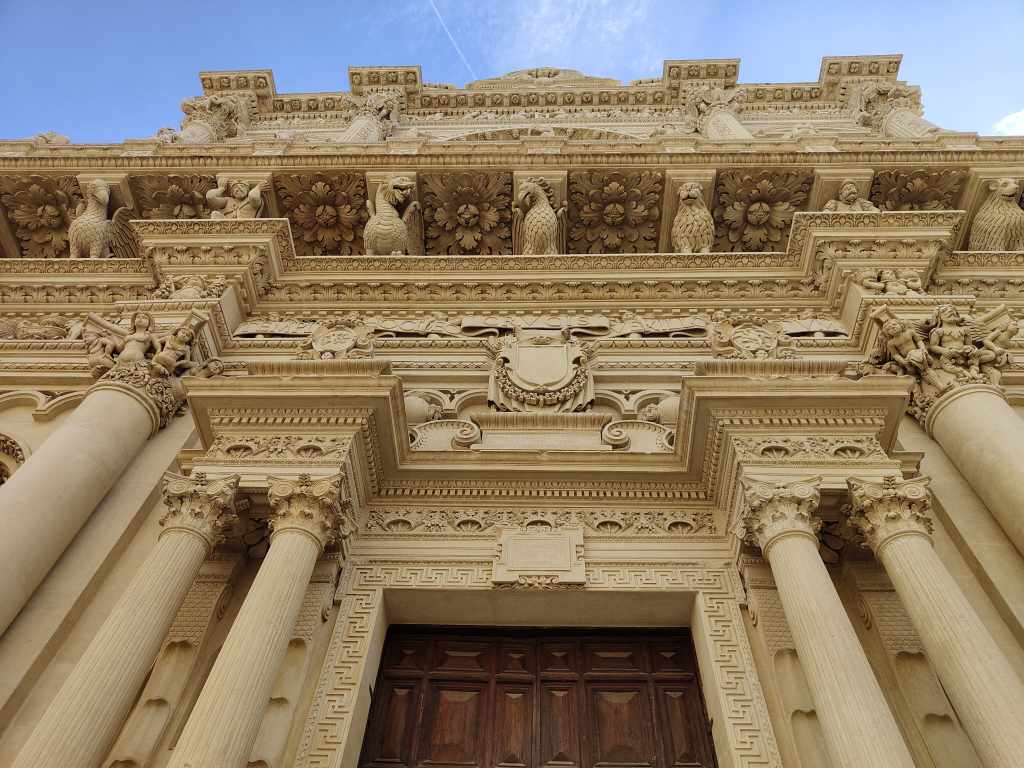
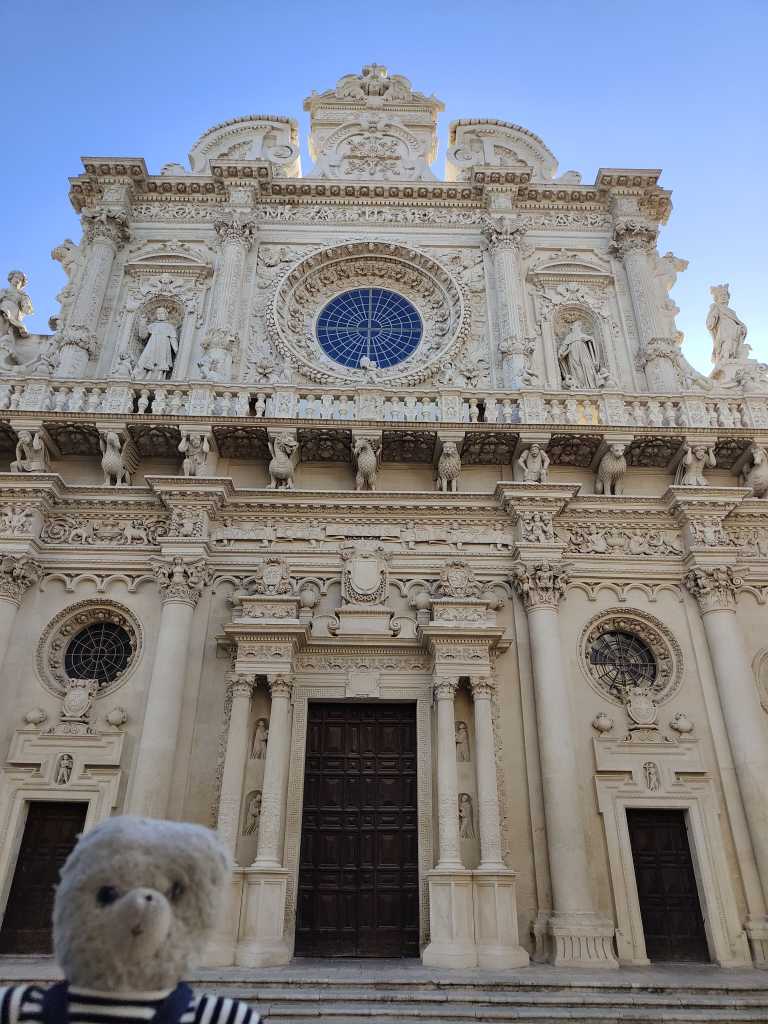
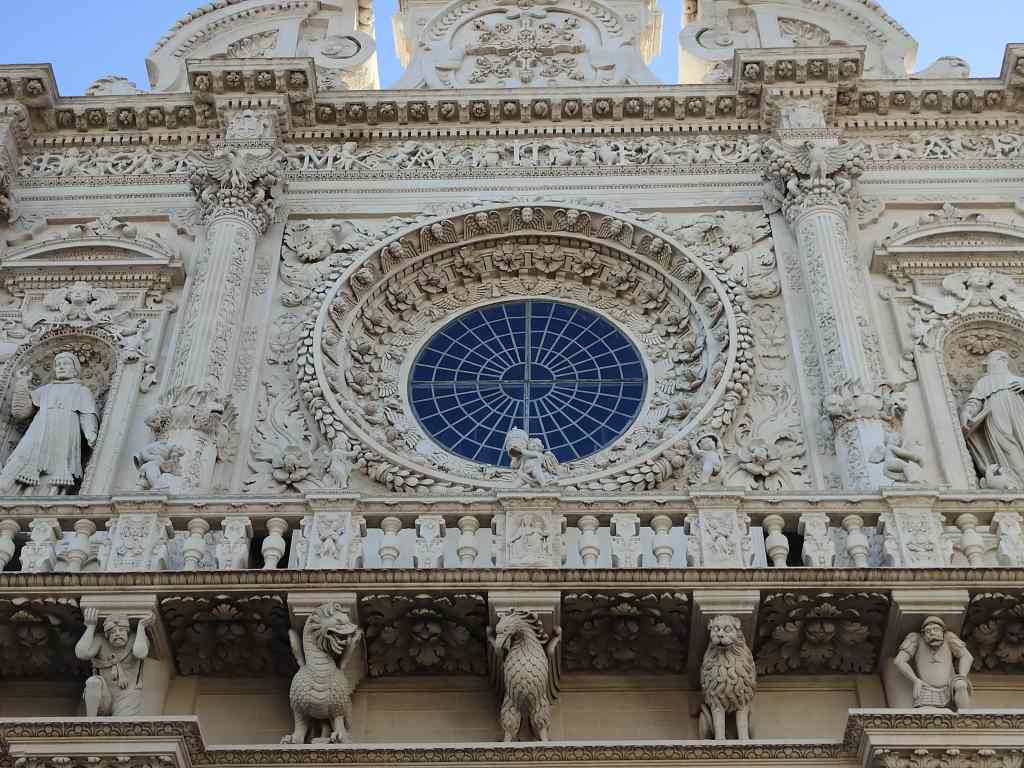
…..and the stunning Basilica di Santa Croce

The Facade of the Basilica Santa Croce

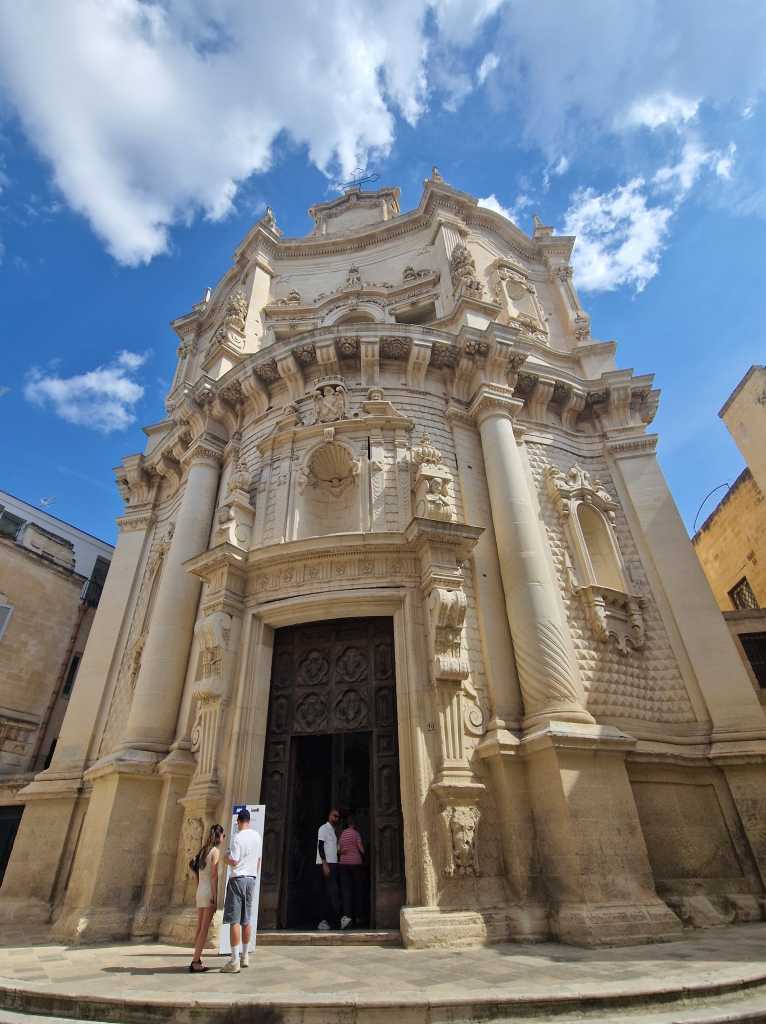
Then there are less-known baroque churches which are part of a multi-site ticket issued by the tourist office, like San Matteo –

San Matteo Church

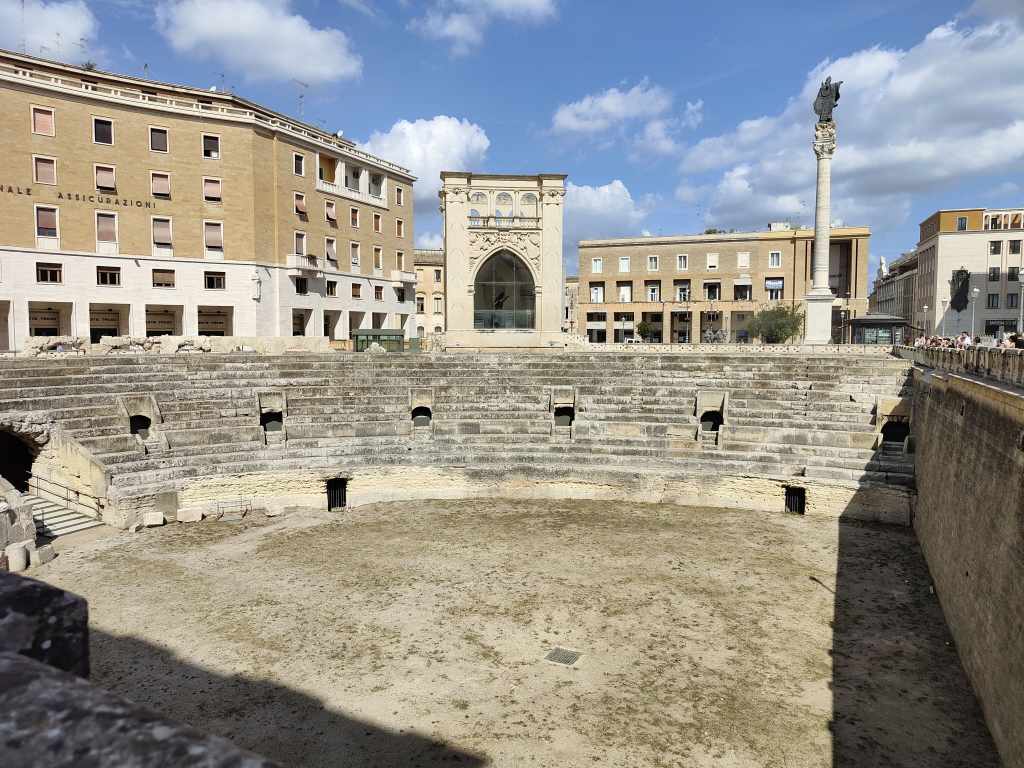
The Roman amphitheatre however is a bit of a disappointment if you have travelled a lot like me…..

Lecce’s Amphitheatre

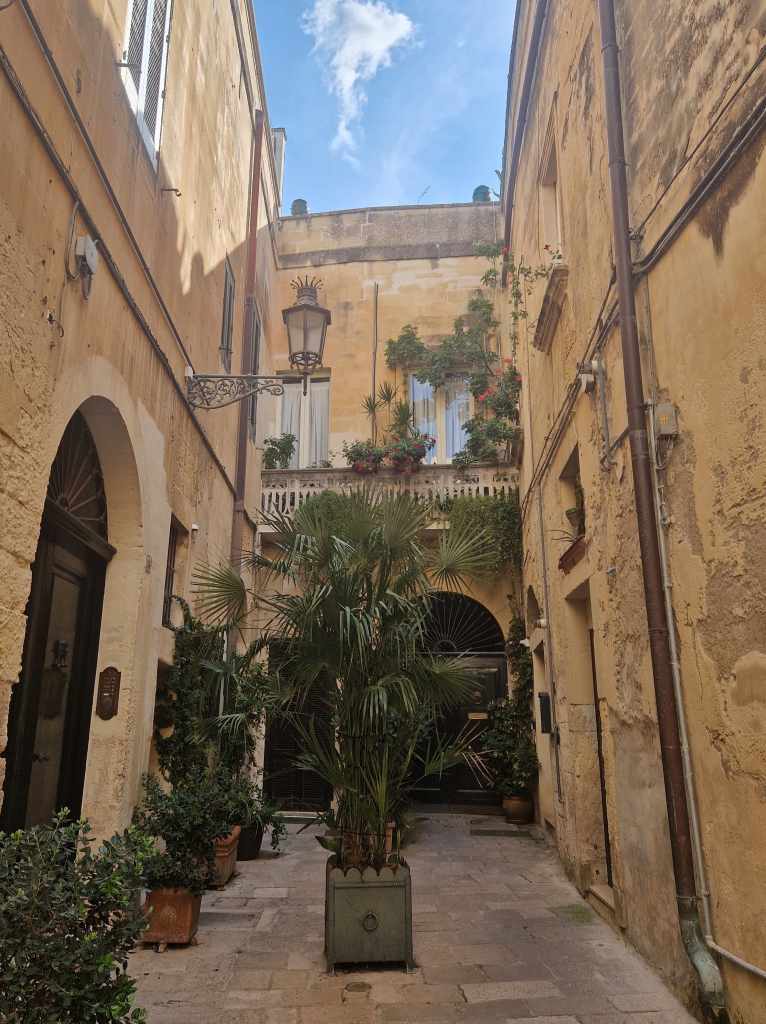
Probably the real joy of Lecce though is wandering around from cafe to cafe during the day and bar to bar at night, catching a glimpse of everyday buildings where people still live but which still have astonishing baroque features – like this quiet courtyard…

Quiet Courtyard in Lecce

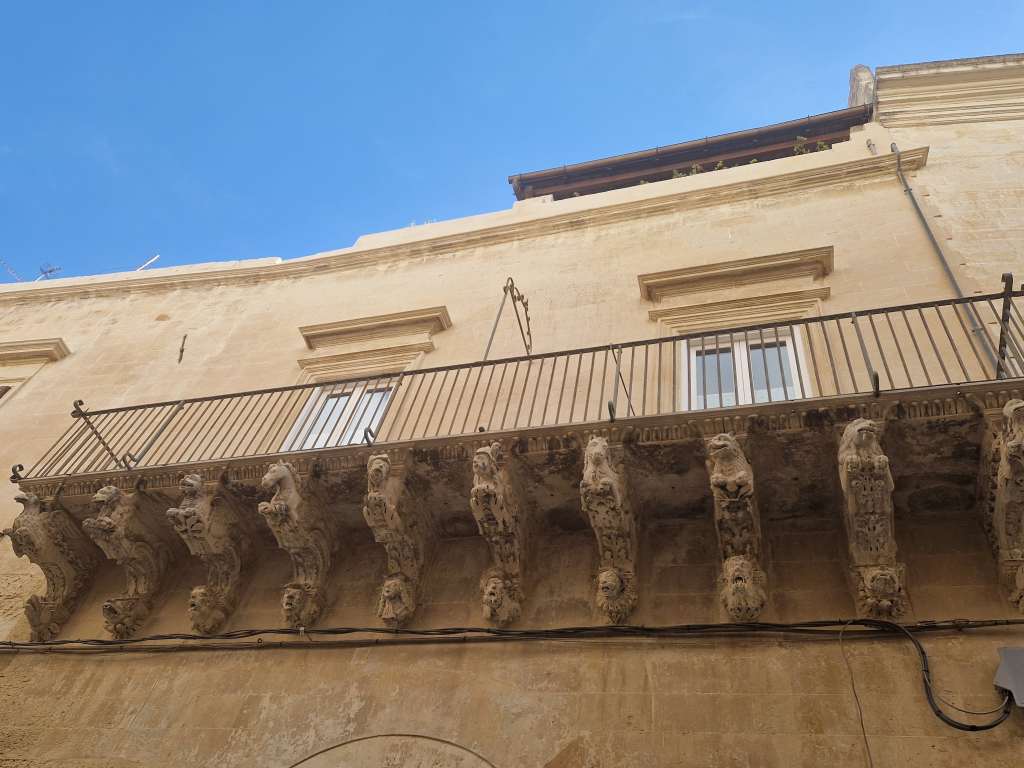
…..or this balcony…..

Balcony detail, Lecce

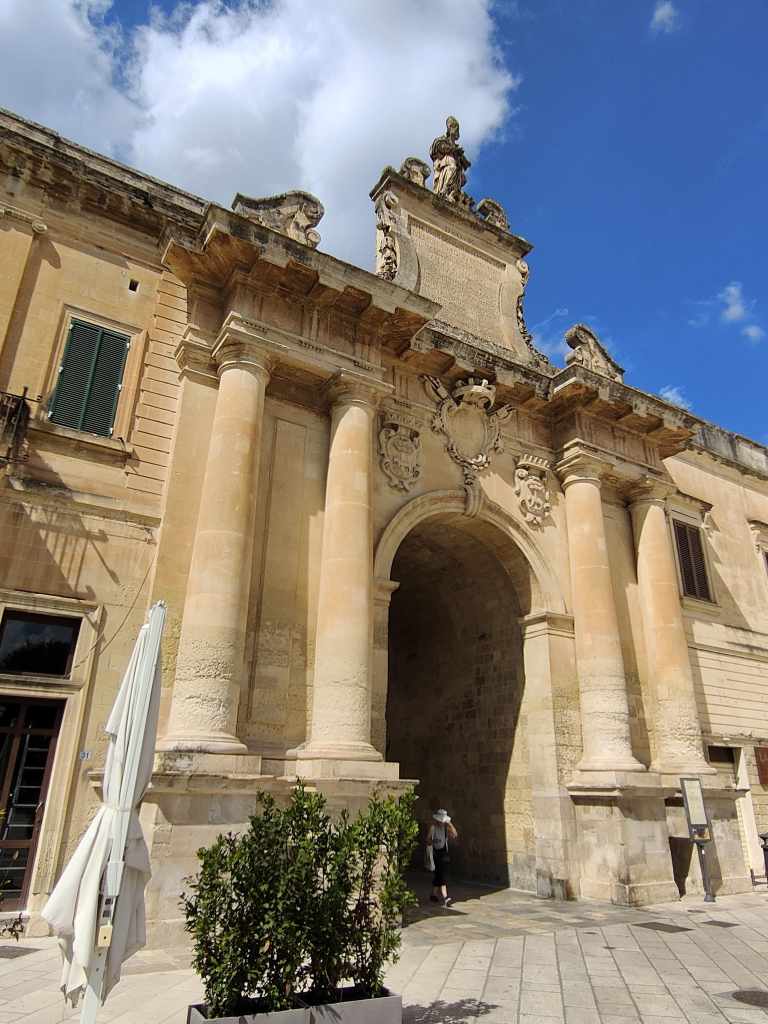
…or this gate leading into the old city.

Entrance Gate to the Old City

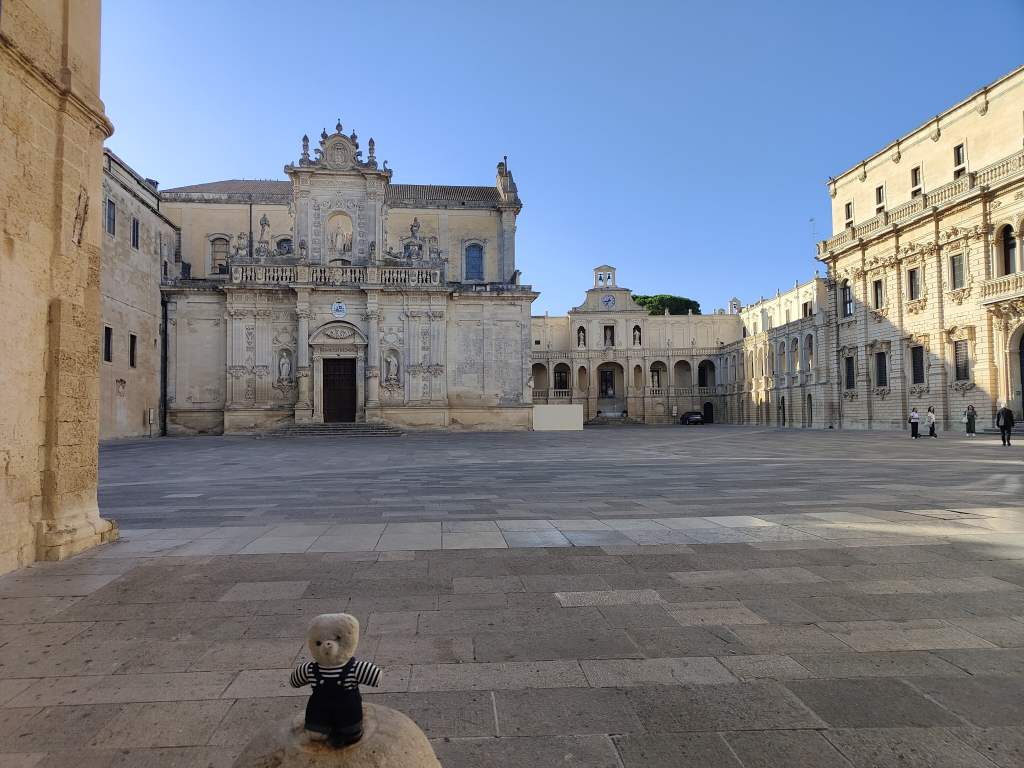
Once I had seen the major sites in Lecce once, I visited them again and again, enjoying how the atmosphere changed in the light of early morning or the evening. So here is the Duomo again, twice…..

The Duomo at Night, Lecce
Piazza del Duomo in the early morning

and Santa Croce……

Santa Croce Basilica at Night….
Santa Croce in the Morning
The Amazing Carvings on Santa Croce’s facade

It all made for a very satisfying, relaxing stay. But as I sat down in front of my computer at the end of the day, I wondered what to write for my blog. There had been no problems, no amusing episodes or unique experiences to write about. I had simply had a very nice time in a beautiful city. So I decided to let the pictures do the talking for me, and this post has a lot of them, but few words.

Previous Post: Matera

Next Post: Otranto and Italy’s heel

Matera – a hidden gem

Matera and its Sassi

The next day I said a sad farewell to Amalfi as I took the ferry yet again – south this time, to Salerno, where I picked up my hire car and then drove south west inland towards my next destination, the city of Matera. This is an ancient settlement, probably first inhabited in distant prehistory as a series of cave dwellings carved into the soft limestone of the cliffs of a steep ravine. In the Middle Ages the city grew to fill the ravine’s western side, and then spilt over the top of the cliff onto the surrounding plane or “Piano”. Over time, richer people moved up to the Piano, whilst the lower areas of the city, known as the “Sassi”, became crowded and desperately poor. In the 1950s the Sassi were declared unfit for human habitation and the government forced its inhabitants to relocate to new housing in the Piano. In 1986 a new law allowed reoccupation of the Sassi, and a wealthy new middle class started to move in. The area has now become a thriving tourist and cultural centre.

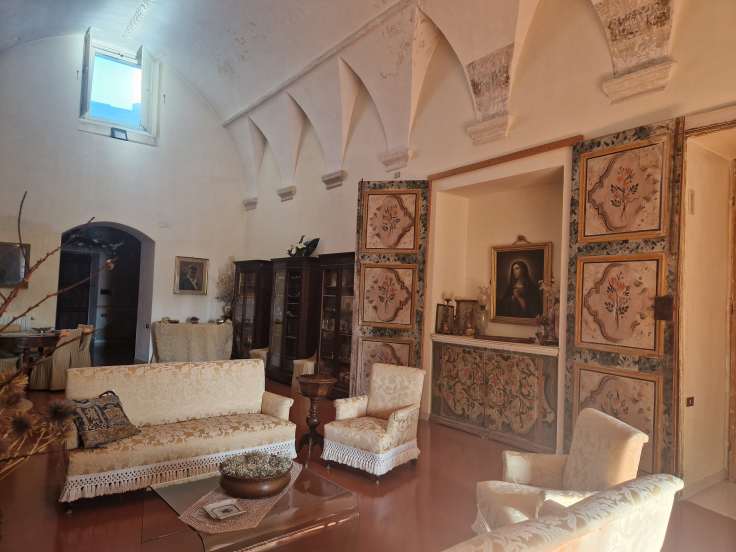
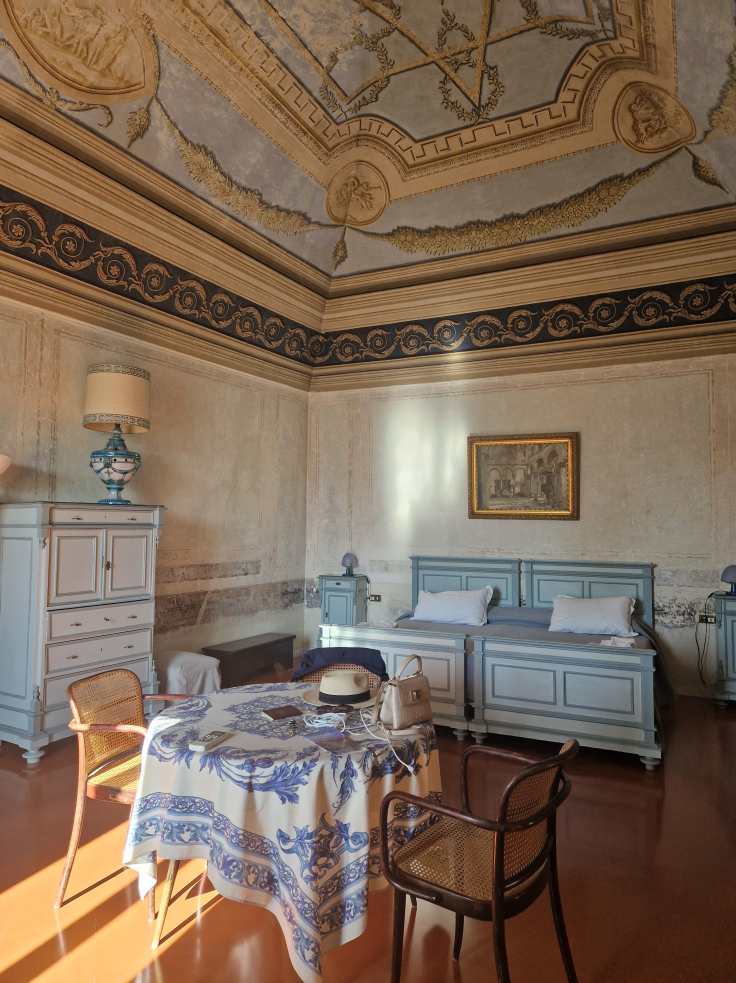
The first highlight of my visit to Matera was my accommodation – a large “palazzo” on the very edge of the Piano, whose aristocratic owner lets out three of her rooms to tourists. My rooms were enormous and had a faded elegance that I found charming.

My hotel room in Matera

The palazzo also had a garden with views over the Sassi, and after admiring the view, I set off down a set of steep steps to visit them.

View of the Sassi from my palazzo’s garden

The Sassi are an extensive maze of old buildings and narrow passageways, and my exploration lasted a full day and a half, with occasional trips back to my rooms to rest during the hot afternoon sun.

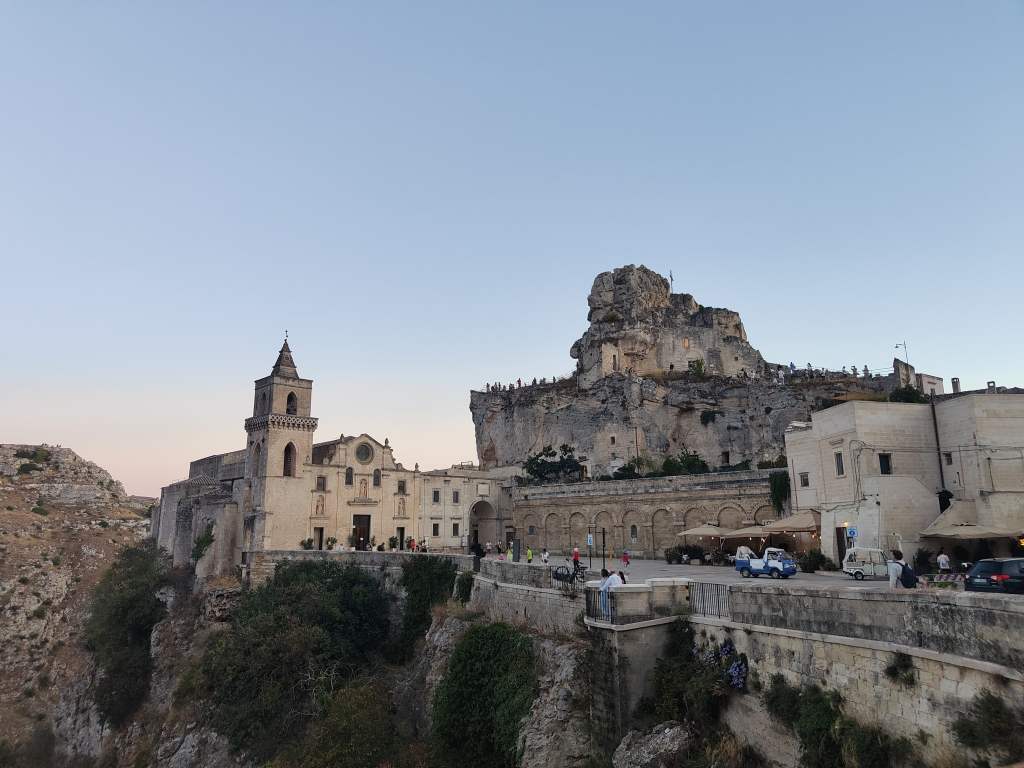
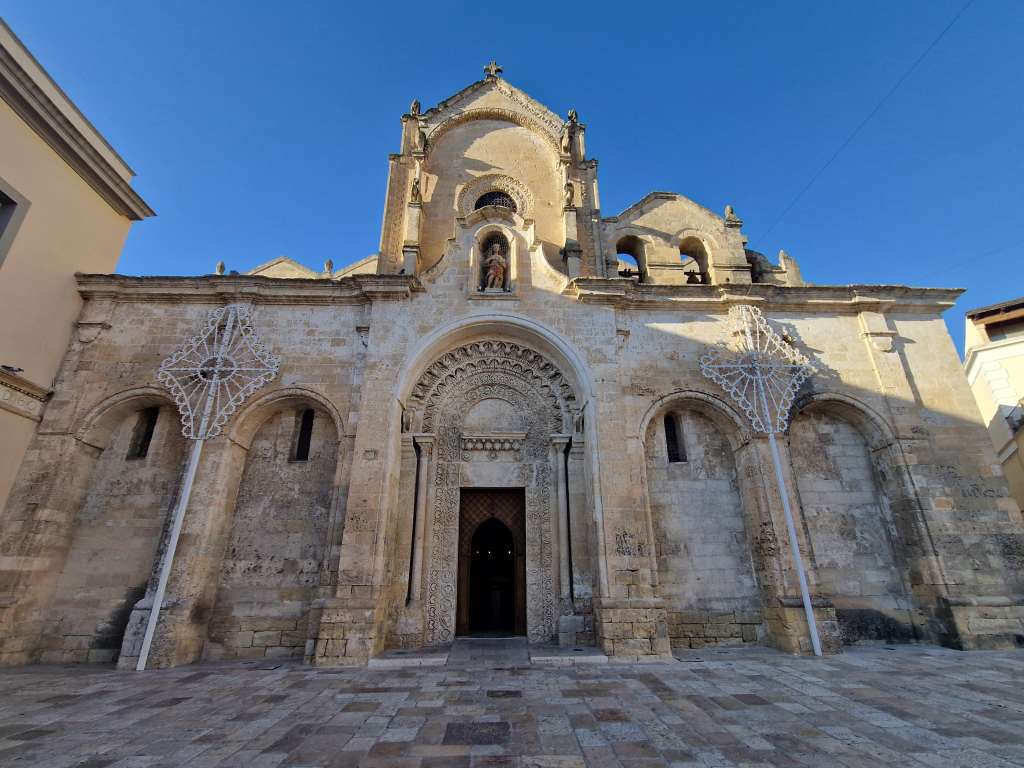
In the Sassi. On the hill, carved out of the rock, is the Church of our Lady of Virtue

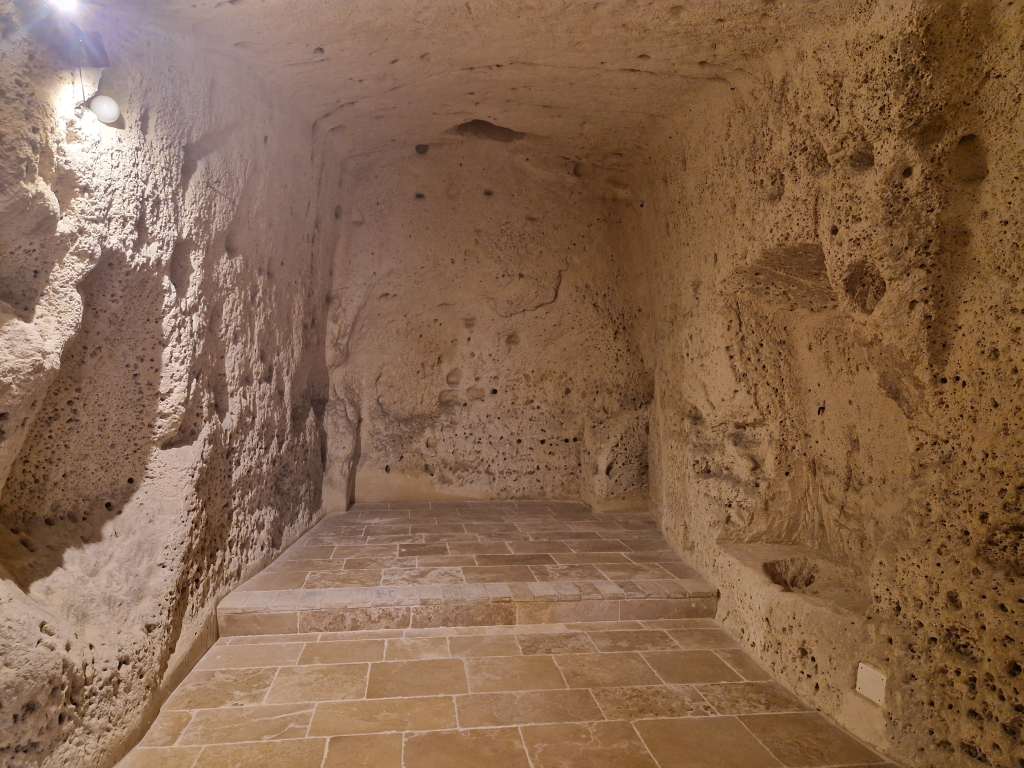
The area includes bars, restaurants and souvenir shops – but not so many as to spoil the atmosphere – as well as many ancient churches, some of which are carved out of the rock. You can also visit places showing the history of the Sassi – for example caves where an entire family and their animals fitted into one small living space, with no running water.

A cave where a whole family and their animals lived
A cave complex where wine barrels were stored

I bought a ticket to visit a group of three rock churches managed by the local tourist board, and had great fun trying to find each church on the list.

Another hidden church in the Sassi

Indeed, simply wandering around the Sassi and discovering secret courtyards, narrow alleyways, and new perspectives for photos was a wonderful experience and made Matera one of the highlights of my Italy trip so far. My exploration also took in the upper city or Piano, that includes the fine cathedral and many more beautiful churches.

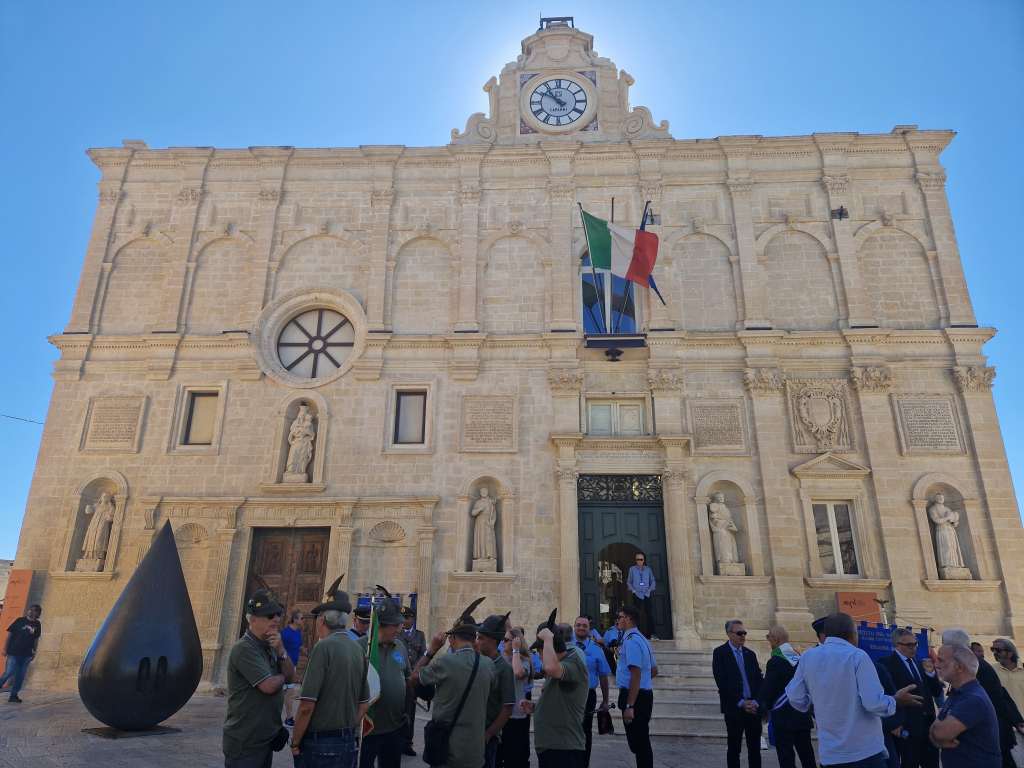
A fine building in the Piano, now a museum
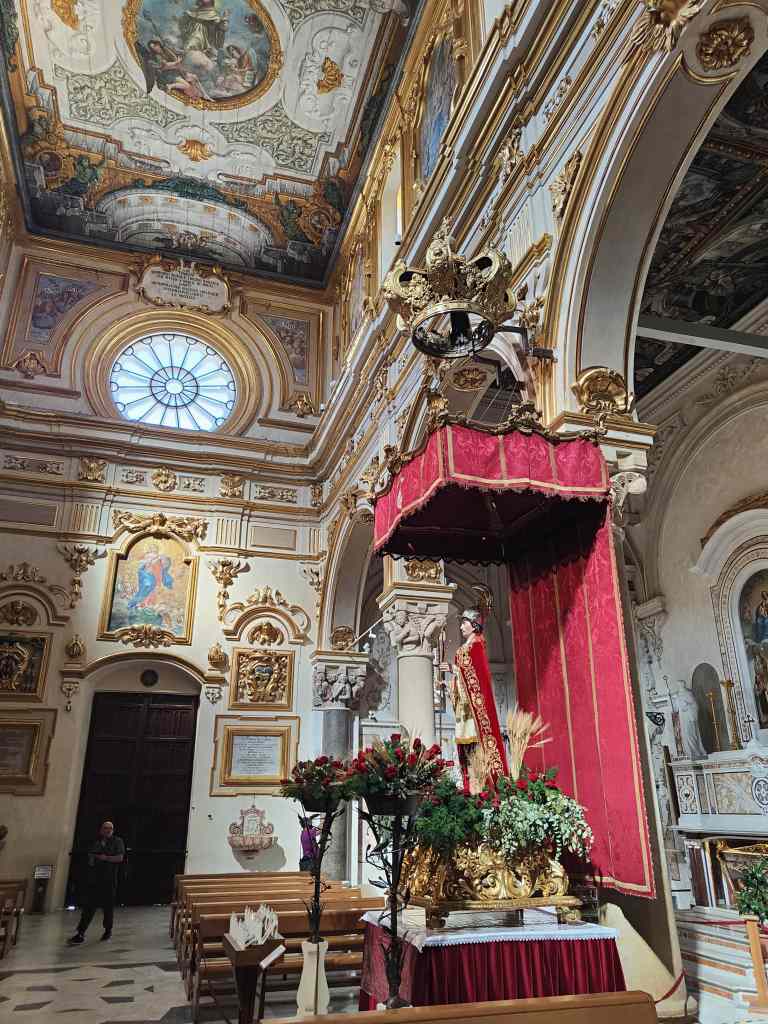
The interior of the Duomo in the Piano

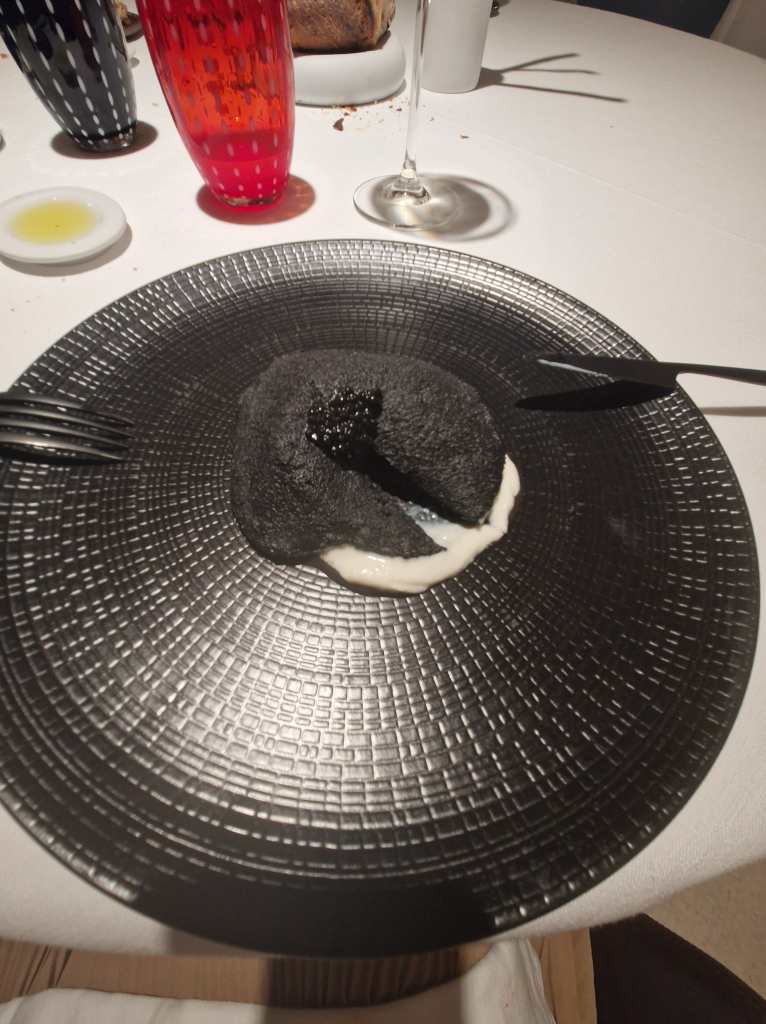
The transformation of the Sassi slums is now so complete that the area hosts three Michelin-starred restaurants, one of which I tried on my first night.

“Black pizza” in a Michelin-starred restaurant in the Sassi

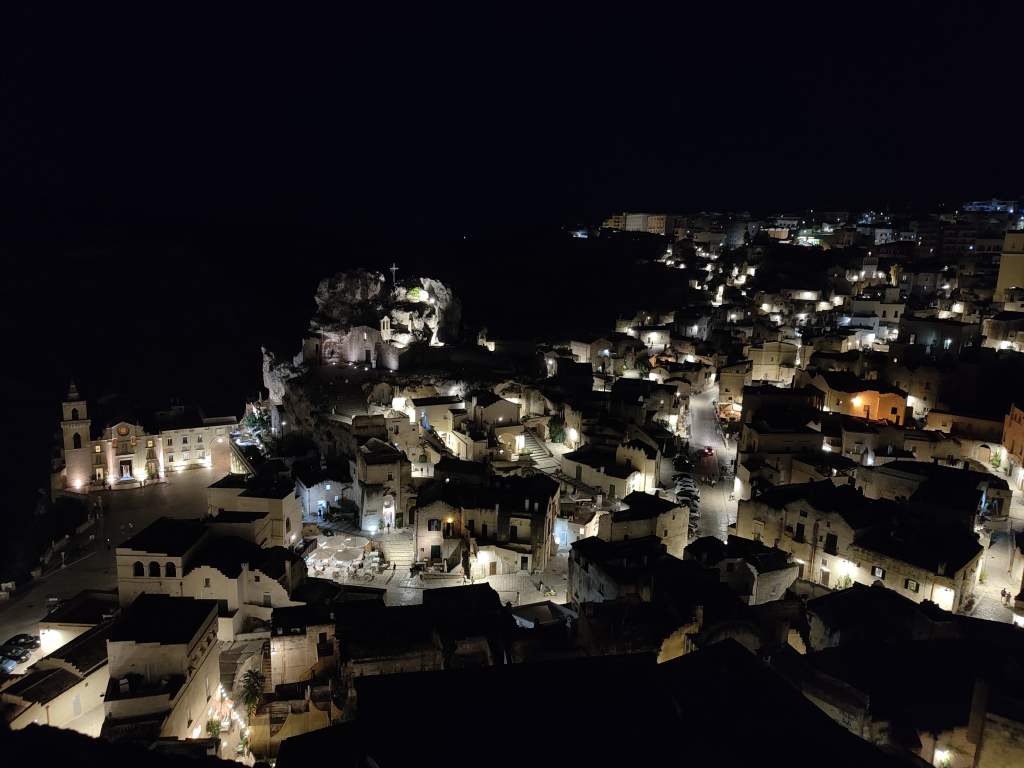
Dinner on my second night was simpler – I bought a pizza and bottle of wine from a nearby shop and enjoyed watching the evening’s shadows grow and slowly swallow the Sassi below. I noticed small groups of people on the top of the other side of the ravine, and on checking my guidebook found that this was a national park with yet more churches carved into the rocks and belvederes offering fine views back over to Matera.

A nighttime view of the Sassi

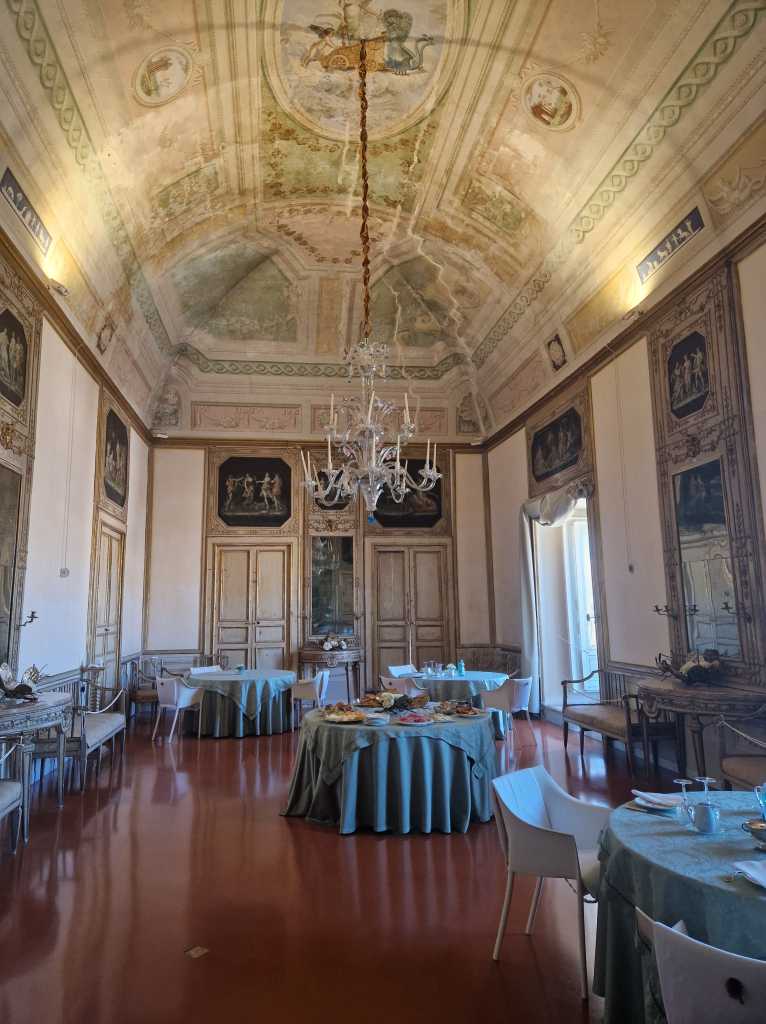
On my last morning in Matera I had breakfast in one of the elegant rooms of the palazzo….

My palazzo’s dining room

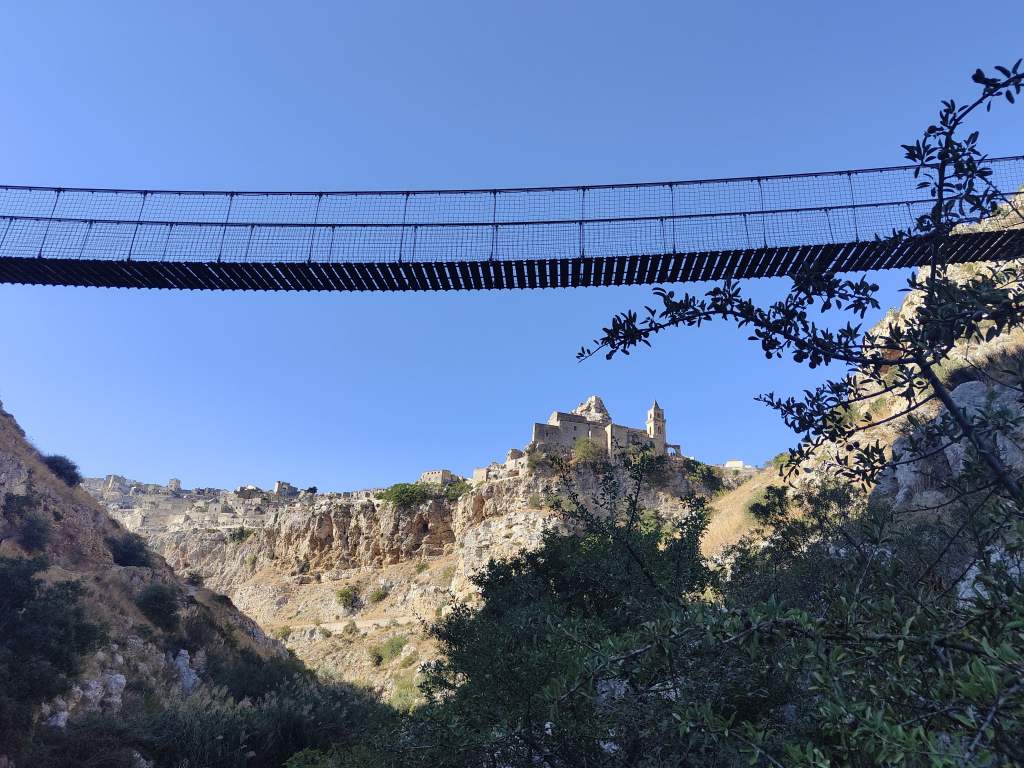
….. before quickly making one last trip into the Sassi, and then further down to the base of the ravine where a suspension bridge led across the small river.

The suspension bridge leading to the other side of the ravine

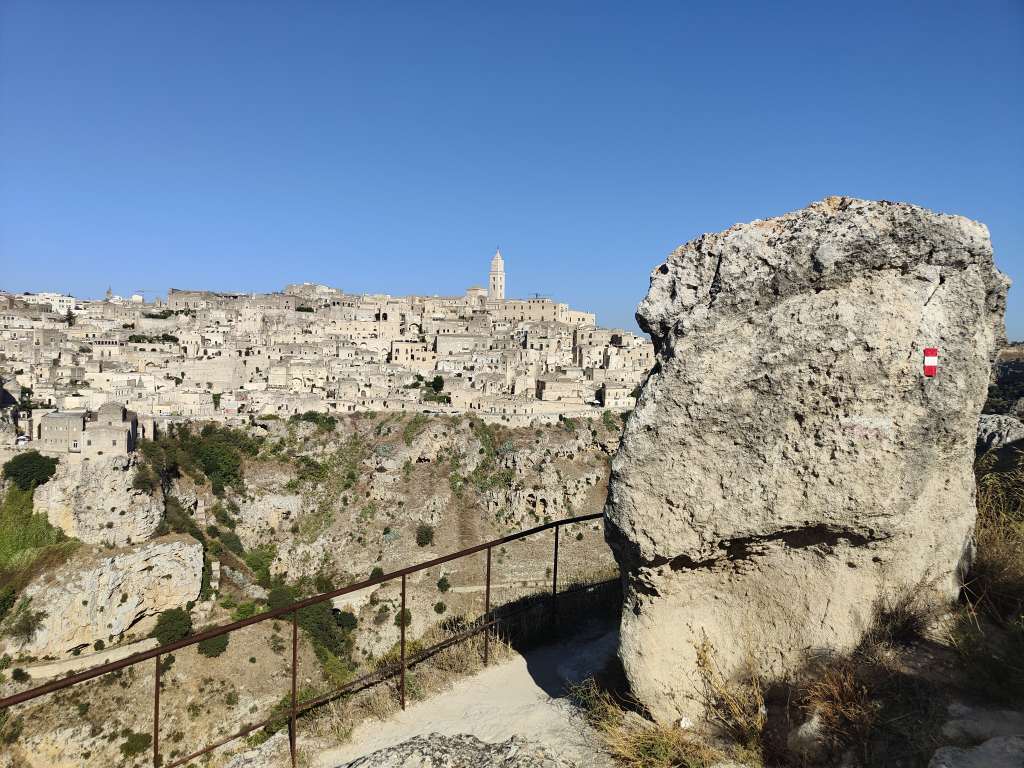
I then clambered up the other side of the ravine to get one last view of Matera. I had never heard of the city before starting the planning for this trip, but yet it was certainly one of the highlights. Let’s hope that it remains relatively unknown so that I can come back one day and enjoy wandering around its Sassi once again, without the crowds of more popular Italian tourist destinations.

Matera seen from the other side of the ravine

Previous Post: Capri

Next Post: Lecce

Blog at WordPress.com.

Up ↑