Today I woke after a good night’s sleep to an amazing breakfast prepared by our hosts – eggs from their chickens, fruit from their garden, and home-made jams. I was soon on the road again heading towards one of France’s most famous landmarks – the Mount Ventoux. The mountain was soon visible, but from a distance looked unremarkable – rather flat, without a nice pointy summit.
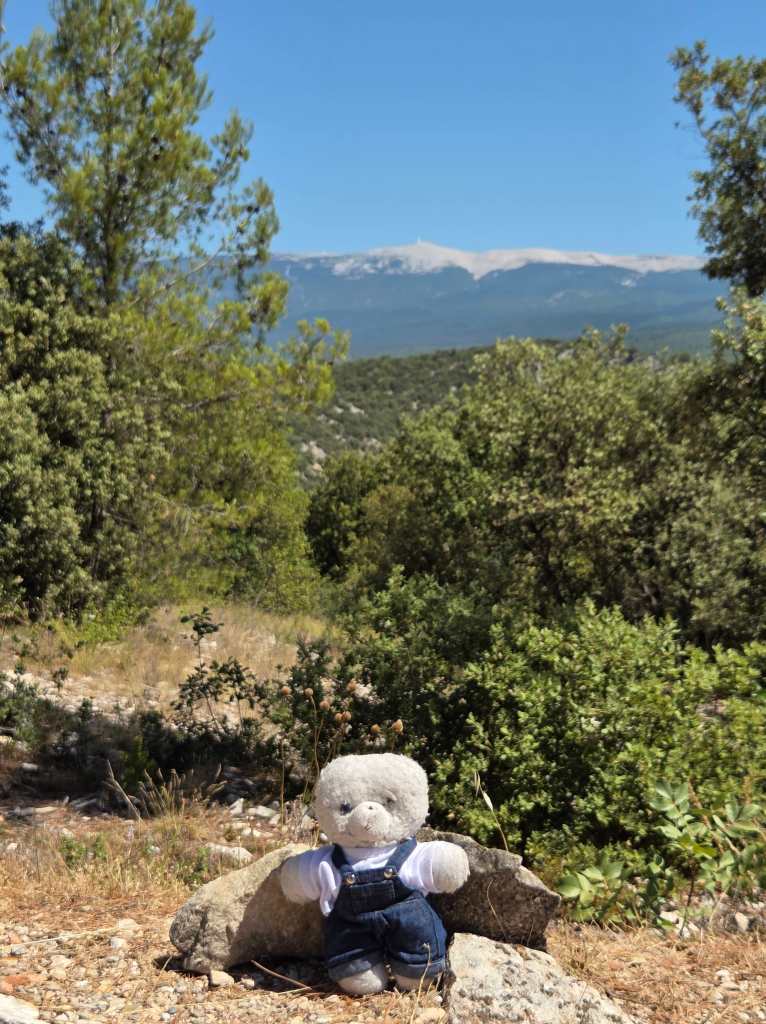
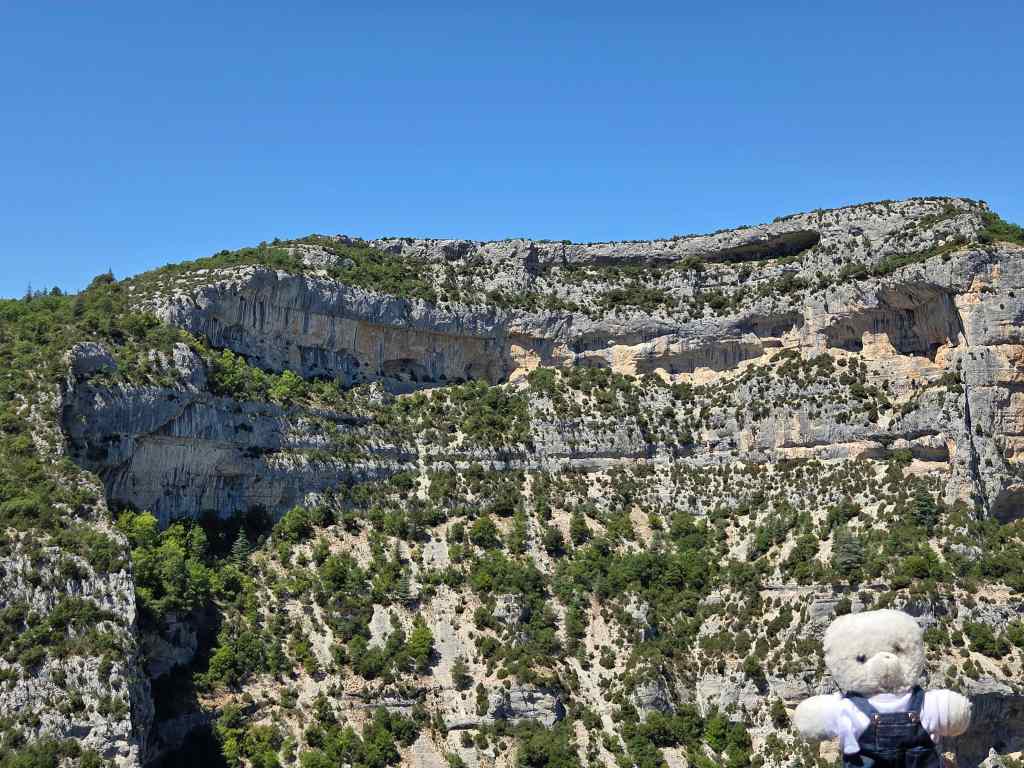
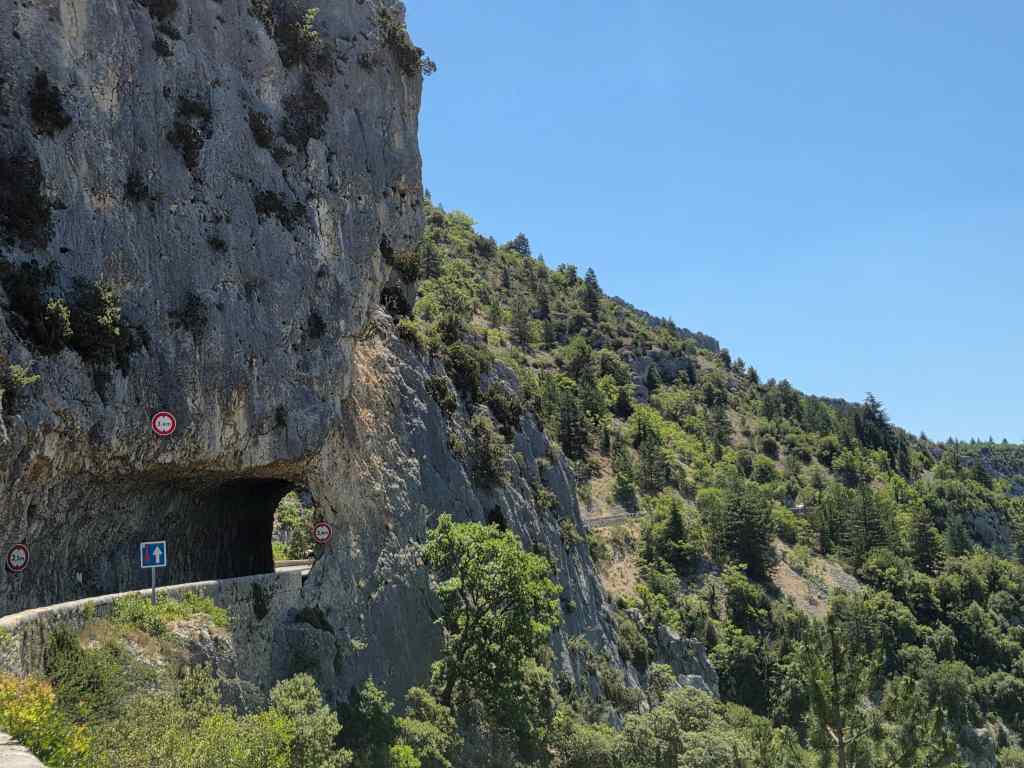
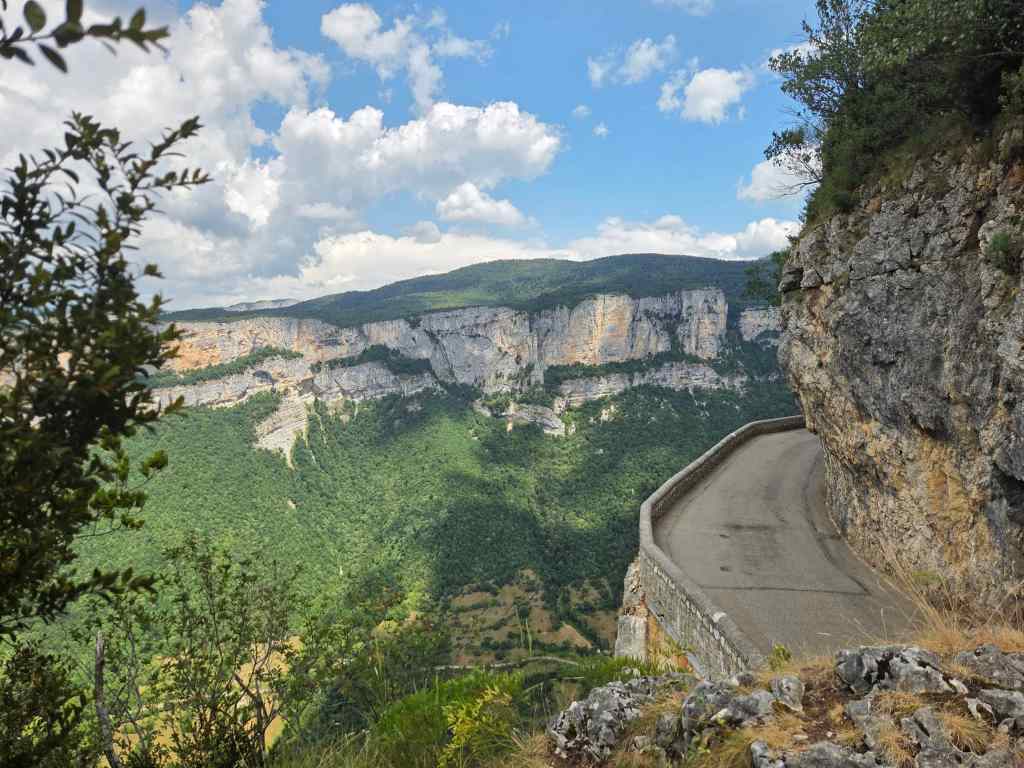
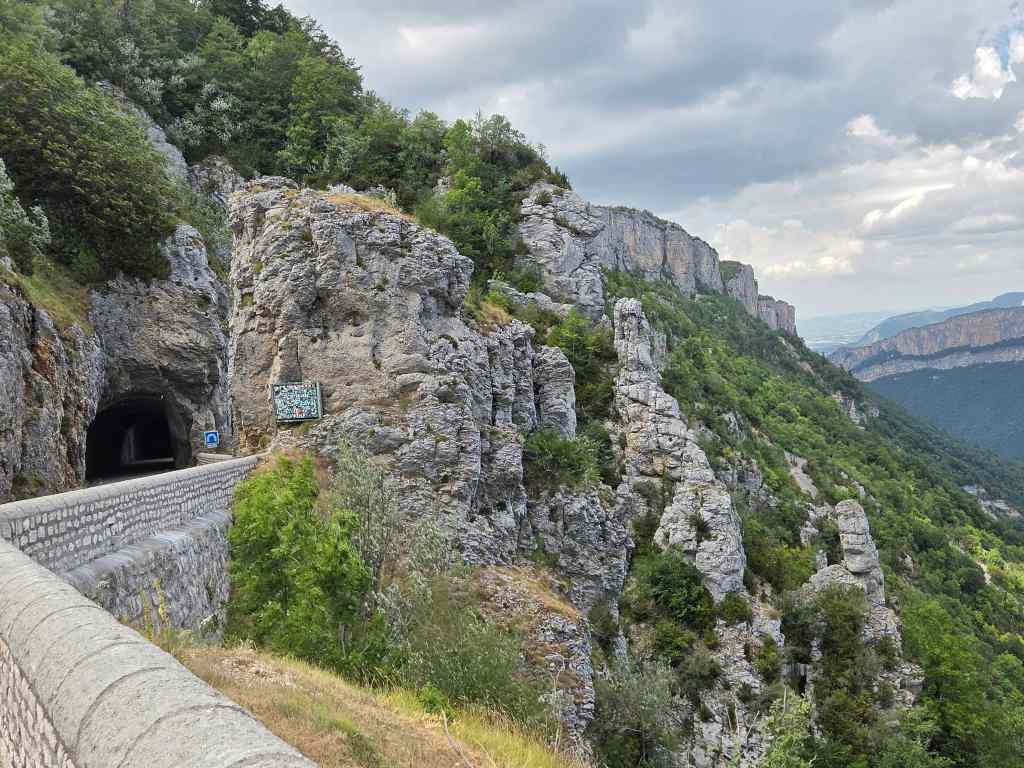
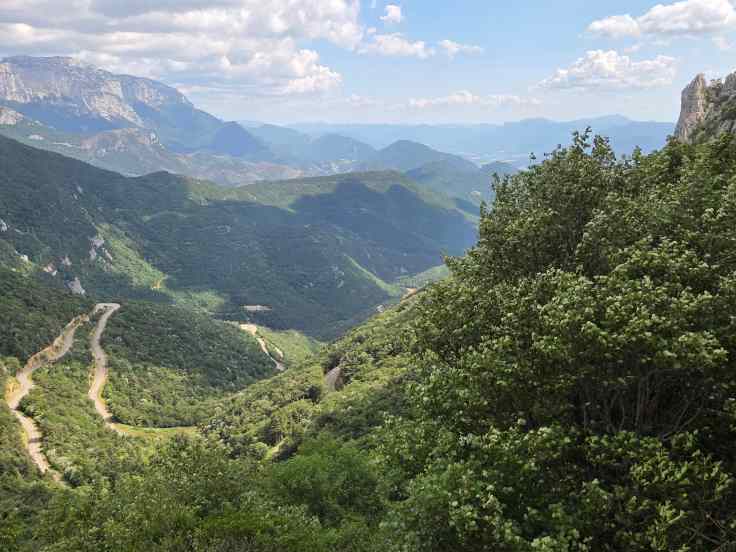
I took a slight detour to drive along the Gorges de la Nesque, as recommended by the gite owners. I had never heard of them before, and indeed it seemed that they were off the main tourist track, but they were even more spectacular the well-know Combe Laval route that I had done a couple of days before. Even better, they did not have the steady flow of supercars and motorbikes that more popular mountain roads suffer from.


After a long, slow drive with lots of stops for photos I was on one of the roads climbing up Mont Ventoux. I passed a lot of cyclists – the climb is a classic challenge for experienced athletes, and often features in the Tour de France race. Initially the route was a bit of anti-climax compared to the Gorges de le Nesque. Only when I got to the very top was the true majesty of Mont Ventoux revealed to me – grass and occasional trees gave way to an utterly bare mountain peak made up of brilliant white rocks that contrasted with the deep blue July sky.


I have not been able to find out for sure why the summit is bereft of vegetation – I had imagined that it might be due to the extreme winds and cooler temperatures there, but Wikipedia says that the mountain used to be forested, but its trees were cut down to supply local industry.
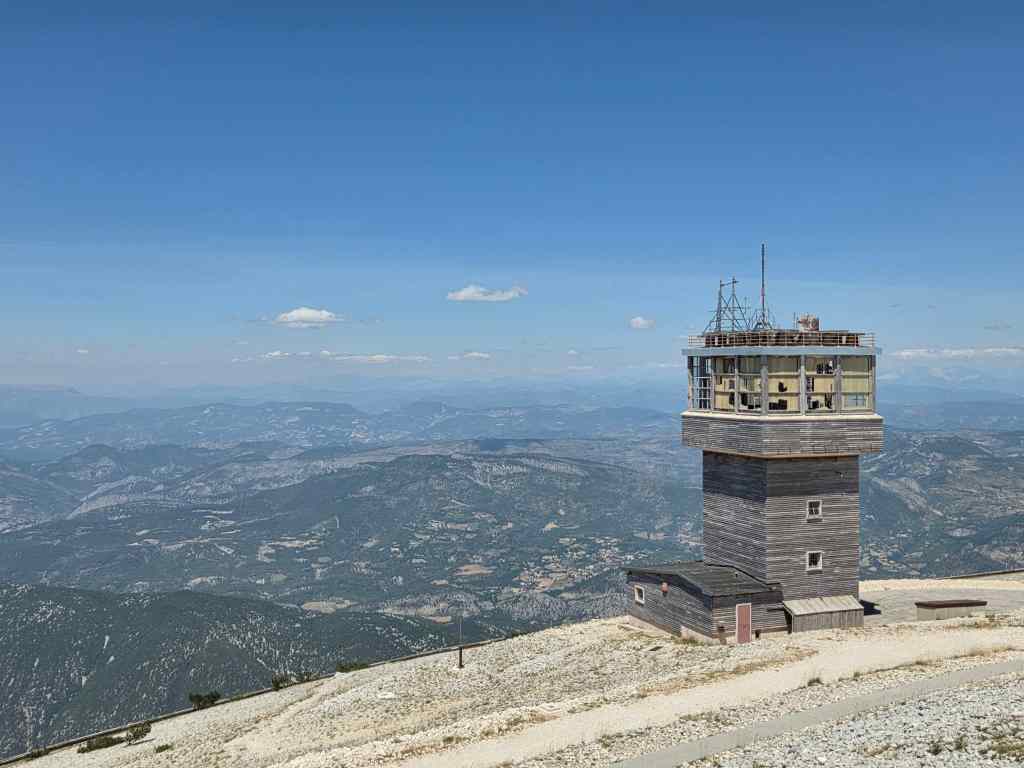
Right at the summit there are two weather stations – one abandoned, and one modern. A sign listed some of the unusual meteorological features of the site, including the fact that the strongest recorded wind gust there was a staggering 320km/h – enough to blow a small light teddy bear like me to Paris! The views over the surrounding mountains and plains fully justified the effort of all those cyclists to get there (and my much smaller effort in my car!).
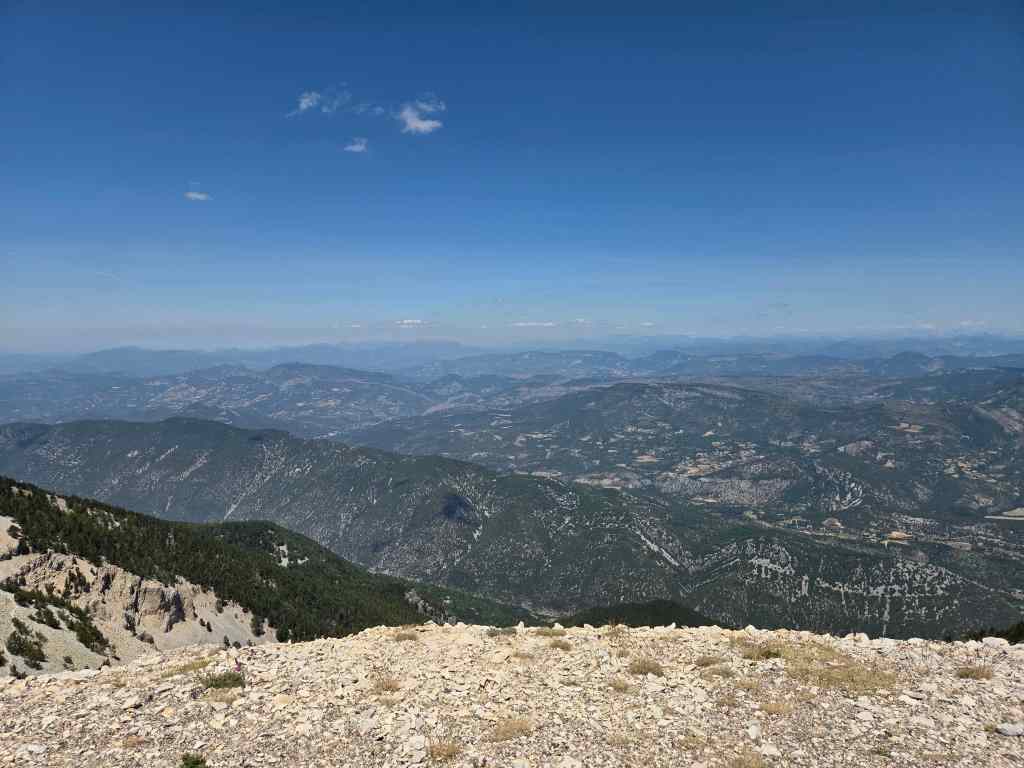
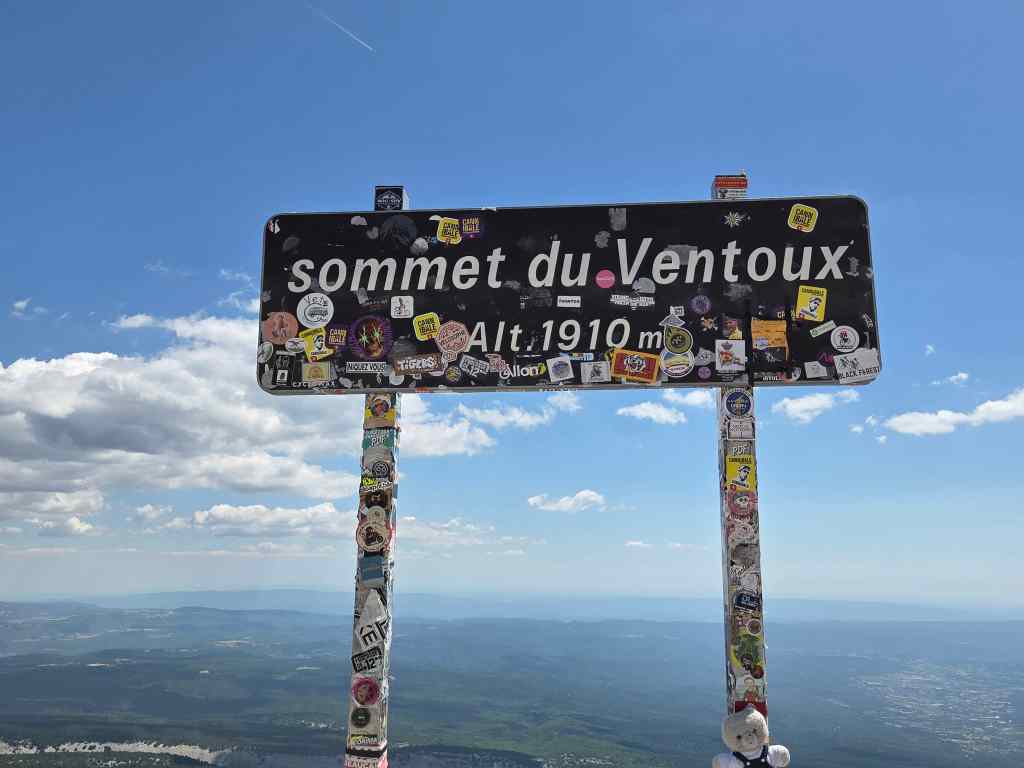
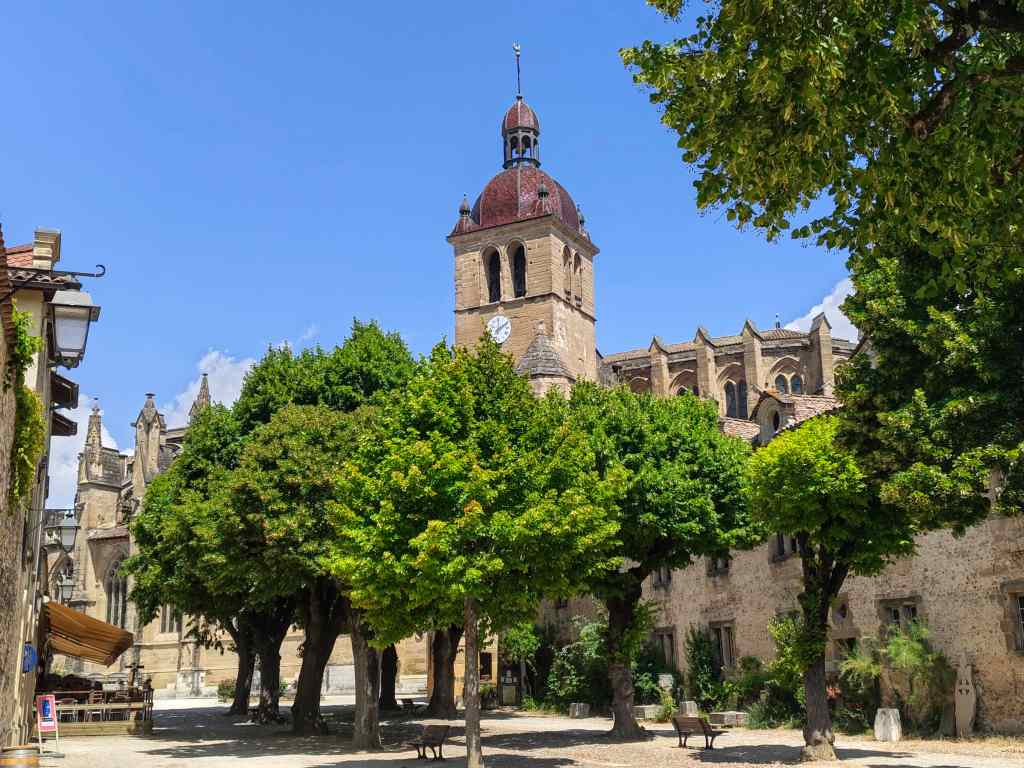
Having soaked in the majestic panorama and the eerie, unique feeling of being on a totally barren mountain peak, I set off again, down the mountain and northwest. The road passed a little place called Crestet, which my gite hosts had mentioned, so I made a small detour to visit. It was another typically beautiful French village – very small, but still with its obligatory church and ruined castle.

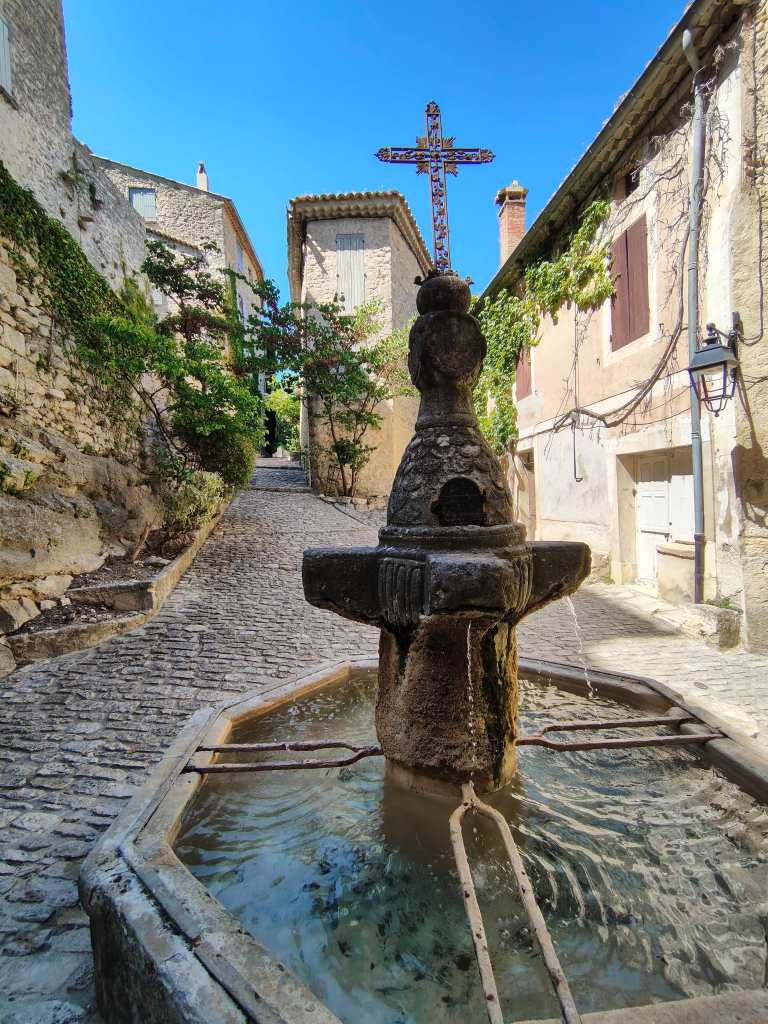
Unlike most of the other places I had visited on this holiday, Crestet was almost deserted. I saw a couple of other tourists but there was no sign of anyone living in the village……and consequently no café to give me my mid-afternoon caffeine shot. For this, I had to continue my route to the town of Nyons, whose history dates back to Roman times, with an ancient bridge to prove it.

The highlight of the town was a small chapel with a remarkable ornately carved spire, which I bumped into almost by accident.

It was time to move on to my destination for the next two nights, Grignan – back in the Drome region – where I was due to attend a wedding. I had enough just time to explore yet another remarkably photogenic French town. Its most striking feature is its castle, perched aloof on a rocky outcrop overlooking the town and visible from afar as I approached in the car.

Although I have been to castles with prettier interiors, the visit was still very interesting due to the story of the Adhémar family that lived there from the 13th century until their lineage died out in 18th century. This included a connection to the famous French woman of letters, the Marquise de Sévigné, who was a frequent visitor to the castle after her daughter married François de Castellane Adhémar in 1669.

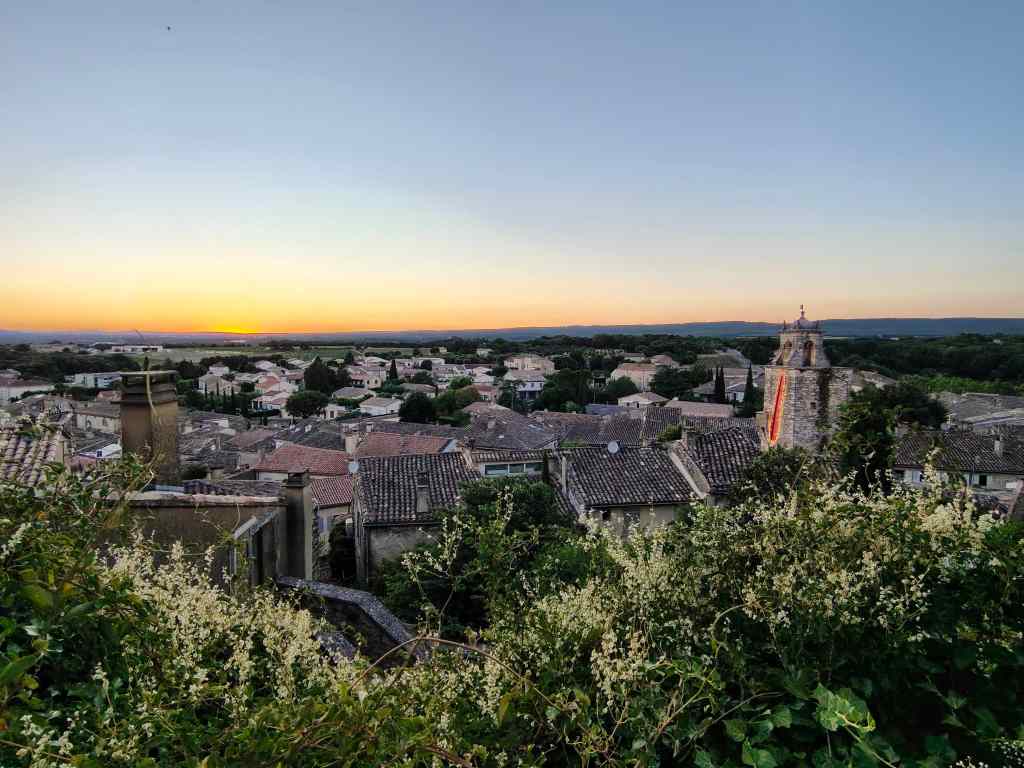
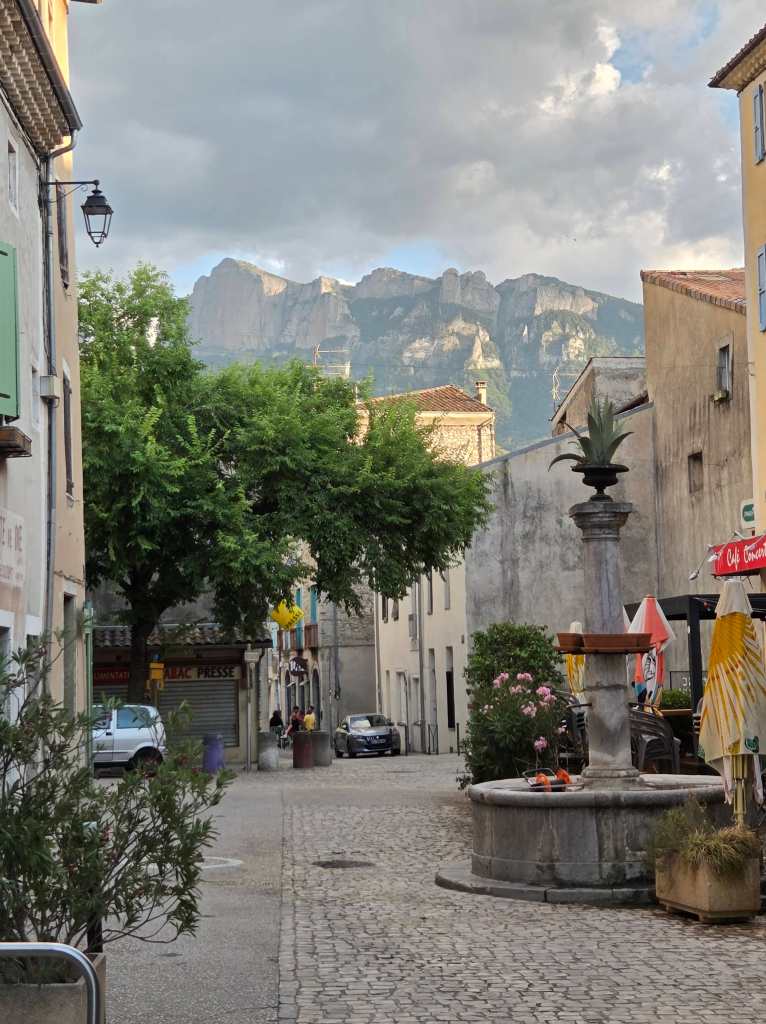
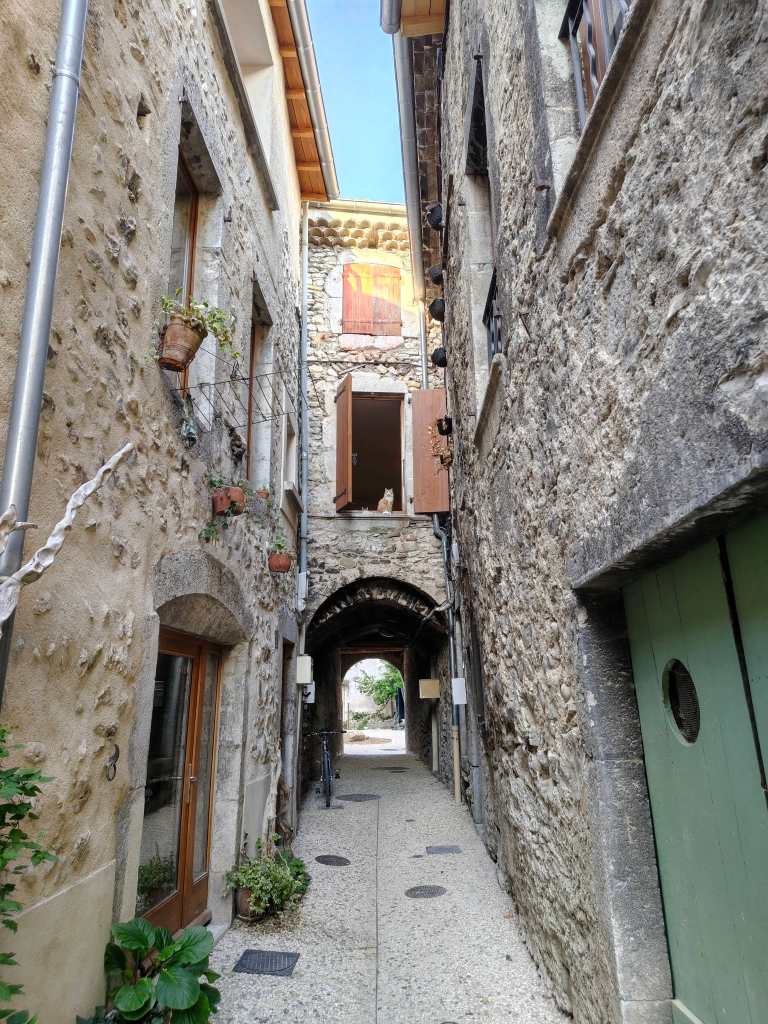
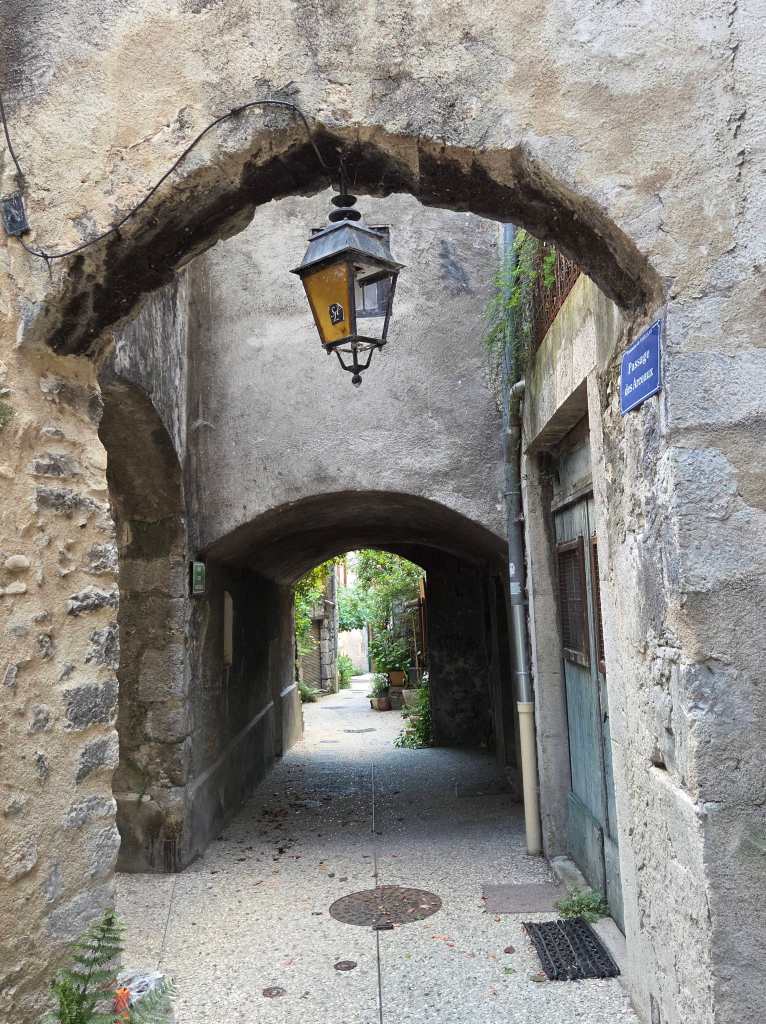
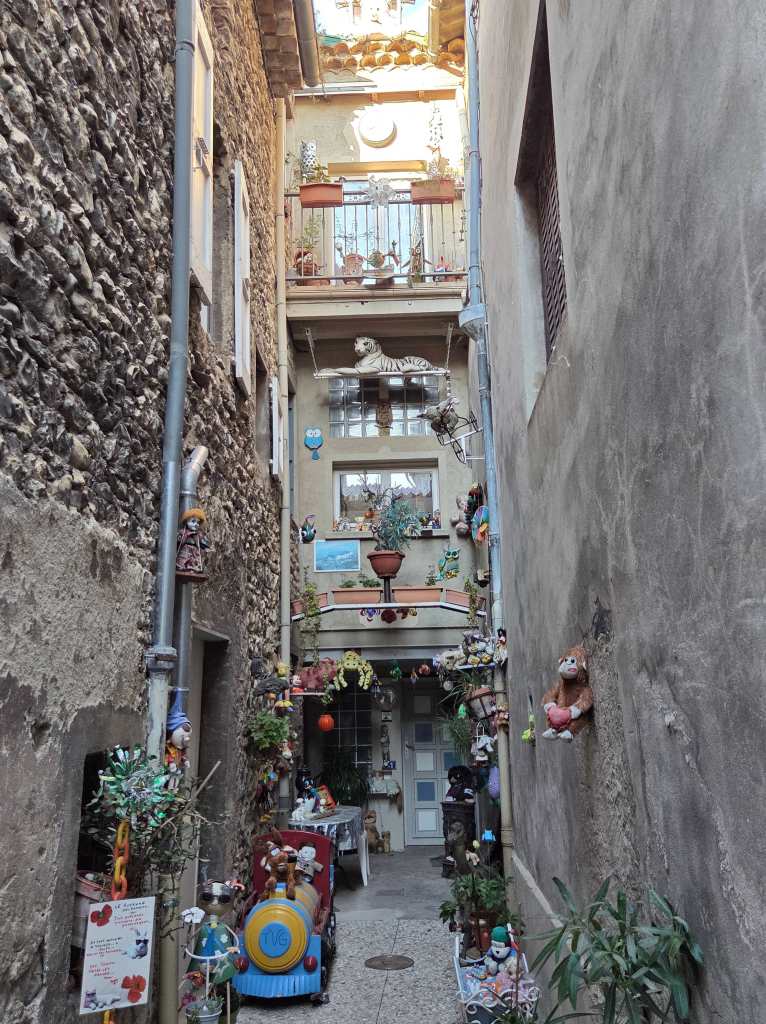
The town of Grignan also proved to be great fun to explore, with the usual church, winding lanes, and many busy cafés – in one of which I ended a busy but extremely enjoyable day exploring provincial France. Another large plate of cheese and charcuterie, more cheap but good local wine – France outside of the summer season is a tourist’s dream.

Bon appetit!
Next Post: The Gorges de l’Ardeche
Previous Post: Saillans, Crest and to the Vaucluse
 Trouspinet travels