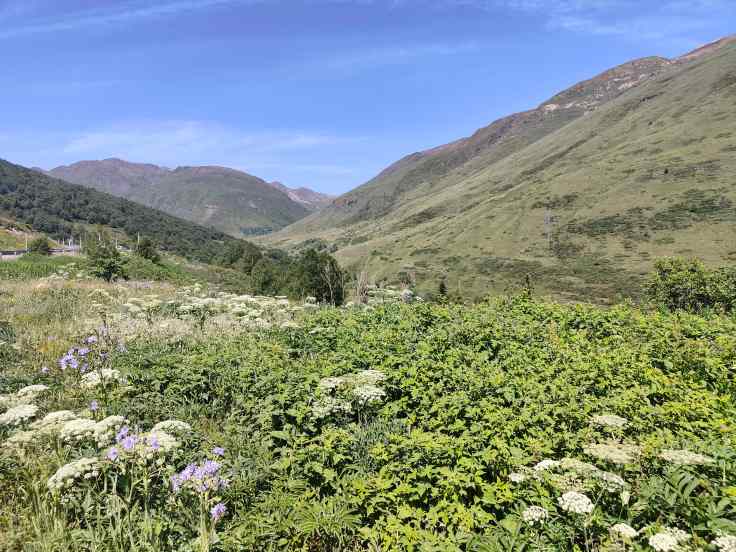
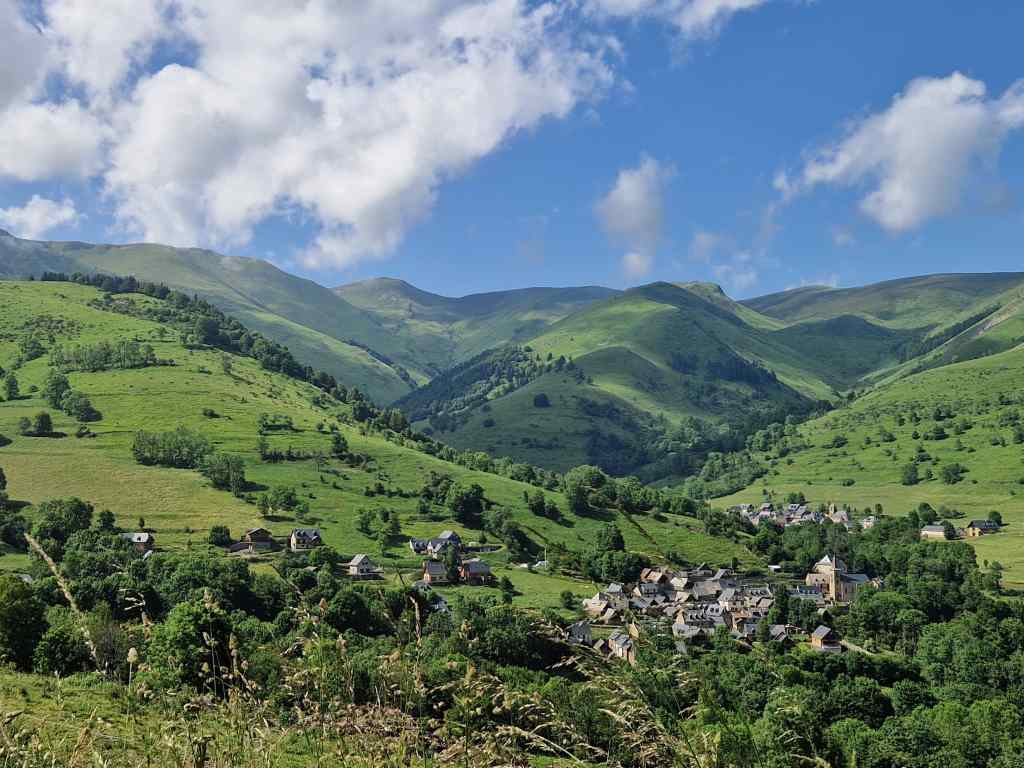
Today I headed back to France from Andorra. I drove north, passing through some of the tiny country’s ski resorts, before a long tunnel brought me to the border. The scenery was immediately different in France – greener, with lots of pretty flowers on the slopes of the mountains.
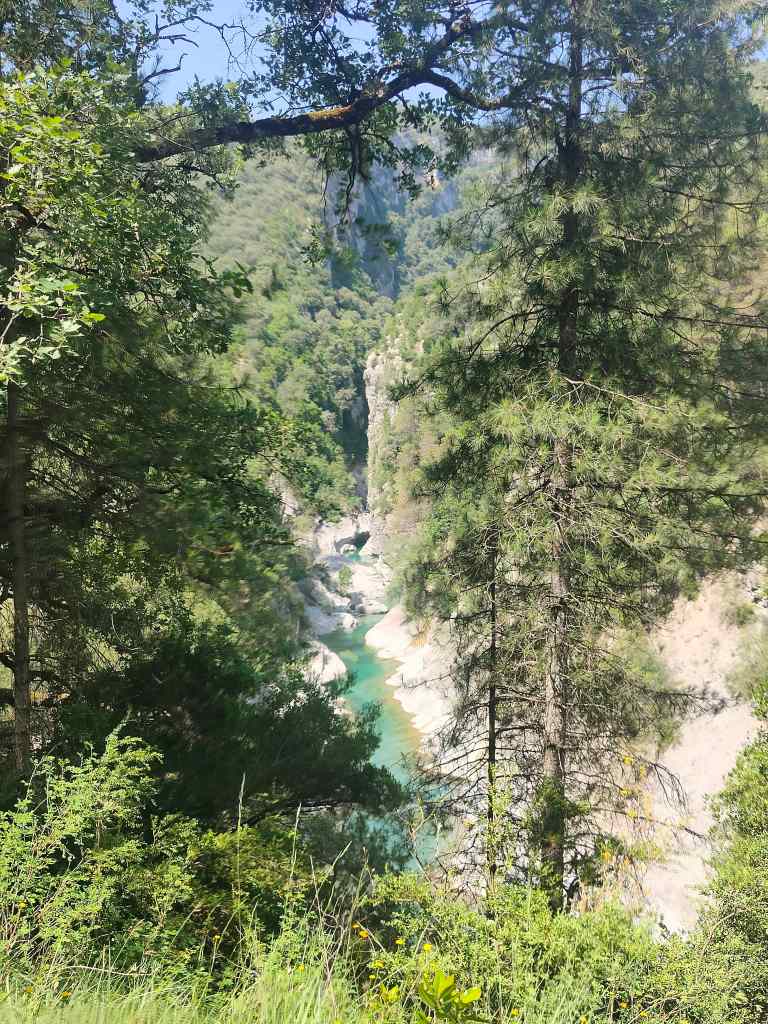
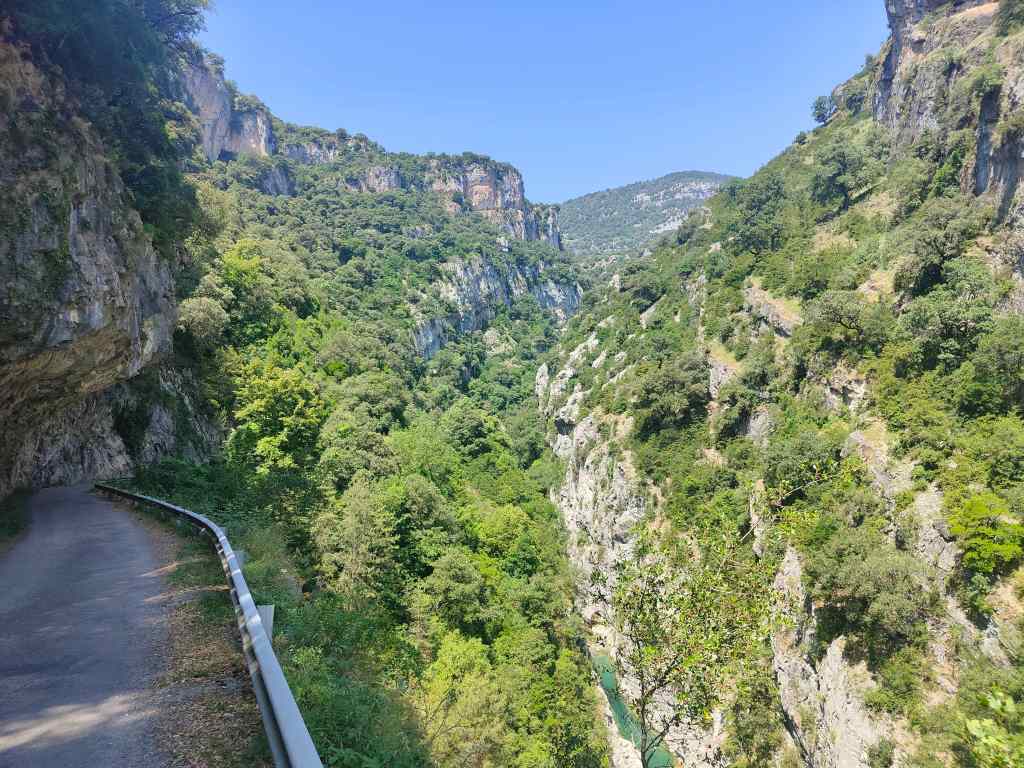
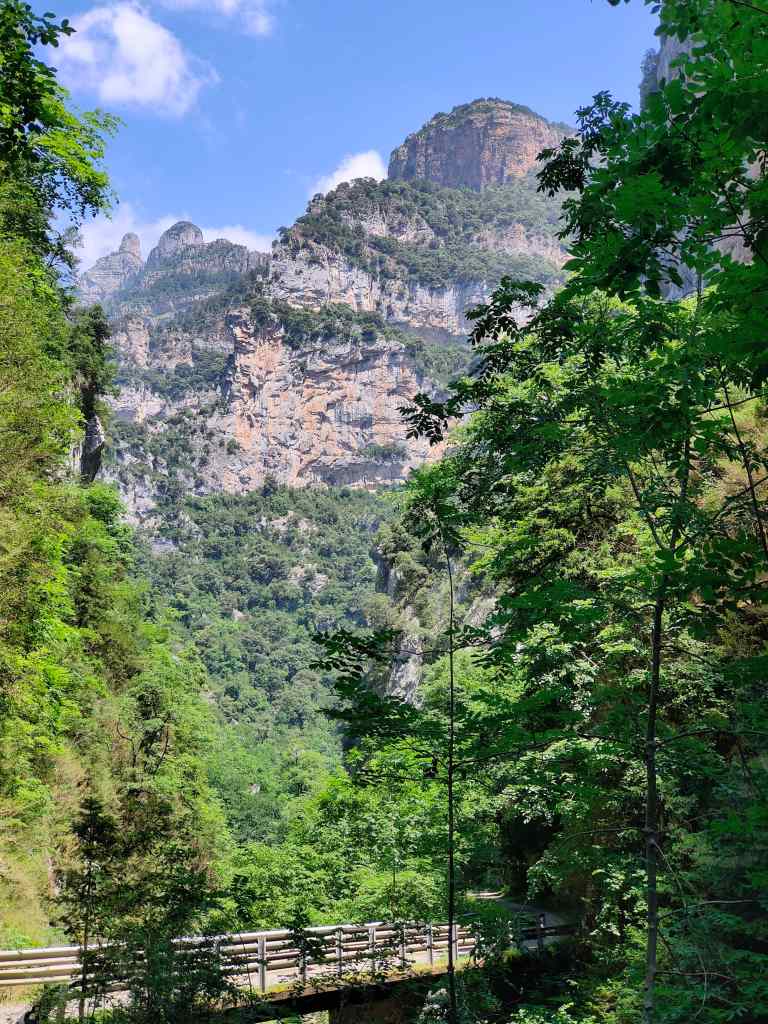
My first stop was at Ax-les-Bains, a pretty spa town, where I had a coffee and studied my guidebook’s recommended driving route. They suggested a detour to see an impressive rock formation deep in the mountains, so I set off along a steeply rising and winding country road, and then into a forest, and then up a hill along a very narrow forest track with space for one car only and a sheer drop on one side. I drove up carefully, praying that I would not meet anyone coming the other way, and at the top saw a sign for the Pas de l’Ours viewing point. The spot was obviously very rarely visited, since the short path to reach the belvedere was heavily overgrown. After I had fought my way through some aggressive vegetation (and even more aggressive ants) an amazing view opened up, which I stopped to admire. To add to nature’s impressive show, in the distance on a different mountain was perched the castle of Montsegur, which must have been totally impossible to take by storm.
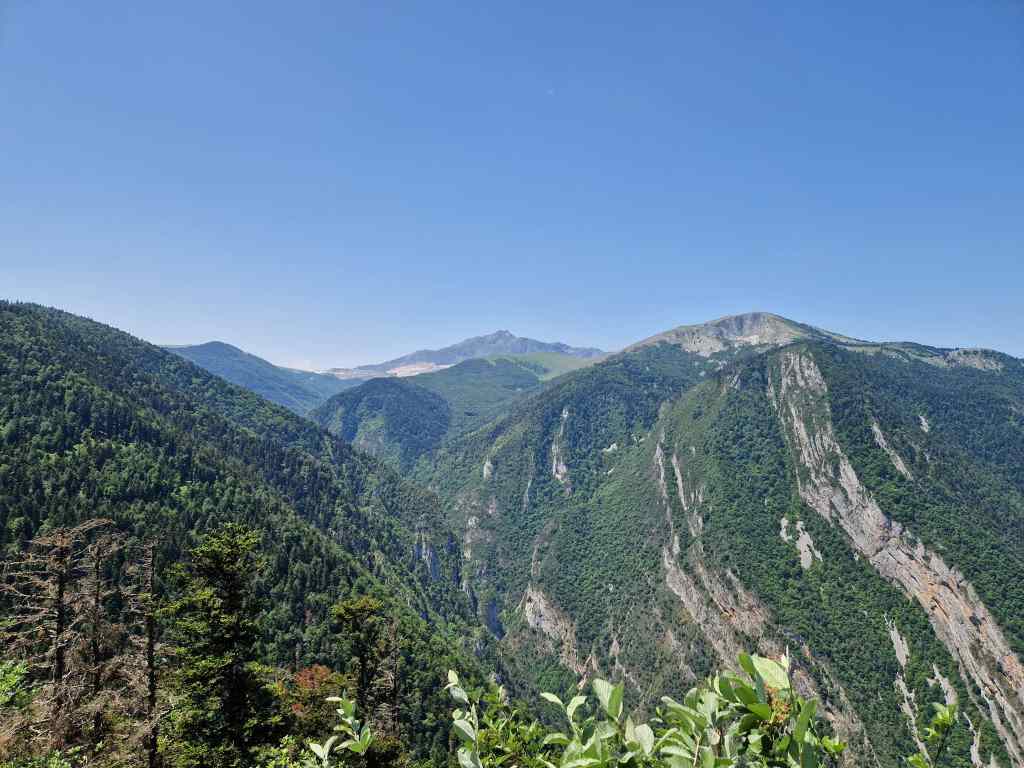
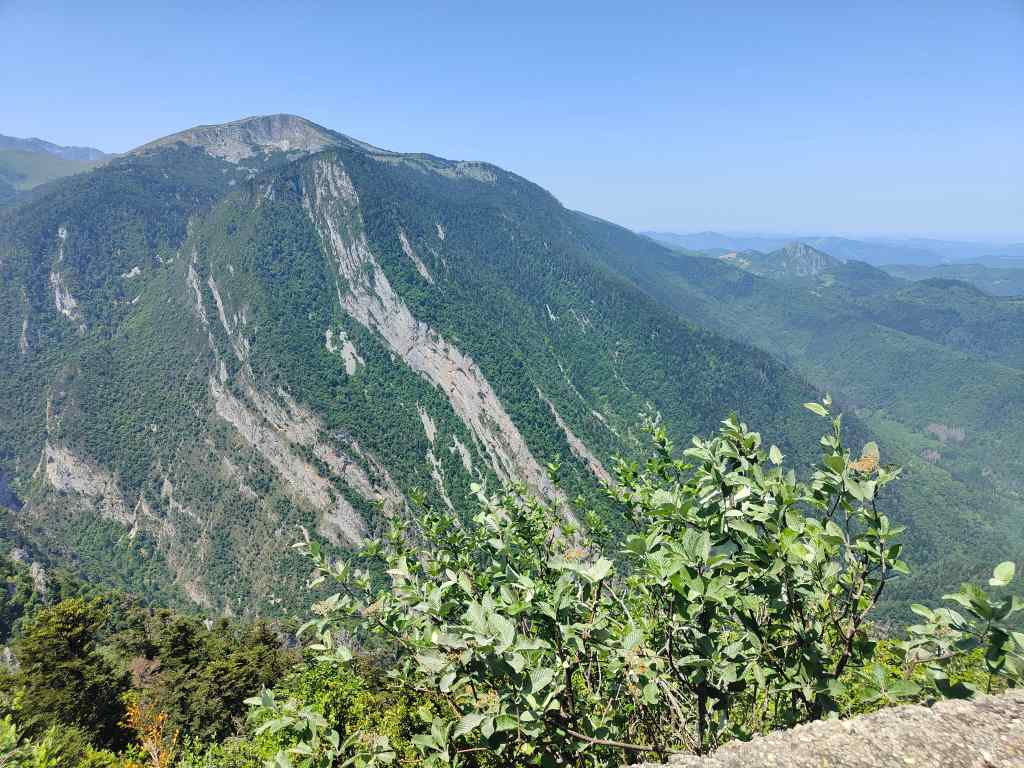
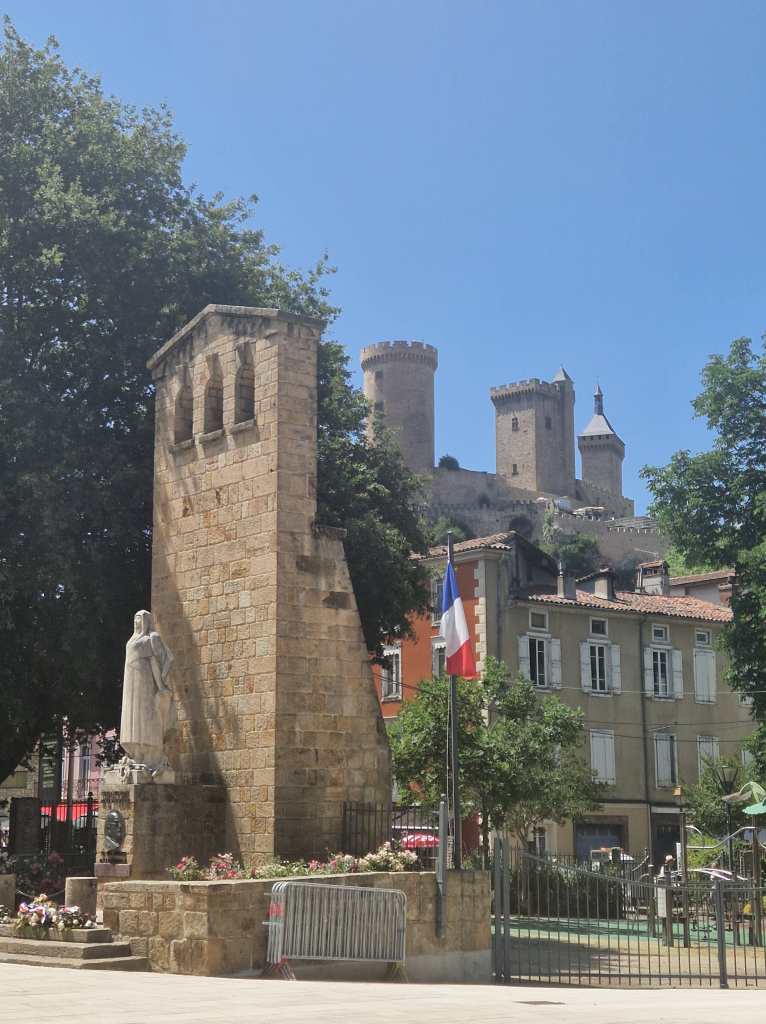
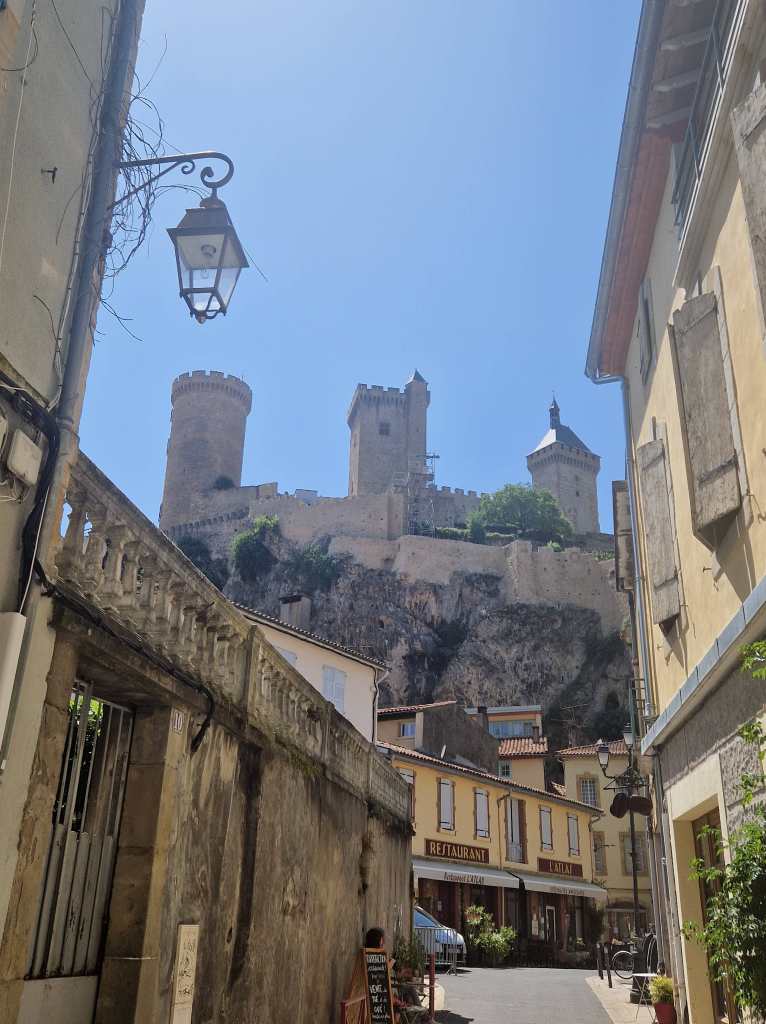
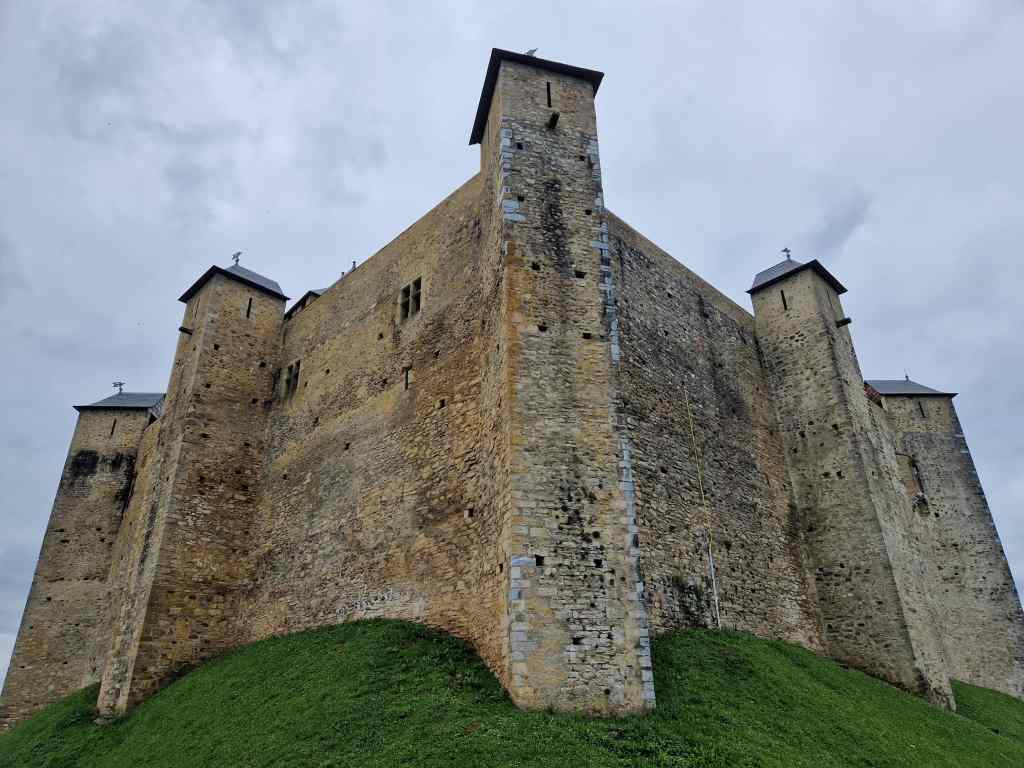
Soon I needed to continue my route. I squeezed my car along some more kilometres of forest track before I eventually ended up back on a proper road. I was now running behind schedule; the view from the Pas de l’Ours had been really wonderful, but I was beginning to wonder if it was really worth the nearly two hour detour I had made along bumpy tracks to see it. My next destination was Foix, a charming small French town with a very photogenic castle (whose construction started in the early tenth century).
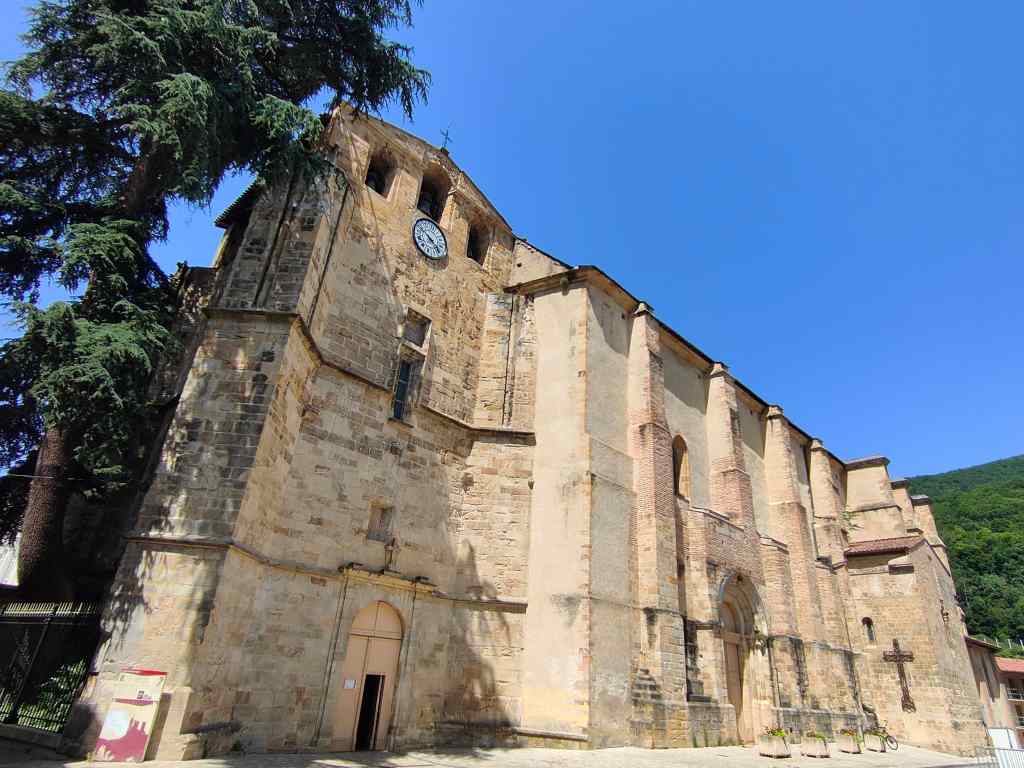
My penultimate destination for the day – and of this trip – was Carcassonne, famous for its Unesco-listed medieval citadel. The city came into prominence in Roman times, and was later an important stronghold of the Visigoths. By the 12th century, it had become an important center for the Catharism – a religious sect distinct from, but borrowing elements of, Christianity. As such Carcassonne was the target for the Cathar Crusade (or Albigensian Crusade) , a military campaign initiated by the then Pope and executed over 1209-1229 by the French crown. The crusade aimed to crush the Cathar movement but also to extend the authority of the king of France in the South. When Carcassonne was captured, its people were allowed to leave alive but without any of their possessions; some of them settled nearby and founded what is now the lower part of the city. Today, they city has an exceptionally preserved fortified medieval city, imposingly located on a hill, and a very pleasant and slightly less ancient lower town.
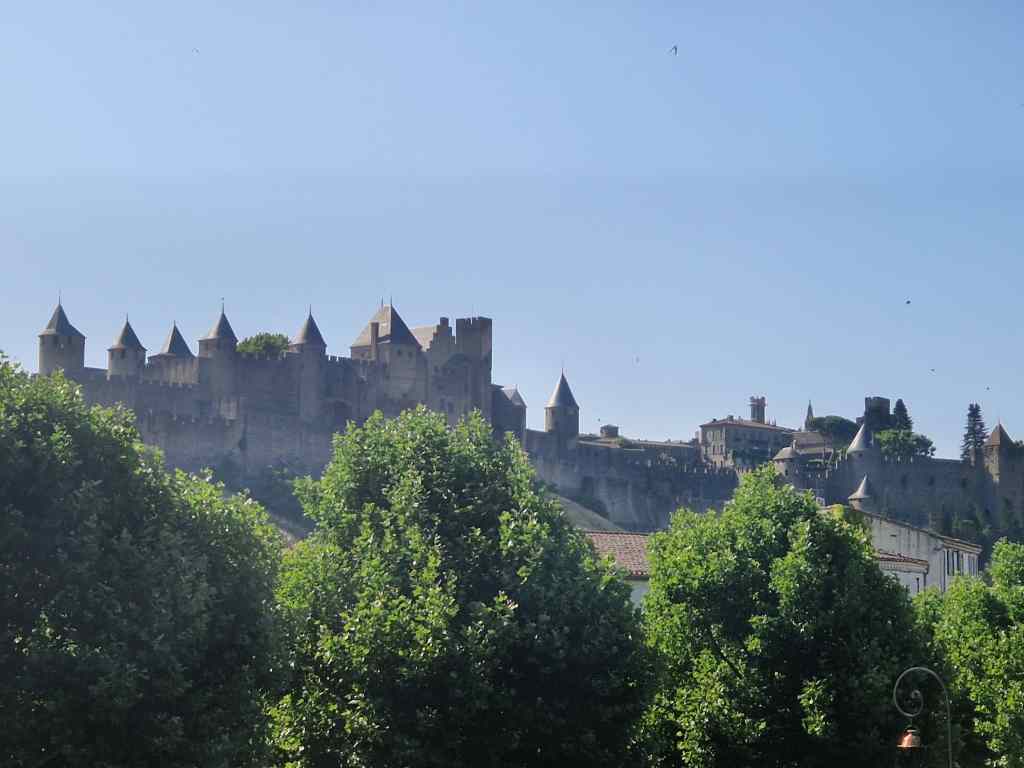
I parked in the lower town, made the classic climb up to the citadel’s main gate and entered to explore the streets of the ancient city.

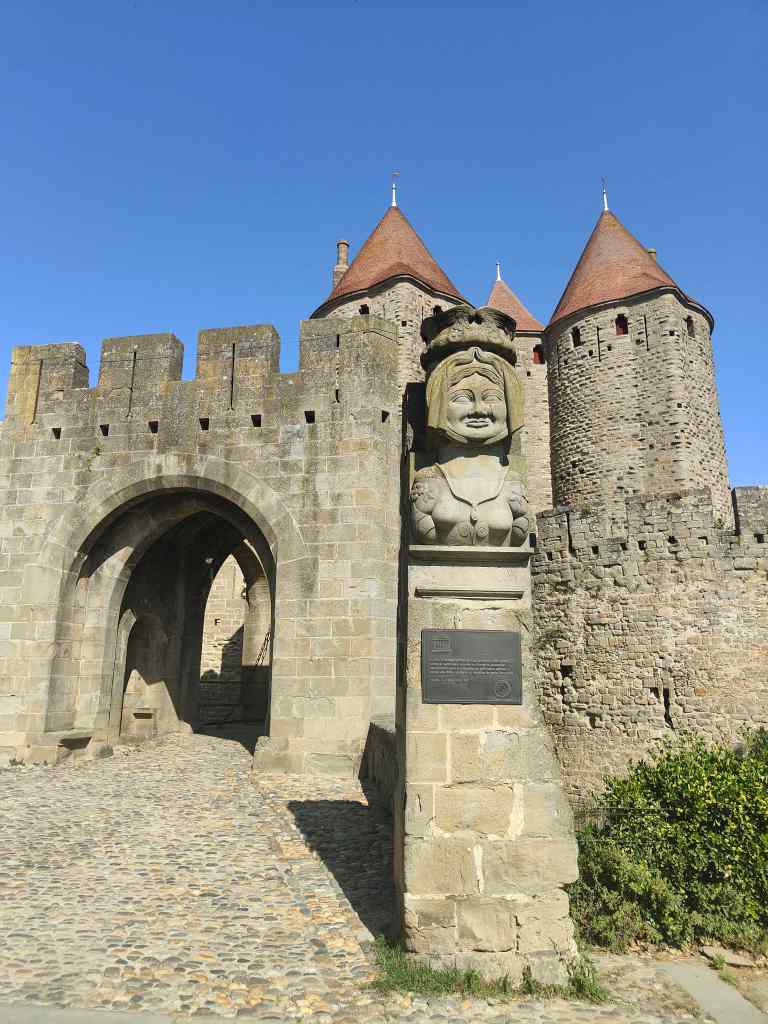
It was indeed incredibly well-preserved and very pretty – despite the occasional tacky souvenir shop. It was a blisteringly hot day, so I darted from one patch of shade to another. I found further respite from the sun by going to the city’s castle, a visit which includes the option to walk a complete circuit of the ramparts of the citadel.

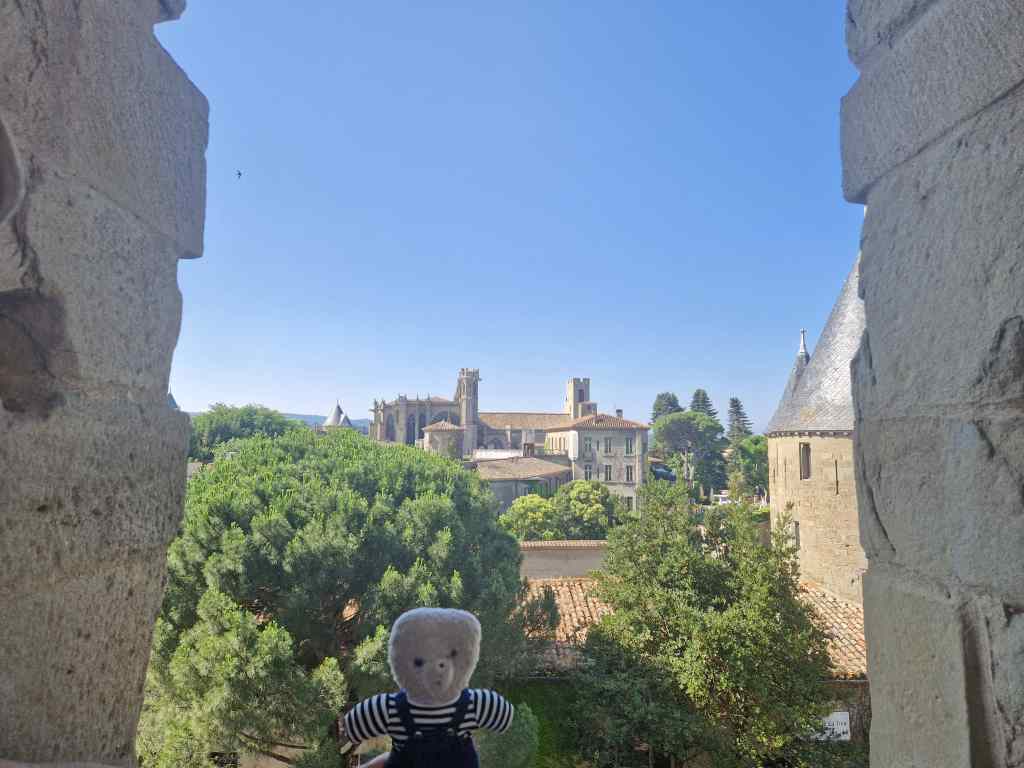
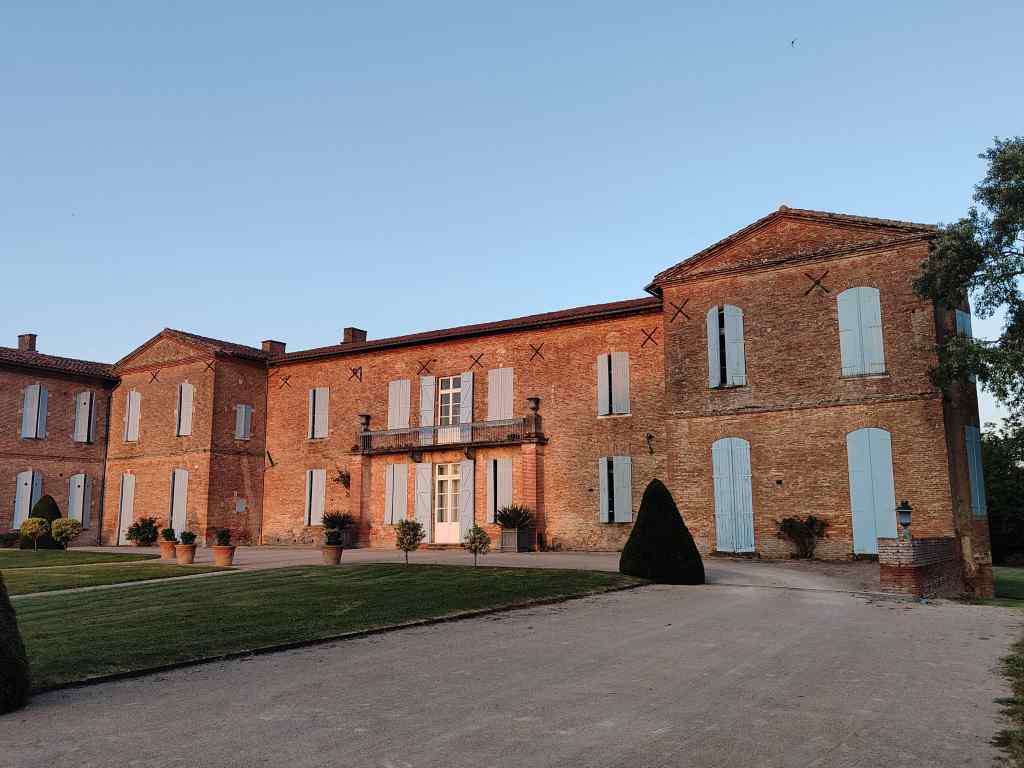
Exploring Carcassone’s citadel took me a couple of hours. I could have stayed longer, but the heat was oppressive and I needed to carry on to my next destination, a party thrown by friends of mine in a stylish “chateau” just outside Toulouse. We ate, drank, chatted and danced under the early morning. The next day I got up early, drank a lot of coffee, and drove back to Toulouse airport for the flight home.
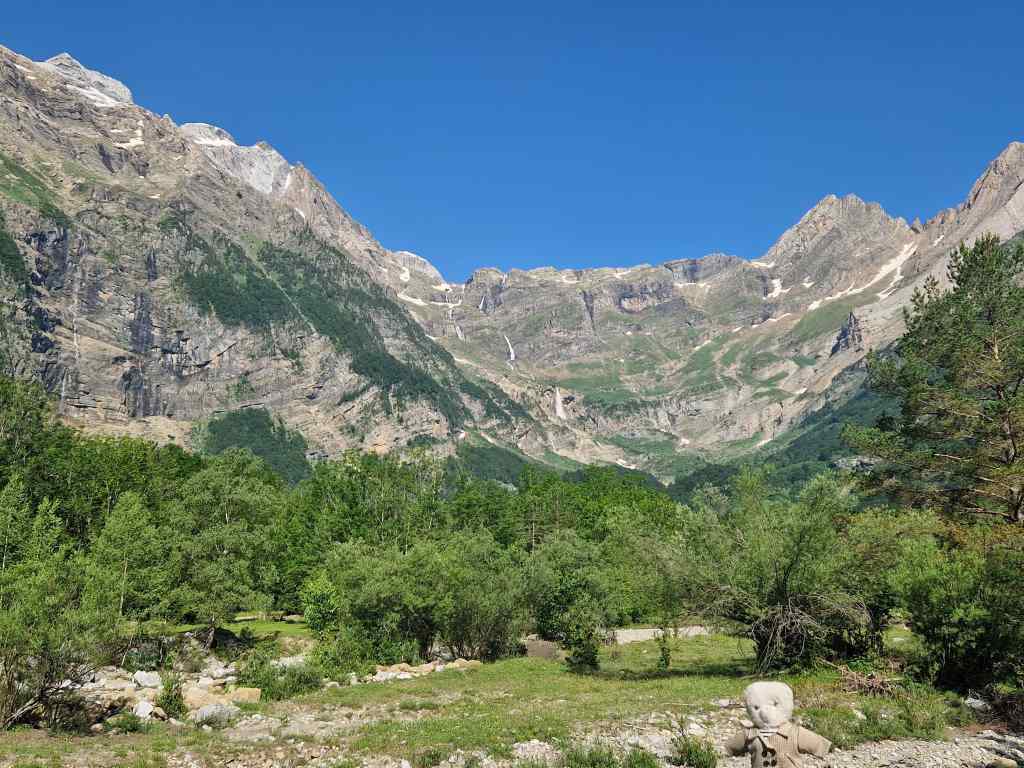
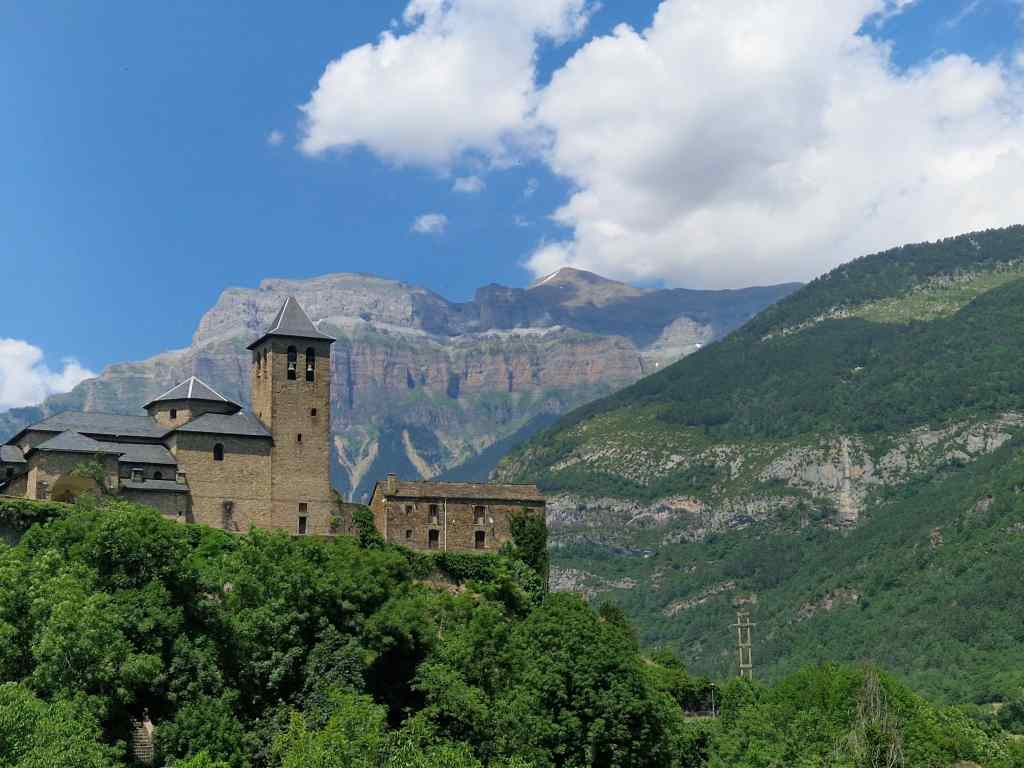
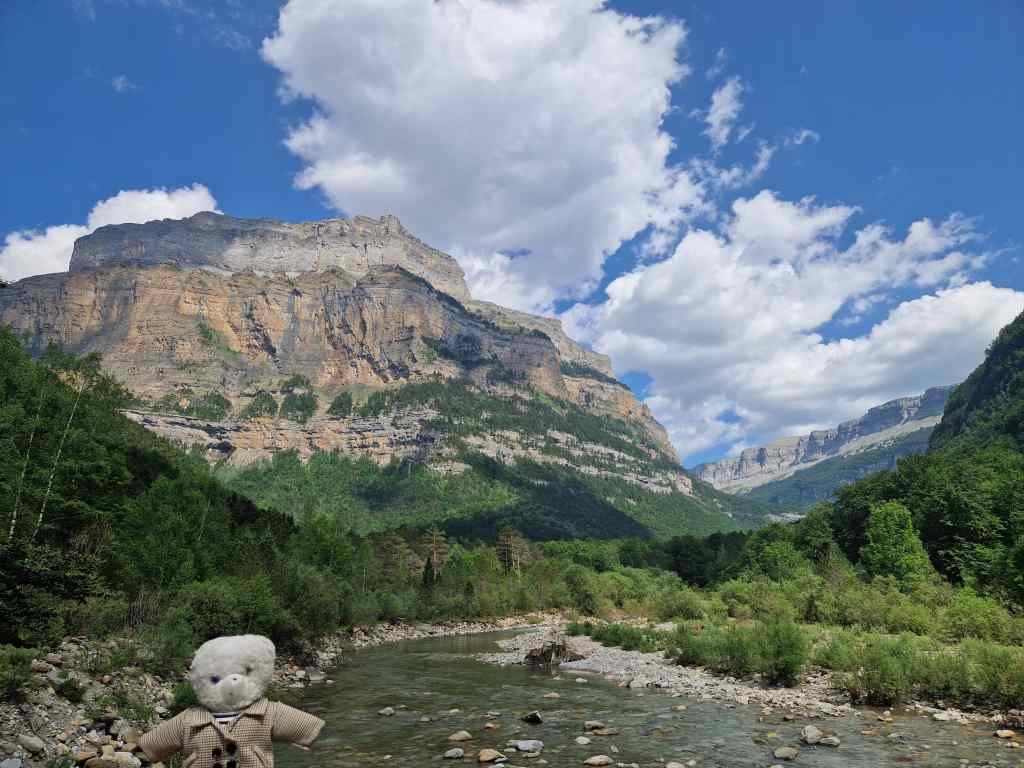
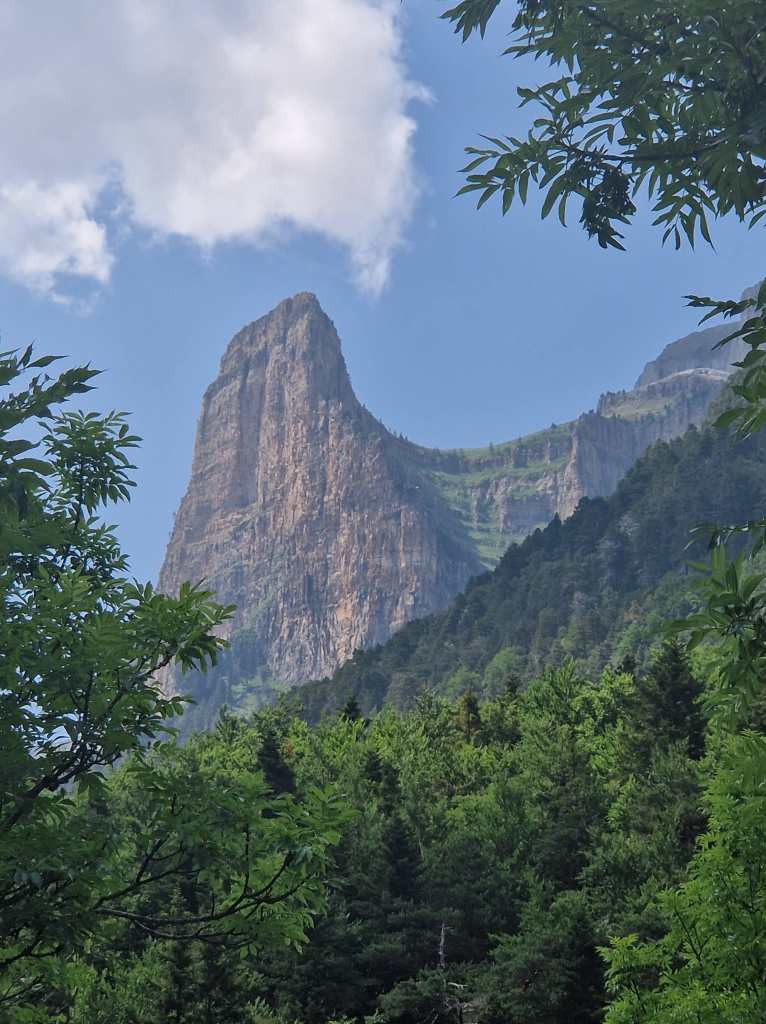
Well, that’s it for this series of posts. The Pyrenees have really impressed me – usually pretty, sometimes spectacular, and very varied, with their contrast between the dry Spanish side and green French part. They join a very small list of places that I plan to return to – next time I will try to do more hiking and less driving, and to properly explore Ordesa and Monte Perdido.
Previous Post: Andorra







 Trouspinet travels