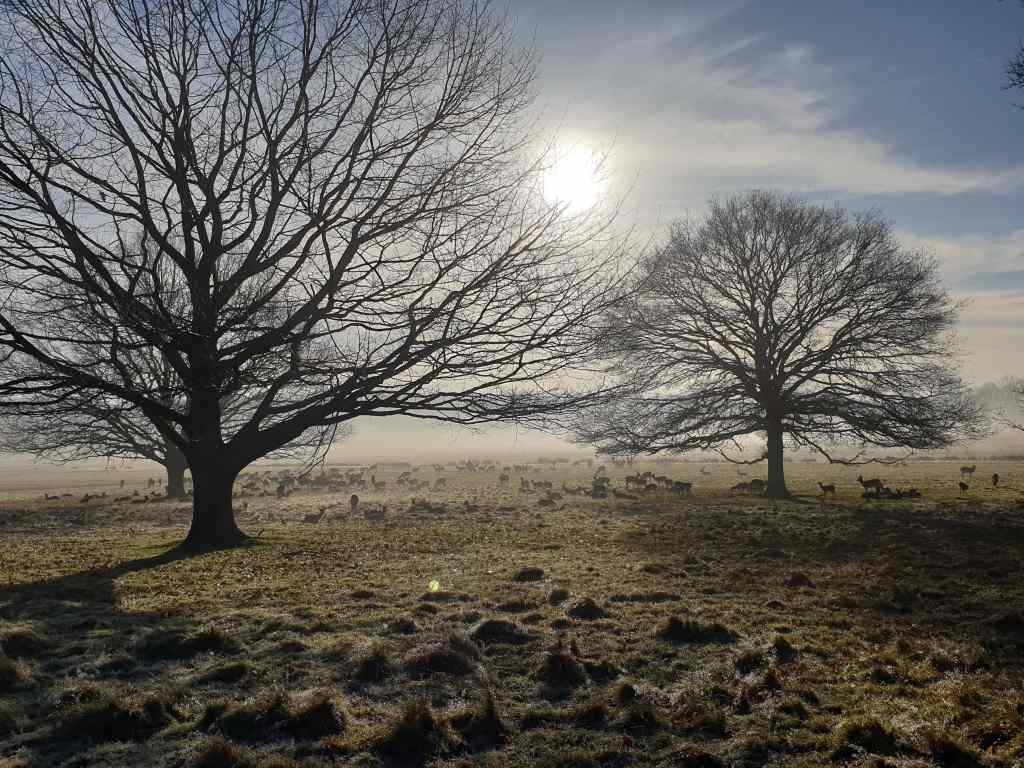
This post in the series about life around Richmond on Thames is about Richmond Park. This was created by Charles I, who found the existing park next to Richmond Palace (now the Old Deer Park) too small for his fanatical interest in hunting. So he made a much bigger domain, closing it off with a wall (finished in 1637). Ordinary people were still allowed to visit to collect firewood or to travel through the park, entering and leaving via one of six gates. After Charles I’s death Richmond Park was briefly acquired by the state before being returned to the Crown under Charles II. It has remained crown property ever since. Richmond Park was popular with King George II, who built the White Lodge (completed 1730) as a hunting lodge, and his successor George III, whose daughter Princess Amelia caused outrage in 1751 by closing the park to the public – an action that was successfully challenged in court by the local brewer John Lewis.
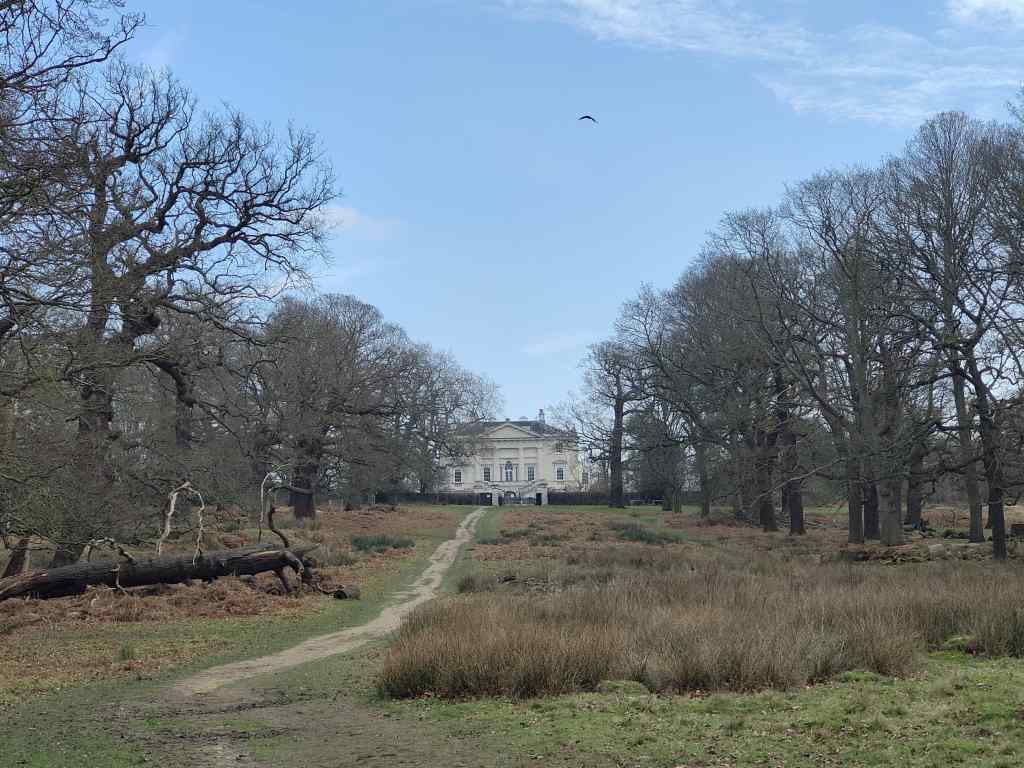
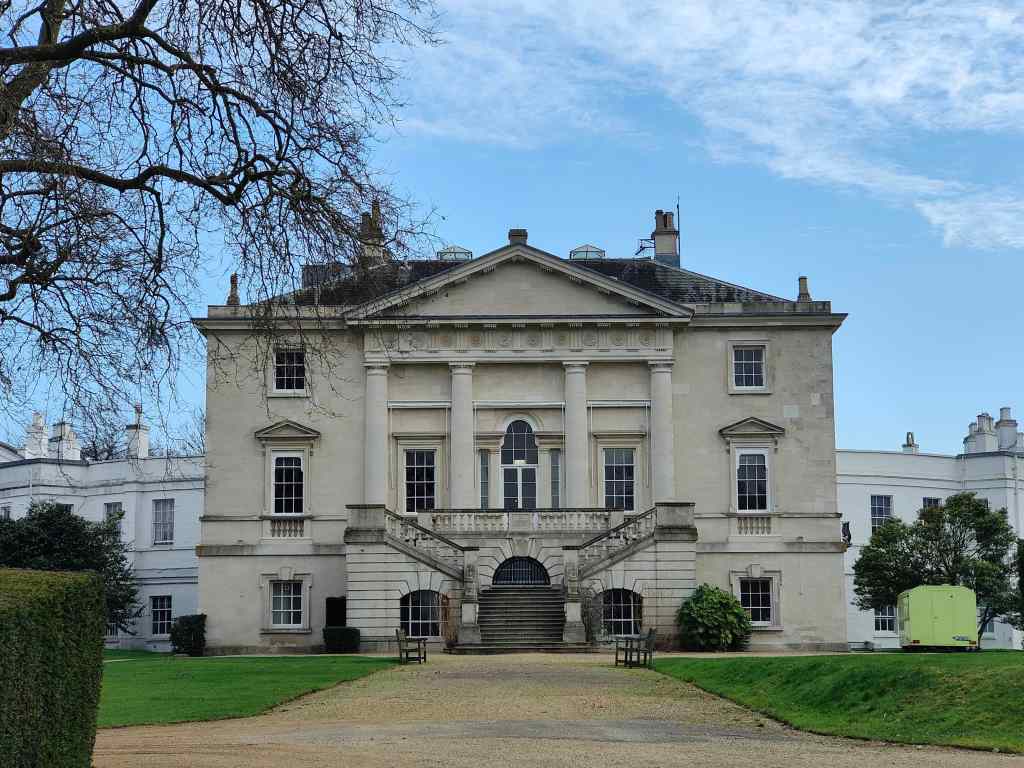
Over the years Richmond Park transitioned from a Royal hunting park to a public amenity and wildlife reserve. The public’s right to visit was enshrined by an Act of Parliament in 1872 (Richmond people seem to be good at getting laws passed that benefit them). In the 20th century, the area previously used to raise deer for royal hunting was converted to become a public golf course. George II’s White Lodge became the Royal Ballet School, one of the leading places to learn ballet in the world. Pembroke Lodge, once a “grace and favour” house (offered to members of the Royal family or people who had served them), became a popular tearoom and venue for wedding receptions.
Today Richmond Park is a nature reserve, London’s biggest royal park and its second biggest park of any type (after the Lea Valley Park in north London). It retains Charles I’s perimeter and original six gates (with some new ones added later), and parts of it probably look much the same now as they did back in the 17th century. Wild deer still roam free, along with a host of other wildlife.
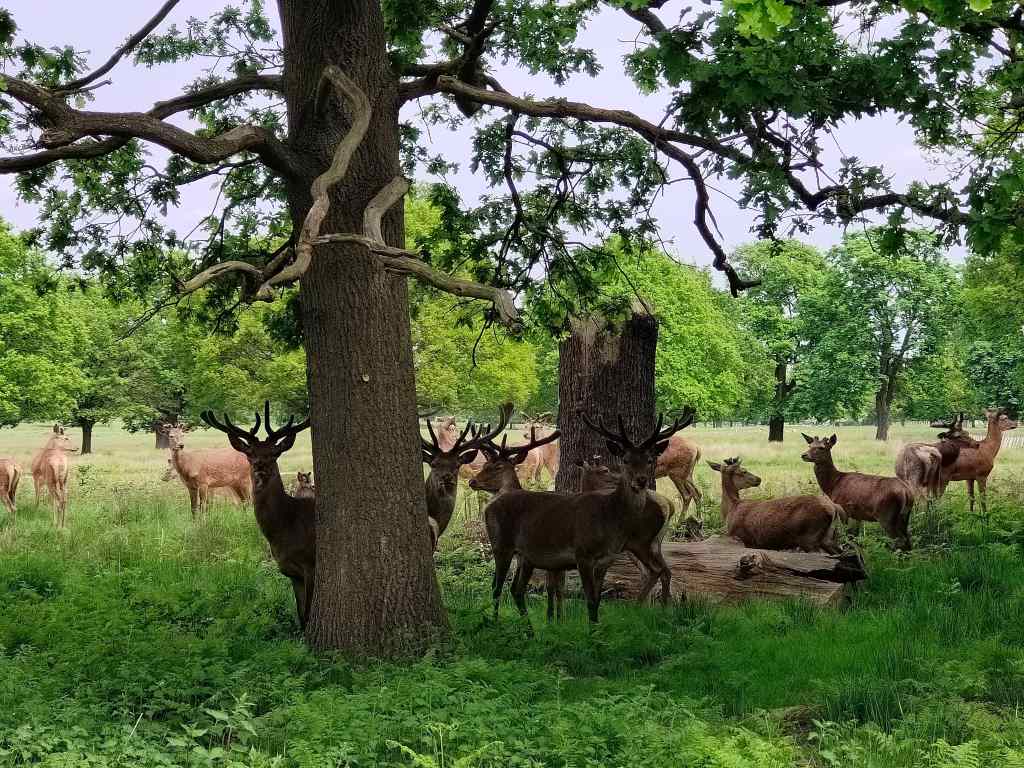

In some places in the centre of the park, there is only an expanse of green grass and trees, with not a building in site – were it not for the jets flying into to Heathrow airport, you could imagine yourself to be somewhere deep in England’s countryside and not 10 miles from the centre of London.

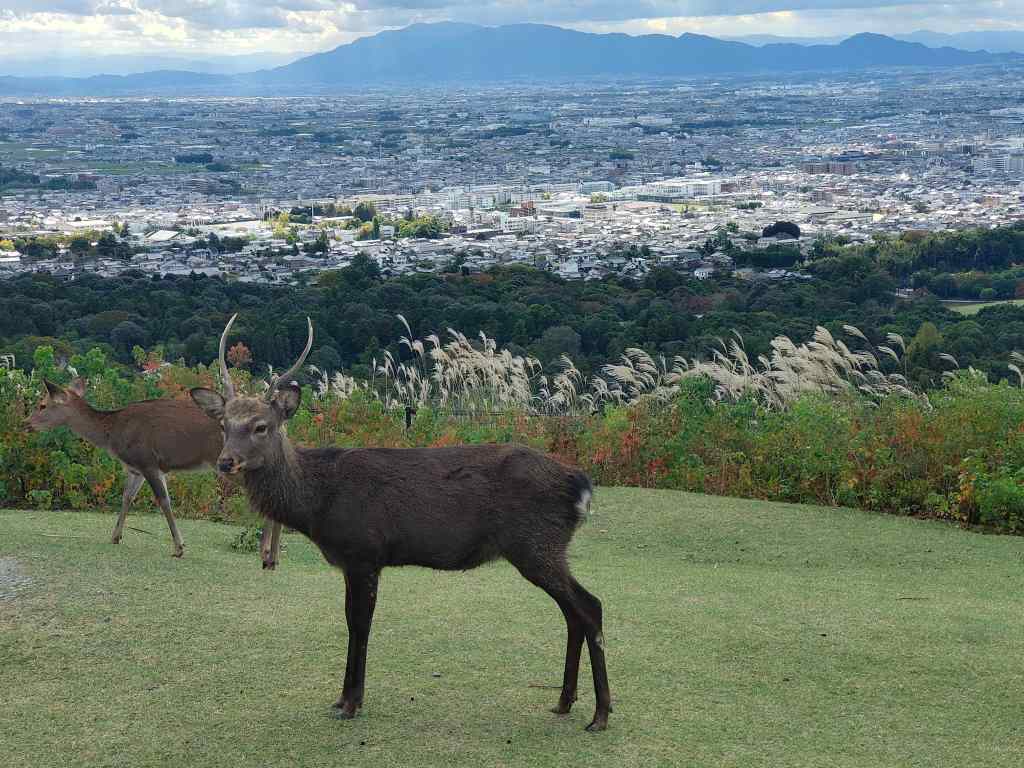
In other parts of the park, there are some great views out to the city of London. One of the most famous is from King Henry’s mound – an ancient Bronze Age burial mound that Henry VIII is supposed to have enjoyed the view from even before the creation of the park. It offers an uninterrupted line of sight to St Paul’s cathedral, 10 miles away, thanks to a carefully maintained gap in the trees and then restrictions placed on the height of central London buildings along the way.
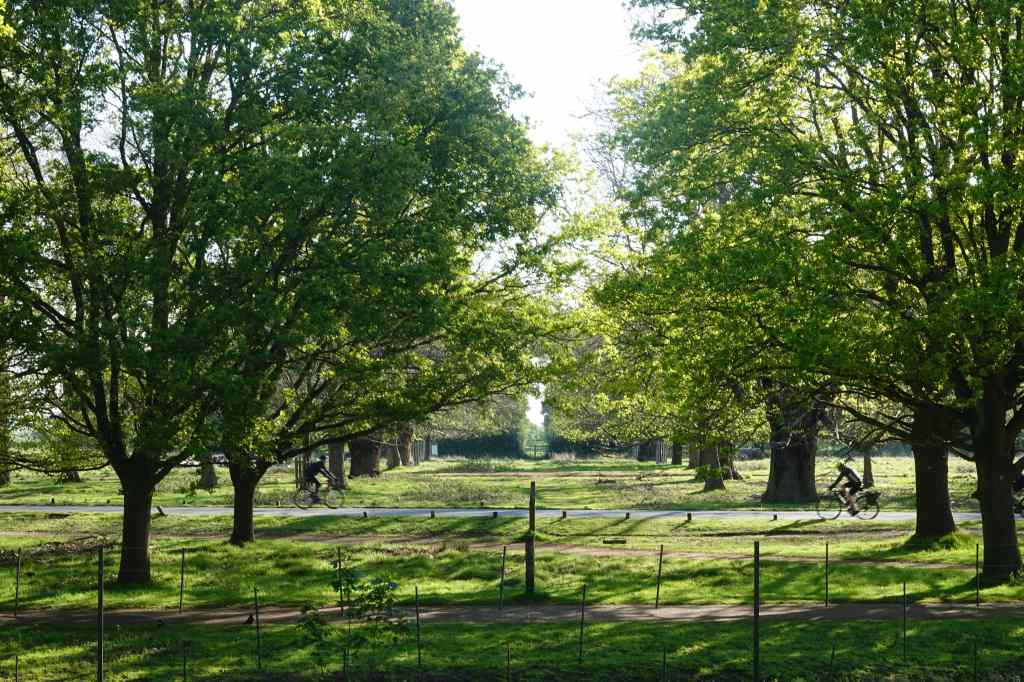
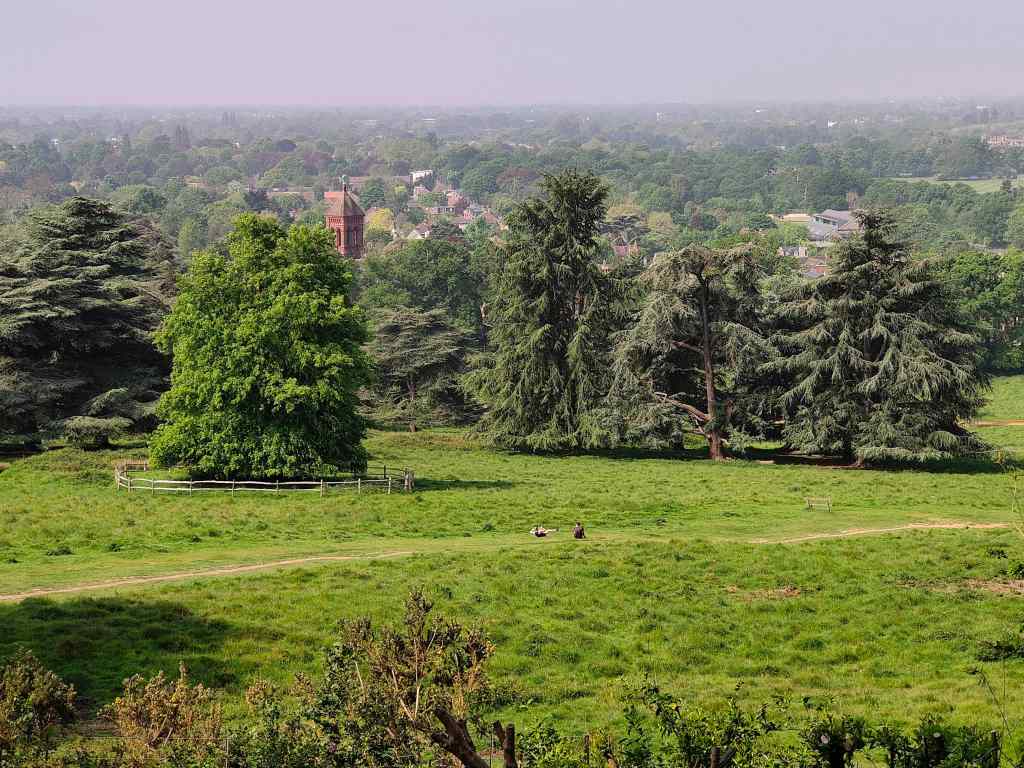
My personal experience of Richmond Park goes back over twenty years. First I explored the parts near Richmond Gate, discovering nearby places like Pembroke Lodge, with its wonderful views towards the Surrey Hills.
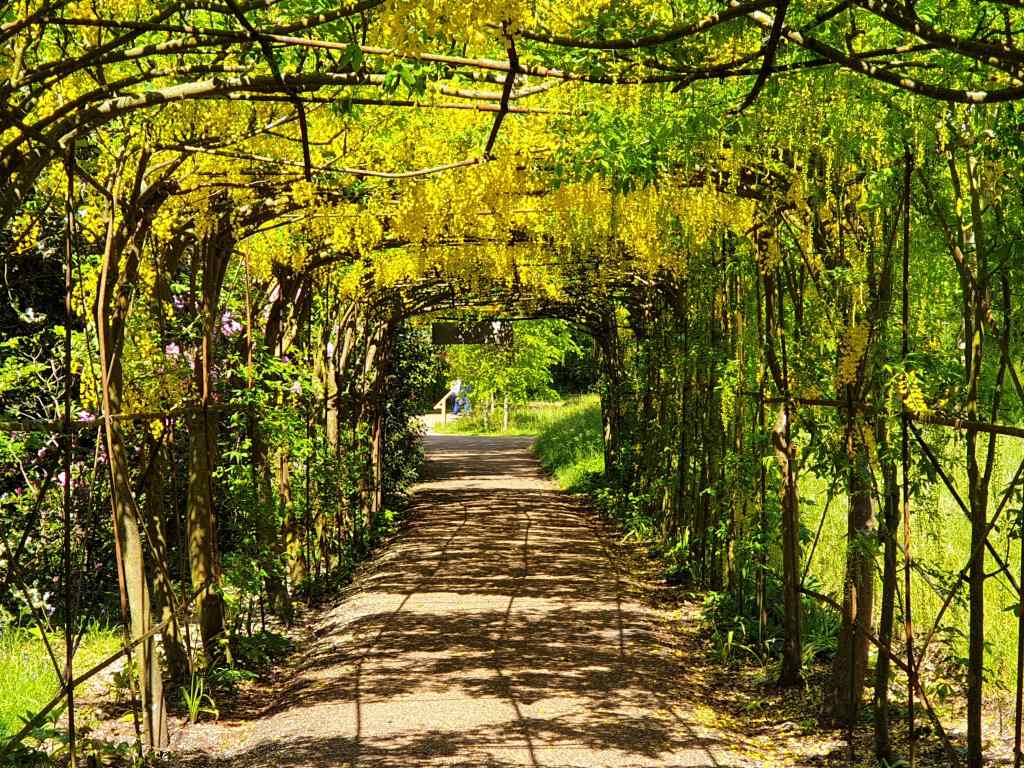
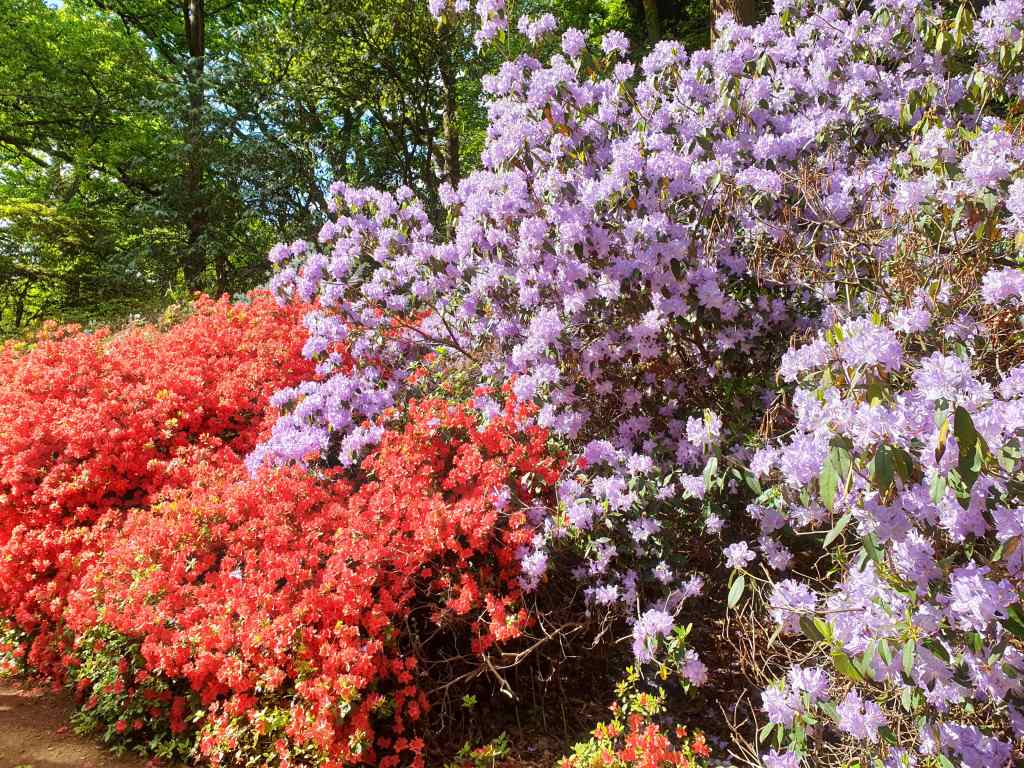
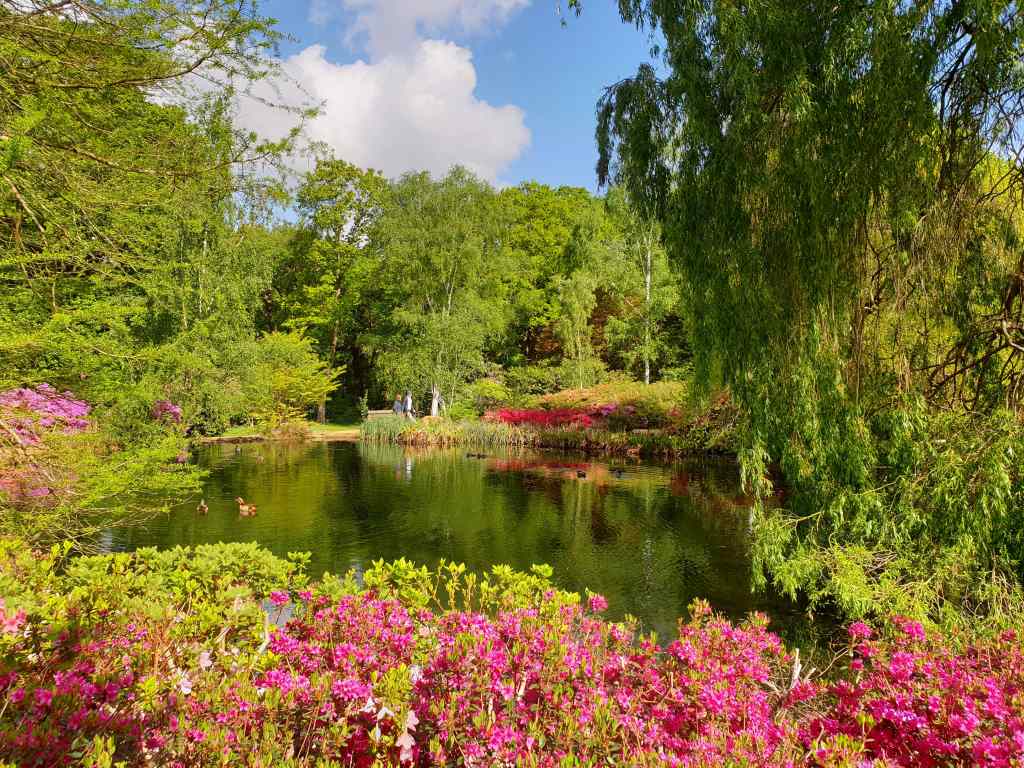
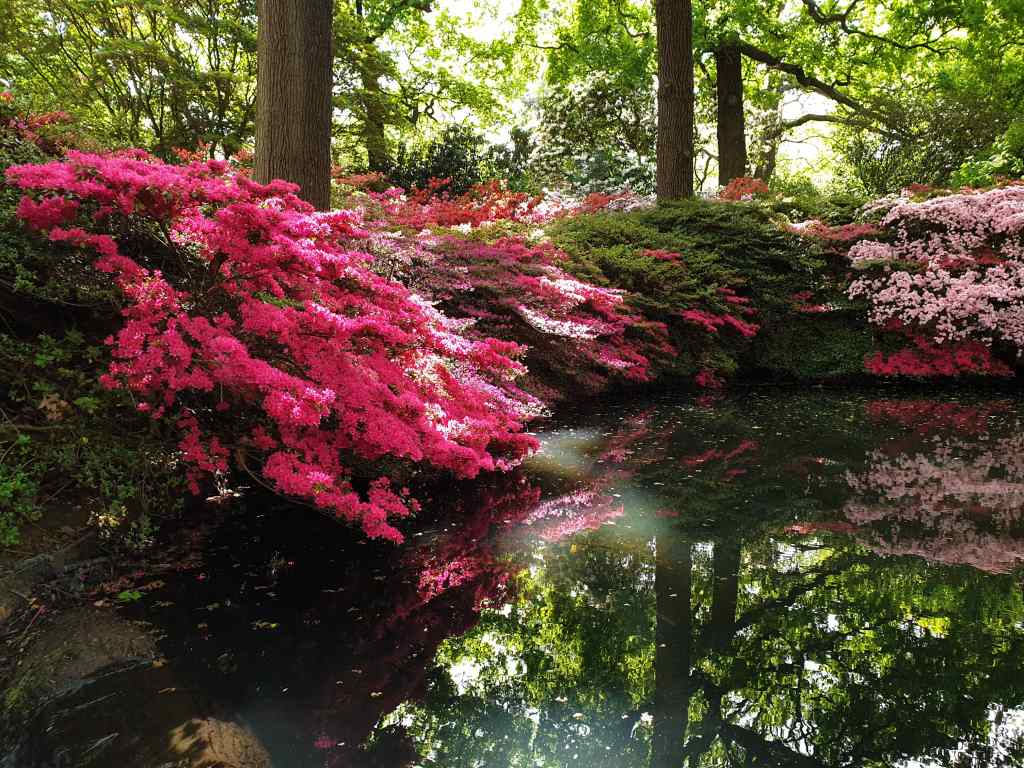
Then I started to walk a bit further to discover one of my favourite parts – the Isabella Plantation, a woodland garden created in the 1830s and opened to the public in 1953. It is most famous for its spring colours when hundreds of rhododendron bushes burst into flower.
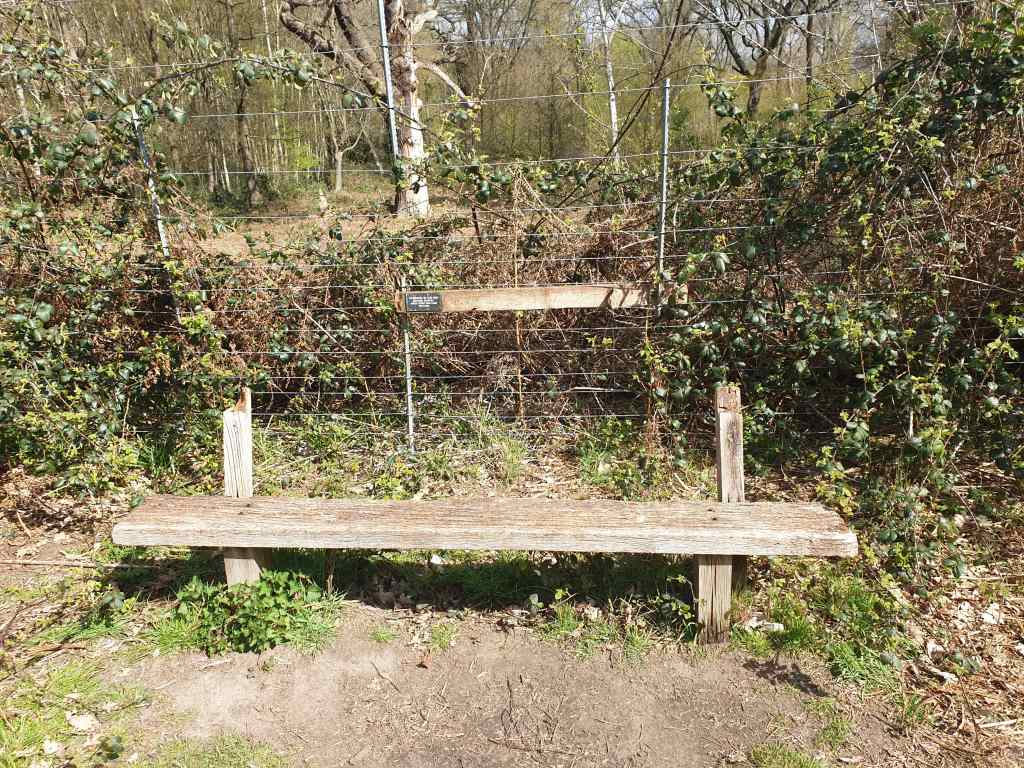
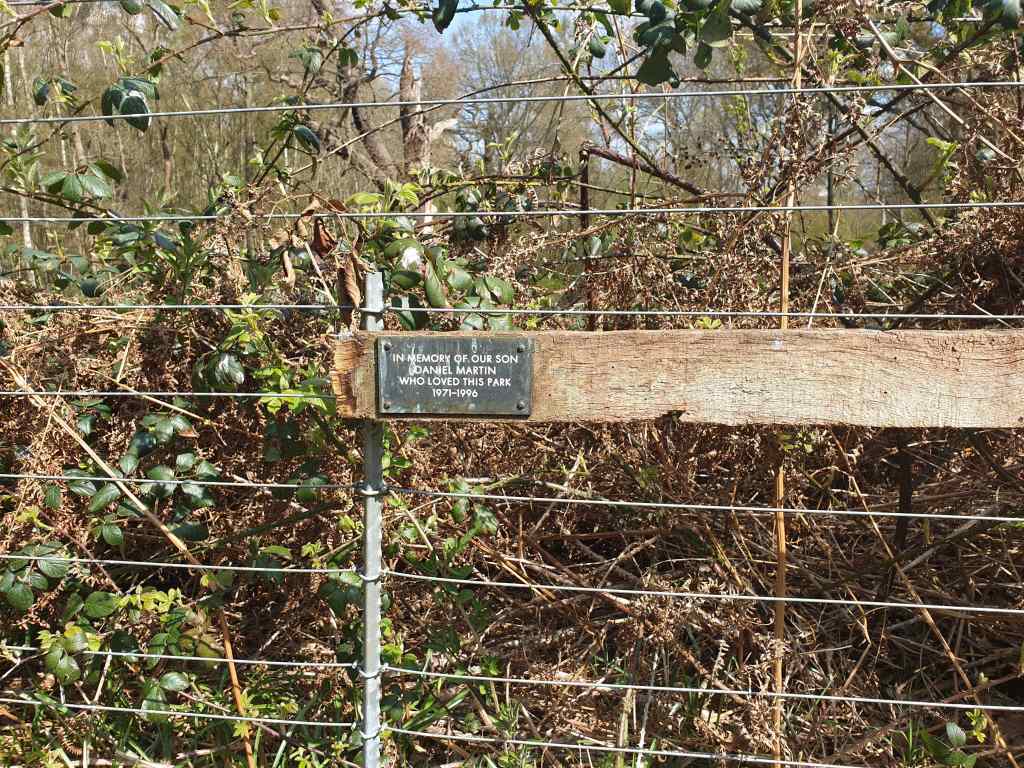
Although I have now been exploring Richmond Park for over twenty years, I still occasionally stumble across new places. Recently, I found this dilapidated old bench in a hidden niche, deep inside the park. It was dedicated to a man who died young – now it would appear his parents too have died and allowed his bench to return to nature. In a park established for nearly four hundred years, the sad sight caused me to reflect on how short life is compared to the grandeur of nature.
Well, that contemplative note wraps up this post. Next we will take a short walk to Twickenham!
Next Post: A short walk to Twickenham and Eel Pie Island via Ham House
Previous Post: Richmond on Thames





 Trouspinet travels