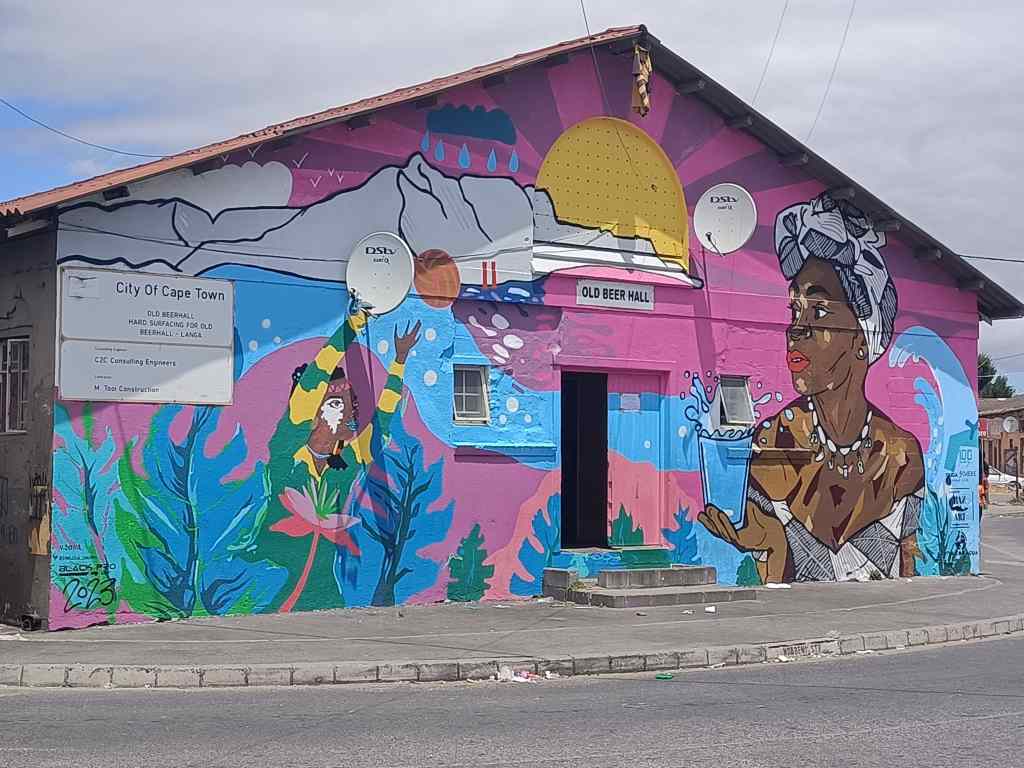
Today I saw three very different aspects of Cape Town. The day started with a tour of Langa, Cape Town’s first township. Our arrival was delayed by nearly ninety minutes as the guide and his driver searched frantically and ineptly around the city for the remaining tour participants, in a performance worthy of Laurel and Hardy. Fortunately, we managed to arrive at Langa intact, without having killed anyone, despite our driver ignoring several no entry signs and nearly hitting a pedestrian on a crossing .
Our first stop was the township’s museum, where the curator was impossibly enthusiastic and told us more about the history of the place in a rapid, sometime confusing, babble. Langa was the Cape Town’s first township, where black people were forced to live, segregated from whites. The conditions they lived in were close to slavery, with dozens of black men sharing single sex dormitory accommodation in order to work for white businesses. Every black had to carry a “dompas” which allowed them to travel; it had to be renewed every two weeks. The hated dompas was the focus of the first demonstrations against the Apartheid system, which had been introduced by the National Party in 1948. Further demonstrations flared up over the decades, each time being suppressed violently by the police. Apartheid continued until the 1990s, until the South African President FW de Clerk realised that minority white rule was unsustainable, released Nelson Mandela from prison and allowed coloured people to vote in elections.
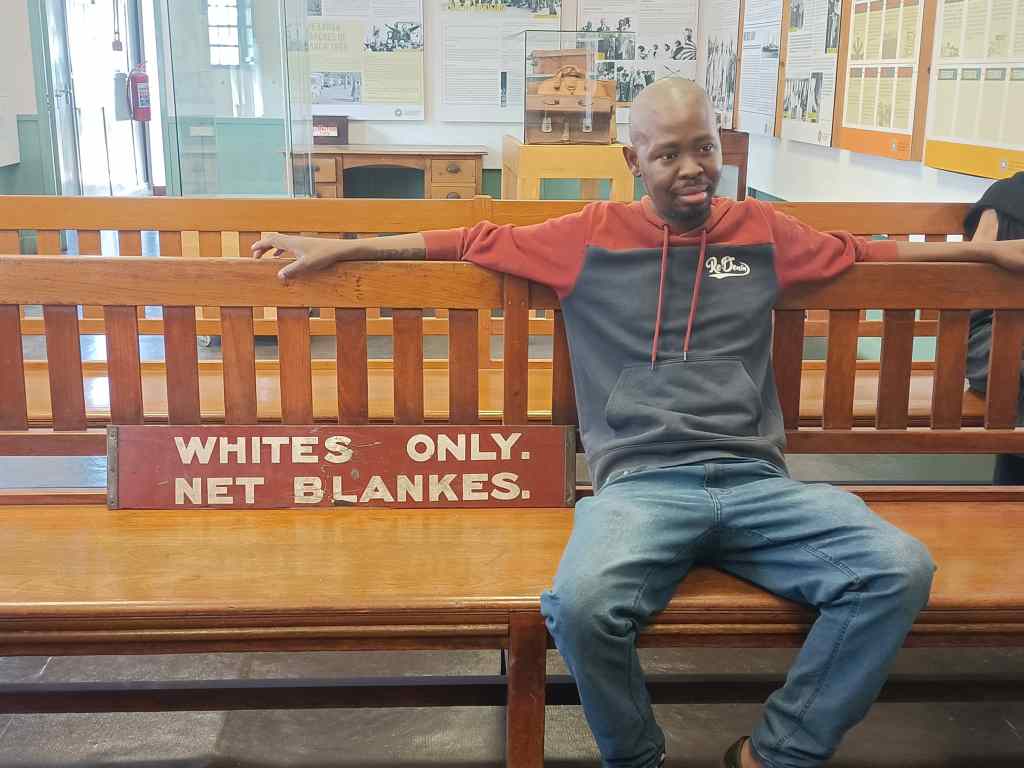
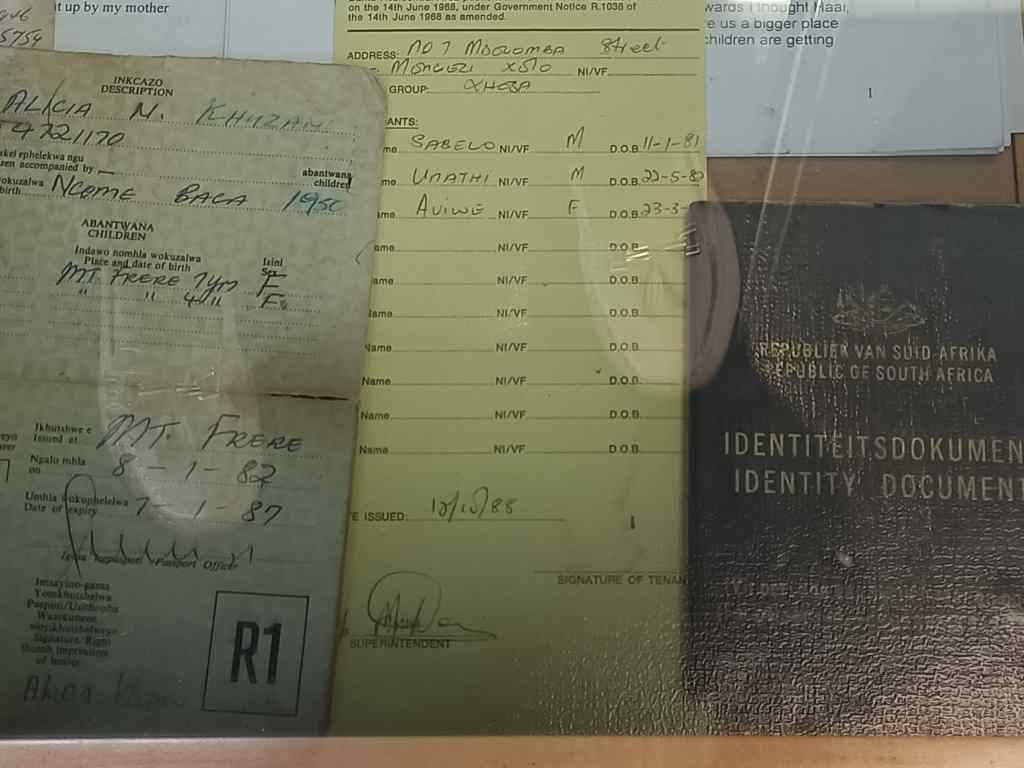
The township had many different types of housing. At one end of the scale, there were shanty houses built out of corrugated iron. People living here had to borrow electricity from neighbours and get water from a pump outside.
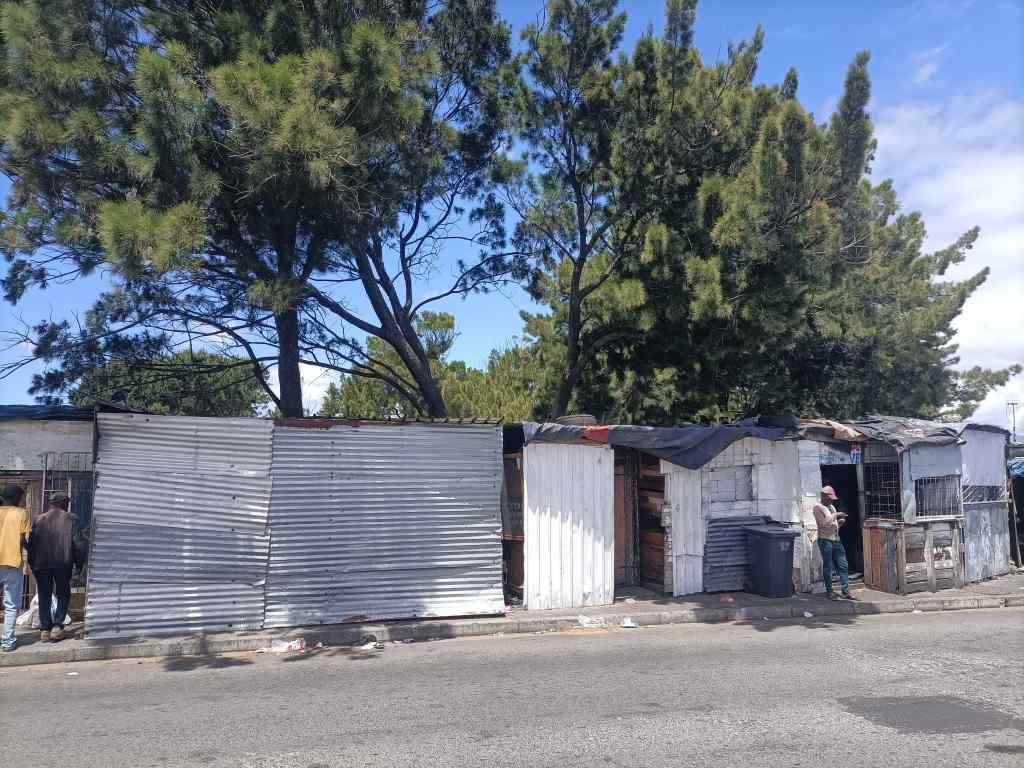
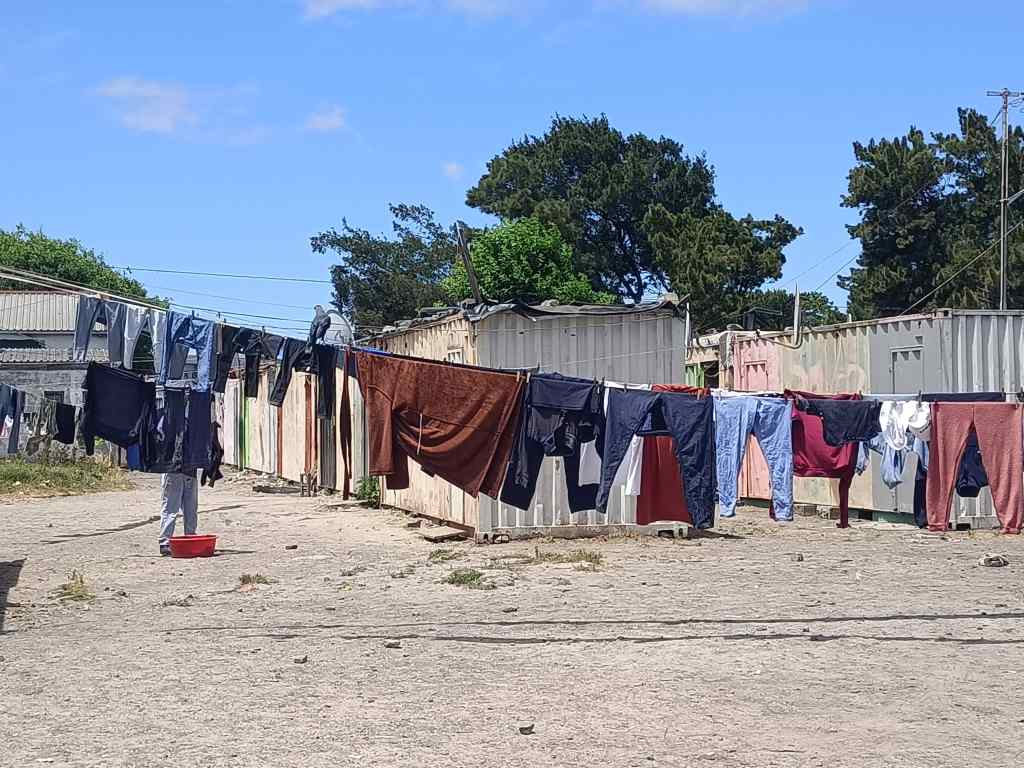
The lived in the hope that the government would need the land they occupied and would then build them a proper house, like the mid-range accommodation that made up most of the township….
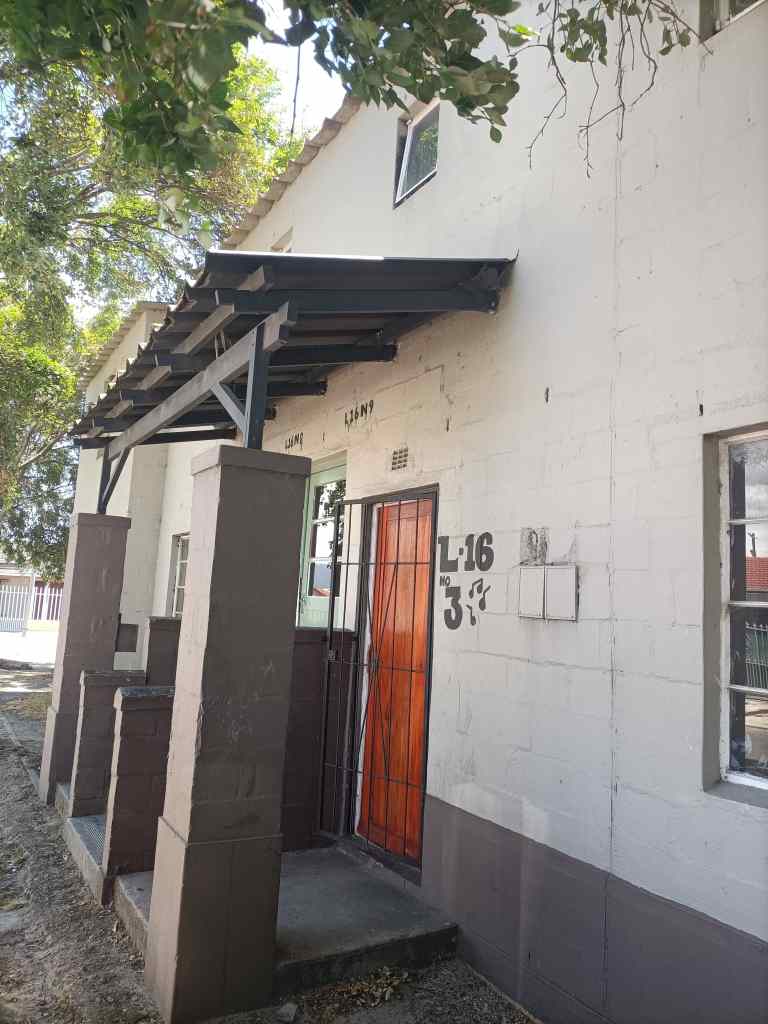
At the top end, the township had an area nicknamed “Beverly Hills” with very nice modern houses. These were given to people like teachers or nurses who had worked for the government for a long time. They even had brilliant views over Cape Town.

Our guide assured us that there was very little crime in Langa. The fancy houses in Beverly Hills were not a source of resentment, but one of inspiration, where people could see what was possible if they worked. Walking around the streets, the atmosphere was very friendly and relaxed. Lots of people came to greet our guide, who seemed to know almost everyone. One resident came to embrace one of our group, because he was wearing a South Africa rugby shirt. Lots of children would approach us and spontaneously hug their white visitors.

Langa certainly seemed to be a friendly community, which had become a pleasant place to live – overcoming tough obstacles on the way. Its residents were proud to be there. However, our guide told us that many other townships were not like this, with many suffering from rule by criminal gangs and harsher poverty than what we had seen in Langa.
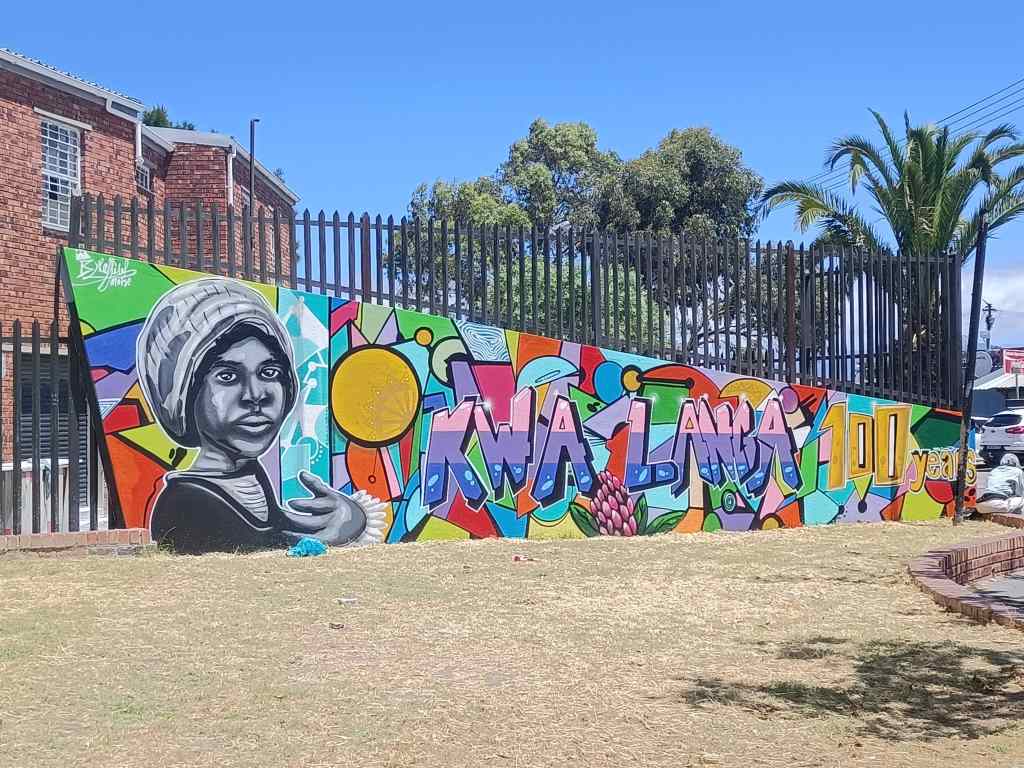
Our trip ended – inevitably – in a building housing several art galleries, selling painting, carved wooden goods or ceramics. The owner of the latter business told me about the difficulties of operating with unreliable power supply – like all of South Africa, Cape Town experiences scheduled power cuts of two to three hours per day, called “load shedding”.
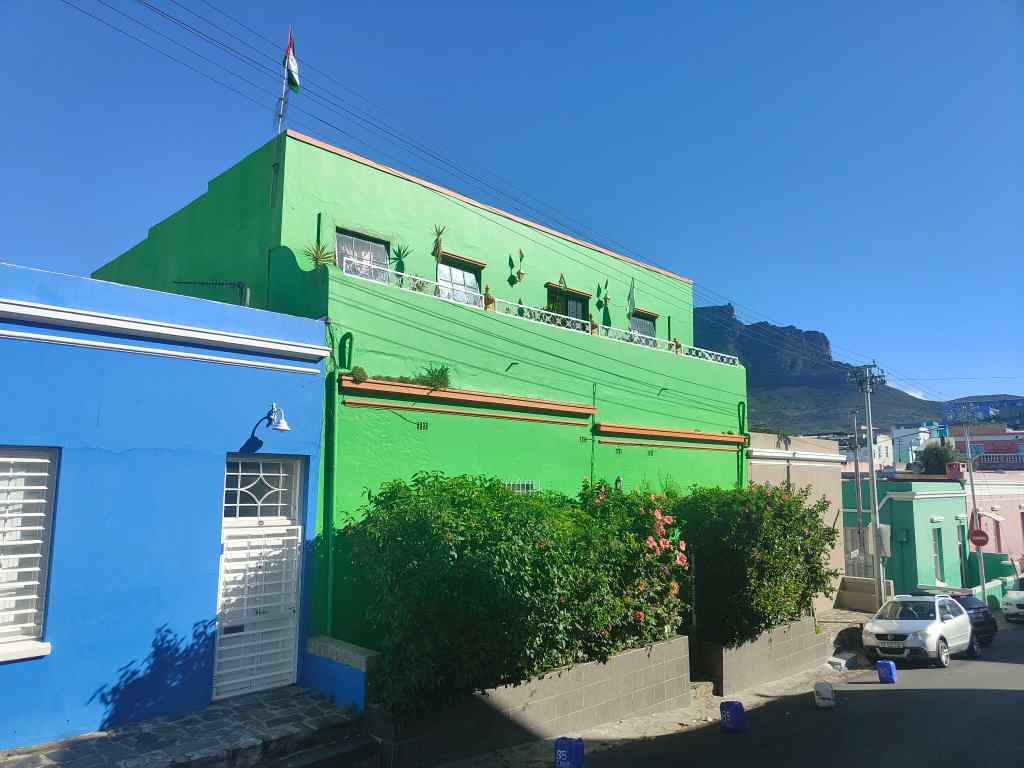
After the township tour, I set off to see two other areas of Cape Town. The first was Bo-Kaap, the city’s oldest surviving residential area, dating from the mid-18th century. The area is famous for its brightly coloured houses.
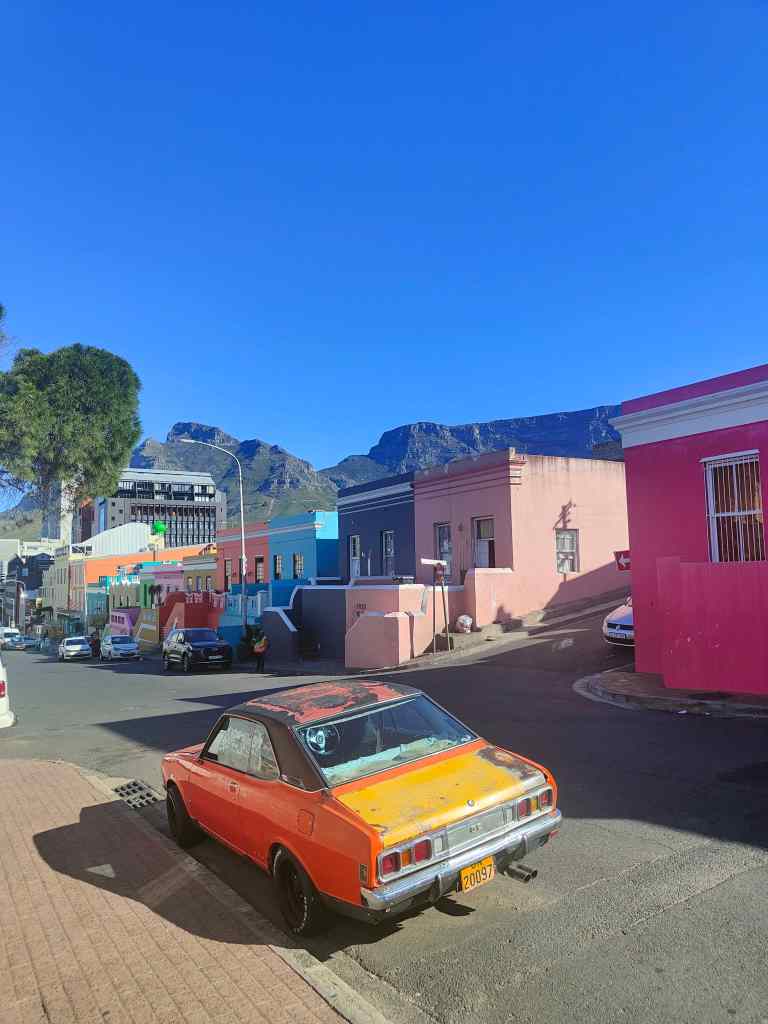
Many of the people who live here are descendants of Muslim workers who arrived from southeast Asia over a century ago, and the area has many mosques.

There were a few people hanging around on the street corners. One group shouted a greeting to me and, relaxed after my visit to the friendly Langa township, I replied to them. Another person walking nearby whispered to me urgently. “Don’t talk to them” he said. “They will try to steal your phone”.
From Bo-Kaap, I walked to the City Bowl area – the heart of Cape Town. This is the main business area, and has shops, restaurants, high rise buildings (not quite skyscrapers though) and lots of top end hotels. By day, it was a pleasant and obviously affluent area, with people strolling from café to café. I soon found the Company’s Garden, which is the city’s oldest green space. It was set up by the East India Company in 1652 to grow fruit and vegetables for the fledgling Cape Town colony. In the following century it was transformed into ornamental gardens, and became famous around the world. On this late Sunday afternoon, centuries later, it was full of people enjoying the collections of exotic trees and flowers or just sitting on the grass. Couples enjoyed picnics together, parents played with their children, and at least one marriage was being celebrated.
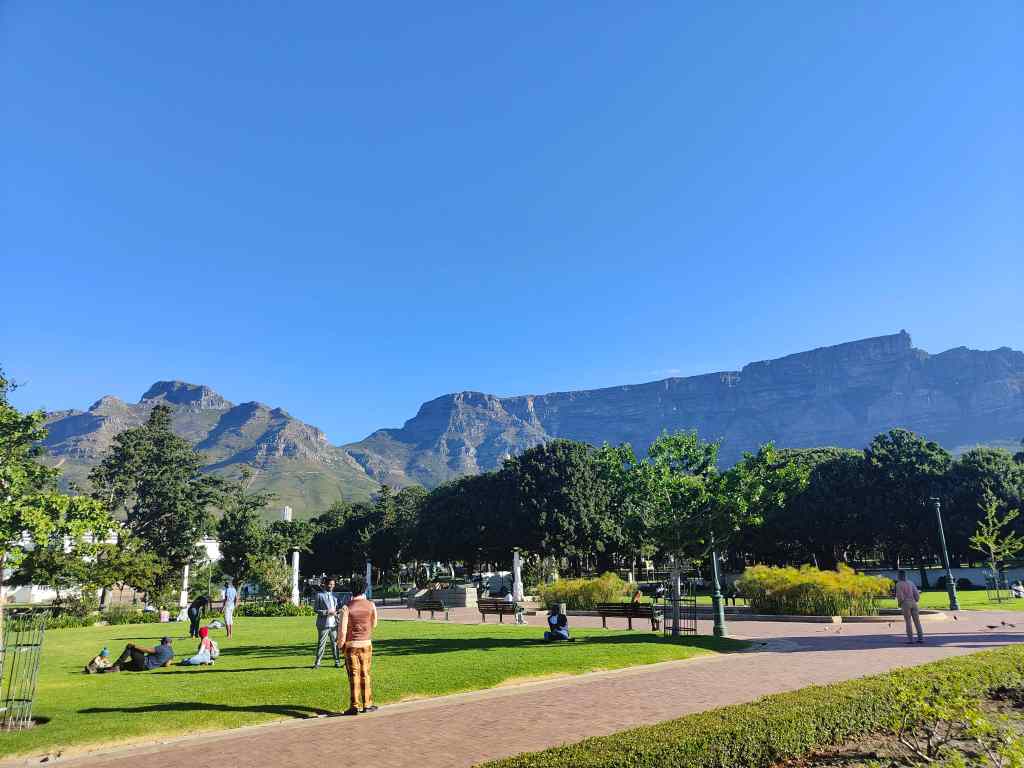

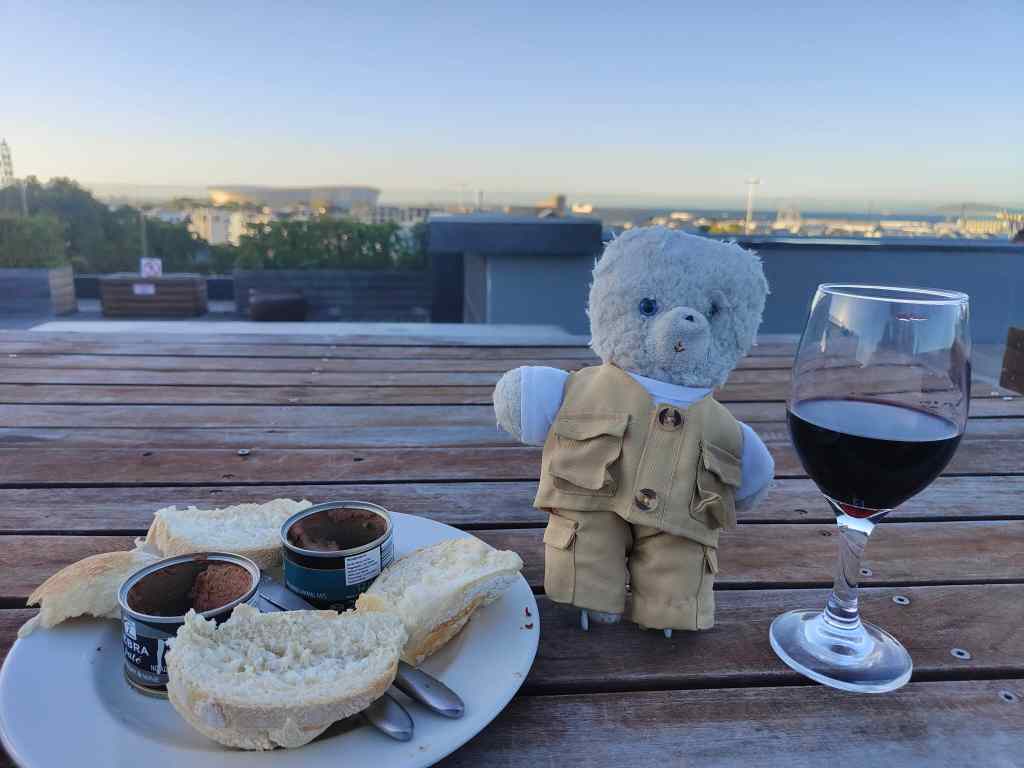
I walked through to the west end of the garden, where there was an open area, with a few monuments and the national art gallery. There were also a lot of homeless people stretched out on the grass. As the sun began to set, the shadows in the gardens lengthened. A sudden transition occurred. The happy, relaxed crowd I had seen earlier rapidly disappeared leaving behind the homeless and beggars. The remaining visitors walked faster, and looked around frequently. I followed suit, and walked quickly back to my hotel via the local shop, where I brought some excellent springbok paté and wine for dinner. I ate this on the roof terrace of my hotel, contemplating the day’s events, and my good fortune in life compared to many of the other people I had seen today.
Next Post: Cape Point and Cape of Good Hope – to the end of the world…
Previous Post: Cape Town – Kirstenbosch Gardens and Table Mountain
 Trouspinet travels