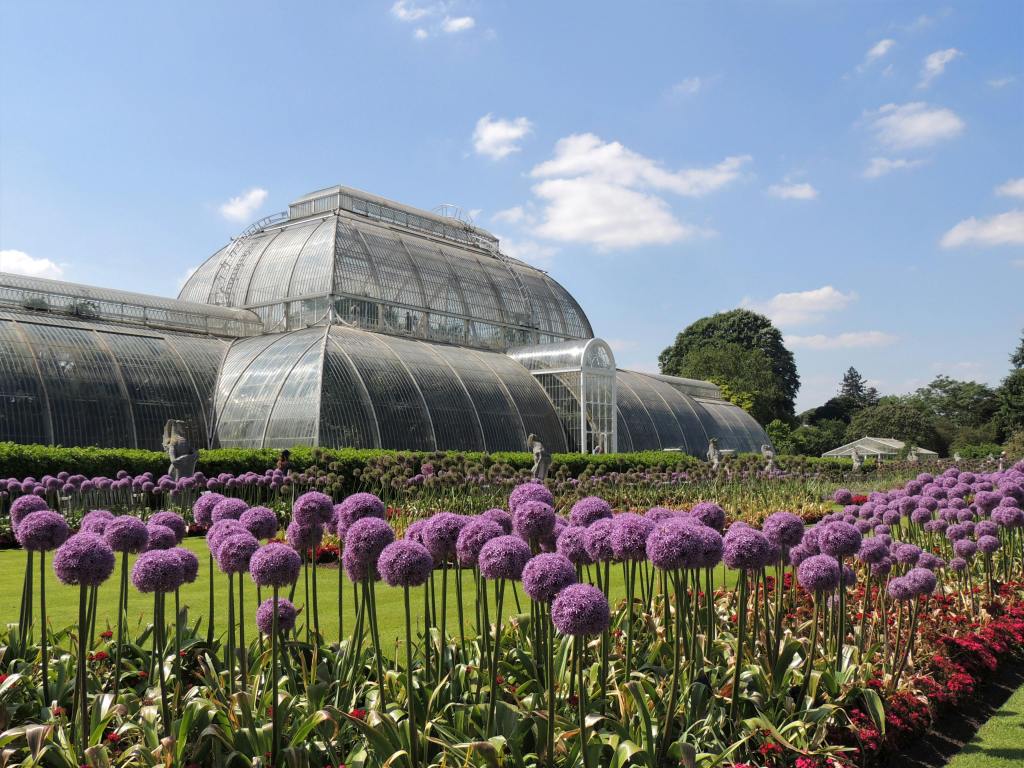
Today’s post is devoted to Kew Gardens, which is one of the world’s most important botanical gardens, and which holds the record for the biggest collection of plant species held on a single site (16,900). The origins of Kew go back to 1759, when Princess Augusta, mother of King George III, founded a nine-acre botanic garden. Some of the first exotic plants came from samples sent back in 1768 by the great Botanist Joseph Banks from Captain Cook’s voyages of exploration; a few years later Francis Masson, Kew’s first plant collector, added thousands of plants from South Africa. In 1840 Kew Gardens were transferred from the crown to the government, and were opened to the public. Over the years, various hot houses and other buildings were added, including a herbarium which now contains over seven million species of preserved and catalogued plants. Today Kew Gardens is a major centre for scientific research and conservation, a popular tourist attraction, and a UNESCO world heritage site. Luckily for me, it is a twenty minute stroll away from Richmond.
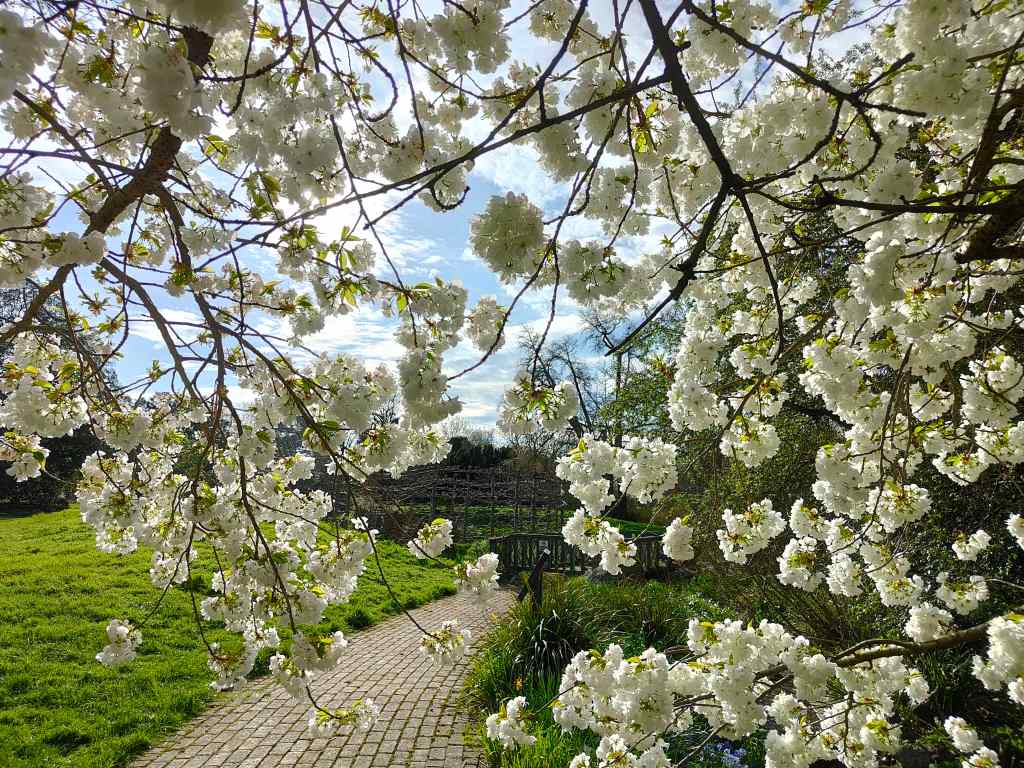
There are different things to see in Kew for every season of the year. I will start with one of the highlights of the year – spring and fruit blossom. There is an amazing cherry blossom display, which can rival any sakura in Japan, but without the crowds.

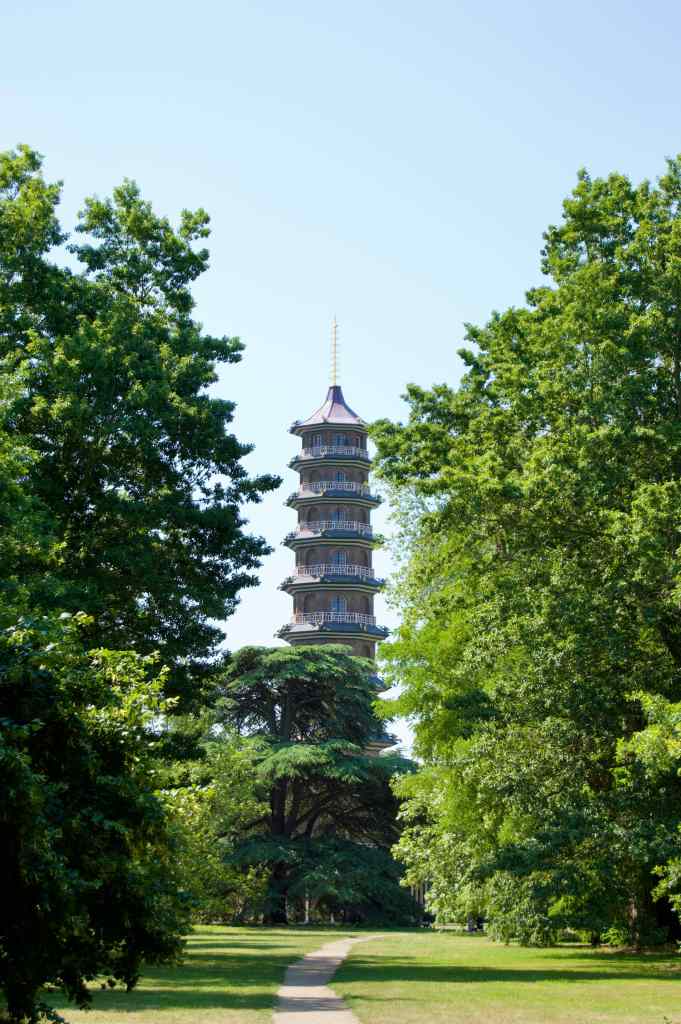
After the spring flowers, summer at Kew is a time to explore the long avenues with the fine views – like this avenue leading up to the Japanese pagoda
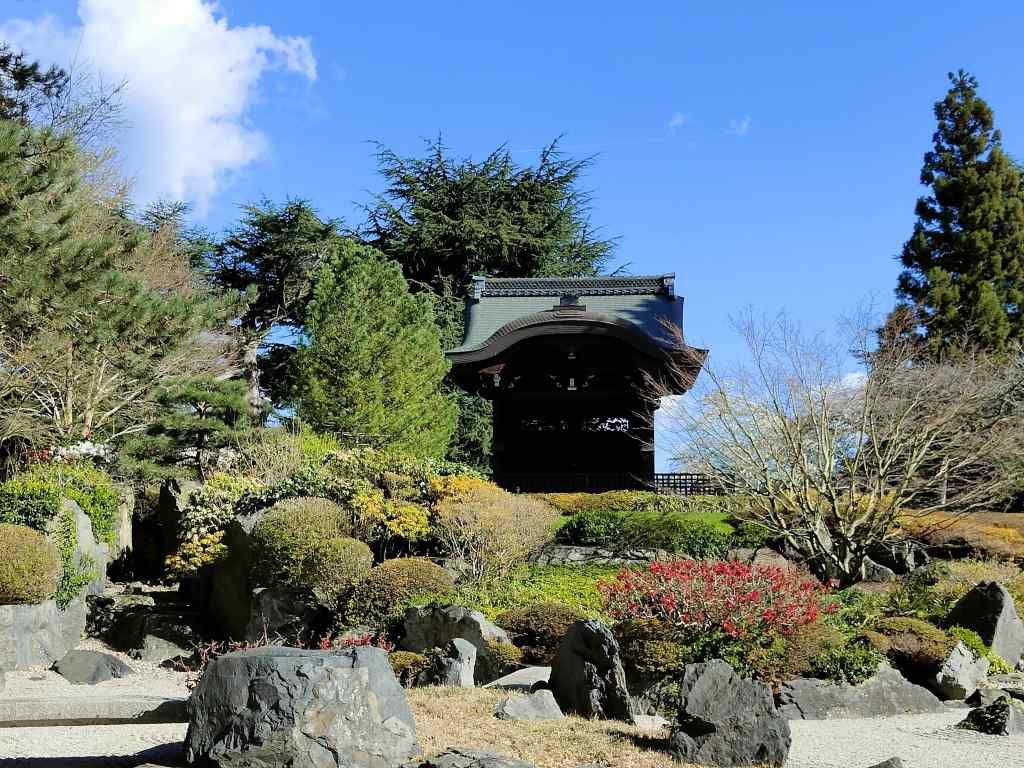
….or to check out places like the Japanese garden….
….or the alpine garden……..
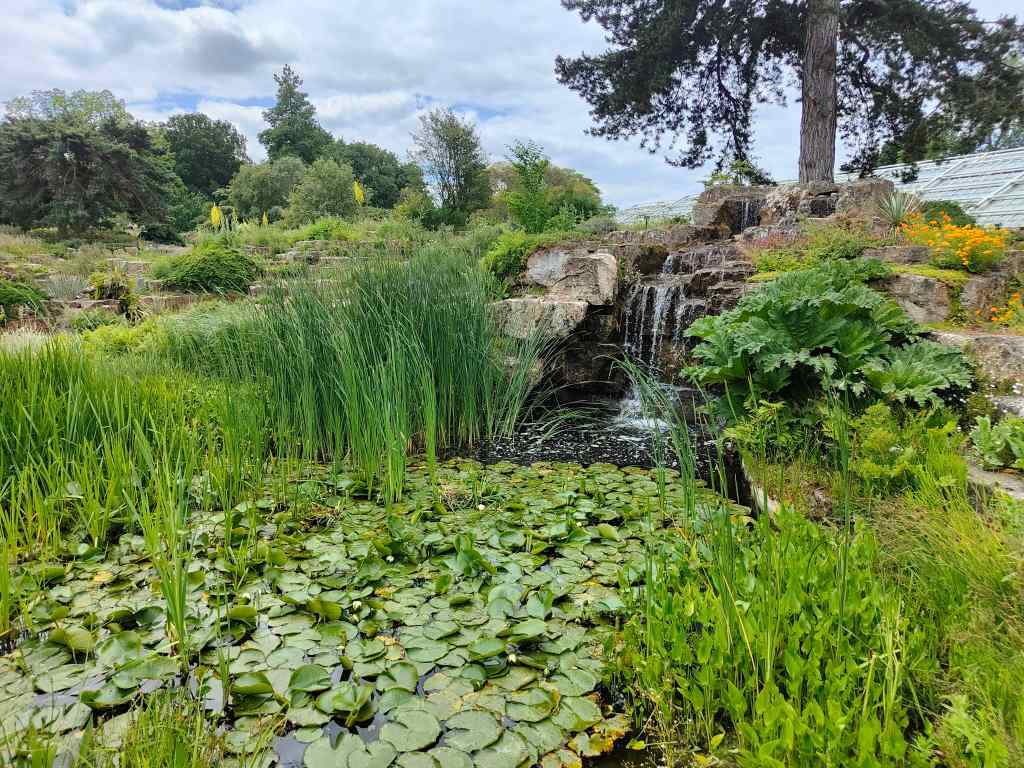
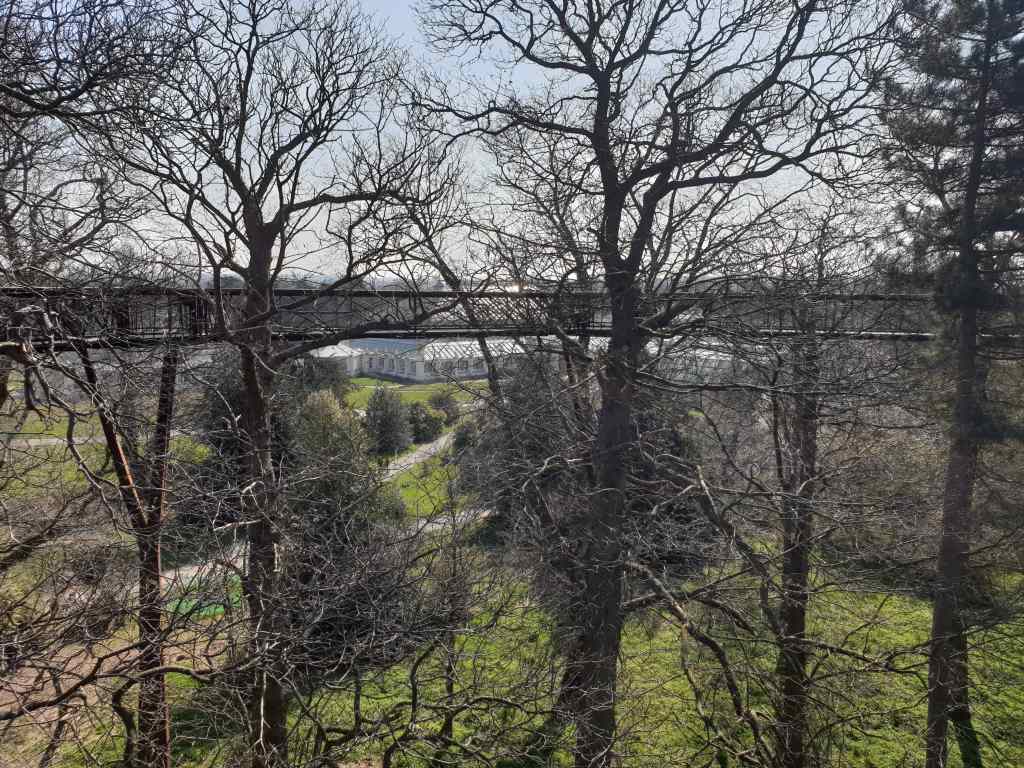
Autumn is the best time for the tree top walkway, one of Kew’s more recently introduced features

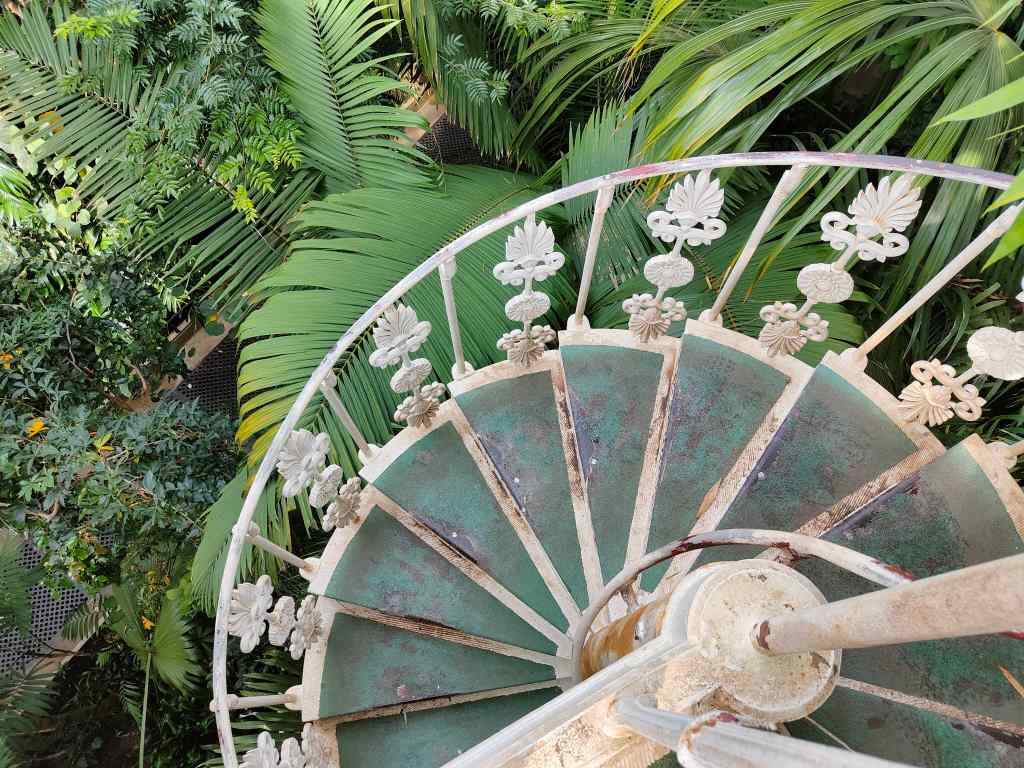
Finally, winter is the time to visit Kew’s hothouses. The largest is the Palm House, built in 1848. I particularly like some of the unusual perspectives you get when you climb the stairs to the gallery at the top of the Palm House.
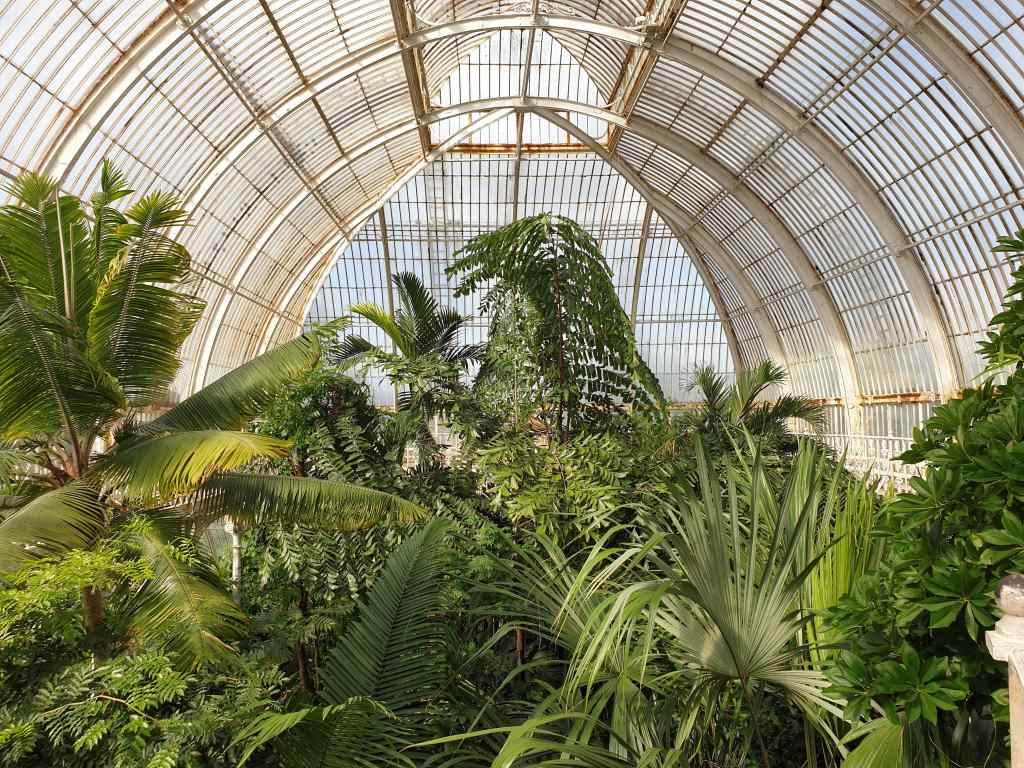
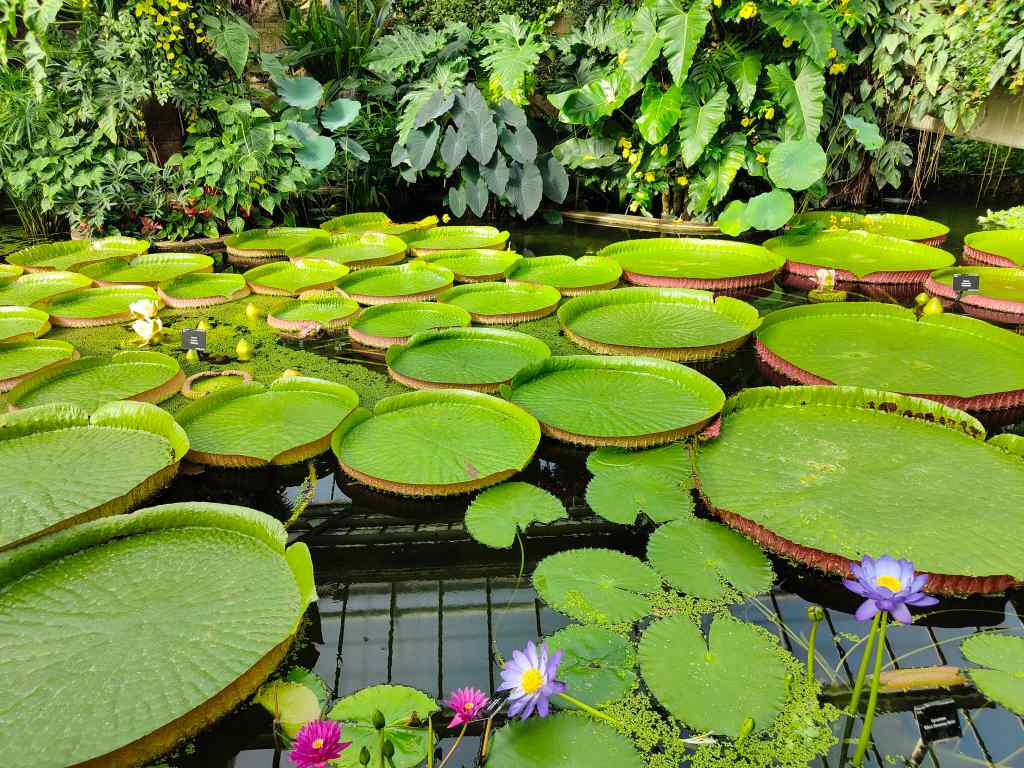
Probably the most interesting hothouse at Kew is the Princess of Wales Conservatory, which houses cacti, giant water lillies, ferns and orchids in areas that range from arid to wet, and from temperate to tropical.
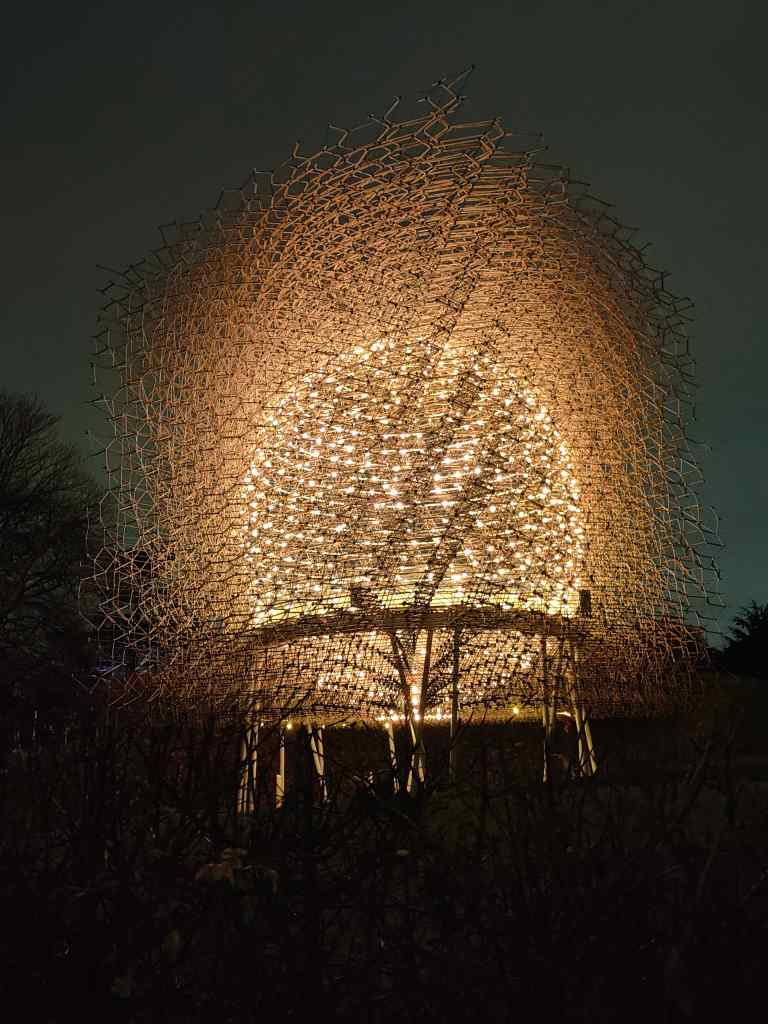
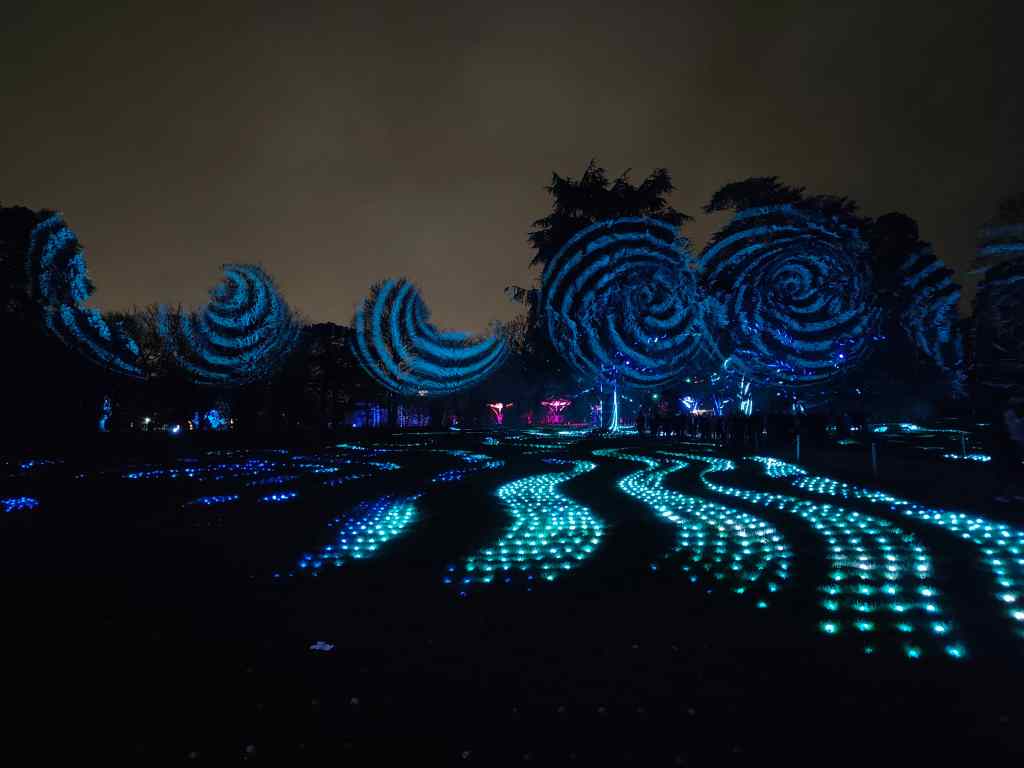
Winter is also the time of a Kew at Christmas, where you can walk a fixed path through the gardens at night to see some light displays – some of which are really striking
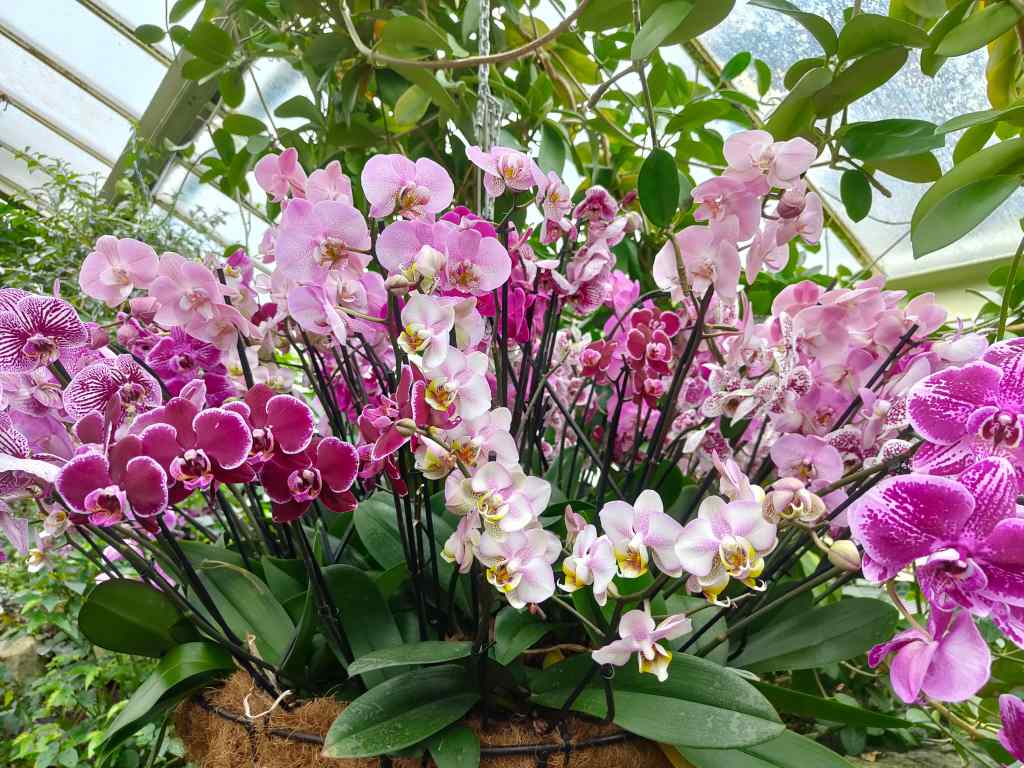
Finally winter also sees Kew’s Orchid festival, with specatuclar displays of thousands of orchids.

Previous Post: From Richmond to Twickenham
 Trouspinet travels