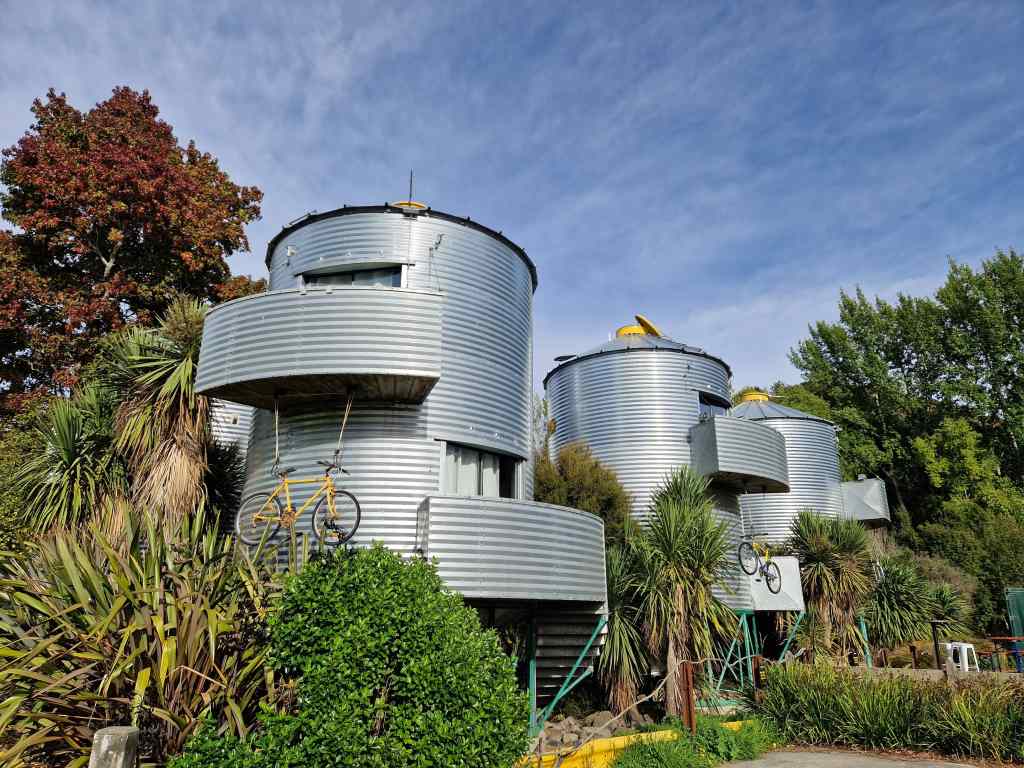
Today I made a day trip from Christchurch to the Banks Peninsula, which was named by Captain Cook after the famous botanist Joseph Banks who sailed with him, and who particularly enjoyed taking samples of the area’s rich vegetation. My destination was the small town of Akaroa on the very tip of the peninsula. When I checked on my computer, the distance (85km) and time (90mins) for the trip were much longer than I had expected, so I hurriedly got dressed and set off. The trip took even longer than scheduled due to some extensive roadworks on the way out of the city. New Zealand roads are generally in excellent condition and driving is usually a pleasure – except when you run into their very frequent road repairs. I realised that I would not reach Akaroa in time for the morning boat ride I was targeting, so instead I booked a later trip and enjoyed driving through the rolling green countryside (reminiscent of England or Scotland) and made a coffee stop at a cute, quirky village Banks Peninsula village called Little River.
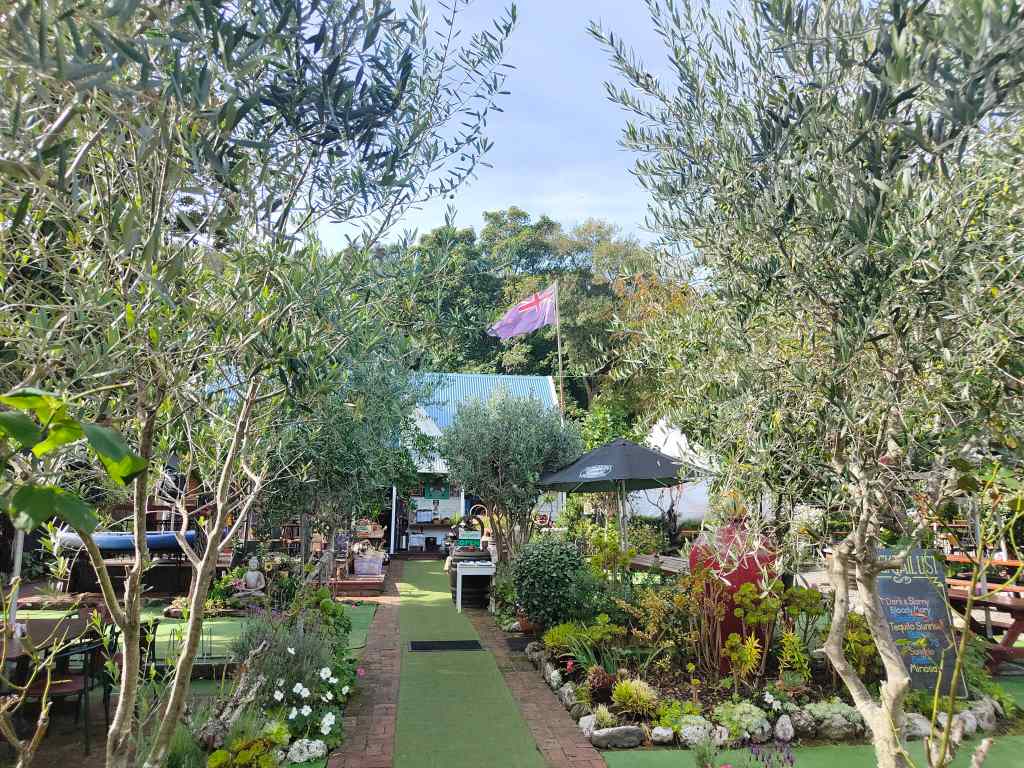
As I approached Akaroa the names of the settlements began to have a distinctly French feeling – Duvauchelle, French Farm. This is a reflection of the town’s interesting history. in 1838, a French whaler visited the place and bought land there from local Maori chiefs. He returned to France and recruited a group of prospective settlers with the aim of creating a French colony, and they set sail for their new home in March 1840. However, in May of that year, the British signed the Treaty of Waitangi with the main Maori chiefs, giving sovereignty over the whole country to Britain. The French ship made a stop on the North Island of New Zealand on the way, and the budding colonists let slip their plan to form a colony in a local tavern. Keen to quash any idea of competing territorial claims, the British immediately dispatched their navy to Akaroa and the French arrived to be welcomed by the union jack flying over the settlement and a warship in the harbour. After long negotiations, the British offered the settlers five acres of land each or safe passage back to Europe, provided they accept British rule. Most opted for the land and many of their descendants live in Akaroa to this day.
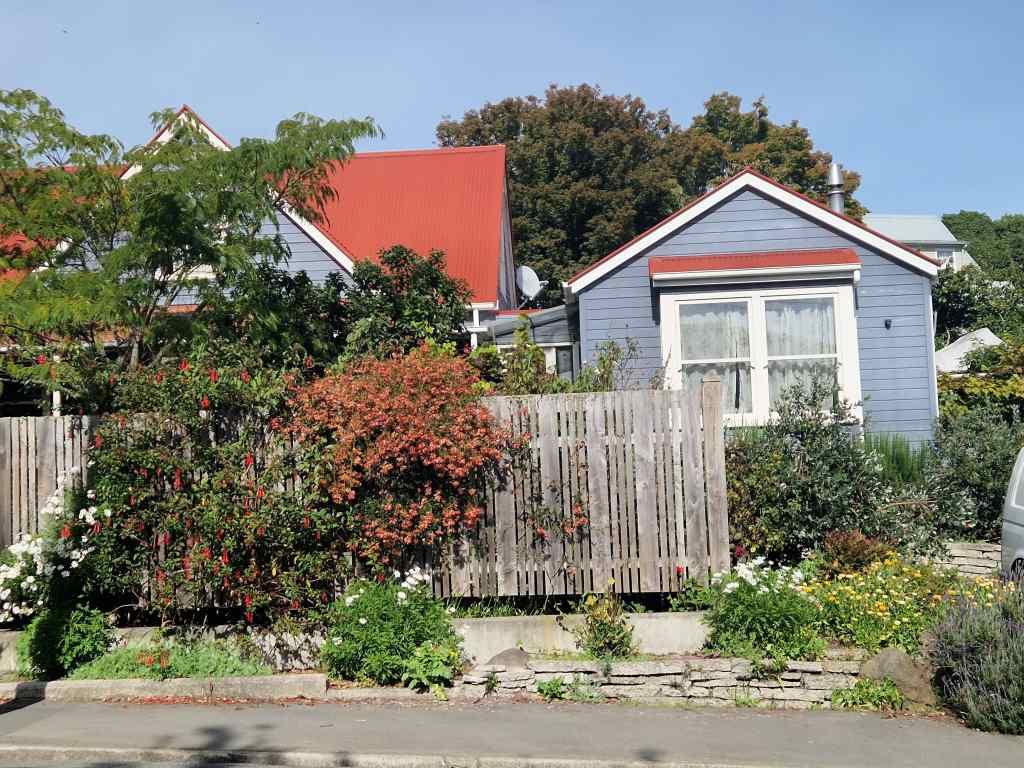
Akaroa, which means “long harbour” in Maori, is a very pretty small town strung out along a couple of kilometres of a….very long harbour. It was full of arty shops and cafes, and most of the street names were French.
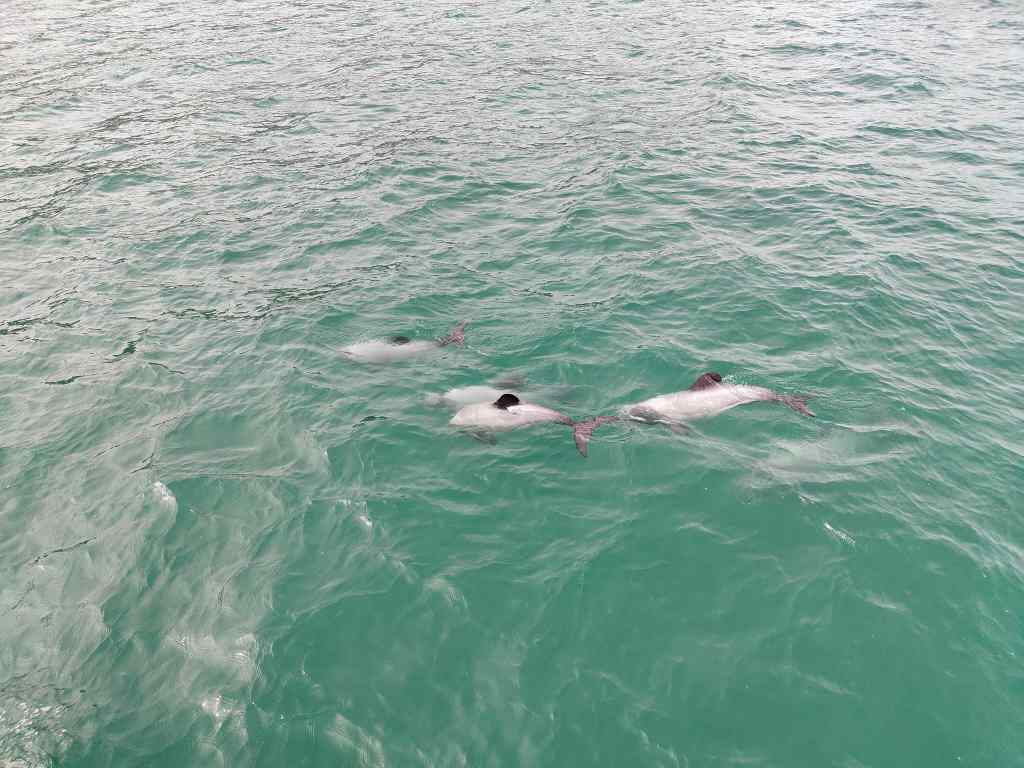
I joined a small group of other tourists for my boat trip and we headed out to into a large arm of the sea, which stretched inland between tall mountains covered with lush vegetation. Millions of years ago, this had been the site of a huge volcano, about as high as Mount Cook. It exploded and its centre collapsed back into the ground, forming a huge caldera which is now underwater. Today this body of water is home to a big variety of wildlife, including the main target for our tour – Hector’s dolphin, the smallest and rarest of the different dolphin species. Onboard our boat was Buster, the dolphin-sniffing dog, who was supposed to bark at the smell of marine mammals.
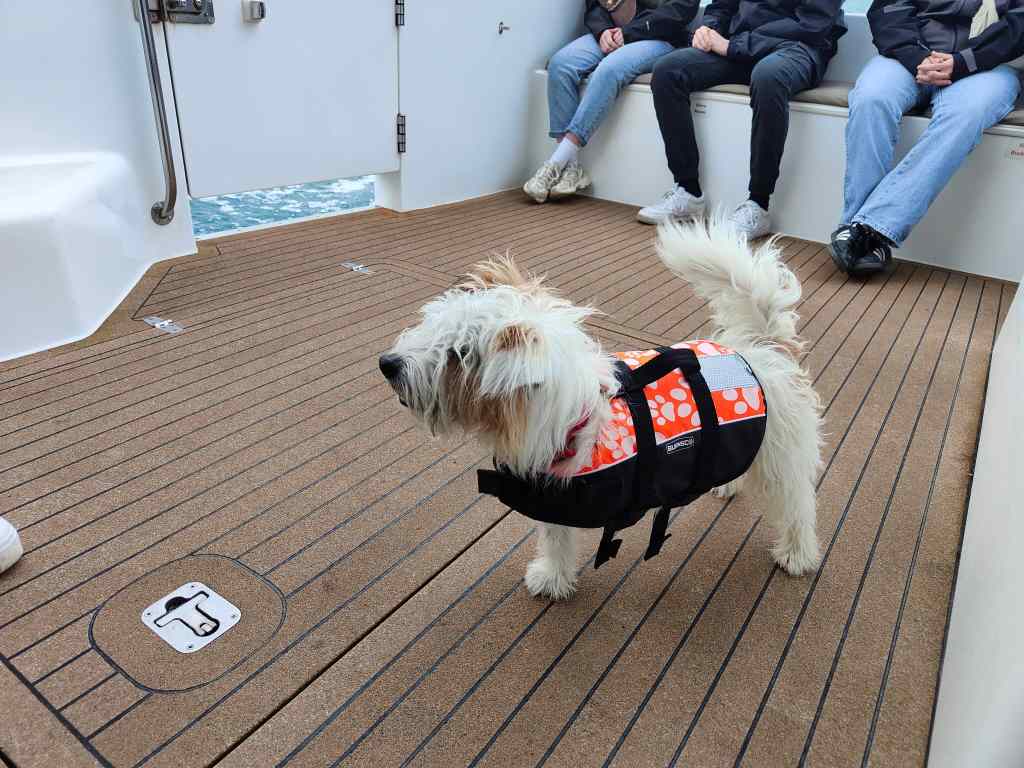
I was not sure Buster was on top of his game, because he only barked twice – once at the start, for apparently no reason, and once when the captain’s assistant distributed cookies to the passengers. After half an hour we had the first of three encounters with a pod of dolphins. They seemed to busy feeding and largely ignored our boat.

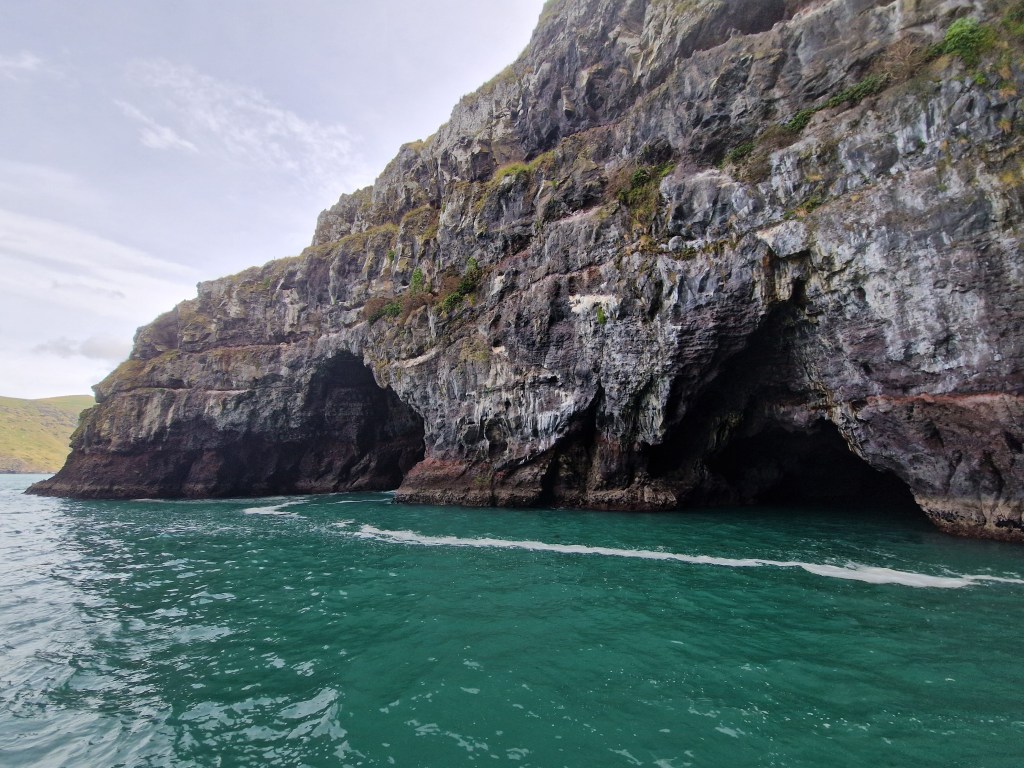
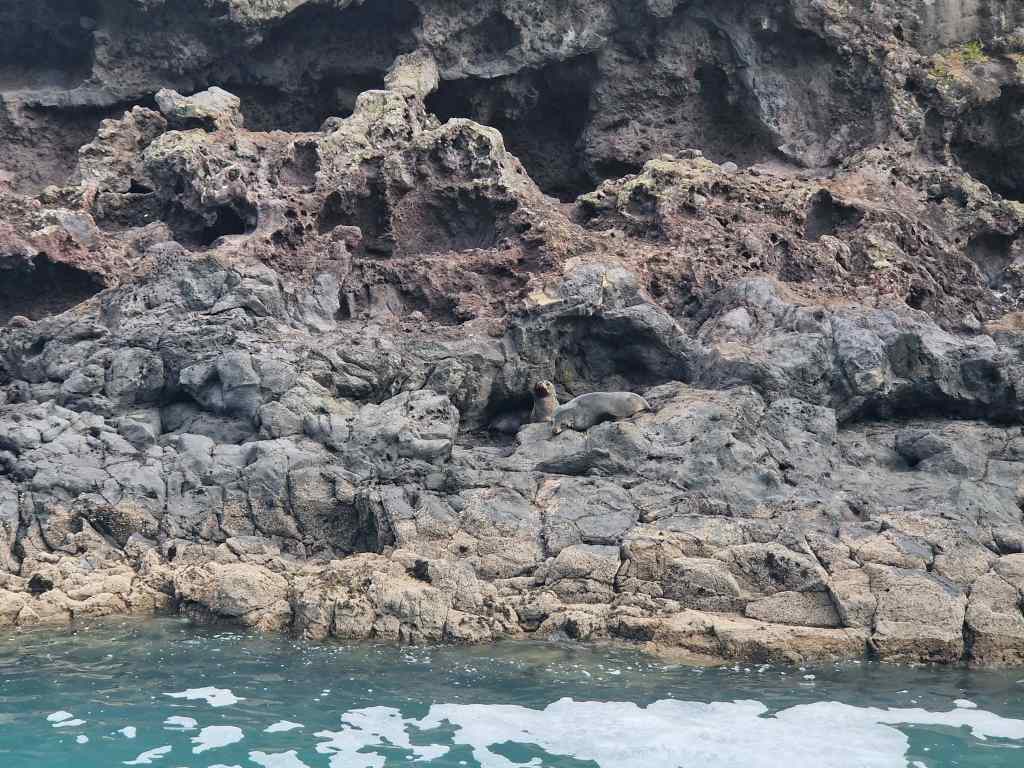
With our main objective completed, the captain showed us some of the pretty coastline in the area, including interesting rock formations and some seals.

On the way back, we had two more encounters with dolphins.

The bay is also occasionally visited by killer whales and penguins, but we didn’t see any.
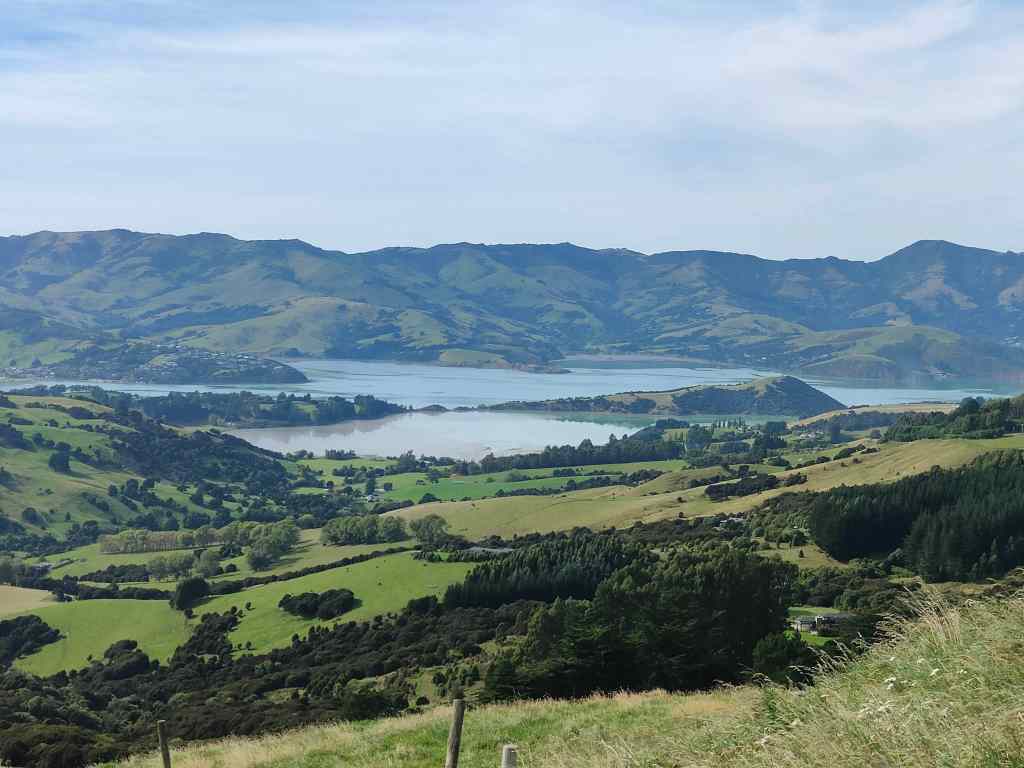
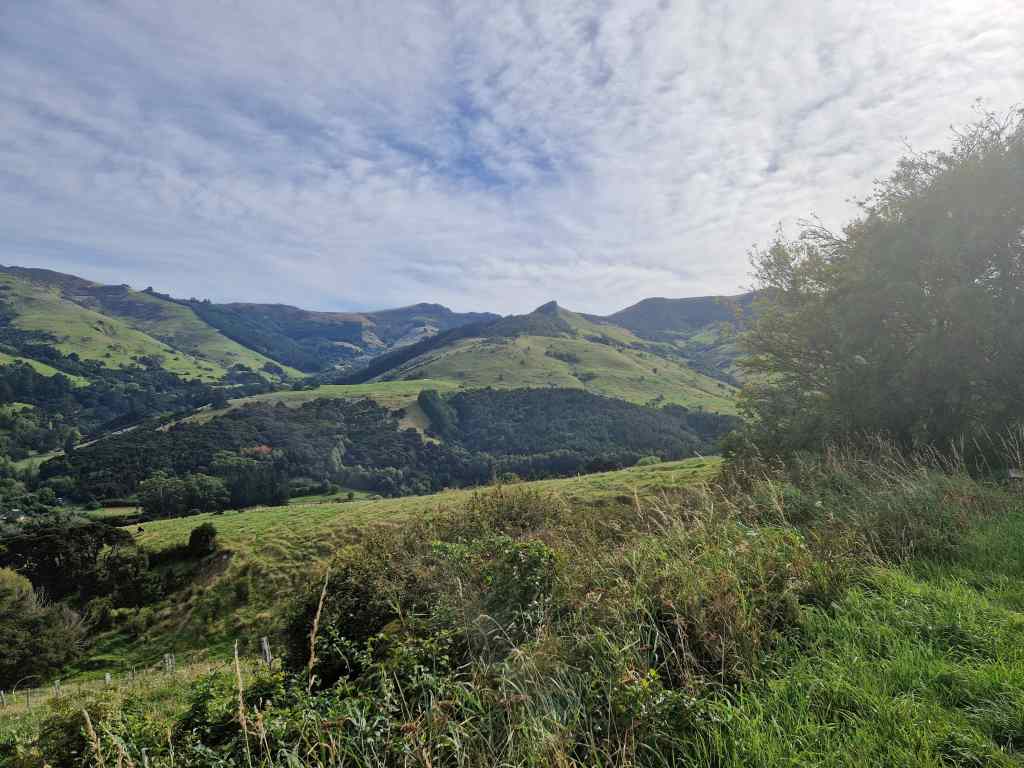
On the way back from Akaroa I took a scenic route which led up to the mountains surrounding the bay, for some excellent views of the area. It was a good way to end a very laid-back, relaxing excursion to an area with a wonderfully colourful history.
Next Post: Kaikoura, lobster and blue whales
Previous Post: Christchurch

 Trouspinet travels