Today I pulled back the shutters of my room to reveal thick clouds handing over Tarbes. My plans for walking in the high Pyrenees would have to be postponed for another day. Instead, I headed along the autoroute to Pau, a historic city less than an hour away from Tarbes. I was heading for Pau castle, but on entering the city was caught in an impossible one way system and ended up parking and walking the last kilometre, passing along a pretty promenade which would have yielded wonderful views of the high Pyrenees had the weather been better.
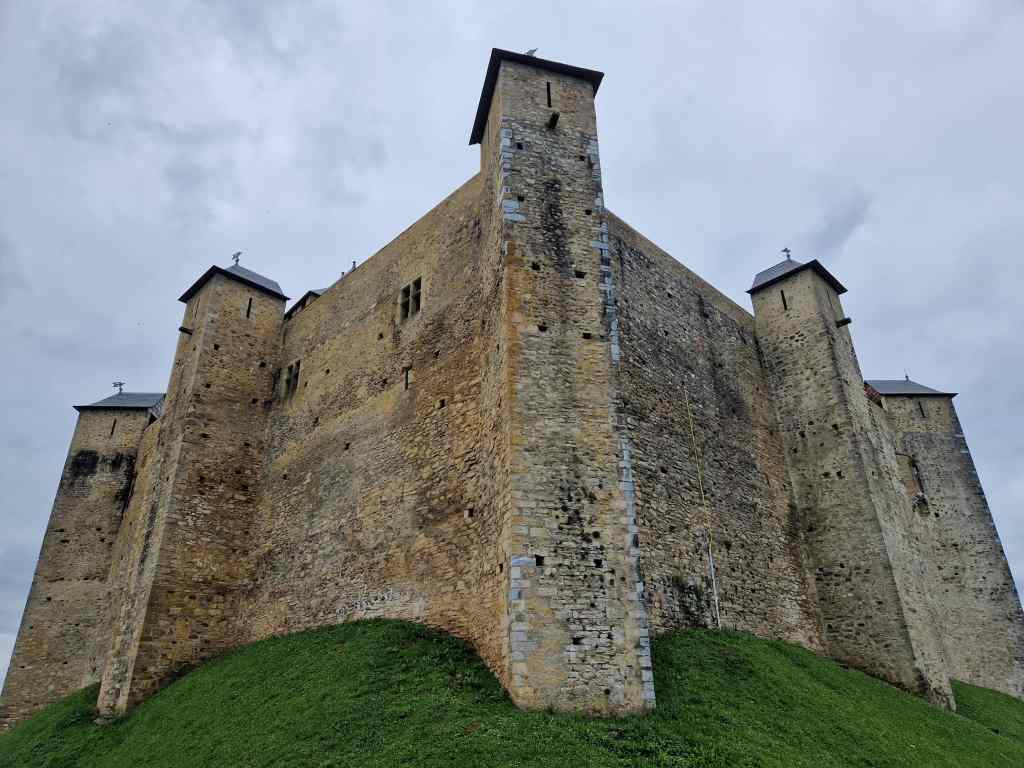
The Chateau de Pau is an impressive structure built up over many centuries. At its centre is a typical chateau fort of purely defensive nature – with thick walls and few windows. Around this structure were built the wings of a renaissance castle, built to impress and to be comfortable to live in. It was originally the base for the kings of Navarre, an independent French province in the Middle Ages. The Chateau de Pau is most famous as the birthplace in 1553 of Henry, later to become King of Navarre and still later Henry IV – one of France’s most famous kings and founder of the Bourbon dynasty.

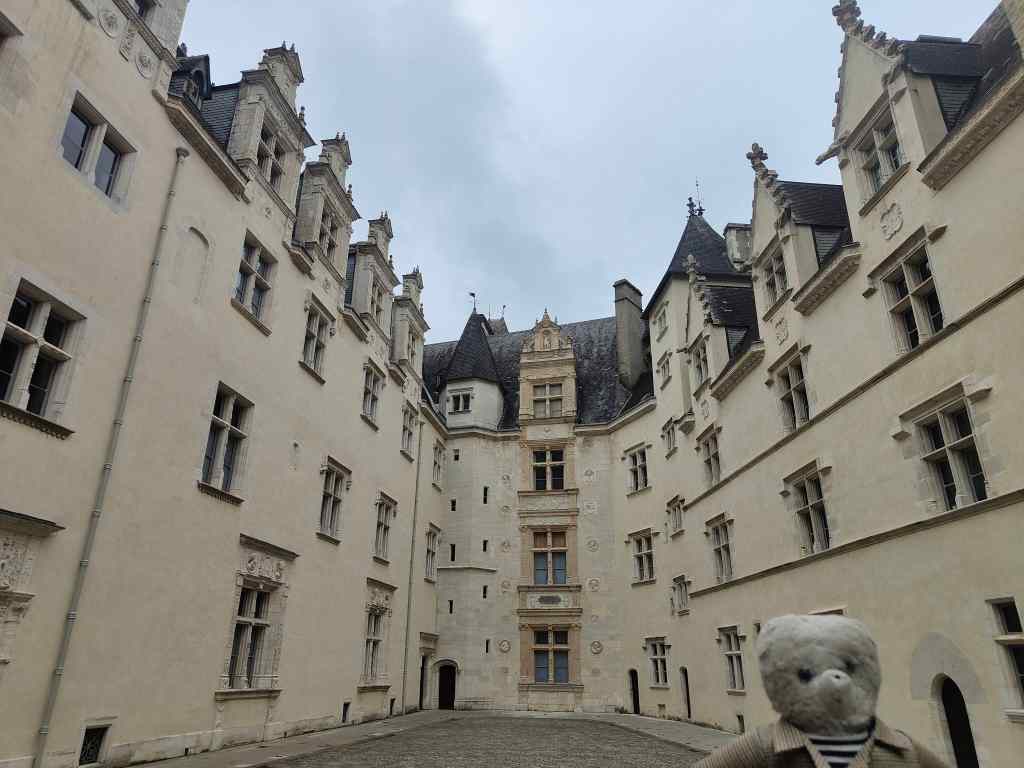
I enjoyed a guided tour of the castle, admiring its state rooms and many statues of Henry IV – a king always depicted with a slight smile on his face.
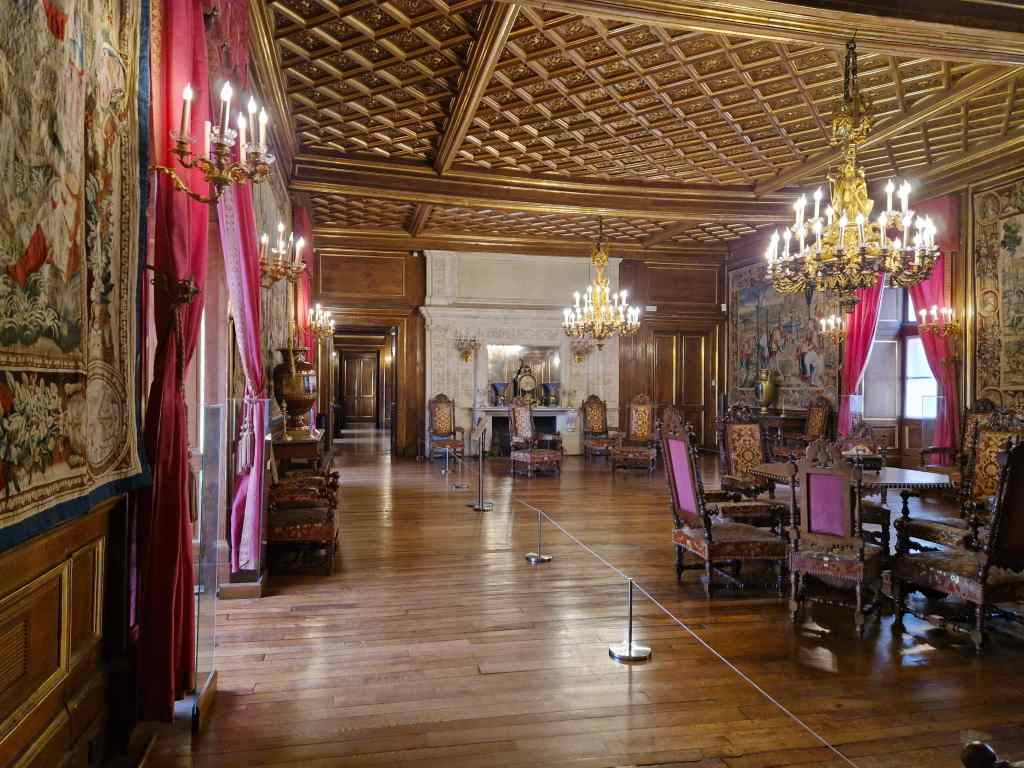
One of the highlights was the display of the shell of a sea turtle, which had been the traditional crib for the newly born kings of Navarre, including Henry. During the French revolution, anti-royalist feelings ran high, and the authorities decided to remove and destroy this relic. However, a local royalist heard about this plan and managed to substitute the original shell with a different one. The copy was removed and destroyed, only for the original to be returned after it the restoration of the French monarchy.

After the visit, I strolled around the city of Pau. After its glory as the birthplace of Henry IV, it had another golden era as a spa town, and has some wonderful old houses built along a promenade looking out over the Pyrenees. However some of these grand old “maisons” were replaced by rather tasteless modern constructions, and the city today is an odd mix of the old and the new, its boarded-up branch of Galeries Lafayette a witness to its glorious past and uncertain present. Barber shops and tattoo parlours on its high street further emphasised the impression of a city in decline.
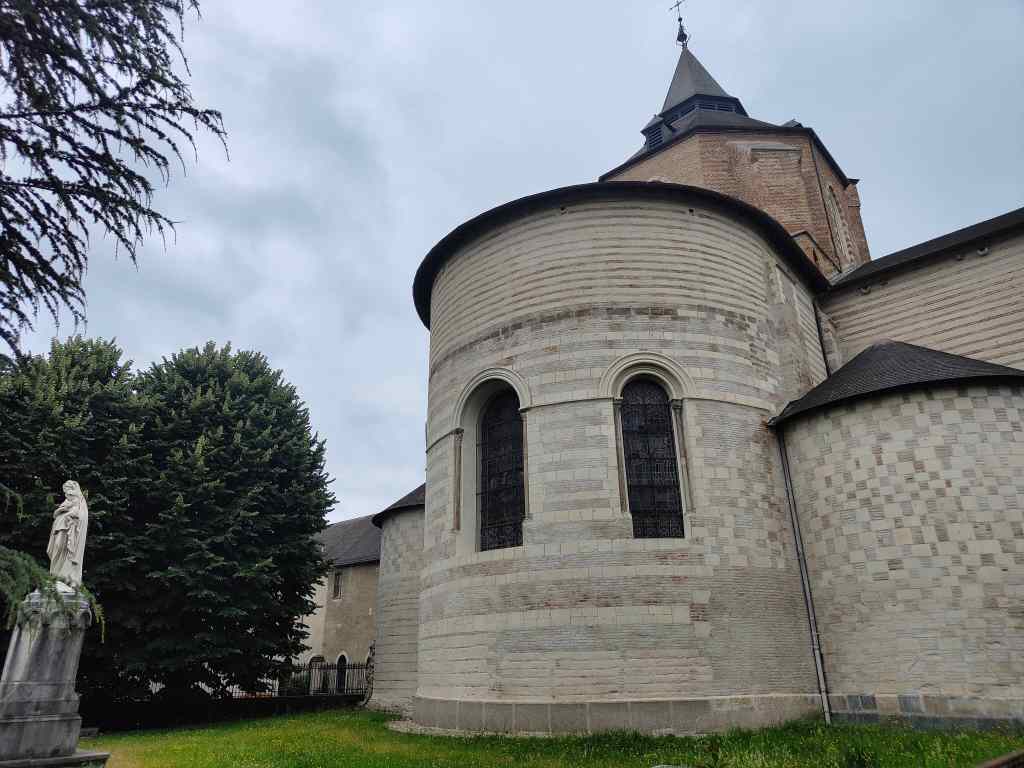
I headed back to Tarbes, which at first on a cloudy Sunday afternoon felt a bit like the slightly depressing city of Pau. However a stroll around town showed that with a little digging, Tarbes was a pleasant an interesting place – albeit well off the main tourist trail. Its cathedral dates from the 12th century and has an impressive interior – including, for some bizarre reason a marble plaque carrying Louis XVI’s last will and testament before his execution.

A further stroll brought me to the Haras, a stud farm and centre of equestrian learning established by Napoleon in1806 and now owned by the French army. I was lucky enough to visit during a show jumping competition, something I never seen before.
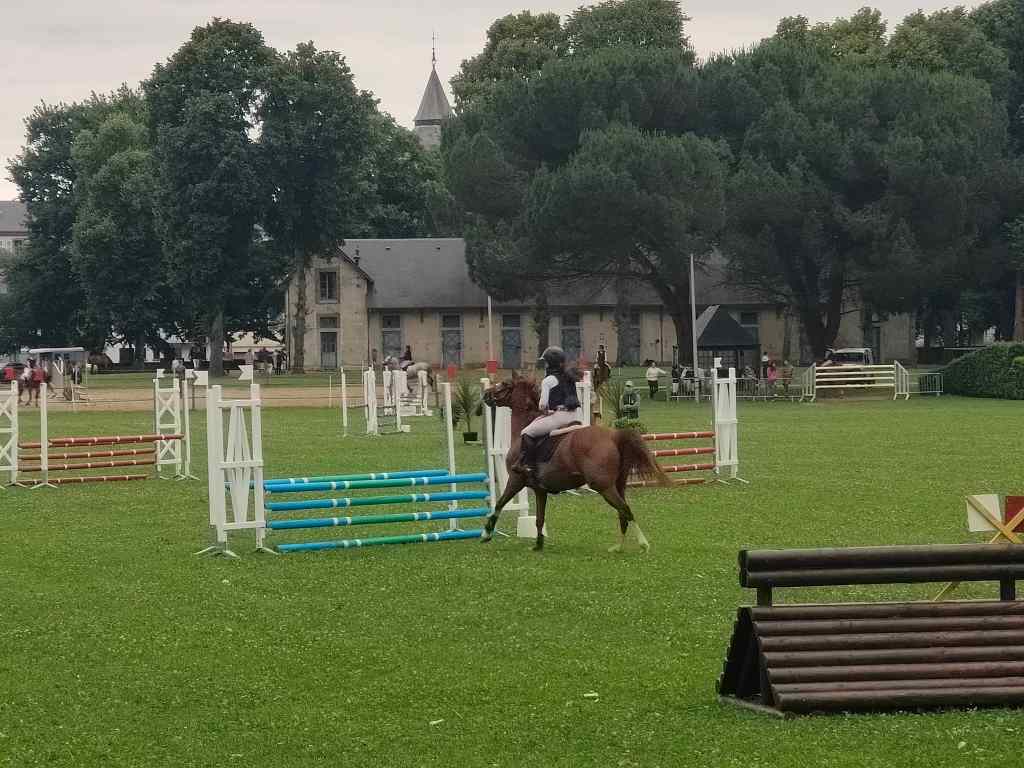
I enjoyed watching the competition before heading back to my hotel – La Maison aux Murs Anciens – for the evening. It deserves a special mention as one of the most memorable places I have ever stayed. It was a house built into the old walls of the city of Tarbes, and converted by its owner, an architect and mason, into a small hotel. The room I stayed in had had one other famous guest – Bernadette Soubirous, the girl whose visions of the Virgin Mary in 1858 eventually caused Lourdes to become a major pilgrimage site (and ultimately grow into a much bigger city than Tarbes). She stayed – or was kept – there for a year as the Catholic church investigated her story.

It was one of those days where you have to adapt your plan and expectations to the weather. In the circumstances, I had quite enjoyed my exploration of a couple of small Pyreneen cities. It turned out that a relaxing day exploring some low key attractions was exactly what I needed ahead of two exceptionally busy days in the high Pyrenees.
Previous Post: Bagneres-de-Bigorre and St-Betrand-de-Comminges
Next Post: The Cirque de Gavarnie




 Trouspinet travels