Tarbes and Pau

Today I pulled back the shutters of my room to reveal thick clouds handing over Tarbes. My plans for walking in the high Pyrenees would have to be postponed for another day. Instead, I headed along the autoroute to Pau, a historic city less than an hour away from Tarbes. I was heading for Pau castle, but on entering the city was caught in an impossible one way system and ended up parking and walking the last kilometre, passing along a pretty promenade which would have yielded wonderful views of the high Pyrenees had the weather been better.

The Chateau de Pau is an impressive structure built up over many centuries. At its centre is a typical chateau fort of purely defensive nature – with thick walls and few windows. Around this structure were built the wings of a renaissance castle, built to impress and to be comfortable to live in. It was originally the base for the kings of Navarre, an independent French province in the Middle Ages. The Chateau de Pau is most famous as the birthplace in 1553 of Henry, later to become King of Navarre and still later Henry IV – one of France’s most famous kings and founder of the Bourbon dynasty.

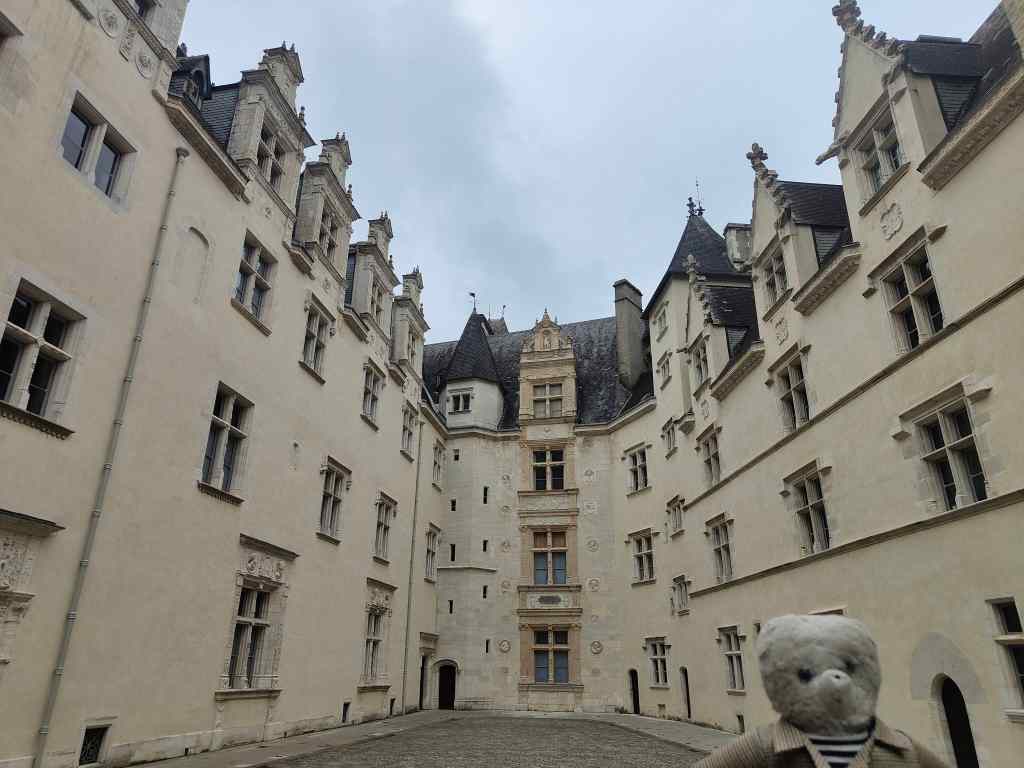
The Chateau de Pau from the oustide

I enjoyed a guided tour of the castle, admiring its state rooms and many statues of Henry IV – a king always depicted with a slight smile on his face.
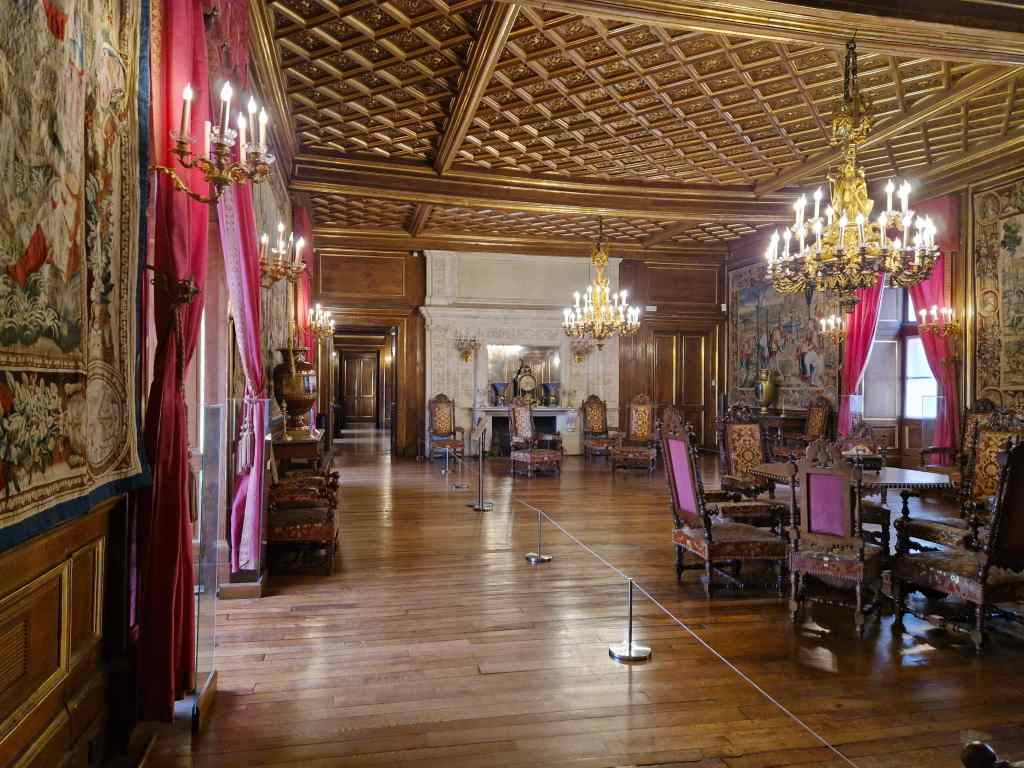
Reception room at the Chateau de Pau

One of the highlights was the display of the shell of a sea turtle, which had been the traditional crib for the newly born kings of Navarre, including Henry. During the French revolution, anti-royalist feelings ran high, and the authorities decided to remove and destroy this relic. However, a local royalist heard about this plan and managed to substitute the original shell with a different one. The copy was removed and destroyed, only for the original to be returned after it the restoration of the French monarchy.

Henry IV’s crib at the Chateau de Pau

After the visit, I strolled around the city of Pau. After its glory as the birthplace of Henry IV, it had another golden era as a spa town, and has some wonderful old houses built along a promenade looking out over the Pyrenees. However some of these grand old “maisons” were replaced by rather tasteless modern constructions, and the city today is an odd mix of the old and the new, its boarded-up branch of Galeries Lafayette a witness to its glorious past and uncertain present. Barber shops and tattoo parlours on its high street further emphasised the impression of a city in decline.

I headed back to Tarbes, which at first on a cloudy Sunday afternoon felt a bit like the slightly depressing city of Pau. However a stroll around town showed  that with a little digging, Tarbes was a pleasant an interesting place – albeit well off the main tourist trail. Its cathedral dates from the 12th century and has an impressive interior – including, for some bizarre reason a marble plaque carrying Louis XVI’s last will and testament before his execution.
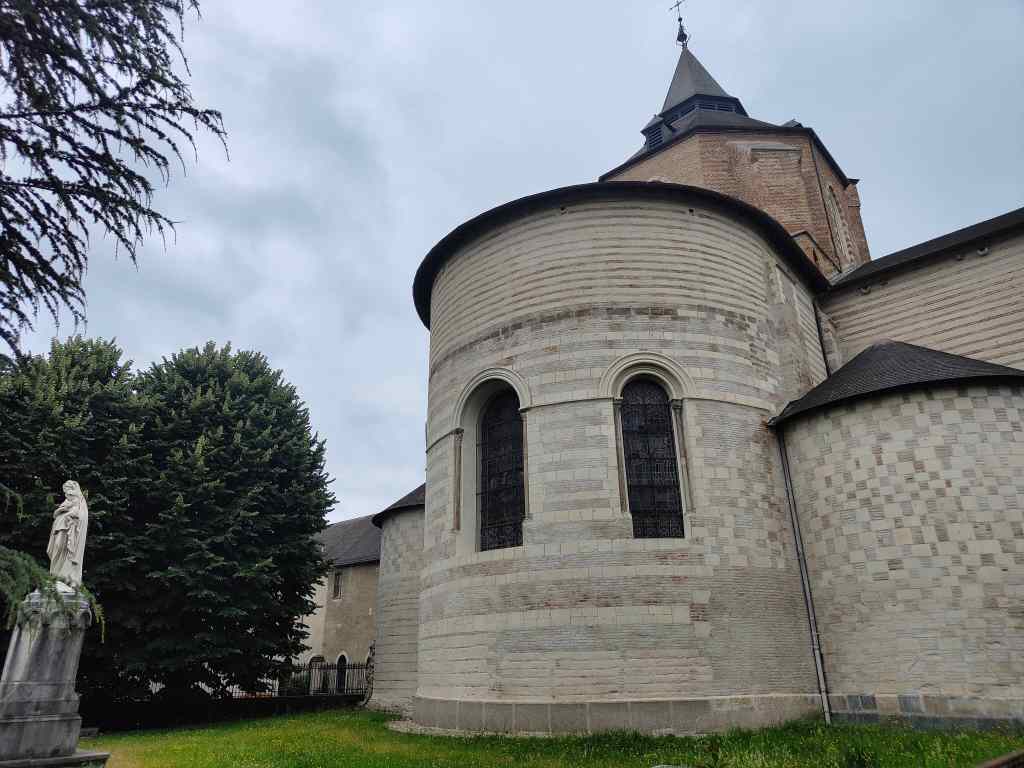
Tarbes Cathedral
Interior of Tarbes Cathedral

A further stroll brought me to the Haras, a stud farm and centre of equestrian learning established by Napoleon in1806 and now owned by the French army. I was lucky enough to visit during a show jumping competition, something I never seen before.
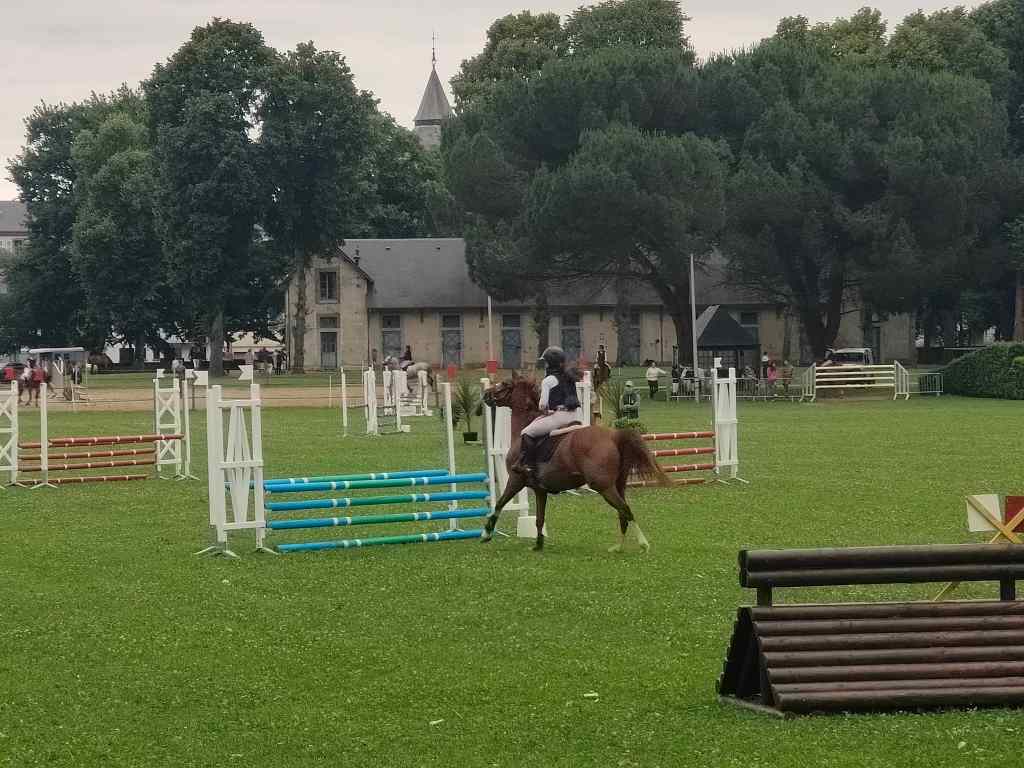
Show jumping competition at the Haras of Tarbes

I enjoyed watching the competition before heading back to  my hotel – La Maison aux Murs Anciens – for  the evening. It deserves a special mention as one of the most memorable places I have ever stayed. It was a house built into the old walls of the city of Tarbes, and converted by its owner, an architect and mason, into a small hotel. The room I stayed in had had one other famous guest – Bernadette Soubirous, the girl whose visions of the Virgin Mary in 1858 eventually caused Lourdes to become a major pilgrimage site (and ultimately grow into a much bigger city than Tarbes). She stayed – or was kept – there for a year as the Catholic church investigated her story.

In the same room as Bernadette Soubirous!

It was one of those days where you have to adapt your plan and expectations to the weather. In the circumstances, I had quite enjoyed my exploration of a couple of small Pyreneen cities. It turned out that a relaxing day exploring some low key attractions was exactly what I needed ahead of two exceptionally busy days in the high Pyrenees.

Previous Post: Bagneres-de-Bigorre and St-Betrand-de-Comminges

Next Post: The Cirque de Gavarnie

Almost off the beaten track – Matsuyama

We arrived in the evening in Matsuyama where I had booked an Airbnb. These seem to offer great accommodation options in Japan, if you are prepared for the difficulties of finding the address (or communicating it to a taxi driver). The place we had reserved proved to be worth the effort, with a wonderful host. We had a large downstairs living room, with small but beautiful Japanese gardens on two sides, and a large upstairs sleeping room.

bedroom Matsuyama
The bedroom of our Airbnb in Matusyama

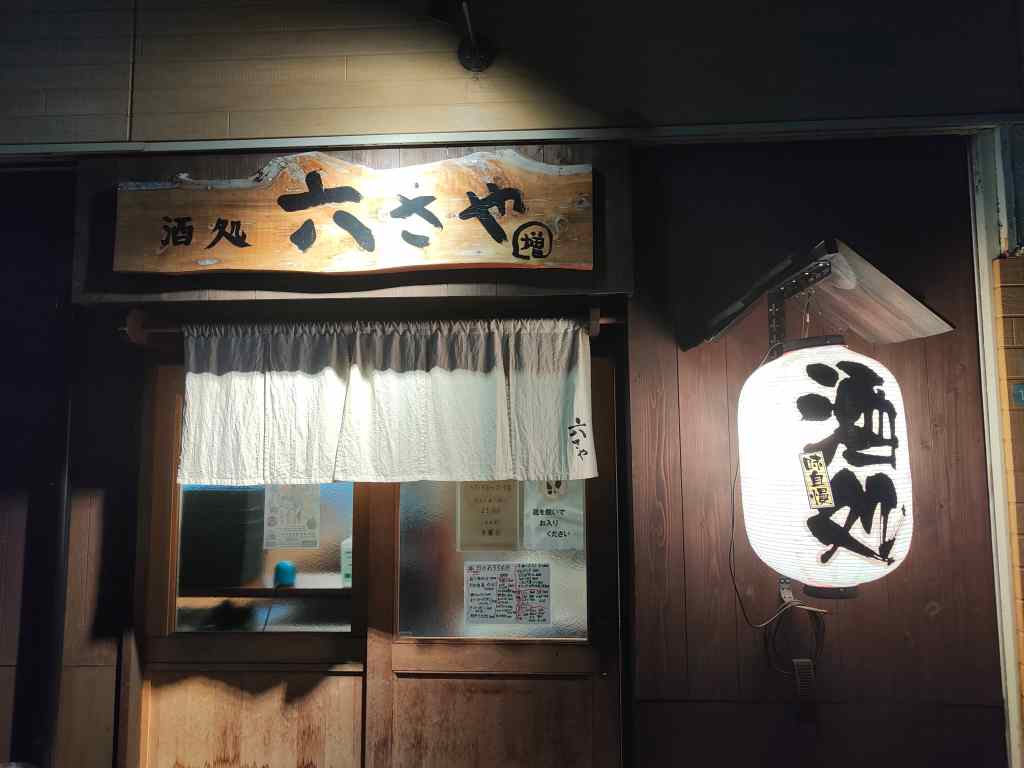
After settling in we set off to find dinner. We were in a residential area, far away from the centre of Matsuyama, and the options were all very traditional Japanese. An outside light and sign would indicate the existence of a restaurant, but to see what one was like, you had to slide open the door – more or less committing yourself to eating there if they had space. On our first night we were lucky and ate very well, and very cheaply.

restaurant Matsuyama
Local restaurant in Matsuyama – slide the door

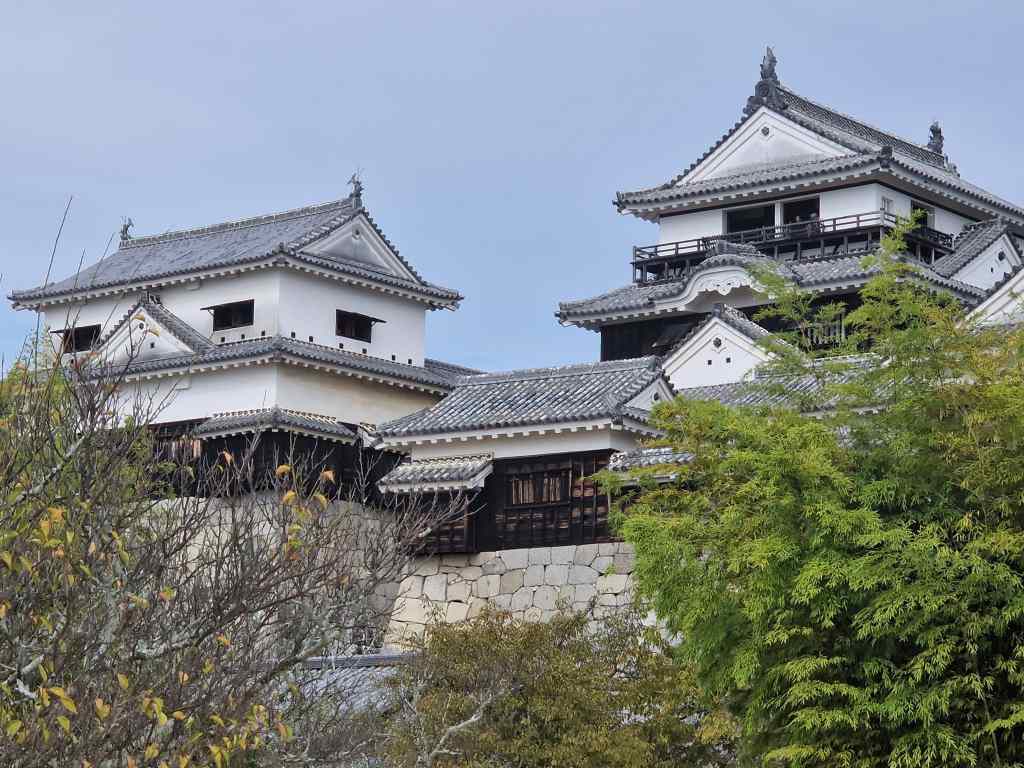
After a good night’s sleep, we set off to explore. Matsuyama is the largest city on the little-visited island of Shikoku. It is almost, but not quite, off the beaten track for western tourists, with a few making a short trip over from Hiroshima. First we saw the inevitable castle. Matsuyama’s version was bigger than the others we had seen in Japan, and offered good views over the surrounding area….but we were beginning to think that all Japanese castles look pretty similar.

Matsuyama castle
Matsuyama Castle

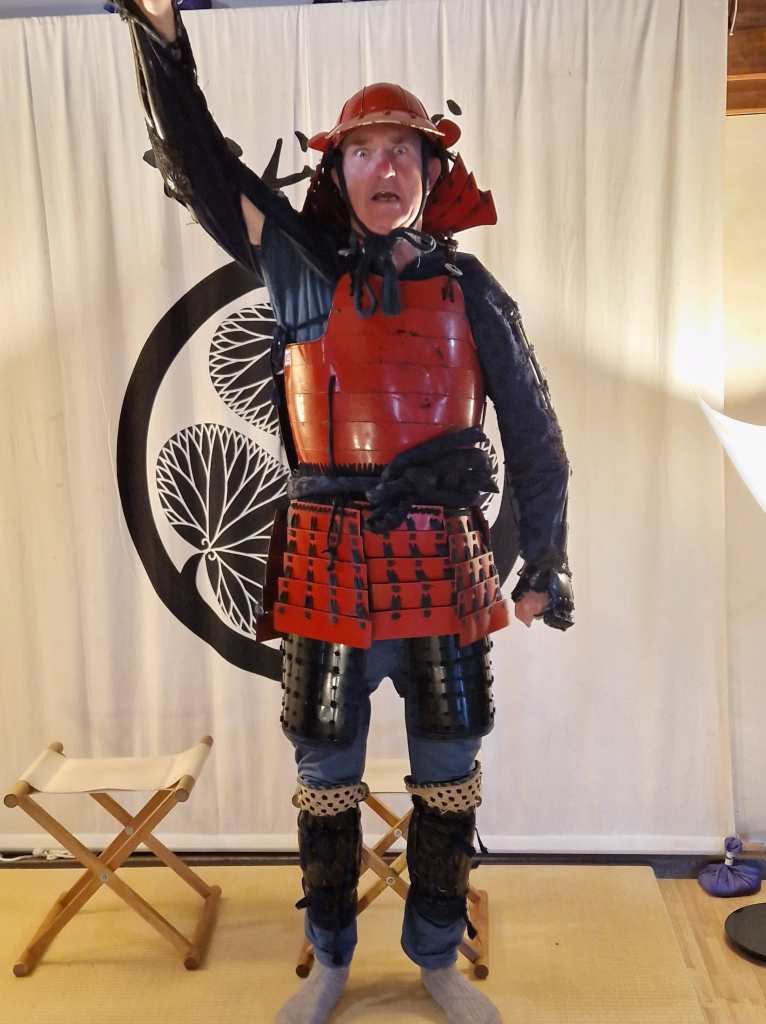
All the same, a fun highlight of our visit was the opportunity to watch human tourists dressing up as samurai (unfortunately they had no teddy-size costumes to offer for us).

Human tourist dressed as samurai

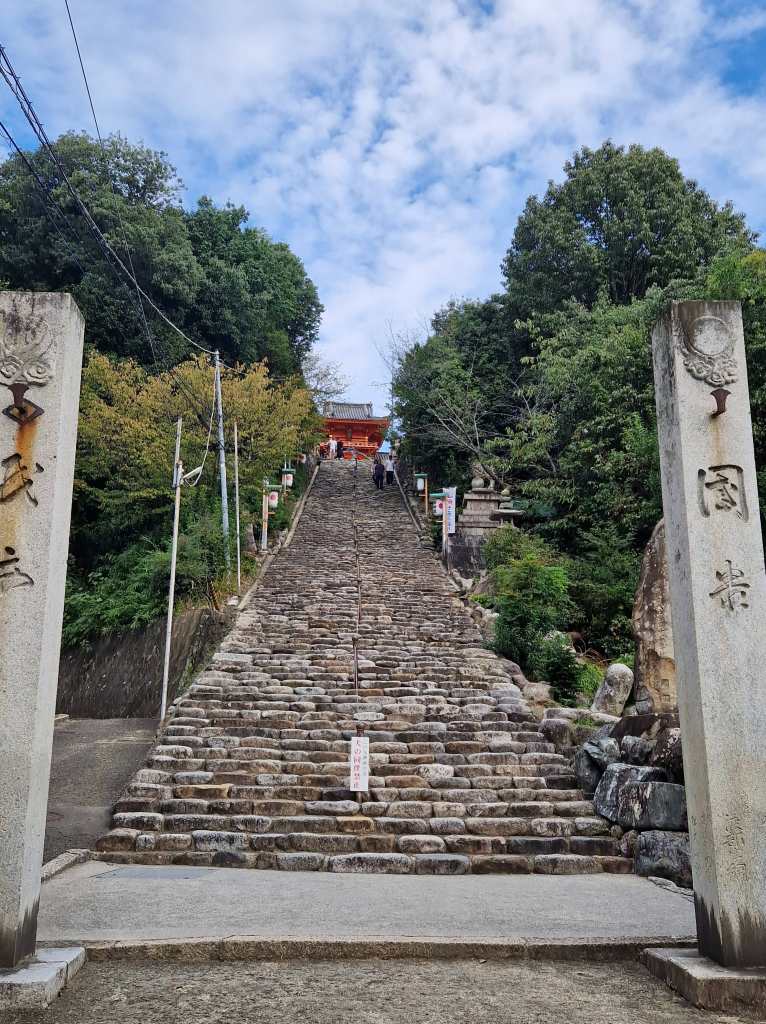
From the castle we headed to the spa town of Dogen, now a suburb of Matsuyama. It had a completely different atmosphere, with a wonderful retro train station, many shrines, several quirky attractions and one very famous one.

Temple in Matsuyama, Shikoku
Steep steps to this Matsuyama temple!

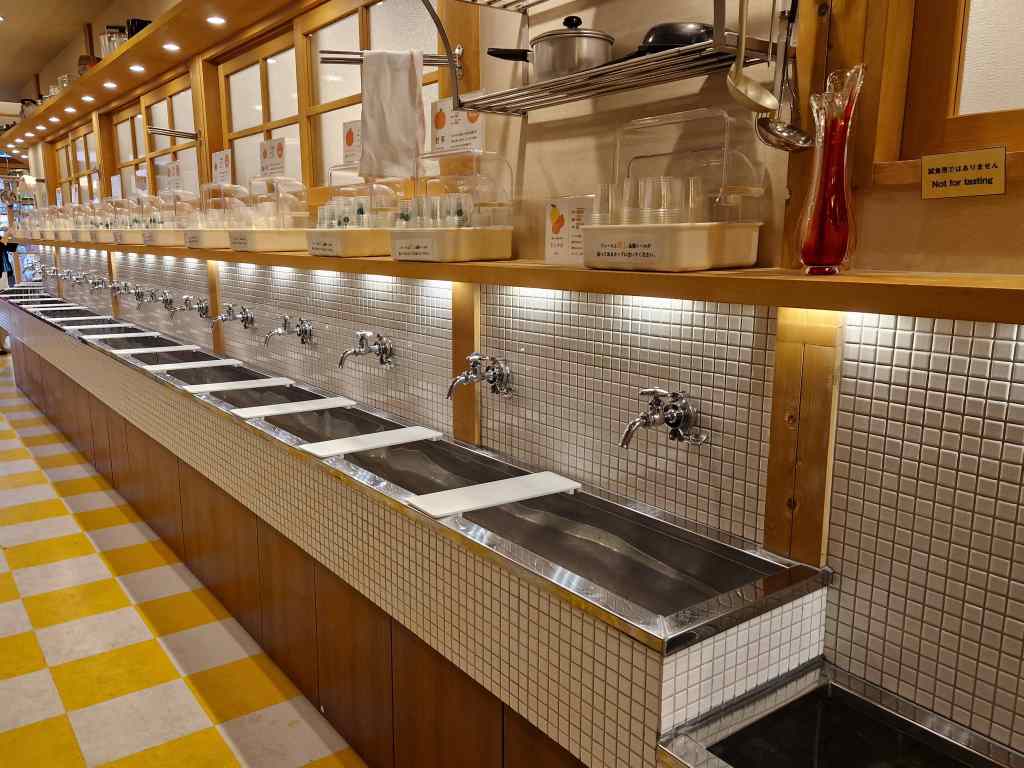
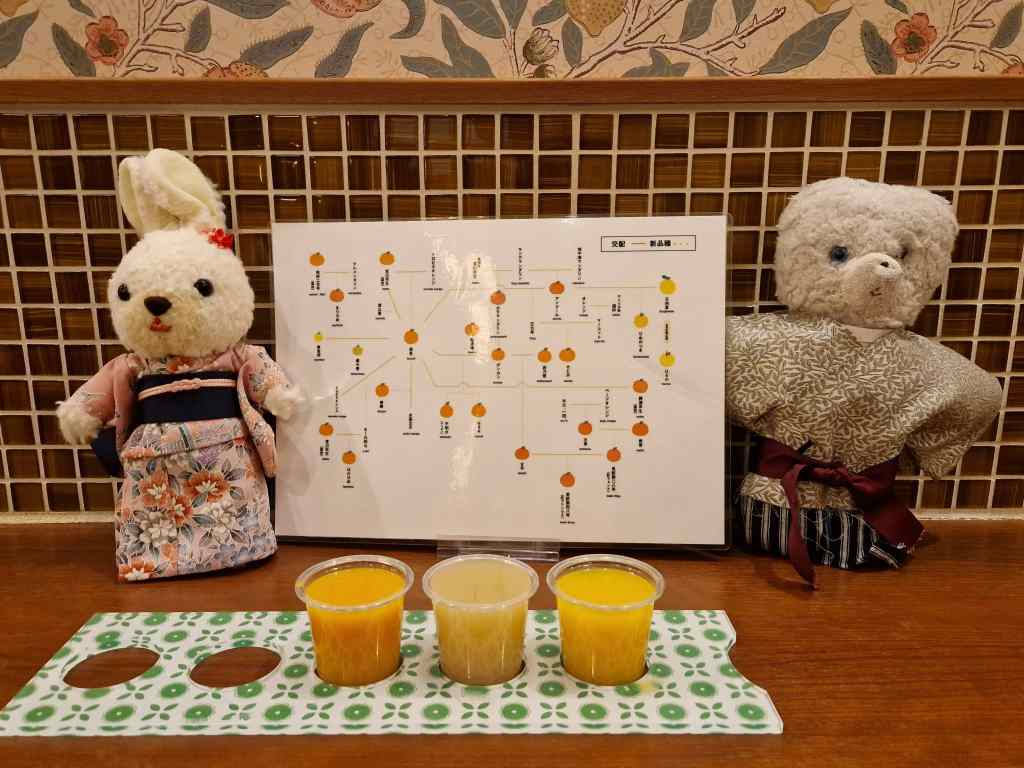
Amongst the off-beat things you can do here is tasting citrus fruit juice. We found a bar where they had around 20 varieties of mandarin juice on tap – you fill up small cups yourself and pay according to the number of samples and the varieties chosen. The bar gave helpful guides to the sweetness and acidity of each choice, and a genealogical chart showing how they were related.

You can taste around 20 varieties of mandarin juice


The famous attraction here is Dogo Onsen, Japan’s oldest and probably most famous onsen, and supposedly the inspiration for the bathhouse in the Ghibli film “Spirited Away”. Records document people coming here as early as the sixth century, and legends tell of gods visiting well before that. The current structure dates from the 1890s and is a wonderfully elegant building.

Dogo Onsen in Matsuyama
Dogo Onsen, Matusyama, from the outside

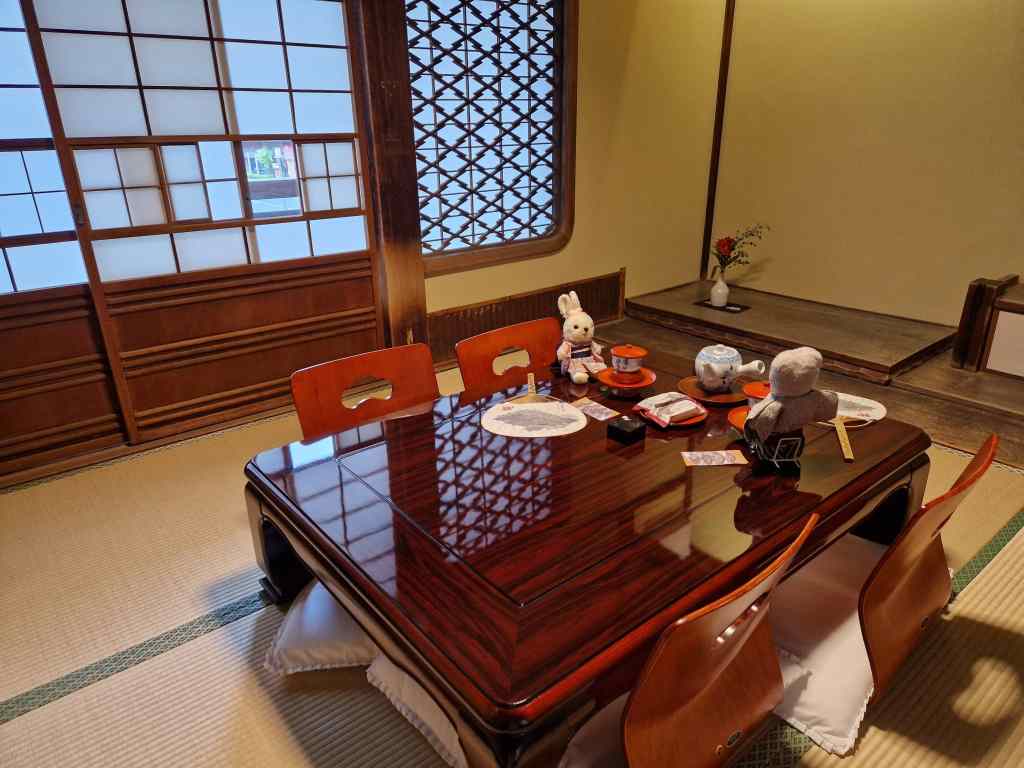
We bought tickets for a private room, got changed into the yukatas provided and were treated to a typically Japanese experience. A maid in a traditional kimono brought us tea and a snack and explained which areas we could visit, with much bowing and many “arigato gozaimasu” (thank yous). We enjoyed our tea before trying the separate male and female onsen reserved for the private room guests.

Private room in Dogo Onsen

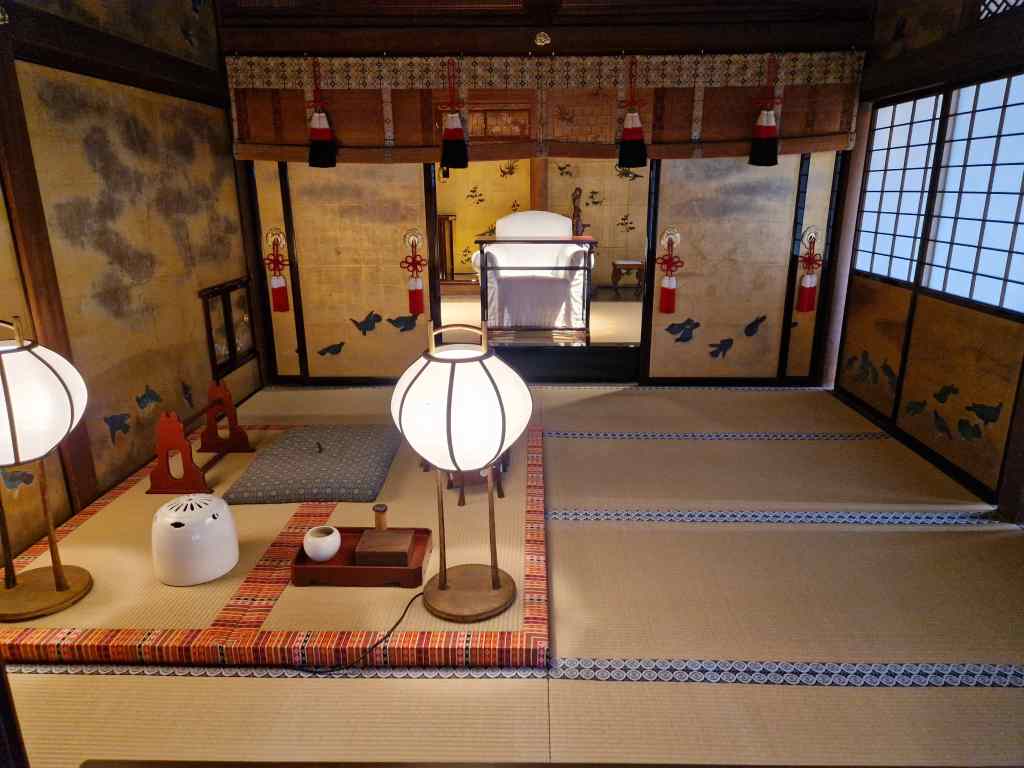
The bath itself was a bit of an anticlimax – an elegant enough room, but fairly small, and on the inside with no natural light. The water was a hot 40°C, so even the experienced Japanese visitors did not soak for too long. We retired back to our room to cool down, and then made a tour of the building, of which one of the highlights was a private bath reserved for the emperor.

Emperor's Room Dogo Onsen
The Emperor’s changing room

We had one more, short, final dip in our own bath before our ninety minute visit time was up and we had to leave. The joy of the experience was more the atmosphere, the building and the ceremony rather than the actual bath itself.
On emerging outside we found that it had started to rain, so we headed back to our flat and then out to eat. The restaurant we had enjoyed the night before was full, so we tried another and were less lucky. It seemed to be a place where people came to drink more than to eat, and half the seats were already taken by a group of three drunk locals. They were very friendly but also noisy. The owner continually topped up their glasses with whisky from one of the bottles kept behind the counter; in places like this you buy your own bottle, which they write your name on.

Bottles for frequent visitors to the restaurant

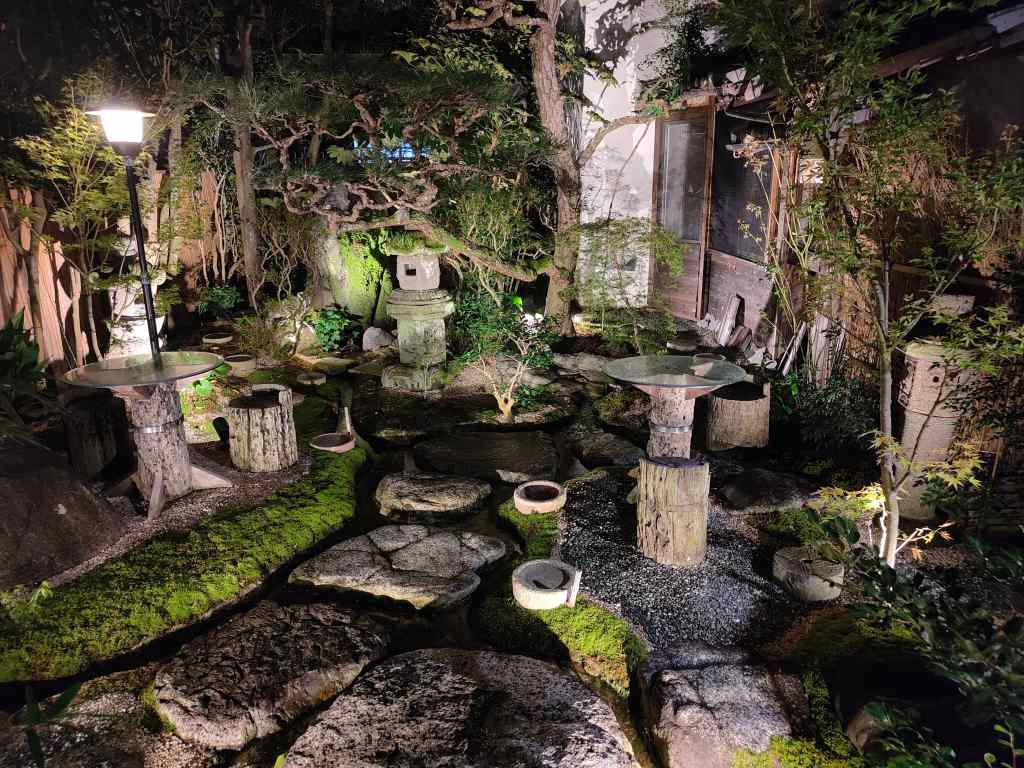
We retired back to our flat. It was still raining, but we opened the sliding doors to our Japanese gardens and enjoyed listening to the raindrops falling on the plants outside. The sight and sound were hypnotic and peaceful, and the prelude to a great night’s sleep.

Japanese garden in Matsuyama
One of our Japanese gardens at night

Next Post – from Matsuyama to Kochi, Shikoku

Previous Post – Magical Miyajima

Quirky Matsumoto

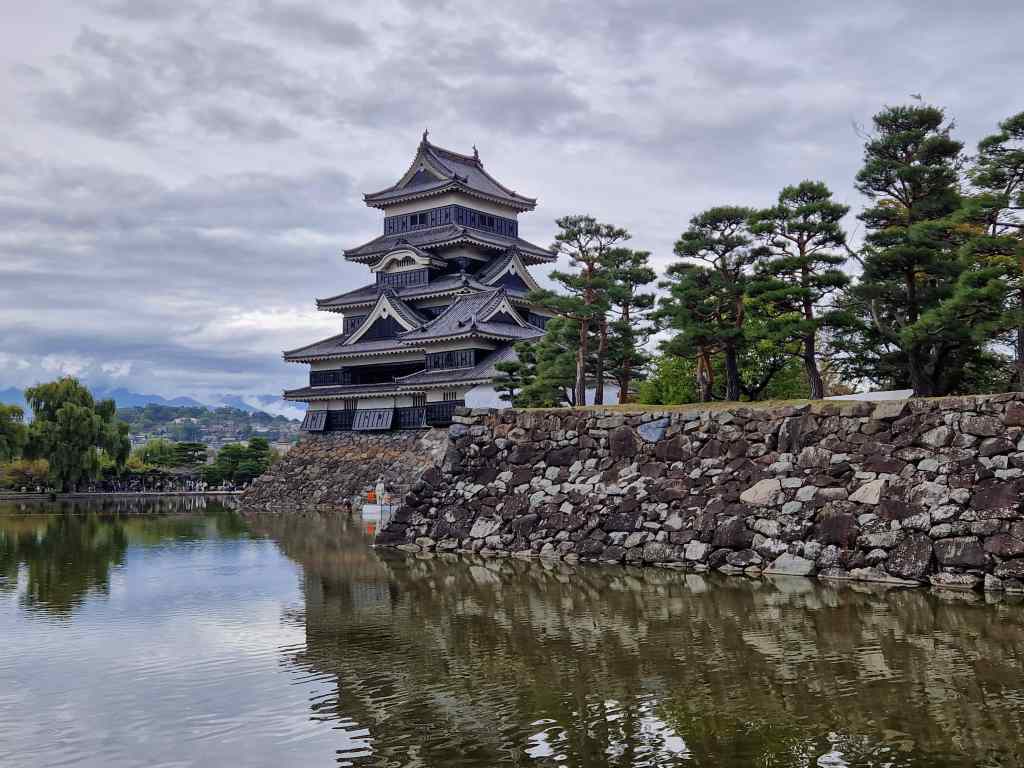
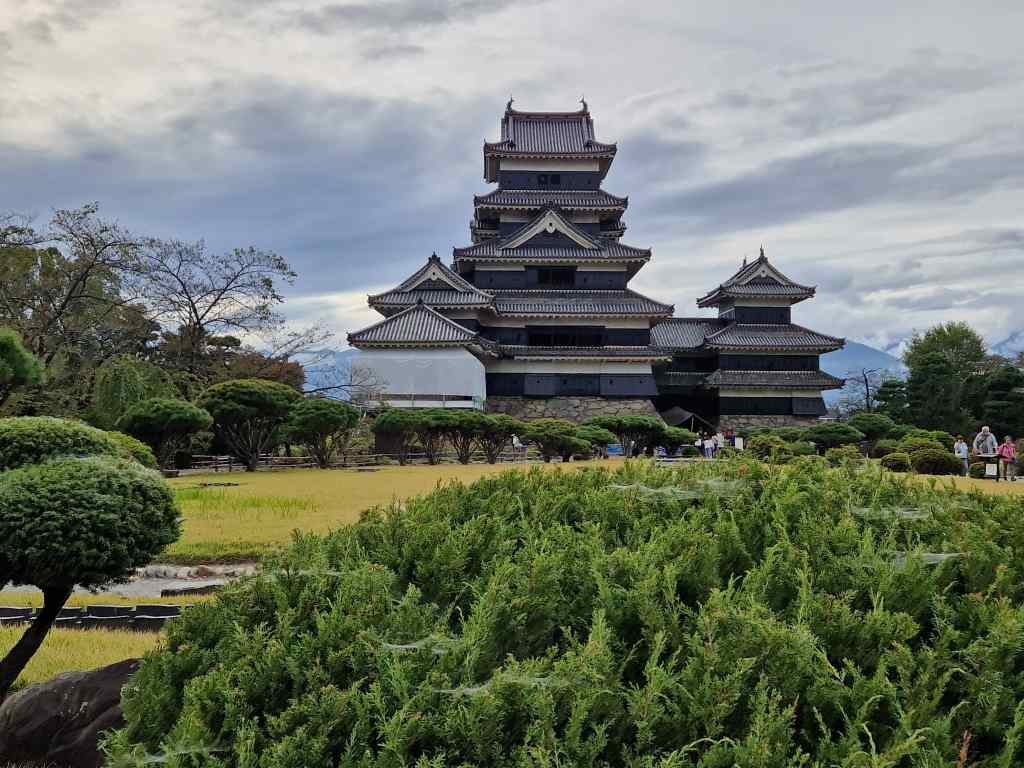
Matsumoto’s main tourist attraction – its castle

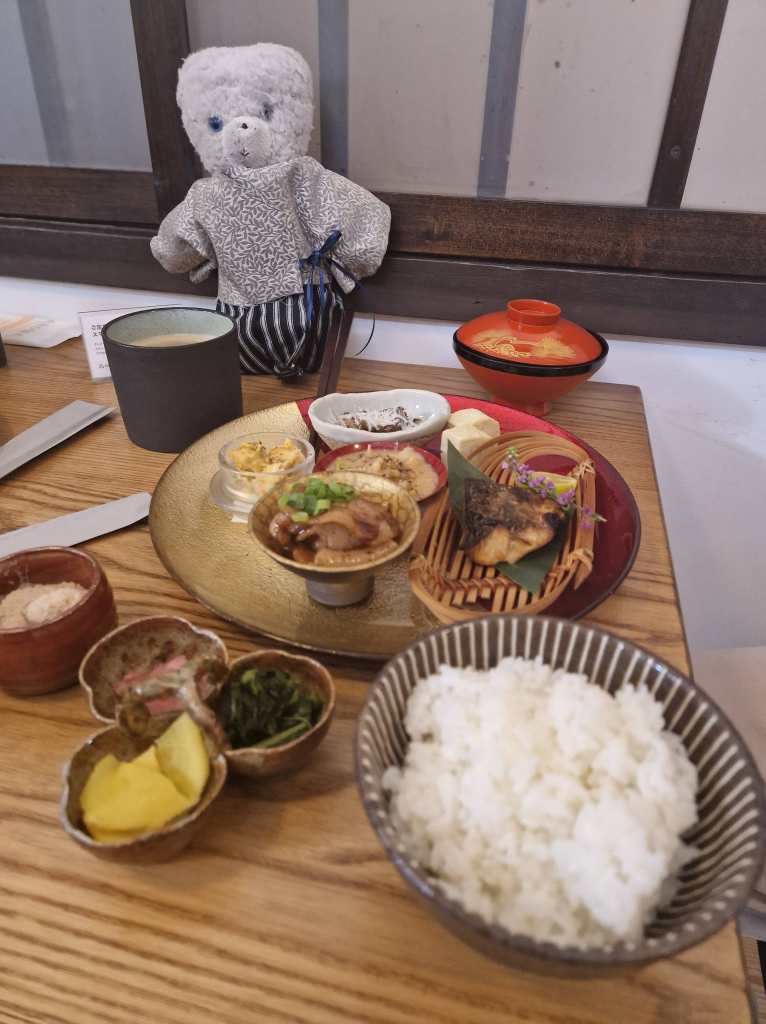
Today the weather forecast was for heavy rain, and so we decided to visit Matsumoto, the small city we had chosen as a base for exploring the Japanese Alps. First we had a big traditional Japanese breakfast.

Breakfast Japanese-style

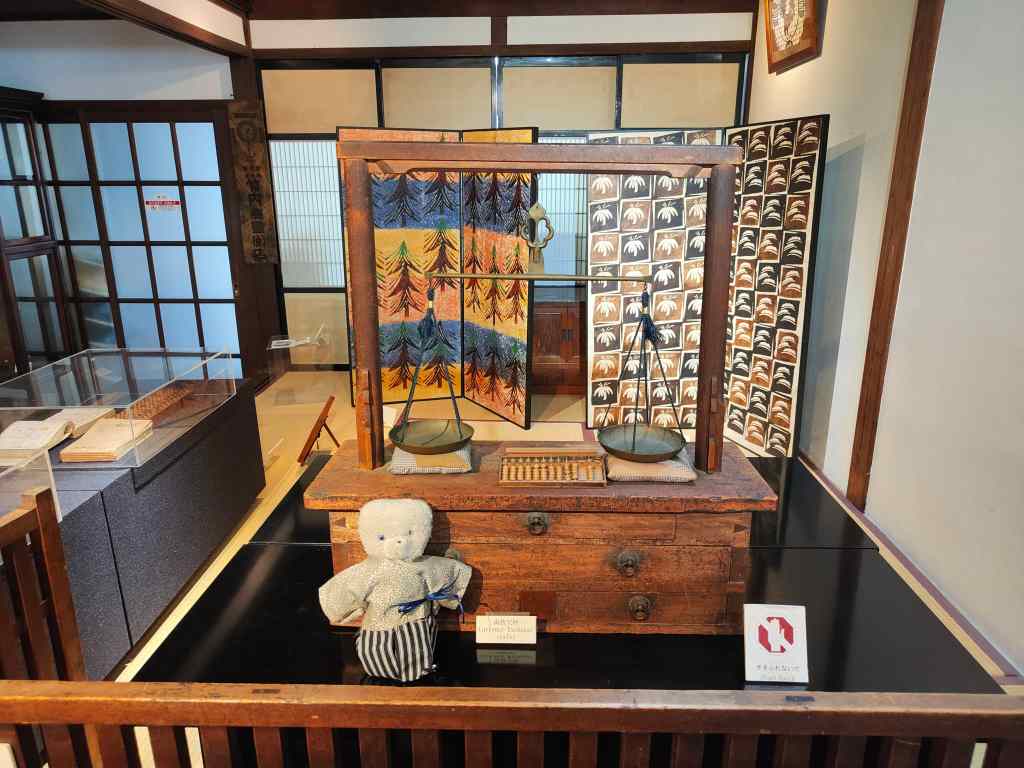
Matsumoto is a pleasant, quirky place with some classic and some very unusual tourist attractions. One of the former was just across the road from our ryokan (hotel) – a museum devoted to weighing scales. This was such a weird idea that we had to visit. It was actually quite fun, with a collection of old devices from different centuries, and a whole room devoted to the once important task of weighing silk worm cocoons.

The Scales Museum

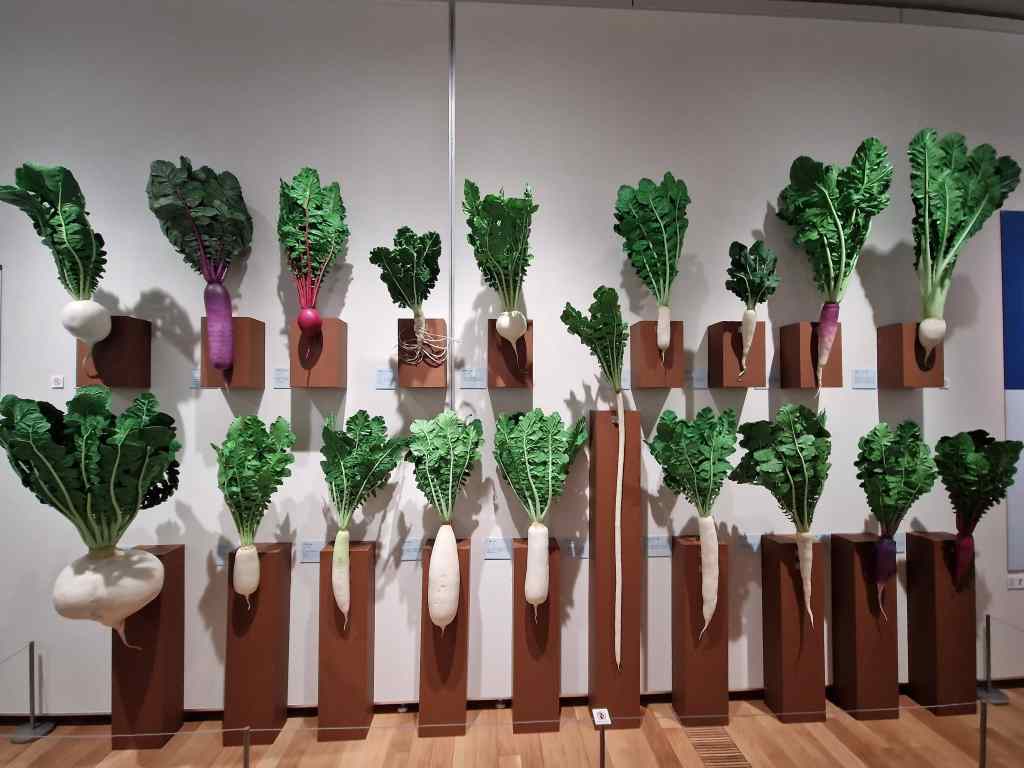
Our next destination was Matsumoto’s famous castle, but on the way we saw the Matsumoto City Museum, which advertised a special exhibition about the art of Japanese food. Unfortunately, this had only one panel with any English explanation, and we were left looking at plastic models of different types of fish or radishes. We did at least learn that around Japan’s coasts and in its rivers there are 4500 species of fish, as compared to only 300 in my native UK.

A weird museum exhibit

Matsumoto castle was a more traditional tourist destination. It is one of the few castles remaining intact from Japan’s feudal age, and was built around 1600. From the outside, the castle, its moat and grounds were beautiful. Inside was rather disappointing – it was quite bare, with a few museum exhibits about weapons and other aspects of life in that period. The interior was laid out over six floors linked by very steep staircases. Each successive floor got smaller and smaller, the staircases became steeper and stepper, and the queue of visitors to go up them got longer and longer – all to reach a totally empty sixth floor.

Matsumoto castle – impressive from the outside

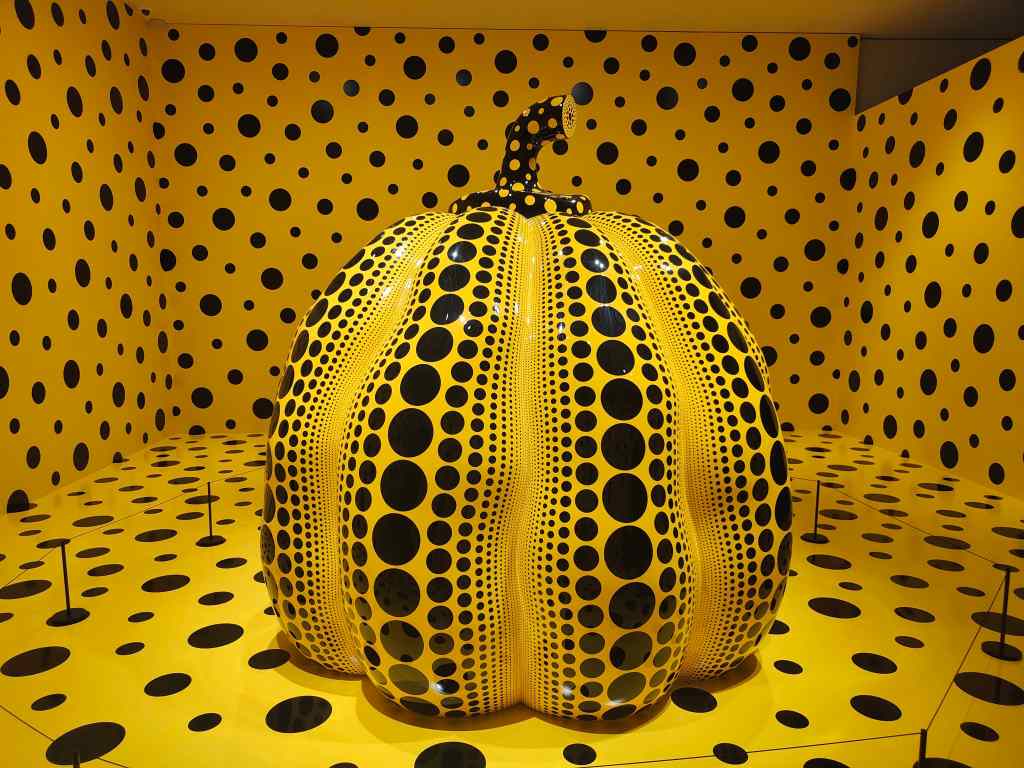
Our next destination was the Matsumoto City Museum of Art. The highlight here is a series of rooms devoted to the Japanese artist Yayoi Kusama, who was born here. Some rooms were devoted to her work using mirrors, and then we came across this huge colourful pumpkin…

Pumpkin by Yayoi Kasuma

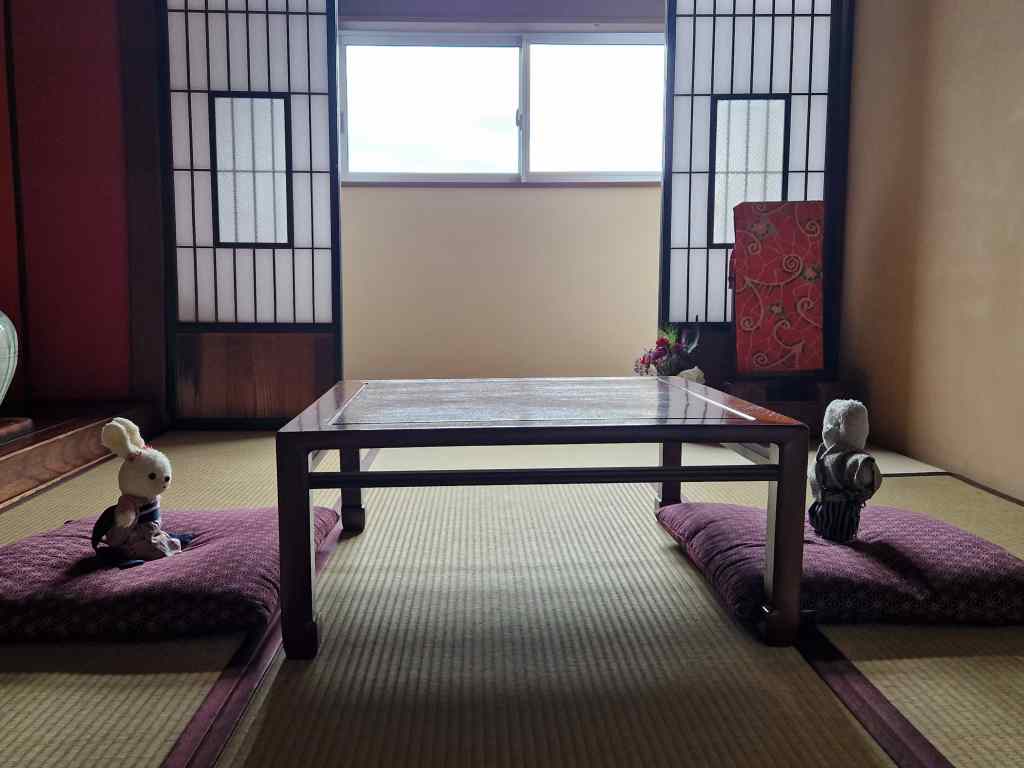
Having seen almost all Matsumoto had to offer, we returned to our ryokan to wait for the expected rain. A ryokan is a traditional Japanese inn, and ours was a comfortable place to sit and work.

Our ryokan and our room

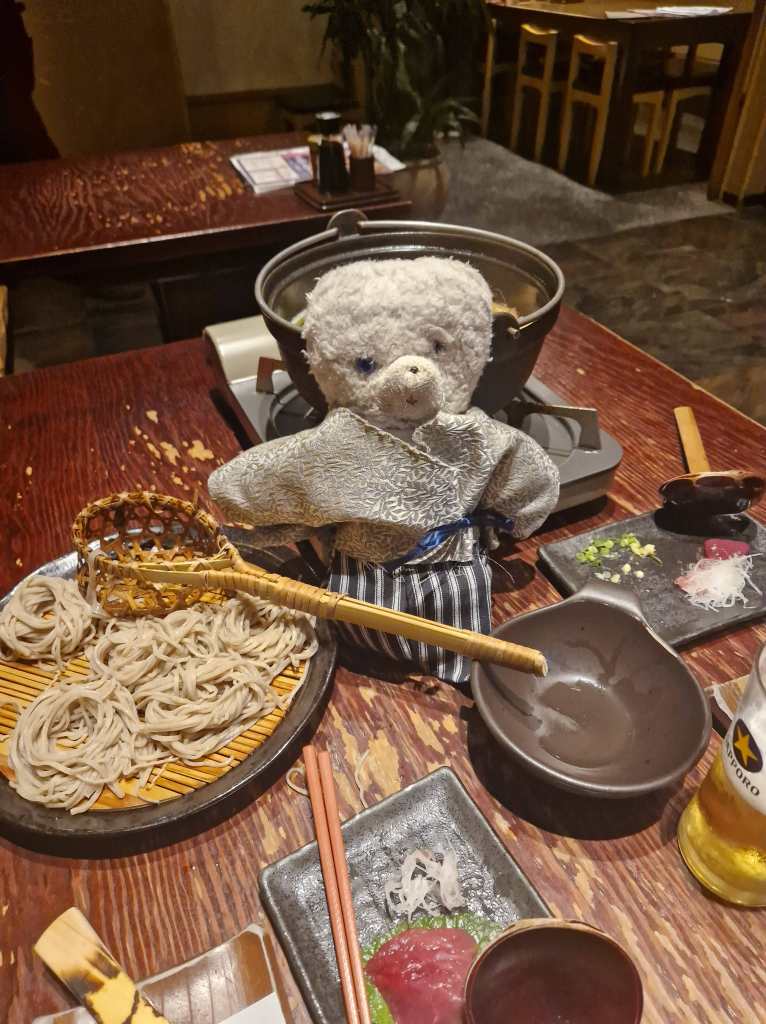
We only ventured forth at dinner time, to a restaurant recommended by our host. It was so popular, that we had to queue to get in, but once sat behind a table, we enjoyed a huge feast of soba noodles (made from buckwheat flour).

Soba noodles feast!

Matsumoto had been a pleasant base for our trips around the Japanese Alps, but tomorrow we were due to move on, for something that I hoped would be a highlight of our tour around Japan.

Previous Post: Off the Beaten Track in the Japanese Alps

Next Post: The Alpine Route

Blog at WordPress.com.

Up ↑