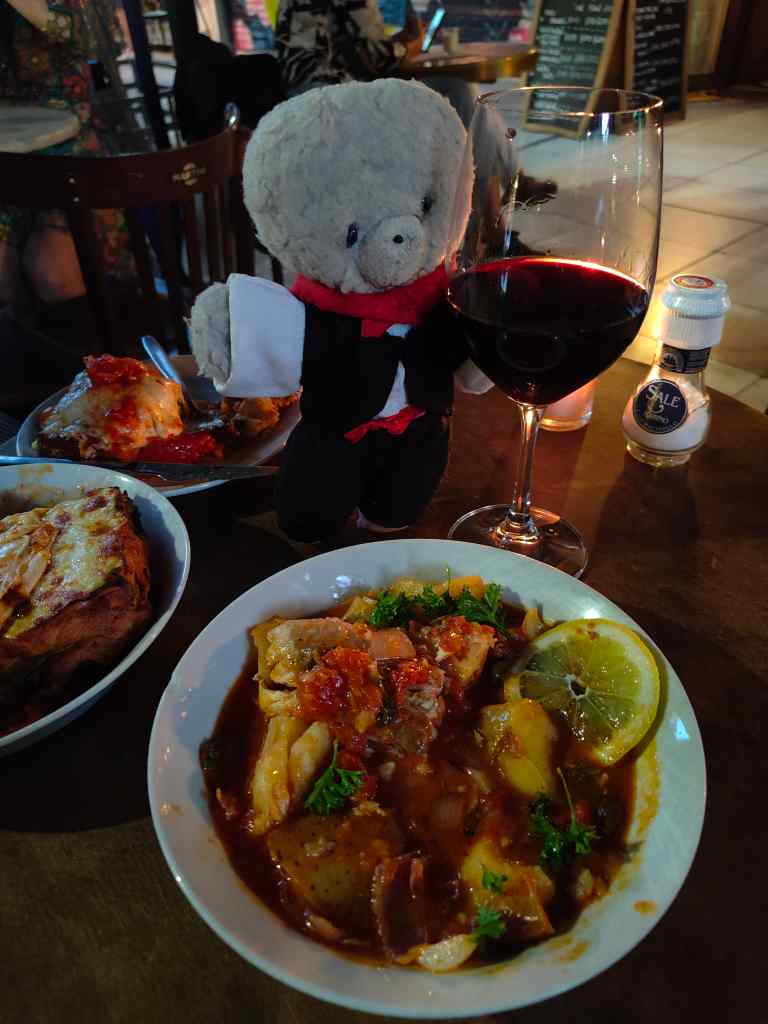
Trouspinet’s Top Tips and Highlights for Argentina

Wow, what a journey that was! Argentina jumps effortlessly into the list of my top 5 destinations of all time, and for scenery, it would be No. 1. However, this trip required lots of planning, and I also learnt a lot as I was travelling. In this post I list my personal highlights and give some tips for planning (valid as of November 2022).

TROUSPINET’S HIGHLIGHTS

To help you plan your trip, here is my ranking of the places I visited on this trip:

  1. Quebrada de Humahuaca (northwest Argentina)
  2. Perito Moreno Glacier, Patagonia
  3. Foz Iguazu
  4. Mount Fitzroy, Patagonia
  5. Torres del Paine, Chilean Patagonia
  6. The drive from Mendoza to Aconcagua
  7. The drive from Salta to Cachi
  8. Puerto Varas and the Chilean Lake District
  9. Buenos Aires
  10. Mendoza’s vineyards
  11. Bariloche and the Argentine Lake District
  12. Salta

I put Bariloche and Salta bottom because there are places in Europe a bit like them, whilst the other places are unique in the world. But I really enjoyed even my lower-ranked locations on this trip – I simply didn’t have a single bad travelling day.
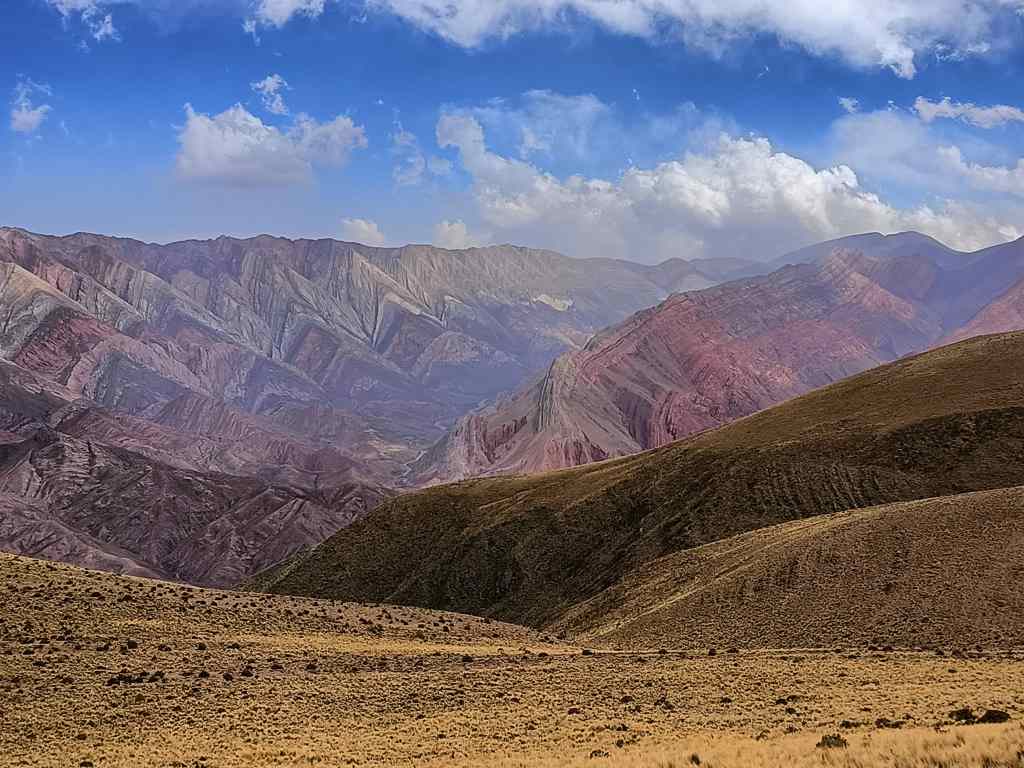
The Quebrada de Humahuaca

TROUSPINET’S TOP TIPS

Be Selective – Distances are huge, as is the choice of places to visit.

Unless you have the time (and endurance) for 12-36 hour bus rides, you will need to fly if you want to see many of the country’s highlights. I went for nearly one month, usually flew between destinations, but still did not have time to see everything I wanted to. After much thought, I regretfully excluded Ushuaia and some of the national parks from my list. You will also have to make some hard choices.  
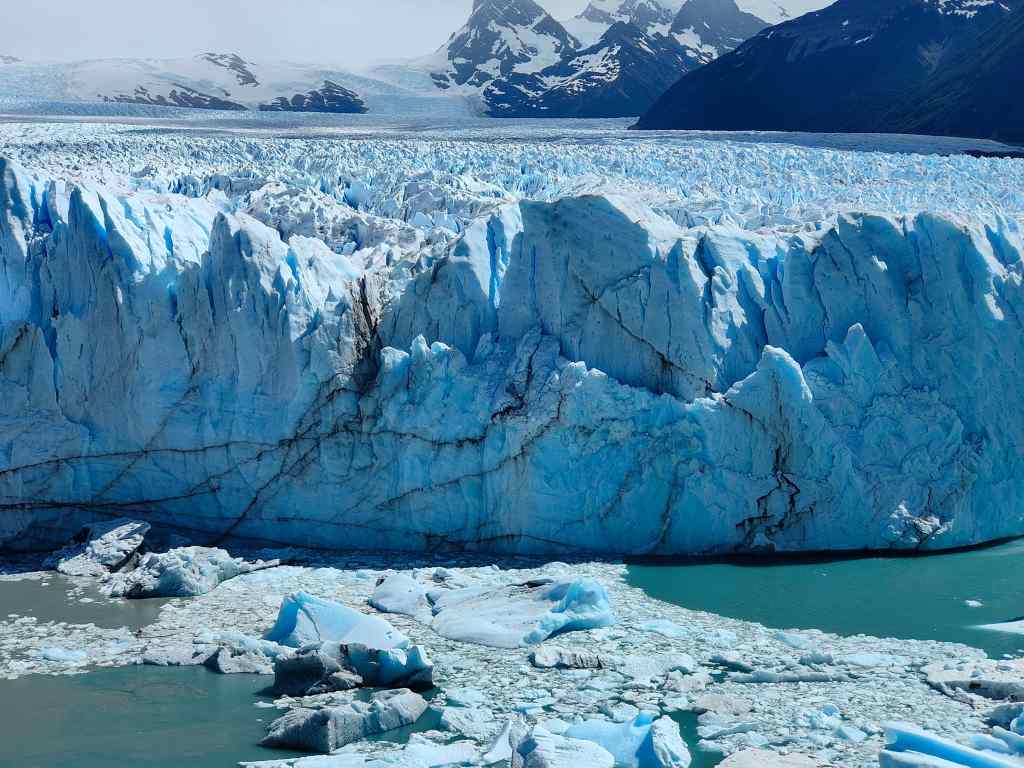
Perito Moreno Glacier

Check which Internal Flights operate

The main flight operators in Argentina are Aerolineas Argentinas, JetSmart and FlyBondi. Argentine airlines have a bad reputation for reliability and punctuality, but I had no major delays in any of my seven internal flights.

Check when flights go direct from one regional destination to another (eg Salta to Mendoza), without having to go back to Buenos Aires and out again. These flights will save you a lot of time and money, but they don’t operate every day. The popular and very convenient Bariloche-El Calafate flight only operates in the peak tourist season – late November to February.  If you do have to fly back to Buenos Aires, remember it has two airports – the very convenient Aeroparque Newberry (AEP) located in the city, and Ezeiza (EZE), which is a long way out of town. Book ahead for anything In, To or From Patagonia over November – February. The region is hugely and justifiably popular in the southern summer. I went in November – not the peak season – and even then, I heard that the buses from El Calafate to Bariloche were fully booked for several days.

Foz Iguazu

Monte Fitz Roy

Accommodation – Check the Exchange Rate when you book

I used Booking.com to book hotels. You get quoted a price in US$. Once you have made a booking, contact the hotel to ask if they apply the official exchange rate if you choose to pay in pesos. Most of my hotels agreed to this; only one asked for the blue rate (so I cancelled and booked somewhere else). If you pay like this, you save 50%! More expensive hotels add 20% VAT to their bills, which can you avoid by paying with a foreign credit (but then you get the official exchange rate, so it is still better to pay with cash).

AirBnB is not recommended, because you pay in advance in your own currency. It may have been bad luck, but the one place I booked with them was of very poor quality and seemed more aimed at local tourists.

Torres del Paine

Don’t Rely too much on Guidebooks

Things change quickly in Argentina. Our guidebook claimed to have been reprinted in January 2022, but was hopelessly out of date.
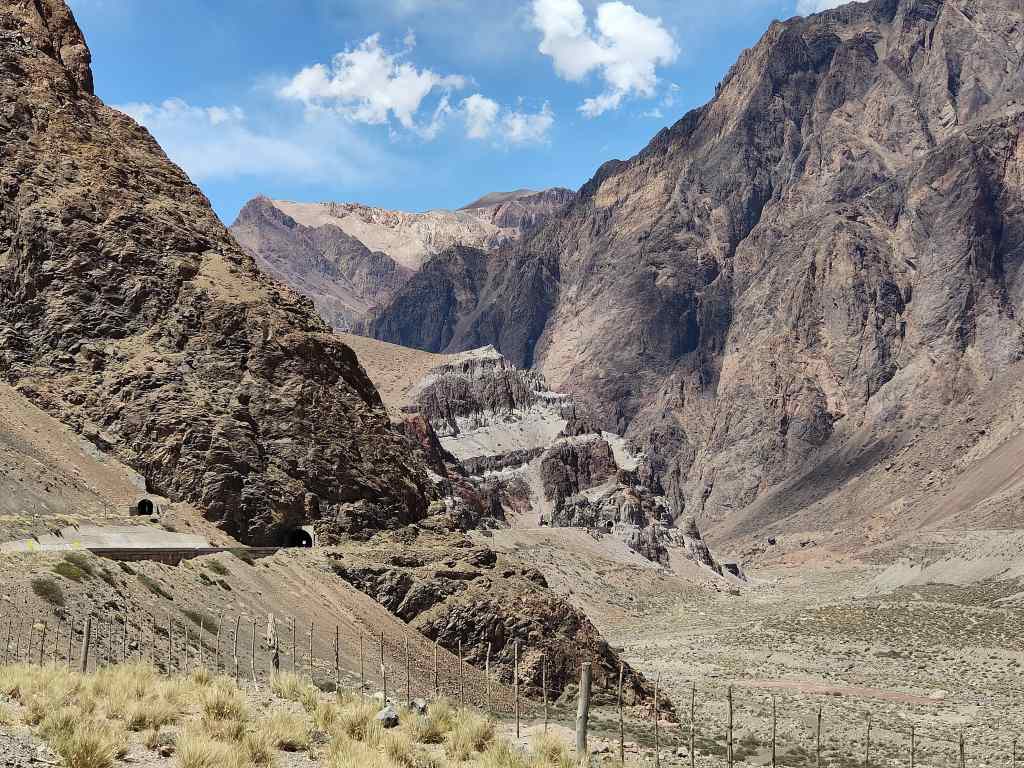
The Road from Mendoza to Aconcagua

Packing

Check average weather conditions and pack accordingly. Patagonia and Tierra Del Fuego are cold even in the southern summer and need very warm clothing and waterproofs. Aerolineas Argentinas (but not the other airlines) has a limit of 15kg for checked baggage, so you may also need to pack light and fully use the allowances of 8kg for carry-on baggage and 3kg for a personal item. The 15kg rule is not strictly enforced – we were usually a couple of kilos over, but the check-in staff ignored this.
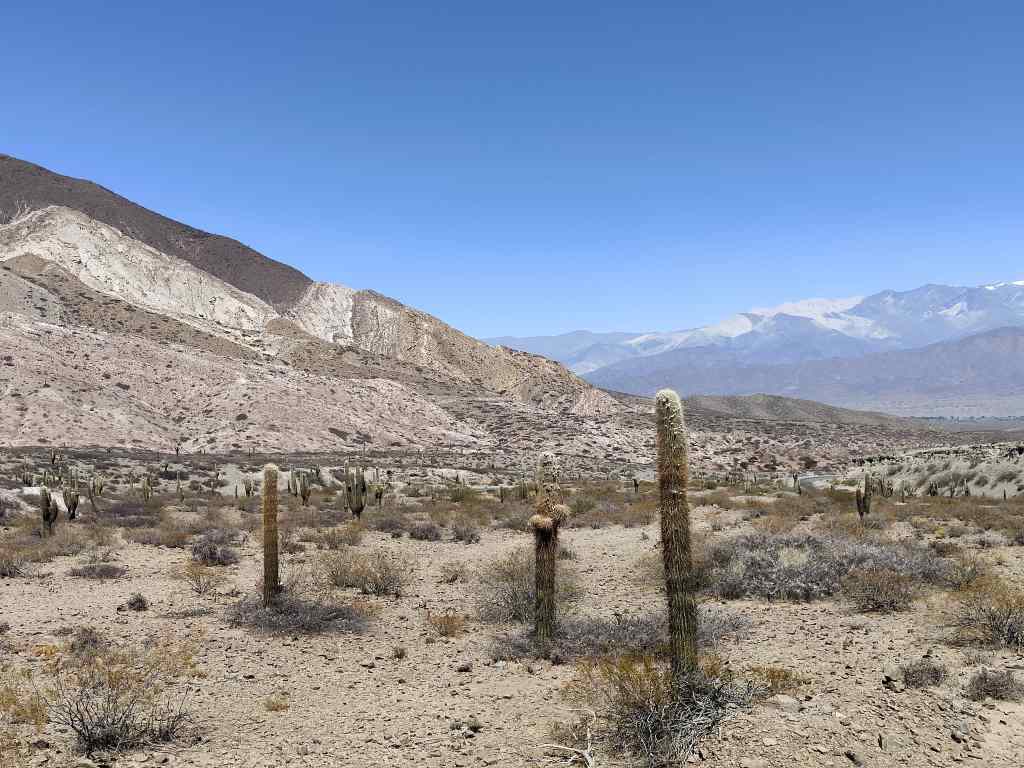
On the way to Cachi

Learn some (Argentine) Spanish

In touristy areas like Patagonia and parts of Buenos Aires, you can get by with English. But in most other places, few people other than hotel staff spoke a second language. If you already speak some Castilian Spanish, be aware that there are big differences in the pronunciation of “y” and “ll”, and that the second person singular “tu” is replaced by “vos” – with different verb endings. I didn’t find any good books on Argentine Spanish, but I found this website (for intermediate speakers) to be very good- https://argentalk.com

Mount Osorno, Chilean Lake District

That’s all for now. I could write a lot more, but I am worried I will bore my readers. If anyone has a question, please leave a reply at the bottom of this page. Happy Travelling!

Plaza de Mayo, Buenos Aires

Back in Buenos Aires Part 2 – Strolling Around

The visit to Tigre completed my sight-seeing in Buenos Aires. I spent the rest of my time simple enjoying the city. It is a very pleasant place, with many parks, and wide avenues. The richer central areas reminded me of Paris, with Hausmann-style mansions set amongst more modern buildings.

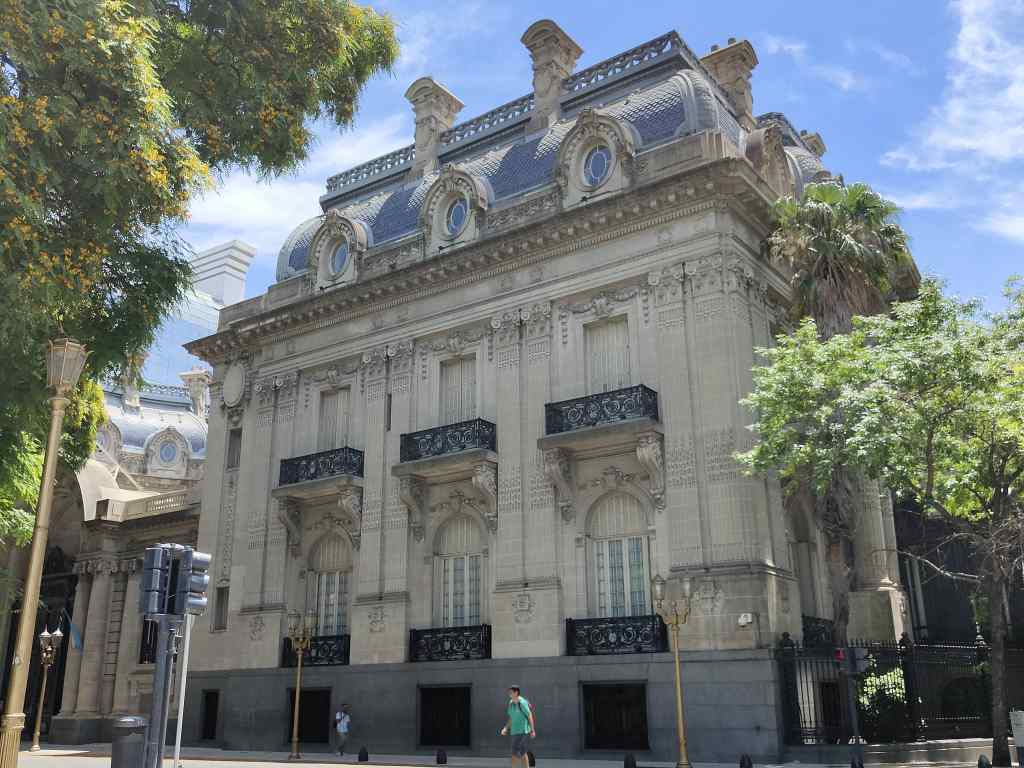
One of many elegant buildings I found by simple wandering around Buenos Aires – the Palacio San Martin
More Elegant Architecture in the centre of Buenos Aires
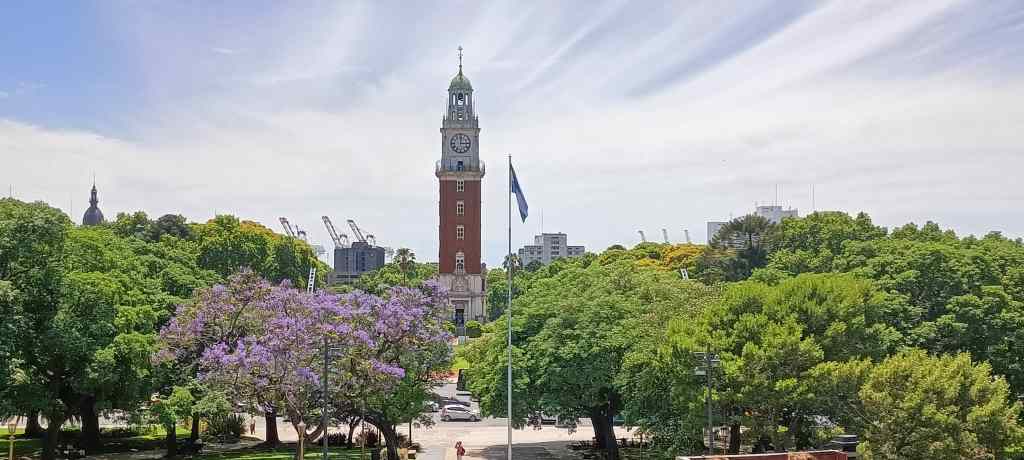
A monumental clock tower in Retiro barrio, built to celebrate independence

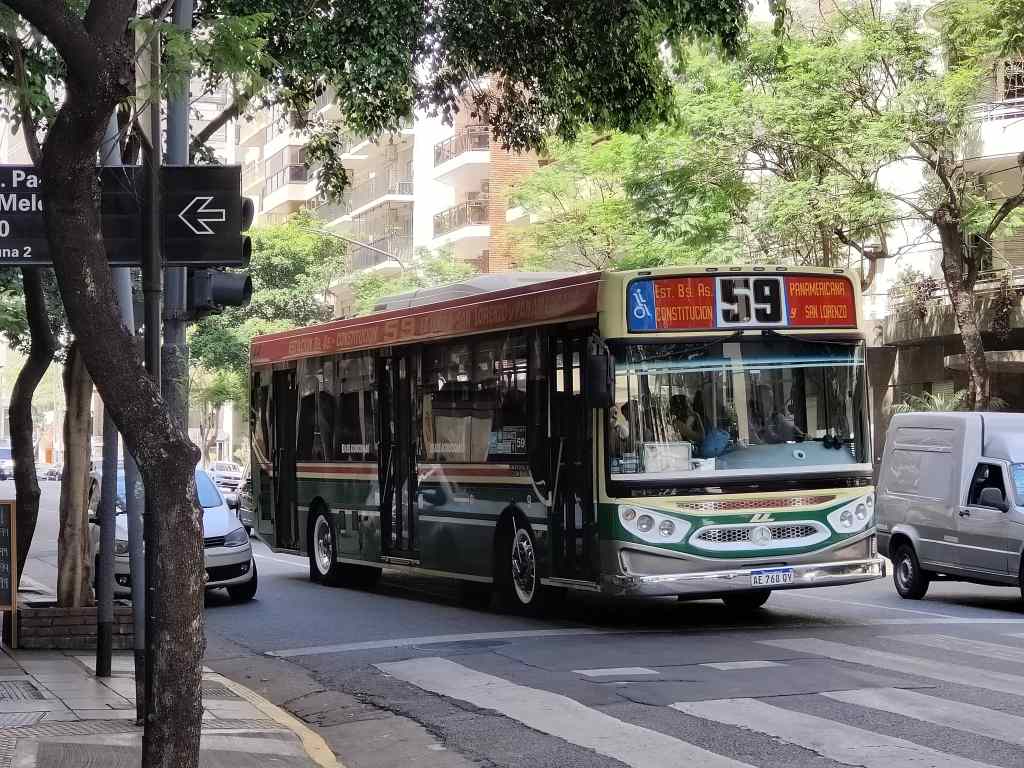
I explored on foot, by taxi and by bus. Getting around proved to be easy. Taxis are abundant and cheap and use their meter without having to be asked. I also bought a “Sube” card to be able to use the buses. This was a bit tricky at first, since you have to tell the driver the name of the stop you will get off at, and since the network is very extensive with hundreds of buses and no maps – but with the help of Google, I managed it. The bus drivers seem to be paid according to how quickly they complete their route and race through the traffic like Formula 1 drivers. You need to sit down as soon as you have paid, since the driver will immediately hit the accelerator and roar off. In the centre, there are places where there are two parallel bus lanes, which allows the drivers of different buses to race each other.  As a result, bus travel is surprisingly fast but might not be totally safe.

One of Buenos Aires’ thousands of buses, all driven by racing drivers.

As I explored the city, I got to know local life better. There was a big inequality of incomes – some barrios are very opulent, and some very poor. The expensive areas have beautiful shady parks with wonderful tropical trees, but these are also places where the many homeless people sleep. Portenos enjoy life, and there are thousands of cafés, bars and restaurants that seem very busy at all hours of the day – I wondered if people ever worked. Sitting on a terrace and watching the world go by is a popular occupation – and a cheap one, since prices for food and drink are a fraction of what you would pay in Europe.

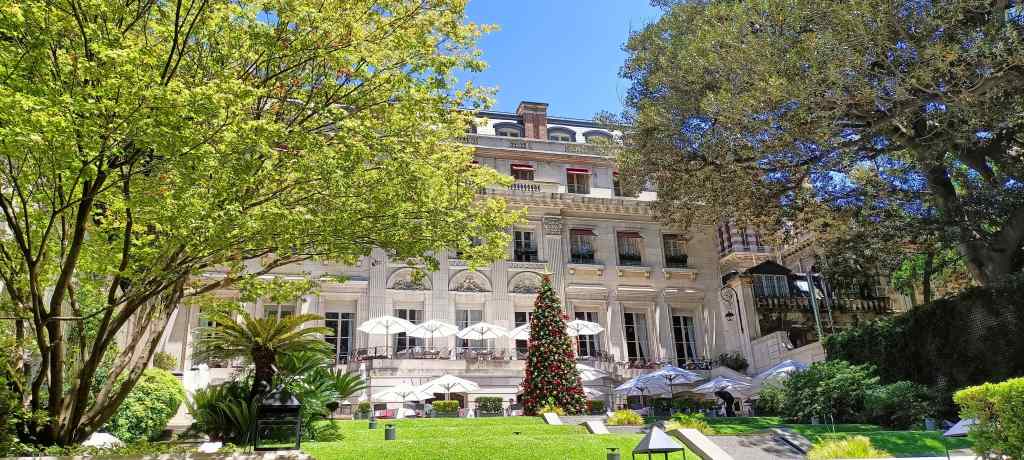
Elegant Terrace at Palacio Duhau, Buenos Aires
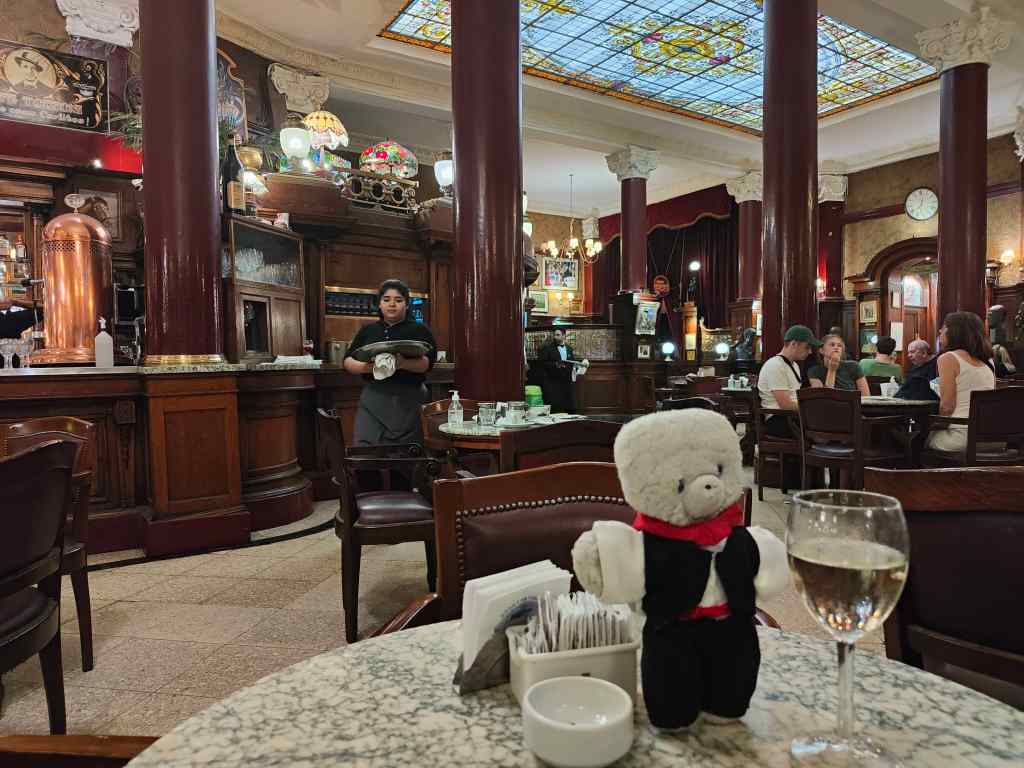
Café Tortoni, one of Buenos Aires’ most famous cafés.

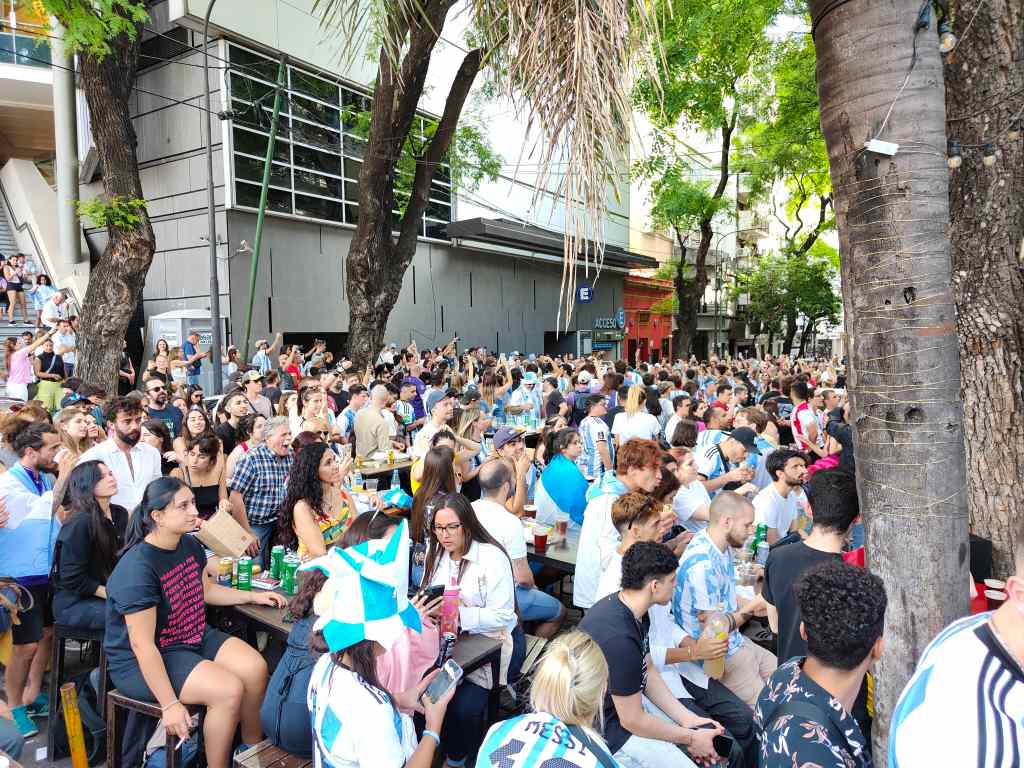
During my stay, this café culture was given a further boost by the football world cup. When Argentina played, those places showing the match would be besieged, whilst the rest of the city ground to a halt.

A bar in Buenos Aires that showed the football
The bar next door, which did not

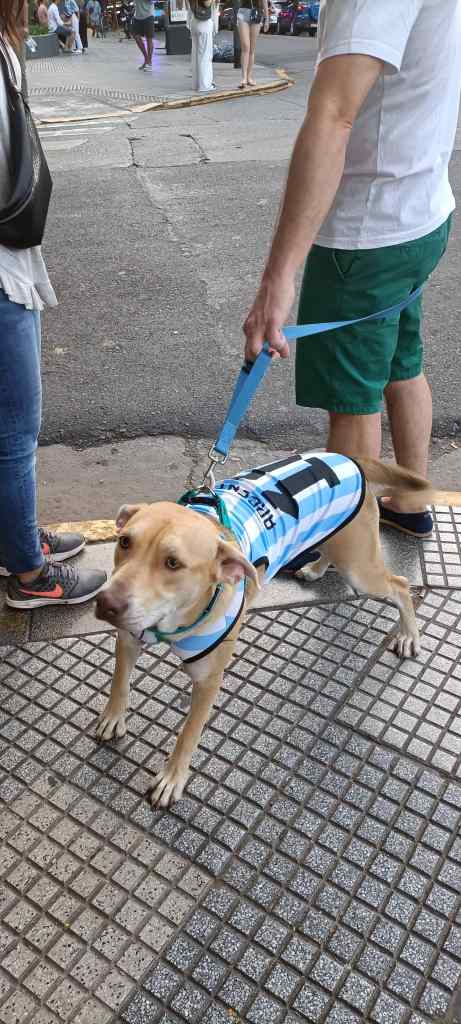
The games that did not involve Argentina were largely ignored. Lots of people wear the football shirt of the national team and everyone (almost literally, I only saw one exception amongst thousands) chooses Messi’s no. 10 shirt (I thought a football team had 11 players?). There were babies and even dogs wearing Messi’s shirt…

“Messi Dog”

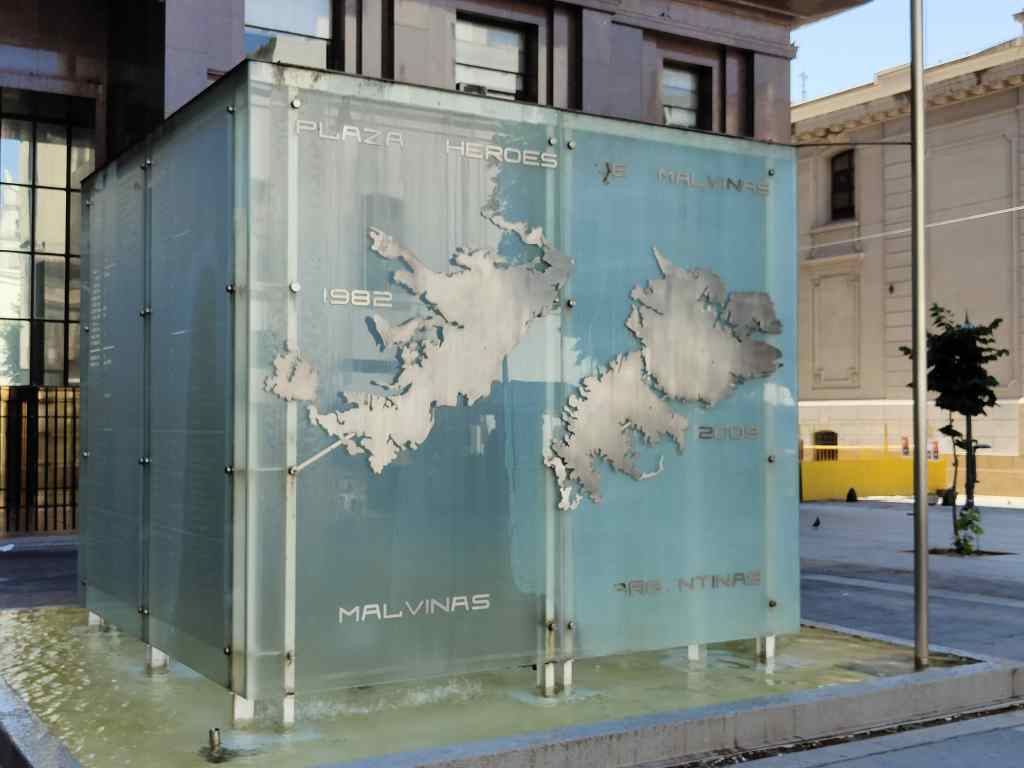
Another striking feature of the city – and Argentina as a whole – is their attachment to the Islas Malvinas, more commonly known as Britain’s Falkland Islands. Argentina lost several hundred soldiers, sailors and airmen in a failed attempt to invade the islands in 1982, and each city has its own square named after the “Heroes of the Malvinas”. Signs everywhere – on public buildings, on buses, in shops – proclaim that “Las Malvinas son Argentinas”.

Buenos Aires’ Plaza of the Heroes of the Malvinas

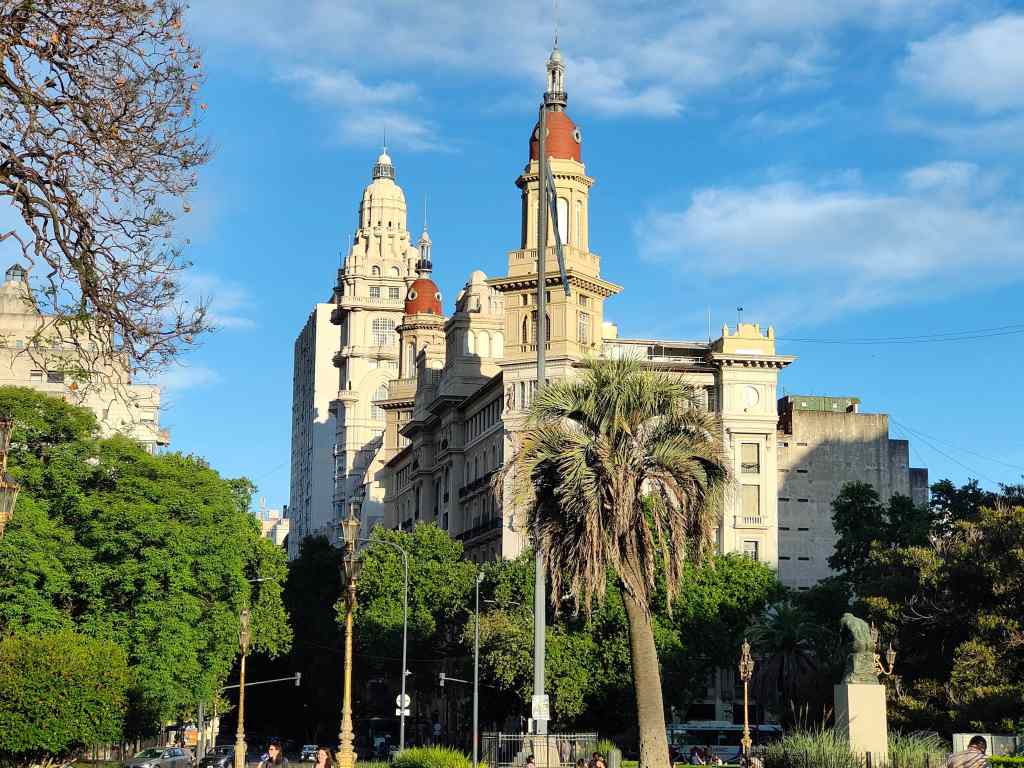
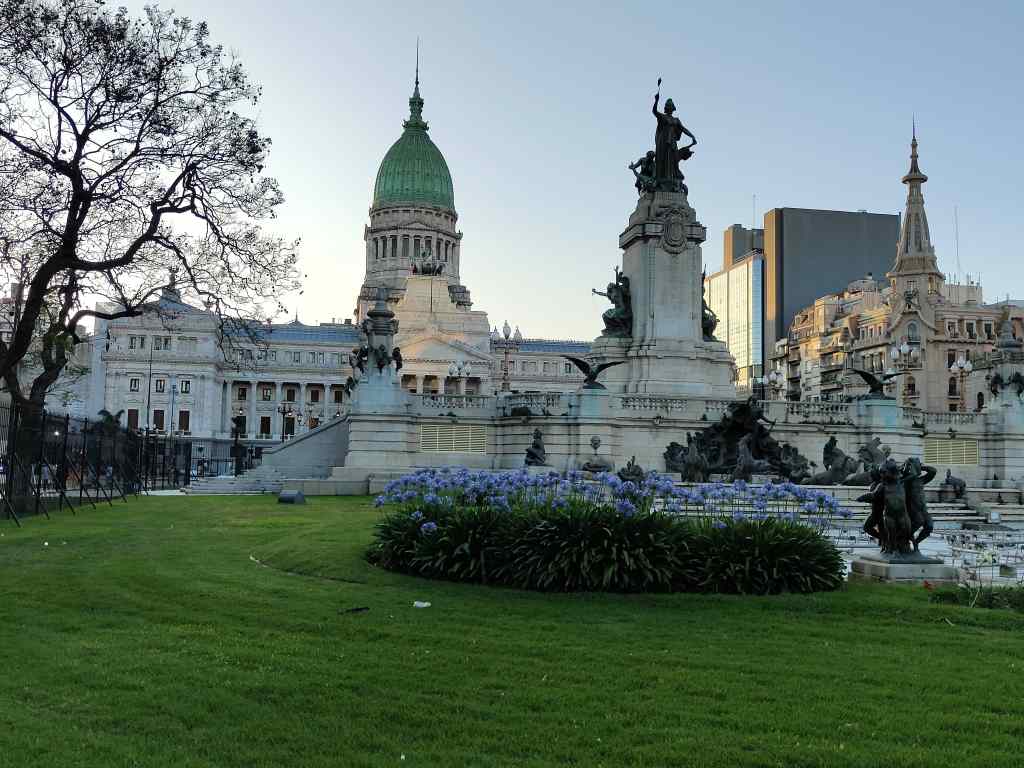
The one thing I failed to properly explore in Buenos Aires was tango. The many tango shows on offer looked very touristy – like the Moulin Rouge in Paris, which I would never consider visiting – so I tried to find a “milonga” or place where ordinary people dance. I found a website listing all the milongas in the city and chose an open air one in front of the Congress building. The dancing was far from the vision of the elegant movement of sexy, well-dressed people I had expected. The few dancers wore jeans and t-shirts and the dance itself reminded me of the exercises they make residents do in old peoples’ homes.  Searching out the “real” tango – if it exists – will need to wait for a future visit. My time wasn’t wasted, since in the evening light I had fine views of two of BA’s most beautiful buildings – the Congress, and the Palacio Barolo.

Palacio Barolo
The Congress Building, Buenos Aires

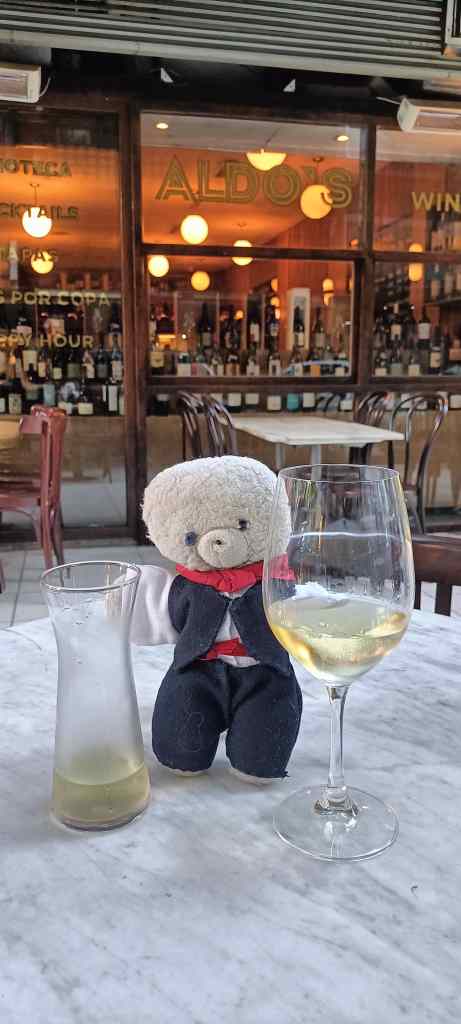
It is now nearly time to go. Here I am sitting at the terrace of Aldo’s wine bar on my last evening with a very good glass of Marsanne – I was sitting at the same terrace almost a month ago at the start of my trip.

Aldo’s Wine Bar, Buenos Aires

What a journey it has been – seven flights, two bus trips across the border with Chile and well over 10,000km travelled to see some of the world’s most spectacular sights. In Buenos Aires it is 30C, sunny and a pint of excellent craft beer costs 2€ (or even less in happy hour). Tomorrow the forecast for London is for a high of 2C and beer costs 6€ a pint. It is rather sad that all of the cold weather clothing I packed for Patagonia is going to be more useful at home. I am not looking forward to going back…I even calculated that I could continue living here in my cheap but excellent flat and save money as compared to living in expensive London. But all good things come to an end…..

That is all for now – next trip is Egypt in February, click the “follow” button at the bottom right of this page if you would like automatic notifications when I post again. My final post of this series will be a “how to” with tips for travelling in Argentina.

Next Post: Top Tips and Highlights for Argentina

Previous Post: Back in Buenos Aires part 1

Back in Buenos Aires – La Recoleta Cemetery, La Boca, San Telmo and Rio de la Plata delta

I ended my trip with four days to enjoy Argentina’s capital, Buenos Aires. Since I was staying a few days, I booked a flat in La Recoleta – a different area, more upmarket than where I stayed before.

Although the flat had a kitchen, I found a very good local restaurant with huge, juicy fillet steak. Eating out was not much more expensive than cooking my own food.

This fillet steak was almost as big as me!

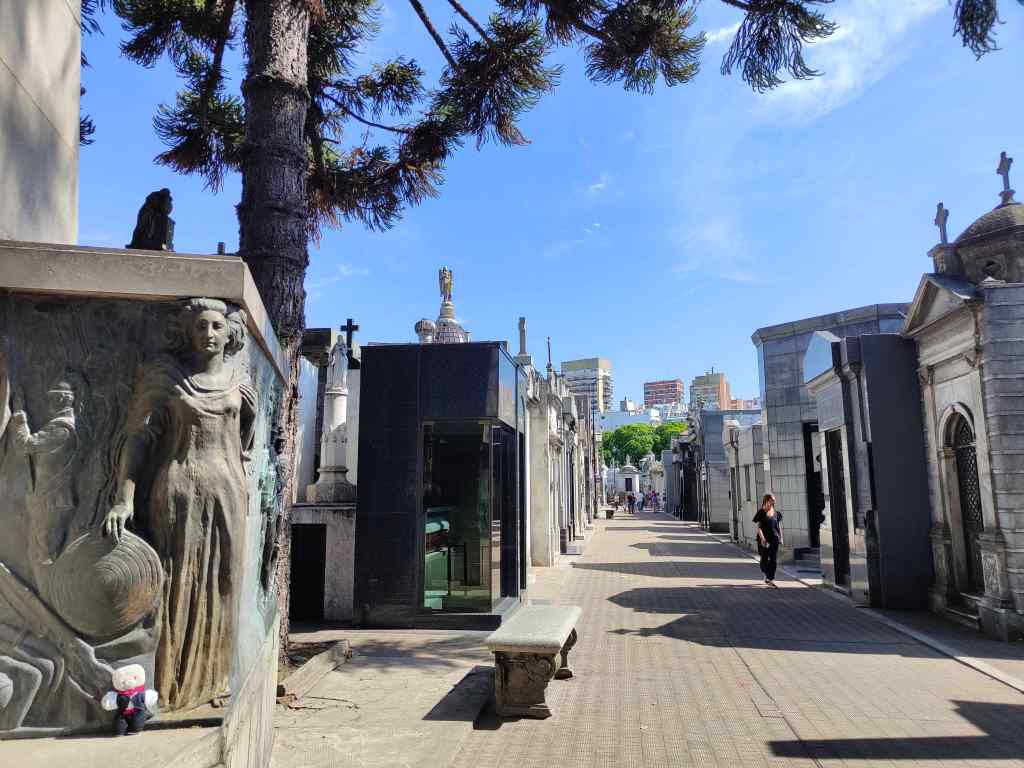
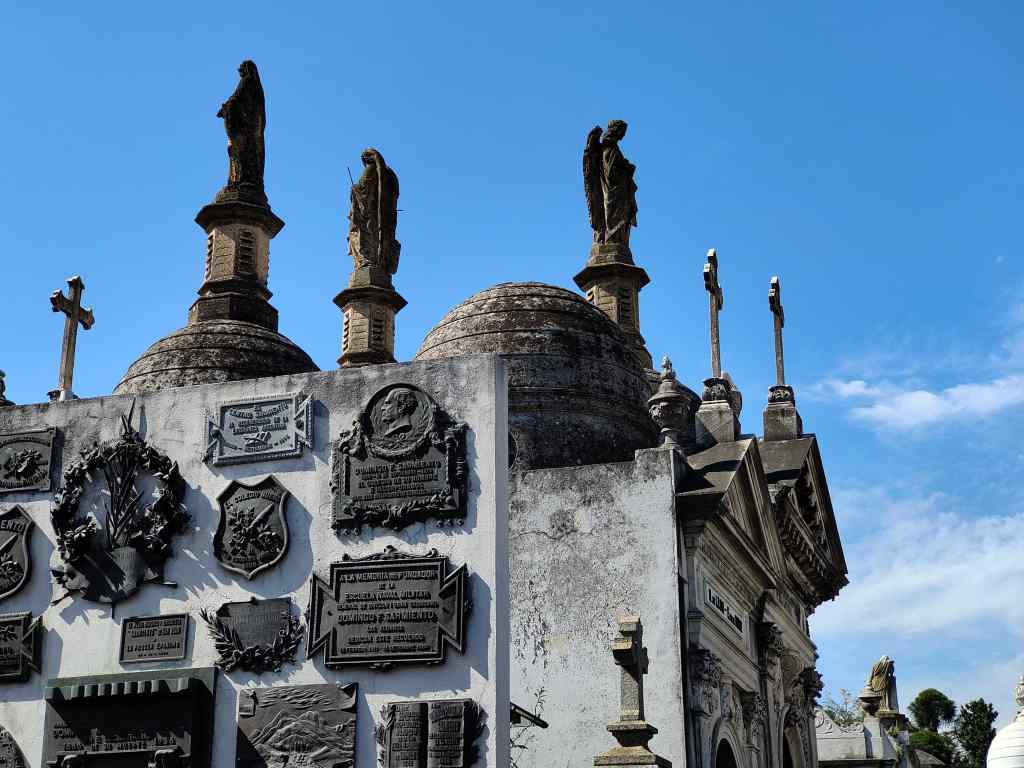
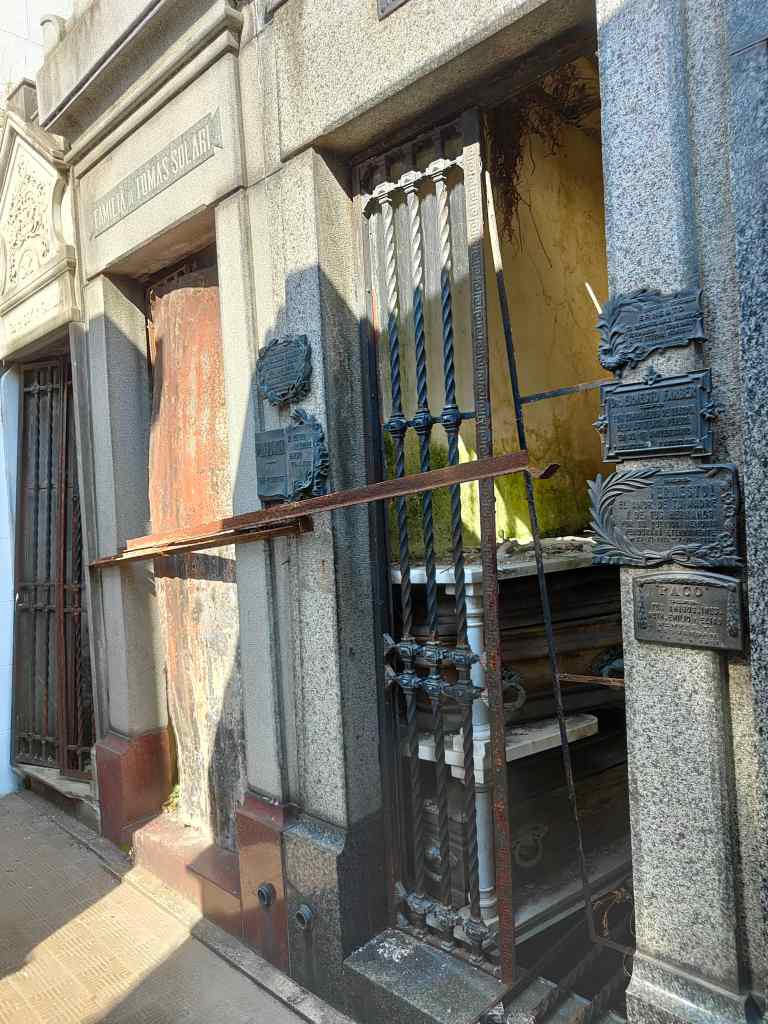
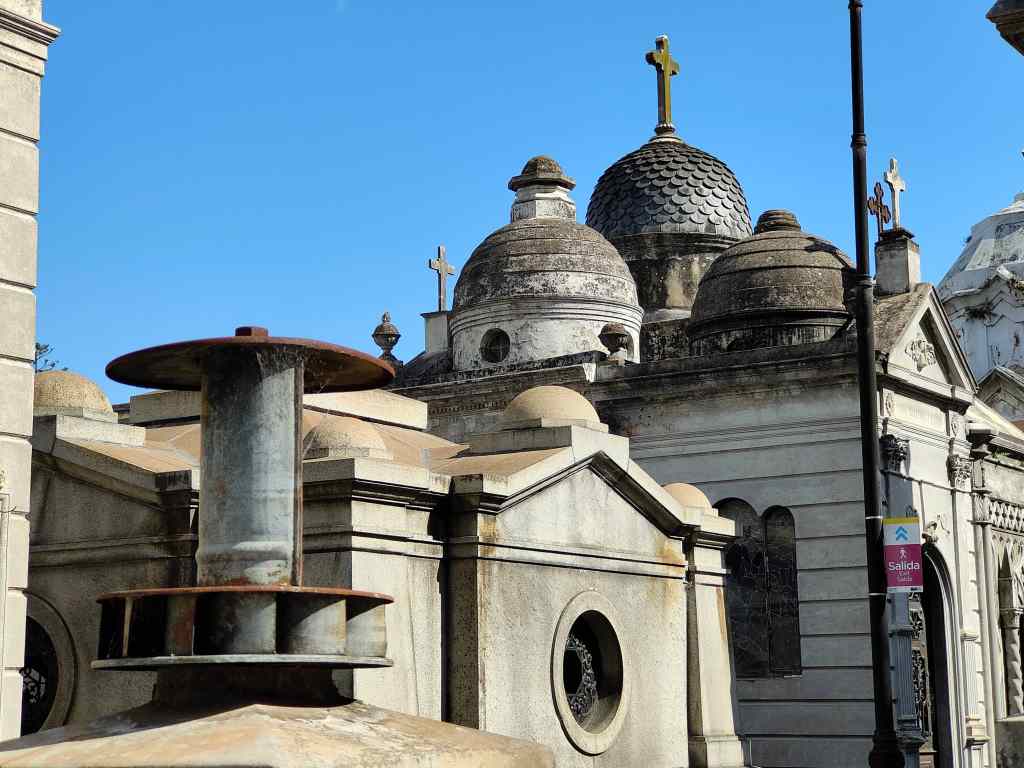
Buenos Aires does not have that many classic tourist sights – I covered the ones recommended in my guidebook in my first two days. My favourite was La Recoleta cemetery, where the great and good (or just rich) of the country are buried. It sits behind a tall wall in one of Buenos Aires’ richest areas, a strange city of death within a city. The many ornate graves make for endless photo opportunities and gave it an eery atmosphere.  They have recently introduced an entrance fee here, and as a result it was pleasantly quiet with few other visitors.

Recoleta Cemetery in Buenos Aires – spooky even during the day
Smart tombs in Recoleta Cemetery
Most tombs are well-maintained, but some are falling into ruin. Eerily, you can see coffins through the glass doors.
The tomb bottom left had ventilation installed….maybe the occupants went to a hot place?

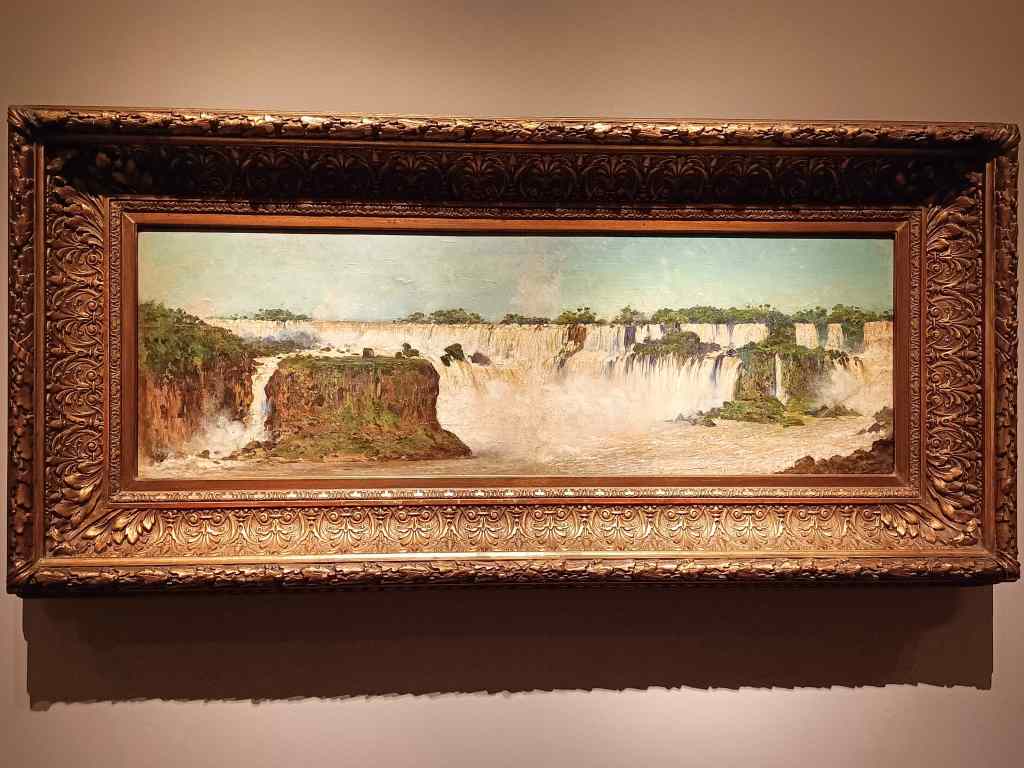
Buenos Aires also has some good museums, like the Museo de Bellas Artes, which has both Argentine and foreign paintings; some of the former reminded me of my epic journey around the country.

Painting of Foz Iguazu in the Museo de Bellas Artes, Buenos Aires
“Without Bread and Without Work”, Museo de Bellas Artes

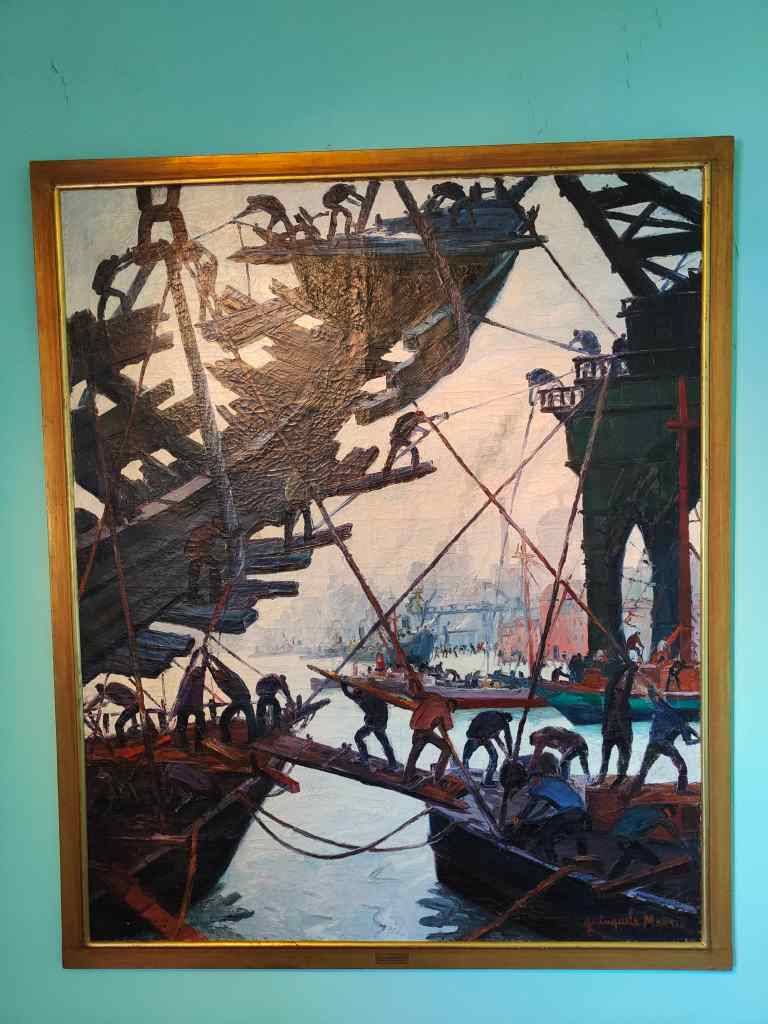
I also liked the Museo Benito Quinquela Martin in a neighbourhood (or “barrio” in Argentine) called La Boca.  Martin specialised in painting the lives of the poor people working in the docks of that area and remains a local hero to this day.

A painting by Benito Quinquela Martin

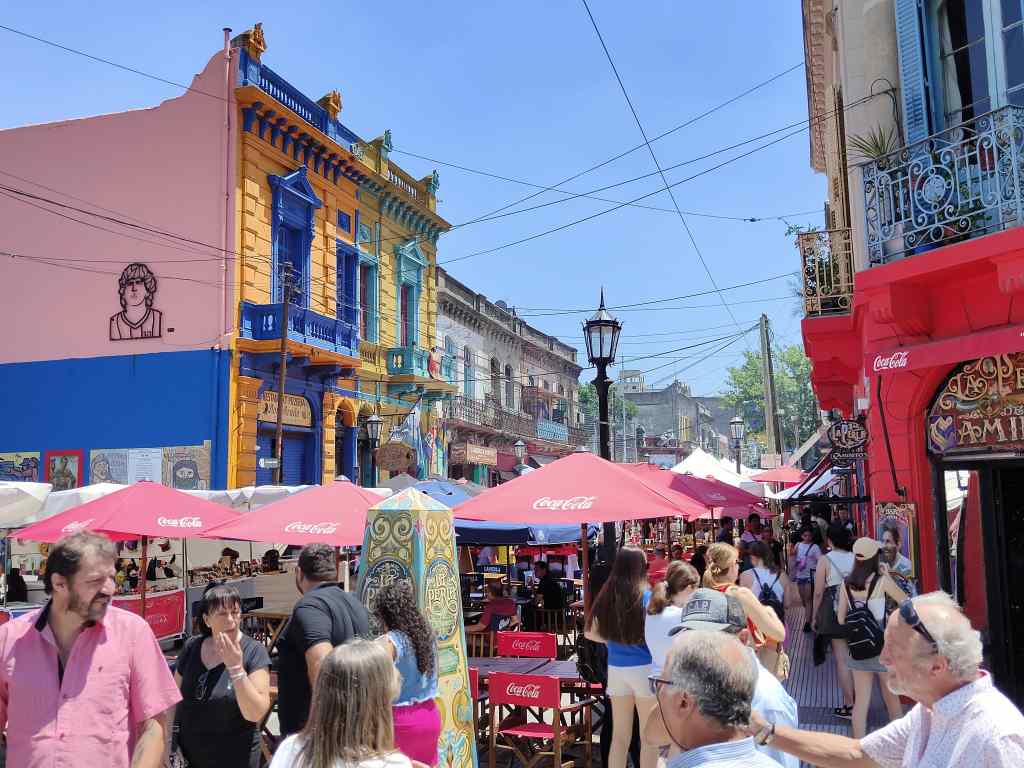
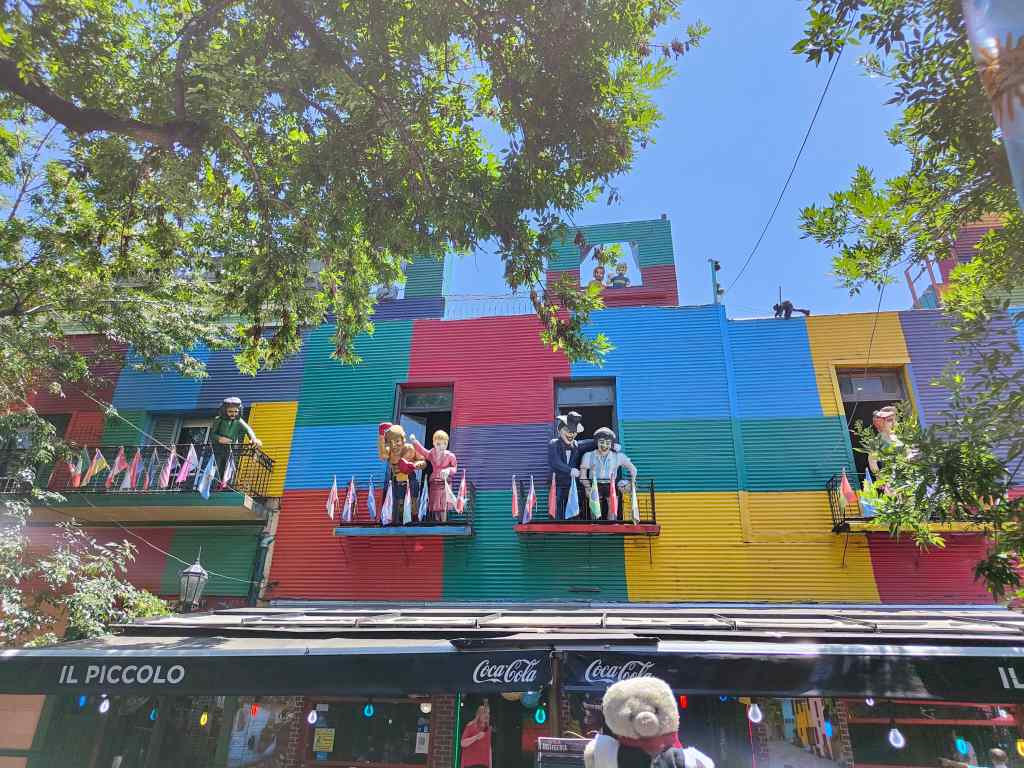
Nowadays, la Boca remains one of BA’s poorest suburbs, although the waterfront has a pretty street called la Caminito, which has brightly coloured houses.  It is very striking, but extremely touristy as well. La Boca is also famous for housing the stadium of the Boca Juniors football club, where Maradona played.

La Boca, Buenos Aires
In the touristy Caminito of La Boca

Another popular area for tourists is San Telmo, BA’s oldest barrio. I went there on Sunday for the famous market, whose stalls spread out for almost a mile to the centre of the city. The ones on the edge of the market sold cheap rubbish aimed at tourists, and I began to think it would be better to visit on a different day when it would be easier to see some of the beautiful older buildings. However, when I reached the heart of San Telmo – the Plaza Dorrego, my opinion changed. The stalls here sold some interesting antiques, and despite the tourist crowds, the square had a wonderful “old-world” atmosphere. I stopped for a while for coffee.

San Telmo Market, Buenos Aires
Plaza Dorrego, San Telmo, market day

Finally, I visited BA’s heart – the Plaza de Mayo, where you can find the Casa Rosada (the presidential palace), the main cathedral, and the “cabildo” or former town hall. This is where Argentines gather to celebrate football victories or demonstrate against the government (both of which they do very often and very energetically).

The heart of Buenos Aires – the Plaza de Mayo and the Casa Rosada

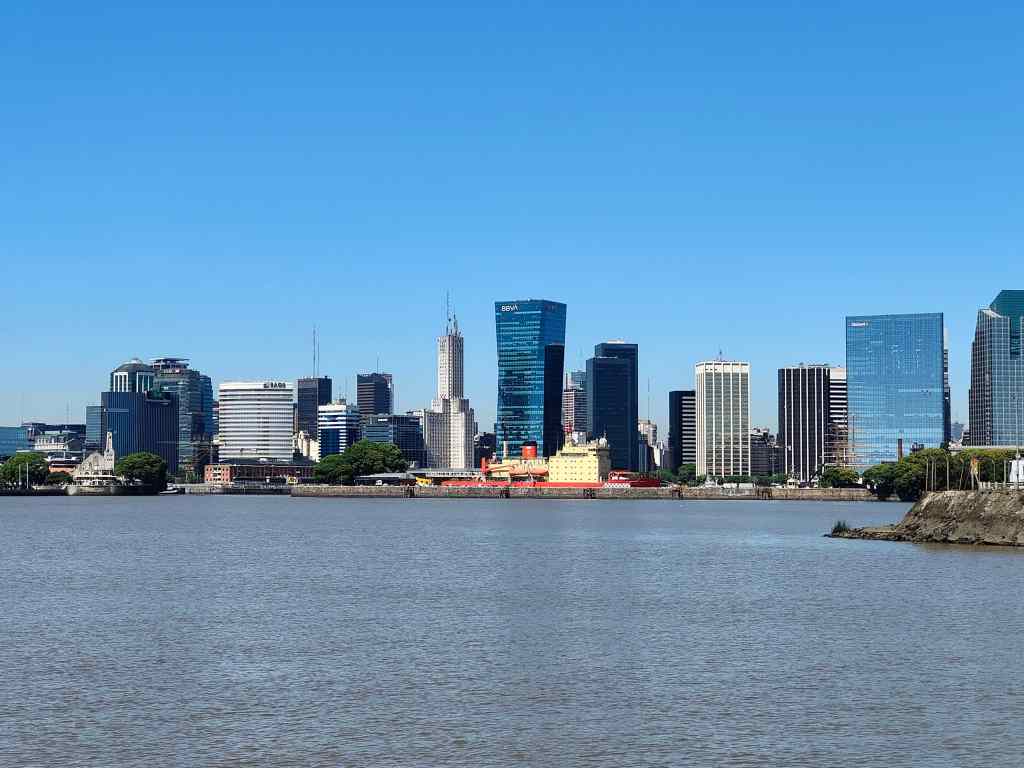
One more place recommended by my guidebook was a nature reserve on the banks of the Rio de la Plata. However, after the spectacular sights I had seen whilst touring the country, it was a disappointment – with more Portenos (residents of central Buenos Aires) noisily enjoying the weekend sun than animal or bird life.  A more successful trip was my visit to Tigre, a small town on the river about 40km northwest of BA. I travelled by boat, and for the first part of the trip got to understand just how big a city BA is.

Buenos Aires from the sea

After an hour’s sailing the boat entered the Rio de la Plata delta and the high-rise buildings finally ended, giving way to jungle. The delta (the third largest in the world) is a tangle of smaller rivers making green islands where many BA residents have second homes.  It was a very interesting contrast to Buenos Aires.

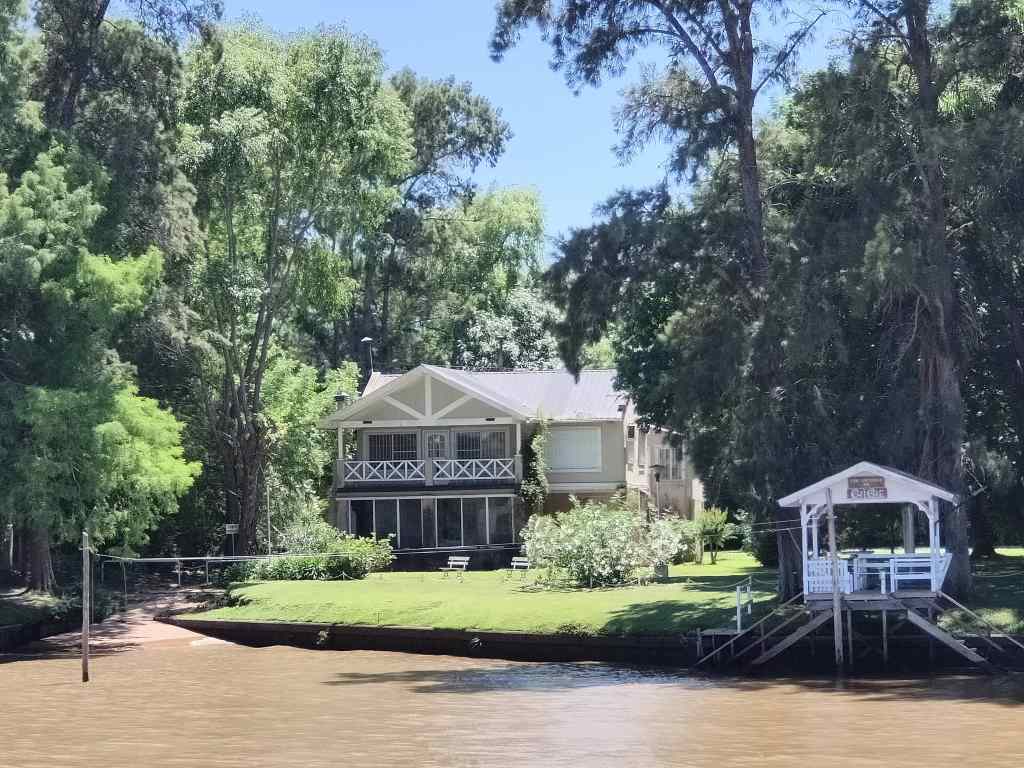
One of the many fancy second homes in the Rio de la Plata delta

Most houses are built on stilts, since the area floods often, and there are no roads – people get around by boat.  On the remote islands, the houses are very basic, but in the popular areas they looked luxurious. 

Next Post: Back in Buenos Aires part 2

Previous Post: Foz Iguazu

A Bear in Buenos Aires

¡Hola! This time I am writing from Buenos Aires (BA), at the start of a month-long trip around Argentina that I invite you to follow on my blog. I have an ambitious schedule aiming to cover most of this huge country and part of Chile, with the aid of seven internal flights. I am little worried that if anything goes wrong – like a single cancelled flight – my whole plan will fall apart. I arrived on the overnight flight from London via Madrid, and to my relief my bags arrived with me, and I got through immigration and customs very quickly. One less thing to worry about. My plan for today is simple – chill out to recover from my flight and prepare for the next stages of my trip.

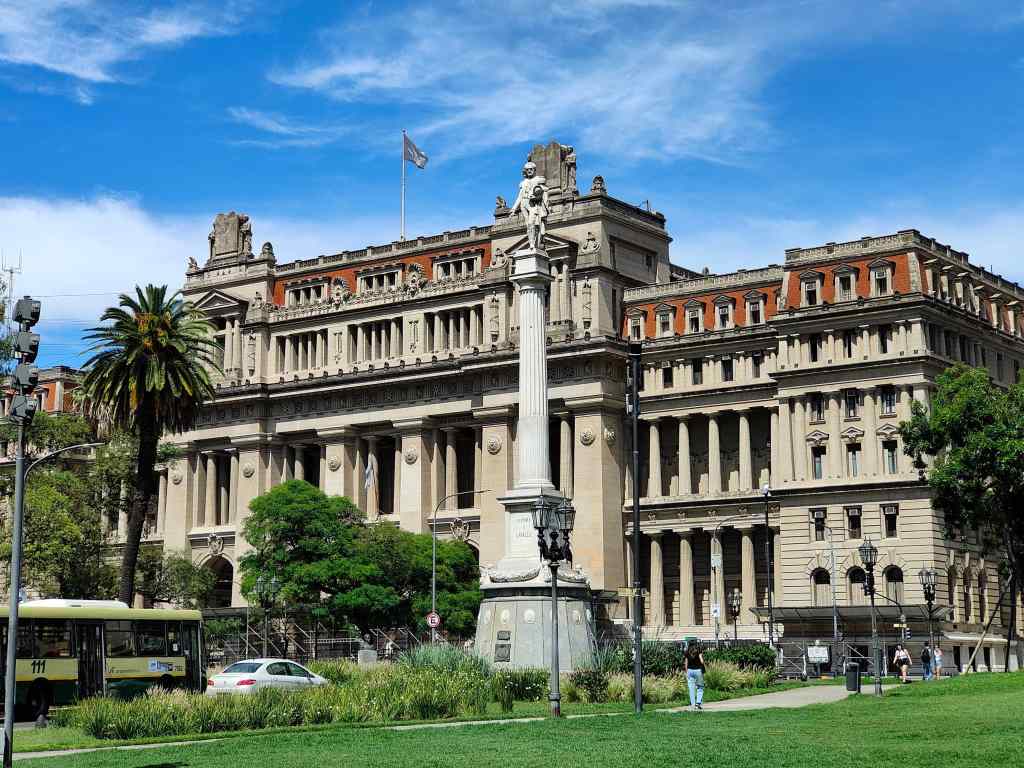
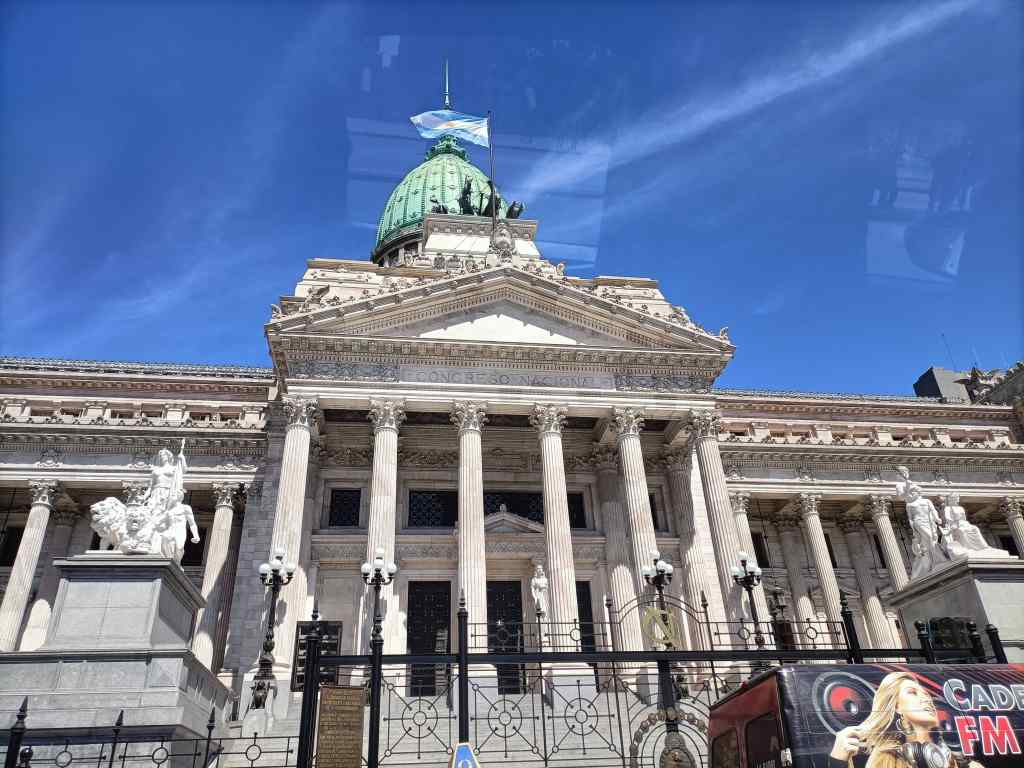
During the long taxi ride in from the airport was struck by the mix of architecture in the city. There are many skyscrapers, but also grand old buildings like the Congress…

The National Congress seen from my taxi

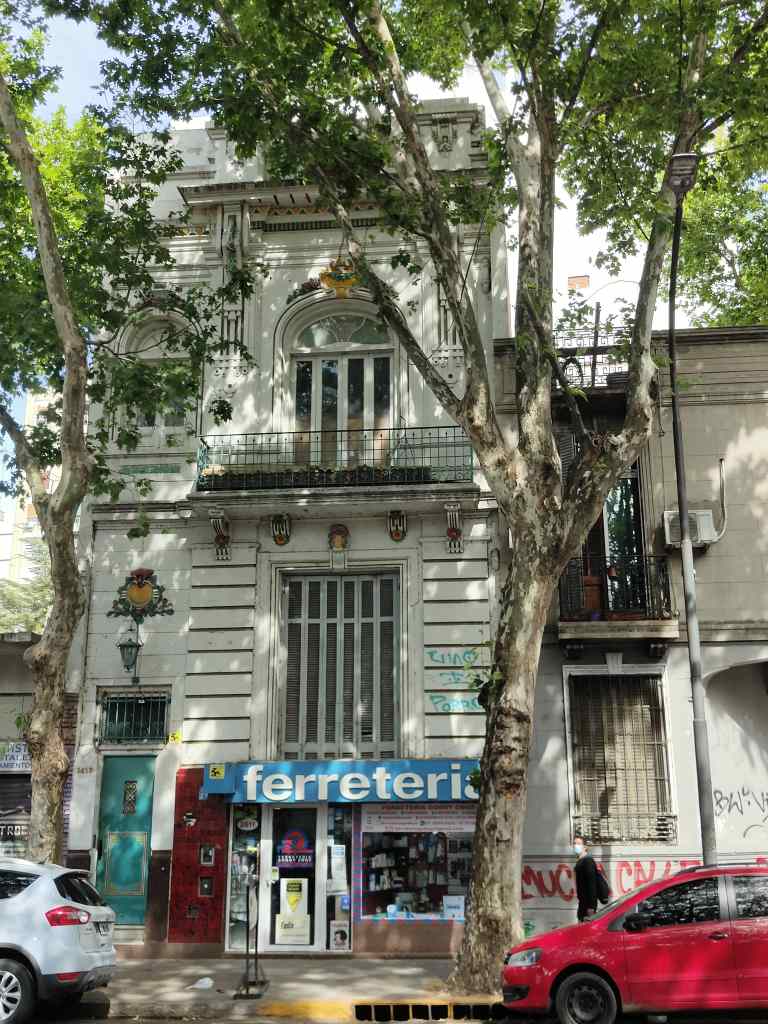
And crumbling but pretty older buildings like this…..

Buenos Aires street scene

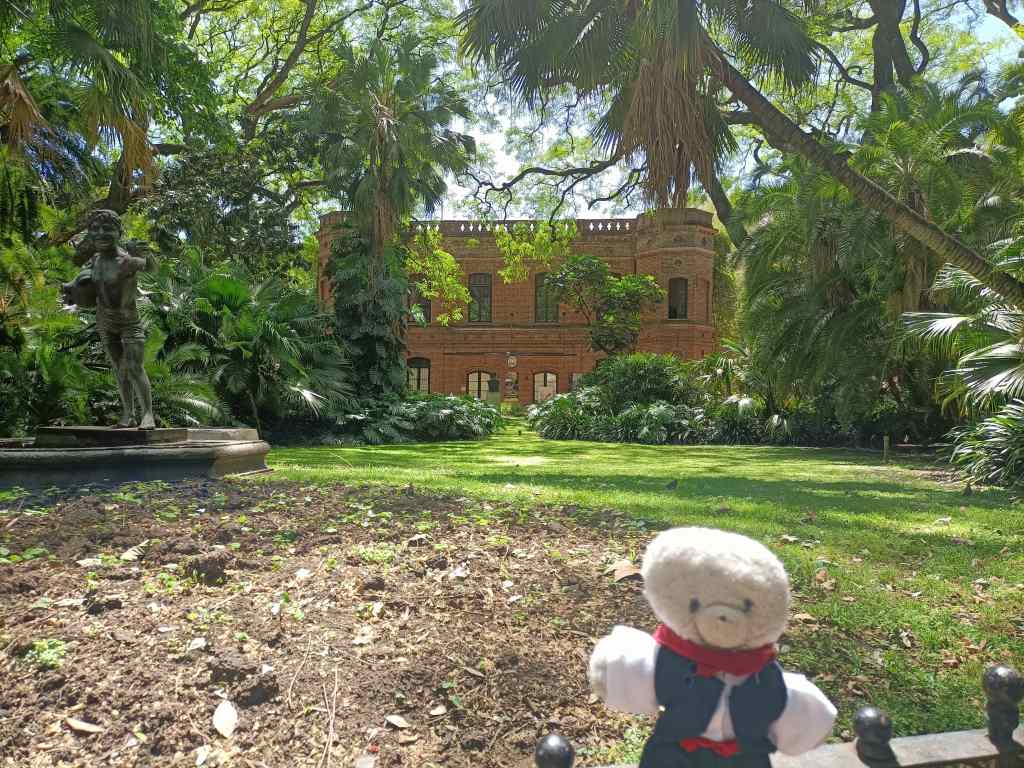
My hotel room was not ready yet, so I spent some time chilling in the Botanical Gardens. The part of Buenos Aires where I am staying is called Palermo and has lots of parks and gardens.

In the Buenos Aires Botanical Gardens

I got my Argentine Sim-Card, and then some local currency – Pesos.  There are two exchange rates in Argentina. The official rate is what you get if change money in a bank or bureau de change, or if you use your credit card. It is about 160 peso to the US$. The unofficial rate is 290 – almost twice as good. This great deal is available from shady and risky money changes in parts of Buenos Aires…….and with Western Union money transfers. WU is very popular here, and there are offices all over town. I found the one closest to my hotel, but they only had enough money for one of my two transfers…….- and in small denomination notes. Still it was enough for the next few days, and I enjoyed a reviving coffee with my newly purchase pesos.

A much needed coffee and one of several wads of pesos from Western Union

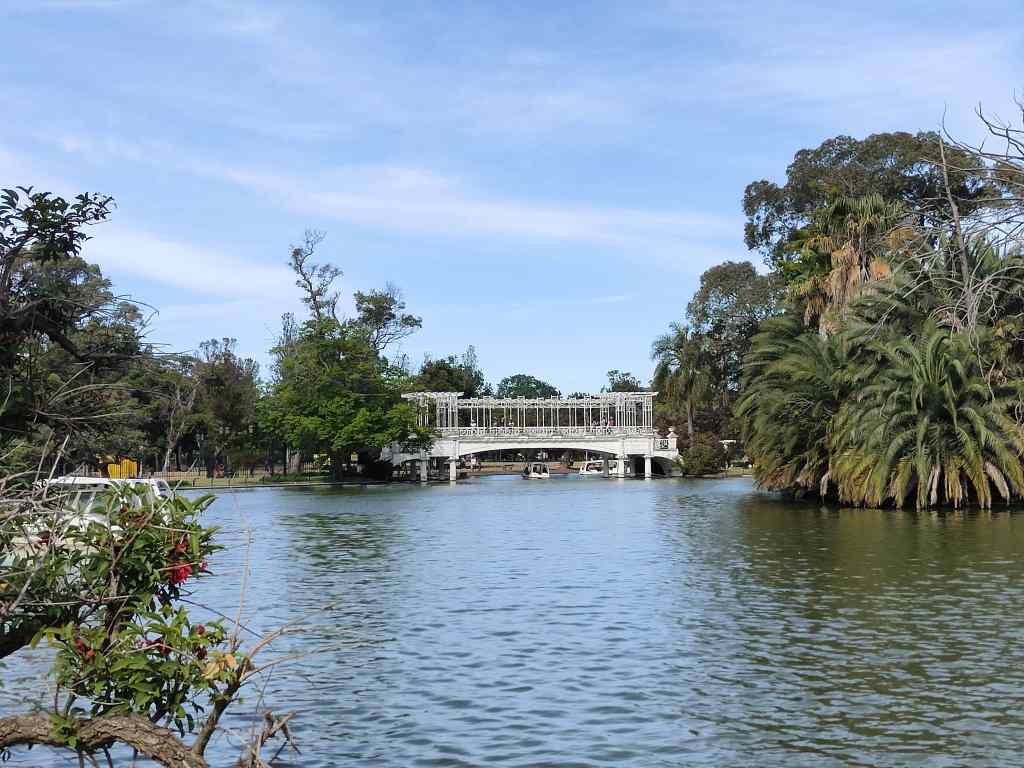
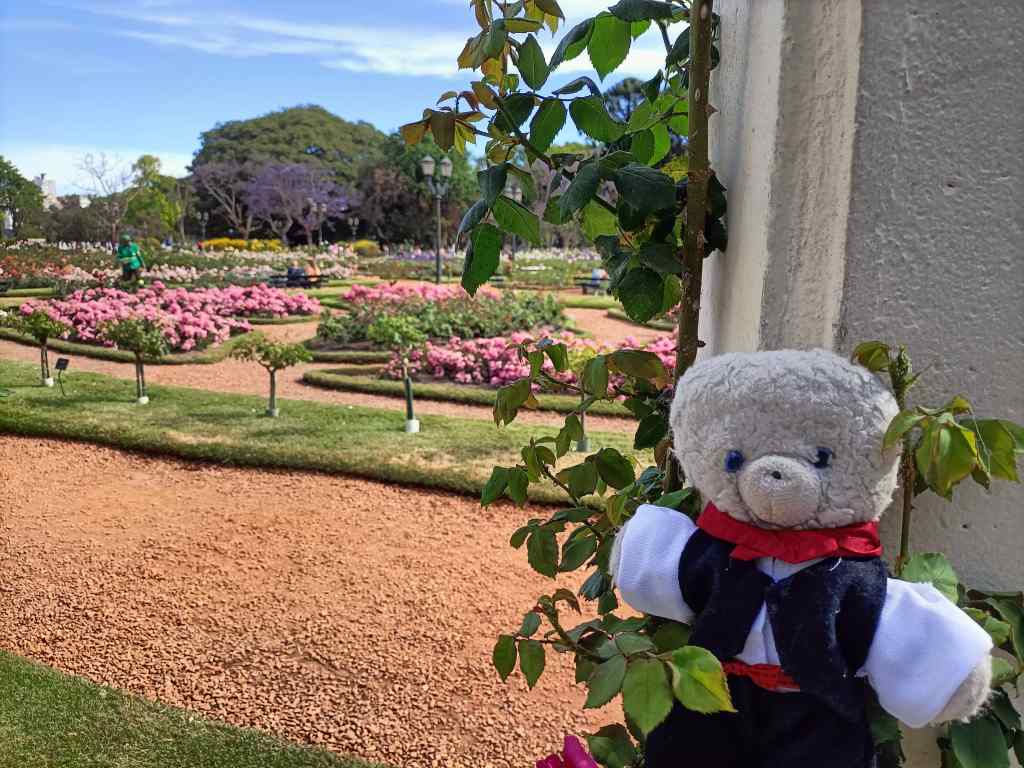
I checked back into my hotel at one, and after a short rest, set off to explore the city. First I found the 3rd of February park, a favourite haunt for Portenos (residents of Buenos Aires). It has rose gardens, lawns where people play football, and a lake where you can rent boats.

The lake in the 3rd of February Park, Buenos Aires
In the 3rd of February Park

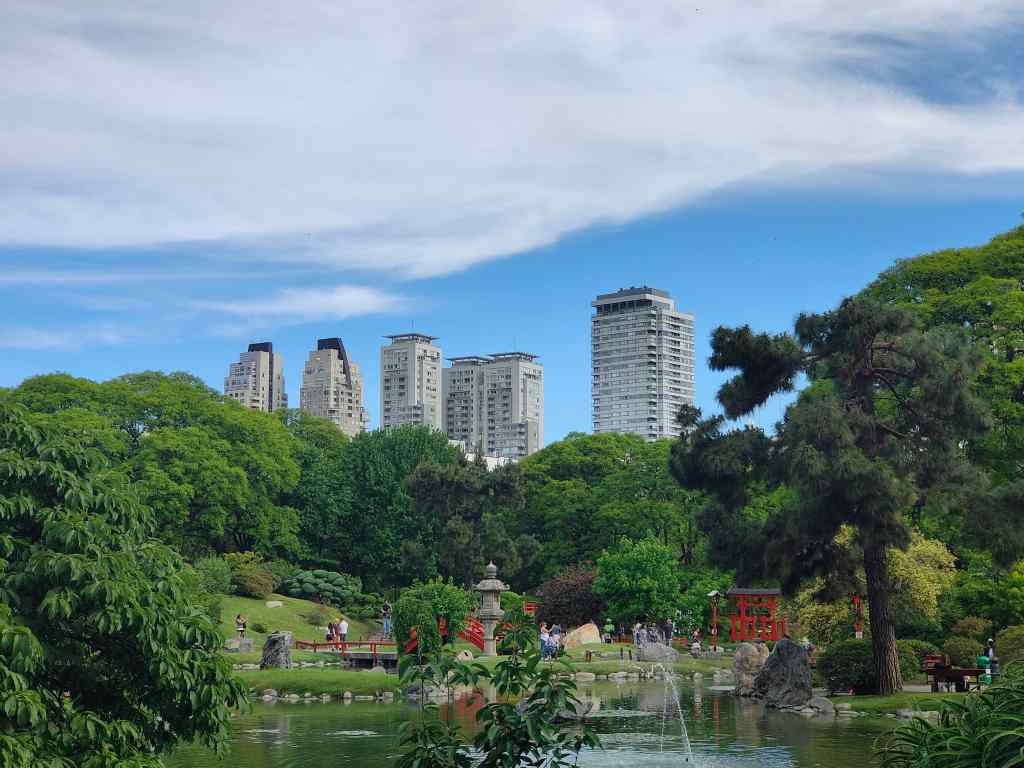
After the public park I visited the Japanese Garden. I was not sure quite what it was doing in the centre of BA, but it was a nice place to explore.

The Japanese Garden, Buenos Aires

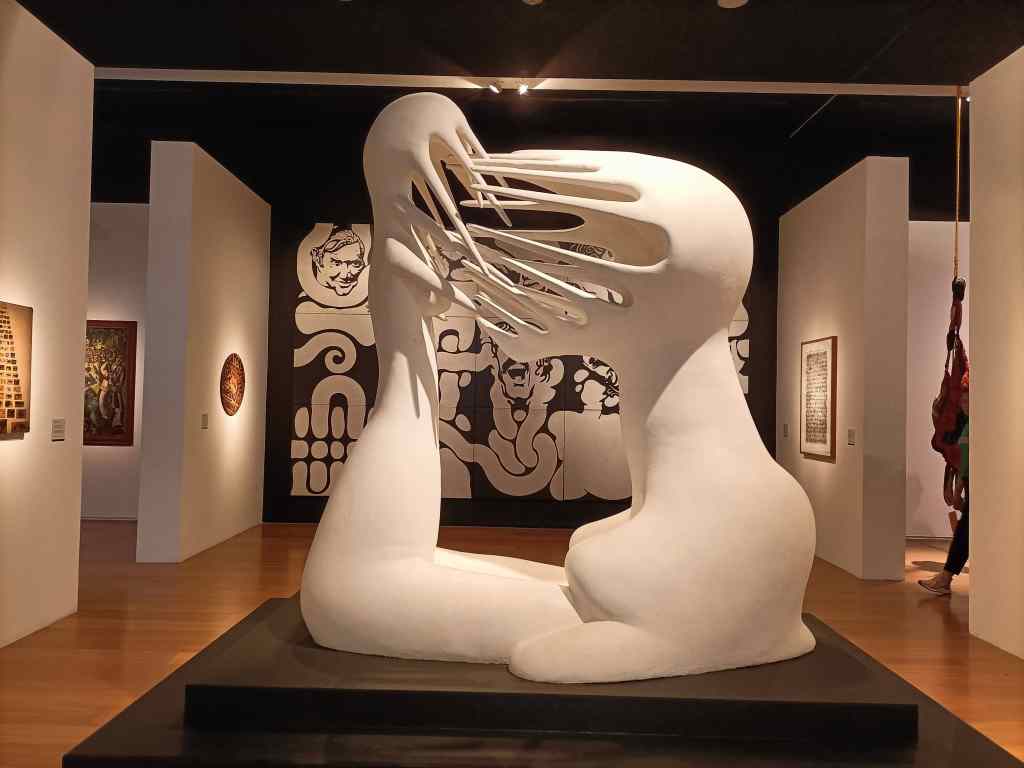
From there I headed to the Museum of Latin American Arts to see some really good displays of contemporary art.

Buenos Aires has a thriving arts scene

My last stop was an early dinner at a wine bar with a pavement terrace – of which there are lot, because both the weather and the wine are very good in Argentina.

Wine, Food, and Al Fresco restaurants – three things Argentina does very well

I enjoyed tasting some fantastic Argentine wine and food before heading back to the hotel for an early night.  The time difference between Buenos Aires and London is only 3 hours, but even so my body was telling me it was past midnight.

I was happy with my first day in Argentina. The sights I had seen had been pleasant rather than memorable, but I had really liked the atmosphere of Buenos Aires. The people are very friendly and seem relaxed and happy. They spend a lot of their time in the excellent open air cafes and restaurants – and so would I, with food and wine this good. My carefully-planned route takes me around the country without returning here before the very end, but I am looking forward to reporting back in more detail on this pleasant city.

Next Post: The Quebrada de Humahuaca

Blog at WordPress.com.

Up ↑