Beauty and the Beast – from Bielsa to Andorra

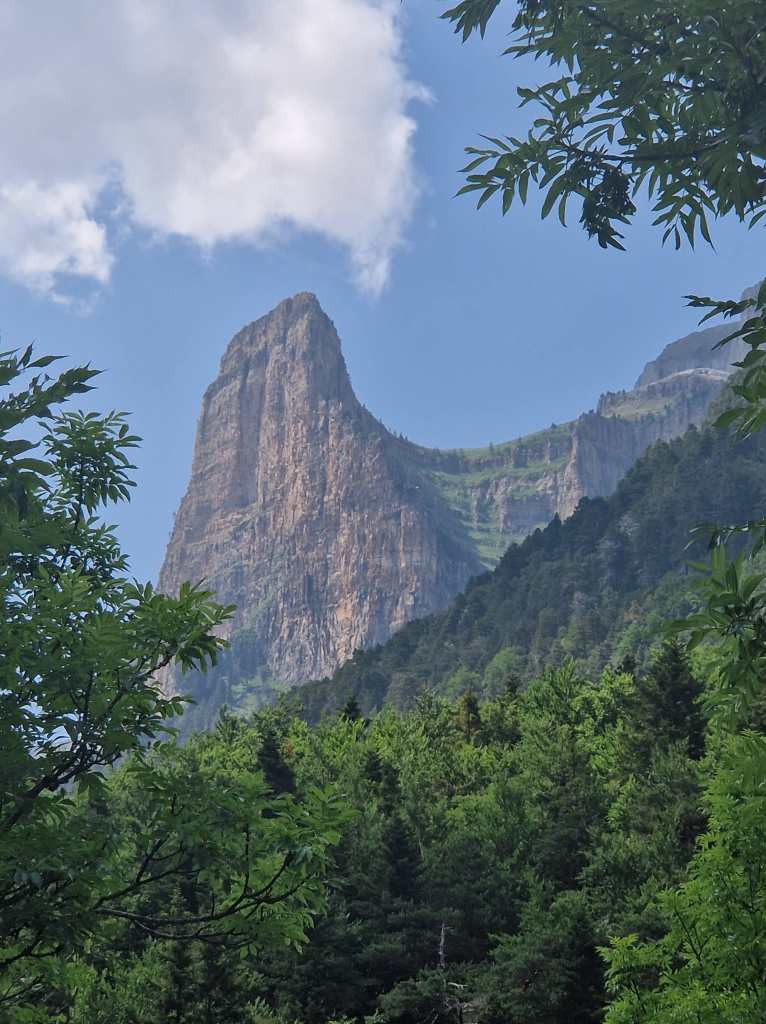
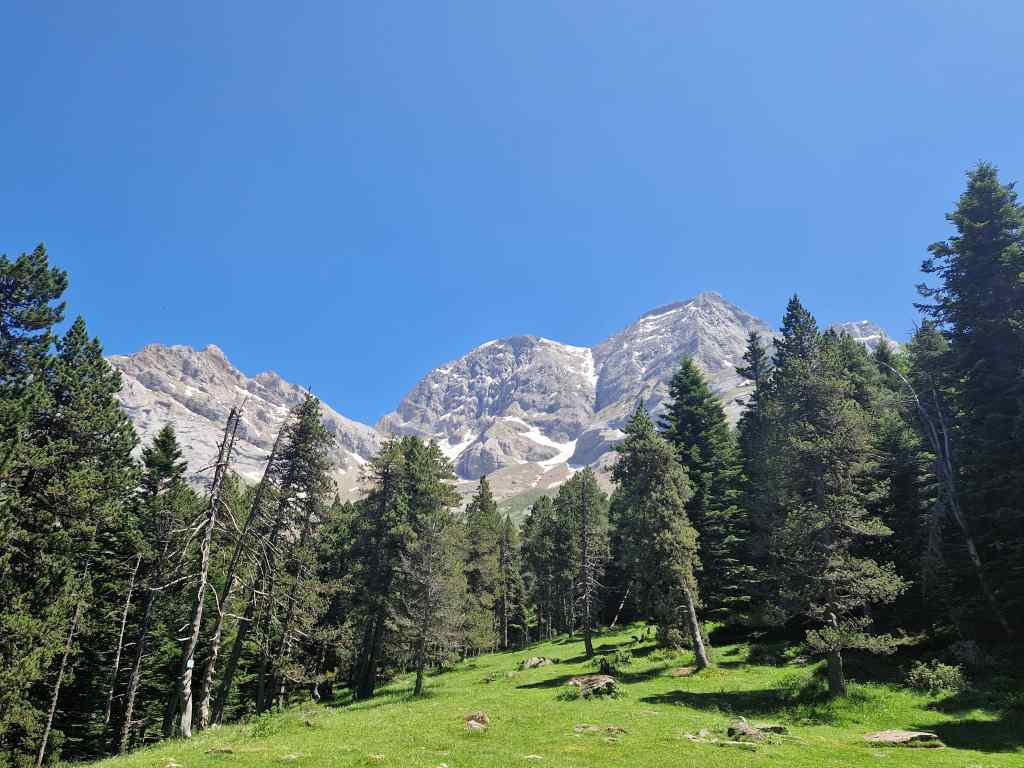
Today I began the long drive back to Toulouse via the tiny country of Andorra – a tiny principality sandwiched between Spain and France in the Pyrenees. First, I made a short detour driving up the Valle de Pineta from Bielsa to reach a semi-circular wall of mountains similar to the Cirque de Gavarnie that I had visited a couple of days before. I did not have time for a walk, so simply stopped to admire the view and take photos.
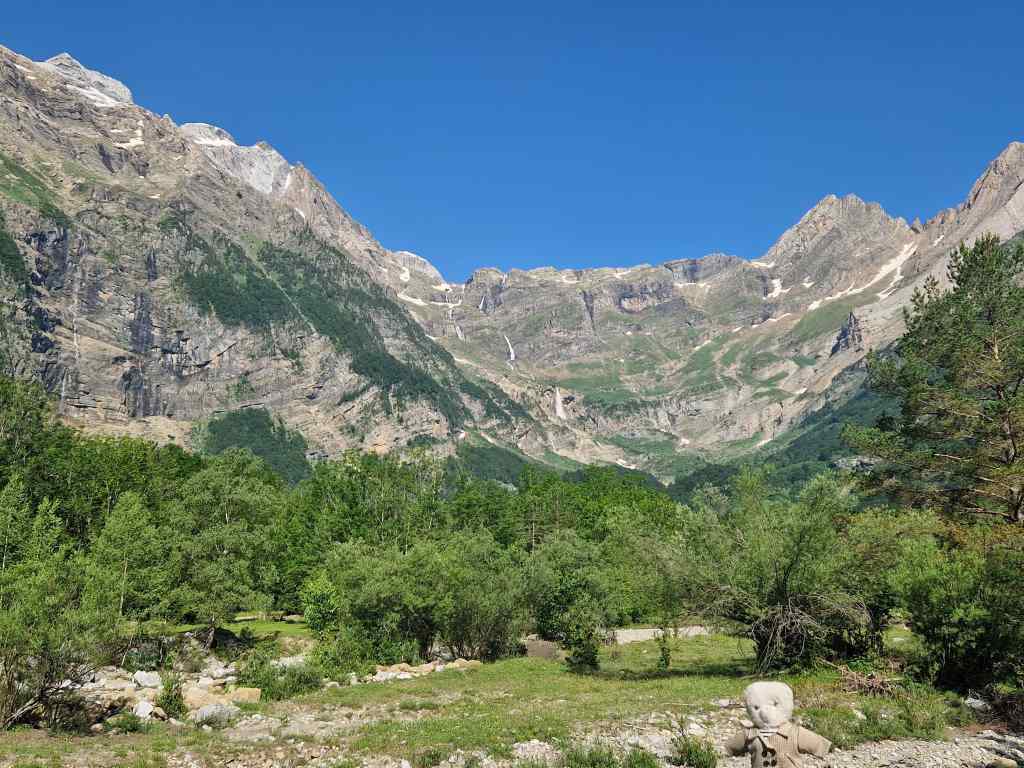
The magnificent scenery of the Valle de Pinetas

The road to Andorra was pleasant rather than spectacular. Occasionally I would stumble across pretty mountain villages but mostly the countryside was dry and deserted.

On the road from Spain to Andorra

My main excitement during the drive was watching the low fuel warning light come on and anxiously checking where the next petrol station might be – I had seen none for miles – but in the end I made it to the small border city of La Sue d’Urgell, which had one. The entry to Andorra, a few km further ahead, was marked by a large customs and immigration post, and suddenly the road changed completely. It still went through pleasant mountains but was much busier and lined on either side by shopping centres and (suddenly) endless petrol stations. As I approached Andorra la Vella – the country’s main and only city – the traffic became denser, and the ugly modern constructions more oppressive.

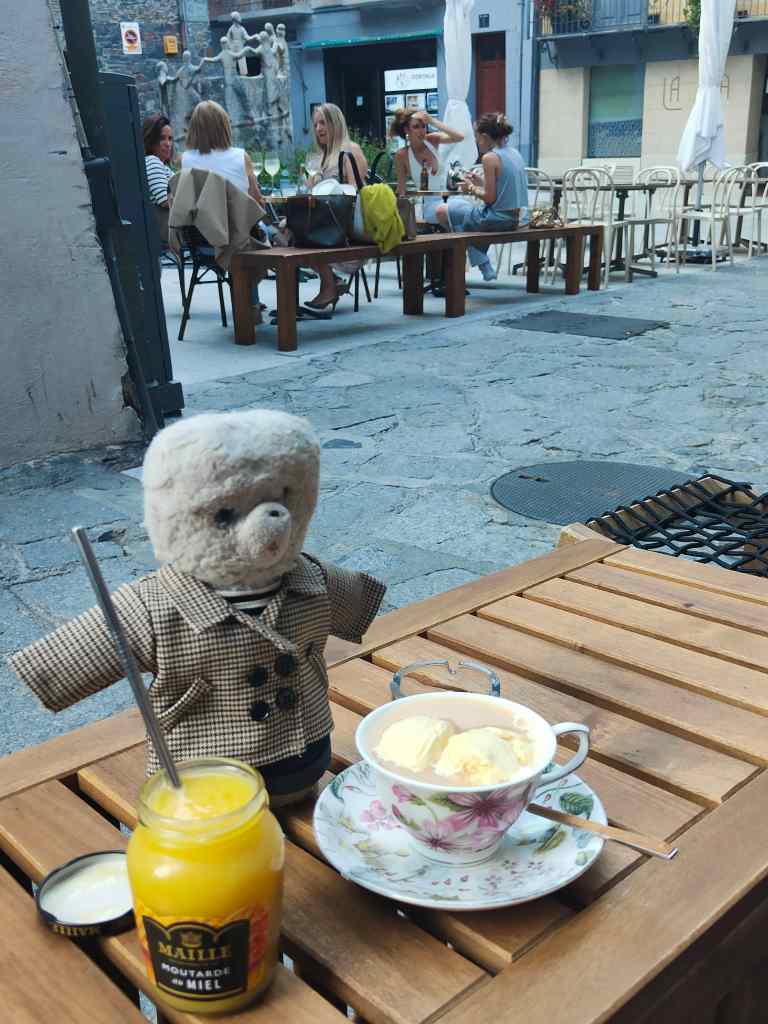
After fighting my way through traffic jams and roadworks, I found my hotel and set off to explore on foot. The city was unlike anything I had seen anywhere before. It completely filled what might once have been a pretty river valley, surrounded by mountains. There was a tiny old town, accessible by walking up a hill or taking an elevator, where I stopped for some inventive cocktails in one of the many cheap bars.

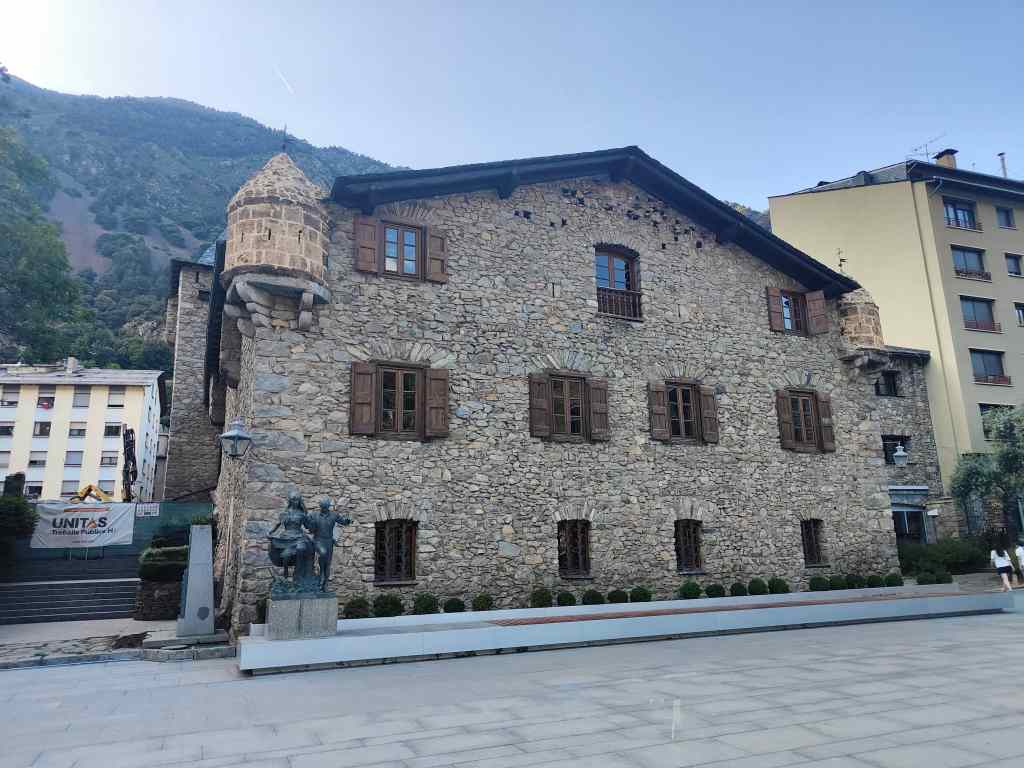
Entering Andorra’s old town
One of Andorra’s few old buildings
Enjoying cheap drinks in Andorra’s old town

Outside of this area, the city was a dense mass of duty-free shopping, traffic, building sites and road works. Its main landmark was the fast-flowing river La Valira that flows right through the centre – it seemed to me that the water was rushing to revert to nature and escape the ugliness of man’s work.

Andorra’s new town and a statue by Dali

Having bought some presents for my friends, I thought the best use of my time would be to treat myself to dinner in a good restaurant – and I was reward by an excellent and well reasonably priced feast. Andorra la Vella had been a strange experience. It has lots of duty free shops, good hotels, and some excellent value bars and restaurants…but frankly it is an ugly city. I was glad to see it once, but also glad to be moving on back to France the next day.

Previous Post: From the Canyon d’Añisclo to Ordesa and Monte Perdido National Park

Next Post: Back to France – Foix and Carcassone
From the Canyon d’Añisclo to Ordesa and Monte Perdido National Park

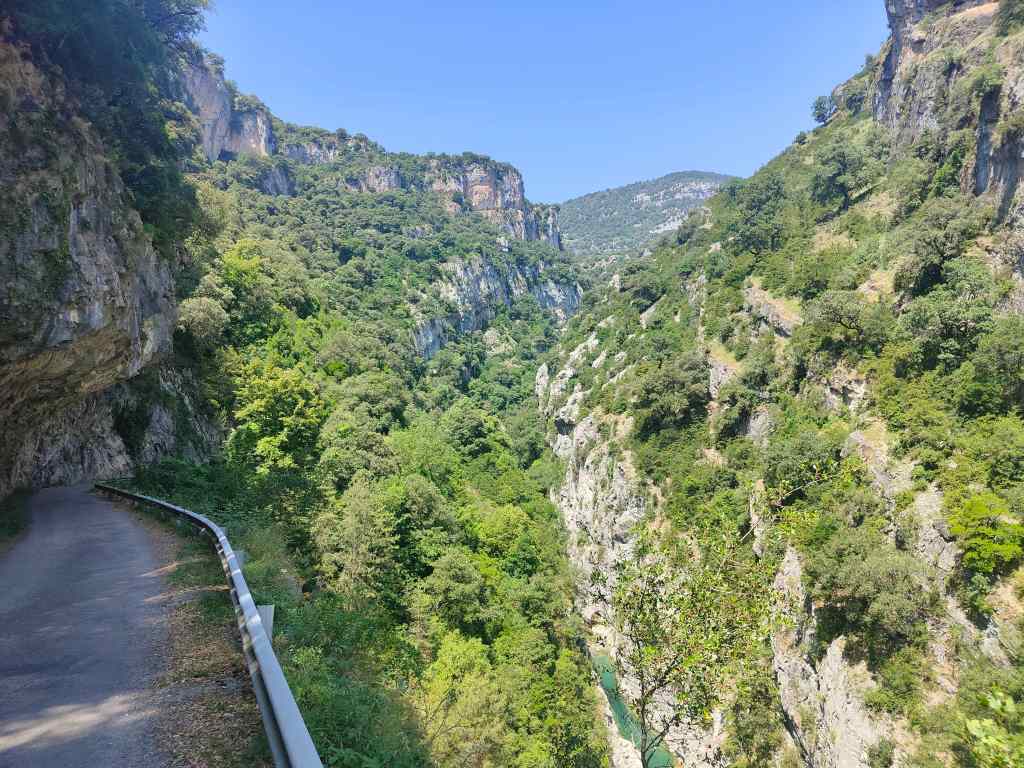
Today I set off from Bielsa on what turned out to be a spectacular driving tour. I headed south, before turning off onto a small side road to the Canyon d’Añisclo. The road entered a deep river gorge,  with steep sides before splitting into two separate one-way tracks.

Approaching the Canyon d’Añisclo

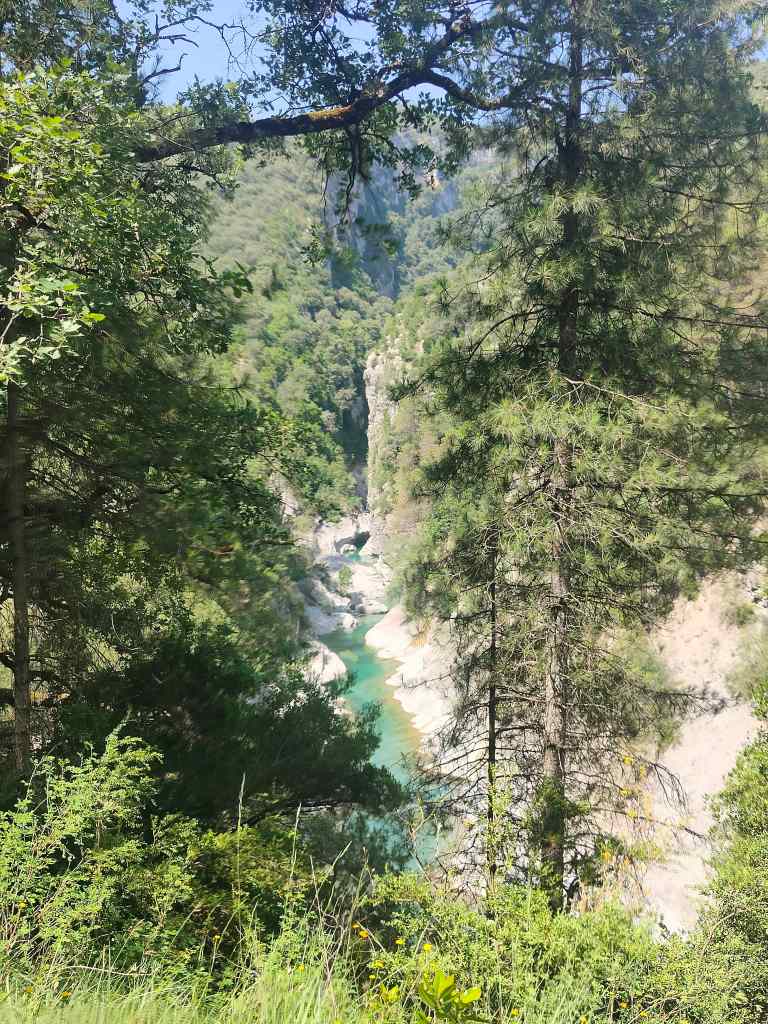
My route wound along the side of a small river, with steep cliffs towering far above me.

Deep in the Anisclo Gorge

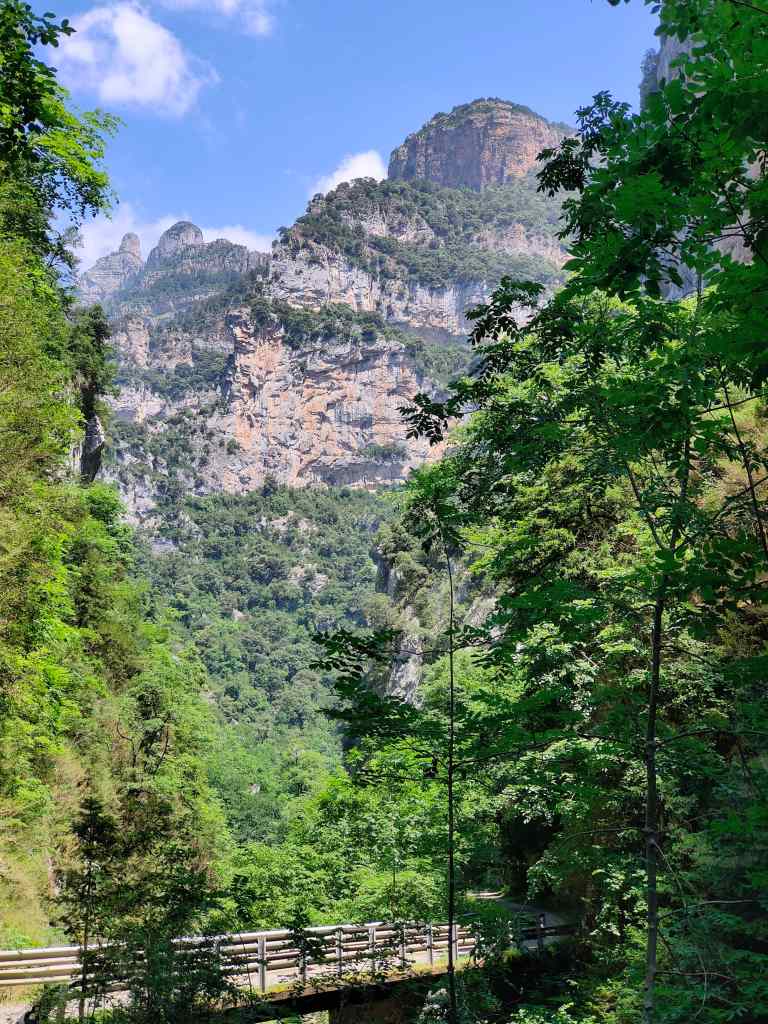
I made slow progress – not because the driving was difficult, but because I made so many stops to take pictures of the amazing scenery.

Scenery in the Canyon d’Añisclo

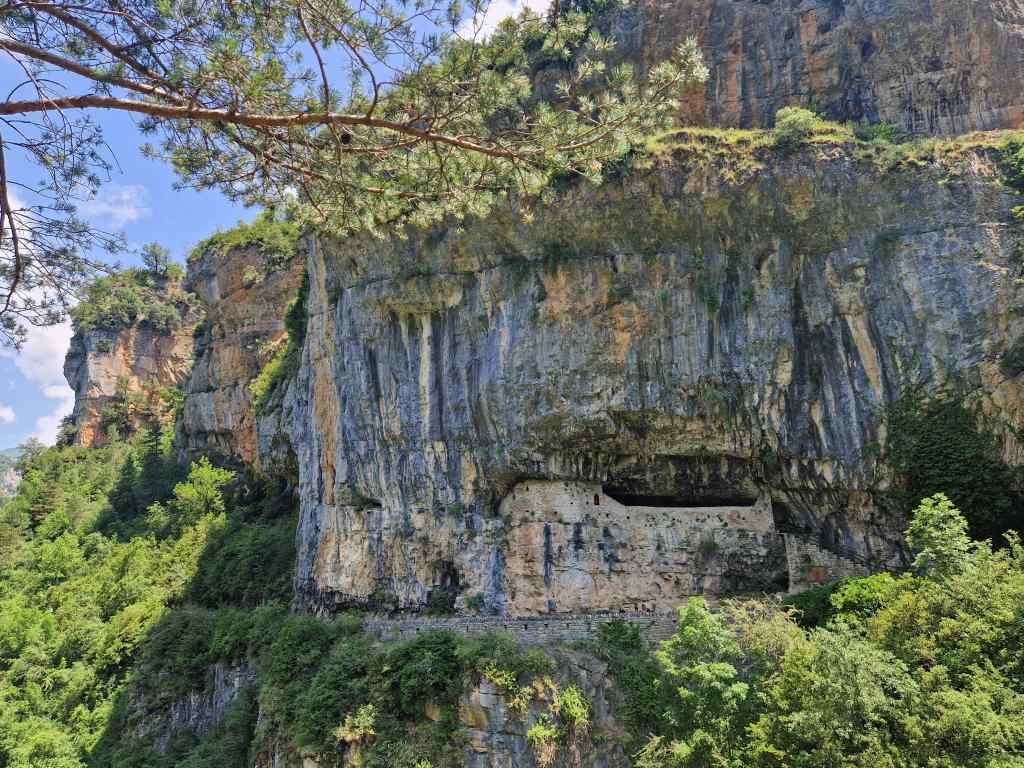
I arrived at a small parking area and got out to stretch my legs and have a look around. The car park offered spectacular views up and down the canyon, and to the other side where some sort of chapel had been carved into the cliff face.

Is that…..a little chapel in the cliff face?
Yes! The chapel of San Urbez

A sign advertised a short circular walk named after San Urbez, a local hermit who lived in the area. 

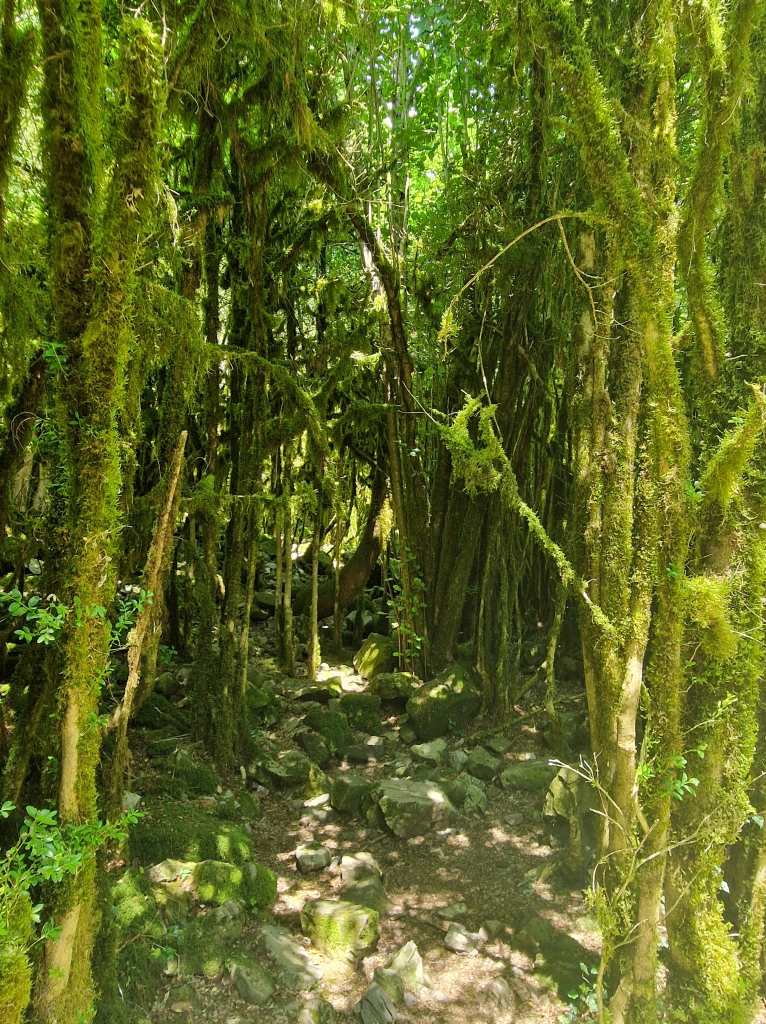
An interesting forest in the Canyon d’Añisclo

The path led down through a pretty forest, crossed a bridge and then climbed up to the chapel – which was furnished with simple pews,  as if it was still in occasional use.

The chapel of San Urbez

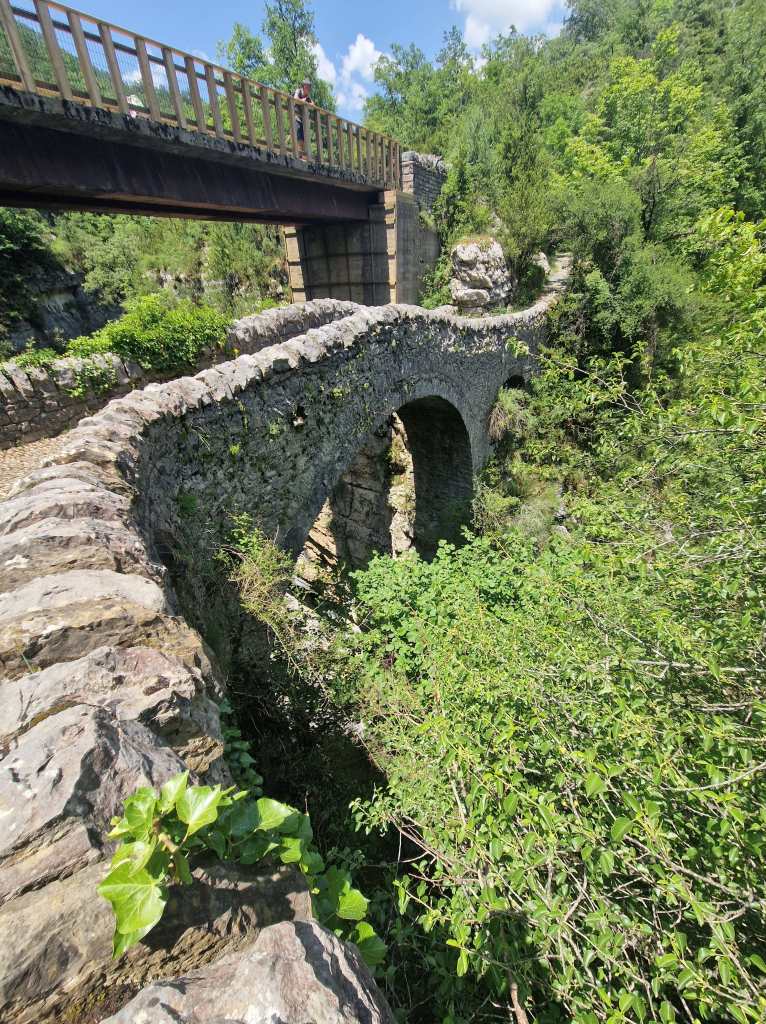
After the chapel I had the choice of using an ancient bridge or a new one built on top of it to regain my car.

A choice of bridges

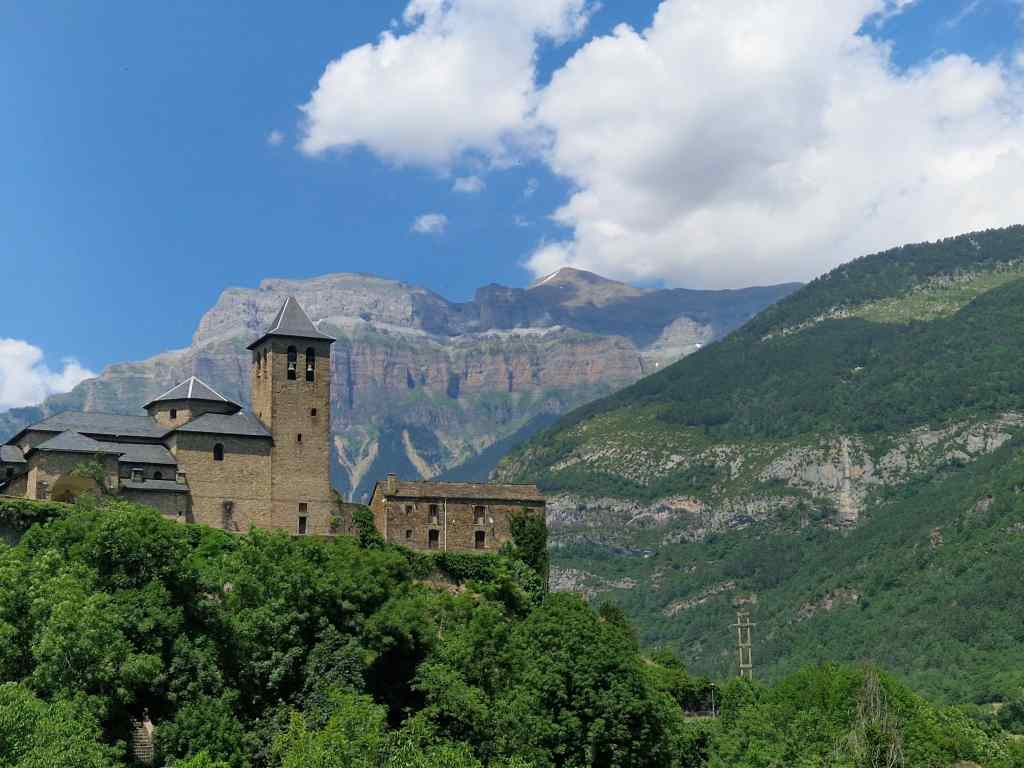
I spent another hour driving through some impressive mountain scenery, noticing that the Spanish Pyrenees are different to the French ones – steeper, and much drier.  I stopped for a drink at Torla, a pretty old town that is the gateway to the Ordesa and Monte Perdido National  Park.

Photogenic Torla

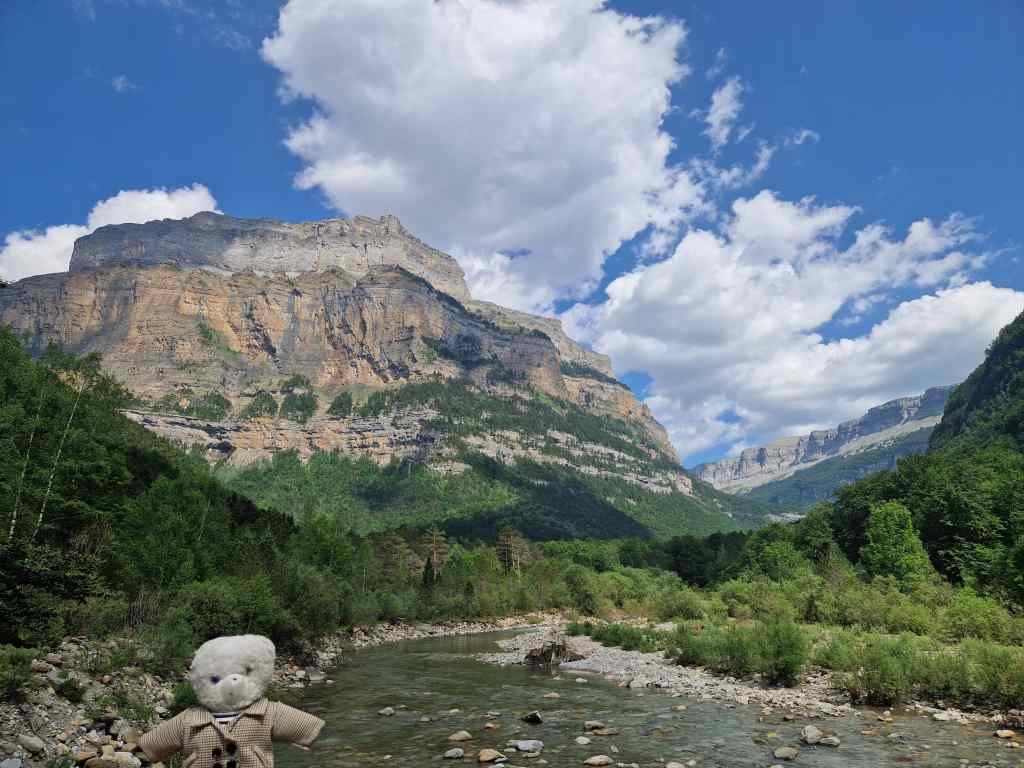
The road into the park followed a gorge with steep mountains on either side, finally arriving at a large car park. Looking around, I felt myself  transported to some of the most spectacular national parks I had seen in America – on all sides mountains towered above me, some of them twisted into fantastical shapes. I had read that the car park was the starting point for some amazing hikes, but sadly I did not have the time to do anything more than stroll a short way up the river valley and absorb the jaw-dropping views. I resolved to come back and explore Ordesa properly another time.

In Ordesa and Monte Perdido National Park
Amazing mountains in Ordesa and Monte Perdido National Park

Finally, it was time to head back, and in a couple of hours I was back in Bielsa – for once, getting home early enough to be able to relax a bit, sort out my photos and write my blog. I stopped by the local supermarket to buy dinner and stock up on a typically Spanish tradition – sweet, fortified wines and sherries served directly from big casks.

Minimum two litre purchase!

The minimum amount you could buy was two litres, which cost a derisory seven euros. I bought some sherry and enjoyed a glass sitting on the town’s main square in the early evening sun, reflecting on an exceptional day.

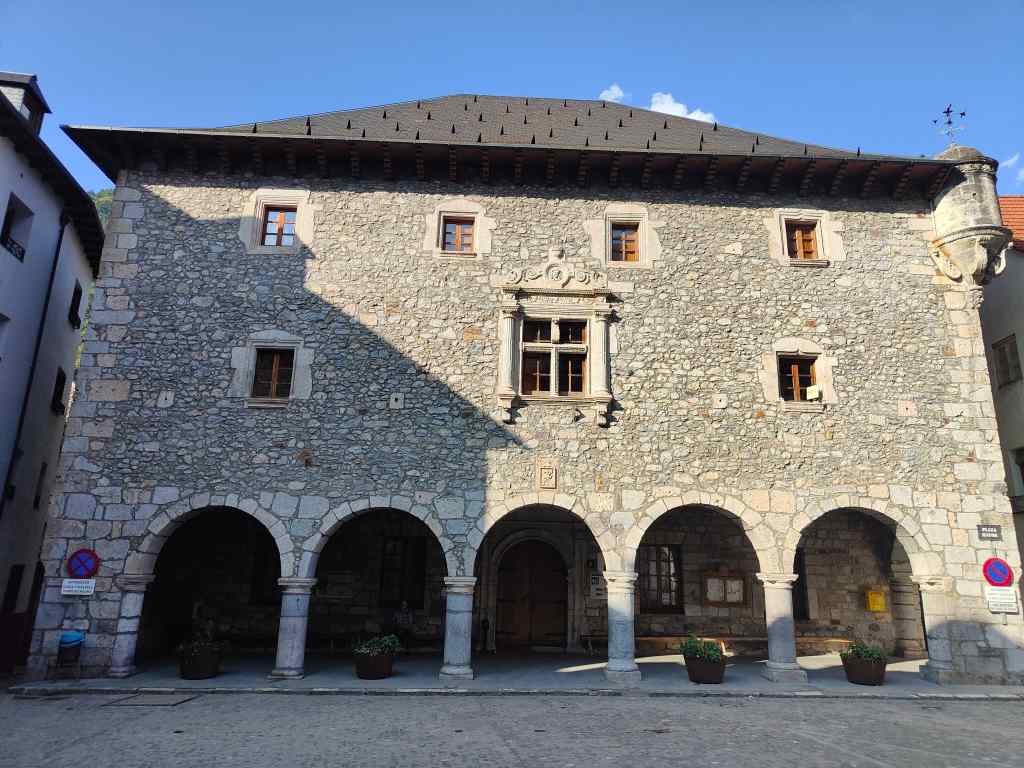
Old building in Bielsa’s plaza

As my regular readers know I am a well-travelled bear but finding such scenery in a place only a few hours flying/driving from London was something really special. I will be back.

Previous Post: Cirque de Gavaranie

Next Post: From Bielsa to Andorra

The Cirque de Gavarnie – a Pyrenees Classic

Today I enjoyed one of the Pyrenees’ most famous sights – the Cirque de Gavarnie. This time I set off from Tarbes without a cloud in the sky and was soon driving up a beautiful river valley towards the high mountains. The road passed some pretty spa towns, but my busy itinerary for the day did not allow me the time to stop at any of them. After an hour and half, I reached the village of Gavarnie, the base for my hike.

The hike to the Cirque de Gavarnie is one of the most famous and popular in France, and when I arrived at 11.00, the car park was already quite busy. Along with many other walkers, I set off on a flat easy track which followed the banks of the valley’s fast-running river – the same one I had been following on my drive to get here.

The cirque seen from the start of the walk at Gavarnie

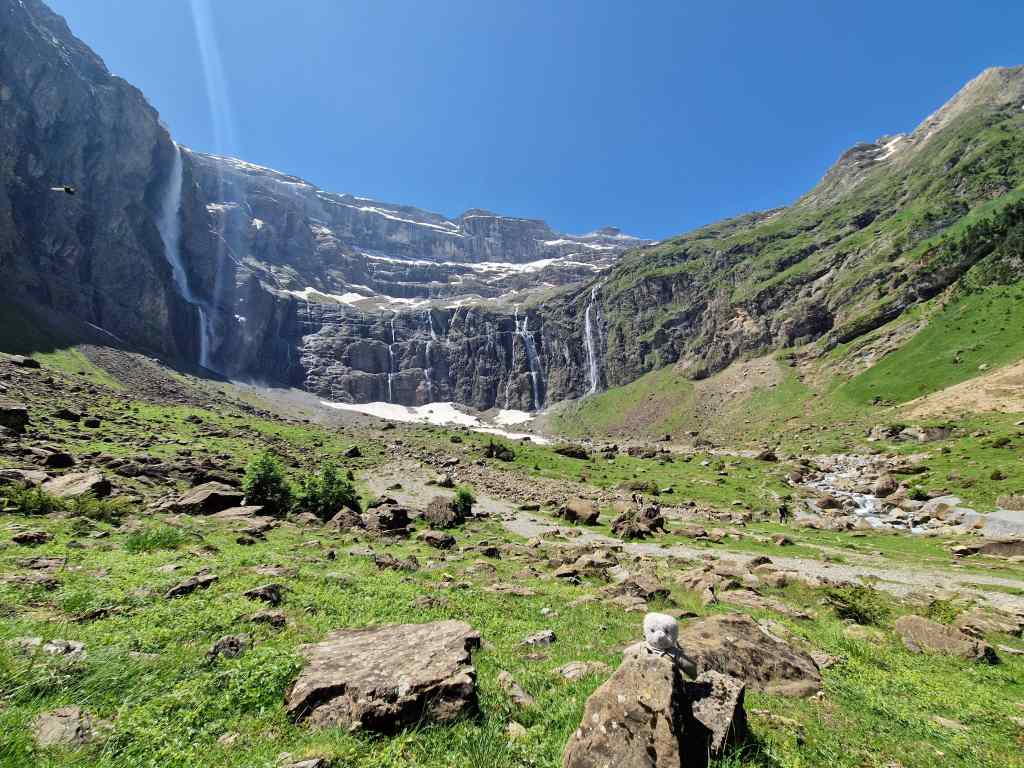
Even from the walk’s starting point, there was quite a good view of the cirque – a semi-circular wall of mountains with waterfalls cascading down their sides. This view got more and more impressive as I approached my destination.

Further along the walk

After a few kilometres the easy, wide path ended at a bar/restaurant and turned into a mountain track which passed over a mini glacier. At first, I wondered whether this was safe to cross – the ice had two large holes, through which you could hear the river bubbling below. But the much heavier human walkers set across confidently, so I followed in their footsteps (literally) and was soon clambering up the rocky scree that lies at the base of the cirque.

A glacier with worrying holes

I sat down and had a long picnic, soaking up some of the most beautiful mountain scenery I had ever seen.

A well-earned break inside the Cirque de Gavarnie

Rested, I put on waterproofs and clambered up to the largest waterfall – La Grande Cascade – getting a close as I could without getting totally soaked.

Near the waterfalls, Cirque de Gavarnie

I chose to return to Gavarnie by a different, more difficult track that climbed up the side of a mountain. I turned around frequently to see the cirque flitting in and out of view, as if it was playing hide and seek with me. The path also offered impressive views of other mountains….

More pretty mountains

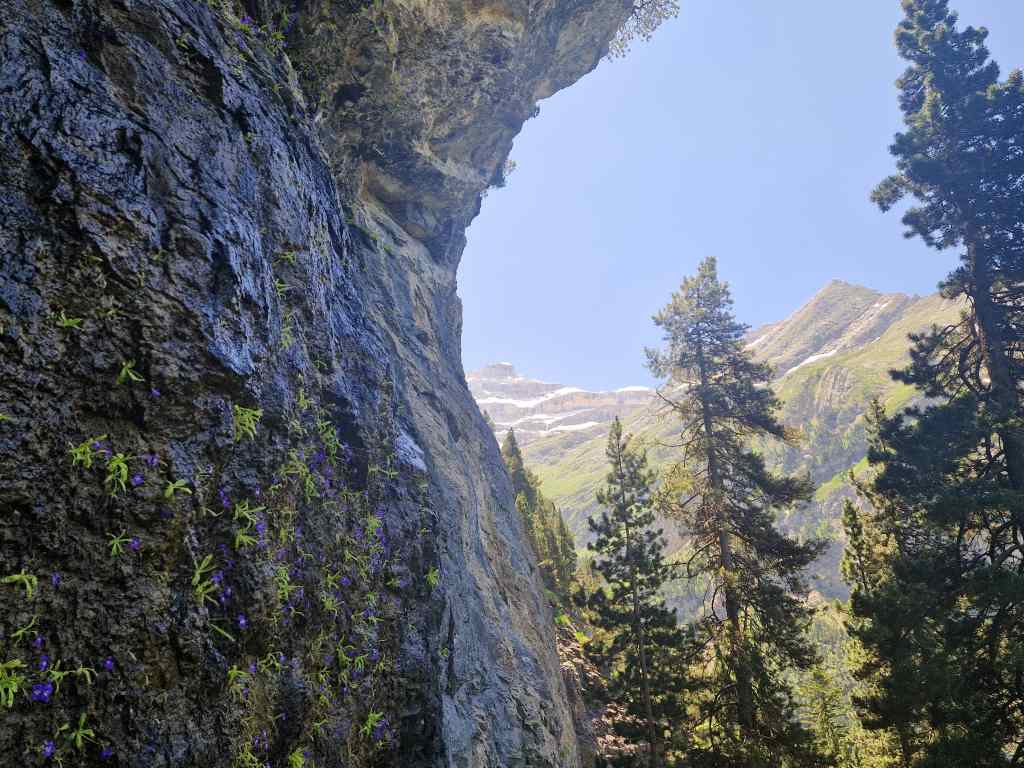
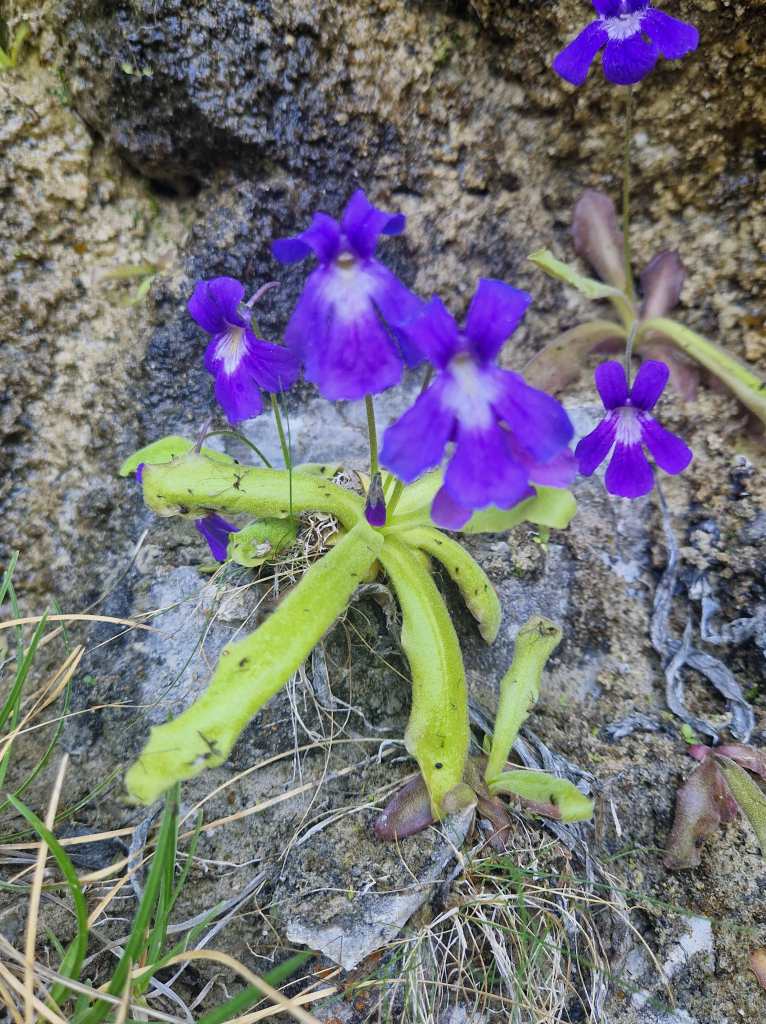
A final bonus of my return route was spotting a large group of butterworts (carnivorous plants) clinging to the rock face. These plants secrete a sticky liquid onto their leaves which traps insects, which the plant then digests.

Butterworts near the Cirque de Gavarnie
A Butterwort – the black spots on its leaves are dead insects

I got back to my car later than I had expected – probably I had spent too long sitting contemplating the beauty of the site – and my satnav gave me the unpleasant surprise that I had two and half hours driving to reach my destination for the night, the small town of Bielsa in Spain. On the sinuous mountain roads (which Google always underestimates) I knew it would probably take me even longer.

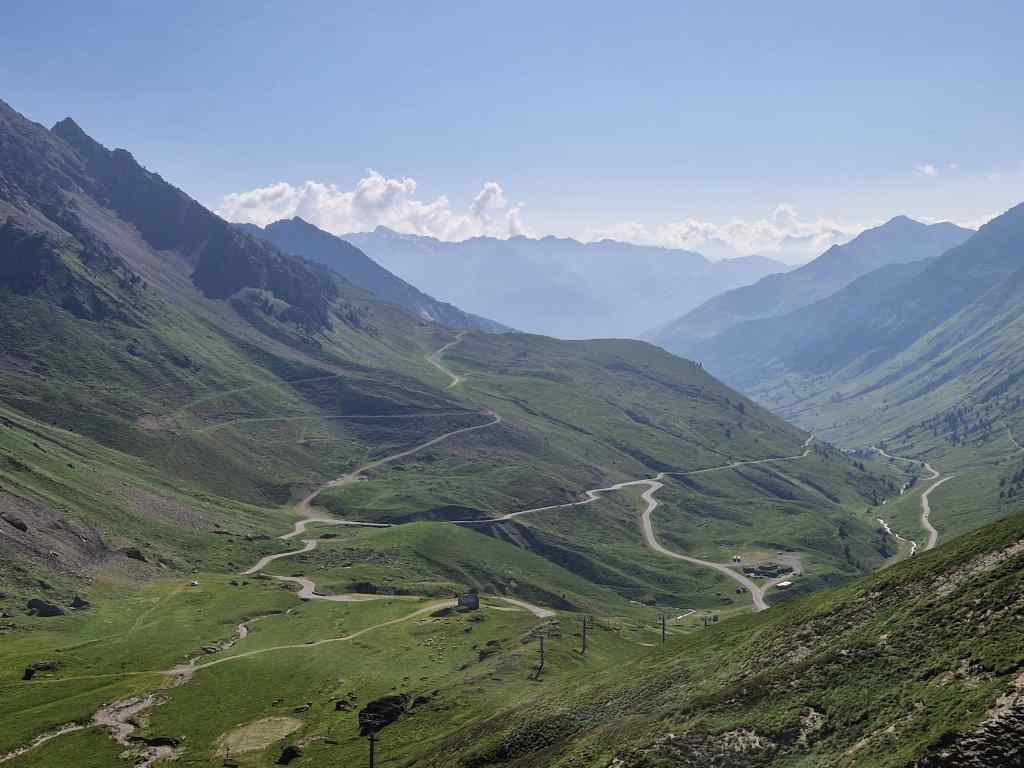
At first, I enjoyed the drive, as it passed some spectacular high Pyrenees sights, including the famous Col de Tourmalet…

View from the top of the Col de Tourmalet

….and the Pic Du Midi, an observation point served by a very expensive cable car, which due to lack for time I had to drive past (I was also not sure that the view would really be any better than what I had seen already, and probably not worth the exorbitant 60€ cost of the ride).

The Pic du Midi observation platform

Descending from the Col de Tourmalet I felt tired so stopped to refresh myself in the pretty village of Arreau, before heading on towards the Tunnel de Bielsa leading into Spain.

The pretty town of Arreau in the Pyrenees

I finally reached Bielsa at 20.30, but my driving was not over. Google kept proposing routes to reach my lodgings along tiny lanes so narrow that even a motorbike would struggle to get through. I called the house’s owners and explained my predicament in faltering Spanish. When they eventually understood me, they send their daughters to help guide me through the maze of streets, and I finally arrived in my room a tired and slightly grumpy teddy around nine o’clock. I had probably tried to tackle too much in one day, and all I wanted to do now was to sit down and have a drink in the café on the town’s main plaza. Although Bielsa was a very small town, there were several bars and restaurants still open and small groups of people sitting on tables in the square. The pleasant atmosphere and cold beer helped improved my mood and prepare me for a good night’s sleep after a very long but fulfilling day.

Previous Post: Pau and Tarbes

Next Post: The Spanish Pyrenees – Canyon d’Añisclo plus Ordesa and Monte Perdido National Park

Blog at WordPress.com.

Up ↑