Big adventure for little teddy bear

Today I planned a big tour around the island by car. To prepare for a long day, I started with my traditional café cortado in the café next door, then went to the local market to buy some fresh sea bass for dinner.  After that, I was ready, and I set off north around the coast.  It was cloudy, but the views from the road were still impressive.
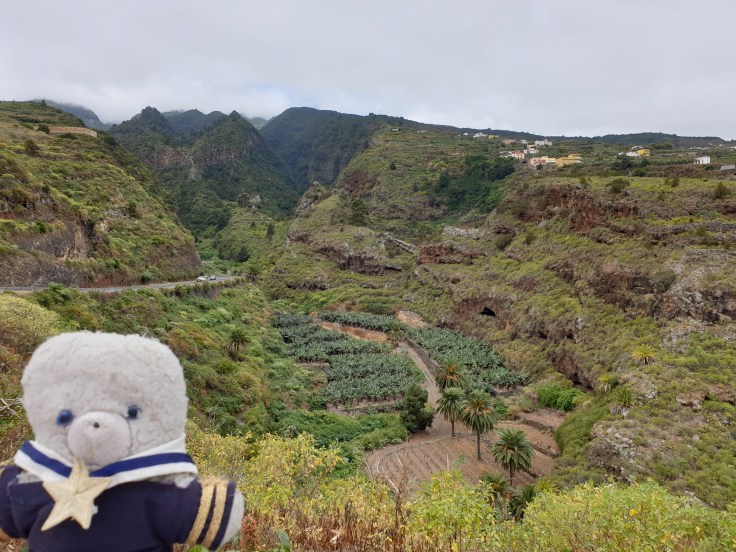
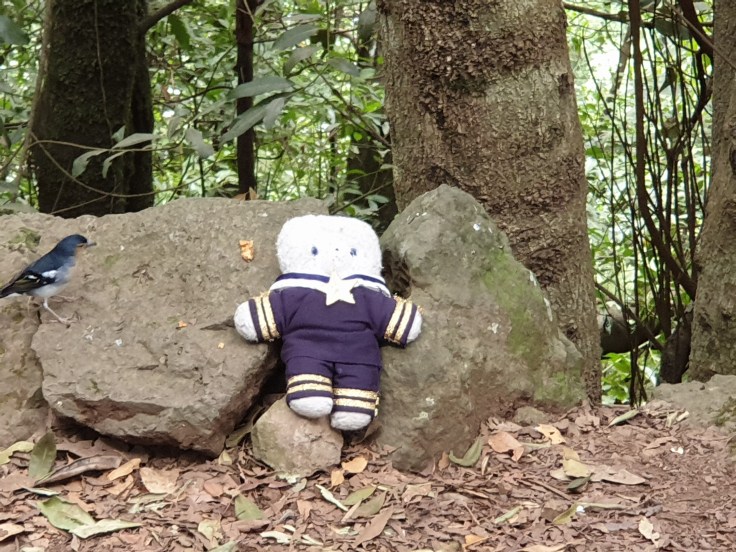
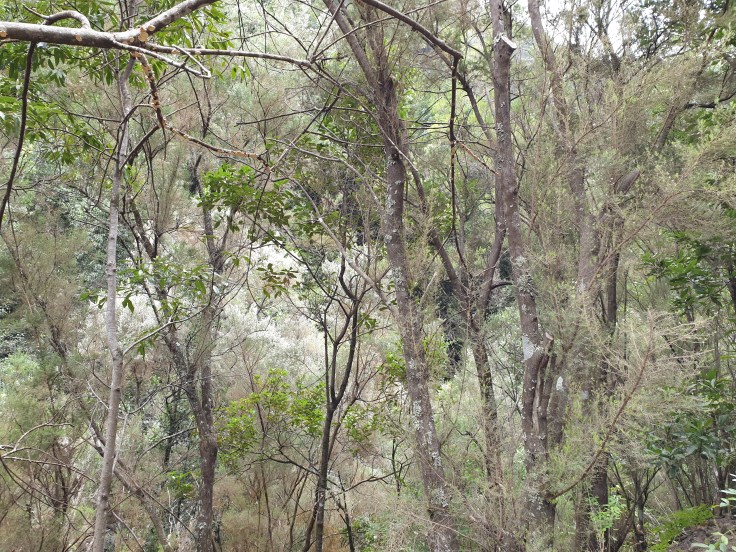
My first stop was Los Tilos, an ancient forest of laurel trees on the East coast. This type of forest was very common throughout the Mediterranean millions of years ago but now is restricted to a few spots in the Canary Islands. I headed up a steep path, pausing to admire the dense vegetation. A fine drizzle from the clouds sweeping in from the West kept the path fresh and cool.  On the way I paused to make friends with some pretty local birds and to give them a little food.  They seemed to be very comfortable with tourists, even teddy bears, and walked right up to me.
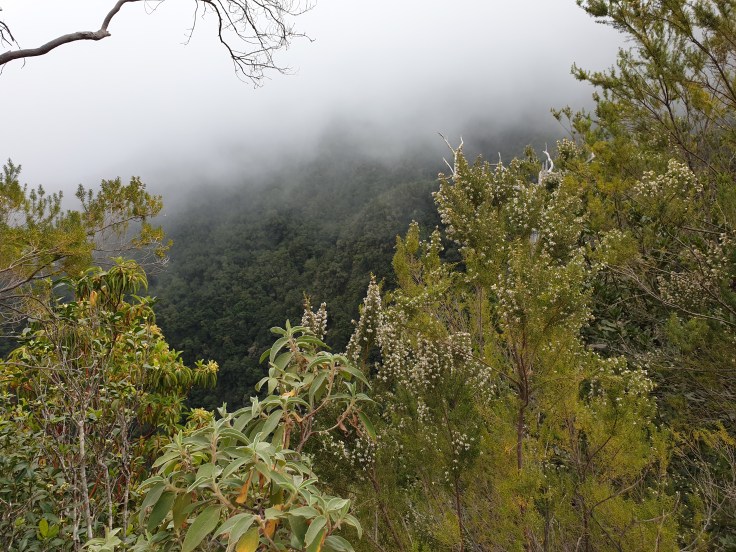
At the end of the path was a viewing platform that looked out over steep canyons. The sun had finally come out and lit up pretty flowers of many different colours, whilst a thick mist rolled in from the sea and evaporated before my eyes. After admiring and filming the view I headed back to the car – in total it was a 2-hour walk, the sort of light exercise I needed after yesterday’s heroic treck.
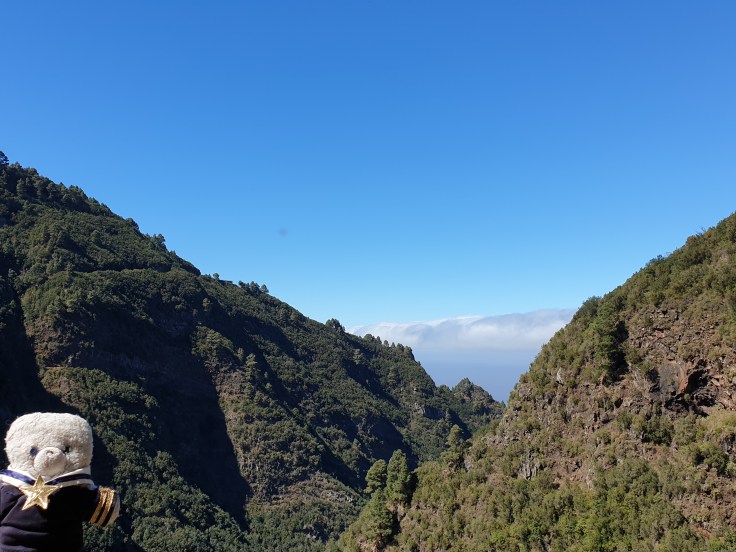
Next, I explored the north of La Palma by car.  I took a wrong turn somewhere, but the minor road I took was going in the right direction and was probably prettier than the main road that I occasionally glimpsed far below. 
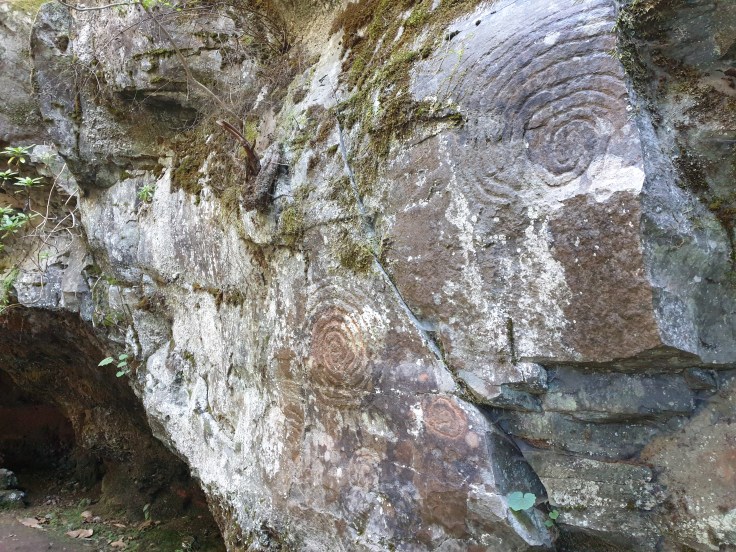
I missed the town of Barlovento completely (oh dear, missed an old church, never mind) and found myself at Zarza, and old archaeological site with ancient rock carvings.  Since I was there, I decided to visit; the carvings were simple spiral shapes in the rocks lining a river valley. It is the sort of thing archaeologists get excited about, but personally I don’t see a big difference between ancient rock carvings and modern graffiti.
Still, it was a pretty site and nice walk. In the visitor’s centre there was an interesting relief map of the island, which helped me understand just how tall the central volcano, Cumbre Vieja, was. This inspired me to continue the road up, clinging to the side of the mountain.  Below me impressive views opened of the sea and some of the coastal towns, but the road kept climbing. Finally, I arrived at the entrance to a complex of huge telescopes – at this altitude the sky is very clear and there is no light pollution, so it is a great place for an observatory.
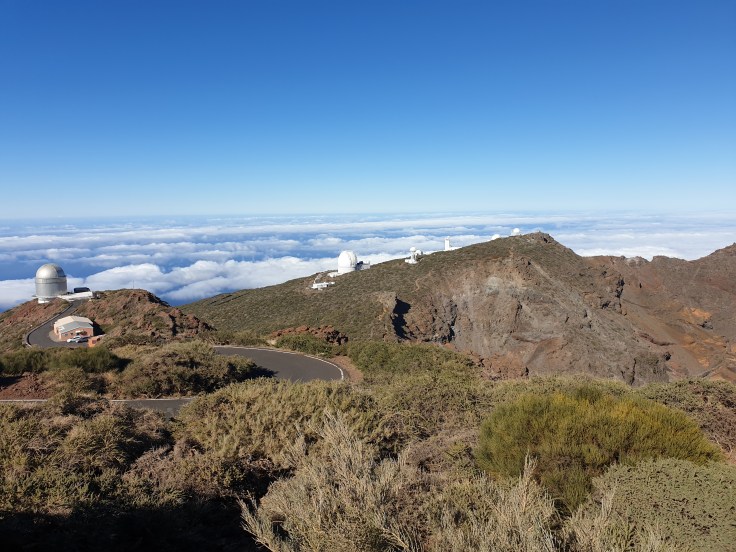
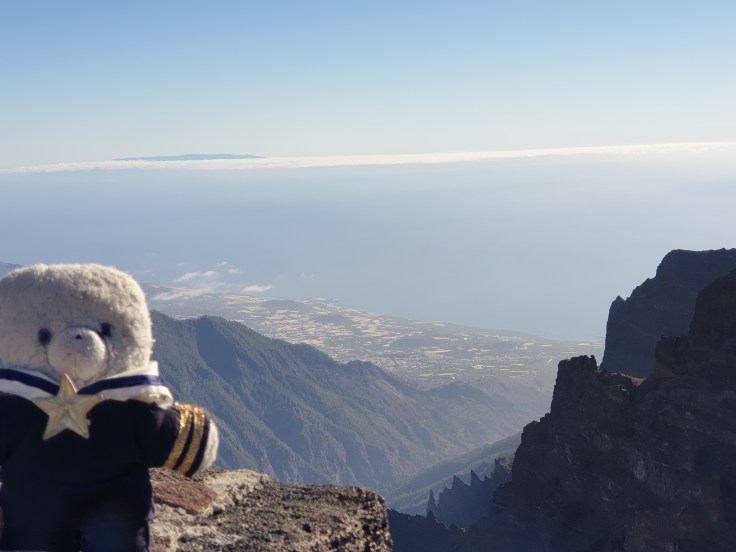
The road carried on past several large telescopes to a car park on the very top of the volcano.  Leaving the car and walking up to the edge of the cliff, I was struck by the most amazing view.  The ancient volcano was enormous, and its caldera spread for many kilometres in a huge circle. It must have been formed by an immense explosion.  The sides were so sheer and deep that it made my head spin to look down.  
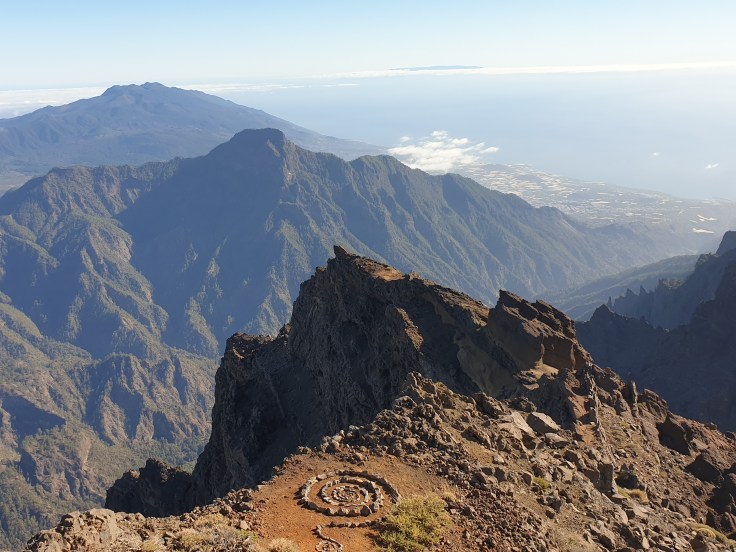
A short path continued around the ridge of the caldera, where I met more feathered friends – two magnificent ravens. They were so big I didn’t dare to get too close! 

There were yet more viewing platforms, each giving a slightly different perspective of the caldera – either south down the length of the island and across the crater, or west and north towards the sea. Although I am a very well-travelled teddy bear, this view was one of the most stunning I’d ever seen – the stark volcanic rock and bright white telescopes dotted along the ridge gave the feeling of being on a different planet. Cumbre Vieja is dormant now, but not extinct. Small earthquakes occur often, and scientists think that some time in the next 10,000 years the volcano will explode again. When it does, the massive volcano walls will collapse into the sea and cause a tsunami that could submerge the east coast of the USA and south coast of Britain.

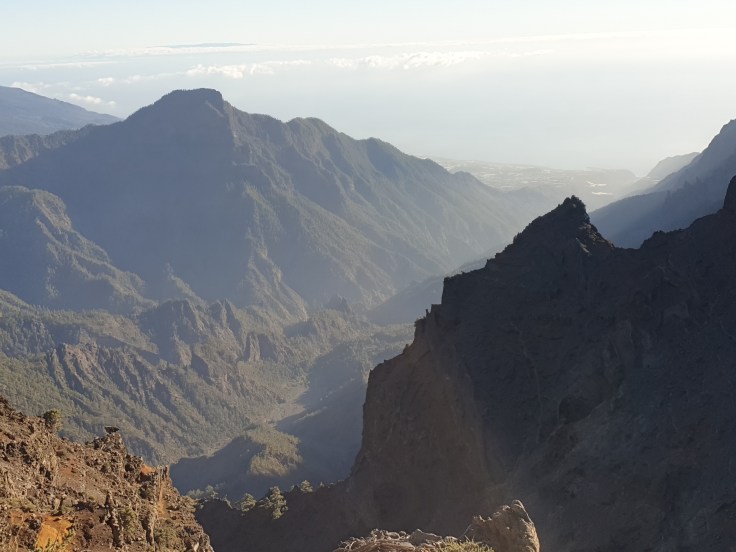
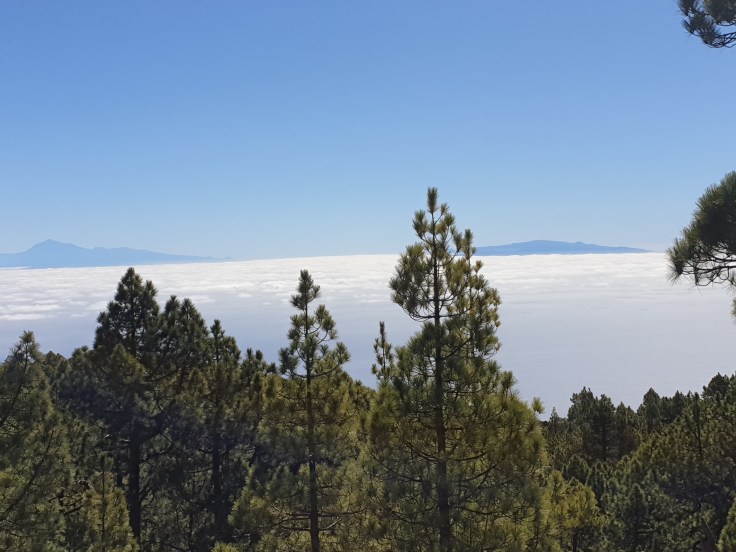
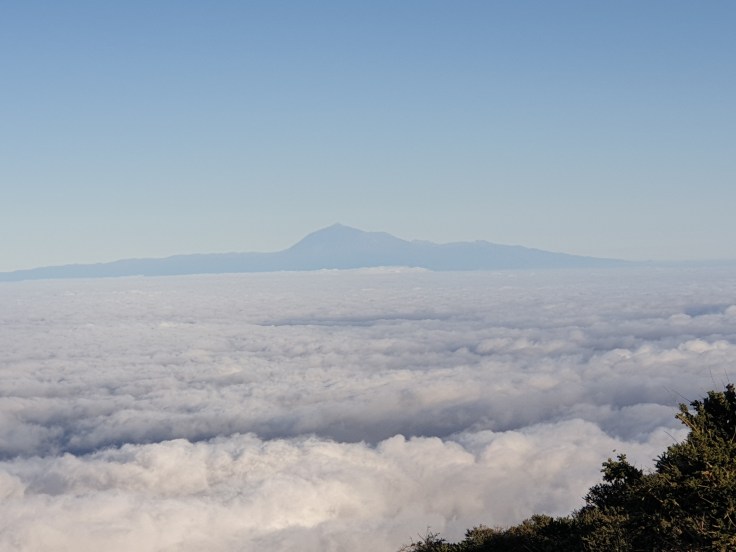
 I admired the view for a long time, but it was getting late and reluctantly I set off on the drive home. There was a direct (but very steep!) walking route all the way back to Santa Cruz that was only 20km, but the road twisted and turned and was much longer than that.  However, I was rewarded by more spectacular views – firstly of the sea, and Mount Teide on Tenerife looking up out of the clouds……..
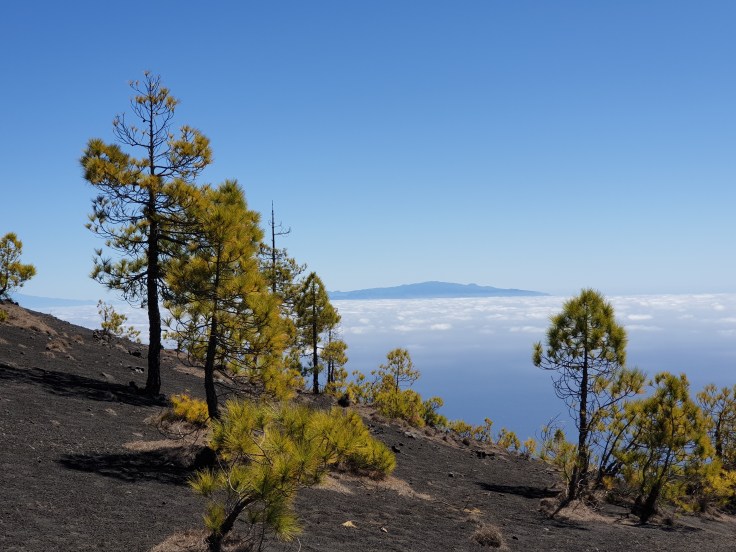
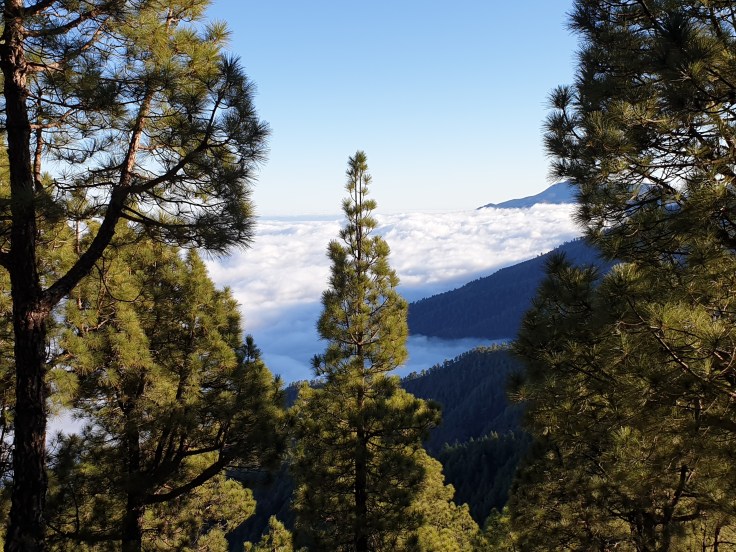
And then of the clouds blowing in from the sea and being swallowed by a thick pine forest.
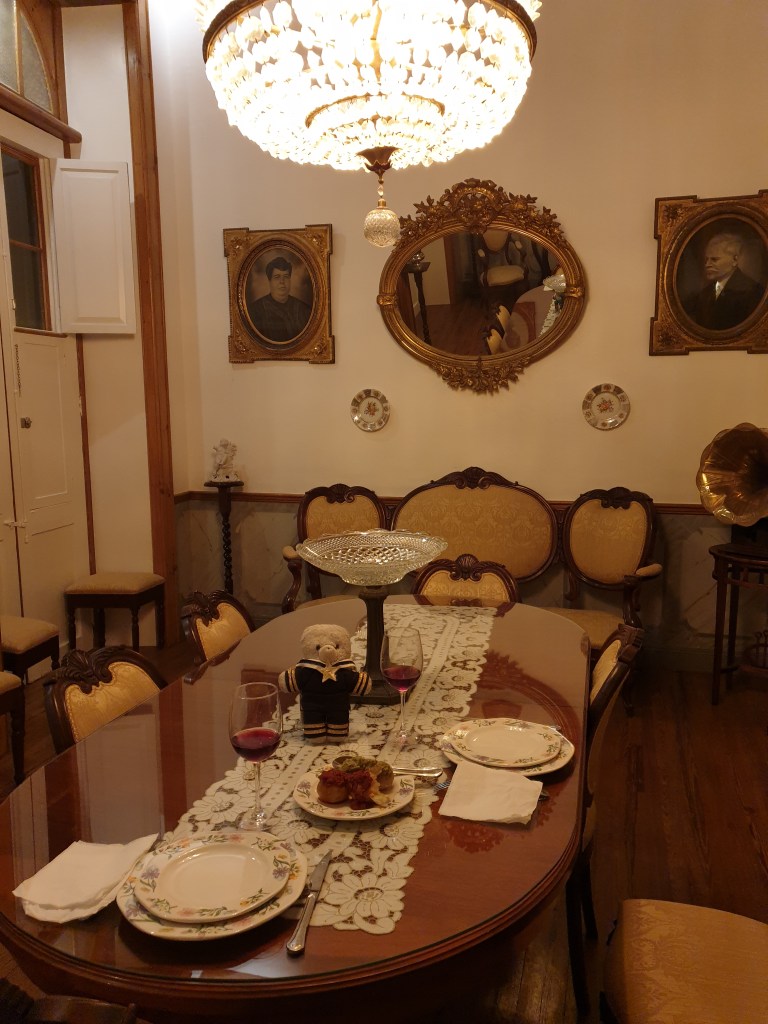
I finally got home at around 7pm after a very long and fulfilling day.  I deserved my meal of roasted sea bass washed down with a very good local white wine, in the period setting of my townhouse’s dining room!
A hike for sporty teddy bears only

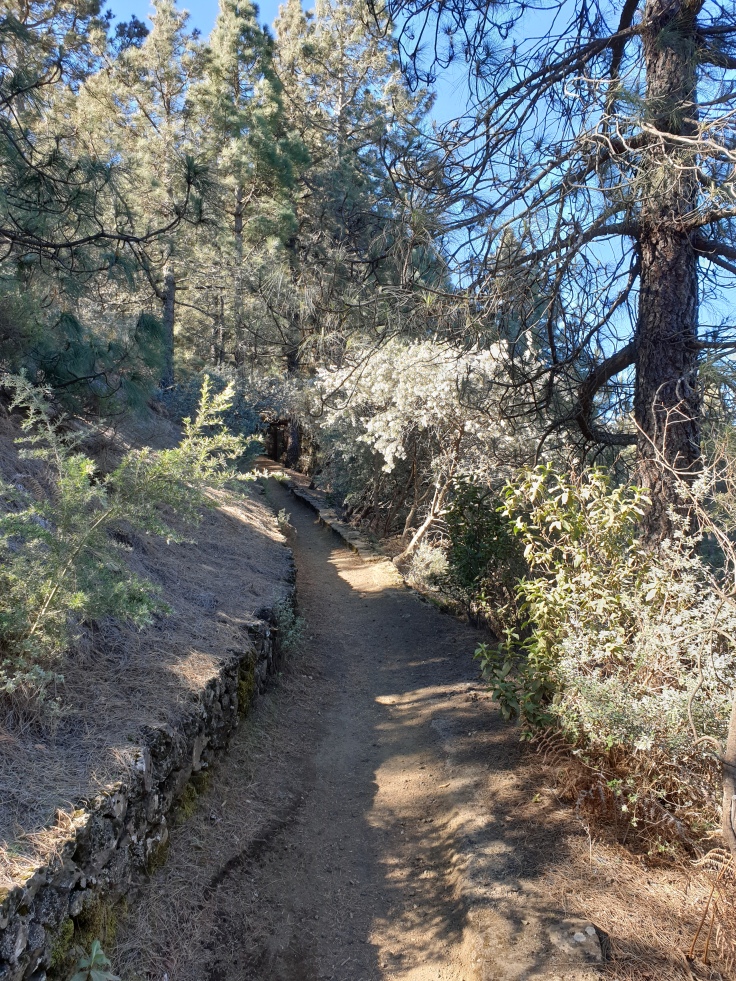
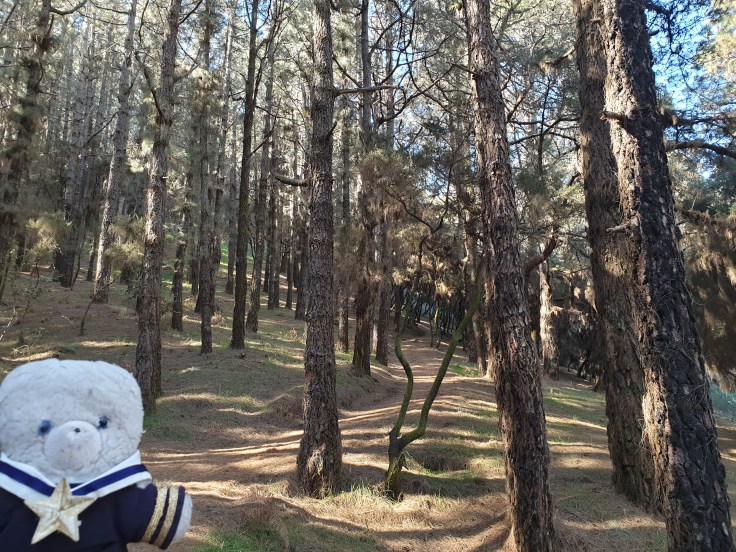
The next day I  offered myself a really nice café cortado (an expresso with a dash of milk) in the café next door, and then took at taxi to El Pilar, a place in the middle of the island that is the starting point for many walks.  I was intent on doing the famous hike “La Ruta de los Volcanes”, an 18km walk up and down a few of the smaller extinct volcanos that make up the backbone of the southern part of the island.  First the path ran through a pretty forest, where the smell of white flowers mixed with a heady scent of pine,

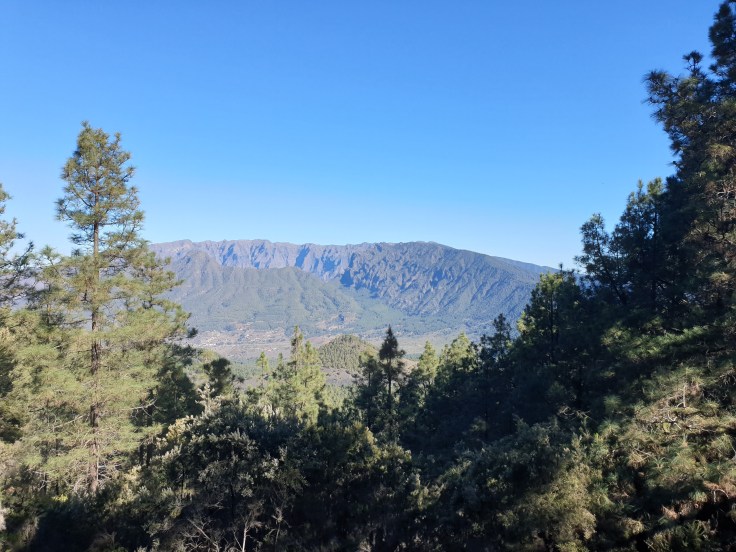
 with views to the north to the huge volcano Cumbre Vieja that makes up the bulk of the island.

Cumbre Vieja volcano – more about this tomorrow

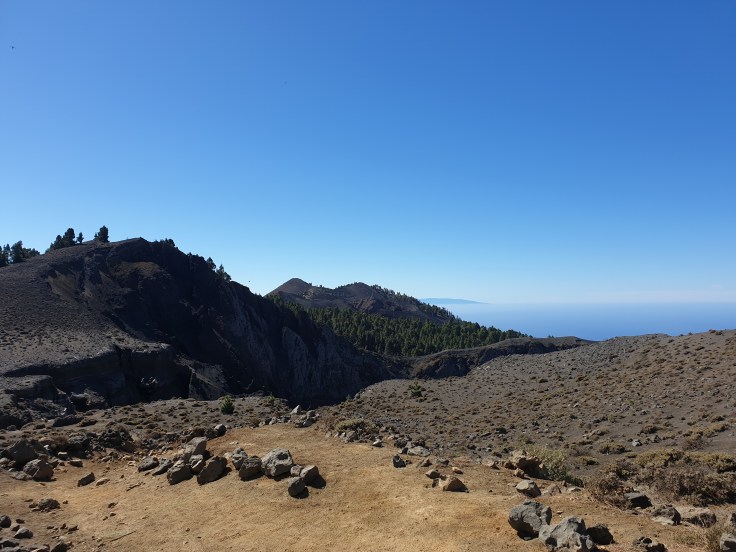
After a while the path left the shade and headed up in bright sunshine through a typically volcanic landscape –sharp red and black rocks covered in black sand, with a few small trees struggling to recolonise the land.

The terrain was striking and very austere, with the contrasts of bright blue sky, green trees and red rocks and black sand.

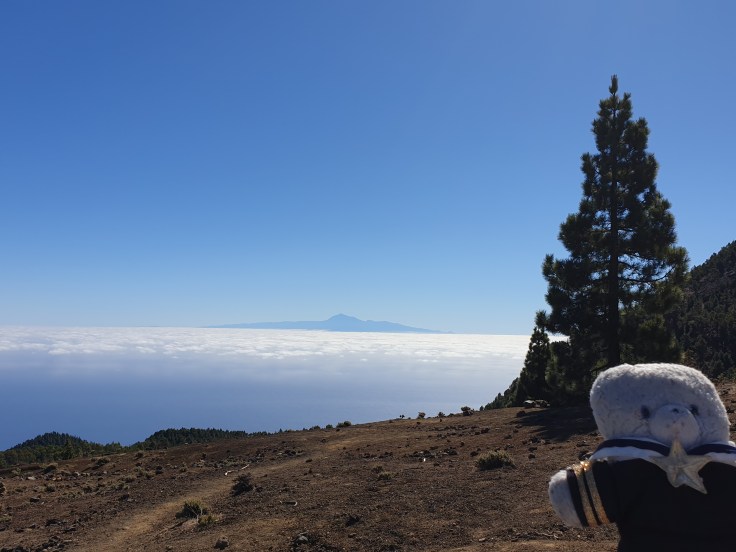
 It was hot, and after a few km I was wondering if the walk would provide a bit of variety to this imposing, but stark, landscape.  When I reached the top of the first volcano, I got my reward – a view of the east coast of La Palma.  A short way out of from the land, the sea was covered with dense, bright white fluffy clouds.  In the distance, looking as if they were floating on this cloud bank, rose two other islands – little La Gomera and larger Tenerife with its mighty volcano Teide towering over the clouds.

The path continued up and (mostly) down like this for another 10km, offering slightly different perspectives of the same impressive view along the way.

 Then it dived into a pine forest for the last few km down to the southern tip of La Palma, before arriving at Fuentecalientes, a small town on the main road running around La Palma’s coast.  I was hot and thirsty, so found a small local bar and drank two Schweppes Limon before taking a local bus back to Santa Cruz.  Walking back to the hotel from the bus station I treated myself to a huge ice cream in a cone, which started dripping down my paws in the heat of the late afternoon. 

Back home, I had a much-needed shower and short siesta.  Then I headed off for an aperitif at an outdoor café and dinner in a restaurant I’d spotted the day before. It was located in an old town house, and its walls were made with beautiful wood panelling.  In a room next door, but clearly visible and audible through big glass windows, a choir of local men with lutes, guitars and drums were practising for a concert.  

They sang beautifully and added a great atmosphere to my meal.  I ordered local seafood – cod, octopus and shrimps. Maybe due to language difficulties my main courses arrived first and my starters last – but who cares, they were all tasty. I washed down my food with some local wine. The Canary Islands have some unique grape varieties, not found anywhere else in the world, and their wine is very interesting (in the positive sense of the word).  After dinner, I walked home slowly, happy in the knowledge that my day’s walking had given me the right to a little seafood feast and  a rich Canary Island desert of “bienmesabe”(made with almonds, eggs, sugar and a little alcohol).

Escaping to the sun

After Moscow in February, something completely different – the Canary Islands in March! I needed to escape the cold weather and all the relentlessly miserable news about Coronavirus.
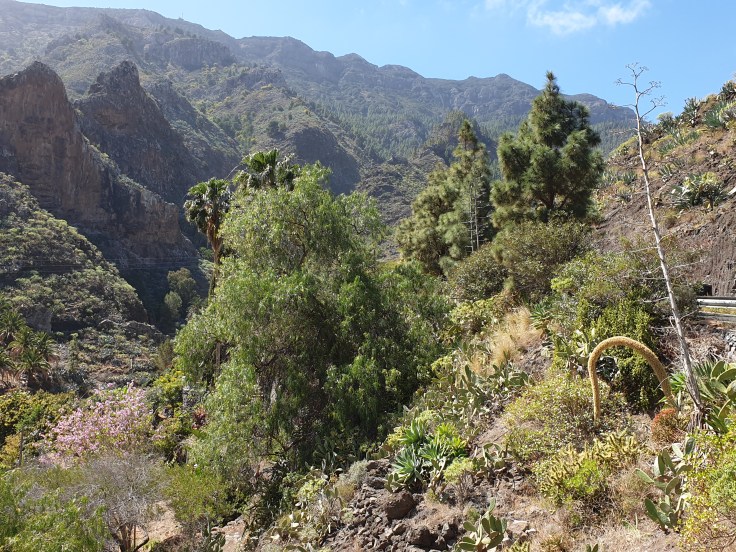
The first island on my trip was La Palma, also called La Isla Bonita (the beautiful island) in Spanish. I was rather dreading the early morning EasyJet flight from Gatwick, which made me get up at 05.30, but in the event, Gatwick was pleasantly well organised, and the flight was pretty comfortable. From a miserable 8C in London the plane touched down to a nice pleasant 20C and bright sunlight in Santa Cruz de la Palma.   From the airport I hired a car and drove through the countryside, admiring the strange plants and bright flowers – the Canary Islands are a botanist’s dream, with many unusual species including palm trees, cactuses, wild aloe verde, the dragon tree, and other really strange things that I thought looked like a woolly mammoth’s trunk.

This is definitively not London……

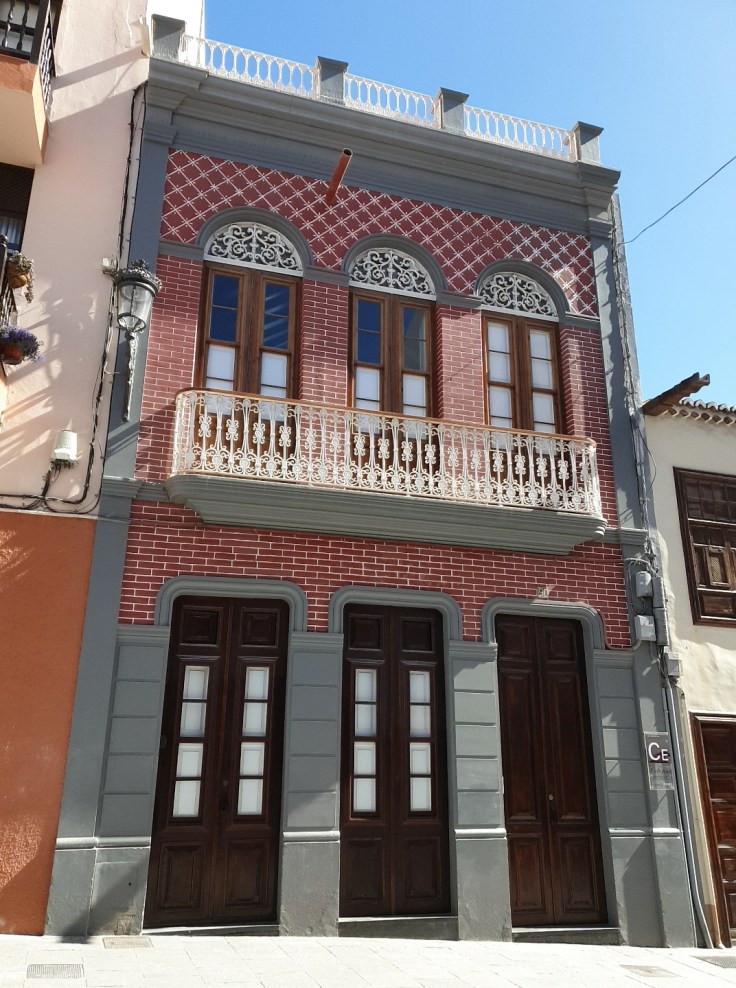
I was soon ringing on the door of the holiday house I’d booked, an old merchant’s town house in the centre of the city. 

Traditional town house at Santa Cruz de la Palma

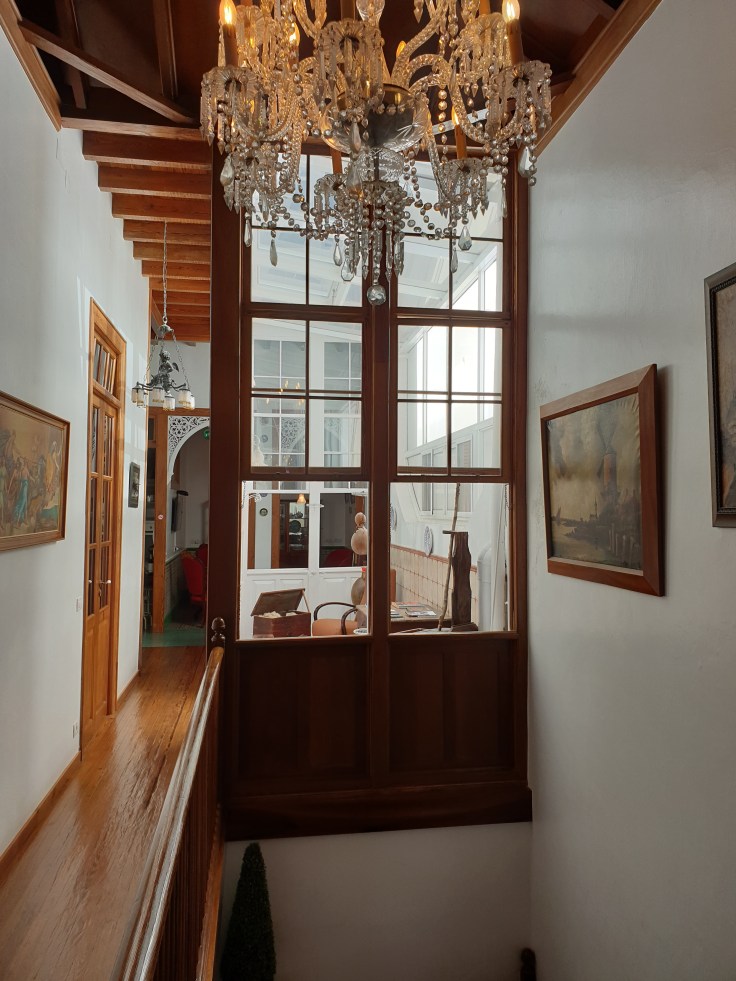
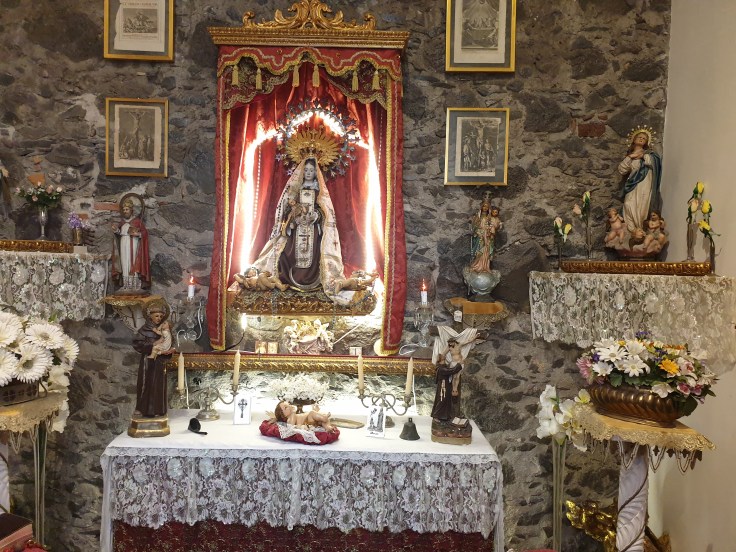
At the entrance was an old cast iron gate, then steep stairs leading up to a landing and a dining room with balcony over the street, kitchen, bathroom, a sitting area underneath a glass sunroof, and….. the house’s very own private chapel with a statue of the Virgin Mary and various images of Christ.  

Hi! this is my new home for the next couple of days

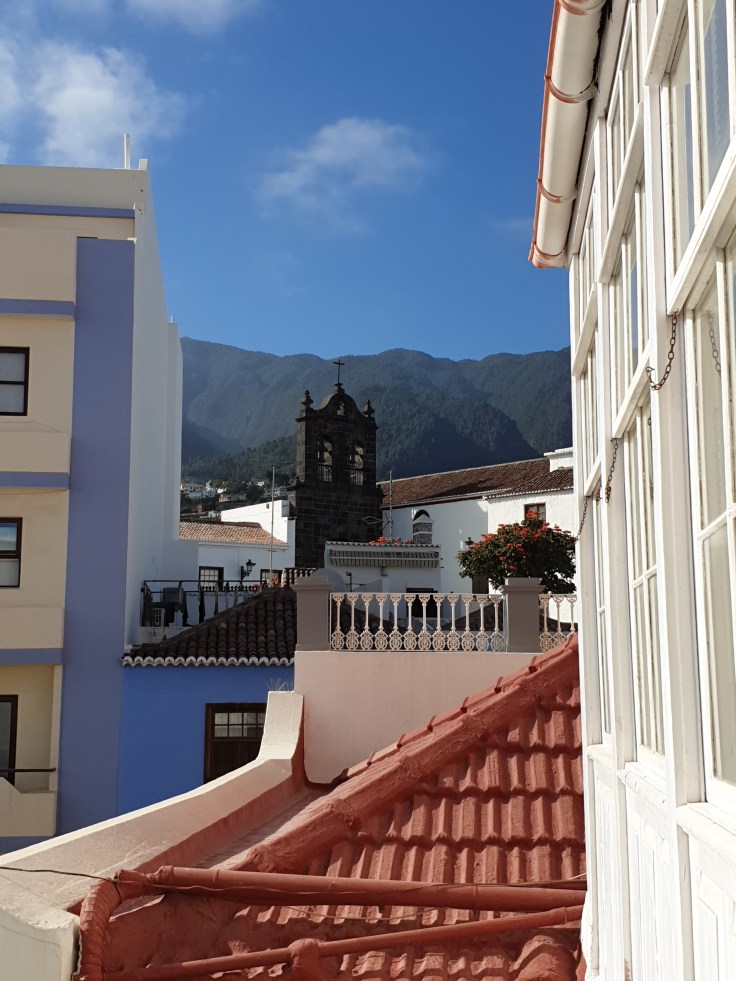
Another steep staircase up led to another bedroom, bathroom and a living room with large windows on all sides and views over the city.  Yet more stairs led to a roof terrace with a table and a couple of sun loungers, with a pretty view of a nearby church, and the mountains in the distance.

the landing

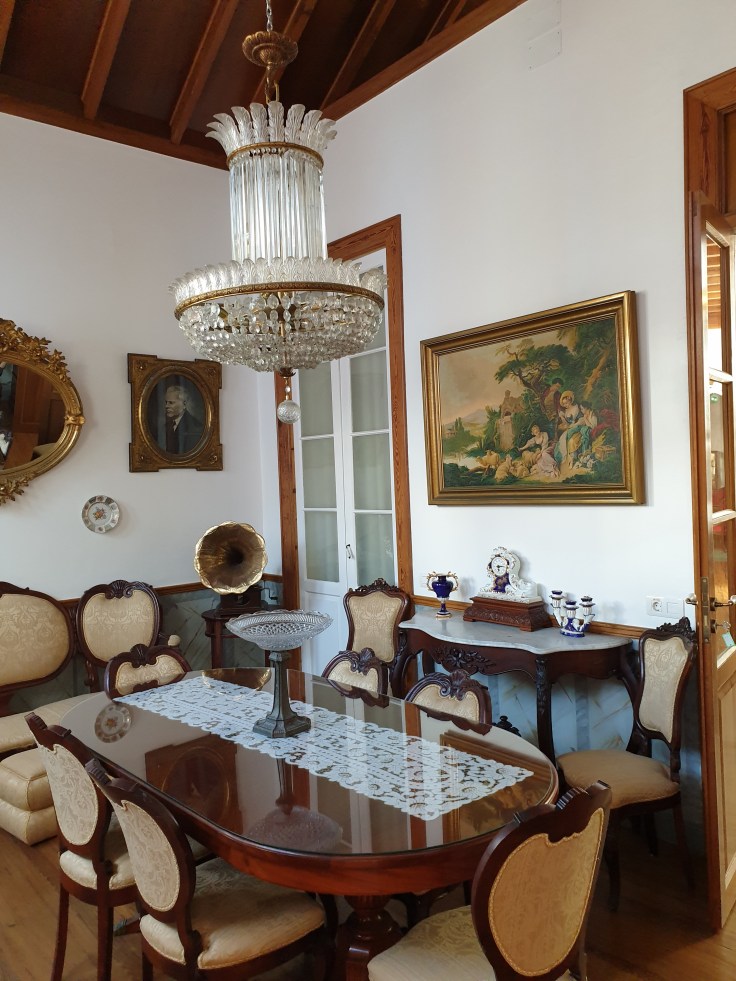
The house was decorated with portraits and old photographs of the family that had owned the place and even the christening dress of one of them. The furnishings were antique – old wooden beds, old chairs and tables, a gramophone player and an ancient radio.   There was a smell of old wood, and a sound of creaking floorboards whenever I moved.  It felt like the house described in Isabel Allende’s book, the House of the Spirits. 

the dining room
the private chapel
view from the roof top

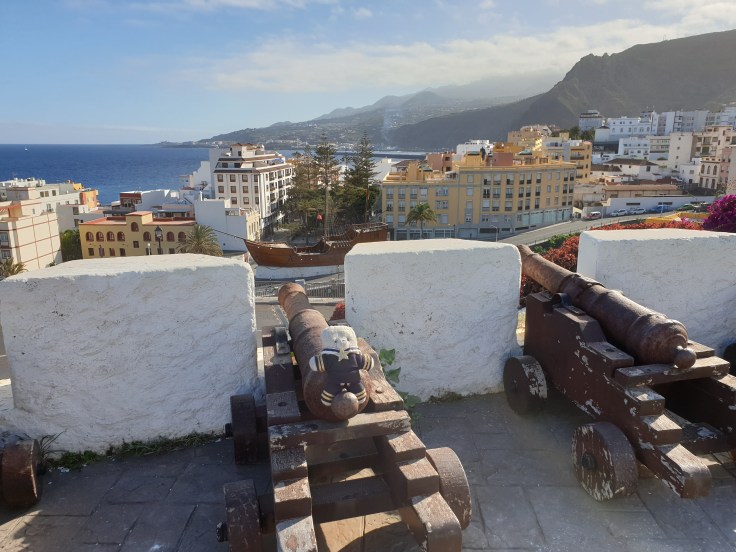
Having explored my home for the next four nights, I set off to visit the town.  Santa Cruz is a small but pleasant place. Old town houses like mine with balconies line the streets, reminding me a bit of the Middle East, but there was also a sprinkling of ugly modern holiday flat buildings. I walked East to the edge of the town. where on top of a rock bursting with brightly colours flowers, there was an old fort with nice views of the sea.

view from the old fort

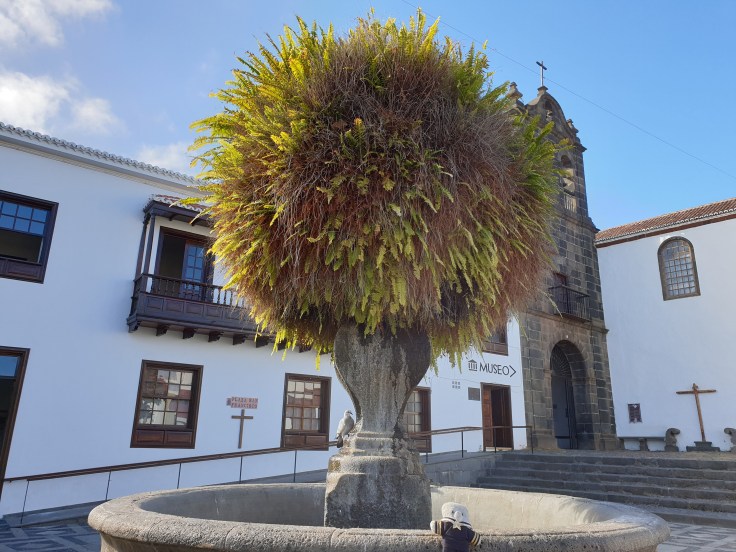
Next, I headed back into town, and found a very pretty square, lined with trees bearing bright red flowers, and with a church, a museum and a music school around its sides. In the middle was a large stone urn with a huge fern tree. Water dripped down the sides of the urn, offering a nice cool drink to some doves in the heat of the afternoon.

Pretty square, music school, church of Saint Francis

 It was siesta time. Hardly anyone was out on the street, and had the square to myself to sit and enjoy the atmosphere.  After a short rest, I continued my walk and found another pretty square in the centre of town.  This square also had its own pretty stone church and was also the location of the old town hall. 

the town hall
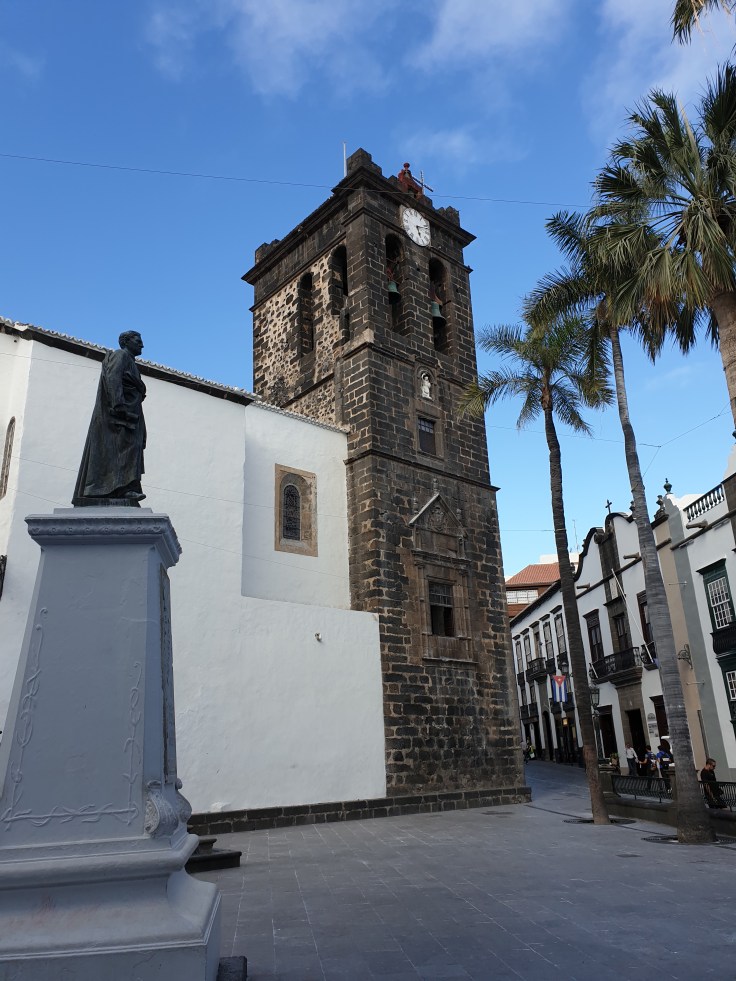
Church of San Salvador

In the street were the tables of bars and cafes; siesta was over, the streets were becoming livelier, and people were sitting down to beer and tapas. I continued my stroll until I reached the end of the old town, where the pretty town houses gave way to modern holiday flats.  Then I retraced my steps and offered myself an aperitif sitting outside at a café in yet another pretty square. After 6 months of the London winter, it was so nice to sit outside and feel the sun on my fur.  I was pleasantly surprised how cheap the beer and tapas were – mass tourism has yet to spoil La Palma.

When I finally I arrived home, it was dinner time. I popped into the Spar next door to buy some ham, cheese, wine and fruit that I enjoyed on my roof terrace.  A nice end to a busy first day on La Palma……..

Amman and GoodBye to Jordan

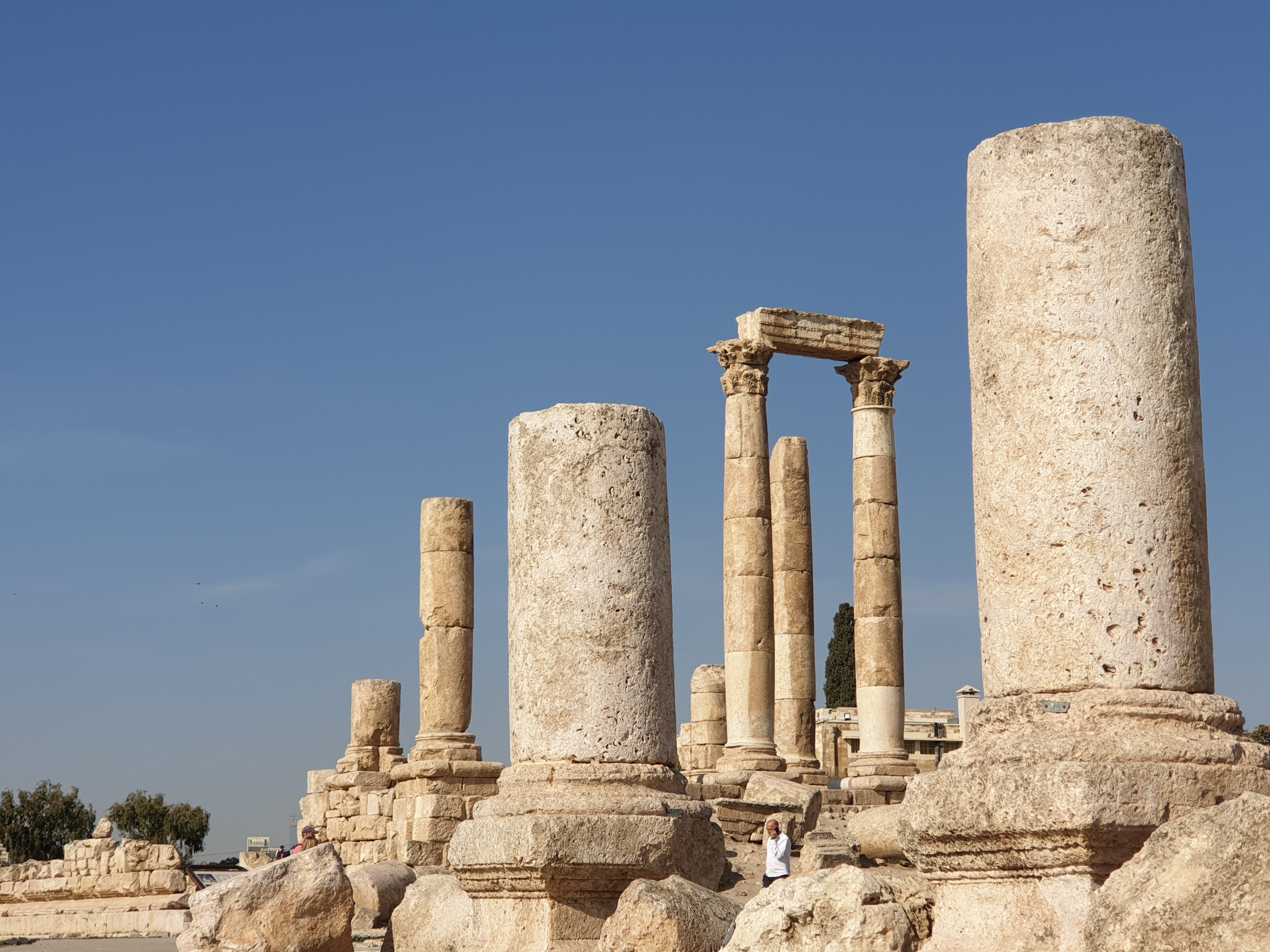
The next morning I set off to explore Amman by foot.  Amman doesn’t have a great reputation amongst travellers, but for one day I found it an interesting and very welcoming place. First I climbed the steep hill just behind the hotel to the Citadel, a hilltop with a view of all of Amman and yet more Roman ruins. After Umm Qays and Jerash, the few remaining standing columns and Byzantine church were not that impressive, but the view was nice and there was a pleasant early morning breeze. 

20191111_092607

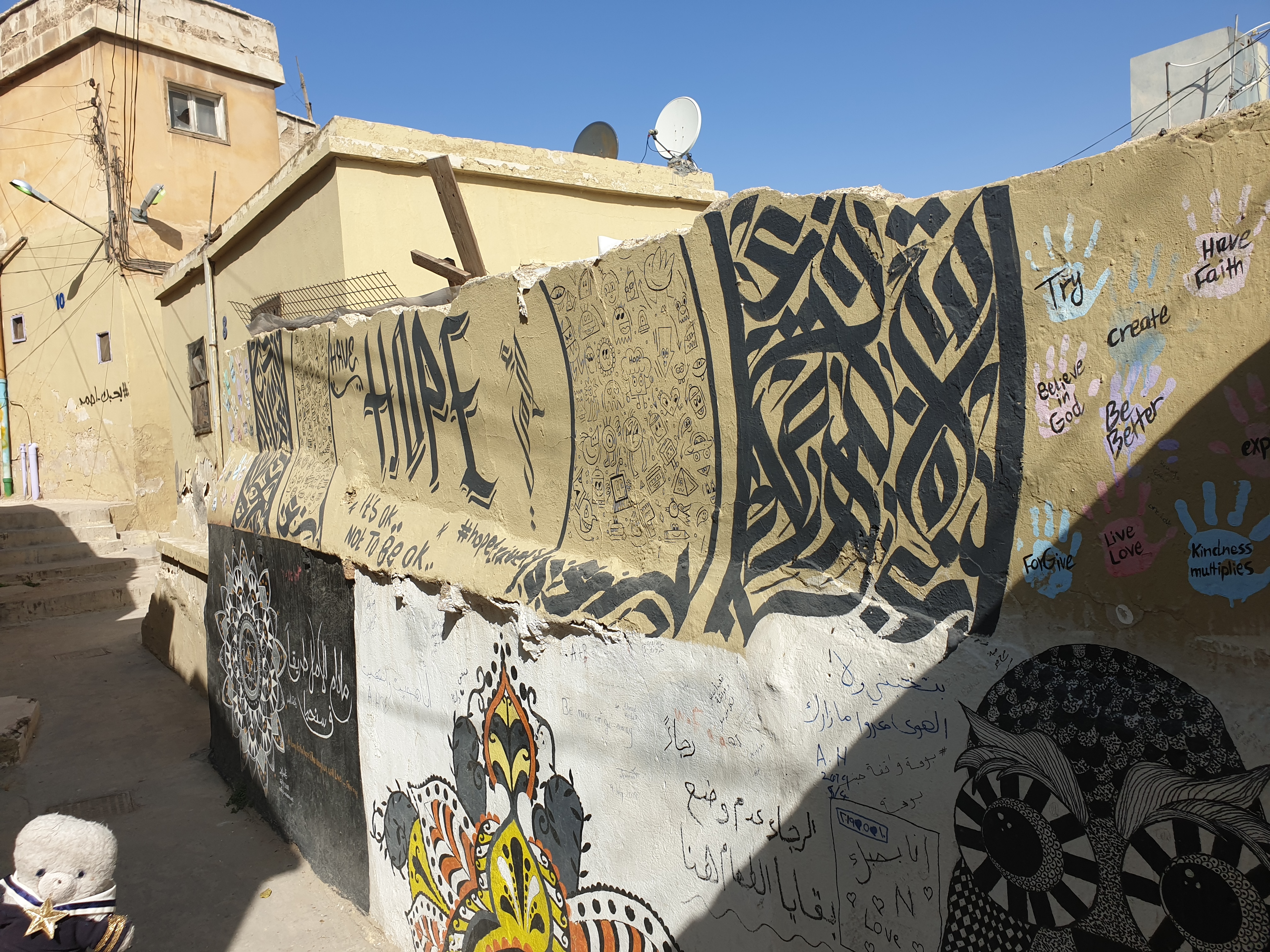
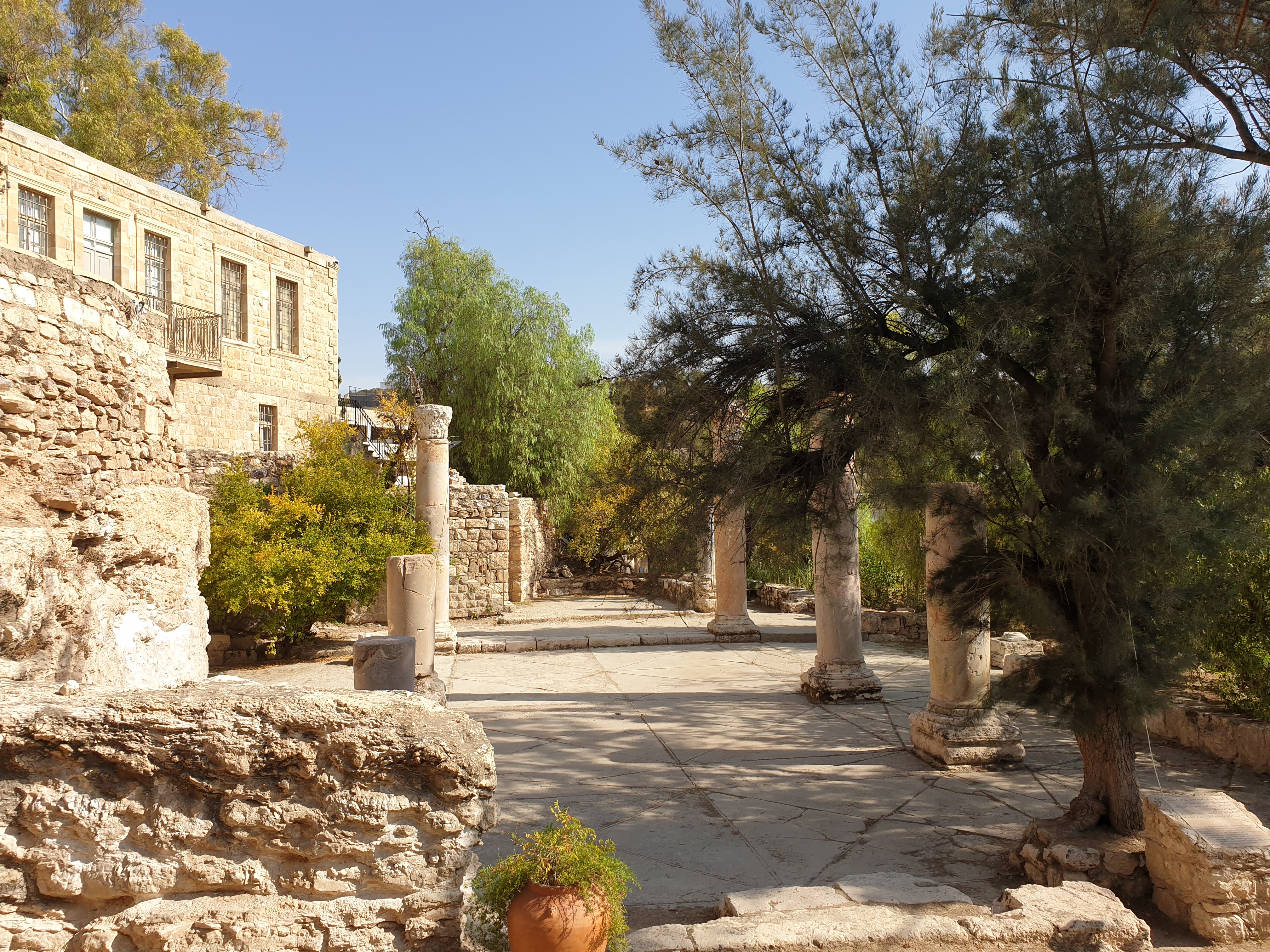
From the Citadel I strolled back down into the valley on the other side of the hill and then up more steps and another steep hill to the modern art institute called Dara Al Funun, which turned out to be an unexpected highlight of Amman.  The steps led past some cool shops and coffee houses and interesting street art, before reaching the entrance to the institute, where there were Byzantine ruins in a peaceful garden.

20191111_114844

20191111_103730

After the bustle of the city centre the place was idyllic and I sat down to enjoy the peace for a few minutes.  Then yet more steps led up to some beautiful old buildings – built in 1920s Venetian Mediterranean style according to my guidebook.  The buildings housed Jordanian modern art of various styles. I had a look around and then settled down on a beautiful shady terrace to a cold lemon juice from the café next door.  A little fountain burbled quietly in the centre and hummingbirds buzzed around the bright red flowers.  Suddenly the quiet was broken by the call to late morning prayers from the cities mosques – a magical sound that echoed around the valley.

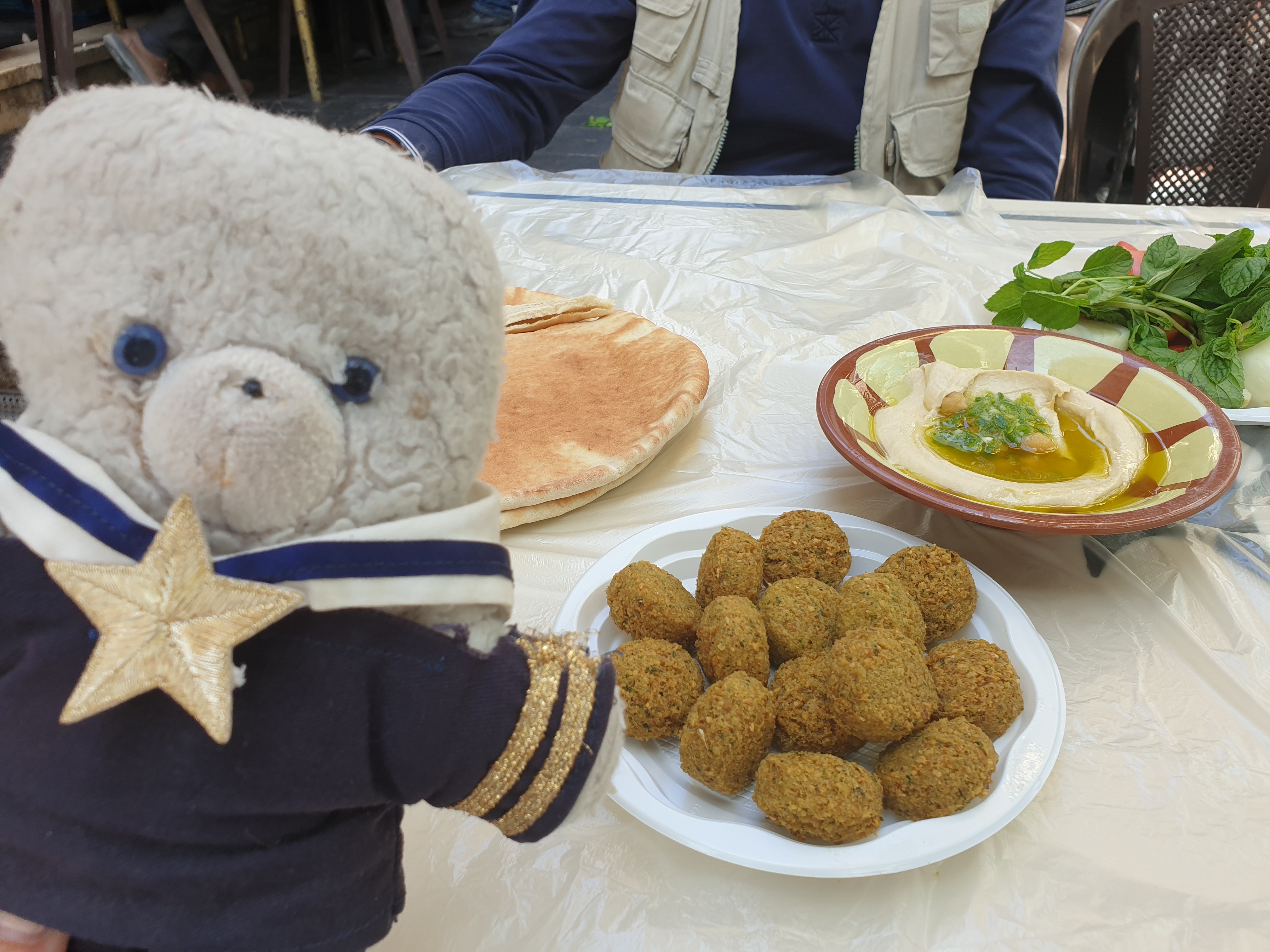
Fully refreshed, I headed back into town.  Next I visited an old traditional house in the town centre, before sitting down to lunch at Hashem restaurant.  This restaurant is a simple but famous place that specialises in traditional Jordan cooking, and is hugely popular – including with the royal family who occasionally pop in to snack there. I was lucky to get a table in the alley leading the main restaurant and could watch the crowds of Jordanians and tourists making their way in and out. I had falafel (the speciality of the restaurant), a big bowl of hummus, and mint tea, which cost $5 in total.  I don’t normally eat lunch so it was big effort to get up from table and climb yet more steps to explore Rainbow street during the day and do souvenir shopping.  

20191111_122436

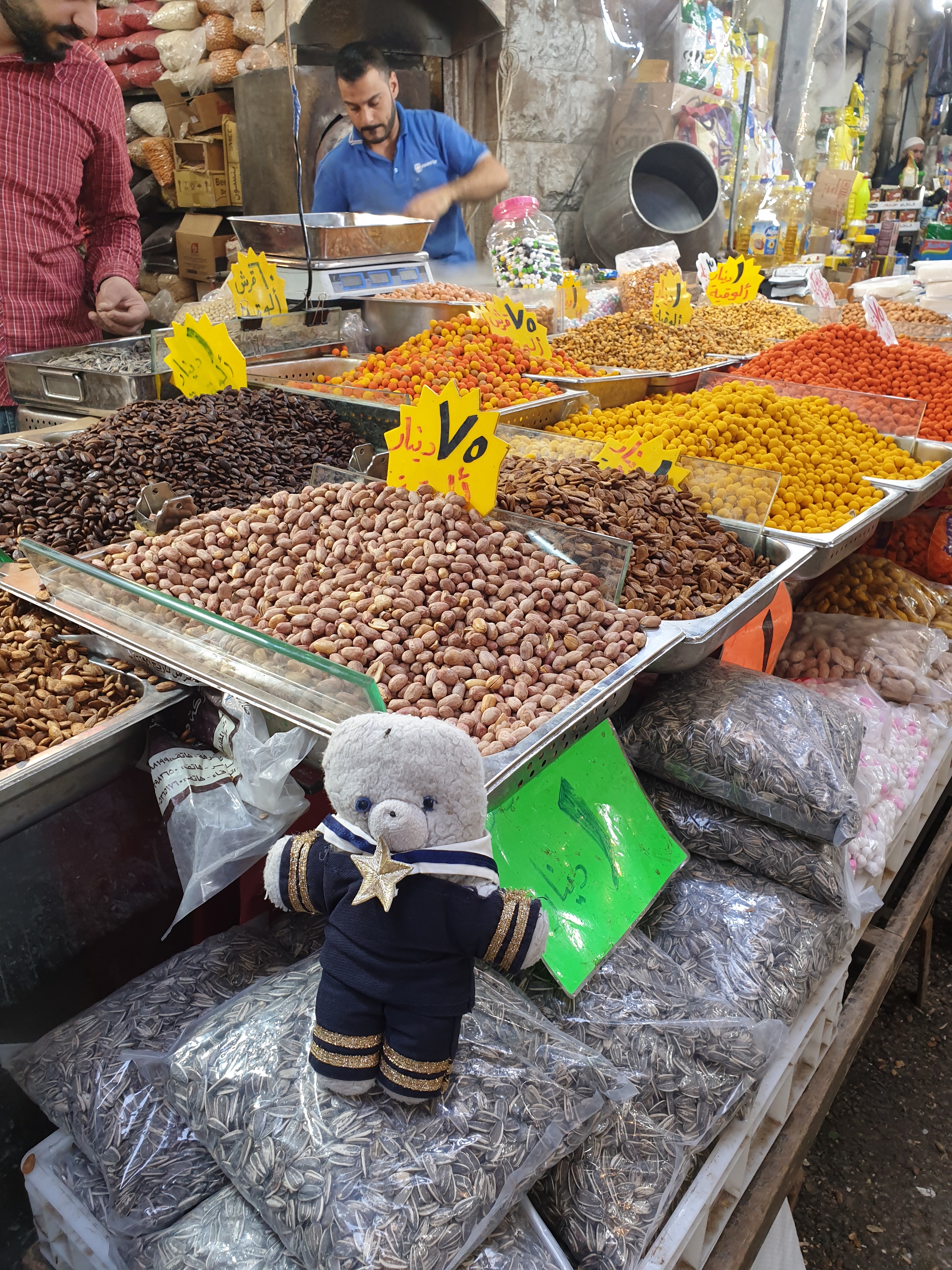
I then headed back into town and took in the atmosphere of the souks – my favourite was the fruit and vegetable souk with its brightly coloured displays of fresh produce and interesting smells of spices.

20191111_142638

 I had been walking for five hours, so next it was back to the hotel for a rest, pack my things, and order a taxi for a 5am departure the next morning.  

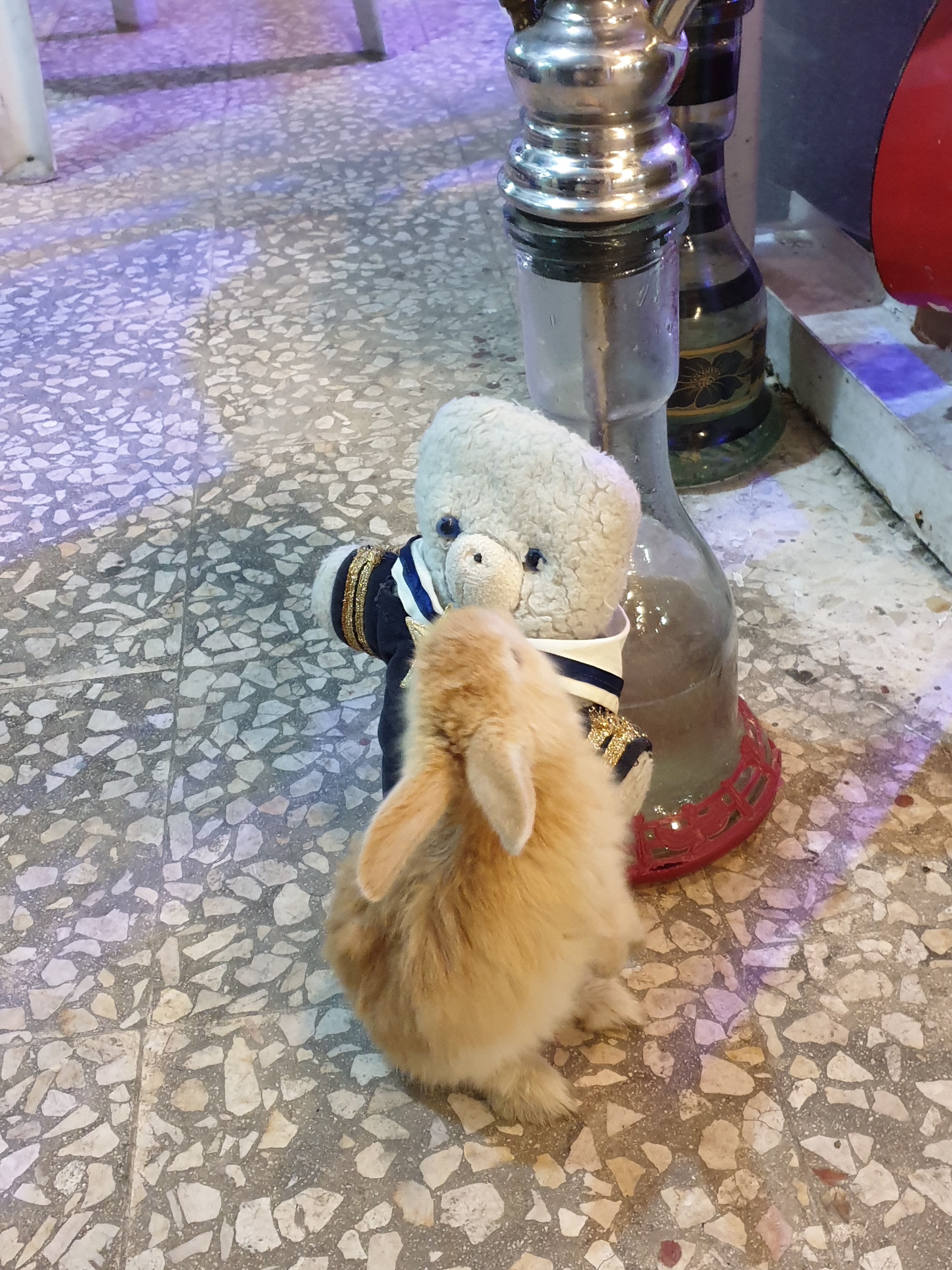
For my early evening aperitif, I found a nearby hotel with a roof terrace and enjoyed my last Jordanian sunset over the city with a cold Karakale beer. Whilst writing my blog I enjoyed listening to the call to prayers for the last time.  In the bar I met some surprising teddy-sized friends……….

Error
This video doesn’t exist


20191111_172606

I spent my last night in Jordan in a trendy bar with a beer and a final bowl of hummus. My flight back home was early next morning. I checked the London weather forecast……… 8C and rain. It didn’t seem that I arrived just over 2 weeks ago – the time had flown past.  In fifteen days, I had explored the desert in a 4×4, hiked through Petra, floated in the Dead Sea, visited some amazing Roman ruins, been scuba driving in the Red Sea and walked in the footsteps of Jesus and Moses.  My trip had taken me to the borders of Jordan with Egypt, Saudi Arabia, Palestine, Israel and Syria. But most of all I remembered the smiles and greetings of “Welcome!” from the many Jordanians I met along the way.  I hope their country remains a beacon of stability and tolerance in a troubled part of the world. 

The countdown begins…

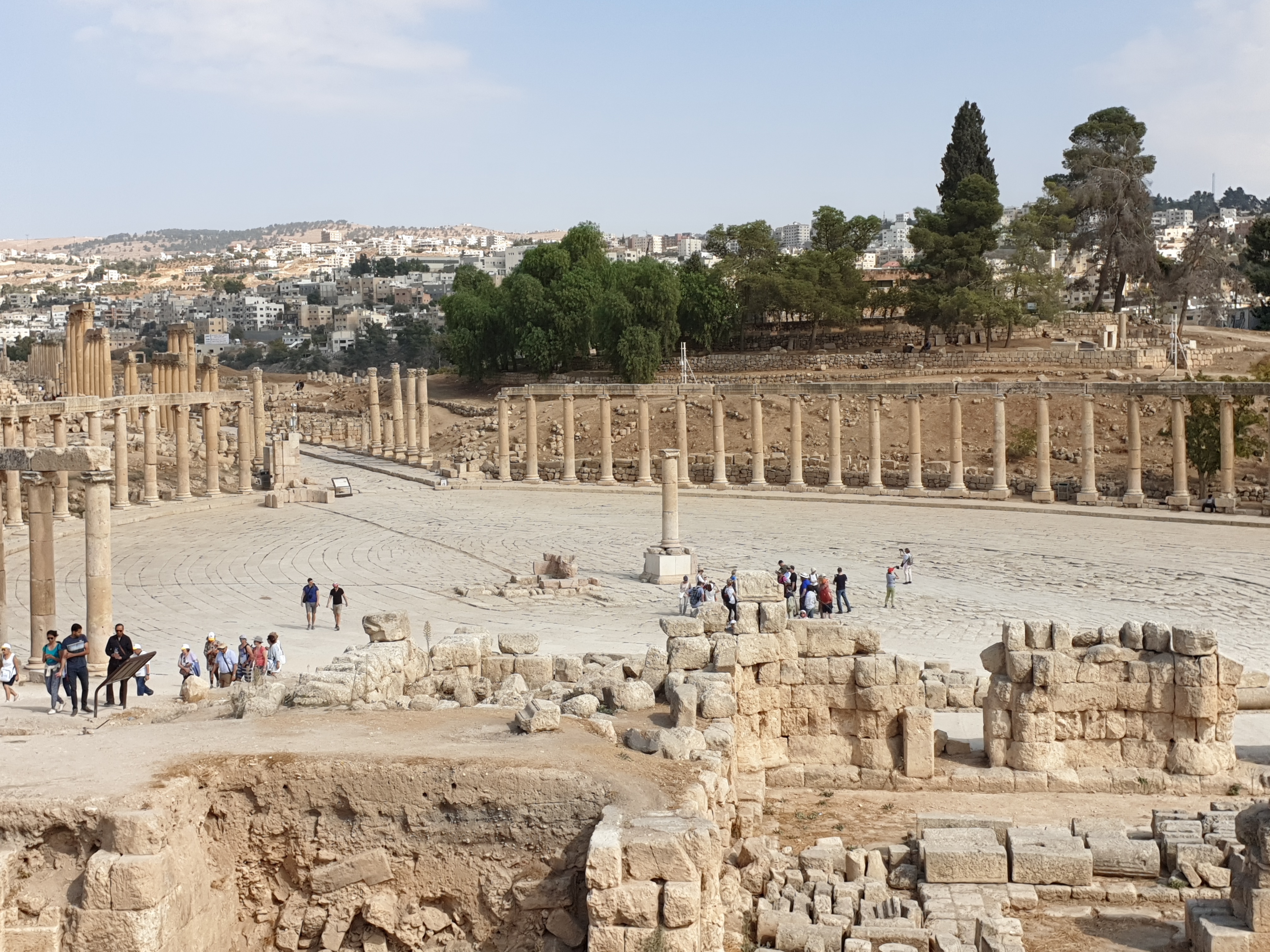
Another day, another huge Jordanian breakfast, after which I just had the energy to get up and walk to the car for the long trip back to Amman. I stopped on the way at Jerash, to visit yet more Roman ruins. Jerash is known as the Pompeii of the East and is a huge extended site with ruins that are much better preserved than at Umm Quays. I ended up driving all the way around the perimeter of the site until I finally found the parking area. Even though there had been a minor terrorist incident here a couple of days before (a madman had injured a few people with a knife), security was very relaxed and I strolled in to the usual Jordanian chorus of “Welcome!” without anyone even checking my bag.
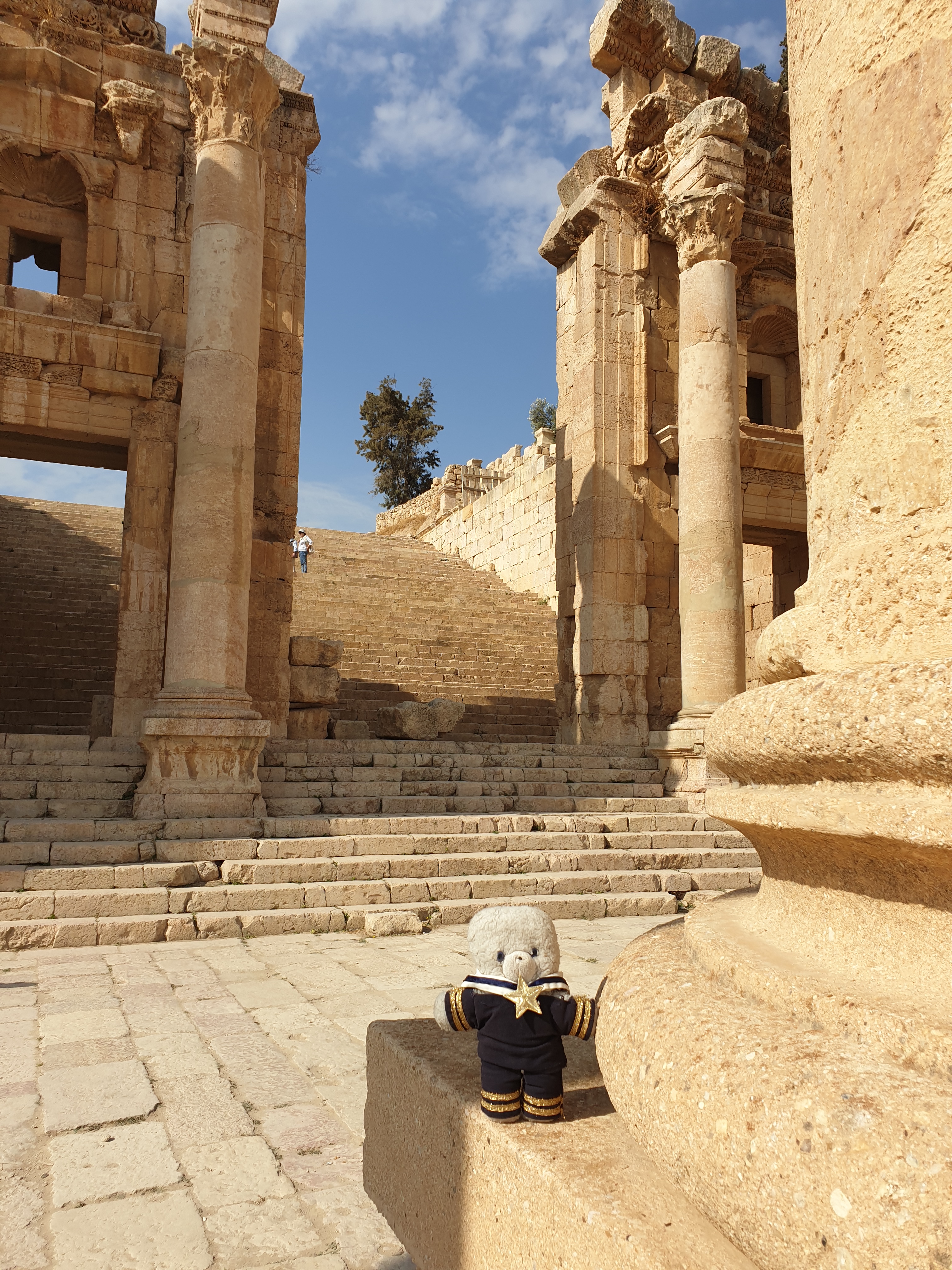
The path in led through the impressive Hadrian’s Gate and then on to a colonnaded forum and huge temple of Zeus sitting on a small hill.

20191110_111049

20191110_112750

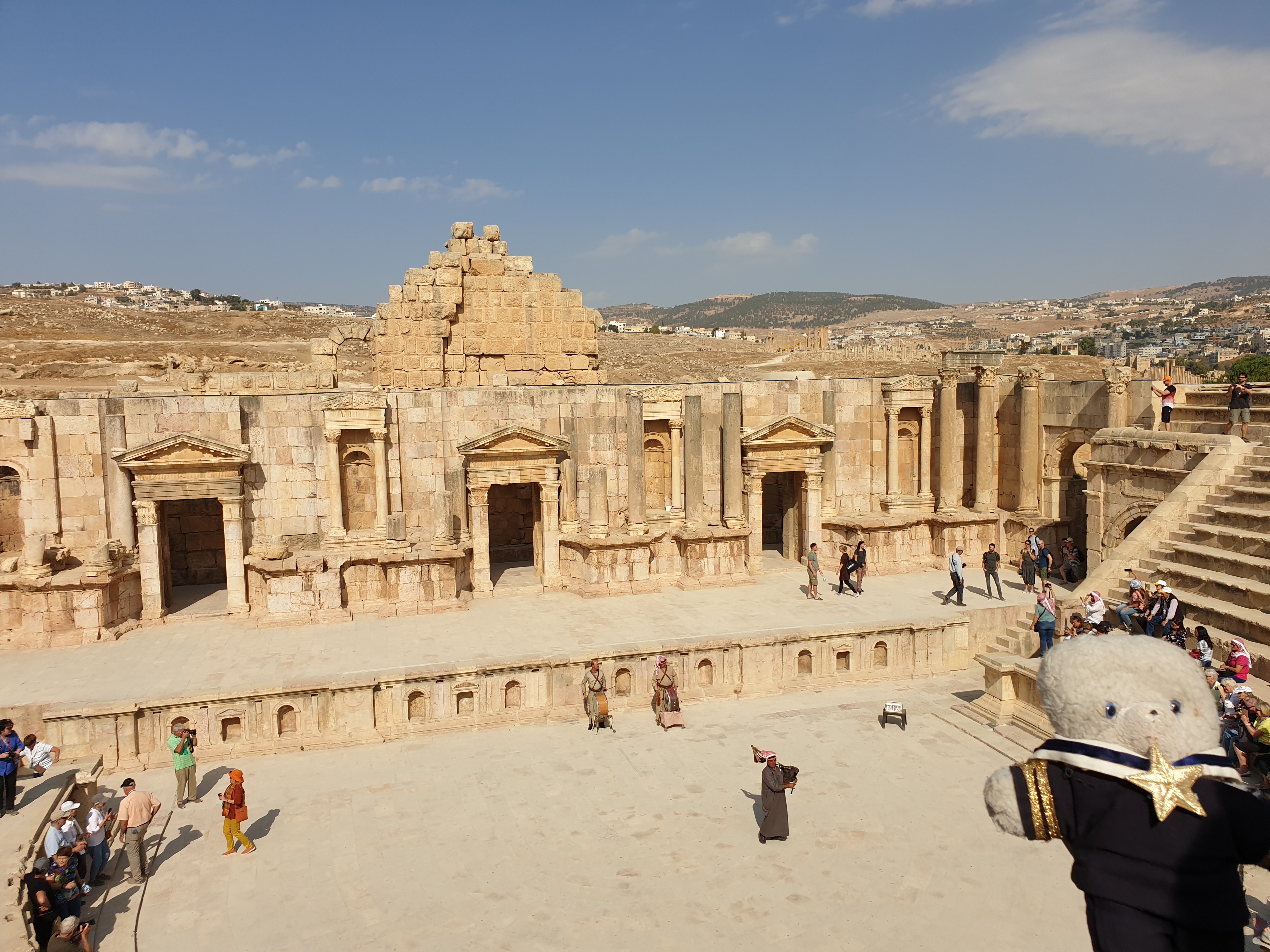
Next up was the first of two amphitheatres, where for some bizarre reason a Jordanian bagpipe band was playing. There were more tourists than at Umm Quays but the large site swallowed them up with ease and when I reached the northern areas I was completely alone and could take some good photographs.

20191110_113653

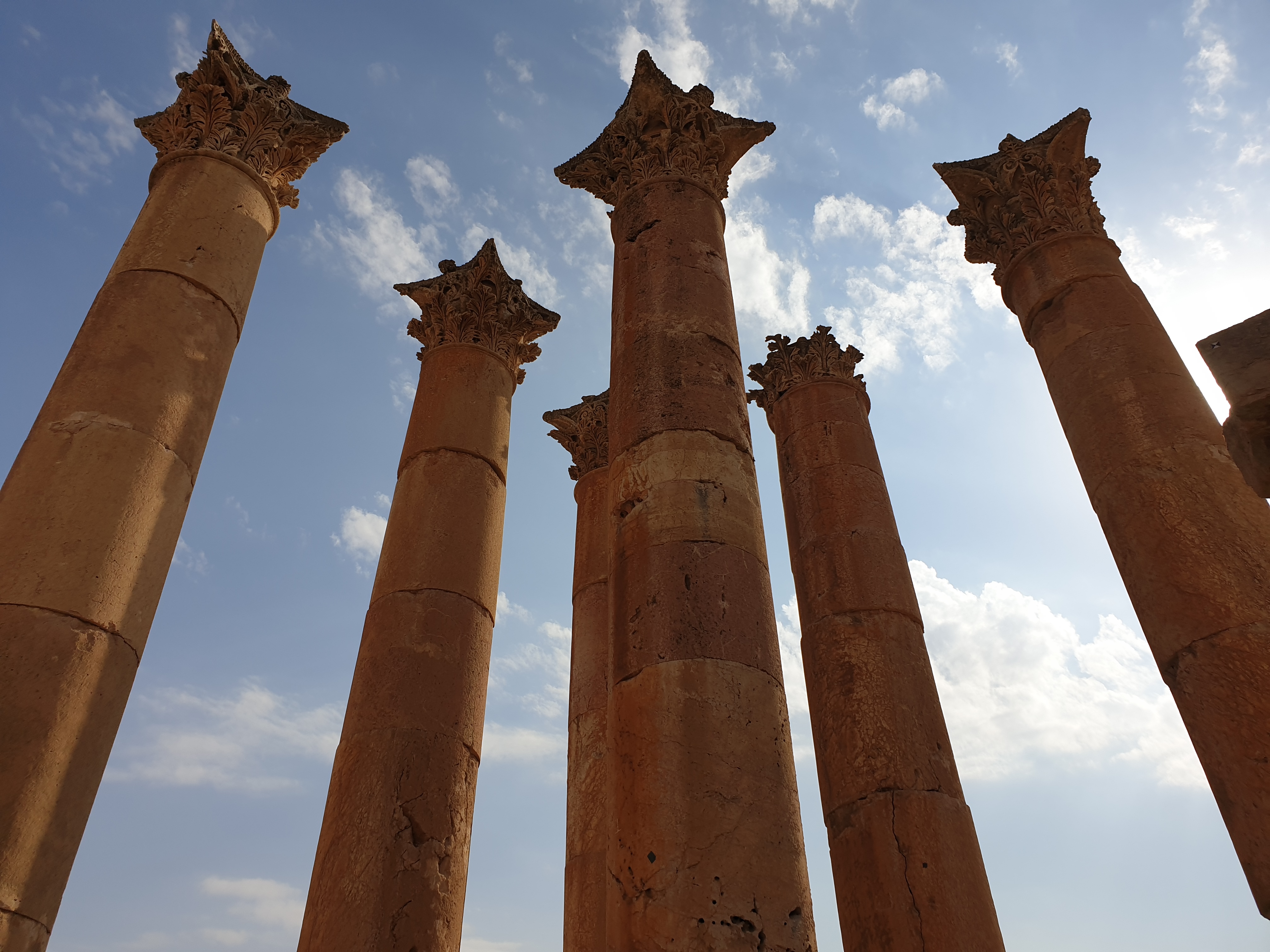
I found the second theatre and rested in the shade – the site is very exposed to the sun, but luckily it was a slightly cloudy day and not too hot. After that I visited the Temple of Artemis, one of the highlights of Jerash, but after two days I was becoming saturated by old ruins, no matter how impressive.

20191110_120108


20191110_125239
I made it back to the car in the full heat of early afternoon and continued my drive. Next stop was the Royal Automobile Museum on the outskirts of Amman. The previous king of Jordan, English-educated King Hussein, was a serious petrolhead and had built up a huge collection of luxury cars, which now form a museum. I don’t think there was a single brand of car that he did not own, but his favourites seemed to be Mercedes and various British luxury brands.

20191110_142807

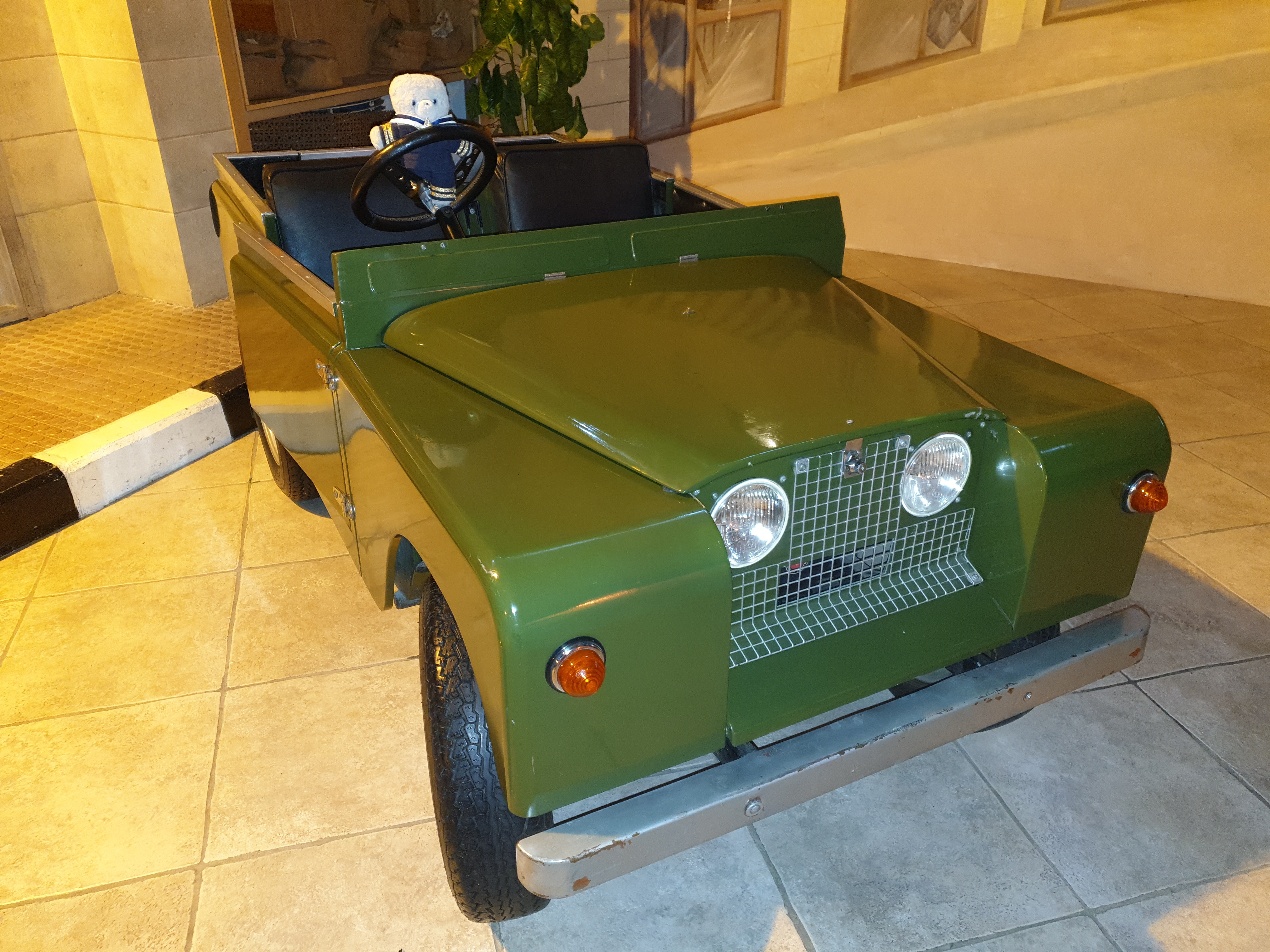
I was glad that the museum also contained a teddy-bear sized exhibit.

20191110_144715

I’m not a big car enthusiast (cars are not very useful in the jungle where I live) but I still found the museum interesting because it also charted the history of King Hussein’s reign. He first mounted the throne at age 17, after his father was assassinated, and immediately had to handle the Israel/Arab/Palestine conflicts of the 1970s. There were several attempts on his life, including some that occurred whilst he was driving cars exhibited in the museum. King Hussein survived and over the years became one of the most successful rulers in the Middle East, helping his country through the Arab-Israeli conflict, and then huge influxes of Palestine, Iraqi and Syrian refugees as many neighbouring countries descended into chaos. I suppose this justifies the king of a relatively poor country (no oil!) having such extravagant taste in cars.
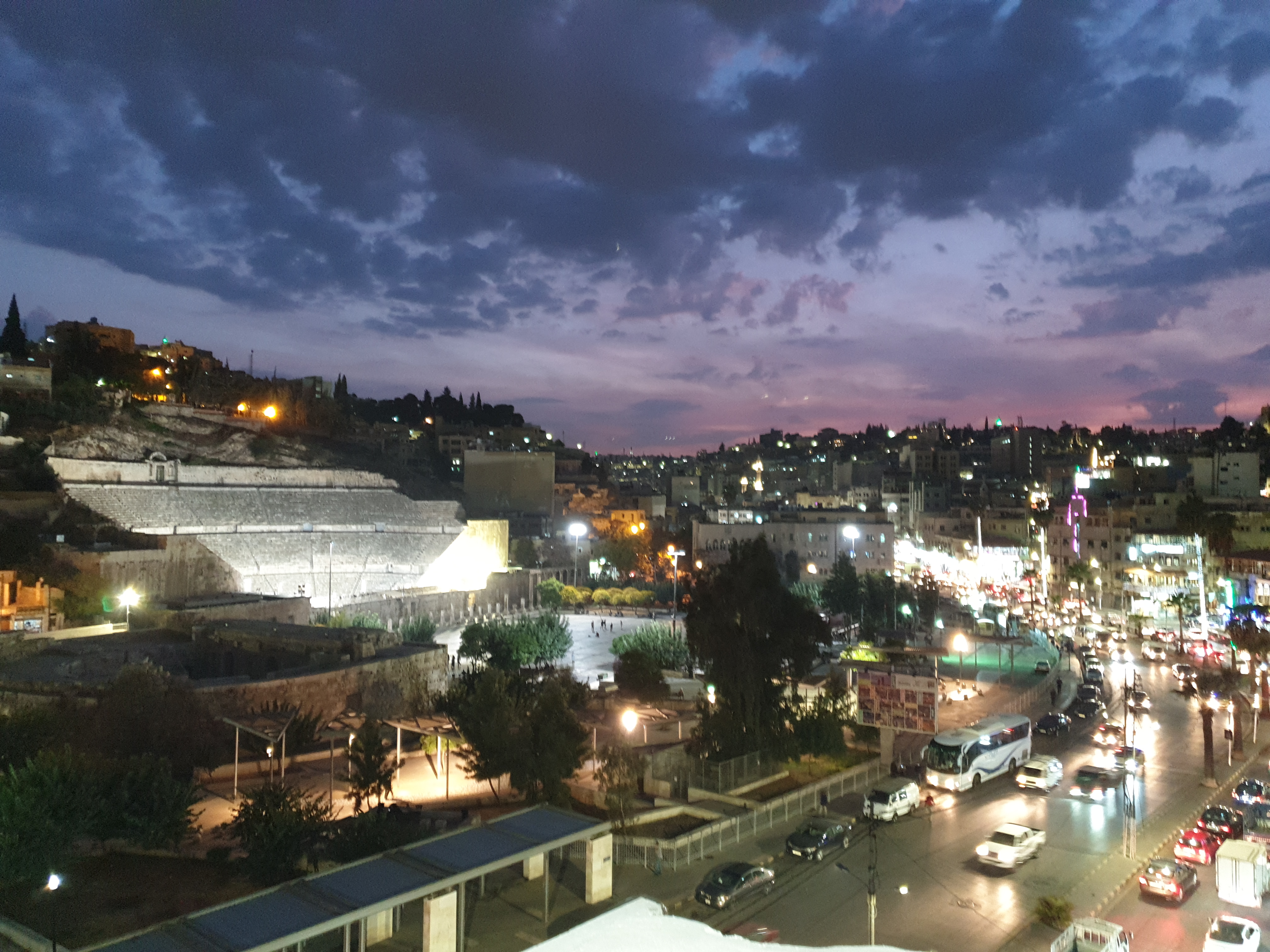
Now it was time to return my hire car. Driving south out of Amman to the airport, the traffic became denser and more aggressive. I was determined not to scratch my car in the last few km and drove slowly. At the airport the nice people at Avis forgave the thick layer of dust that had built up over the past two weeks, and the heavy duty workout that the wheels had had on the bumpy roads. I took a taxi back into Amman (and for the first time on the Jordanian roads I was scared…) and checked into a modest hotel, but with an unbeatable location next to yet another Roman theatre. I was just in time to catch the end of the sunset from the hotel’s roof terrace.

20191110_170710
At night I headed out on foot for dinner. Amman was busy with lots of small shops and restaurants and a continual flow of traffic; after the quiet of the countryside I liked rediscovering the buzz of a big city. I discovered that Amman is built on very steep hills and the walk up to “Rainbow Street” was hard work. The route rose through some steep dark backstreets and up a long flight of human-sized steps, so I was ready for dinner. I had booked the fanciest restaurant in town, which was packed, but I made a mistake by not ordering the safe chicken/rice combination and got a plate that turned out to be something like a haggis made of lamb intestines. It wasn’t the best meal I’d had in Jordan, but my motto is “nothing ventured, nothing gained” – otherwise I would not be a real vagabond teddy bear. To make up for the meal I headed up to a nearby rooftop bar (a speciality of Amman) and enjoyed a cold beer, before the walk back to the hotel and bedtime.


The North of Jordan

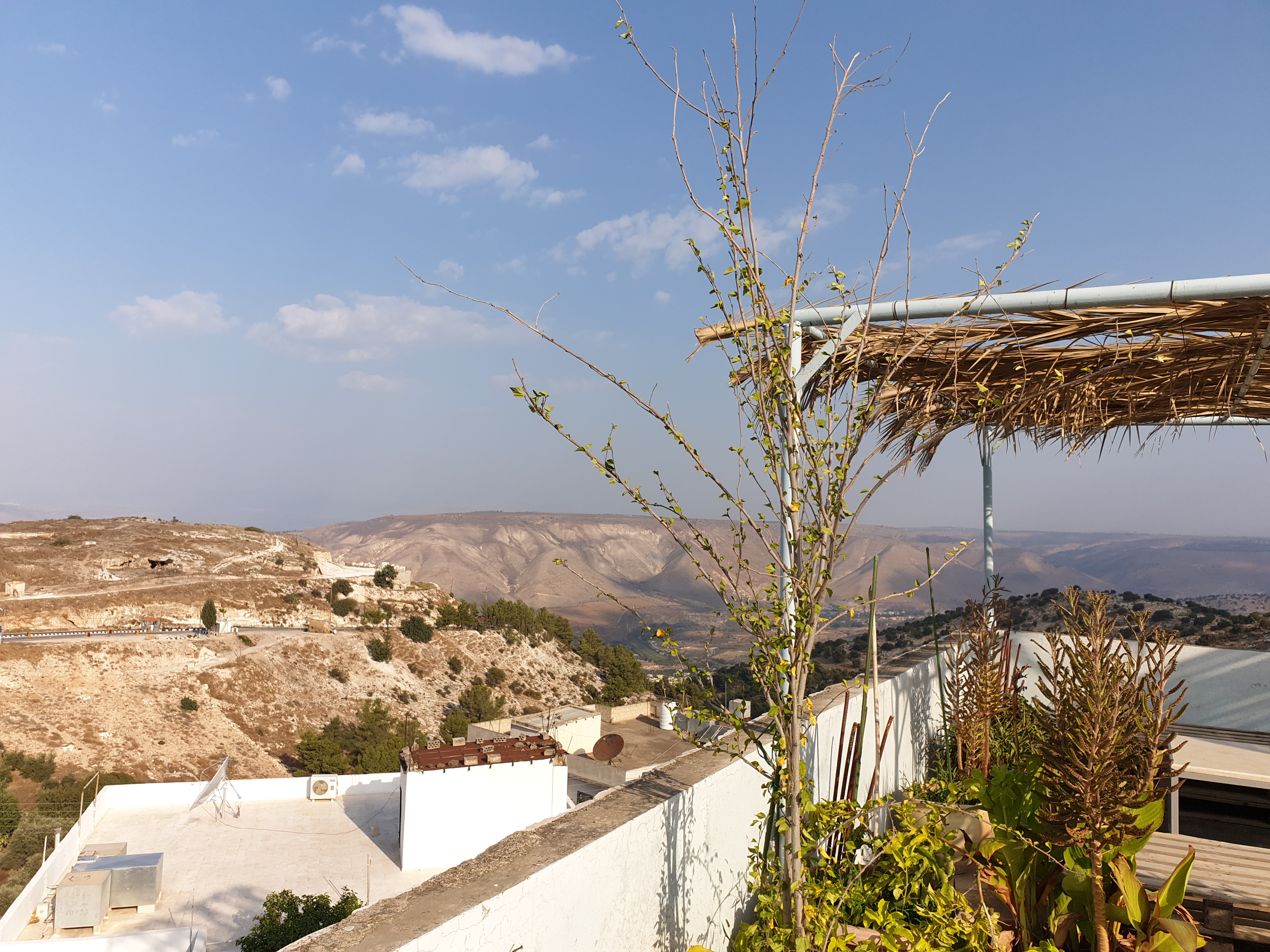
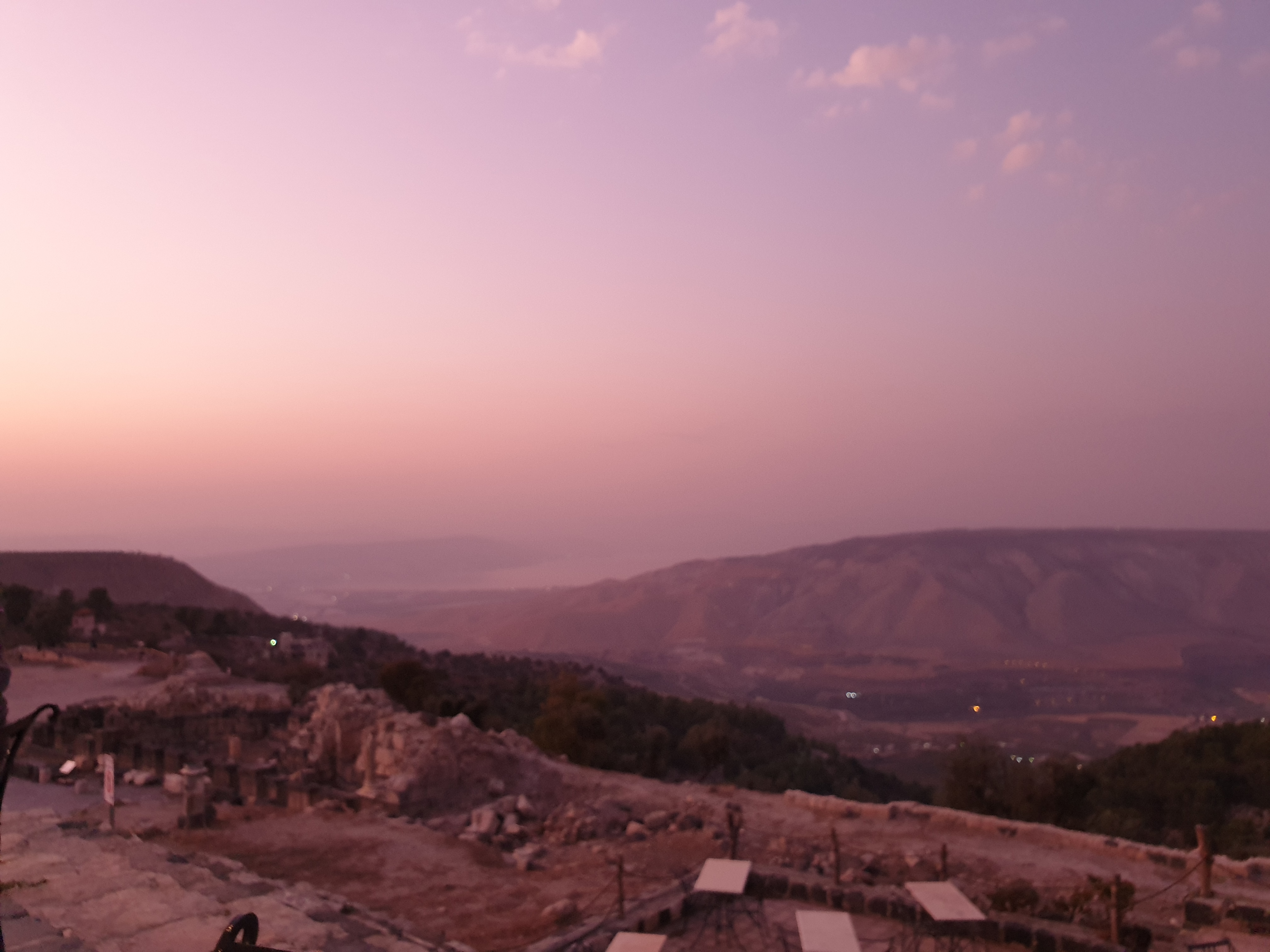
I slept well and woke up to admire the view from my bedroom window – in front of me were the Golan heights, which separate Israel and Syria, and just to the left of them was the Sea of Galilee.

20191109_082307

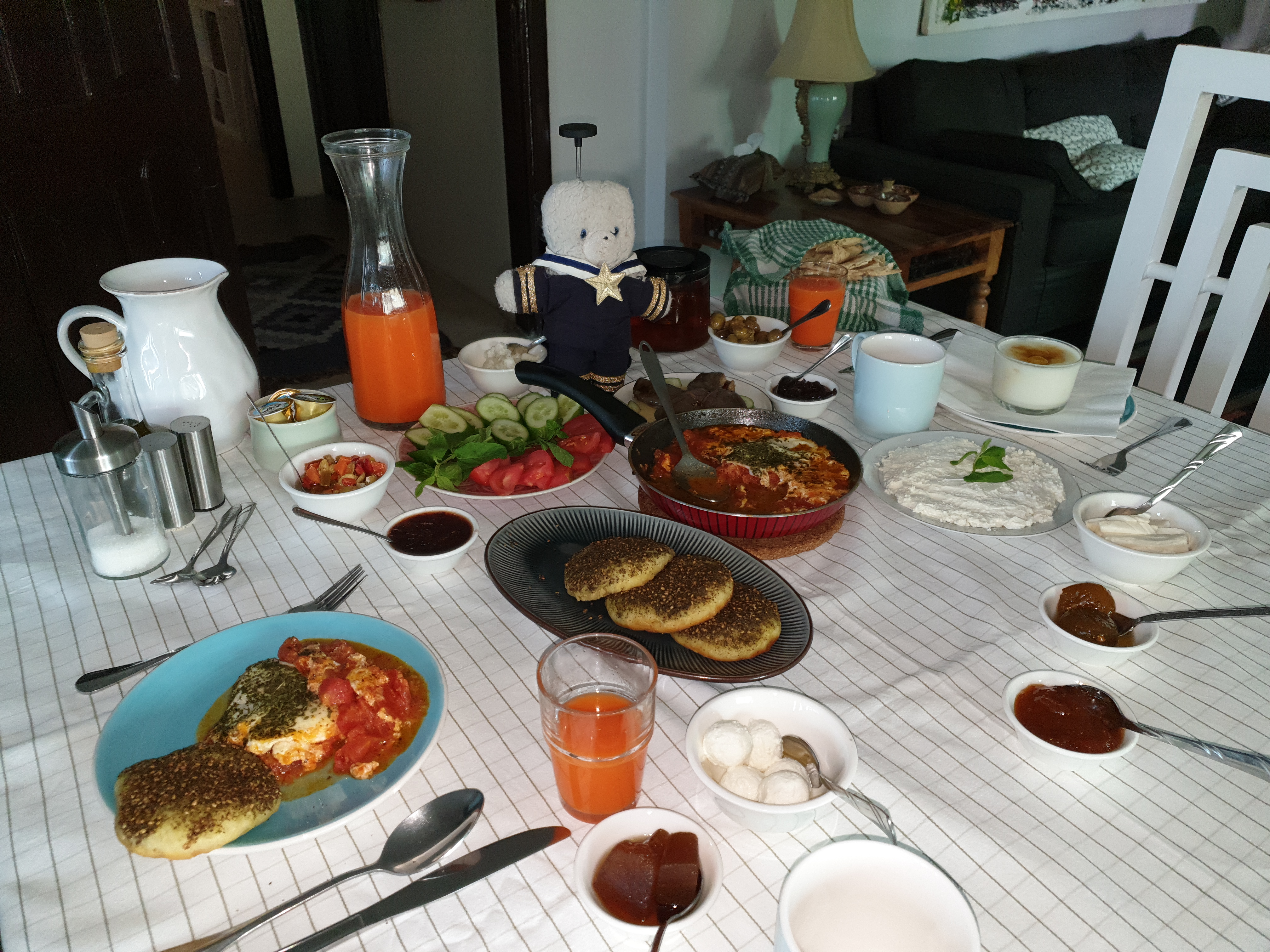
It was a good motivation to get ready for breakfast. In a country that specialises in huge breakfasts, this was the biggest and best yet – yoghurt with honey and cumquat from the hosts’ own garden, delicious fried eggs mixed with tomato and chilli, hot freshly made bread and many different types of jam, ranging from fig to pumpkin.

20191110_073404.jpg
Realising that even a bear could not possible eat everything, I ate my fill and then set off in the car to Ajloun, about 90minutes south of Umm Qays.

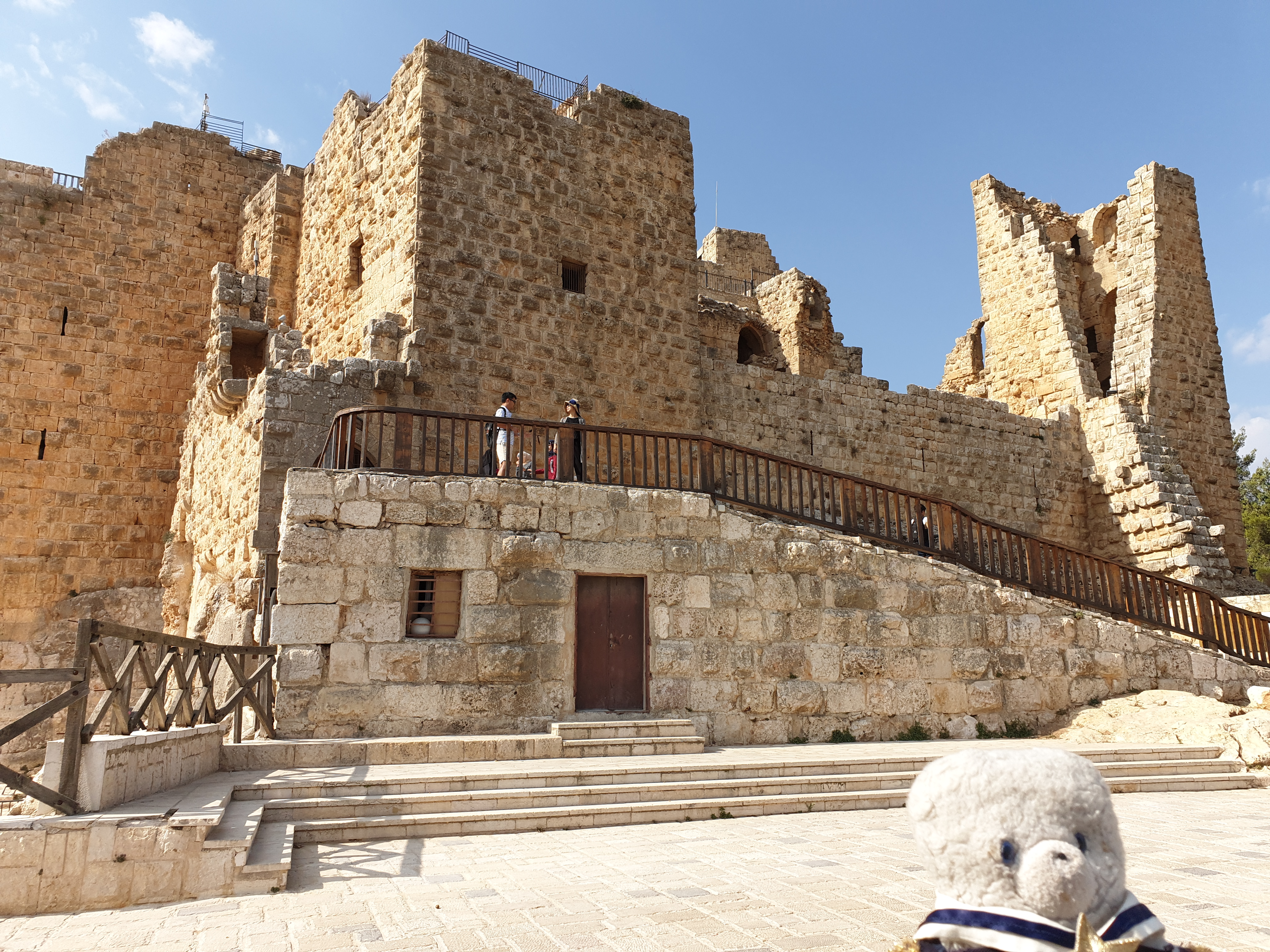
Due to a mistake in navigation I ended up going through Irbid, Jordan’s second biggest city, so the route was not particularly scenic. I was just getting bored driving when the majestic castle of Ajloun appeared on top of a hill before me.

20191109_102014

It was a very impressive site, and more intact than the other castles I had seen in Jordan. It was built by the Ottomans to defend themselves from the crusaders, with the first work started by Saladin in 1184, and with different rulers adding on bits in later centuries. Unlike the crusader castles, Ajloun was never taken. Inside, there was the usual entertainment of clambering up and down stairs and passageways, and great views out over the surrounding countryside and city.

20191109_102603
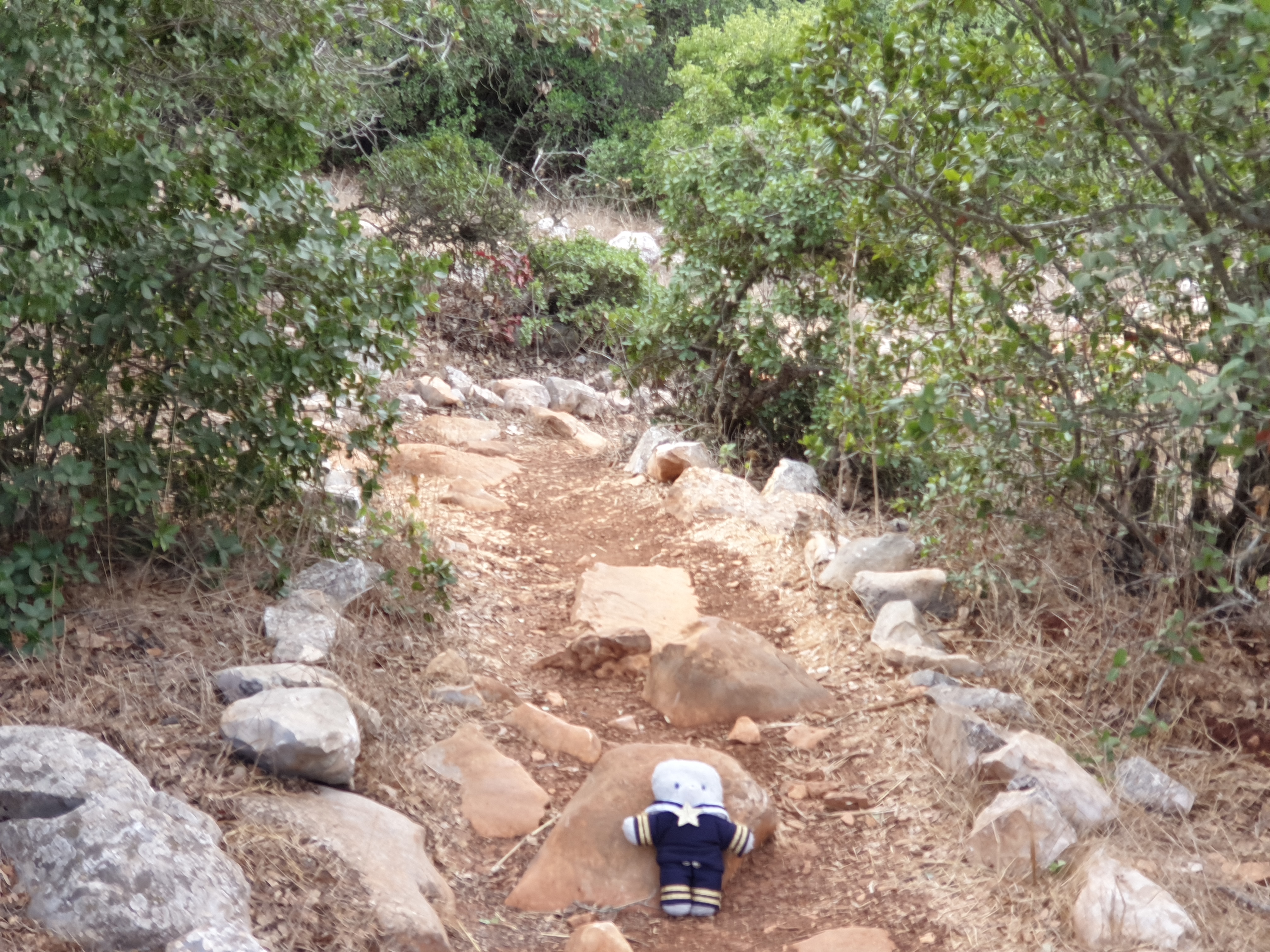
After the castle, I headed a few km away from the city to a nature reserve and made a short hike. It was probably the first place I’d been in Jordan that wasn’t completely dry, and the trail wound past oak, carob and pistachio trees. I also disturbed a small snake sunbathing on the path; despite my small size, he was more scared than I was and immediately disappeared into the bushes.

20191109_113054

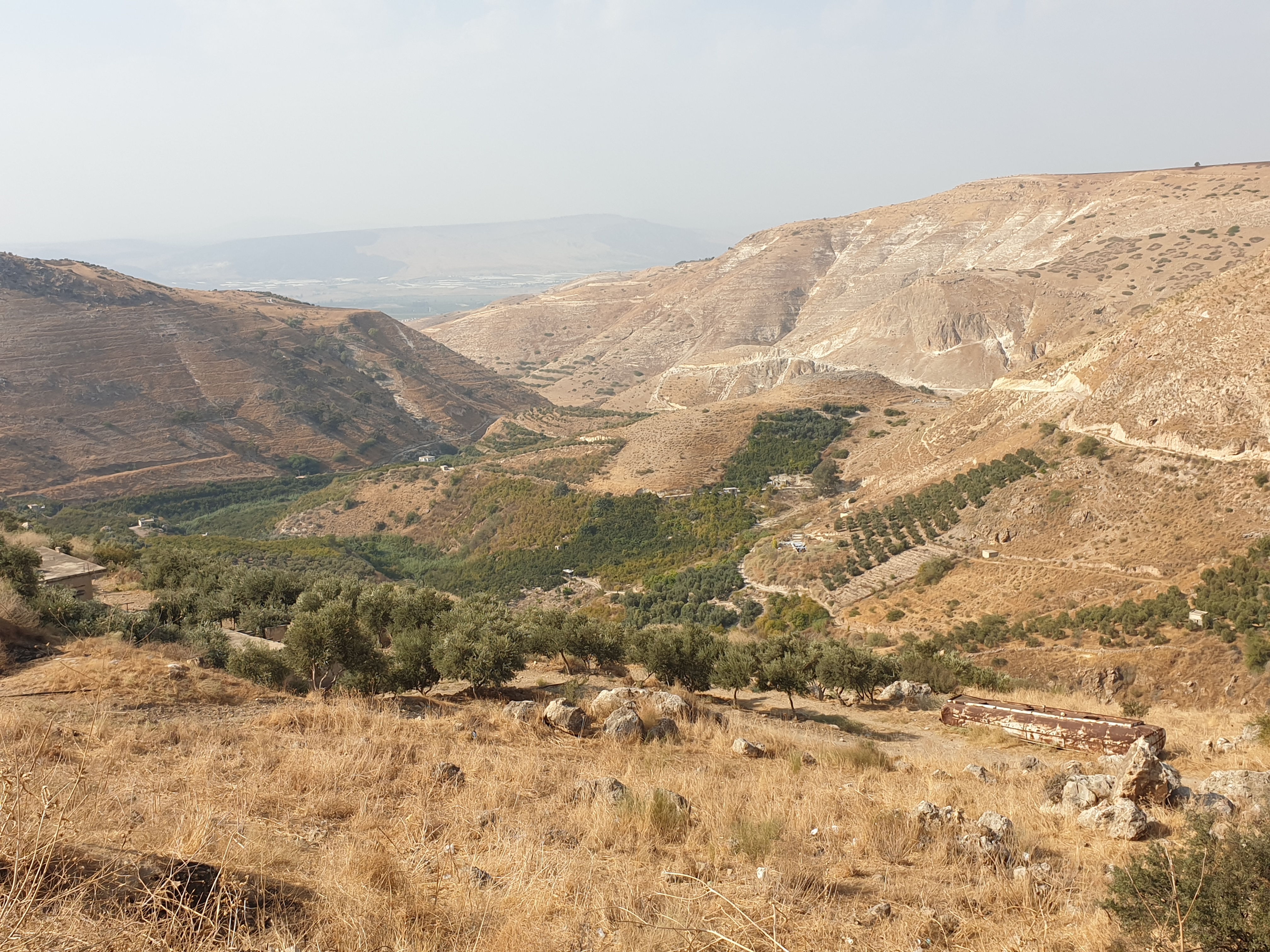
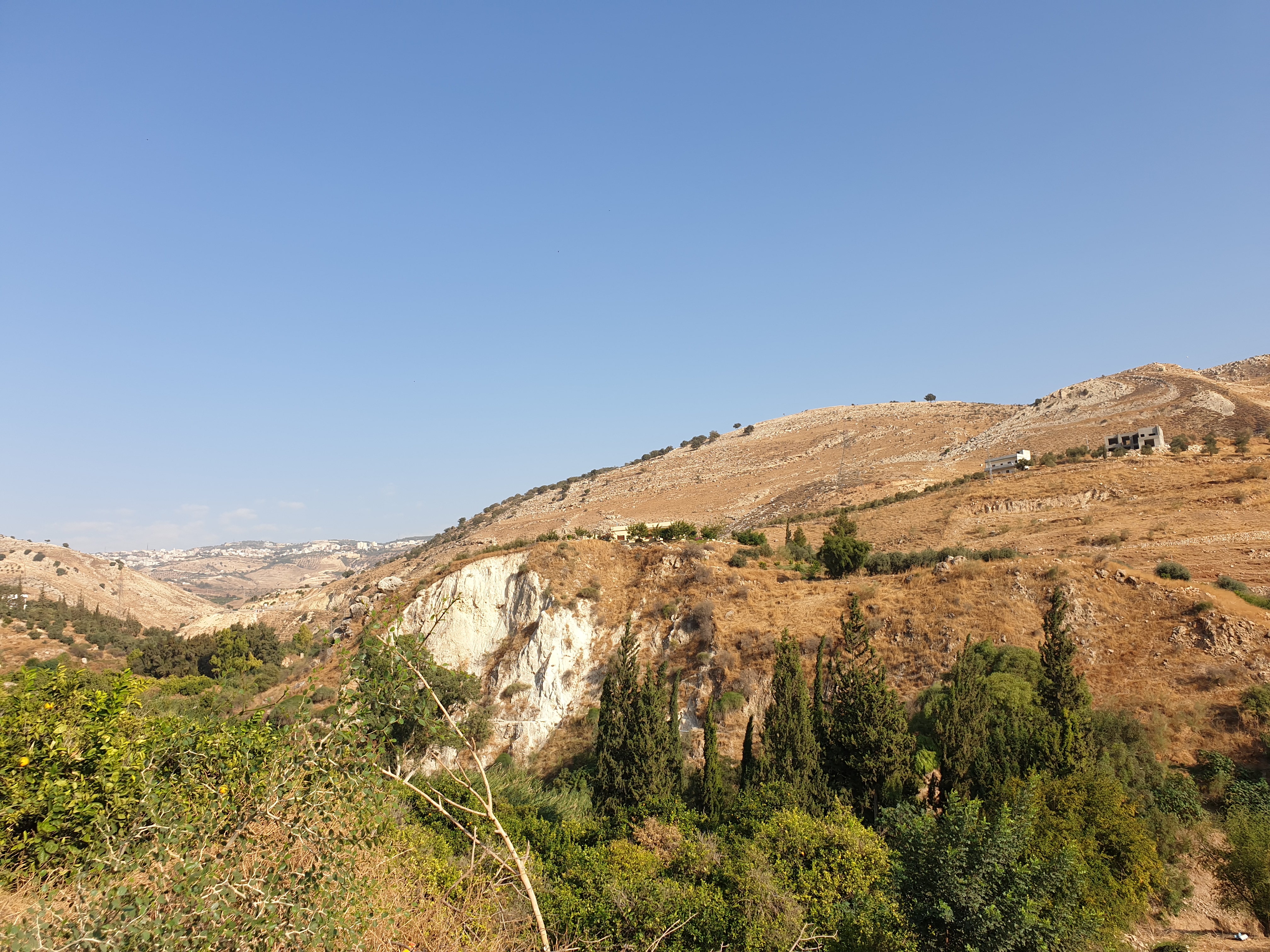
After the reserve, I took a different route back to Umm Qays; this was a better choice than the rather dull direct road, and much of the driving time I enjoyed fine views over deep wadis running down from the mountains into the Jordan river valley.

20191109_125518
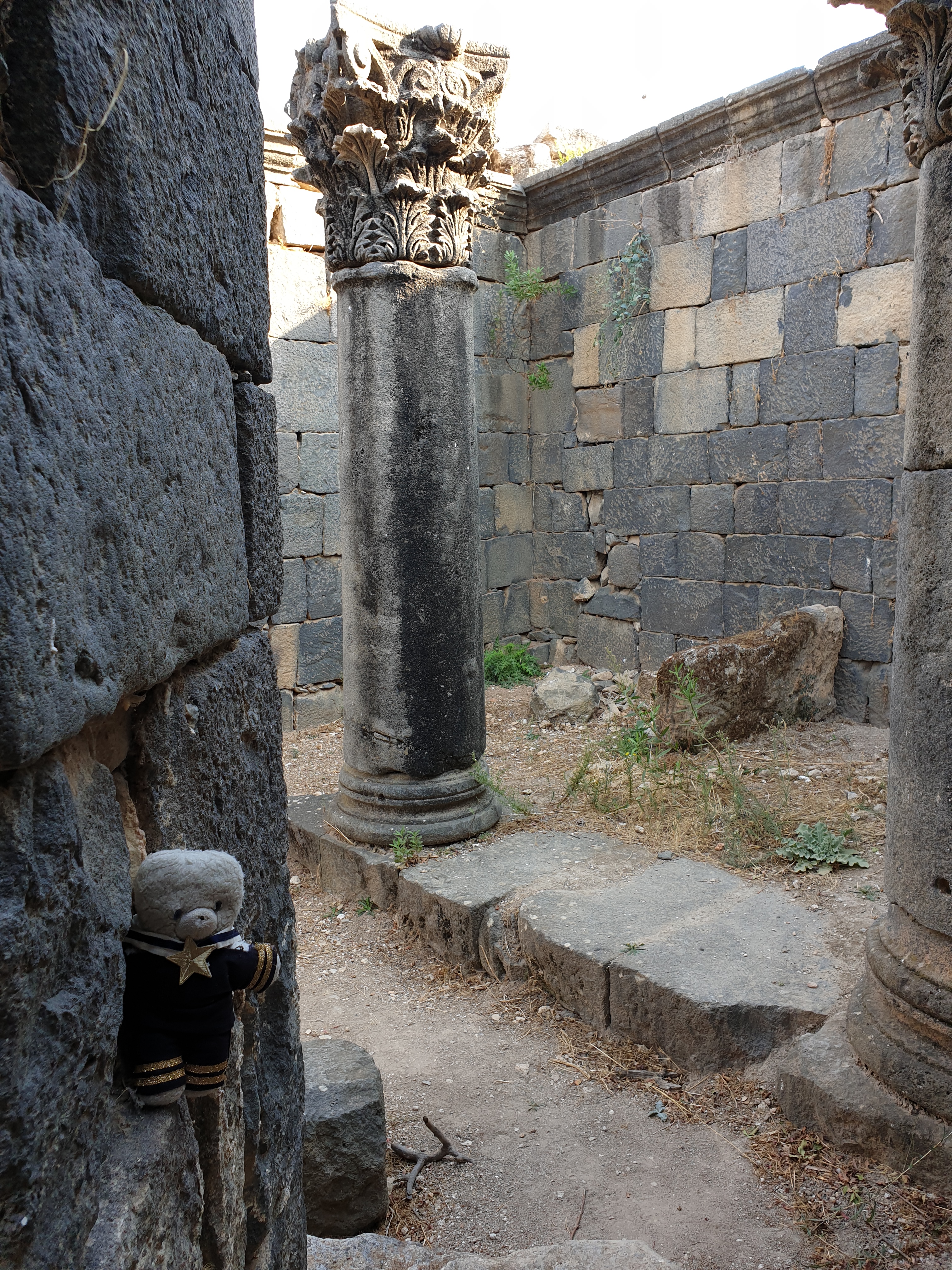
I reached Umm Qays at around 2 o’clock, in the hottest part of the day, and went to visit the Roman ruins lying on top of the hill overlooking the village. In Roman and Byzantine times, Umm Qays was a large and thriving city. It was destroyed by an earthquake in the 8th century, after which the Ottomans built their own village on top of parts of it. Some of the ruins have three layers of construction – Ottoman, Byzantine and Roman. I first walked down the long and wide main street, taking in the grand scale of the ruins and the scenery.

20191109_140450

I explored the caves in a Roman mausoleum buried under a Byzantine church, and then visited the well-preserved amphitheatre, where I stopped and drained a whole bottle of mineral water in one go.

20191109_142534

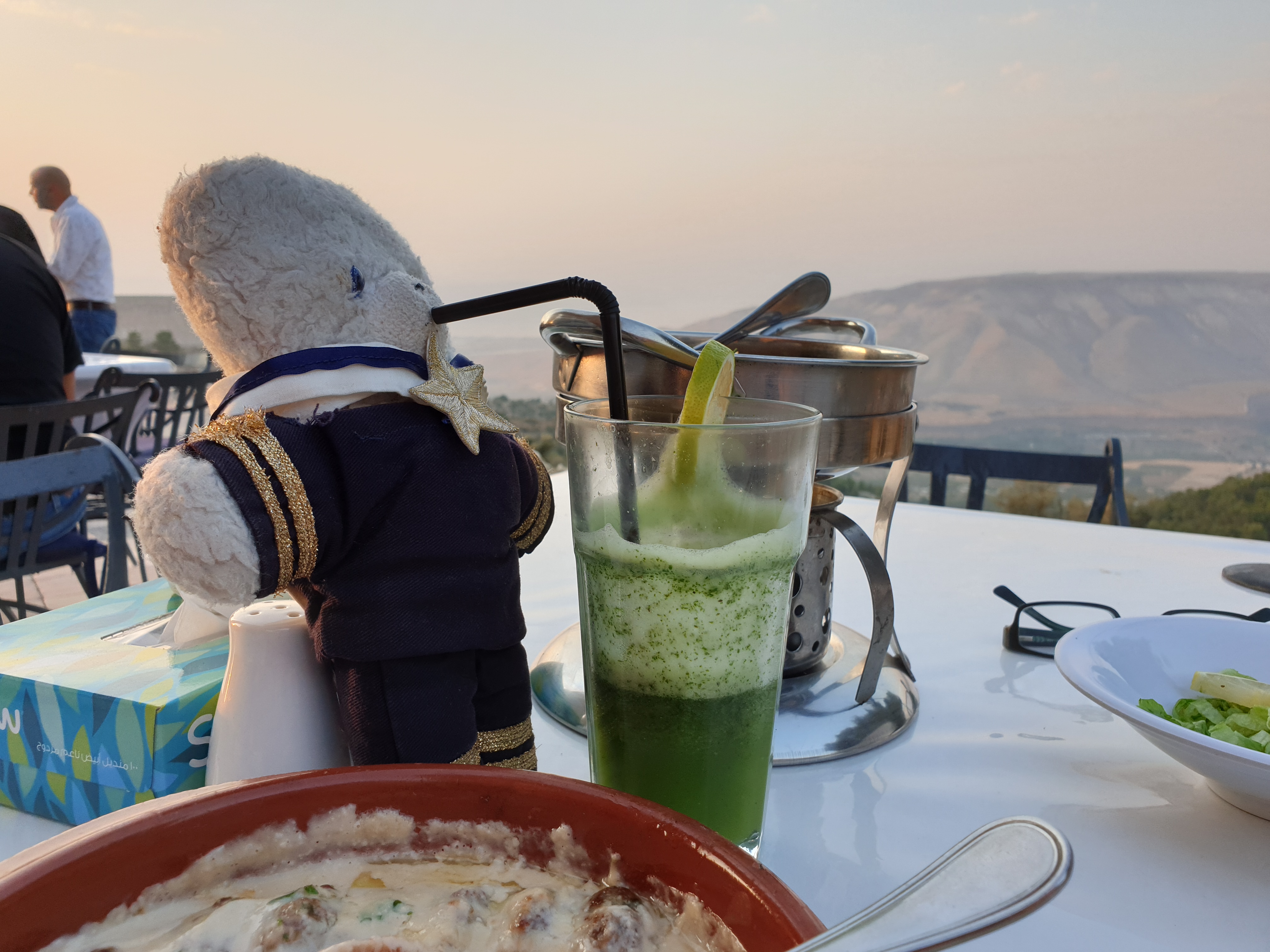
After a bit more exploring I sat down to an early dinner at a well-known restaurant located inside the historic site. The place had an amazing view over the Golan Heights and Sea of Galilee, and my dinner was very good – fresh lemon juice with mint, lamb kebabs and lamb stew (finally a change from chicken!).

20191109_161552

I enjoyed yet another fine Jordanian sunset and the changing colours of the Sea of Galilee. As the last traces of the sunset finally faded, the restaurant closed for the day; I hunted down the place where I had parked my car (not so easy in the dark and on such a big site) and returned to the guesthouse to digest dinner, eat some more delicious cumquats, and write my blog.20191109_165559


Back to real Jordan

As soon as I woke up the next day, I headed back to the Dead Sea beach to try this unique experience for one last time. At this early hour, there was only one other hotel guest there. Remembering from the previous day that trying to move or swim is pointless, I just floated on my back. I lowered my head back into the water, so that my ears were submerged, and closed my eyes. It was a great, relaxing feeling. Occasionally I could sense little waves rippling through the water as more guests arrived, but otherwise all I could feel was the warm sun on my tummy. I floated until the heat of the sun became uncomfortable, and then slowly paddled to shore to get ready for check-out and to have breakfast.
Back on the road in my car I felt a sense of excitement to be seeing the real Jordan again. Although the Dead Sea resort was an exceptional place, and unique in the world, it felt unnatural to have this little piece of extreme luxury and greenery amid the dust and bareness of the rest of the Dead Sea valley.
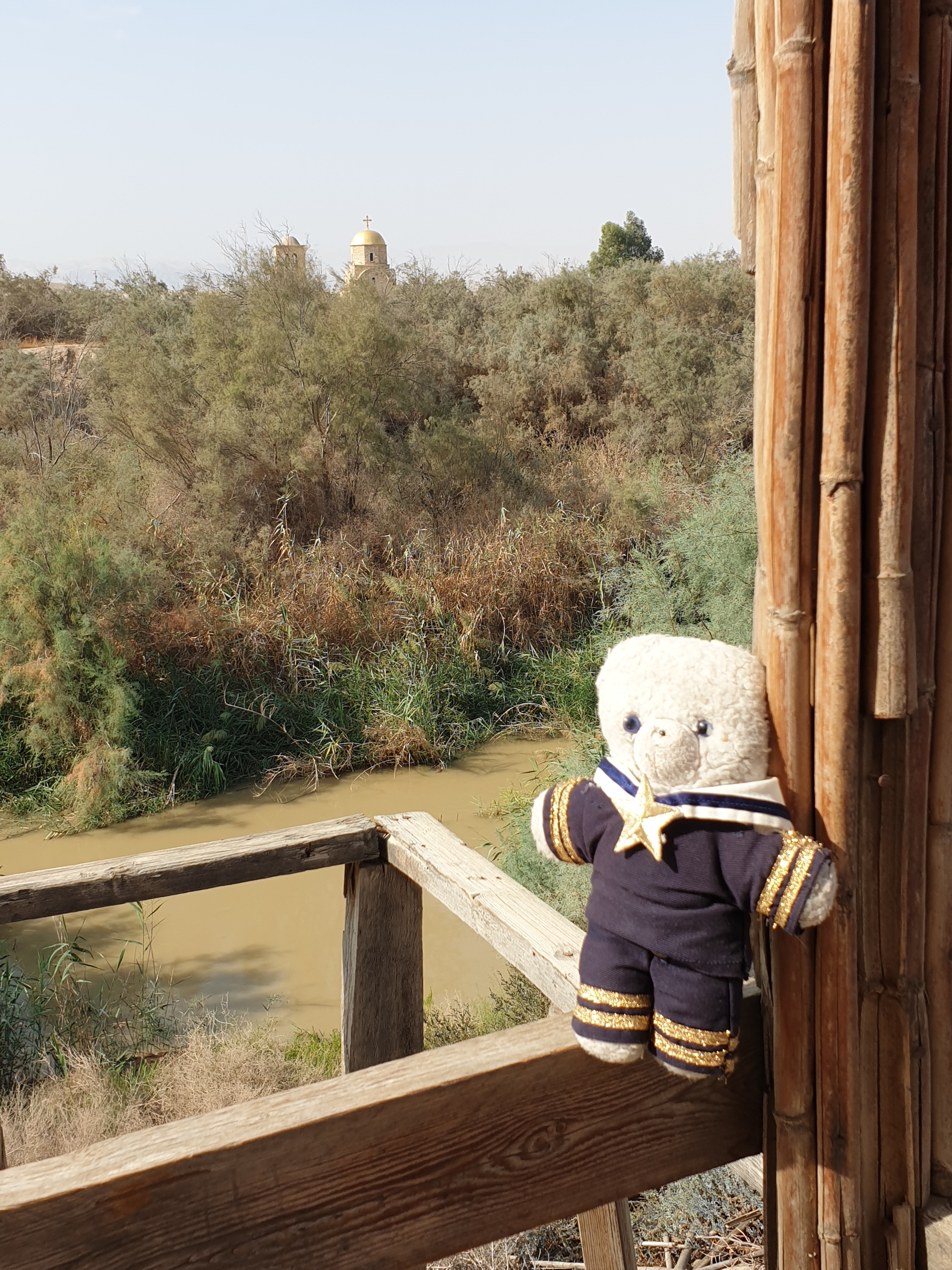
My first stop today was the site of Jesus’ baptism at Bethany-beyond-Jordan on the river Jordan. The Jordanian/Israeli border runs through the middle of the Jordan river, meaning that the site is in a guarded border zone and can only be visited as part of a guided tour.

20191108_121844

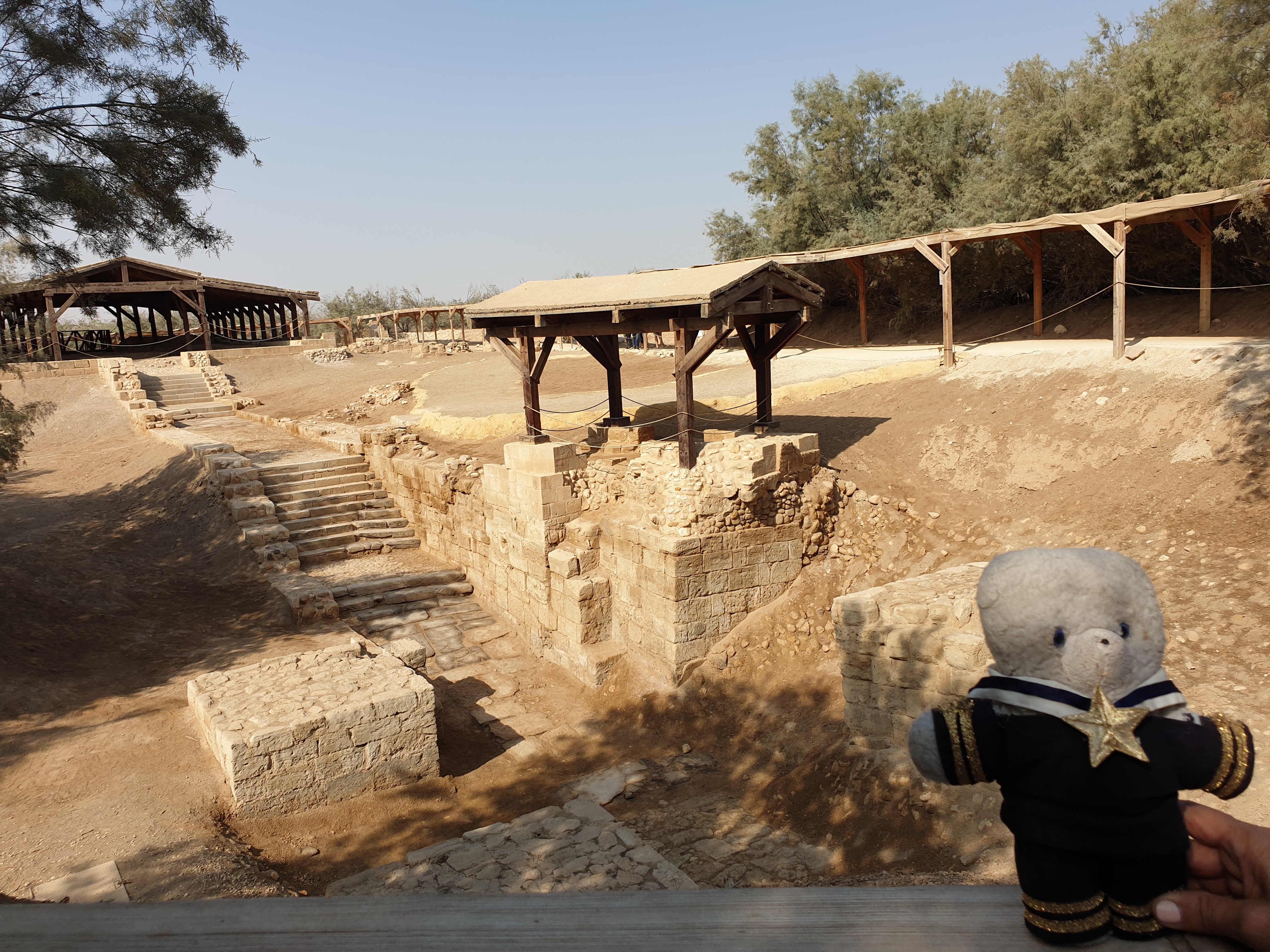
Jesus’ baptism site was an important pilgrim destination for the first Christians, but its location was forgotten during the period when the Ottomans controlled Jordan. The site was only rediscovered during mine-clearing operations in 2003, a few years after the Jordan/Israel peace accord. Archaeologists excavated the ruins of 5 ancient Byzantine churches (very little remains of them now) and by comparing them to descriptions in the Bible and from records left by early pilgrims, proved that this was indeed the place where John the Baptist baptised Jesus.

20191108_122849
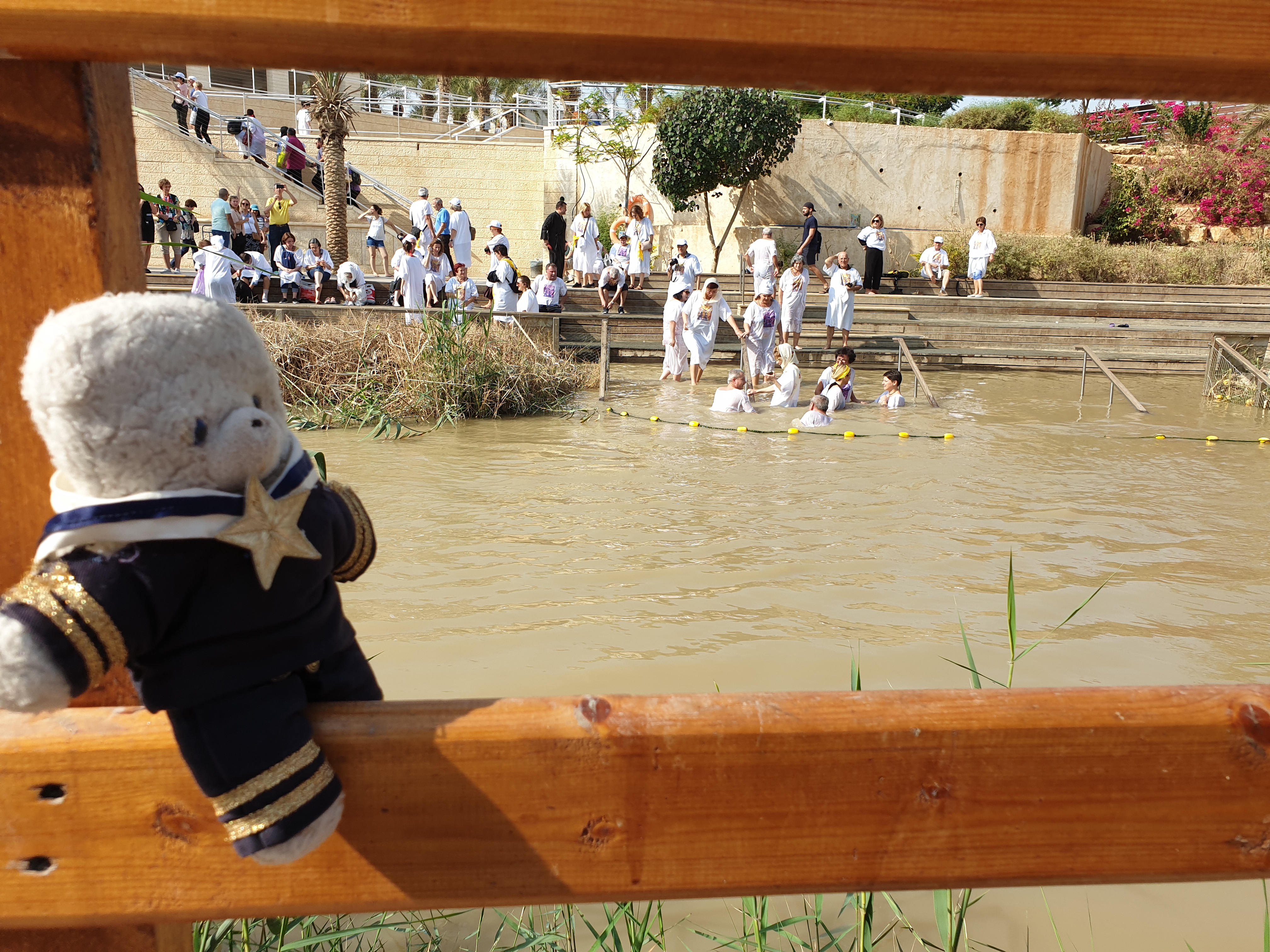
Today, the river is sluggish, dull brown and not very wide. Since Biblical times it has changed course meaning that exact site of Jesus’ baptism is now on dry land and in Jordan. There is not much to see but I found the story of rediscovery of the site really interesting and somehow I could still feel the unique history of this special place. Next we visited a new Greek Orthodox church and a stretch of the river Jordan where on both the Jordanian and Israeli banks, modern-day pilgrims were queuing up for their own, 21st century baptism. A little floating rope in mid-river marked the border between the two countries.


20191108_124459.jpg

From Bethany I took a very scenic road running along the side of a bright green wadi to reach the city of Salt.

20191108_141907


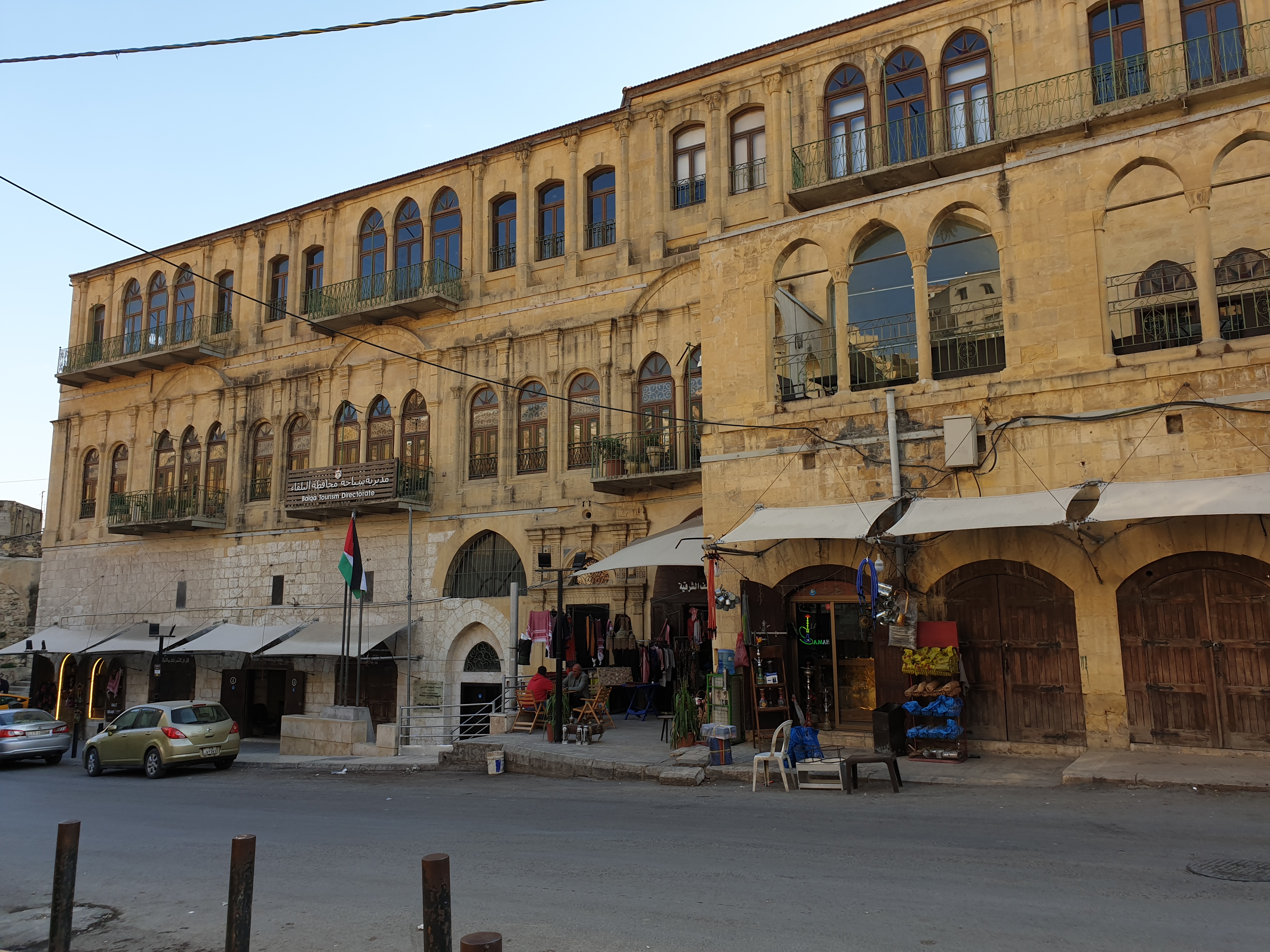
My ears popped as I climbed up from 380m below sea level to the city. Salt used to the capital of Jordan in Ottoman times, but was frozen in time when Amman was chosen as the new Arab capital. There are lots of pretty Ottoman buildings and little winding pedestrian walkways that snake up the steep hills of the old town, past ancient mosques and churches.

20191108_144946

20191108_144632

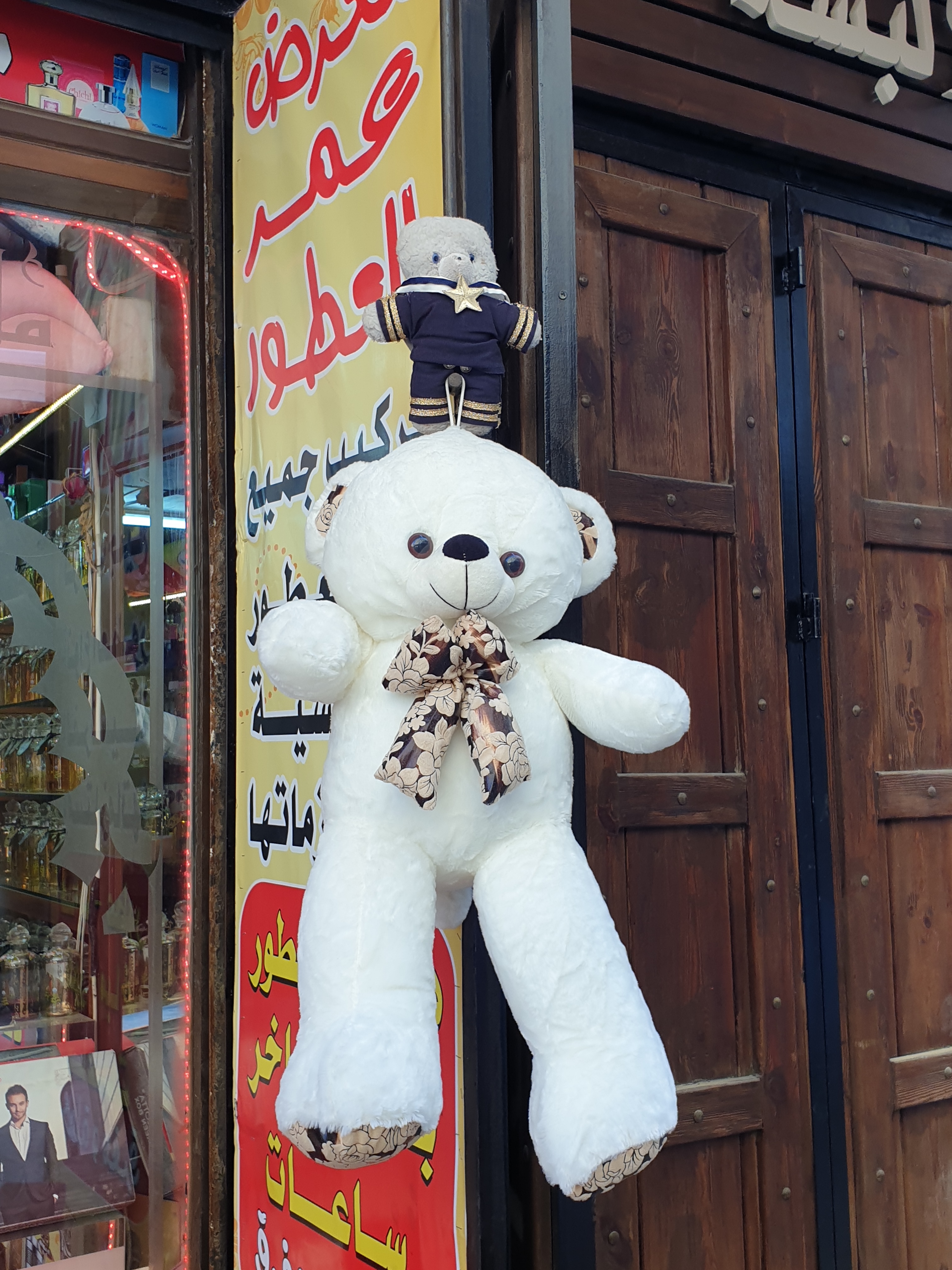
I also met a fellow teddy-traveller for the first ever time in Jordan.

20191108_144739

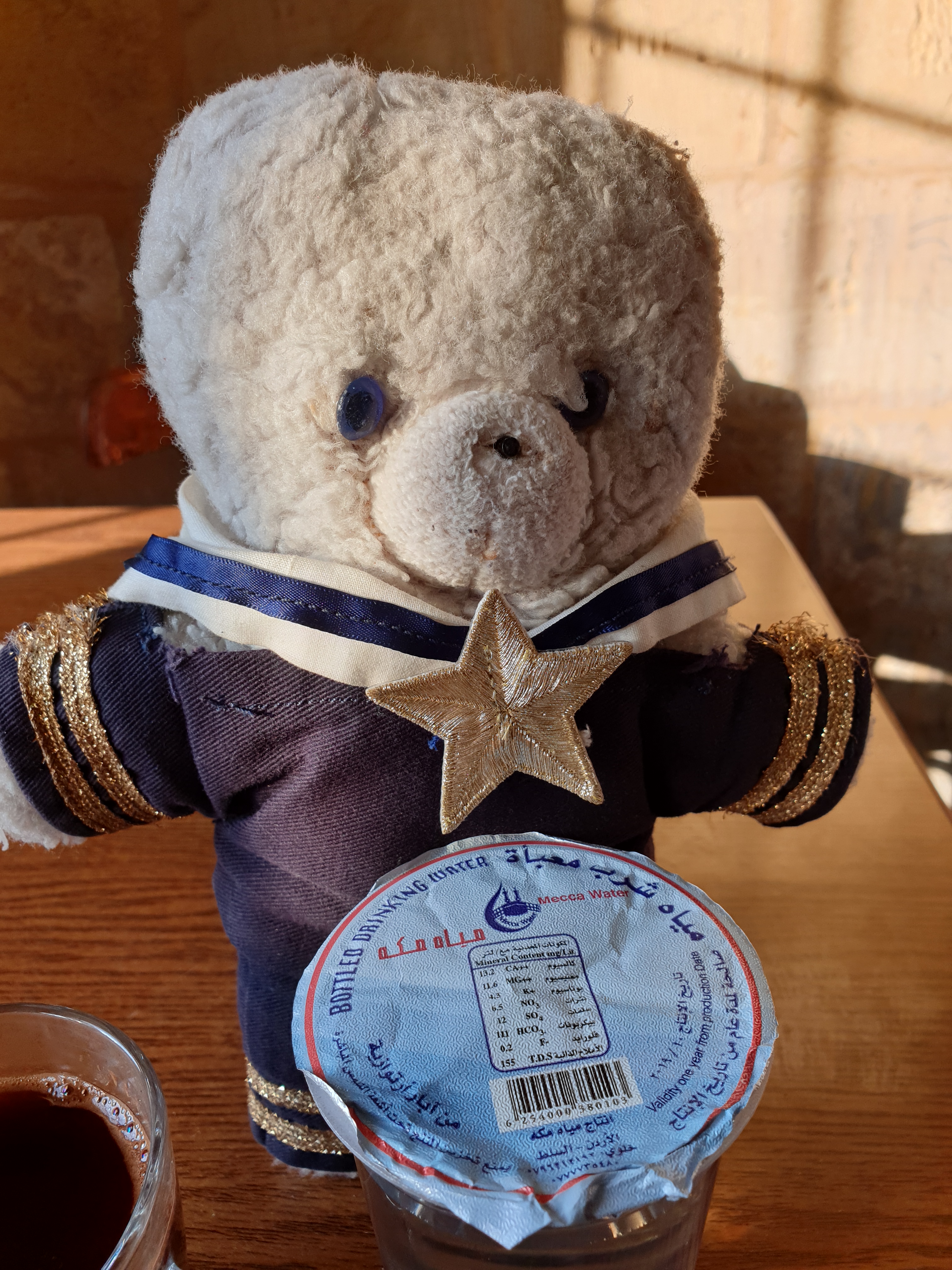
It was very interesting, but a shame that the city was obviously very poor and many of the buildings were in bad condition. I strolled around for about an hour then visited a typical coffee shop on the main square, where the mineral water claimed to come from Mecca. The coffee was so strong that on regaining my car, I found that all my fur hairs were standing on end!

20191108_152519
From Salt it was 2 hours’ drive to my next stay, a bed and breakfast in the small city of Umm Qays, near the Syrian border in the North. The road might have been very pretty, but it was late in the day and I was driving, so I could not property appreciate it. I had to drive the last 30 minutes in the dark, and very relieved when I finally found the place where I was staying.
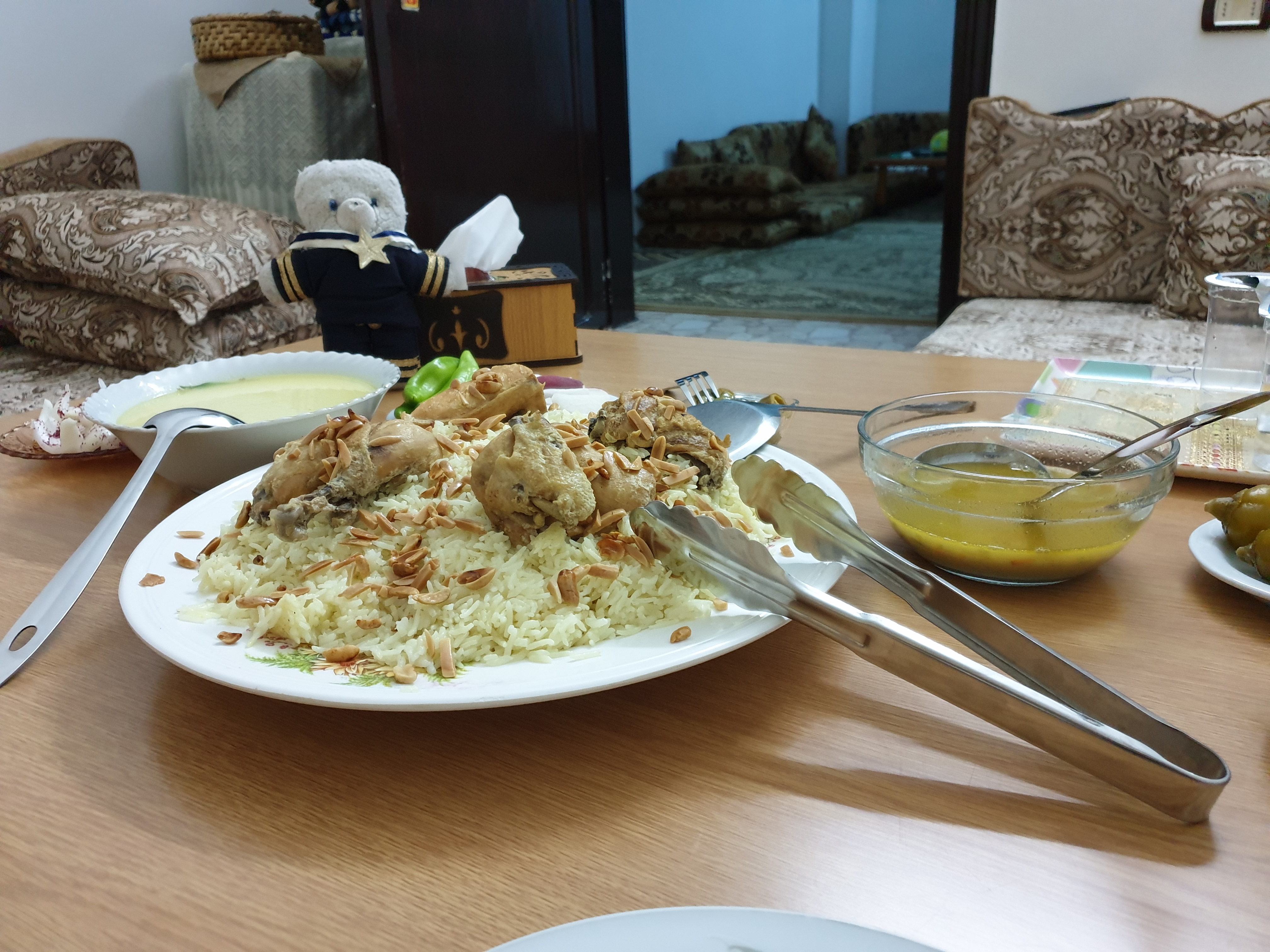
The managers of the B+B invited me to their house for dinner. As usual in Jordan, the food was copious and tasty (even though it was yet another version of chicken and rice). Although it was very interesting to eat in a real Jordanian home, the event was a little awkward. The hosts had already eaten and after putting the food down on the low table, watched me eat it on my own. Conversation was very limited, since the hosts’ English was very limited, and my Arabic was non-existent. Figuring that I was intruding and that by Jordanian standards it was quite late (9 o’clock), I had dessert, drank a glass of tea, thanked my hosts and then headed back to the guesthouse to write my blog and get ready for bed.

20191108_200121


From the Red Sea to the Dead Sea

Feeling guilty from the relaxed past two days, I got up early and did a really long swim in the hotel’s big pool. Then I flopped down on to a sun lounger on the beach and relaxed until check out time. My next stop was a spa resort on the Dead Sea, which was about 4 hours’ driving away.
At first the road was extremely dull – flat featureless desert, no water, trees or hills. There were very few cars and almost no habitations. The sky was hazy – probably from dust, adding to a feeling of complete isolation. It was hard to concentrate on such a monotonous road, so every time I saw a service station (only twice!) I stopped and bought myself an iced coffee to stay awake. I thought about the migration of the Jews from Egypt under Moses, who passed through this inhospitable terrain thousands of years ago, and wondered how they survived.
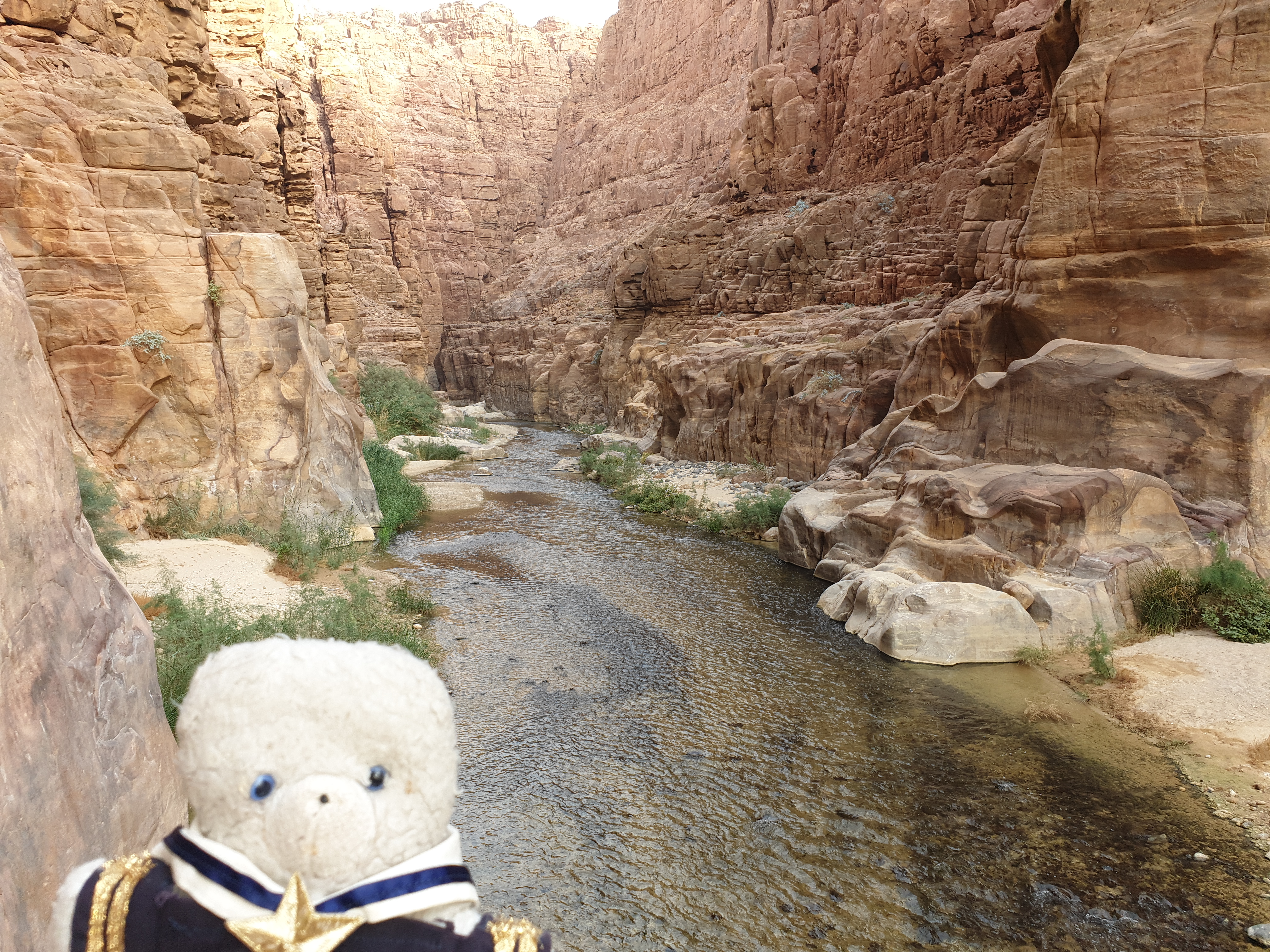
Finally the road reached the Dead Sea, and became more interesting. The sea itself is not pretty – flat and grey – but is lined on the Jordanian side by impressive mountains and occasional splashes of green where a wadi runs out from the mountains into the sea. I stopped to have a look at one of these wadis.

20191106_151455


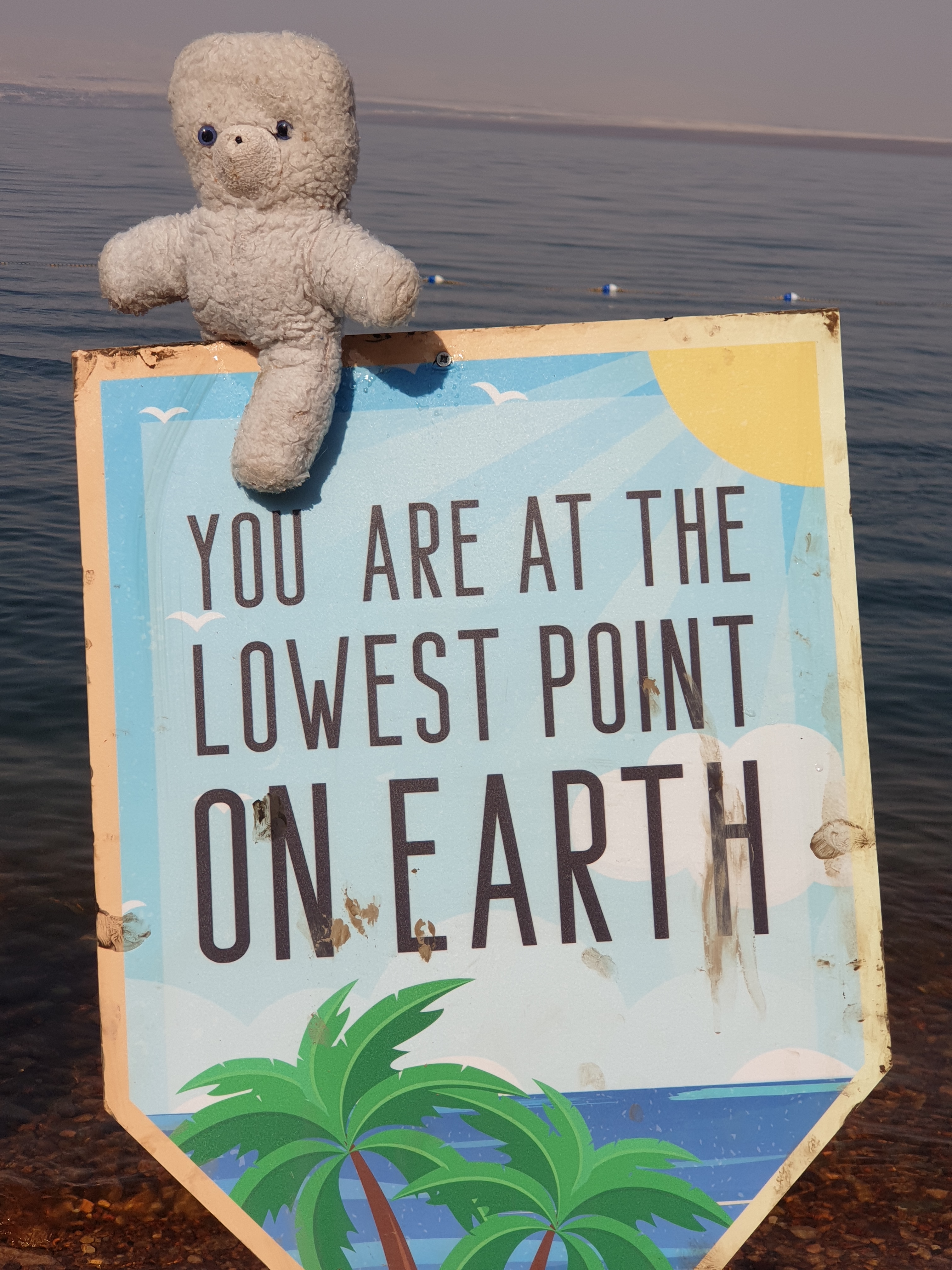
The Dead Sea is formed by water mostly from the Jordan river. It is the lowest place on planet earth, meaning that the water arriving there has nowhere to go and can only evaporate in the desert sun, leaving salt behind.

20191107_093650

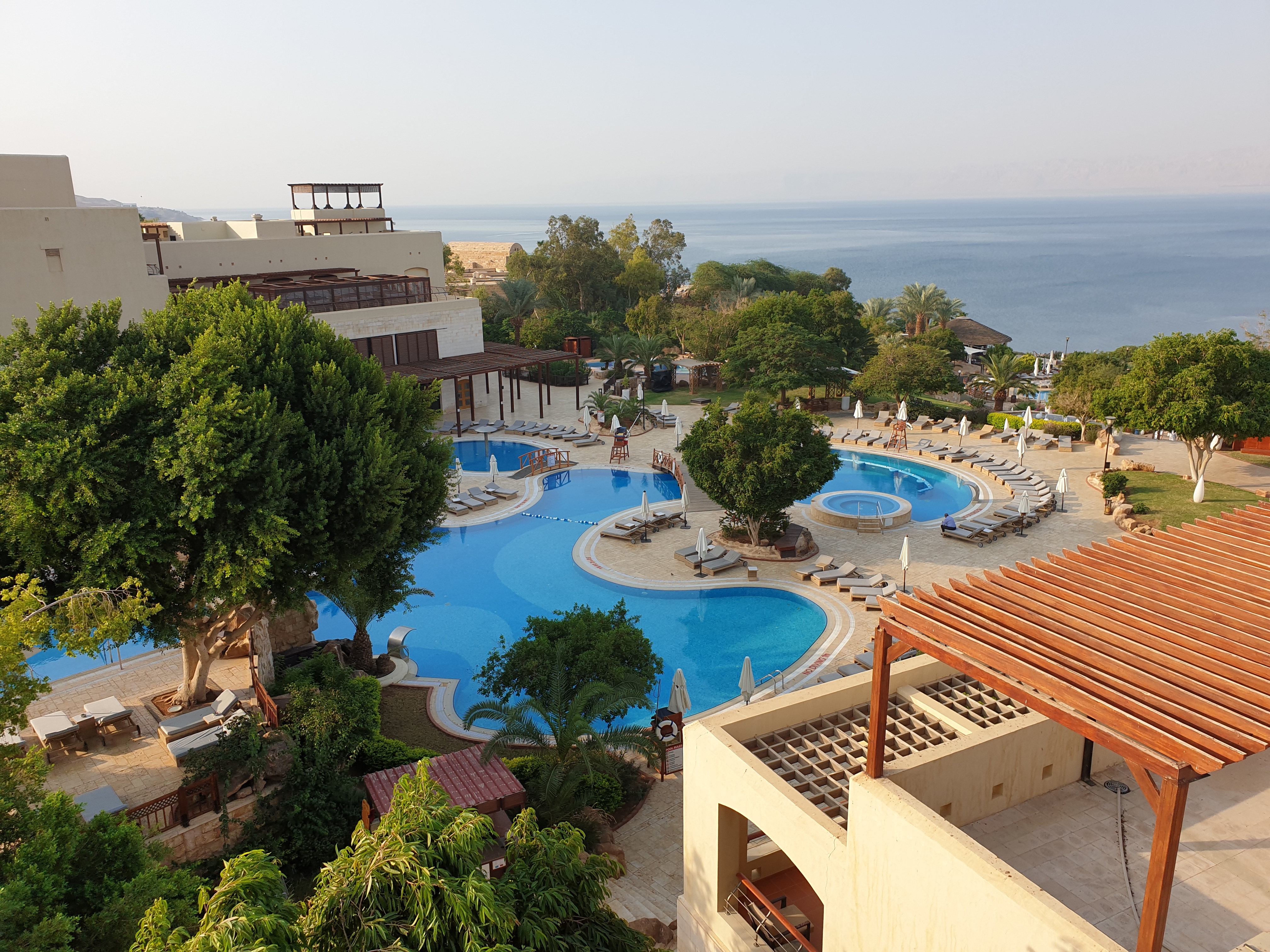
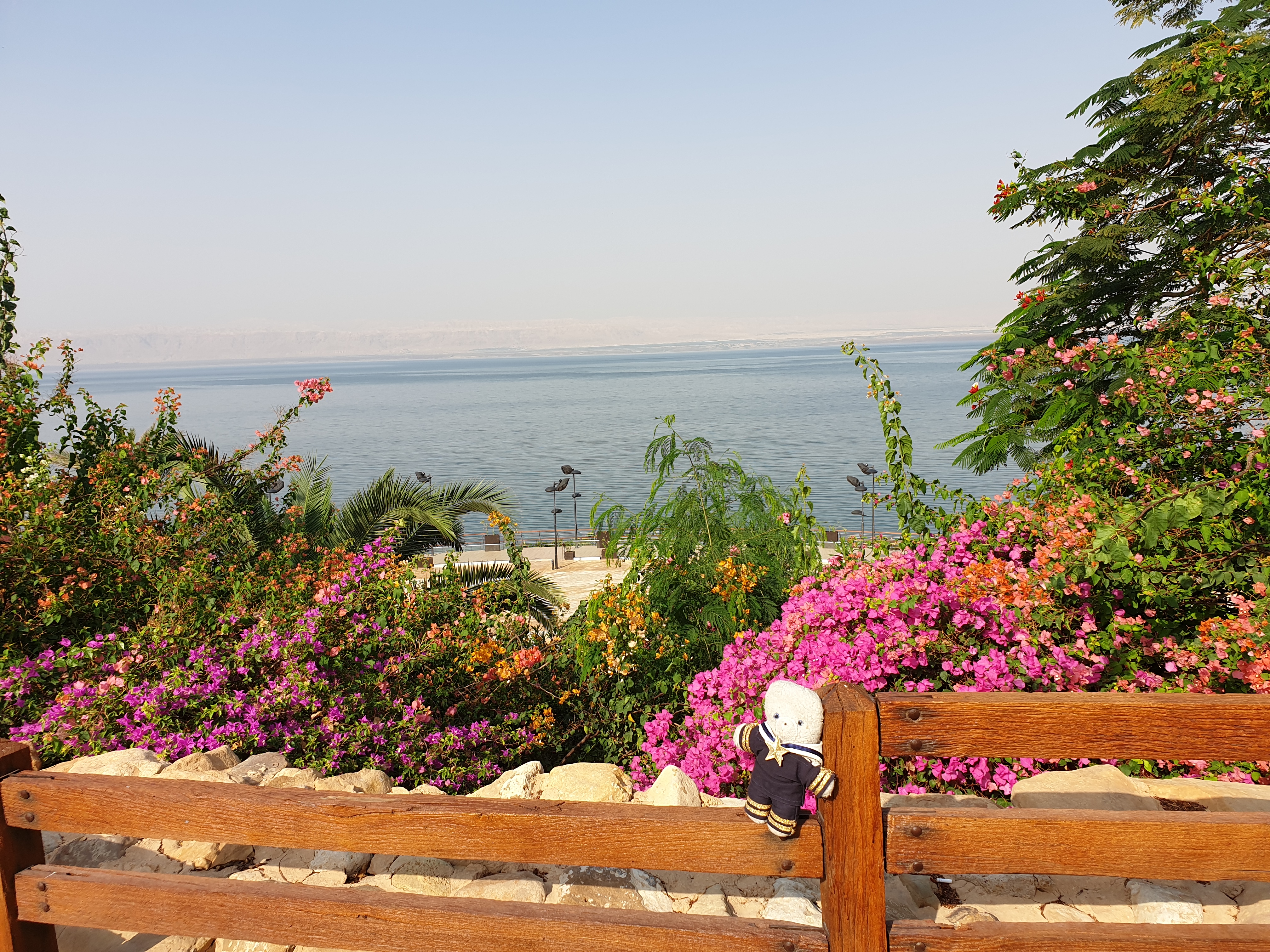
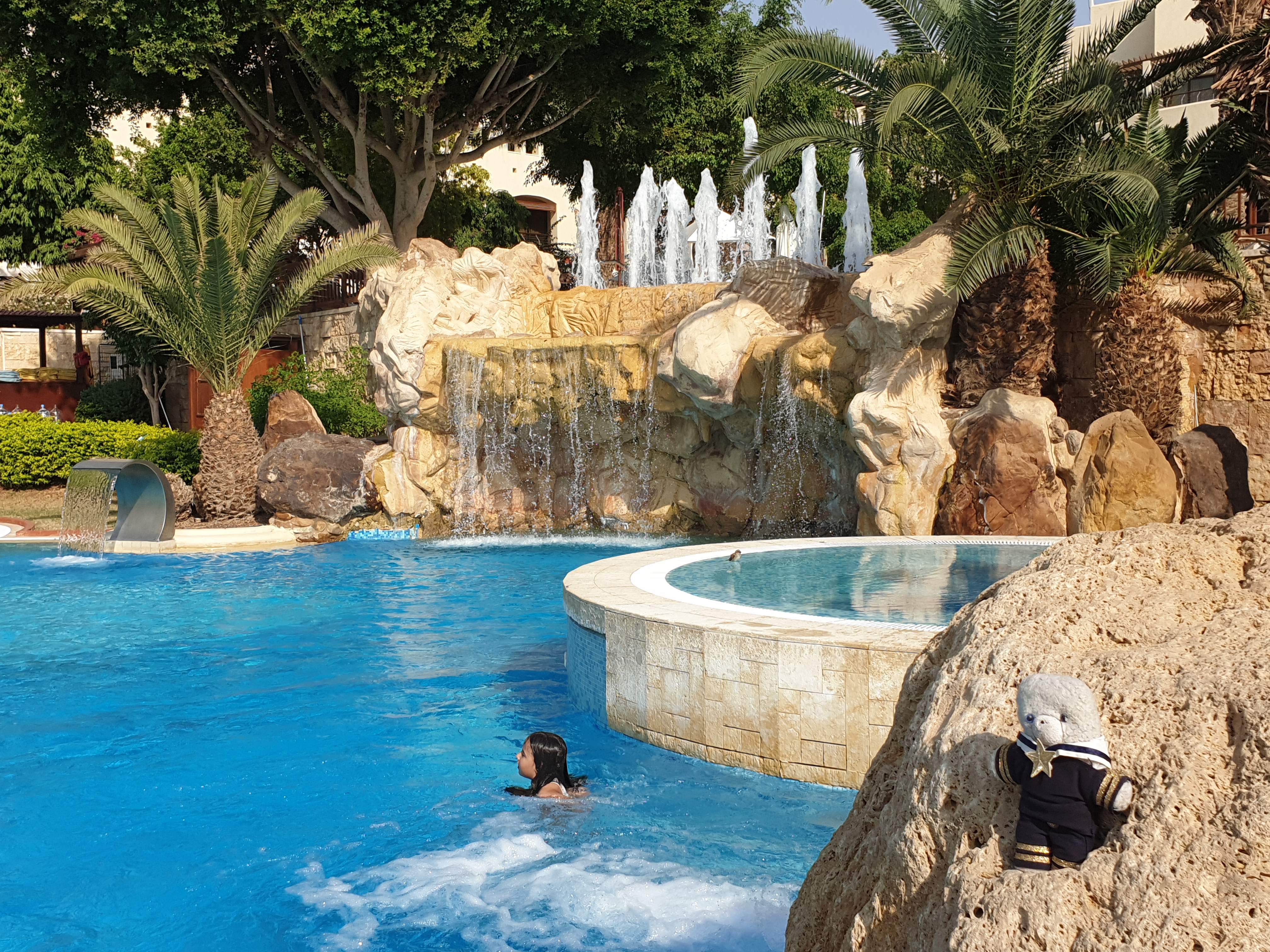
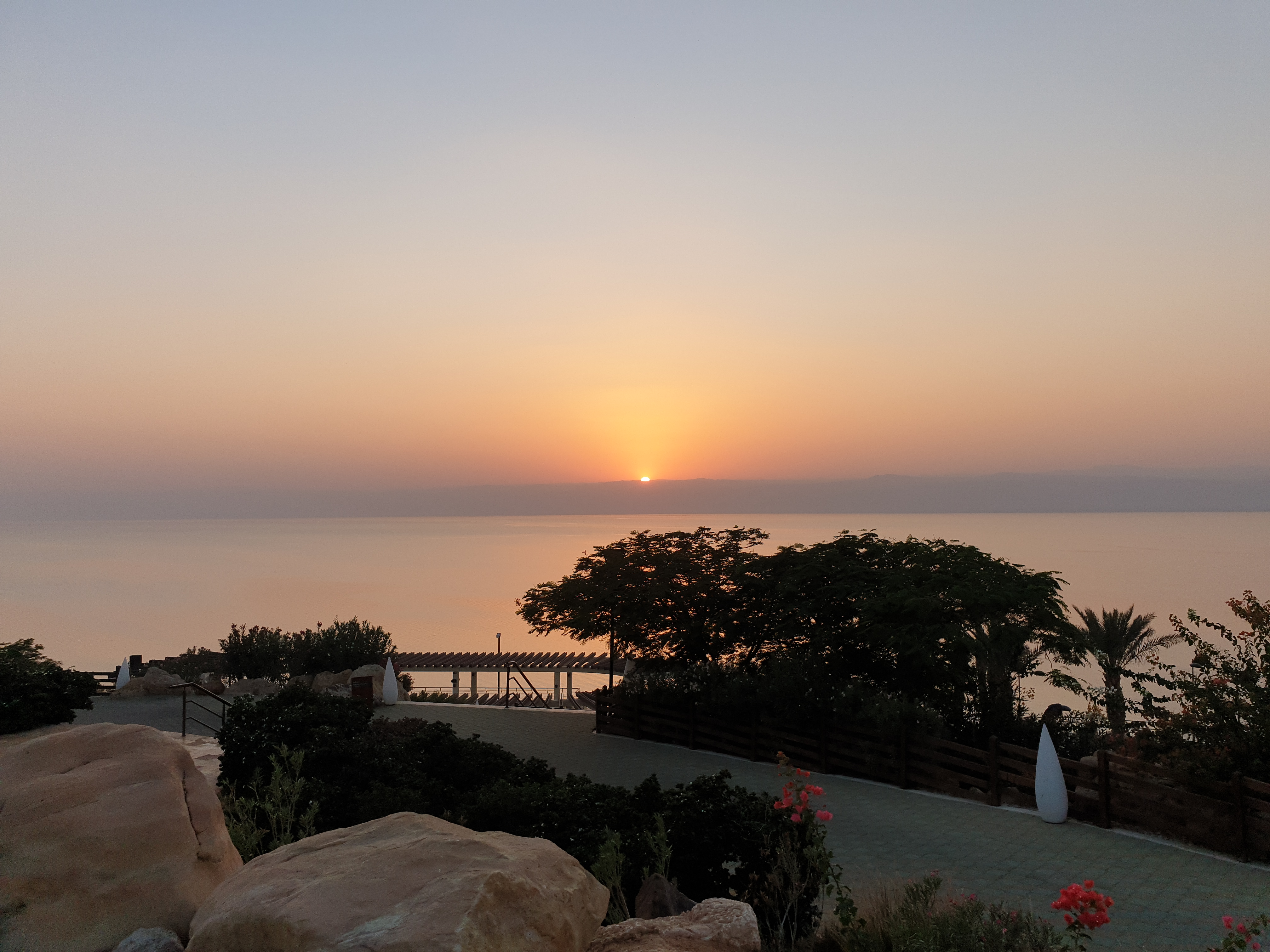
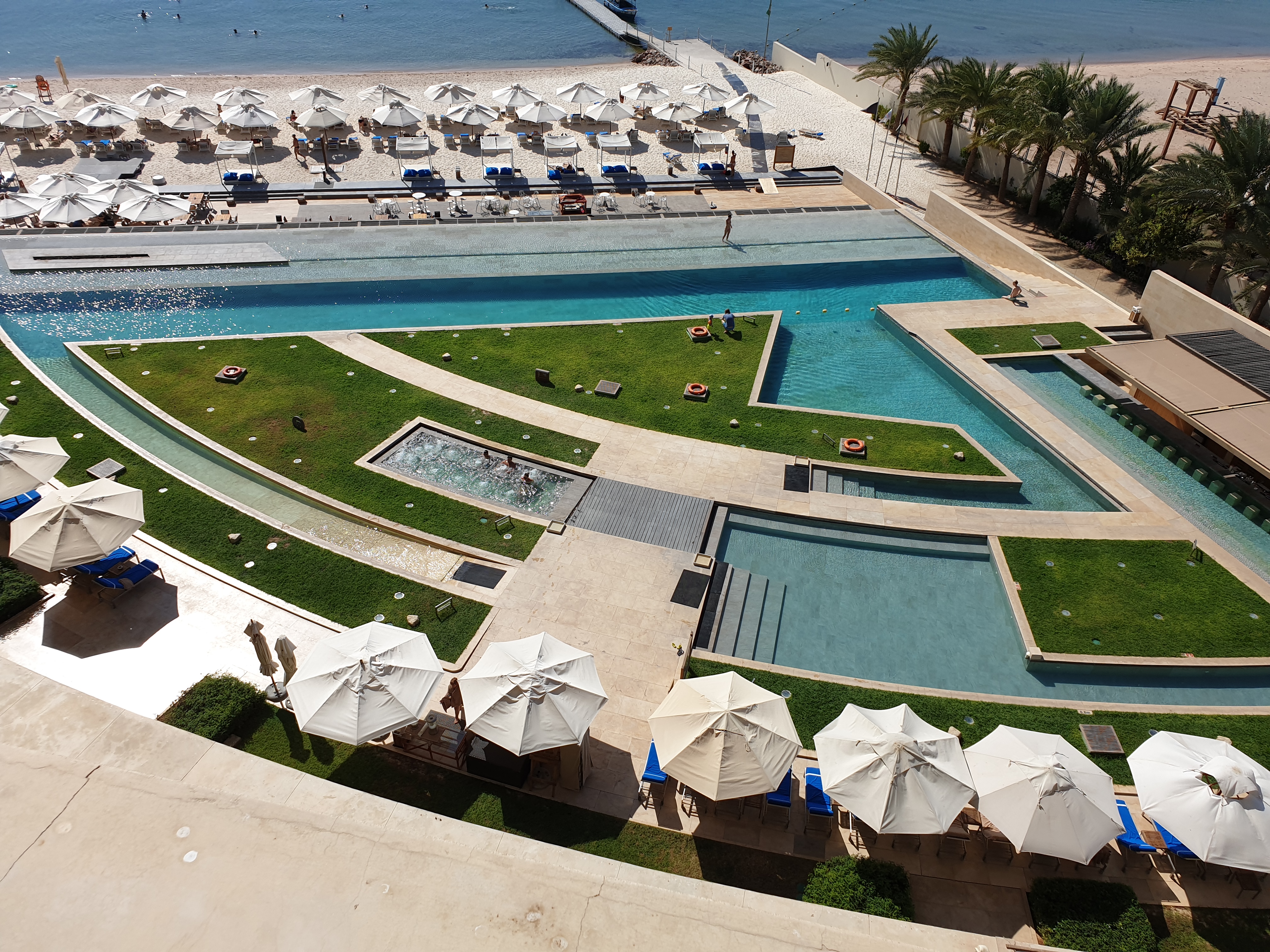
Over thousands of years the water in the Dead Sea has become eight time saltier than sea water. I drove along the side of the sea, passing a few villages and also factories producing minerals from the sea’s salt, and just before sunset arrived at a place called Suweimeh, where several luxury spa resorts have been built. I checked in to my room; although I had a great view of the Dead Sea, there was no spectacular sunset today. Instead the sun simply faded into a thick bank of grey mist, as if it was tired from its exertions baking the desert. I spent the rest of the day exploring the huge resort, which is built on several levels with an artificial river splashing down through various swimming pools.

20191107_074936

20191107_091422

After the dryness of the surrounding desert, the trees and flowers of the resort felt a bit surreal. I then enjoyed Happy Hour and lounging in the various hot tubs and saunas in the spa. Like the sun, I too felt strangely tired and didn’t even feel hungry enough for dinner. Instead I collapsed into bed and slept soundly.

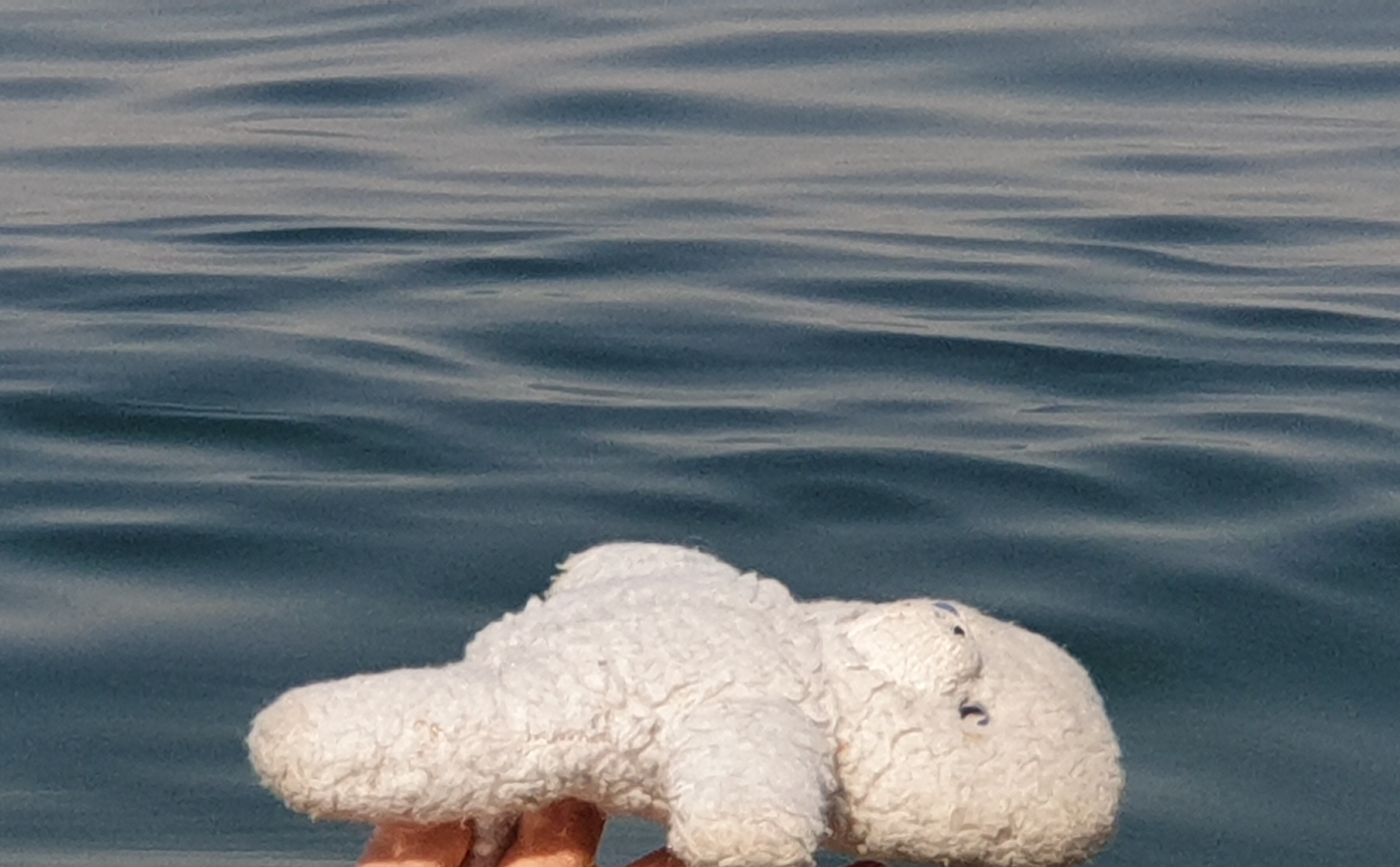
The next day I had breakfast quickly and then headed straight down to the hill to the beach, to try swimming in the Dead Sea for myself. The water feels thick and oily as you wade into it, and the salt stings any small cuts or scrapes you might have. Being a bear I was glad that I didn’t need to shave, because they say the water really irritates the small cuts you get from shaving. As I went in a bit further, the buoyancy of the salty water lifted my little legs off the bottom and I found myself floating on the surface.

20191107_093259bis


It was hard to find a stable position – when I tried to swim on my tummy the sea would roll me around onto my back and push me up out of the water. Finally I realised that the best thing to do was just lie perfectly still on my back and bask in the morning sun.


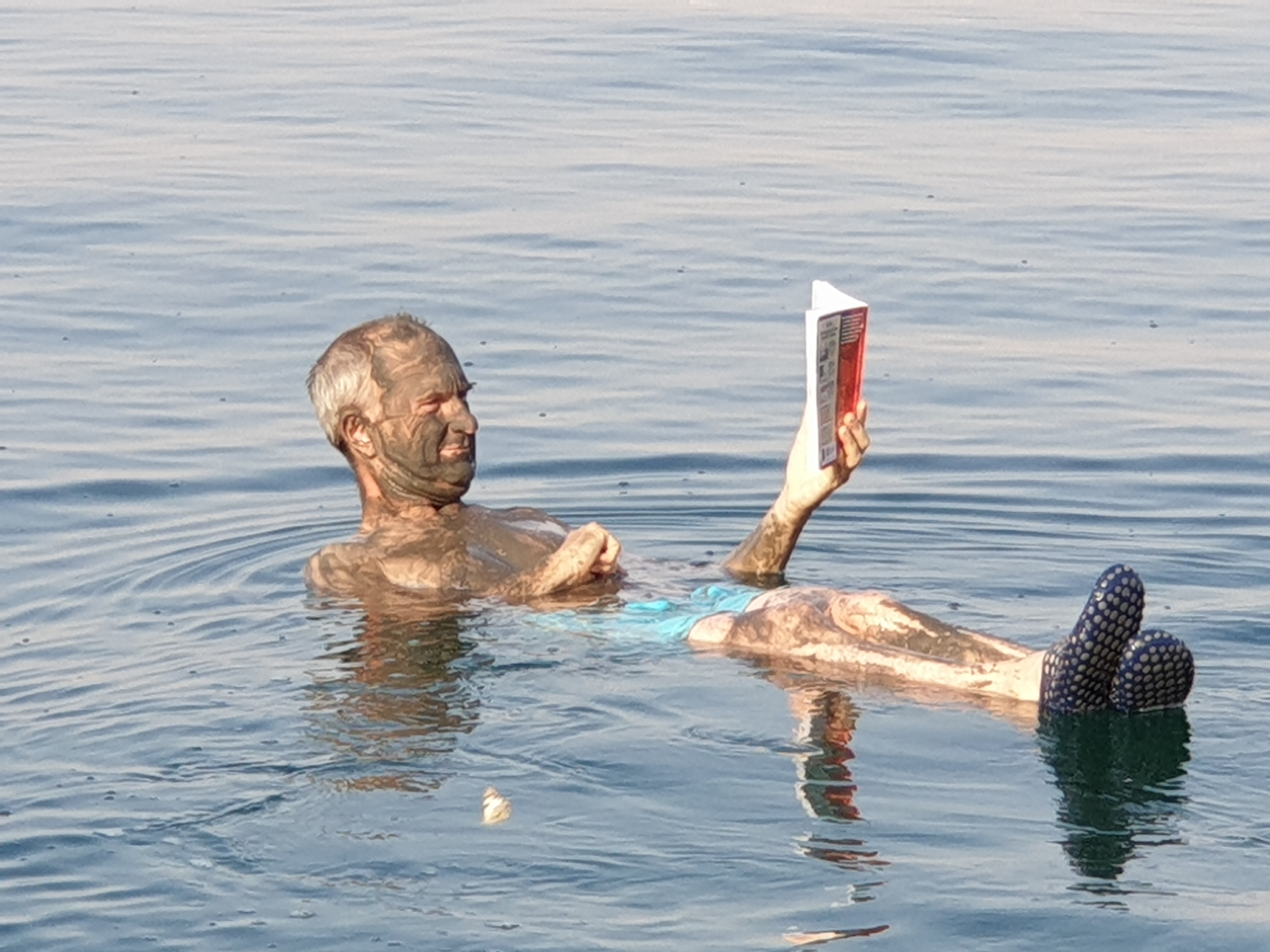
Unlike normal sea water no movement at all from my arms or legs was needed to stay afloat. All around me other, human, guests were venturing into the water. Some were happily reading their guidebooks whilst bobbing around on their back.

20191108_082558

Others were wallowing and rolling like I did when I first dipped in. Yet more human guests had found some black Dead Sea mud and were smearing it over their bodies, claiming that it was somehow “good for you”. I didn’t believe this and didn’t want to get my fur dirty, so I left them to it.

After I had floated around for half an hour, I got a bit bored. I was tired of watching silly mud-covered humans, and now that the sun was higher in the sky, it was very hot. I left the beach and spent the rest of the day trying the resort’s many different swimming pools, popping back to the cool of my room during the hottest part of the day to write my blog, whilst the temperature outside hovered around 35C.

20191107_130411

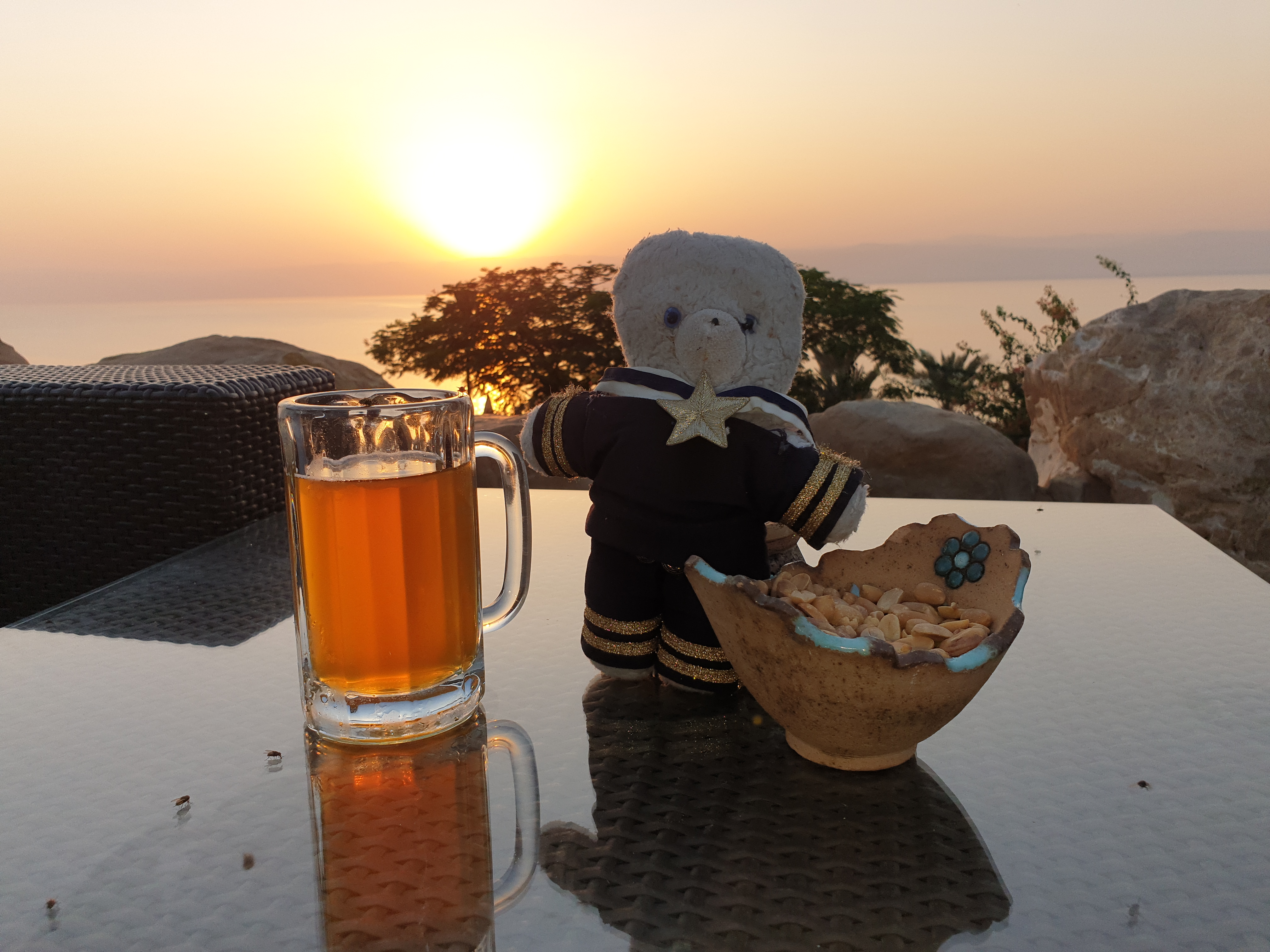
In the evening I found a nice bar with a view over the Dead Sea, and today I was rewarded with a proper sunset.

20191107_163244

I enjoyed it with a cold beer, trying to ignore a swarm of flies that seemed to have been following me around the resort for the whole afternoon.

20191107_162323

Aqaba and the Red Sea

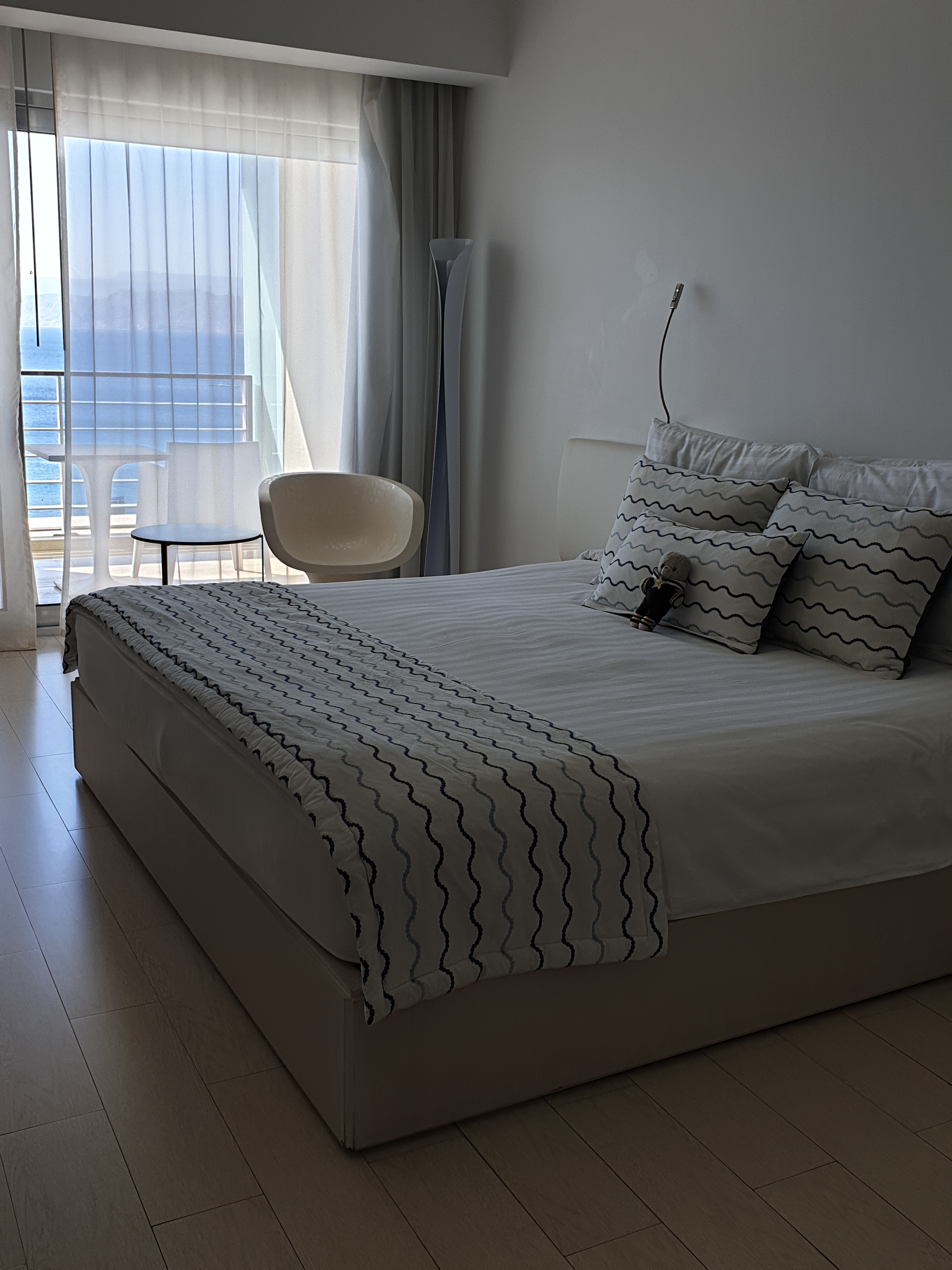
Next morning and with regret, I said goodbye to Saleem at the campsite and jumped into the 4×4 for a ride to the village. From there it was a short drive in my car to Aqaba, where I checked into a luxurious hotel. Fortunately I could check in early and from my room there was a brilliant view of the Red Sea.

20191104_120611

I spent the rest of the day enjoying the hotel’s big swimming pool and the much warmer water of the sea.

20191104_120702

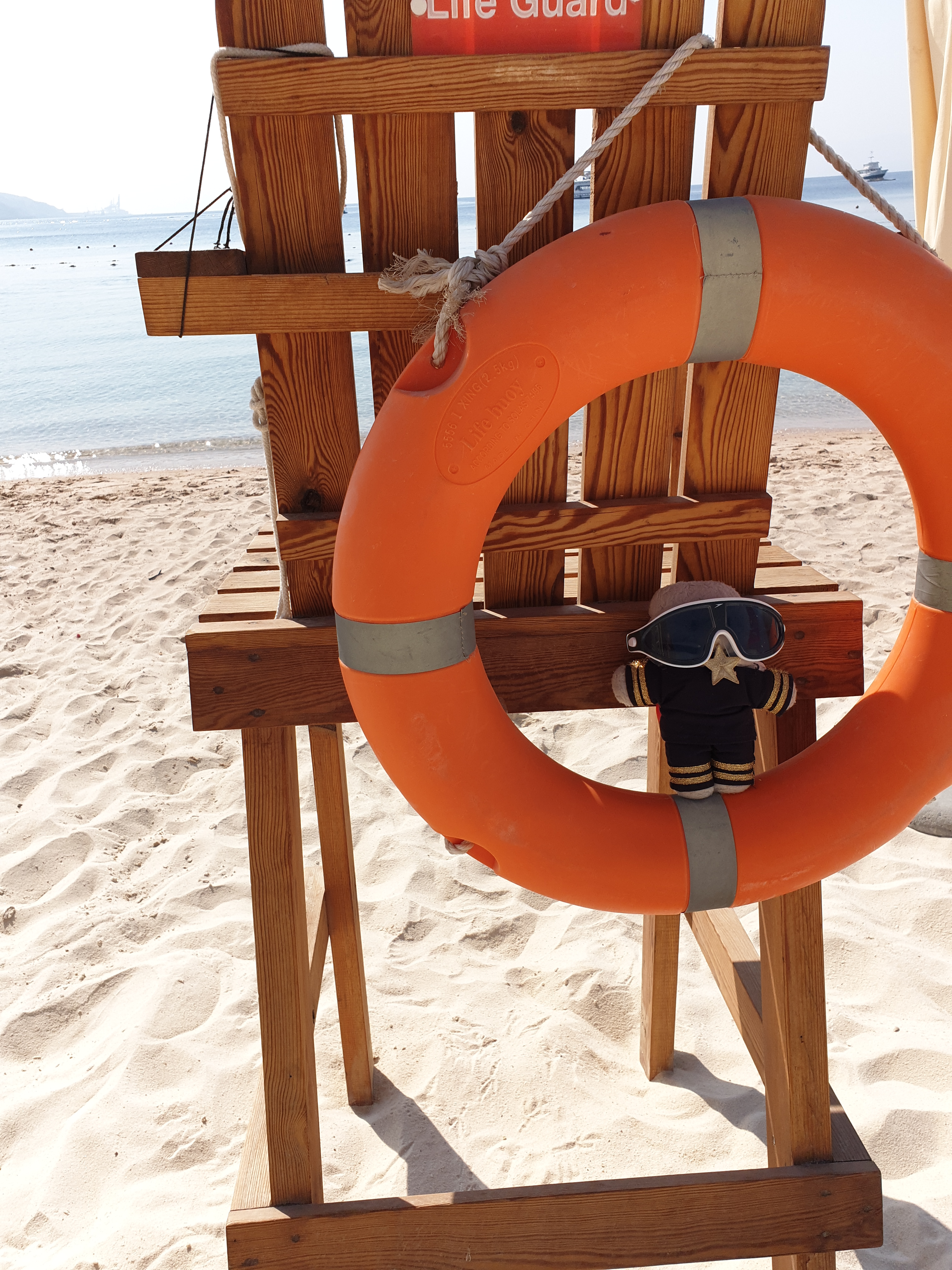
I put on my swimming mask and managed to see a few fish, some of who came up and looked at me curiously – I don’t suppose they see many teddy bears swimming here.

20191106_112859

In the evening I tried the hotel’s open air jacuzzi.

20191104_171515

I went for dinner in the Royal Yacht Club next door to the hotel, where the portions were enormous and the food very tasty – it was a nice change to finally eat fish, after a diet almost entirely of chicken, rice and humous.
Since Jordan’s coastline is only 26km long – a narrow strip sandwiched between Saudi Arabia and Israel – it makes sense to have the Royal Yacht Club here. King Abdullah is also a keen diver, so there is a Royal Diving Club too. The Red Sea is reputed to be one of the world’s best diving locations, so on the next day I set off to a beach club a few km out of town to go diving. Outside the city of Aqaba, the road rather strangely passed through a big container port before leading to a series of hotels and beach clubs. I hadn’t been diving for over 15 years so I was lucky to find a diving shop willing to do a short refresher course and a couple of dives, and with bear-sized equipment. It turned out that I really need the refresher course, since diving equipment had changed a bit and there were new signals for communicating underwater. The instructor made me a do a few exercises in shallow water – clearing water from my mask, taking my regulator (the thing you breathe from) out of my mouth and finding it again with my eyes shut, and achieving neutral buoyancy in the water. He then deemed me ready to go explore the wreck of a sunken cargo ship which was lying nearby in slightly deeper water. King Abdullah is such a keen diver that he has ordered various objects to be sunk in the sea near the shore; there they form a base for small coral reefs to form, which makes for good diving.
After exploring the ship, we surfaced, had lunch, and I did some snorkelling whilst waiting out the required safety intereval before I could dive again. Our next dive was to visit two more objects the King had had dropped in the sea – a military tank, and a large Hercules transport airplane. There were lots of colourful fish and the instructor even took me to swim inside the wreck of the plane; in the cockpit they had put a skeleton with a pilot’s helmet. I was very happy that the two dives passed without major problems and made sure that I got my dive logbook stamped with a record of the day’s activities, to make it easier to book diving next time.
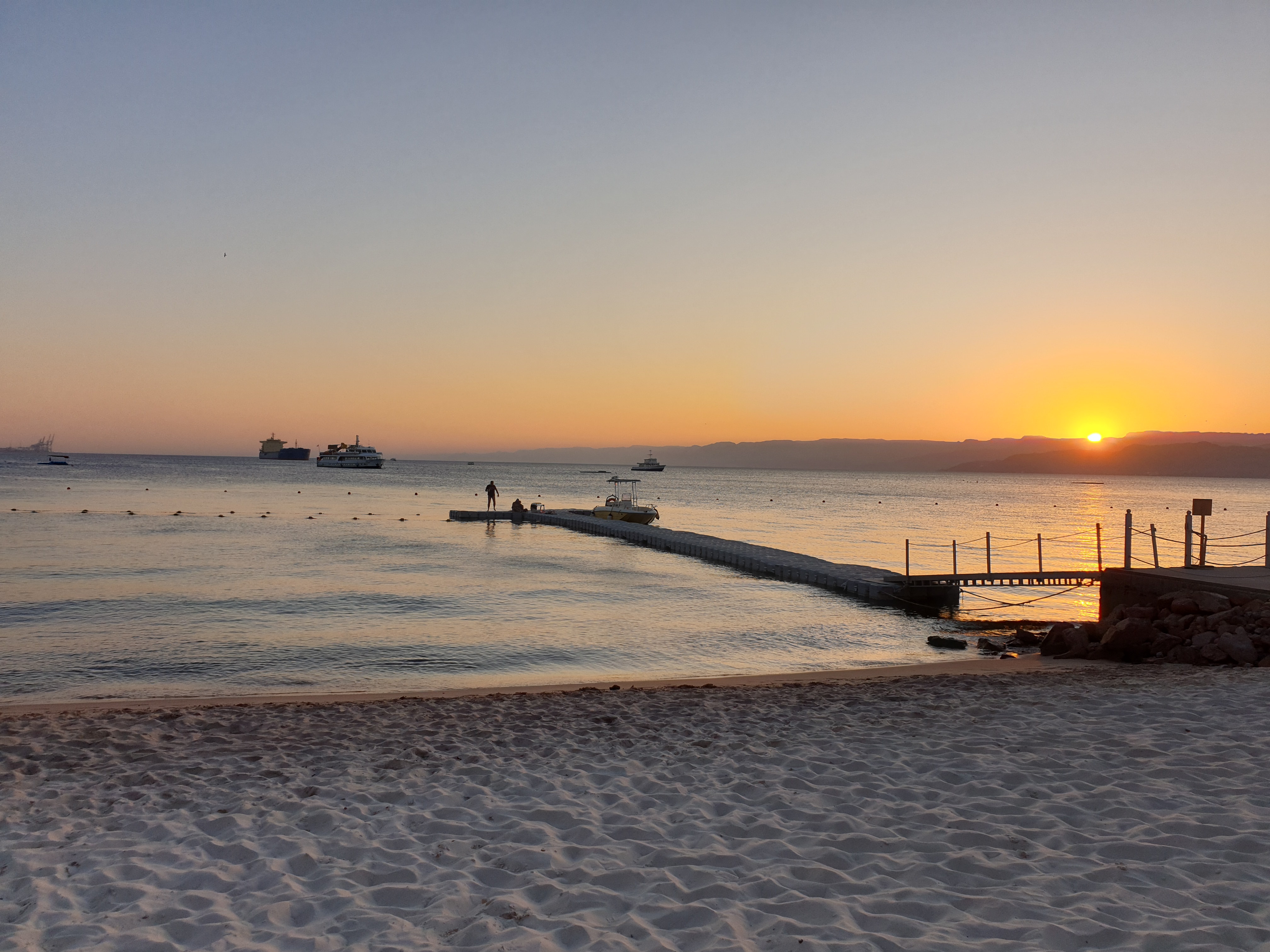
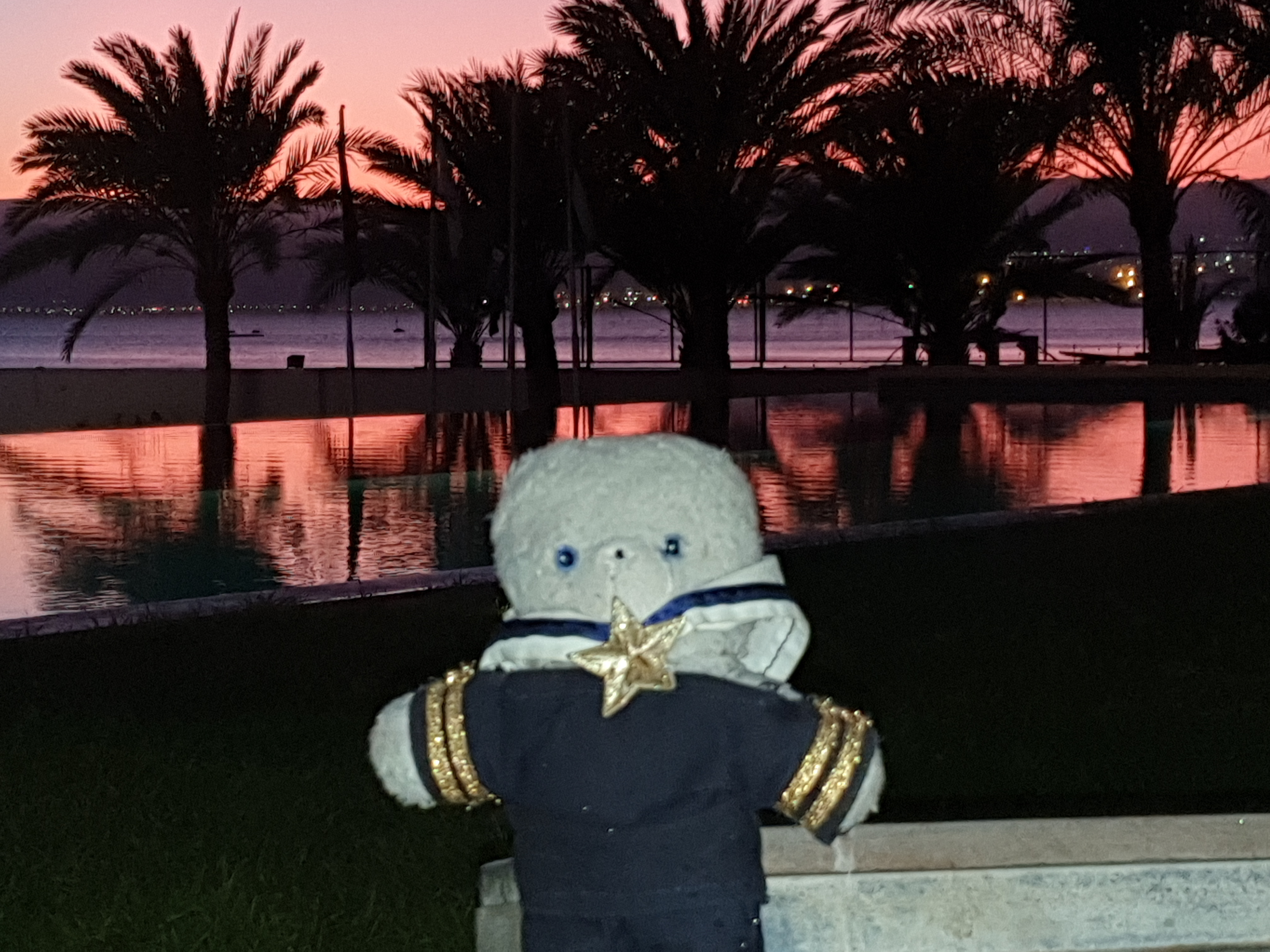
Sorry no pictures of all this – I don’t have an underwater camera. Instead here are some pictures of sunset back at my nice hotel.

20191104_164021

20191104_171553

Exploring Wadi Rum

Today I had booked a full-day excursion with a 4×4 around Wadi Rum. Breakfast was really nice and copious – from my seat I had a striking view of the desert. Then I jumped into the back of a Toyota 4×4 pick-up truck. The driver had arranged benches and cushions along each side, with a little canvas canopy to protect from the sun. The view was much better than it would have been from a standard seat in a car, and I really felt close to the desert.

20191103_104255
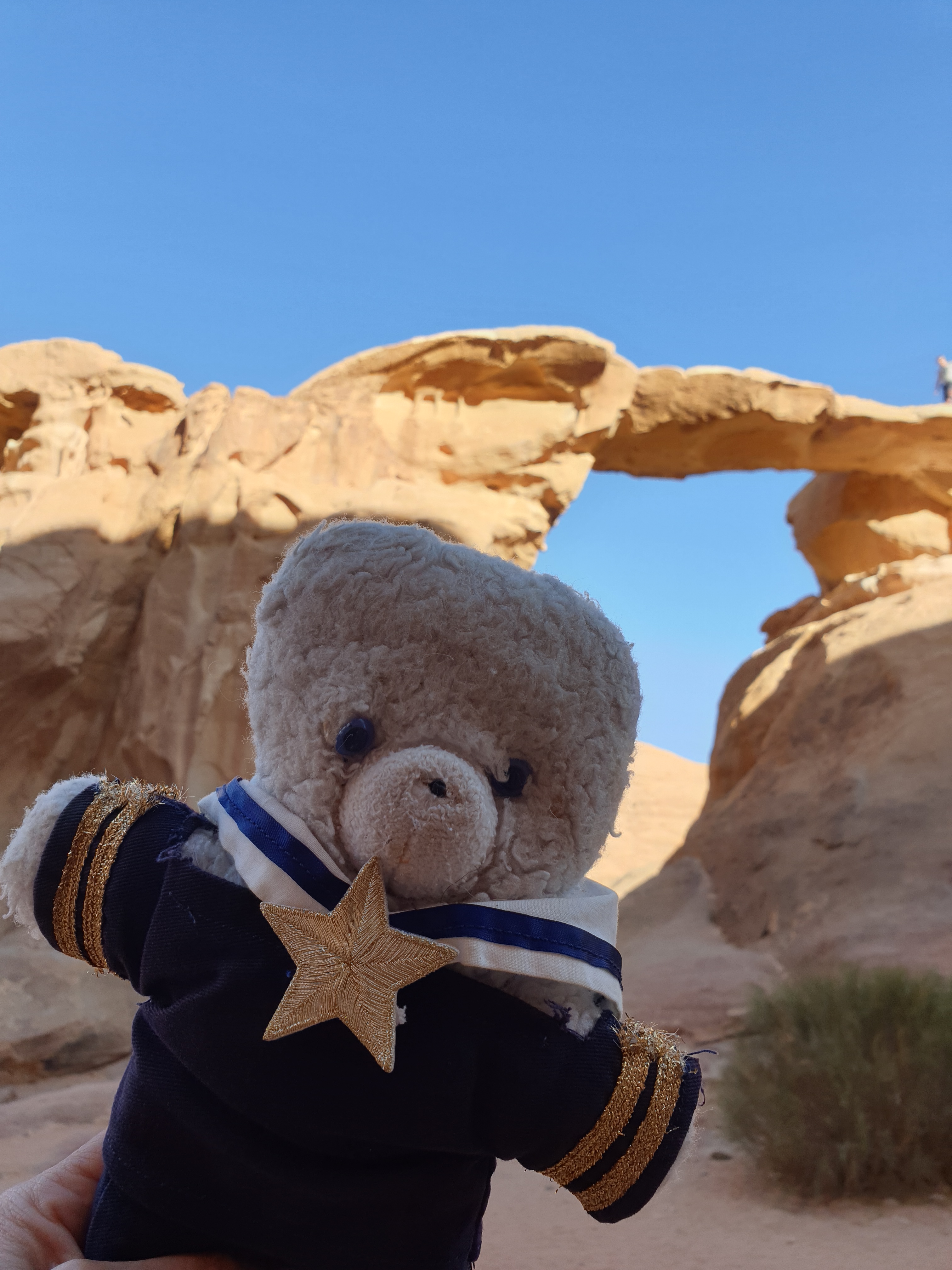
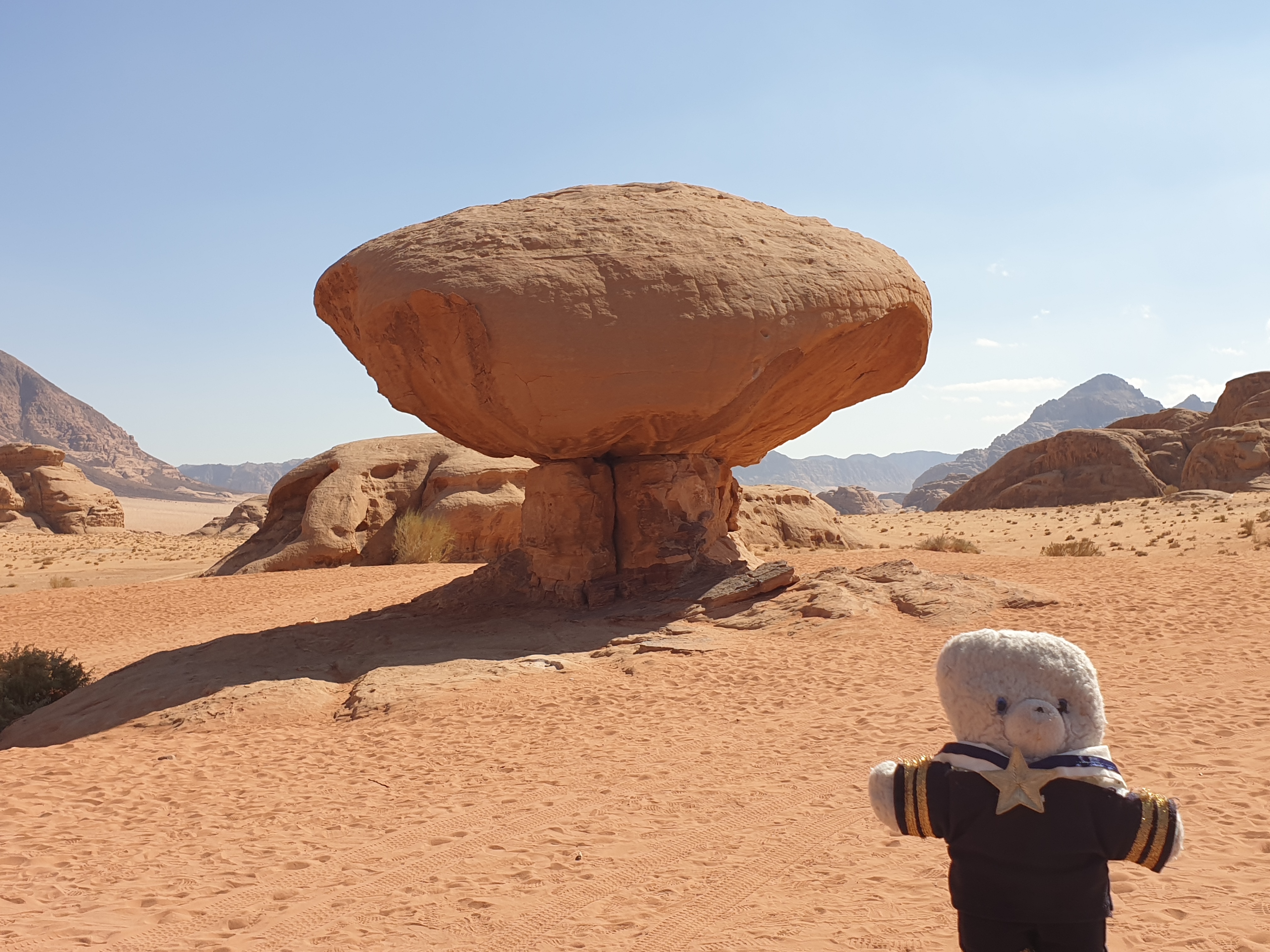
The tour included 8 sites of interest in the Wadi Rum reserve. Some of these were associated with Lawrence of Arabia, although I thought the clever Jordanians were simply using his name to turn very ordinary objects into supposed places of interest. Lawrence’s spring turned out to be a pool of green stagnant water reached after a steep scramble over boulders – although the view was nice. “Lawrence’s house” was an undistinguished pile of stones, that might once have been lived in by someone, but probably not Lawrence. To be honest the first few places I visited were disappointing and swarming with small groups of tourists, each arriving with their own 4×4, mostly on half-day trips out of the camps or the visitor centre. Even our driver seemed a bit embarrassed to be showing us some of these places. I still had some fun though at a couple of places where the wind had created a natural rock bridge in the mountain and where (after standing in a queue of brave tourists) you could have your picture taken balancing precariously over the void.

20191103_145449

There was also a very interesting canyon with ancient rock paintings dating back 2000 years.

20191103_110907

20191103_111400

The day got better as we went further south in the reserve, towards the border with Saudi Arabia and out of the range of the half-day tourists.

20191103_122806

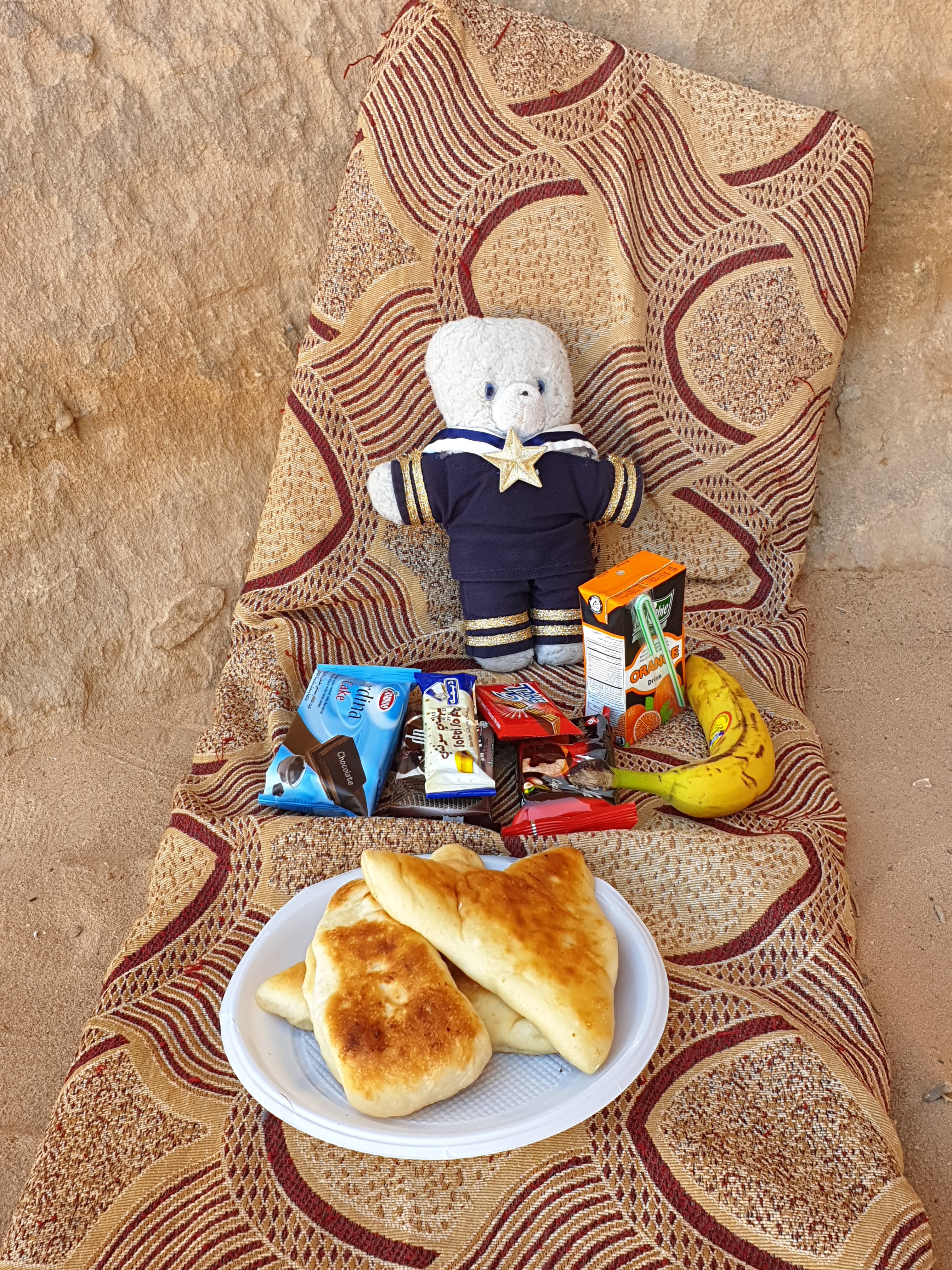
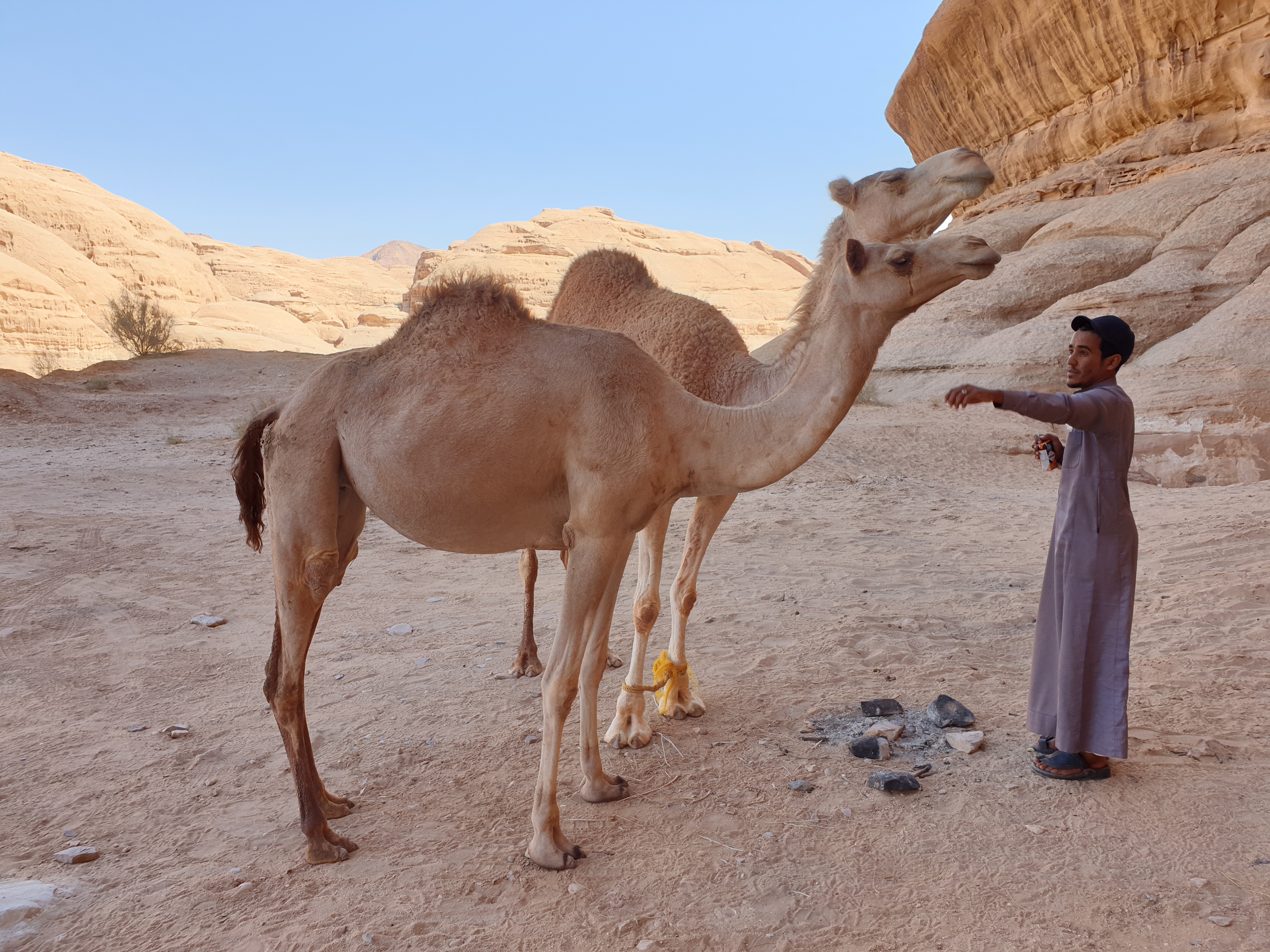
I had a huge packed lunch in a shady spot under a cliff and was visited by some curious camels.

20191103_124342

20191103_130048

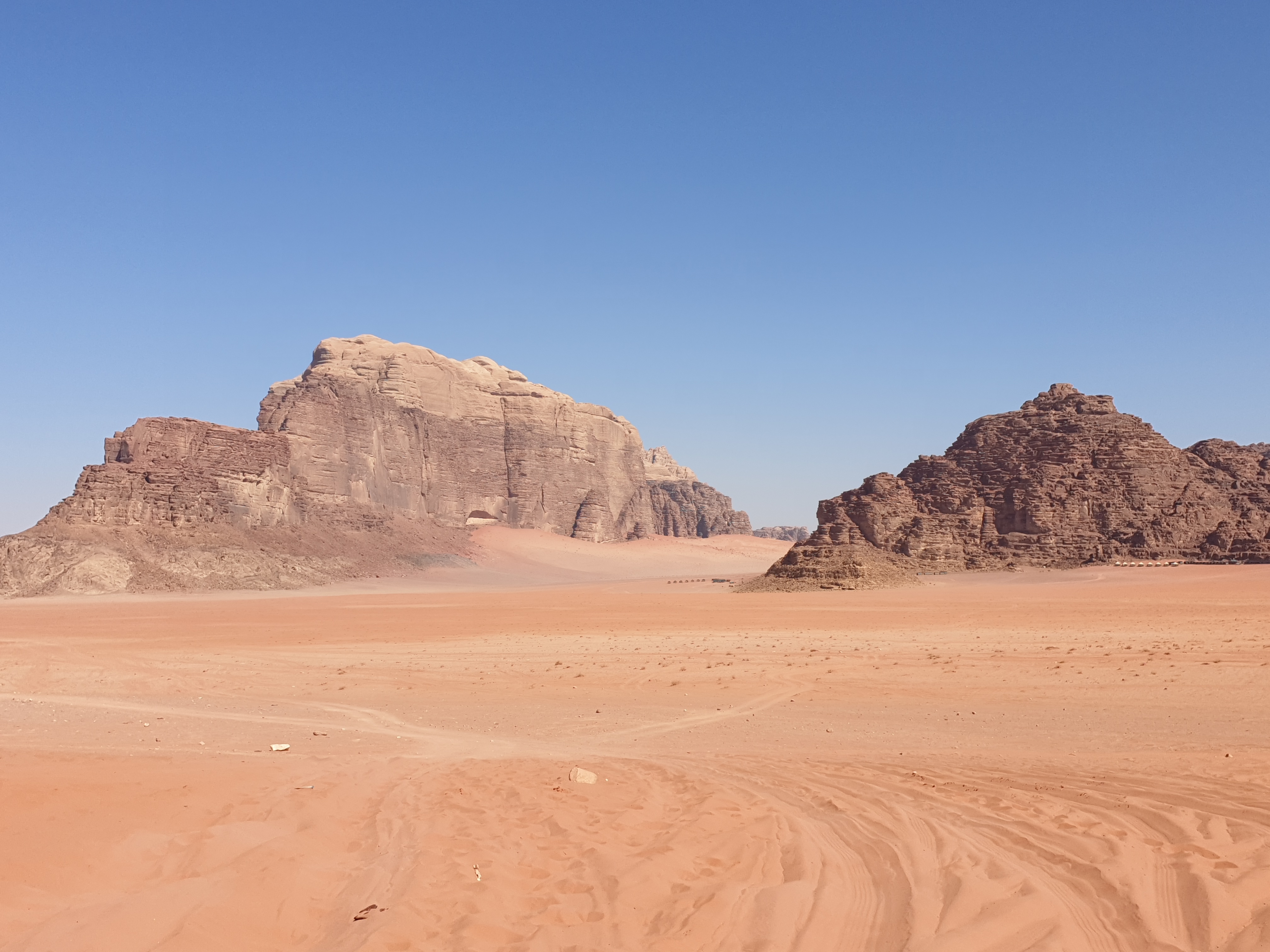
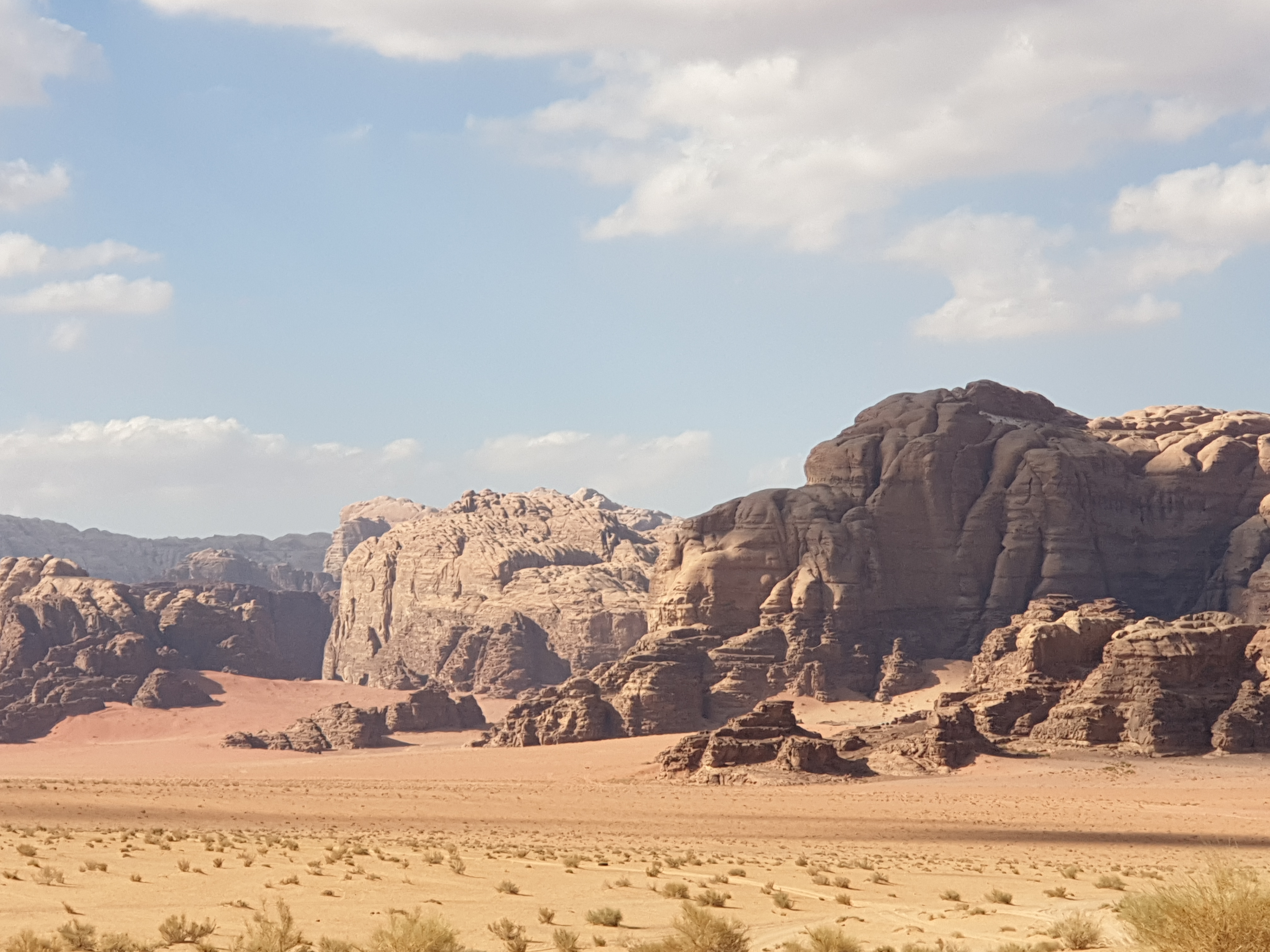
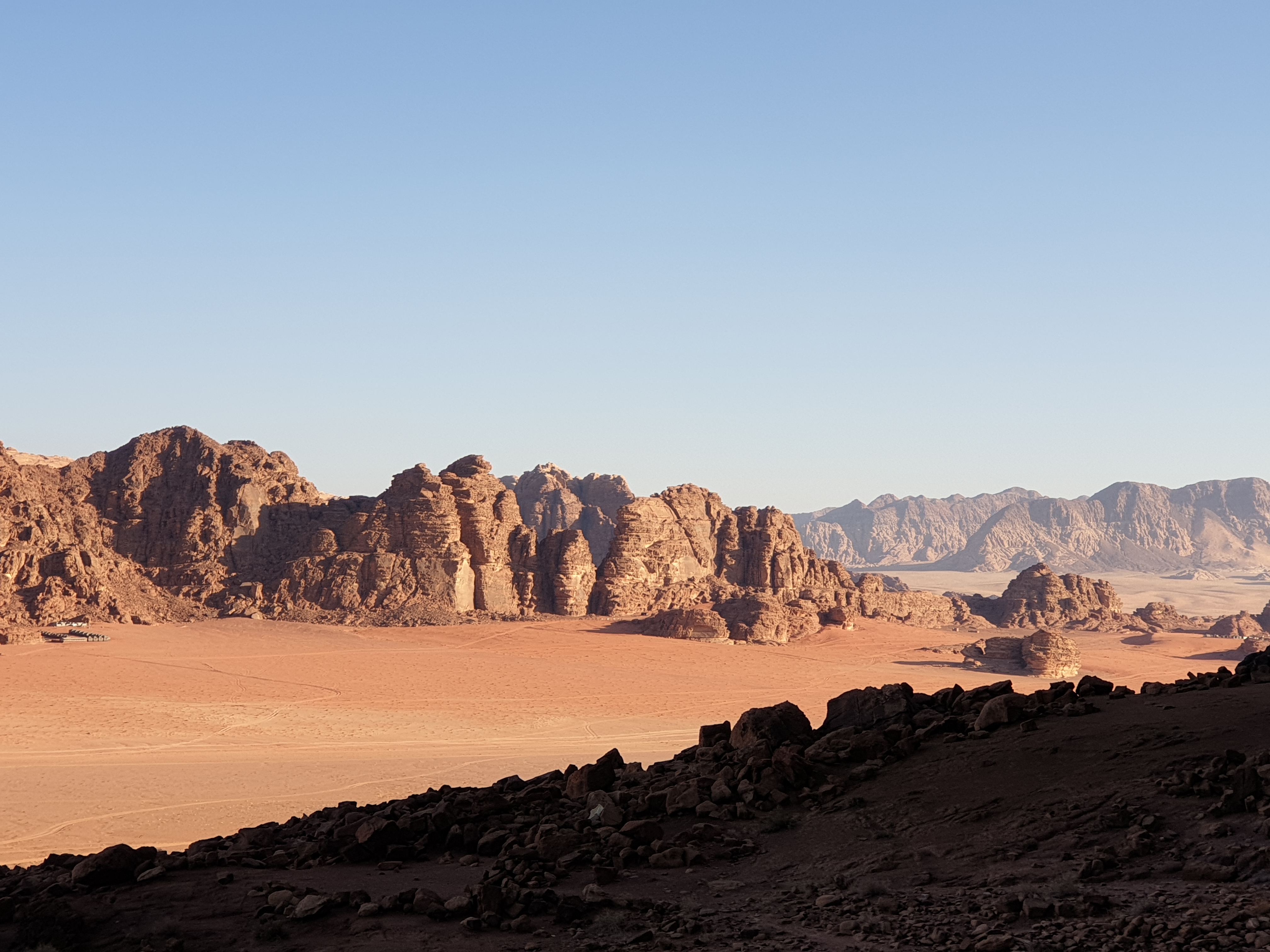
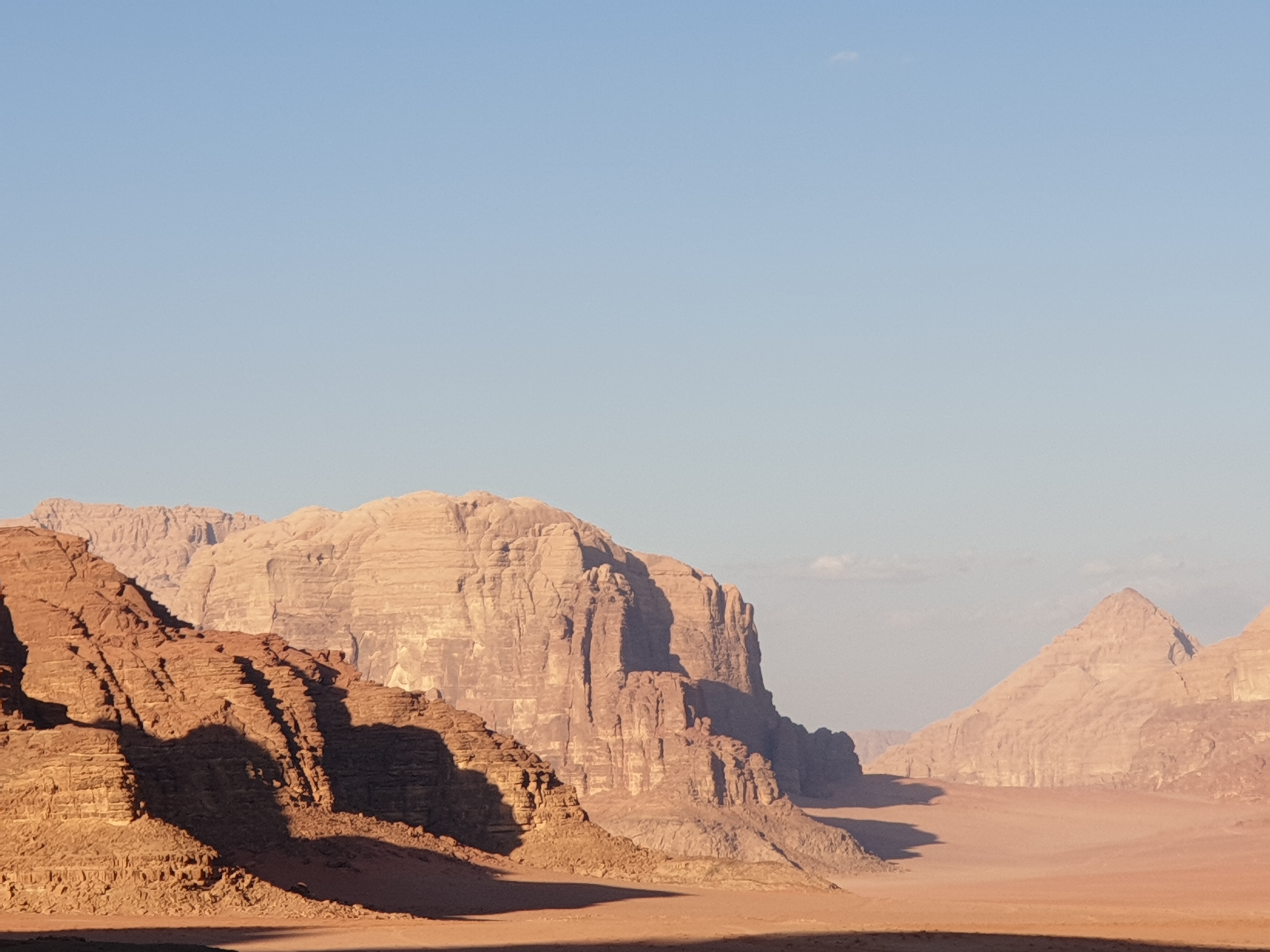
As we set off again, the view of the desert plain and surrounding steep red mountains was breath-taking – even being a very well-travelled teddy bear I had never seen anything like it. Now I understand why Wadi Rum is the standard location for shooting films set on the planet Mars (including the recent film The Martian).

20191103_134932_001


20191103_153226

20191103_153749

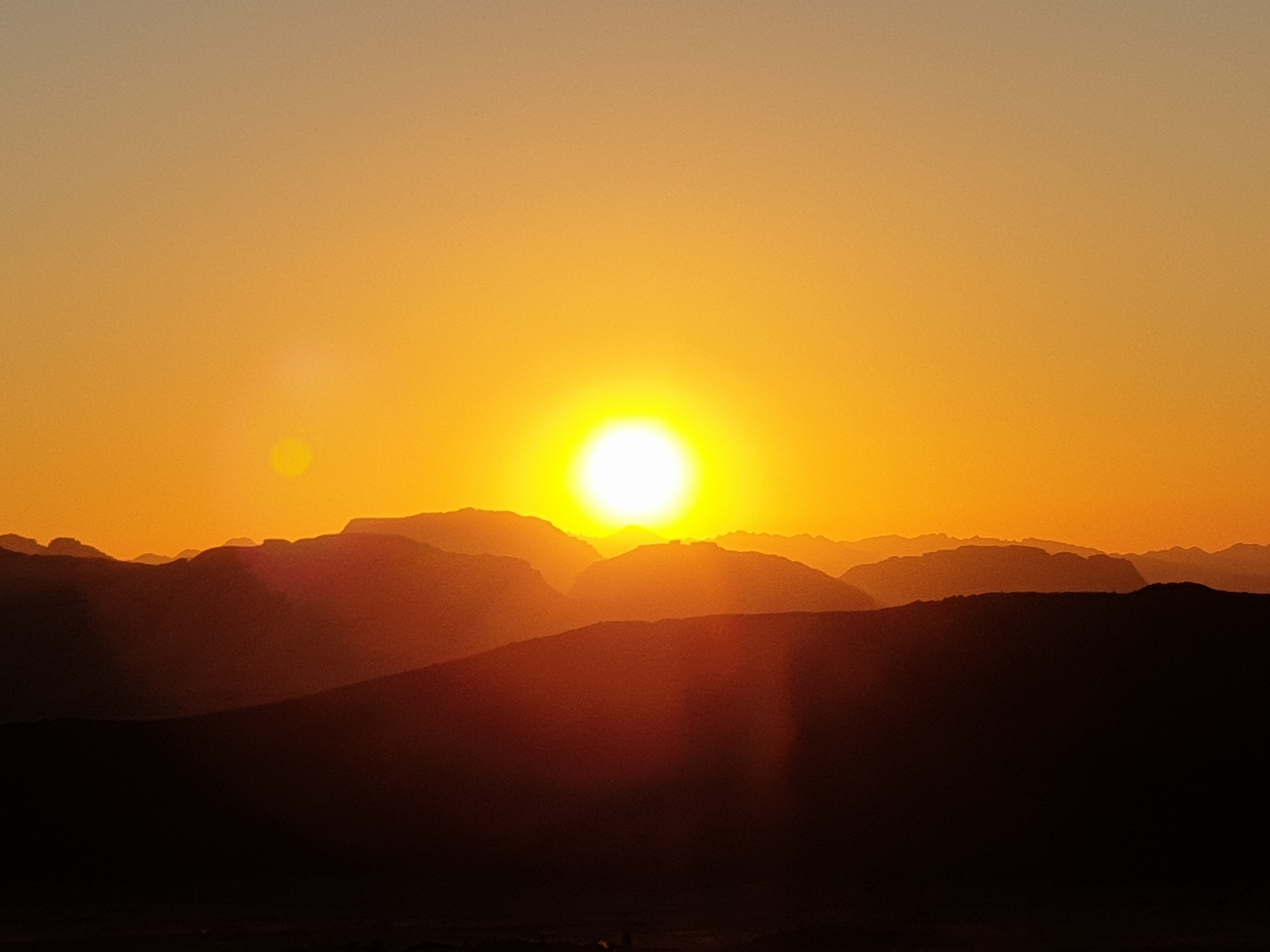
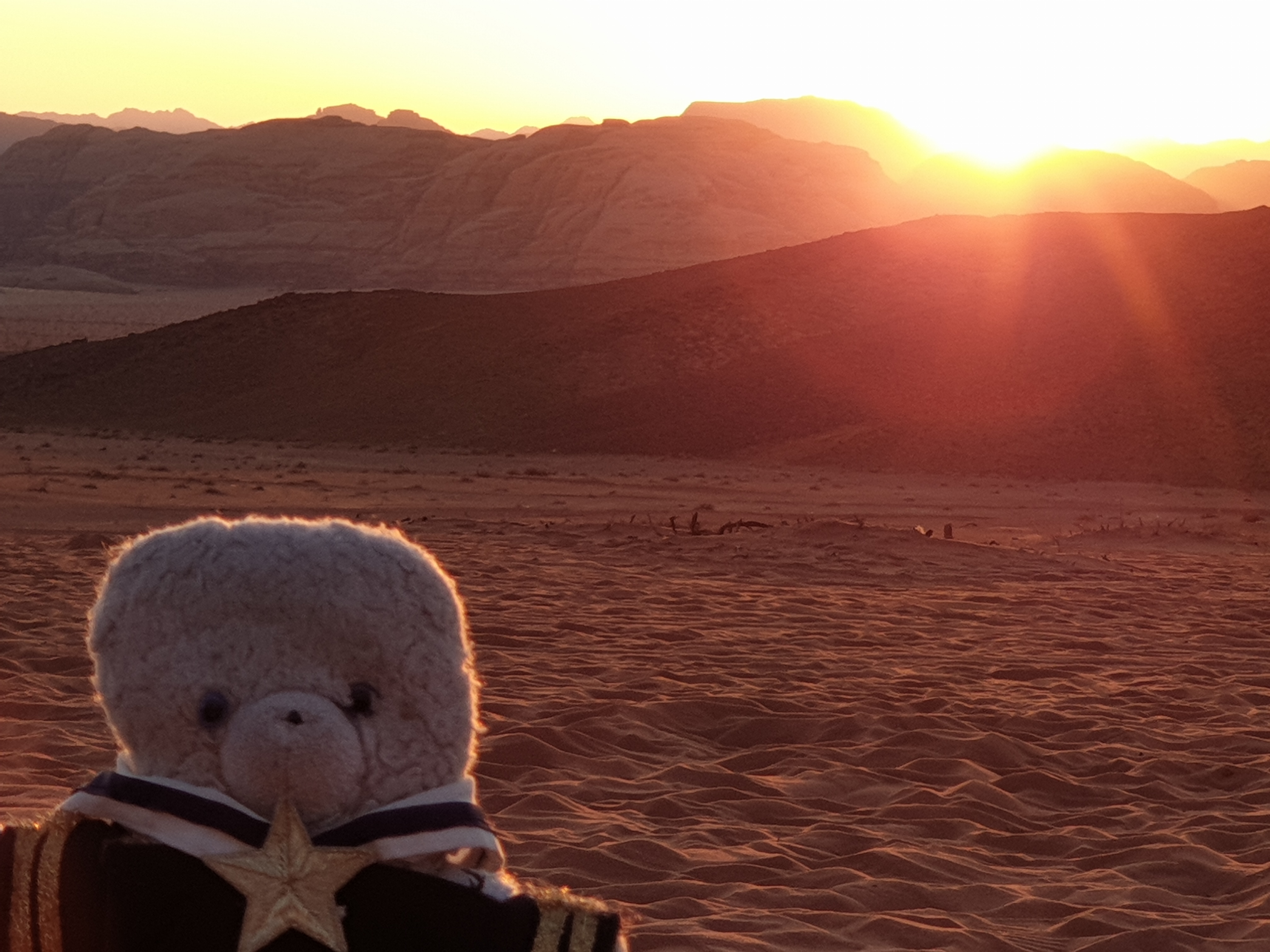
Finally at 4pm the driver stopped, lit a small camp fire and brewed tea, which we drank whilst watching the sun set in the west (over Egypt).

20191103_164207

20191103_164449

On the way back, the sky turned orange, then red, then deepening shades of purple with the first evening stars. I arrived back at the camp around twilight and was lucky enough to see a brilliant bright shooting star crossing the middle of the sky.
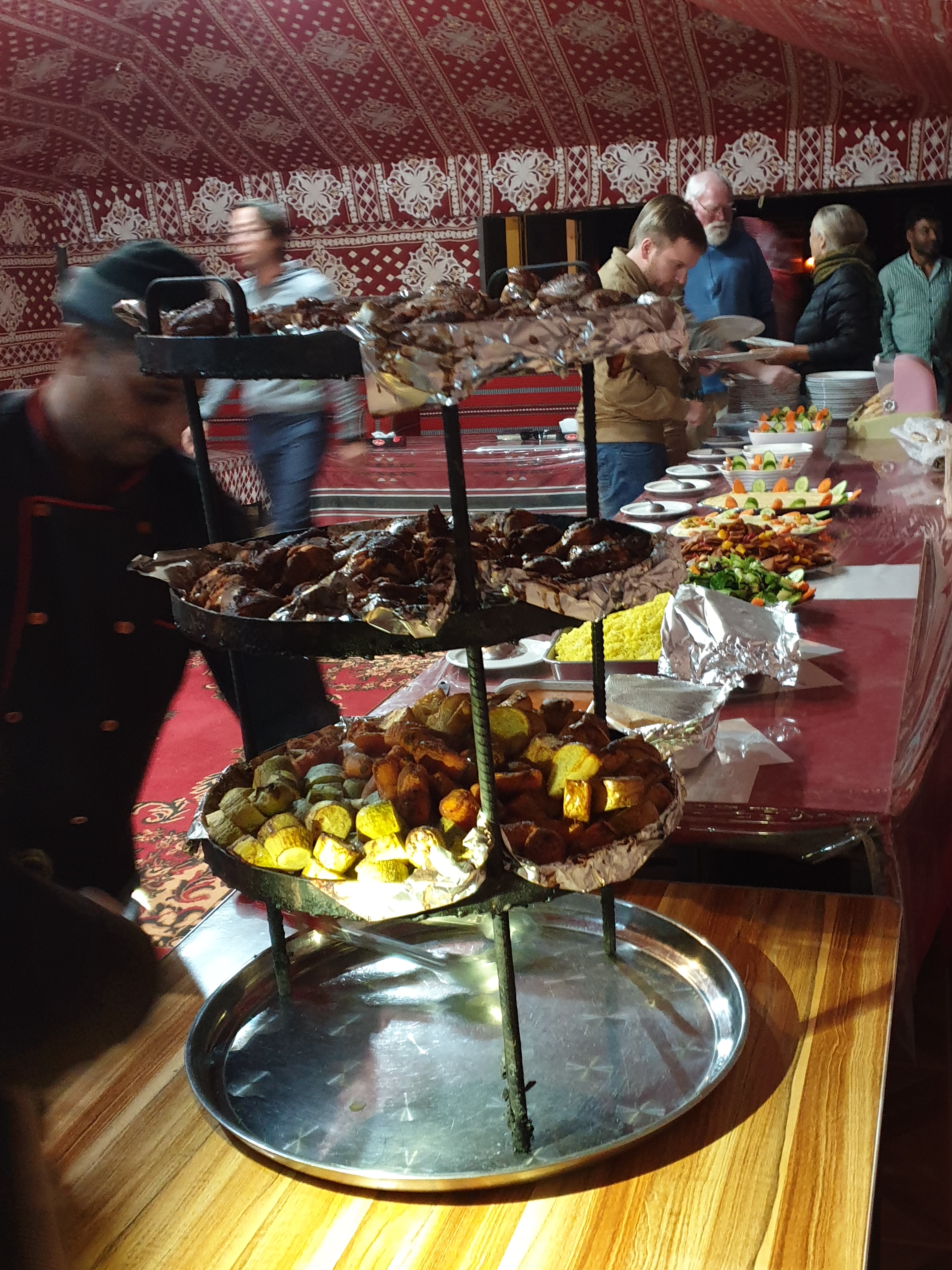
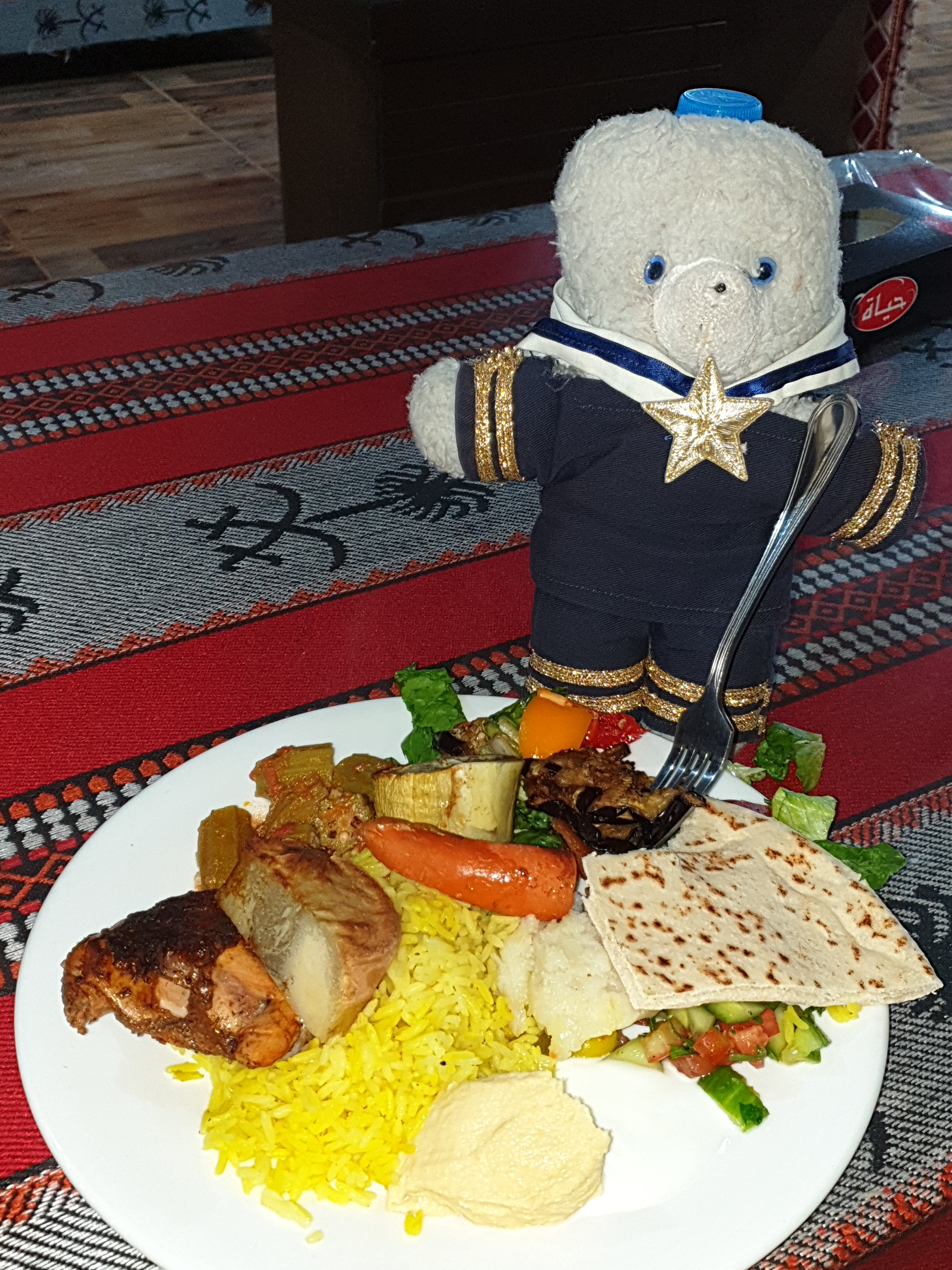
There was another surprise before dinner – a demonstration of a Jordanian cooking technique, where food is put in a container buried in the ground over hot coals and left to cook for 2 hours. I saw a big platter of food being recovered from the sand and placed directly on our restaurant’s buffet table.

20191103_183139

20191103_183538

Like yesterday, the food was delicious and with a very full tummy I settled down to write my blog, enjoy the campfire, and then admire the night sky before bedtime.

Blog at WordPress.com.

Up ↑