Today I set off from Seville to Granada. Just after leaving Seville, I stopped at Carmona, one of the many old historic towns that make travelling in Spain so pleasant.
The entrance to Carmona’s old townStrolling around Carmona
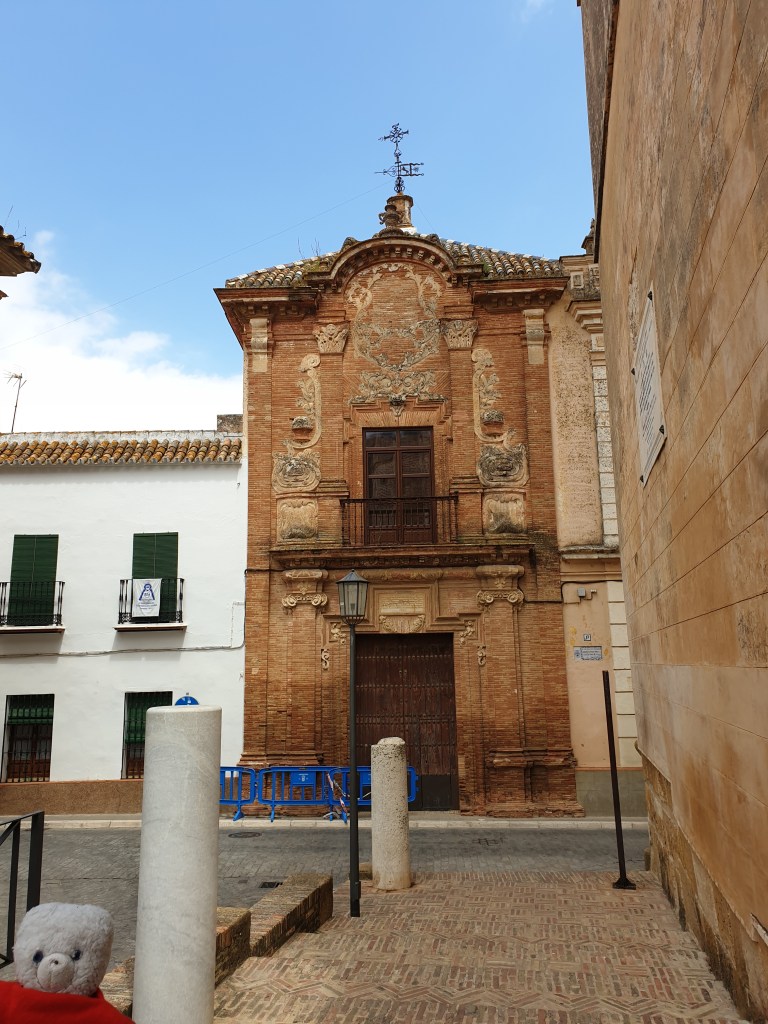
After Carmona, I made another stop in Antequera, yet another pretty old town. This one had a pretty historic centre, where I stopped for a drink………..
Antequera old town
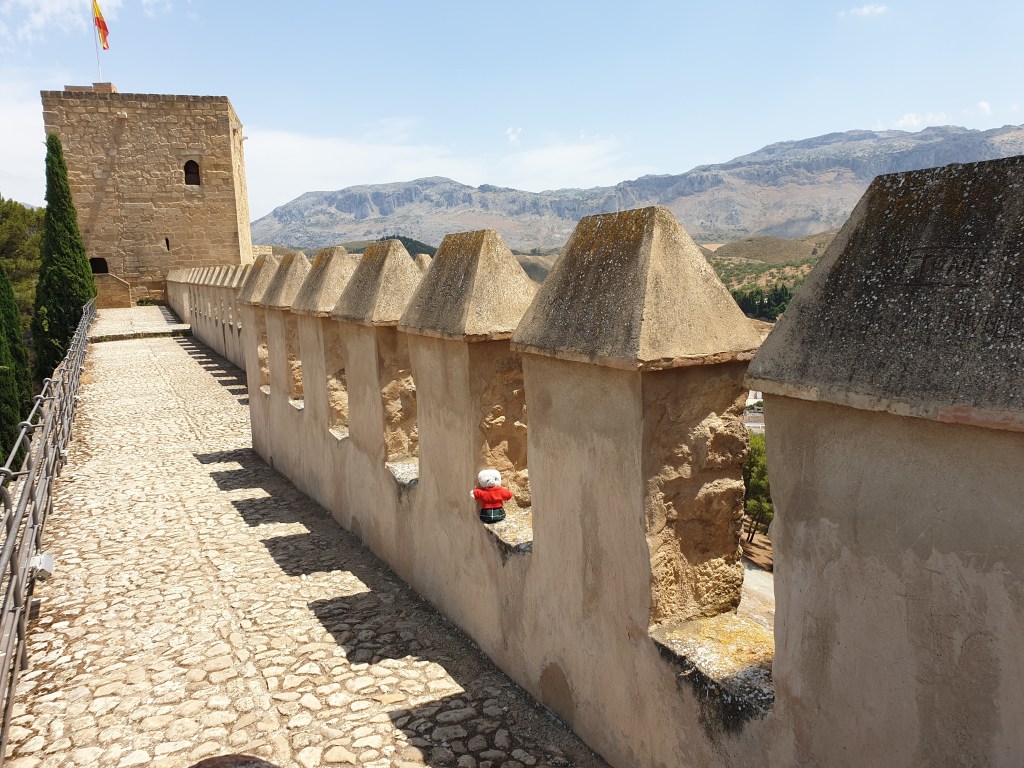
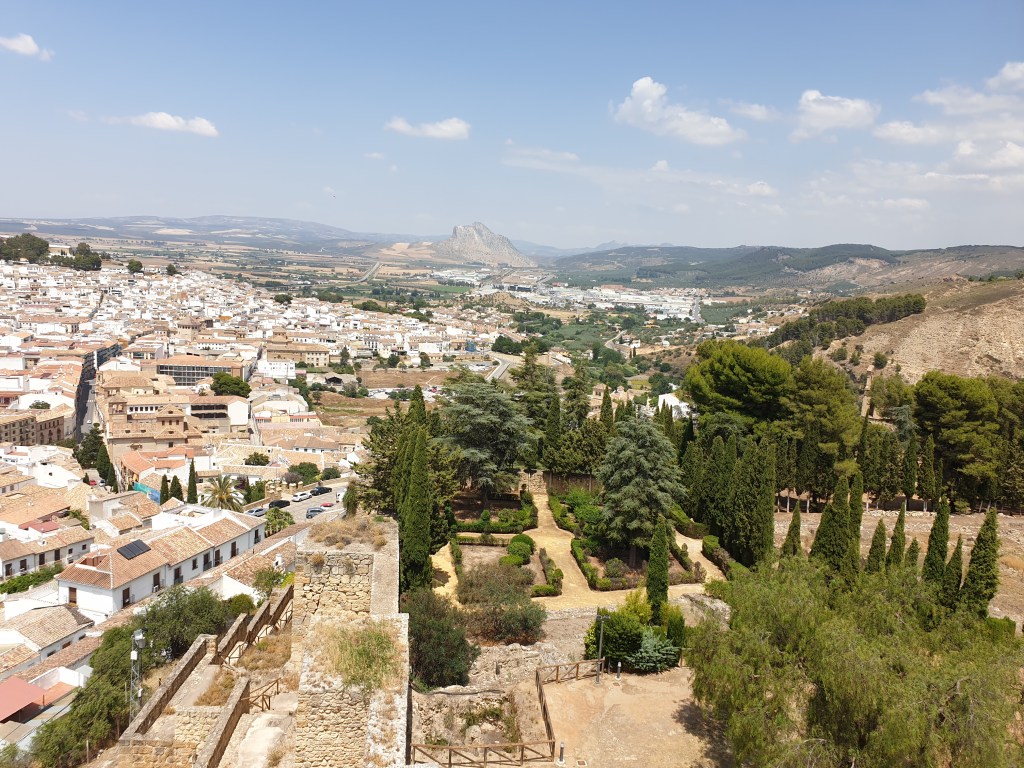
….and an old Moorish Alcazaba with great views over the city and over the surrounding mountains.
views from the Alcazaba
Antequera also has Roman catacombs and a site with six thousand year-old Neolithic dolmens which I didn’t have time to visit – really it is the town with everything!
My hotel in Granada was in the centre, right next to the Alhambra. Driving there was tricky, and the managers had sent me detailed instructions with pictures of the route. I had to give my car registration to be allowed to pass the barrier into the old town, and then after navigating many narrow lanes turned up a tiny, steep side road to find my hotel.
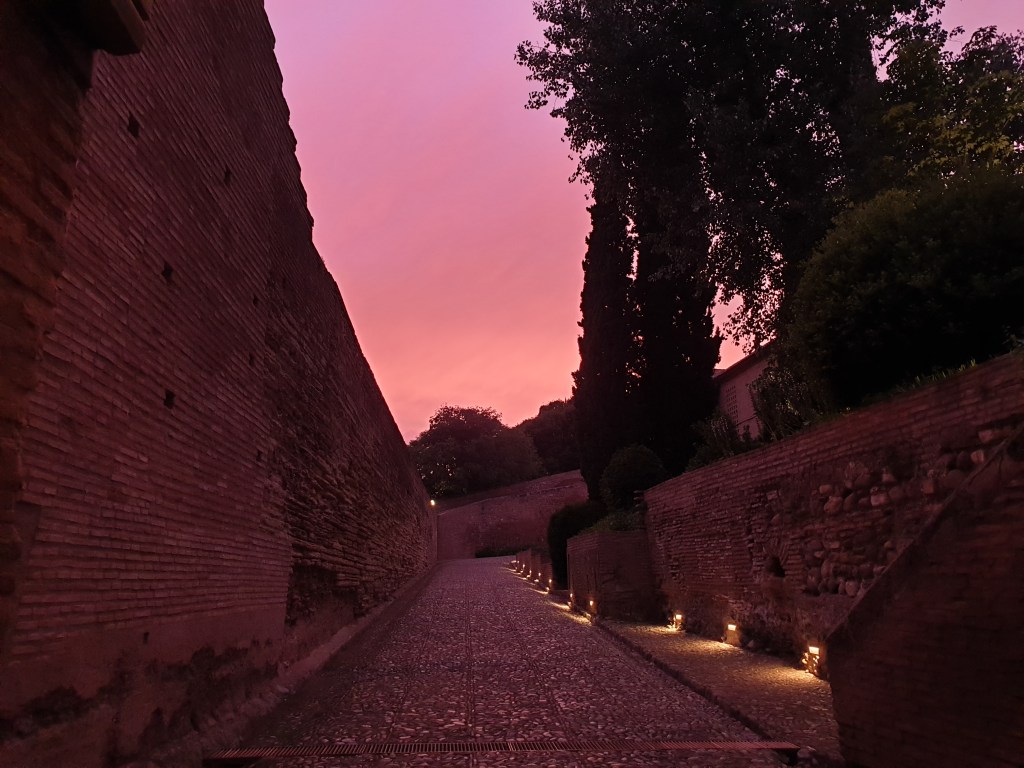
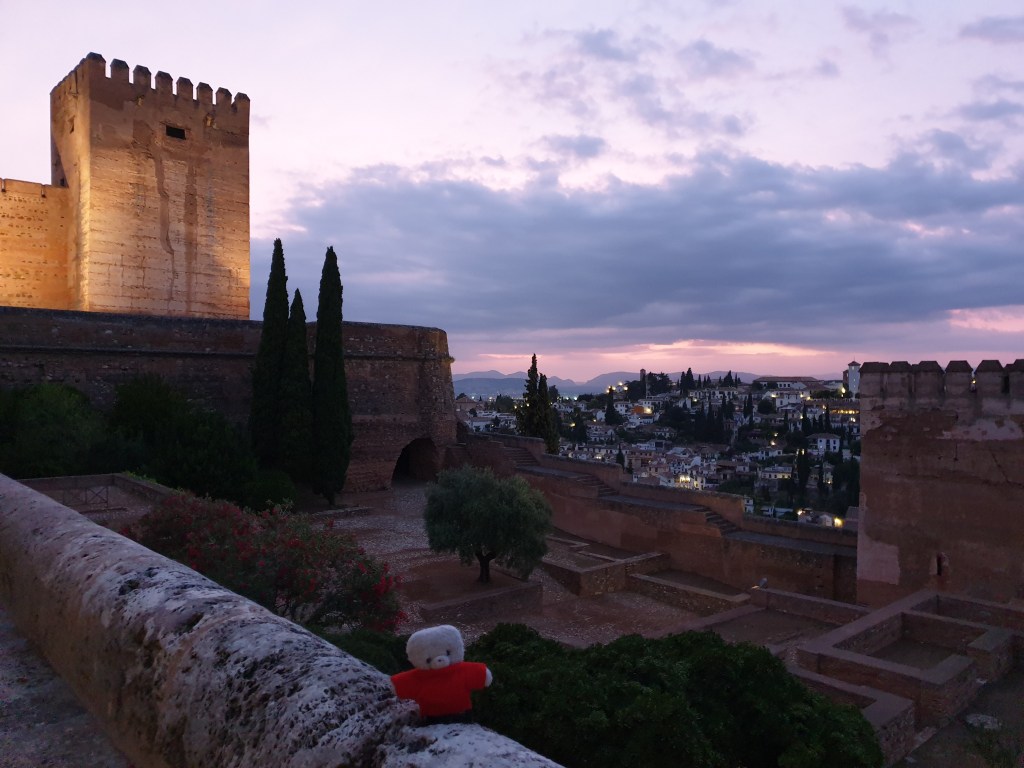
After checking in, I popped into town briefly to buy something to cook for dinner, and sat out a thunder shower in my hotel room before heading up the steep hill to the Alhambra for a night-time visit of the Nasrid Palaces. The Alhambra was really atmospheric in the dusk…….
The Justice Gate, a side entrance to the Alhambra only 5-minutes walk from my hotelThe Alhambra at dusk
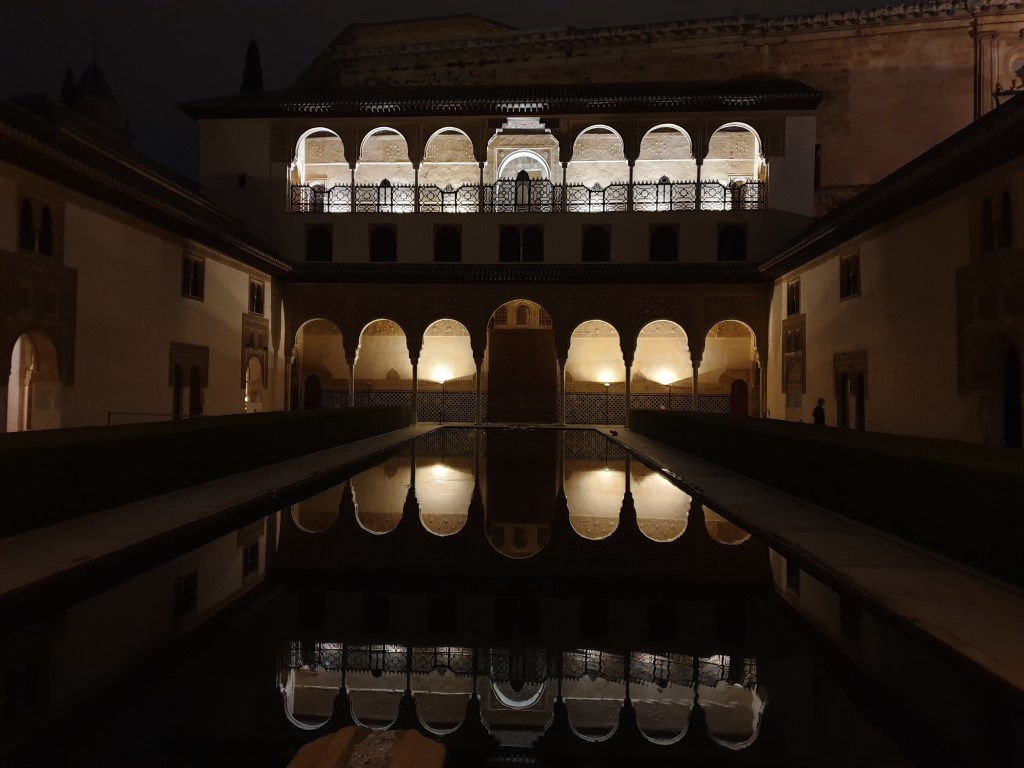
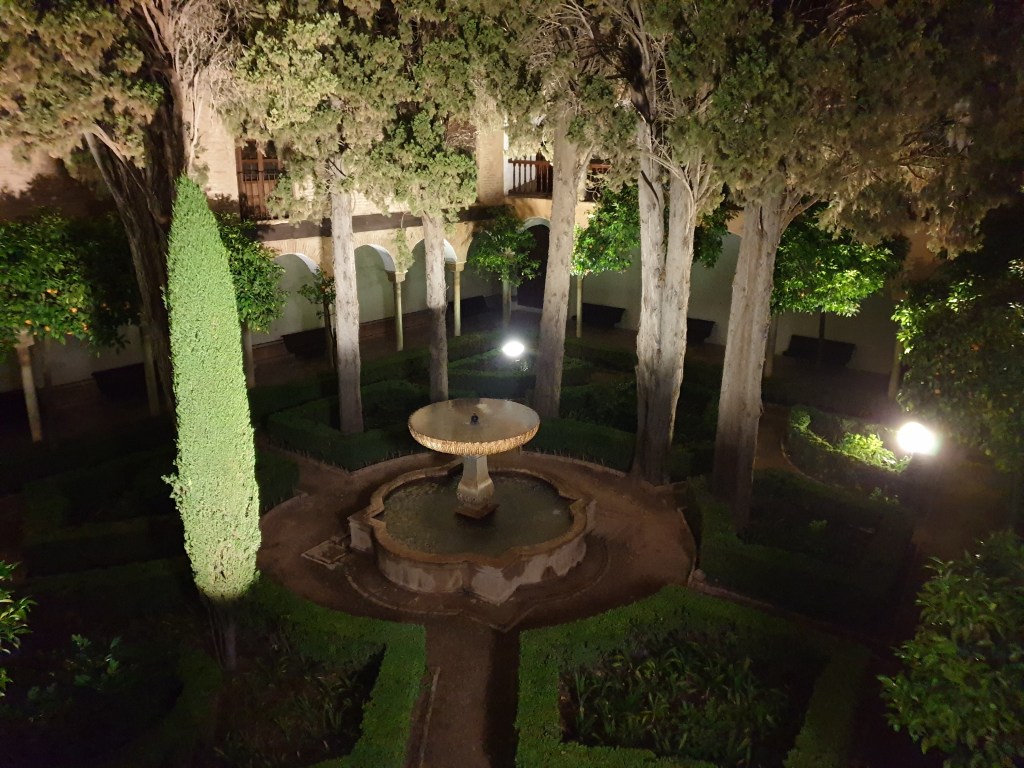
…..and the specially illuminated Nasrid palaces were spectacular. They don’t sell many tickets for the night-time visit, and sometimes I even had whole rooms to myself and could imagine that I was one of the Nasrid emirs. More about the history of the Alhambra in tomorrow’s blog.
Emir for a couple of hours – the Nasrid palaces at night
I returned back to the hotel at half past eleven, with thunder rumbling overhead and occasional heavy drops of rain falling on my head, but I got home more or less dry. What a great day!
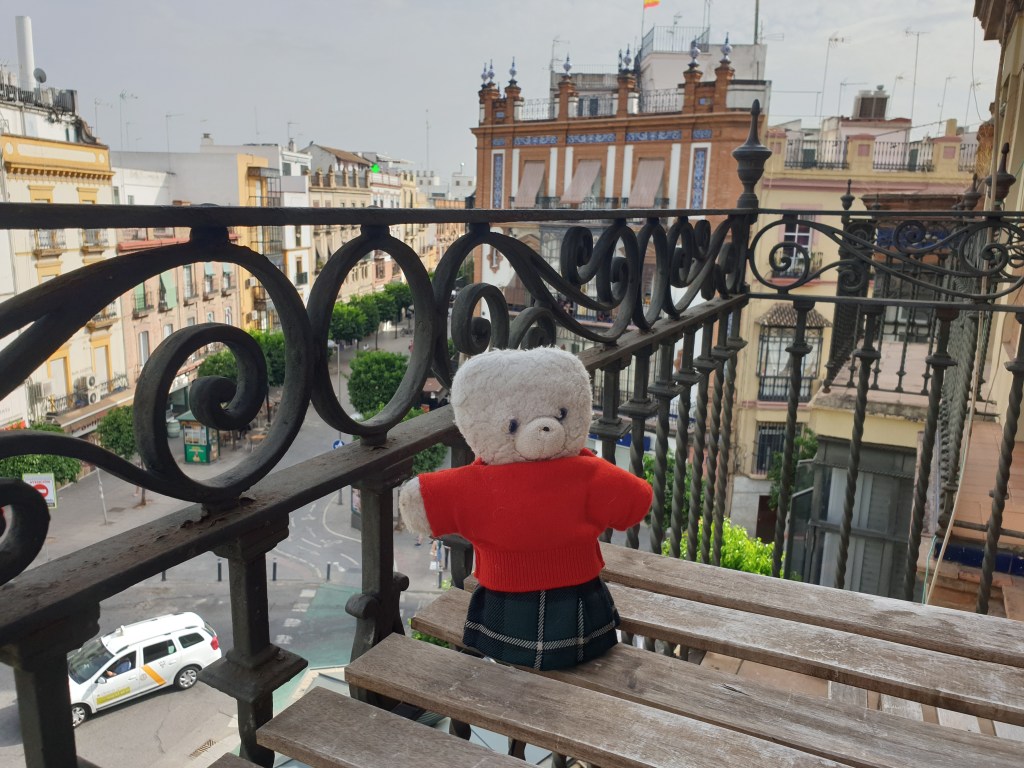
I never thought I would celebrate cloudy weather in one of my travel blogs. I woke up and went onto my balcony to see clouds covering the sun and feel a refreshing morning coolness on my fur. Today it would be possible to explore the city on foot, without roasting!
Relief! It’s cloudy. My kilt isn’t really suited to sunny weather, I need to buy some new clothes.
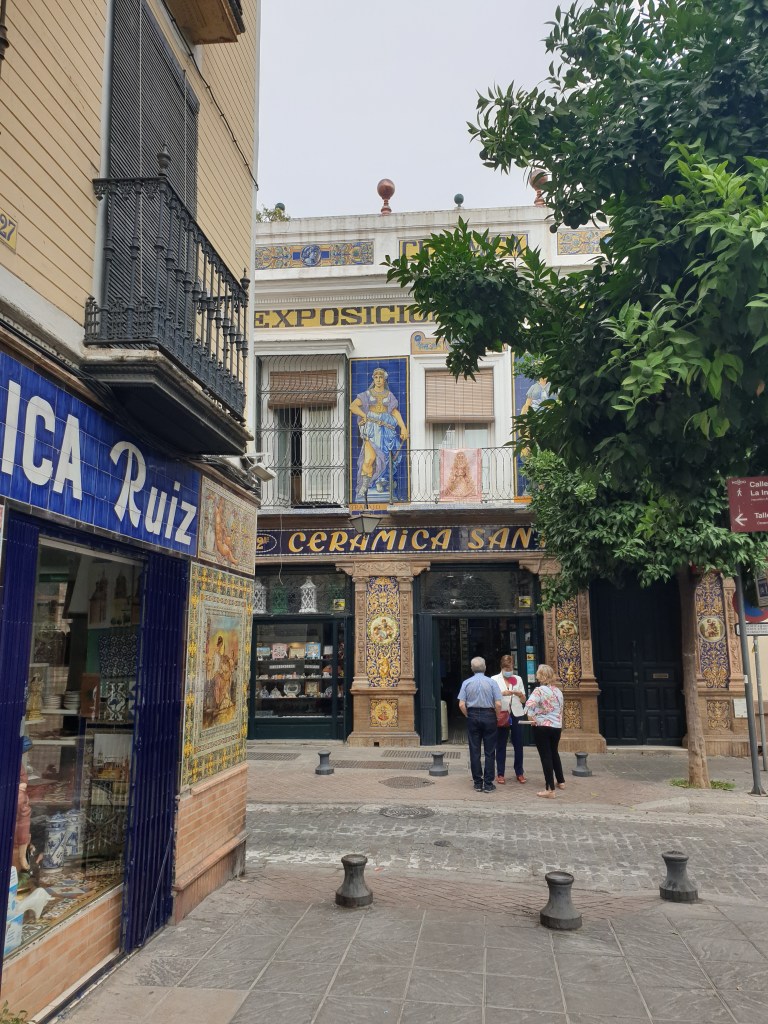
I decided to see some of Seville’s less popular attractions to the north of the historic centre. First I explored my local area, the Triana, which is famous for its many ceramics shops.
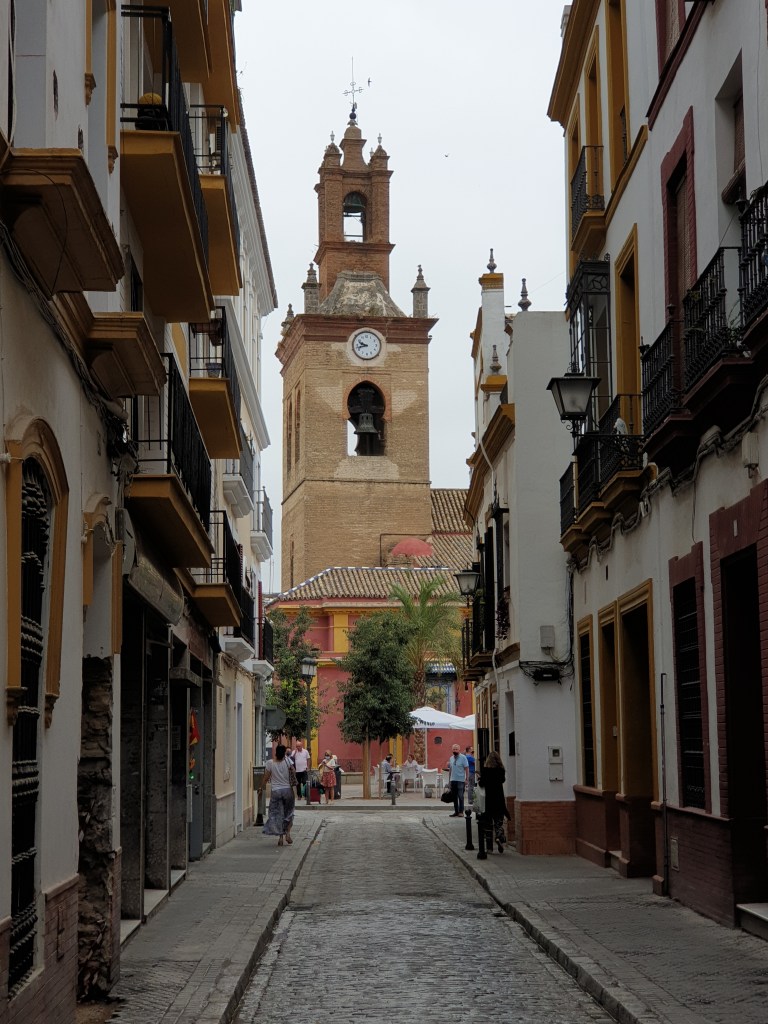
……..before crossing over one of its bridges to reach the area called Alameda de Hercules. The streets were narrow, and I enjoyed the sounds of a city waking up – friends chatting noisily in neighbourhood cafes, someone practicing guitar on an upstairs balcony……It was a charming insight into the real everyday life of the Sevillanos, with not another tourist in sight. There were pretty churches and tempting cafes everywhere.
Street in the un-touristy area north of the historic centre
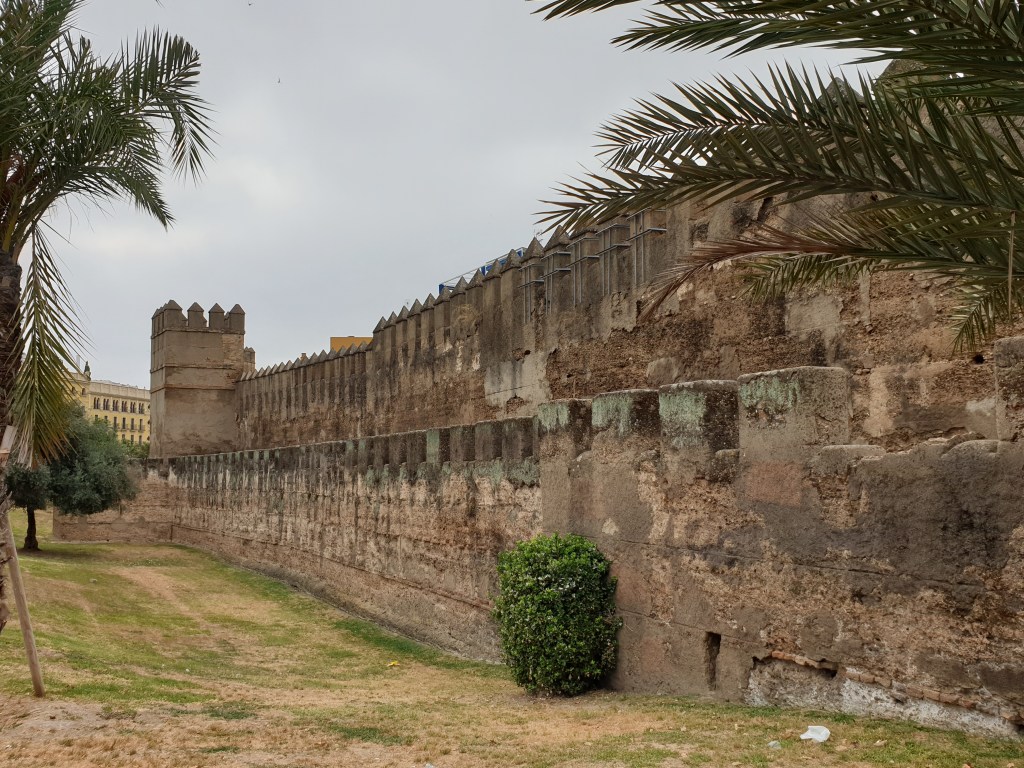
Despite the large number of cafes, I found it hard to find a place to sit down for coffee. Every time I saw a nice place outside, it was either full, or someone would beat me to the very last free place. I finally found a good table near the remnants of the old Moorish city wall.
The old city wall
I then carried on my walk, stopping to photograph yet more churches. I popped into most of them, and found that in the majority, a mass was being celebrated. Religious life is still very active in Seville.
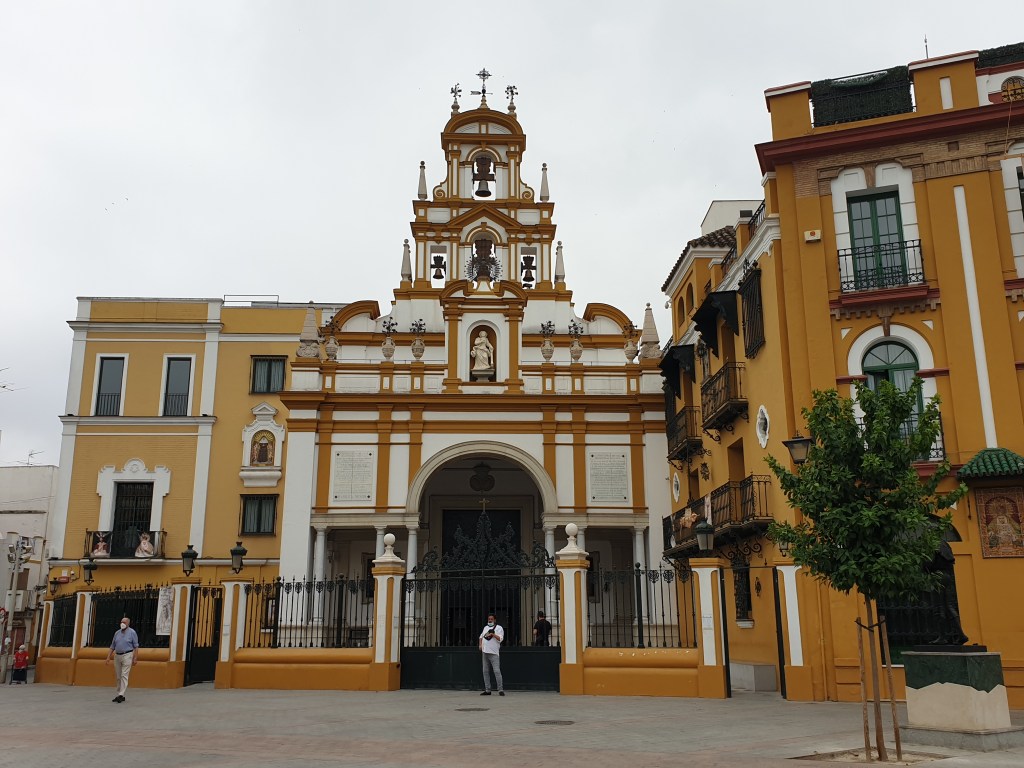
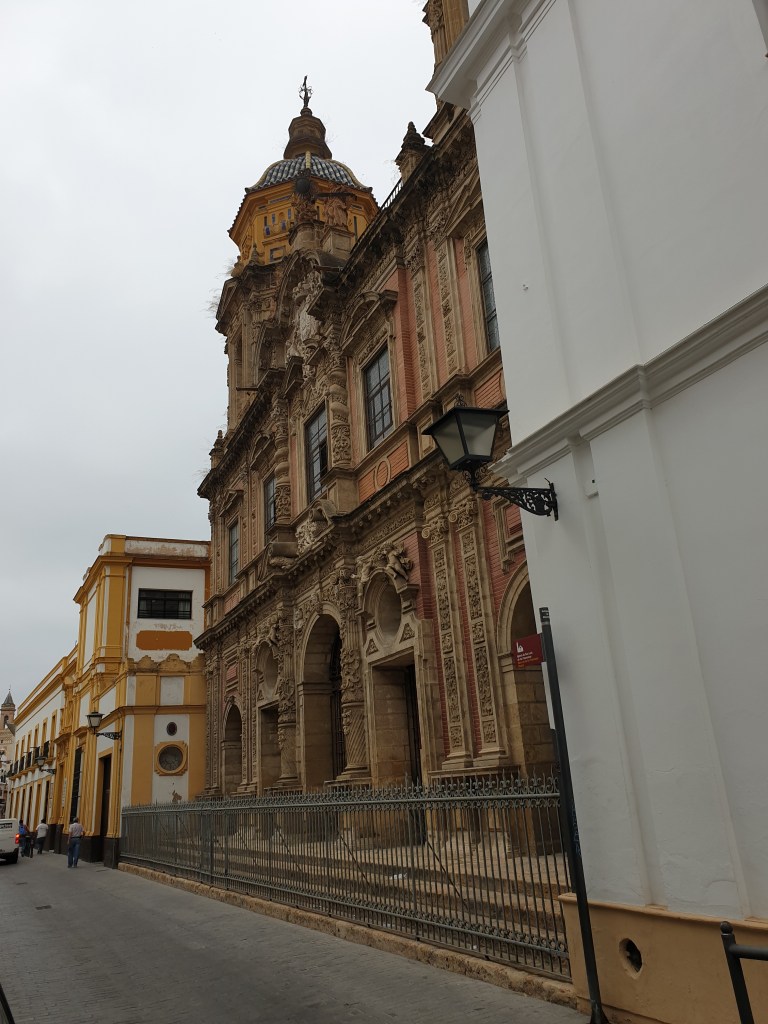
Churches in Seville
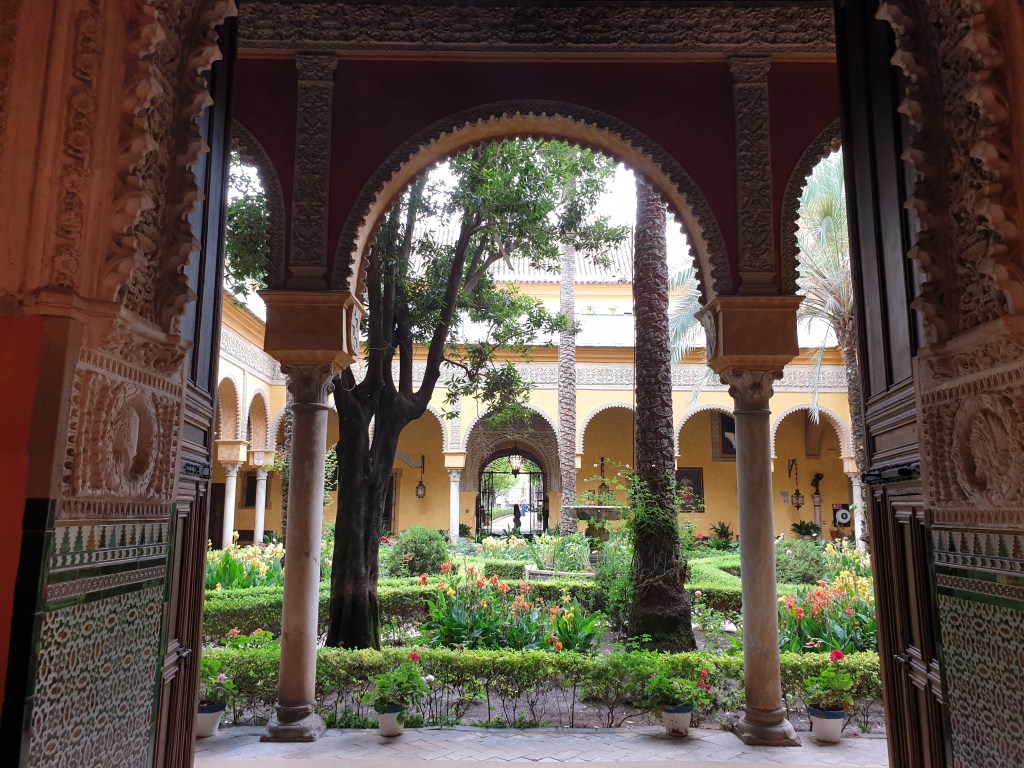
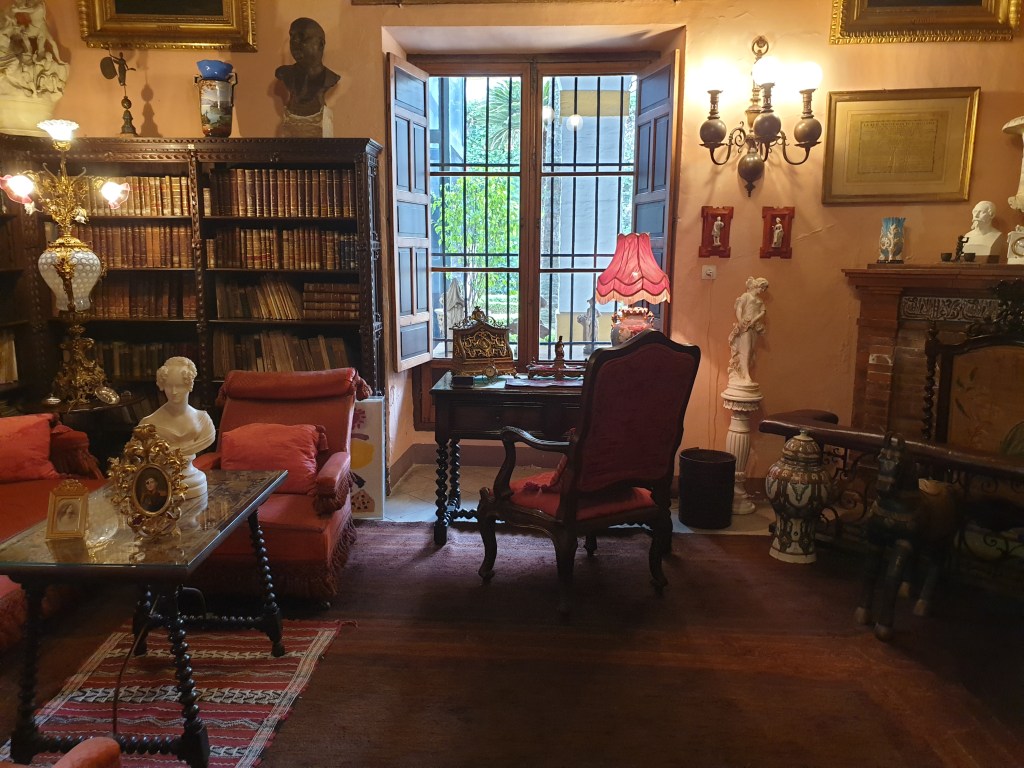
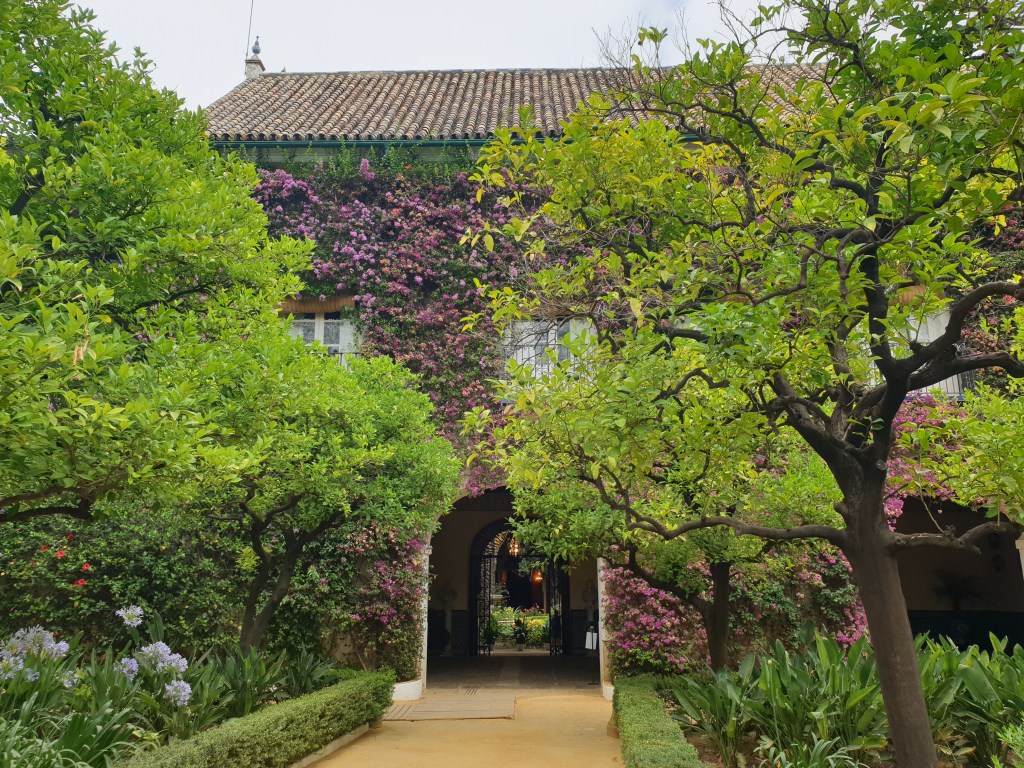
I then made a surprise discovery, stumbling across the Palacio de las Duenas, a beautiful villa built over the 15th and 16th Centuries, and home to the Alba family, one of Spain’s oldest aristocratic families, for several centuries. The Alba family married a Scottish noble family in the 20th Century, and the current Duke of Alba, the wonderfully named Carlos Fitz-James Stuart y Martínez de Irujo, opened the palace to the public in 2016. He still lives in private upstairs rooms that are closed to tourists. The villa was not in my guidebook, and there were very few other visitors. Often I would find I had an entire garden, courtyard or room to myself. I spent a happy couple of hours enjoying the atmosphere and taking lots of photos.
The beautiful Palacio de las Duenas
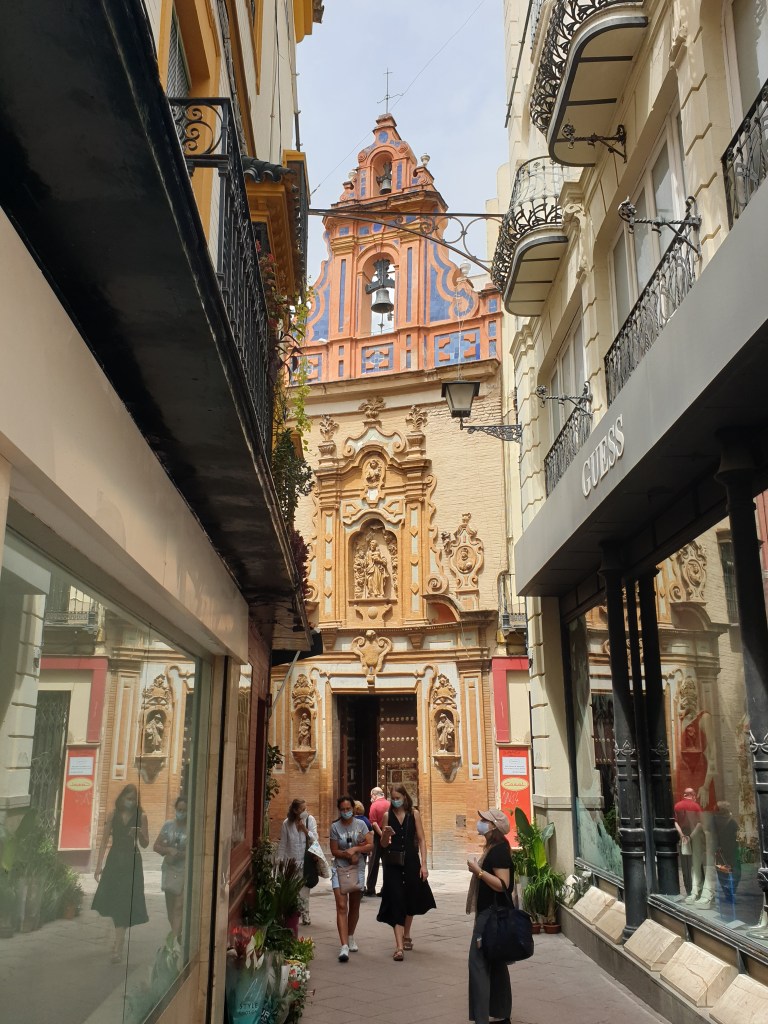
When I had finally finished my visit of the Palacio de las Duenas, I walked back through the busy city centre, finding yet more pretty churches…………
How many churches does one city need?
………before reaching my flat at around 2 o’clock. I sensed the sun was about to break through the clouds, meaning that the temperature would soon shoot up, so I spent the afternoon in my flat writing my blog and enjoying being lazy.
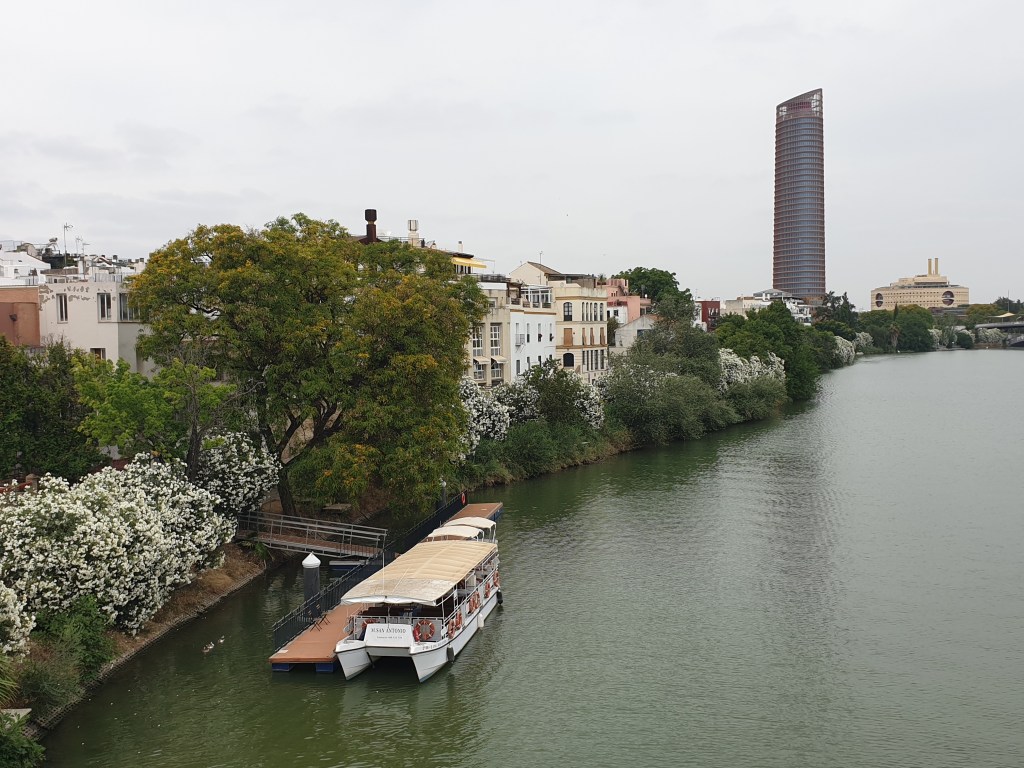
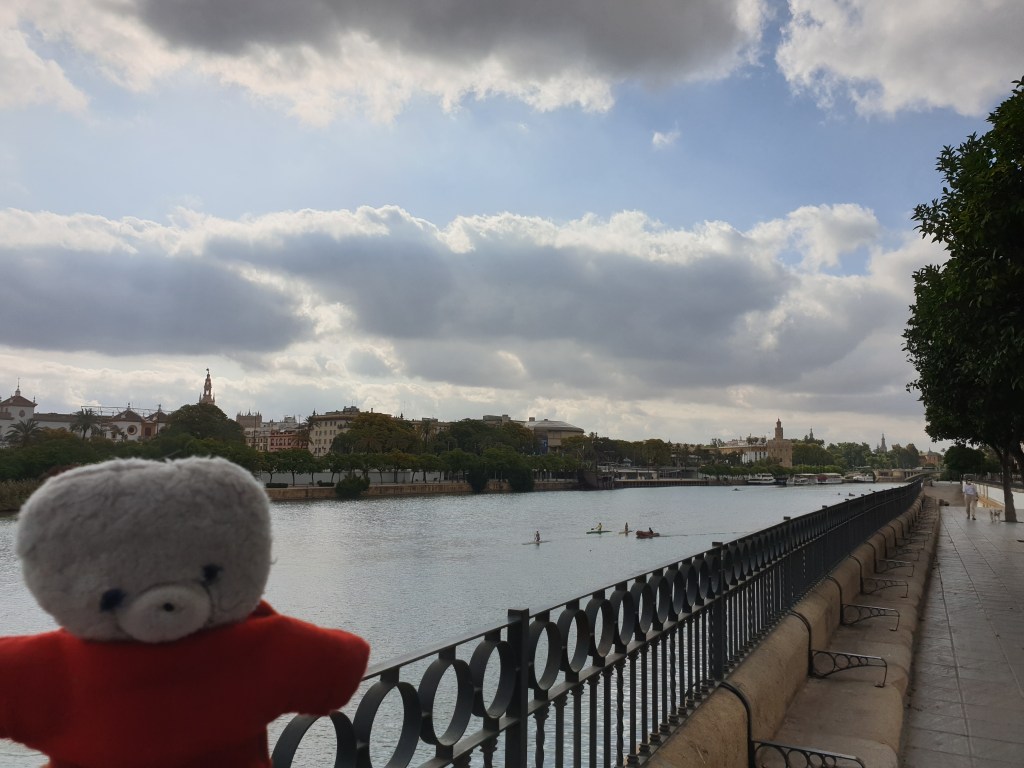
That evening I headed out for a typical Seville evening – dinner in three different places. First, I had tapas at a restaurant on the Guadalquivir River, with views over to the cathedral and bullring in the historic centre……….
Dinner venue No1 – by the side of the river
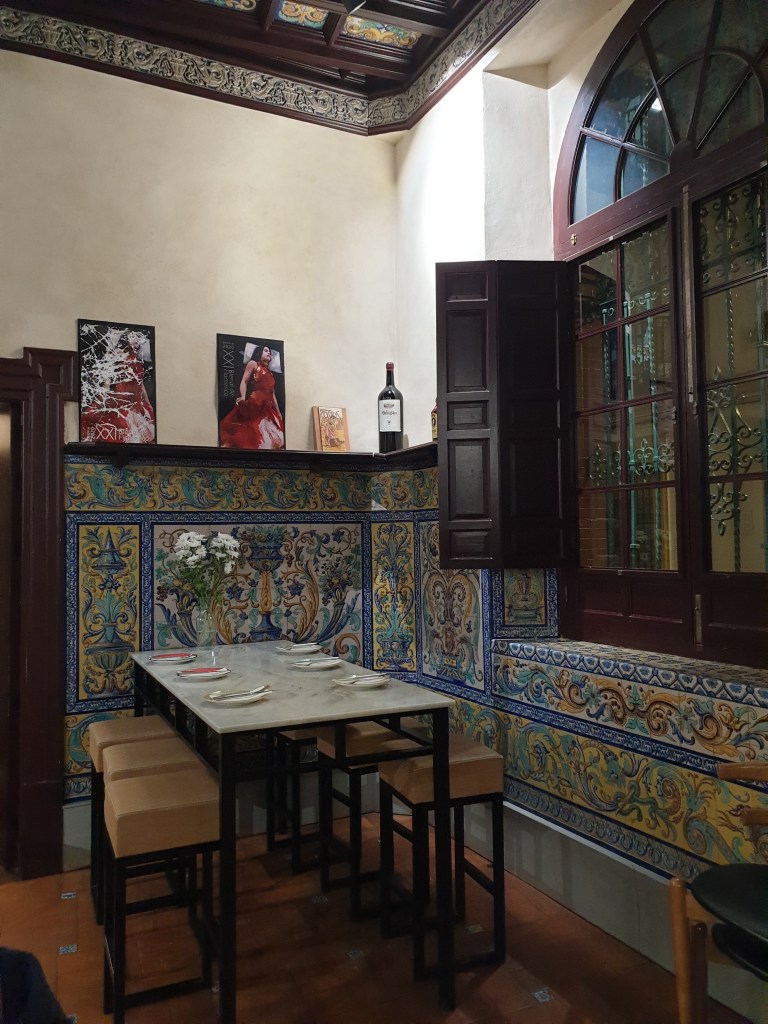
Next, I tried a trendy bar with upmarket tapas in an old mansion………….
Dinner continued – a trendy tapas bar in La Triana
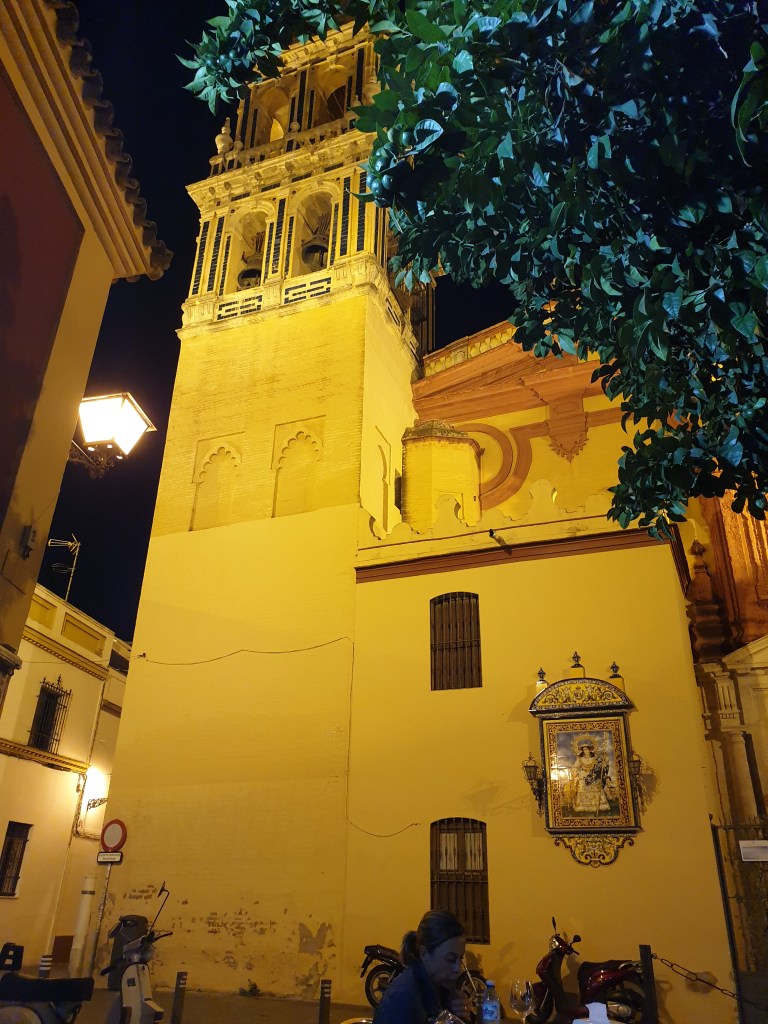
………before finding a simple street bar located in front of a huge, imposing church for a last beer.
Dinner continued again…in front of a beautiful church
In Seville, it would be very tempting to skip sight-seeing altogether and just wander from one beautiful bar to another.
Now that I am able to travel again, I am taking full advantage, and this time I am off to Andalusia in the south of Spain. Every experienced travelling bear knows that the hot month of June is not the best the time to visit the south of Spain, but for reasons I won’t bore you with, I could not choose the date of my visit.
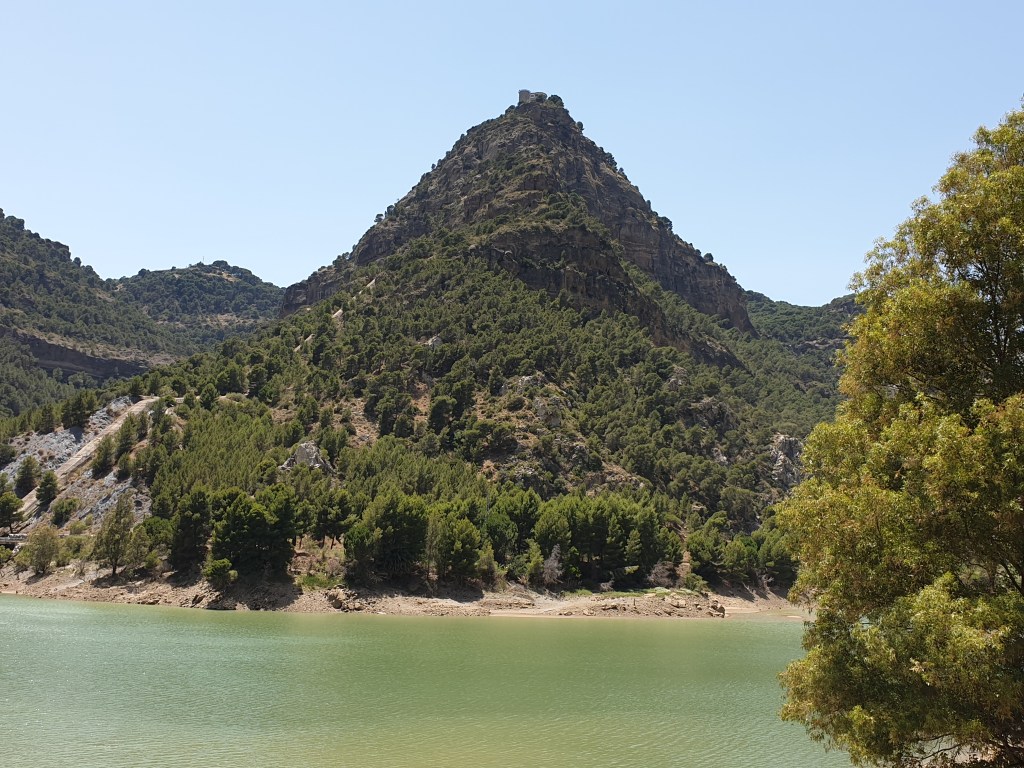
My itinerary was centred on Sevilla, but the only direct flight was with Ryanair leaving at 0700 from Stanstead so instead I took BA to Malaga. I arrived to an easily bear-able (sorry!) 26C and picked up my hire car. Instead of taking the direct route along the motorway, I opted for a scenic drive across country, passing through the pretty “white town” of Alora before heading into the mountains to El Chorro, the starting point for the famous “Camenito Del Rey” walk.
Mountain scenery on the way to El Chorro
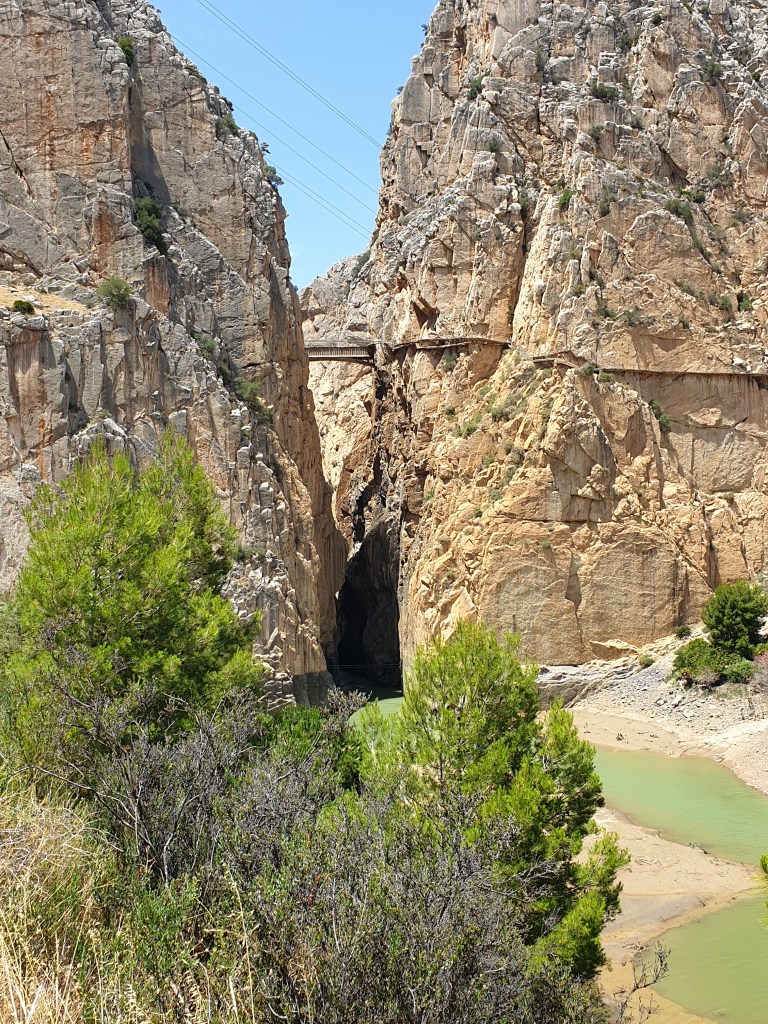
The 8km path clings to the side of a sheer cliff with spectacular views down into the gorge. When planning this trip, I had been disappointed that all the tickets for this popular walk were already sold out, but when I stopped to take pictures, I soon changed my mind. Walking for two to three hours in the afternoon heat would have been very unpleasant, and it was much nicer to enjoy the scenery from the comfort of an air-conditioned car.
The start of the Camenito Del Rey walk
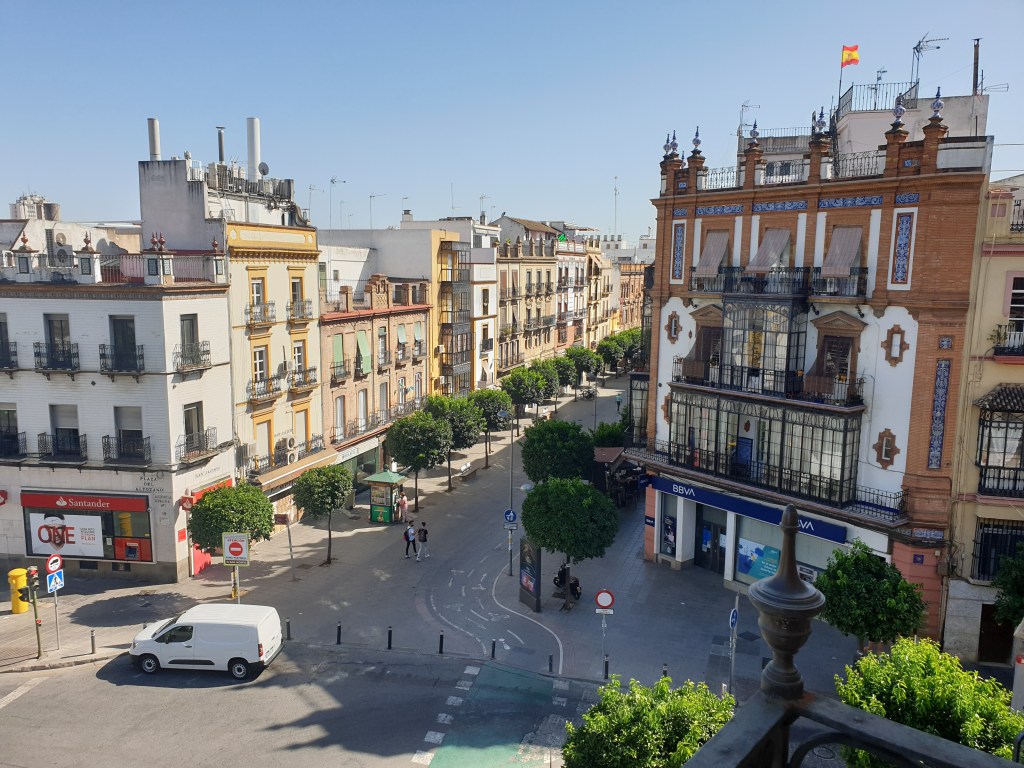
The road left the mountains and headed across rolling hills, planted with olive trees or grass. The open views and empty, fast roads gave a sense of freedom and being on holiday. I accelerated across the empty landscape to join the main motorway leading into Seville. I found my flat easily, and more importantly found the underground parking next door – parking on the street in Seville is impossible. My apartment was in the Triana district, just across the river from the historic centre.
The view from my balcony
After checking in, I hurried straight to the Alcazar, a fifteen-minute walk that felt longer in the 35C heat. I noticed that almost everyone I met was wearing a face covering. I checked on my phone and indeed, this was required by law in Spain, so I reluctantly slipped on my own mask – which of course made walking in the street even hotter and sweatier.
Fortunately the Alcazar was worth the effort – it is a palace built for the Christian kings of Spain from the 14th century onwards, over a period of 500 years. Many architectural styles were used in its construction, but the most beautiful parts copy Moorish architecture.
The entrance to the Alcazar
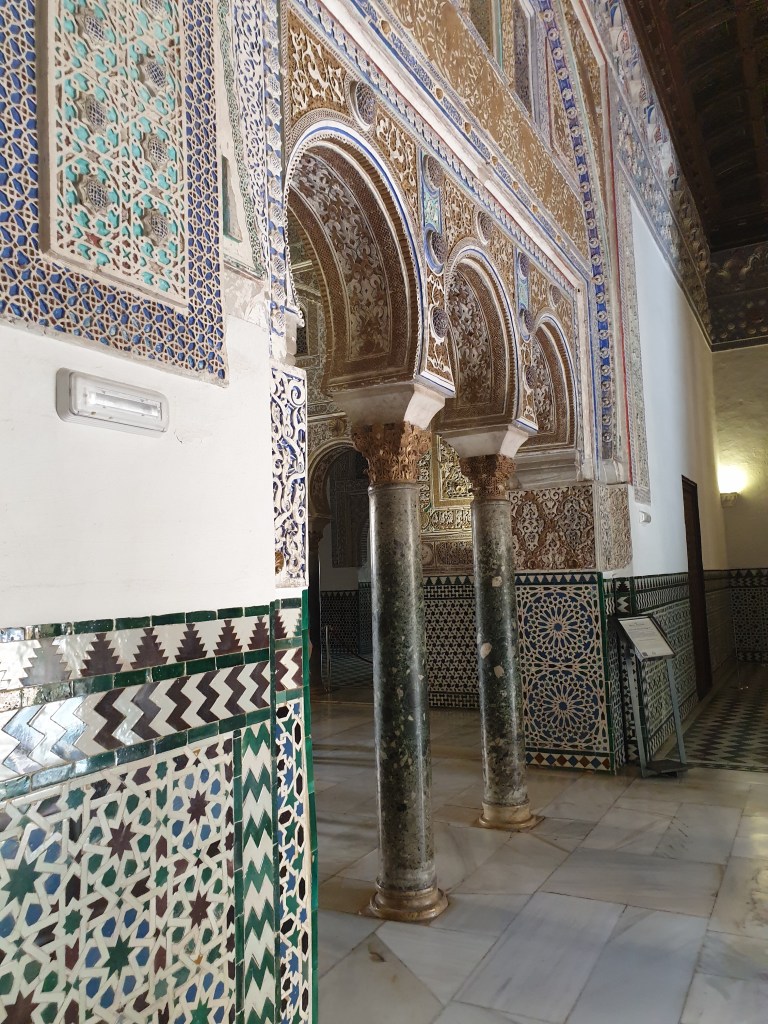
I tried to dodge the intense sun beating down onto the palace’s courtyards, spending my time in the beautiful Moorish reception rooms……….
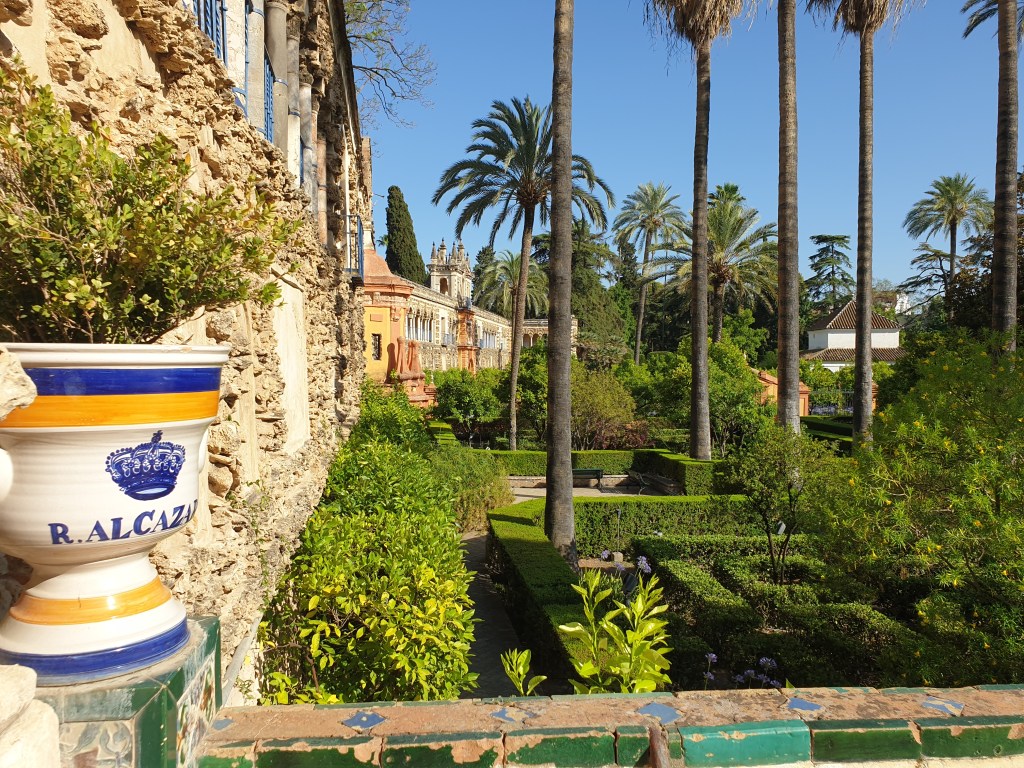
…..before heading for the famous gardens.
Even though it was now seven in the evening, the sun seemed even stronger than in the mid-afternoon. In the afternoon, my hat protected me, but now. whenever I had to leave the protection of shady trees, the sun hit me with a ferocious broadside that roasted my whole body and soon had my fur drenched in sweat.
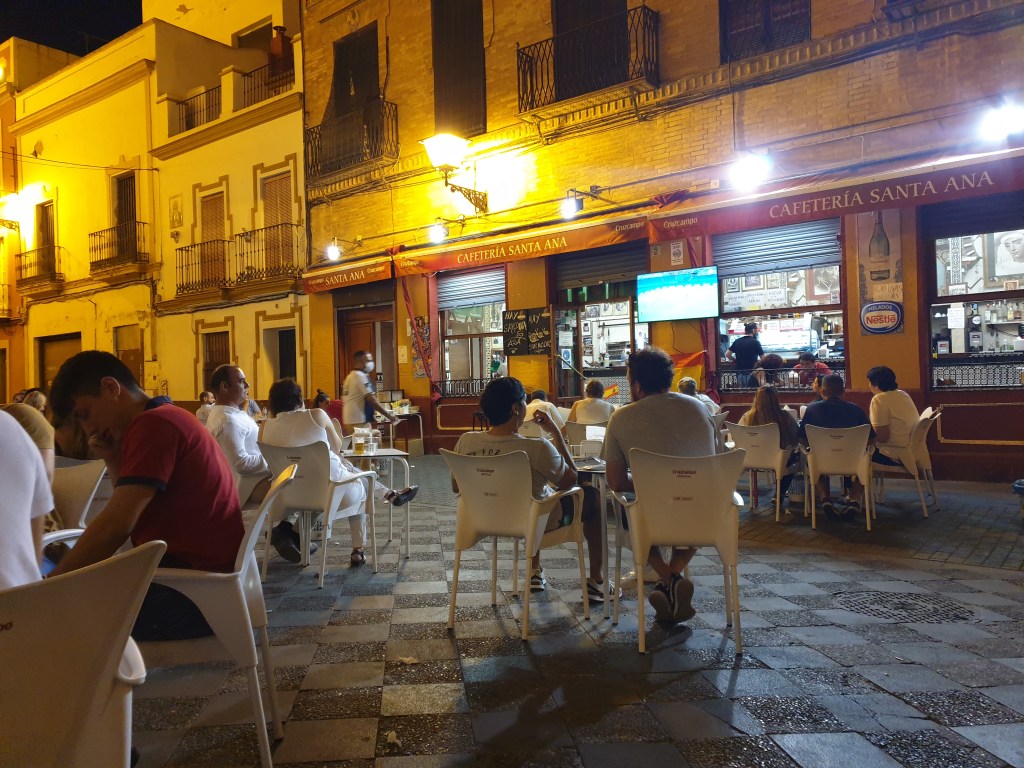
I left the Alcazar Gardens at closing time, and walked backed through small, winding and shady side streets to the centre and the cathedral, a huge structure that dominates the city and which I planned to visit another day. I stopped briefly for a well-deserved drink in a small traditional bar, decorated with typical Andalusian tiling, before heading back to my flat. There are very many bars and restaurants in Spain, which spill out onto welcoming open-air terraces on the street. The law allows people to take off their face masks when sitting down to eat or drink, making an already popular pastime even more widespread amongst the Sevillanos than usual.
On my way I saw an ice-cream seller and could not resist ordering some to try to cool down. I soon realised my mistake – the refrigeration unit was not up to the challenge of the heat. My two scoops of vanilla and strawberry were already melting, and streams of sticky liquid ran down my cone. I had to gulp it all down quickly before the whole thing disappeared, and got my paws and arms covered in gooey liquid.
I was relieved to reach the cool of my flat, where the air conditioning had finally kicked in to offer a welcoming 21C respite from the heat. I rested for a bit after a hectic day before heading out for a pleasant dinner of tapas at a neighbouring bar. The Triana area was very busy, with the streets full of people sitting on terraces and talking animatedly. It was still hot, but now – at 10 in the evening when most locals go out – pleasantly so. It was a nice way to unwind after a very busy day.
Seville street life in the un-touristy Triana district
Sorry, no photos me today – with my sticky sweaty fur I didn’t feel very photogenic. An internet celebrity like me needs to carefully manage their online image!
I am so sad, it is my last day in Scotland. I said goodbye to my friends before setting off on the long road south to Carlisle, where I had chosen to break the journey back home.
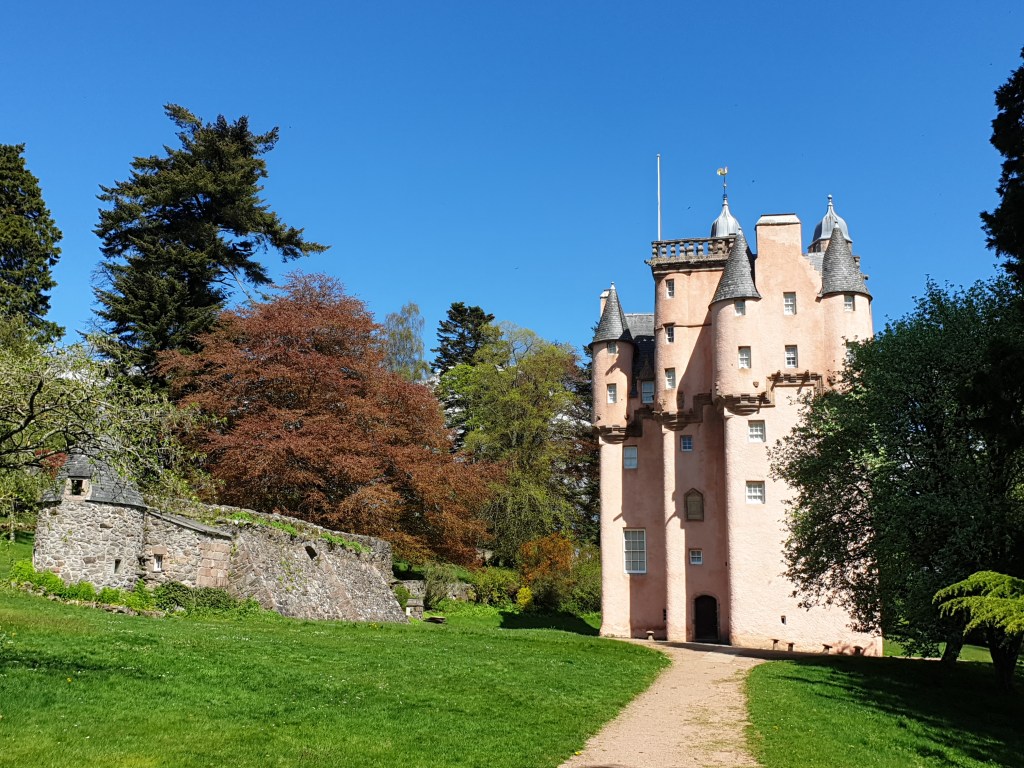
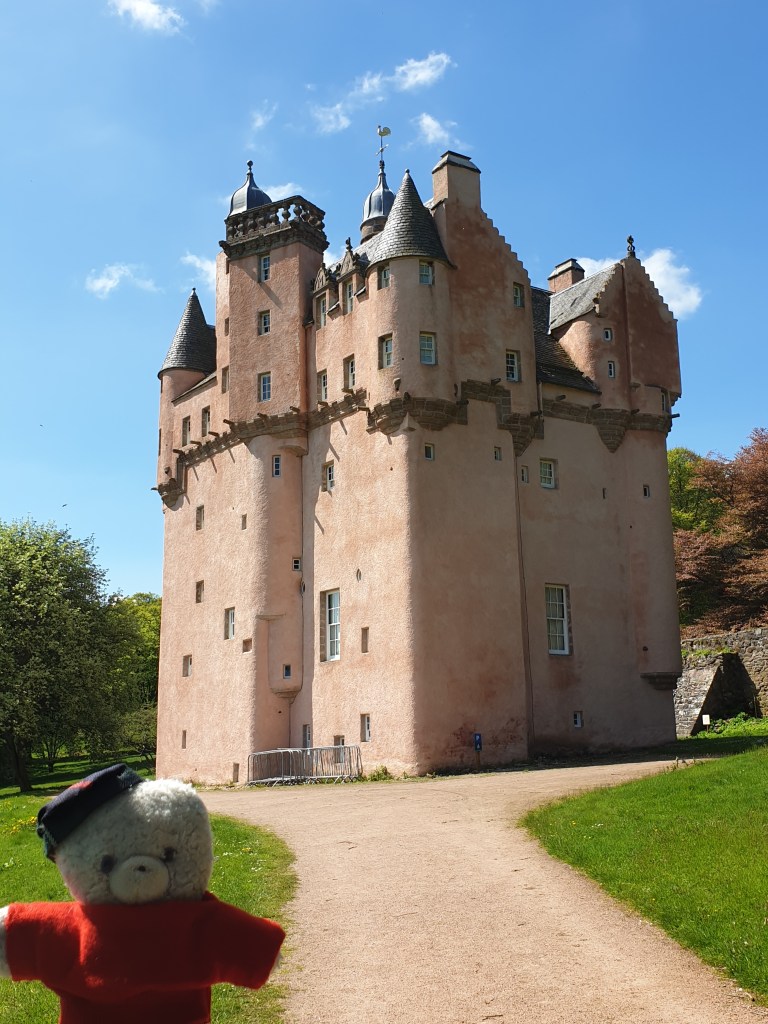
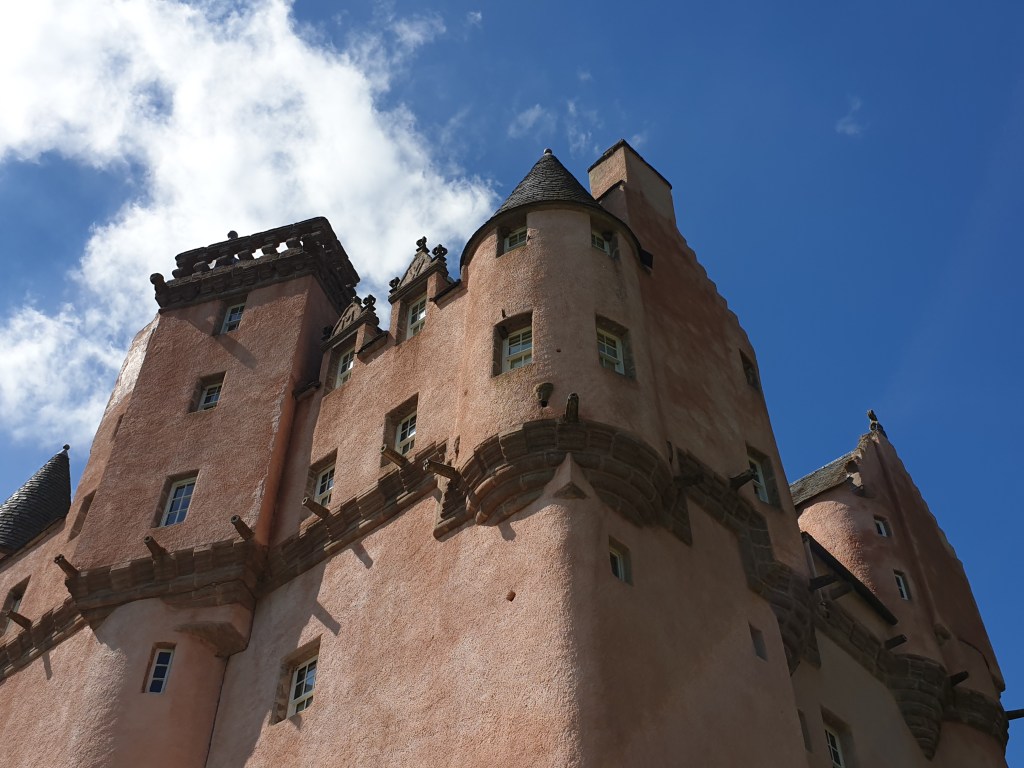
First, I visited one last Aberdeenshire castle – the bright pink Craigevar. The inside was closed, but from the outside it was probably the prettiest castle yet.
Different views of beautiful Craigevar Castle
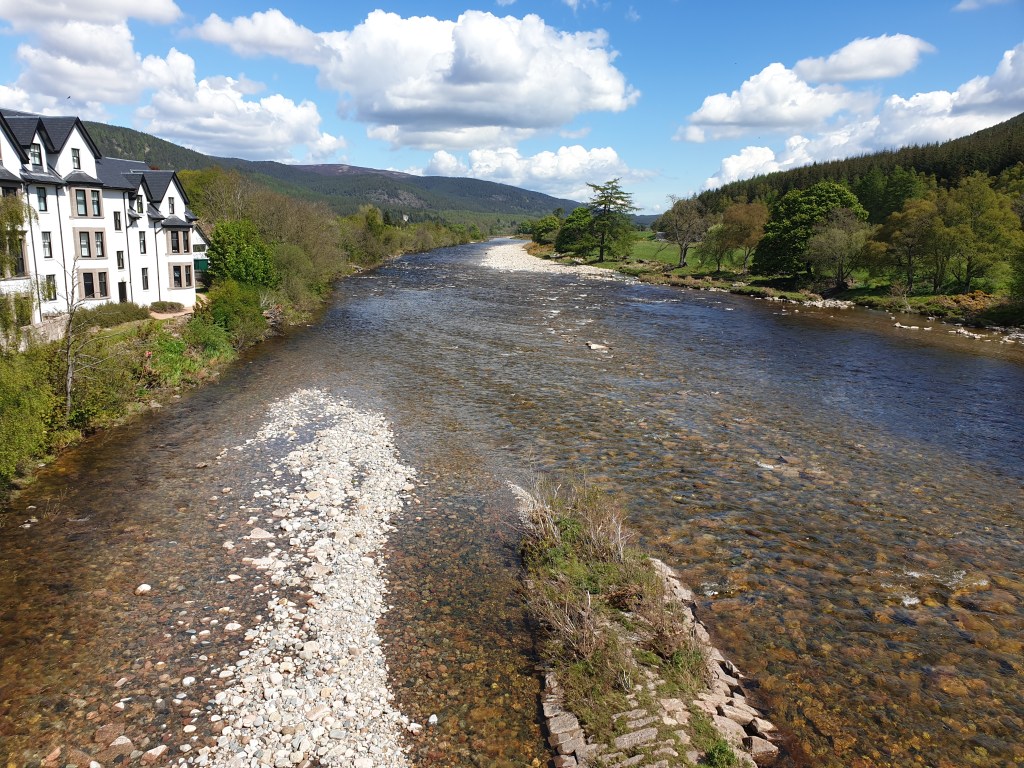
My road then took me back to the Cairngorm Mountains. At first it went through green meadows, with the snow-topped mountains flitting in and out of view in the distance. I stopped briefly at the pretty little town of Ballater, on the River Dee…..
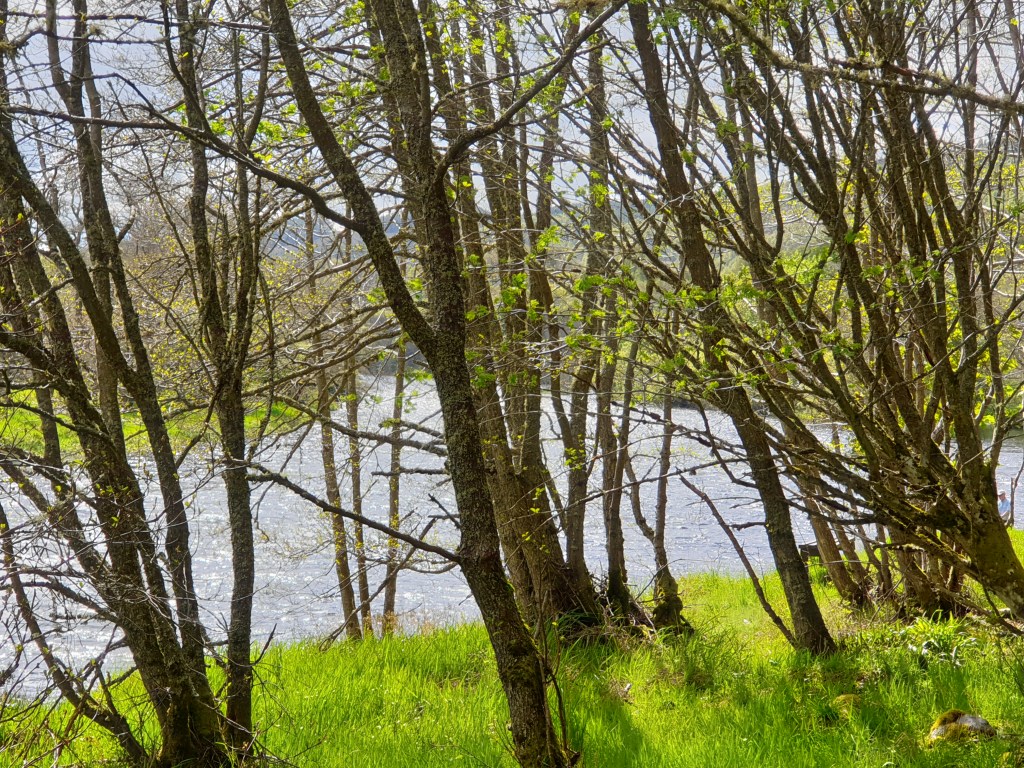
The River Dee, famous for salmon fishing and whisky
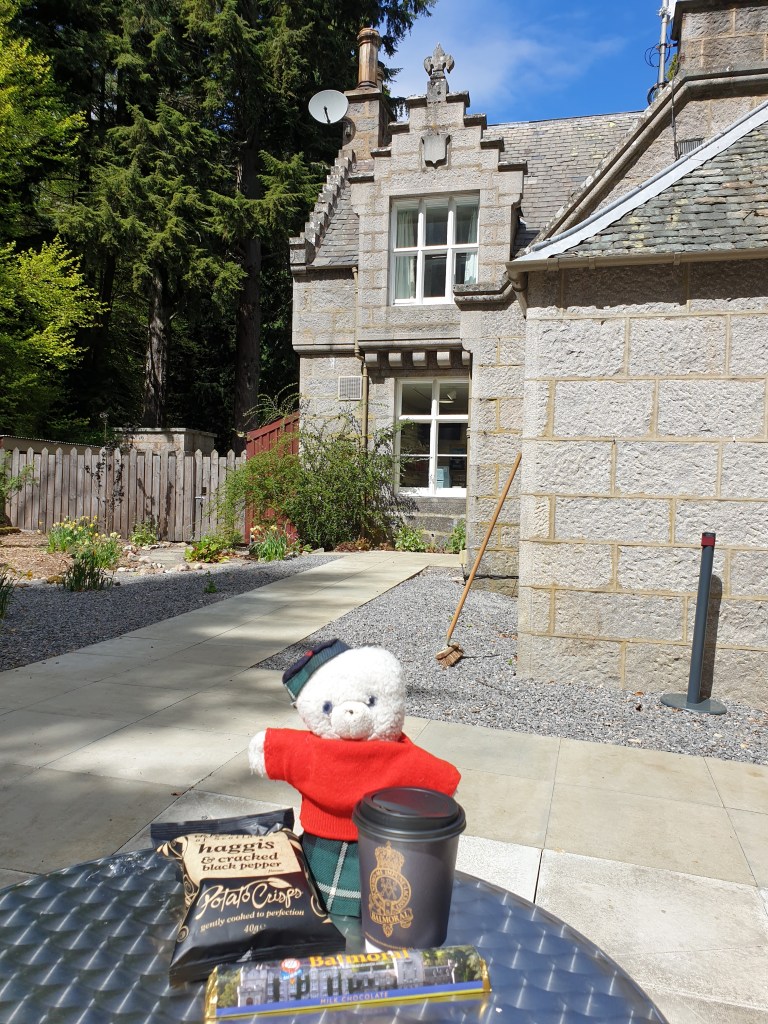
……before making a longer stop at Balmoral, the summer residence of the Queen of England. I didn’t have time to visit, and for security reasons the castle is located so that it cannot be seen from the road – so no photos I am afraid. Instead, I enjoyed Balmoral coffee, Balmoral chocolate and haggis flavoured crisps in the coffee shop at the entrance to the estate.
A royal coffee break
From Balmoral I drove past the village of Braemar and its castle…….
Braemar Castle – just how many castles can there be in one country?
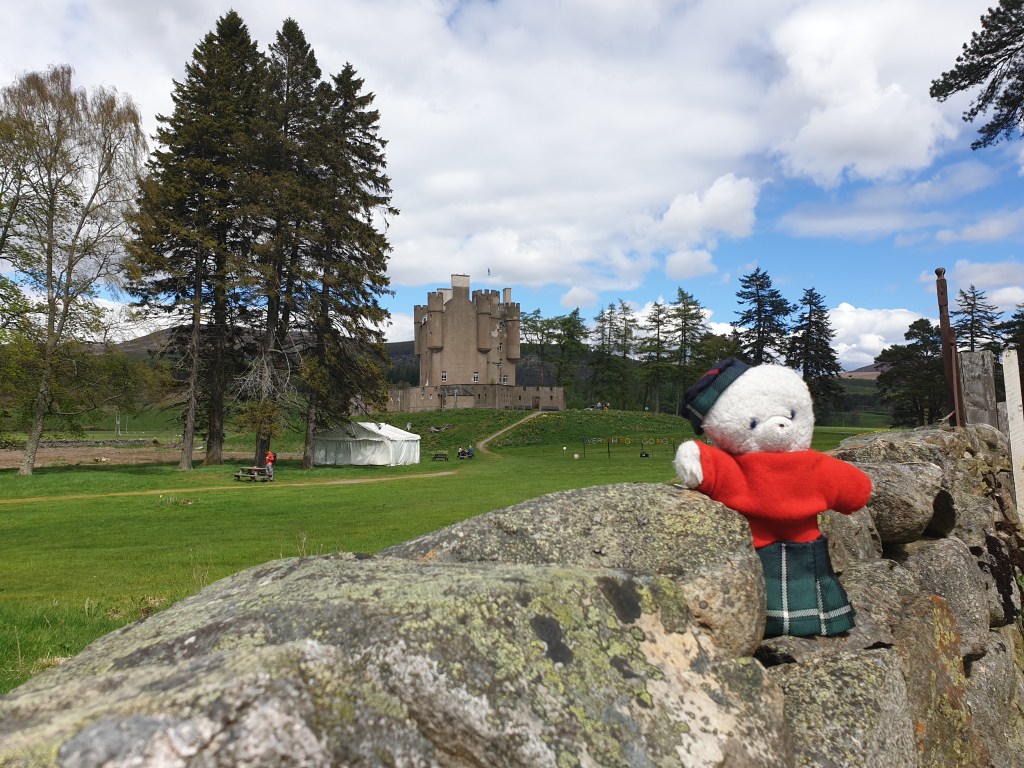
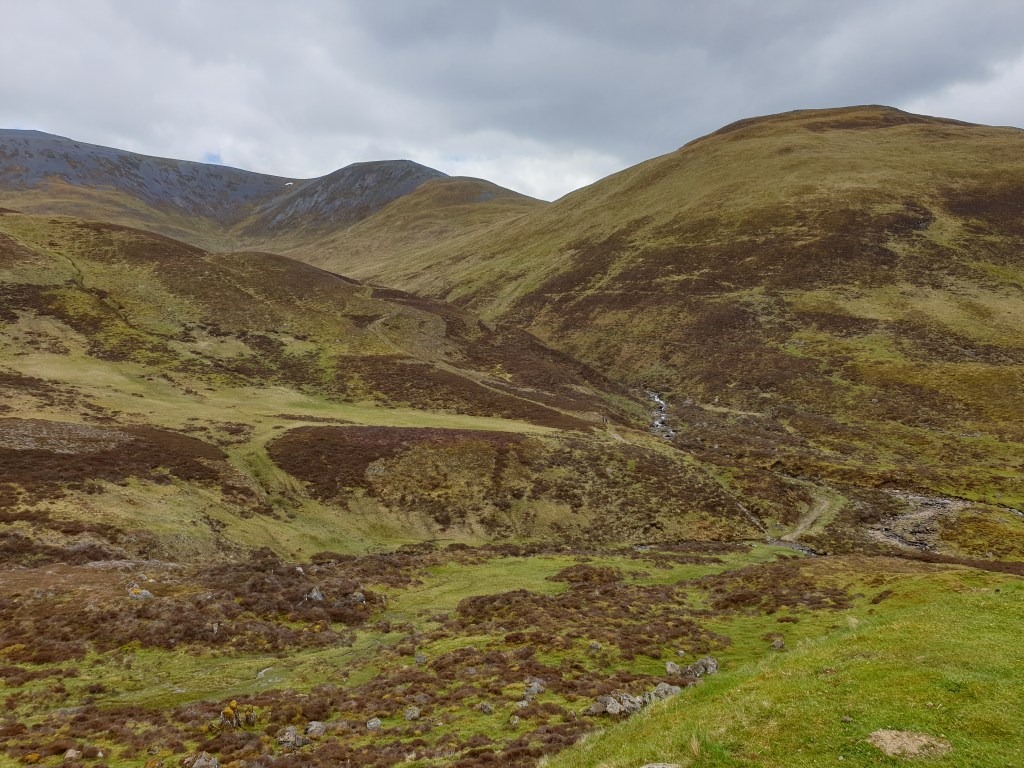
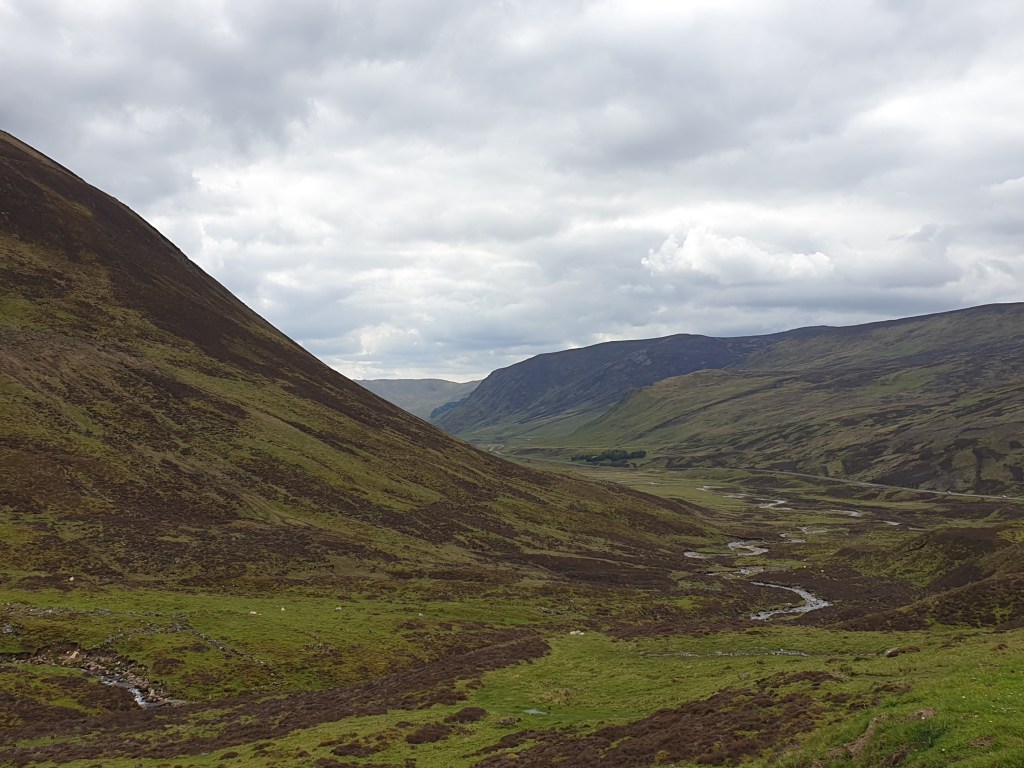
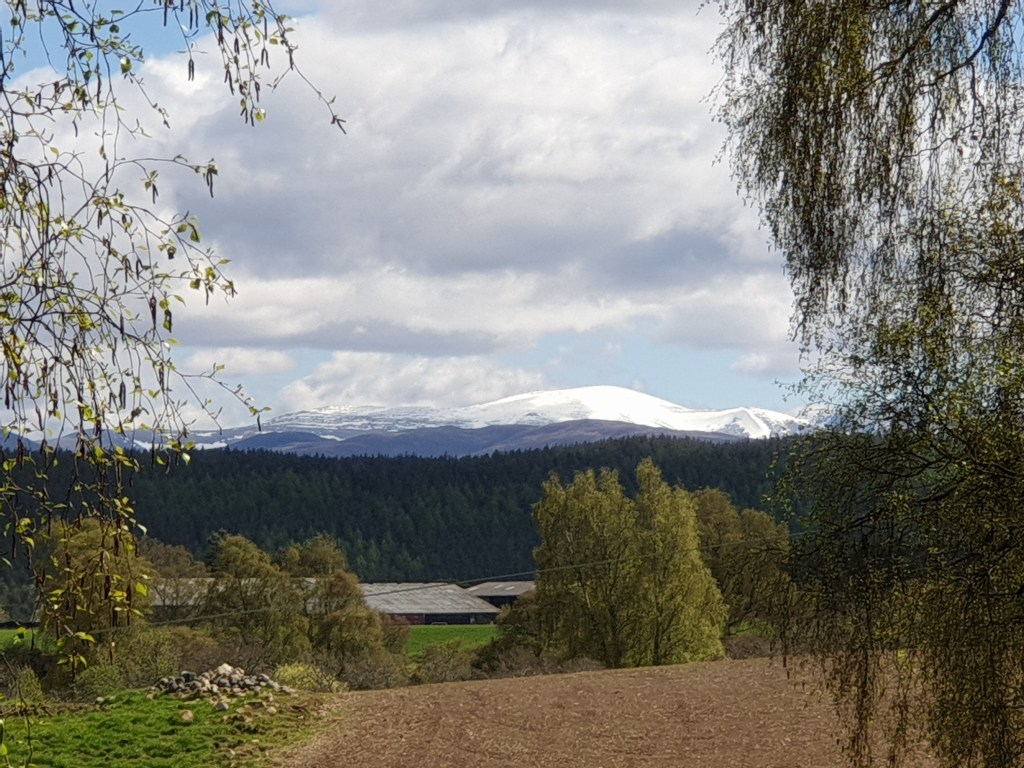
……before the road climbed into the Cairngorm Mountains. These mountains are different to the ones in the west – greener, rounder, and somehow bulkier and even more imposing. The last snow was melting on their summits – you can ski here in winter. I stopped several times to photograph the beautiful, rolling scenery.
The mighty Cairngorm Mountains
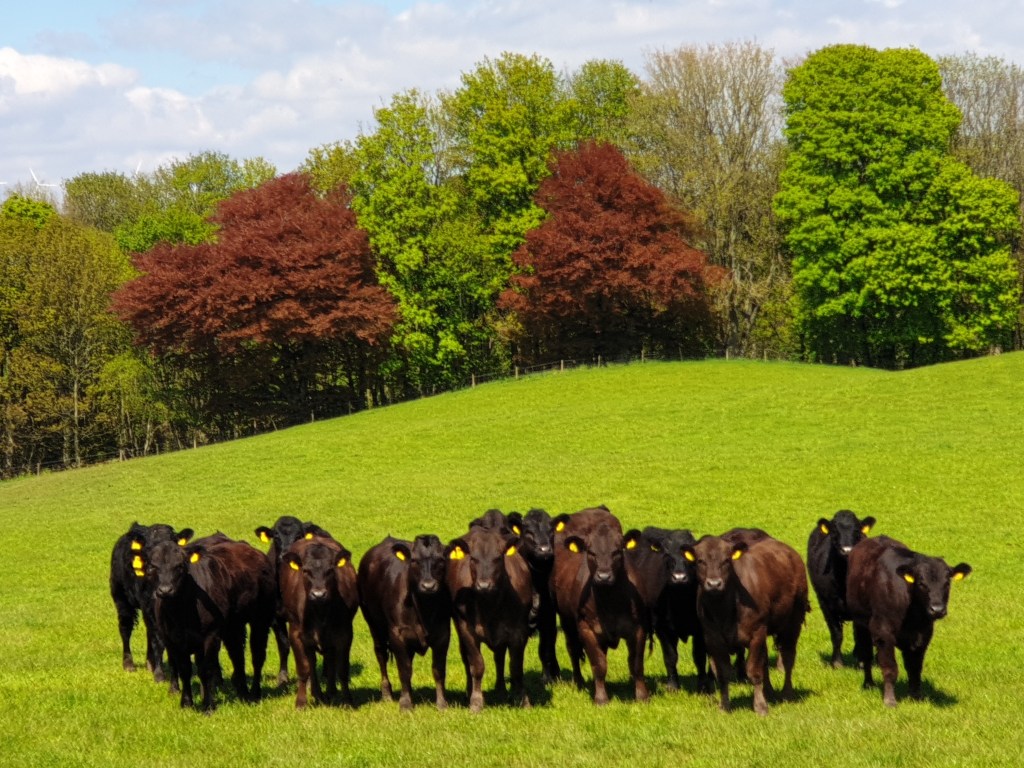
From the Cairngorms the road descended through lush pastures with beautiful shades of green and red. I stopped to take a photo and a herd of cows gathered together to have their group portrait taken by me.
Cows Assembled for a Group Photo
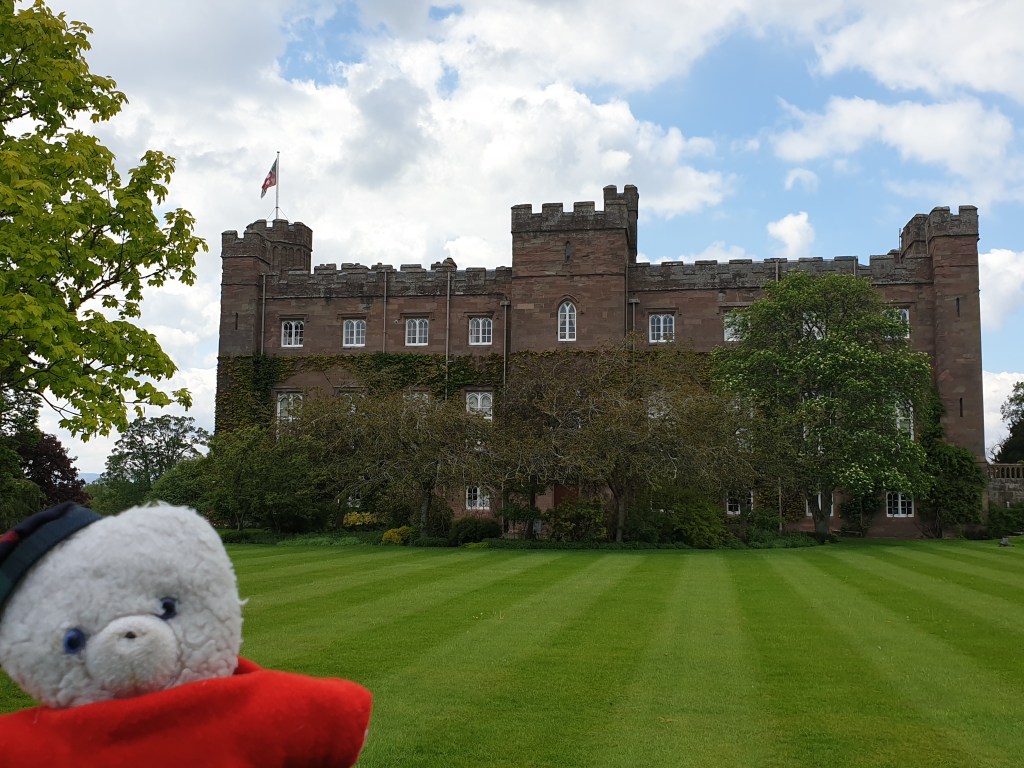
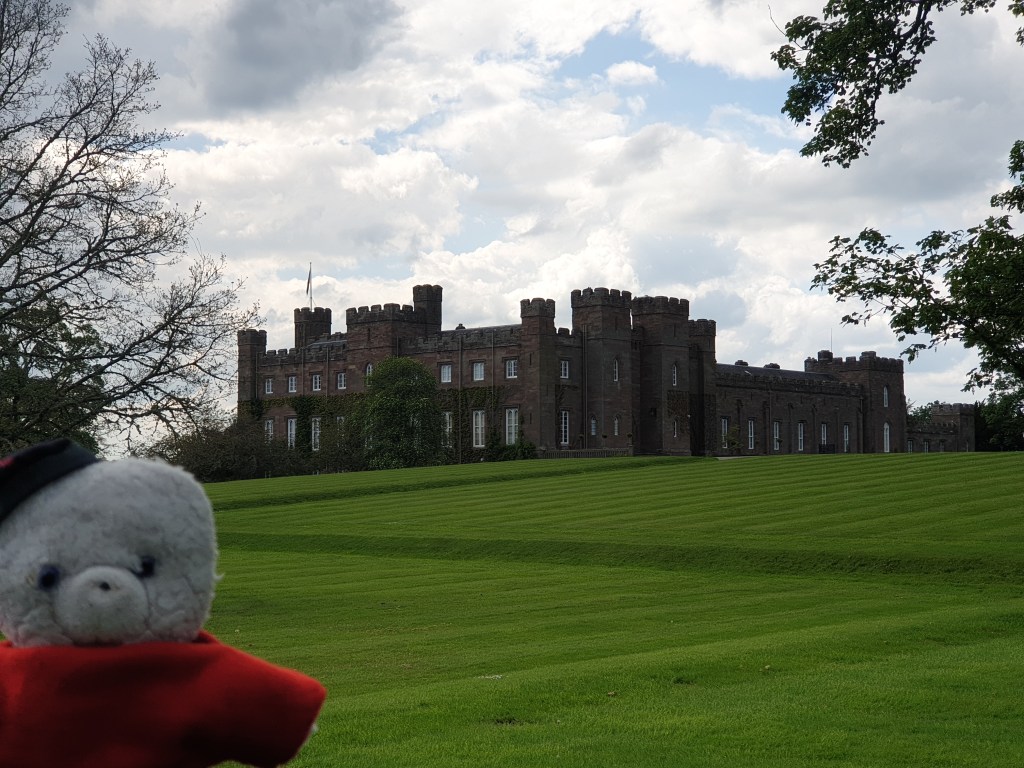
I soon arrived in the city of Perth. I made yet another stop at Scone Palace, the place where the kings of Scotland were crowned.
Scone Palace
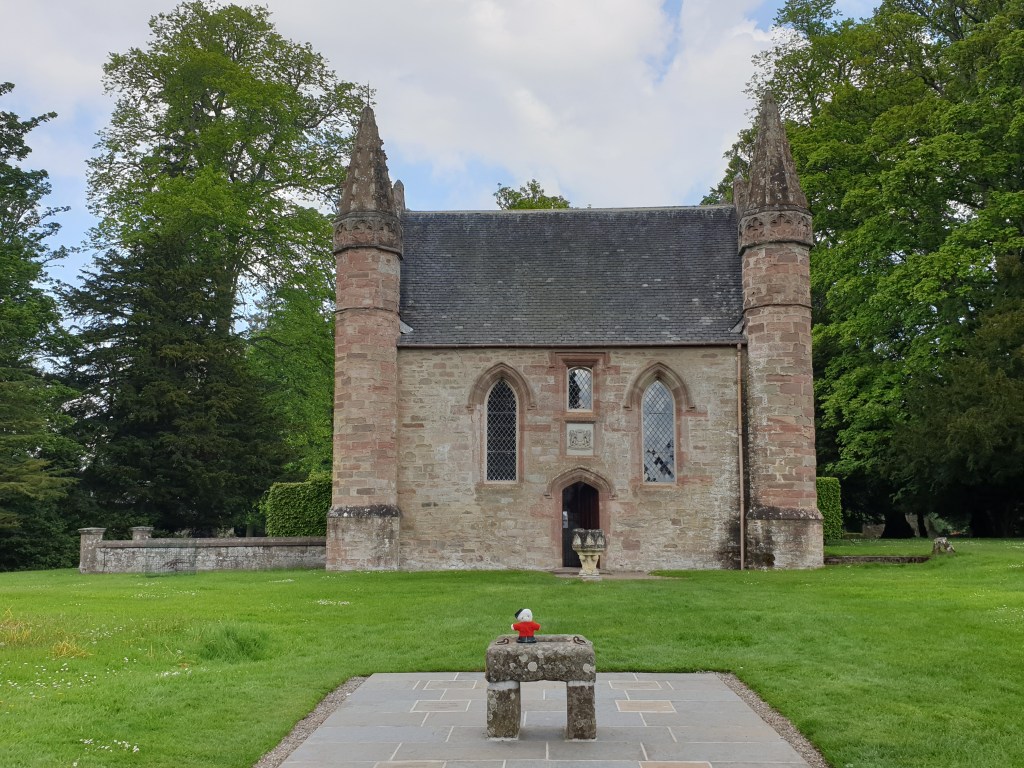
The inside of the palace was closed, but in any case I didn’t have time for a visit. Strolling around the grounds, I found the replica of the Stone of Scone, used in the ancient coronations – the original was removed to Westminster Abbey by King Edward I of England in 1186.
King Trouspinet the First of Scotland!
The Stone sits atop a raised mound of earth – legend has it that the lairds invited to pay homage to the new king would bring soil from their native territories with them in the boots, and empty this soil onto the site to show allegiance. Over the centuries this created the mound you can see today.
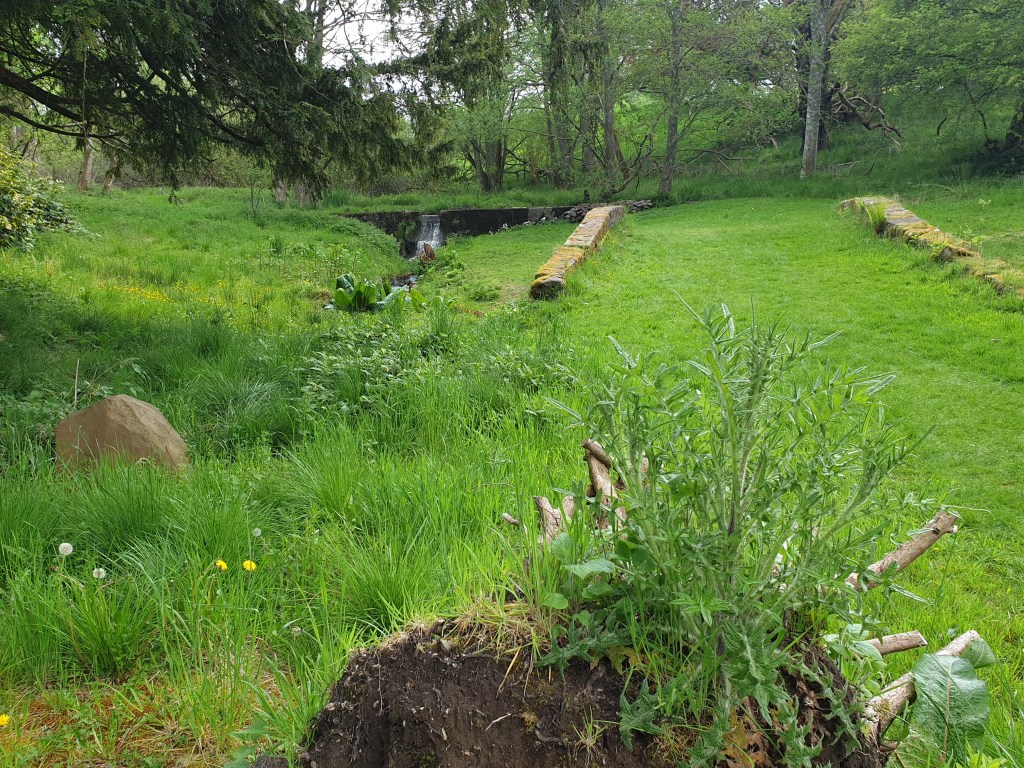
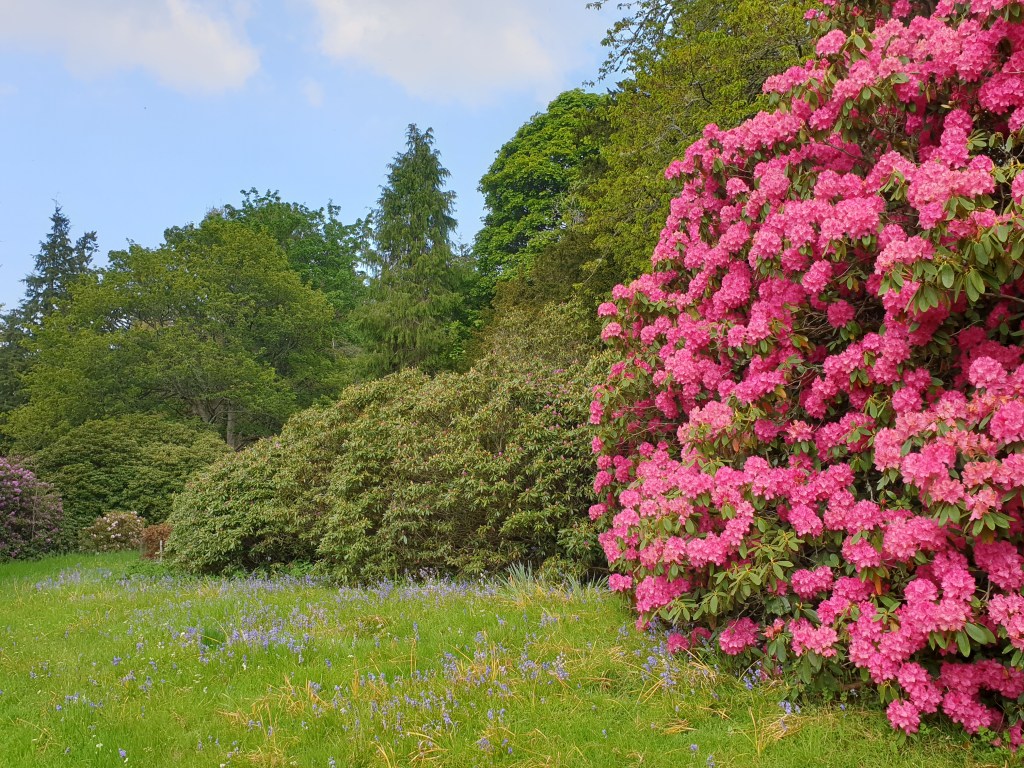
The grounds of Scone Palace were also very pretty, with several marked trails to explore…………..
The grounds at Scone
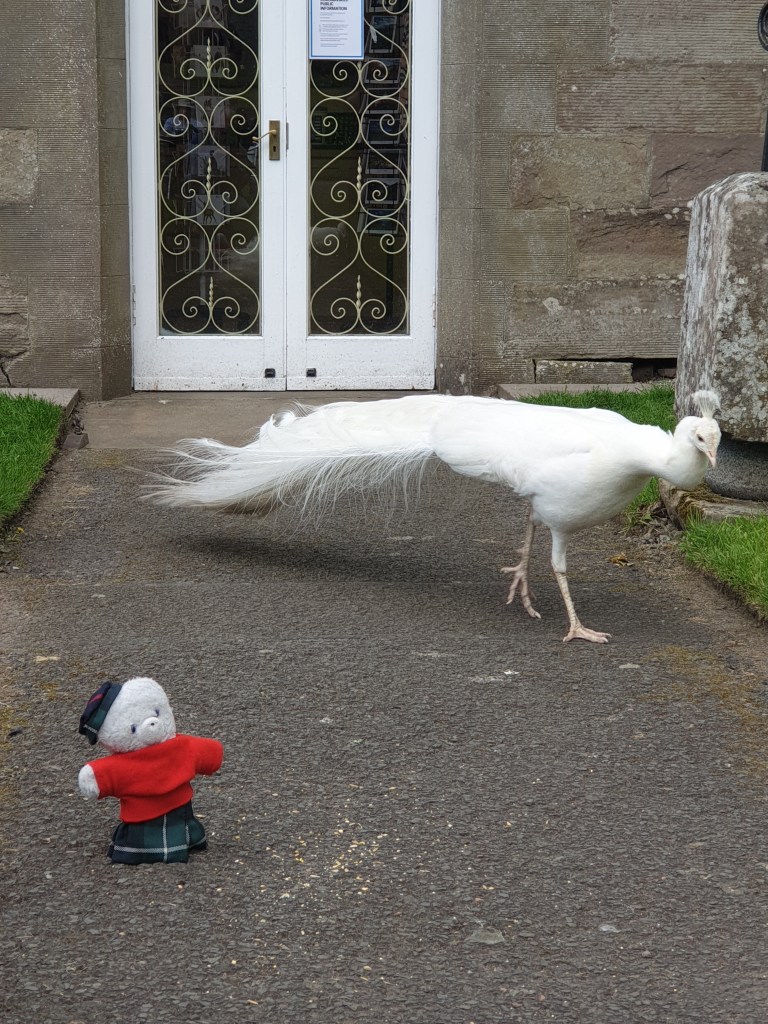
……..and new friends to meet.
Peacocks roam the grounds
On regaining my car, I turned around for one last look at Scone, the last stop on my tour of Scotland. Ahead of me lay the long road to Carlisle, and then the even longer drive back to London.
A last look at Scone before the looooong drive back home
That’s all for this trip. Over 12 days I had seen some of the world’s best scenery, met puffins, deer and dolphins, visited many very different castles, caught up with old friends……and done lots and lots of driving. I will definitely be back – twice, in fact. Once to see the big cities of Edinburgh and Glasgow (more easily reached by train than driving) and once to stay in a cottage in one place for a whole week. I’d like to get to know one area really well, do some serious walking and maybe some paddle boarding. Out of all the great places to choose from in Scotland, this trip has helped me choose the very best place to spend a whole week – but it will remain my secret until I return. I don’t want it to become too popular!
Thanks for reading – keep checking my blog to catch up with my latest adventures!
Aberdeenshire is famous for its old castles – there are supposed to be over 260 of them – so today I decided to visit some of the ones near Tarves, where, as you remember, I was staying with friends.
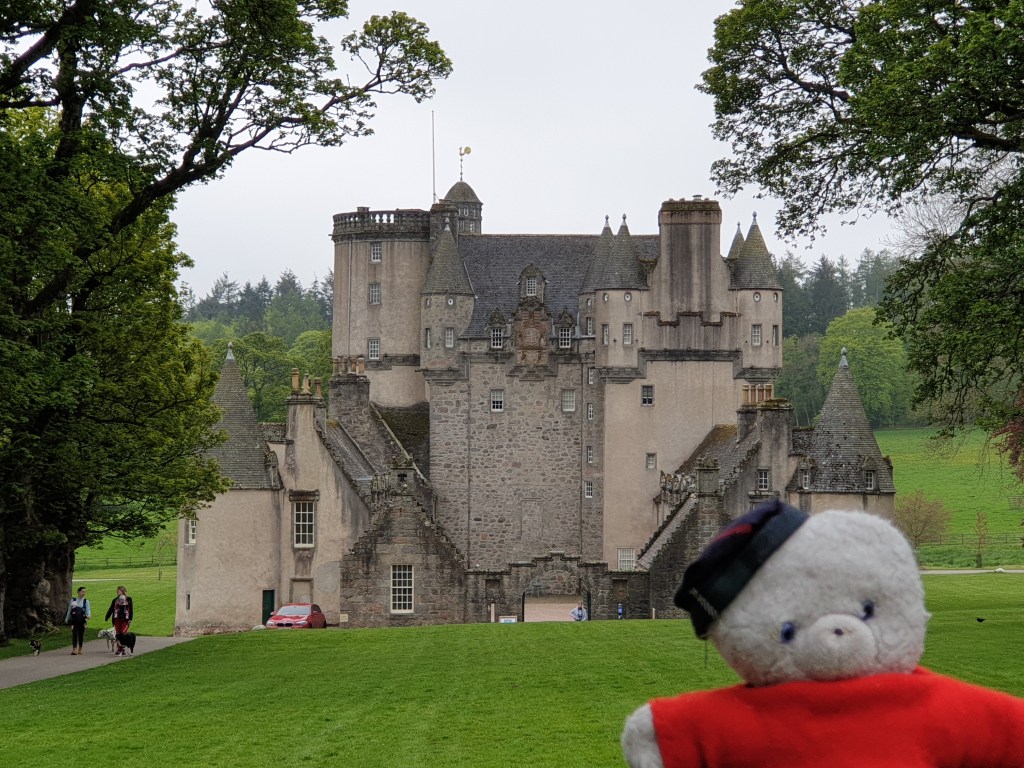
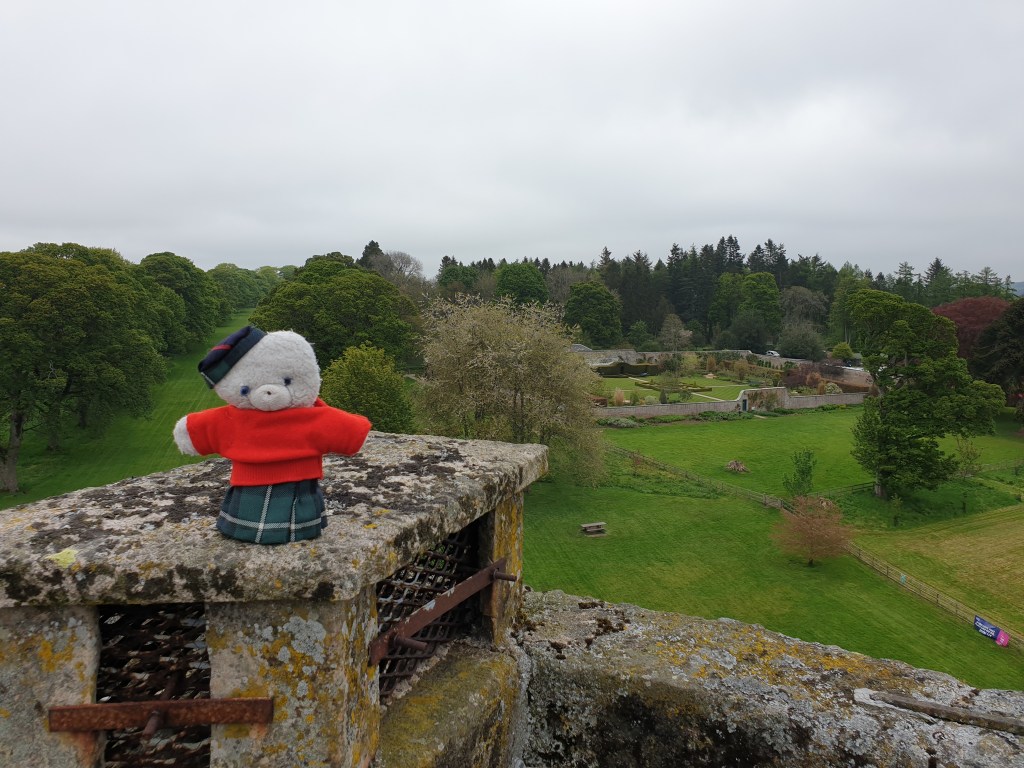
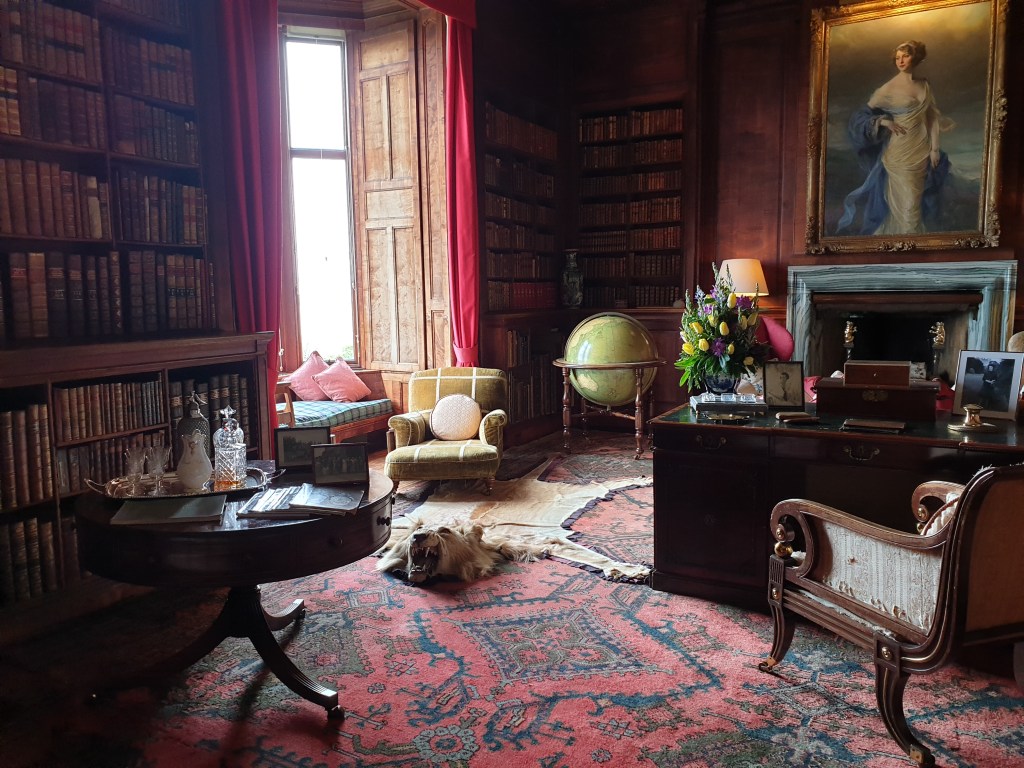
First was Castle Fraser, ancestral home of the Fraser clan and later the Fraser-MacKenzie clan. It is a typical old “tower house” castle. Over the centuries different lairds continually added new wings to the castle, extending the original structure horizontally and vertically. Visiting the castle involved lots of climbing up and down stairs in the tall defensive towers you can see in the photo. One of the rooms contained the “laird’s lughole” – a secret room from where the laird could eavesdrop on the conversations in the main hall.
Castle FraserThe view from the Ramparts of Castle Fraser
In each room we met National Trust of Scotland volunteers, who would enthrall us with stories of the castle’s past owners. My favourite was the story of Charles Mackenzie, who lost a leg during the Napoleonic wars and then returned to Scotland to lead a long and active life. He had over twenty sophisticated artificial legs built, which impress medical experts even to this day. There were different legs for different activities – walking, dancing, horse riding. Since the laird fathered fourteen children, I wondered if there was a leg for procreation, but was too shy to ask.
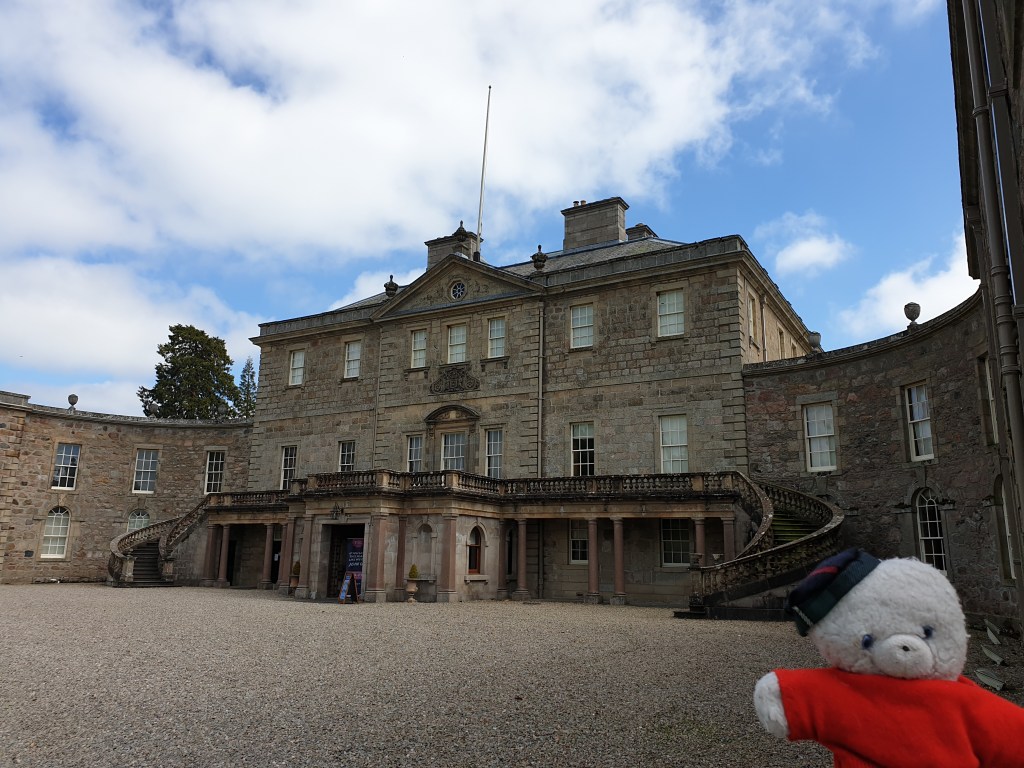
Next was Haddo House, which was built in a completely different, Georgian, style – like an English country house.
Haddo House
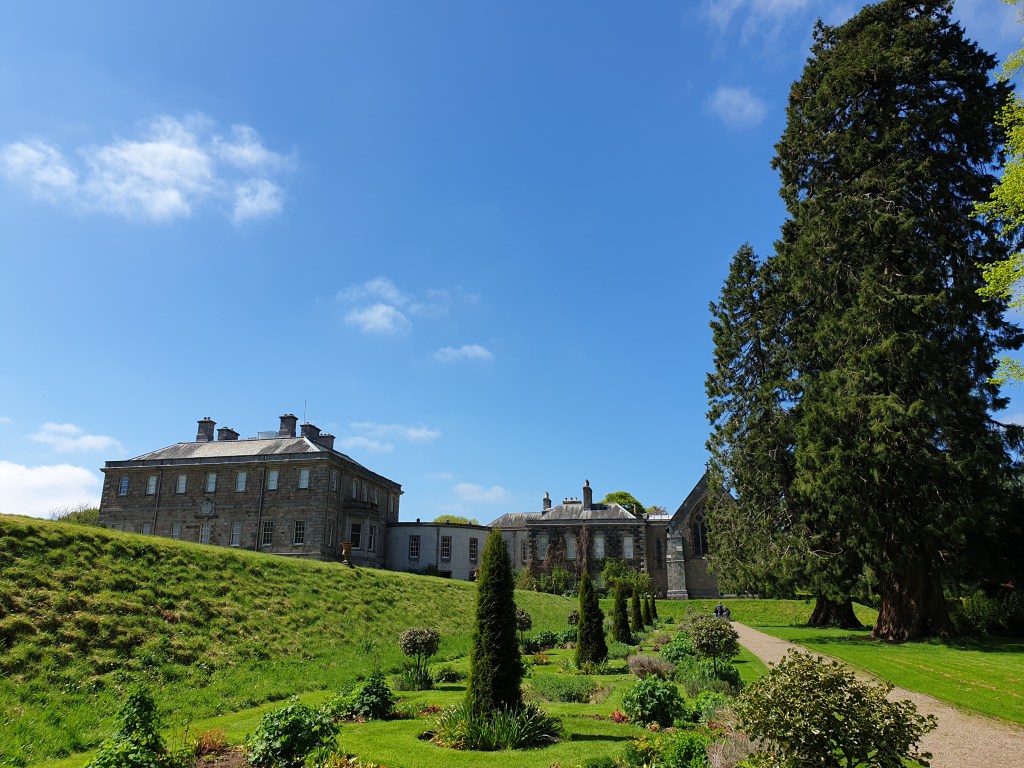
It was the home of the Gordon family, and had its own stories. The house dates 1732 but most of the interior is Victorian, dating from 1880. When the newly-wed Lady Ishbel Hamilton-Gordon arrived at the house after her honeymoon, she hated the old Scottish interior so much that her husband gave her £100,000 (now worth £12-13 million) to completely remodel the house. She did a great job, but unfortunately it was not allowed to take photos inside the house. Lady Ishbel and her prime minister husband would often receive Queen Victoria, who would ride over from Balmoral Castle. Haddo House sits in very pretty gardens, which in turn are part of huge grounds that include a lake, forest and deer park.
The Grounds of Haddo House
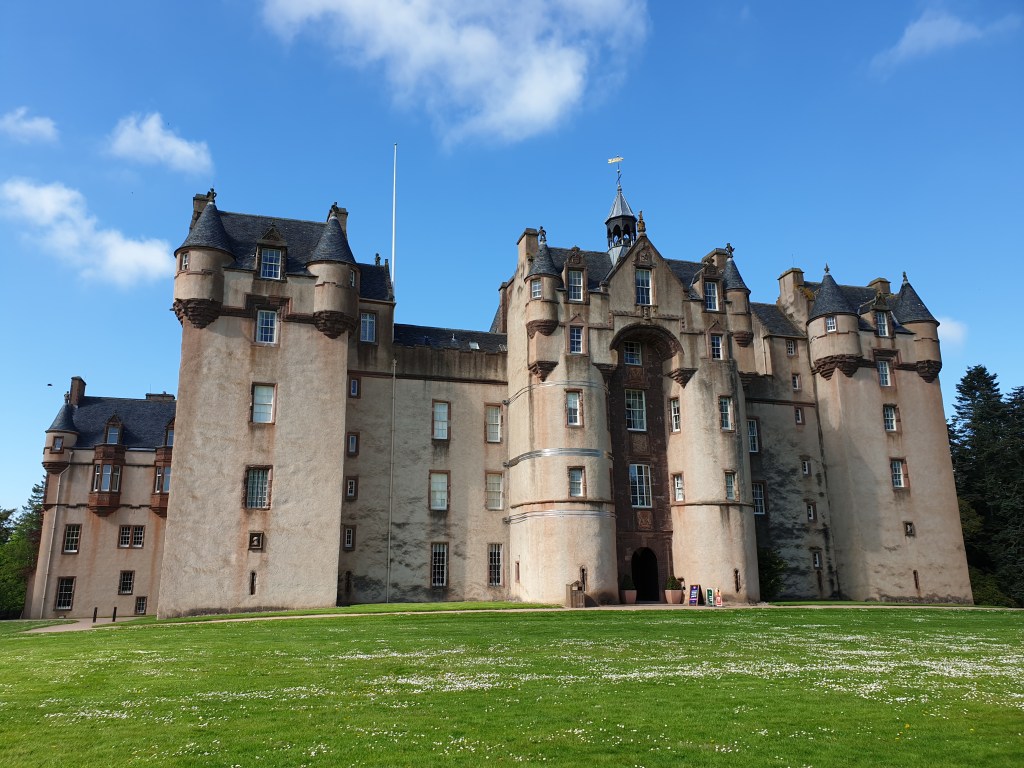
My final castle visit was Fyvie Castle. Like Castle Fraser, this was built in the “tower-house” style.
Fyvie Castle
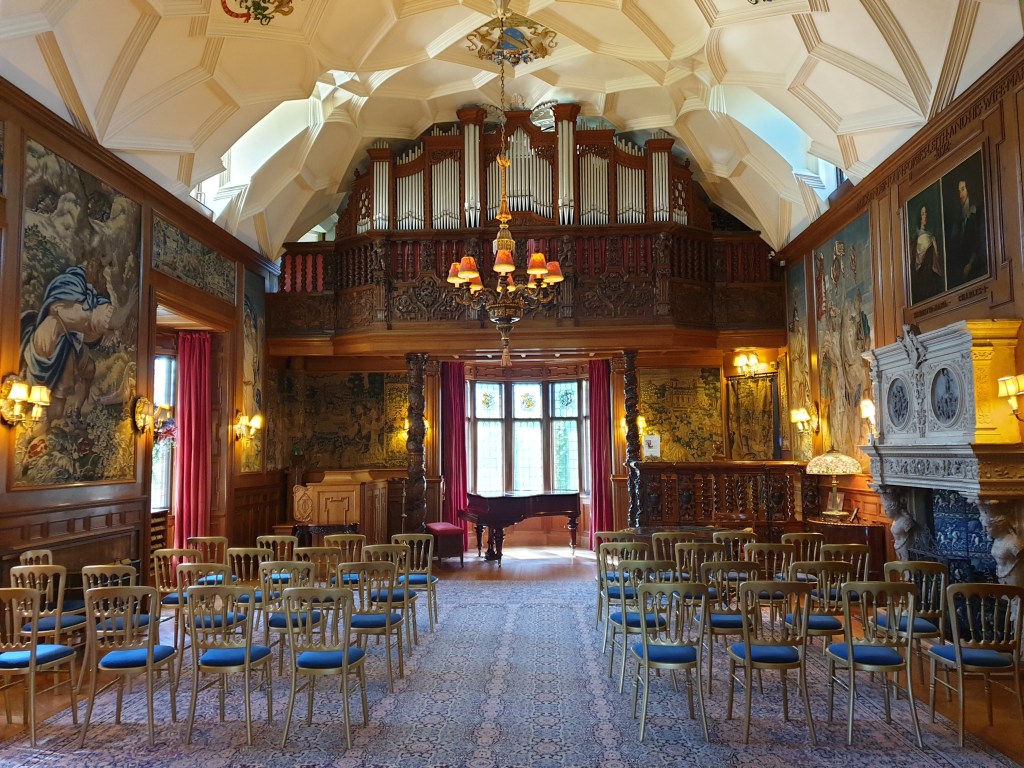
It was the home to various families, ending up with a branch of the Gordon family who eventually gambled and drank away their fortune and sold it to Alexander Leith, a local boy (possibly a descendant of one of the original owning families), who had made his fortune in America. He installed an impressive music room but left the structure and feeling of castle unchanged. Fyvie was probably my favourite castle of the three – very atmospheric, with lots of old weapons and armour on display.
The music room at Fyvie Castle
From there I headed back to Tarves for another really good dinner and long evening of reminiscing with my friends.
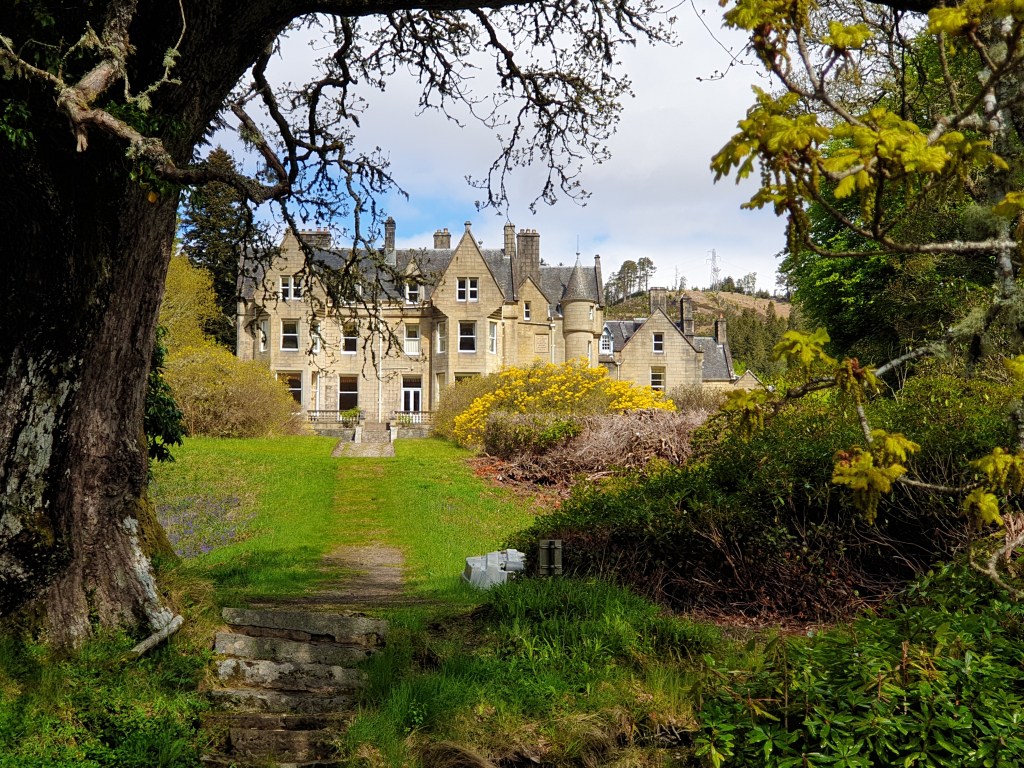
After three long days of driving, I was looking forward to something a bit more relaxing. I asked the hotel manager for a late check out and spent the morning exploring the grounds of the castle.
The Grounds of Glengarry Castle
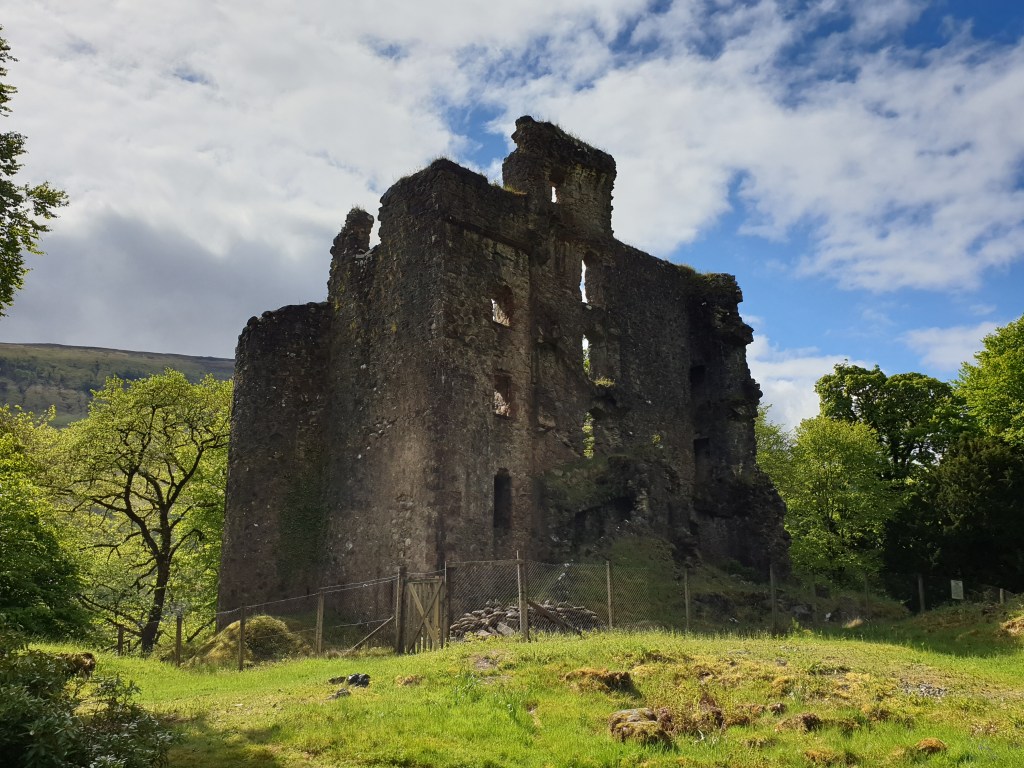
The estate had its own ruined castle (abandoned when the owners realised it would be easier to build a new one than continue to maintain a medieval structure)…..
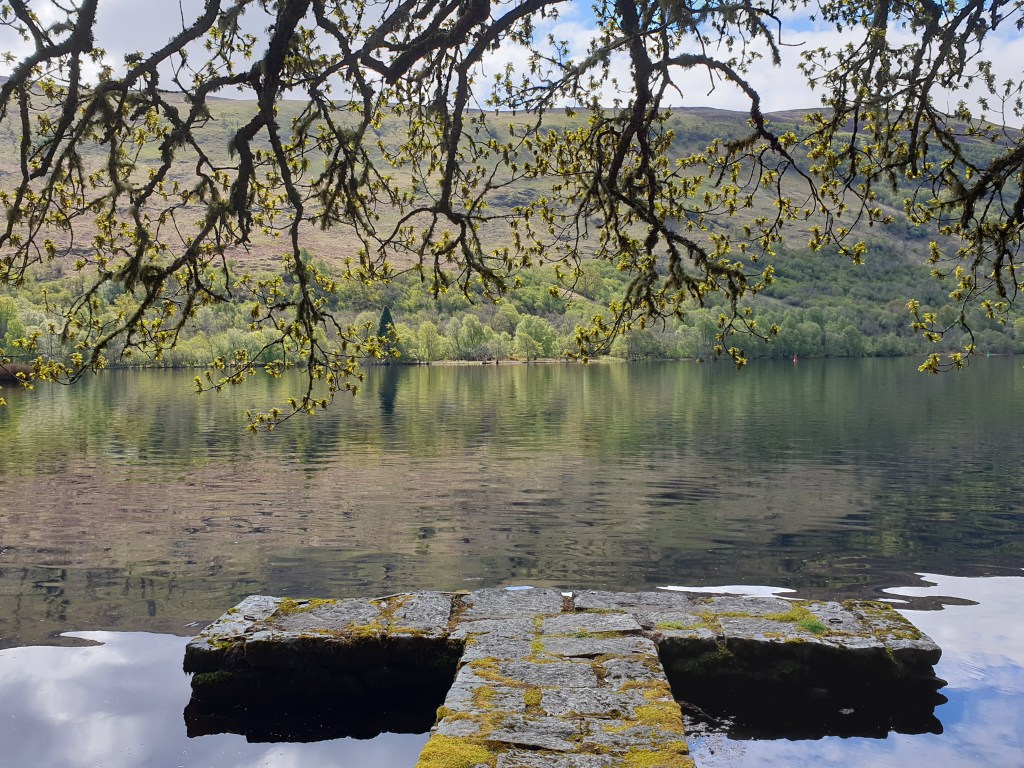
……and its own loch.
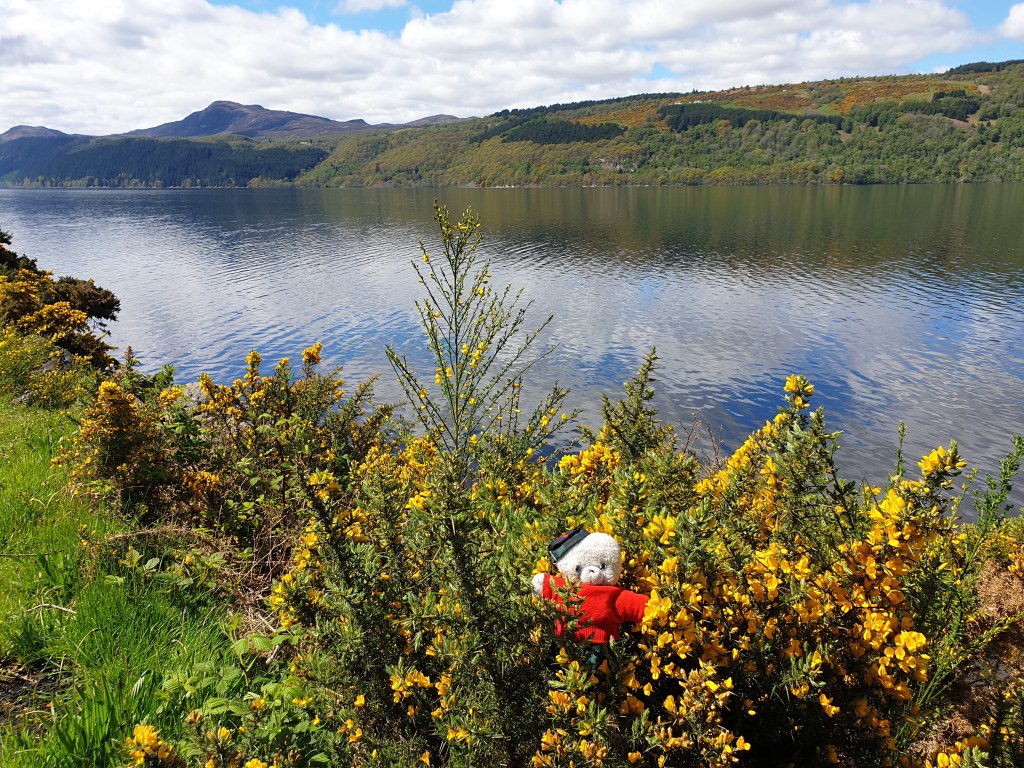
At noon I drove north east up the Great Glen, a long, deep valley formed millions of years ago when the tectonic plate carrying north Scotland crashed into the rest of the British Isles. The glen had many long, deep lochs, but the most famous by far is Loch Less.
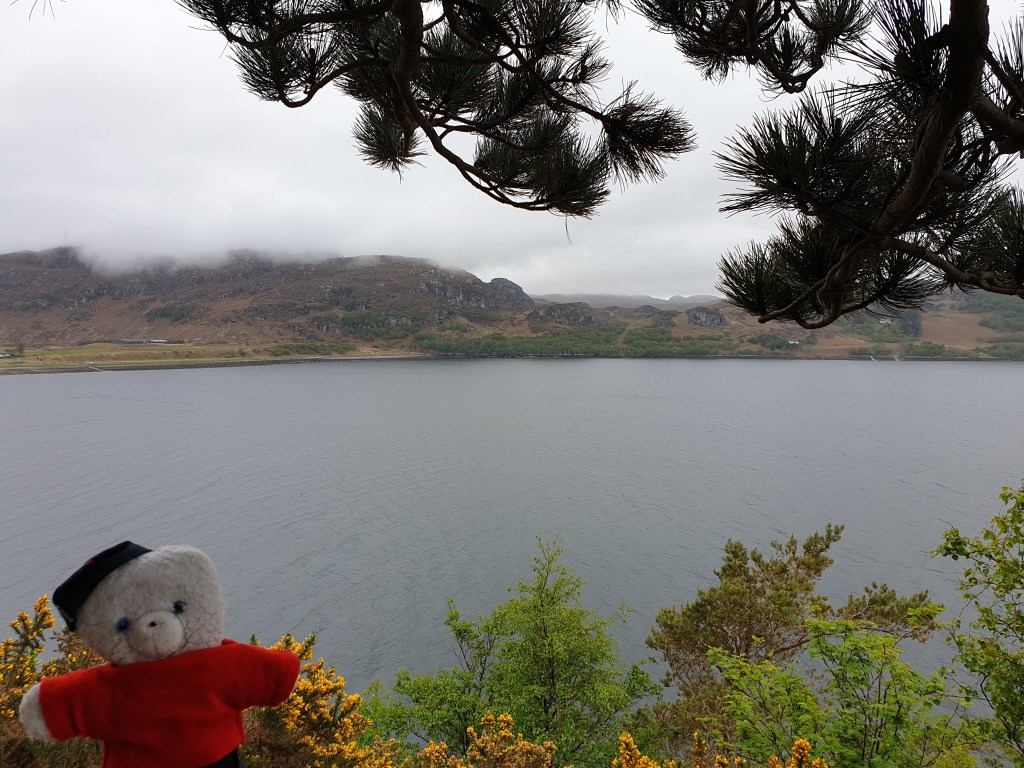
Me at Loch Ness
I couldn’t see the monster but I could imagine how on a dark day people could mistake the waves on the loch as something living. I did though meet some new friends.
New Friends
From Loch Ness I reached Inverness, the biggest city in the highlands, before taking the scenic road around the edges of the Cairngorms National Park (more about this in a later post) towards the east and Aberdeen.
A glimpse of the mountains of the Cairngorms
On leaving the Cairngorms, the countryside became flatter and greener – almost like parts of England. Consequently, this part of Scotland receives many fewer visitors than the west coast – but as you will see in tomorrow’s post, it still has a lot to offer. My route took me along the pretty river Spey.
This is whisky country, and every few miles I passed distilleries that you could visit. I was tempted to drop in to learn how whisky is made, but since I was driving and since I am only a small teddy with a limited capacity for alcohol, I decided to leave this for another day. I finally arrived in Tarves, a tiny village to the west of Aberdeen, where I had arranged to stay with my old friends, a family of Scottish teddies.
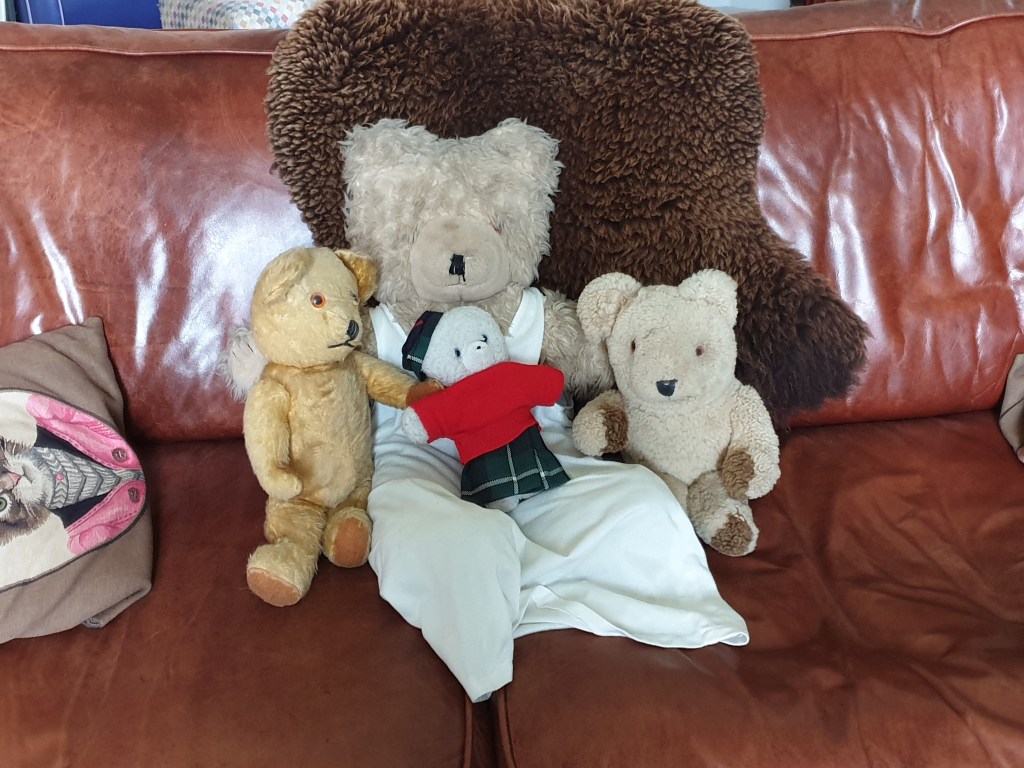
Staying with Friends
We hadn’t seen each other for a long time. We had an excellent dinner of local meat, washed down with red wine and then whisky, and exchanged seven years’ worth of stories.
Today I planned to finish the NC500 route. First, the road led to Inverewe, where a beautiful garden has been created in Scotland’s far north. It is home to some sub-tropical plant species, that can survive because the Gulf Stream keeps the climate surprisingly mild in winter. The designers of Inverewe also had the idea of using a forest of Scots Pine to provide protection from the strong, cold Scottish winds. In addition to exotic plants from Australia and South Africa and other far-flung places, Inverewe also has traditional Scottish plants like rhododendrons and azaleas, which were just starting to bloom. I spent a happy hour wandering around, and then found a discrete corner to have sandwiches for lunch – I wasn’t sure if picnics were allowed in the gardens.
Different aspects of the gardens at Inverewe
From Inverewe, the road again became narrow, with spectacular views of the sea.
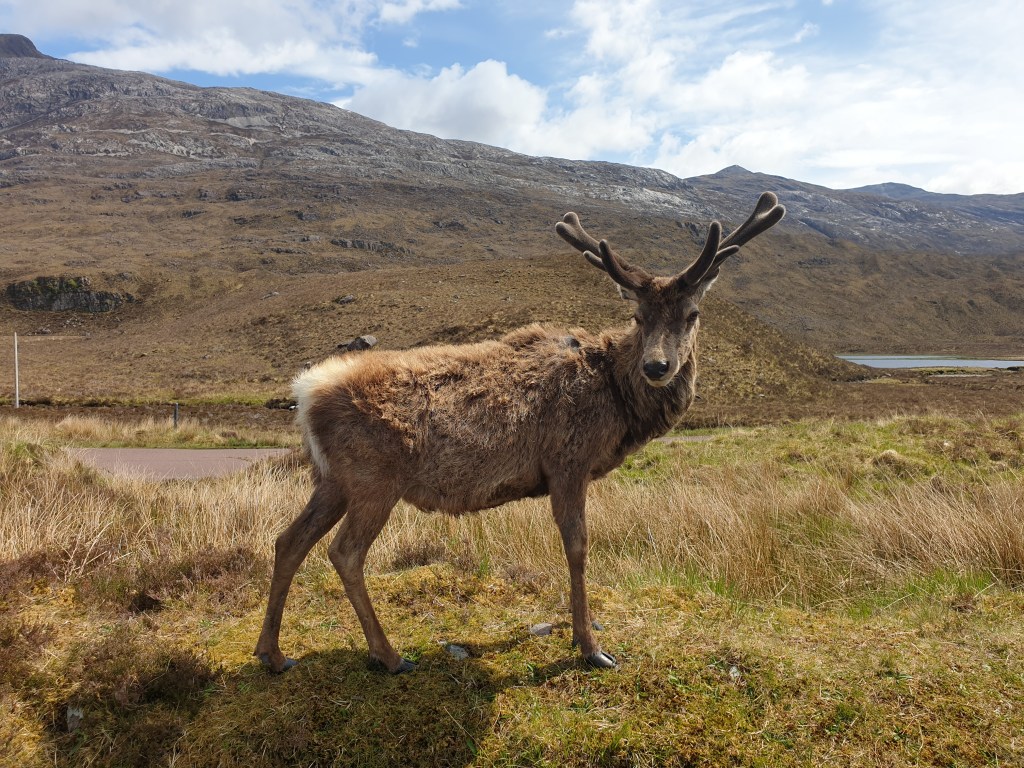
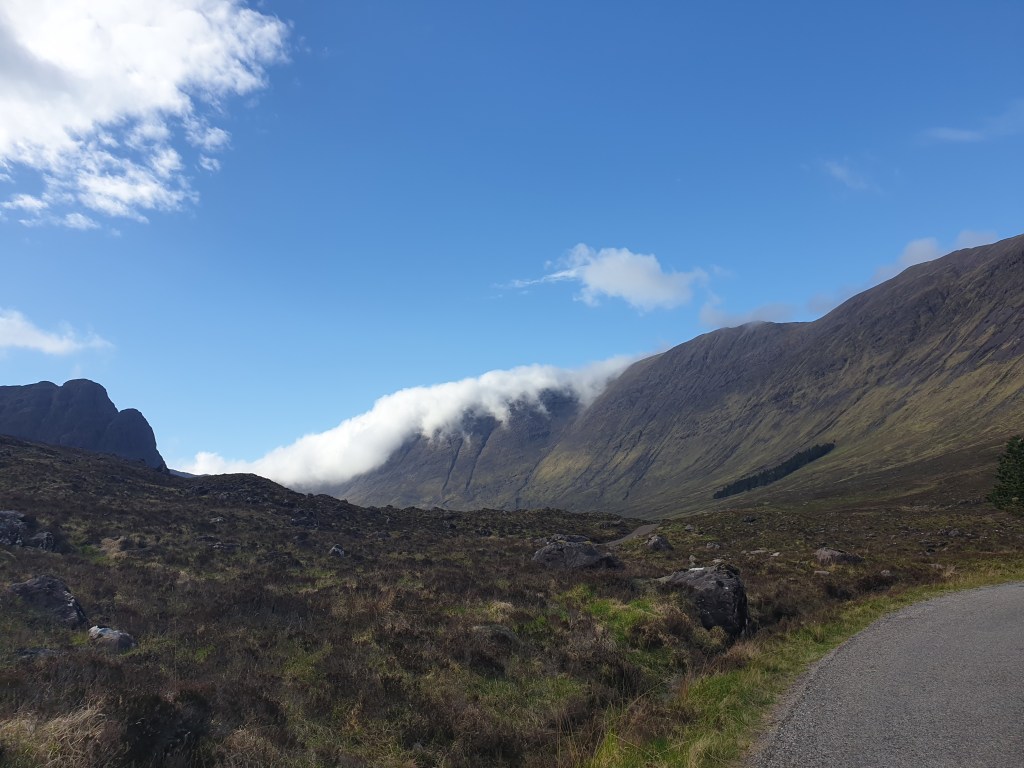
I often had to squeeze past other cars and thought that it was good to be driving the NC500 in May – in high season, the road might be too busy to enjoy. At Kinlochewe, the NC500 turned off down the Torridon valley, with more mountains……… and an unexpected friend standing right by the side of the road, unperturbed by passing cars.
The Torridon valleyA surprise meeting
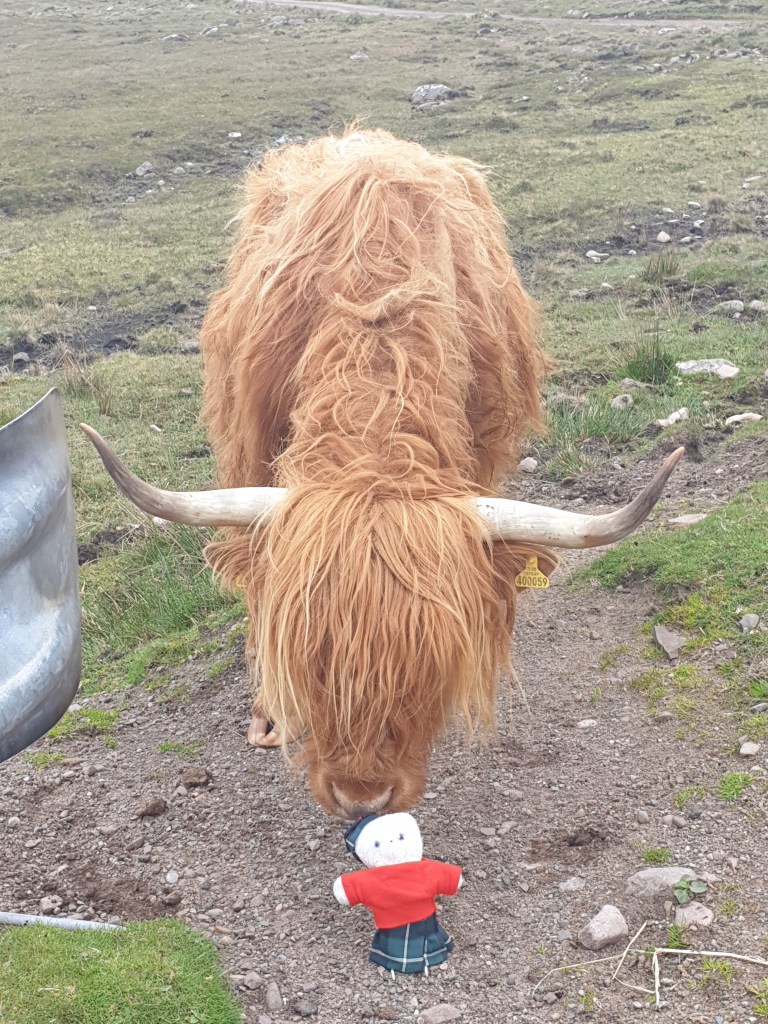
Form Torridon the road climbed back into the mountains, where I met more friends.
Brave, aren’t I?
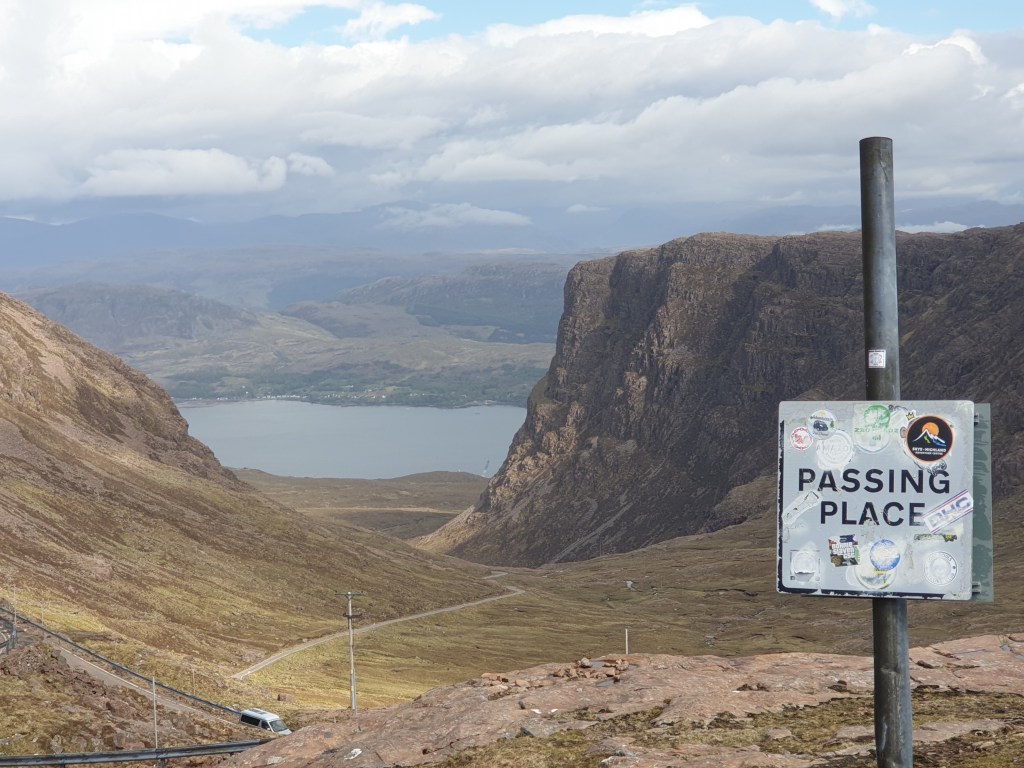
Then I descended into Applecross, a pretty village by the sea with a very good restaurant, where I stopped for afternoon coffee. From there. I drove up and back down the steep Bealach na Bà pass, with its nerve-jangling hairpins bends and far-reaching views.
On top of the pass….On the way back down…..
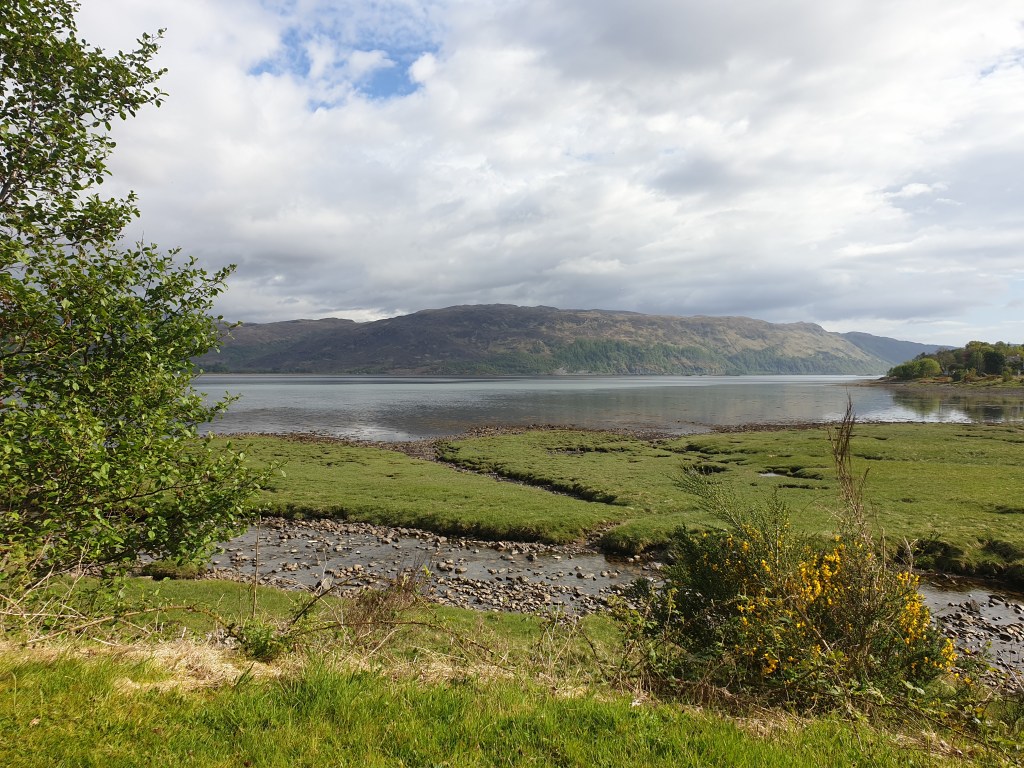
Next the road followed the side of Loch Carron….
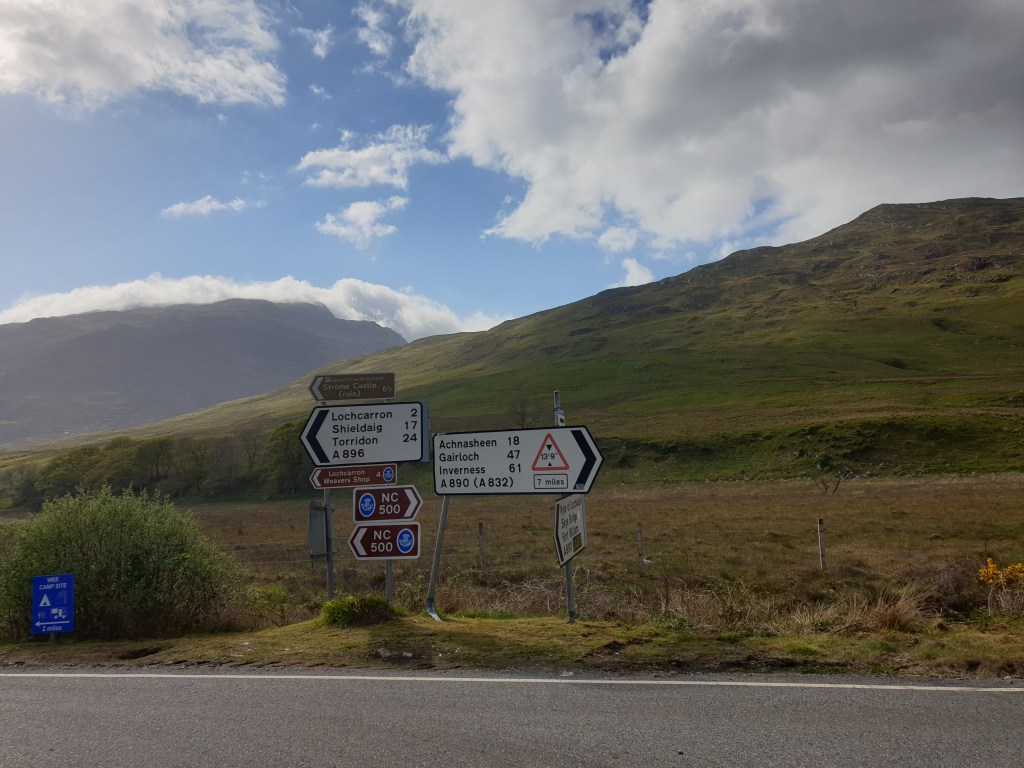
…before reaching a place called New Kelso where I had first started the NC500 over 500 miles and three days earlier. I had done it!
Back to where I started!
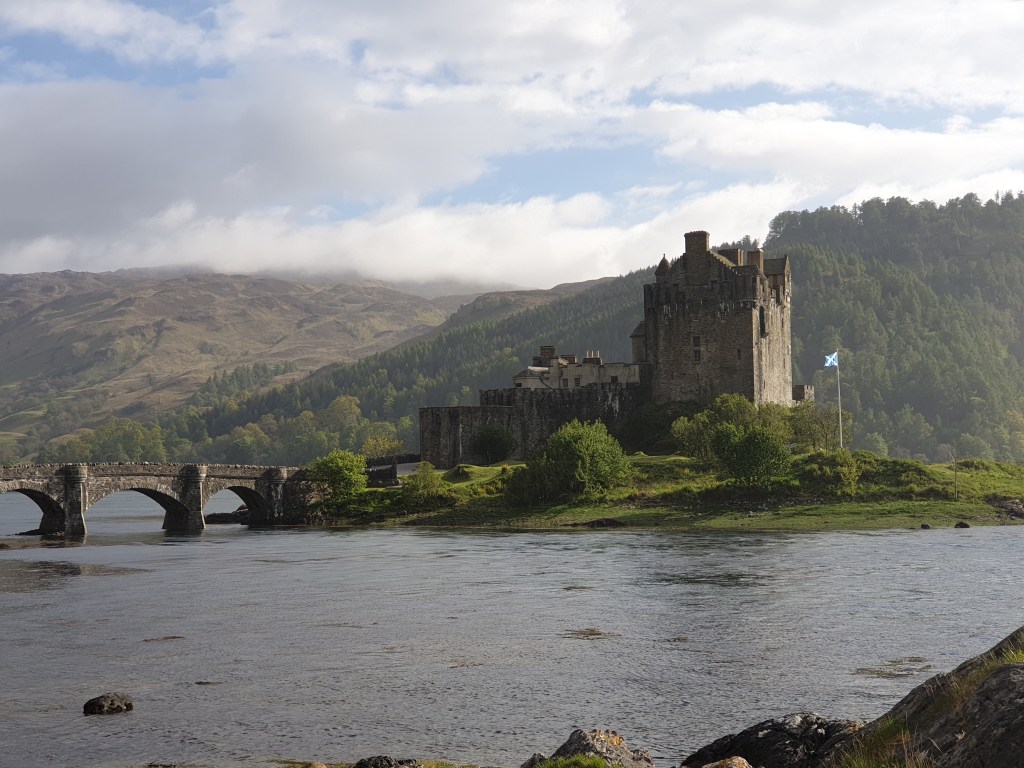
The rest of the day was easy. I travelled back towards the Kyle of Lochalsh on a road I had already driven once. It looked very different in the sun, particularly Eilean Donan Castle.
Eilean Donan – in the sun this time !
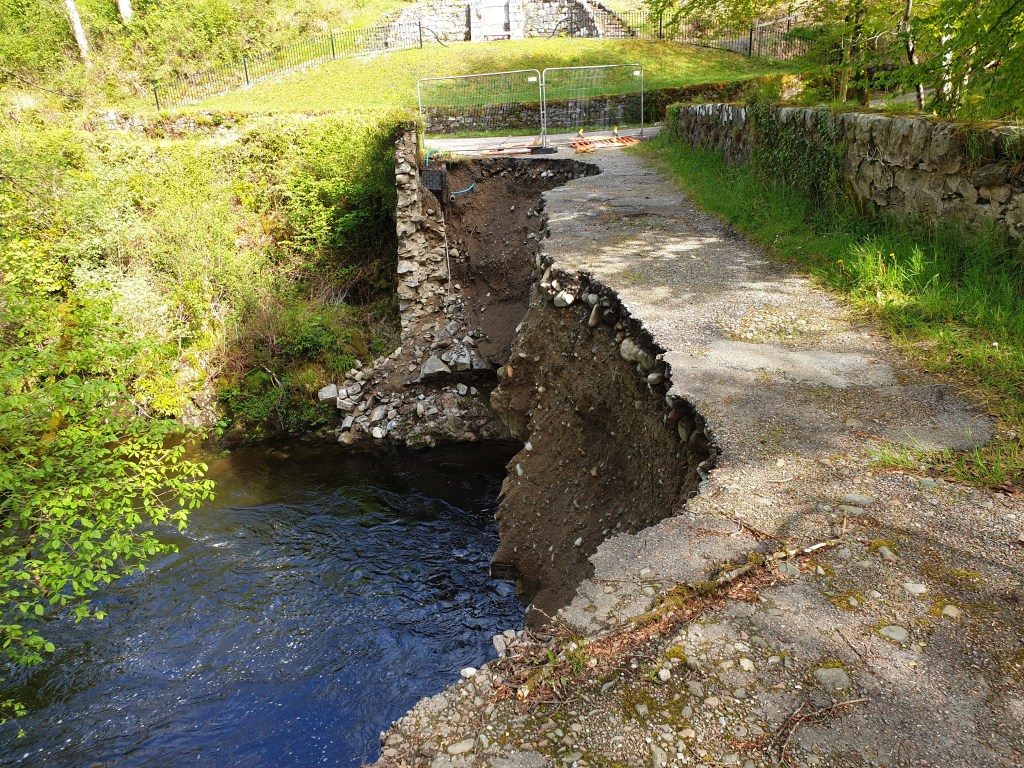
I passed the Five Sisters again, driving east rather than west this time, before reaching Invergary, where I had booked a room in the Glengarry Castle Hotel as a special treat. Nearing my destination at the end of another long day, I met with one last surprise – the old bridge leading to the hotel had collapsed.
I soon found the other way to reach the hotel , checked in, and had an excellent dinner, after which I drank coffee and wrote my blog in the “morning room”, enjoying the ambience of staying in a real Scottish castle.
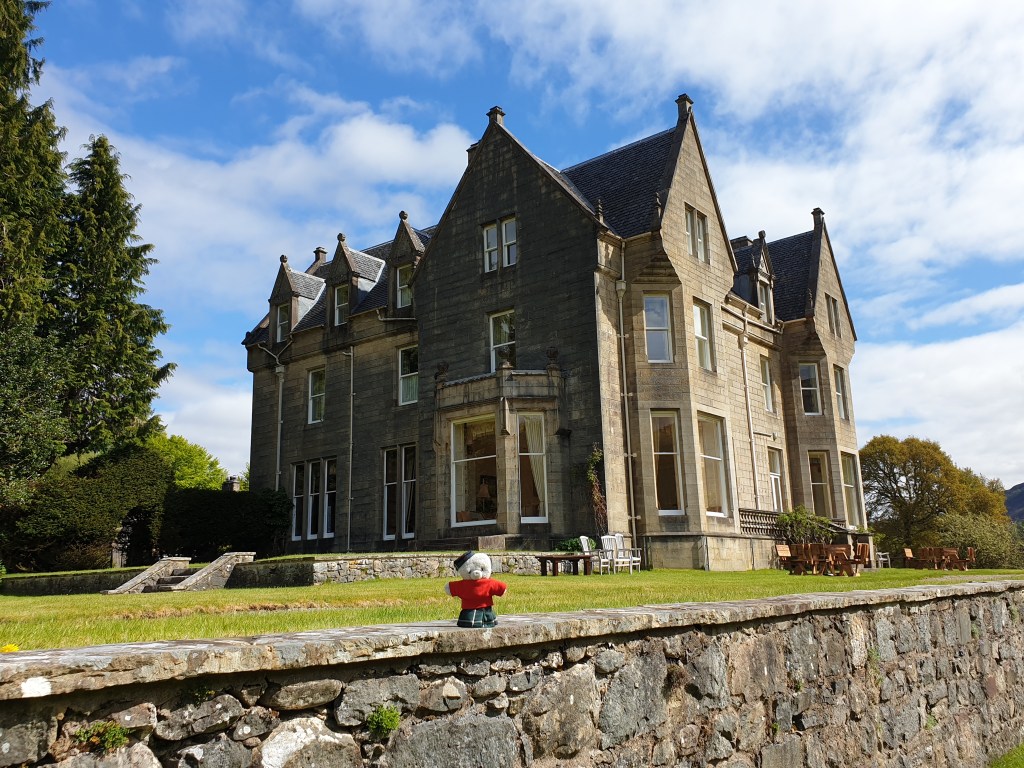
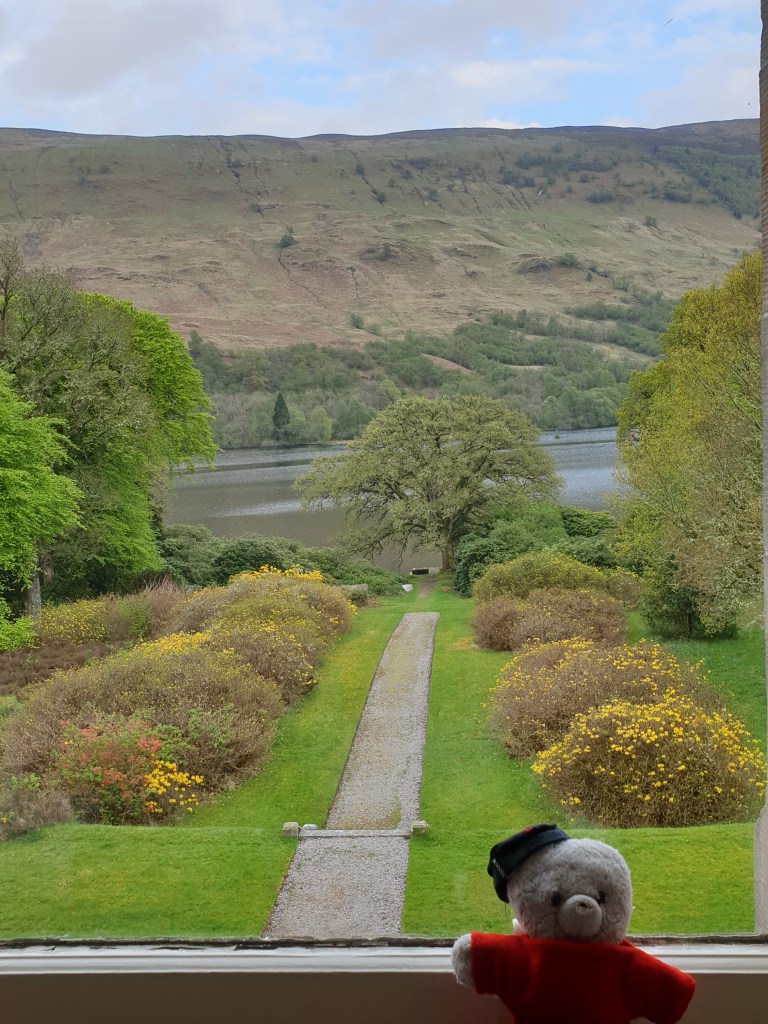
The Glengarry Castle HotelThe view from my room
It had been another long day’s driving, but I had completed my mission. The car was still intact, although the wheels and suspension had been through a serious workout. I had hundreds of photos and even more memories of the NC500 – possibly the best road trip in the world.
Today I set off at half past nine for the first part of the west coast section of the NC500. At first the scenery was similar to the day before…..
Early in the day – north coast scenery
…….. but then the mountains grew higher and the coastline more rugged, and I found making short stops every few miles to take photos of the breathtaking views.
Heading west – the scenery and weather began to change
I made a longer stop at Smoo Cave, where an underground river emerged from the cave it had carved in the rock and flowed out to the sea along a deep gorge.
Smoo Cave
Inside the cave, the river formed a powerful waterfall.
The waterfall in Smoo Cave
I drove on, through increasingly beautiful scenery and through tiny villages with strange names – Tonuge, Achuvoldrag, Hope, Sangobeg, Badcall….. Each consisted of just a few modest houses. Given the absence of people I was amused to find this sign on the side of the road:
One of the world’s most useless road signs….
The road became more and more narrow and winding, the mountains became higher and higher, and the scenery more and more impressive.
A picture is worth a thousand words….
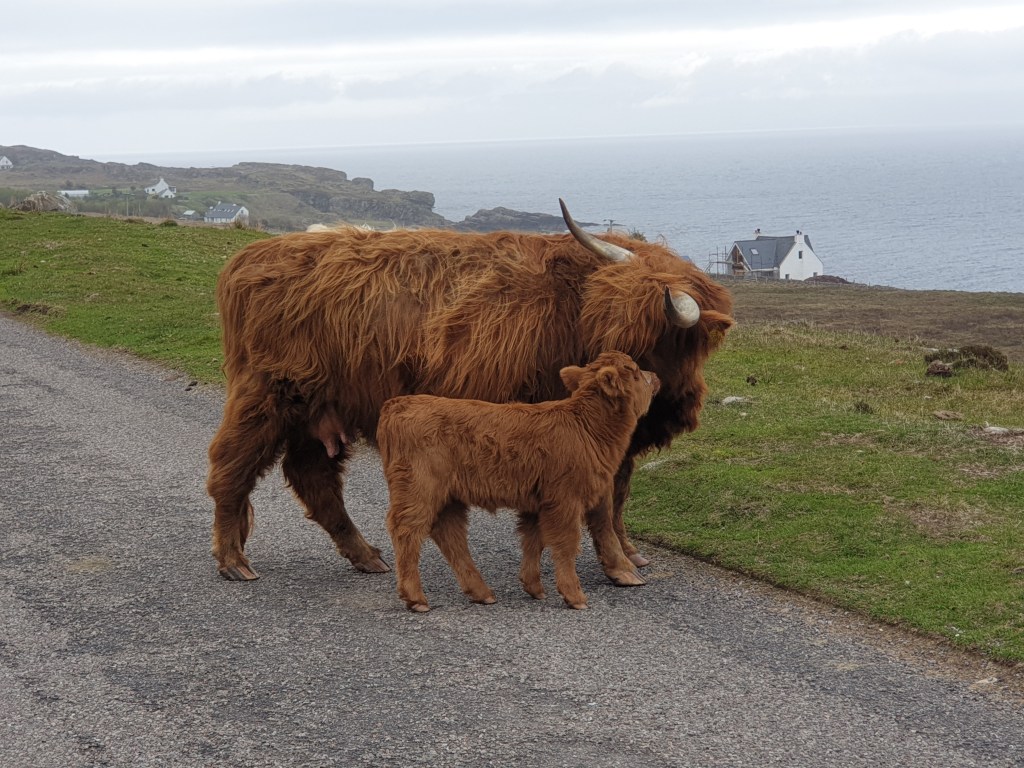
At the pretty town of Lochinver, I took an optional detour along a road nicknamed by the locals as the “Wee Mad Road”, famous for its twists and turns. It was getting late, and on checking my hotel booking I saw that they requested guests to check in by eight o’clock. I tried to call the hotel, but there was no phone reception. Accommodation along the NC500 is limited and hard to book, so I was worried my room would be given to someone else if I was late. My satnav showed I would just make it if I drove without stopping, so I accelerated as best I could along the tiny road. I encountered hazards that included a motorist who had stupidly attempted the road with a caravan, and a herd of unguarded cows nonchalantly taking an evening stroll along the road.
Finally the “Wee Mad Road” merged into a larger, straighter road running alongside Loch Bad a’Gaill, in a region called the Coigach. The steep mountains surrounding the loch were bathed in a soft, orange evening light, making this section of road the most beautiful of all.
I reached Ullapool, the biggest town in the region, and regained phoned reception – but found that my hotel’s phone did not work. So I pressed on inland along the wide, two-lane A835. The land opened up, with views stretching to snow-frosted mountains in the distance. I sped through this beautiful scenery in the evening sun, happy that I could finally put my foot on the accelerator, and reached my hotel just before eight.
The Aultguish Inn – an old Drovers’ Inn
It was a former drovers’ inn (where people herding cattle over long distances would stay to rest) and served a huge, excellent dinner of chicken with haggis, which I washed down with a pint of beer.
There had been lots of tricky driving, but it had been an excellent day. My only regret was having to rush through the best part of the road. I had only had time to stop to take one photo in the Coigach to share with my blog readers:
My only photo of the Coigach
The rest of the Coigach scenery remains as vivid images in my memory and a feeling of space and freedom in my heart. I will be back.
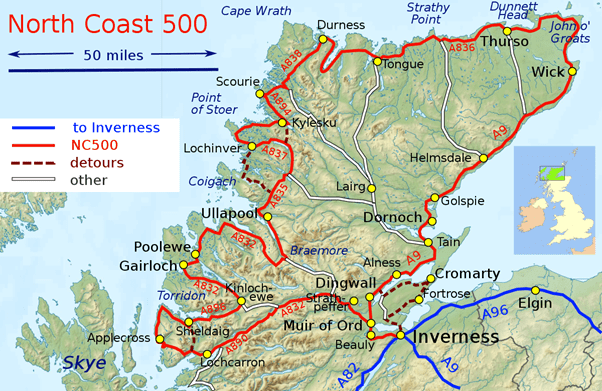
A big part of my planned Scotland itinerary was driving the NC500 – the North Coast 500, a five hundred mile route that circles the far north of Scotland. My original plan was to drive clockwise, visiting the spectacular western coastline first, but today heavy rain had been forecast so I changed my hotel bookings to travel anti-clockwise instead.
The NC500
My new route involved a very long drive from Skye all the way across Scotland, up the east coast to the far north eastern tip at John O’Groats, and then back west to Bettyhill, a small town on the north coast. My new plan would involve driving a short stretch of the route twice, but would allow me to see the west coast in the sunshine and would save the best scenery for last.
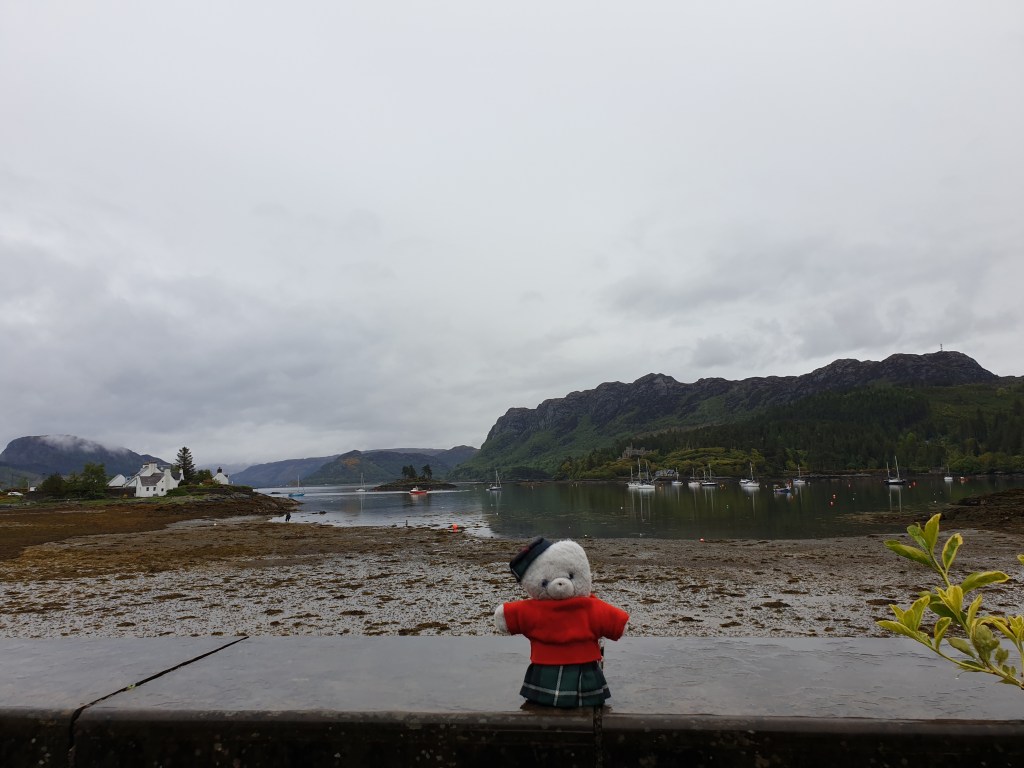
I set off in the rain, crossing the bridge from Skye back to the mainland and then stopping briefly at Plockton, a pretty little village by the sea, where the film The Wicker Man was shot. It even stopped raining briefly for my visit.
A rather wet Plockton harbour
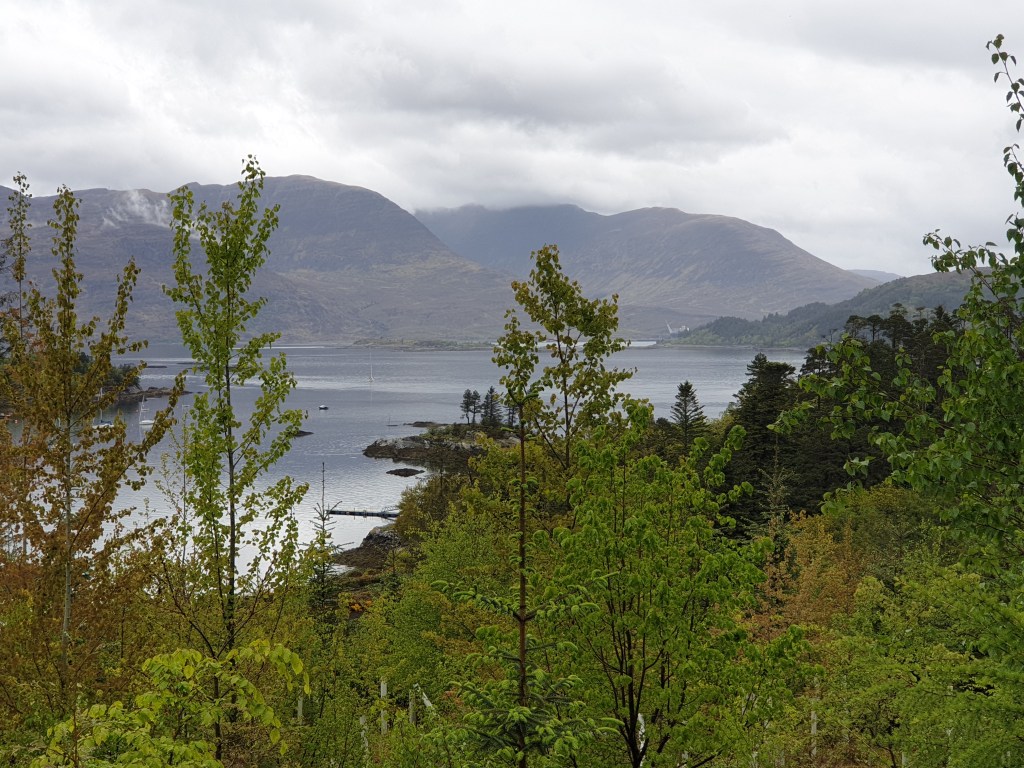
Form there I drove along the banks of Loch Carron, a very pretty road even in the rain.
Loch Carron
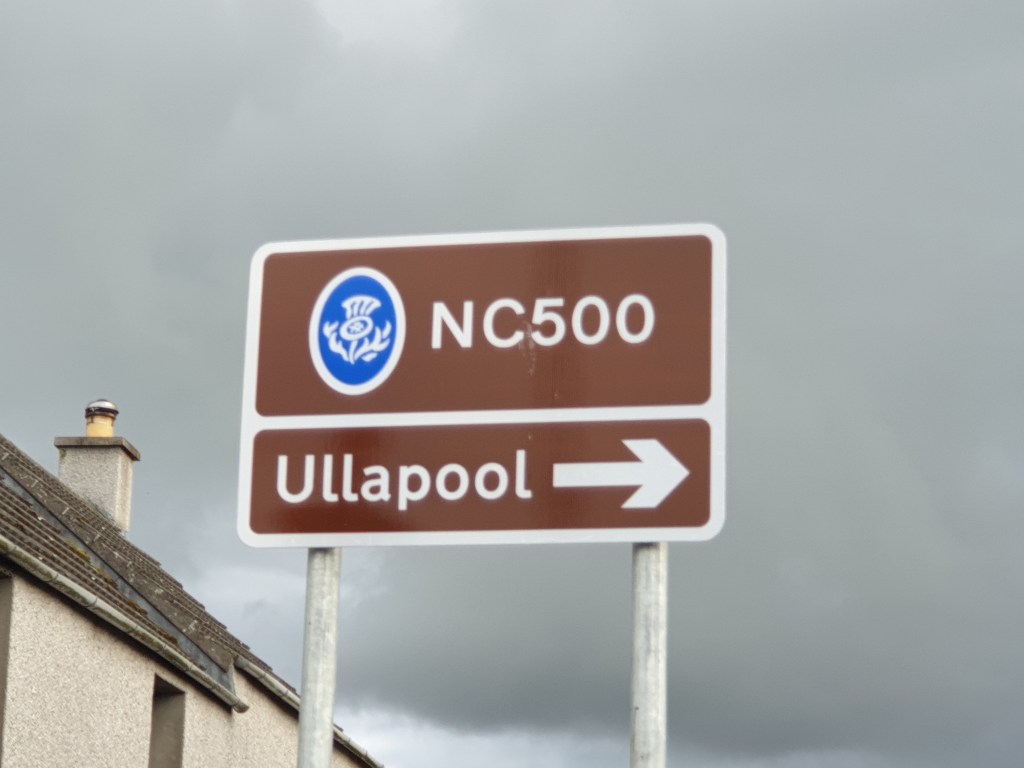
Then I reached the start of the NC500 at new Kelso. The route is well-marked by little brown signs:
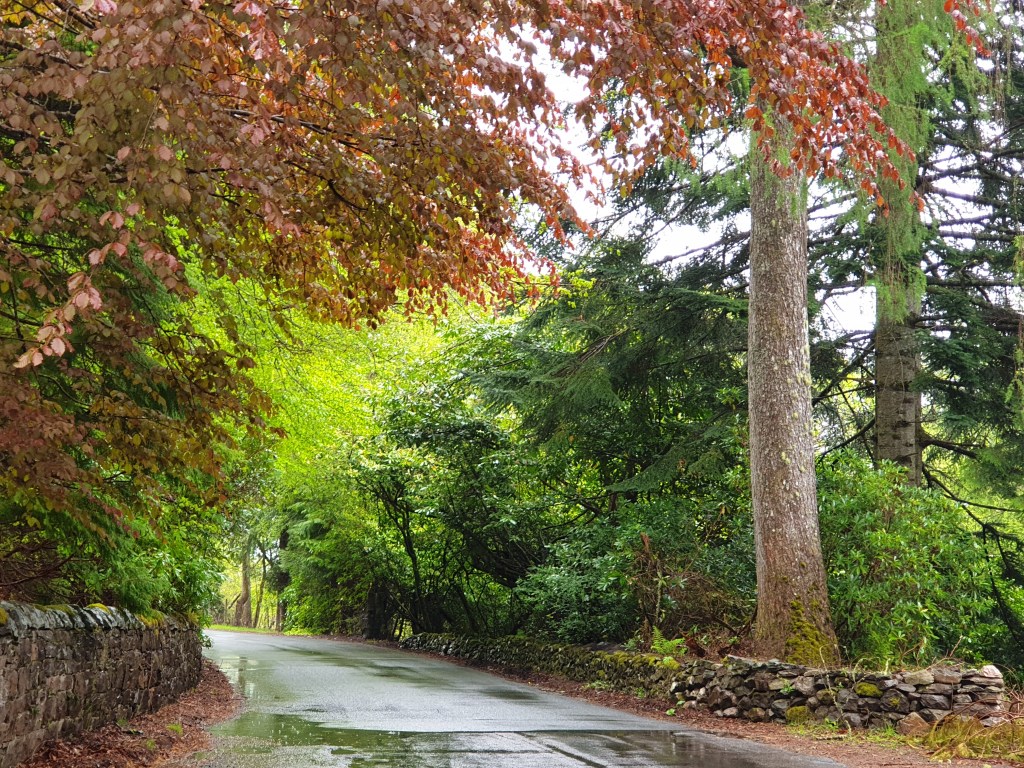
The road across to Scotland’s east coast first wound through pretty forests, with groves of rhododendron trees that were just starting to flower
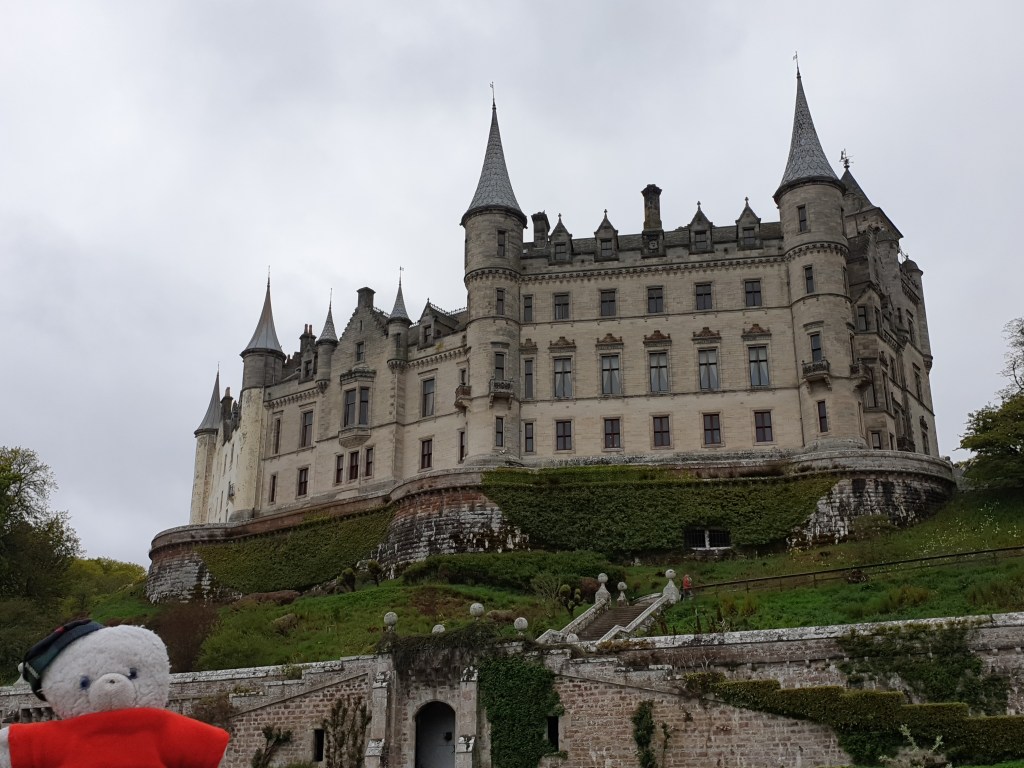
The road then crossed wild, desolate country before reaching the more densely populated east coast, with rolling green countryside and pretty villages. I stopped briefly for coffee and a scone in Strathpeffer, a pretty spa town built in Victorian times. From there the NC500 route joined the main A9 road following the east coast of Scotland and I soon reached Dunrobin Castle, ancestral home of the Earls of Sutherland.
Dunrobin Castle
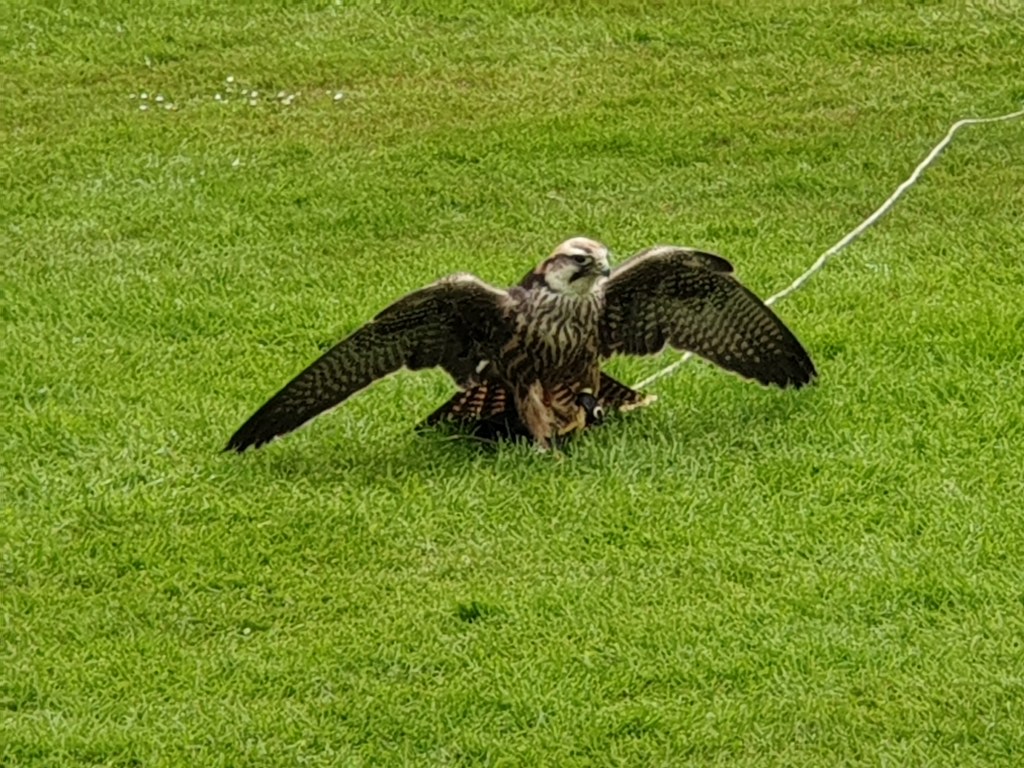
I was very lucky – as soon as I left the car, it stopped raining, and I could enjoy a display of falconry in the castle’s grounds. I learnt the difference between a falcon and hawk, watching the birds swoop for pieces of fresh meat offered by the falconer. The falcons prey on other birds, swooping down at over 200mph to knock their victims out of the sky, whilst the hawks attack ground targets like rabbits or pheasants.
A magnificent falcon
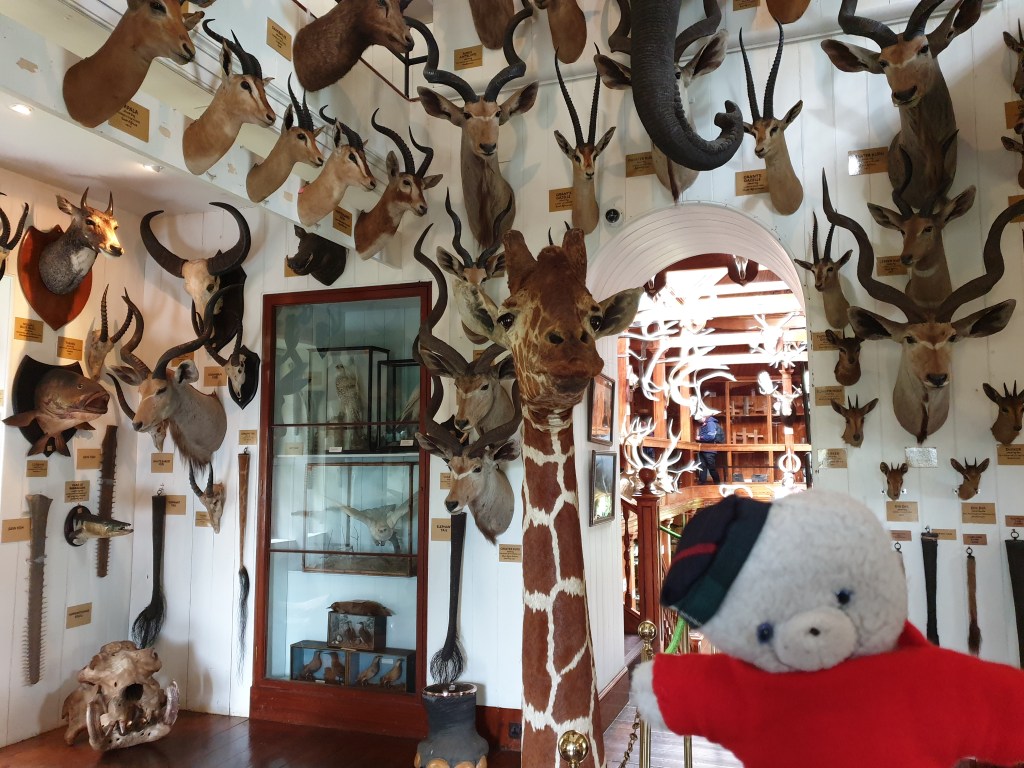
After the display, there was an opportunity to have your photo taken with the birds, but since I am roughly the size of a small rabbit I didn’t want to take the risk and instead ducked into the castle’s interesting museum, which was stuffed with small items relating the history of the Sutherlands…….and hundreds of trophies from the dynasty’s hunting exhibitions around the world. If something moved, a Duke of Sutherland would shoot it. Amongst other victims, there were elephants, crocodiles, antelopes and a leopard. I was glad that bears seemed to have escaped the attention of the trigger-happy family.
The museum at Dunrobin Castle
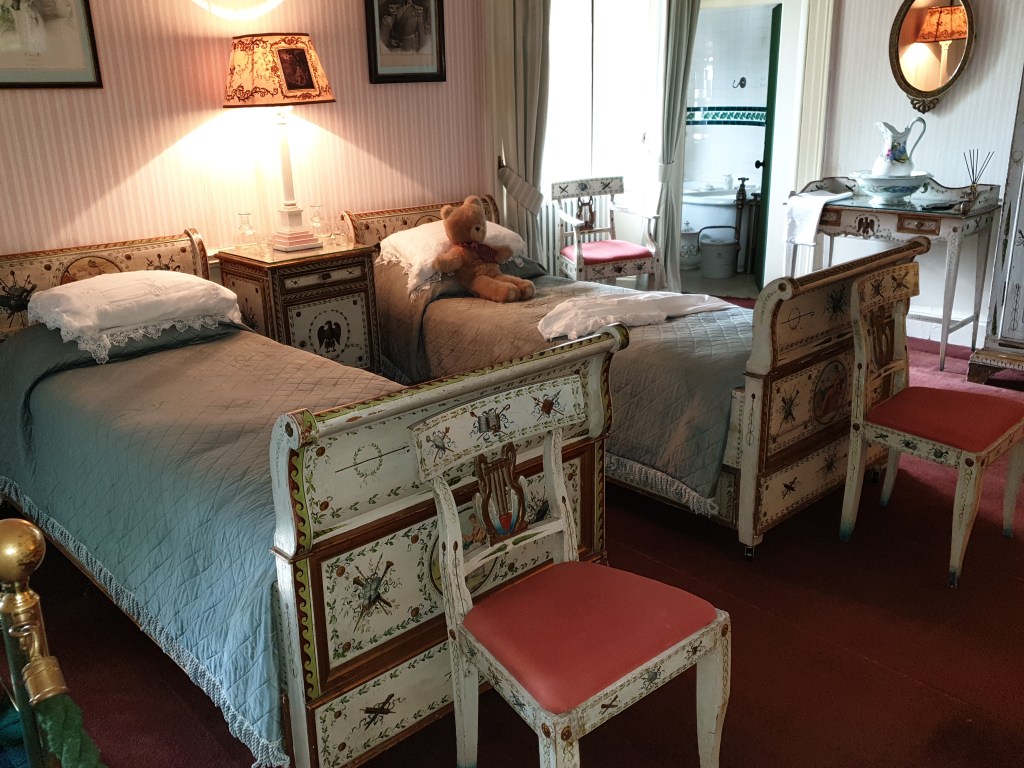
Next I visited the castle itself. It was huge, with lots of reception and living rooms, and very interesting. I particularly liked the nursery, where I met a friend.
The study with another of the Earls’ victimsThe nursery and a friend!
After my visit of the inside, the sun was finally started to emerge, and I visited the gardens to take more photos.
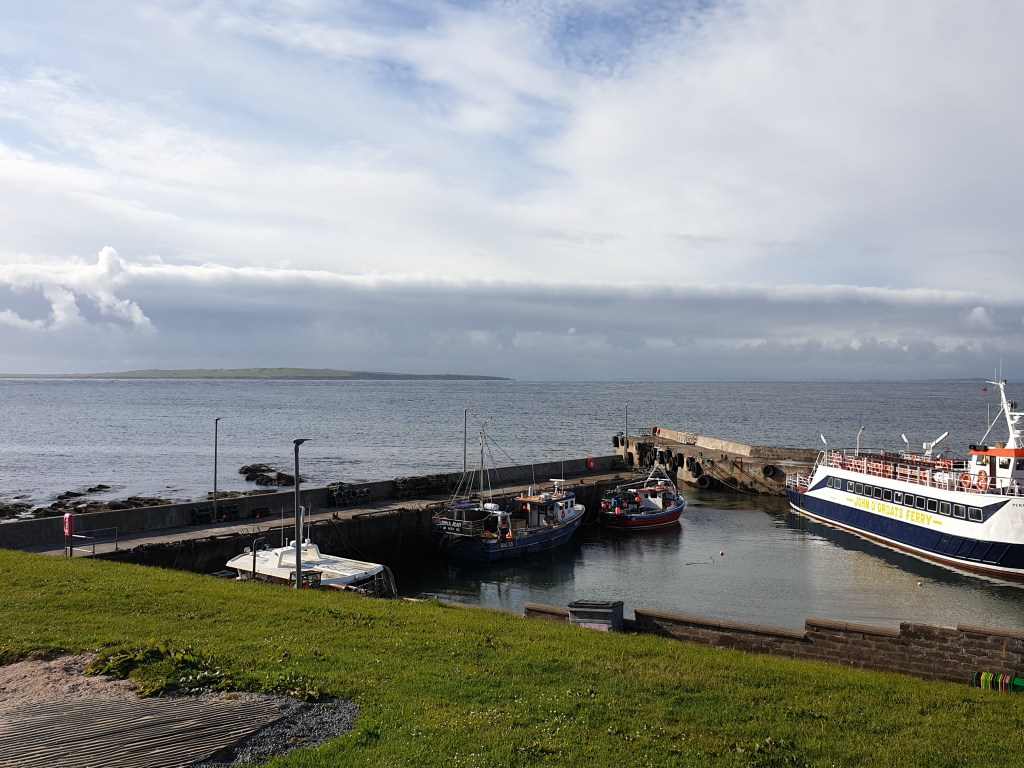
Very happy with my exploration of Dunrobin, I continued north along the A9, though Wick (an interesting but poor-looking town built out of dark grey granite), then branching off to John O’Groats – the extreme north east tip of mainland Britain. It was finally sunny again, and over the sea I could see the coast of Orkney Islands, which made me dream of future voyages.
John O’Groats with the Orkney Islands in the distance
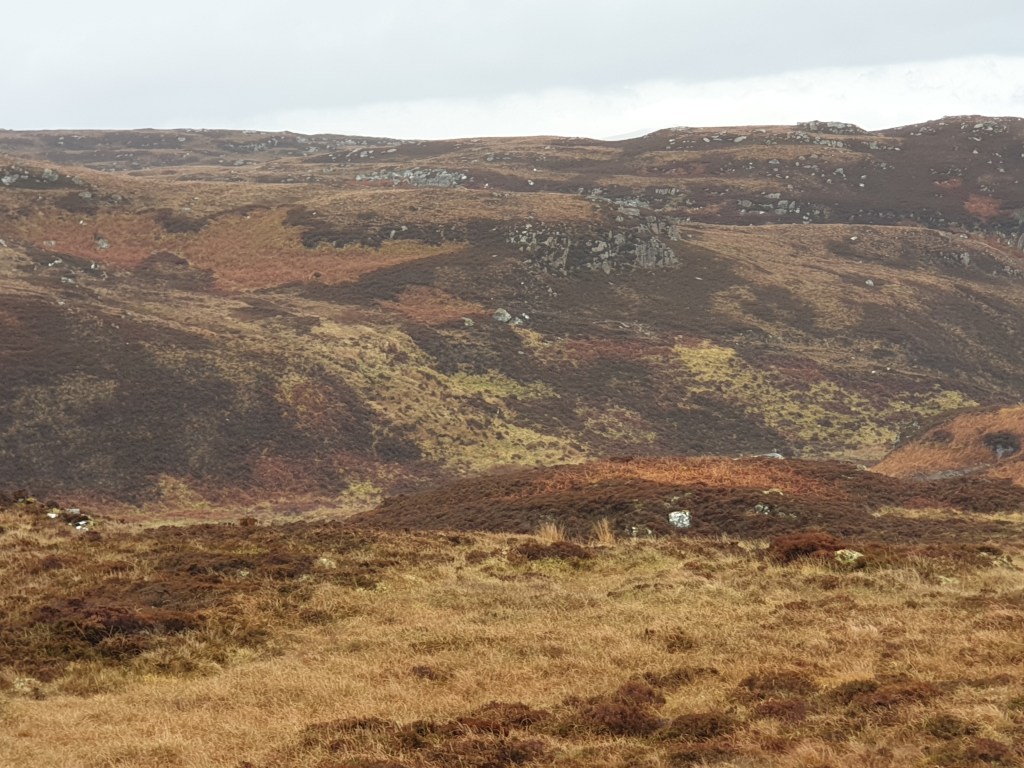
The NC500 then headed west, along Scotland’s north coast. After the town of Thurso, the countryside became increasingly wild – flat and almost uninhabited. It contrasted starkly to the towering mountains of Skye and the west coast. I drove on, enjoying the evening light and stretches of fast road, too hypnotised by the barren beauty to stop to take many photos.
The wild beauty of the north coast
I finally arrived at Bettyhill at around eight in the evening. I had been on the road for nearly twelve hours and had covered a big chunk of Scotland. Despite the rain, I had enjoyed the day and was now perfectly positioned to tackle the narrow, winding roads of the west coast over two days of promised sunshine – if for once the weather forecast could be trusted.
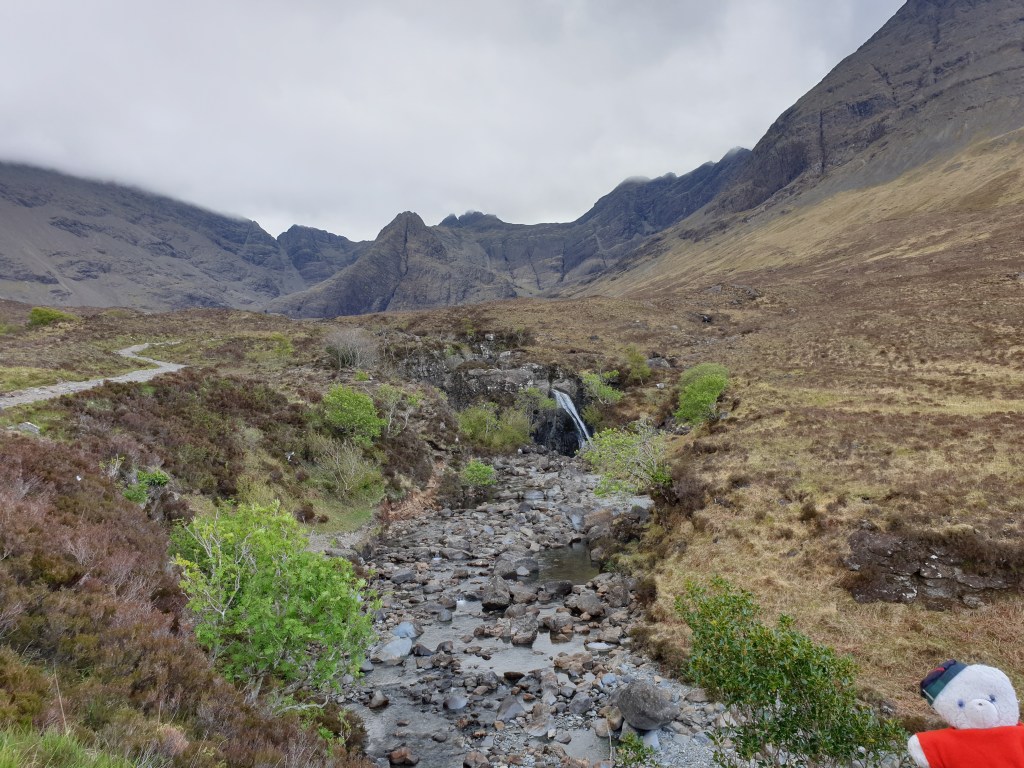
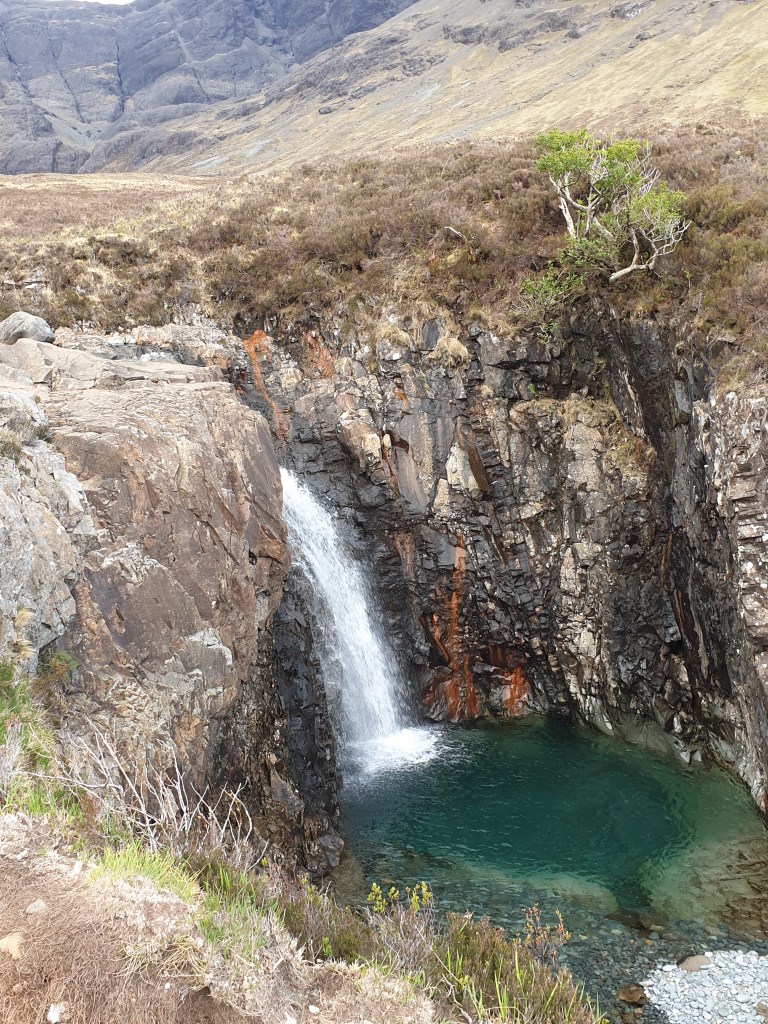
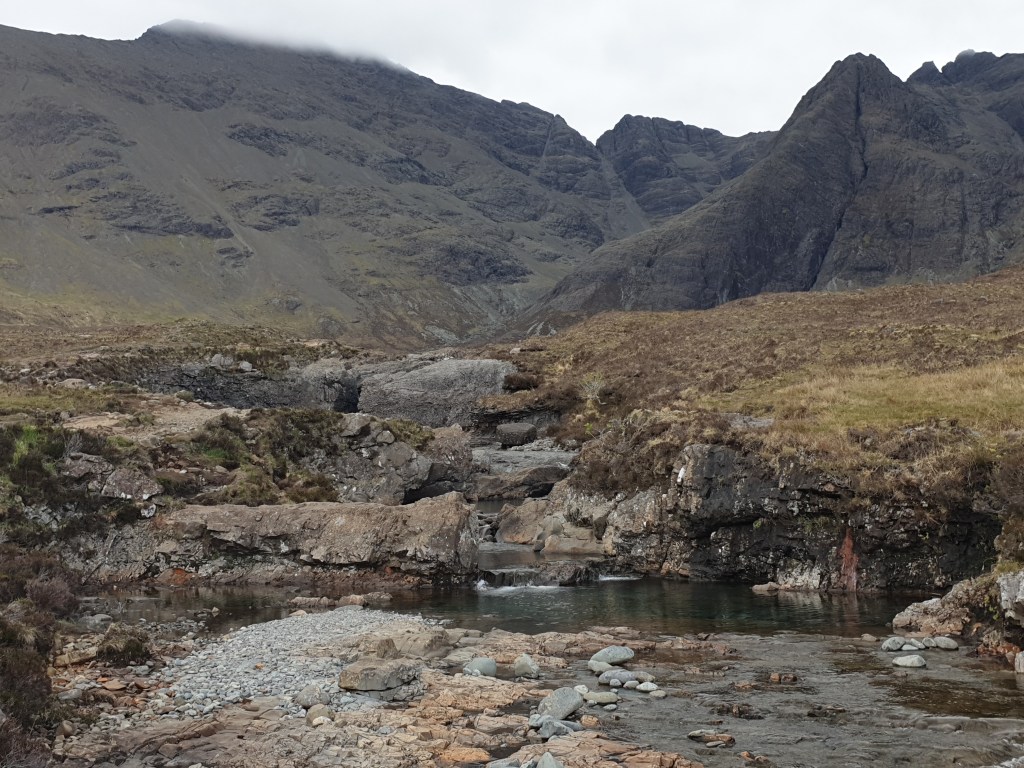
Today the weather forecast was for overcast conditions in the morning and rain in the afternoon, and for once it turned out to be accurate. I decided to do a short walk in the morning around the Fairy Pools, a series of coloured rock pools formed by a river running off the Cullin Hills. These hills are famous for their tough walking and mountaineering challenges, but my walk was described as a gentle introduction to the area. The overcast weather gave Skye a totally different feel – brooding, savage and intimidating.
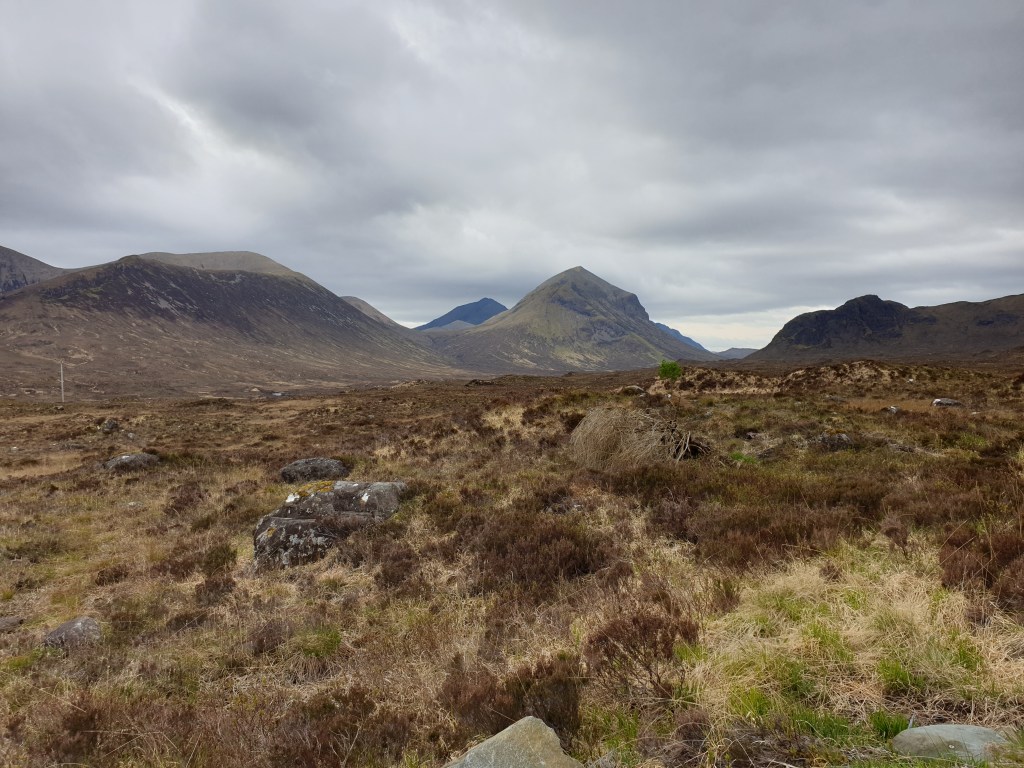
The brooding Cullin Hills
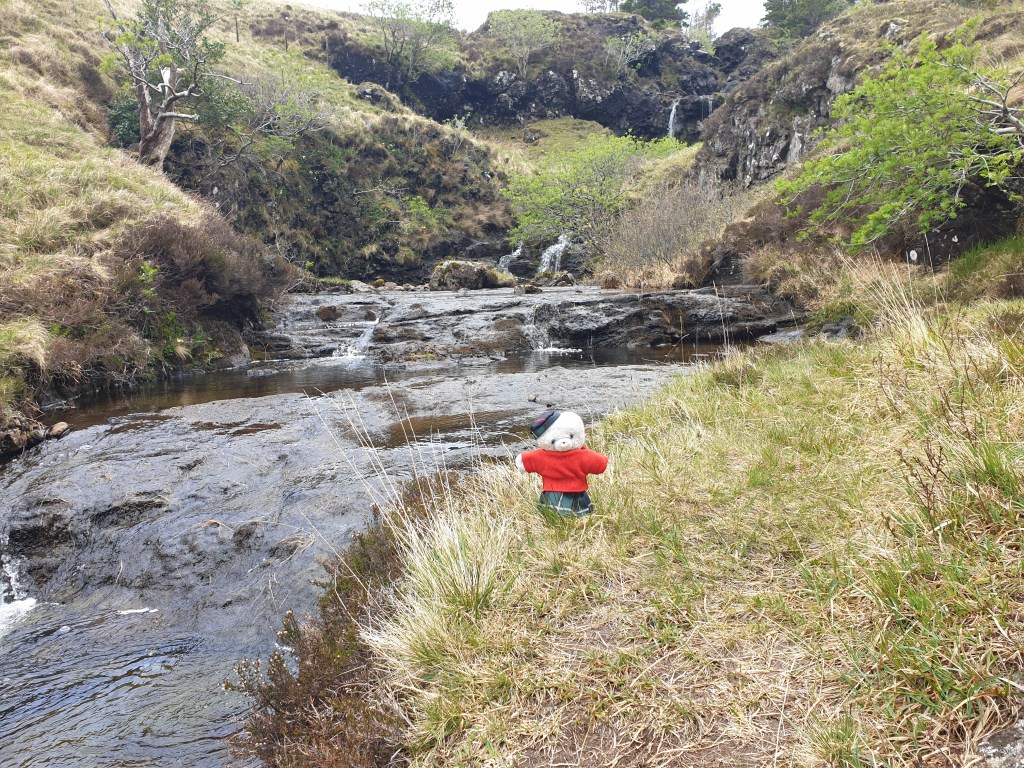
The Fairy Pools is one of the most popular walks on Skye, but I found it slightly disappointing after the wonders of the Quiraing the day before. Still, I took some interesting photos and managed to complete a short circuit in a couple of hours without getting too wet.
A few photos from the Fairy Pools walk
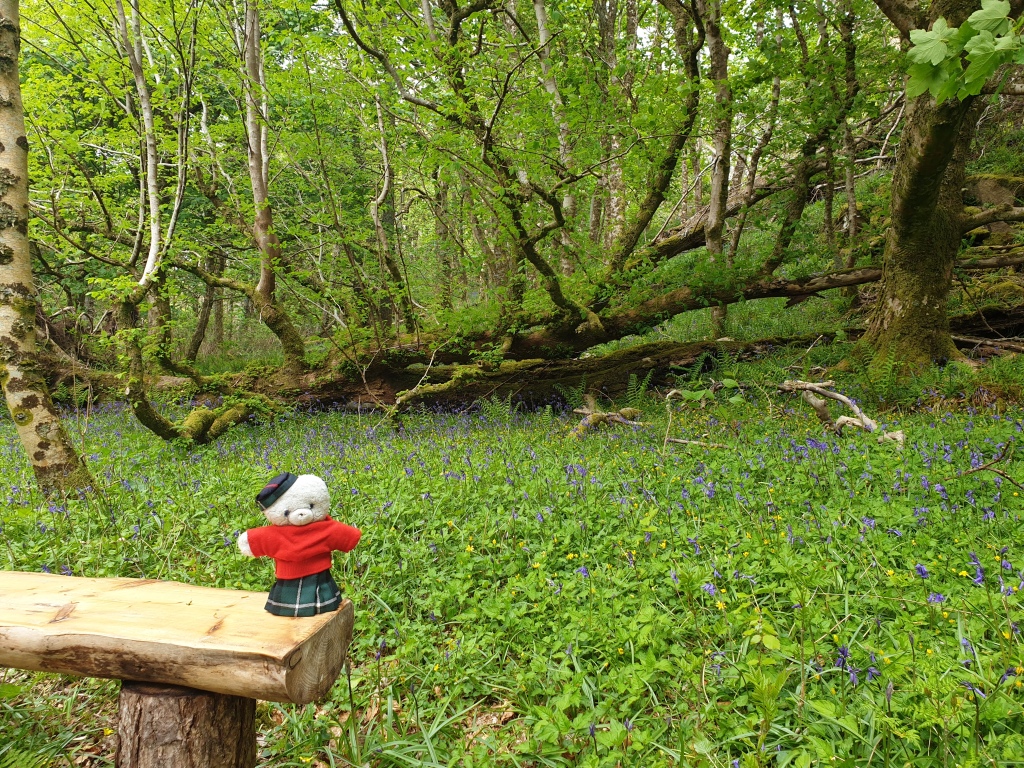
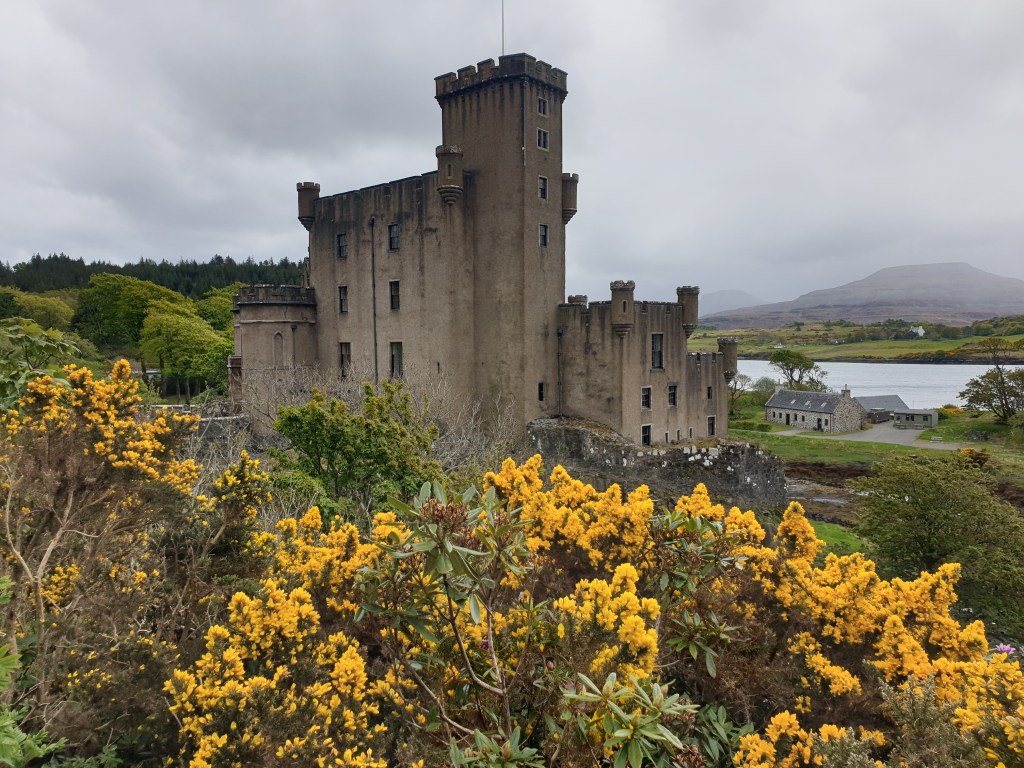
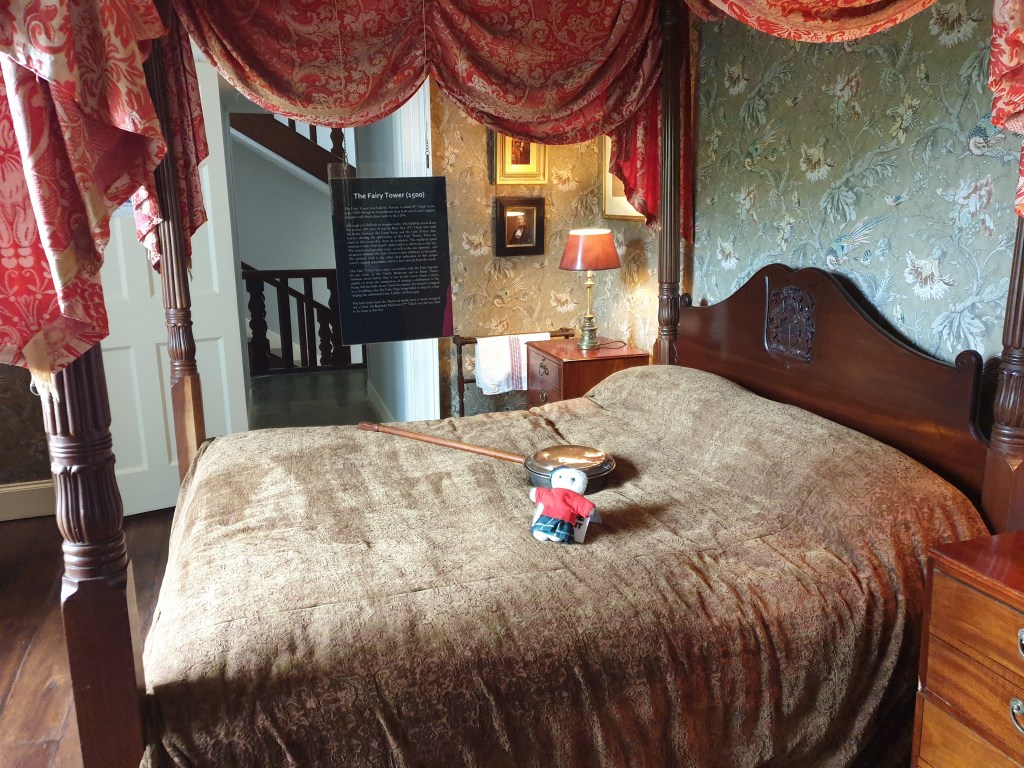
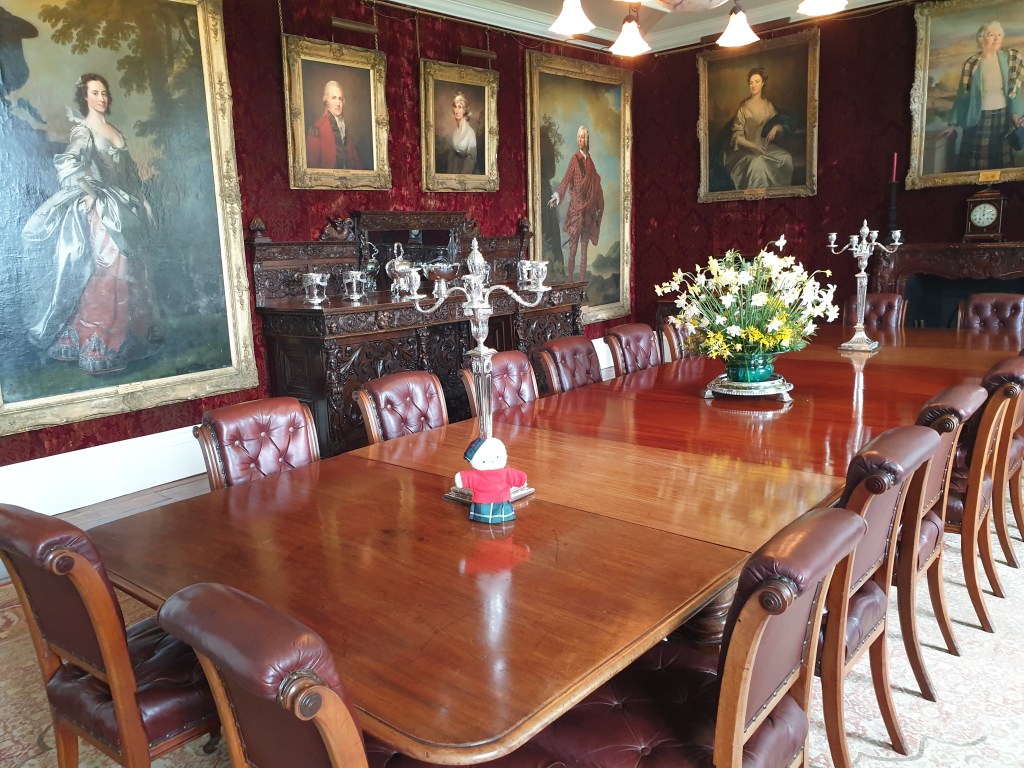
From the Cullin Hills I headed up to the far north west of Skye to visit Dunvegan castle, ancestral home of the head of the McCleod clan. Unlike the walk, the castle exceeded my expectations. It was surrounded by pretty gardens, and the interior was tastefully decorated, intimate, and felt like somewhere that would actually be pleasant to live in – unlike most other castles I have visited on my travels.
Bluebells in the castle’s gardensDunvegan Castle – grey and forbidding on the outside……….. and stylish and comfortable on the inside
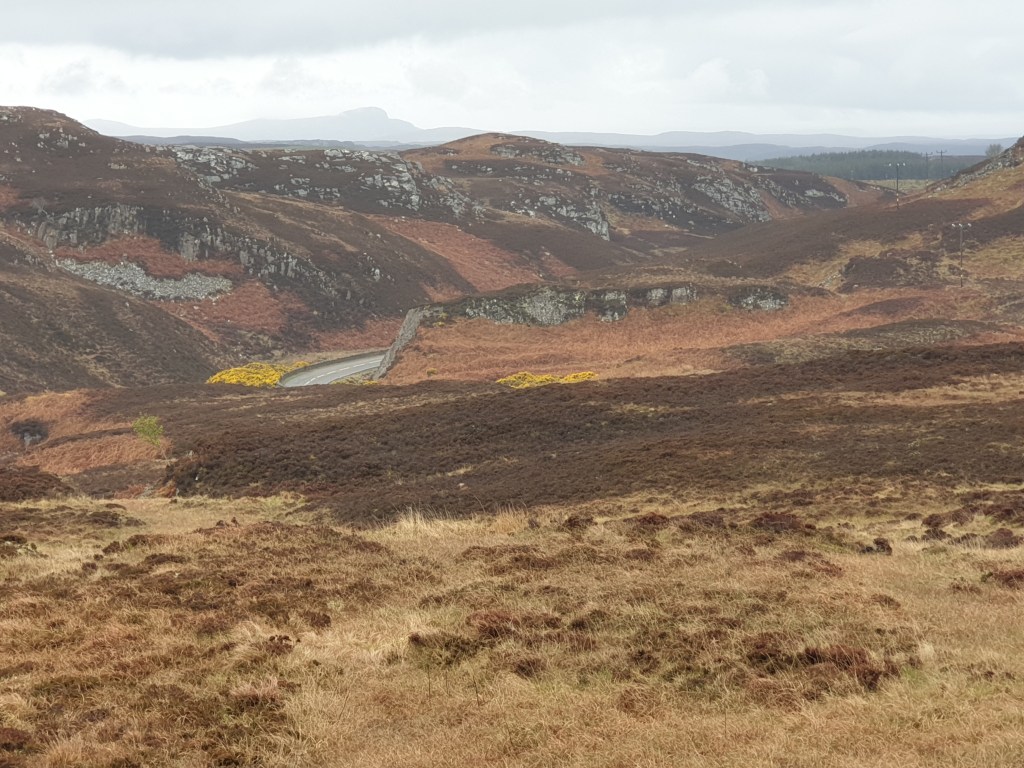
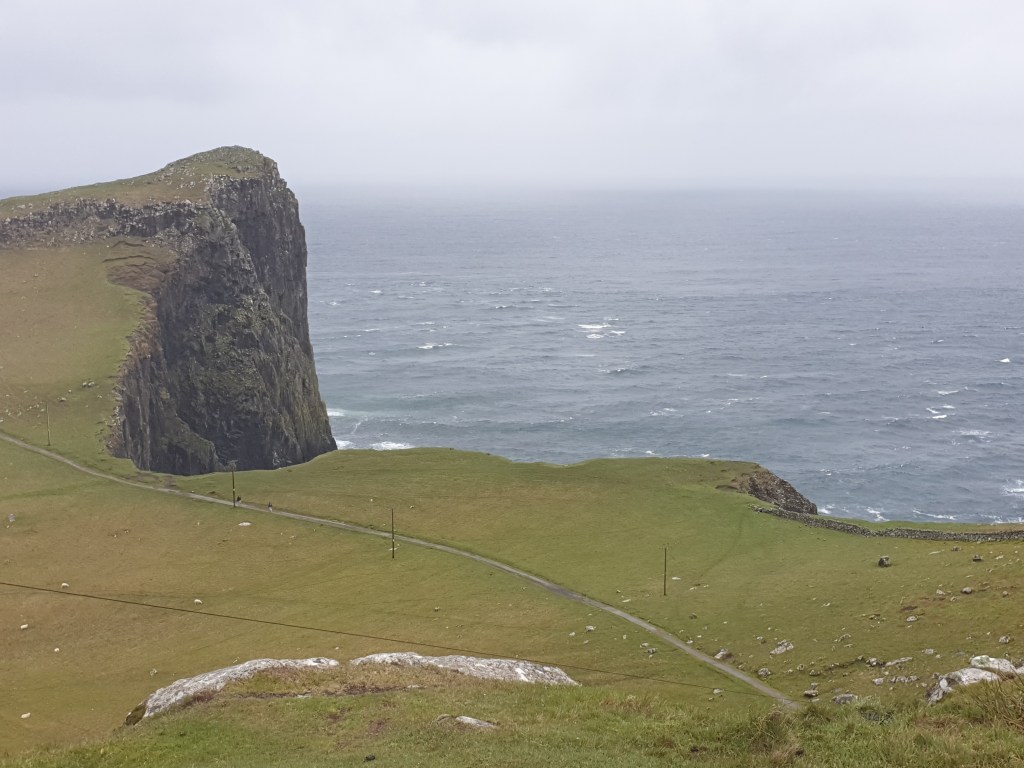
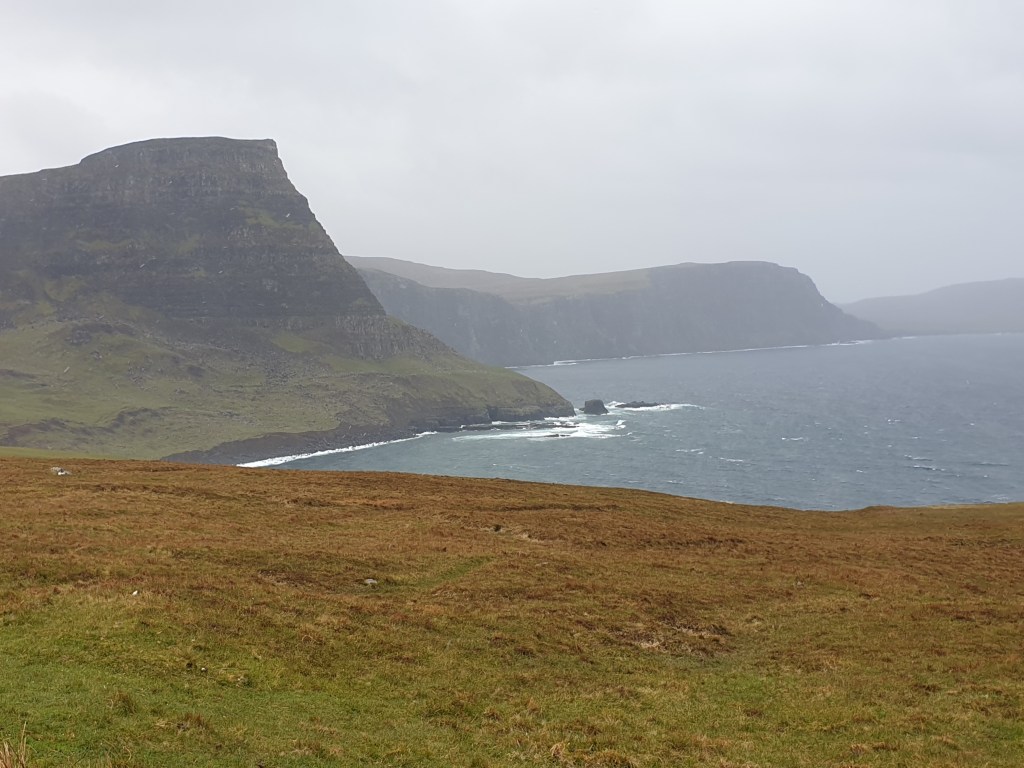
After the castle, I made an impromptu decision to explore a market scenic drive leading to the north west tip of Skye. I finally ended up at a place called Neist Point, where great cliffs crash into the Atlantic Ocean. The rain was now coming down hard, driven by strong winds coming directly from the sea, so I decided against trying the well-known walk to the lighthouse and contented myself with a couple of quickly taken photos from outside the car.
Scenery around Neist Point
I got back to my hotel in the early evening. It hadn’t been the most exciting day in Scotland, but had still had its moments. You shouldn’t come to Scotland if you cannot put up with an occasional rainy day. “There is no light without darkness”* – rainy weather helps you appreciate the sunshine better.
*borrowed from the Master and Margarita by Bulgakov














 Trouspinet travels