Beijing 3

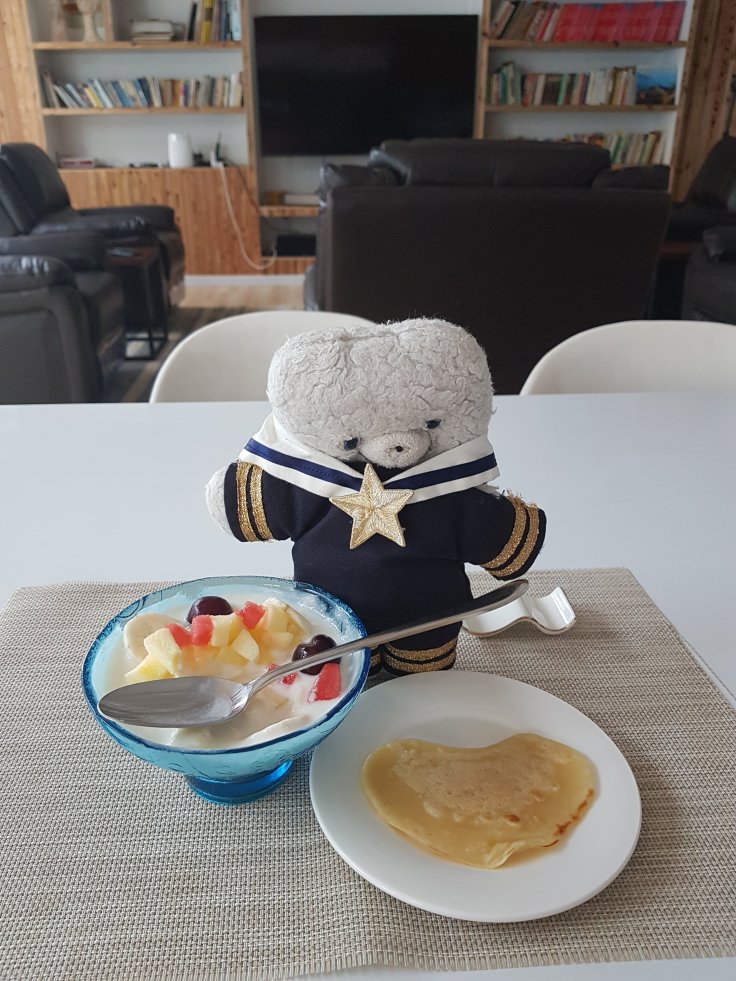
The sun rose early and I treated myself to yoghurt with fruits.

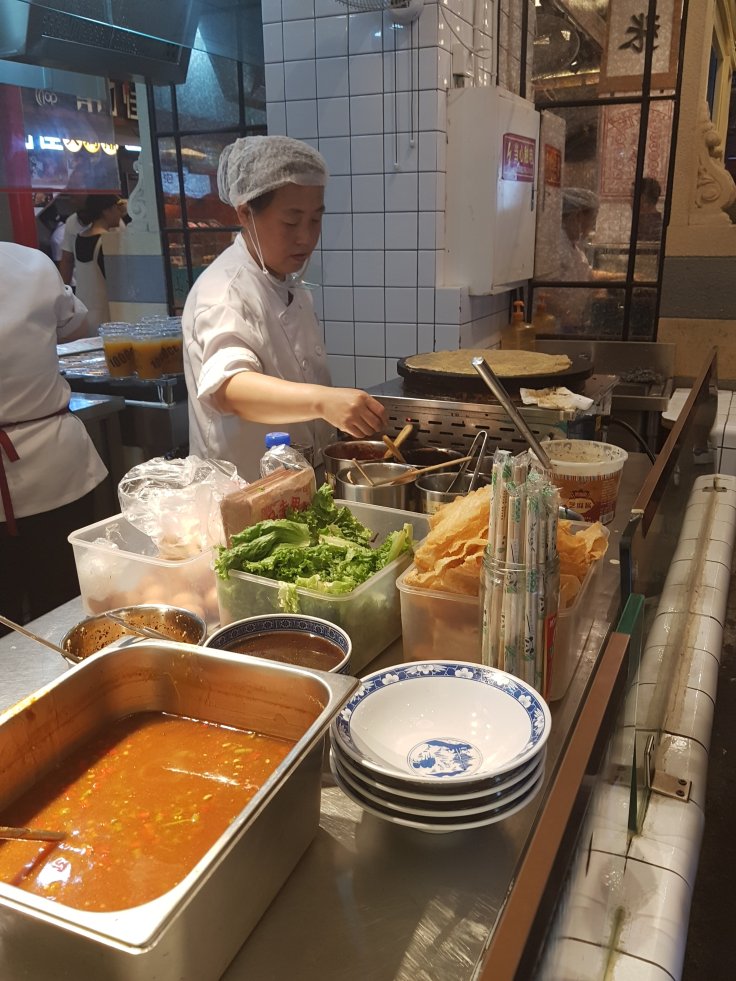
The lady in the hotel kindly gave me a heart shaped pancake.

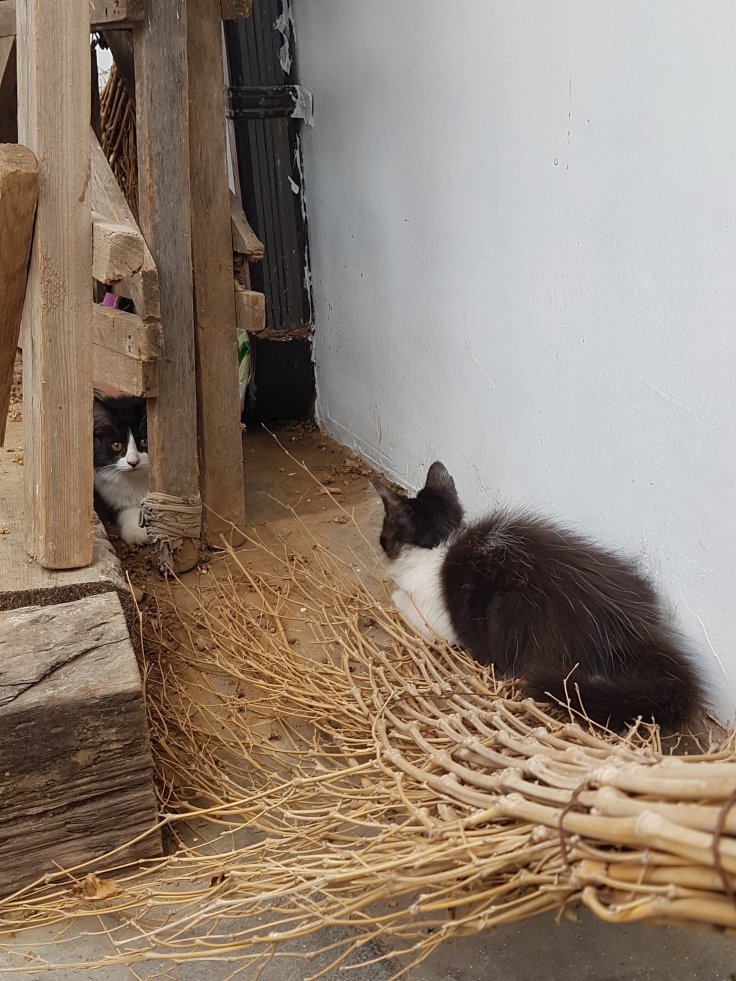
Kittens hide around the hotel.

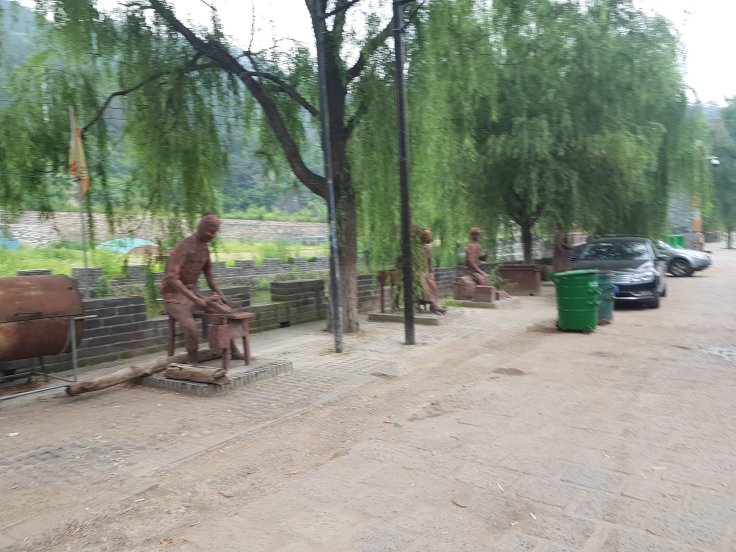
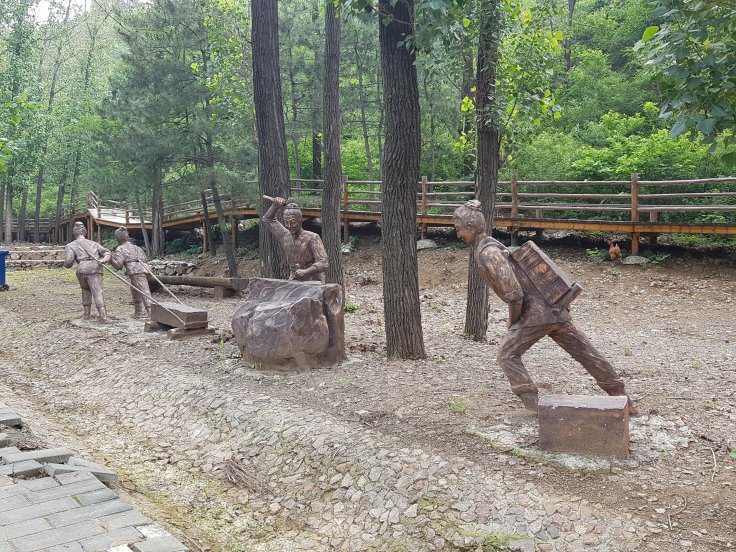
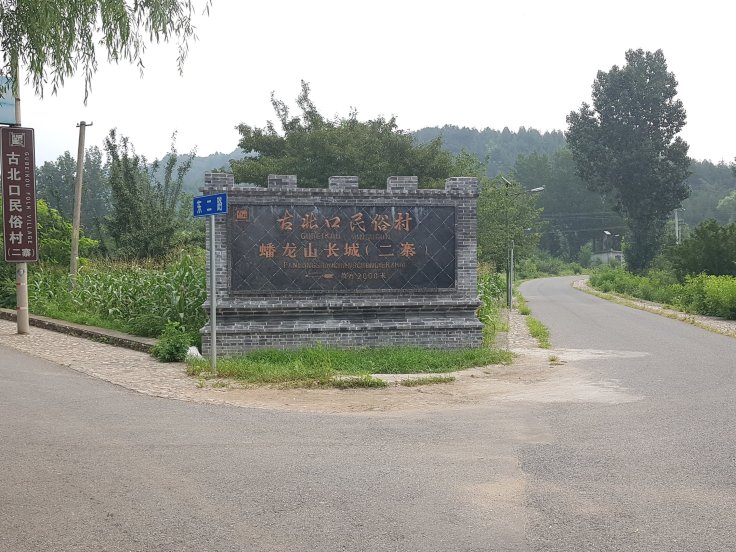
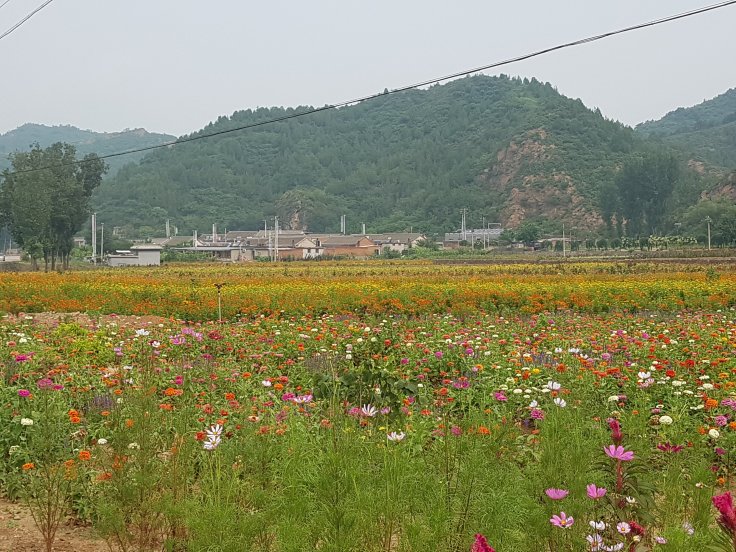
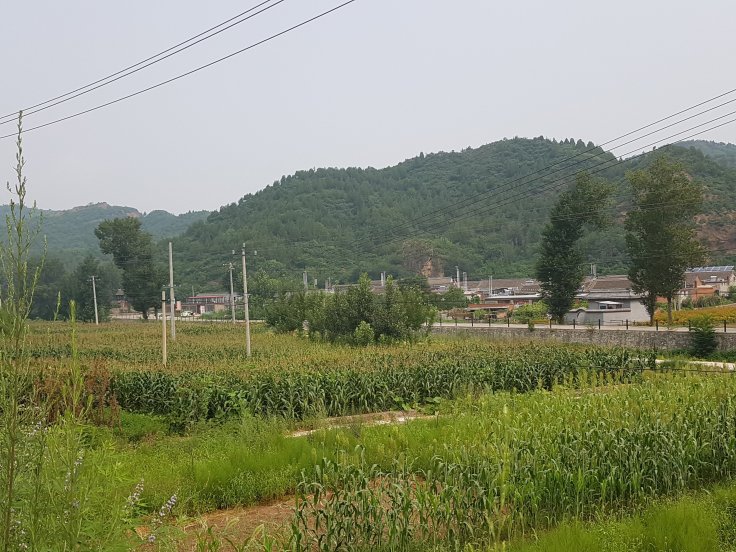
Gubeikou village also has statues recalling of its past. It was very quiet, with no shops and very few restaurants (I haven’t seen any).

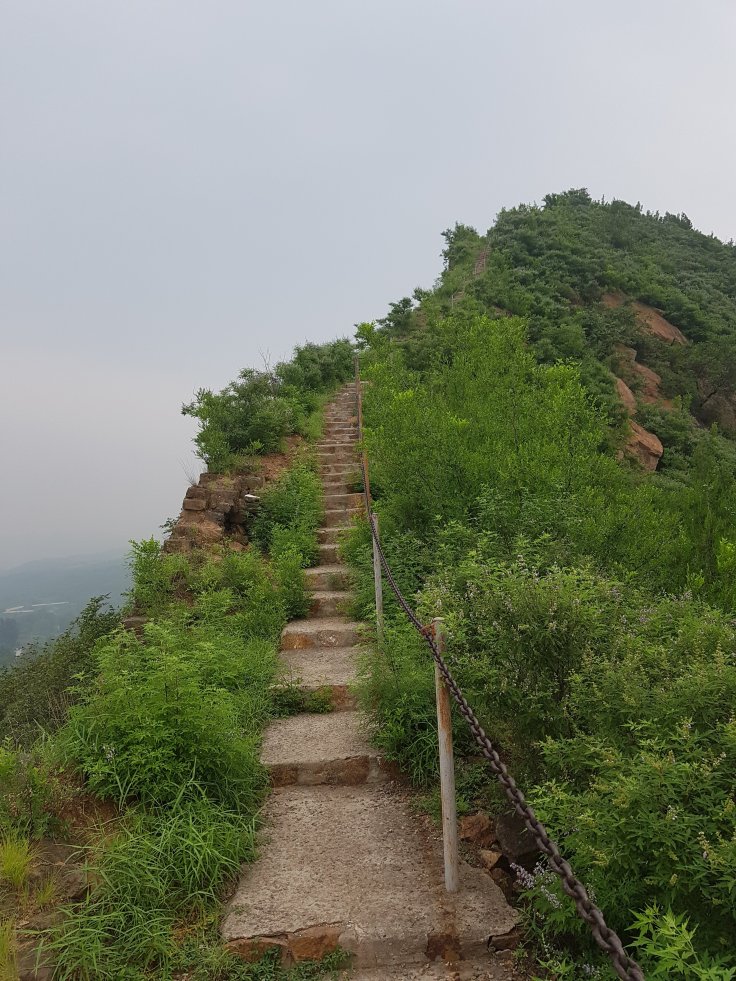
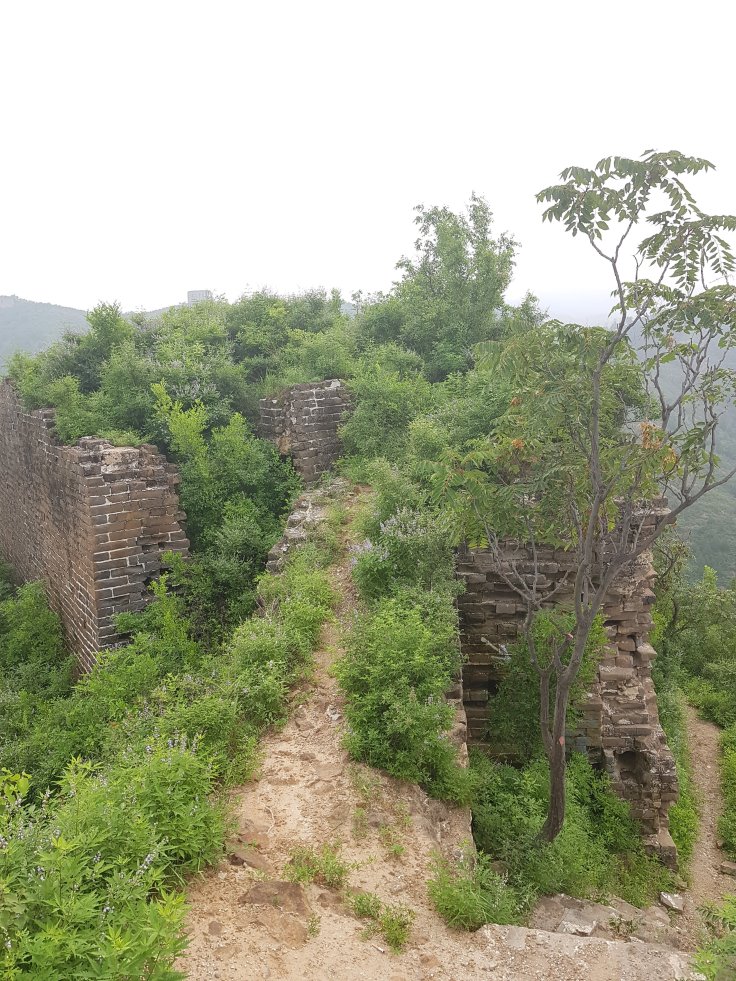
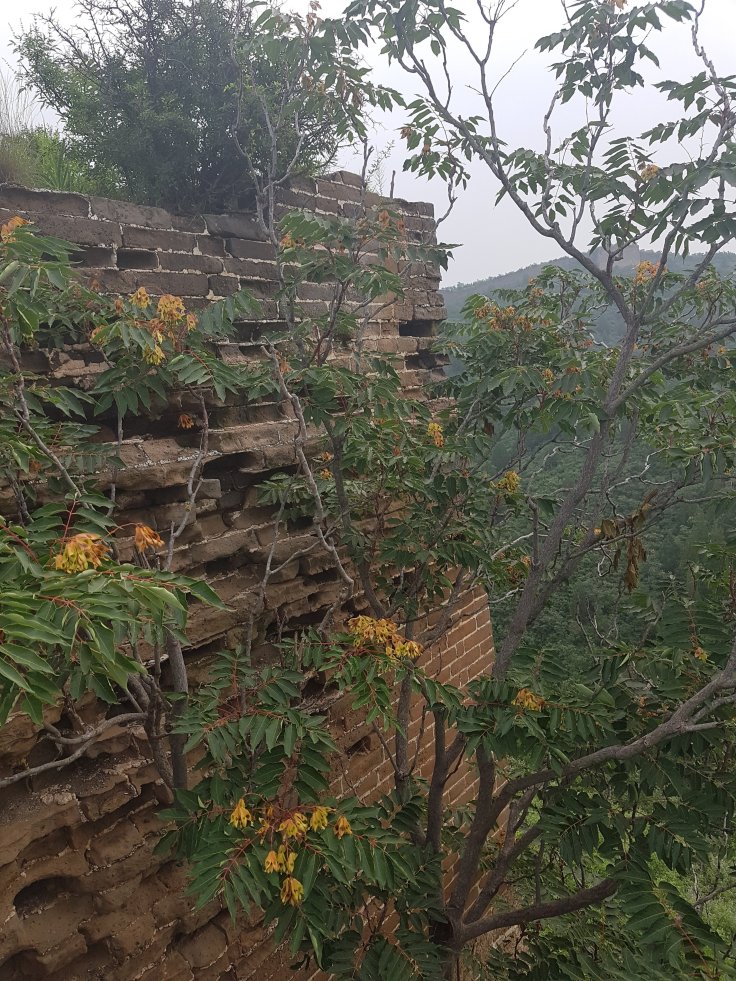
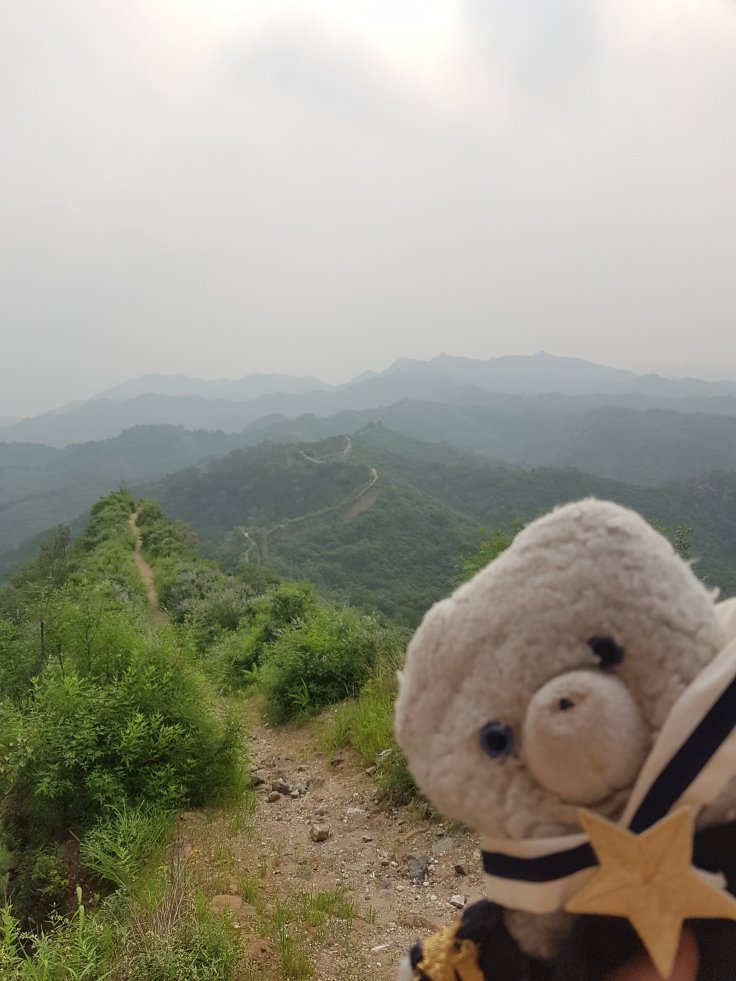
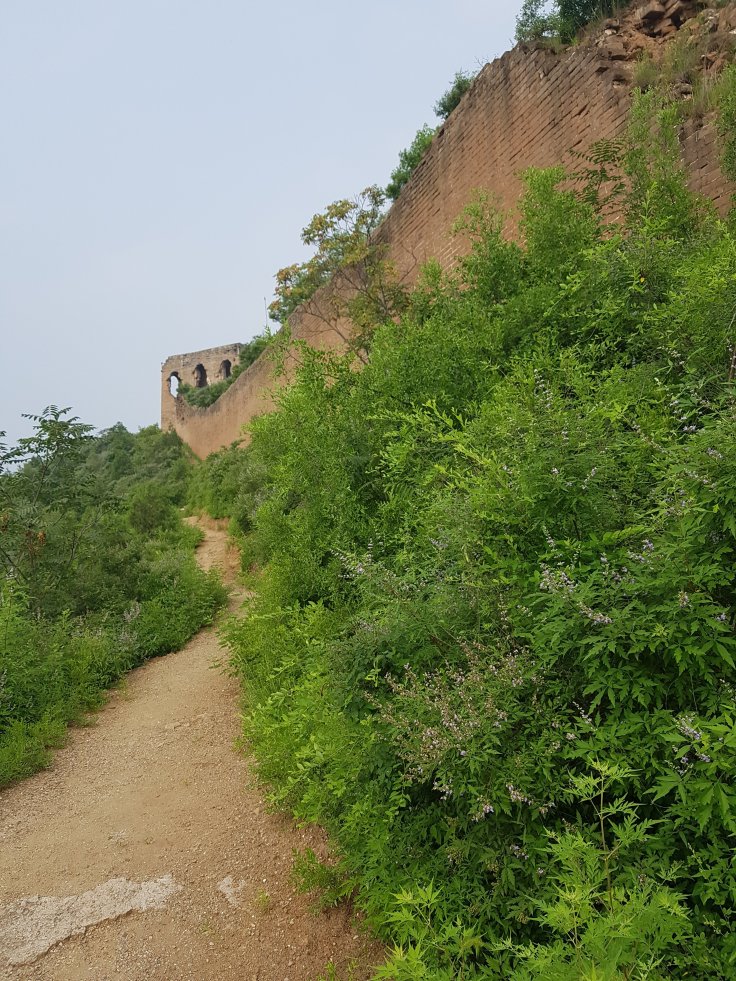
This part of the wall is overrun by creep-crawlies and plants. The bug being eaten by ants made a lot of noise, so much that I almost suspected it to be a mini drone.

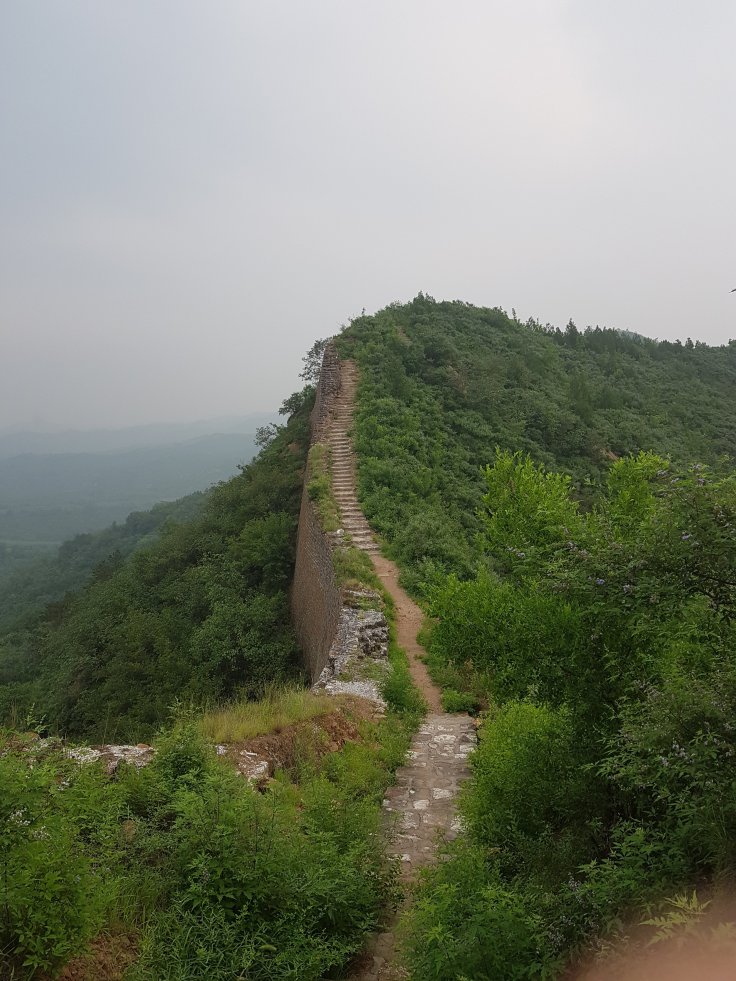
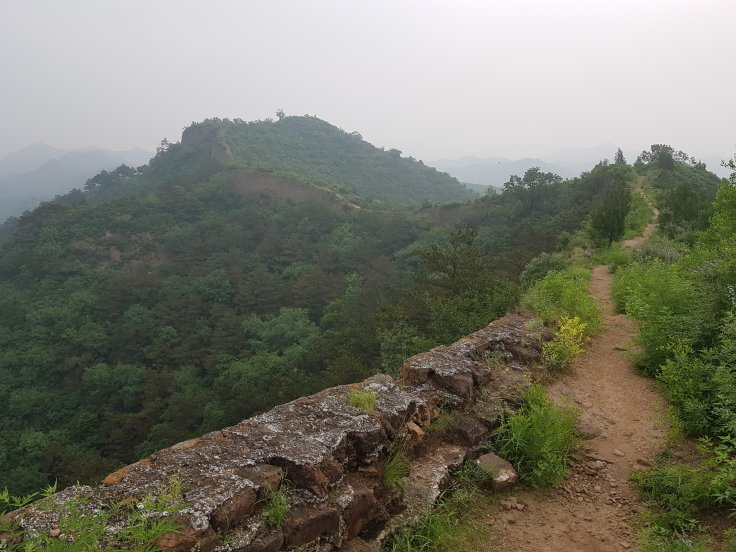
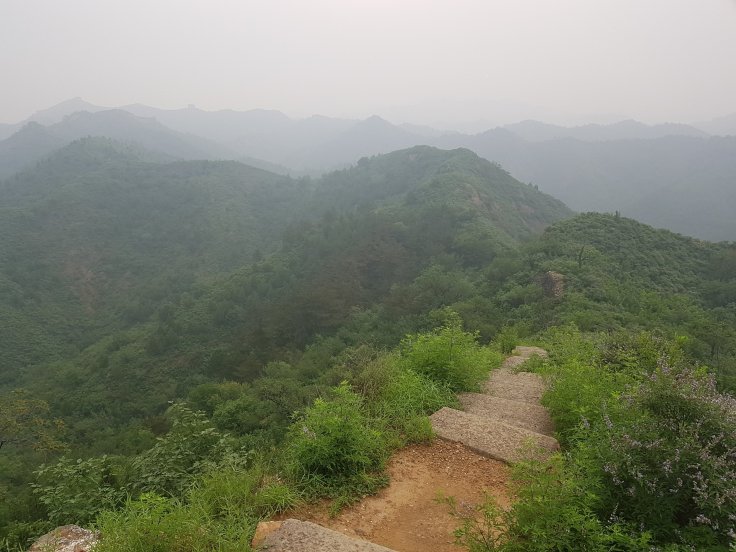
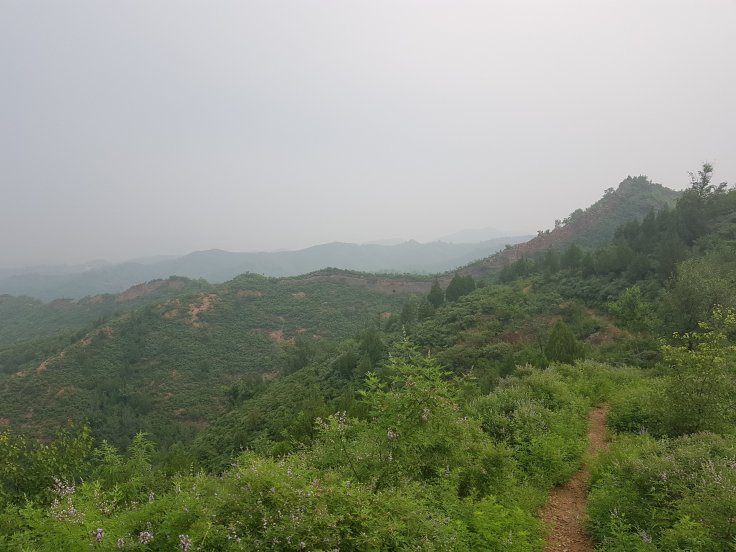
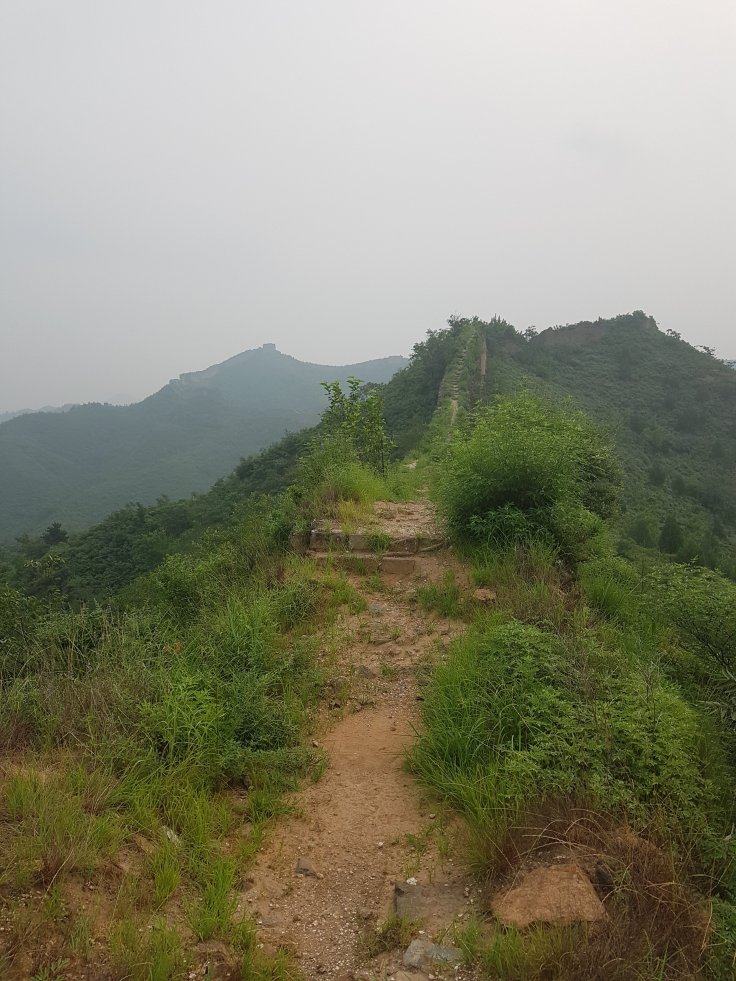
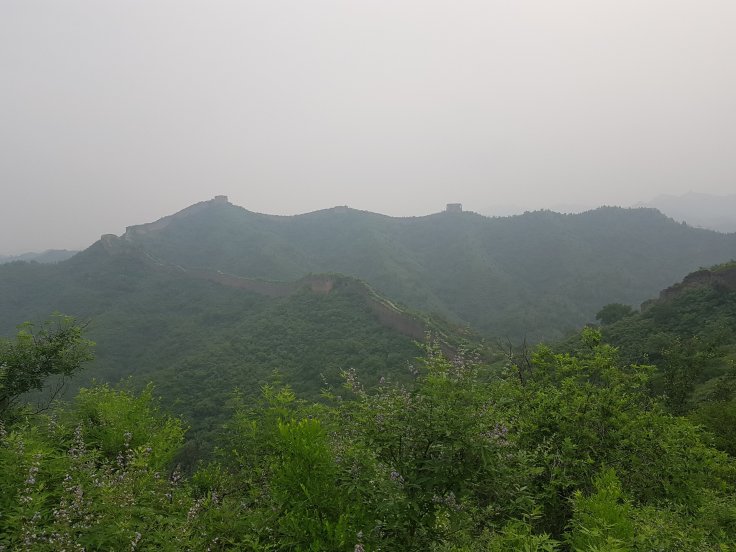
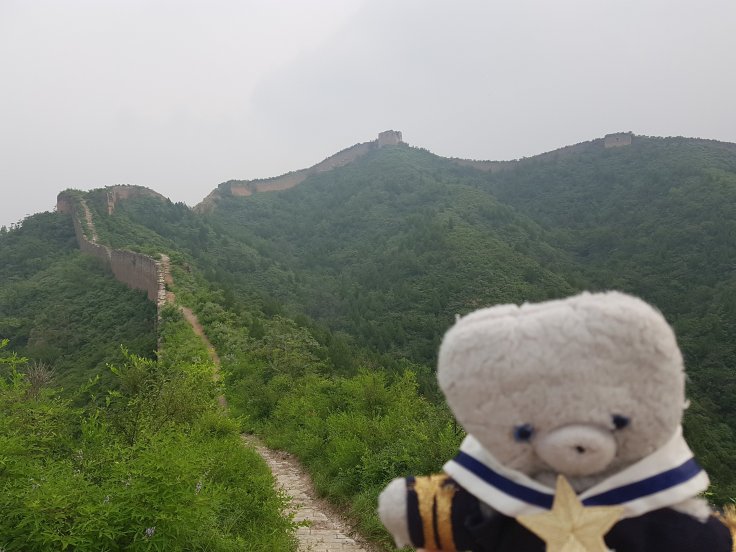
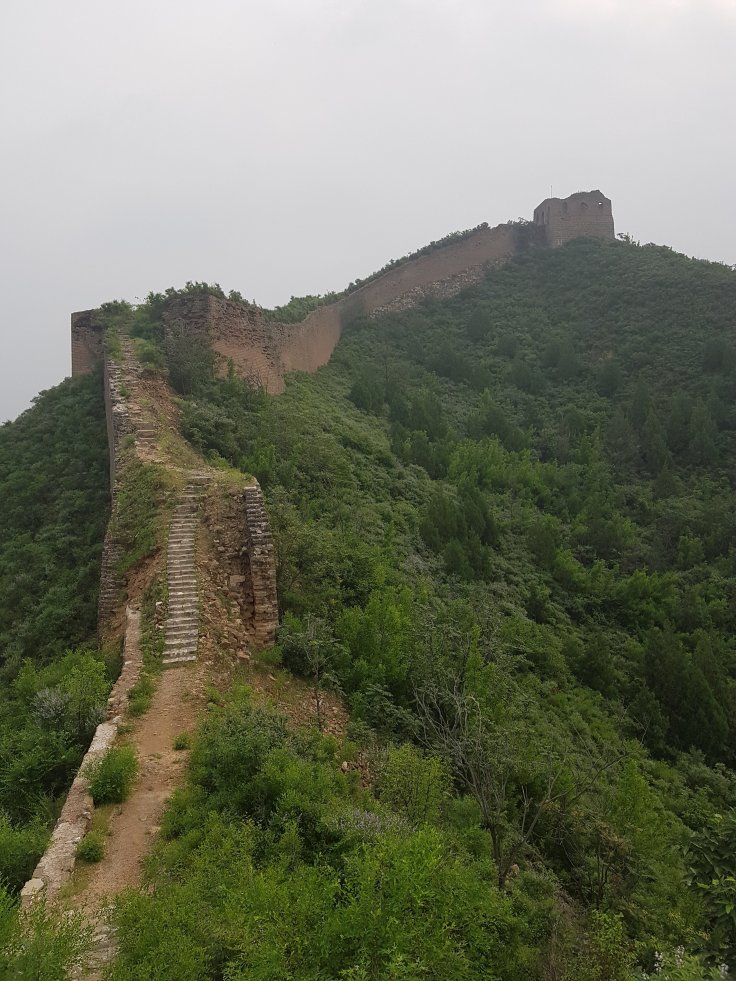
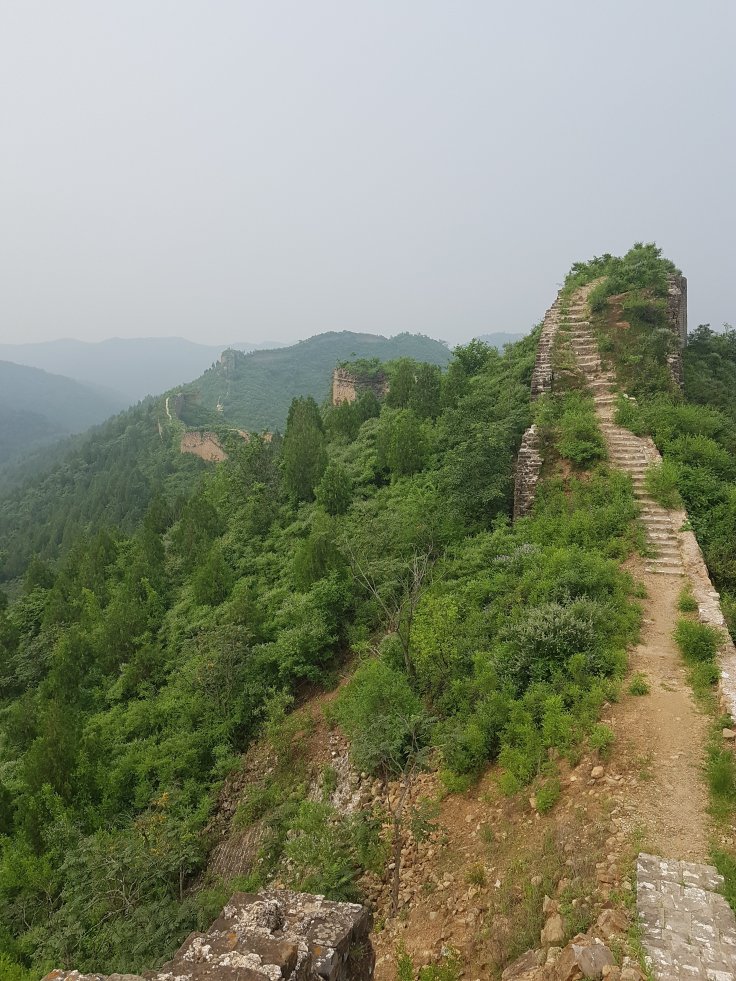
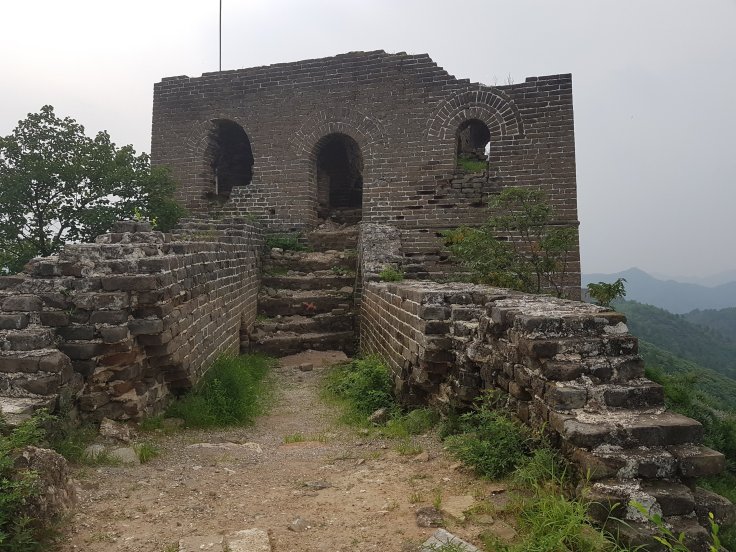
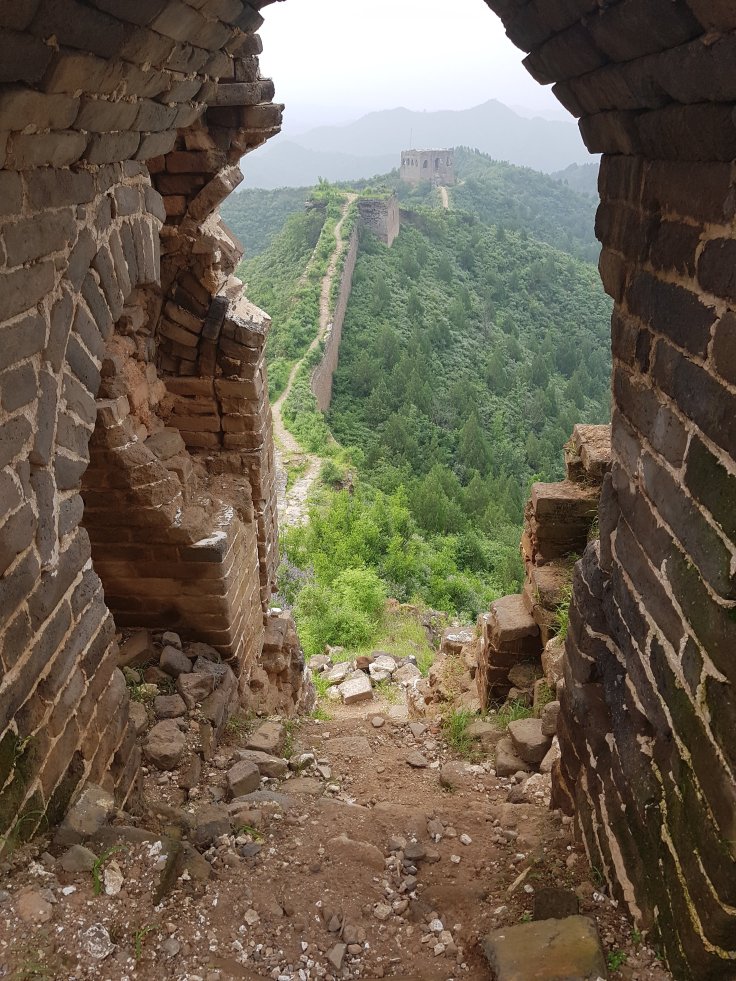
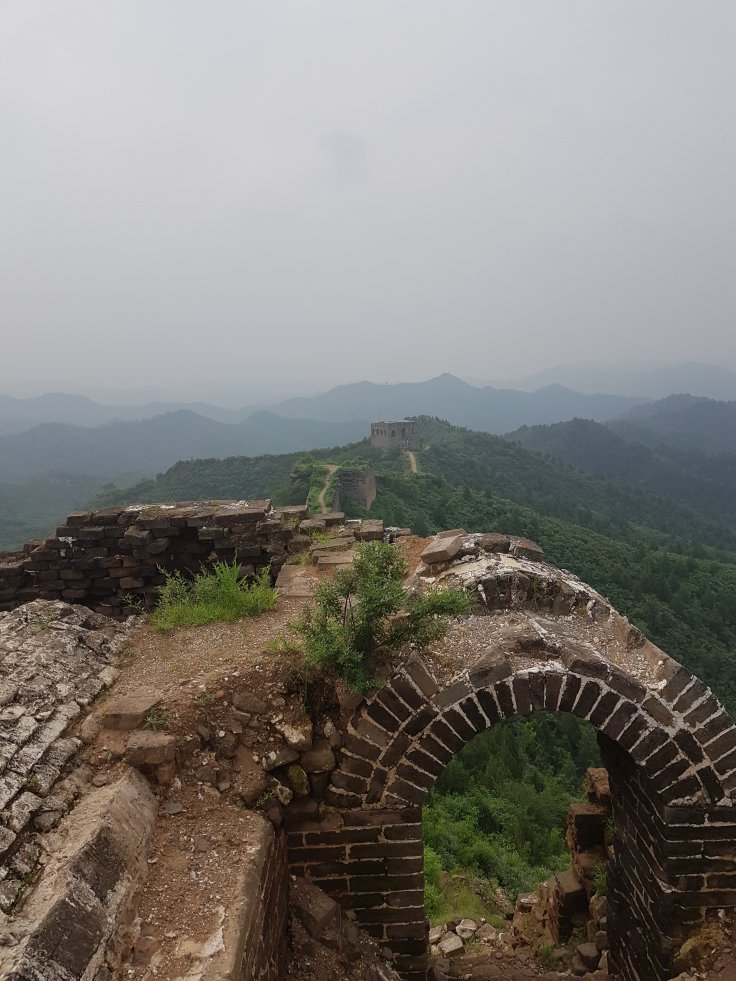
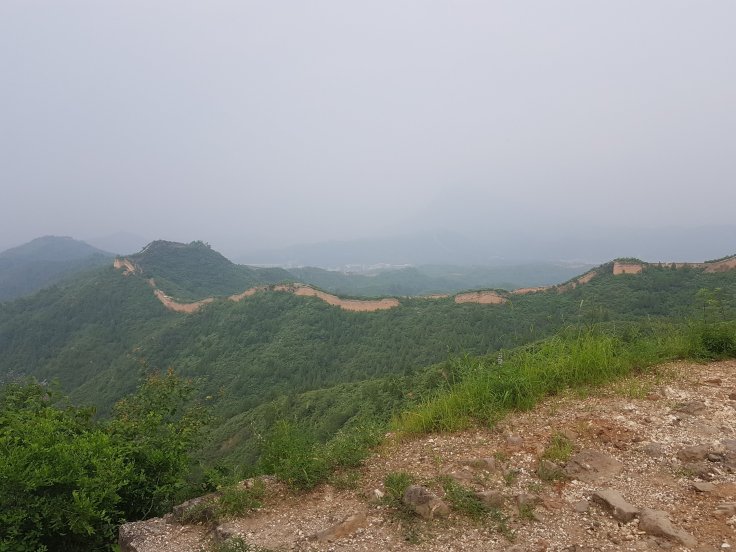
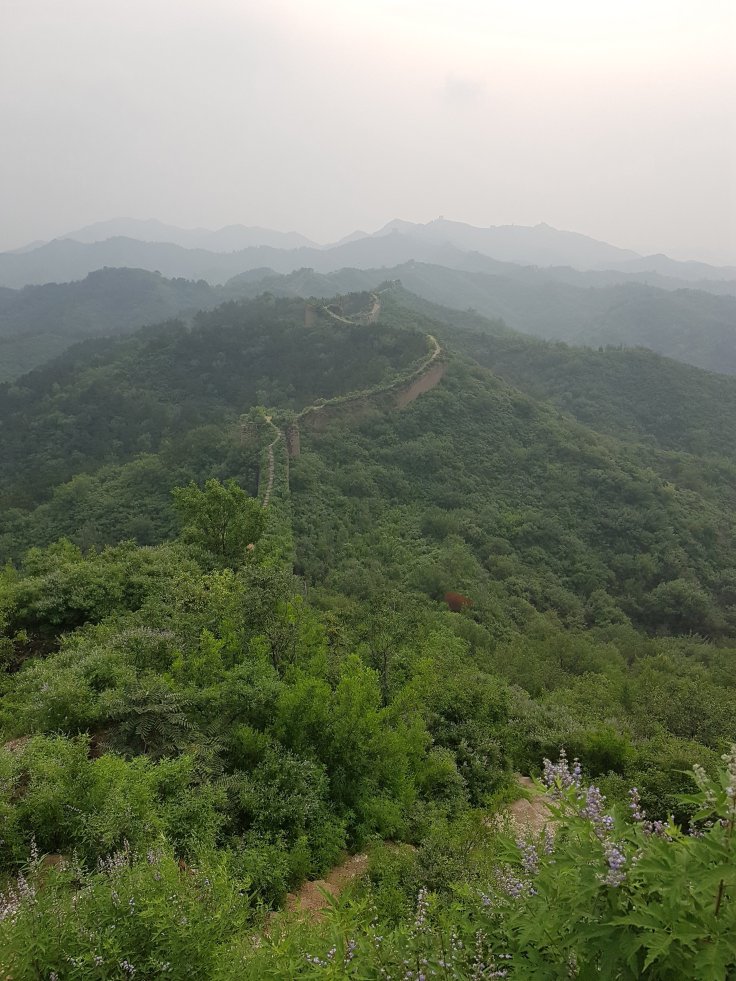
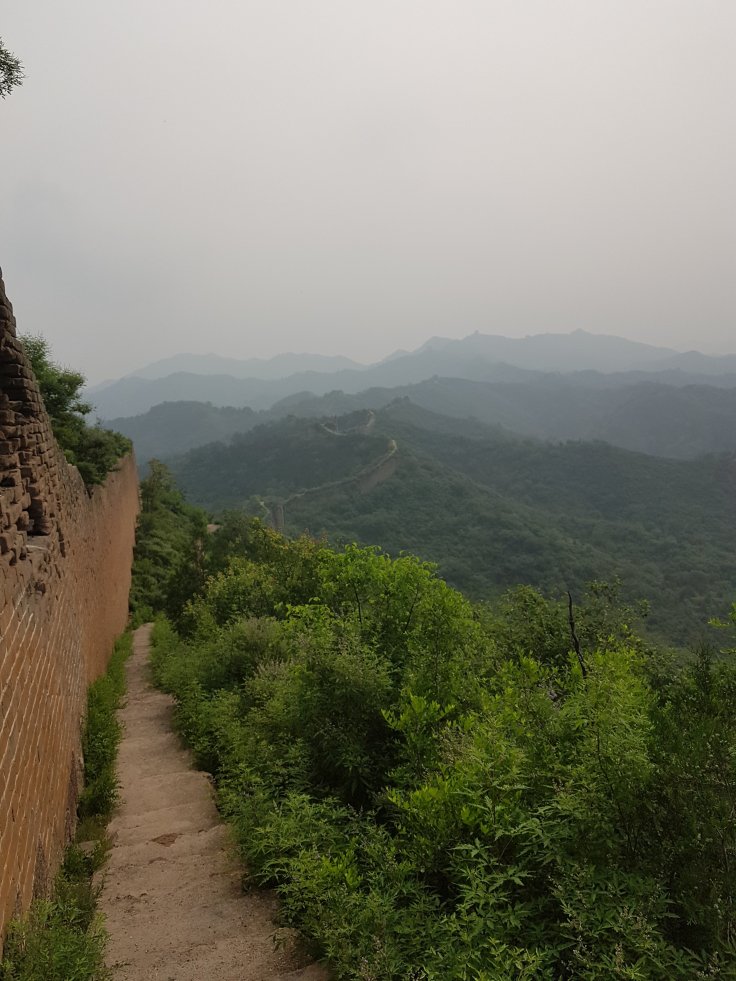
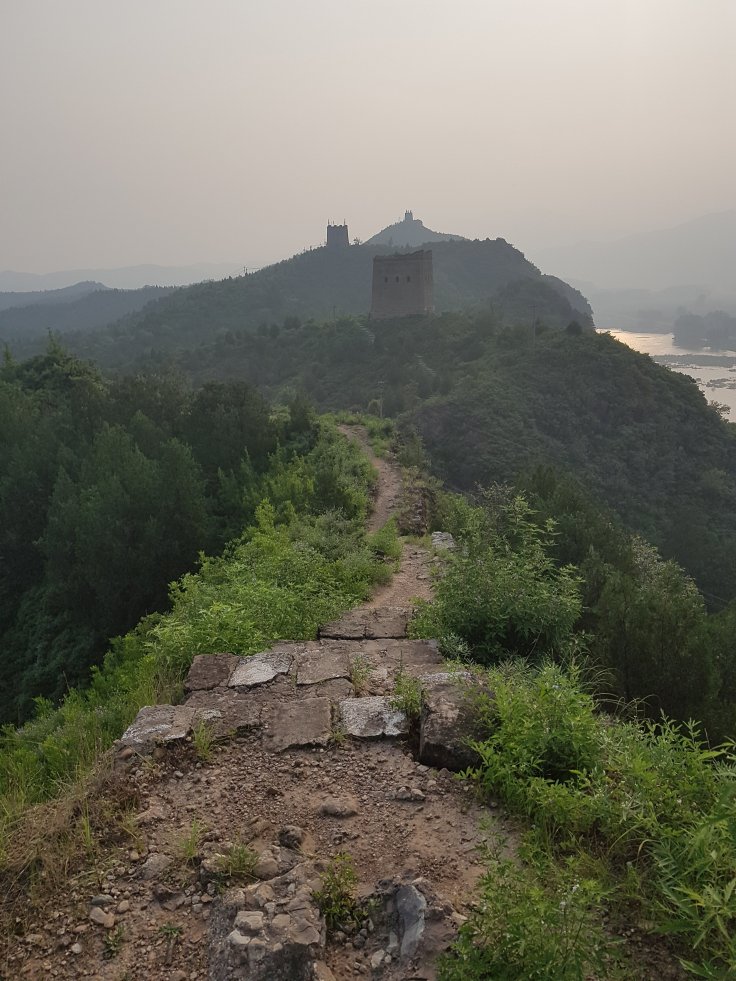
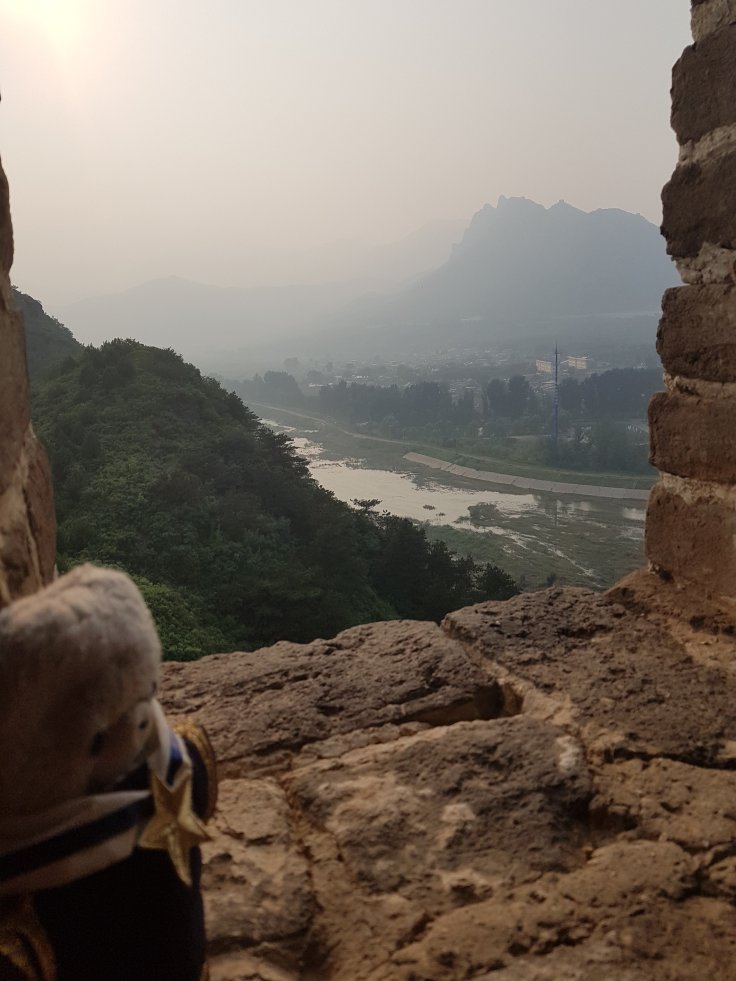
The Great Wall of Gubeikou is mostly unrestored ( with the exception of the Gubeikou gate). It is also a long way from Beijing, making me the only teddy bear on it for most of the walk.

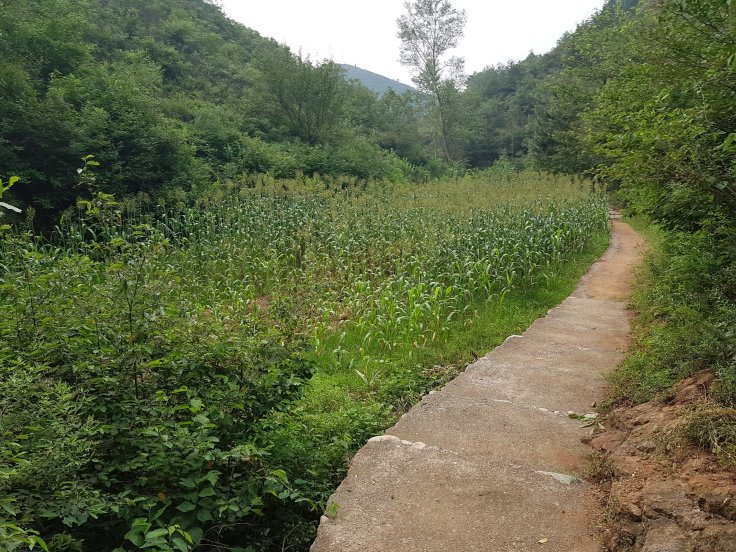
I chose the coiled dragon route.

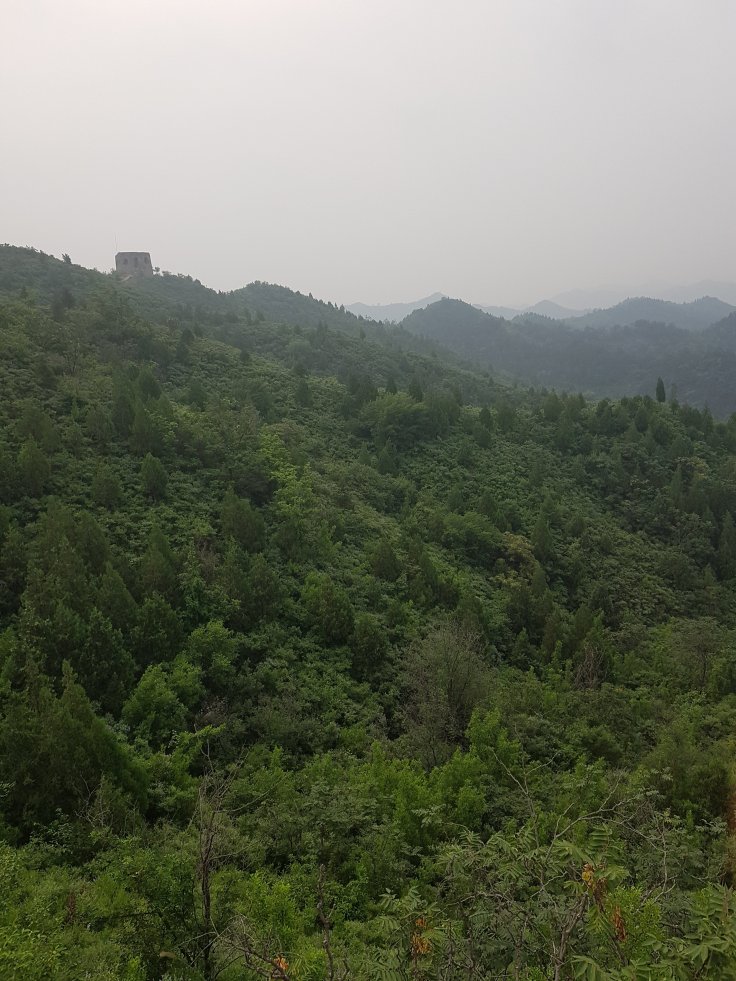
Jiangjun tower.

The wall continues on but into a military zone so I went back to Gubeikou via a shortcut. (Some Chinese tourists seemed to be coming from the military zone though)

There were a lot of larvae, camouflaged as small twigs hanging along the path. These were almost impossible to avoid walking into to.

Find the posing chicken!

I took an another shower (it’s 80-100% humidity today) before saying goodbye to the hotel and its kittens. 🐱🧡
I met a friendly man, called small bear, from Shanxi, who helped me with my bag along the way to Beijing.
Xie xie! (Thank You!)

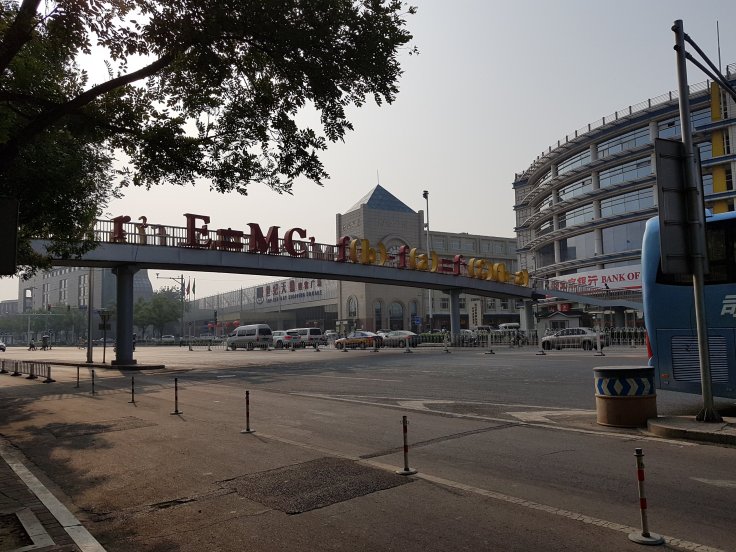
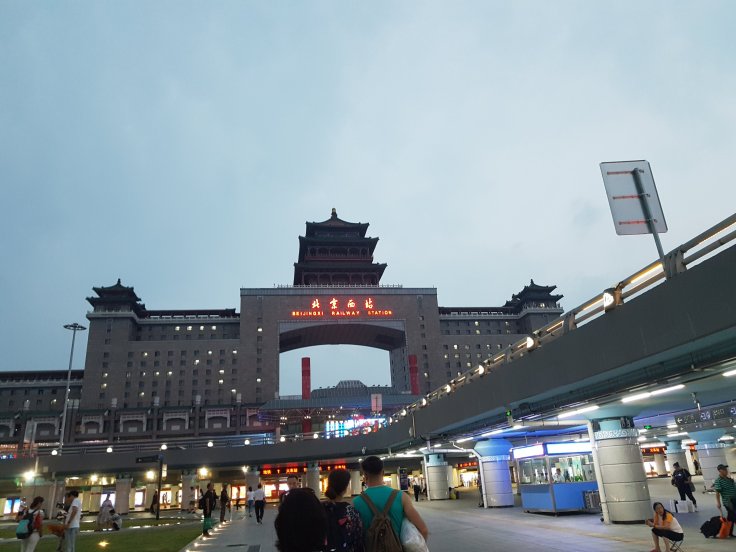
My hotel is situated at Beijing West railway station. A lot of people were sitting outside, waiting. The atmosphere was rather grim despite the glass passageways around.

I searched for a restaurant nearby for dinner.

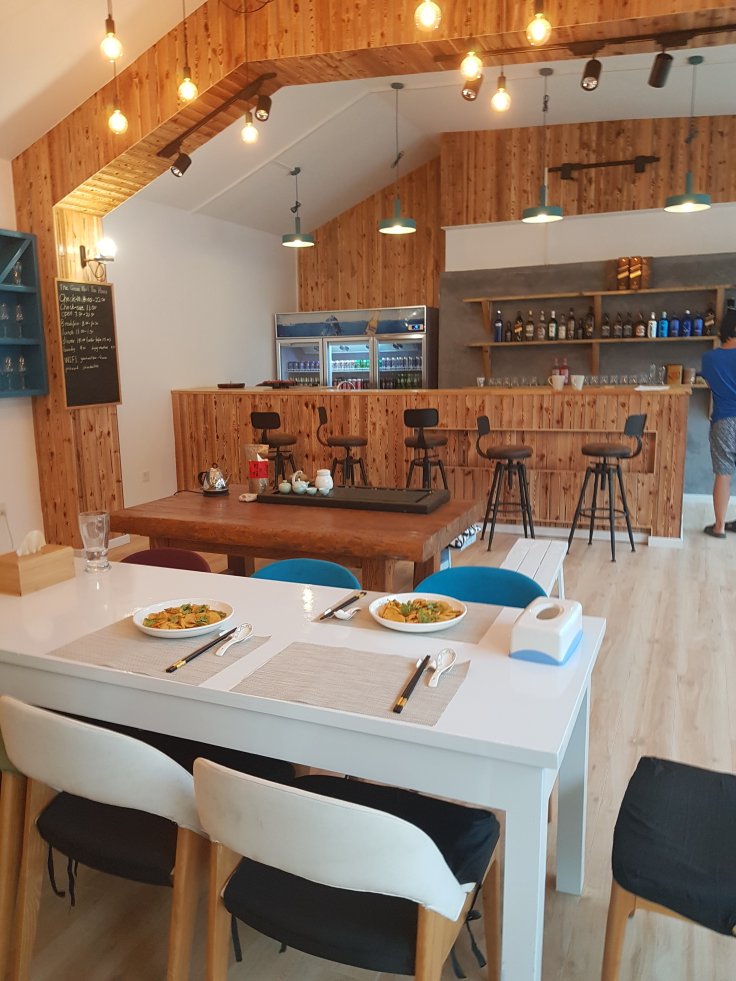
Dinner was a rather embarrassing experience as I did not know how to use chopsticks so food occasionally fell onto my lap. The brown stuff was described on the menu as tea steamed red onion (I think) but tasted nothing like that. I also had prawn dumplings and quickly realised I didn’t know how to eat that either. 🙃

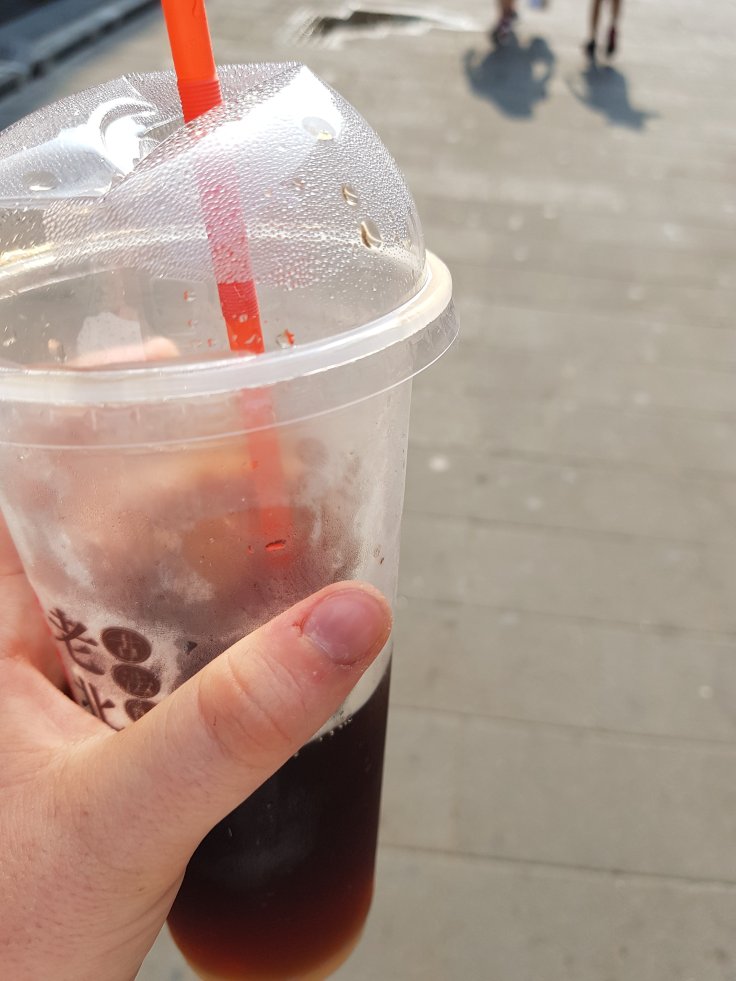
I managed the straw for iced tea though. (Fried bird claws were also on the menu but that was way beyond my skill level)

Qing man yong! (Formal version of bon apetit, meaning to eat slowly).


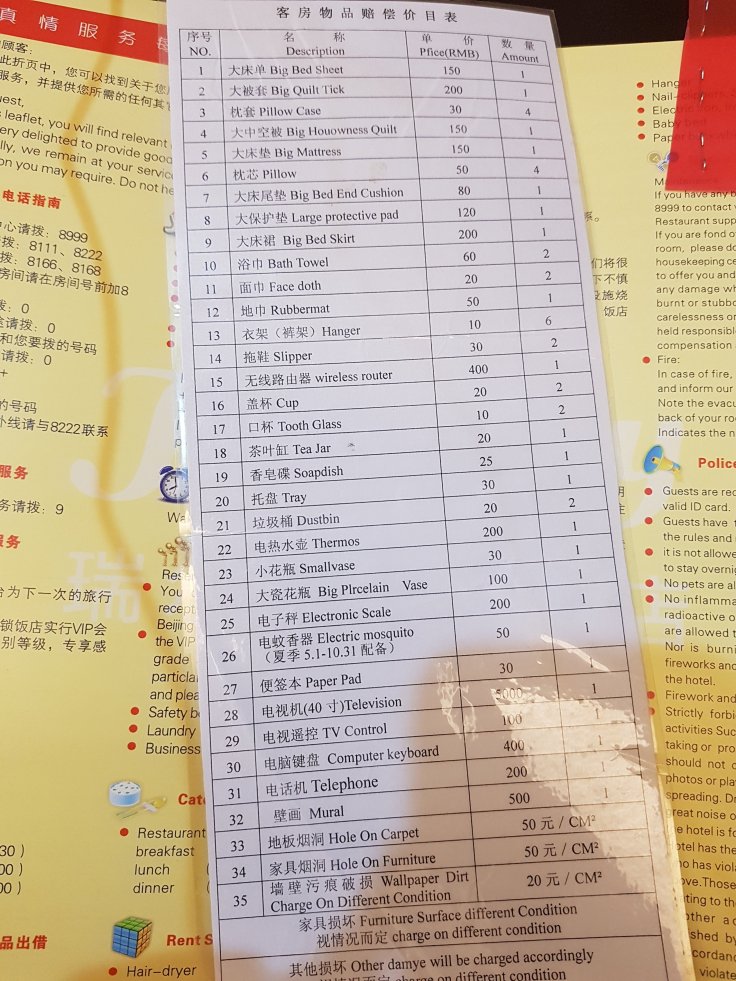
My (Railway) hotel was ready for anything.

Beijing 2

This morning, I woke up ahead of my fellow dorm-mates and quietly packed my bag.

20180804_0746103118883950318735601.jpg

On the way to the temple of Heaven Park, I crossed the bridge that makes kids smarter in China.

20180804_0807168530827880770766064.jpg

(Other than e=mc^2, the other equations were unknown to me)

I also bought a healthy breakfast in 7/11 😶

20180804_0807343504648037668351204.jpg

The men shouting outside restaurants that serve dumplings overwhelmed me 😅

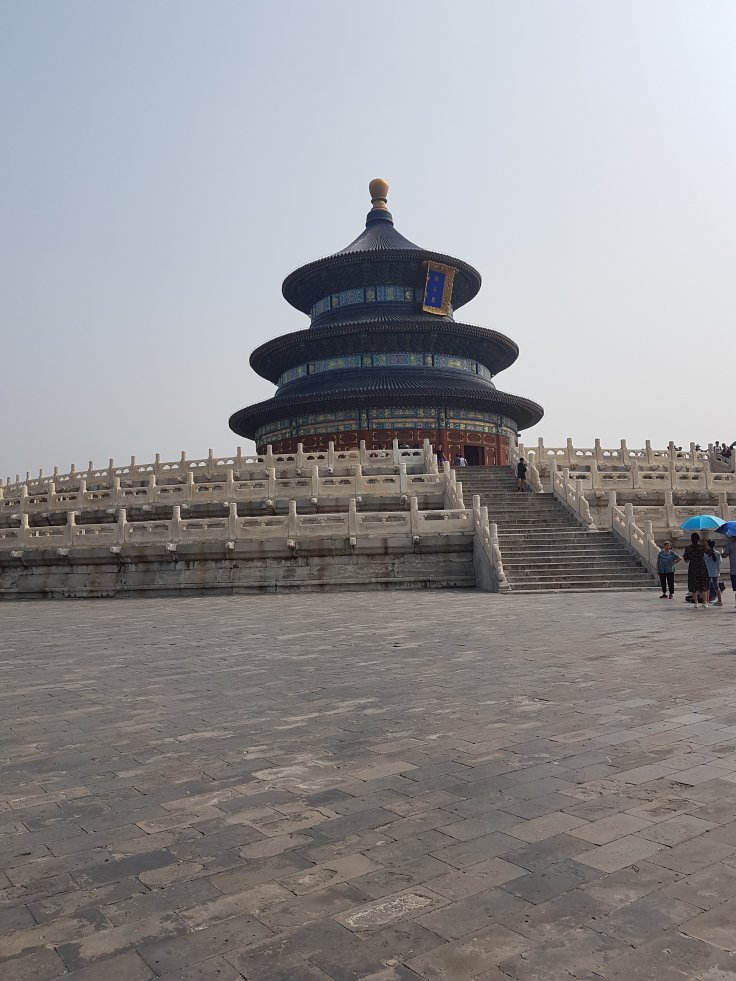
My first stop was at the Hall of Prayer for Good Harvests.

20180804_0908398875098345280973677.jpg

(Managed to get there before the big crowd)

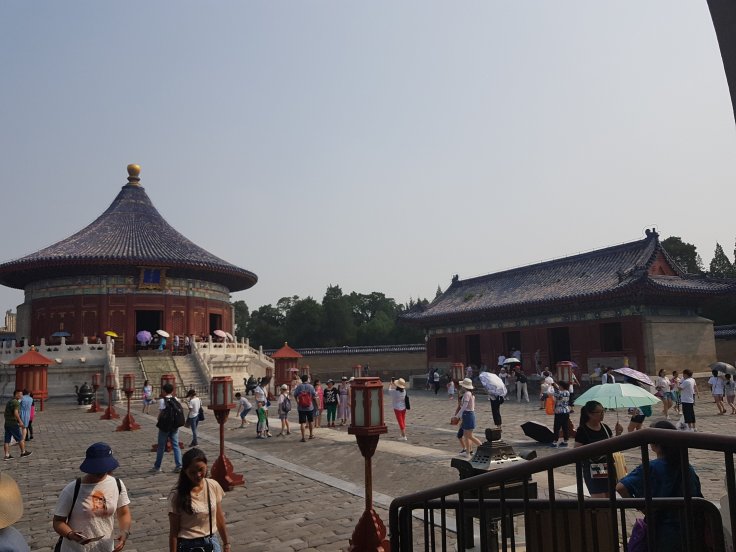
Further South is the Imperial Vault of Heaven.

20180804_0914413893632390235435876.jpg

20180804_0920108234126640398115773.jpg

Fun fact: temple halls are round but bases are squared following ‘tianyuan difang’ (heaven is round and earth is squared).

I read an article that this notion also (supposedly) inspired the design of a Chinese version of Amazon echo: LingLong DingDong.

20180804_0921459155046381843348680.jpg

A dragon carved in the ceiling symbolises the Emperor.

The wall around this temple is meant to be an echo wall, allowing whispers to be clearly heard from the other side. I am not sure if it works because everyone trying was speaking quite loudly to the wall (possibly because of how noisy it was anyways).

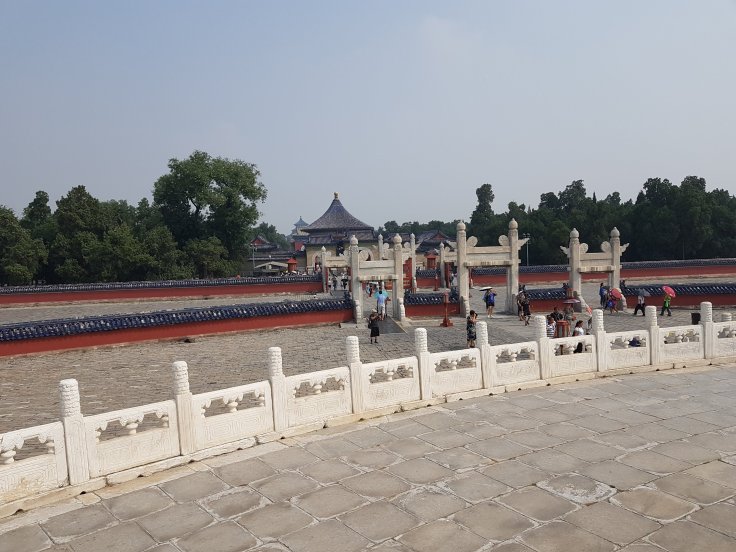
The path then leads to the round altar.

Every thing is in 3s as odd numbers are meant to be associated with heaven, with 9 (as the highest 1 digit odd number) being an imperial number.
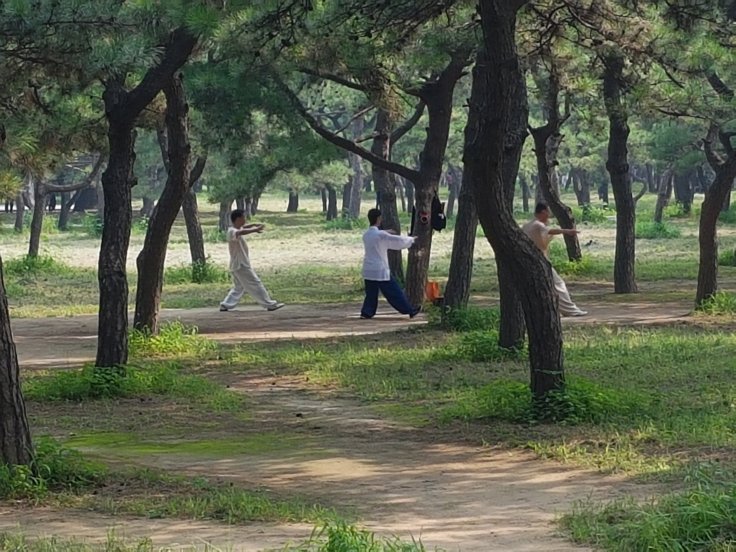
In this park, locals gather to practice tai chi…

Play jianzi…

Or cards.

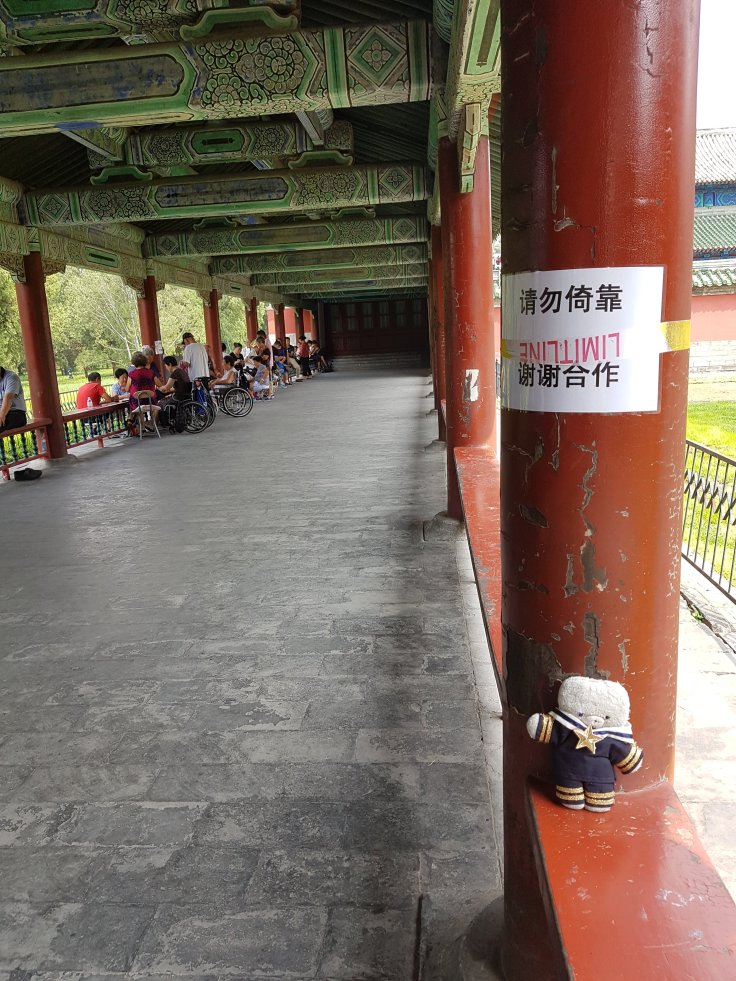
After taking a break, I slowly moved towards the long corridor.

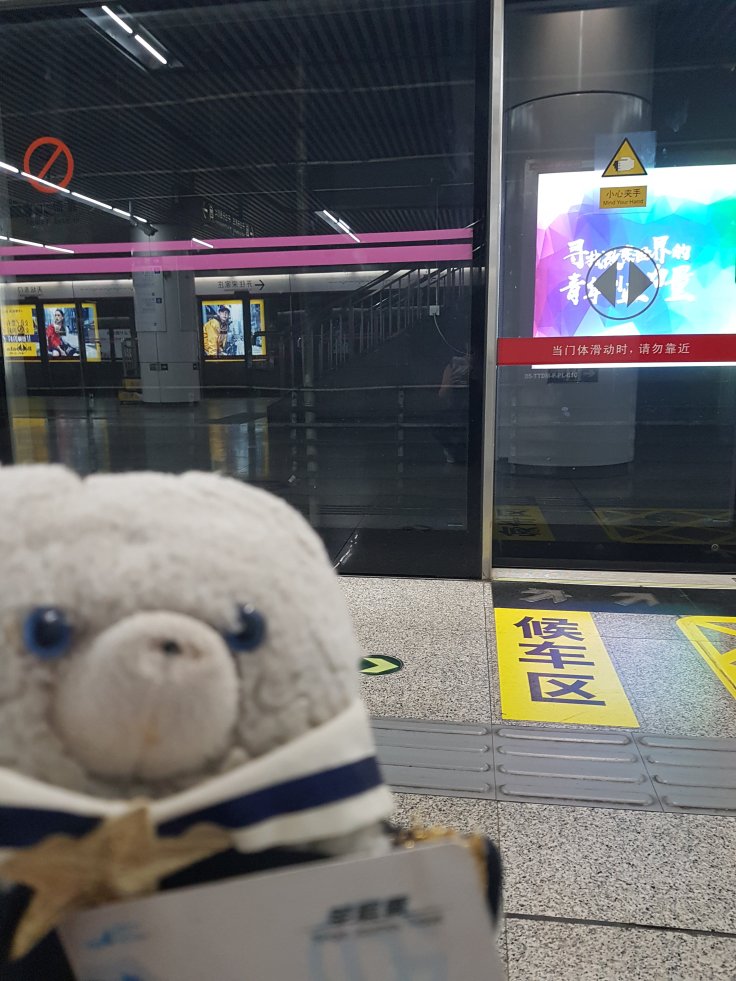
After visiting the park, I took the subway to Dongzhimen

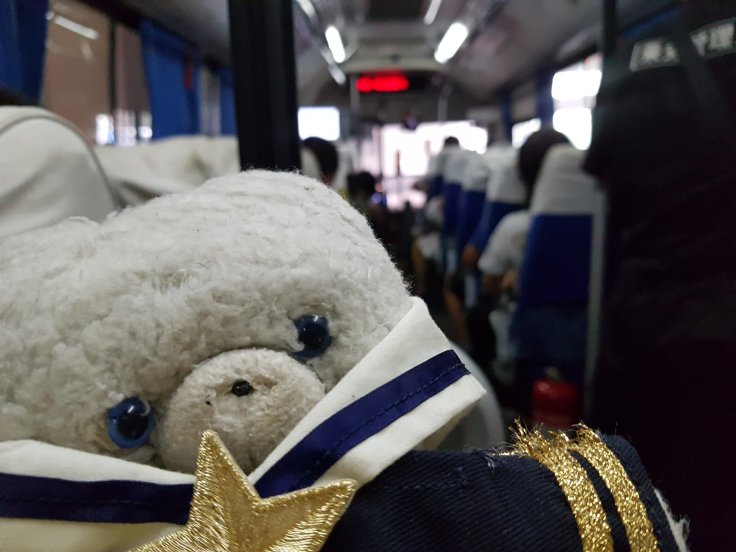
And then the bus to Minyue station.

At Minyue station, I was planning on taking another bus but someone offered to carpool me to my hotel in Gubeikou.

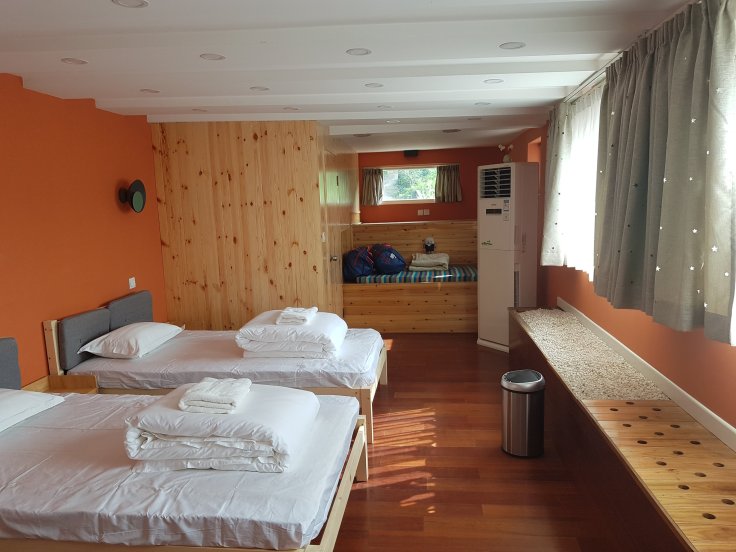
Despite raving reviews, my hotel is quiet, with me being the only occupant of the dormitory.

Before dinner, I went for a quick walk into little Great wall.

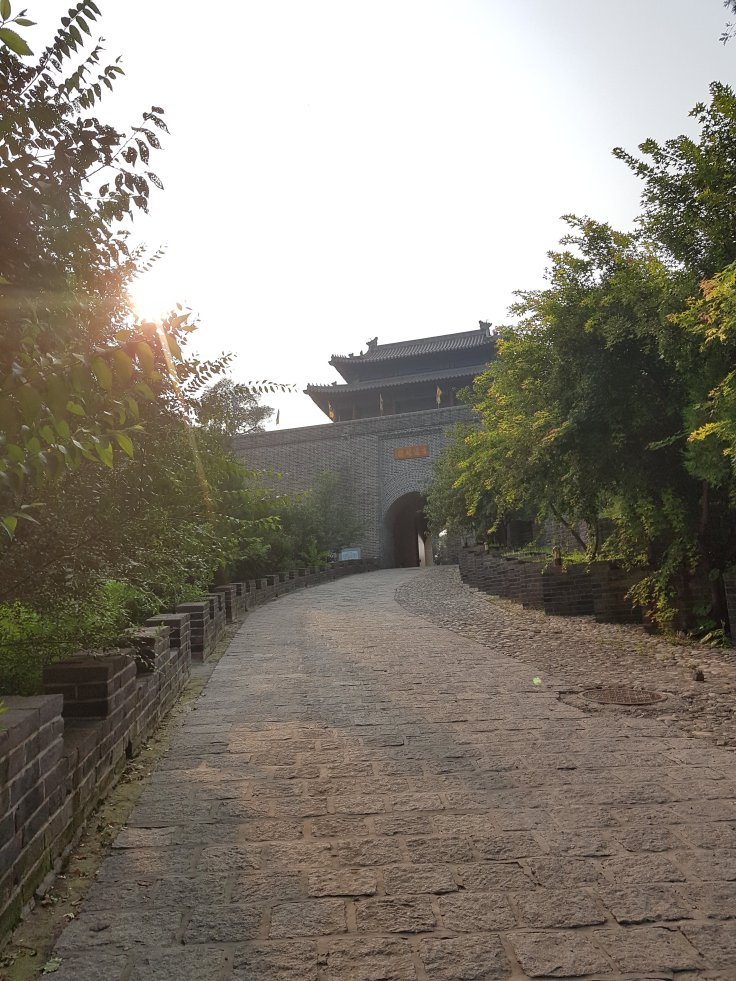
Gubeikou gate

A reminder of its past strategic importance

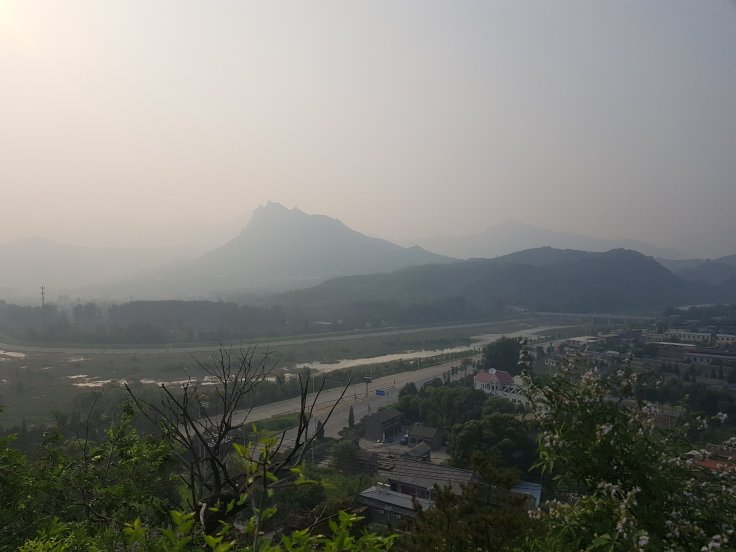
Gubeikou village

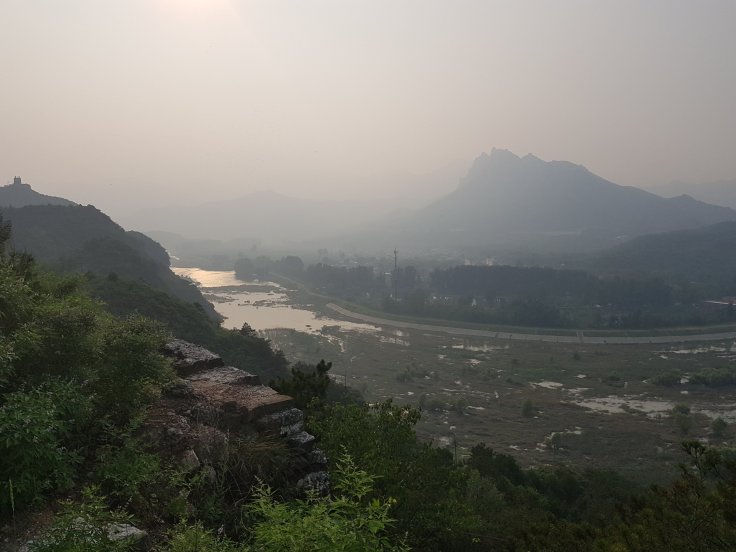
The wall at Gubeikou is not as well defined as in other more popular places, which doesn’t stop it from being a pleasant (but sweaty) walk.

On the right is a crouching tiger.

Small Great wall (I only made it to the first tower)

Gubeikou gate again.

There are not really any maps of the area so today it was more scouting then visiting.
For dinner: spicy potatoes! Ended up not being spicy at all, I suspected the cook deliberately left out the chilli – Still delicious and filling after missing out on lunch.

Arriving in Beijing

I arrived at 5 something am at Beijing city airport ..
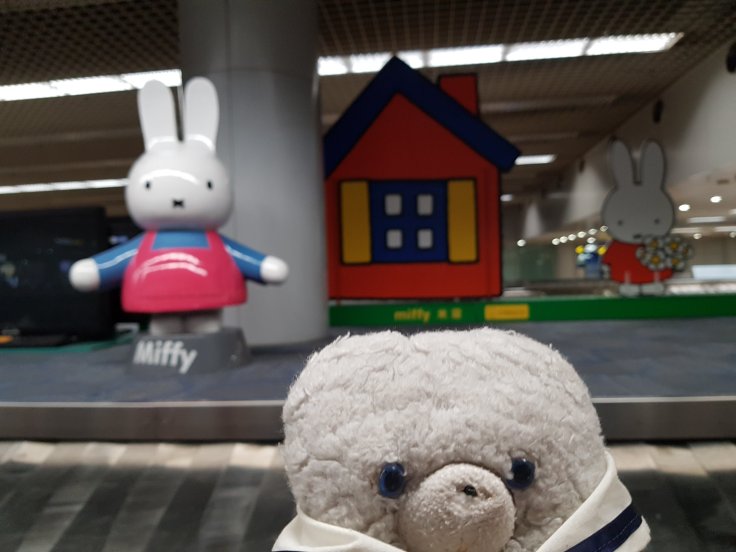
.. ready to see the city.

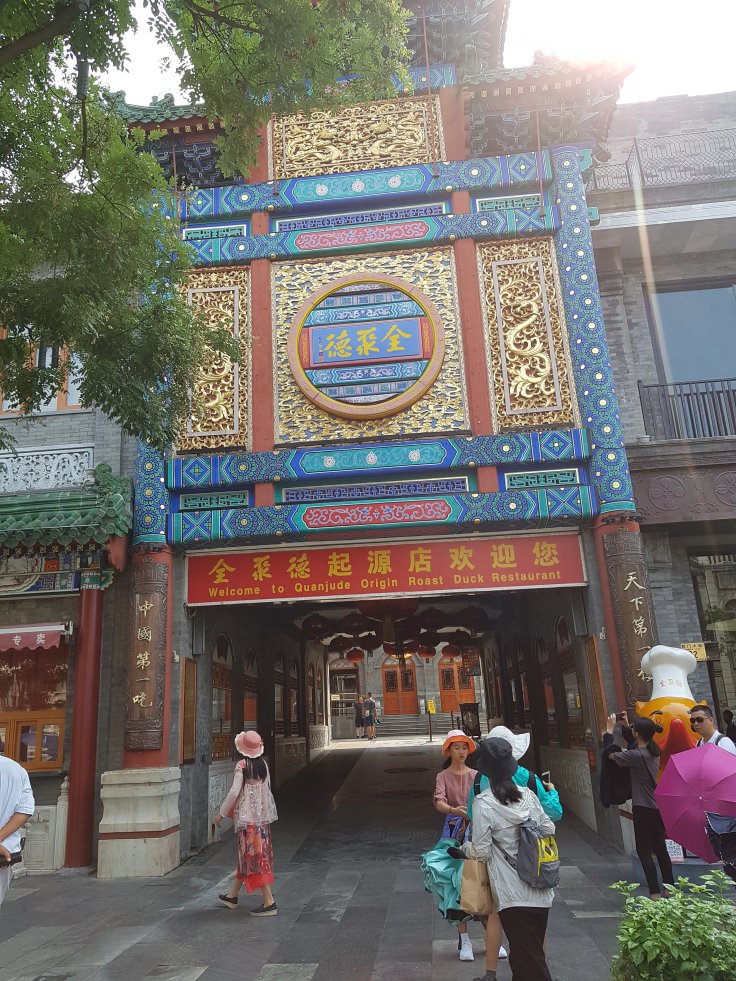
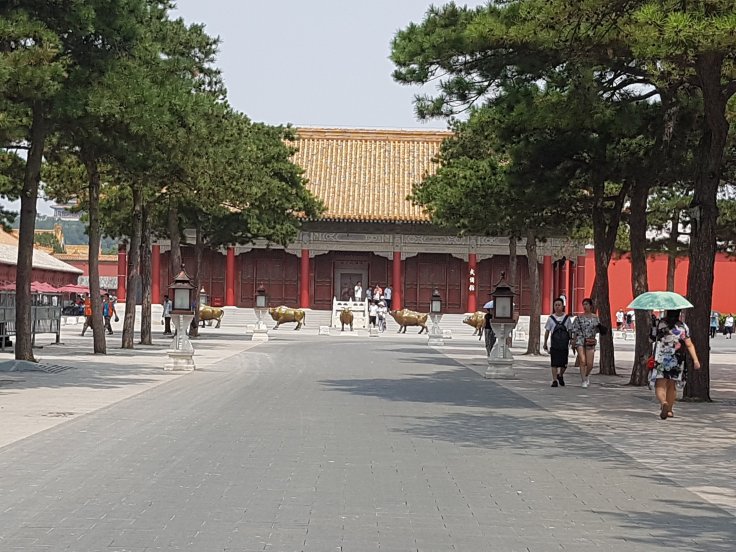
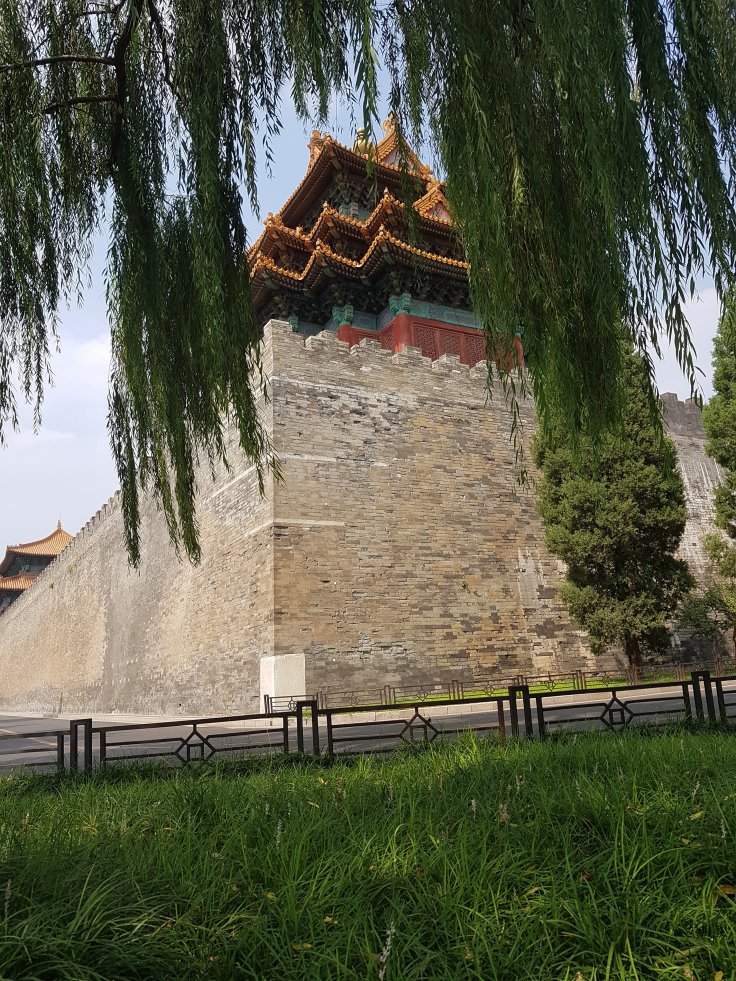
I headed towards the Forbidden City via Qianmen Emperor’s avenue.
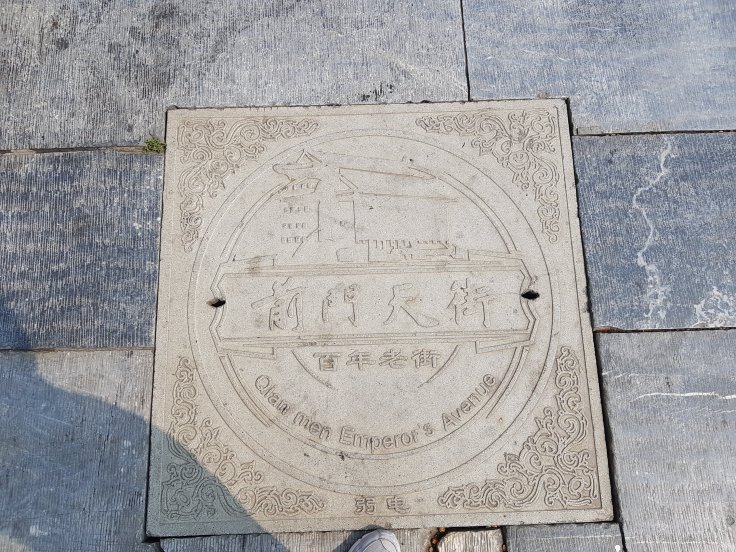
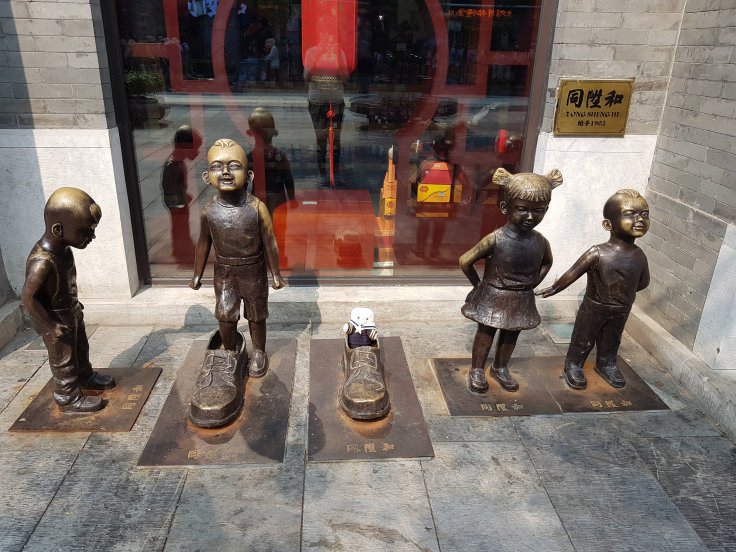
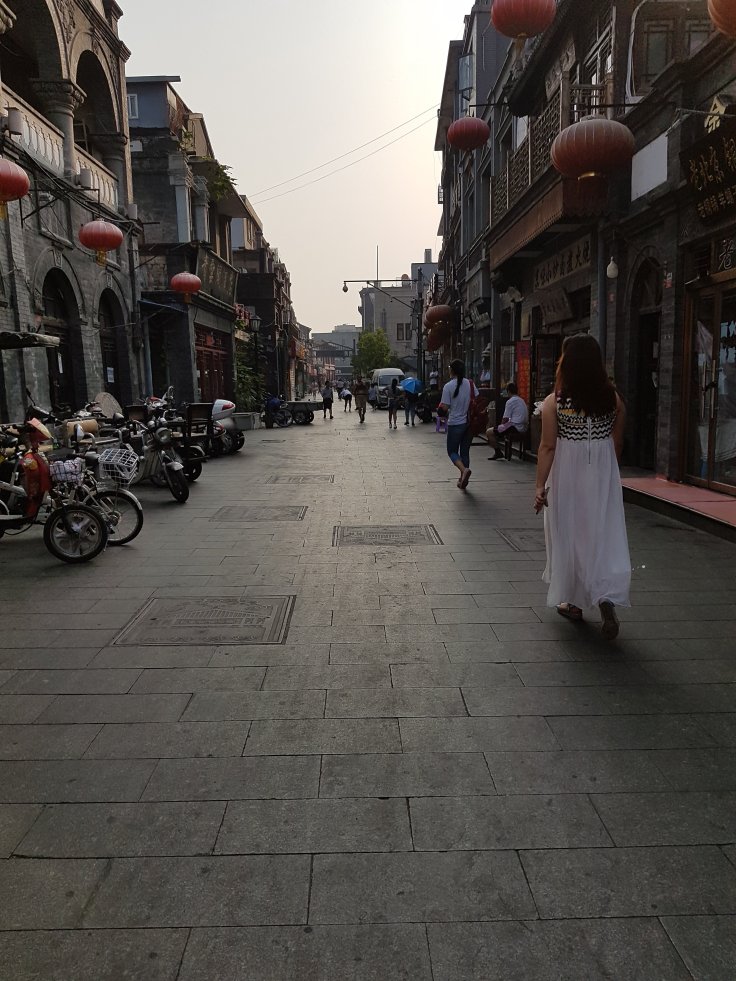
This quiet pedestrian avenue was once part of Beijing’s old market district. In front of shops are statues reminding of the former market.
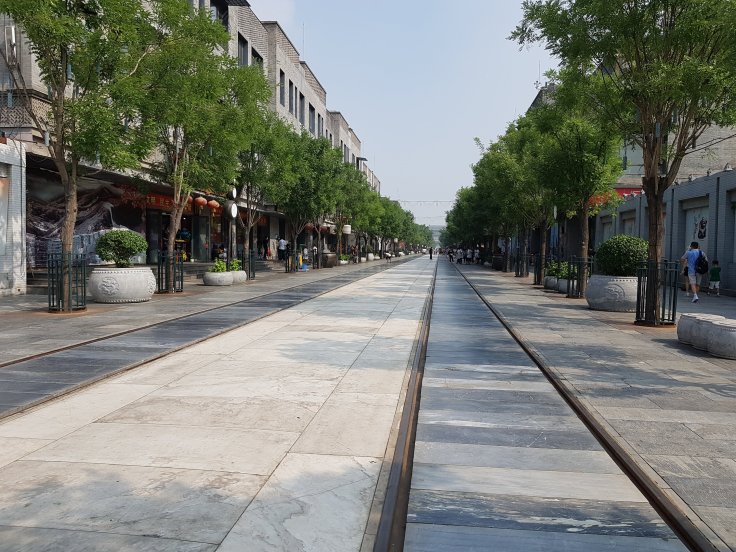
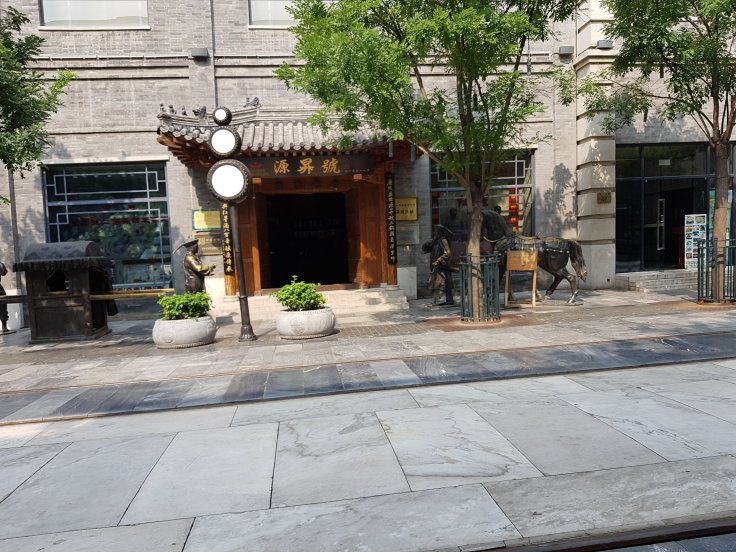
I also saw the ideal shop for people who collect fans 😉

This led me to Tiananmen square.

The square is barren, with 0 shade, so I quickly crossed it to make my way to the Forbidden City, following a large crowd.

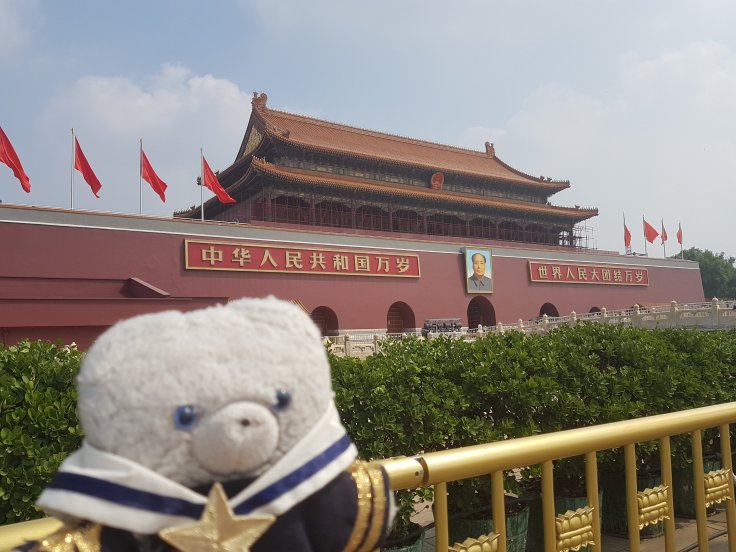
Mao and I look alike… 🤔
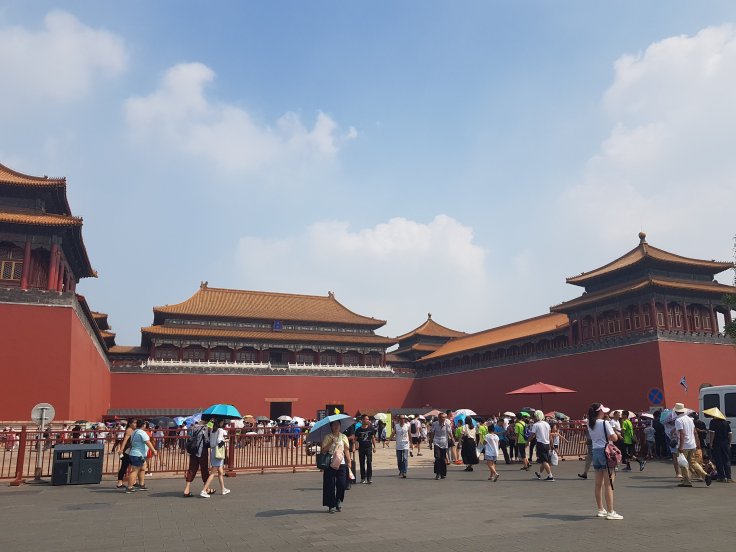
Passport numbers and identification cards are used as tickets to enter the Forbidden City.

At this point, it was very very hot and I was essentially swimming in my nautical costume.

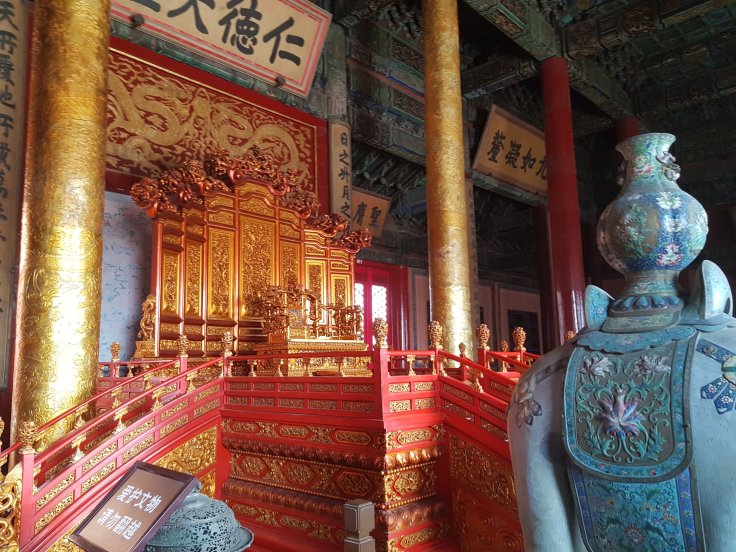
The audioguide is location-based. It just starts talking when you arrive somewhere where it has something to say, but then it remains silent in other rooms. It also does not give the same name for the room as what is shown on the map. Confusing!

(The chinese audioguides seem to be newer than the foreign ones so I suspect they work better).
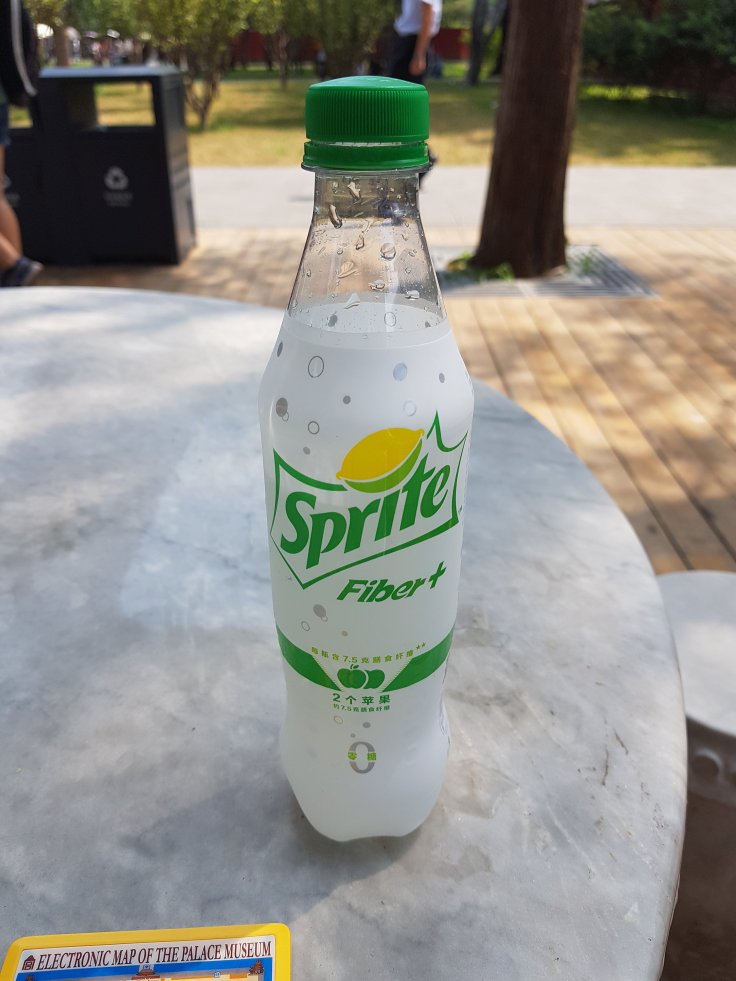
I made a terrible mistake by drinking this. Guaranteed not to recover from central Asian food now. 😅

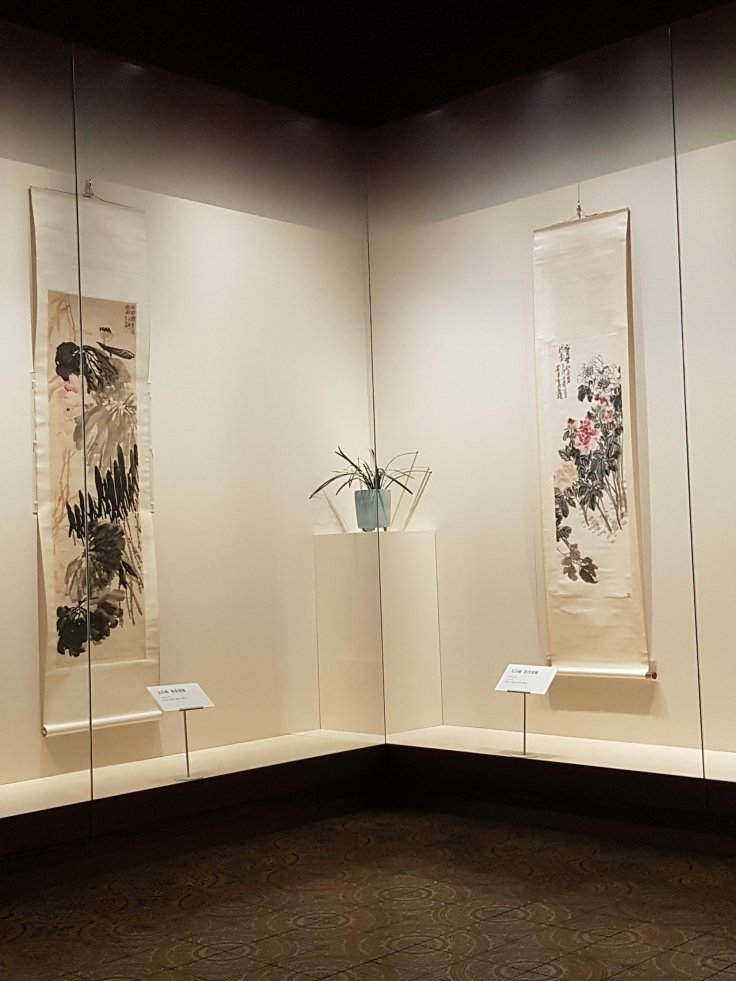
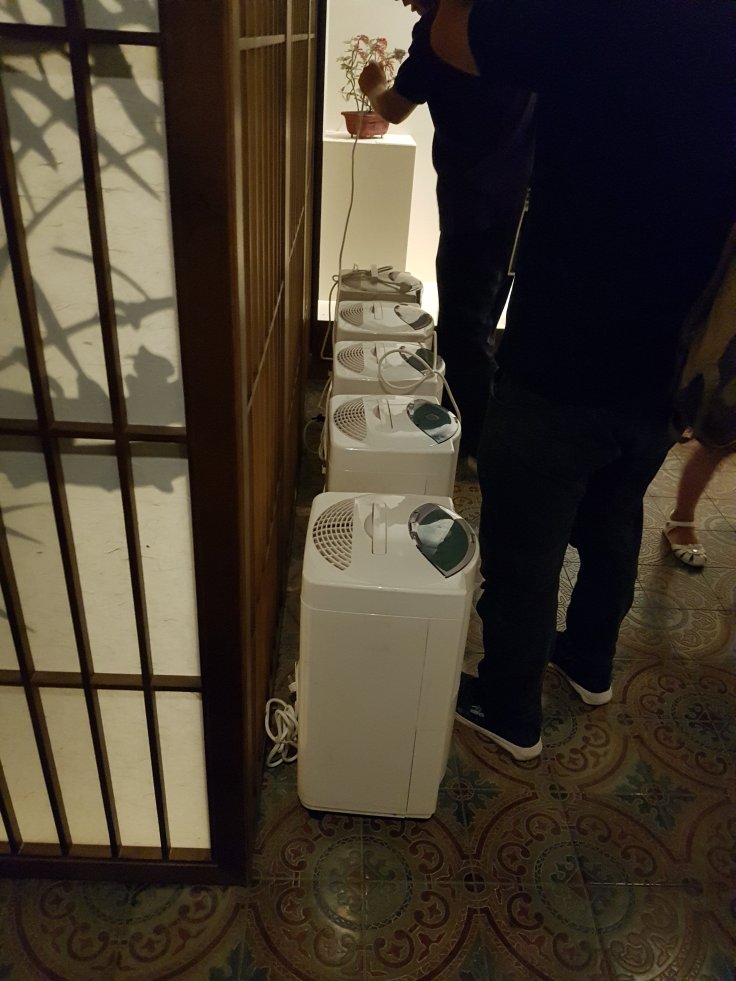
The main point of entering this room was the air conditioning but it wasn’t plugged in (chinese tourists faffling with it above).
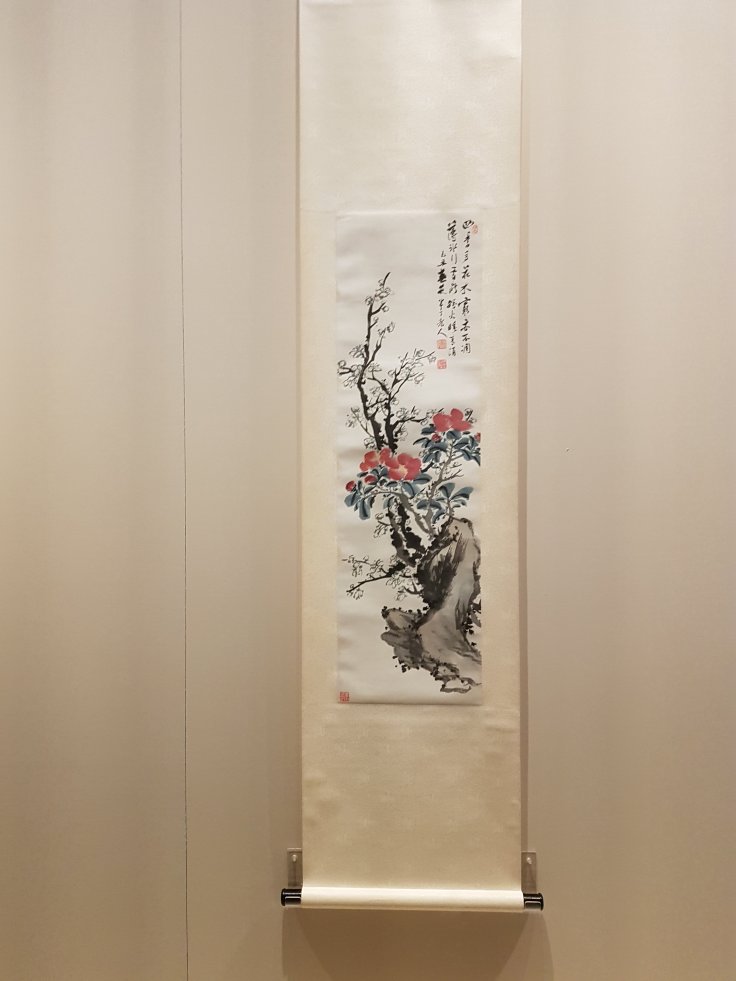
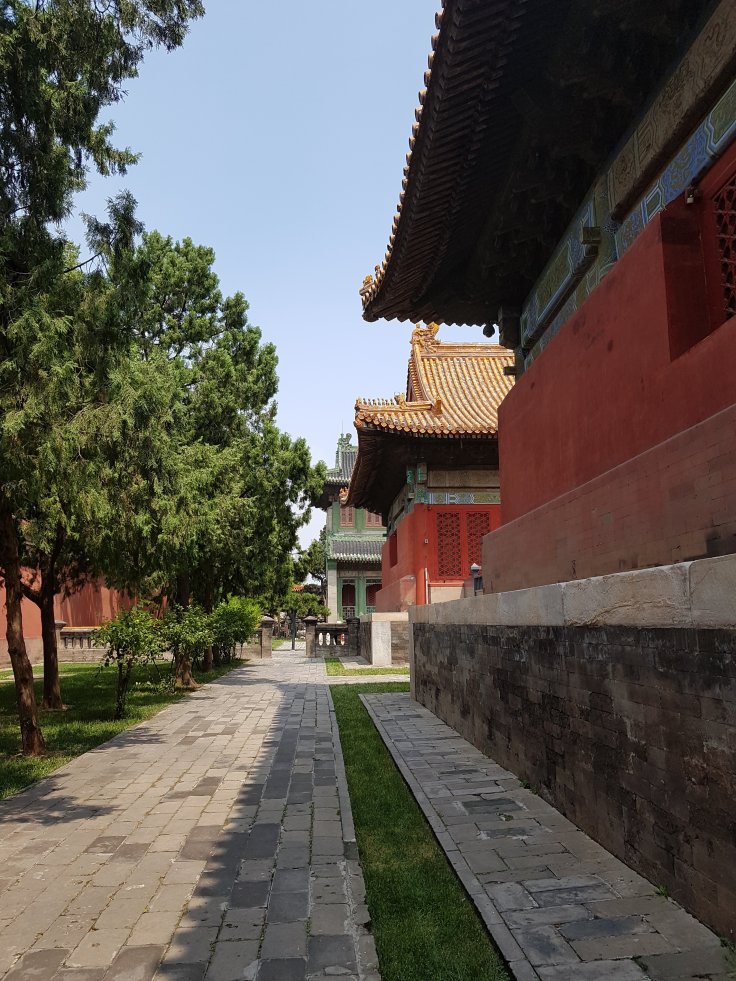
Not sure what this cow means.

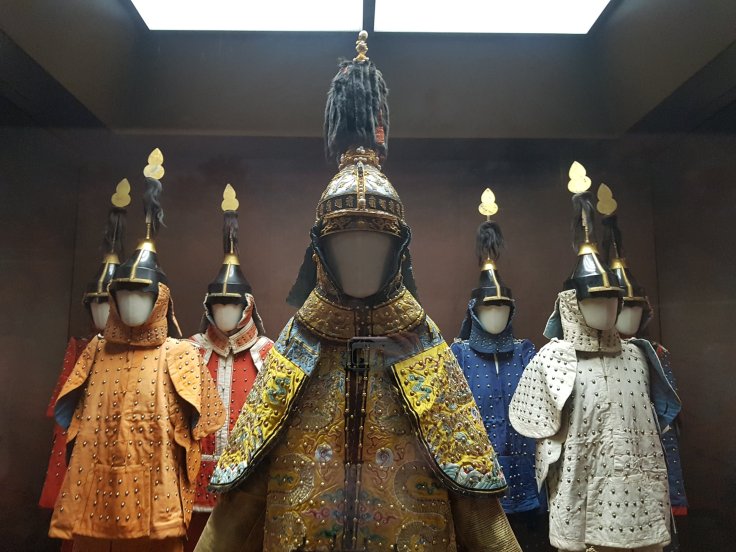
Archery room:
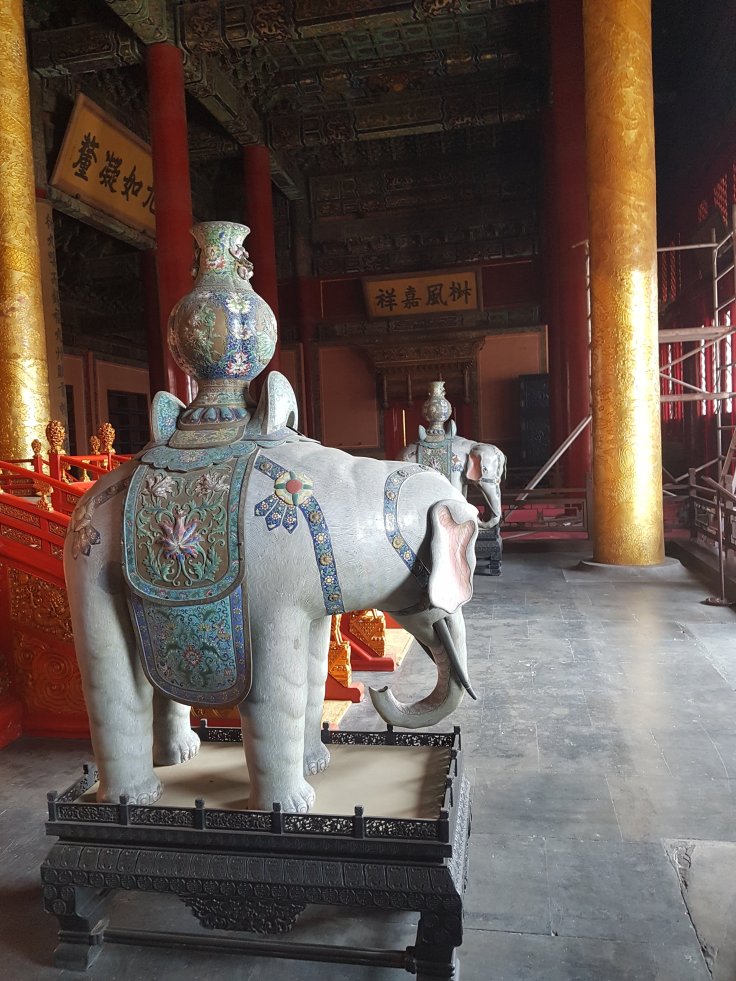
Winking elephants:
Opera pagoda:

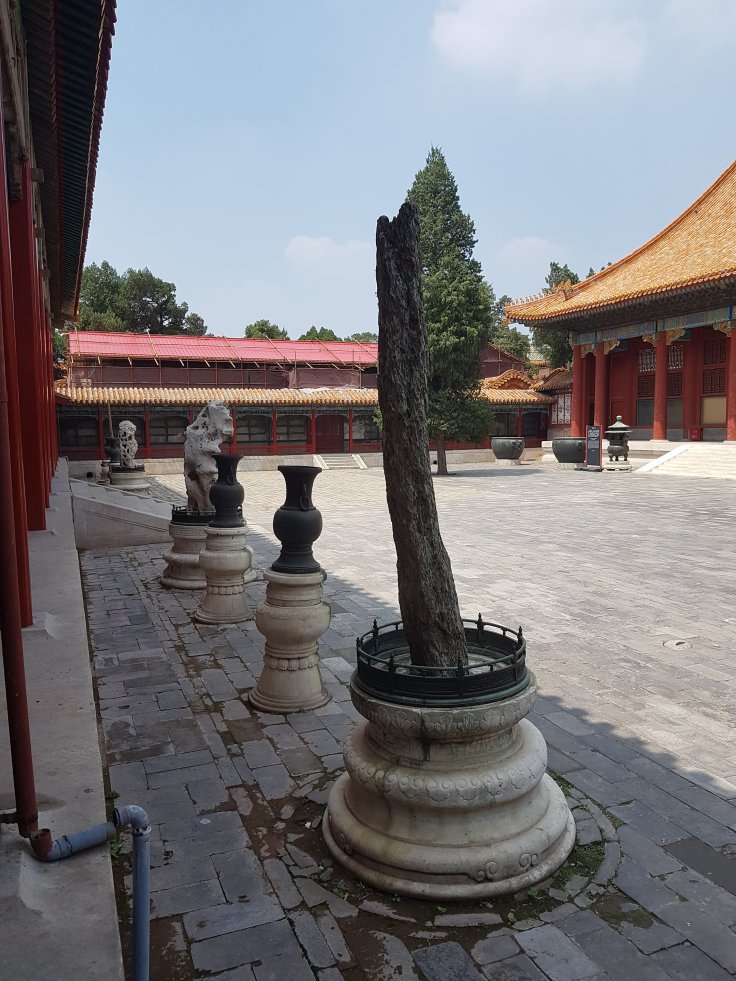
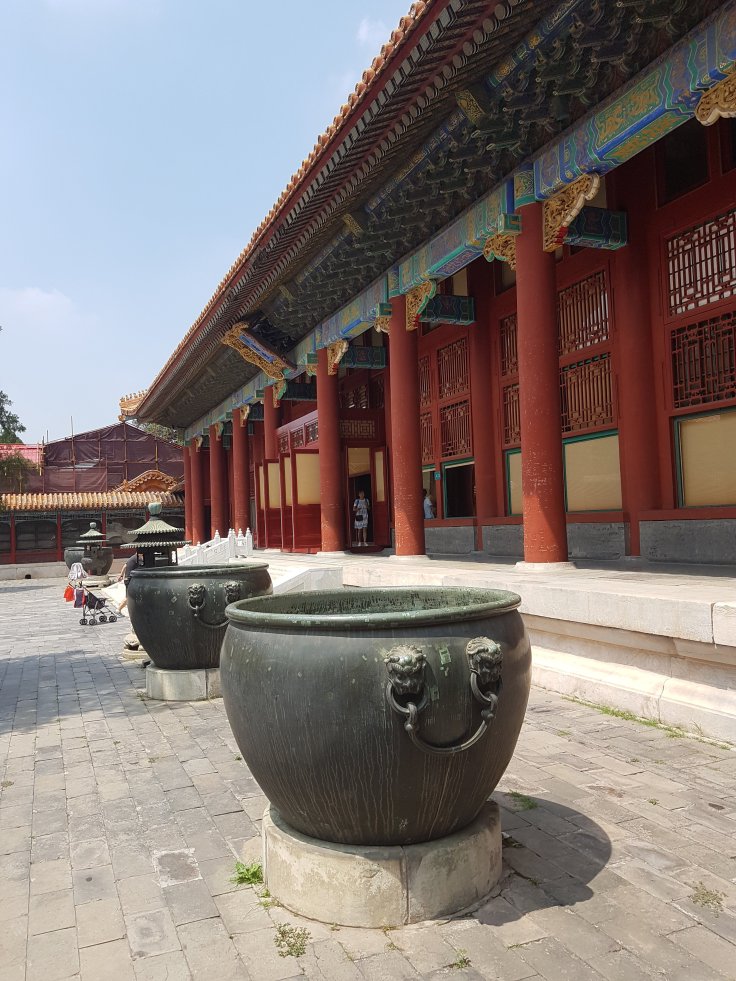
Lots of large bronze buckets everywhere, which were used against fires.
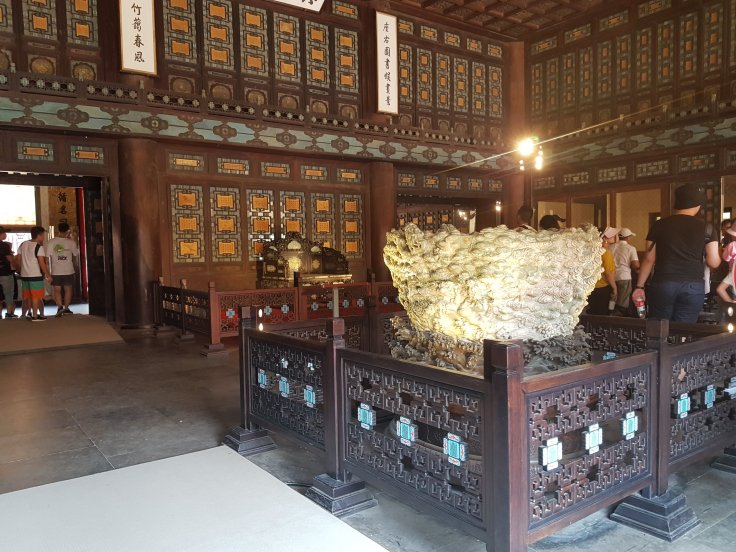
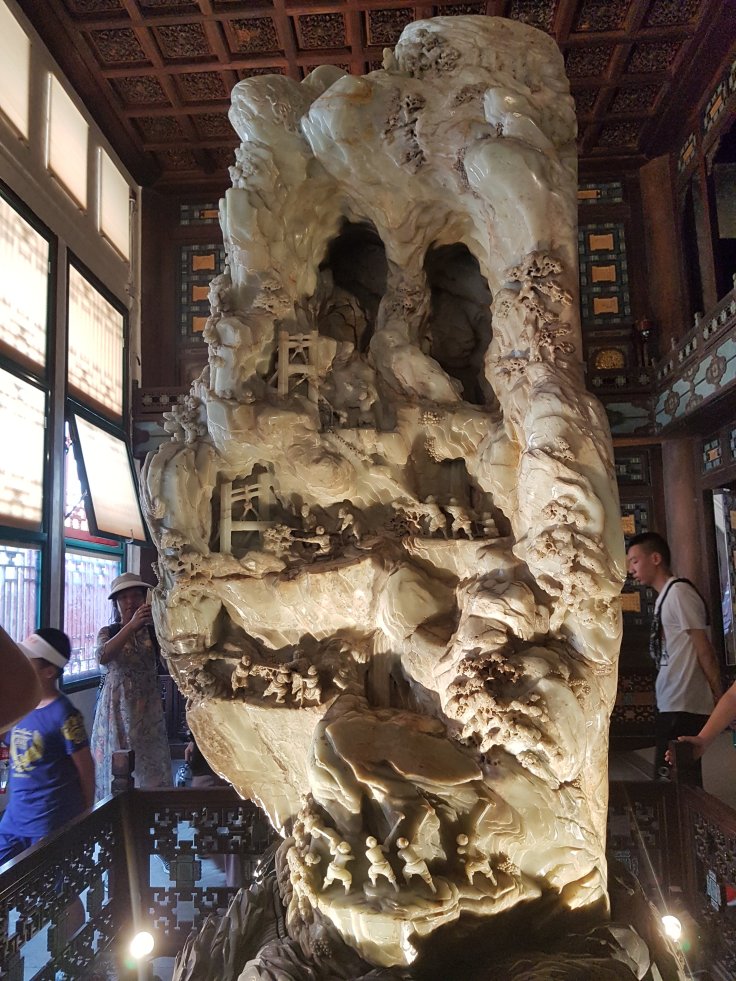
Jade carving (I think)
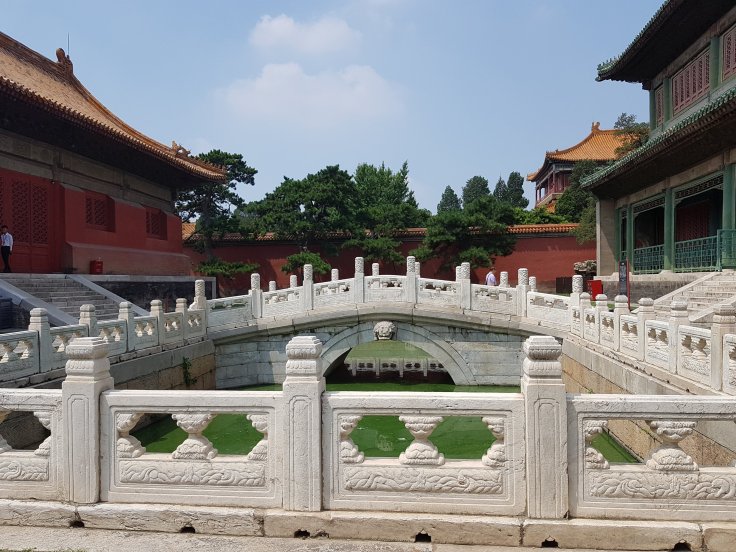
Concubine Zhen’s well:

She was the Emperor’s concubine and a supporter of his reforms, and therefore was favoured. But the Empress was jealous and ruined the reforms and eventually drowned the 25 years old in the well. (Well, this is what I understood)
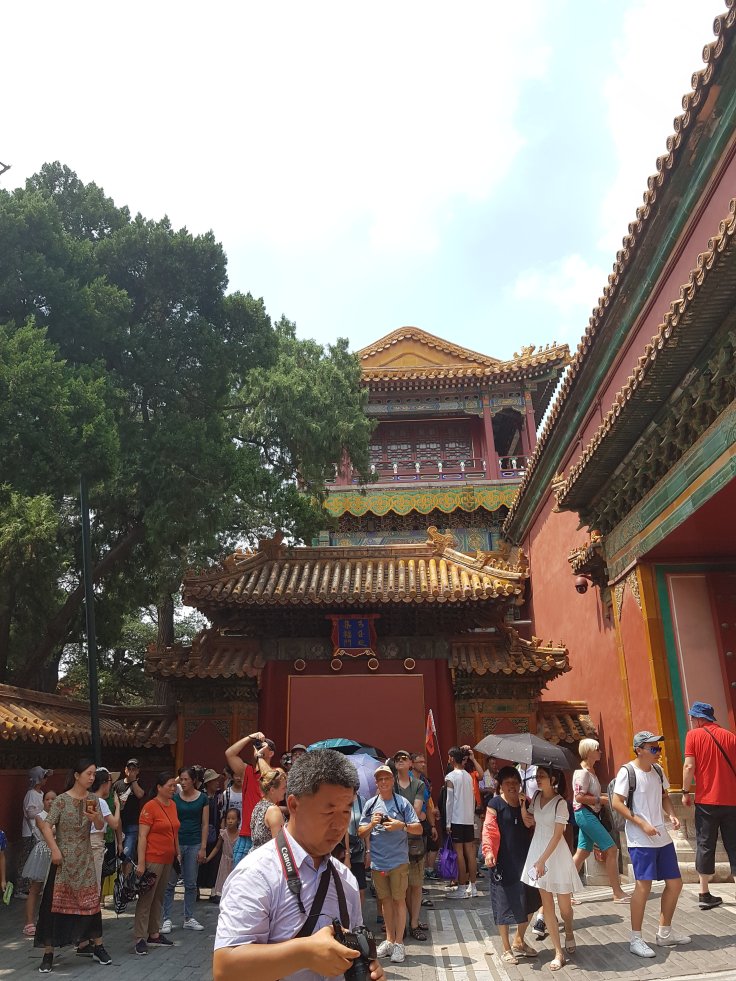
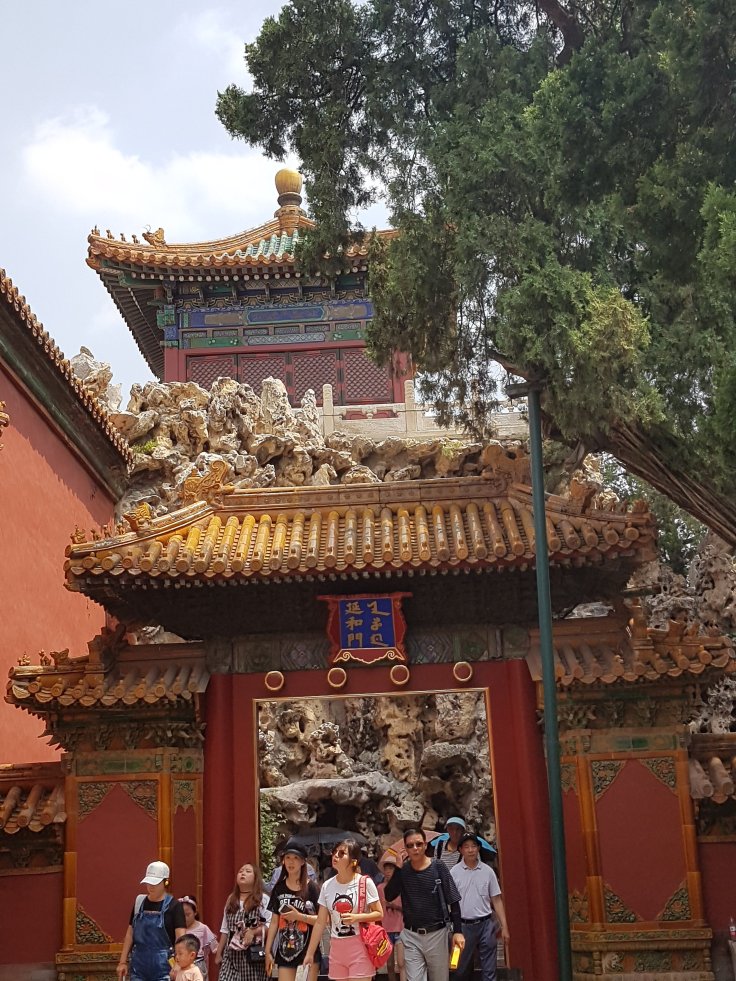
This anatomically impossible kneeling statue of an elephant is meant to show that even they bowed to the Emperor.

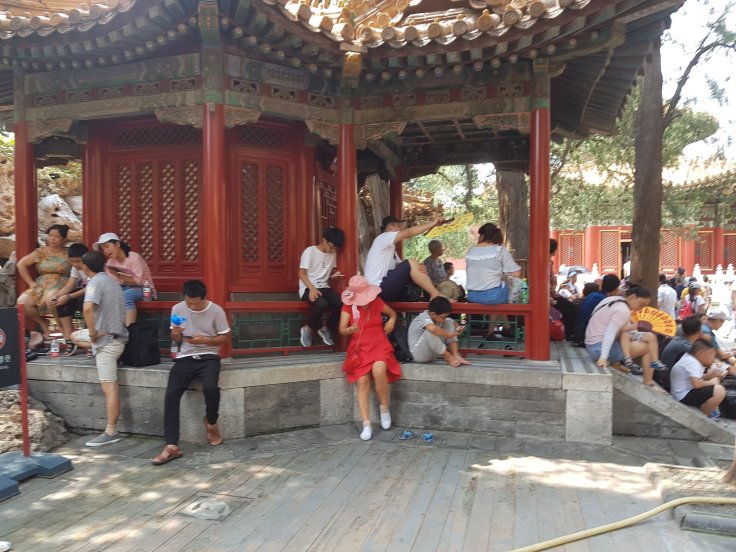
Imperial gardens. Everyone was hot and sweaty.
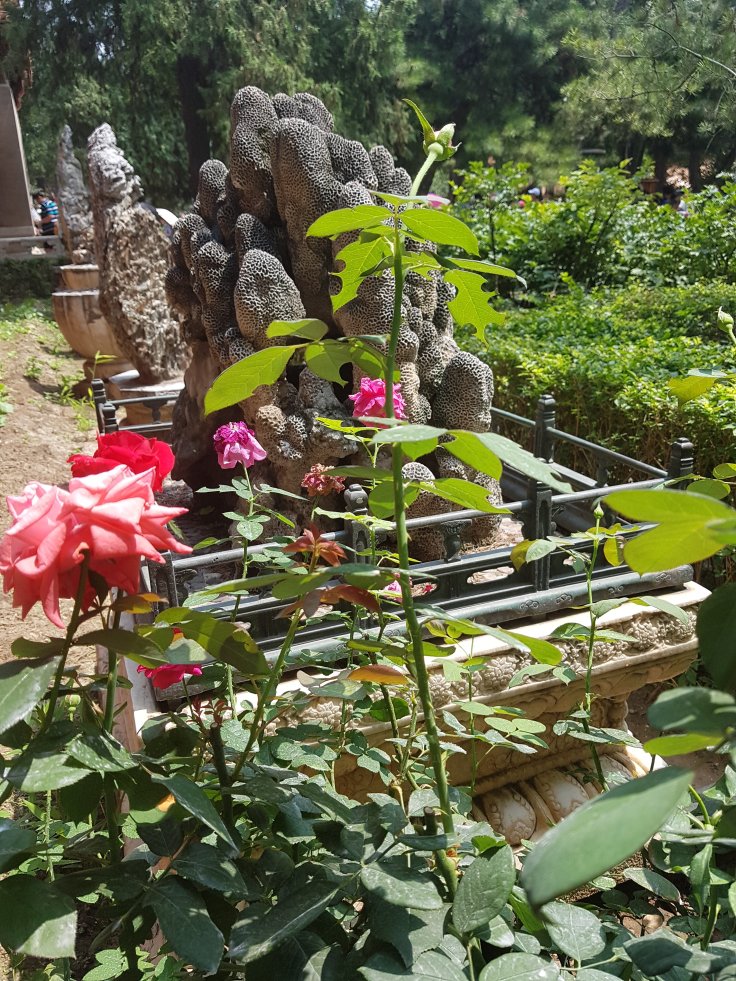
The sewage system:
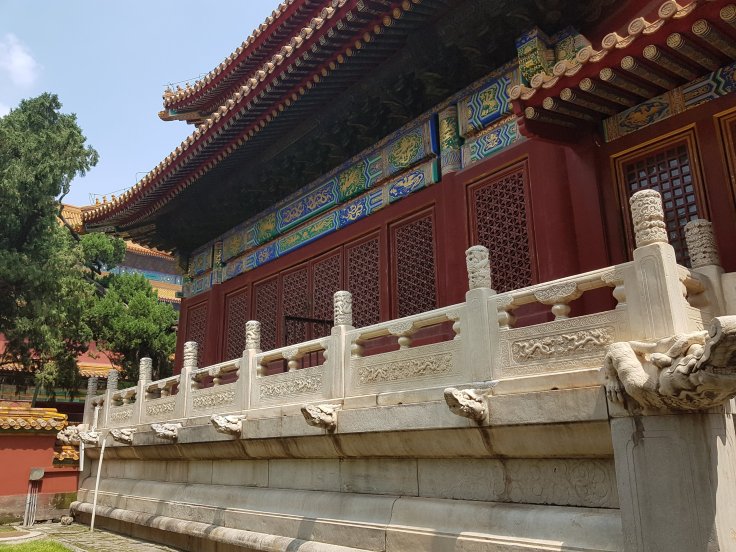
I’m not sure if I’d seen everything but I was desperate to escape the Forbidden City.

I headed towards Jingshan park.

A street vendor was selling melon but after buying it, it quickly found it’s way to a bin. (Bye bye lunch)

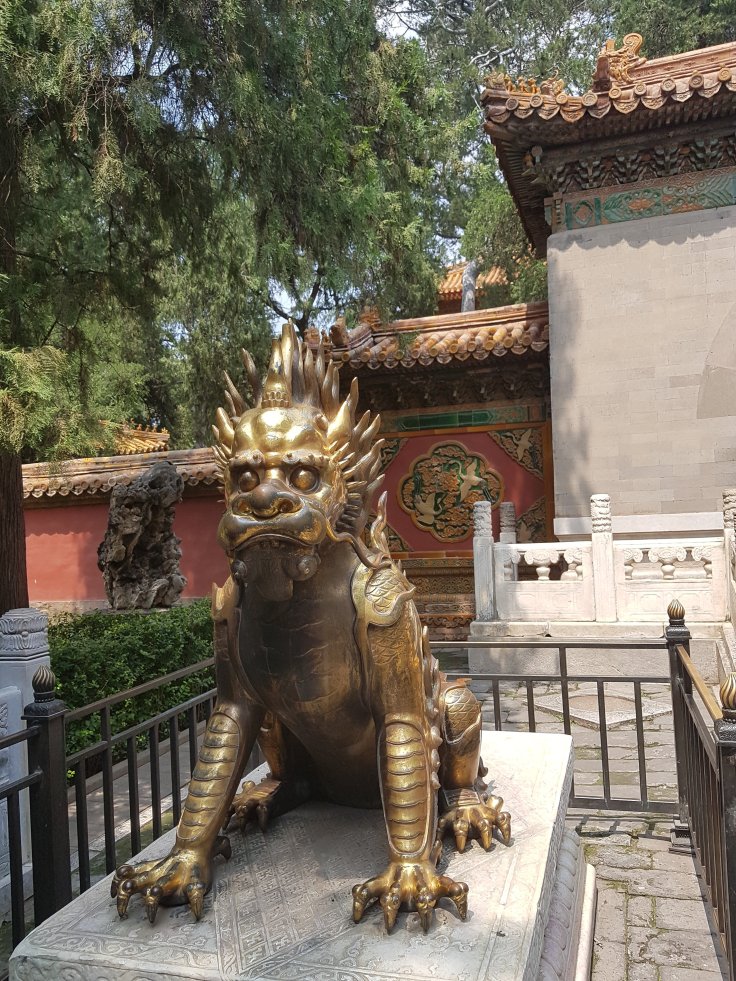
A Pair of lions act as guardians of Jingshan park (and other important place). The male lion holds a globe under it’s paw, signifying the Emperor’s power over the world, whilst the lioness holds a cub, showing He is fertile. (I didn’t know this at the time but I’m guessing that makes me a cub)
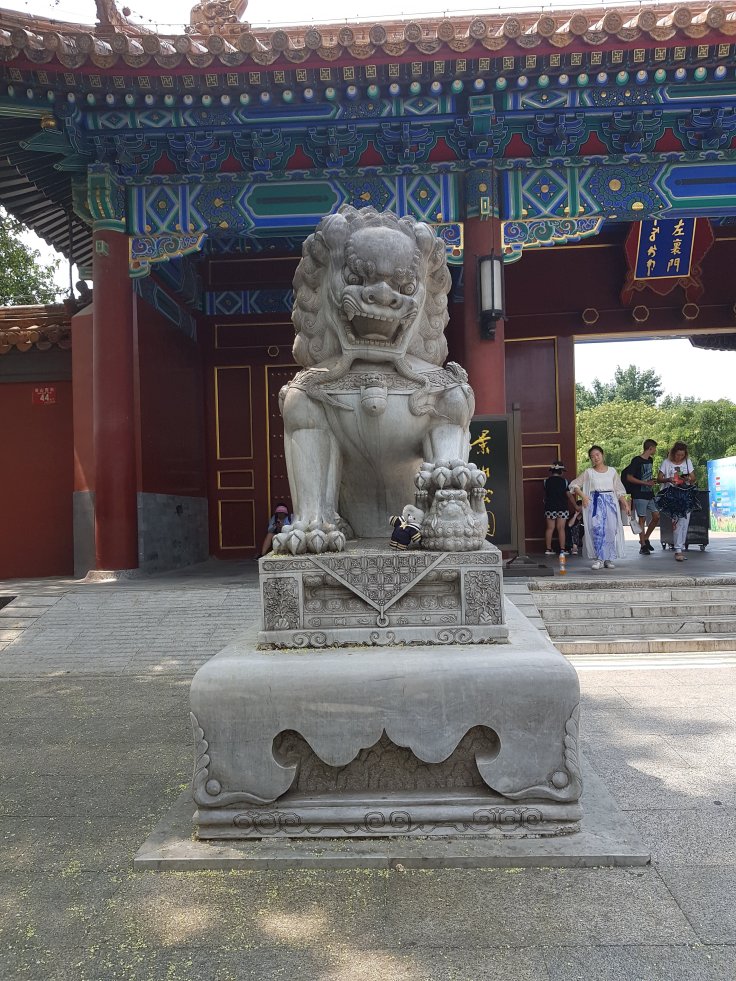
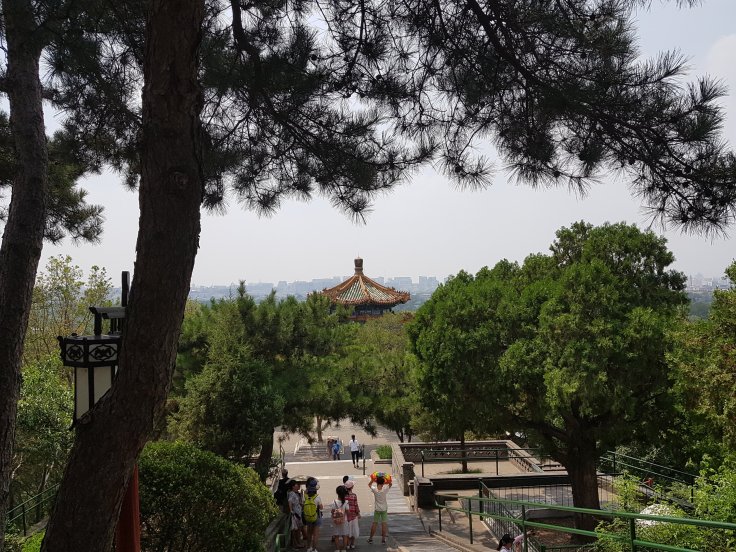
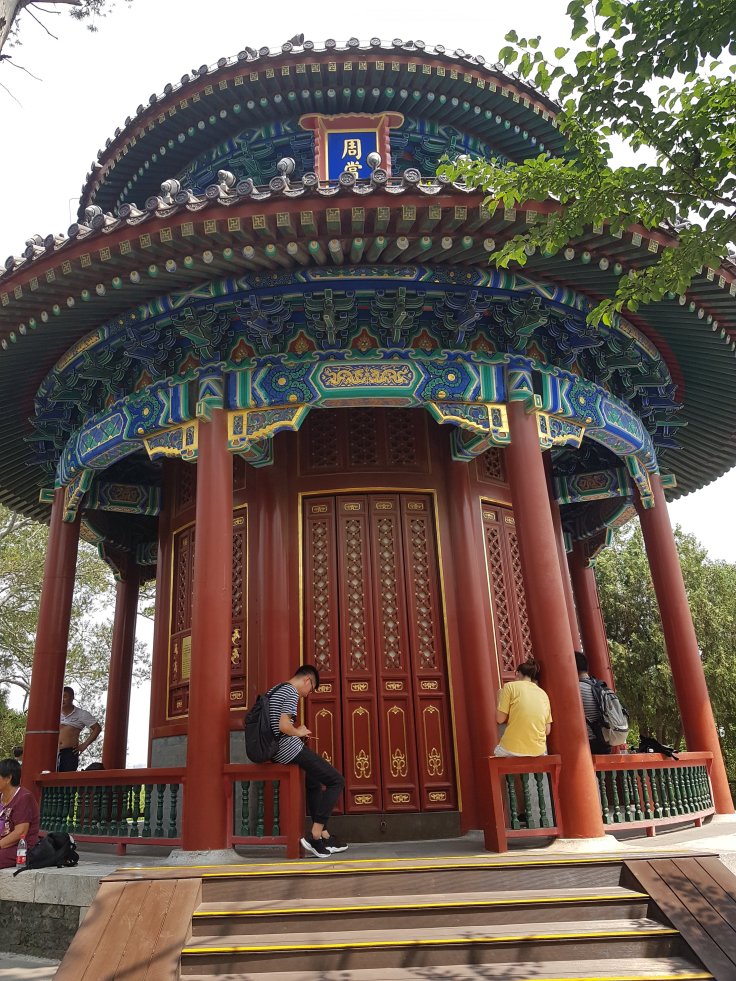
Jingshan park was a lot quieter than expected, especially when seeing the large flock of people that leave the Forbidden City. It is known for its pagodas, which are placed at the top of a hill and have a view overlooking the Forbidden City.
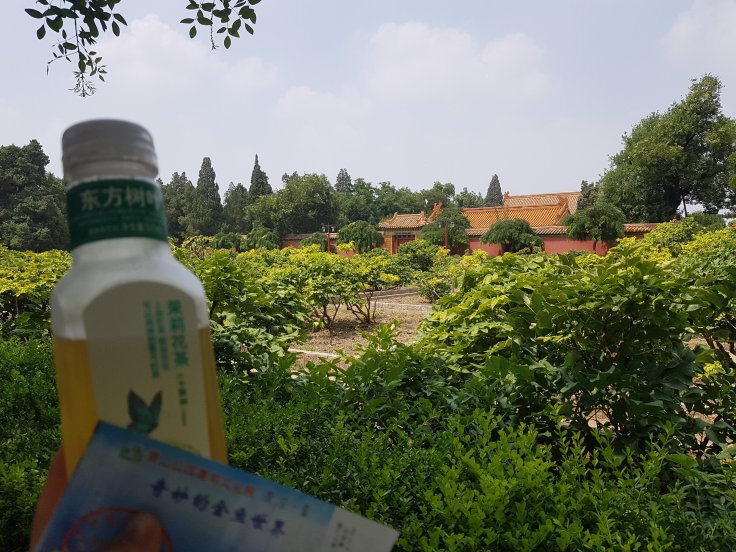
Me trying yet another local drink.

There was a lot more shade here so I took a break.
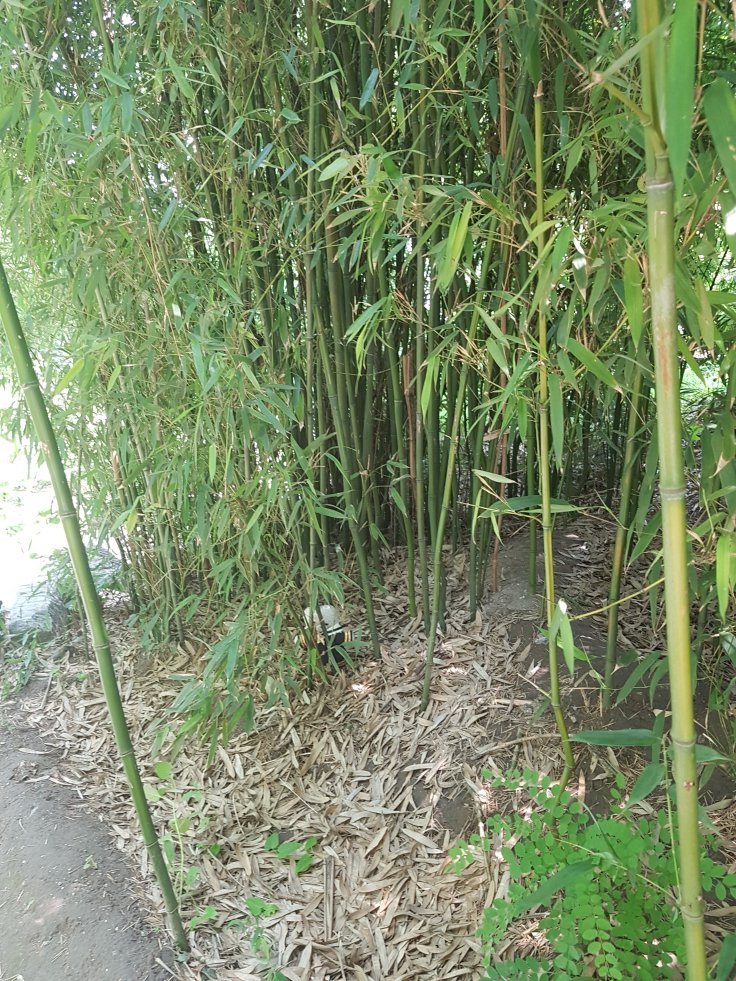
It was a pleasant walk up.

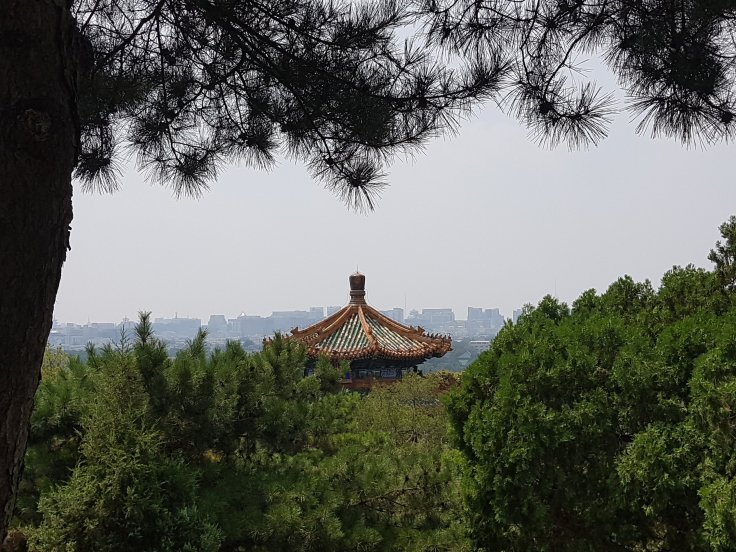
View from the highest (and busiest) pagoda.

It was very nice to sit and relax here but you could hear the noise of dozens of tourists and guides shouting through loudspeakers at the bottom of the hill, right outside the forbidden city.

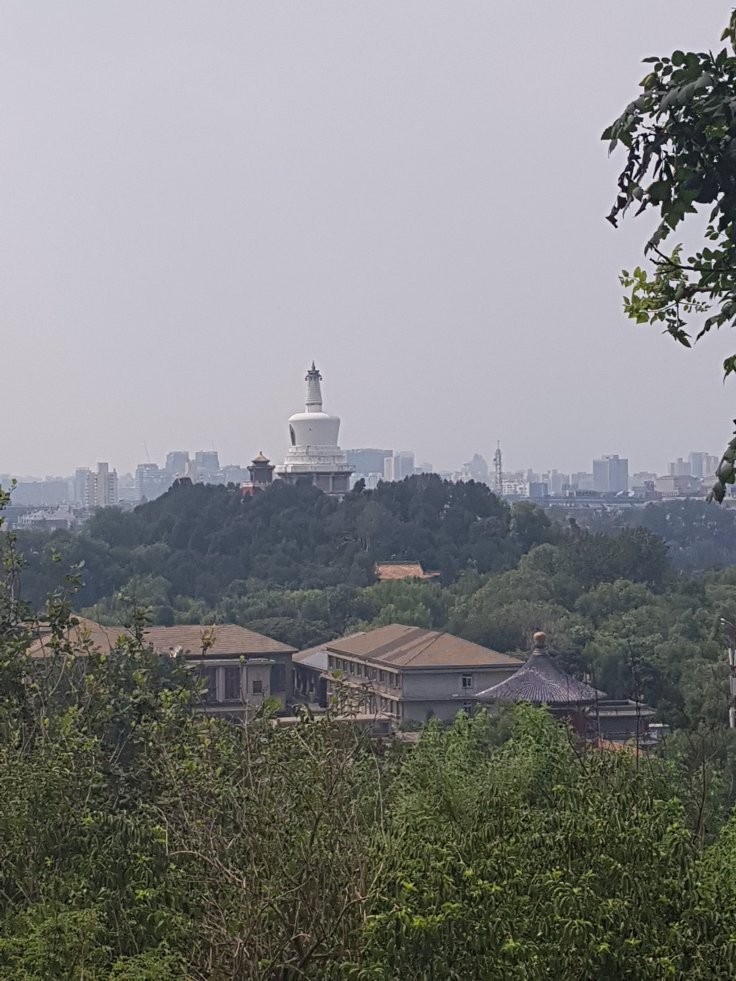
At this point I discovered that I had used up all my portable battery + most of my phone battery so I hurried to Beihai lake.

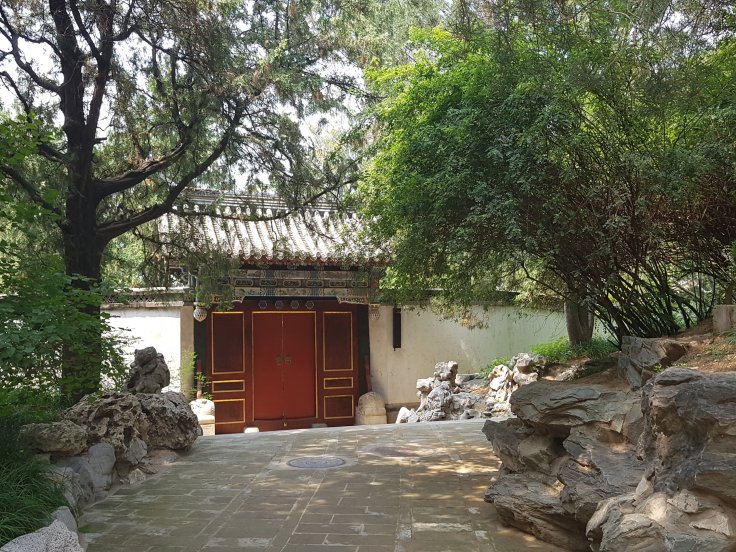
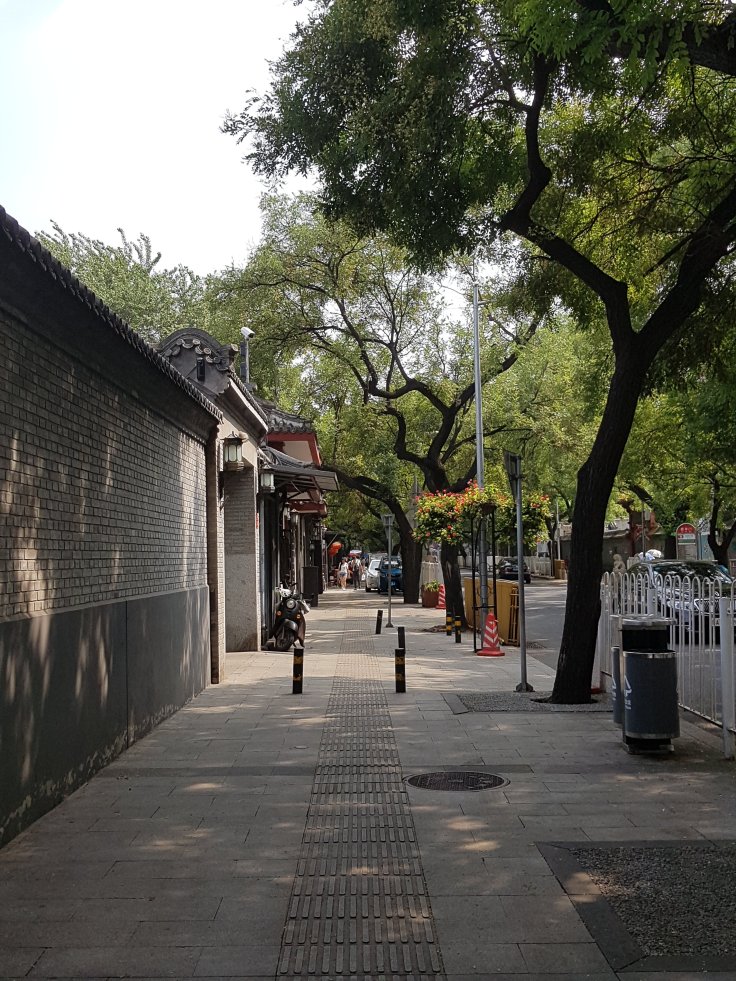
I went down some small alleys (possibly hutongs) after taking the west exit of the park.

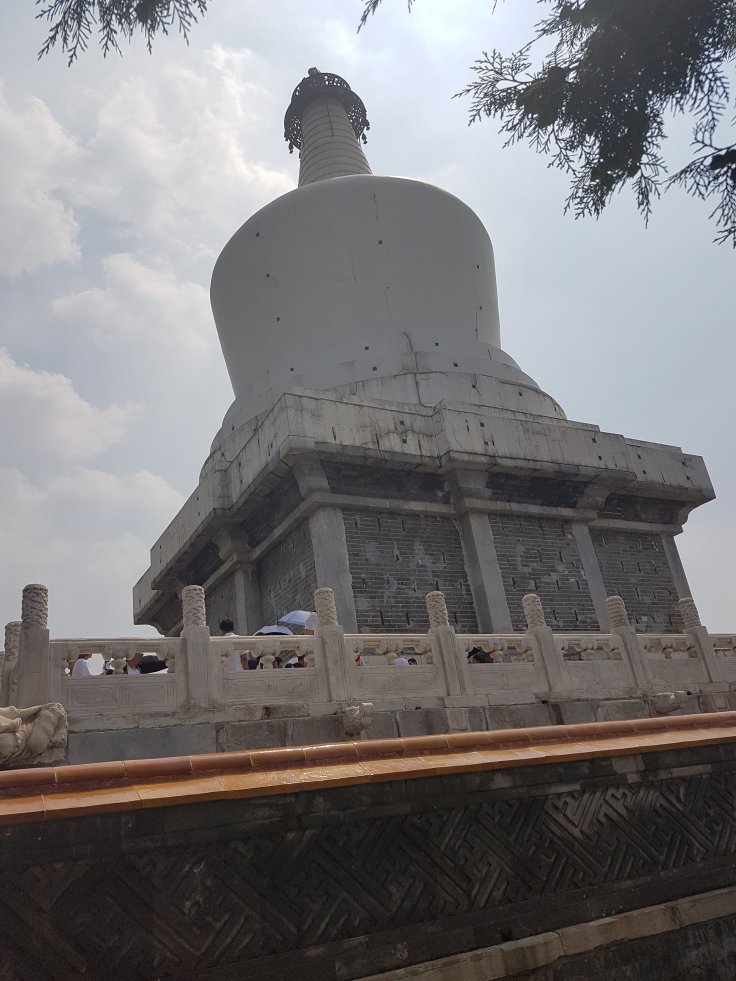
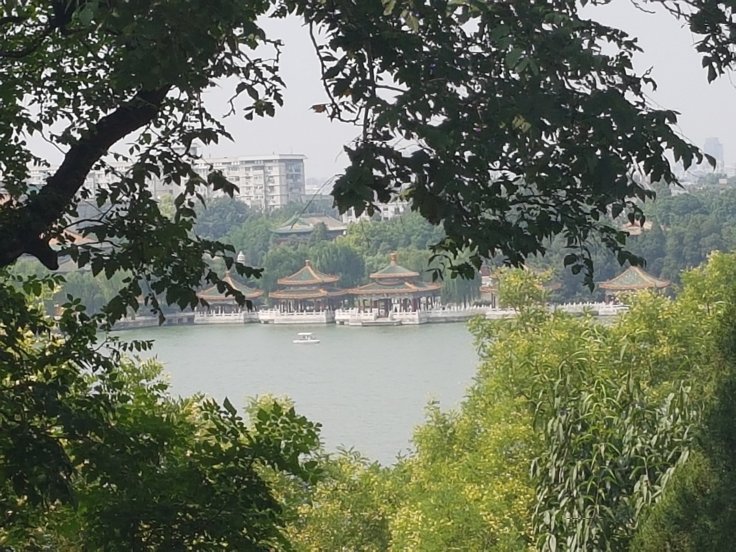
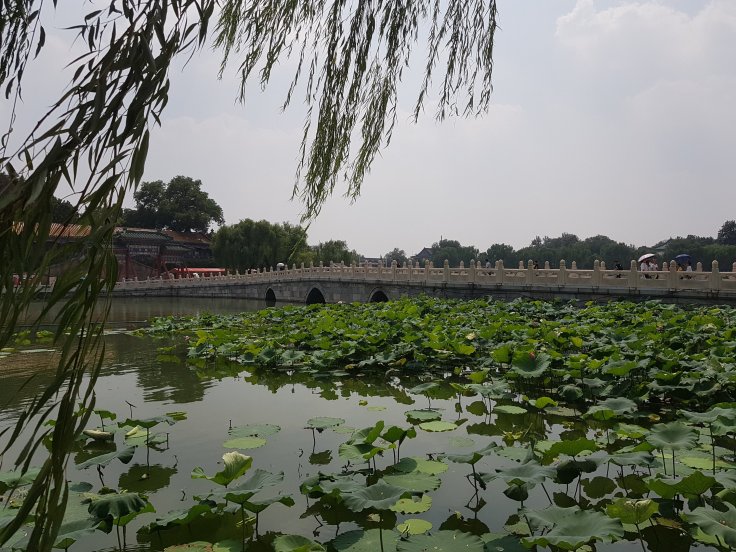
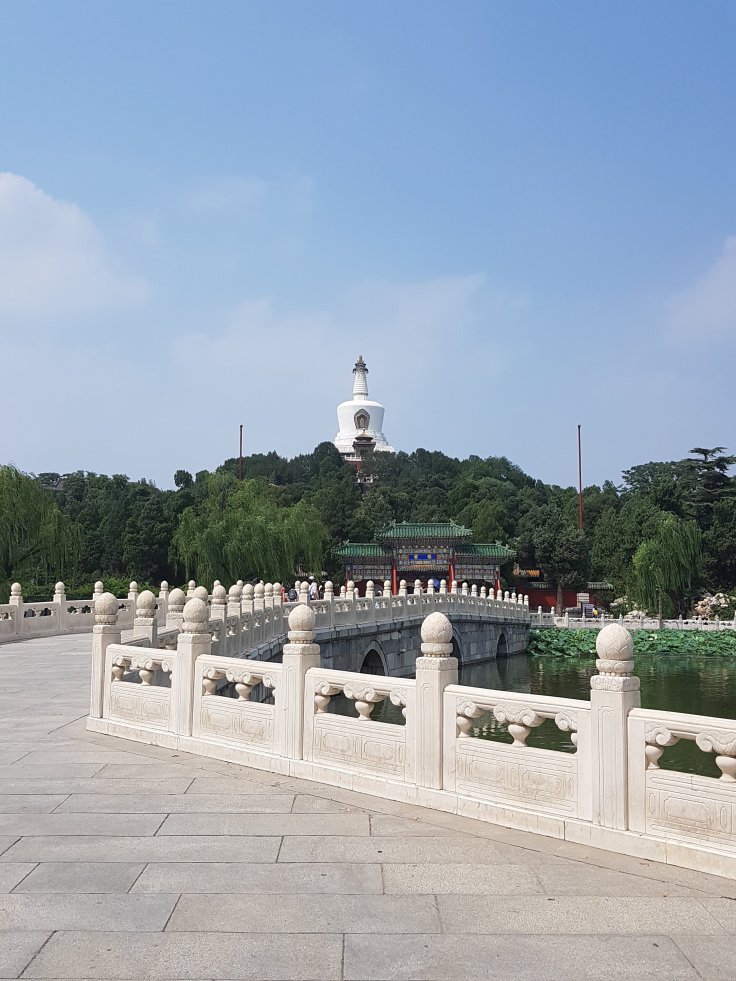
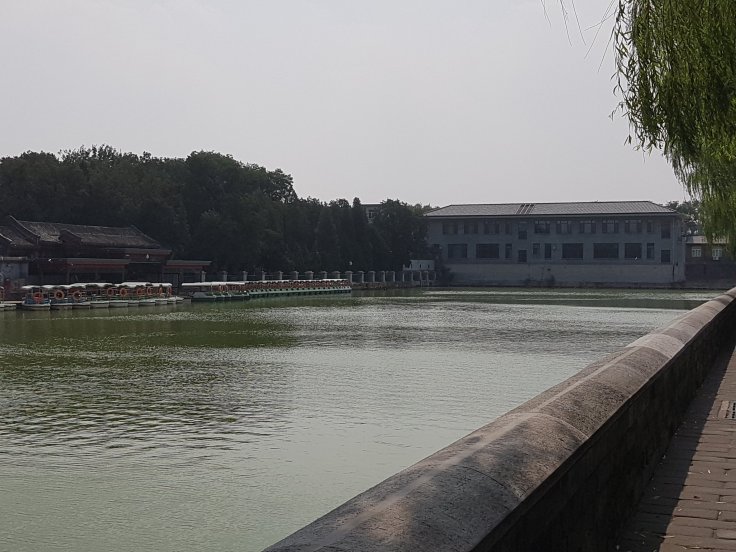
Beihai lake has a small island in it known as ‘Jade island’, with a white pagoda at the top.

It’s not the most impressive building and it was far more fun to explore the rest of the island.

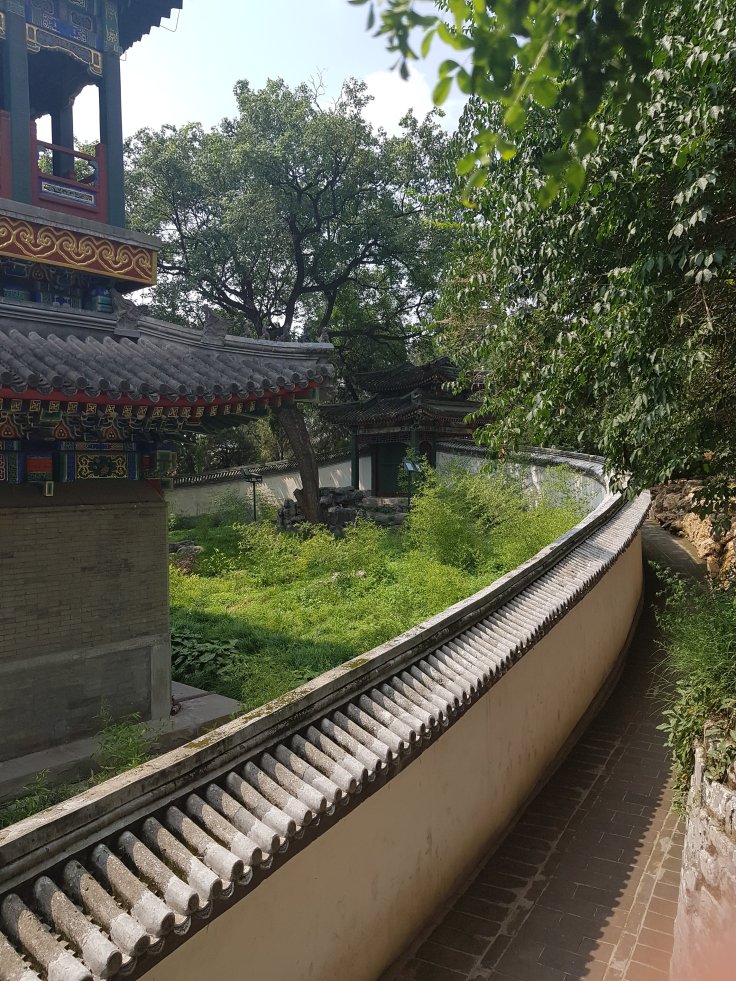
On the island, they played soft traditional music, making it wonderful to relax in (unfortunately I had my battery curfew).
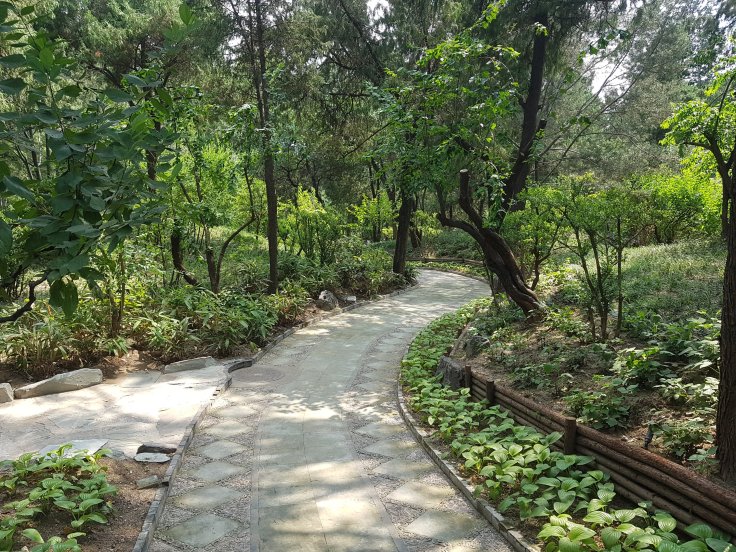
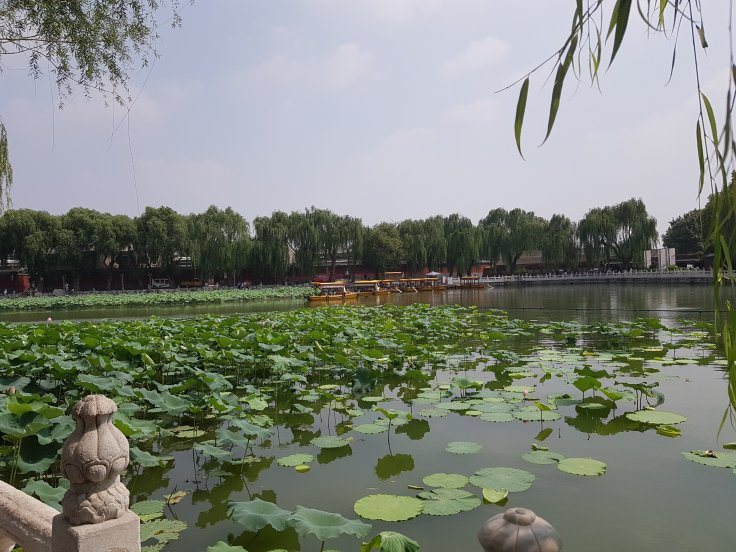
I needed my travel companions for this.😓
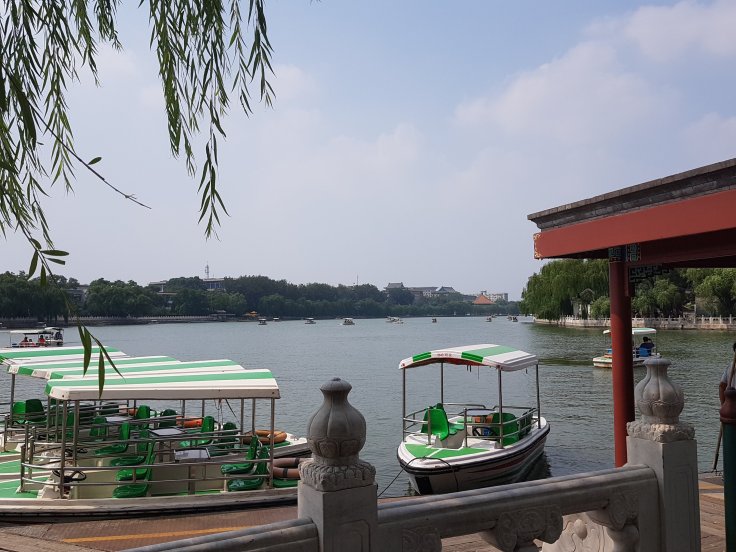
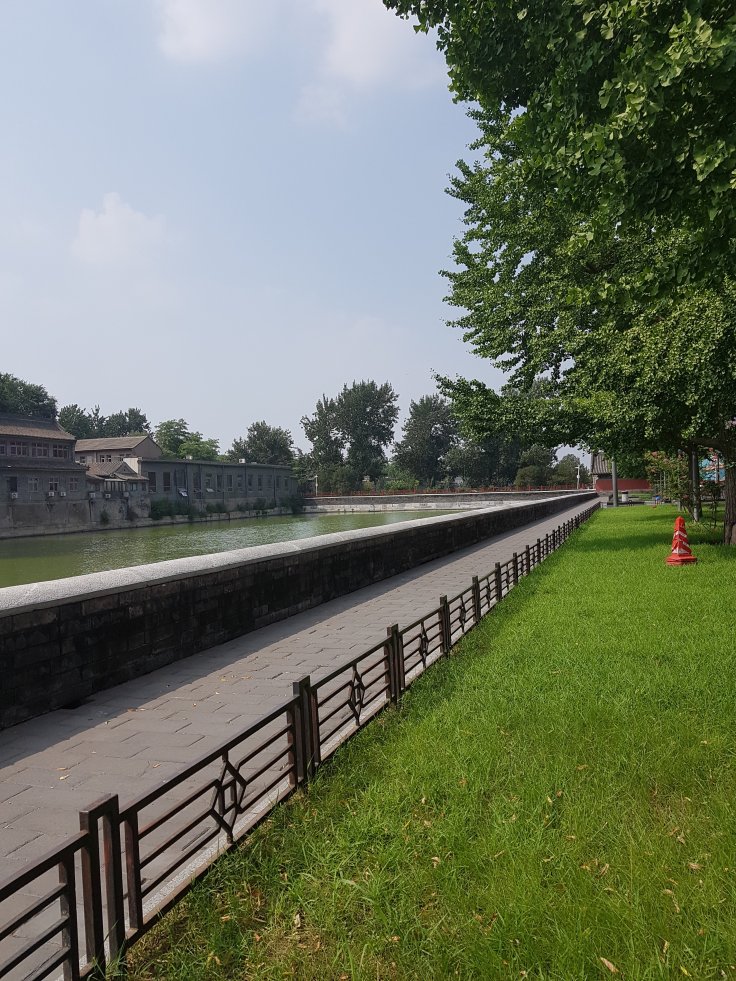
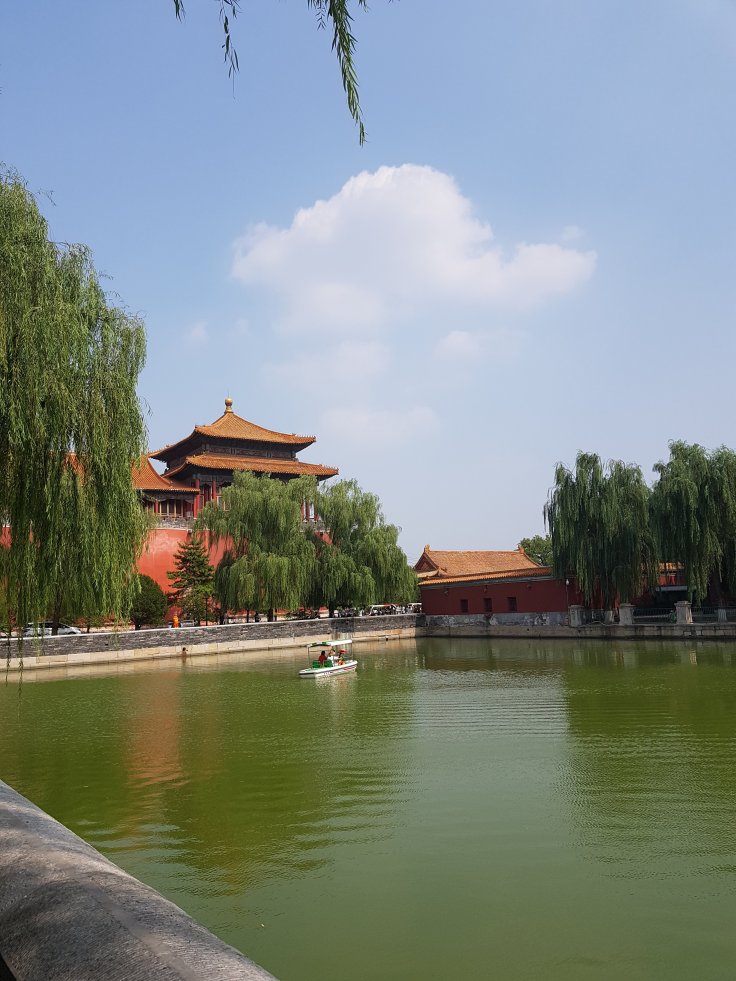
The way back was slightly painful because I decided to cross a bridge and walk along the forbidden city.
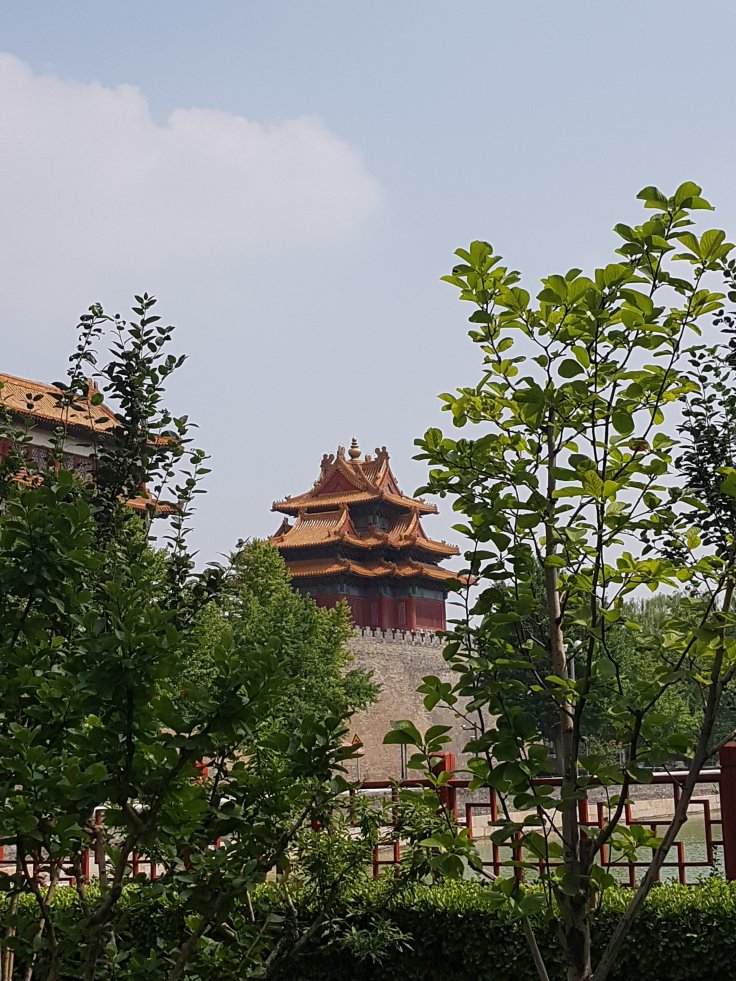
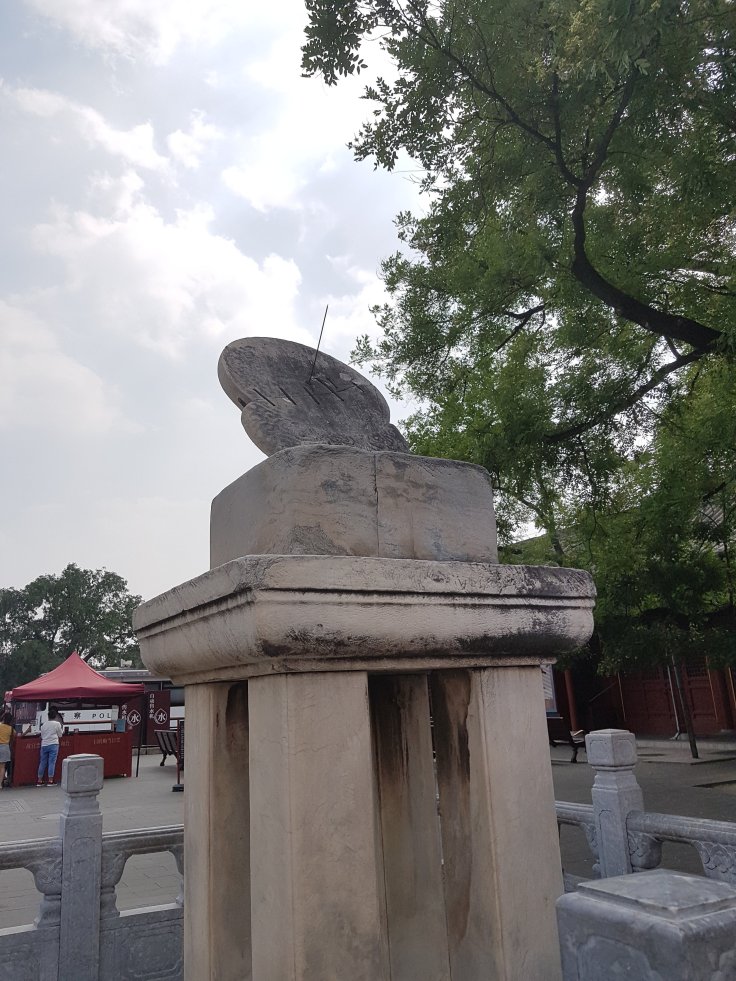
And I reached the South gate where I realised I had missed the sundial, symbolizing that the Emperor had the power to grant time to his people.
The route to the hostel became one big detour due to all the security precautions in place (barriers, 1 way routes etc).

(A lot of walking into the subway, passing a security check, only to walk straight back out again)
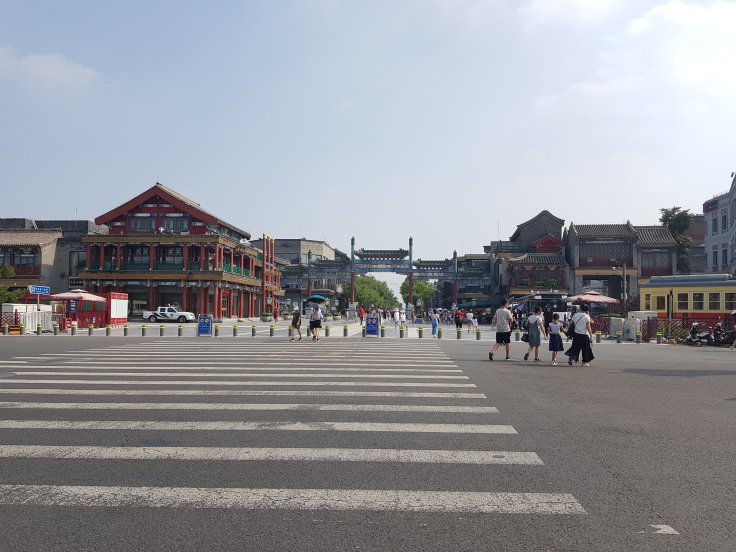
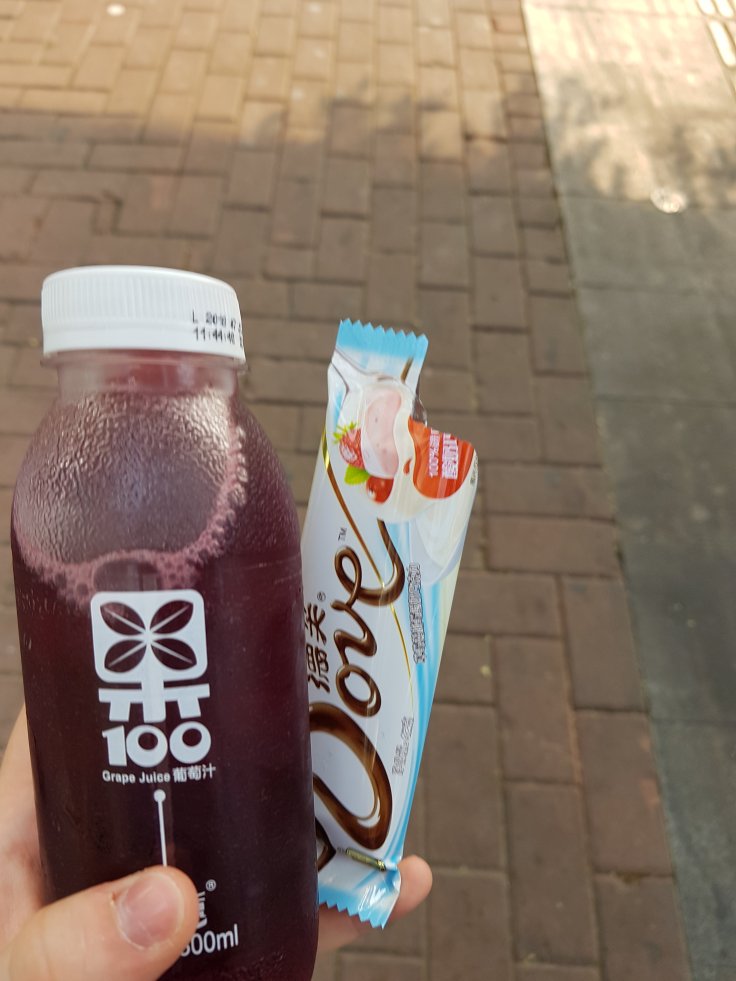
I tried a grape based drink that every one seems to drink here (and actually is quite nice) only to see it was 7 times cheaper in McDonald’s.
The road to the hostel:

After over 35000 steps for the day, and just 4 hours sleep in the plane, I was happy to take a nap.

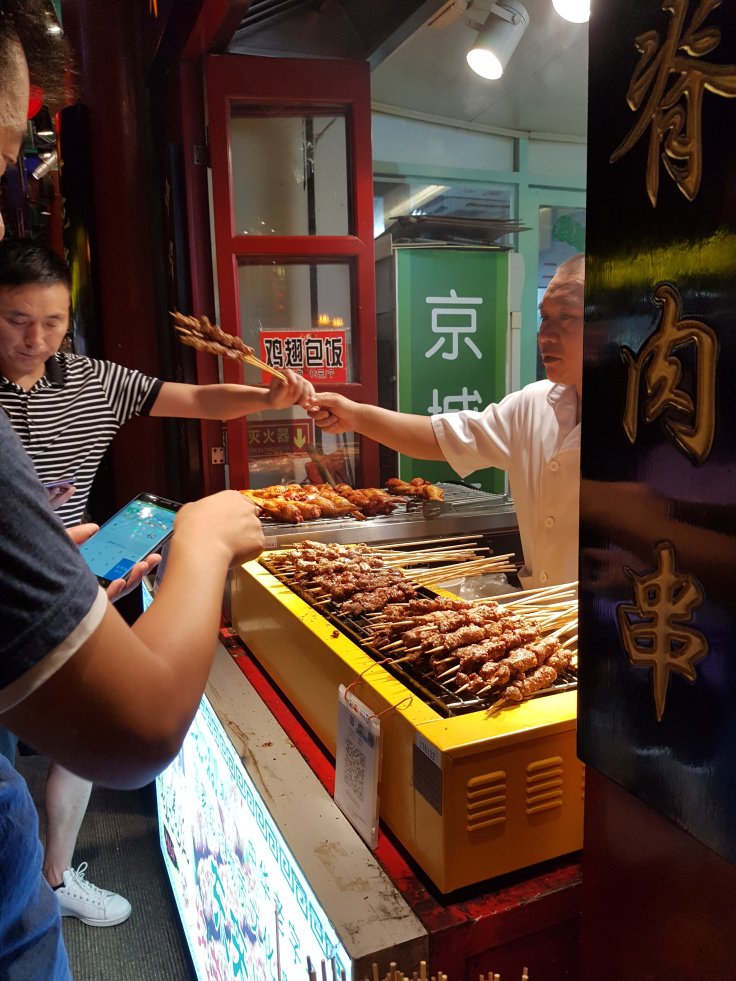
At night, I searched for food. The road was bustling with life.

The water vats become colourful fountains at night:I took a popular yoghurt drink before falling asleep.
Kazakh border

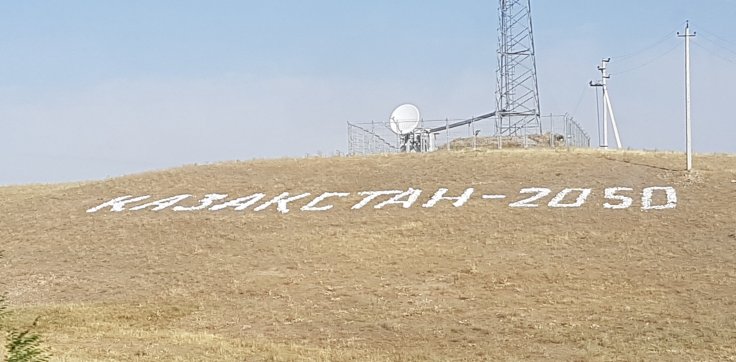
Unfortunately today I had another early start and took a taxi to the Kazakh border, crossed the border on foot and found a driver, on the other side, willing to take me to Almaty, former capital of Kazakhstan.

The Border was crossed with no problem.

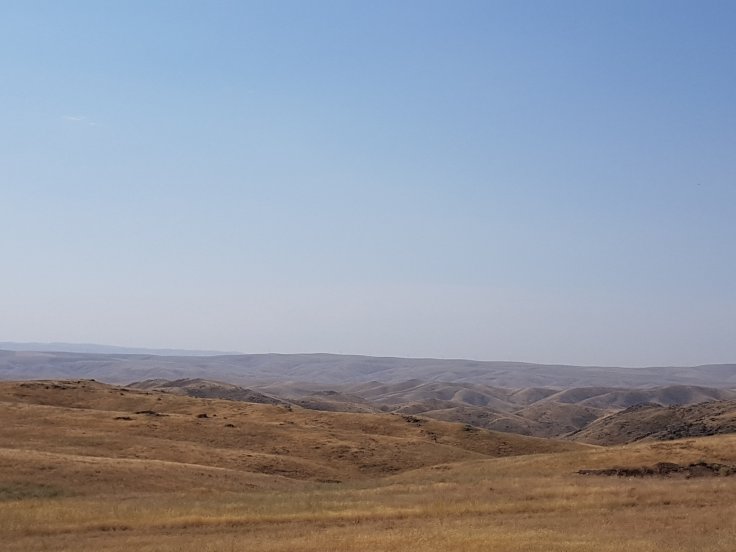
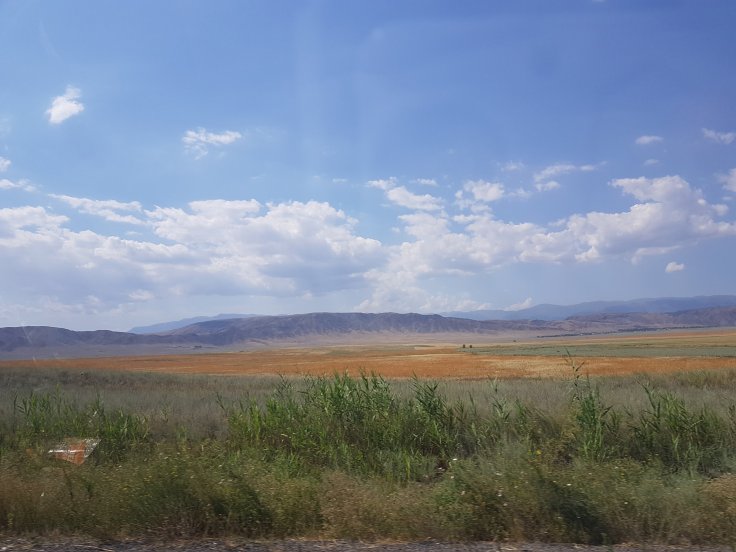
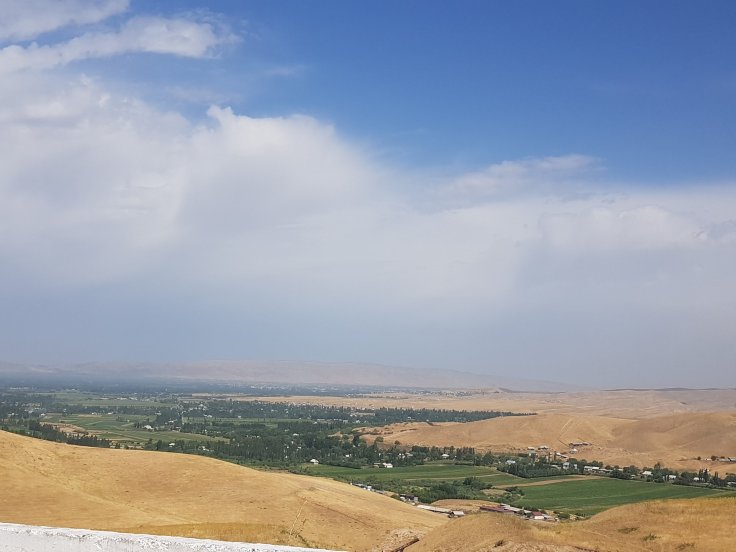
My first impression of the Kazakhstan is that the countryside is very different to Kyrgyzstan. The road to Almaty is just one big plain.

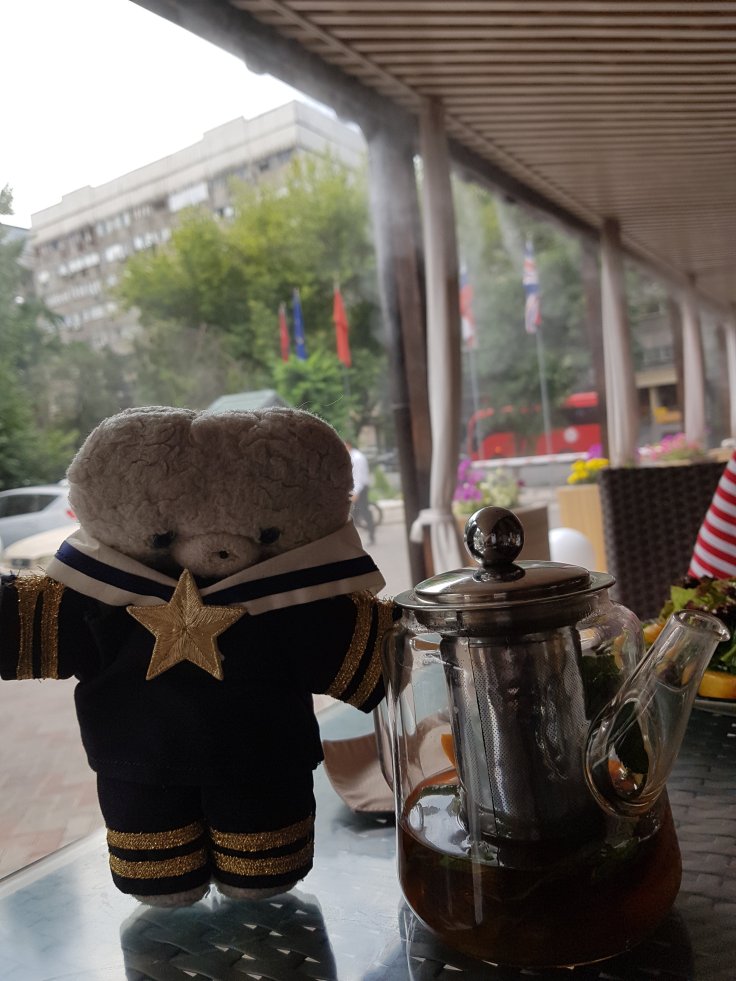
I (finally) had a proper lunch at the hotel’s restaurant in Almaty.

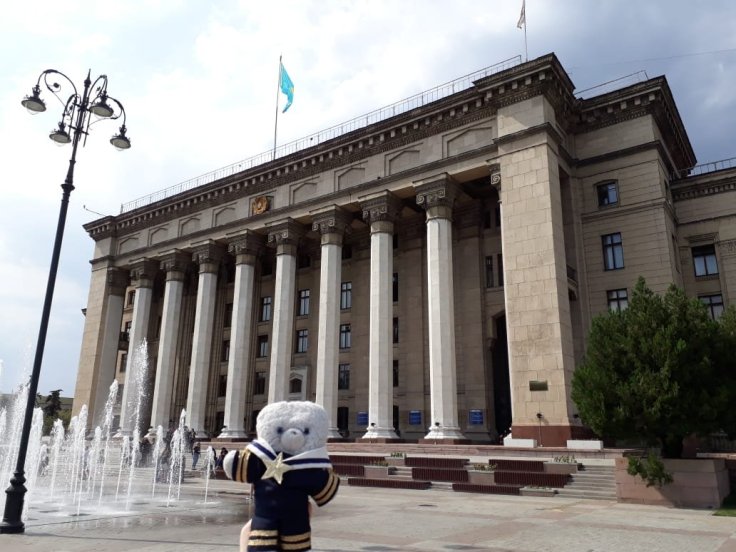
After lunch, I strolled through Almaty.

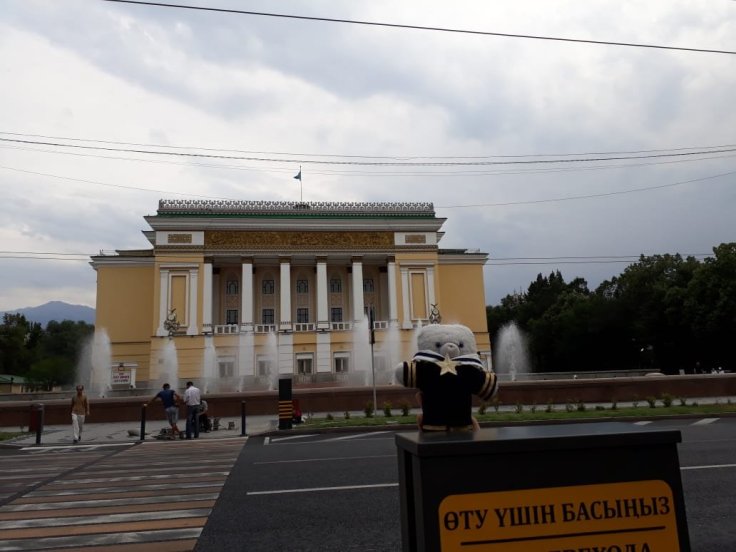
My first stop was in front of the Kazakh- British Technical Museum.

At resto bar, I had (for the first time since this trip started) my favourite drink: iced coffee.

Refreshed, I went to the theatre, which was closed.

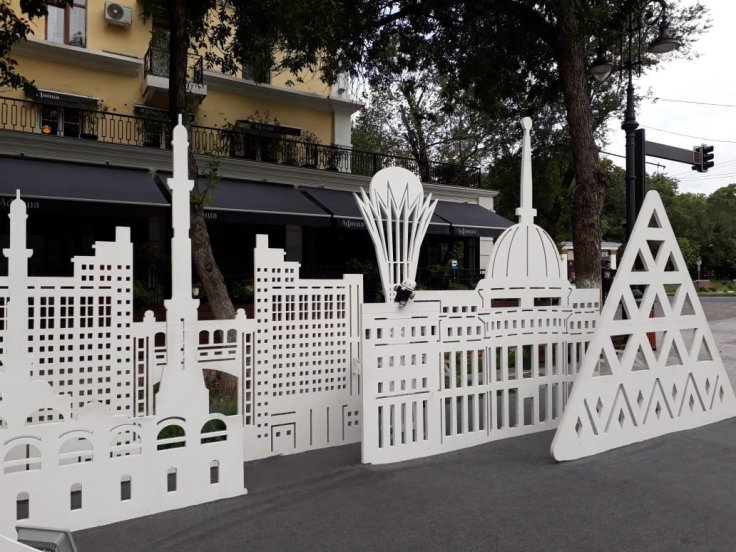
Astana city! Now the capital of this country.

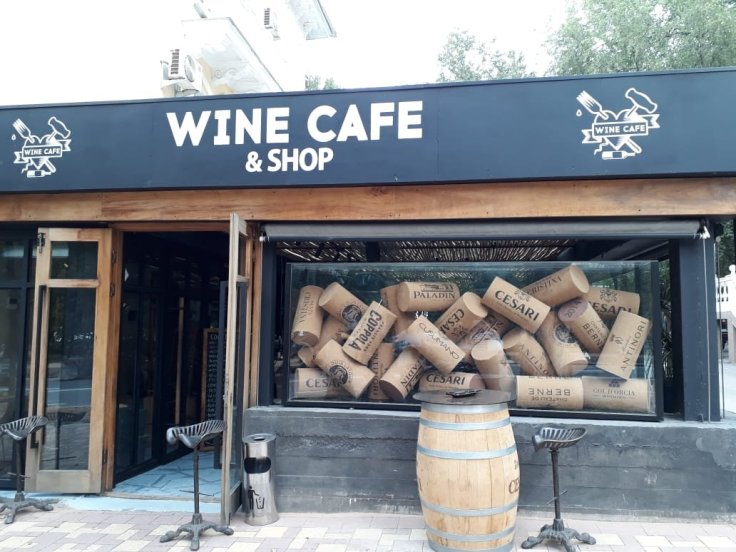
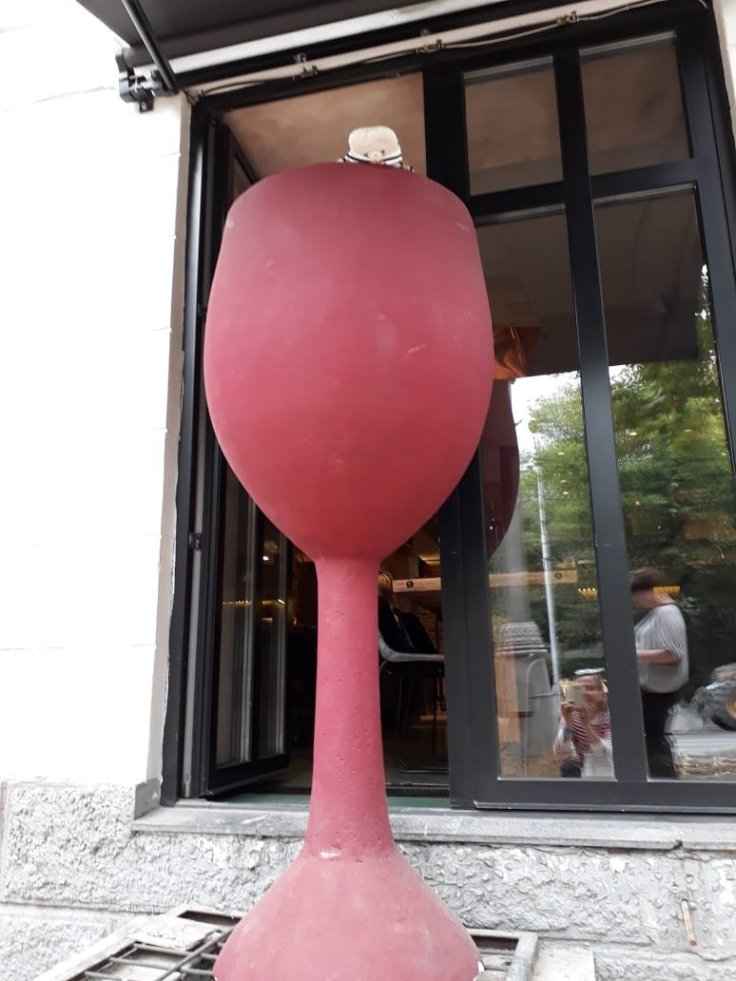
I went to a nice looking wine shop to try some local Kazakh wine.

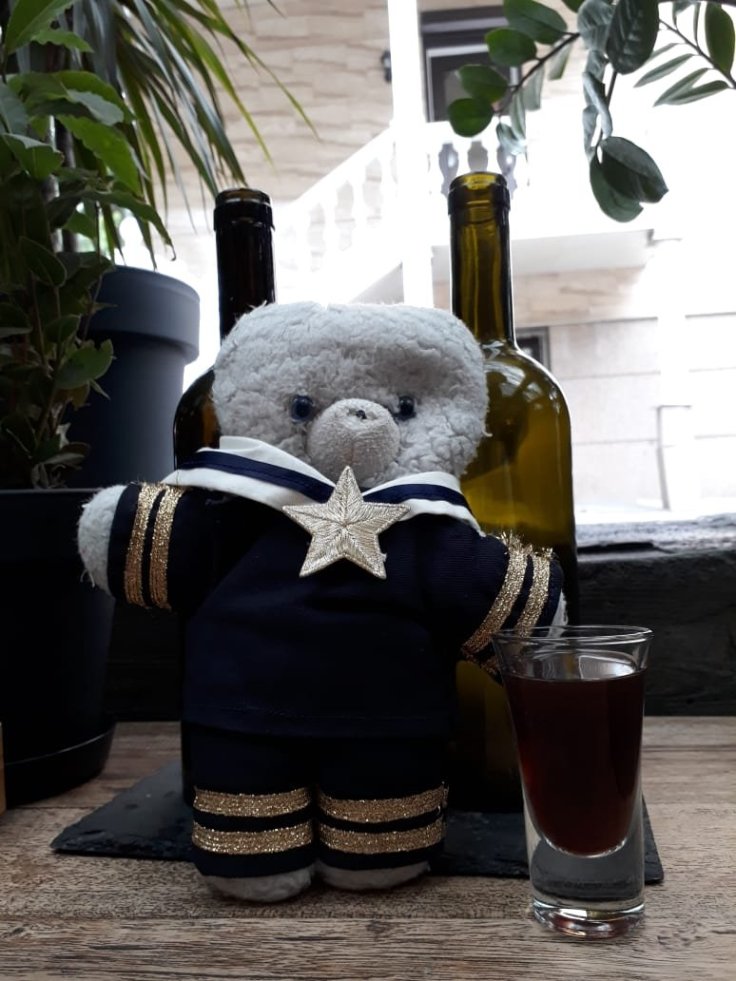
It turned out, they didn’t have any. The wine was good but don’t try what is in featured in the picture above (strawberry rum).

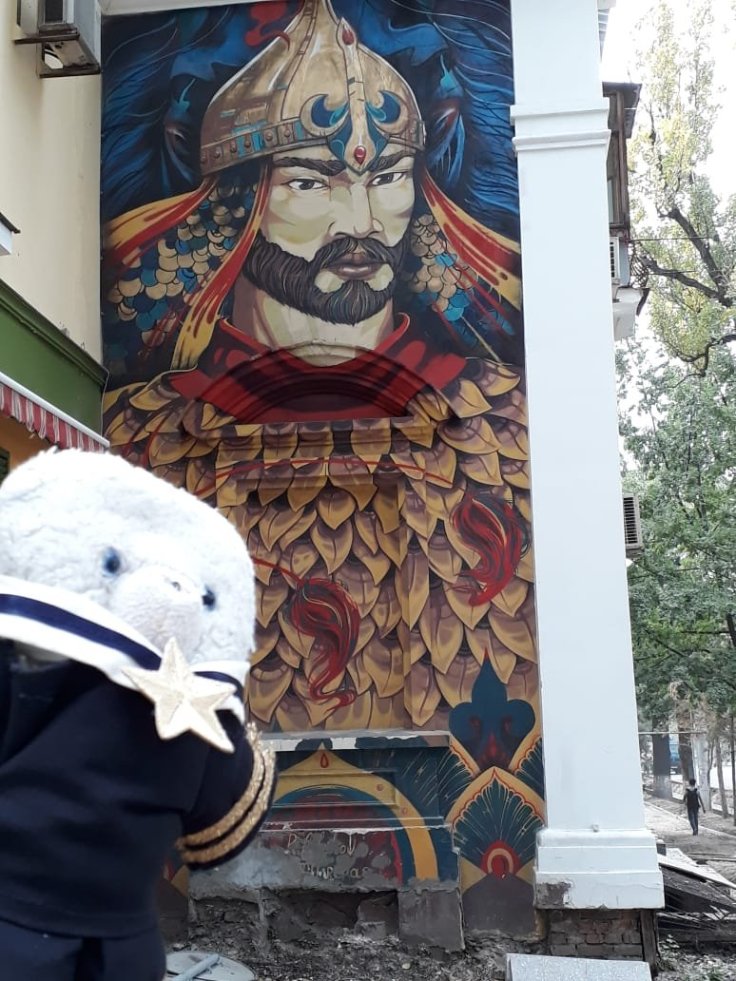
Finding the warrior within. 👹⚔

In the evening, I was at the airport, ready for my flight to Beijing, but not before treating myself.

12 hours drive to Bishkek

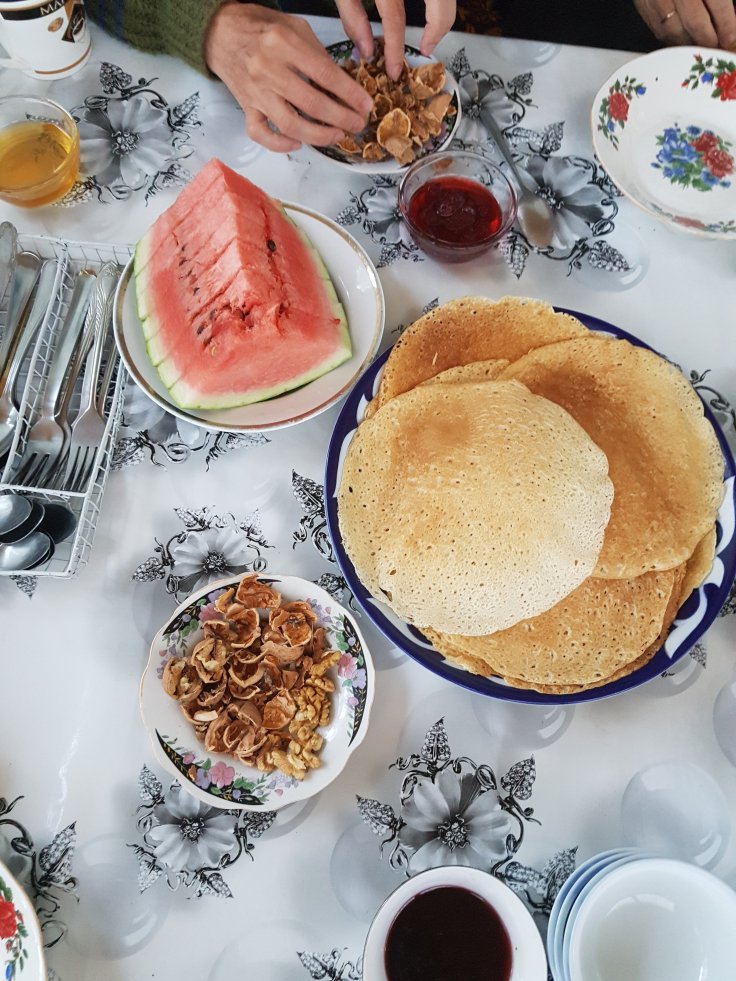
I woke up early to the wonderful breakfast of pancakes,watermelon and walnuts.

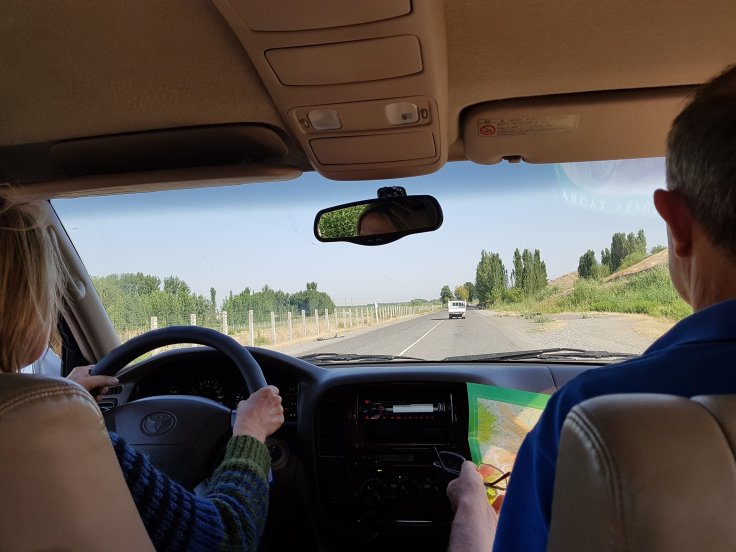
At 7:10 I was in the car, on a long journey on the Osh-Bishkek highway (also M41).

The road took me very close to the border with Uzbekistan, which you see on the left.

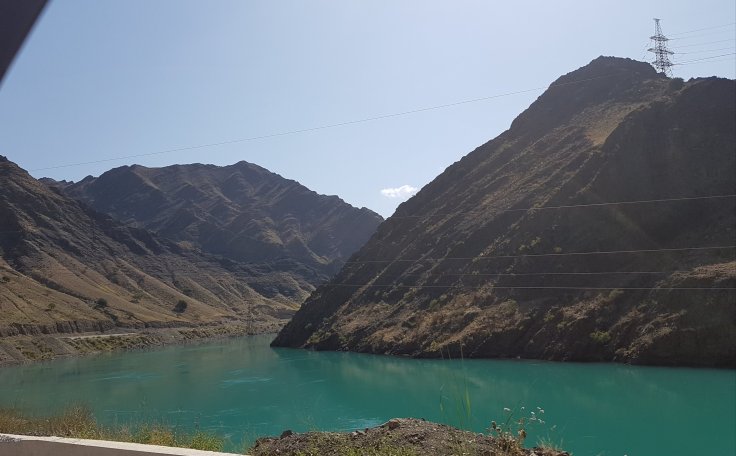
Before cutting away and continuing along the Naryn river, which has a peculiar blue-green/cyan colour.

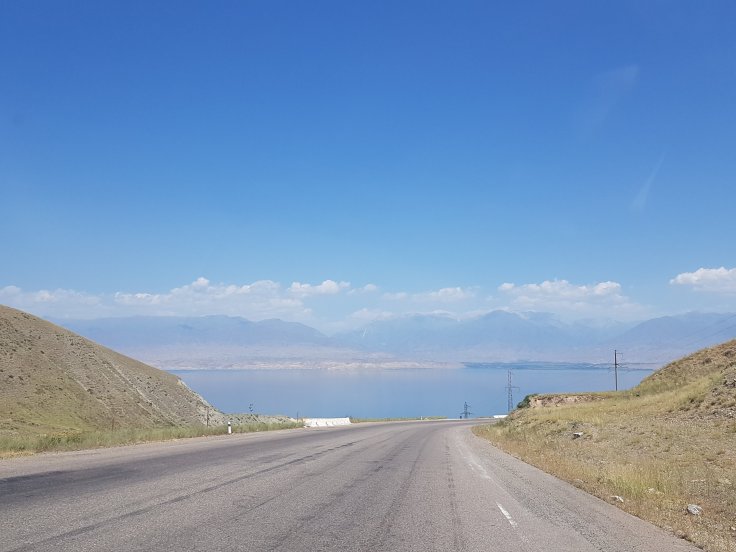
Eventually, I reached the Toktogul reservoir,right after the country’s largest hydroelectric power and irrigation dam (Toktogul dam).

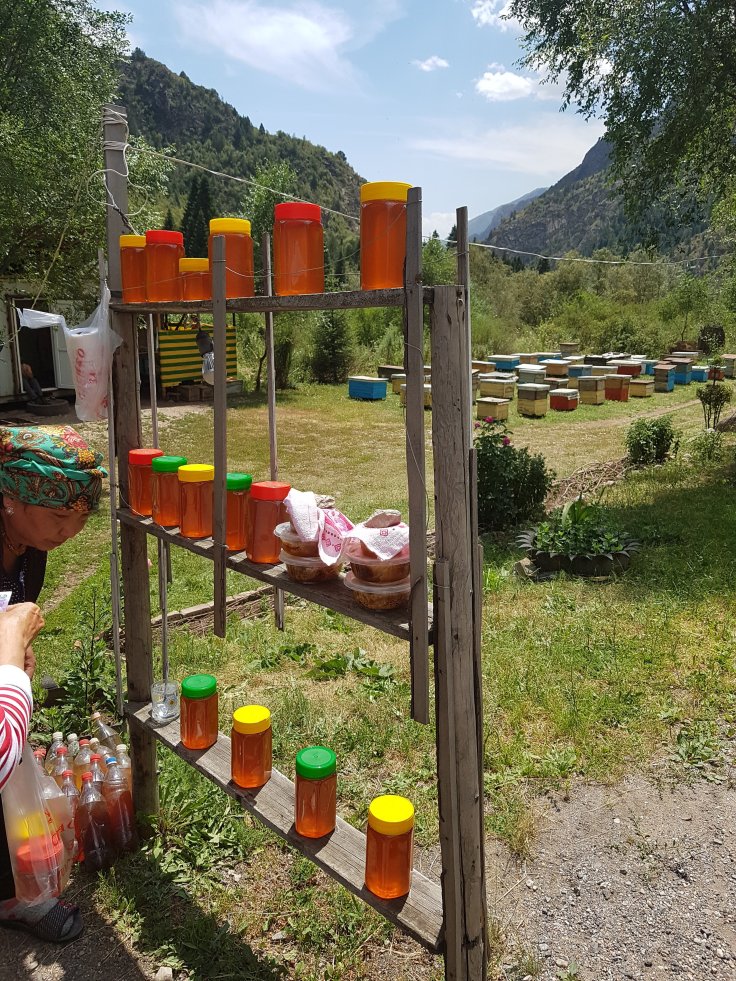
After the reservoir, the road follows Chuchkan river, which is aligned with hives so I stopped to buy honey 🐻🍯

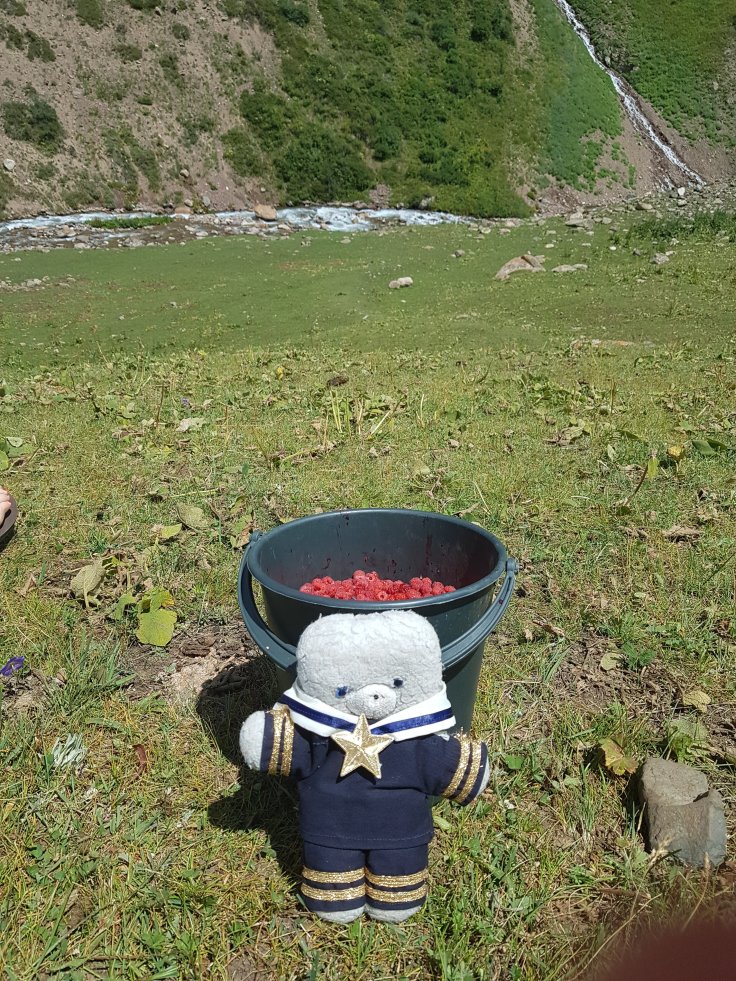
only to stop a few moments later to buy a whole bucket of wild raspberries for just 550som (£6-ish).

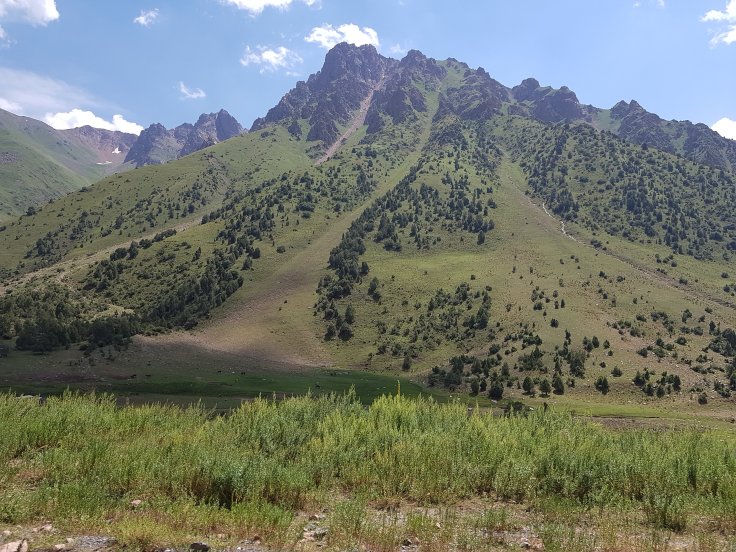
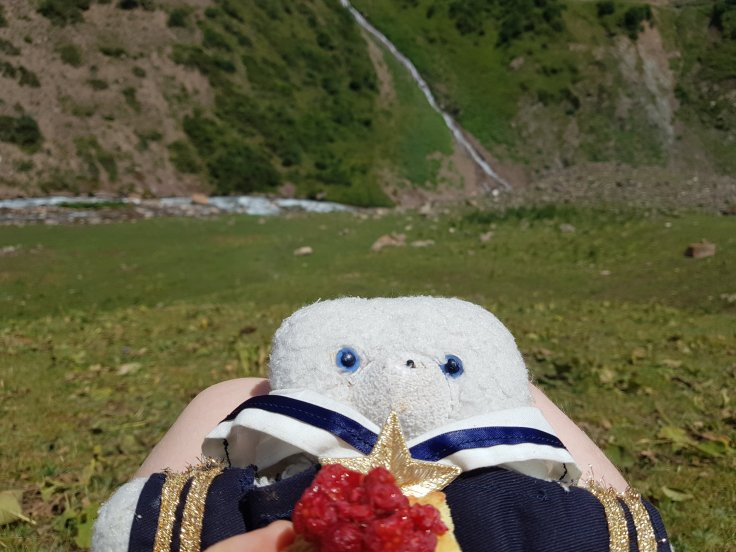
I took a break to enjoy the view and spread the raspberries on biscuits. I also had time to play with the kite. I was wearing a local Kyrgyz hat, known as a Kalpak, which I bought at a shop near the big waterfall in Arslanbob. It has 4 white panels and is embroidered with traditional symbols.

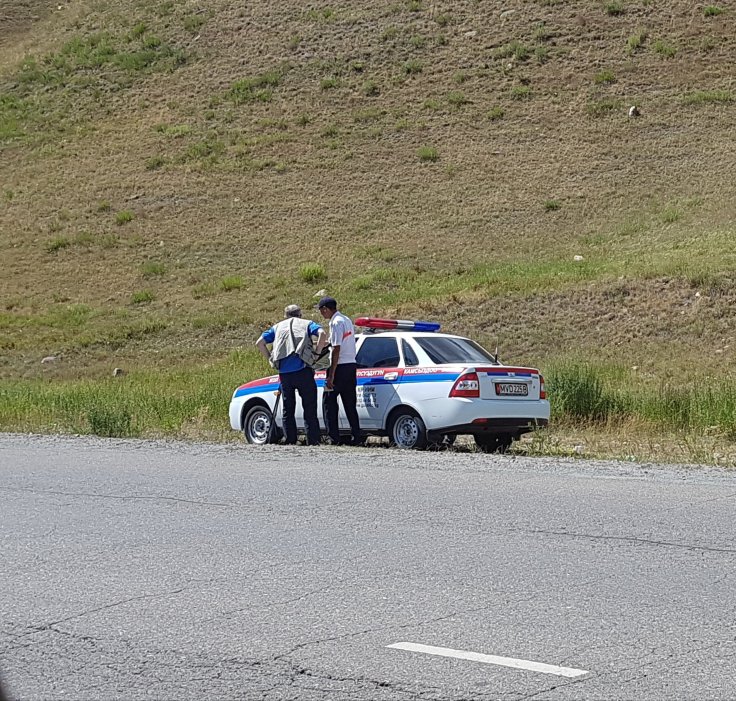
Eventually the inevitable happens and I was stopped by the police for speeding.

In Kyrgyzstan, the police are littered all over the road, hiding in the shade, hoping to catch people out. This also appears to be a major source of income for the police as the speed limit is not always clearly displayed.

Ironically enough I was far below the limit when passing the cardboard version:

After my driving companion “dealt” with the police, I continued to Bishkek but the road quickly became painful:

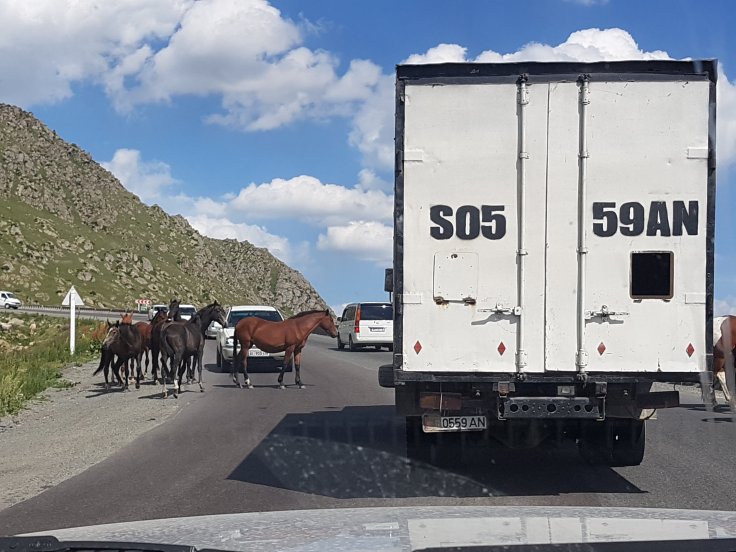
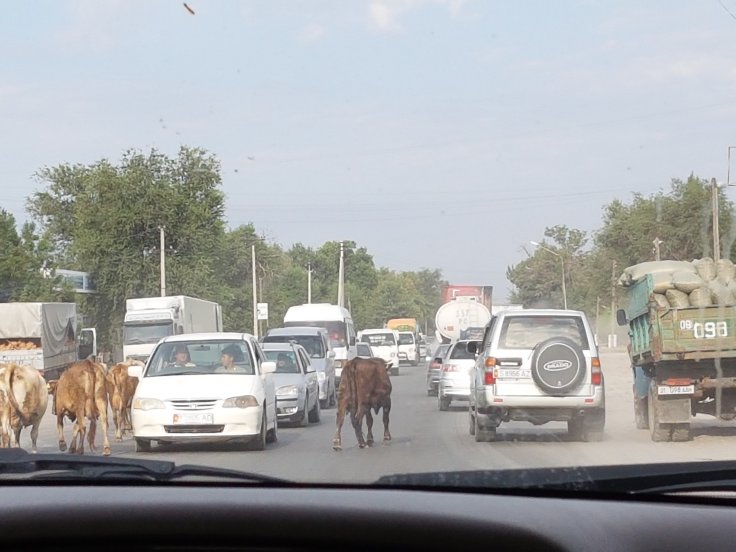
With undisciplined animals…

An infamous long unventilated tunnel (where some cyclists have died from carbon monoxide poisoning)…

…And in general, Kyrgyz style of driving and bad roads.

I was relieved to reach Bishkek and dine at the fancy ” frunze” restaurant.

There was a lot of food to try.

Top = marinated cherry tomatoes

Middle = boorsoq

Bottom = duck meatballs 😋

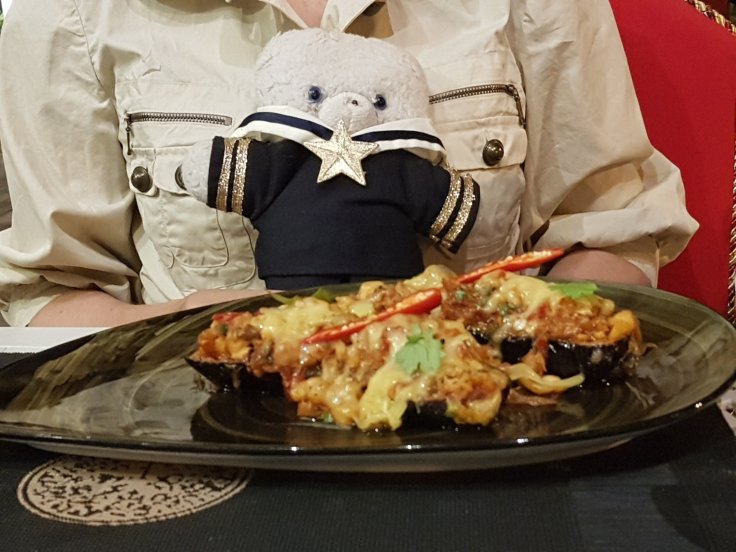
Also eggplants stuffed with trout

I tried a samsi for the first time, which is also typical central Asian food. It was described to me as a type of samosa but ended up being more of a stuffed bun.

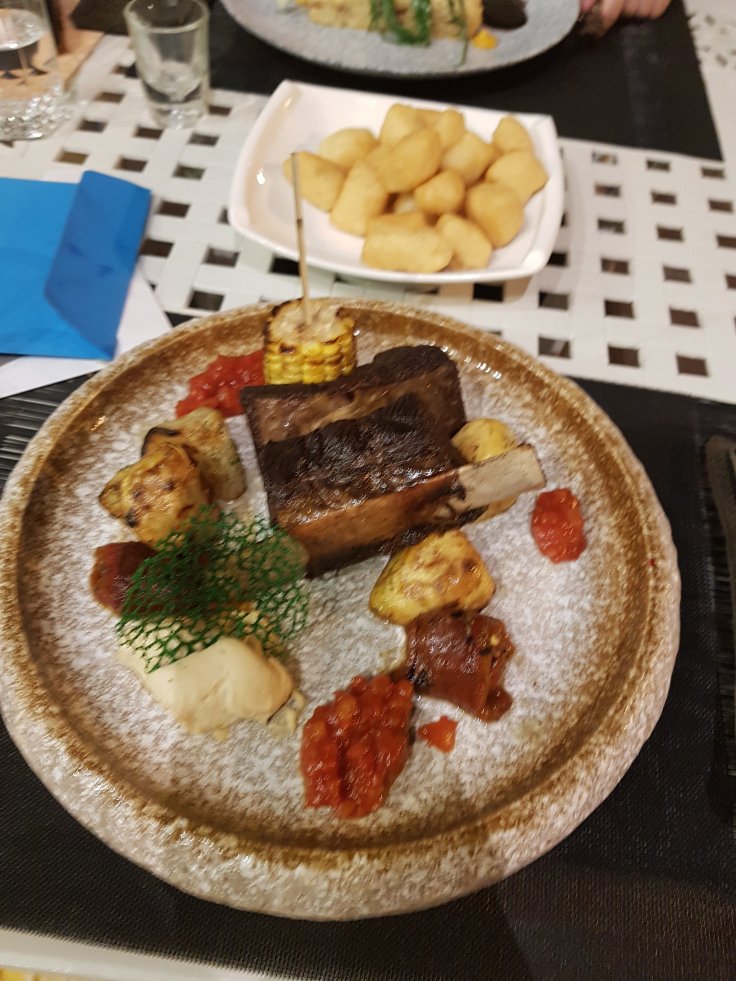
horse rib (delicious)

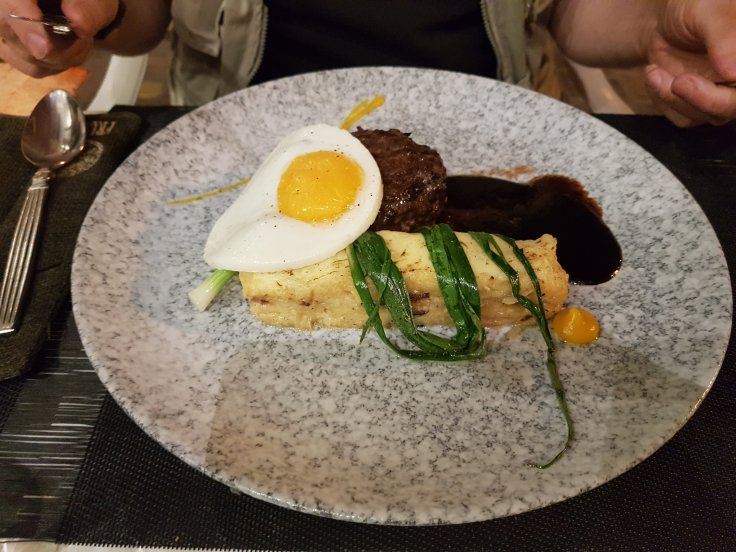
Yak steak

Saddle of lamb

Very much enjoyed my dinner at Frunze but at the time of publishing this post, I fell ill 😅

Day 2 in Arslanbob

Today (30/07/2018) was a quiet day.

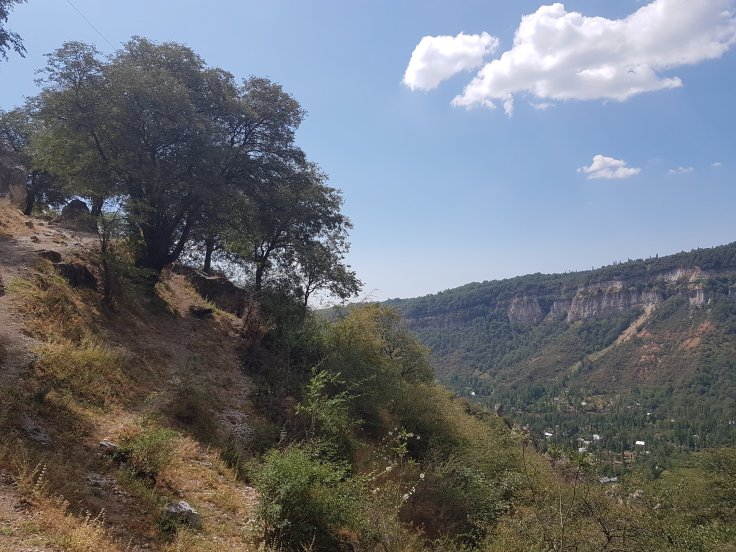
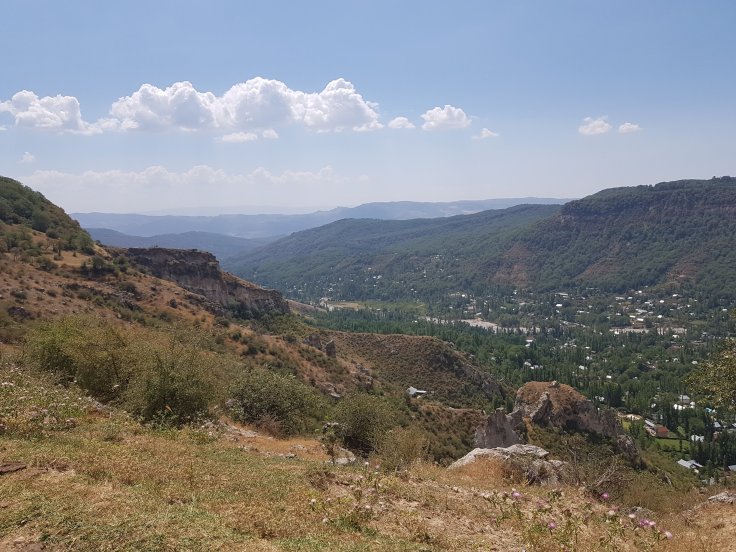
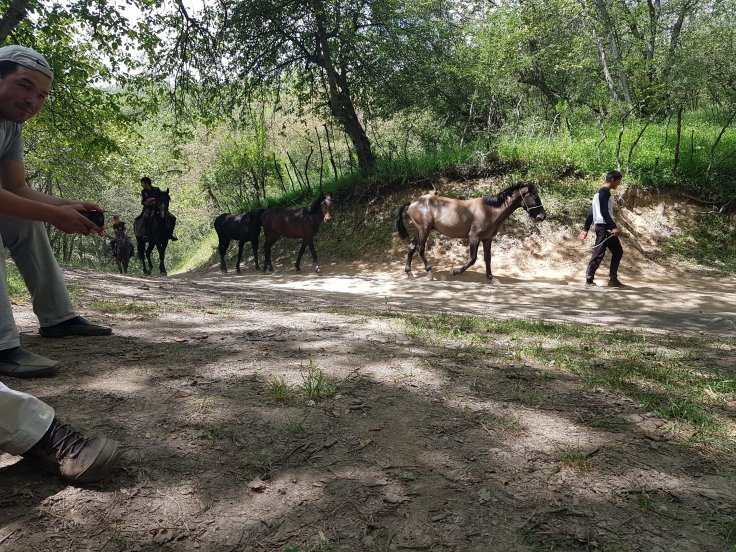
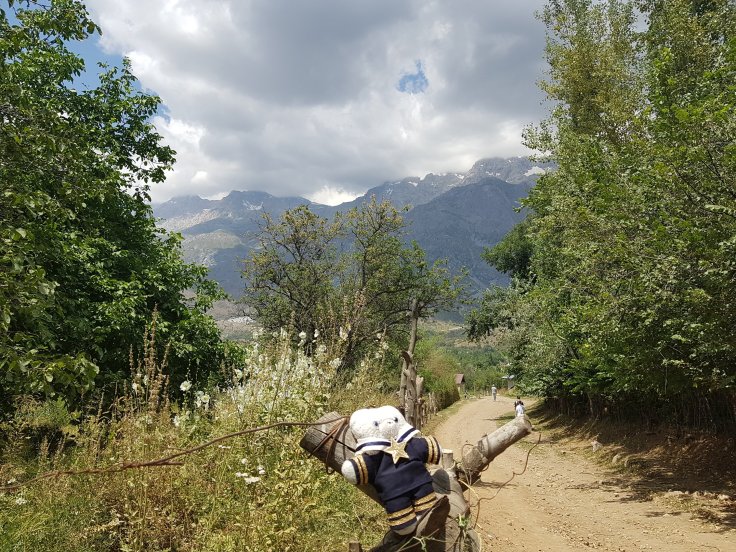
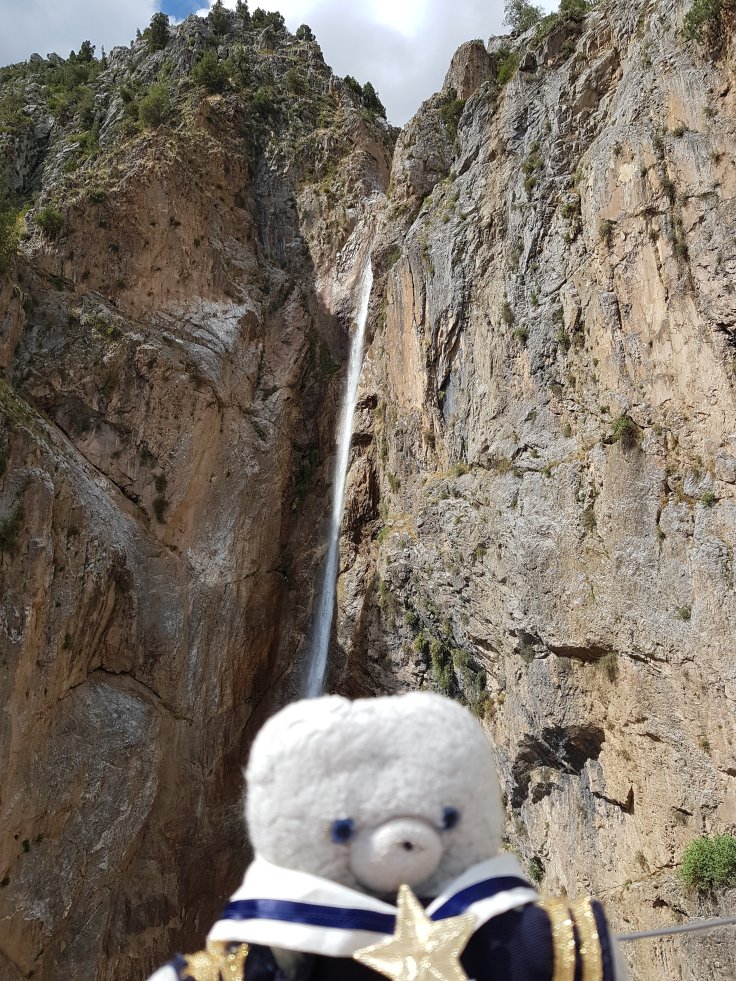
The owner of the guesthouse took me on a long walk, which passed near a small waterfall. There I met a special local teddy bear.

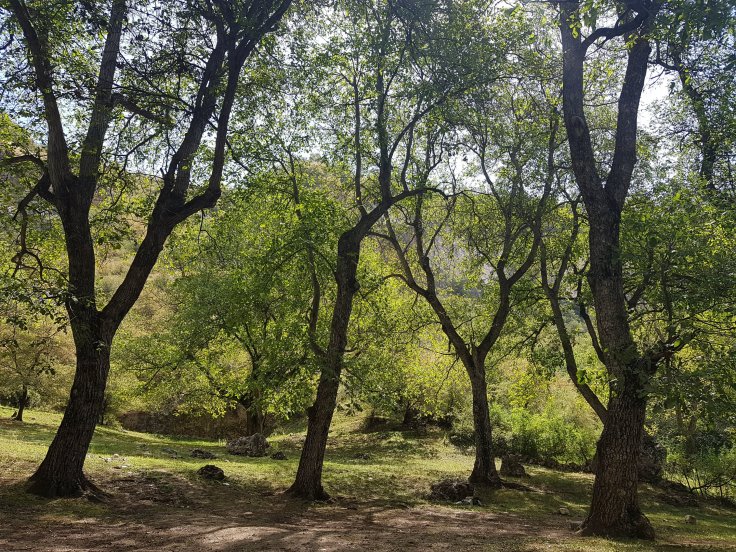
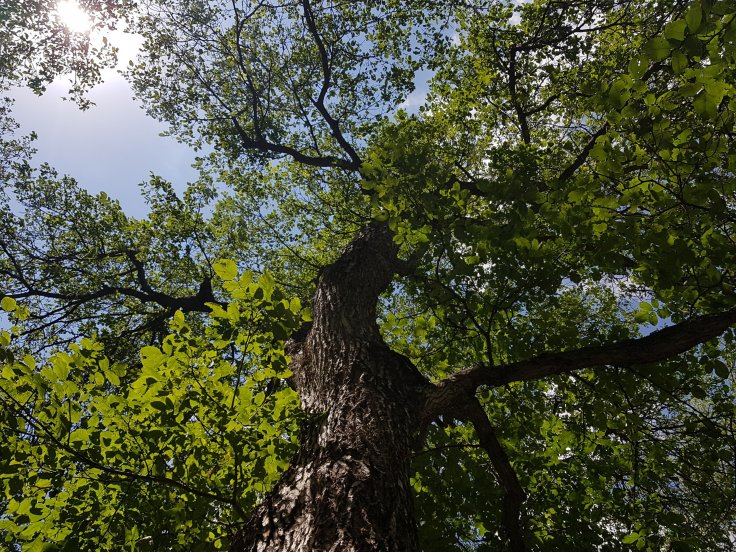
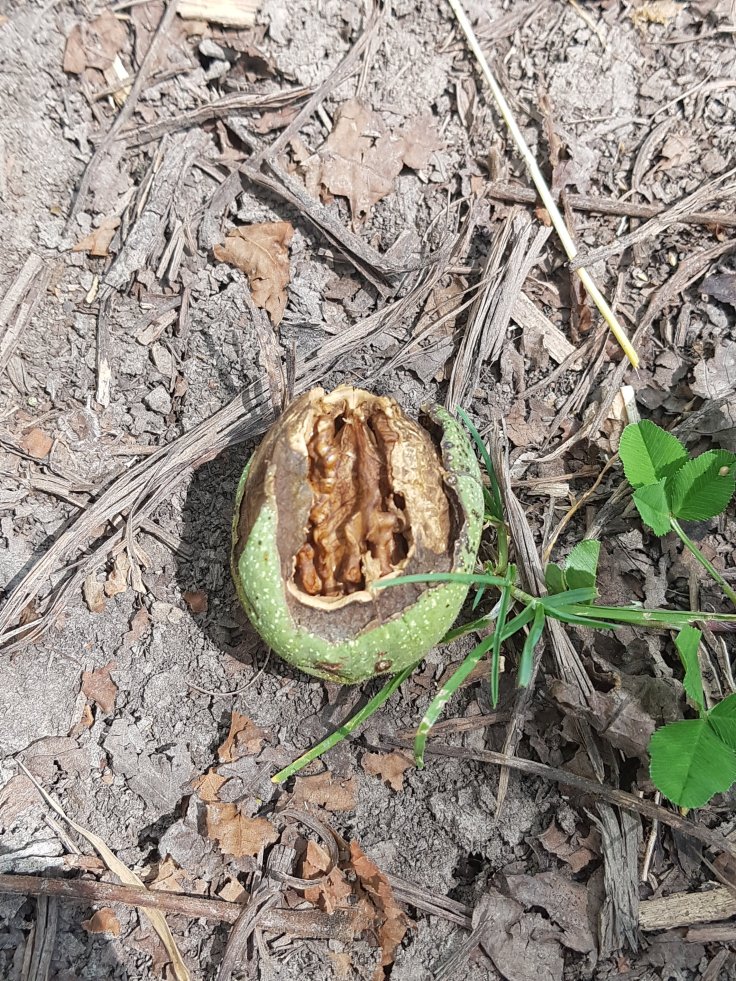
The owner of the guesthouse guided around the world’s largest walnut tree forest, covering almost 60’000 hectares.

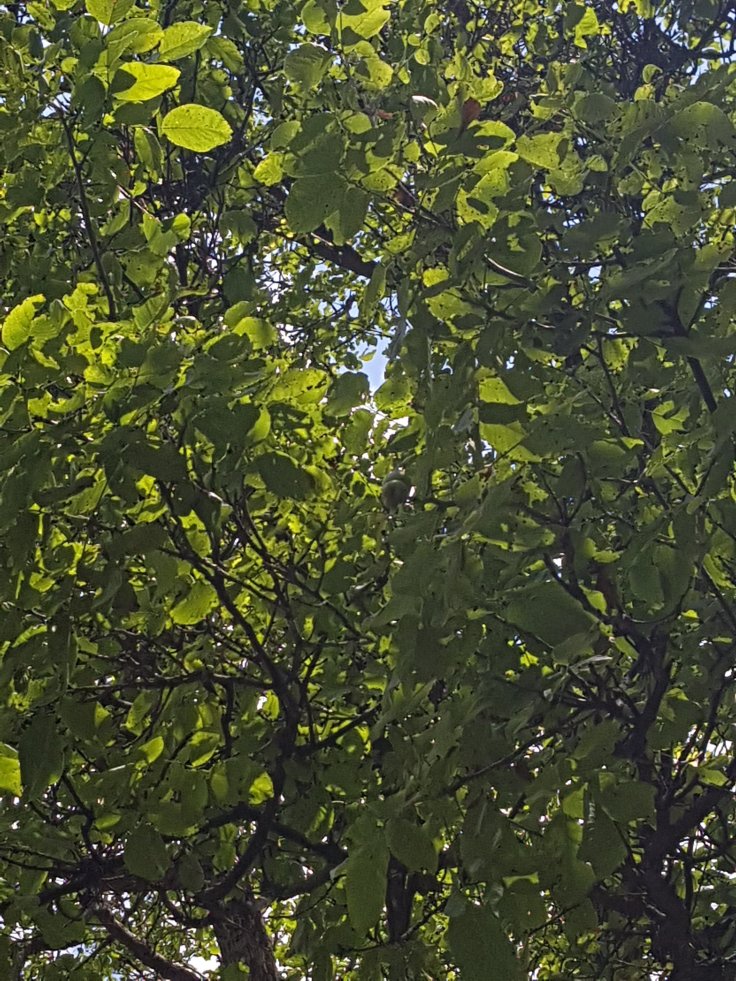
Now I know what a walnut fruit looks like.

The forest also has many different trees, such as apple trees, which help sustain the village.

The village is situated near the Babash-Ata mountains and its waterfalls attract local Kyrgyz and Uzbek tourists, searching for blessings.

After the walk, I lazed around the guesthouse. (Hence a short blog post)


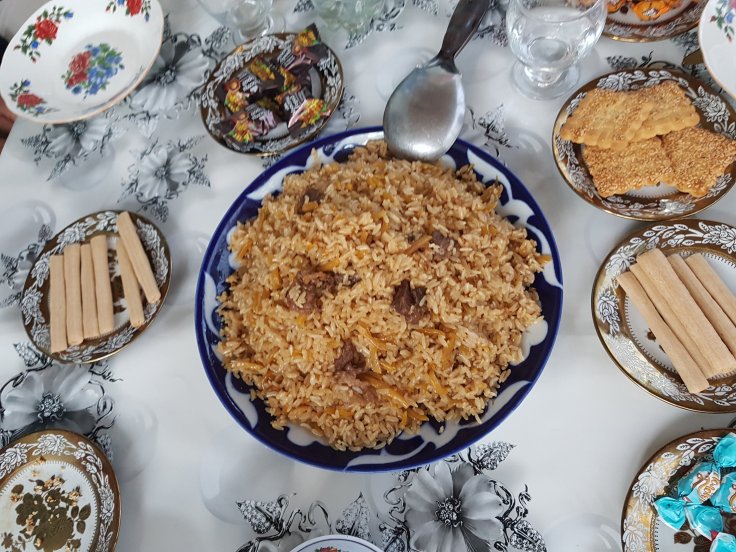
Plov for tonight! (Another local dish)

Arslanbob

I woke up early with the intent of making it to Arslanbob, a small village near the world’s largest walnut tree forest.

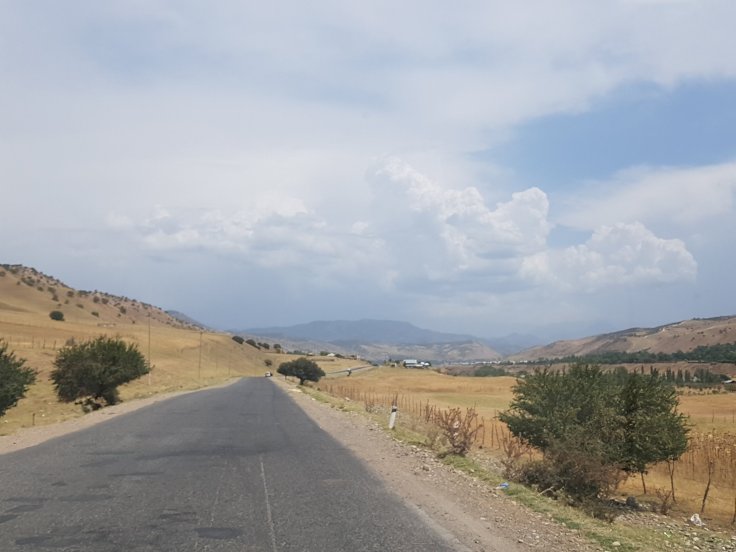
The road is the same that connects Osh – Uzgen – Jalal Abad.

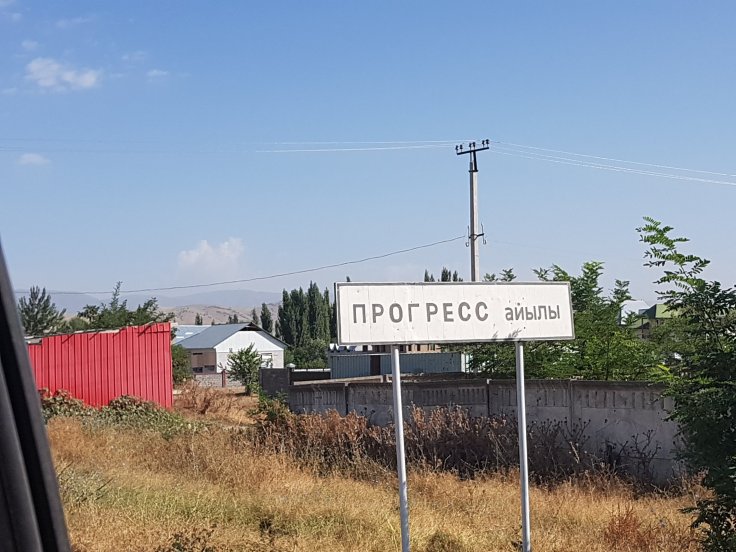
In a small suburb of Jalal Abad called 《progress 》…

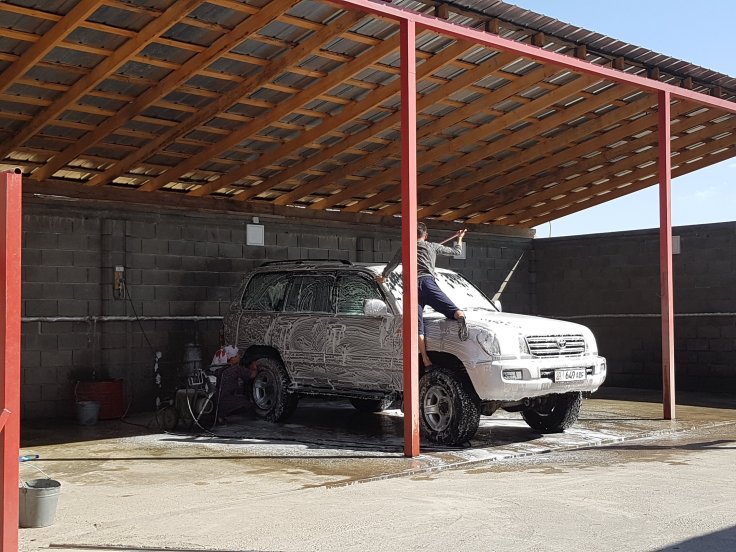
…the car got itself a beauty treatment from a family team.

I arrived in Arslanbob in the early afternoon.

At the tourist information centre, I was introduced to a local (I am terrible with names) who took me to his Guest house. He is Uzbek, like most of the population here. His home is really nice and has a large flowering garden.

I had tea before heading off to the big waterfall. Tea consists of tea (obvs), bread, local honey (which is really nice) and homemade jam (also delicious).

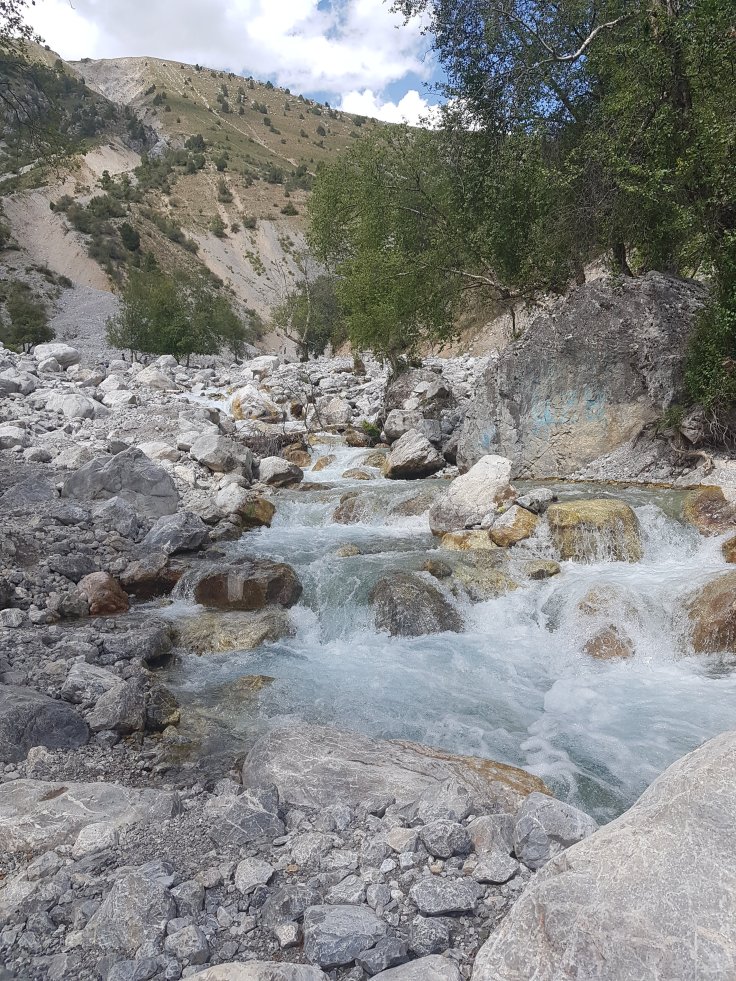
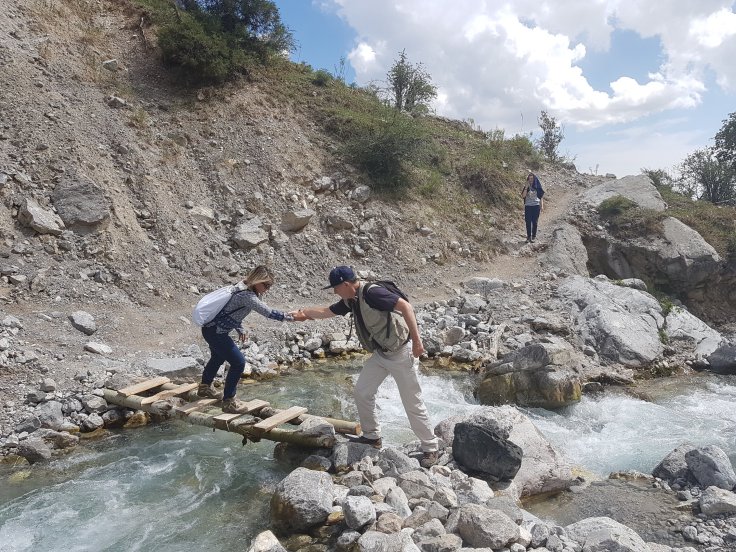
I was piggybacked across the river. Thank you helpful travellers + onlooker.

The walk up to the waterfall is nice but difficult.

The other climbers are friendly and full of questions + willing to offer a helping hand.

I stopped at this viewing point, but you can continue upwards via a vertical climb (my limbs are too small).

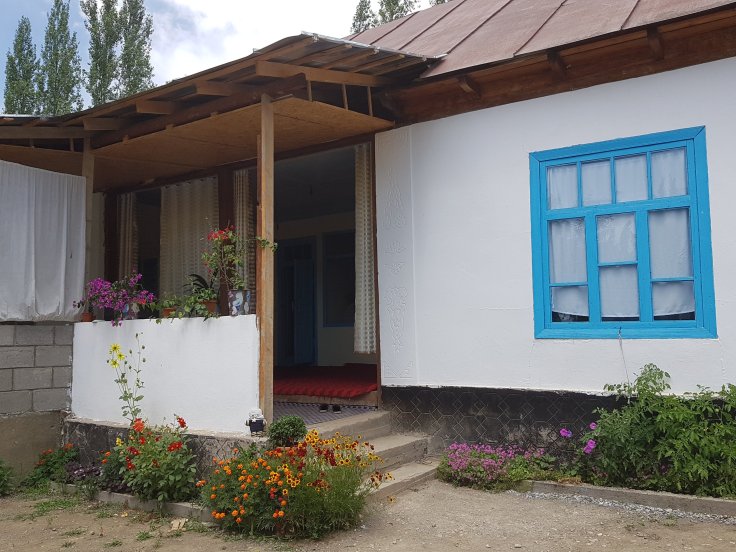
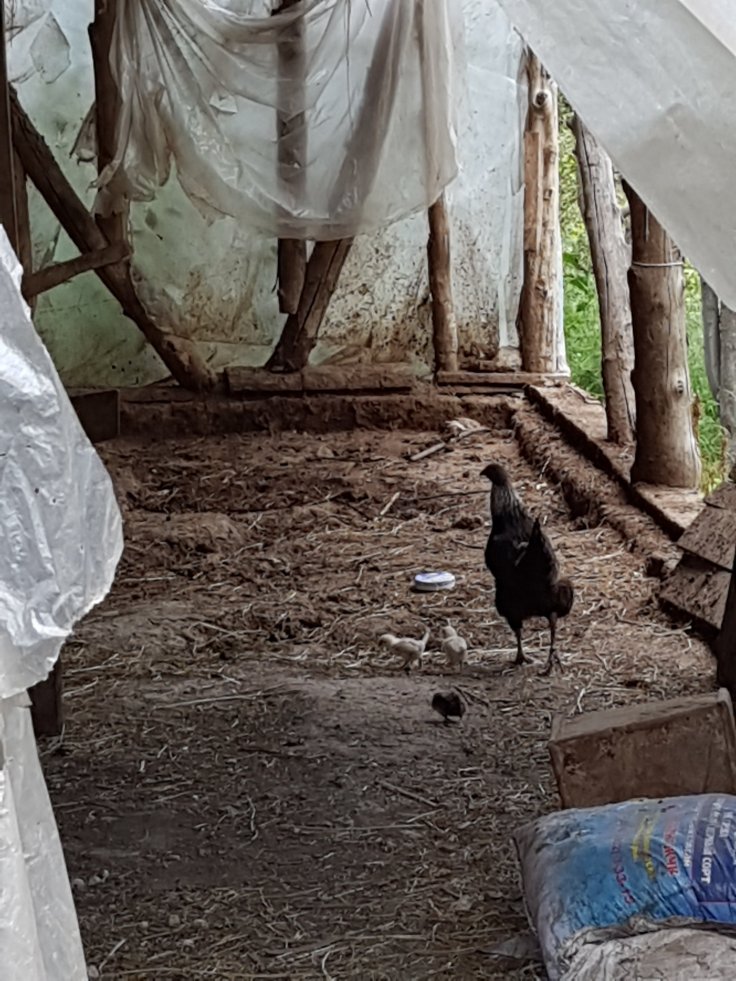
Found this cute family in the barn of the guesthouse.

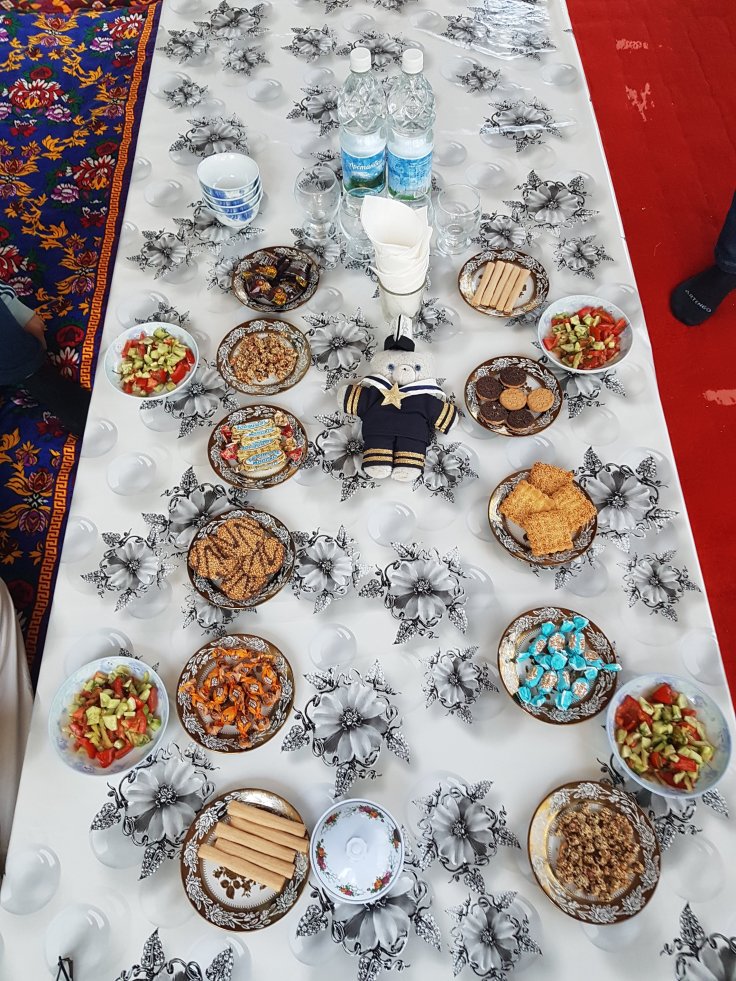
The owner prepared a feast for dinner that starts off with lots of sweet treats and the usual tomato and cucumber salad.

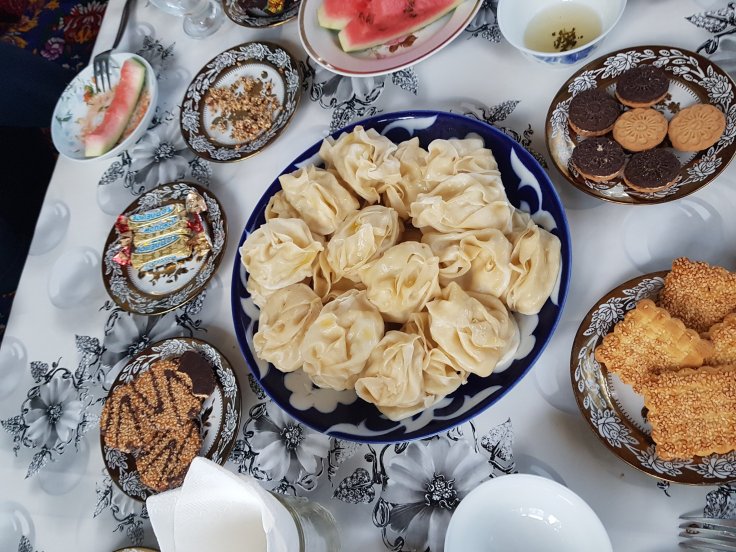
I finally tried manti! A delicious central Asian version of dumplings.

Leaving in the snow

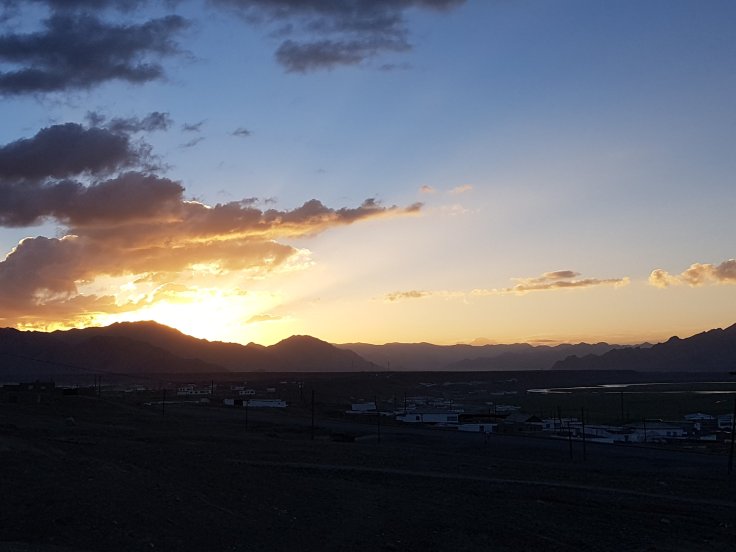
Today I left early for Osh, former Capital of Kyrgyzstan and a city on the Silk road. Bright light woke me up in time to see the sunrise over Murghab.

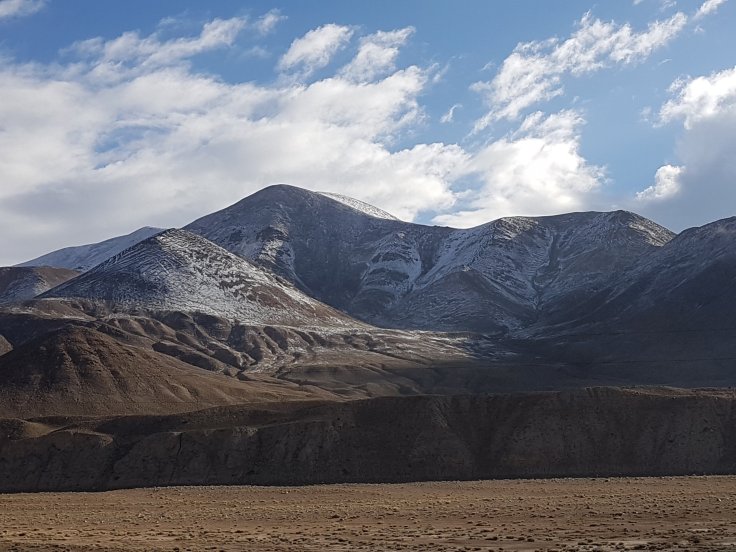
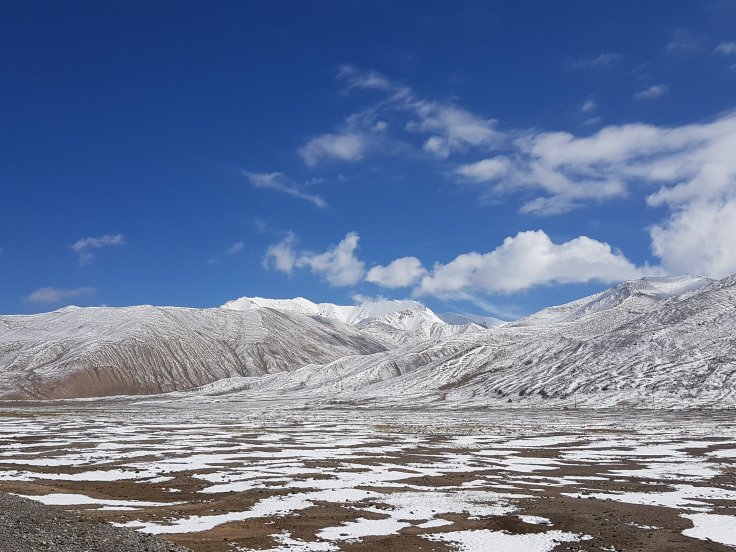
After breakfast, I rode quickly to the Tajik border. I was pleasantly surprised to see that it  had snowed overnight, making for frequent stops along the route for photographs.

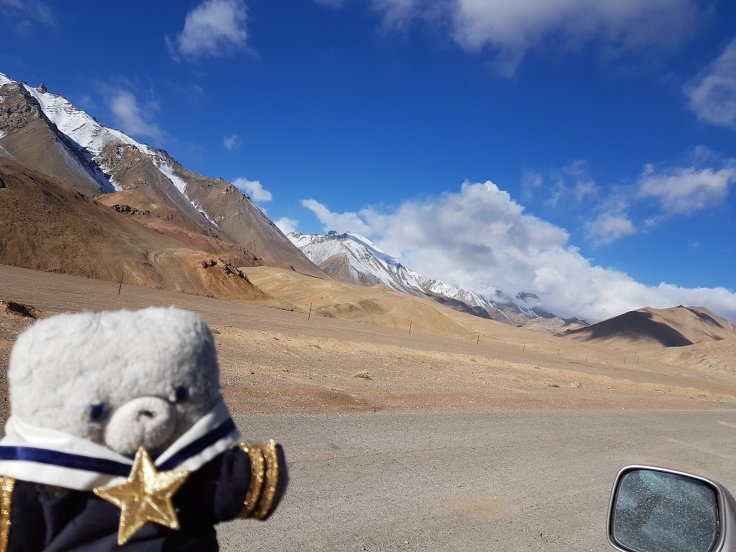
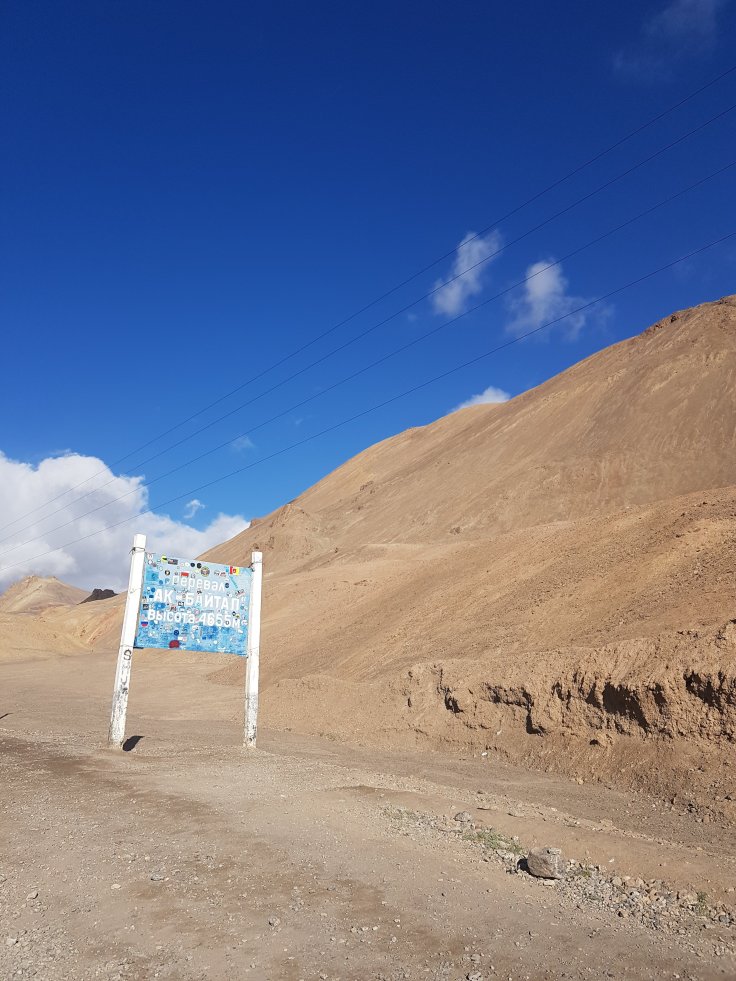
Passing through Ak-baital pass again:

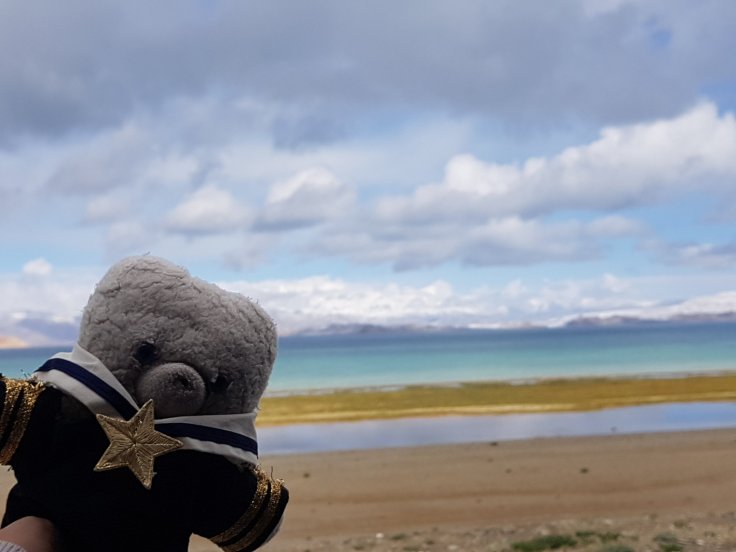
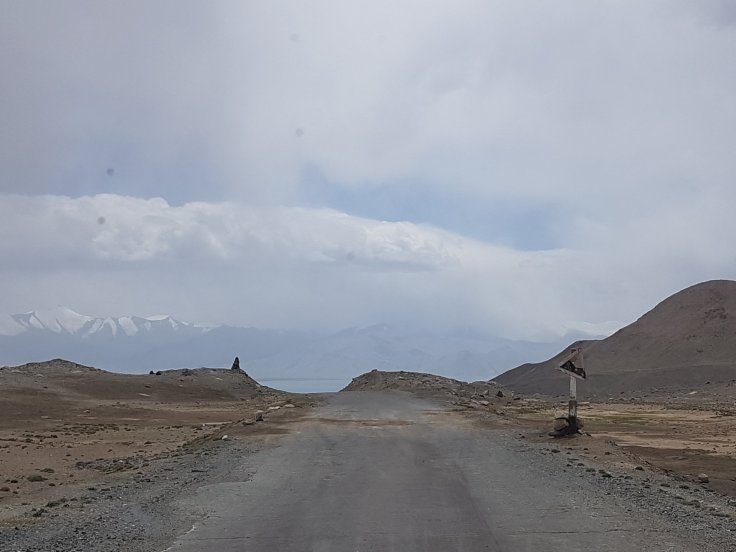
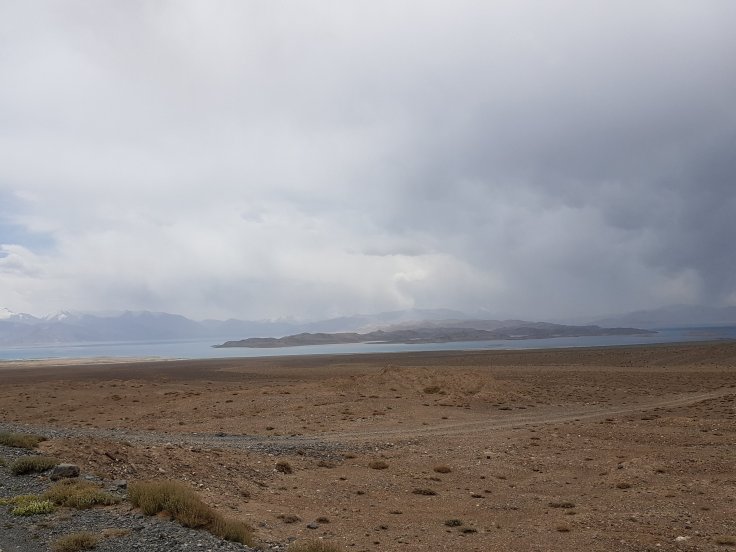
Karakul lake:

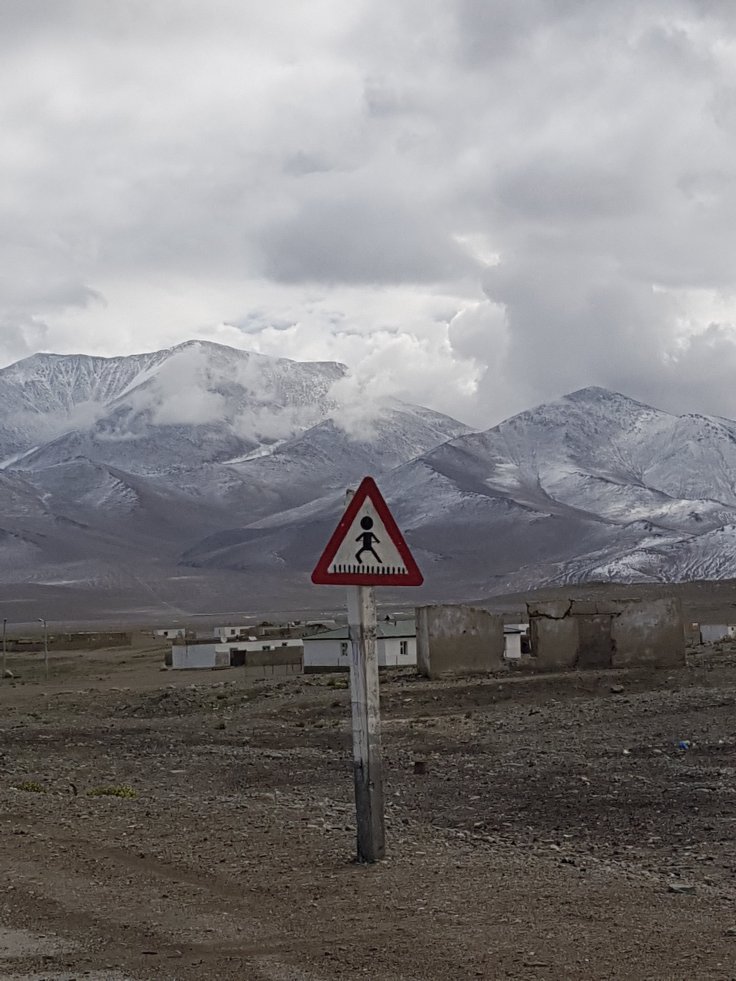
Cute sign post in Karakul village of a pedestrian crossing.

In the end I changed my mind about Tajikistan and left the country really liking the place.  I was really glad that I spent some time there.

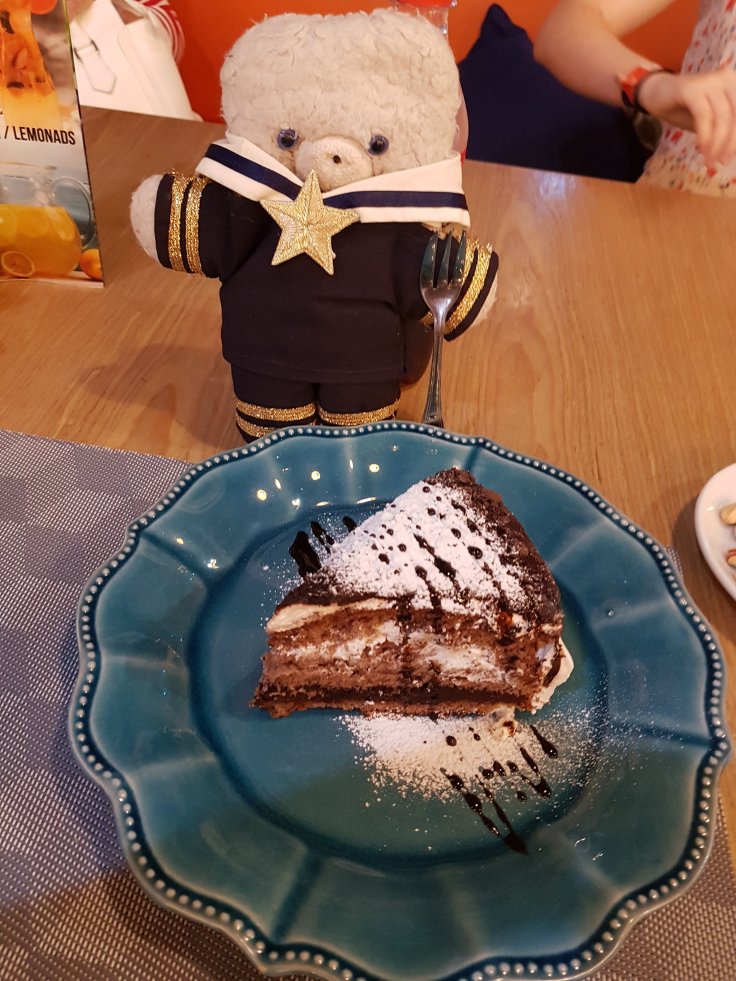
This reminded me of kinder chocolate or tiramisu. They don’t usually eat desserts here.

Desperate chocolate cravings. 🍫🍫🤤

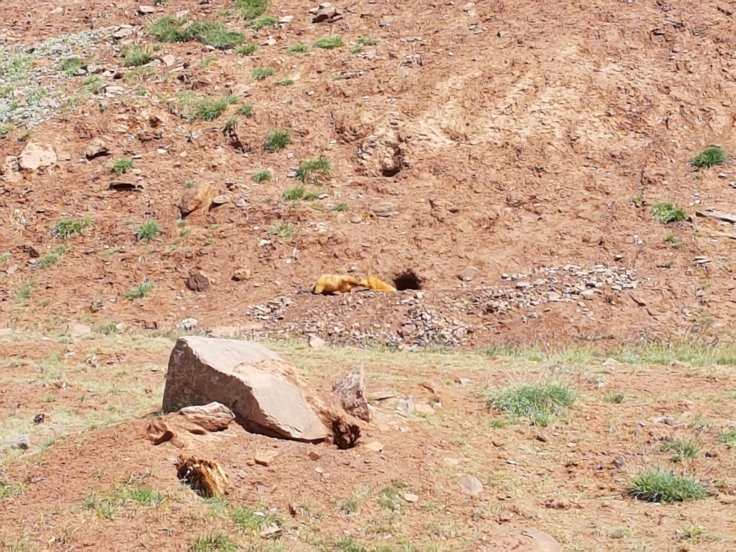
Cute kissing marmottes.

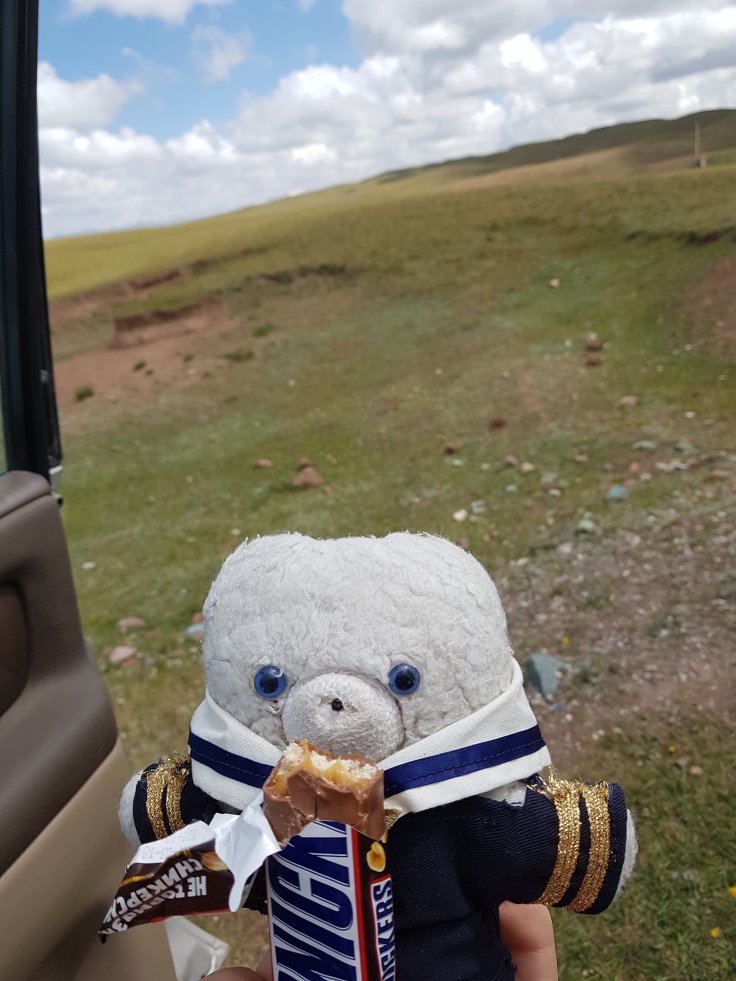
Snickers break/lunch after crossing the Kyrgyz border.

The road to Osh is very busy, with all kinds of travellers.

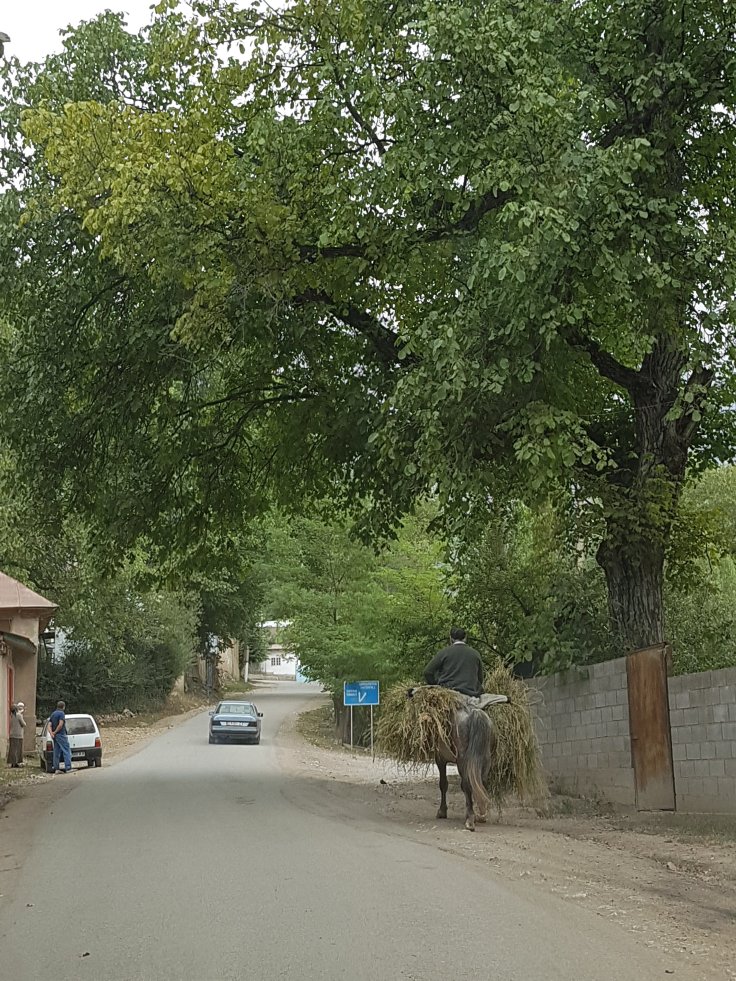
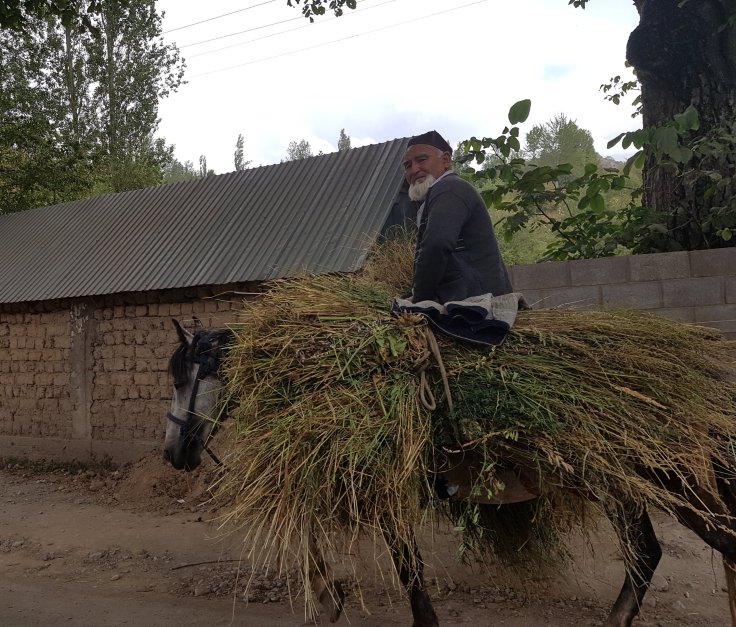
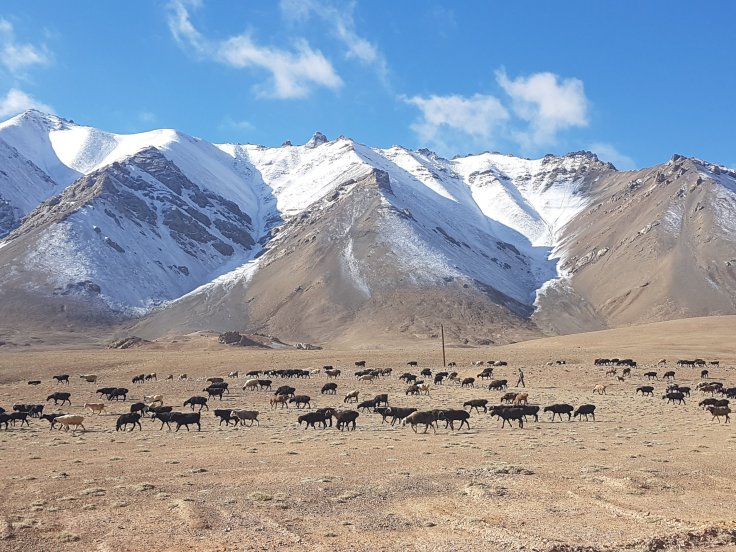
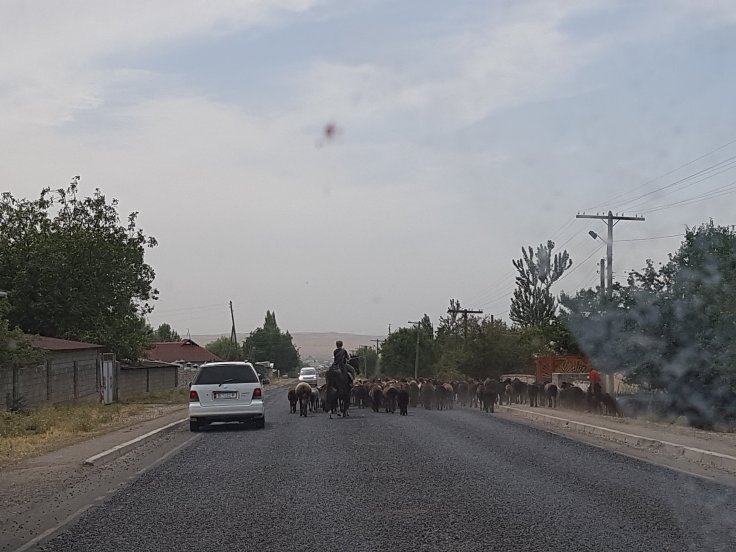
From entire herds being guided at horseback

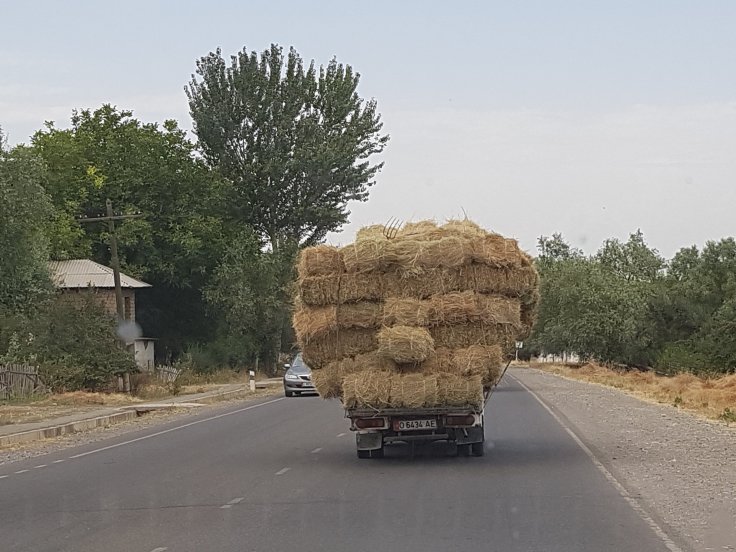
to large haystack with forgotten pitchforks on top

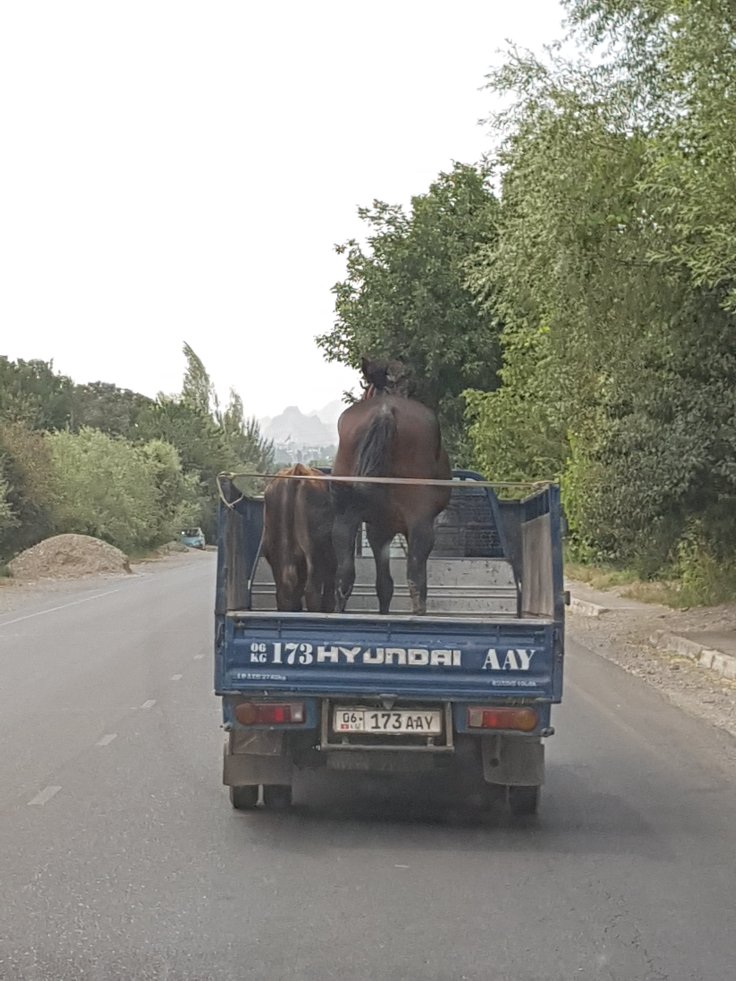
And barn animals.

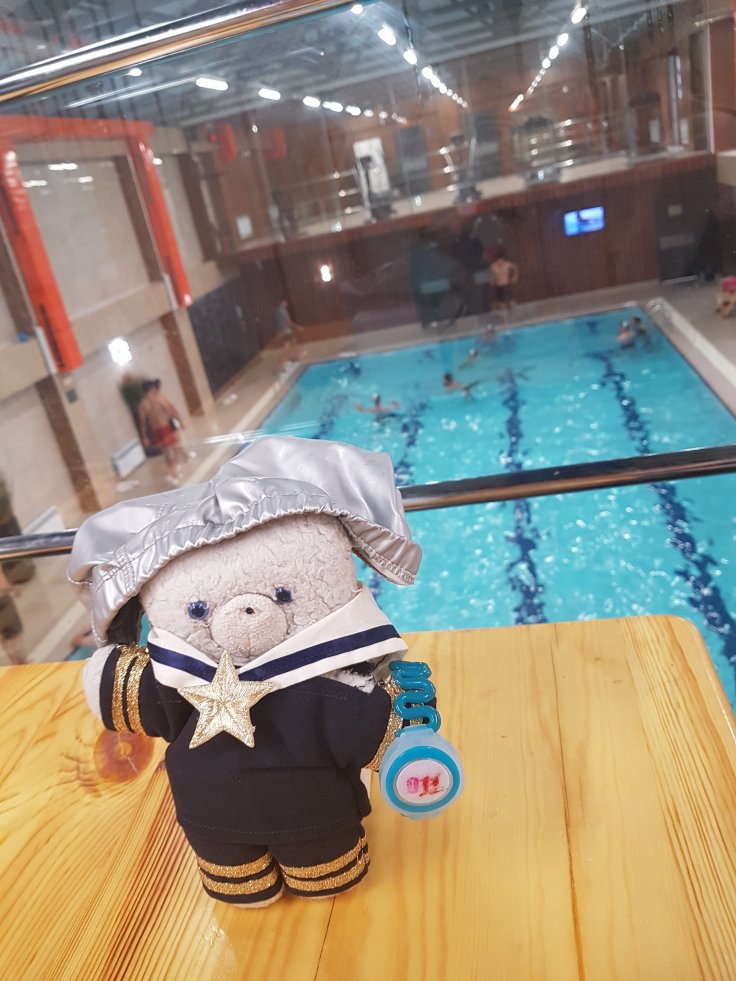
After a long drive, I checked in and swam in the pool at the Classic Hotel in Osh.

Before going out for dinner.

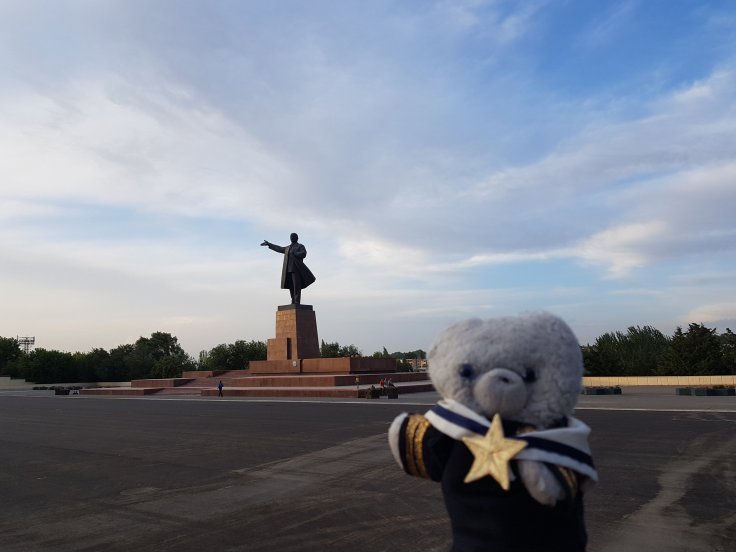
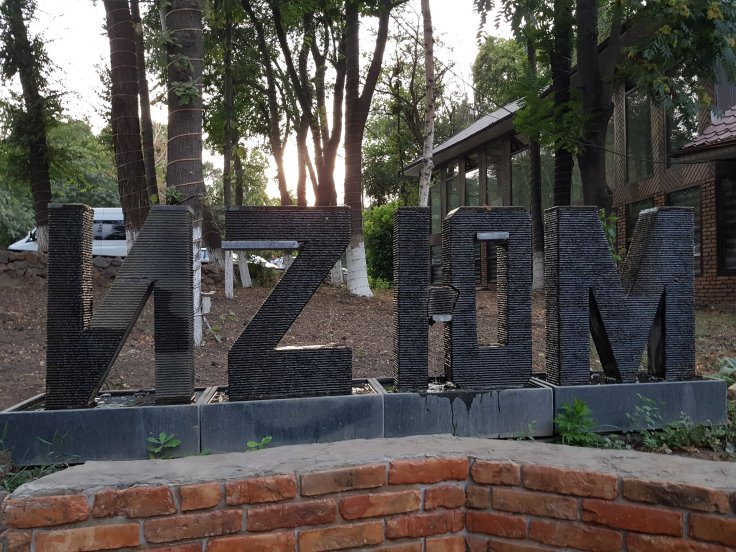
On the way to the restaurant 《Izyum》, I greeted Lenin.

More central Asian naan bread. This is usually served at every meal and it is said to cause bad luck if put upside down.

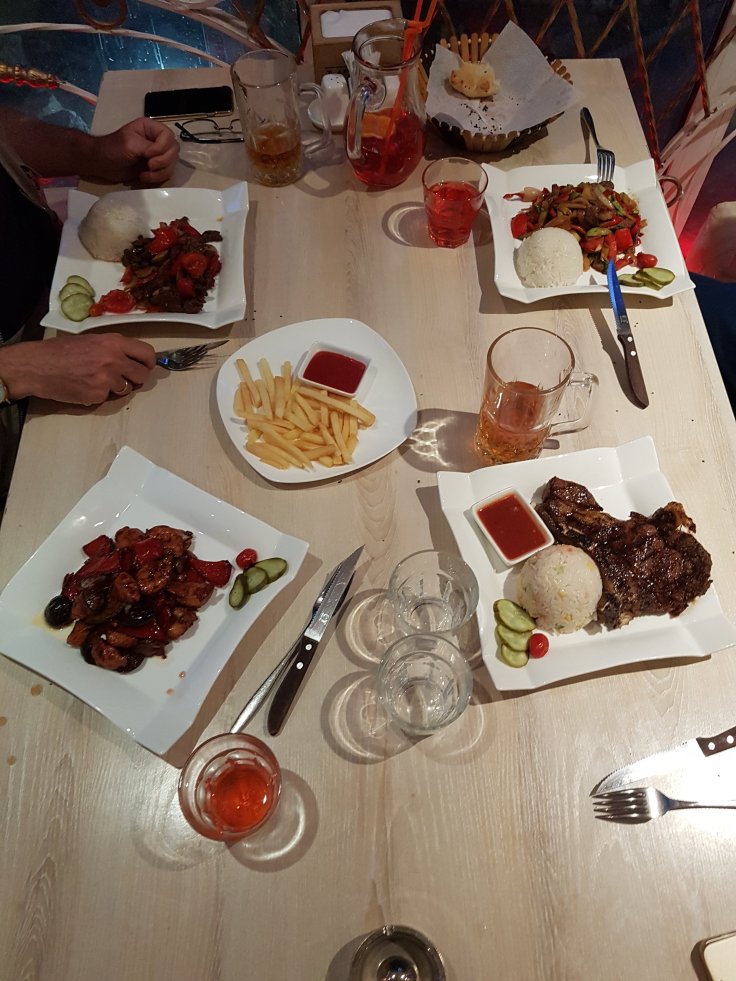
After having just a snickers for lunch, dinner quickly disappeared.

In the restaurant, there was a singer who sang local songs, leading to a pleasant evening.

Day 2 in Murghab

For today, I had to make an executive decision:

1. Continue the Pamir highway and stay another night in Murghab.

2. Take a day off and search for hot springs mentioned by Lonely Planet.

3. Head back to Osh, escaping from Murghab and Tajikistan.

Option 2 prevailed.

After breakfast, I strolled through the local bazaar, where I am the subject of many curiosity from the locals.

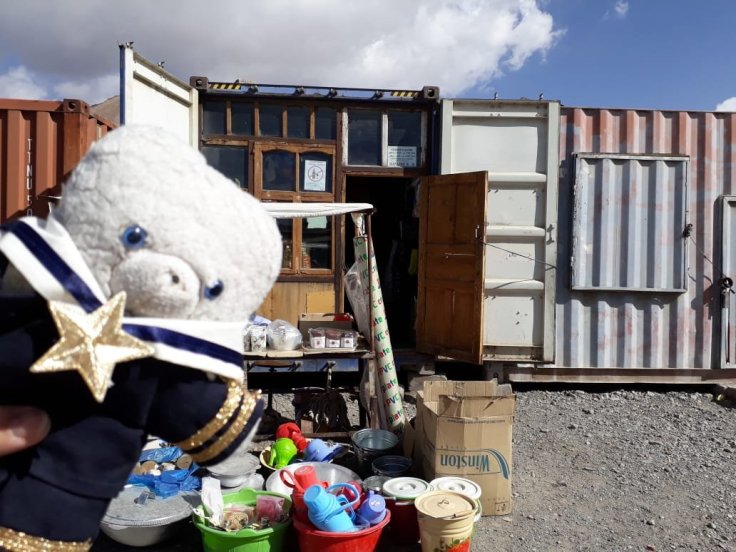
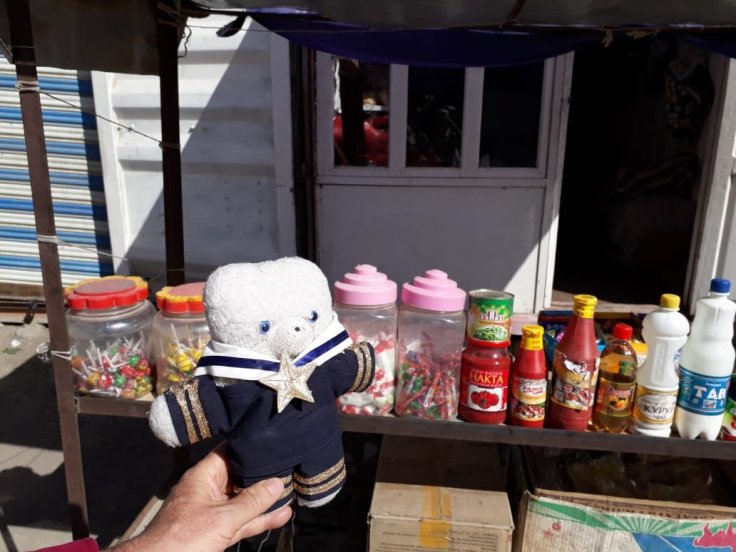
Many of the shops are located in shipping containers.

I bought some snickers at the sweet shop for later consumption.

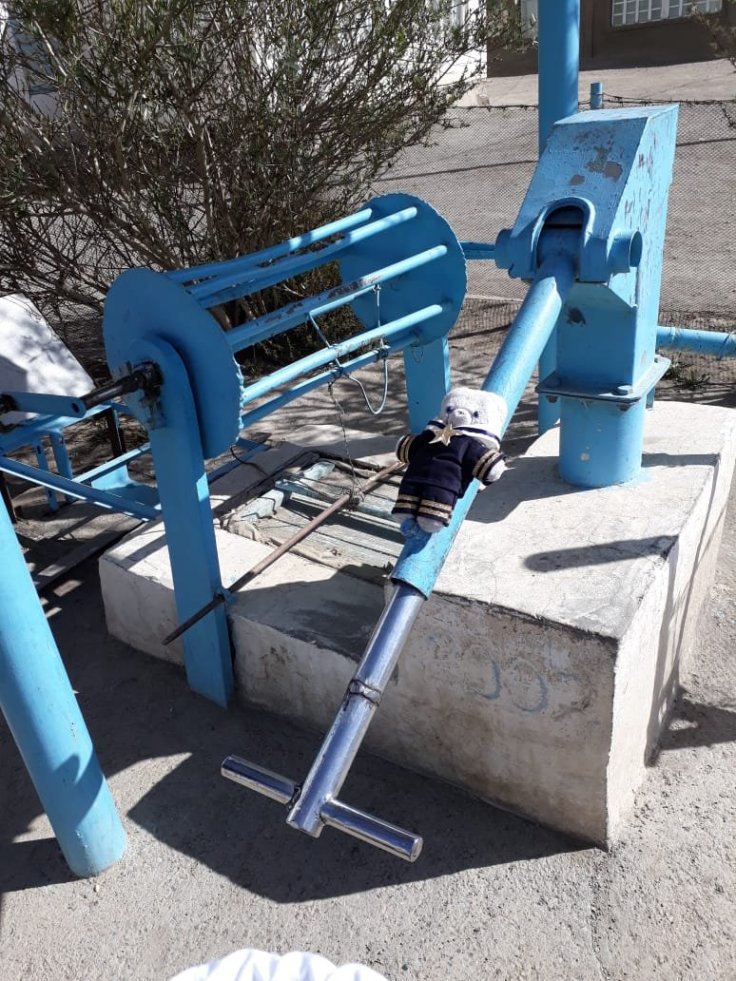
Chilling at the water pump.

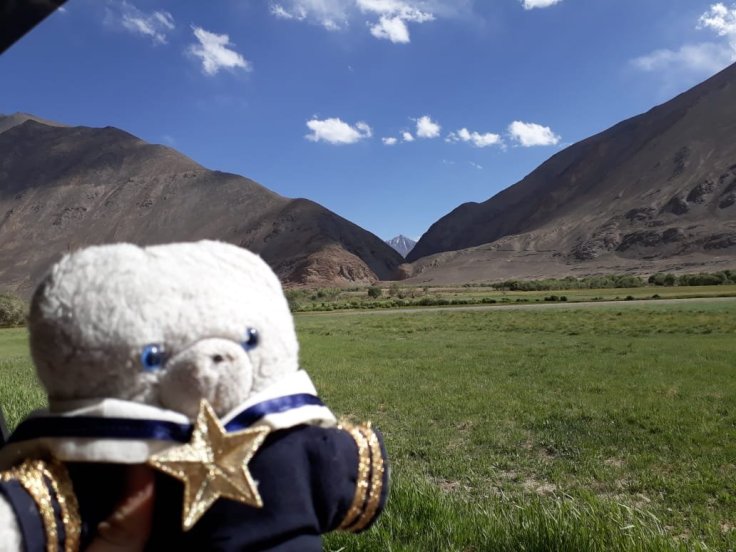
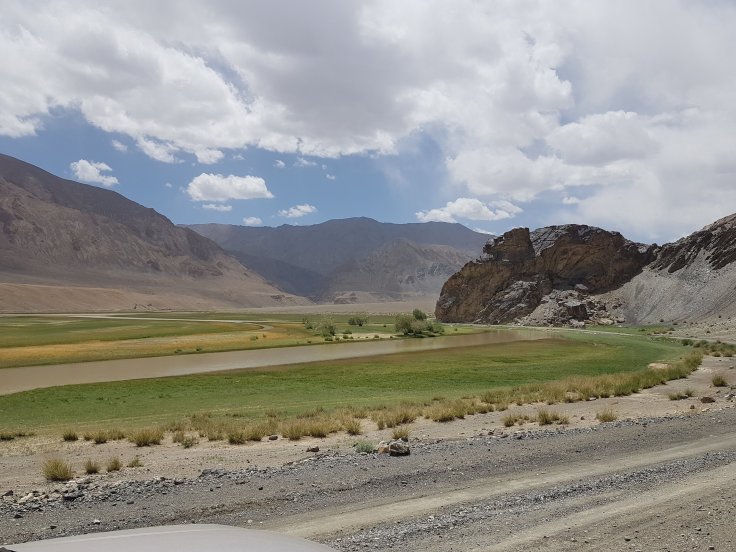
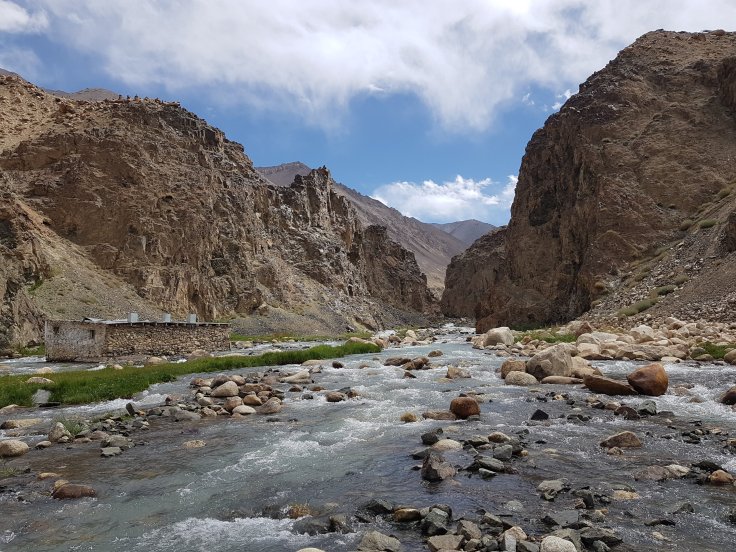
After lunch, I drove to the hot springs Lonely Planet mentioned. The road starts off along the Murghab river…
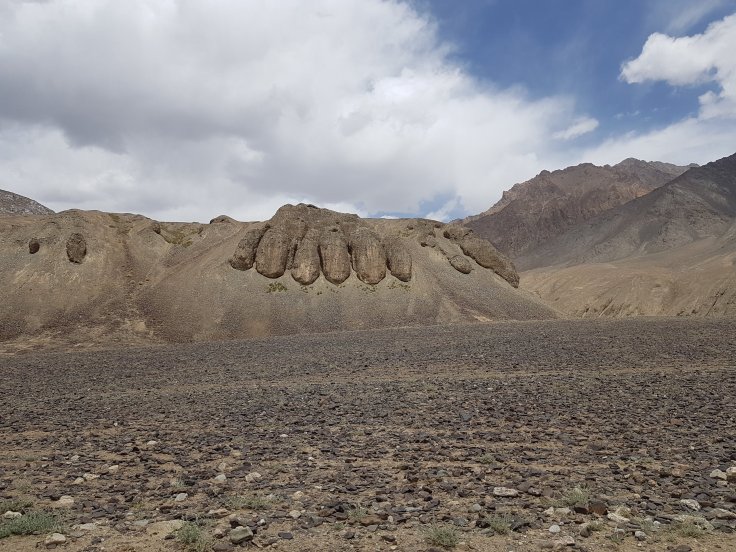
(This hill was making a fistpump).
The route is very pretty and I met a group of South Africans.

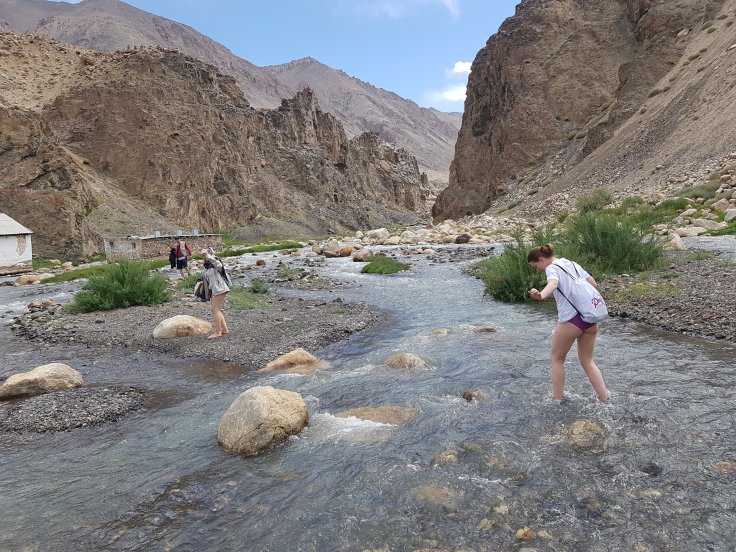
We split off in search of the hot springs.

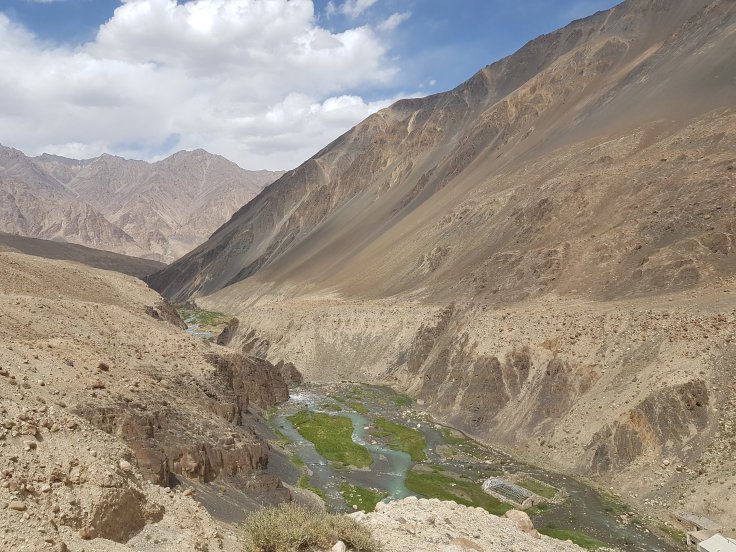
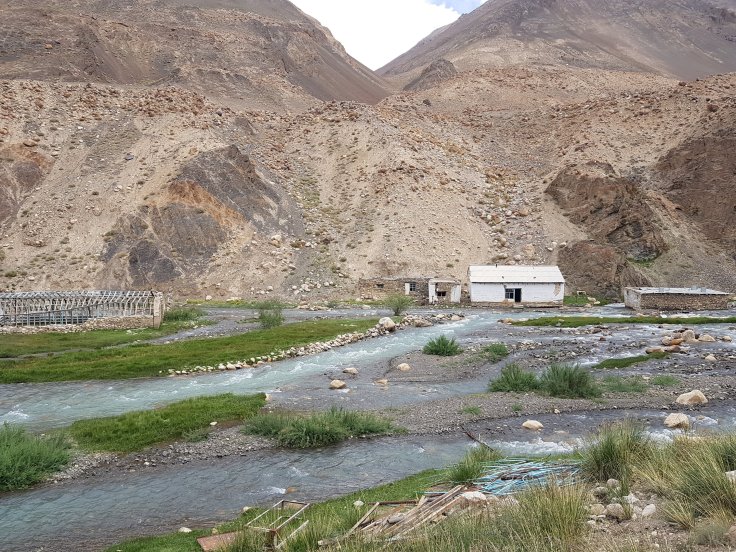
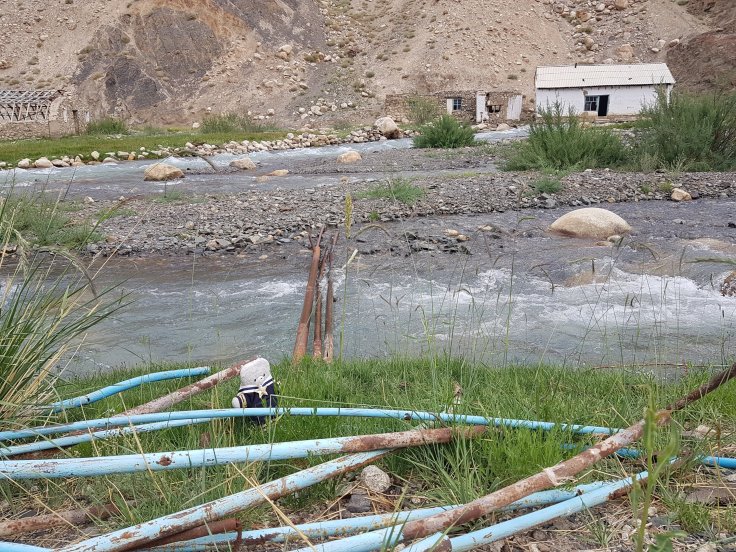
However, after a difficult drive and walk to get there and finding the hot spring, I realised that the bridge to reach it had been washed away.

And as much as I tried to cross the river, all attempts failed.

And I had to head back.

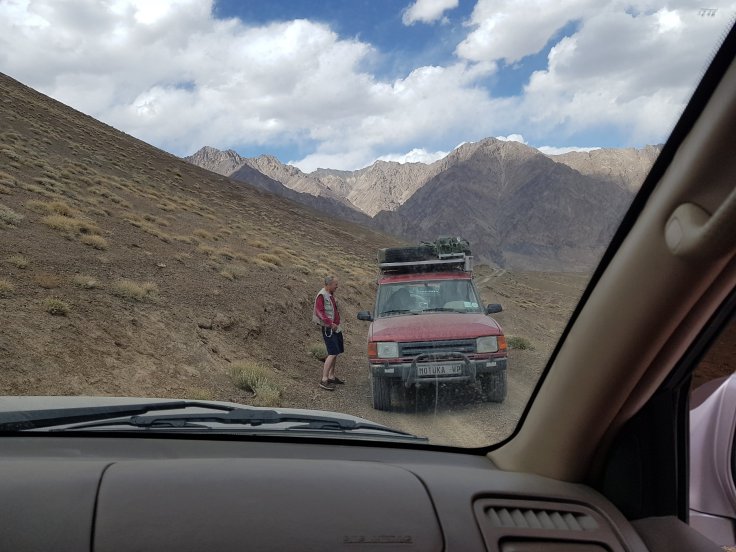
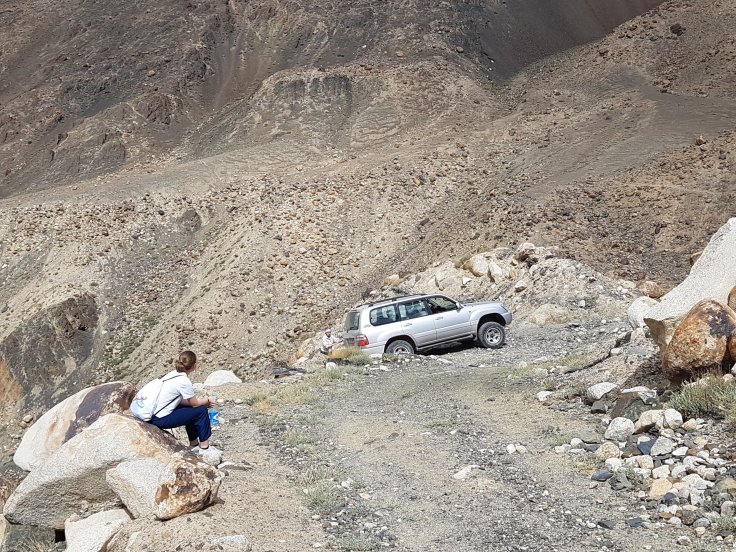
At which point, I needed help to push the car out of the valley (very helpful onlooker).

(More mountain hands)

The route back is stunning and I am starving for dinner.

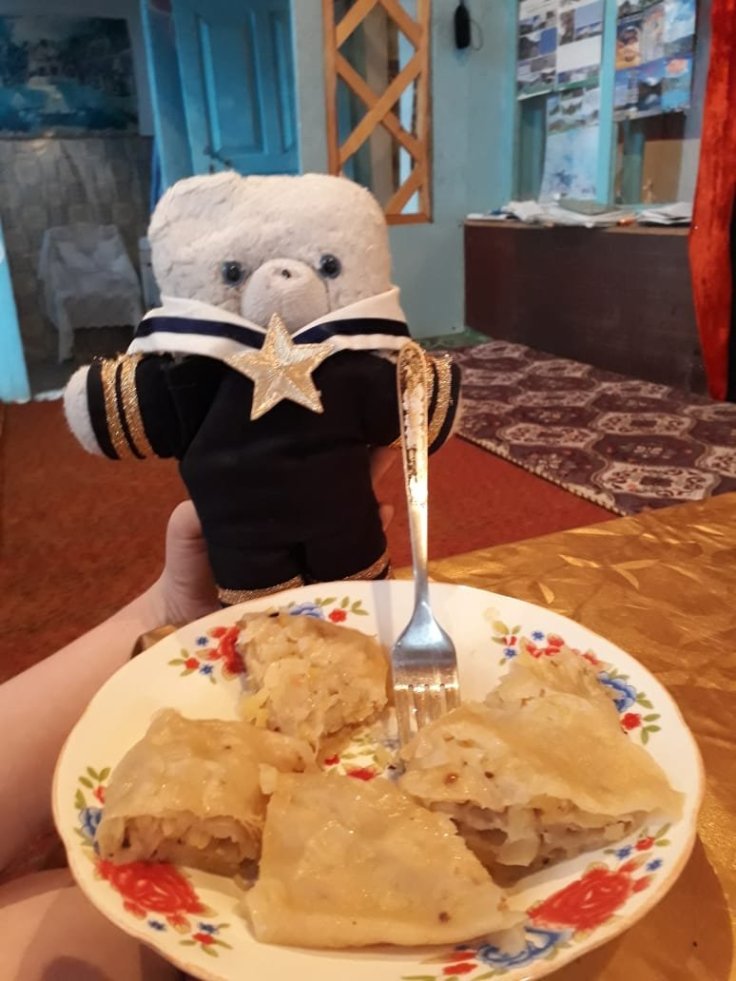
The usual tomato and cucumber salad followed by this delicious vegetarian dish based on potato. (Wasn’t able to find it on wikipedia)

Negotiating my way into Tajikistan

Good bye Sary Tash!

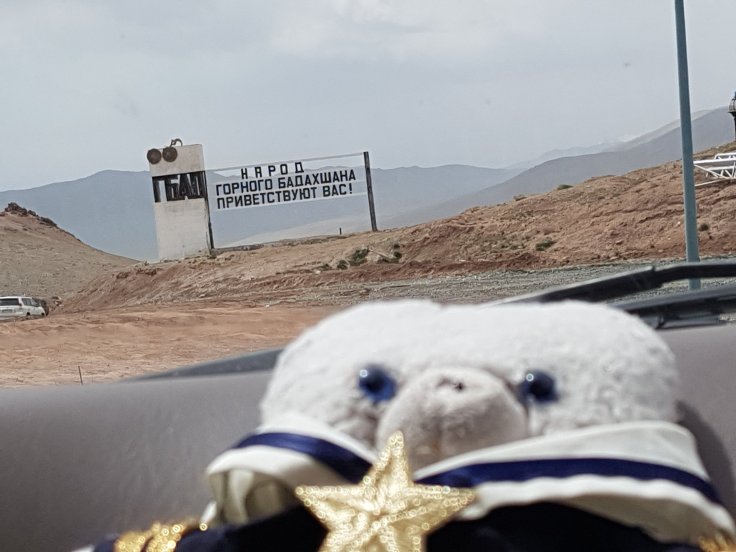
I head to the Kyrgyrz border and enter the no man’s land between Kyrgyrsztan and Tajikistan.

A beautiful and quiet place, inhabited by hundreds of marmottes.

Upon reaching the Tajik border patrol, a few noticeable differences are observed with the Kyrgyz border patrol:

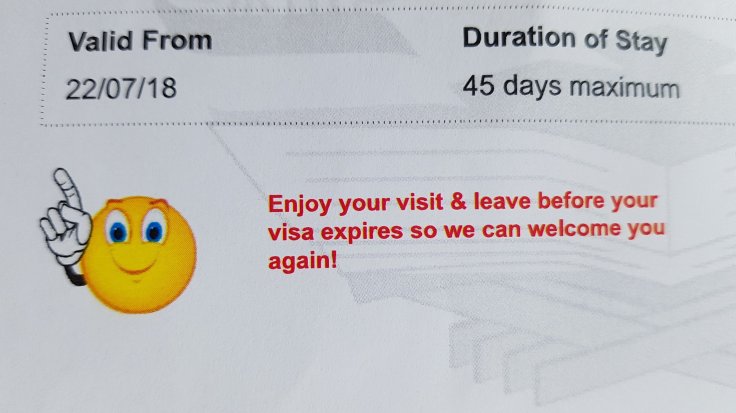
1. Unlike Kyrgyzstan, you need a visa, which costs 70$.

2. There is a “disinfection” process whereby a man sprays yellow fluid only on the wheels of the car. This costs 900 soms. (Later learnt that you could ask not to have this service)

3. There is also a 1200 som fee to pass customs.

4. It was mentioned that I was lucky to have a Kyrgyz car as otherwise a 120$ fee would apply.

In conclusion, Tajikistan has figured out how to solve any country’s immigration problem.

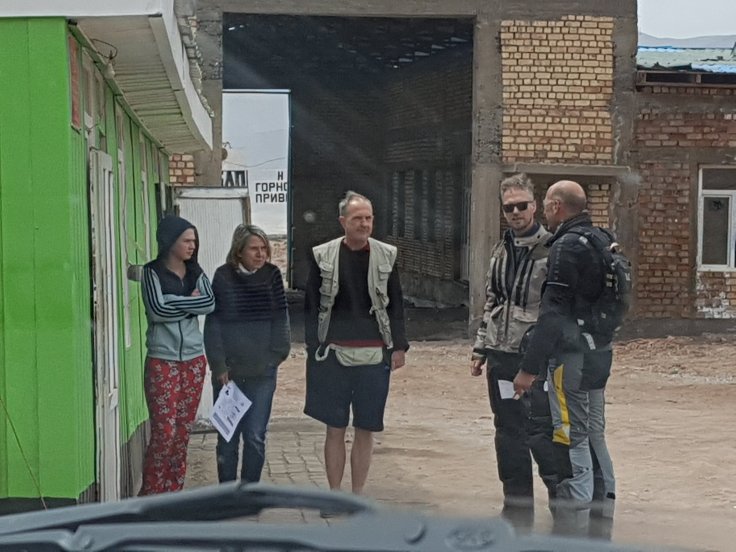
(Waiting in the cold with 2 motorcyclists from Switzerland and Holland)

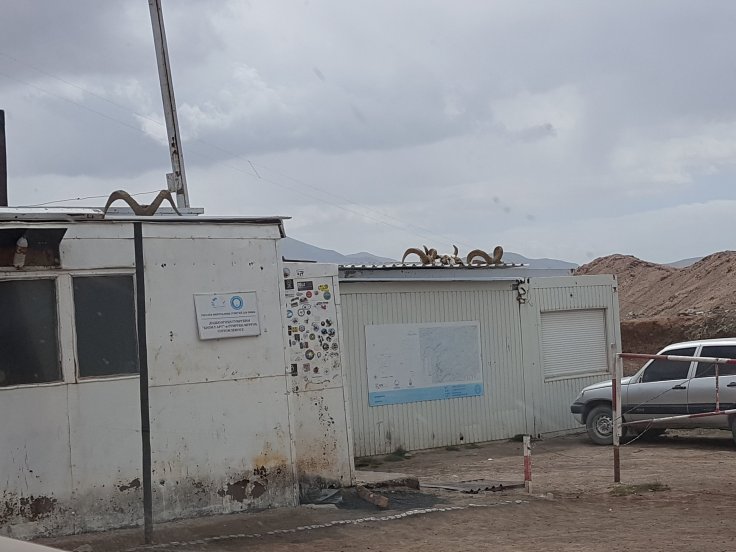
(For some reason there were animal skulls on top of the customs office)

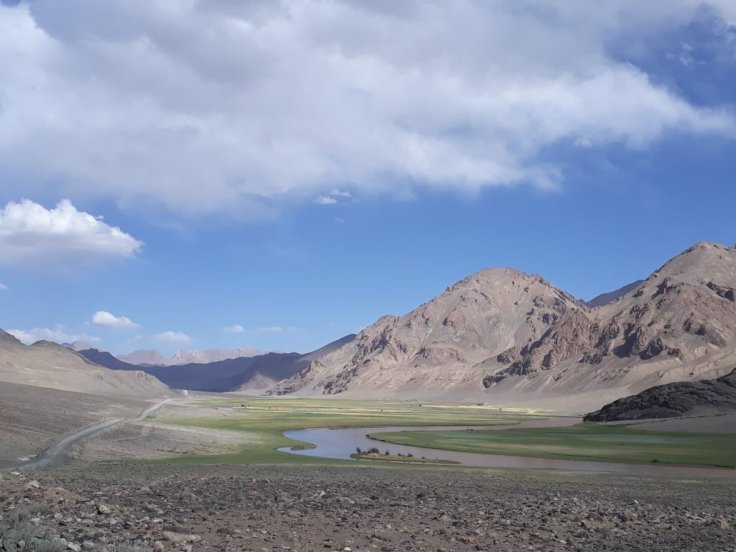
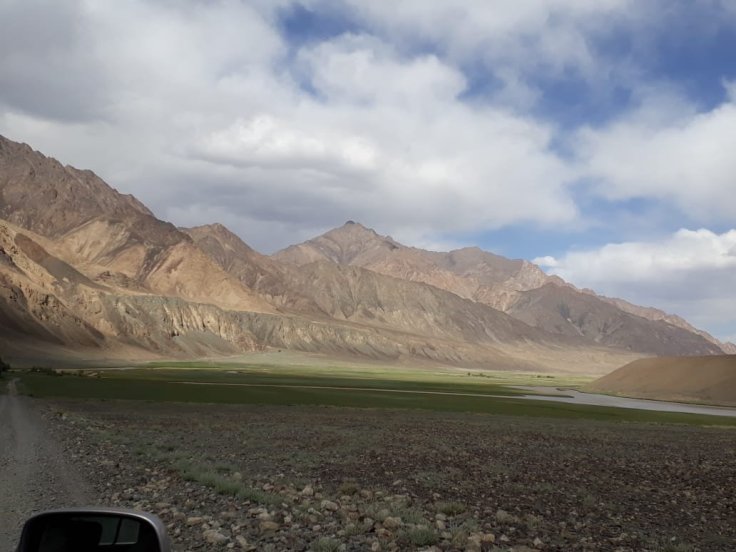
Crossing the Tajik border is time-consuming and I quickly drove off to Murghab via the Pamir Highway (M41, same road that I took from Osh).

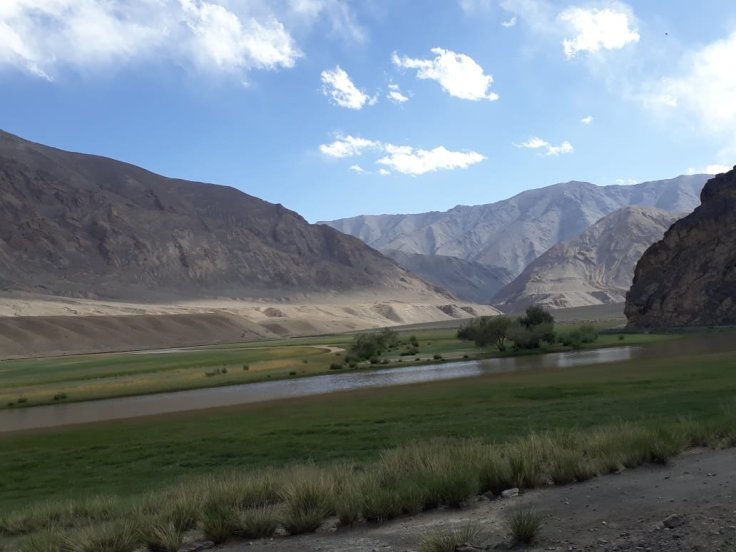
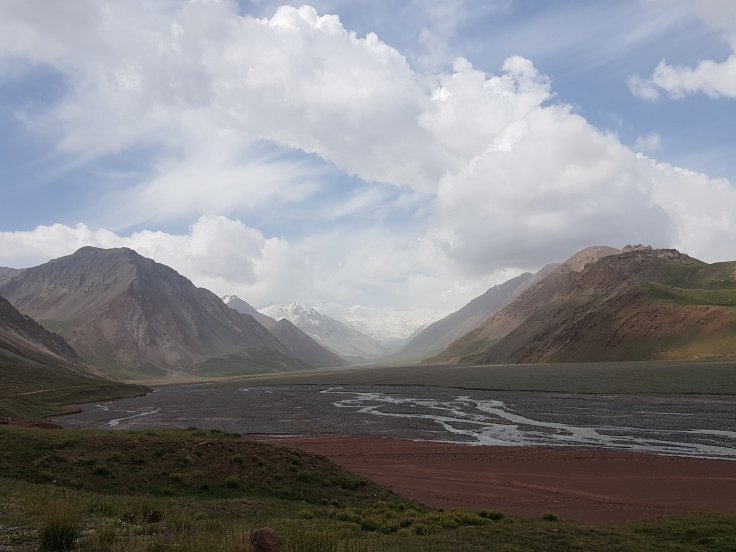
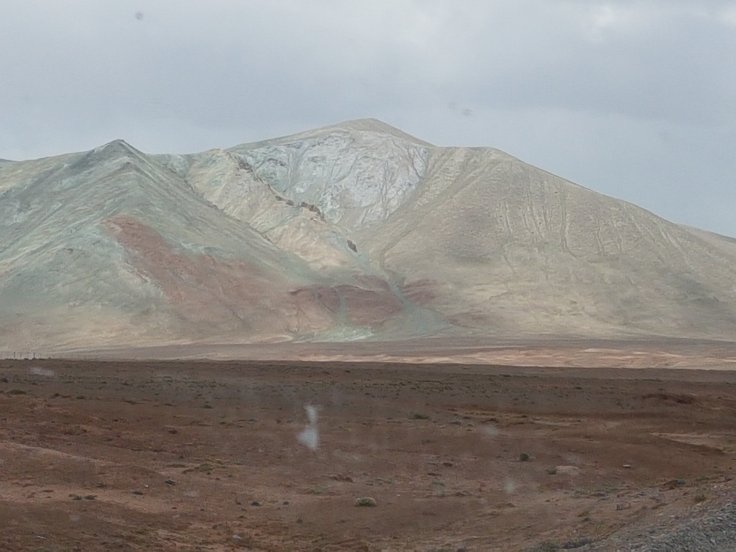
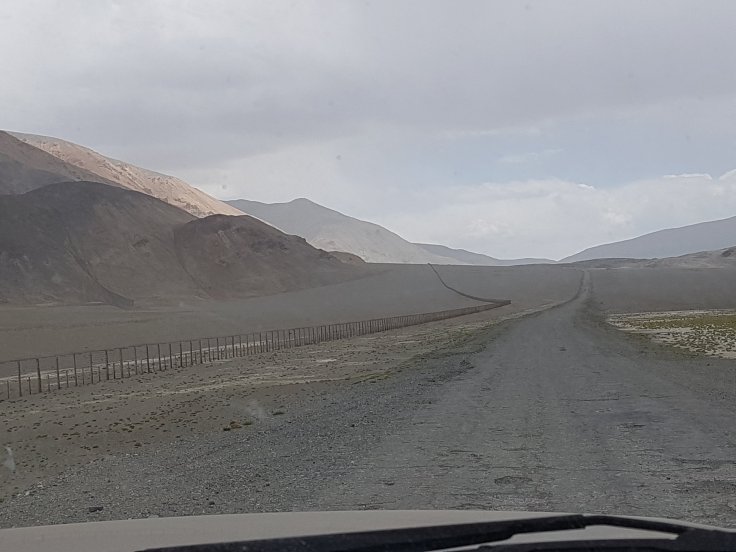
The road starts off close to the border with China (on the left).

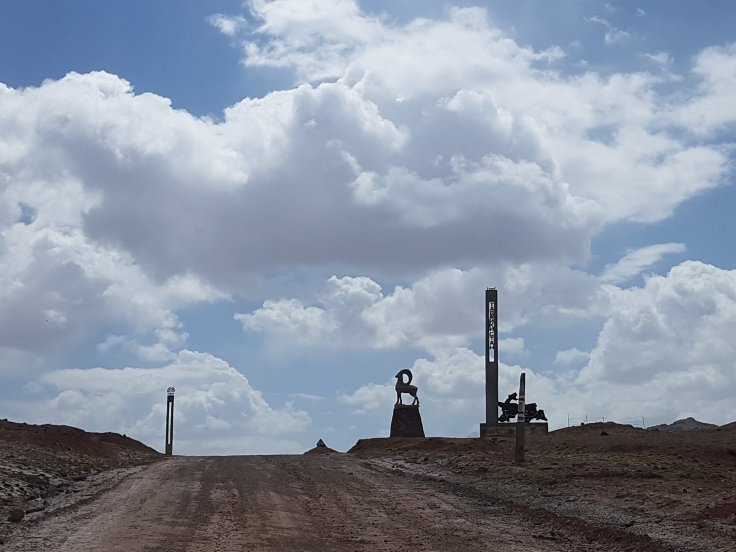
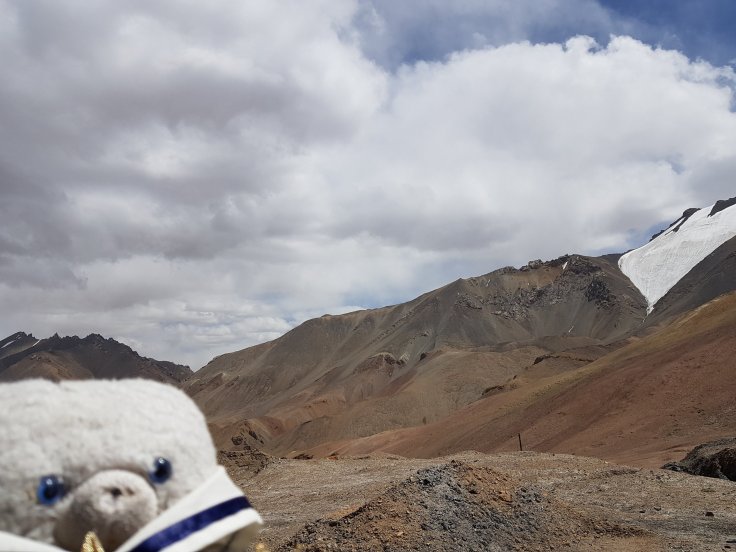
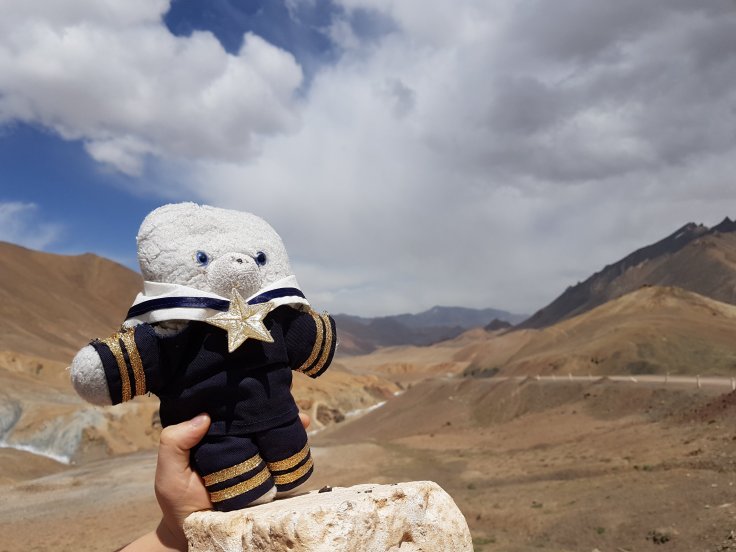
Above is when I crossed the Akbaital pass, 4655m altitude.

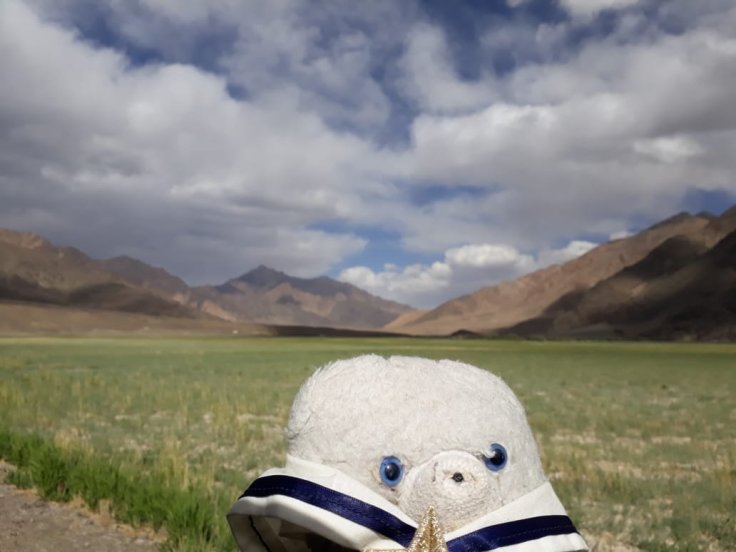
The road is very arid, with little vegetation, and although it’s well-known, I concluded that Kyrgyzstan was more interesting.

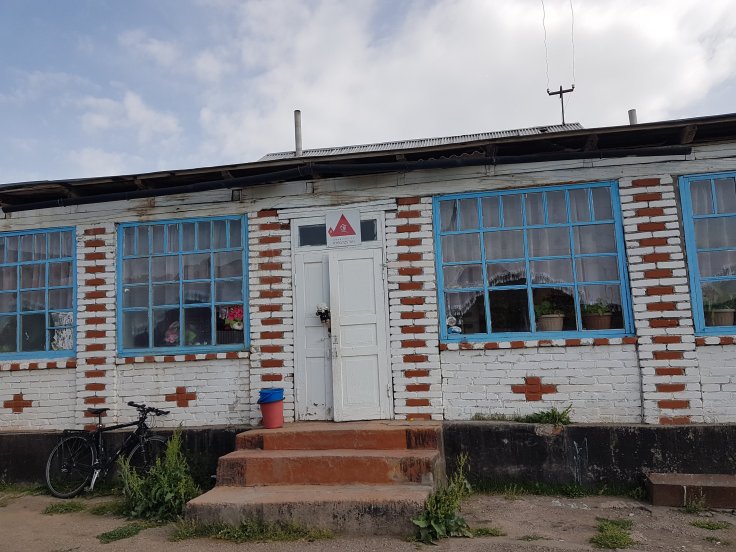
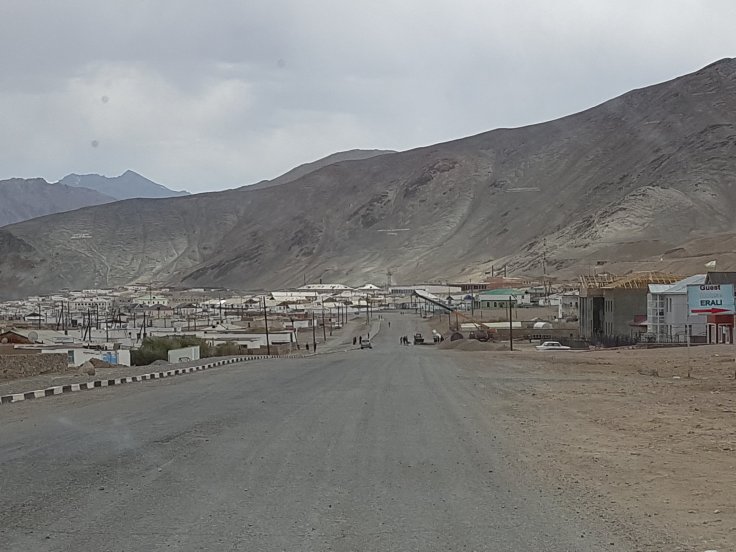
Arriving at Murghab, I passed a rather run down Gazprom petrol station

Murghab is a large town but desperately poor. I had a moment of worry when it appeared that there might not be any diesel supply in town and I might be stuck here forever.

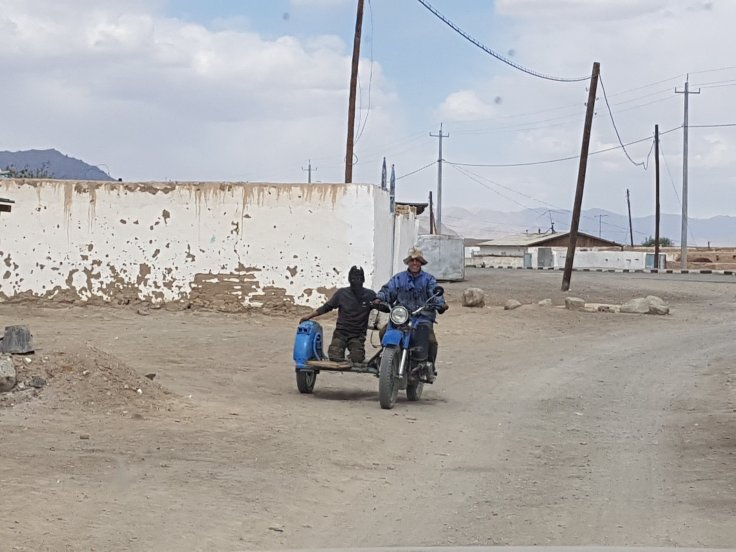
(Interesting version of a side car)

The tourist information centre…

After going up down the 2 main roads several times, I eventually found the guest house I was looking for.

Also met some fellow travellers!

Blog at WordPress.com.

Up ↑