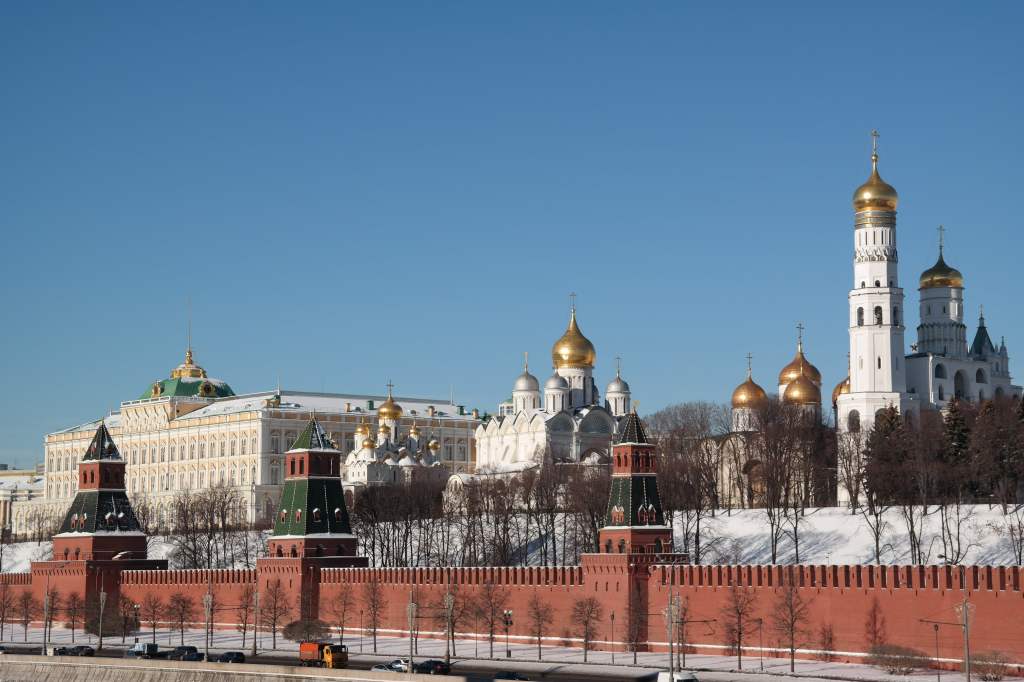
My previous post was about the dark and wild Moscow I experienced over 2008-9; this one is devoted to the increasingly beautiful city I saw the second time I lived there, from 2013-2019. Even on arriving at Sheremetyevo airport in 2013 I saw many changes – the immigration process had been automated, and the long queues at passport control had disappeared, and a new motorway into the city centre avoided the notorious traffic jams I had suffered before on the old Leningradskoe Shosse. What I saw on arrival was just one part of a huge makeover the city was undergoing. The new mayor had embarked on a binge of construction of new roads and new metro lines, whilst discouraging people from driving into town by limiting parking spaces. The result was that traffic congestion was much improved, as more people took public transport to work – which gives me the chance to talk about one of Moscow’s most famous sights, the Moscow metro.
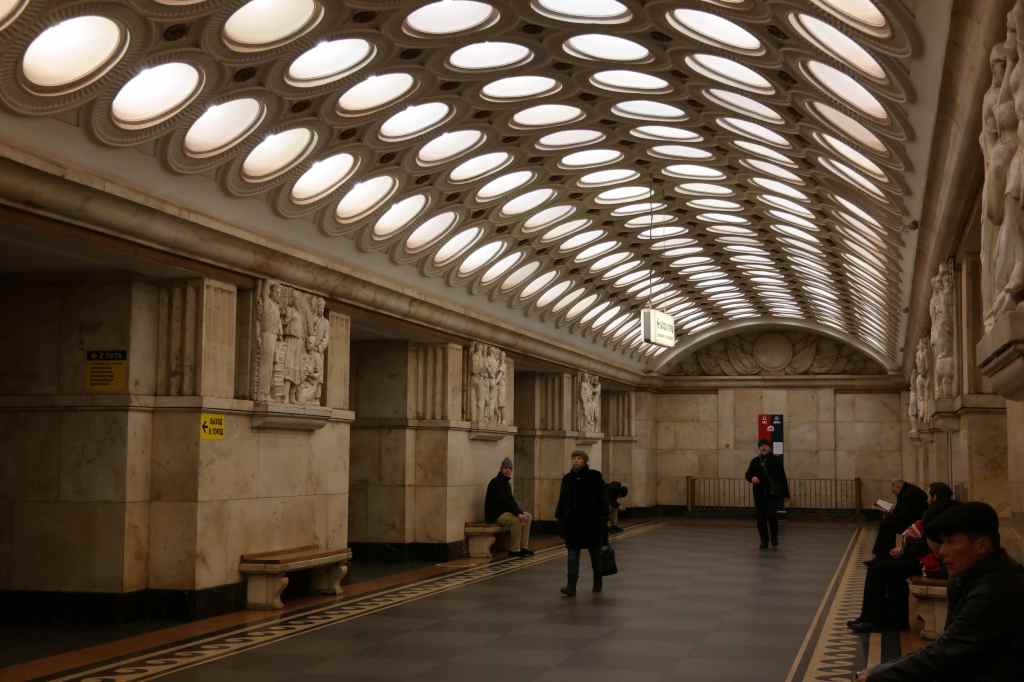
The metro is famous for its beautiful stations, of which around fifteen stand out. They showcase the triumphant, imposing and bulky Soviet style, with high ceilings, ornate columns, large chandeliers and pictures or mouldings of Soviet heroes like soldiers, workers or farmers. They were intended to be “underground palaces of the people”, and it was said that each was made to look different, so that illiterate peasants arriving in Moscow could know where they were.
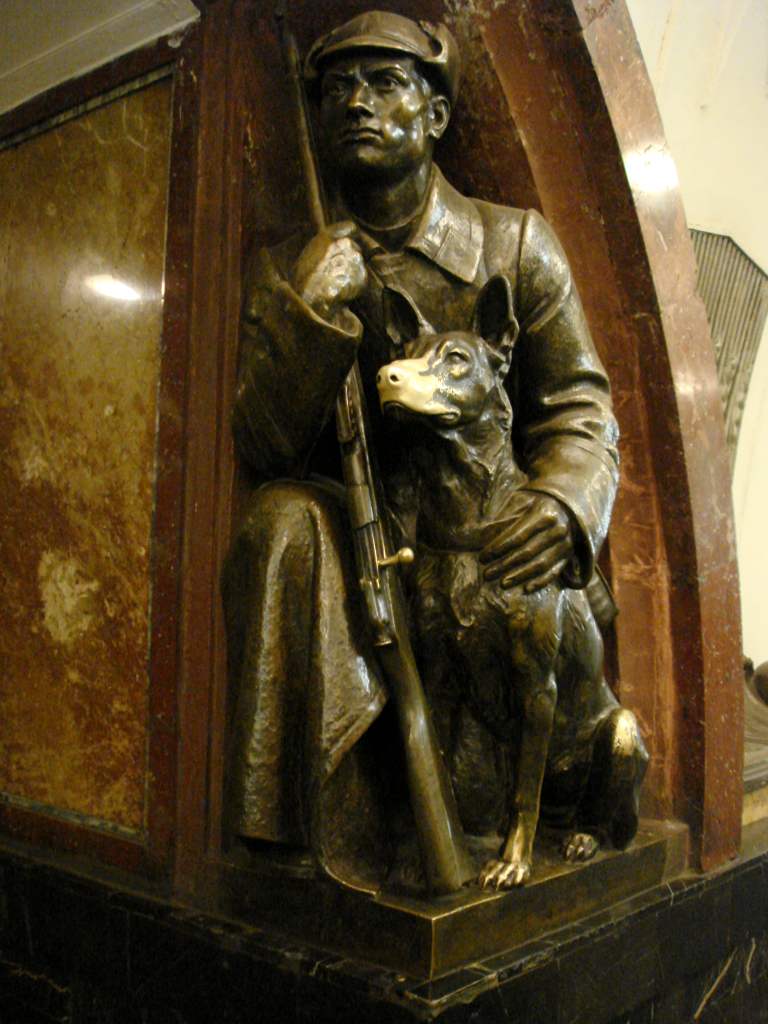
My favourite was Revolution Square, where the Soviet heroes were cast as bronze statues; there is a famous soldier with a dog, whose snout was a bright shiny gold from being touched by millions of passers-by, who believed that rubbing the nose brought luck. The first parts of the Metro were completed under Stalin, including the circular brown line which has some of the most impressive stations. Legend has it that whilst Stalin was discussing plans to develop the system with his subordinates, he put his coffee cup down on a network map, leaving a brown coffee-stain ring – which became a new line.
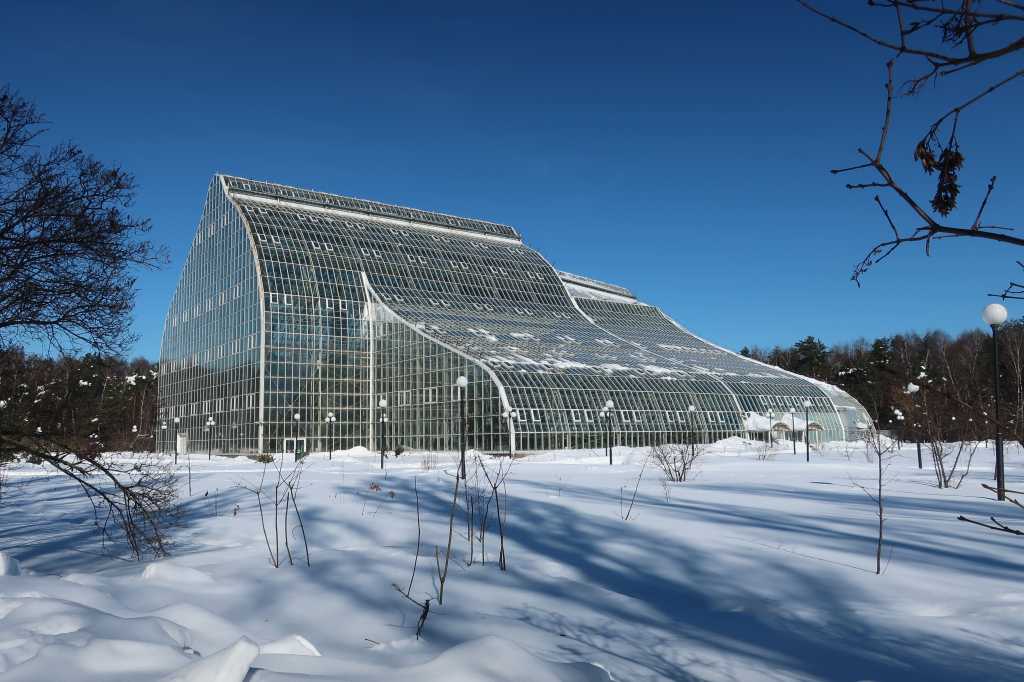
The reduced traffic in Moscow led to improved air quality, and an end to the smog that used to hang over the city most of the winter. On a sunny day, this was replaced by bright blue sky and at weekends I would enjoy going cross country skiing in locations like the huge botanical gardens.
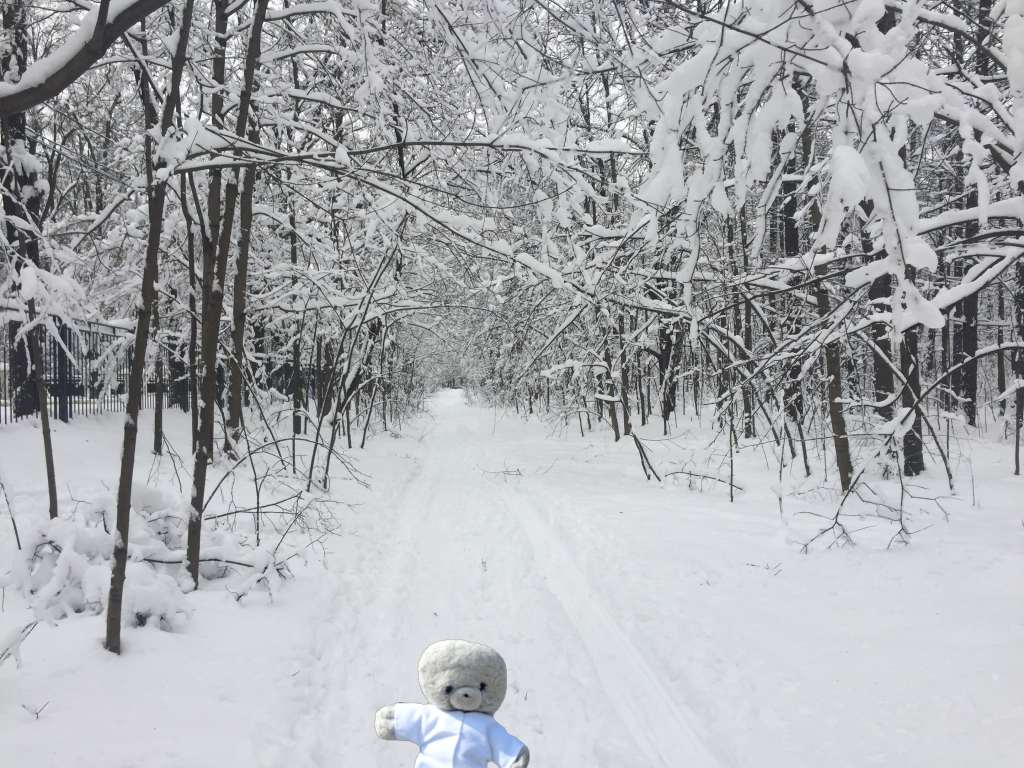
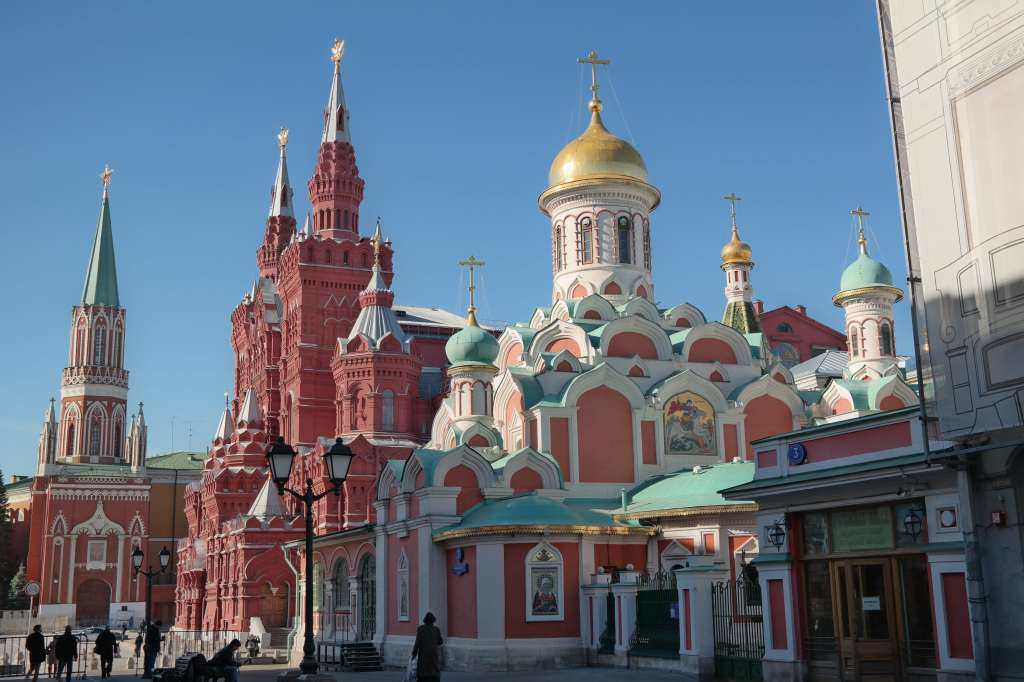
The mayor’s public works binge also included digging up most of central Moscow to lay smart new granite pavements. For two years this effort turned the city centre into a big building site, and a vicious (but false) rumour circulated that mayor’s wife owned a business making paving stones.

The work was finally finished in 2018, just before Russia hosted the football world cup. Even those that had suffered from the years of roadworks had to admit that the city looked much smarter as a result. All of this spending on public projects left a city that was bright, beautiful and comfortable – a complete contrast to the dark, intimidating but slightly more fun version of Moscow that I had experienced over 2008-9.
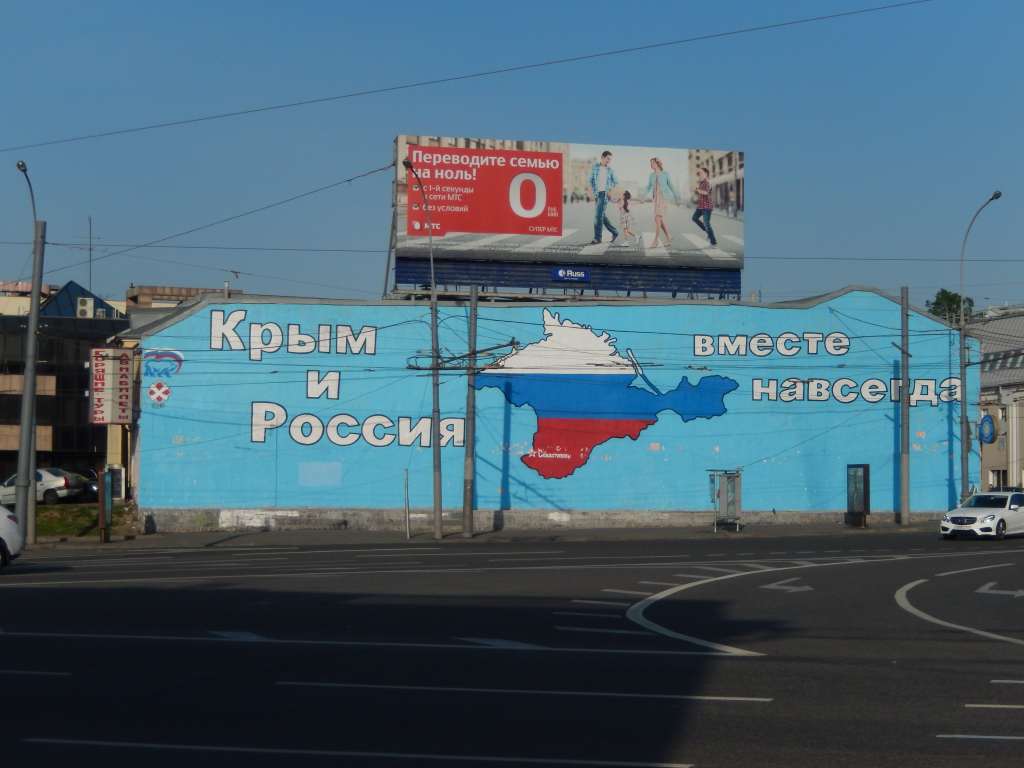
However, this transformation of Moscow was accompanied by increasingly worrying developments in Russia’s social and political scene, as the country changed from a shaky democracy to absolution rule by Putin. 2014 saw Russia’s annexation of Crimea, a very popular action in Russia generally.
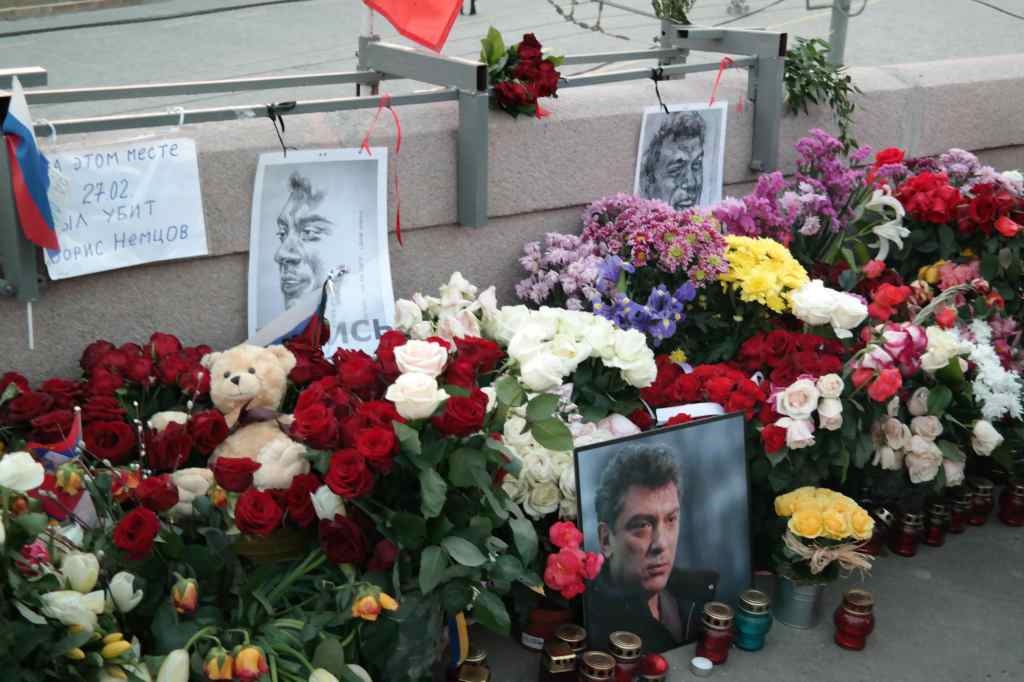
…and 2015 saw the assassination of the opposition leader Boris Nemtsov on the bridge leading to the Kremlin, in the very centre of Moscow. For many years after, supporters laid flowers on the spot where he was killed.
It would be sad to end this post on such a downbeat note, so I will finish by describing yet another of the mayor’s project’s – the new Zaryadye Park, inaugurated in 2017. This was built on the site of the abandoned building site and derelict hotel described in my previous post.
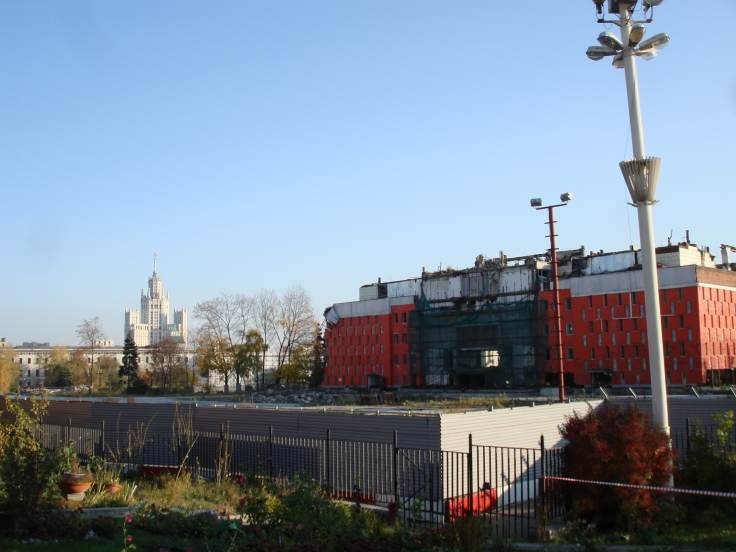
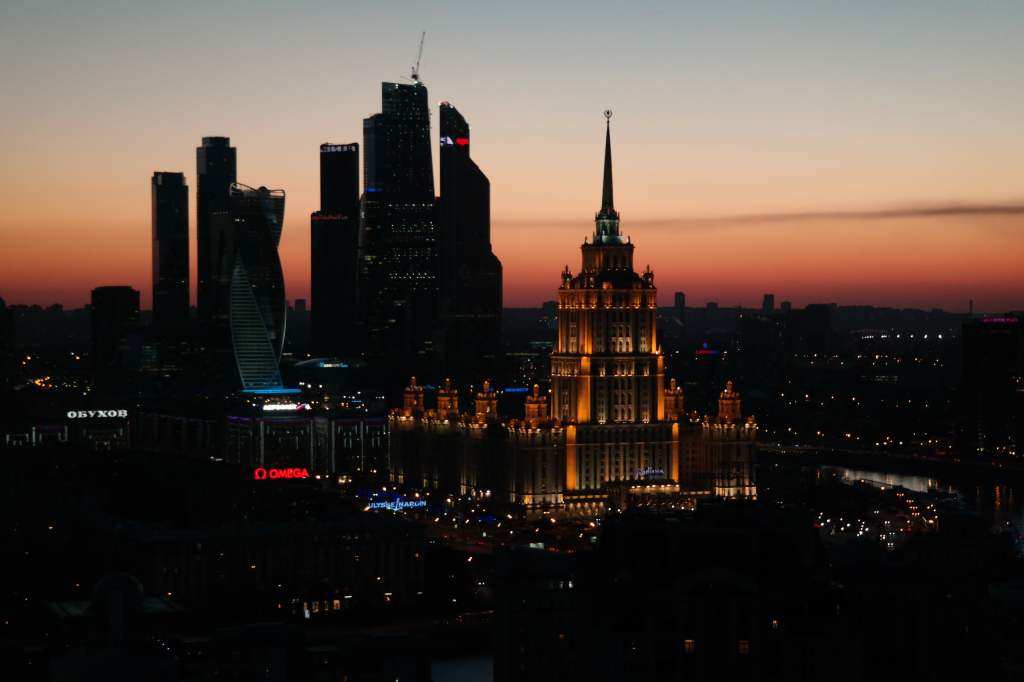
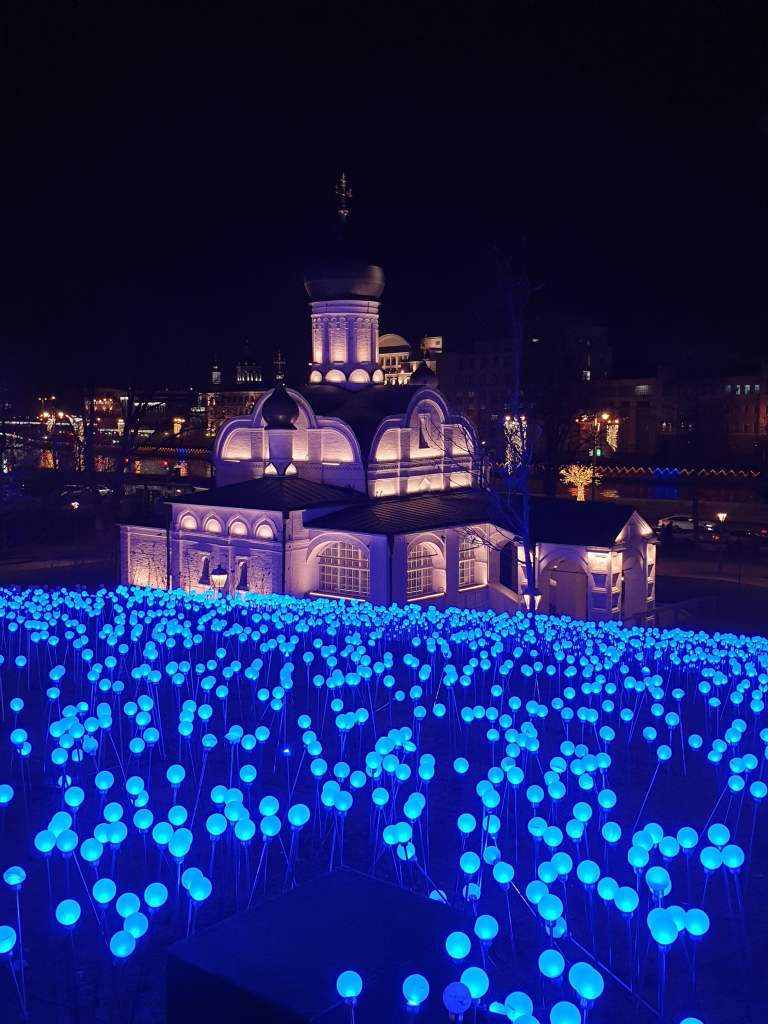
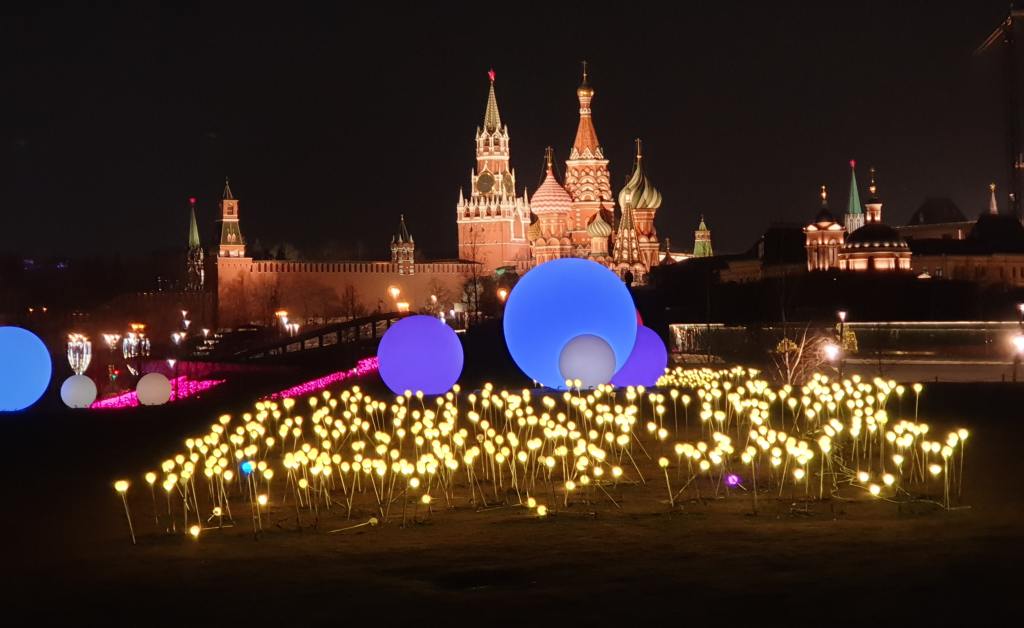
They were replaced by gardens, an artificial hill with views over the Kremlin, yet another concert venue, and a restaurant complex. It was a brilliant project, and shows what Russia is capable of when money is put to good use instead of disappearing into well-connected people’s pockets.
And the Stalin building you can see lurking behind the decaying hotel in my 2008 photo? That is still residential accommodation, but some of the units were now available for hire as really cool Airbnb stays. I booked one for my last trip to Moscow in 2021, with an incredible view of the city from my window.
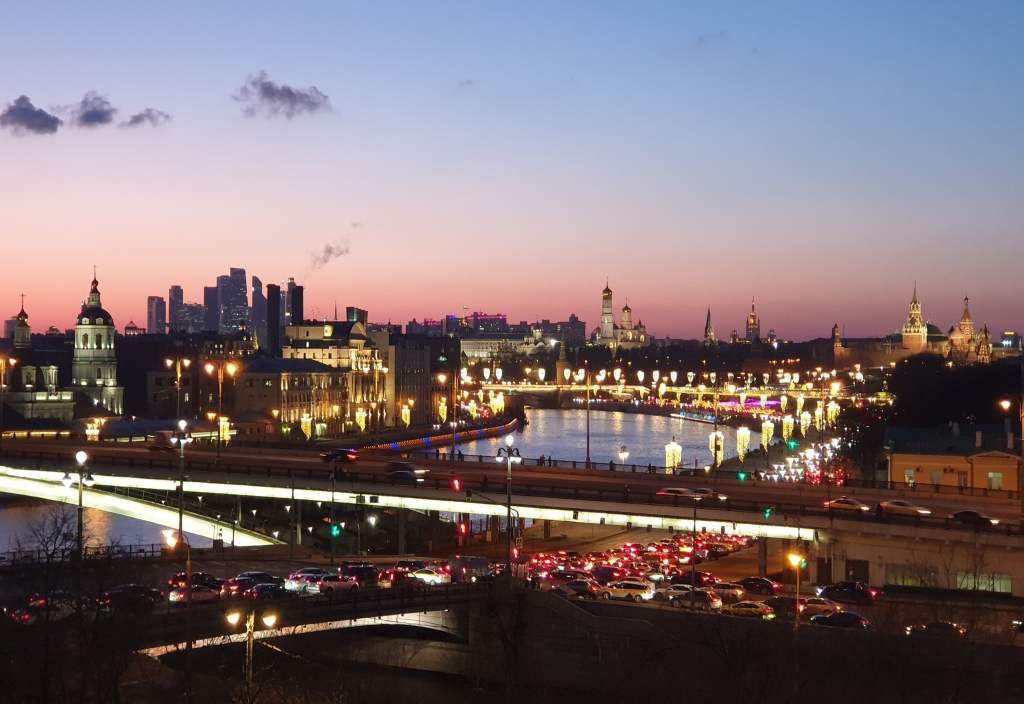
It was a wonderful way to say farewell to a city that I had seen transformed in just a few years. I left with a heavy heart, and am not sure when I will be back, but at least I have these photos, many happy memories, and many Moscow friends. My next post continues my journey around Russia, this time visiting the Caucasus near the border with Georgia.
Previous Post: Moscow 2008-2009
Next Post: The Russian Caucasus
 Trouspinet travels
Very nice report, one can feel that you do love that city and probably for the right reasons
LikeLike