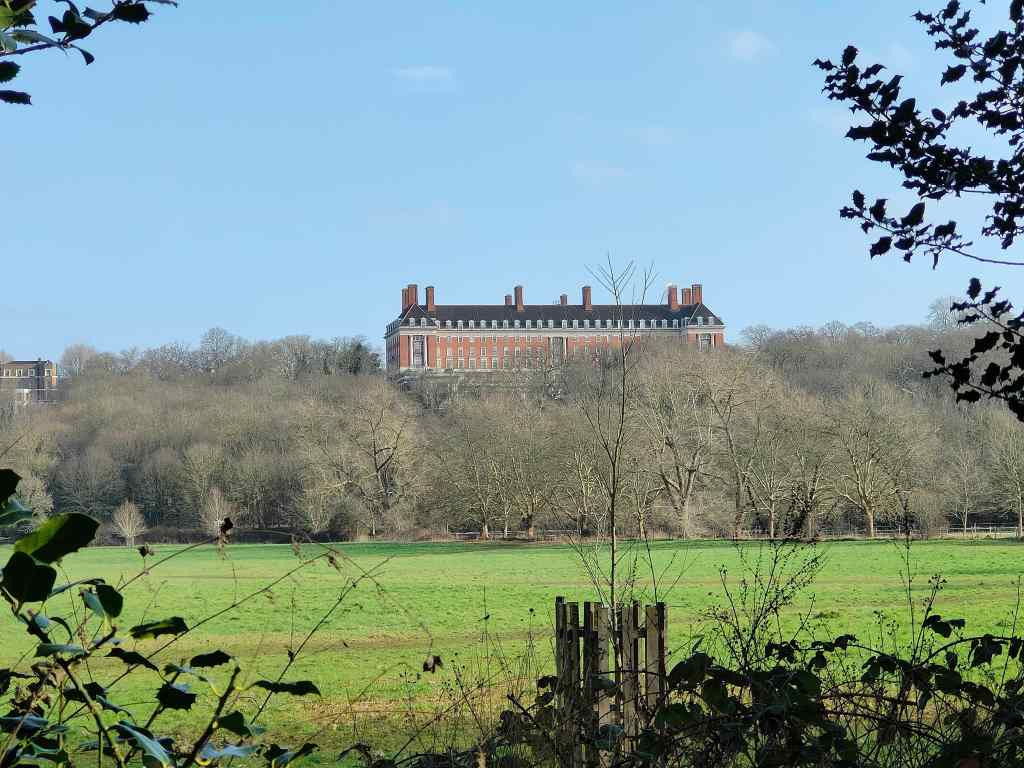
Today’s post is devoted to the stretch of the river Thames between Richmond and Twickenham. As you leave Richmond along the Thames tow path, there is a fine view across a lush green meadow to Richmond Hill, with the Star and Garter Hotel (covered in my previous post) sitting on top.
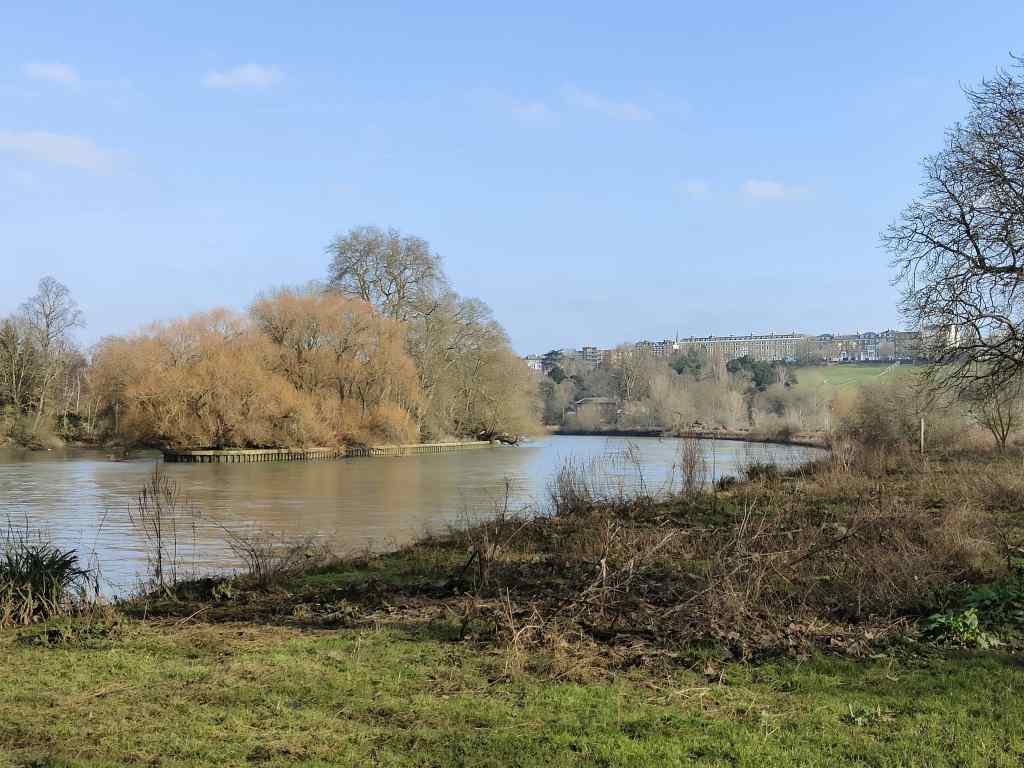
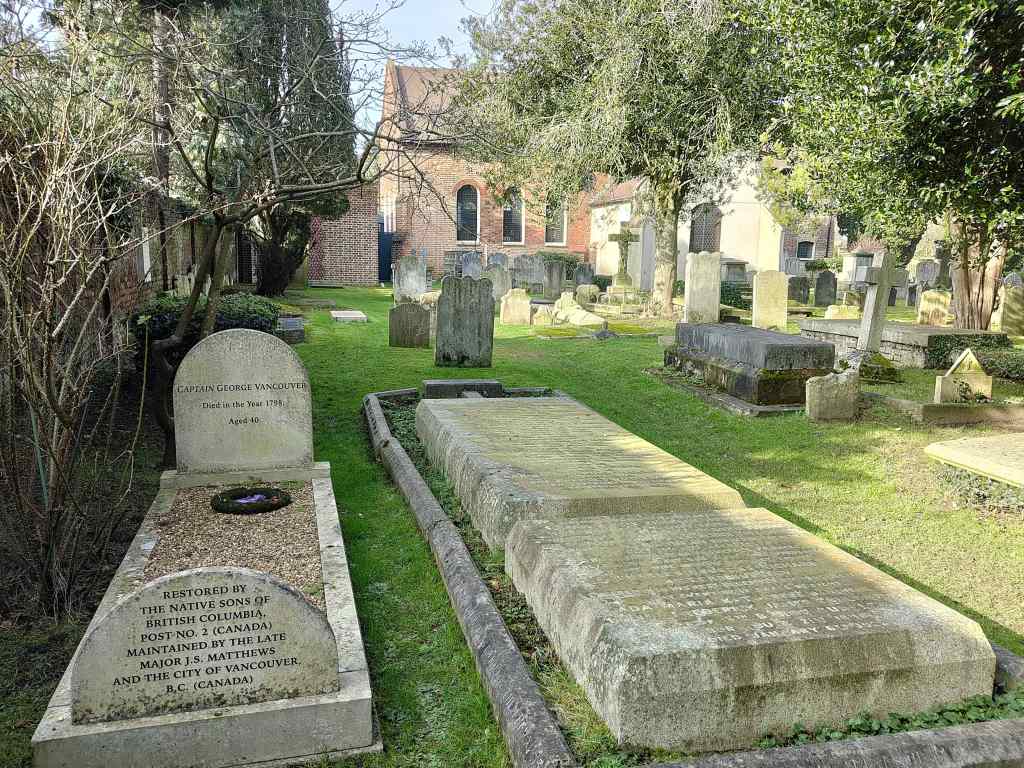
The tow path passes by the pretty little town of Petersham, whose little St Peter’s Church houses the grave of George Vancouver, the 18th century explorer who gave his name to the Canadian west coast city.
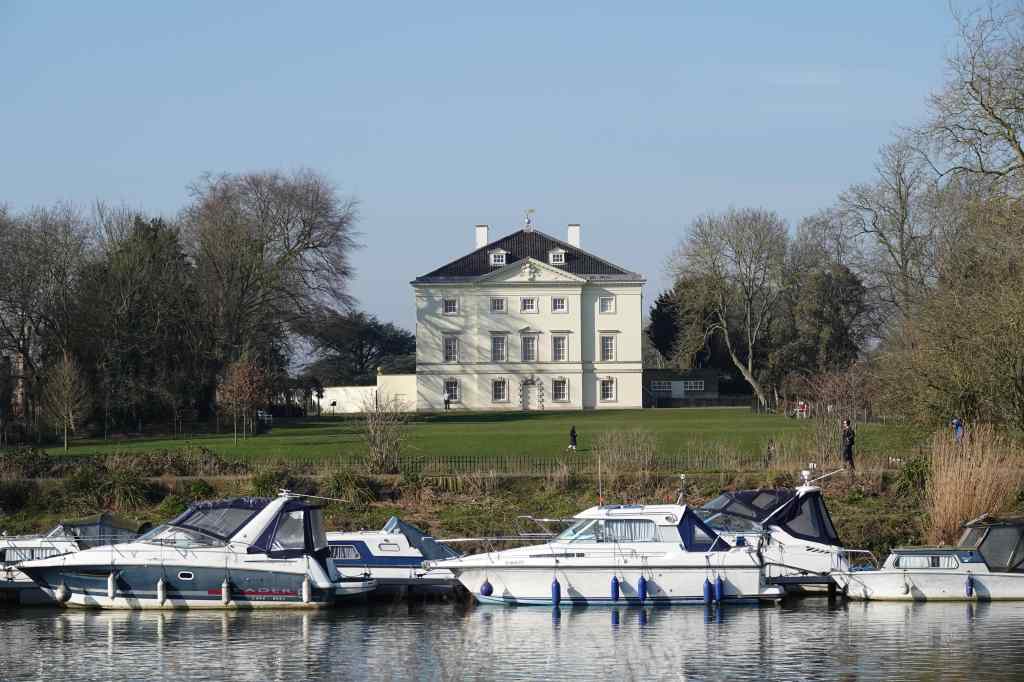
A little further along the river, on the Twickenham side, is Marble Hill House, built in the style of an Italian Palladian villa over 1724-1729 for Henrietta Howard, the mistress of King George II. Henrietta was an intelligent and charming woman, and her house became a centre for intellectual and political debate, with prominent visitors such as Jonathan Swift, Horace Walpole and Alexander Pope.
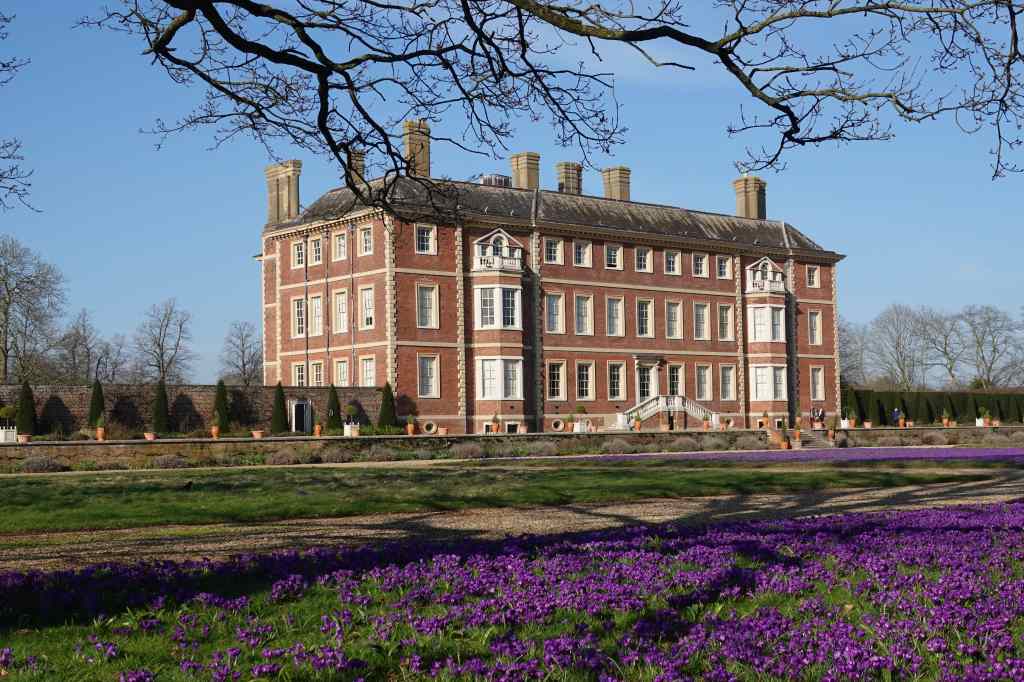
Continuing on along the Thames you reach Ham House, a magnificent Tudor mansion, first built in 1610 in the reign of Queen Elisabeth I and later expanded in the 1670s. The house became of the ancestral home of the Dysarts, a noble family periodically close to the royal family. In 1935, the ninth Earl of Dysart gave Ham House to the National Trust, and it remains in their care to this day.

On the river near Ham House is Hammerton’s Ferry. This was established in 1908 by the local resident Walter Hammerton, after a 1902 Act of Parliament gave the public access to the tow path running past Ham House. However, Hammerton’s right to provide the ferry service was challenged in court by the then Lord Dysart, who owned a competing ferry service further downriver. The case eventually ended up in the House of Lords, and was won by Hammerton, who continued to operate the service until 1947.
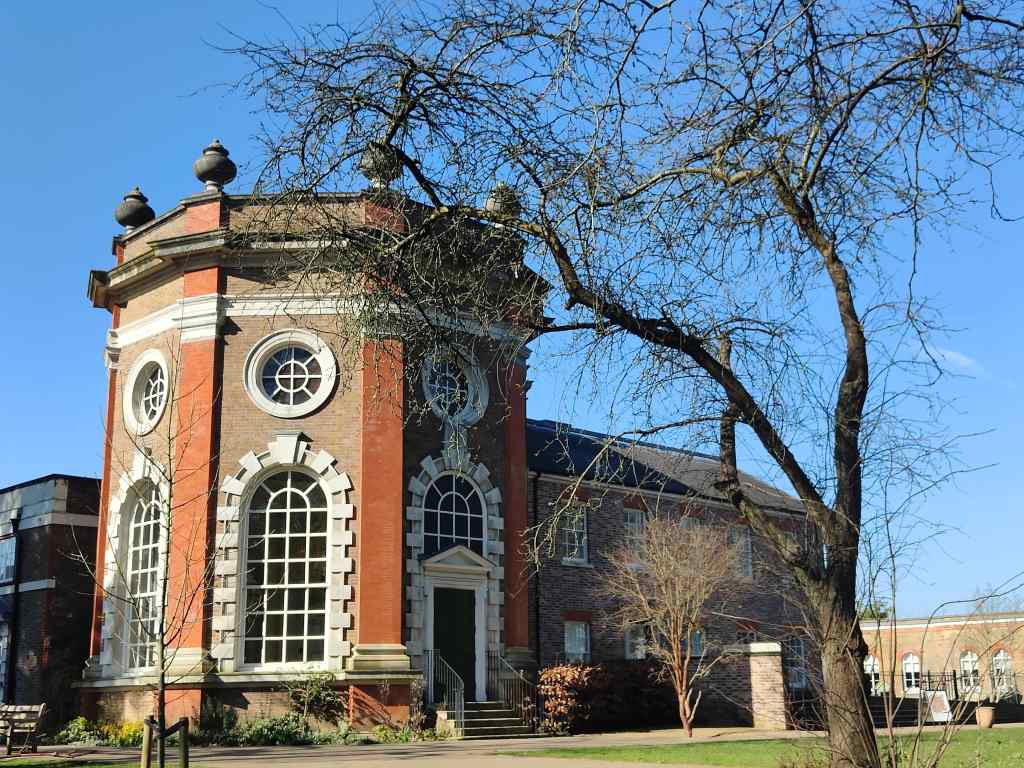
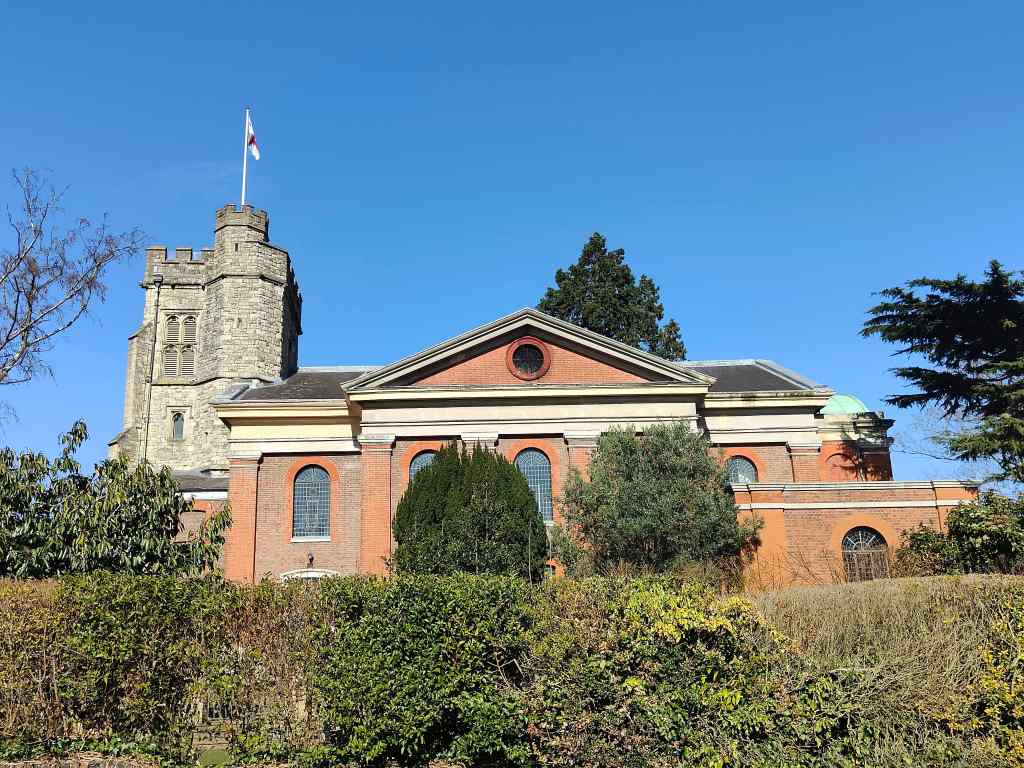
The ferry takes you over the river to Twickenham, where first you bump into Orleans House, a palladian villa built in 1730 which was later named after its most famous owner – Louis-Philippe, Duke of Orleans, who lived here in exile before returning to France to become king.
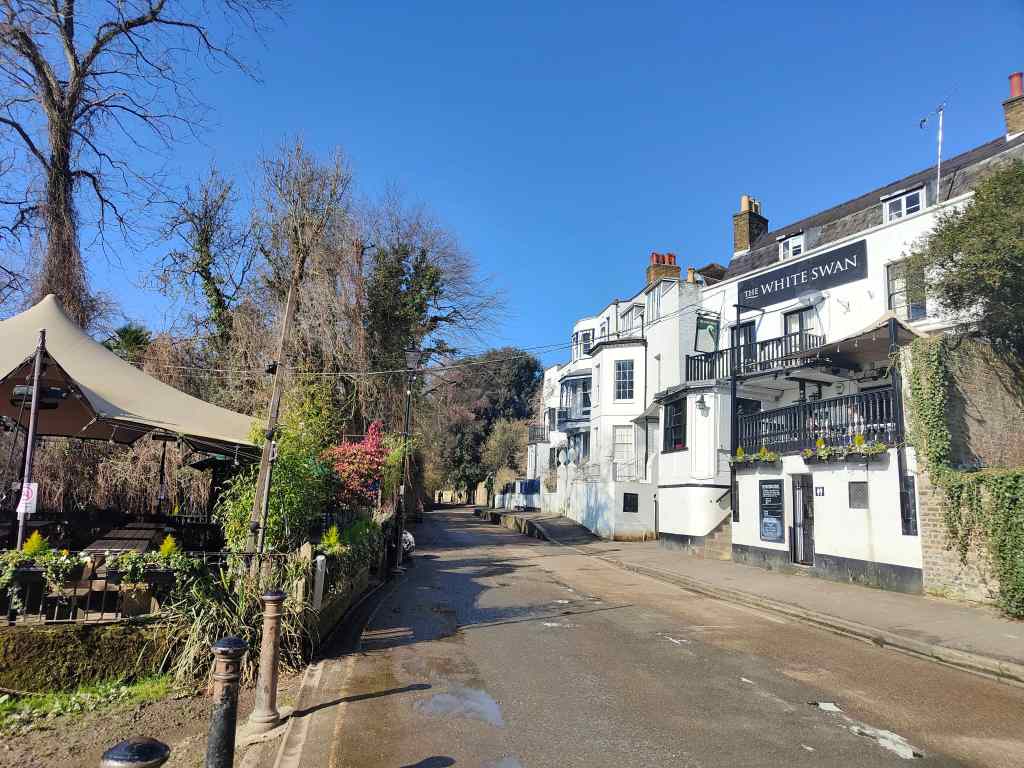
The road continues along the river past the popular White Swan pub…
… and then arrives at York House, a mansion first built in 1630. Over its nearly four hundred years existence, it has had many noteworthy owners – including Count Philippe of Paris (a descendant of Louis Philippe and pretender to the French throne) and the Indian industrialist Sir Ratan Tata. In 1923 the house was bought by the local council and turned into offices, and to this day it remains the headquarters of the London Borough of Richmond on Thames. The inside is not open to visitors, but its pretty gardens are, with this striking water feature.

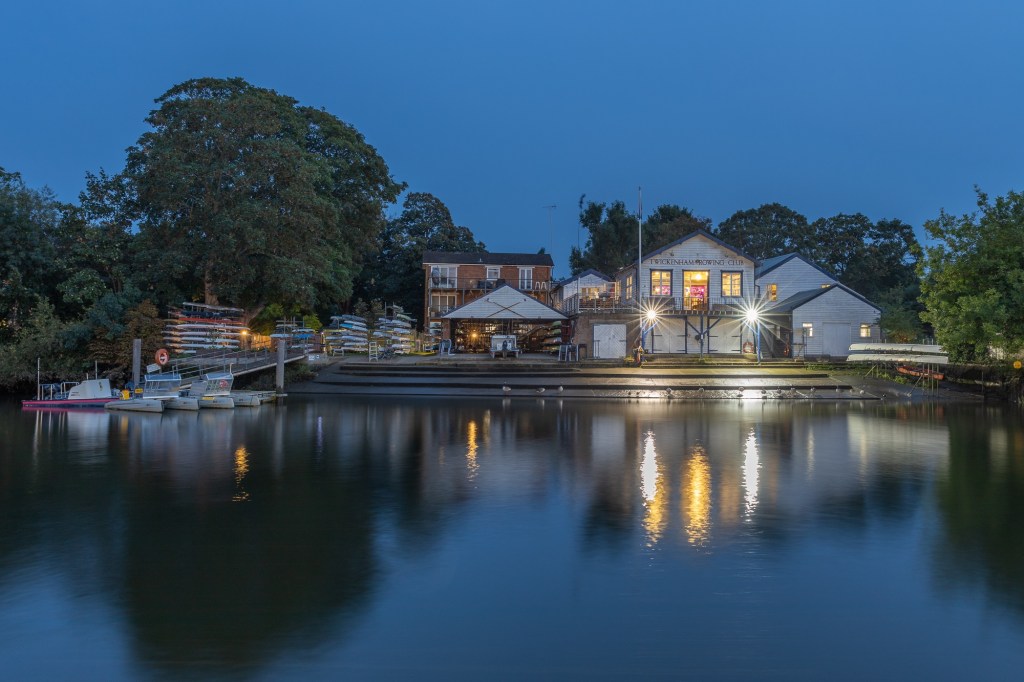
After York House you reach Twickenham riverside, a popular place on summer evenings for drinkers in the local pubs or rowers and paddleboarders out on the River Thames.
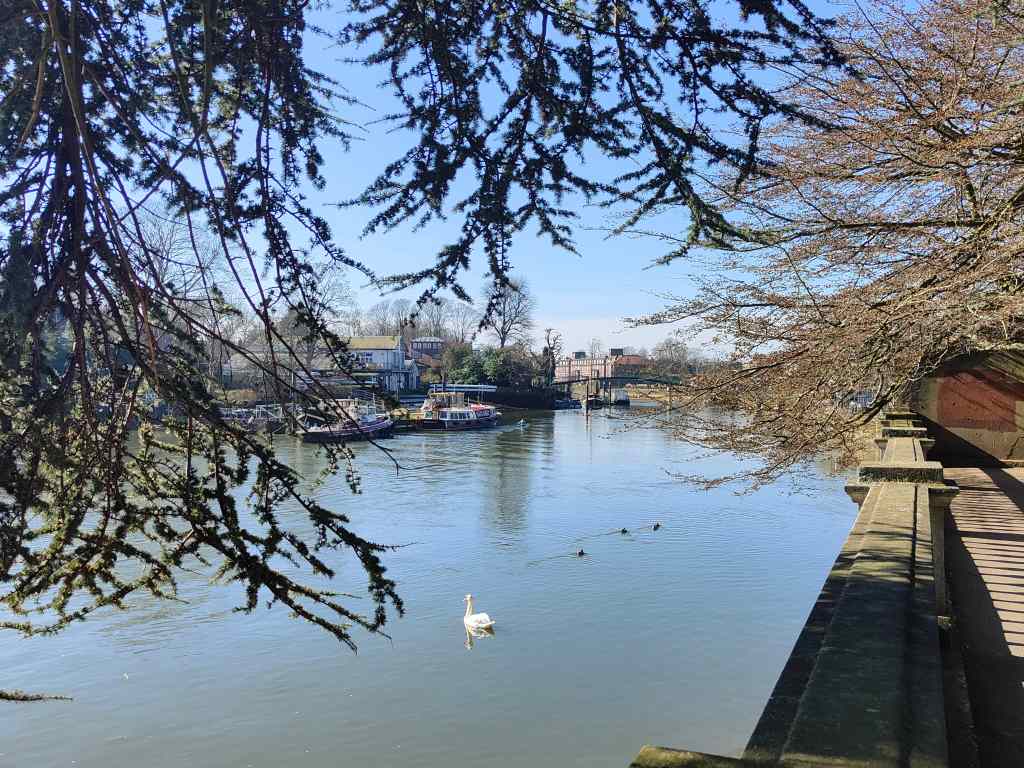
A small pedestrian bridge leads across the river to Eel Pie Island, one of London’s quirkiest places with an amazing musical history. The island was initially a stop for people making boat trips along the Thames, and from 1743 had a tavern…that may have served eel pies. In 1830, the Eel Pie Island Hotel was built and in 1898 a ballroom was added, serving an elegant clientele until the 1930s. The hotel then went into decline but in the 1950s found a new vocation as a venue for jazz concerts, which in the 1960s turned into rock concerts. An amazing roster of then unknown, but now famous, artists performed there including the Rolling Stones, Yardbirds, Rod Stewart, Jeff Beck, David Bowie, Pink Floyd, Genesis, the Who and Deep Purple. Although the concerts were very successful, the owners did not maintain the venue and it fell into disrepair, causing the local council to revoke its licence. The hotel later burned down, and the land was used to build houses.
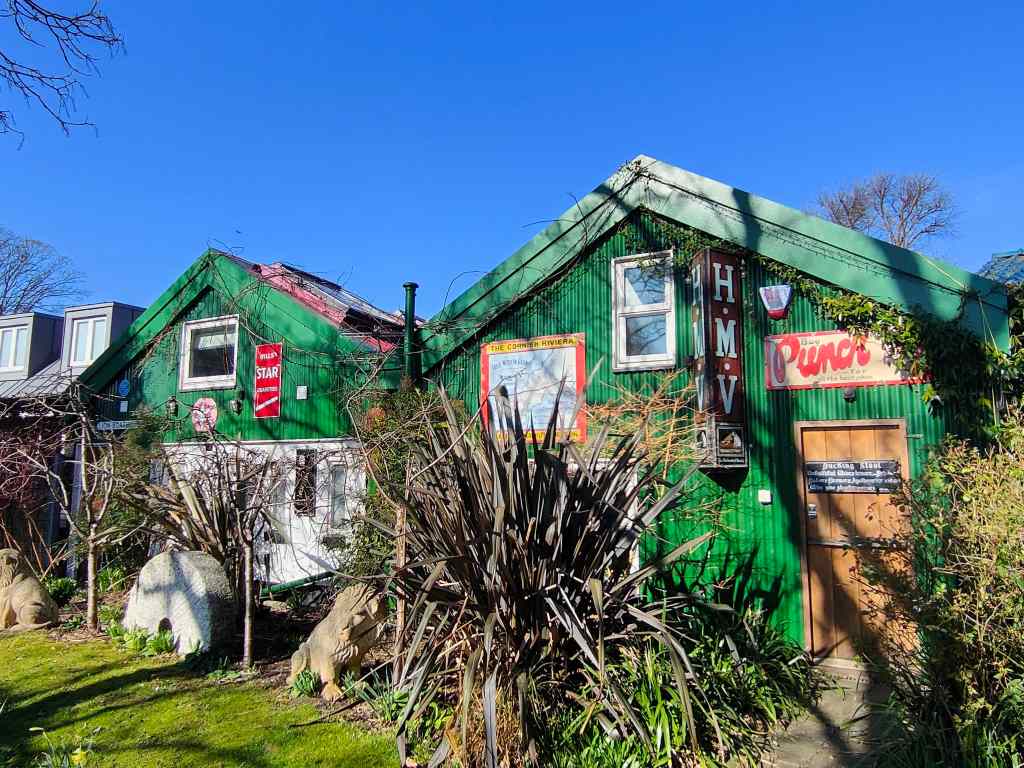
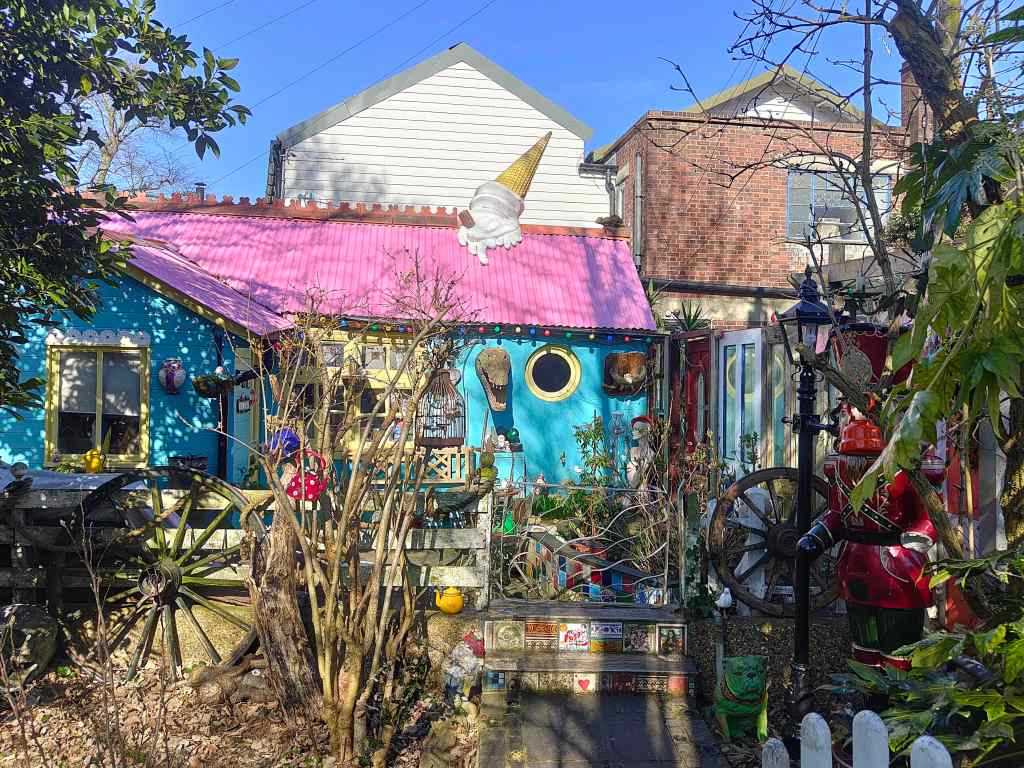
Today Eel Pie Island is an eclectic mix of artists’ studios, houses, rowing and yachting clubs, and boat repair workshops – all still accessed by the pedestrians-only bridge.

That’s it for this post. My next post will cover another interesting place near Richmond, Kew Gardens.
Previous Post: Richmond Park
 Trouspinet travels
Good blog, informative and well illustrated. 👏, Stuart!
LikeLike
Thanks Colette!
LikeLike