The bear is back! – not on the road this time, but at home. It has been a while since my last trip (Japan) and my next trip (New Zealand) is still over a month away, so instead I will do a few posts about my home – Richmond on Thames. Though technically part of Greater London, Richmond retains the feel of a separate country town, and it is often difficult to imagine you are in one of the world’s greatest cities.
Most foreigners probably won’t know Richmond unless they are fans of the Ted Lasso TV series – which is something of a blessing since it doesn’t get central London’s tourist crowds. Londoners know its riverside as a nightlife hub, its park, and that it often comes top in polls of the best or happiest place to live in London (or even the UK). Does it live up to this hype? Let’s see.

A visitor from London will arrive at the train station (first built in 1846). Initial impressions are disappointing – Richmond’s main street, the Quadrant, looks rather scruffy. It suffered badly during Covid and its retailers continue to struggle against Amazon. Surprisingly this unpromising area contains a piece of remarkable rock music history. Directly opposite the station is 1 Kew Road, which is now a modern bar but used to be the Crawdaddy club where a then-unknown group called the Rolling Stones played some of their first gigs. On one memorable evening The Beatles, who were already famous and had been shooting a film nearby, popped in to see their up-and-coming rivals.
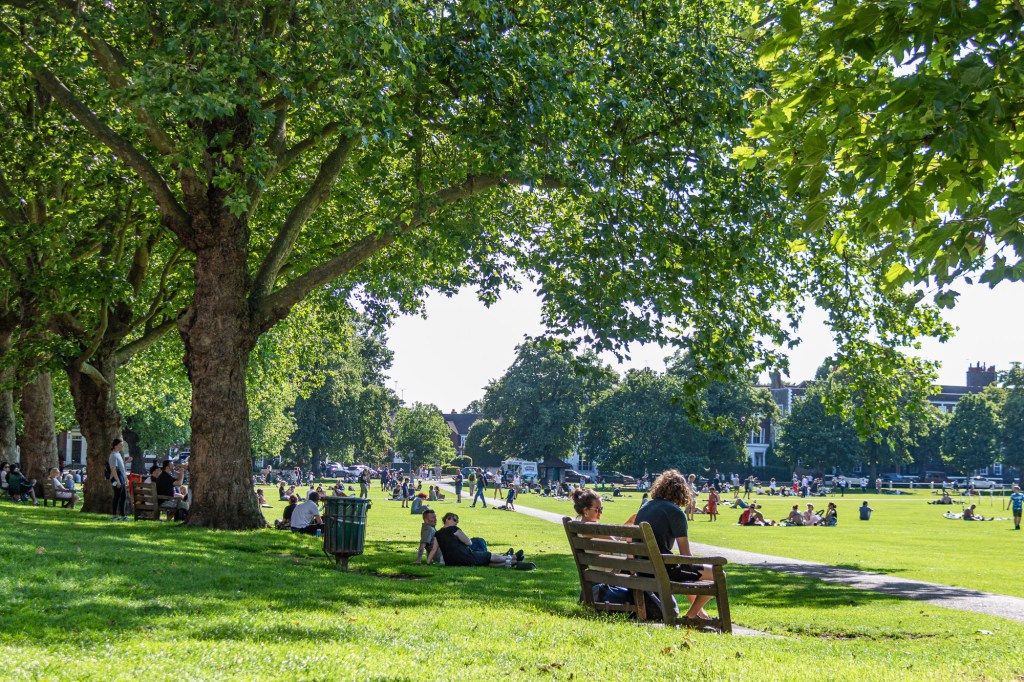
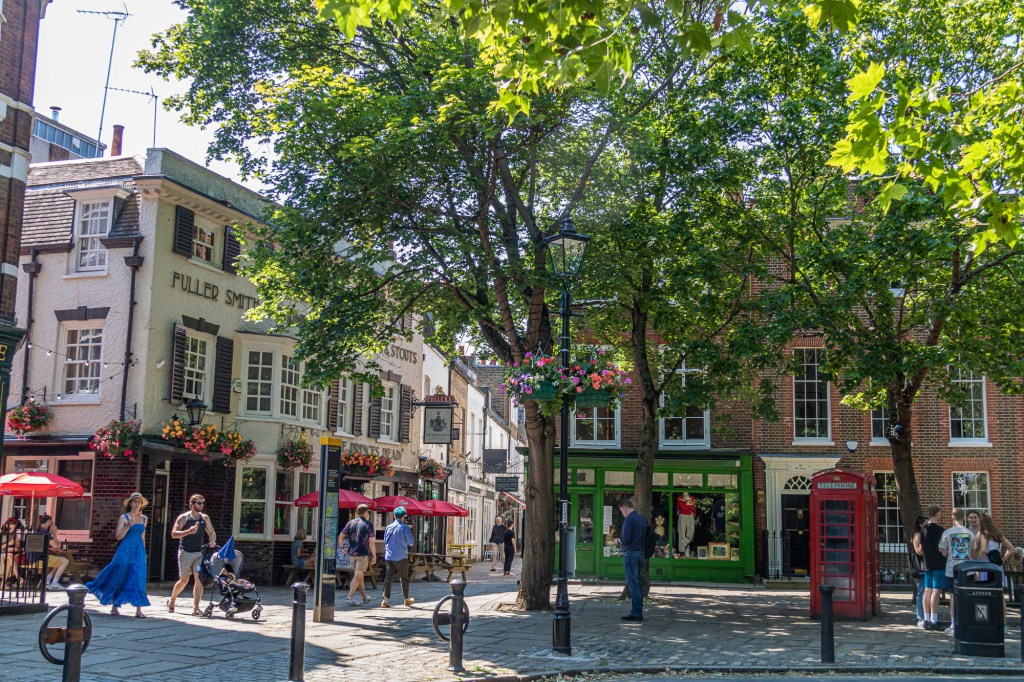
From the station, people’s first stop is usually Richmond Green, a pleasant expanse of grass where people still play cricket on summer weekends. It is lined with stylish houses and some good pubs. Leading off from the Green are several small passages with many trendy shops – including the Ted Lasso shop.
Heading towards the river from the Green you find the place where the town of Richmond started. Here there was a royal residence called Sheen Manor where many medieval kings stayed, starting with Richard II in the 14th century. The name Richmond arose when the manor burnt down and over 1497 to 1501 King Henry VII built a palace over its ruins. He named it after his eponymous earldom in Yorkshire (where today there is also a town called Richmond). His son and successor Henry VIII spent less time there, preferring nearby Hampton Court, but a few years later, Richmond Palace became a favourite residence of the great queen Elisabeth, who died there in 1603. The next king to appreciate Richmond was Charles I, but after he lost the English Civil War and was executed, Oliver Cromwell had the palace destroyed and it was never rebuilt. Richmond never regained its royal connections and returned to being a sleepy agricultural village near London. Today all that remains of the palace are fragments incorporated into smart buildings of the 18th and 19th century, when Richmond again become a popular place for rich people to live.
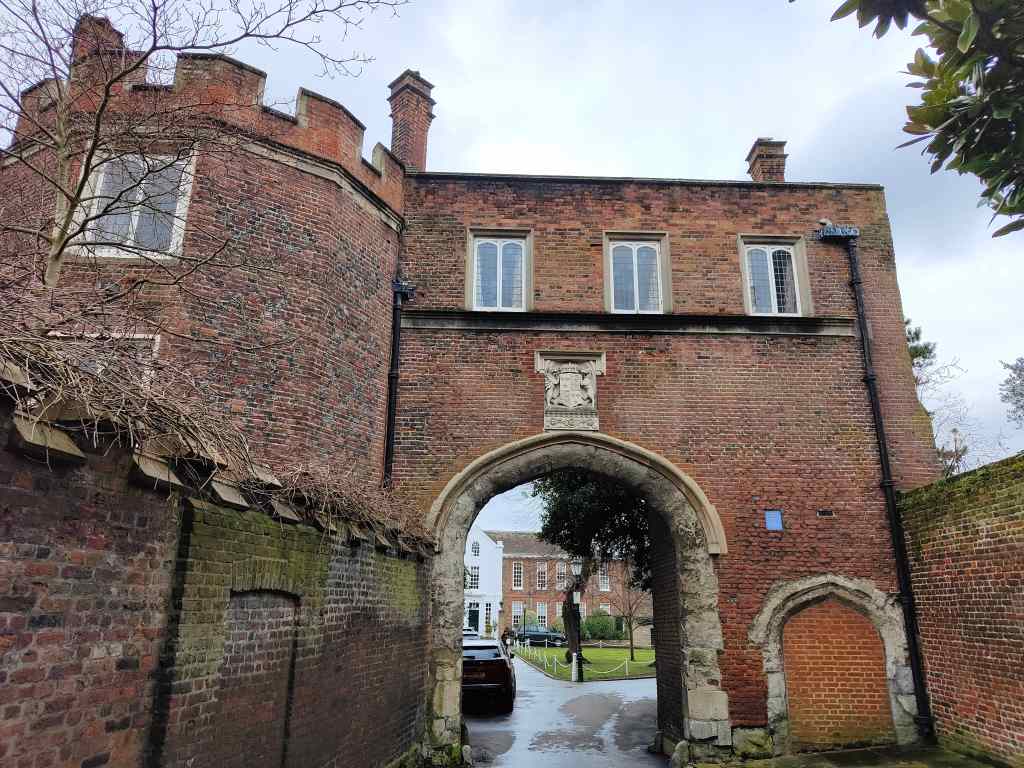
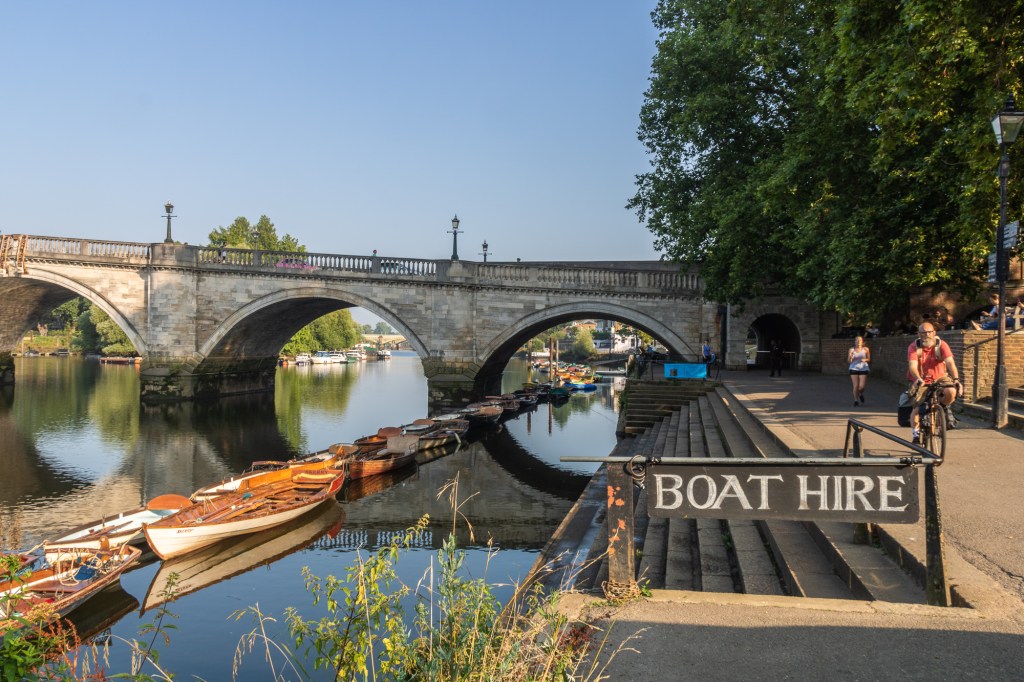
Walking past the elegant buildings that have now replaced the old royal palace you reach the river, with its bars, pubs and boat hire places. On summer days the area is a magnet for people from all over London to visit on a day out.

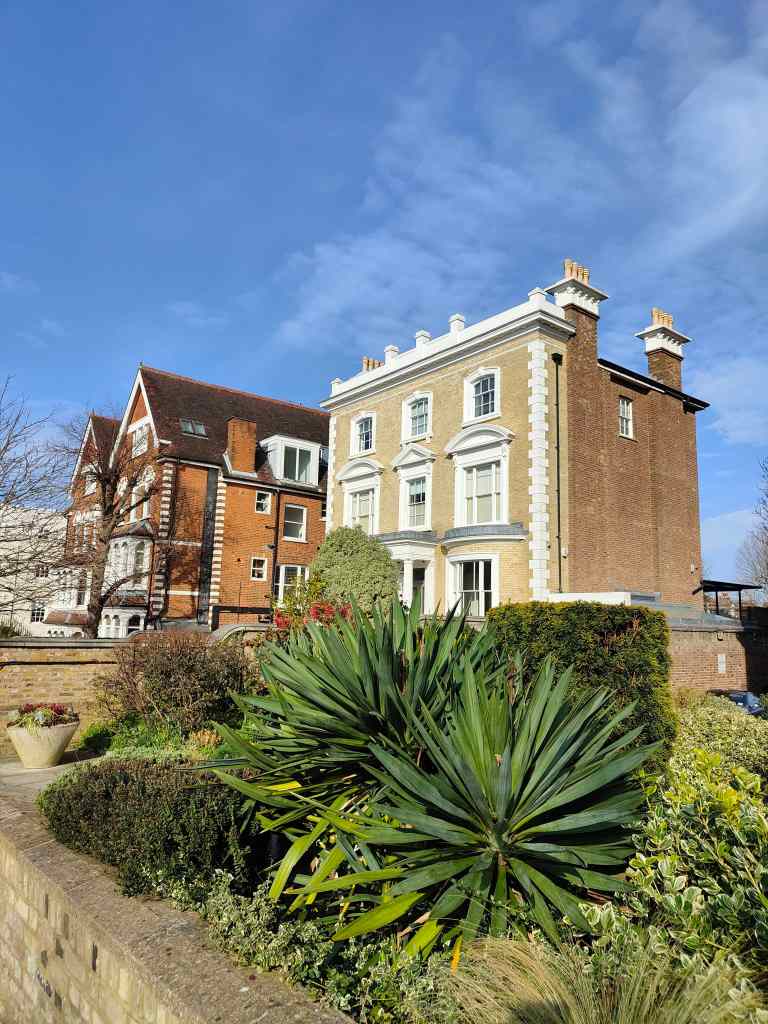
Heading up from the river is one of Richmond’s fanciest roads – Richmond Hill, whose houses mostly date from Georgian times.
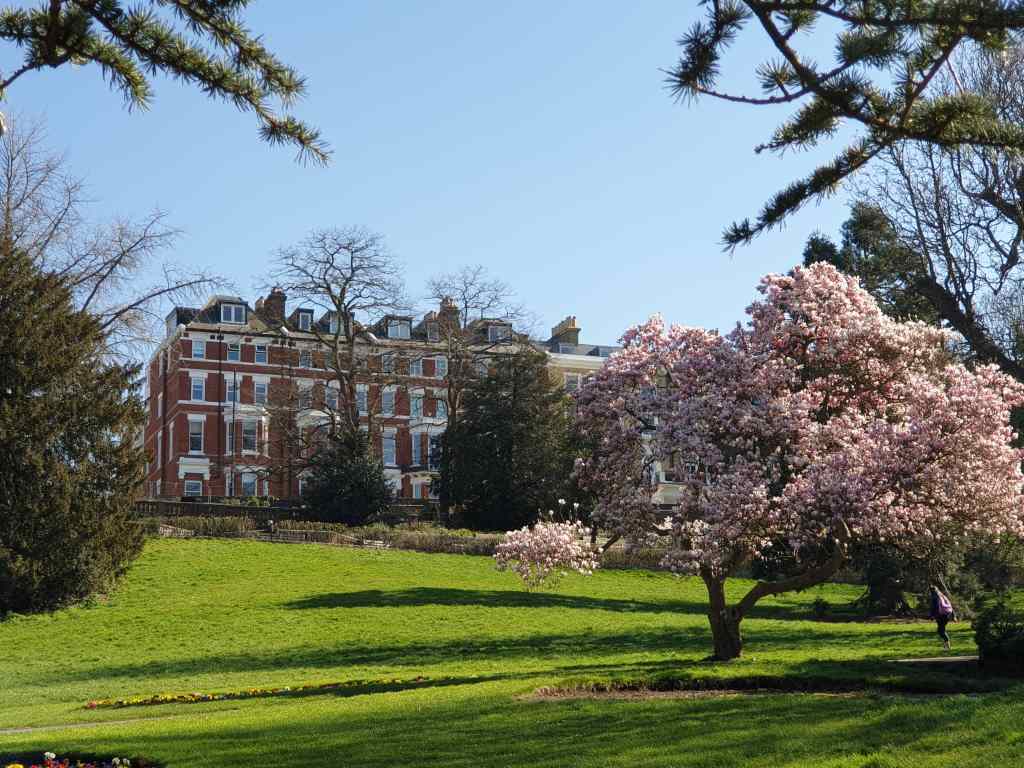
Just before the top of the hill are the pretty Terrace Gardens, that stretch down to the river Thames.
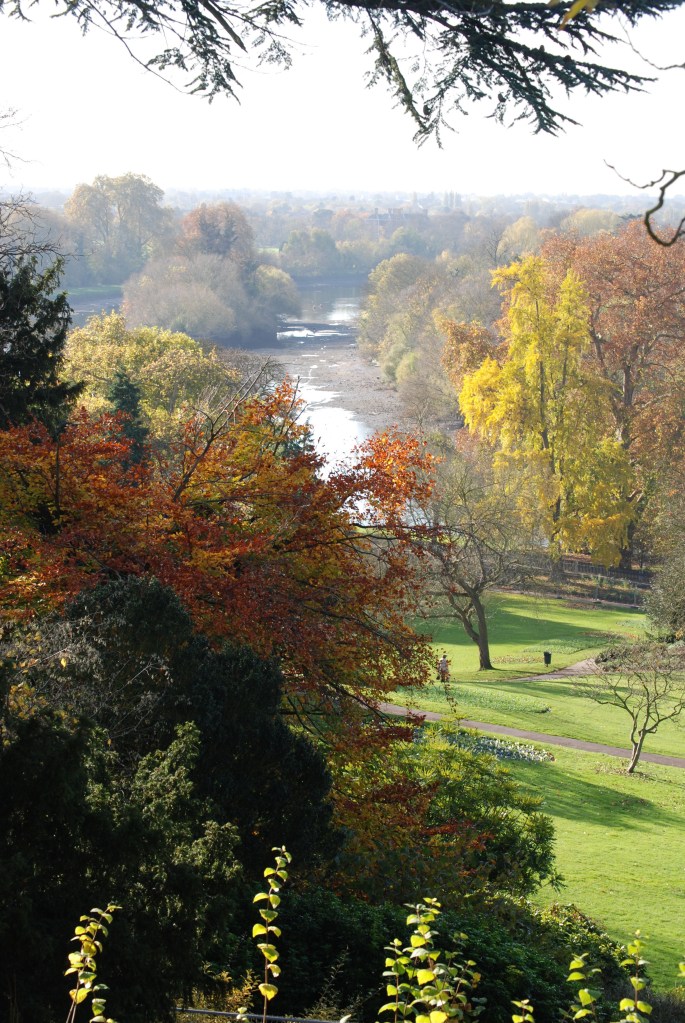
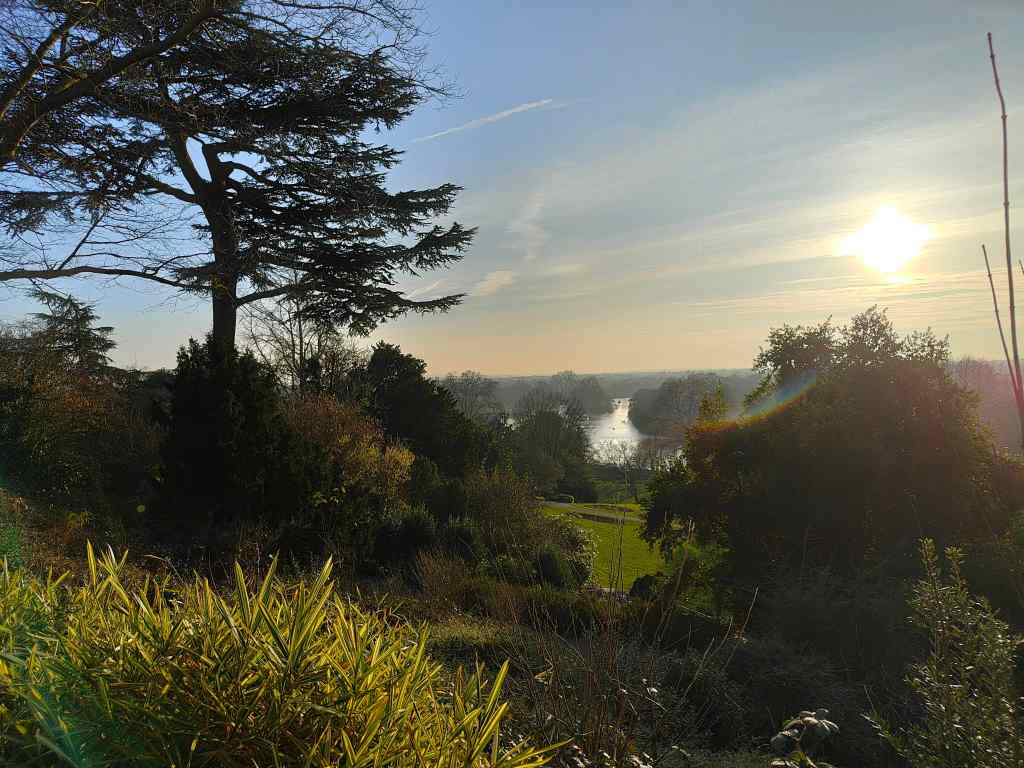
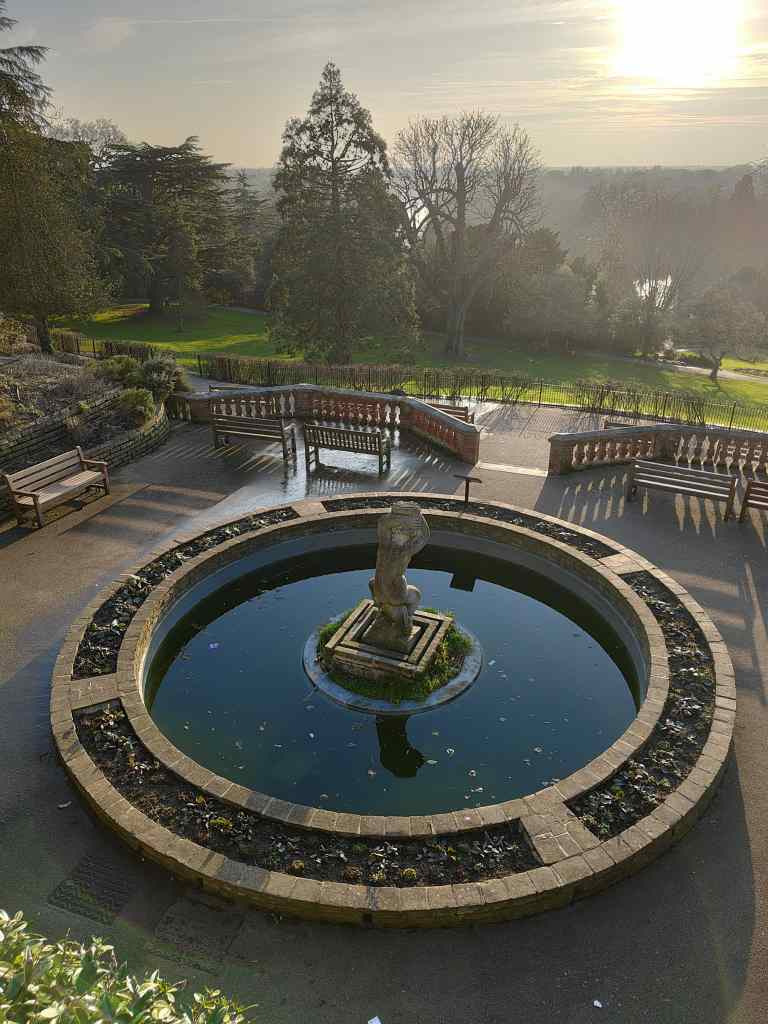
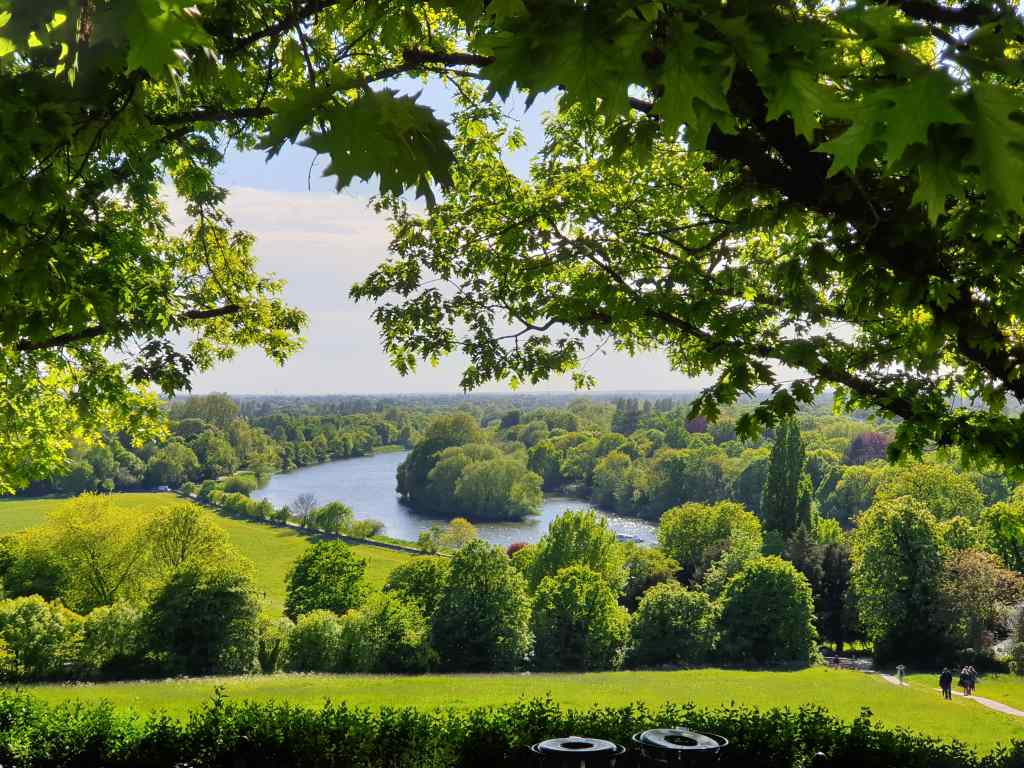
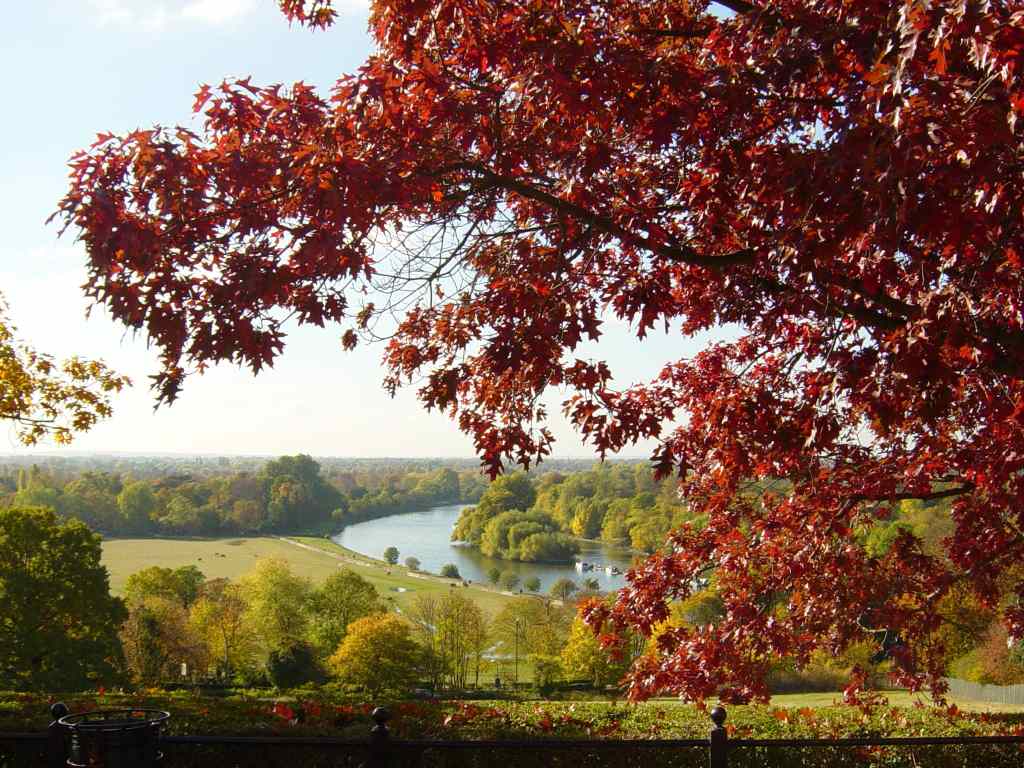
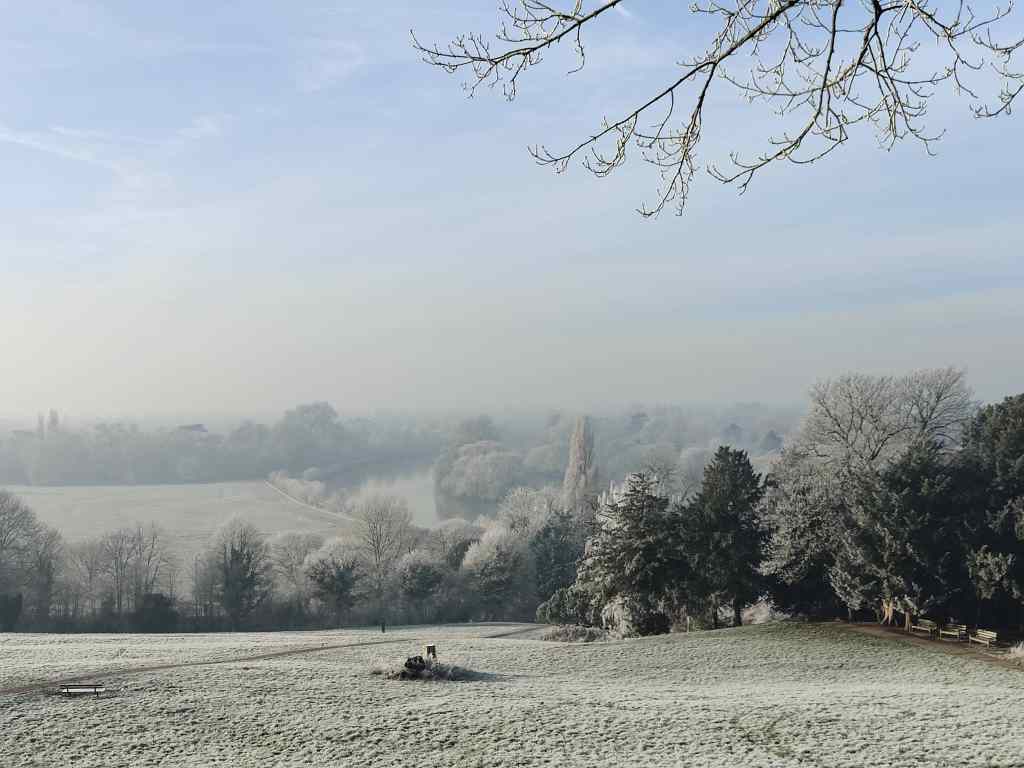
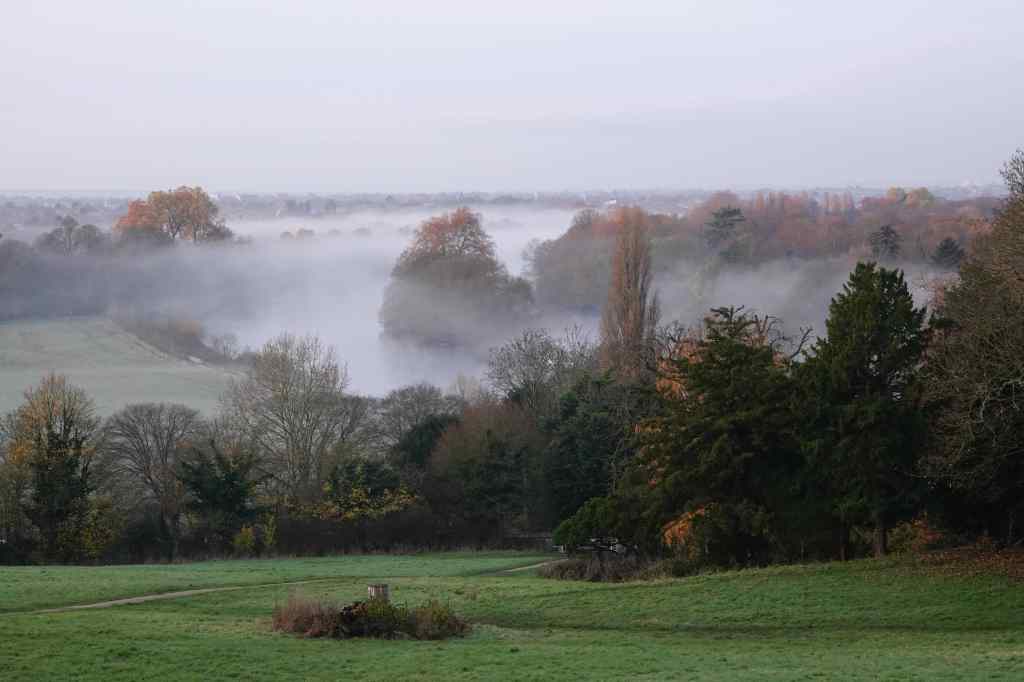
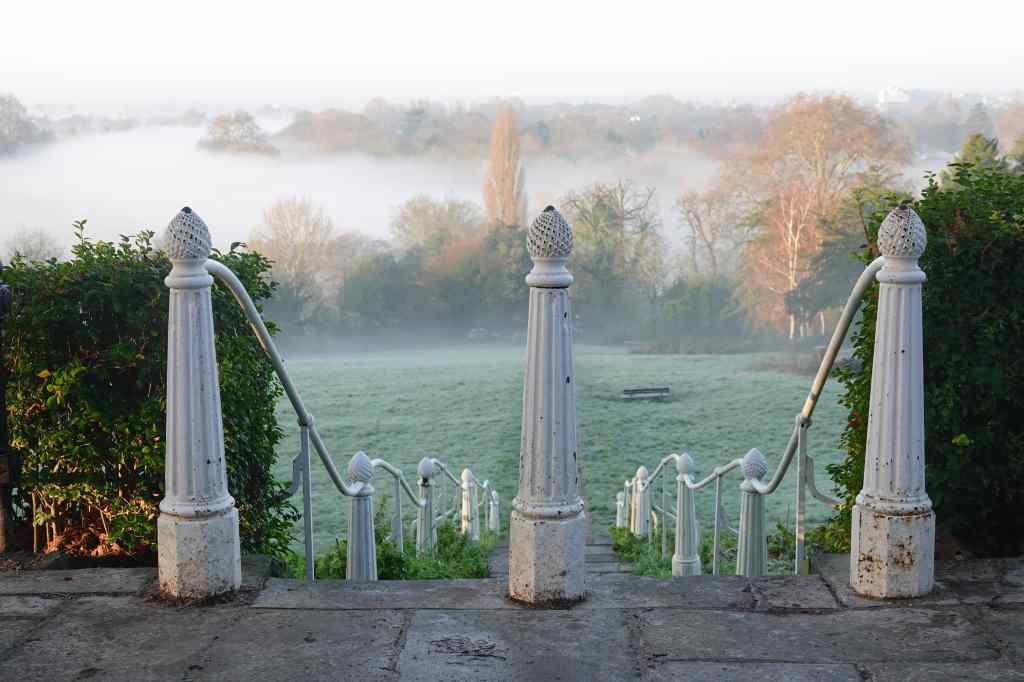
At the top of the hill there is the Terrace, a path that offers a view over the River Thames, which has been painted by many artists – most famously by Turner. For some reason this view is protected by its own act of parliament. The forests continue as far as the eye can see, and were particularly stunning during the UK’s Covid lockdown, when the pure air made the different shades of green that much brighter. For me the view is endlessly photogenic, and I keep coming back to take more photos at all times of the year…
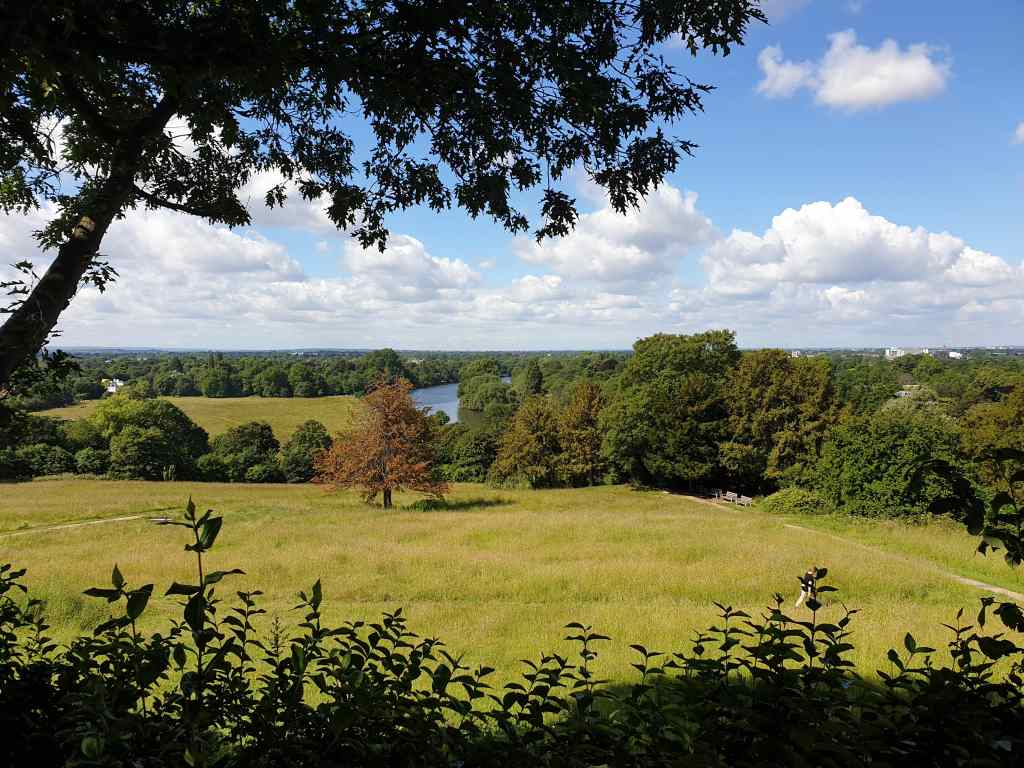
As would be expected, the top of the hill has some of Richmond’s most spectacular houses. Downe House dates from 1780 and has been occupied by playwright Richard Brinsley Sheridan…and more recently Mick Jagger and Jerry Hall.
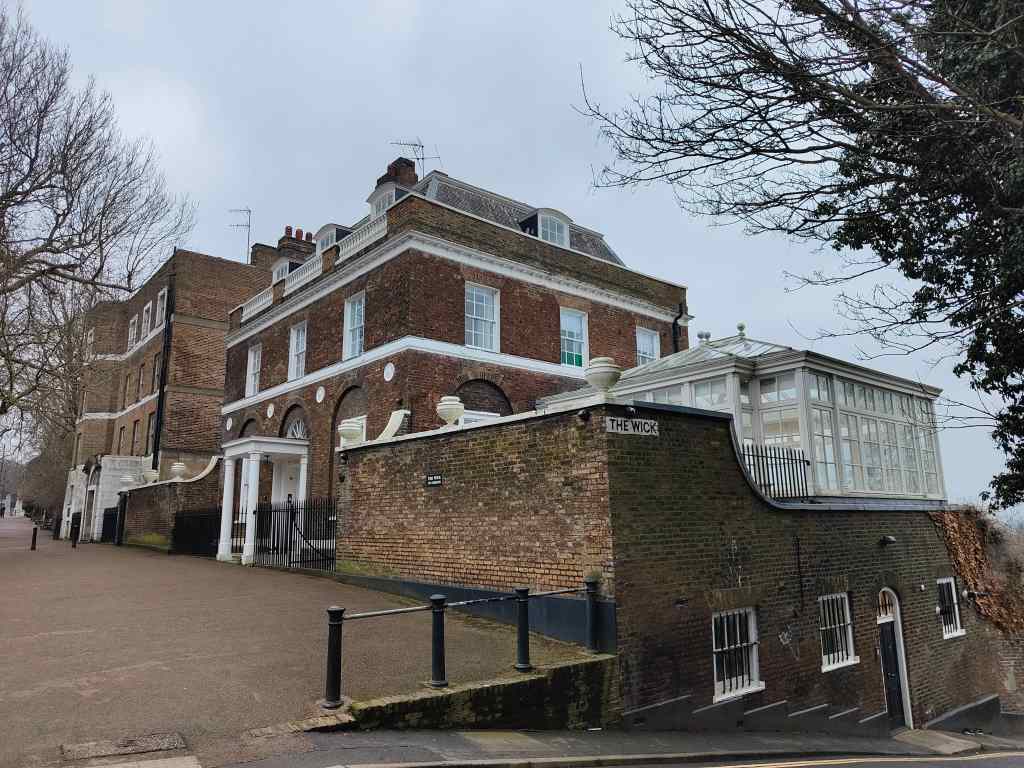
Further along the Terrace is The Wick, another magnificent Georgian house with rock-star connections. It was owned by Ronnie Wood of the Rolling Stones, has its own sound studio, and was where the hit single “It’s only Rock and Roll but I like it” was recorded with David Bowie singing backing vocals. It was bought from Wood by another rock star, Pete Townshend of the Who.
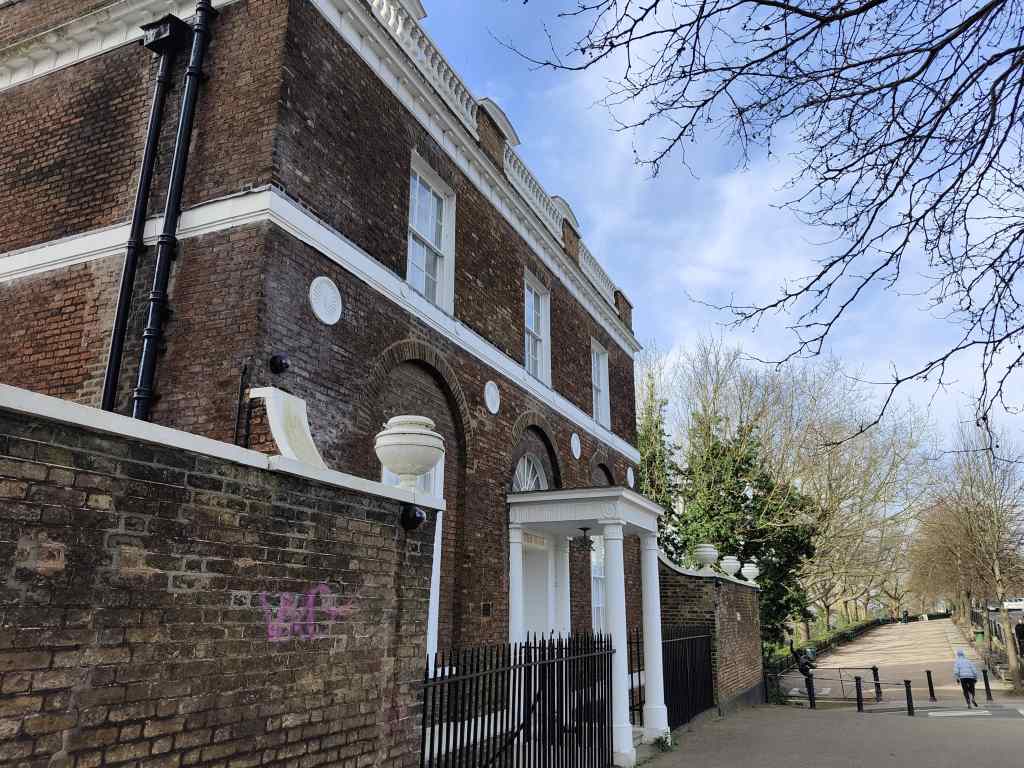
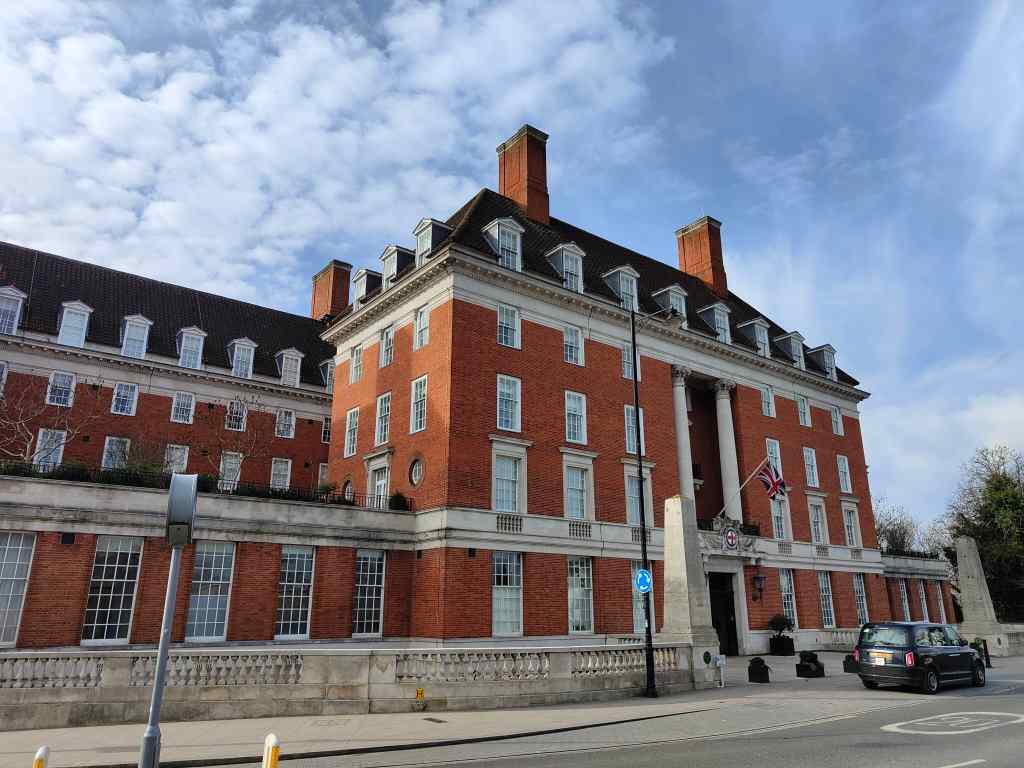
Finally, at the very end of the Terrace is the huge Star and Garter House, built in 1921 as a home for disabled war veterans but later sold and converted to luxury apartments. The Star and Garter sits at one of the six gates into Richmond Park, which will be the subject of a future post.
So – is Richmond the happiest place to live in the UK? I don’t have so much experience of the rest of the UK but certainly I think it is the best place in London. It is really pretty, with a village-like atmosphere, but also remains close to central London on the train or tube. It has lots of pubs, restaurants, and even two cinemas and two theatres. The people you meet here seem more relaxed than in other parts of the capital, and smile and say hello to strangers. They are also look slimmer and fitter than most other places – probably because there is a limitless scope for exercise here (running or cycling around Richmond Park, paddle boarding or rowing on the Thames).
Many thanks to my friend Colette Hewitt for some of the photos in this blog – check out her site on this link to see more of her work.
Next Post: Richmond Park
 Trouspinet travels
So many thanks dear Trouspinet. It is a super idea to offer your beautiful village to show how much that place is unic. A am waiting for your next comments. Kika
LikeLike