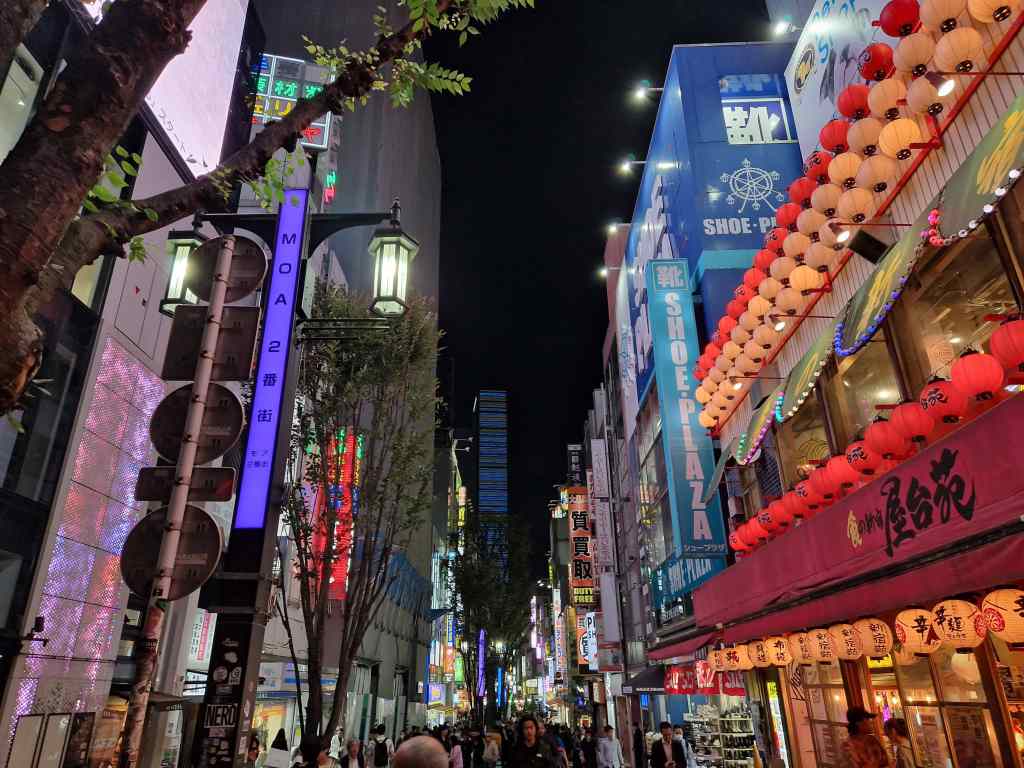
The bear is back! This trip is to a new destination for me, which has recently become very popular – Japan. As most bears do, my entry point was Tokyo. I chose to stay in an Airbnb flat in Shinjuku, a resolutely modern part of the city famous for its nightclub and skyscrapers.
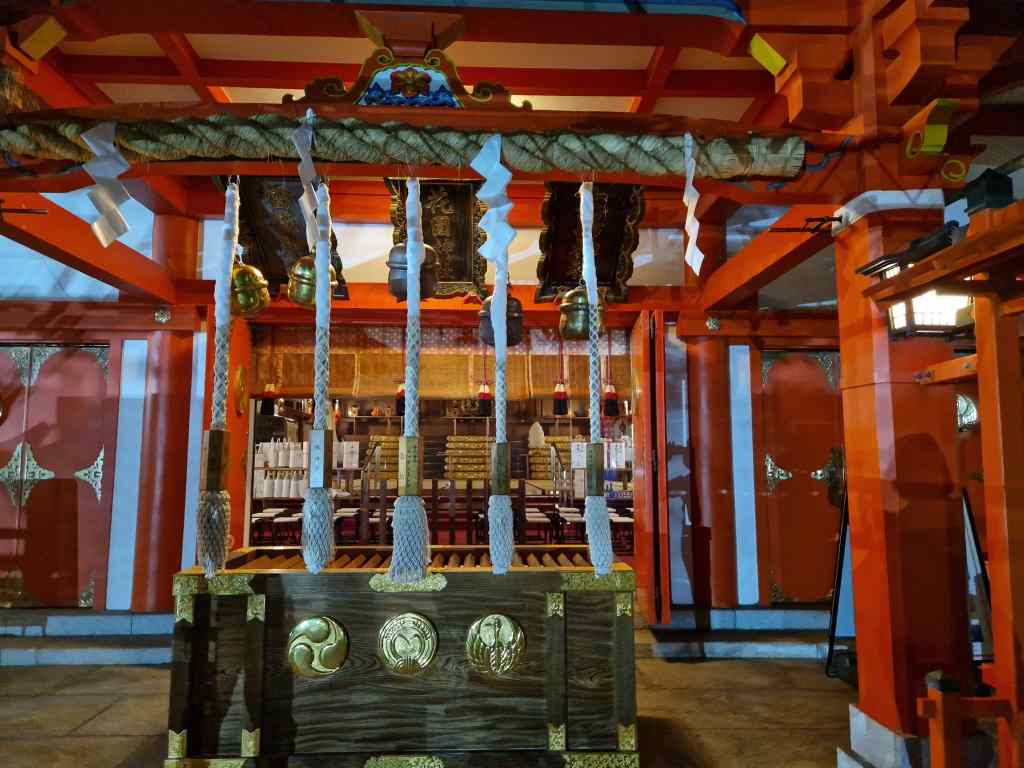
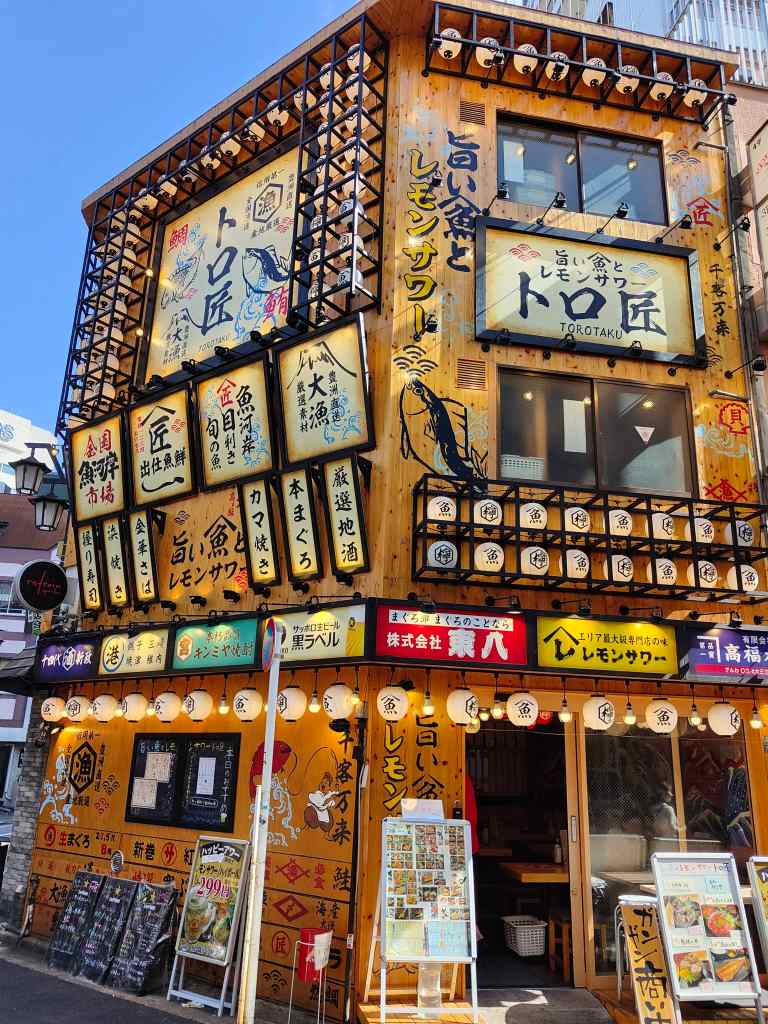
I spent my first night quietly and set out mid-morning the next day to explore. My Airbnb was in one of the few low-rise parts of Shinjuku where people actually live, and had narrow lanes, small houses, and a few scattered restaurants and convenience shops (including the ubiquitous 7-11). I stumbled across a small temple and then many small pedestrianised streets lined with restaurants.
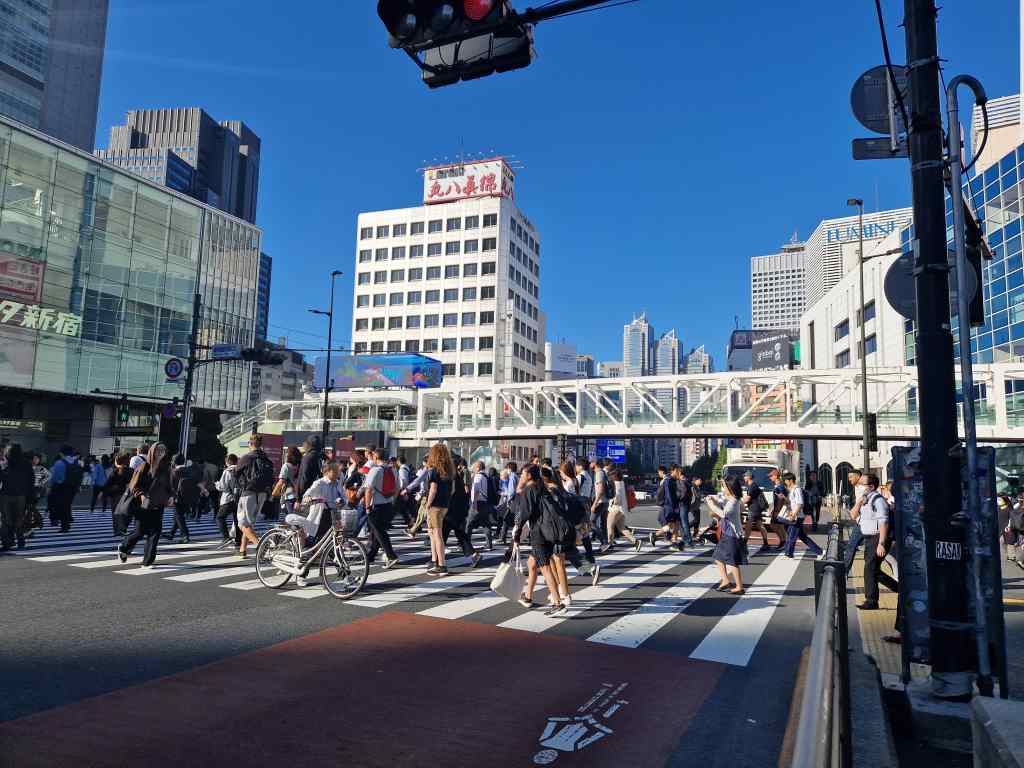
It was unusually quiet, with few people on the streets, until I reached Shinjuku station – the world’s busiest, seeing four million passengers pass through on a weekday. Despite the mass of humanity thronging around the station, the area was clean, tidy and orderly with people waiting patiently at the pedestrian crossings for the lights to turn green – not at all like the big stations in my hometown London. I stopped by at the Japan Rail (JR) ticket office to buy tickets for tomorrow’s destination, the town of Nikko.
To the west of the station was a business district with many skyscrapers. Two of the most distinctive buildings in the area are the twin towers of the headquarters of the Tokyo Metropolitan government. They stand 243m tall and their observation platforms (202 metres up) offer brilliant views over the city, which I spent half an hour enjoying. They say that on a clear day you can see Mount Fuji from the top, but on my visit, the famous volcano was covered by clouds – I was to find out that this is often the case.


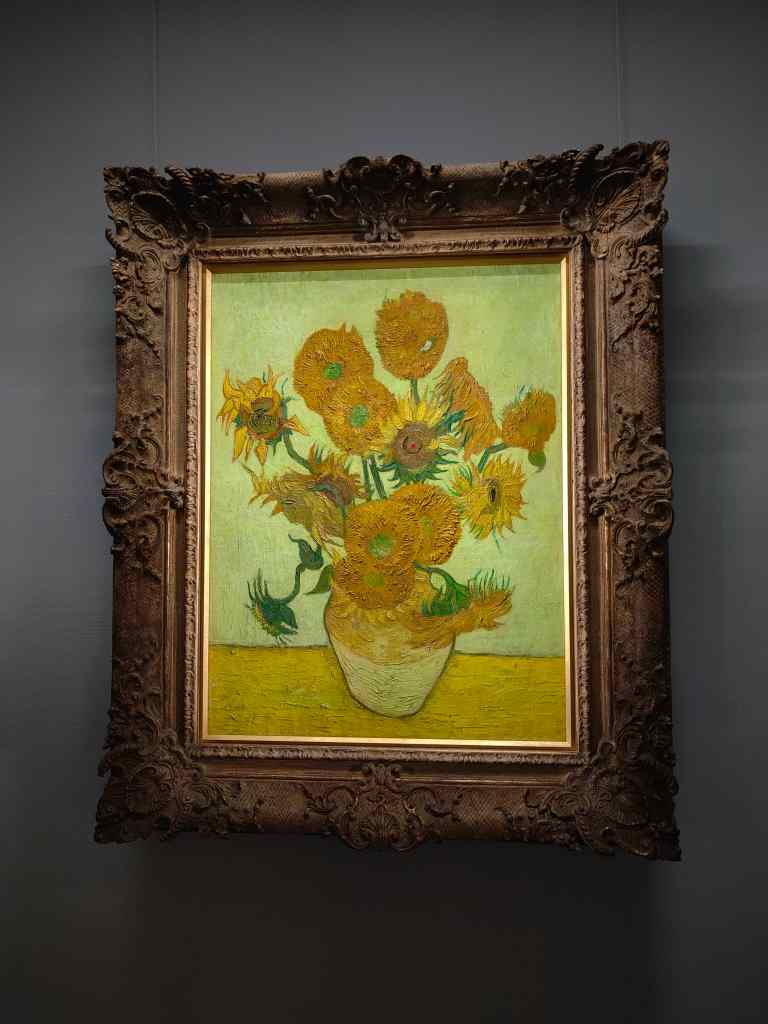
Near the twin towers is the SOMPO museum of art, famous for having bought one of four versions of Van Gogh’s “Sunflowers” for $40 million in 1987 – shattering the previous record of just over $8 million for a painting. When I visited, the museum had an exhibition dedicated to Canaletto. Though not my favourite artist, I found his paintings of London interesting (I learnt that he spent 10 years there) and enjoyed scenes of Venice painted by the artists who came after him, including Matisse and Monet. Of course, I also stopped to admire the “Sunflowers”, which never leave the museum.
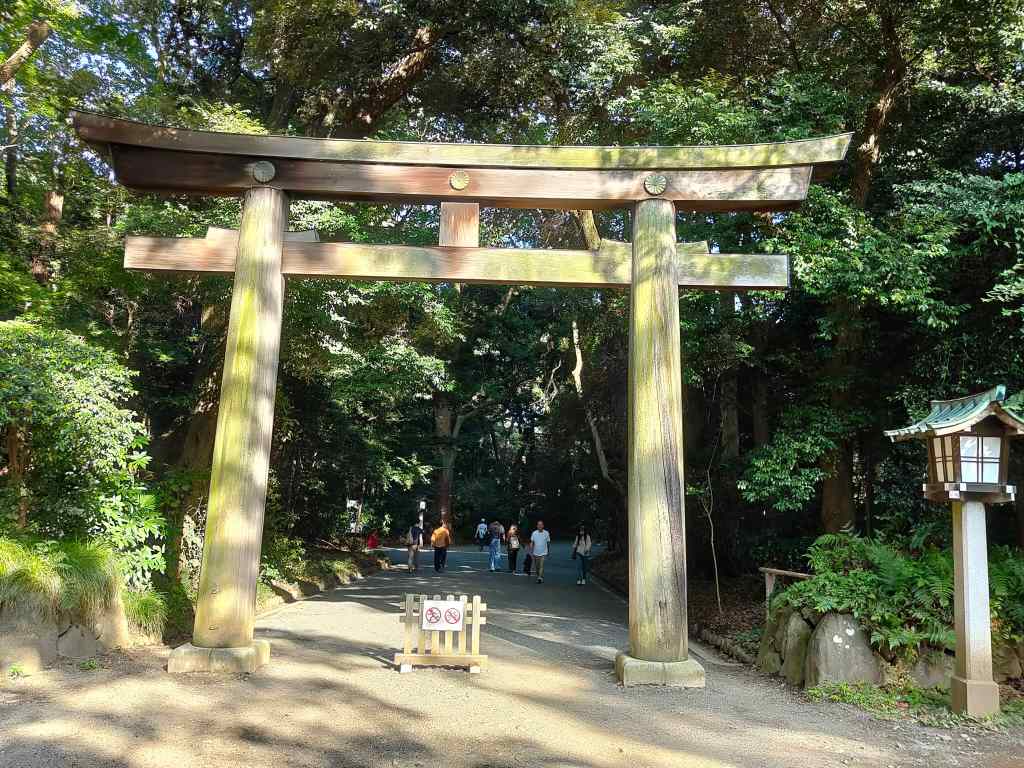
From the skyscrapers of Shinjuku, I walked a short distance to the Meiji Shrine, located in the large Yoyogi Park, and dedicated to Emperor Meiji, the emperor of modern Japan. He ruled from 1867 to 1912, a time when Japan evolved rapidly from a backward feudal society into one of the world’s leading powers. The main entrance to the park is in the south, but I was lucky, entering from the quieter northwest gate. This meant I could enjoy a peaceful stroll along a path lined by shady trees, before I reached the centre of the park, which was very busy.
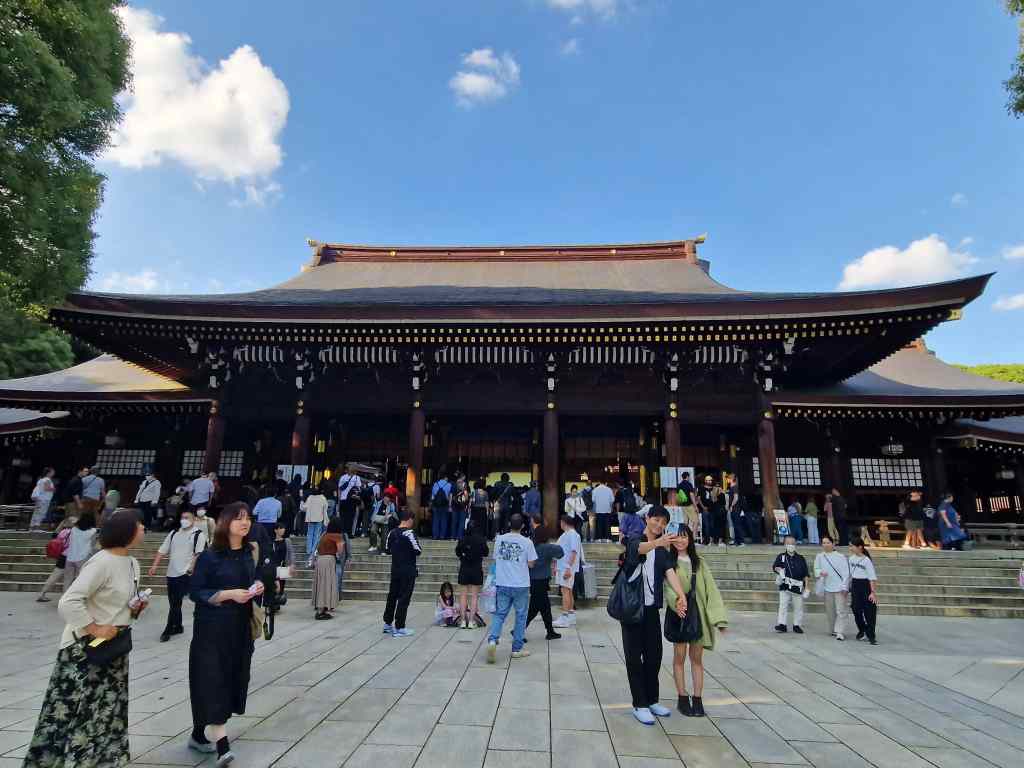
The shrine itself is one of the most important places of worship of Japan’s Shinto religion. It was crowded with tourists, worshippers, and a Japanese family celebrating a marriage. Though it is on the “must-see” list of things to do in Japan, for me the swarms of people made it one of the least interesting experiences of my Tokyo trip.
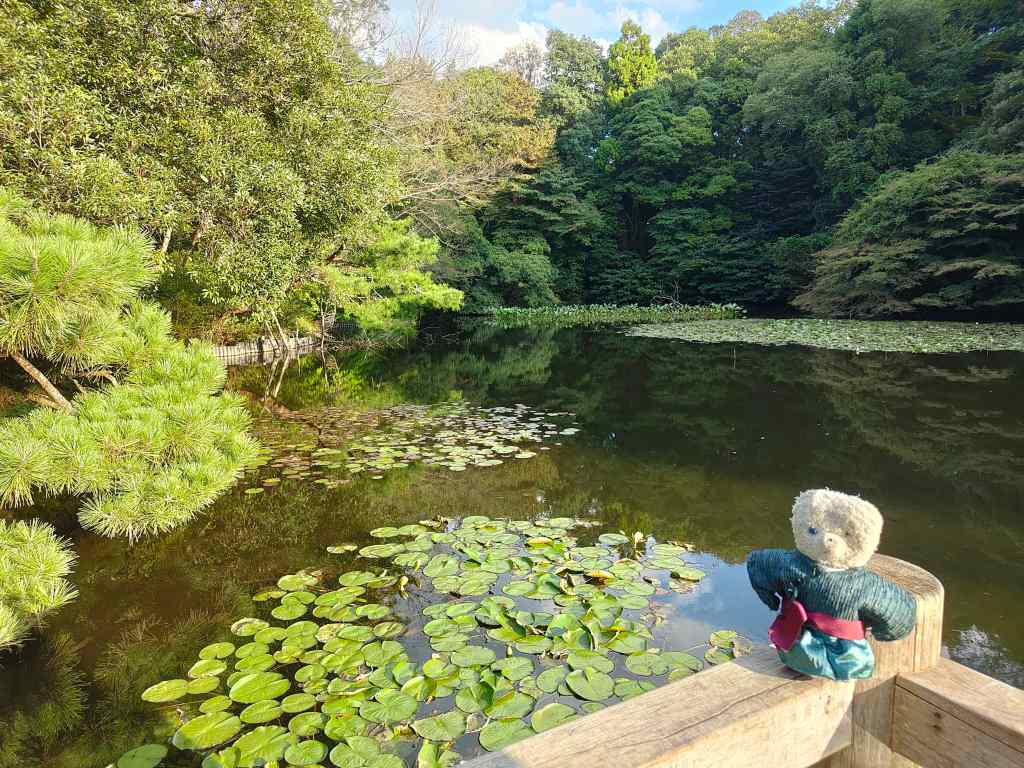
I headed away from the shrine towards the main Harajuku gate in the south, along a path with a constant stream of people heading both ways. To escape the crowds for a bit I ducked into a pretty garden with a pond.
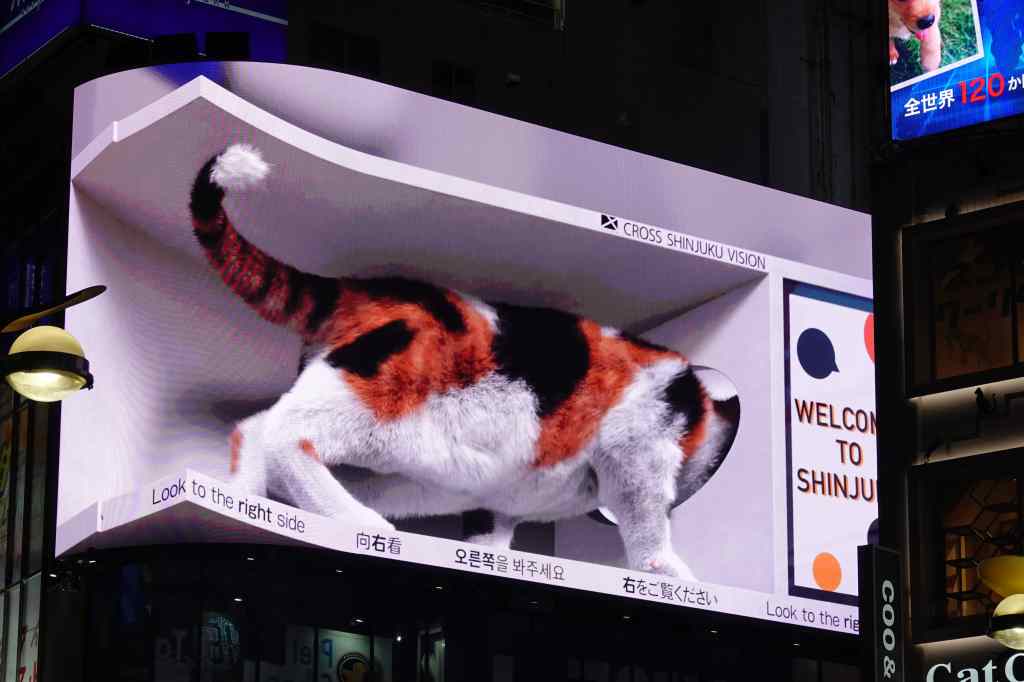
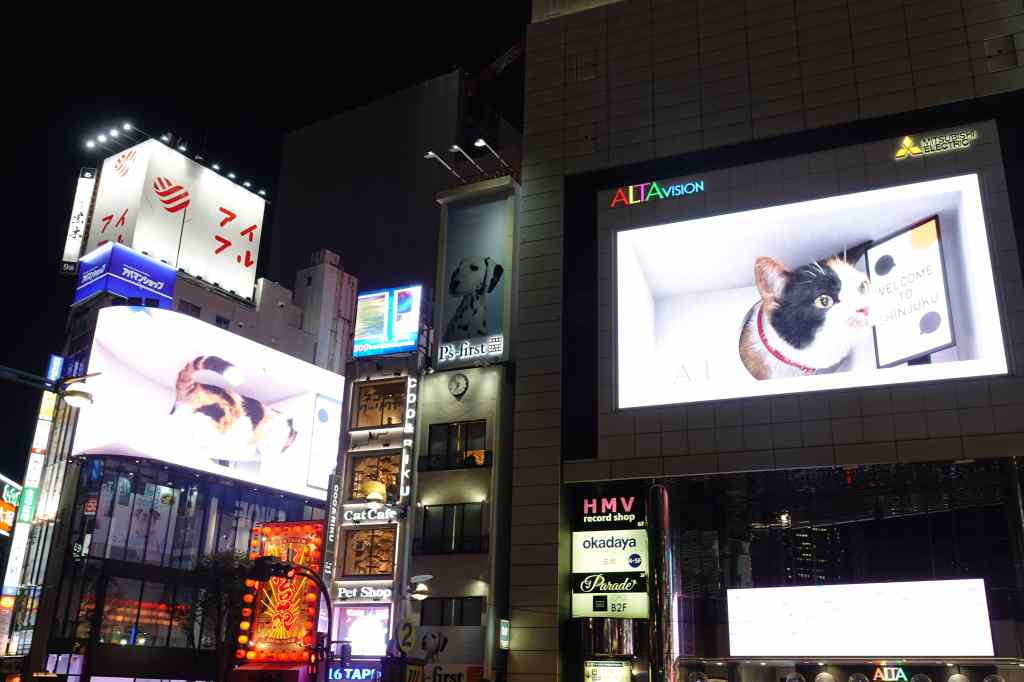
Having rested for a bit, I continued my way to Harajuku metro station. It was now rush hour and it was very crowded, but still people queued patiently to get in, and then again on the platform to get on a train. I arrived back at Shinjuku station as night was falling to find the area completely transformed. The streets that had been quiet were now packed with people setting off for an evening of fun in the countless bars, restaurants and lounges of the area. Huge neon displays – some very original – shone down from the tall buildings.
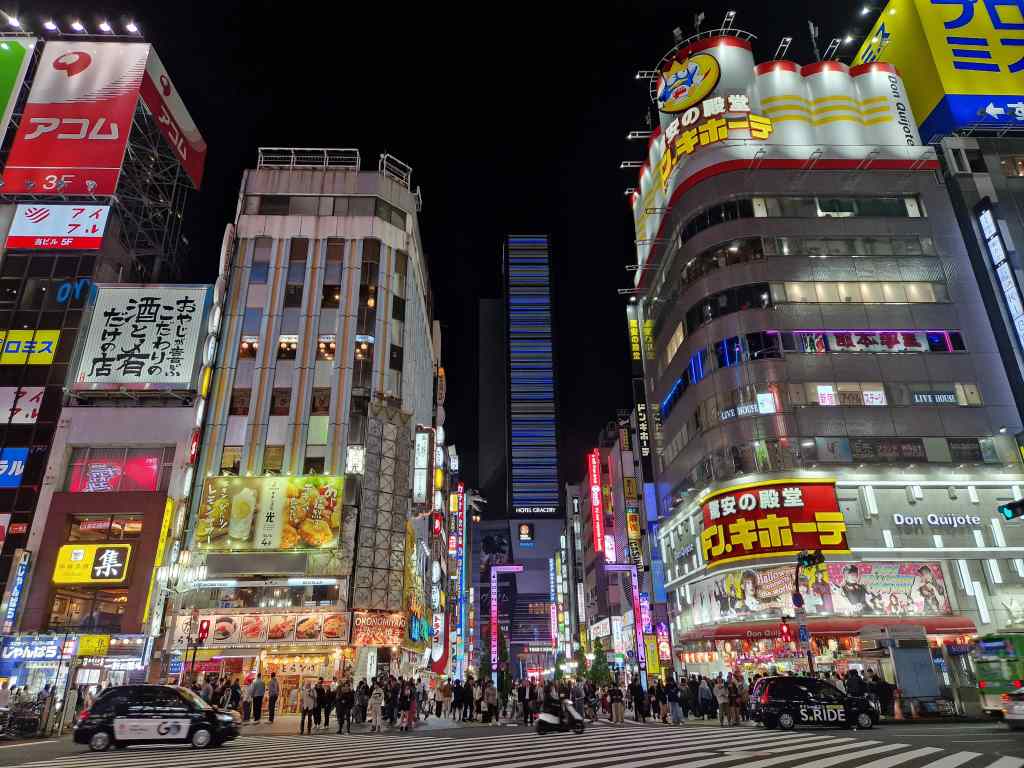
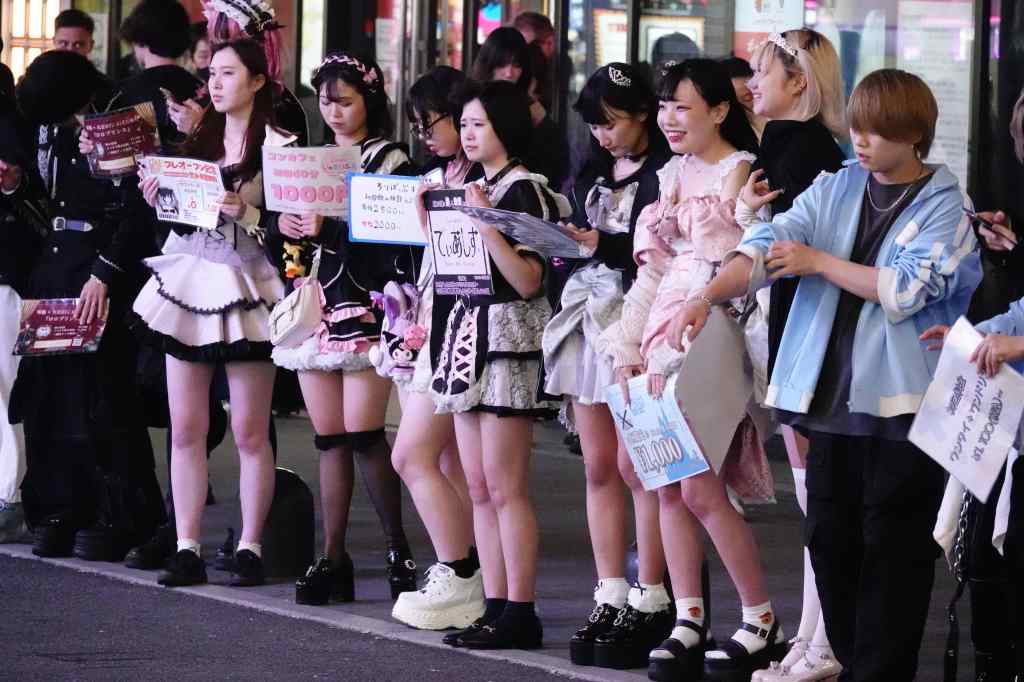
A short distance north of the station I came across a strange spectacle – attractive young people, some dressed stylishly, some suggestively, lined the road on either side, each carrying a sign with a price – usually 1000 to 2000 yen per hour or half hour. I was baffled, but later research on the internet revealed that these people are recruiting customers for the nearby lounge bars, where in addition to the (probably expensive) drinks, you pay for time spent with a pretty young girl or boy.
Next, I wandered by chance into a very different area with narrow alleyways and small, wooden buildings, from which sprouted dozens of signs advertising tiny bars. I had found the “Golden Gai”, an area infamous as a cheap place to have a lot to drink. Most of the bars had a single counter with several chairs squeezed up to it, creating a cramped, intimate space where strangers are almost forced to talk to one another. I picked one, and enjoyed trying Japanese whisky, which was excellent, whilst chatting to a young Japanese Oasis fan, who seemed to have already had a little too much to drink.
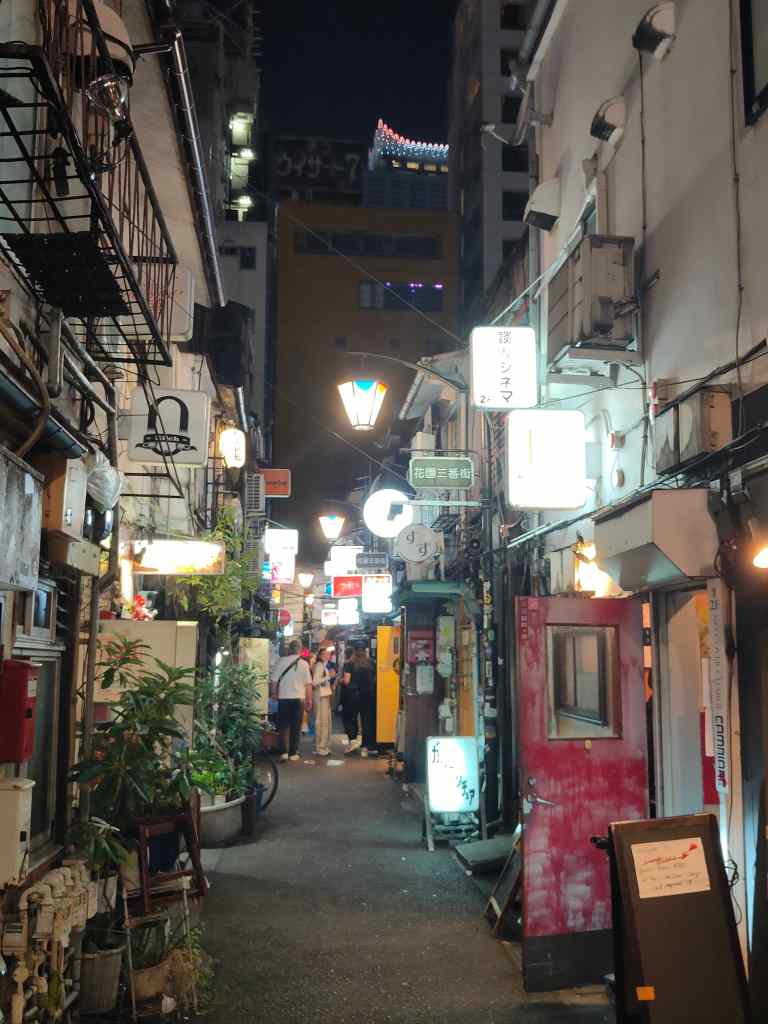

Not wanting to be too adventurous on only my second night in Tokyo, I limited myself to two drinks before heading back to my flat, which turned out to be very close by. It had been a promising introduction to Tokyo and its nightlife.
Next Post: Nikko
 Trouspinet travels
Voilà le Japon que je connais étant restée dans le même quartier et ayant fait les mêmes visites/promenades. Dépaysant et familier en même temps. pascale
LikeLike