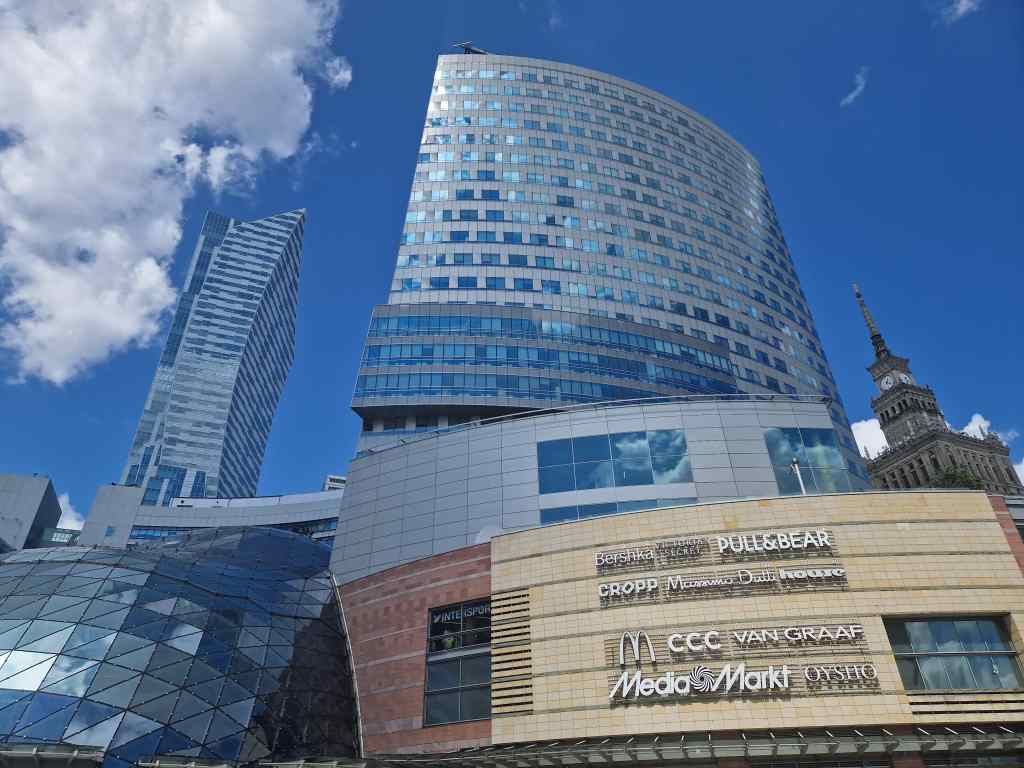
The final leg of this trip was a short visit to Warsaw, a further 2 hours away by train. The city was founded in 1300 and became Poland’s capital in 1596. Over the next centuries, it had more than its fair share of wars, plagues and famines. From 1795 until the end of the WW I, it spent a prolonged period as a provincial city in the Russian empire, during the time when Russia and Prussia had decided to divide Poland amongst themselves. Warsaw’s biggest suffering however came during WW II, when it was occupied by the Nazis. First its Jewish population was confined to a cramped ghetto, and then completely exterminated. Later, as Soviet troops advanced towards the city in 1944, the Polish resistance rose up against the German occupiers. Stalin cynically ordered his army not to help, and after a sixty-three day battle the uprising was brutally repressed. Hitler ordered the systematic destruction of the city as revenge, and by the end of the war Warsaw had lost 85% of its buildings had a similar proportion of its population. Given its turbulent past, I had expected Warsaw to be rather grim and grey. But once again, Poland confounded my preconceptions. As I emerged from the train station, I saw a clean, well-organised and modern city.
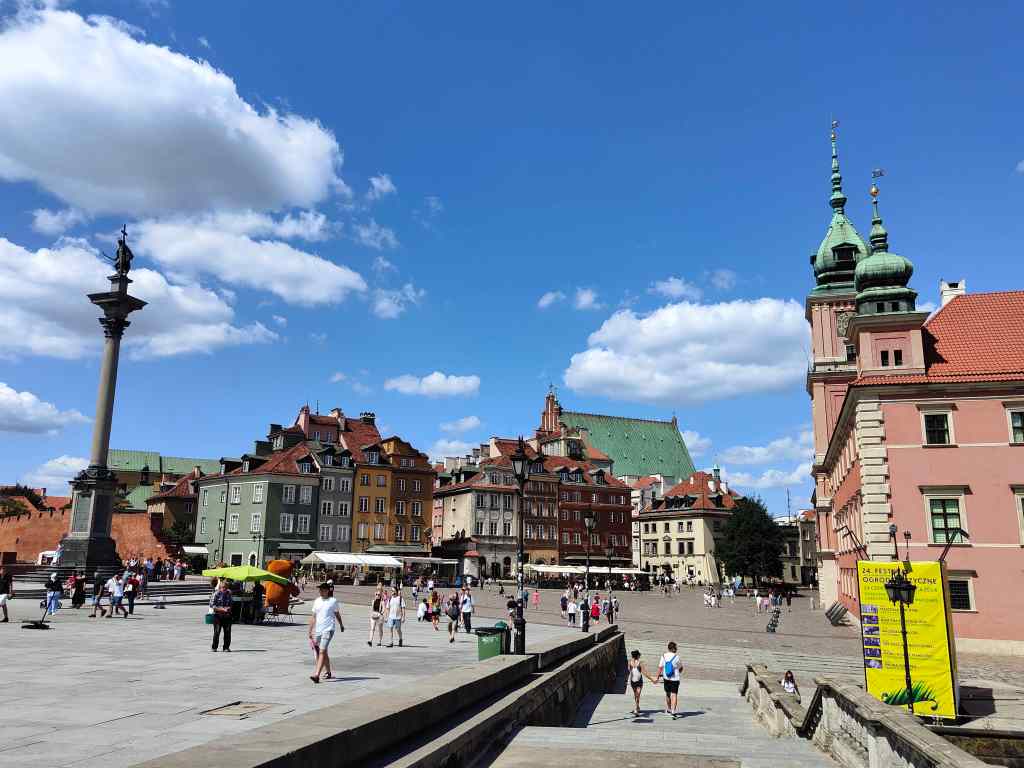
I found my hotel and set off to explore. First on my list was the old town, which was reconstructed to be exactly as it was before the war, in a process involving meticulous research and then a building programme that lasted until the 1960s. The result is amazingly successful, and the old town today looks like much like the centre of the many other beautiful Polish cities that were fortunate enough to avoid Warsaw’s fate.
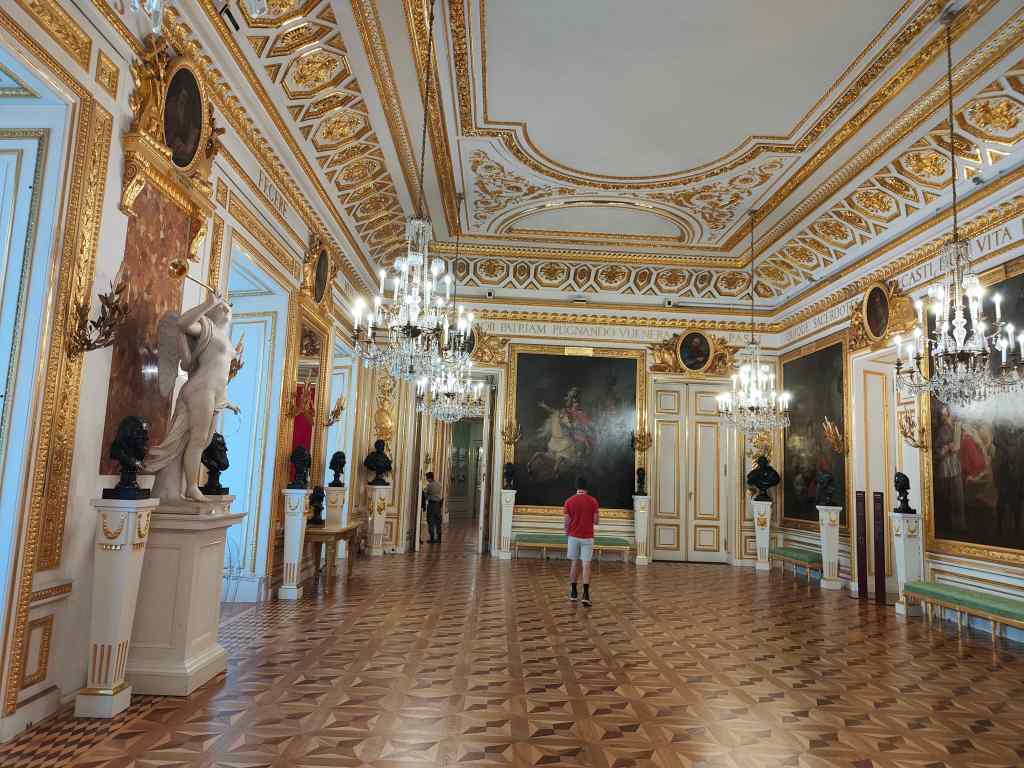
The rebuilding project including recreating the Royal Castle, which I of course visited.
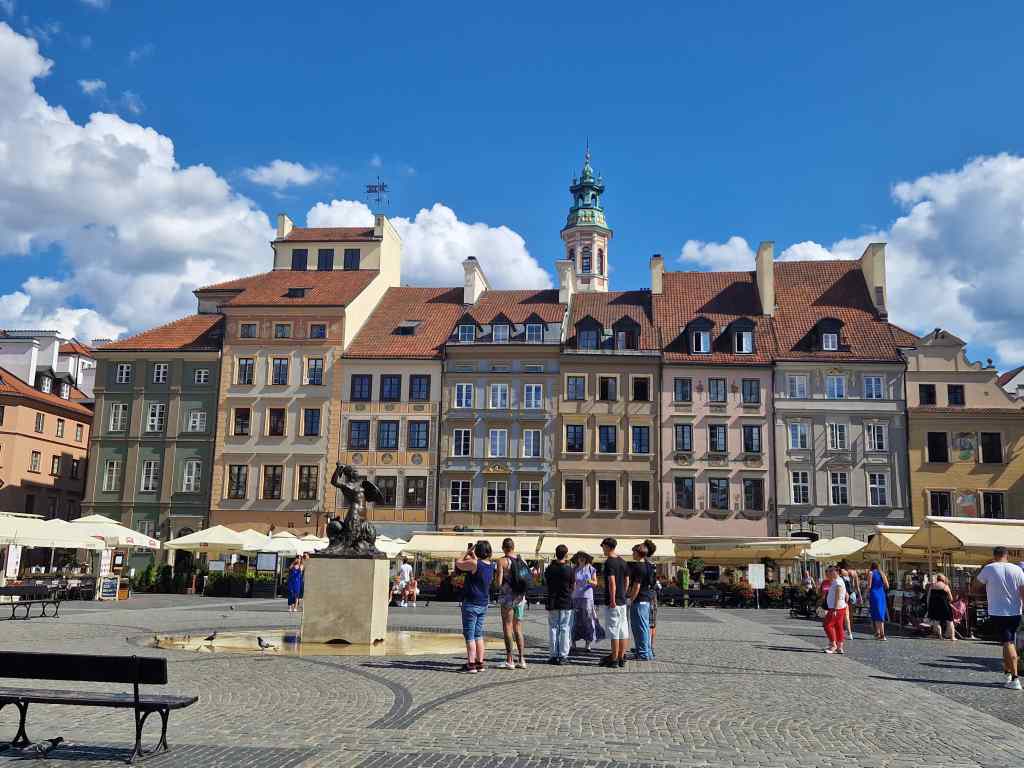
Next I strolled around the old town, through narrow streets….

…to the inevitable market square. On the square is the interesting Museum of Warsaw, which chronicles the city’s remarkable and tragic history.
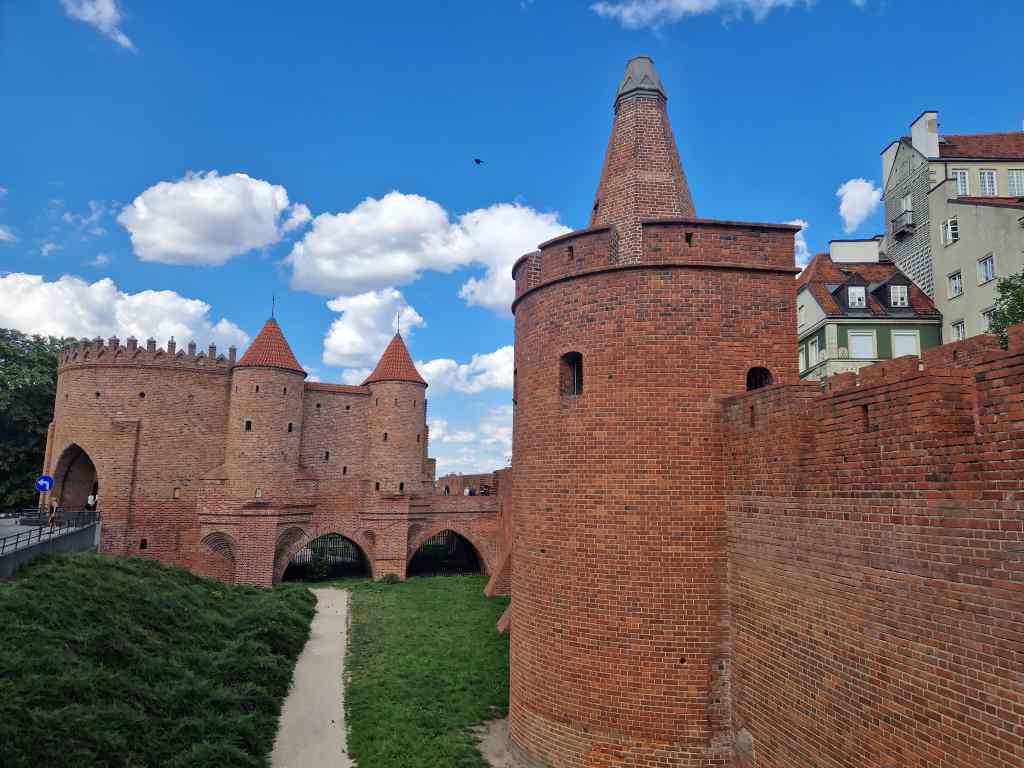
Next I discovered the old town’s fortifications.
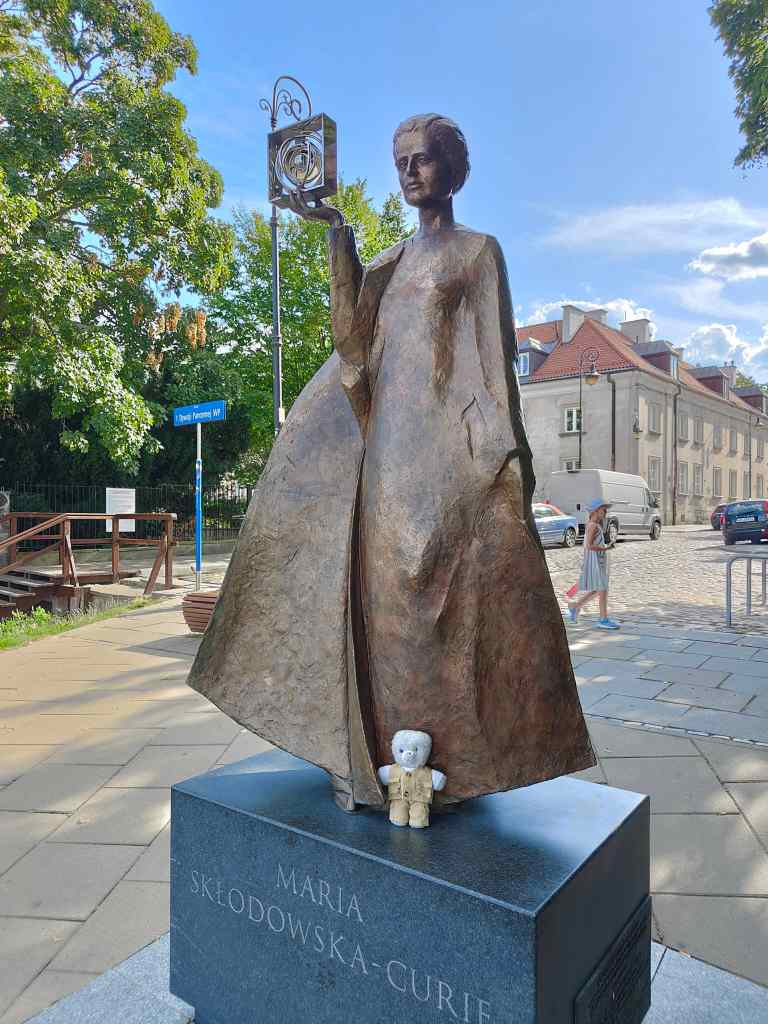
Polish cities have lots of monuments to writers, statesmen and artists who were unknown to me. I was happy to finally stumble across a statue of someone that I did recognise.
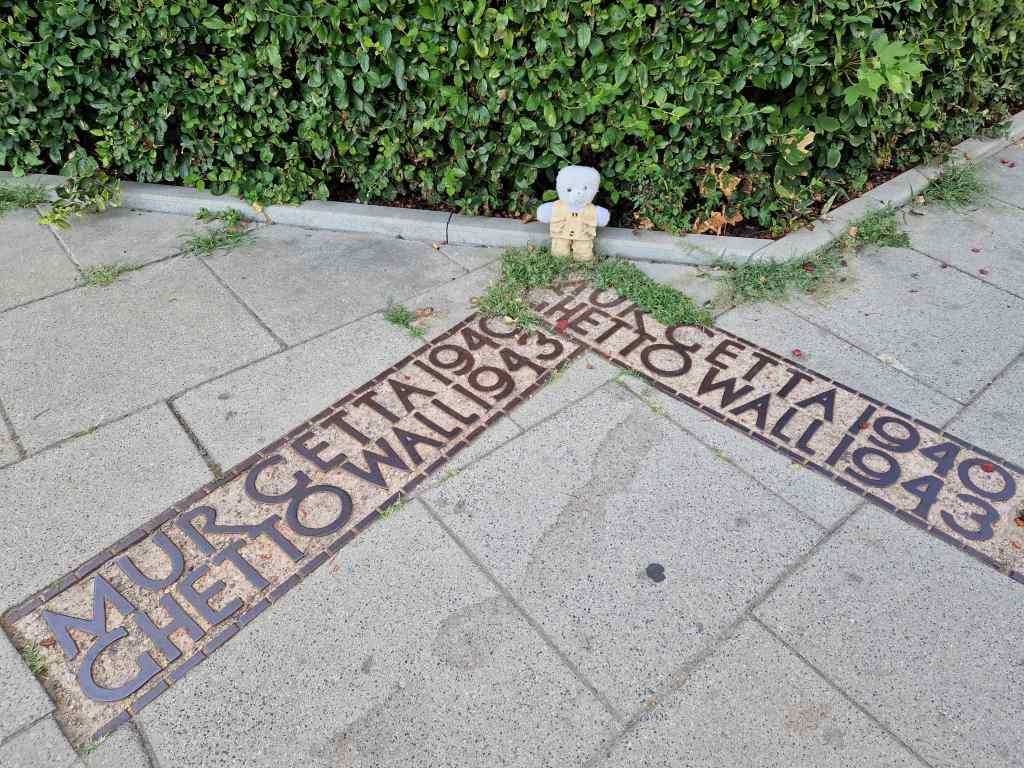
I strolled away from the old town to explore different parts of the city. On the way I came across this marker for the former wall of the Nazi’s ghetto for the Jews.
Next I found this pretty palace, one of many in Warsaw, which is now a library..

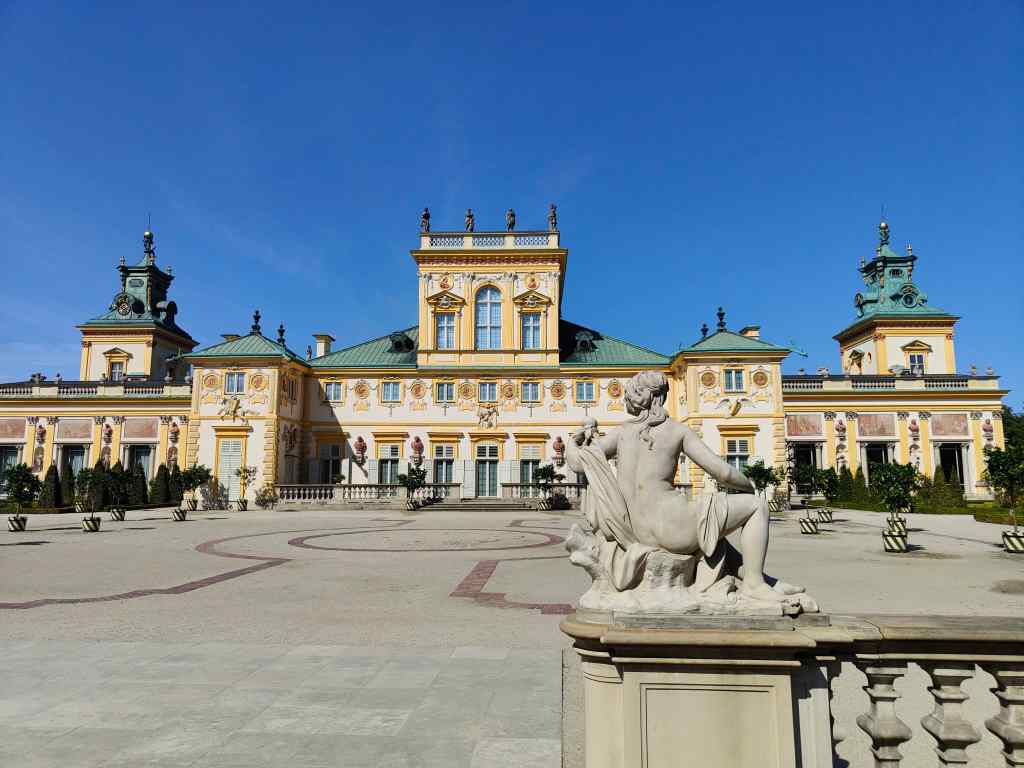
I had dinner in one of Warsaw’s many up-market restaurants. The next day I had time to make two more quick visits before my flight – the first to the beautiful Wilanow Palace, a short bus ride to the south of the city. It was built between 1677 and 1696 for King Jan III and was later a residence for various aristocratic Polish families, most notably the Potockis. Remarkably, the palace survived Warsaw’s various crises intact (although it was damaged during WW II) and it remains one of the finest examples of baroque art in the world.
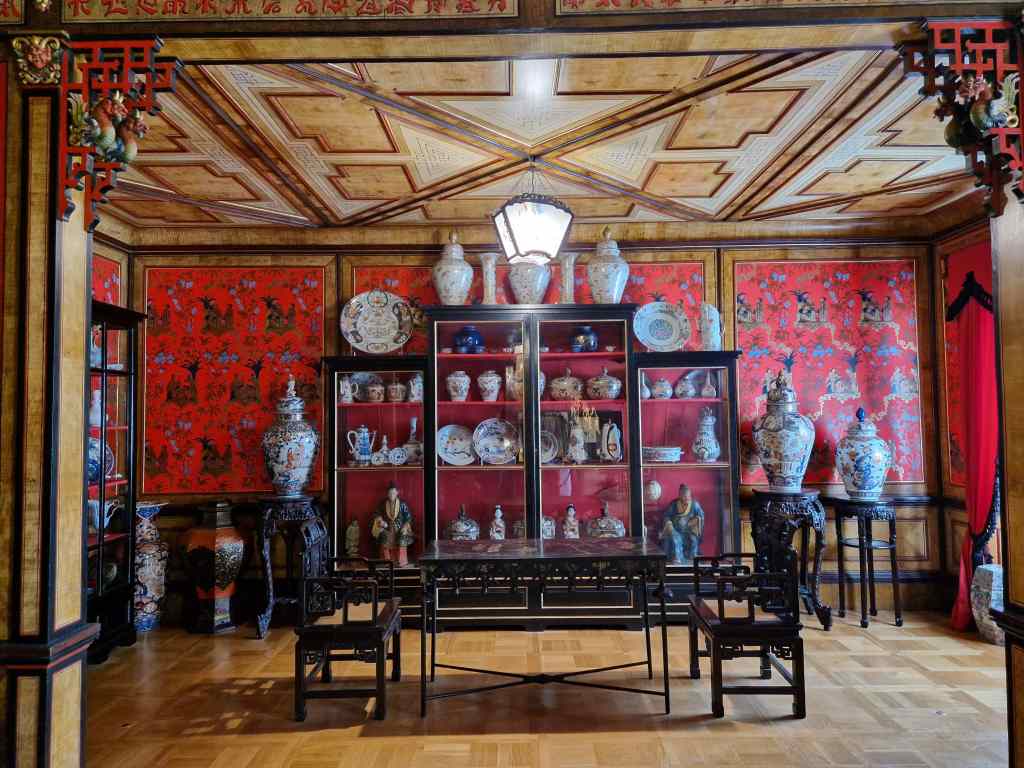
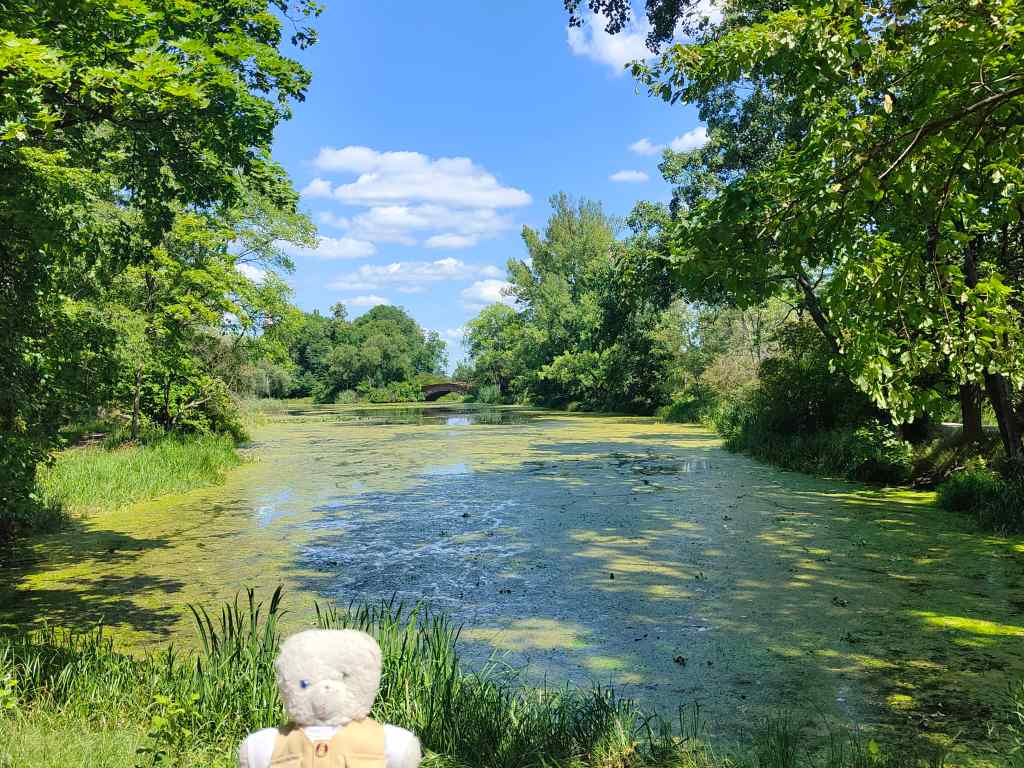
Apart from suitably impressive reception rooms, the palace also houses an art museum. I was the only person there – I think the other visitors failed to find the rather small door leading to the gallery. On the approach to the museum there was a display of empty frames, symbolising the pictures taken by the Germans or Russians during the war and so far not returned. I ended my visit with a stroll around the palace’s park.

My final visit of this trip was to the Palace of Culture and Science, right in the centre near the main train station. This was built in the 1950s as a “gift” from the Soviet Union to Poland and when completed was the eighth tallest building in the world. It closely resembles the “seven sisters” buildings commissioned by Stalin for Moscow, and for many years dominated the Warsaw skyline in much the same way that Russia dominated Poland.

The palace is a maze of buildings including concert halls, cinemas and a theatre but the tower is its most popular part and is Warsaw’s most-visited tourist attraction.
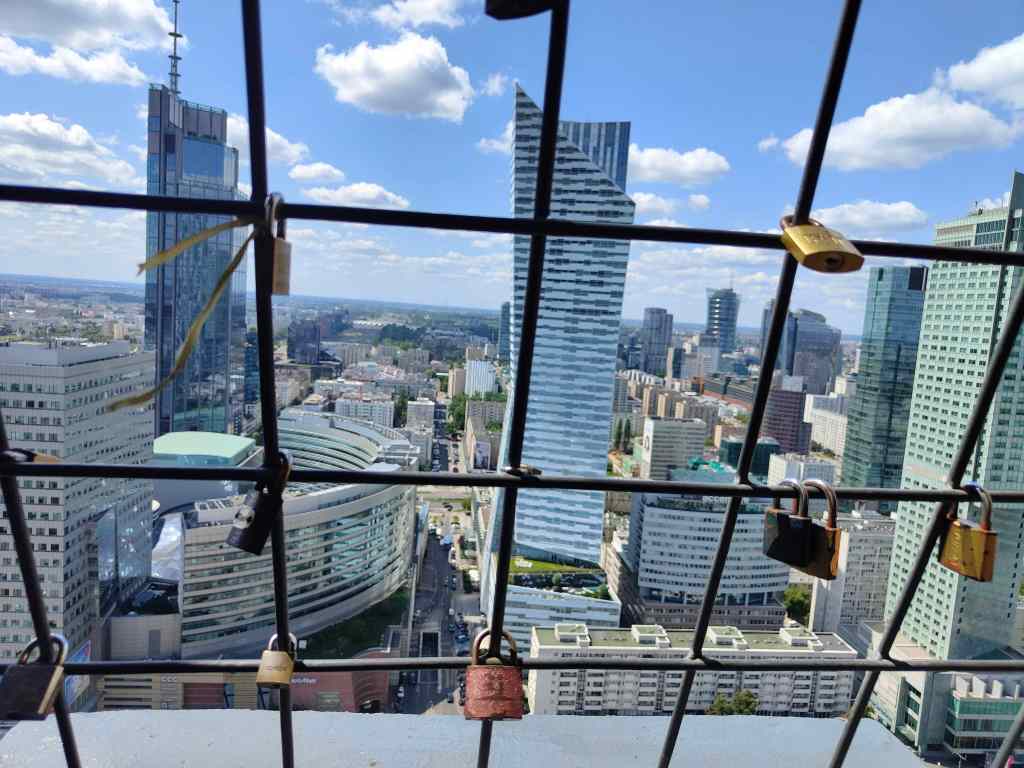
I took the fast lift to the top, admired the views and enjoyed the cool breeze blowing through the observation platform. It was a good way to end my second visit to Poland, a country that I am getting to like a lot. Stay tuned (i.e. subscribe!) for my next trips – Romania in September, and then Japan over October and November!
Previous Post: Torin
 Trouspinet travels
Agree with your comments re. Varsaw; I go there often and always enjoy my visits there. I look forward to reading about your next adventures…although you are a bit hard to keep up with. A bientôt Trouspinet Pascale
LikeLike
Maybe you will catch up with me in NZ?
LikeLike