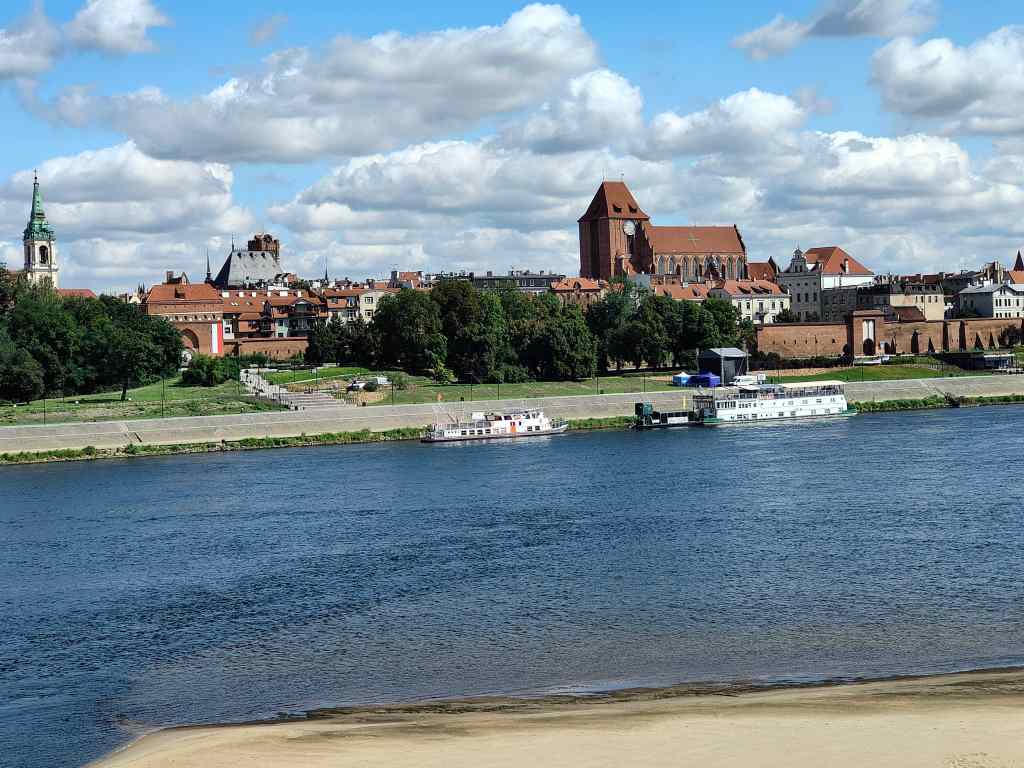
My next destination was Torun, an ancient city first settled in the 8th century, which became a base for Teutonic Knights in 1233 and a later a major trading hub and member of the Hanseatic League. Today it is a small place with a population of only 200,000. Even though it is a UNESCO listed world heritage site, few people seem to have heard of it and it attracts many fewer tourists than, say, Krakow. So much the better for me, for I was able to visit at a relaxed pace without crowds. My first view of the city and its ancient walls was as I crossed the bridge from the train station over the Vistula river, ….
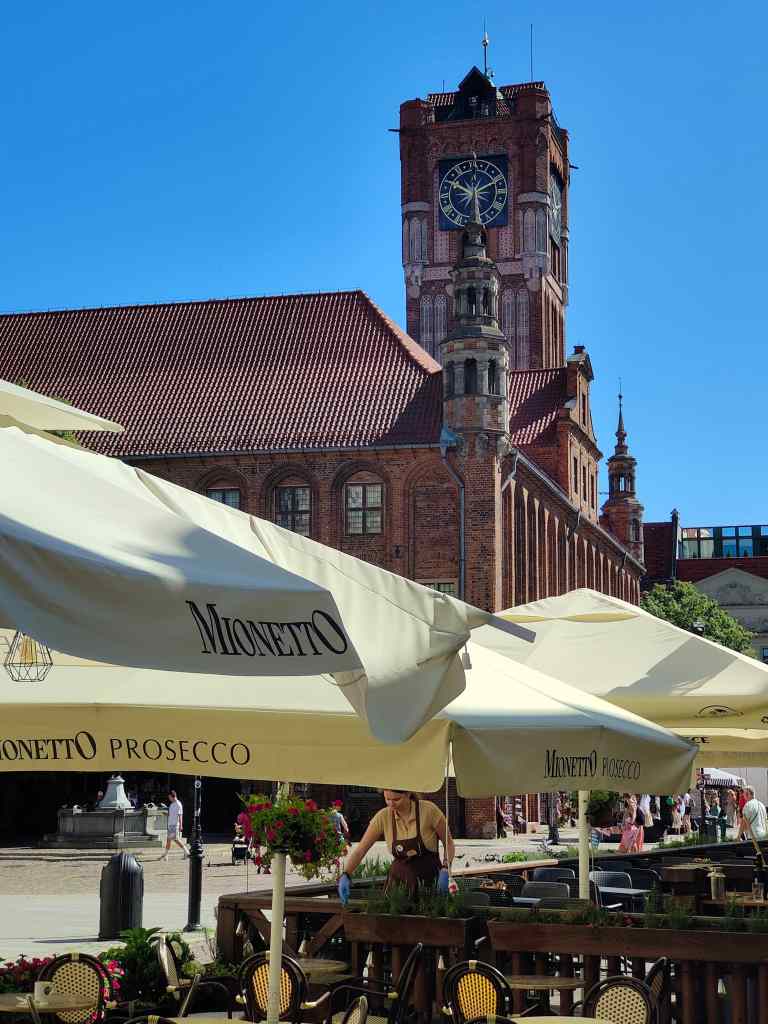
A first stroll through town revealed Torun’s charms. First, there was the inevitable market square and town hall…..

….with a tower offering views of the city….

….and lots of cafés. I treated myself to this rather strange coffee, topped with cream, then burnt like a crème brulée, and sprinkled with small marshmallows. Yum.
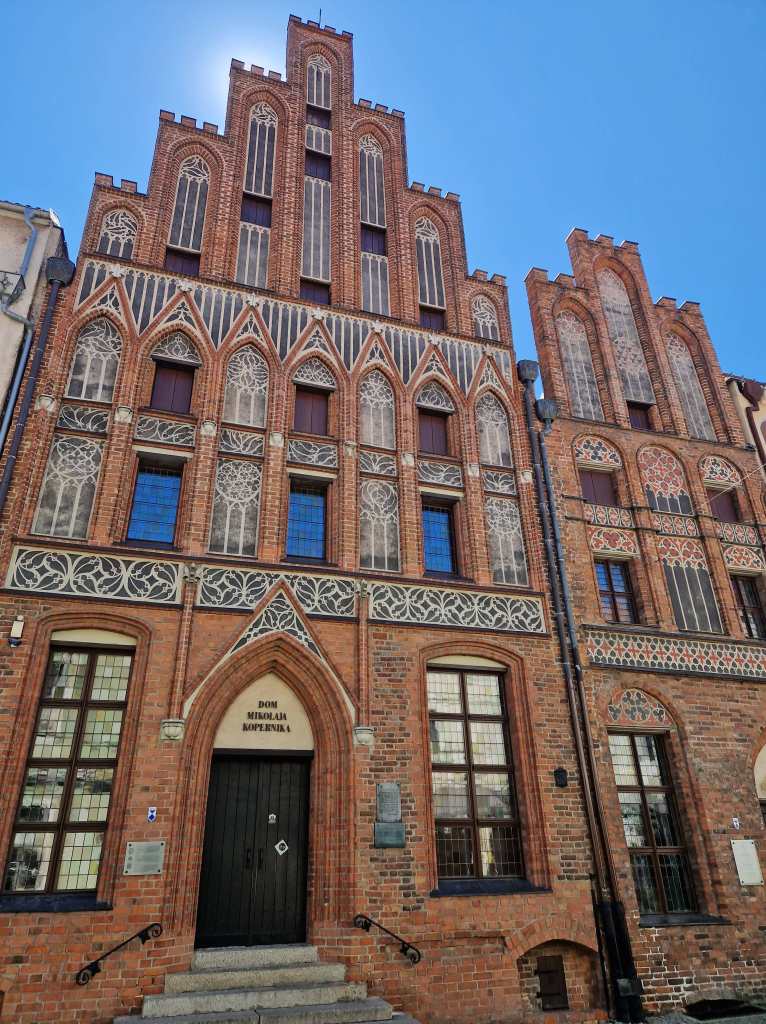
Torun has several museums. The town hall itself had an interesting art collection, whilst a very pretty building on the market square called the “House Under the Sun” had a collection of far eastern art. Probably the most famous museum though is the place where the polymath Nicolas Copernicus was born and spent the early years of his life. Copernicus changed the thinking of the world through his major work, published close to his death in 1543, devoted to the then revolutionary idea that the earth rotated around the sun. The museum covered the everyday of the Copernicus family (his father being a merchant) and Nicolas’ works and their reception (his ideas were slow to take on, and his book was banned by the church some sixty years after it was first printed).
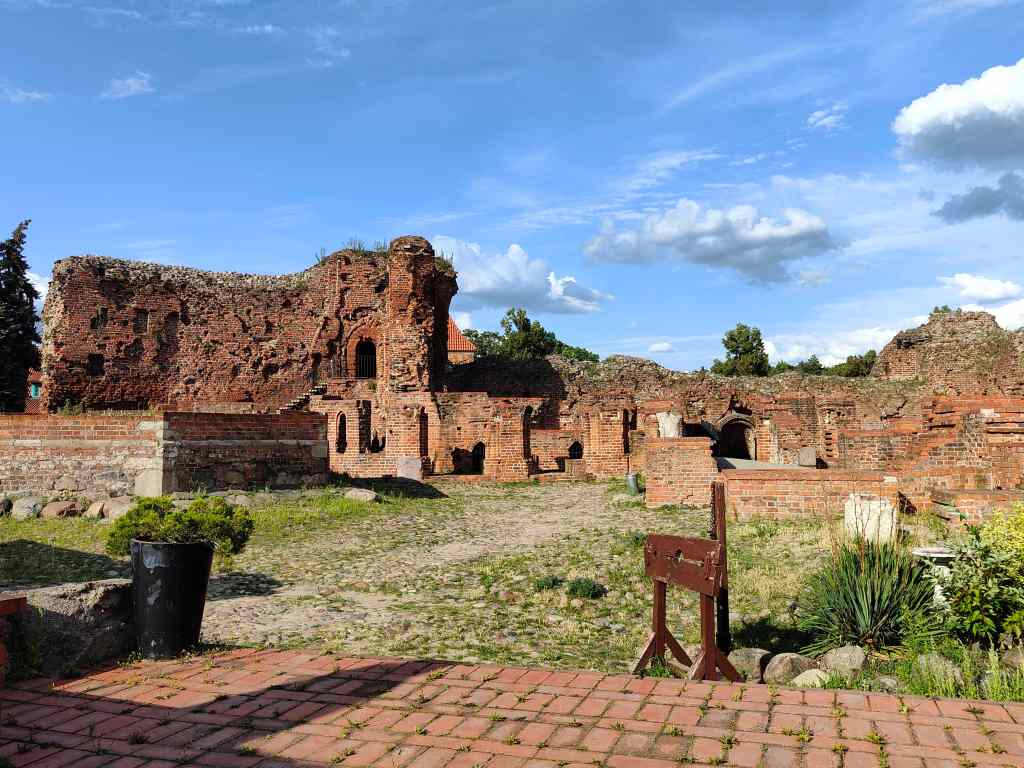
After educating myself about Copernicus I visited the final main attraction in Torun – the ruined castle of Teutonic knights, an extensive European religious and military order who were involved in protecting the Catholic Church’s interests and went on crusades to the Holy Land and Eastern Europe. The knights based in Torun also imposed restrictions and taxes on the city, which annoyed the townspeople so much that one night they stormed the castle and then set about dismantling it.
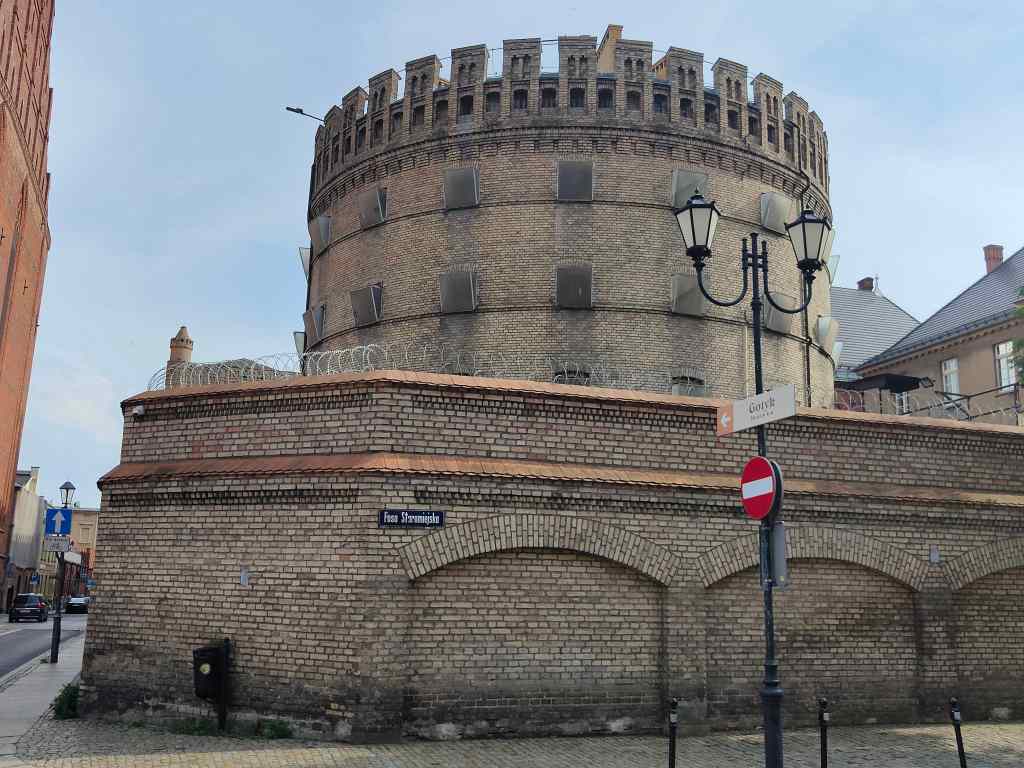
After visiting the castle, I had completed all the “must-see” sights in Torun and spent my time pleasantly wandering the streets. I found a prison, bizarrely located in the centre of town….
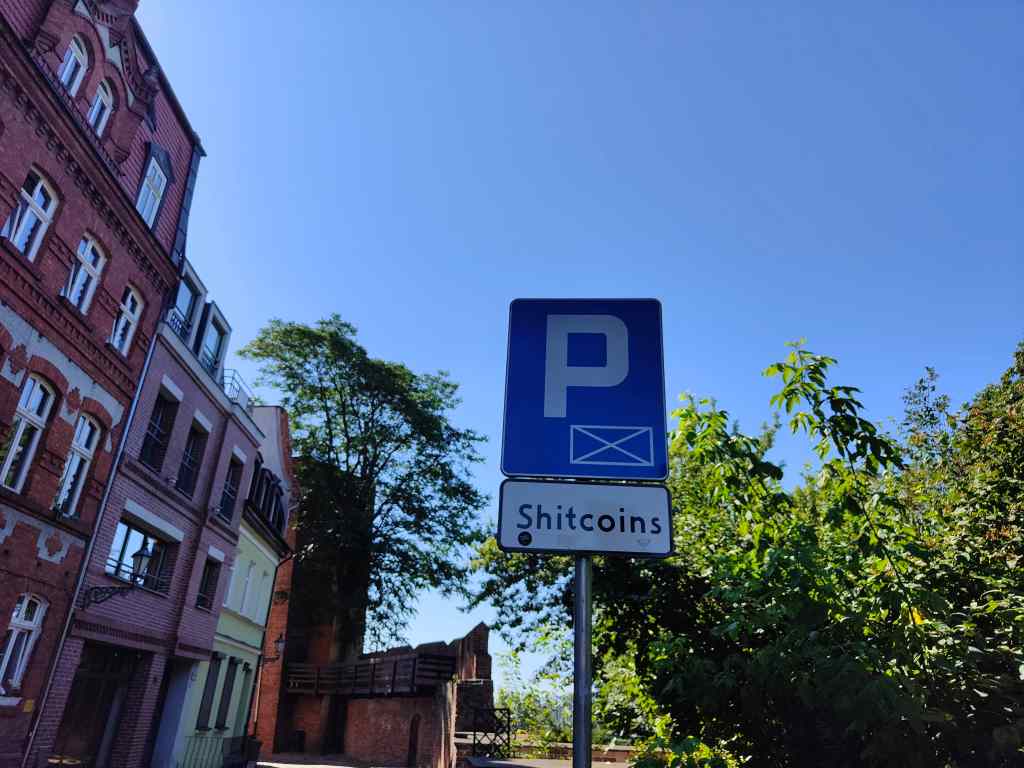
…..an unusual parking sign…..
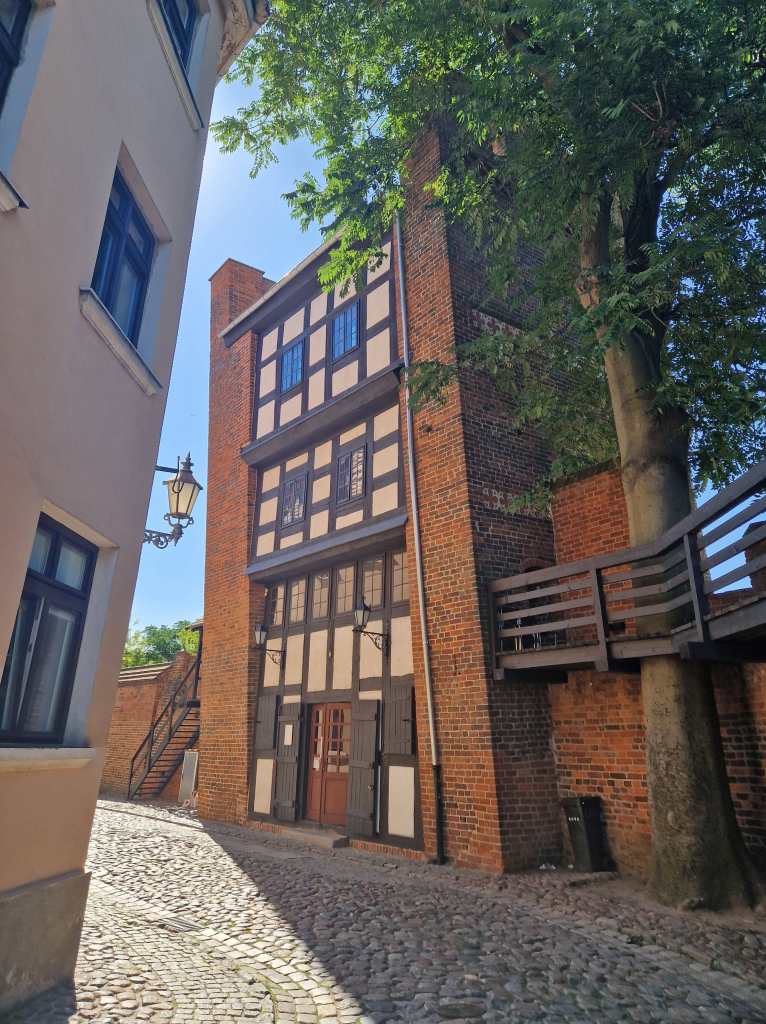
….and the leaning tower in the city walls, reputedly built by one of the Teutonic Knights.
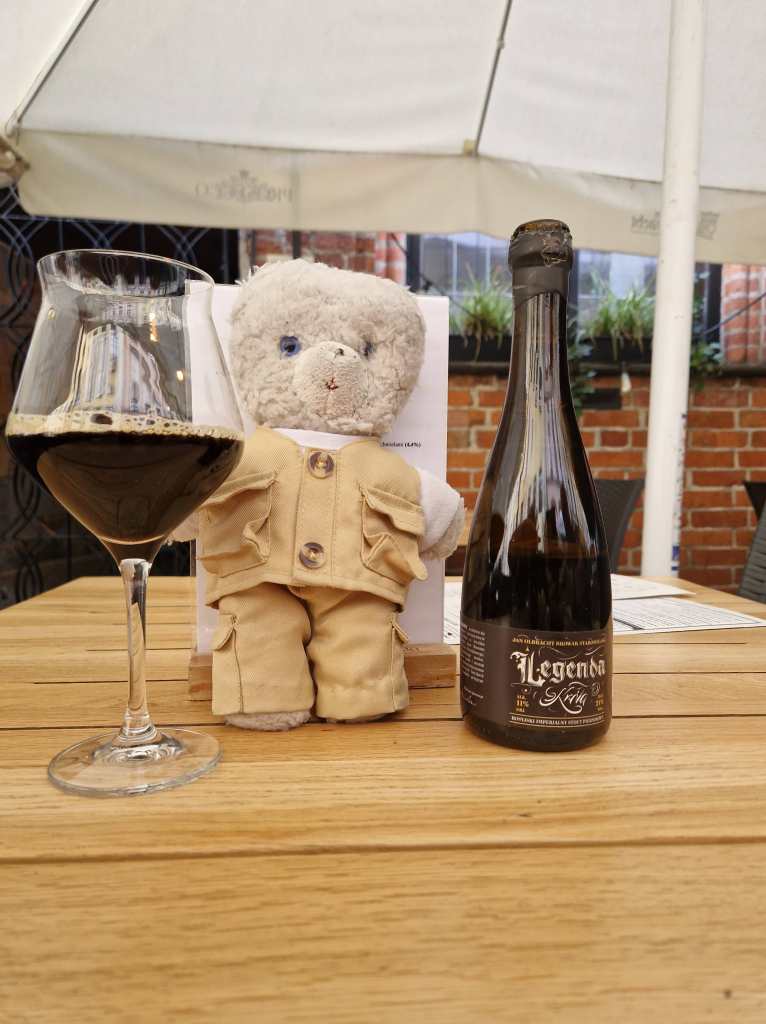
Torun is famed as a centre for production of gingerbread, and there were shops everywhere selling the stuff, and even two museums devoted to it. I ended my day – as so often in Poland – at a pleasant pavement café. This one brewed its own craft beers, including one which was flavoured with gingerbread. It turned out to contain 11% alcohol, which is why I am slightly unsteady on my paws in this picture.
Next Post- Warsaw
Previous Post – Poznan
 Trouspinet travels
Mr T,
How many shitcoins to the pound? I like the look of the gingerbread beer but did it give you a hangover?
Mr H.
LikeLike
Hi Richard, probably a lot of shitcoins to the pound, I checked and it is a term used to denote crypto currencies that have lost all their value. When I first saw this sign, I thought you could pay to park with shitcoins, but then I found out that there is a business of that name located nearby, so the sign says that it is their parking space….
LikeLike
I’ve never been anywhere in Poland. Maybe it’s time I changed that. Torun looks like an interesting place to spend some time. And I’m embarrassed to admit that I didn’t know that Copernicus was born in Poland, let alone Torun. Thanks for the post, and for educating me.
LikeLike
Hi Joel, he was born and lived most of his life in Poland, but went to university in Padua in Italy. If you are interested in Poland you might also like my posts about Krakow and the Tatras mountains in the south from last year.
LikeLiked by 1 person